



Reserpine hydrochloride
Based on 8 publication(s) in Google Scholar
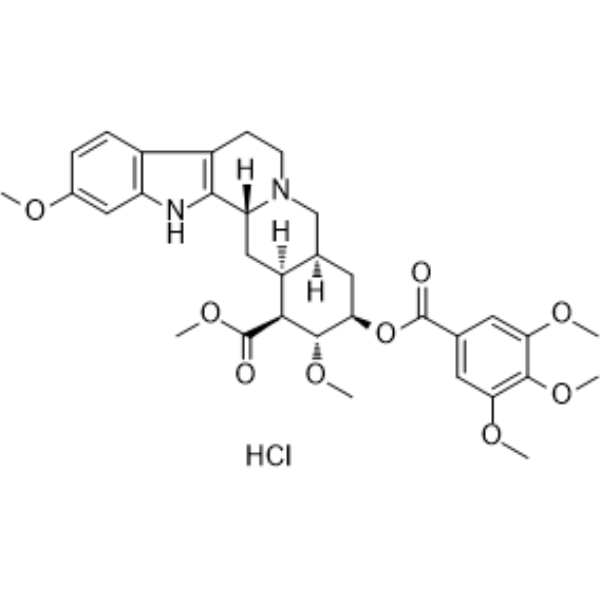
Reserpine hydrochloride is an inhibitor of the vesicular monoamine transporter 2 (VMAT2).
Nos produits utilisent uniquement pour la recherche. Nous ne vendons pas aux patients.
- Pureté: 99.87%
- CAS No.: 16994-56-2
- Formule: C33H41ClN2O9
- Masse moléculaire:645.14
-
Stockage:
4°C, sealed storage, away from moisture and light
* In solvent : -80°C, 6 months; -20°C, 1 month (sealed storage, away from moisture and light)

To place orders, for customer services and technical support, please contact: MedChemExpress USA
Tel: 609-228-6898 E-mail: [email protected] [email protected]


-
 Activité biologique
-
Chemical Information
-
Solvant et solubilité
- Protocole
- Pureté et documentation
- Références
-
 Help & FAQs


-
HY-B0590
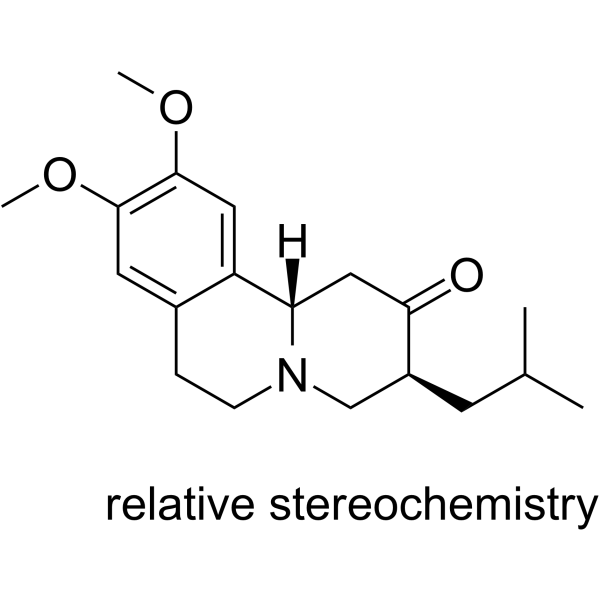
Tetrabenazine
-
HY-N0480
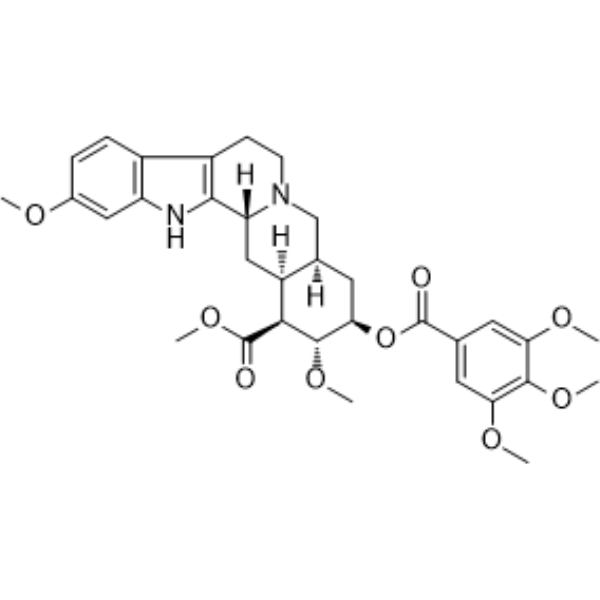
Reserpine
-

HY-N0480R
Reserpine (Standard)
-

HY-N0480AR
Reserpine hydrochloride (Standard)
-
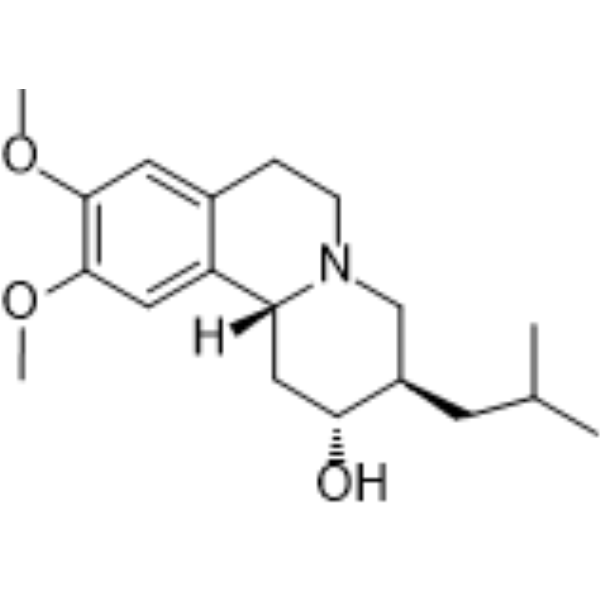
HY-15793
NBI-98782
-
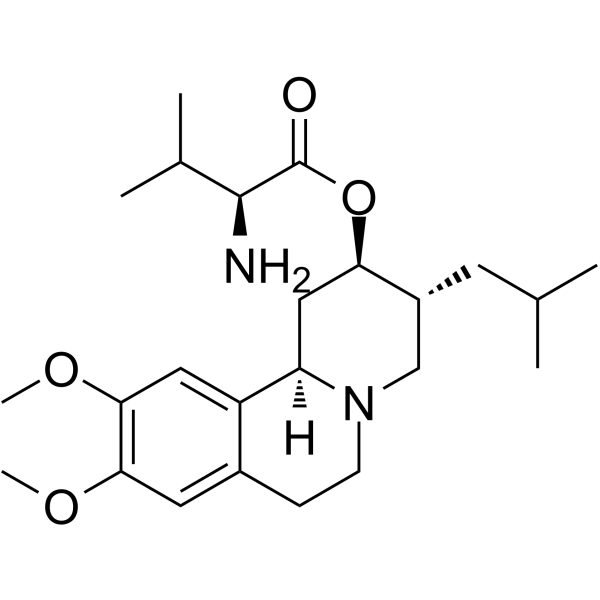
HY-16771
Valbenazine
-
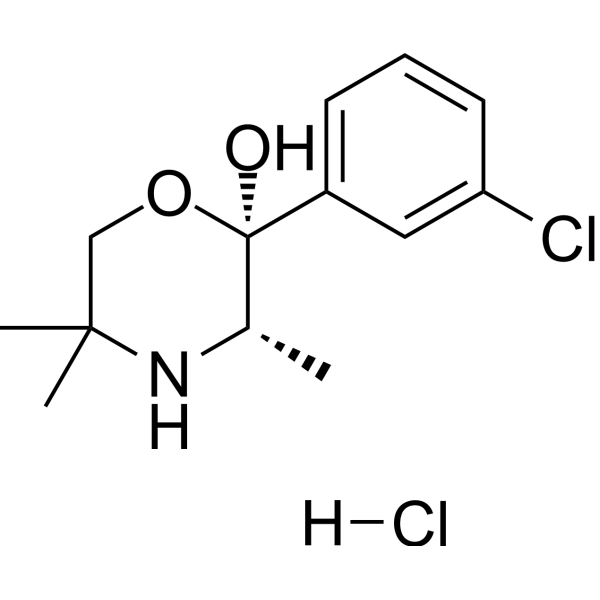
HY-17590
Radafaxine hydrochloride
-
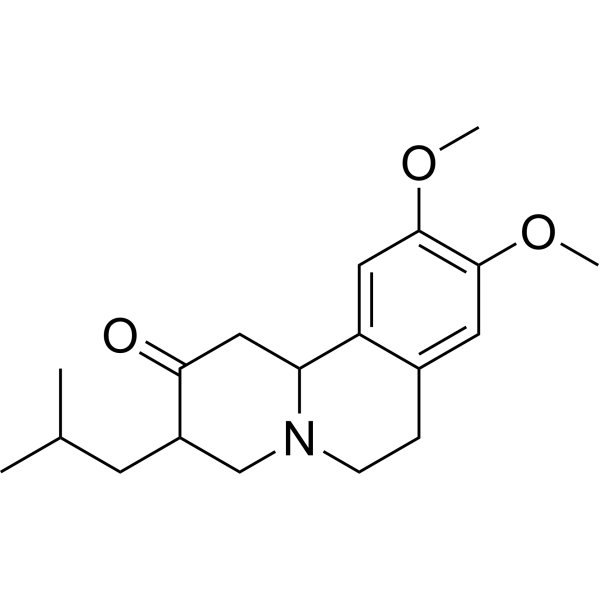
HY-B0590A
Tetrabenazine Racemate
-
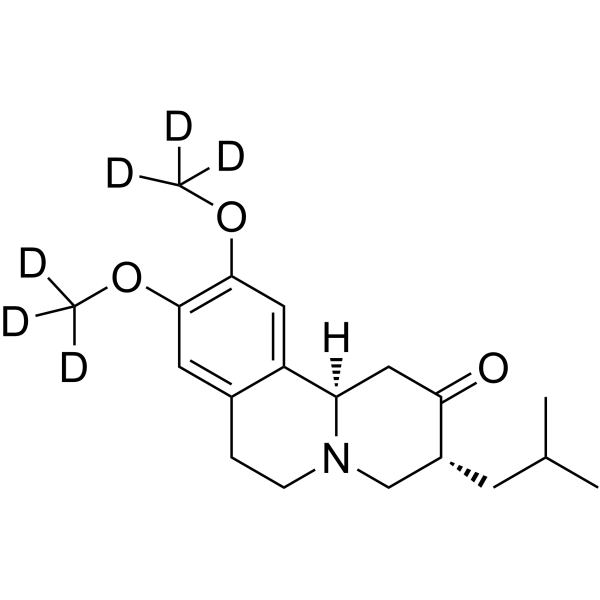
HY-B0590S
Tetrabenazine-d6
-
HY-17420A
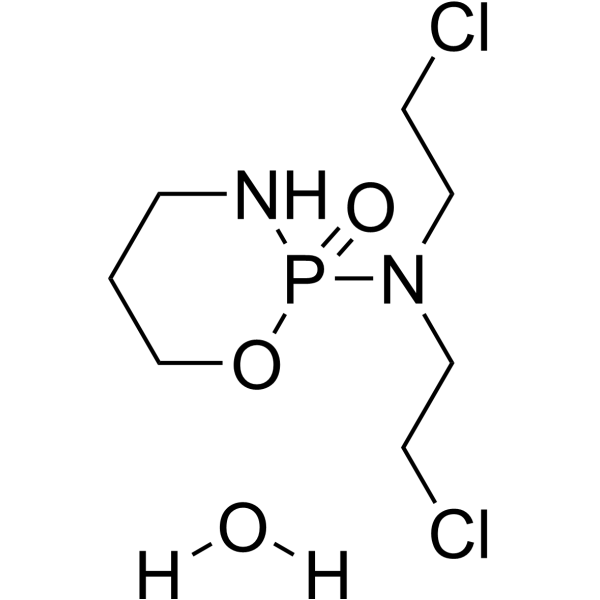
Cyclophosphamide hydrate
-
HY-B1704
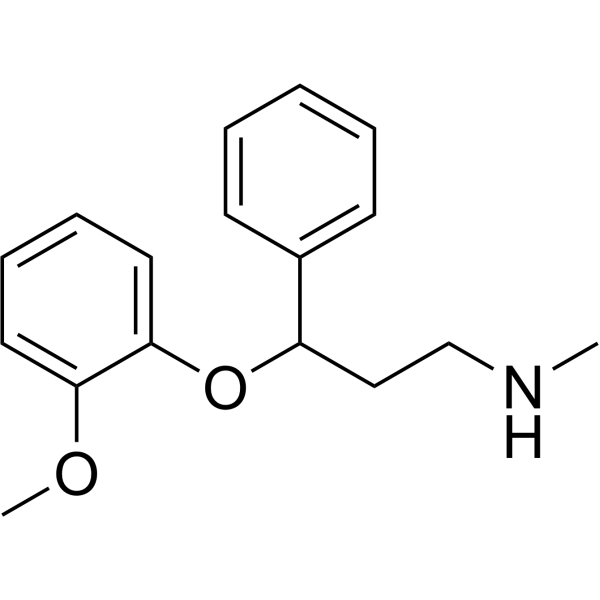
Nisoxetine
-
HY-107740
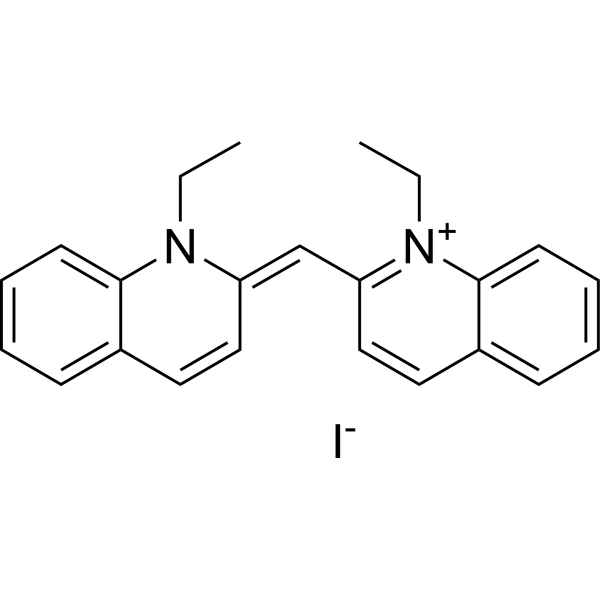
Pseudoisocyanine iodide
Publications Citing Use of MedChemExpress (MCE) Reserpine hydrochloride
More- Phytomedicine. 2024 Dec:135:156002. [Abstract]
- Br J Cancer. 2024 Sep;131(5):918-930. [Abstract]
- Crit Rev Anal Chem. 2022;52(7):1557-1571. [Abstract]
- Sci Rep. 2026 May 6;16(1):20905. [Abstract]
- Ren Fail. 2024 Dec;46(2):2406395. [Abstract]
- ACS Chem Biol. 2026 Apr 3;21(4):764-778.
- F1000Res. 2025.
- Biomed Pharmacother. 2024 Jul:176:116856. [Abstract]
 Customer Validation & Images

-
Bio/Physico-chemical Assay
-
Flow Cytometry
-
Flow Cytometry
-
In Vivo Efficacy Study
-
In Vivo Efficacy Study


Activité biologique
VMAT2[1]
Reserpine hydrochloride is an inhibitor of the vesicular monoamine transporter 2 (VMAT2). Reserpine hydrochloride displays a significant on the density of dopamine D1 receptors (F2,12=8.81, p<0.01) in the rat striatum. The affinity (Kd) for the dopamine D1 and D2 receptors during withdrawal from acute and chronic administration of reserpine is not change[1]. IC50 values of 43.9 and 54.9 μM are obtained after 1 day of treatment with Reserpine hydrochloride in JB6 P+ and HepG2-C8 cells, respectively. Reserpine hydrochloride induces luciferase activity in a dose-dependent manner at concentrations ranging from 5 to 50 μM, and no significant induction is observed at concentrations lower than 5 μM. Results demonstrate that Reserpine hydrochloride (2.5 to 10 μM) also increases the protein expression of Nrf2, HO-1, and NQO1. Reserpine hydrochloride at concentrations of 2.5 to 10 μM decreases the mRNA expression of DNMT1, DNMT3a, and DNMT3b in a concentration-dependent manner in JB6 P+ cells after 7 days of treatment. Reserpine hydrochloride at 10 μM generates a significant difference for DNMT3a expression (p<0.05)[2].
MedChemExpress (MCE) has not independently confirmed the accuracy of these methods. They are for reference only.
Please do not refer to only one article to determine the experimental conditions. It is recommended to determine the optimal experimental conditions (animal strain, age, dosage, frequency and cycle, detection time and indicators, etc.) through preliminary experiments before the formal experiment.
Reserpine can be used in animal modeling to create gastrointestinal ulcer and depression models. Withdrawal from chronic (14 days) but not acute reserpine (48 hours) significantly decreases immobility time (F2,18=3.68, p<0.05) and increases climbing time (F2,18=4.48, p<0.02) in rats, without altering swimming time in the forced swim test (FST) (F2,18=1.78; NS) compared to control animals. A dose of 5 mg/kg body weight of Reserpine significantly increases the urinary excretion of vanillylmandelic acid (VMA). Animals treated with Reserpine excrete more 5-hydroxyindoleacetic acid (5-HIAA) than controls. Reserpine treatment results in dose-dependent hypotension. Compared to controls, doses of 0.5, 1, 5, 10, and 15 μg/kg of Reserpine significantly (p<0.01) reduce blood pressure[1][3].
Administration: 5 mg/kg • ip • 18 h before sacrifice
Mice: ICR mice • male • 7 weeks old[5]
Administration: 10 mg/kg • ip • once daily for 3 days
(2)The level of cancer induction was identified by specific biochemical markers such as serum gastrin level, TBARS, and glutathione followed by histopathological analysis at two-time periods for 8 and 16 week.
Molecular changes: In the reserpine-induced gastric ulcer control mice, the gastric secretion volume was increased, the pH value (1.04) was decreased, the serum cytokine levels of IL-6, IL-12, TNF-α and IFN-γ was increased.
Administration: 0.5 mg/kg • ip • once per day for 14 days
Mice: C57BL/6 mice • male • 7 weeks old[8]
Administration: 0.5 mg/kg • ip • once per day for 10 days
Molecular changes: Reserpine administration significantly increased cortical contents of MDA (malondialdehyde), reduced GSH (glutathione), increased TNF-ɑ and reduced BDNF (brain derived neurotropic factor). Showed a significant decrease in cortical nor-epinephrine (NE), serotonin (5-HT), and dopamine (DA)
MedChemExpress (MCE) has not independently confirmed the accuracy of these methods. They are for reference only.


Chemical Information
-
CAS No. 16994-56-2
-
Appearance Solid
-
Masse moléculaire 645.14
-
Formule C33H41ClN2O9
-
Color Off-white to yellow
-
SMILES
O=C([C@H]([C@@H](OC)[C@H](OC(C1=CC(OC)=C(OC)C(OC)=C1)=O)C[C@]2([H])CN3CC4)[C@@]2([H])C[C@]3([H])C5=C4C(C=CC(OC)=C6)=C6N5)OC.Cl
-
Structure Classification
-
Initial Source
-
Livraison
Room temperature in continental US; may vary elsewhere.
-
Stockage
4°C, sealed storage, away from moisture and light
* In solvent : -80°C, 6 months; -20°C, 1 month (sealed storage, away from moisture and light)


Publications (8)
-
Journal Impact Factor
-
Most Recent
-
Phytomedicine
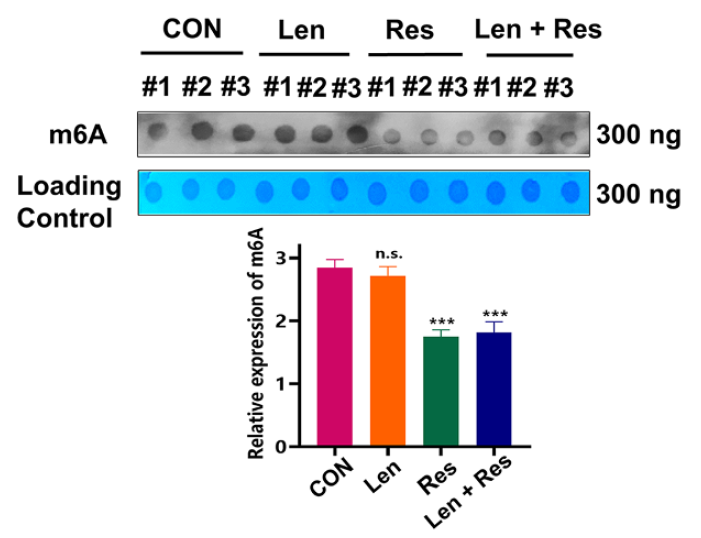
Reserpine, a novel N6-methyladenosine regulator, reverses Lenvatinib resistance in hepatocellular carcinoma. [Abstract]2024 Dec:135:156002. PMID: 39326134
Reserpine hydrochloride purchased from MedChemExpress. Usage Cited in: Phytomedicine. 2024 Dec:135:156002. [Abstract]
Reserpine (Res) (0.375 mg/kg; i.g.) administration resulted in down-regulation of m6A in xenograft tumors derived from Huh7/Len cells.
-
Br J Cancer
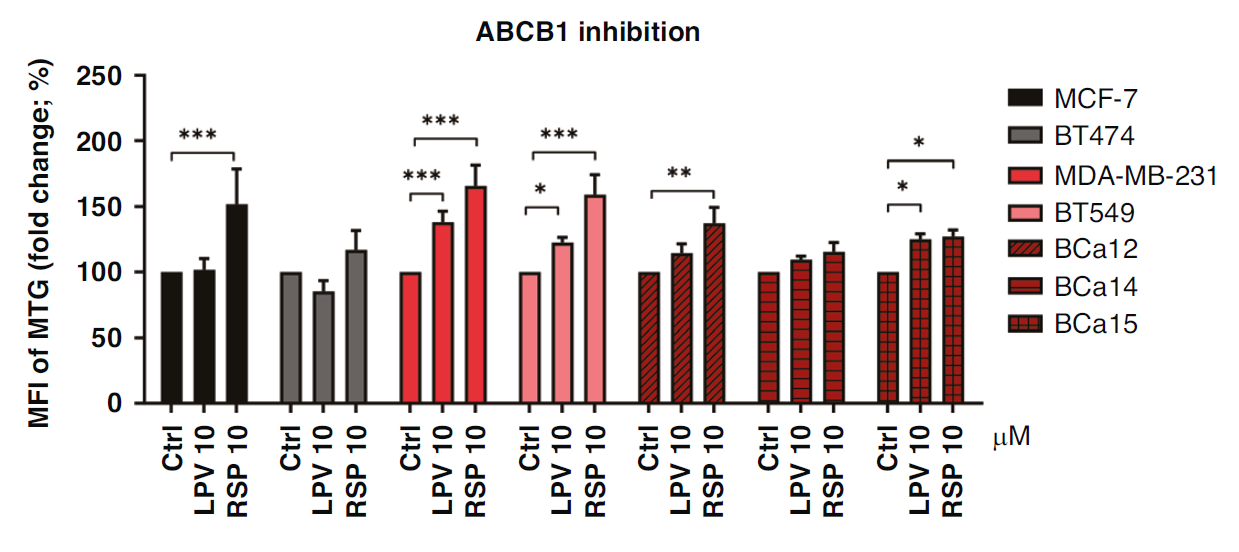
HIV-protease inhibitors potentiate the activity of carfilzomib in triple-negative breast cancer. [Abstract]2024 Sep;131(5):918-930. PMID: 38969867
Reserpine hydrochloride purchased from MedChemExpress. Usage Cited in: Br J Cancer. 2024 Sep;131(5):918-930. [Abstract]
Reserpine (10 μM; 2 h) functionally inhibited ABCB1 (PgP) multi-drug transporters in 4 studied cell lines and patient-derived primary cells.
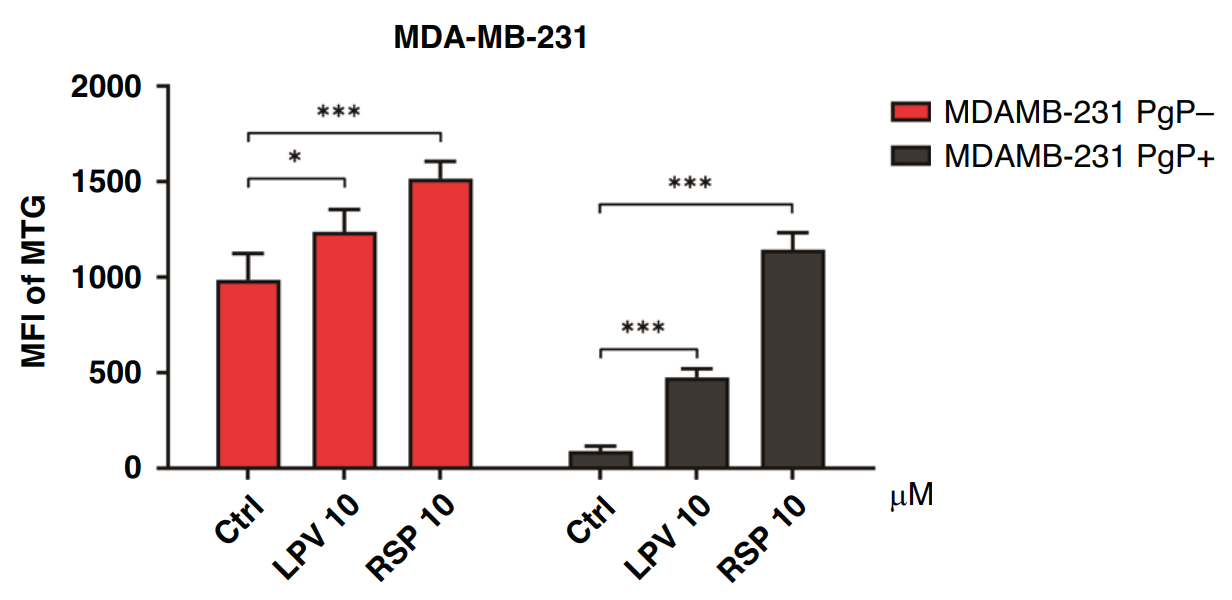
Reserpine hydrochloride purchased from MedChemExpress. Usage Cited in: Br J Cancer. 2024 Sep;131(5):918-930. [Abstract]
Reserpine (10 μM; 2 h) potently inhibited ABCB1 and the efflux of MTG in MDA-MB-231 cells.
-
Crit Rev Anal Chem
A Critical Review on Advancement in Analytical Strategies for the Quantification of Clinically Relevant Biological Transporters. [Abstract]2022;52(7):1557-1571. PMID: 33691566 -
Sci Rep
2026 May 6;16(1):20905. PMID: 42092124 -
Ren Fail
Reserpine alleviates cisplatin-induced acute kidney injury via anti-ferroptosis and cGAS/STING pathway. [Abstract]2024 Dec;46(2):2406395. PMID: 39377110 -
-
-
Biomed Pharmacother
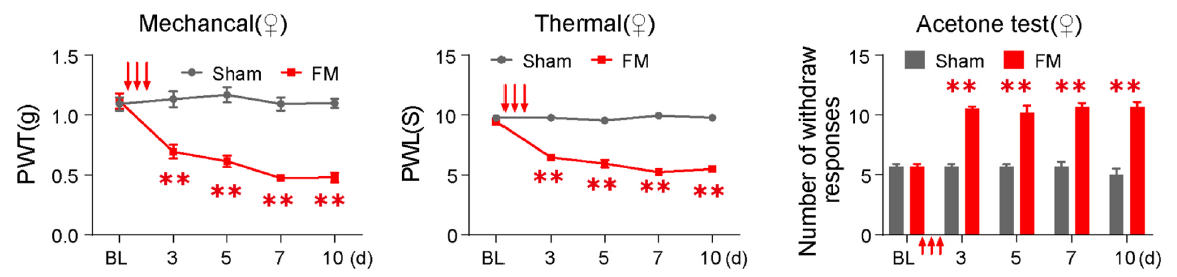
Astaxanthin alleviates fibromyalgia pain and depression via NLRP3 inflammasome inhibition. [Abstract]2024 Jul:176:116856. PMID: 38852510
Reserpine hydrochloride purchased from MedChemExpress. Usage Cited in: Biomed Pharmacother. 2024 Jul:176:116856. [Abstract]
Reserpine (0.25 mg/kg; s.c.; 3 d) injection caused fibromyalgia mice to exhibit mechanical hyperalgesia compared to the sham group, evidenced by a decrease in the paw withdraw threshold (PWT) after ciliary stimulation along with a decrease in thermal pain latency and higher sensitivity to cold pain after acetone stimulation.
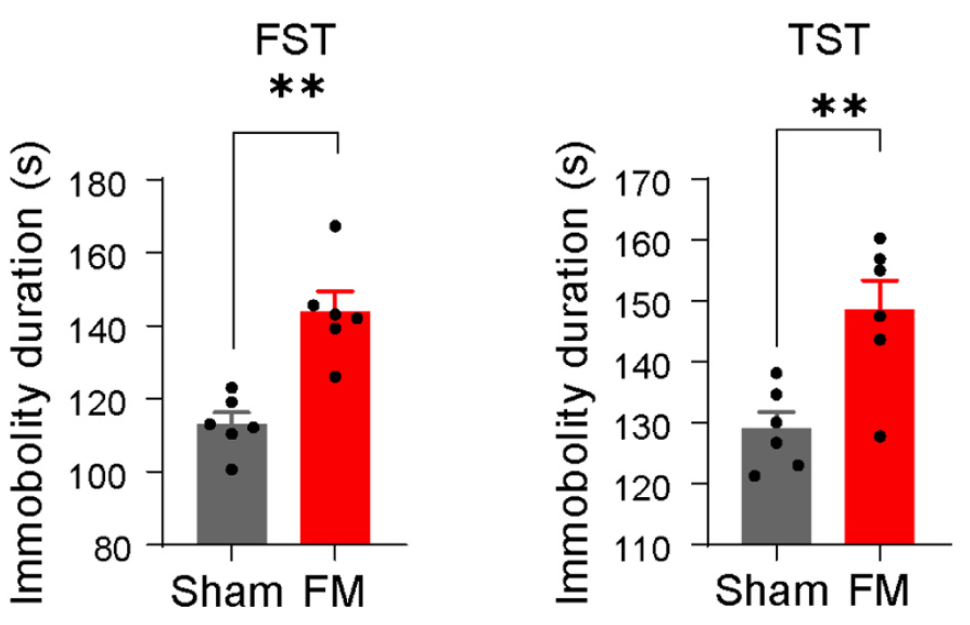
Reserpine hydrochloride purchased from MedChemExpress. Usage Cited in: Biomed Pharmacother. 2024 Jul:176:116856. [Abstract]
Reserpine (0.25 mg/kg; s.c.; 3 d) significantly increased the immobility time in the tail suspension test (TST) and forced swimming test (FST) of fibromyalgia mice.


Solvant et solubilité
DMSO : 50 mg/mL (77.50 mM; Need ultrasonic; Hygroscopic DMSO has a significant impact on the solubility of product, please use newly opened DMSO)
H2O : < 0.1 mg/mL (insoluble)
Please refer to the solubility information to select the appropriate solvent. Once prepared, please aliquot and store the solution to prevent product inactivation from repeated freeze-thaw cycles.
Storage method and period of stock solution: -80°C, 6 months; -20°C, 1 month (sealed storage, away from moisture and light). When stored at -80°C, please use it within 6 months. When stored at -20°C, please use it within 1 month.
Please refer to the solubility information to select the appropriate solvent. Once prepared, please aliquot and store the solution to prevent product inactivation from repeated freeze-thaw cycles.
Storage method and period of stock solution: -80°C, 6 months; -20°C, 1 month (sealed storage, away from moisture and light). When stored at -80°C, please use it within 6 months. When stored at -20°C, please use it within 1 month.
Concentration (start) × Volume (start) = Concentration (final) × Volume (final)
Select the appropriate dissolution method based on your experimental animal and administration route.
- For the following dissolution methods, please ensure to first prepare a clear stock solution using an In Vitro approach and then sequentially add co-solvents:
- To ensure reliable experimental results, the clarified stock solution can be appropriately stored based on storage conditions. As for the working solution for In Vivo experiments, it is recommended to prepare freshly and use it on the same day.
- The percentages shown for the solvents indicate their volumetric ratio in the final prepared solution. If precipitation or phase separation occurs during preparation, heat and/or sonication can be used to aid dissolution.
Add each solvent one by one: 10% DMSO 40% PEG300 5% Tween-80 45% Saline
Solubility: ≥ 2.5 mg/mL (3.88 mM); Clear solution
This protocol yields a clear solution of ≥ 2.5 mg/mL (saturation unknown).
Taking 1 mL working solution as an example, add 100 μL DMSO stock solution (25.0 mg/mL) to 400 μL PEG300, and mix evenly; then add 50 μL Tween-80 and mix evenly; then add 450 μL Saline to adjust the volume to 1 mL.
Preparation of Saline: Dissolve 0.9 g sodium chloride in ddH₂O and dilute to 100 mL to obtain a clear Saline solution.
Add each solvent one by one: 10% DMSO 90% (20% SBE-β-CD in Saline)
Solubility: ≥ 2.08 mg/mL (3.22 mM); Clear solution
This protocol yields a clear solution of ≥ 2.08 mg/mL (saturation unknown).
Taking 1 mL working solution as an example, add 100 μL DMSO stock solution (20.8 mg/mL) to 900 μL 20% SBE-β-CD in Saline, and mix evenly.
Preparation of 20% SBE-β-CD in Saline (4°C, storage for one week): 2 g SBE-β-CD powder is dissolved in 10 mL Saline, completely dissolve until clear.
Please enter the basic information of animal experiments:
-
-
-
-
Recommended: Prepare an additional quantity of animals to account for potential losses during experiments.
Please enter your animal formula composition:
-
%DMSO +
Recommended: Keep the proportion of DMSO in working solution below 2% if your animal is weak.
-
%+
-
+%Tween-80 + +
-
%Saline +
The co-solvents required include: DMSO, . All of co-solvents are available by MedChemExpress (MCE). , Tween 80. All of co-solvents are available by MedChemExpress (MCE).
Working solution concentration: 0.22 mg/mL
Method for preparing stock solution: mg drug dissolved in μL DMSO. Stock solution concentration: mg/mL. * In solvent : -80°C, 6 months; -20°C, 1 month (sealed storage, away from moisture and light)
1. Take μL DMSO stock solution;
2. Add μL .
μL , mix evenly;
3. Then add μL Tween 80, mix evenly;
4. Then add μL
Please ensure that the stock solution in the first step is dissolved to a clear state, and add co-solvents in sequence. You can use ultrasonic heating (ultrasonic cleaner, recommended frequency 20-40 kHz), vortexing, etc. to assist dissolution.

Protocole
After incubation for 24 h, JB6 P+ cells (1×10⁵ cells/10-cm dish) are treated with various concentrations of Reserpine hydrochloride. Whole cell lysates are prepared from the treated cells using radioimmunoprecipitation assay buffer supplemented with a protease inhibitor cocktail, and a BCA kit is used to determine protein concentrations[2].
MedChemExpress (MCE) has not independently confirmed the accuracy of these methods. They are for reference only.
JB6 P+ cells are seeded in 96-well plates containing Minimum essential media (MEM) at a density of 1×10⁴ cells/mL (100 μL/well) for 1, 3, and 5 days, and HepG2-C8 cells are seeded in plates containing DMEM. After incubation for 24 h, the cells are treated with either DMSO or various concentrations of Reserpine hydrochloride. For JB6 P+ cells, the medium is changed every 2 days for the 3-day and 5-day treatments. Cell viability is assessed using a MTS assay kit according to the manufacturer’s instructions. The absorbance of the formazan product is read at 490 nm, and the cell viability is calculated and compared with the DMSO control group[2].
MedChemExpress (MCE) has not independently confirmed the accuracy of these methods. They are for reference only.
Albino rats of either sex weighing between 100 to 150 g are used in the study. They are acclimatized to the laboratory conditions for at least 10 days prior to the experiment and are provided with standard diet and water ad libitum with 12 h light and dark cycle. Animals are divided into different groups of six each and are housed individually in metabolic cages. Group 1: Control animals treated with DMSO intraperitoneally at a dose of 0.1 mL/100 g body weight. Group 2: Animals administered intraperitoneally with Reserpine hydrochloride at a dose of 5 mg/kg body weight. The 24 h urine samples from the point of drug administration are collected for each animal[3].
MedChemExpress (MCE) has not independently confirmed the accuracy of these methods. They are for reference only.


Pureté et documentation
-
Fiche technique (292 KB)
-
SDS (394 KB)
- English - EN (394 KB)
- Français - FR (394 KB)
- Deutsch - DE (394 KB)
- Norwegian - NO (394 KB)
- Español - ES (394 KB)
- Swedish - SV (394 KB)
- Italian - IT (394 KB)
- Korean - KR (394 KB)
- Portuguese - PT (394 KB)
-
Instruction de manipulation (2659 KB)
Références
[1]. Antkiewicz-Michaluk L, et al. Withdrawal from repeated administration of a low dose of reserpine induced opposing adaptive changes in the noradrenaline and serotonin system function: a behavioral and neurochemical ex vivo and in vivo studies in the rat. Prog Neuropsychopharmacol Biol Psychiatry. 2015 Mar 3;57:146-54. [Content Brief]
[2]. Hong B, et al. Reserpine Inhibit the JB6 P+ Cell Transformation Through Epigenetic Reactivation of Nrf2-Mediated Anti-oxidative Stress Pathway. AAPS J. 2016 May;18(3):659-69. [Content Brief]
[3]. Sreemantula S, et al. Reserpine methonitrate, a novel quaternary analogue of reserpine augments urinary excretion of VMA and 5-HIAA without affecting HVA in rats. BMC Pharmacol. 2004 Nov 16;4:30. [Content Brief]
[4]. Pfeiffer CJ, et al. Reserpine-induced gastric ulcers: protection by lysosomal stabilization due to zinc. Eur J Pharmacol. 1980 Feb;61(4):347-53. [Content Brief]
[5]. Li GJ, et al. Preventive Effect of Polysaccharide of Larimichthys crocea Swim Bladder on Reserpine Induced Gastric Ulcer in ICR Mice. Korean J Physiol Pharmacol. 2014 Apr;18(2):183-90. [Content Brief]
[6]. Gupta MB, et al. Mechanism of ulcerogenic activity of reserpine in albino rats. Eur J Pharmacol. 1974 Jul;27(2):269-71. [Content Brief]
[7]. Park BK, et al. Antidepressant-Like Effects of Gyejibokryeong-hwan in a Mouse Model of Reserpine-Induced Depression. Biomed Res Int. 2018 Jun 26;2018:5845491. [Content Brief]
[8]. El-Marasy SA, et al. Anti-depressant effect of cerebrolysin in reserpine-induced depression in rats: Behavioral, biochemical, molecular and immunohistochemical evidence. Chem Biol Interact. 2021 Jan 25;334:109329. [Content Brief]


Complete Stock Solution Preparation Table
Please refer to the solubility information to select the appropriate solvent. Once prepared, please aliquot and store the solution to prevent product inactivation from repeated freeze-thaw cycles.
Storage method and period of stock solution: -80°C, 6 months; -20°C, 1 month (sealed storage, away from moisture and light). When stored at -80°C, please use it within 6 months. When stored at -20°C, please use it within 1 month.
| Optional Solvent | Concentration Solvent Mass | 1 mg | 5 mg | 10 mg | 25 mg |
|---|---|---|---|---|---|
| DMSO | 1 mM | 1.5501 mL | 7.7503 mL | 15.5005 mL | 38.7513 mL |
| 5 mM | 0.3100 mL | 1.5501 mL | 3.1001 mL | 7.7503 mL | |
| 10 mM | 0.1550 mL | 0.7750 mL | 1.5501 mL | 3.8751 mL | |
| 15 mM | 0.1033 mL | 0.5167 mL | 1.0334 mL | 2.5834 mL | |
| 20 mM | 0.0775 mL | 0.3875 mL | 0.7750 mL | 1.9376 mL | |
| 25 mM | 0.0620 mL | 0.3100 mL | 0.6200 mL | 1.5501 mL | |
| 30 mM | 0.0517 mL | 0.2583 mL | 0.5167 mL | 1.2917 mL | |
| 40 mM | 0.0388 mL | 0.1938 mL | 0.3875 mL | 0.9688 mL | |
| 50 mM | 0.0310 mL | 0.1550 mL | 0.3100 mL | 0.7750 mL | |
| 60 mM | 0.0258 mL | 0.1292 mL | 0.2583 mL | 0.6459 mL |


Reserpine hydrochloride Related Classifications
HY-N0480A Related Classifications
 Powered by Bioz