167 Results for "

quinone

" in MedChemExpress (MCE) Product Catalog:
Products (167)

167 Results for "quinone" in MCE Product Catalog:

11
11 Publications Verification
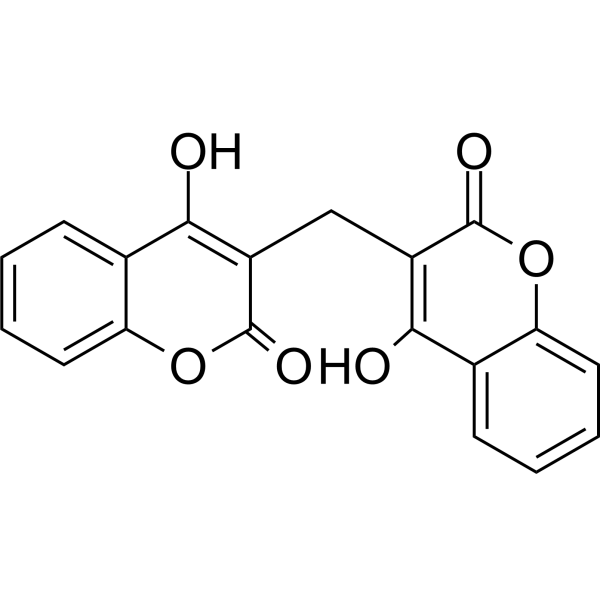
Cat. No.: HY-N0645
CAS No.: 66-76-2
Synonyms: Dicumarol
Dicoumarol is an inhibitor of both NAD(P)H:quinone oxidoreductase 1 (NQO1) and PDK1 with IC50s of 0.37 and 19.42 μM, respectively.
8
8 Cited Publications
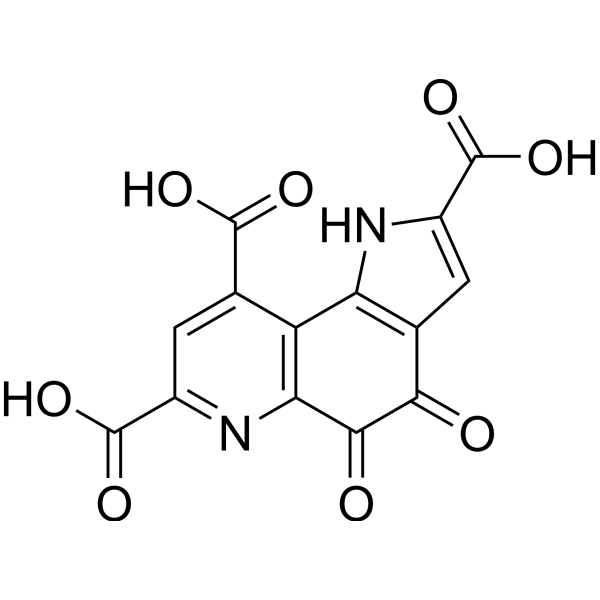
Cat. No.: HY-100196
CAS No.: 72909-34-3
Pureté:  99.82%
Synonyms: PQQ; Methoxatin
Pyrroloquinoline quinone (PQQ), a redox co-factor, is an anionic, redox-cycling orthoquinone. Pyrroloquinoline quinone is isolated from cultures of methylotropic bacteria and tissues of mammals. Pyrroloquinoline quinone is an essential nutrient for mammals and is important for immune function .
8
8 Cited Publications
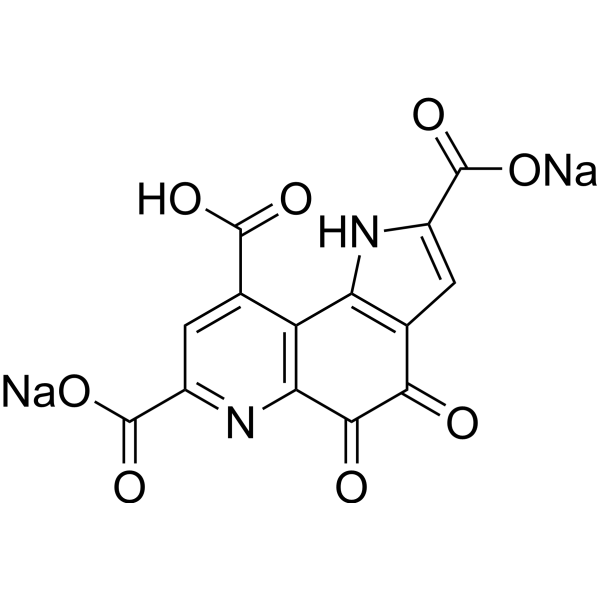
Cat. No.: HY-100196A
CAS No.: 122628-50-6
Pureté:  ≥98.0%
Synonyms: PQQ disodium salt; Methoxatin disodium salt
Pyrroloquinoline quinone disodium salt, a redox co-factor, is an anionic, redox-cycling orthoquinone. Pyrroloquinoline quinone disodium salt is isolated from cultures of methylotropic bacteria and tissues of mammals. Pyrroloquinoline quinone disodium salt is an essential nutrient for mammals and is important for immune function .
7
7 Cited Publications
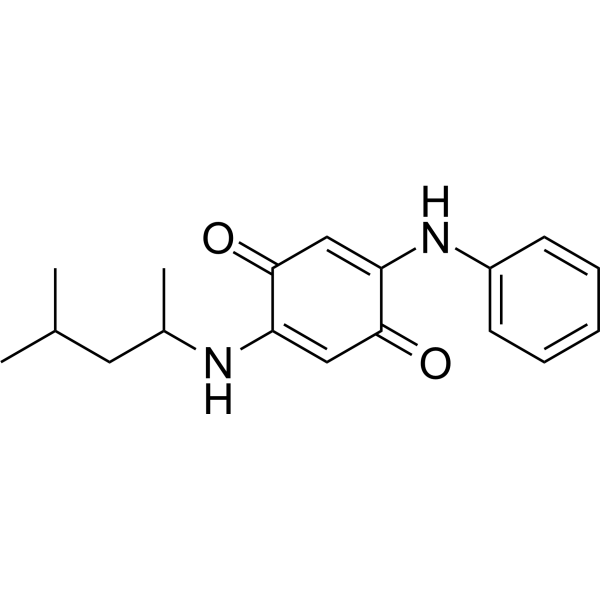
Cat. No.: HY-153169
CAS No.: 2754428-18-5
Pureté:  99.30%
Synonyms: 6PPD-quinone
6PPD-Q (6PPD-Quinone) is an environmental pollutant that can be detected in human urine and is widely present in the environment. 6PPD-Q targets and binds to CNR2, CNR1, AA2AR, LCAT, and TRPA1, with CNR2 exhibiting the highest binding affinity, potentially acting as a CNR2 receptor agonist to activate cannabinoid receptors. 6PPD-Q induces intestinal inflammation and barrier damage by disrupting mitochondrial function, reducing neuronal glycolysis metabolites and TCA cycle intermediates, and exacerbating α-synuclein (α-syn) aggregation. 6PPD-Q is applicable in research on environmental toxicology, neurodegenerative diseases, and inflammation-related disorders .
4
4 Cited Publications
Cat. No.: HY-108544
CAS No.: 3519-82-2
Pureté:  98.85%
Synonyms: Triptycene-1,4-quinone
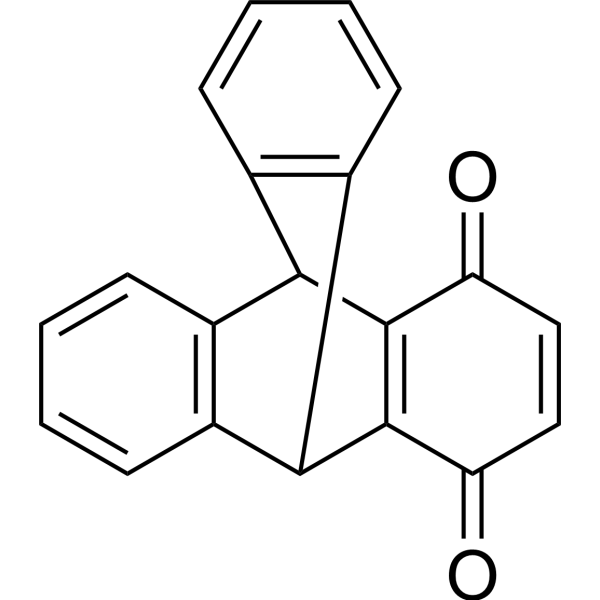
INCA-6 (Triptycene-1,4-quinone) is a cell-permeable NFAT inhibitor. INCA-6 specifically blocks targeting of NFAT(P) substrate to the calcineurin (CN) phosphatase site and is an effective inhibitor of CN-NFAT signaling .
3
3 Cited Publications
Cat. No.: HY-103667
CAS No.: 131359-24-5
Pureté:  99.46%
Domaines de recherche:  

Cancer

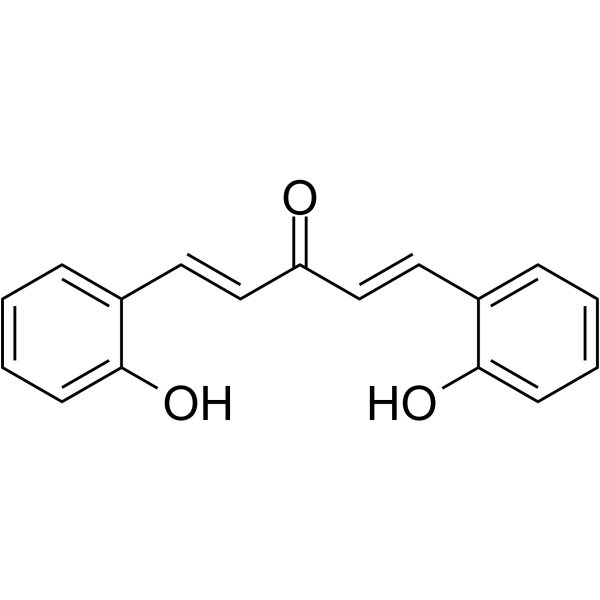
2-HBA is a potent inducer of NAD(P)H:quinone acceptor oxidoreductase 1 (NQO1) which can also activate caspase-3 and caspase-10.
2
2 Cited Publications
Cat. No.: HY-141552
CAS No.: 2452401-65-7
Pureté:  99.61%
Domaines de recherche:  

Cardiovascular Disease

FC9402 is a potent and selective sulfide quinone oxidoreductase (SQOR) inhibitor extracted from patent WO 2020/146636 A1. FC9402 attenuates TAC-induced cardiomyocyte hypertrophy and left ventricle (LV) fibrosis. FC9402 can be used for cardiovascular regulation .
2
2 Cited Publications
Cat. No.: HY-125365
CAS No.: 13553-79-2
Pureté:  98.82%
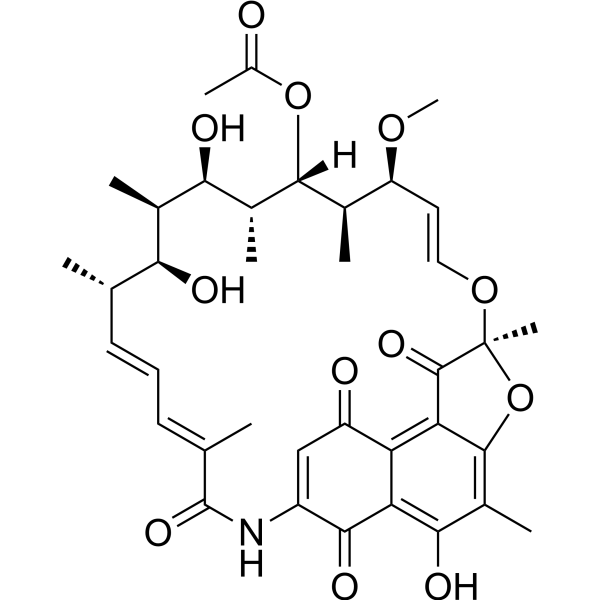
Rifamycin S, a quinone, is an antibiotic against Gram-positive bacteria (including MRSA). Rifamycin S is the oxidized forms of a reversible oxidation-reduction system involving two electrons. Rifamycin S generates reactive oxygen species (ROS) and inhibits microsomal lipid peroxidation. Rifamycin S can be used for tuberculosis and leprosy .
2
2 Cited Publications
Cat. No.: HY-122614
CAS No.: 874484-20-5
Pureté:  99.29%
Synonyms: NMDPEF
Target:  

Autophagy

Domaines de recherche:  

Neurological Disease

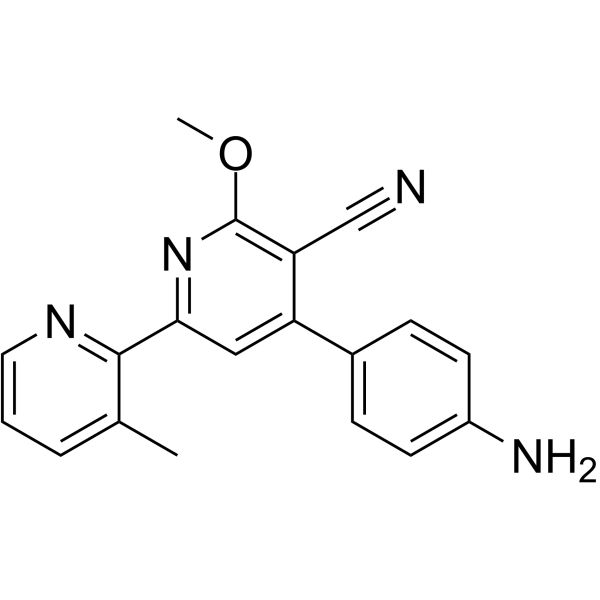
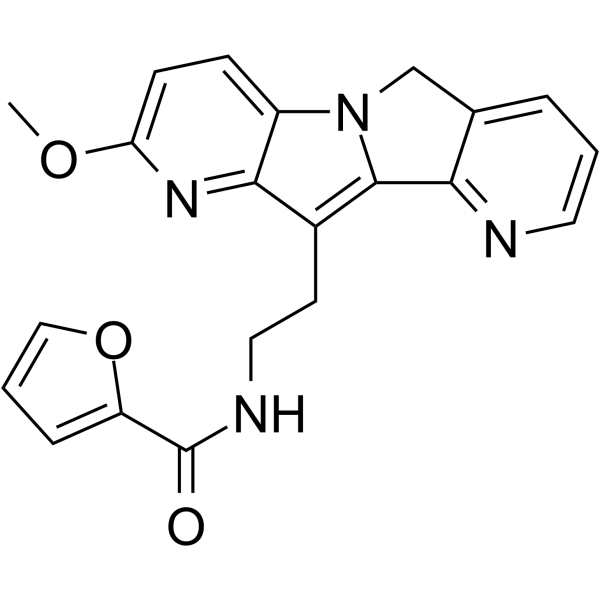
S29434 (NMDPEF) is a potent, competitive, selective and cell-permeable inhibitor of quinone reductase 2 (QR2), with IC50s ranging from 5 to 16 nM for human QR2 at different organizational levels, and has good selectivity for QR2 over QR1. S29434 induces autophagy and inhibits QR2-mediated ROS production .
1
1 Cited Publications
Cat. No.: HY-N1551
CAS No.: 76843-23-7
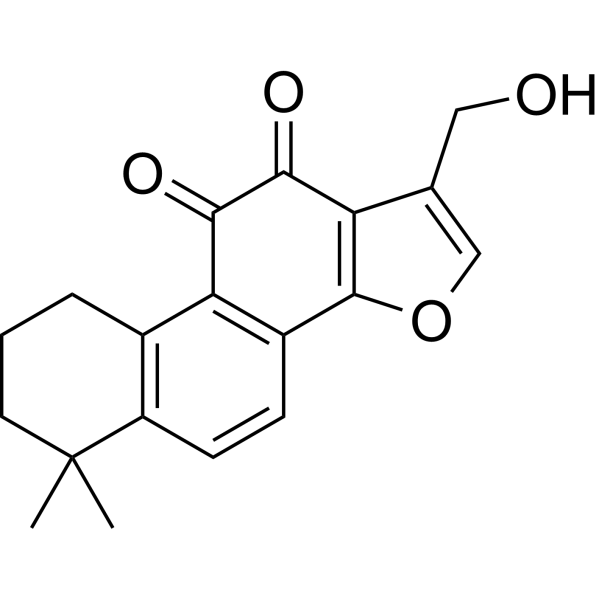
Przewaquinone A, a lipophilic diterpene quinone present only in Salvia przewalskii, induces a potent inhibitory action on vascular contraction .
1
1 Cited Publications
Cat. No.: HY-N9942
CAS No.: 23027-91-0
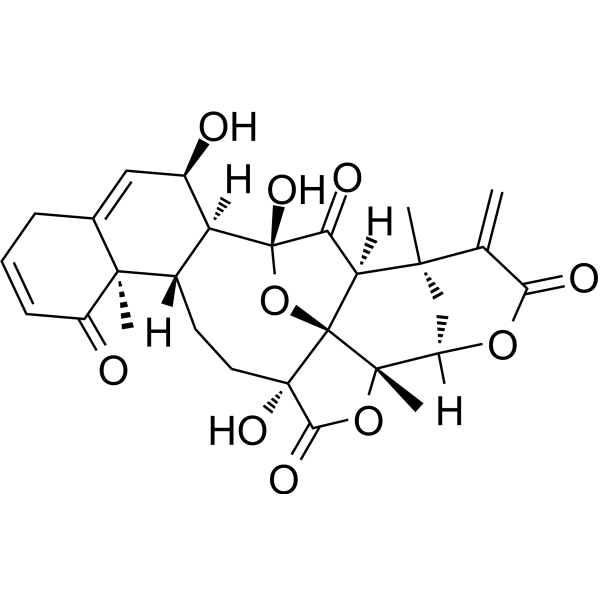
Physalin A is a biologically active withanolide. Physalin A shows anti-inflammatory, antifibrotic and ameliorative effects on autophagy in models of disc degeneration. Physalin A has antitumor activity and can induce apoptosis, ROS production and G2/M phase cell cycle arrest. Besides. Physalin A can significantly increase the activity of quinone reductase and increase the expression of detoxifying enzymesc .
1
1 Cited Publications
Cat. No.: HY-W007671
CAS No.: 1080-06-4
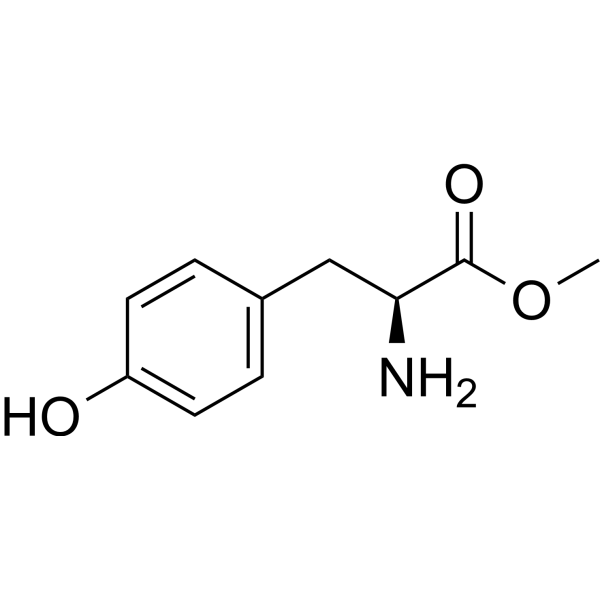
H-Tyr-OMe is an endogenous metabolite. H-Tyr-OMe quenches the fluorescence of carbon dots by oxidizing the phenolic hydroxyl group to quinone under the catalysis of Tyrosinase, and its amino and thiol binding ability can respond to changes in the concentration of biothiols .
1
1 Cited Publications
Cat. No.: HY-N1066
CAS No.: 274675-25-1
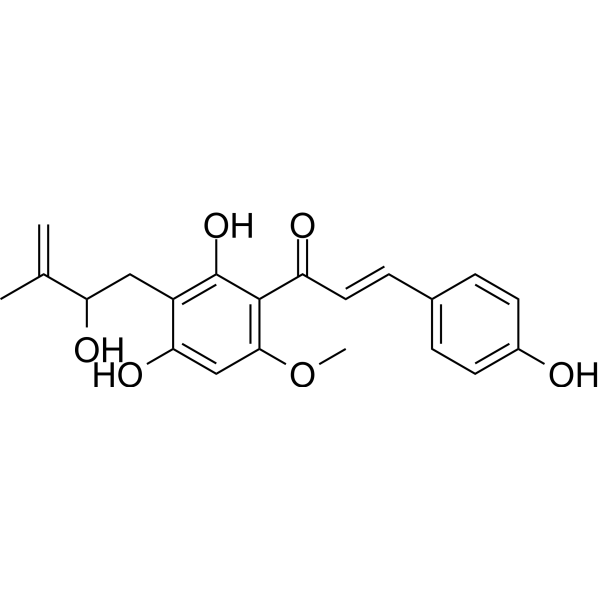
Xanthohumol D, isolated from hops, is an inhibitor of quinone reductase-2 (QR-2) with the IC50 value of 110 μM, and binds to the active site of QR-2. Xanthohumol D shows antiproliferative activity on human cancer cell lines in vitro .
1
1 Cited Publications
Cat. No.: HY-P74405A
Pureté:  ≥ 95%, as determined by reducing SDS-PAGE.
Synonyms: NQO1; DIA4; NAD(P)H dehydrogenase [quinone] 1; Azoreductase; DTD; QR1
Species:  
Source:  
1
1 Cited Publications
Cat. No.: HY-128895
CAS No.: 1800405-30-4
Pureté:  99.94%
Domaines de recherche:  

Metabolic Disease

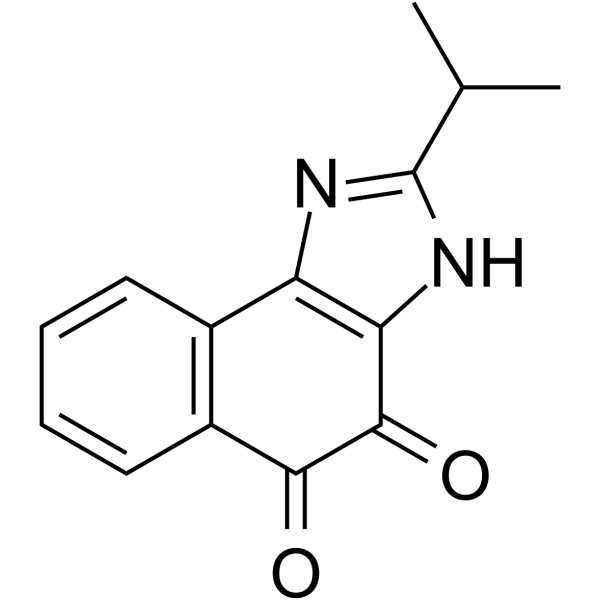
KL1333, a derivative of β-lapachone, is an orally available NAD+ modulator. KL1333 reacts with NAD(P)H:quinone oxidoreductase 1 (NQO1) as a substrate, resulting in increases in intracellular NAD+ levels via NADH oxidation. KL1333 improves energy metabolism and mitochondrial dysfunction in MELAS fibroblasts. KL1333 protects against Cisplatin-induced ototoxicity in mouse cochlear cultures .
1
1 Cited Publications
Cat. No.: HY-160831
CAS No.: 74447-88-4
Synonyms: PQQ-TME
Target:  

α-synuclein

Domaines de recherche:  

Neurological Disease

PQQ-trimethylester (PQQ-TME) is a synthetic compound that is a trimethylester derivative of pyrroloquinoline quinone (PQQ). PQQ-trimethylester has twice the blood-brain barrier permeability of PQQ (HY-100196) in vitro. In addition, PQQ-trimethylester shows strong inhibitory activity against α-synuclein, amyloid β1-42 (Aβ1-42) and prion protein fibrillation. PQQ-trimethylester can be used in the study of neurodegenerative diseases .
1
1 Cited Publications
Cat. No.: HY-17378
CAS No.: 429658-95-7
Target:  

Thrombin

Domaines de recherche:  

Cardiovascular Disease

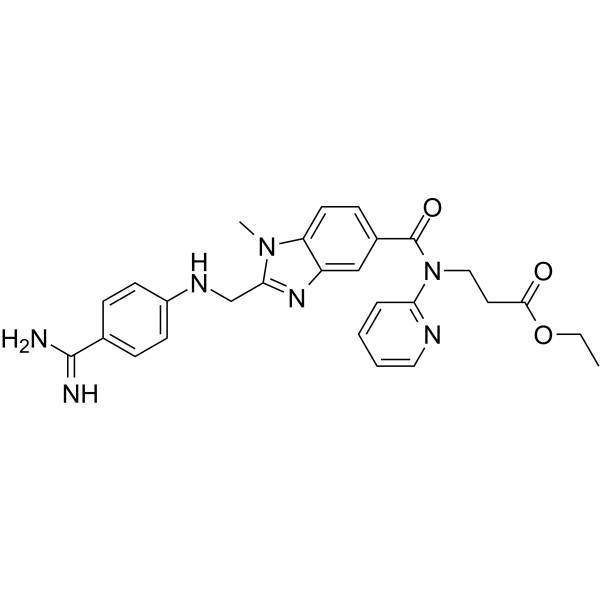
Dabigatran ethyl ester is an inhibitor of ribosyldihydronicotinamide dehydrogenase (NQO2) and thrombin. Dabigatran ethyl ester inhibits NADH-dependent metabolism of mitomycin C mediated by purified recombinant human NQO2 .
Cat. No.: HY-152039S
CAS No.: 2750119-14-1
Pureté:  99.39%
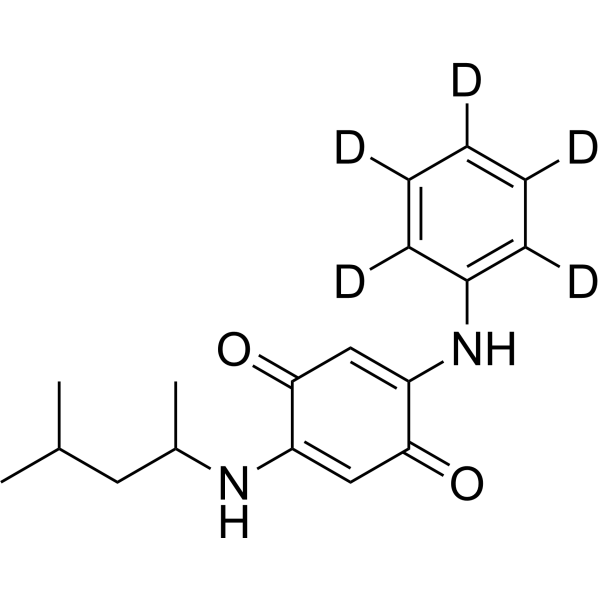
6PPD-quinone-d5 is the deuterium labeled 6PPD-quinone .
Cat. No.: HY-125027
CAS No.: 1430798-22-3
Pureté:  99.70%
Synonyms: IB-DNQ
Target:  

Quinone Reductase

Domaines de recherche:  

Cancer

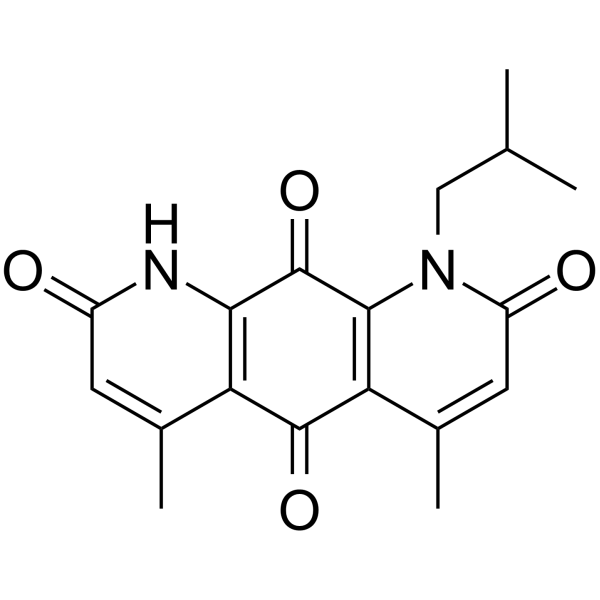
Isobutyl-deoxynyboquinone (IB-DNQ) is a selective substrate for NAD(P)H:quinone oxidoreductase (NQO1). Isobutyl-deoxynyboquinone can be used for the research of anticancer .
Cat. No.: HY-N4168A
CAS No.: 123410-65-1
Synonyms: 5-O-Caffeoylquinic acid methyl ester
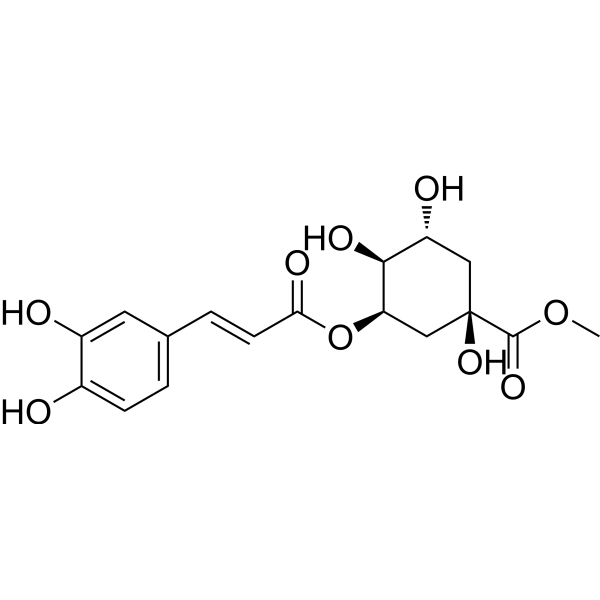
Neochlorogenic acid (5-O-Caffeoylquinic) methyl ester is a selective quinone reductase inducer (EC50 = 6.7 μM) and also exhibits hydroxyl radical scavenging activity (EC50 = 0.81 μM). Neochlorogenic acid methyl ester scavenges hydroxyl radicals by donating electrons or hydrogen atoms, while simultaneously inducing quinone reductase expression to enhance carcinogen detoxification, thus exerting antioxidant and cancer chemopreventive activities. Neochlorogenic acid methyl ester is used in research on antioxidant damage and promoting detoxification metabolism, primarily in the fields of cancer chemotherapy and antioxidant-related diseases. Neochlorogenic acid methyl ester is also an HBV inhibitor and can be isolated from the flower buds of *L. japonica* .

