



RGD Trifluoroacetate
Based on 9 publication(s) in Google Scholar
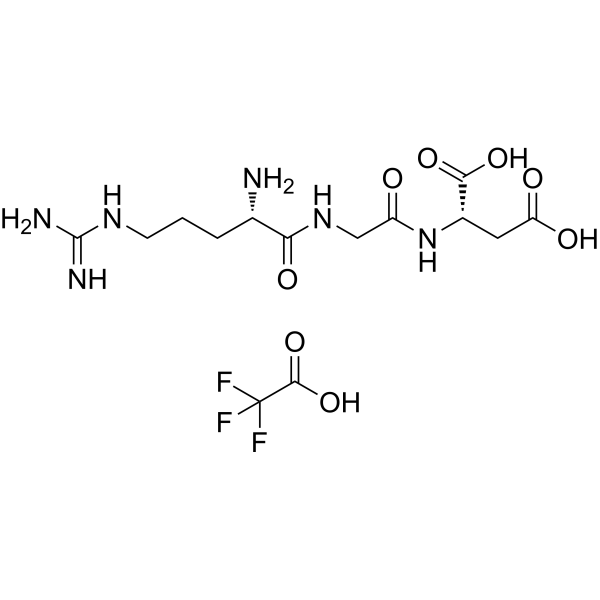
RGD Trifluoroacetate is a tripeptide that effectively triggers cell adhesion, addresses certain cell lines and elicits specific cell responses; RGD Trifluoroacetate binds to integrins.
For research use only. We do not sell to patients.
- Purity: 99.93%
- CAS No.: 2378808-45-6
- Formula: C14H23F3N6O8
- Molecular Weight:460.36
-
Storage:
Sealed storage, away from moisture.
Powder -80°C, 2 years , -20°C, 1 year* In solvent : -80°C, 6 months; -20°C, 1 month (sealed storage, away from moisture)

To place orders, for customer services and technical support, please contact: MedChemExpress USA
Tel: 609-228-6898 E-mail: [email protected] [email protected]


-
 Biological Activity
-
Chemical Information
-
Solvent & Solubility
- Purity & Documentation
- References
-
 Help & FAQs




Publications Citing Use of MedChemExpress (MCE) RGD Trifluoroacetate
More- Nat Commun. 2024 Apr 18;15(1):3343. [Abstract]
- Smart Med. 2026 Feb 9;5(1):e70029. [Abstract]
- Chem Eng J. 5 February 2022, 135088.
- Int J Biol Macromol. 2023 Dec 31;253(Pt 1):126499. [Abstract]
- Cancer Sci. 2020 May 24;111(8):2803-2813. [Abstract]
- Colloid Polym Sci. 2023 Feb 27.
- Radiat Med Prot. 2026 Apr 3;7(2):63-72.
- bioRxiv. 2025 Aug 12.
- Mater Sci Forum. 2019, 955: 68-73.
 Customer Validation & Images

-
Cell Imaging/Staining
-
Bio/Physico-chemical Assay
-
In Vivo Efficacy Study
-
IHC
-
Histological Imaging/Staining


Biological Activity
Integrin[1]
RGD Trifluoroacetate is the most effective and most often employed peptide sequence for stimulated cell adhesion on synthetic surfaces. There are 24 integrins binding to ECM molecules in a RGD dependent manner: α3β1, α5β1, α8β1, αIIbβ3, αvβ1, αvβ3, αvβ5, αvβ6, αvβ8, and to some extent α2β1 and α4β1[1].
MedChemExpress (MCE) has not independently confirmed the accuracy of these methods. They are for reference only.


Chemical Information
-
CAS No. 2378808-45-6
-
Appearance Solid
-
Molecular Weight 460.36
-
Formula C14H23F3N6O8
-
Color White to off-white
-
Sequence
Arg-Gly-Asp
-
Sequence Shortening
RGD
-
Shipping
Room temperature in continental US; may vary elsewhere.
-
Storage
Sealed storage, away from moisture
Powder -80°C 2 years -20°C 1 year * In solvent : -80°C, 6 months; -20°C, 1 month (sealed storage, away from moisture)


Publications (9)
-
Journal Impact Factor
-
Most Recent
-
Nat Commun
Mechanoelectronic stimulation of autologous extracellular vesicle biosynthesis implant for gut microbiota modulation. [Abstract]2024 Apr 18;15(1):3343. PMID: 38637580
RGD Trifluoroacetate purchased from MedChemExpress. Usage Cited in: Nat Commun. 2024 Apr 18;15(1):3343. [Abstract]
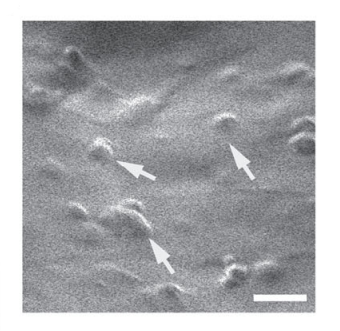
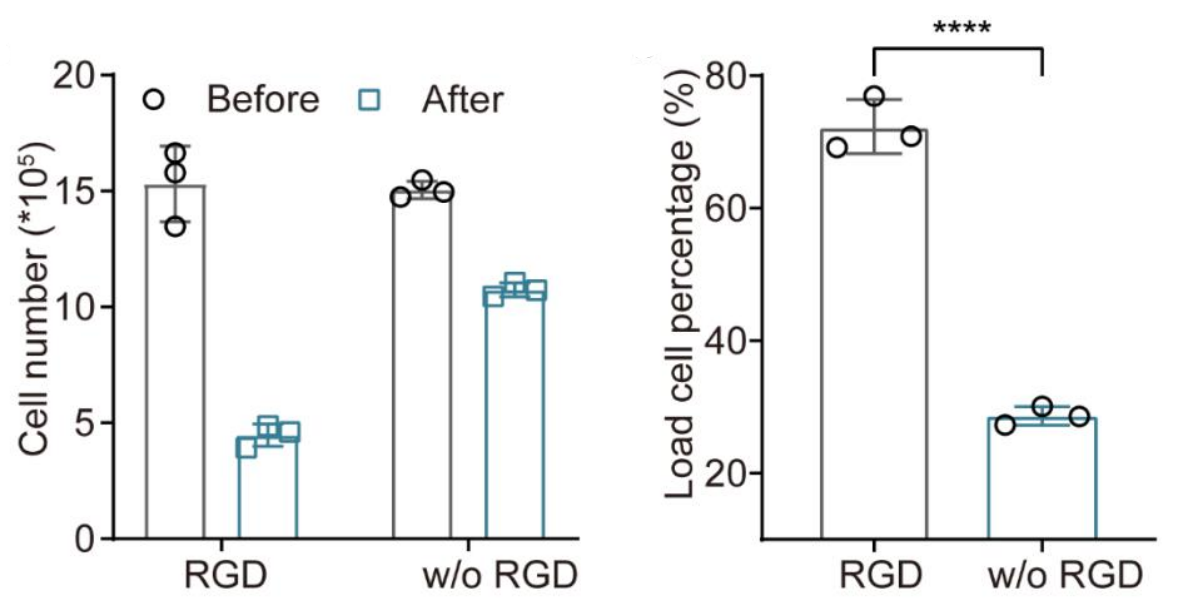
RGD (0.2 mg/mL) was used to immobilize RAW264.7 cells on the hydrogel and minimize cell leakage during operation.
RGD Trifluoroacetate purchased from MedChemExpress. Usage Cited in: Nat Commun. 2024 Apr 18;15(1):3343. [Abstract]
With or without RGD (0.2 mg/mL) modification, the numbers of RAW264.7 cells in the medium before and after loading and the percentage of cells loaded into the iMASSAGE device were shown.
-
Smart Med
LINC00973/DTX3L Axis Promotes Non-Small Cell Lung Cancer Progression and Serves as a Therapeutic Target. [Abstract]2026 Feb 9;5(1):e70029. PMID: 41684454 -
-
Int J Biol Macromol
Inhibition of integrin receptors reduces extracellular matrix levels, ameliorating benign prostate hyperplasia. [Abstract]2023 Dec 31;253(Pt 1):126499. PMID: 37659484
RGD Trifluoroacetate purchased from MedChemExpress. Usage Cited in: Int J Biol Macromol. 2023 Dec 31;253(Pt 1):126499. [Abstract]
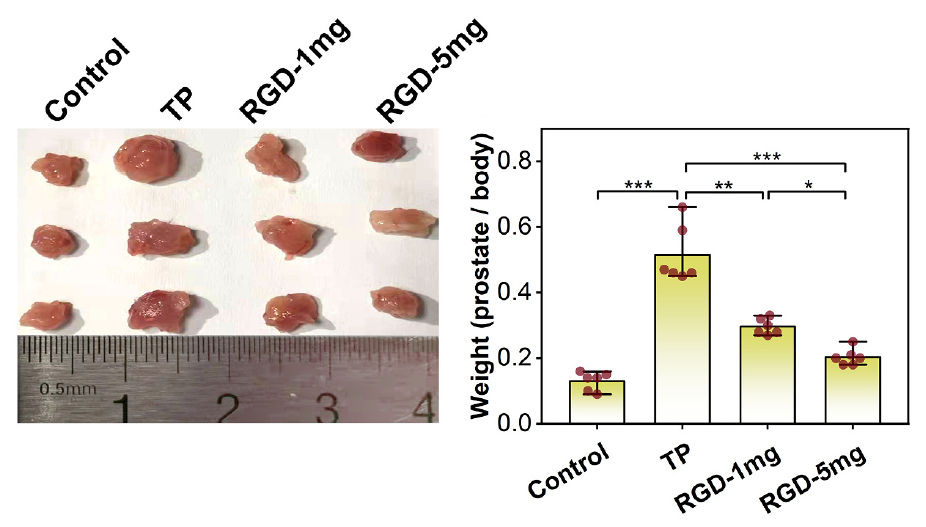
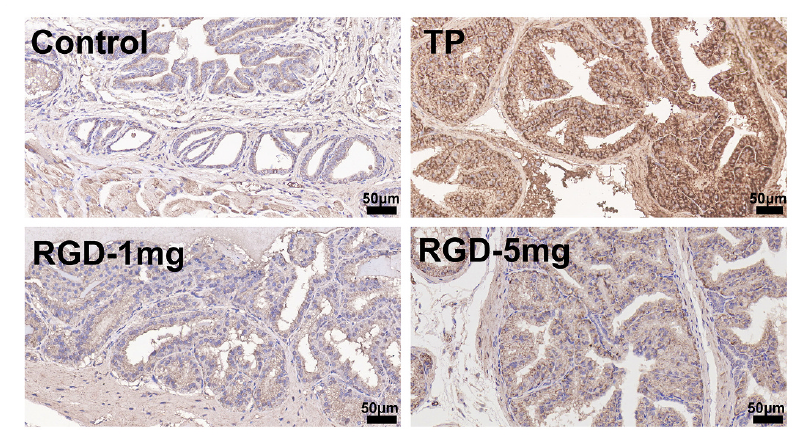
RGD (1-5 mg; i.v.; 30 d) significantly ameliorated the prostate volume and the prostate weight-to-body weight ratio of testosterone (TP)-induced BPH mice.
RGD Trifluoroacetate purchased from MedChemExpress. Usage Cited in: Int J Biol Macromol. 2023 Dec 31;253(Pt 1):126499. [Abstract]
RGD (1-5 mg; i.v.; 30 d) strikingly increased global succinylation levels in testosterone (TP)-induced BPH mice.
RGD Trifluoroacetate purchased from MedChemExpress. Usage Cited in: Int J Biol Macromol. 2023 Dec 31;253(Pt 1):126499. [Abstract]
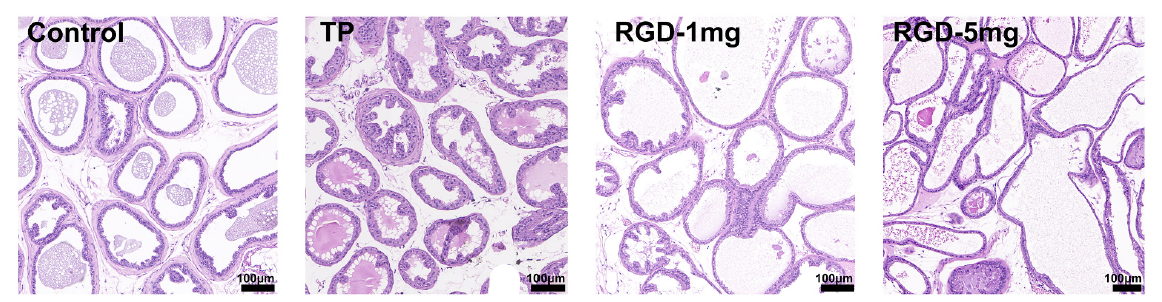
RGD (1-5 mg; i.v.; 30 d) therapy significantly ameliorated prostate hyperplasia of testosterone (TP)-induced BPH mice, as evidenced by the absence of morphological abnormalities such as excessive proliferation in the glandular epithelium, focal intraluminal papillary folds, and secretion-filled distended ducts.
-
Cancer Sci
Death-associated protein kinase 1 suppresses hepatocellular carcinoma cell migration and invasion by upregulation of DEAD-box helicase 20. [Abstract]2020 May 24;111(8):2803-2813. PMID: 32449268 -
-
-
-


Solvent & Solubility
H2O : 125 mg/mL (271.53 mM; Need ultrasonic)
Please refer to the solubility information to select the appropriate solvent. Once prepared, please aliquot and store the solution to prevent product inactivation from repeated freeze-thaw cycles.
Storage method and period of stock solution: -80°C, 6 months; -20°C, 1 month (sealed storage, away from moisture). When stored at -80°C, please use it within 6 months. When stored at -20°C, please use it within 1 month.
* Note: If you choose water as the stock solution, please dilute it to the working solution, then filter and sterilize it with a 0.22 μm filter before use.
Please refer to the solubility information to select the appropriate solvent. Once prepared, please aliquot and store the solution to prevent product inactivation from repeated freeze-thaw cycles.
Storage method and period of stock solution: -80°C, 6 months; -20°C, 1 month (sealed storage, away from moisture). When stored at -80°C, please use it within 6 months. When stored at -20°C, please use it within 1 month.
* Note: If you choose water as the stock solution, please dilute it to the working solution, then filter and sterilize it with a 0.22 μm filter before use.
Concentration (start) × Volume (start) = Concentration (final) × Volume (final)
For the following dissolution methods, please prepare the working solution directly:
It is recommended to prepare fresh solutions and use them promptly within a short period of time.
The percentages shown for the solvents indicate their volumetric ratio in the final prepared solution. If precipitation or phase separation occurs during preparation, heat and/or sonication can be used to aid dissolution.
Add each solvent one by one: PBS
Solubility: 100 mg/mL (217.22 mM); Clear solution; Need ultrasonic


Purity & Documentation
-
Data Sheet (272 KB)
-
SDS (393 KB)
- English - EN (393 KB)
- Français - FR (393 KB)
- Deutsch - DE (393 KB)
- Norwegian - NO (393 KB)
- Español - ES (393 KB)
- Swedish - SV (393 KB)
- Italian - IT (393 KB)
- Korean - KR (393 KB)
- Portuguese - PT (393 KB)
-
Handling Instructions (2659 KB)
References


Complete Stock Solution Preparation Table
Please refer to the solubility information to select the appropriate solvent. Once prepared, please aliquot and store the solution to prevent product inactivation from repeated freeze-thaw cycles.
Storage method and period of stock solution: -80°C, 6 months; -20°C, 1 month (sealed storage, away from moisture). When stored at -80°C, please use it within 6 months. When stored at -20°C, please use it within 1 month.
| Optional Solvent | Concentration Solvent Mass | 1 mg | 5 mg | 10 mg | 25 mg |
|---|---|---|---|---|---|
| H2O | 1 mM | 2.1722 mL | 10.8611 mL | 21.7221 mL | 54.3053 mL |
| 5 mM | 0.4344 mL | 2.1722 mL | 4.3444 mL | 10.8611 mL | |
| 10 mM | 0.2172 mL | 1.0861 mL | 2.1722 mL | 5.4305 mL | |
| 15 mM | 0.1448 mL | 0.7241 mL | 1.4481 mL | 3.6204 mL | |
| 20 mM | 0.1086 mL | 0.5431 mL | 1.0861 mL | 2.7153 mL | |
| 25 mM | 0.0869 mL | 0.4344 mL | 0.8689 mL | 2.1722 mL | |
| 30 mM | 0.0724 mL | 0.3620 mL | 0.7241 mL | 1.8102 mL | |
| 40 mM | 0.0543 mL | 0.2715 mL | 0.5431 mL | 1.3576 mL | |
| 50 mM | 0.0434 mL | 0.2172 mL | 0.4344 mL | 1.0861 mL | |
| 60 mM | 0.0362 mL | 0.1810 mL | 0.3620 mL | 0.9051 mL | |
| 80 mM | 0.0272 mL | 0.1358 mL | 0.2715 mL | 0.6788 mL | |
| 100 mM | 0.0217 mL | 0.1086 mL | 0.2172 mL | 0.5431 mL |
* Note: If you choose water as the stock solution, please dilute it to the working solution, then filter and sterilize it with a 0.22 μm filter before use.


RGD Trifluoroacetate Related Classifications
HY-P0278A Related Classifications
 Powered by Bioz