



Fatty Acyl Carnitines
- 1
- 2

- Formule: C9H17NO4
- Masse moléculaire: 203.24
Acetyl-L-carnitine (O-Acetyl-L-carnitine; ALCAR) is an orally active mitochondrial energy metabolism regulator and neuroprotectant that can penetrate the blood-brain barrier. Acetyl-L-carnitine selectively enters cells and the brain through the organic cation transporter OCTN2. Acetyl-L-carnitine can participate in fatty acid β-oxidation, promote acetylcholine synthesis, regulate mitochondrial function and inhibit oxidative stress as an acetyl donor. Acetyl-L-carnitine exerts its activity by enhancing energy metabolism, protecting neurons and improving synaptic plasticity. Acetyl-L-carnitine is mainly used in the study of neurodegenerative diseases and metabolic disorder-related diseases such as neonatal hypoxic-ischemic brain damage, Alzheimer's disease, and depression.
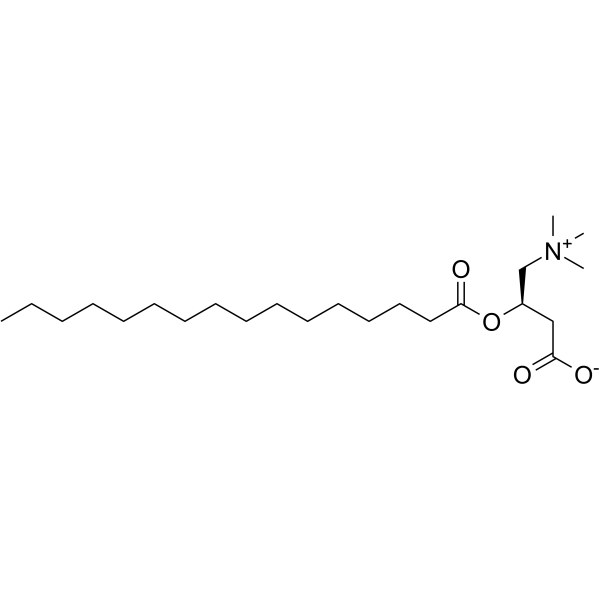
- Formule: C23H45NO4
- Masse moléculaire: 399.61
L-Palmitoylcarnitine, a long-chain acylcarnitine and a fatty acid metabolite, accumulates in the sarcolemma and deranges the membrane lipid environment during ischaemia. L-Palmitoylcarnitine inhibits KATP channel activity, without affecting the single channel conductance, through interaction with Kir6.2.
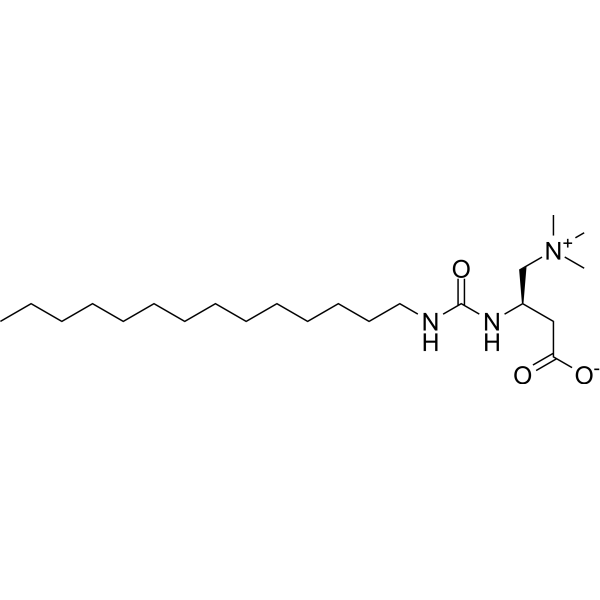
- Formule: C22H45N3O3
- Masse moléculaire: 399.61
Teglicar is a selective and reversible orally active liver isoform of carnitine palmitoyl-transferase 1 (L-CPT1) inhibitor with an IC50 value of 0.68 μM and a Ki value of 0.36 μM. Teglicar has a potential antihyperglycemic propert. Teglicar can be used for the research of diabetes and neurodegenerative disease including Huntington's disease (HD).
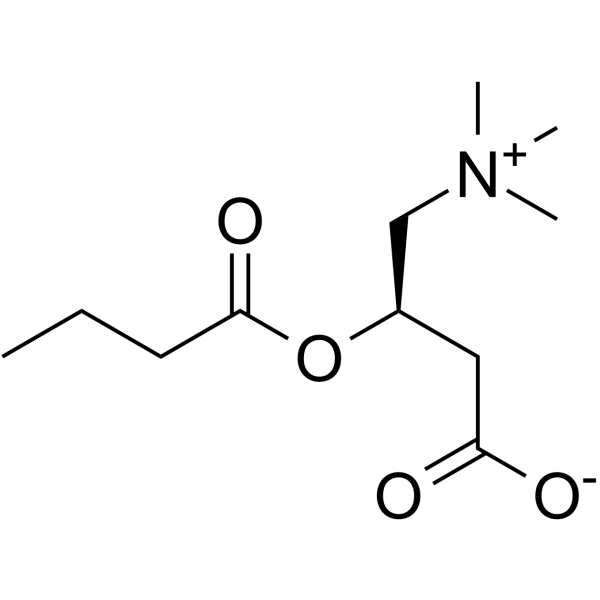
- Formule: C11H21NO4
- Masse moléculaire: 231.29
Butyrylcarnitine is an endogenous metabolite found in plasma. Elevated levels of Butyrylcarnitine are closely associated with abnormalities in lipid and energy metabolism. Butyrylcarnitine can serve as a diagnostic and prognostic indicator for certain diseases, such as heart failure and head and neck cancer.
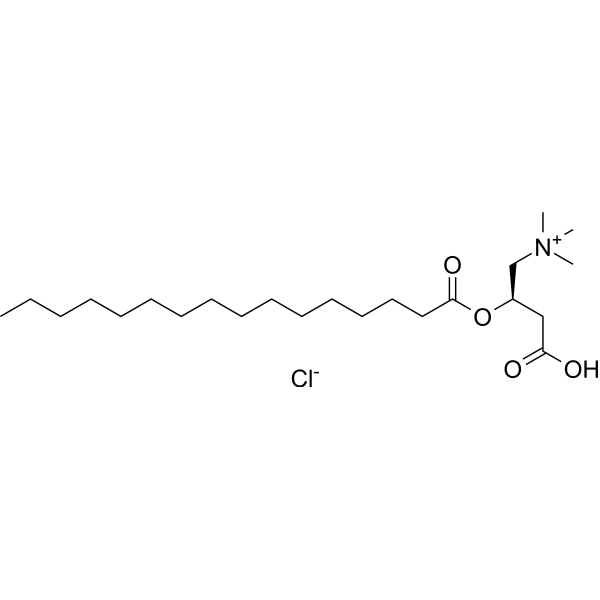
- Formule: C23H46ClNO4
- Masse moléculaire: 436.07
L-Palmitoylcarnitine chloride, a long-chain acylcarnitine and a fatty acid metabolite, accumulates in the sarcolemma and deranges the membrane lipid environment during ischaemia. L-Palmitoylcarnitine chloride inhibits KATP channel activity, without affecting the single channel conductance, through interaction with Kir6.2.
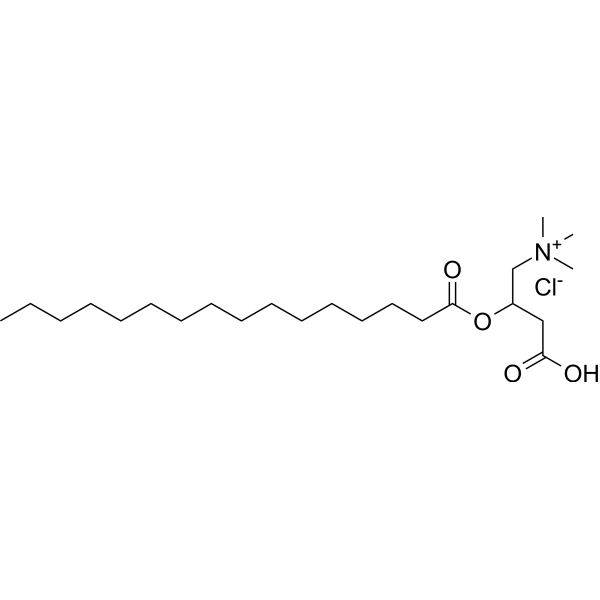
- Formule: C23H46ClNO4
- Masse moléculaire: 436.07
Palmitoylcarnitine chloride is a C16:0 long-chain acylcarnitine and an intermediate product of fatty acid oxidation. The level of Palmitoylcarnitine chloride in human prostate cancer tissues is higher than that in non-cancerous tissues. Palmitoylcarnitine chloride can be used in studies related to lipid metabolism associated with prostate cancer.
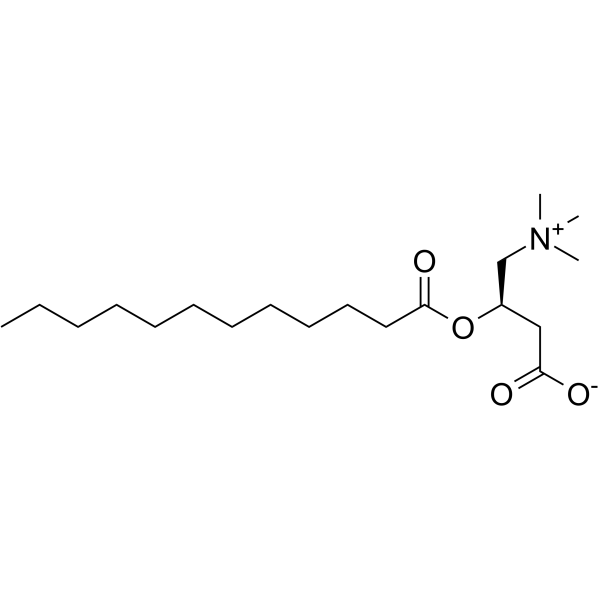
- Formule: C19H37NO4
- Masse moléculaire: 343.50
Dodecanoylcarnitine ((-)-Lauroylcarnitine) is a medium long-chain acylcarnitine, an intermediate product in key energy metabolic pathways of fatty acid β-oxidation and amino acids catabolism. The abnormal decrease in the Dodecanoylcarnitine levels indicats that mitochondrial fuel metabolism, including fatty acid oxidation is significantly disturbed. Changes in plasma concentrations of Dodecanoylcarnitine are not only associated with type II diabetes, but also with pre-diabetes status. Dodecanoylcarnitine is present in fatty acid oxidation disorders such as long-chain acyl CoA dehydrogenase deficiency, carnitine palmitoyltransferase I/II deficiency, and is also associated with celiac disease. Dodecanoylcarnitine deomonstrates high sensitivities and specificities in predicting asthma. Combined model of Decanoylcarnitine (HY-113069), Dodecanoylcarnitine, PC (16:0/0:0), and Asp Arg Pro can be used as a potential biomarker for the diagnosis of Yin-deficiency-heat syndrome.
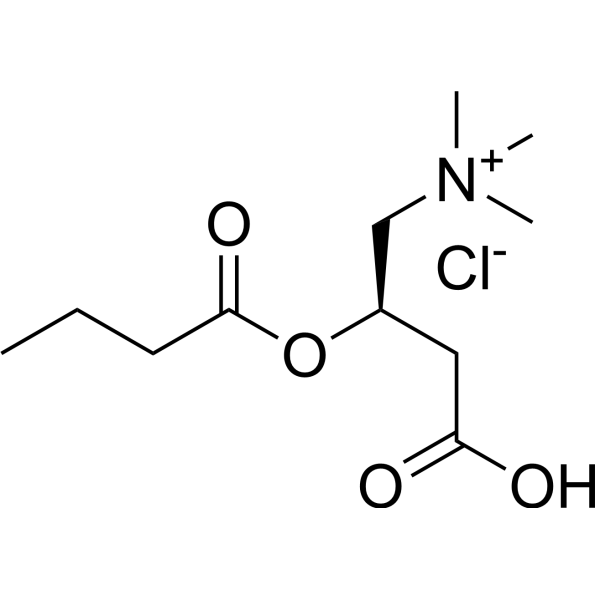
- Formule: C11H22ClNO4
- Masse moléculaire: 267.75
Butyryl-L-carnitine chloride is an acylcarnitine that can be isolated from Plasma/Serum.
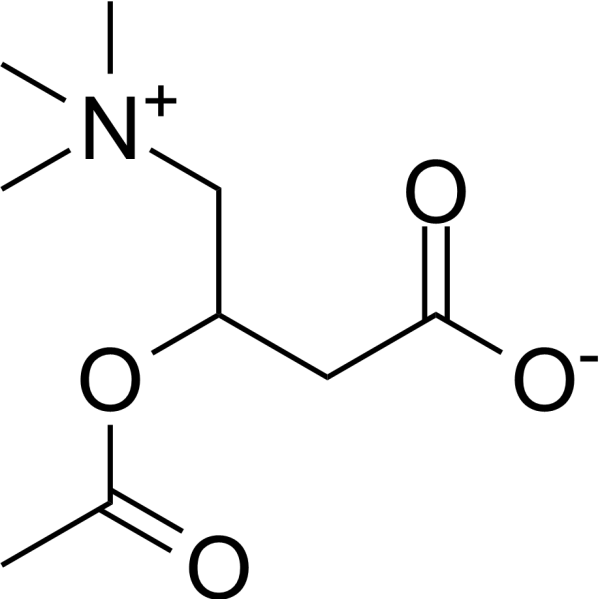
- Formule: C9H17NO4
- Masse moléculaire: 203.24
Acetylcarnitine is a CNS-penetrant endogenous metabolite. Acetylcarnitine shuttling links mitochondrial metabolism to histone acetylation and lipogenesis. Acetylcarnitine attenuates oxidative stress and neuroinflammation. Acetylcarnitine can be used for fatigue-associated diseases research. Acetylcarnitine can be used as a candidate diagnostic and prognostic biomarker of hepatocellular carcinoma.
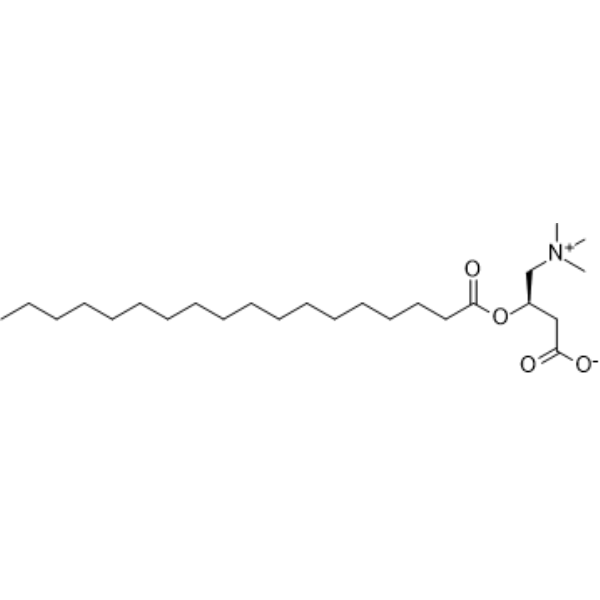
- Formule: C25H49NO4
- Masse moléculaire: 427.66
Stearoylcarnitine, a fatty ester lipid molecule, is an endogenous metabolite. Stearoylcarnitine can be used as PKC inhibitor. Stearoylcarnitine accumulates in β cells, leading to arrest of insulin synthesis and energy deficiency in type 2 diabetes mouse. Stearoylcarnitine inhibits lecithin cholesterol acyltransferase (LCAT) in rat and rabbits plasma. Stearoylcarnitine acts as a metabolomics biomarker for Parkinson’s disease. Stearoylcarnitine is a less potent inhibitor of GlyT2.
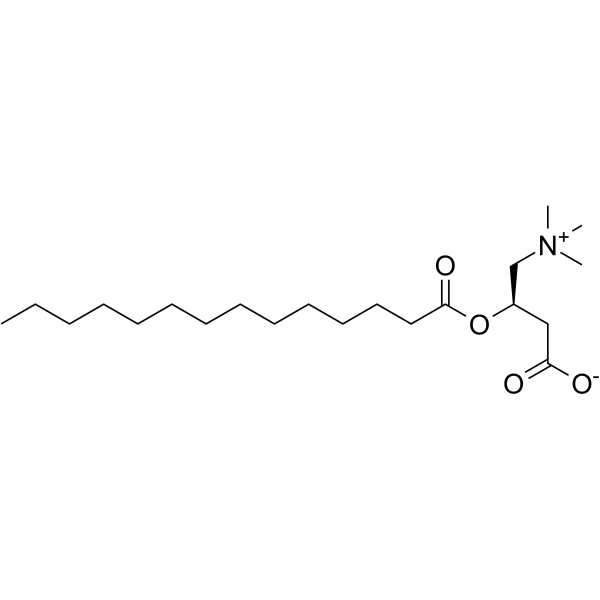
- Formule: C21H41NO4
- Masse moléculaire: 371.55
Tetradecanoylcarnitine is an acylcarnitine involved in mitochondrial β-oxidation of long-chain saturated fatty acids and fatty acid metabolism. Tetradecanoylcarnitine serves as a biomarker for very long-chain acyl-CoA dehydrogenase deficiency and MPTP (HY-15608)-induced Parkinson's disease. Tetradecanoylcarnitine exhibits a characteristic significant elevation in plasma levels in patients with sarcopenia, including those complicated with hypertension, and this elevation is closely associated with an increased risk of death. Tetradecanoylcarnitine is widely used in research on the pathological mechanisms of diseases such as Parkinson's disease and sarcopenia.
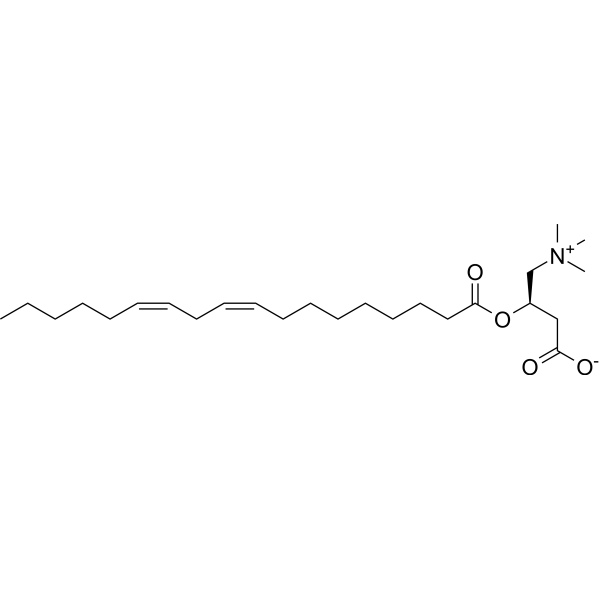
- Formule: C25H45NO4
- Masse moléculaire: 423.63
Linoleyl carnitine is an acylcarnitine and metabolite. Linoleyl carnitine in the liver is negatively correlated with pantothenic acid and citric acid in serum. Linoleyl carnitine accumulates in mitochondrial CPT II deficiency.
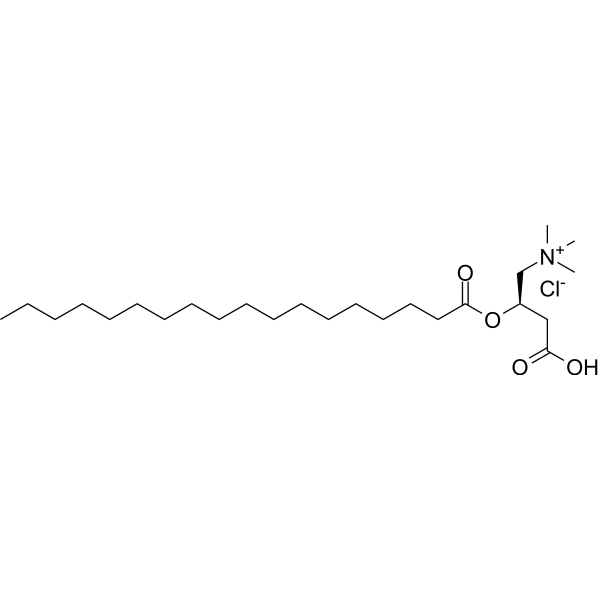
- Formule: C25H50ClNO4
- Masse moléculaire: 464.12
Stearoyl-L-carnitine chloride is an endogenous long-chain acylcarnitine. Stearoyl-L-carnitine chloride is a less potent inhibitor of GlyT2. Stearoyl-L-carnitine chloride inhibits glycine responses by 16.8% at concentrations up 3 μM.
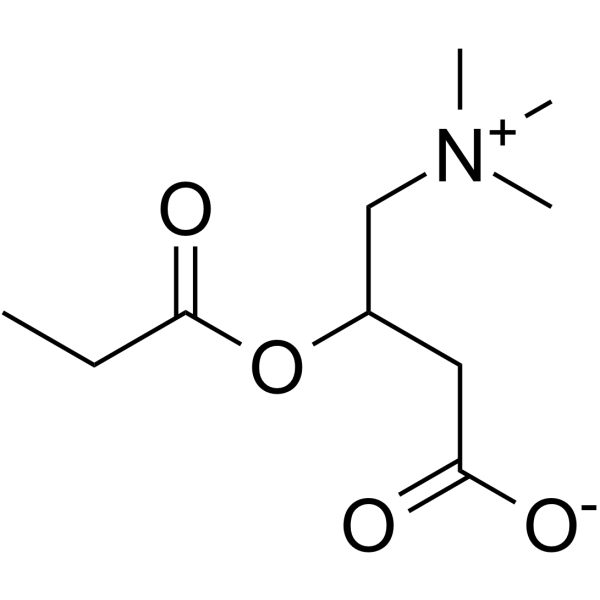
- Formule: C10H19NO4
- Masse moléculaire: 217.26
Propionylcarnitine is metabolized by carnitine acetyltransferase from propionyl-CoA. Increased propionylcarnitine is regarded as a biomarker of vitamin B12 deficiency.
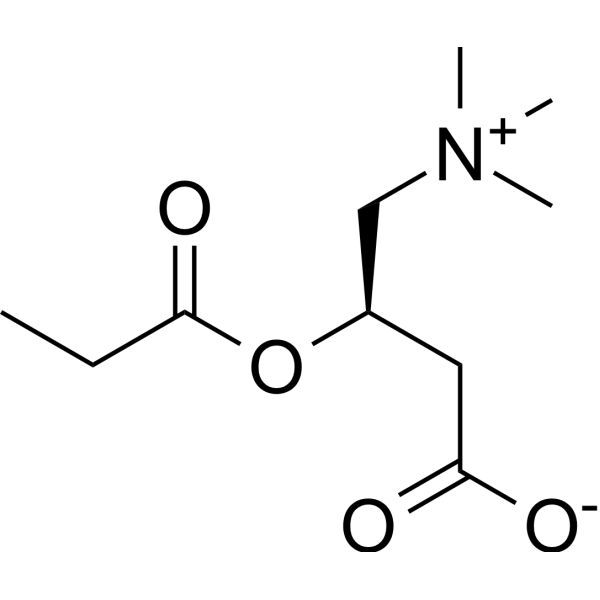
- Formule: C10H19NO4
- Masse moléculaire: 217.26
Propionyl-L-carnitine is an orally active L-carnitine derivative. Propionyl-L-carnitine has a high affinity for muscle L-carnitine transferase. Propionyl-L-carnitine increases Apoptosis, Bax, and reduces NF-κB, VCAM-1, MCP-1, and survivin. Propionyl-L-carnitine activates Src kinase, Akt, induces p-AMPK and nitric oxide synthesis. Propionyl-L-carnitine alleviates cardiovascular disease, obesity, and colitis.
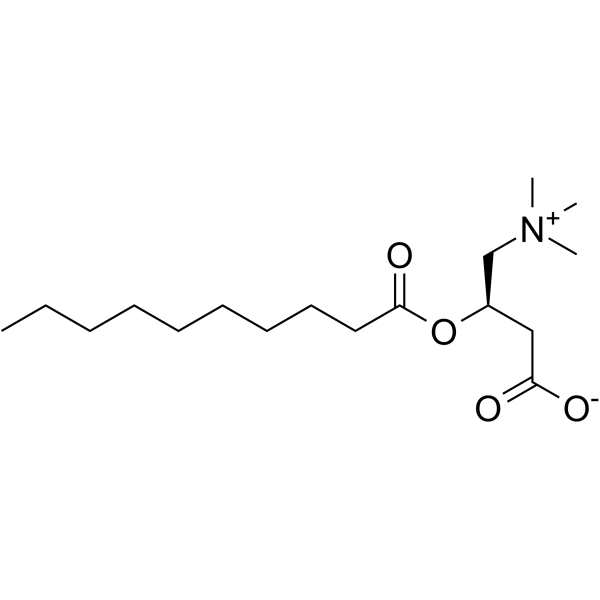
- Formule: C17H33NO4
- Masse moléculaire: 315.45
Decanoyl-L-carnitine ((-)-Decanoylcarnitine) is an endogenous metabolite. Decanoyl-L-carnitine can be used as a serum metabolic biomarkers as indicators in the progression of intravenous leiomyomatosis.

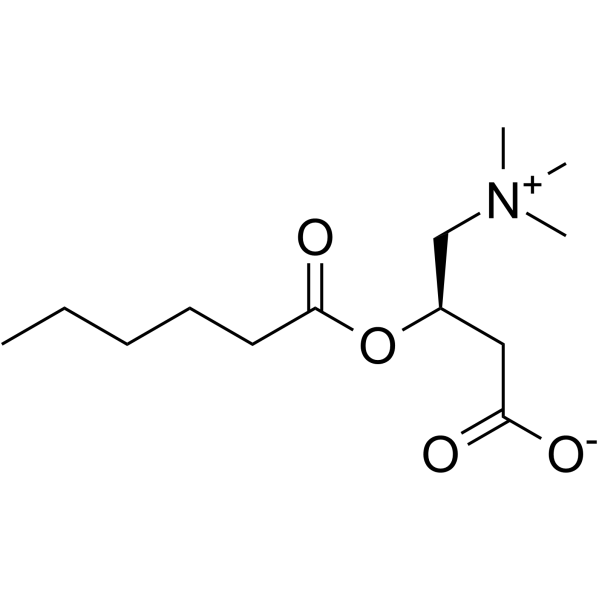
- Formule: C13H25NO4
- Masse moléculaire: 259.34
L-Hexanoylcarnitine is an acylcarnitine and is found to be associated with celiac disease.
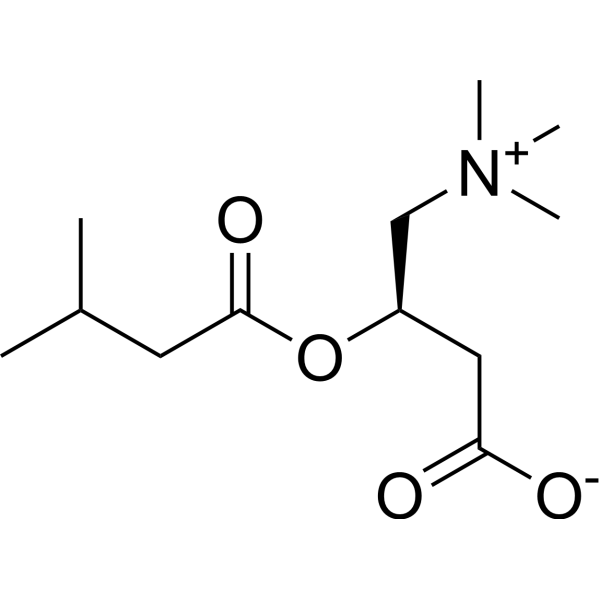
- Formule: C12H23NO4
- Masse moléculaire: 245.32
Isovalerylcarnitine is a metabolite of leucine. Isovalerylcarnitine can specifically activate calpain in human neutrophils. Isovalerylcarnitine inhibits tumor cell proliferation and induces apoptosis. Elevated circulating levels of Isovalerylcarnitine are negatively correlated with reduced lung cancer risk.
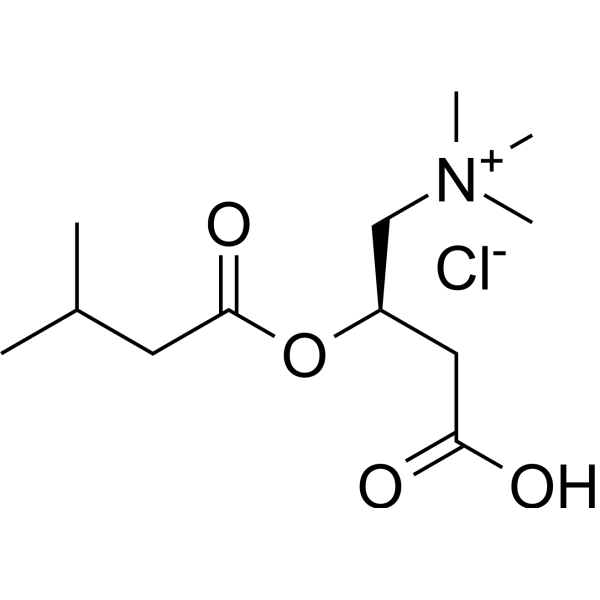
- Formule: C12H24ClNO4
- Masse moléculaire: 281.78
Isovalerylcarnitine chloride is a metabolite of leucine. Isovalerylcarnitine chloride can specifically activate calpain in human neutrophils. Isovalerylcarnitine chloride inhibits tumor cell proliferation and induces apoptosis. Elevated circulating levels of Isovalerylcarnitine chloride are negatively correlated with reduced lung cancer risk.
- 1
- 2



