1. Search Result
Search Result
Results for "

4.13

" in MedChemExpress (MCE) Product Catalog:

74

Inhibitors & Agonists

1

Screening Libraries

2

Biochemical Assay Reagents

1

Peptides

6

Natural
Products

2

Recombinant Proteins

32

Isotope-Labeled Compounds

2

Antibodies

3

Click Chemistry

Cat. No. Product Name Target Research Areas Chemical Structure
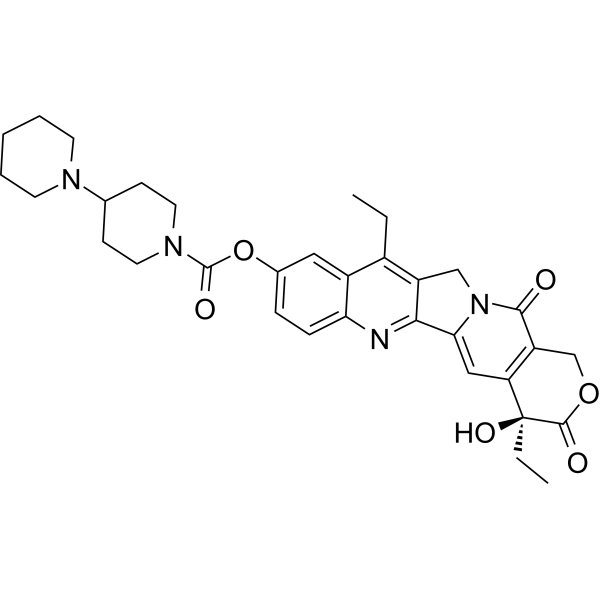
  • HY-16562
    Irinotecan
    Maximum Cited Publications
    75 Publications Verification

    (+)-Irinotecan; CPT-11; VAL-413free base

    Topoisomerase Autophagy Neurological Disease Cancer
    Irinotecan ((+)-Irinotecan) is a topoisomerase I inhibitor, preventing religation of the DNA strand by binding to topoisomerase I-DNA complex .
    Irinotecan
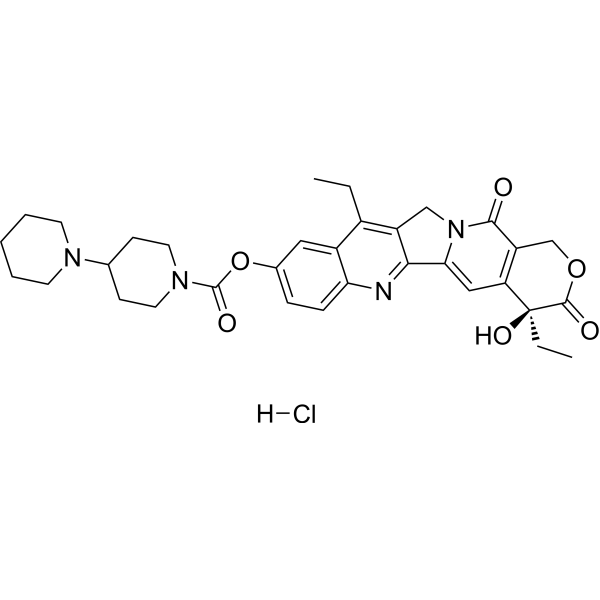
  • HY-16562A
    Irinotecan hydrochloride
    70+ Cited Publications

    (+)-Irinotecan hydrochloride; CPT-11 hydrochloride; VAL-413

    Topoisomerase Autophagy Cancer
    Irinotecan hydrochloride ((+)-Irinotecan hydrochloride) is a topoisomerase I inhibitor mainly used to treat colon cancer and rectal cancer .
    Irinotecan hydrochloride
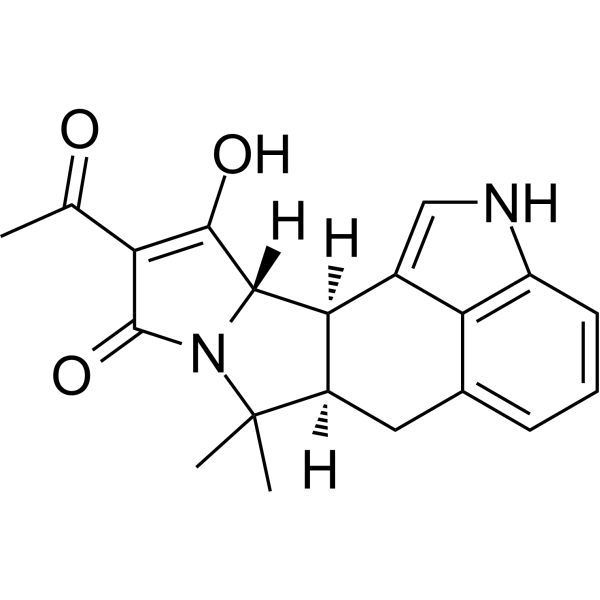
  • HY-N6771
    Cyclopiazonic acid
    5+ Cited Publications

    Calcium Channel 5-HT Receptor MDM-2/p53 Apoptosis RSV Infection
    Cyclopiazonic acid is an endoplasmic reticulum calcium ATPase (ECAs) inhibitor and human respiratory syncytial virus (RSV) inhibitor (EC50 value of 4.13 μ M), which can reduce the antagonistic effect of 5-HT receptors in rat thoracic aorta, induce p53 dependent cell apoptosis and reproductive toxicity in mouse testes, and inhibit the biological activation of aflatoxin B [1][4][5].
    Cyclopiazonic acid
  • HY-13979
    DDR1-IN-1
    5 Publications Verification

    Discoidin Domain Receptor Cancer
    DDR1-IN-1 is a potent and selective DDR1 receptor tyrosine kinase inhibitor with an IC50 of 105 nM; 4-fold less potent for DDR2 (IC50 = 413 nM) .
    DDR1-IN-1
  • HY-153368

    KT-413

    PROTACs IRAK NF-κB IFNAR Cancer
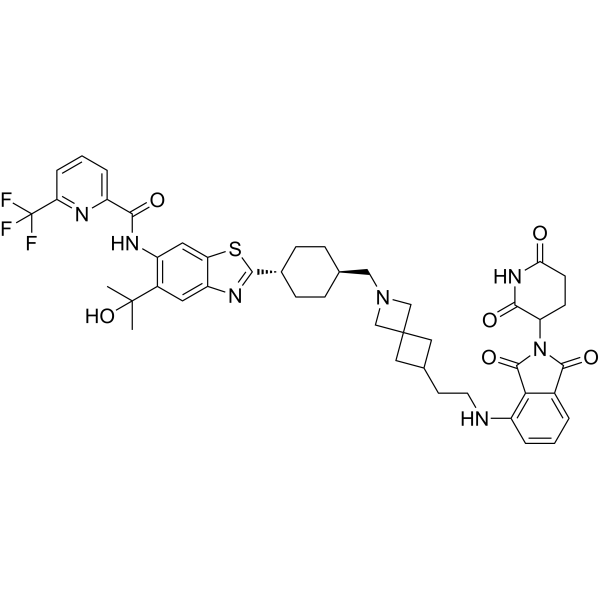
    Zomiradomide is an orally active PROTAC degrader for IRAK4 (DC50=6 nM), thereby inhibiting the NF-κB signaling pathway. Zomiradomide acts also as a molecular glue, recruiting Ikaros and Aiolos, and mediating their degradation (DC50 for Ikaros is 1 nM), thereby activating the type I IFN signaling pathway . (Pink: target protein ligand PROTAC IRAK4 ligand-5 (HY-168311), Blue: E3 ligase ligand Thalidomide-4-Br (HY-W039116), Black: linker (HY-168313))
    Zomiradomide
  • HY-107916
    Thyrotropin
    1 Publications Verification

    TSH; Pretiron

    TSH Receptor PKC Apoptosis Metabolic Disease Inflammation/Immunology Endocrinology Cancer
    Thyrotropin (TSH, Pretiron) is a thyroid-stimulating hormone produced by thyrotrope cells in the anterior pituitary gland. Thyrotropin regulates the endocrine function of the thyroid. Thyrotropin induces transcriptional regulation of TH-gatekeeper genes in tanycytes through the Tshr/Gαq/PKC pathway. Thyrotropin prevents Apoptosis. Thyrotropin has an association of low levels with increased bone remodeling, reduced bone mass and a high fracture risk in mice. Thyrotropin is promising for research of skeletal remodeling, hyperthyroidism [4] .
    Thyrotropin
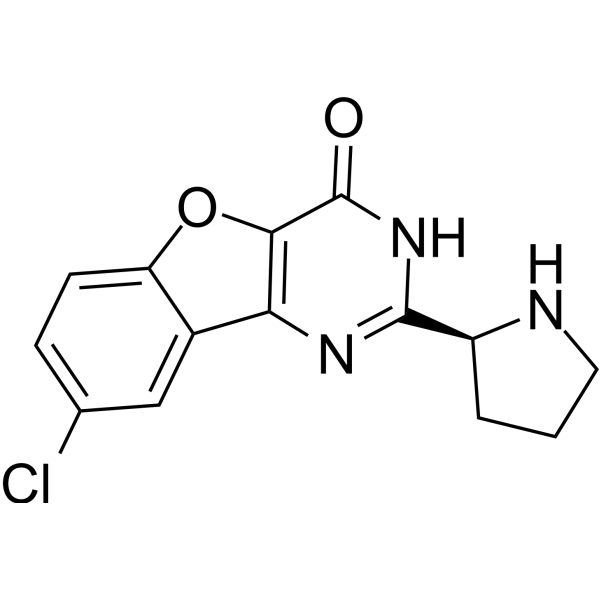
  • HY-15260
    XL413
    5+ Cited Publications

    BMS-863233

    CDK Cancer
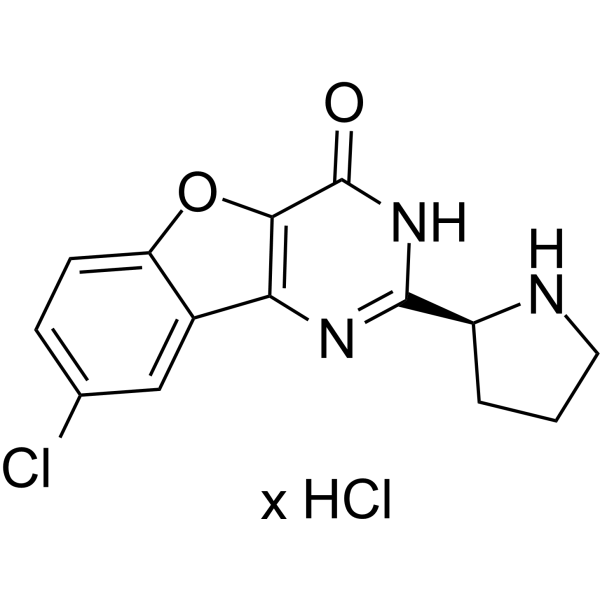
    XL413 is a potent, selective and ATP competitive inhibitor of Cdc7, with an IC50 of 3.4 nM, and also shows potent effect with IC50s of 215, 42 nM on CK2, PIM1, respectively, and an EC50 of 118 nM on pMCM.
    XL413
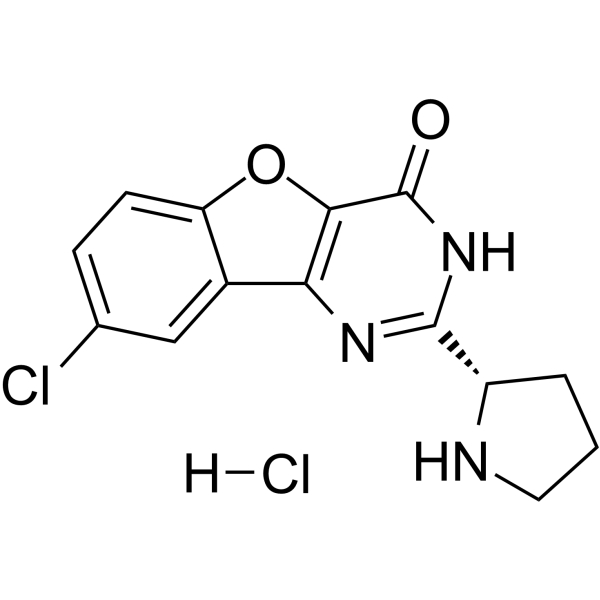
  • HY-15260A
    XL413 monohydrochloride
    5+ Cited Publications

    BMS-863233 monohydrochloride

    CDK Cancer
    XL413 (BMS-863233) hydrochloride is a potent, selective and ATP competitive inhibitor of Cdc7, with an IC50 of 3.4 nM, and also shows potent effect with IC50s of 215, 42 nM on CK2, PIM1, respectively, and an EC50 of 118 nM on pMCM.
    XL413 monohydrochloride
  • HY-12980

    GSK961081; TD-5959

    Adrenergic Receptor mAChR Inflammation/Immunology Endocrinology
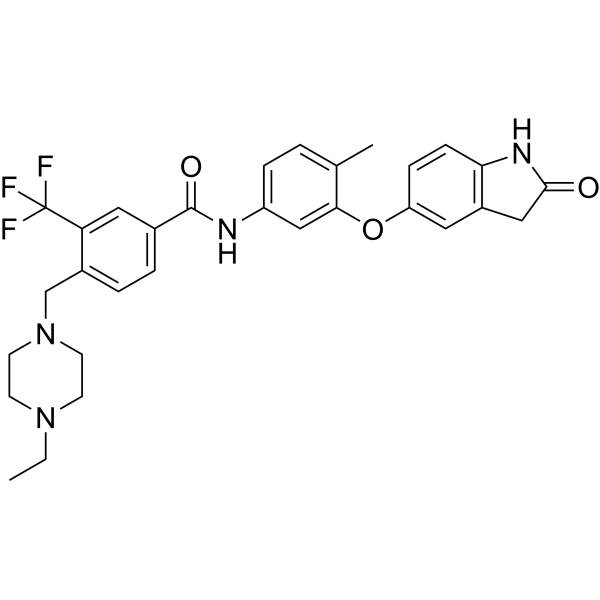
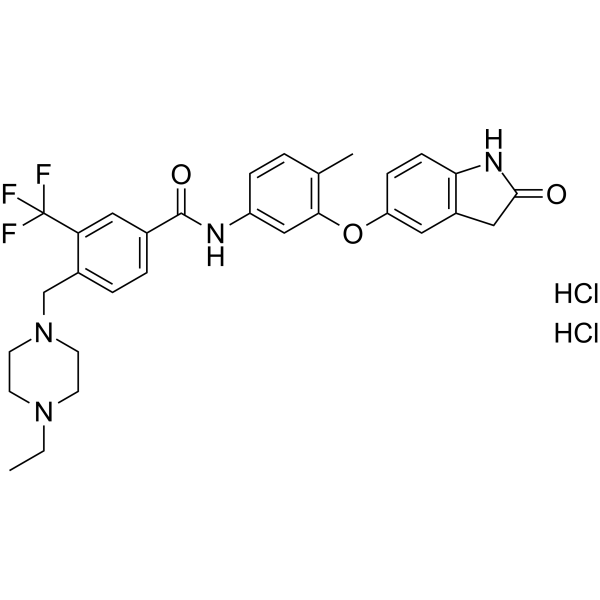
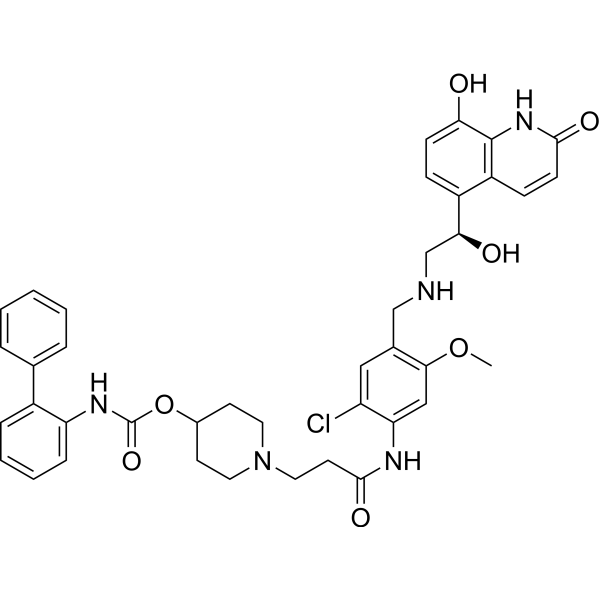
    Batefenterol (GSK961081;TD-5959) is a novel muscarinic receptor antagonist and β2-adrenoceptor agonist; displays high affinity for hM2, hM3 muscarinic and hβ2-adrenoceptor with Ki values of 1.4, 1.3 and 3.7 nM, respectively.
    Batefenterol
  • HY-W750796

    Butanoic acid-13C4 sodium

    Isotope-Labeled Compounds Endogenous Metabolite
    Butyric acid-13C4 sodium (Butanoic acid-13C4 sodium) is a stable isotope labeled compound with the activity of promoting cell proliferation and regulating gene expression. Butyric acid-13C4 sodium can be used in metabolic research and compound development to help scientists gain a deeper understanding of the role of short-chain fatty acids in organisms. Butyric acid-13C4 sodium also plays an important role in nutrition and intestinal health research, especially in the regulation of probiotic function and intestinal microbiota.
    Butyric acid-13C4 sodium
  • HY-N0830S

    Isotope-Labeled Compounds HSP Cardiovascular Disease Neurological Disease Metabolic Disease Cancer
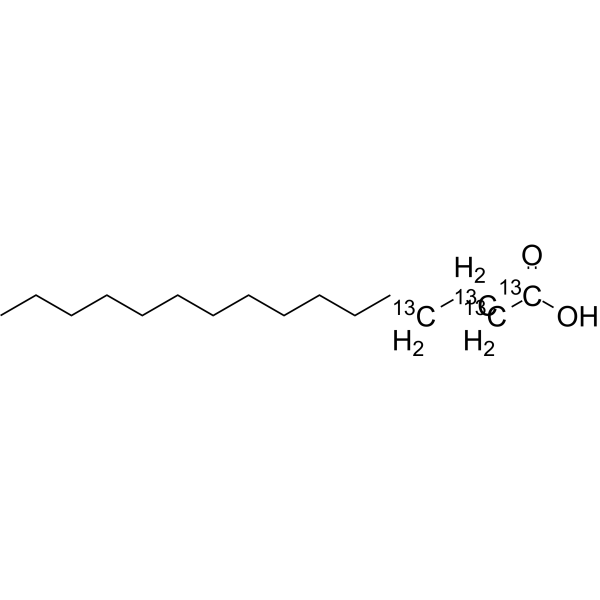
    Palmitic acid-1,2,3,4- 13C4 is the 13C-labeled Palmitic acid. Palmitic acid is a long-chain saturated fatty acid commonly found in both animals and plants. Palmitic acid can induce the expression of glucose-regulated protein 78 (GRP78) and CCAAT/enhancer binding protein homologous protein (CHOP) in in mouse granulosa cells .
    Palmitic acid-1,2,3,4-13C4
  • HY-100807S2

    Isotope-Labeled Compounds iGluR Endogenous Metabolite Reactive Oxygen Species (ROS) NO Synthase Apoptosis Neurological Disease Inflammation/Immunology
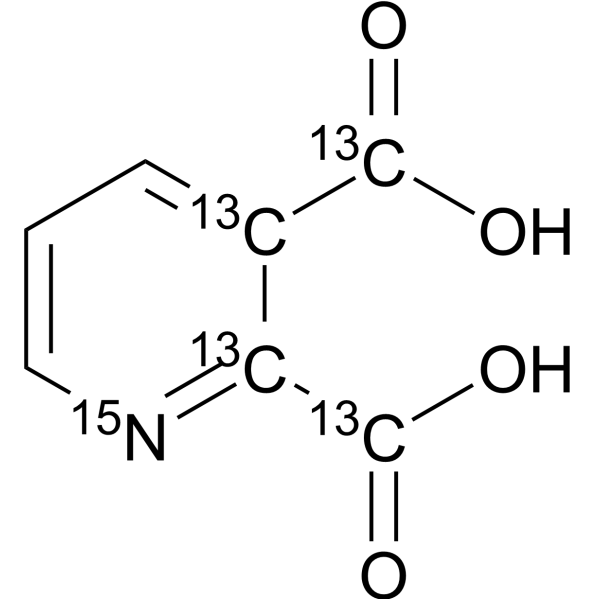
    Quinolinic acid-13C4, 15N is an isotopic labeled Quinolinic acid (HY-100807). Quinolinic acid, an endogenous metabolite of tryptophan, is a N-methyl-D-aspartate receptor (NMDA receptor) agonist. Quinolinic acid increases glutamate efflux, induces the generation of ROS, activates nitric oxide synthase, produces excessive NO, leading to calcium ion influx and neuronal apoptosis.
    Quinolinic acid-13C4,15N
  • HY-111781

    WS-413

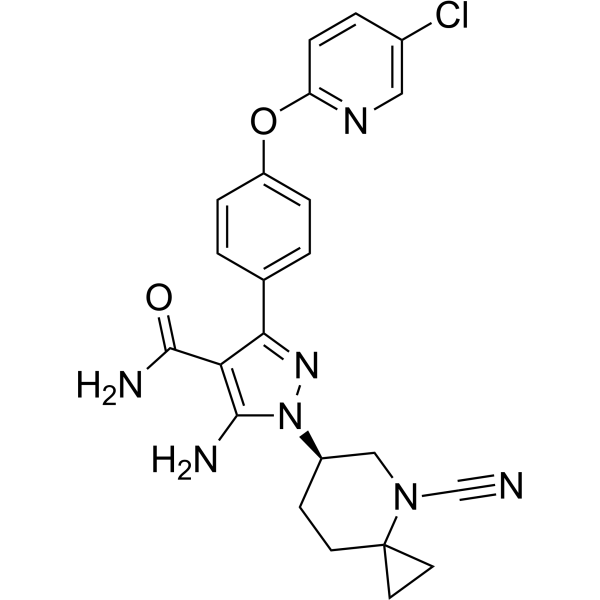
    Btk Cancer
    Civorebrutinib (WS-413) is a selective, orally active BTK and TEC inhibitor with an IC50 of <100 nM for both targets. Civorebrutinib inhibits B cell activation. Civorebrutinib significantly suppresses the in vivo growth of diffuse large B-cell lymphoma cells. Civorebrutinib can be used for the research of diffuse large B-cell lymphoma .
    Civorebrutinib
  • HY-W035051

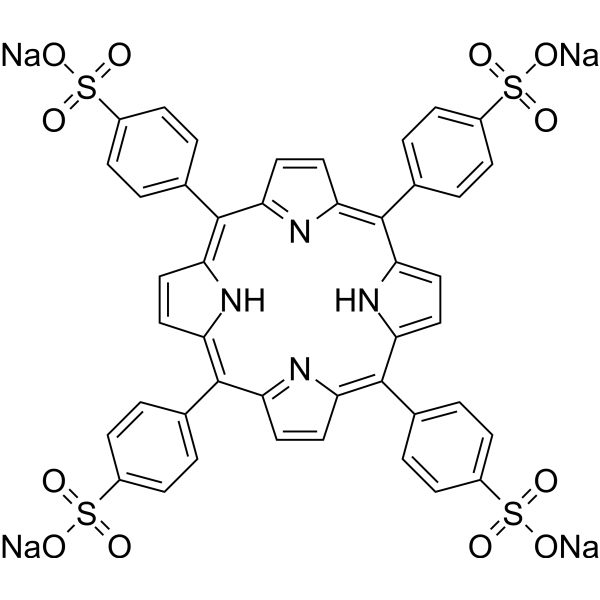
    MOFs Fluorescent Dye Infection Cancer
    TSPP tetrasodium is a photosensitizer that has shown impressive effects in in vivo regression of cancer and microorganism infections (Ex: 413 nm, Em: 640 nm) .
    TSPP tetrasodium
  • HY-13979A
    DDR1-IN-1 dihydrochloride
    5 Publications Verification

    Discoidin Domain Receptor Cancer
    DDR1-IN-1 dihydrochloride is a potent and selective DDR1 receptor tyrosine kinase inhibitor with an IC50 of 105 nM; 4-fold less potent for DDR2 (IC50 = 413 nM) .
    DDR1-IN-1 dihydrochloride
  • HY-N0473S5

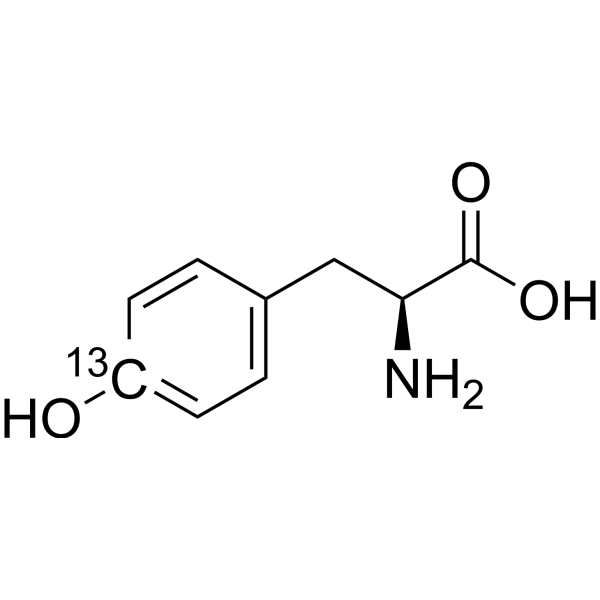
    Isotope-Labeled Compounds Endogenous Metabolite Neurological Disease
    L-Tyrosine-4- 13C is the 13C-labeled L-Tyrosine. L-Tyrosine is a non-essential amino acid which can inhibit citrate synthase activity in the posterior cortex.
    L-Tyrosine-4-13C
  • HY-N15387

    Drug Derivative Cancer
    Hericenone J (Compound 6) is an aromatic compound with anticancer activity, which is found in Hericium erinaceum. Hericenone J is cytotoxic and can significantly reduce the viability of HL-60 human acute promyelocytic leukemia cells with an IC50 value of 4.13 μM. Hericenone J is promising for research of leukemia .
    Hericenone J
  • HY-107494

    4-Keto 13-cis-retinoic acid; 4-Oxoisotretinoin; Ro 22-6595

    Endogenous Metabolite Others
    13-cis-4-Oxoretinoic acid (4-Keto 13-cis-retinoic acid) is a metabolite of vitamin A in human plasma .
    13-cis-4-Oxoretinoic acid
  • HY-15260C

    BMS-863233 hydrochloride

    CDK Cancer
    XL413 (BMS-863233) hydrochloride is an orally active and selective CDC7 inhibitor (IC50=3.4 nM). XL413 hydrochloride has favorable pharmacokinetic profiles and significantly inhibits tumor growth in rodent models. XL413 hydrochloride can be used in cancer research .
    XL413 hydrochloride
  • HY-B0152S3

    6-Aminopurine-13C5; Vitamin B4-13C5

    Isotope-Labeled Compounds DNA/RNA Synthesis Endogenous Metabolite Cancer
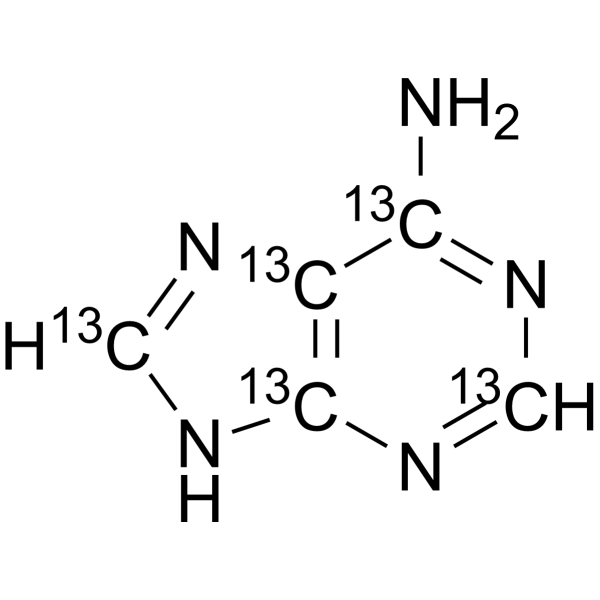
    Adenine- 13C5 (6-Aminopurine- 13C5; Vitamin B4- 13C5) is 13C-labeled Adenine (HY-B0152). Adenine (6-Aminopurine), a purine, is one of the four nucleobases in the nucleic acid of DNA. Adenine acts as a chemical component of DNA and RNA. Adenine also plays an important role in biochemistry involved in cellular respiration, the form of both ATP and the cofactors (NAD and FAD), and protein synthesis.
    Adenine-13C5
  • HY-15843

    MicroRNA Apoptosis Cancer
    MIR96-IN-1 targets the Drosha site in the miR-96 (miRNA-96, microRNA-96) hairpin precursor, inhibiting its biogenesis, derepressing downstream targets, and triggering apoptosis in breast cancer cells. MIR96-IN-1 binds to RNAs with Kds of 1.3, 9.4, 3.4, 1.3 and 7.4 μM for RNA1, RNA2, RNA3, RNA4 and RNA5, respectively . MIR96-IN-1 is a click chemistry reagent, it contains an Azide group and can undergo copper-catalyzed azide-alkyne cycloaddition reaction (CuAAc) with molecules containing Alkyne groups. It can also undergo strain-promoted alkyne-azide cycloaddition (SPAAC) reactions with molecules containing DBCO or BCN groups.
    MIR96-IN-1
  • HY-N7092S5

    D(-​)​-​Fructose-4-13C

    Isotope-Labeled Compounds Endogenous Metabolite Others
    D-Fructose-4- 13C is the 13C labeled D-Fructose. D-Fructose (D(-)-Fructose) is a naturally occurring monosaccharide found in many plants .
    D-Fructose-4-13C
  • HY-N0666S6

    Endogenous Metabolite Inflammation/Immunology
    L-Aspartic acid-1,4- 13C2 is the 13C-labeled L-Aspartic acid. L-Aspartic aicd is an amino acid that can penetrate the blood-brain barrier. L-Aspartic aicd is commonly used for preparing prodrugs to target colon and cecal tissues. L-Aspartic aicd commonly used in the study of inflammatory conditions .
    L-Aspartic acid-1,4-13C2
  • HY-W127841

    Isotope-Labeled Compounds Apoptosis Endogenous Metabolite Bacterial Infection Cardiovascular Disease Metabolic Disease Inflammation/Immunology Cancer
    Citric acid-2,4- 13C2 is the 13C-labeled Citric acid (HY-N1428). Citric acid is a natural preservative and food tartness enhancer. Citric acid induces apoptosis and cell cycle arrest at G2/M phase and S phase in HaCaT cells. Citric acid cause oxidative damage of the liver by means of the decrease of antioxidative enzyme activities. Citric acid is also an acidulant, emulsifier, sequestrant and buffering agent widely used across many industries .
    Citric acid-2,4-13C2
  • HY-B0389S11

    Glucose-4-13C; D-(+)-Glucose-4-13C; Dextrose-4-13C

    Endogenous Metabolite Metabolic Disease
    D-Glucose-4- 13C is the 13C labeled D-Glucose. D-Glucose (Glucose), a monosaccharide, is an important carbohydrate in biology. D-Glucose is a carbohydrate sweetener and critical components of the general metabolism, and serve as critical signaling molecules in relation to both cellular metabolic status and biotic and abiotic stress response .
    D-Glucose-4-13C
  • HY-W953766

    Ligands for E3 Ligase Cancer
    CRBN ligand-413 is an E3 ubiquitin ligase cereblon (CRBN) ligand used to recruit the cereblon protein. CRBN ligand-413 can be linked to a target protein ligand via a linker to form a PROTAC.
    CRBN ligand-413
  • HY-107494R

    4-Keto 13-cis-retinoic acid (Standard); 4-Oxoisotretinoin (Standard); Ro 22-6595 (Standard)

    Reference Standards Endogenous Metabolite Others
    13-cis-4-Oxoretinoic acid (Standard) is the analytical standard of 13-cis-4-Oxoretinoic acid (HY-107494). This product is intended for research and analytical applications. 13-cis-4-Oxoretinoic acid (4-Keto 13-cis-retinoic acid) is a metabolite of vitamin A in human plasma .
    13-cis-4-Oxoretinoic acid (Standard)
  • HY-121817

    Aldehyde Dehydrogenase (ALDH) Drug Intermediate Amyloid-β Infection Neurological Disease
    Sulfiram is a very weak aldehyde dehydrogenase (ALDH) inhibitor, with an IC50 value of 413 μM against Saccharomyces cerevisiae ALDH. As a photochemical precursor, Sulfiram undergoes photoconversion to form Disulfiram (HY-B0240), a potent ALDH inhibitor. Sulfiram inhibits the dimerization of the extracellular domain fragment (amino acid residues 230-624) of amyloid precursor protein (APP), alters the monomer-dimer equilibrium, induces conformational changes in the fragment, and enhances the production of sAPPα via α-cleavage of APP. Sulfiram can be used in research related to scabies and Alzheimer's disease .
    Sulfiram
  • HY-107810

    RAR/RXR Cancer
    Methyl 13-cis-4-oxoretinoate (Compound 4b) is a retinoic acid receptors (RARs) agonist. Methyl 13-cis-4-oxoretinoate is promising for research of dermatological diseases (e.g., disorders related to abnormal differentiation of keratinocytes) and cancers .
    Methyl 13-cis-4-oxoretinoate
  • HY-139959S

    Isotope-Labeled Compounds Others
    (±)12(13)-EpOME-d4 is the deuterium labeled (±)12(13)-EpOME .
    (±)12(13)-EpOME-d4
  • HY-141541

    HDAC Tau Protein Neurological Disease
    MPT0G413 (Compound 6) is a potent, selective, orally active and brain-penetrant HDAC6 inhibitor with an IC50 of 3.92 nM. MPT0G413 decreases not only the level of phosphorylation of tau proteins but also the aggregation of tau proteins. MPT0G413 can ameliorate the impaired learning and memory. MPT0G413 can be used for the research of neurological disease, such as Alzheimer's disease .
    MPT0G413
  • HY-146275

    LXR Cancer
    LXRβ agonist-3 (compound 4-13) is a potent and selective LXRβ (liver X receptor β) agonist, with an EC50 of 0.095 μM. LXRβ agonist-3 efficiently inhibits U87EGFRvIII cell, with an IC50 of 3.75 μM. LXRβ agonist-3 shows antitumor activity, and can inhibit glioblastoma .
    LXRβ agonist-3
  • HY-140346AS

    Isotope-Labeled Compounds PROTAC Linkers Cancer
    L-Azidohomoalanine-1,2,3,4- 13C4 (hydrochloride) is the 13C- and 15N-labeled L-Azidohomoalanine hydrochloride. L-Azidohomoalanine hydrochloride is an alkyl chain-based PROTAC linker that can be used in the synthesis of PROTACs . L-Azidohomoalanine-1,2,3,4-13C4 (hydrochloride) is a click chemistry reagent, it contains an Azide group and can undergo copper-catalyzed azide-alkyne cycloaddition reaction (CuAAc) with molecules containing Alkyne groups. It can also undergo strain-promoted alkyne-azide cycloaddition (SPAAC) reactions with molecules containing DBCO or BCN groups.
    L-Azidohomoalanine-1,2,3,4-13C4 hydrochloride
  • HY-W017163S

    Endogenous Metabolite Metabolic Disease
    7-Methylxanthine-2,4,5,6- 13C4, 1,3- 15N2 (with variable 15N labeling at N9) is the 13C and 15N labeled 7-Methylxanthine . 7-Methylxanthine, a methyl derivative of xanthine, is one of the purine components in urinary calculi .
    7-Methylxanthine-2,4,5,6-13C4, 1,3-15N2 (with variable 15N labeling at N9)
  • HY-18341S4

    Levothyroxine-13C6-1; T4-13C6-1

    Isotope-Labeled Compounds Endogenous Metabolite Thyroid Hormone Receptor Endocrinology
    L-Thyroxine- 13C6-1 (Levothyroxine- 13C6-1; T4- 13C6-1) is a 13C labeled L-Thyroxine (HY-18341). L-Thyroxine (Levothyroxine; T4) is a synthetic hormone for the research of hypothyroidism. DIO enzymes convert biologically active thyroid hormone (Triiodothyronine,T3) from L-Thyroxine (T4) .
    L-Thyroxine-13C6-1
  • HY-152146

    Apoptosis FGFR HDAC Cancer
    HDAC-IN-50 is a potent and orally active FGFR and HDAC dual inhibitor with IC50 values of 0.18, 1.2, 0.46, 1.4, 1.3, 1.6, 2.6, 13 nM for FGFR1, FGFR2, FGFR3, FGFR4, HDAC1, HDAC2, HDAC6, HDAC8, respectively. HDAC-IN-50 induces Apoptosis and cell cycle arrest at G0/G1 phase. HDAC-IN-50 decreases the expression of pFGFR1, pERK, pSTAT3. HDAC-IN-50 shows anti-tumor activity .
    HDAC-IN-50
  • HY-15661A

    CP 373413

    Drug Metabolite Cancer
    OSI-413 (free base) (CP 373413) is a major metabolite of Erlotinib (HY-50896). Erlotinib (CP-358774) is a directly acting EGFR tyrosine kinase inhibitor, with an IC50 of 2 nM for human EGFR .
    OSI-413 free base
  • HY-146465

    Microtubule/Tubulin Cancer
    Anticancer agent 60 (compound 3h) has antiproliferative activity against human HepG2 cells (IC50 = 4.13 μM) and presents antitumor efficacy in a human HepG2 xenograft mouse model .
    Anticancer agent 60
  • HY-116956S3

    Isotope-Labeled Compounds Others
    D-Erythrose-4- 13C is the 13C labeled D-Erythrose .
    D-Erythrose-4-13C
  • HY-P3171

    Biochemical Assay Reagents Others
    Acetyl-(Cys4,D-Phe7,Cys10)-a-MSH (4-13) is a melanotropin cyclic peptide. Acetyl-(Cys4,D-Phe7,Cys10)-a-MSH (4-13) ultraprolongs melanotropic activity in frog and lizard skin model with great agonisim. Acetyl-(Cys4,D-Phe7,Cys10)-a-MSH (4-13) exhibits a complete resistance to tryptic degradation .
    Acetyl-(Cys4,D-Phe7,Cys10)-a-MSH (4-13)
  • HY-N0667S4

    (-)-Asparagine-4-13C monohydrate; Asn-4-13C monohydrate; Asparamide-4-13C monohydrate

    Isotope-Labeled Compounds Endogenous Metabolite Apoptosis DNA/RNA Synthesis Inflammation/Immunology
    L-Asparagine-4- 13C monohydrate is the 13C-labeled L-Asparagine monohydrate (HY-W017443).L-Asparagine monohydrate is an essential amino acid for leukemic cells and a substrate for L-Asparaginase. L-Asparaginase is a potent anti-leukemic enzyme that promotes asparagine (Asn) and glutamine (Gln) depletion and inhibits protein biosynthesis in lymphoblasts. Removal of L-asparagine from plasma by L-Asparaginase results in inhibition of RNA and DNA synthesis and subsequent apoptosis. L-Asparaginase has cell-killing ability in vitro and in vivo, and selectively inhibits the growth of cancer cells with low asparagine synthetase (AASNS) expression. L-Asparagine monohydrate can be used as a biomarker and sensor for the study of childhood acute lymphoblastic leukemia .
    L-Asparagine-4-13C monohydrate
  • HY-168313

    PROTAC Linkers Others
    2-(2-Azaspiro[3.3]heptan-6-yl)ethanamine is the PROTAC linker of KT-413 (HY-153368) and can be used in the synthesis of PROTACs .
    2-(2-Azaspiro[3.3]heptan-6-yl)ethanamine
  • HY-168311

    Ligands for Target Protein for PROTAC Cancer
    PROTAC IRAK4 ligand-5 is a PROTAC target protein ligand (Ligands for Target Protein for PROTACs). PROTAC IRAK4 ligand-5 can be utilized for the synthesis of KT-413 (HY-153368) .
    PROTAC IRAK4 ligand-5
  • HY-159678

    PROTAC Linkers Cancer
    4-(1,3-Dioxolan-2-yl)phenethyl methanesulfonate is a PROTAC Linker. 4-(1,3-Dioxolan-2-yl)phenethyl methanesulfonate can be used in the synthesis of PROTAC SMARCA2/4-degrader-27 (HY-162834) .
    4-(1,3-Dioxolan-2-yl)phenethyl methanesulfonate
  • HY-N8583

    Others Others
    6α,16,18-Trihydroxycleroda-3(4),13(14)-dien-15,16-olide is a Diterpenoids product that can be isolated from the herbs of Polyalthia cheliensis .
    6α,16,18-Trihydroxycleroda-3(4),13(14)-dien-15,16-olide
  • HY-N0537S6

    D-(+)-Xylose-4-13C; (+)-Xylose-4-13C; Wood sugar-4-13C

    Isotope-Labeled Compounds Endogenous Metabolite Others
    Xylose-4- 13C is the 13C labeled Xylose.
    Xylose-4-13C
  • HY-N0666S7

    Isotope-Labeled Compounds Endogenous Metabolite Cardiovascular Disease
    L-Aspartic acid-1,4- 13C2, 15N is the 13C- and 15N-labeled L-Aspartic acid. L-Aspartic aicd is an amino acid that can penetrate the blood-brain barrier. L-Aspartic aicd is commonly used for preparing prodrugs to target colon and cecal tissues. L-Aspartic aicd commonly used in the study of inflammatory conditions .
    L-Aspartic acid-1,4-13C2,15N
  • HY-16562AR

    (+)-Irinotecan hydrochloride (Standard); CPT-11 hydrochloride (Standard); VAL-413 (Standard)

    Reference Standards Topoisomerase Autophagy Cancer
    Irinotecan (hydrochloride) (Standard) is the analytical standard of Irinotecan (hydrochloride). This product is intended for research and analytical applications. Irinotecan hydrochloride ((+)-Irinotecan hydrochloride) is a topoisomerase I inhibitor mainly used to treat colon cancer and rectal cancer .
    Irinotecan hydrochloride (Standard)
  • HY-W017443S4

    Isotope-Labeled Compounds Endogenous Metabolite Apoptosis DNA/RNA Synthesis Neurological Disease Metabolic Disease Inflammation/Immunology Cancer
    L-Asparagine-1,2,3,4- 13C4 monohydrate is the 13C labeled labeled L-Asparagine monohydrate (HY-W017443). L-Asparagine monohydrate is an essential amino acid for leukemic cells and a substrate for L-Asparaginase. L-Asparaginase is a potent anti-leukemic enzyme that promotes asparagine (Asn) and glutamine (Gln) depletion and inhibits protein biosynthesis in lymphoblasts. Removal of L-asparagine from plasma by L-Asparaginase results in inhibition of RNA and DNA synthesis and subsequent apoptosis. L-Asparaginase has cell-killing ability in vitro and in vivo, and selectively inhibits the growth of cancer cells with low asparagine synthetase (AASNS) expression. L-Asparagine monohydrate can be used as a biomarker and sensor for the study of childhood acute lymphoblastic leukemia .
    L-Asparagine-1,2,3,4-13C4 monohydrate
  • HY-B2156S1

    Vitamin K2(MK-4)-13C6; Menaquinone K4-13C6

    Isotope-Labeled Compounds Endogenous Metabolite Cancer
    Menaquinone-4- 13C6 is the 13C-labeled Menaquinone-4. Menaquinone-4 is a vitamin K, used as a hemostatic agent, and also a adjunctive therapy for the pain of osteoporosis.
    Menaquinone-4-13C6

Inquiry Online

Your information is safe with us. * Required Fields.

Salutation


Country or Region *

Applicant Name *


Organization Name *

Department *


Email Address *


Product Name *

Cat. No.


Requested quantity *

Phone Number *


Remarks

Inquiry Online

Inquiry Information

Product Name:
Cat. No.:
Quantity:
MCE Japan Authorized Agent:

