
Search Result
Results for "
AD model
" in MedChemExpress (MCE) Product Catalog:
4
Isotope-Labeled Compounds
| Cat. No. |
Product Name |
Target |
Research Areas |
Chemical Structure |
-
- HY-113354
-
|
|
Endogenous Metabolite
|
Neurological Disease
|
|
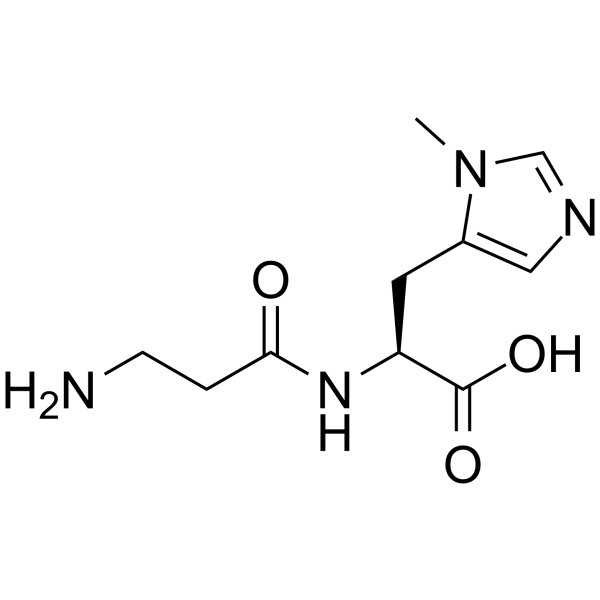
Anserine, a methylated form of Carnosine, is an orally active, natural Histidine-containing dipeptide found in skeletal muscle of vertebrates. Anserine is not cleaved by serum carnosinase and act as biochemical buffers, chelators, antioxidants, and anti-glycation agents. Anserine has blood-brain barrier permeability, and improves memory functions in Alzheimer's disease (AD)-model mice .
|
-
-
- HY-P99022
-
|
R-04909832; RG-1450
|
Amyloid-β
|
Neurological Disease
|
|
Gantenerumab is a fully humanized anti-Aβ IgG1 monoclonal antibody. Gantenerumab can specifically bind to Aβ fibrils and plaques and can be used in Alzheimer's disease research .
|
-
-
- HY-148807
-
|
QC8222 free base; TACH 101 free base
|
Histone Demethylase
Apoptosis
|
Cancer
|
|
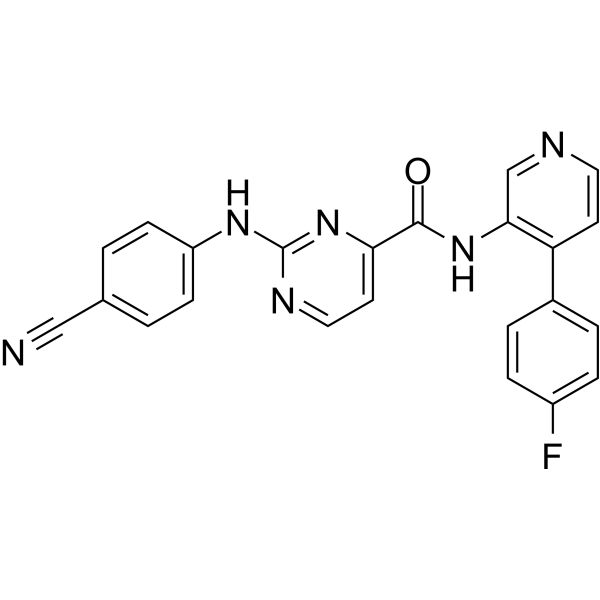
Zavondemstat (QC8222 free base; TACH 101 free base) is an orally active pan-KDM4 inhibitor, with a IC50 ≤ 0.08 μM against human KDM4A-D and a Kᵢ of 0.52 μM against human KDM4C. Zavondemstat induces cell apoptosis, causes S-phase cell cycle arrest, reduces the population of tumor-initiating cells and inhibits cancer cell proliferation. Zavondemstat suppresses tumor growth and induces tumor regression in mouse xenograft models. Zavondemstat can be used for the research of various cancers including colorectal cancer, esophageal squamous cell carcinoma and triple-negative breast cancer .
|
-
-
- HY-11013
-
-
-
- HY-N2909
-
|
|
NF-κB
RIP kinase
Mixed Lineage Kinase
|
Cardiovascular Disease
Neurological Disease
Inflammation/Immunology
|
|
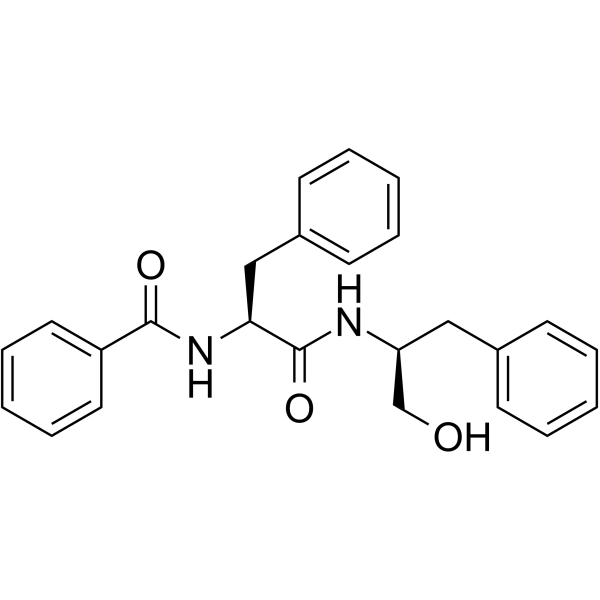
Aurantiamide is a non-covalent, orally active, blood-brain-permeable GRPR selective antagonist with anti-inflammatory and neuroprotective effects. Aurantiamide reduces inflammation and oxidative stress in renal tissue by inhibiting GRPR-mediated renal necrosis pathways (such as RIPK3/MLKL signaling) and NF-κB inflammatory pathways, exerting anti-acute kidney injury and endothelial function activities. Aurantiamide also inhibits the M1 polarization of microglia and inhibits NLRP3 activation, thereby improving AD mouse models. Aurantiamide has in vivo inhibitory efficacy in acute kidney injury models such as ischemia/reperfusion, sepsis, and hypertension models .
|
-
-
- HY-105321
-
|
PBT 2
|
Bacterial
|
Neurological Disease
|
|
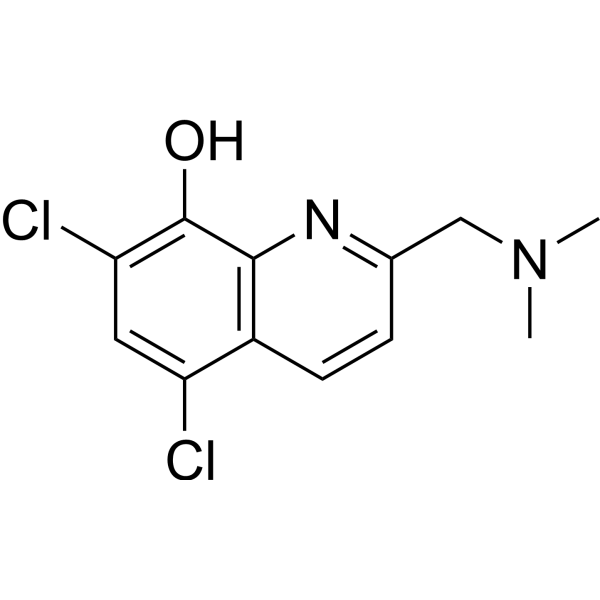
PBT 1033 (PBT 2) is an orally active copper/zinc ionophore. PBT 1033 restores cognition in mouse models of Alzheimer's disease (AD). PB 1033 also has antibacterial activity against Gram-positive bacteria .
|
-
-
- HY-P1146
-
Semax
1 Publications Verification
|
Amyloid-β
|
Cardiovascular Disease
Neurological Disease
Inflammation/Immunology
|
|
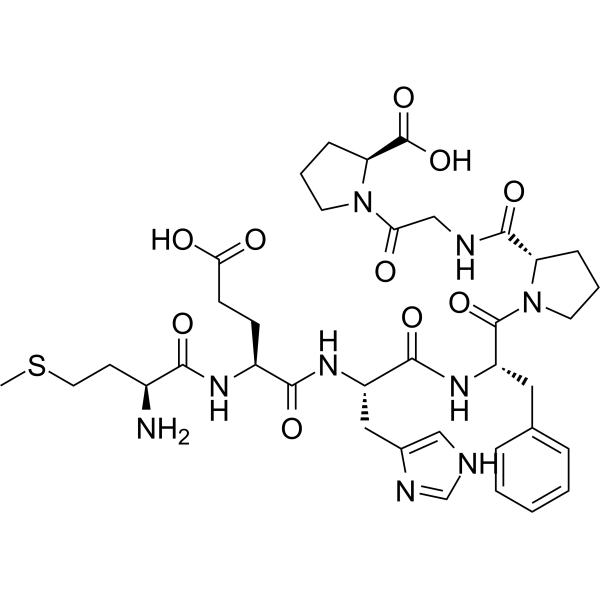
Semax is a BBB-penetrable adrenocorticotropic hormone-like peptide and can form stable complexes with Cu 2+. Semax is a synthetic peptide analog of Adrenocorticotropic hormone (ACTH) (4-10). Semax has immunomodulatory, nootropic and neuroprotective activities. Semax can be used in the research of central nervous system diseases such as Alzheimer's disease and cerebral ischemia .
|
-
-
- HY-W012531
-
|
|
HIV
SARS-CoV
Endogenous Metabolite
Bacterial
|
Infection
Neurological Disease
Inflammation/Immunology
Cancer
|
|
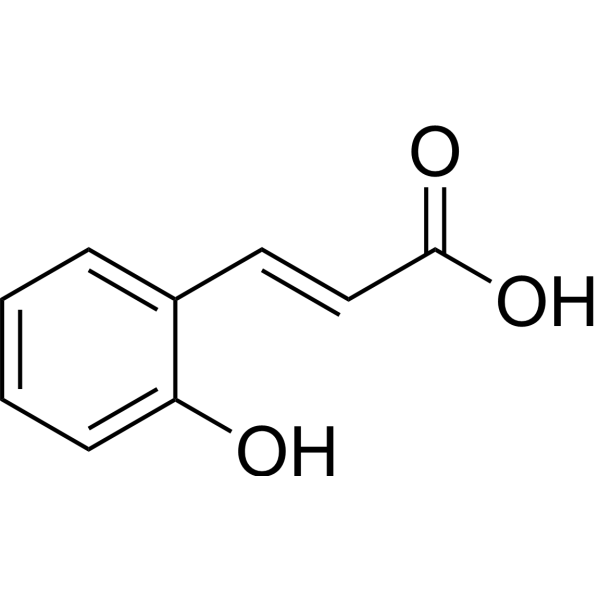
2-Hydroxycinnamic acid is a phenolic acid with antimicrobial and antioxidant properties. 2-Hydroxycinnamic acid has antimicrobial activity against Staphylococcus aureus and is not susceptible to drug resistance. 2-Hydroxycinnamic acid shows inhibitory effects on infection of HIV/SARS-CoV S pseudovirus with an IC50 of 0.3 mM. In addition, 2-Hydroxycinnamic acid has neuroprotective and antitumor activity .
|
-
-
- HY-N3383
-
|
Ligstroside
|
Mitochondrial Metabolism
|
Neurological Disease
|
|
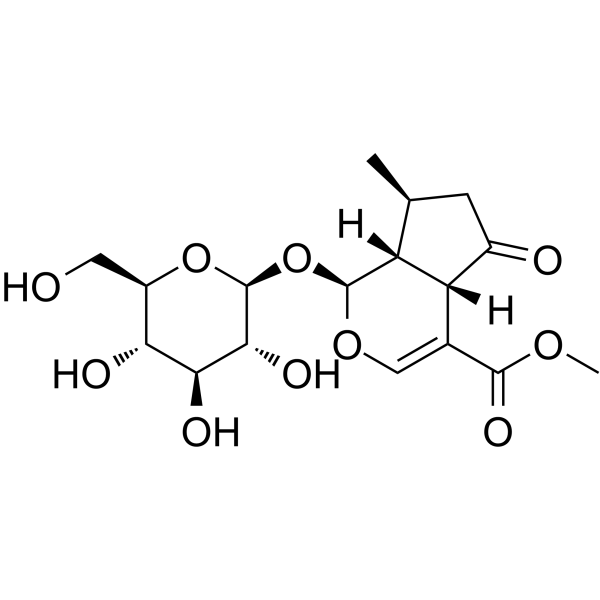
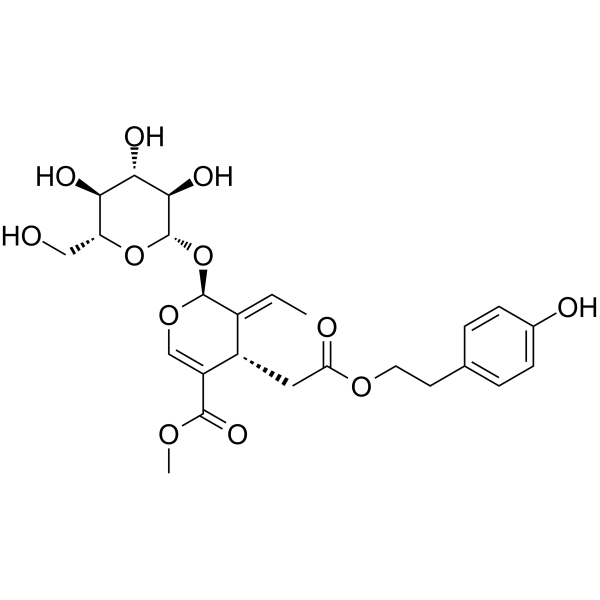
Ligustroside (Ligstroside), a secoiridoid derivative, has outstanding performance on mitochondrial bioenergetics in models of early Alzheimer's disease (AD) and brain ageing by mechanisms that may not interfere with Aβ production. Ligustroside significantly inhibits nitric oxide production in lipopolysaccharide-activated RAW264.7 macrophages .
|
-
-
- HY-N2014
-
-
-
- HY-W009081
-
|
|
Free Fatty Acid Receptor
|
Neurological Disease
|
|
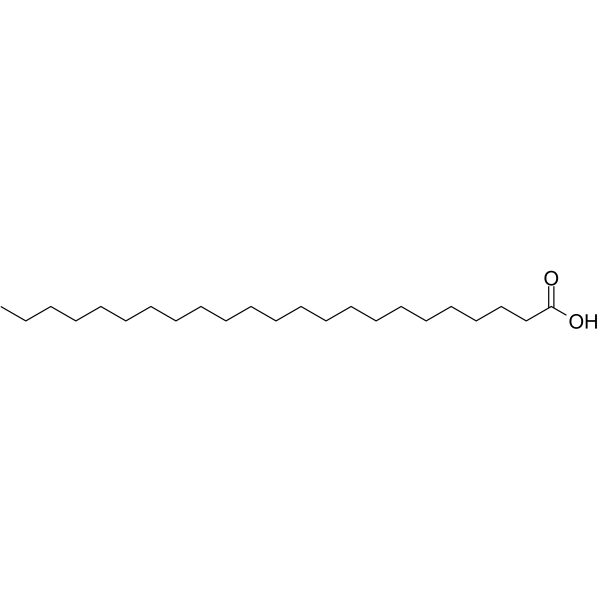
Tricosanoic acid is an endogenous agonist of long-chain saturated fatty acids and free fatty acid receptor FFAR1, which can activate hair growth. Tricosanoic acid (C23:0) has the activity of improving cognitive function by regulating neuronal membrane fluidity, inhibiting neuroinflammatory response, participating in myelination and neuronal energy metabolism. Tricosanoic acid expression levels are low in the prefrontal cortex of Alzheimer's disease (AD) models; while better cognitive performance corresponds to higher serum concentration levels. Tricosanoic acid can be used as a biomarker for diseases related to cognitive decline .
|
-
-
- HY-132814
-
|
ATH-1017
|
c-Met/HGFR
|
Neurological Disease
|
|
Fosgonimeton (ATH-1017) is a hepatocyte growth factor receptor (c-Met/HGFR) agonist. Fosgonimeton has neuroprotective effects in both LPS (HY-D1056) -induced neuroinflammation and Aβ-induced AD models .
|
-
-
- HY-159838
-
|
EI‐1071
|
c-Fms
Amyloid-β
|
Neurological Disease
Cancer
|
|
Enrupatinib (EI‐1071) is a potent, orally active, CNS-penetrant and selective CSF1R inhibitor. Enrupatinib inhibits macrophage proliferation and osteoclast differentiation in vitro. Enrupatinib preserves microglia distal to Aβ plaques. Enrupatinib mitigates Alzheimer's disease (AD)-related pathologies by reducing neuroinflammation, preserving neuronal integrity, lowering disease-associated microglia gene expression, and enhancing cognitive function in 5xFAD and J20 mouse models. Enrupatinib reduces tumor-associated macrophage infiltration and enhances antitumor activity of anti-PD-1 antibody in murine colorectal cancer and breast cancer models. Enrupatinib can be used for the research of AD, colorectal cancer, and breast cancer .
|
-
-
- HY-161117
-
|
|
RSV
|
Cancer
|
|
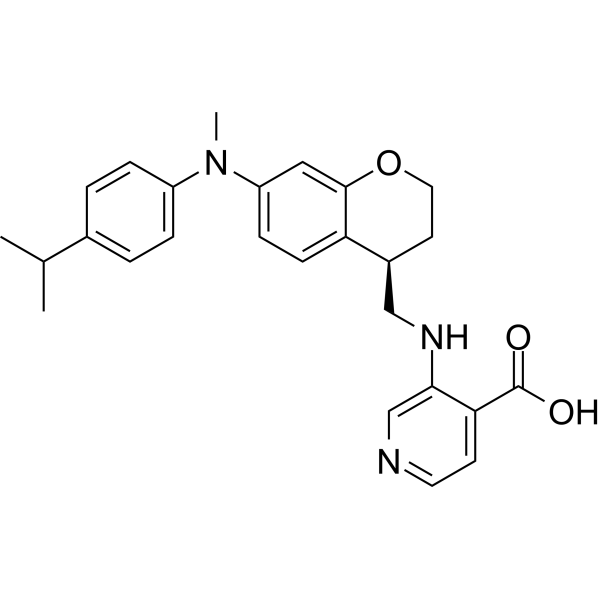
AD-8007 is an acetyl CoA synthase 2 (ACSS2) inhibitor that can cross the blood-brain barrier. AD-8007 can significantly reduce lipid storage and cell colony formation in vitro models, and increase tumor cell death. AD-8007 has anti-cancer activity and can be used in the research of breast cancer .
|
-
-
- HY-113354S
-
|
|
Endogenous Metabolite
|
Neurological Disease
|
|
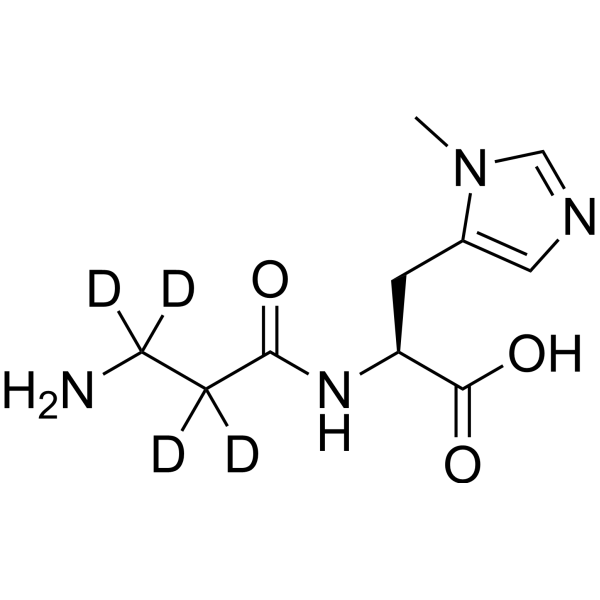
Anserine-d4 is the deuterium labeled Anserine. Anserine, a methylated form of Carnosine, is an orally active, natural Histidine-containing dipeptide found in skeletal muscle of vertebrates. Anserine is not cleaved by serum carnosinase and act as biochemical buffers, chelators, antioxidants, and anti-glycation agents. Anserine improves memory functions in Alzheimer's disease (AD)-model mice .
|
-
-
- HY-P1146A
-
|
|
Amyloid-β
|
Cardiovascular Disease
Neurological Disease
Inflammation/Immunology
|
|
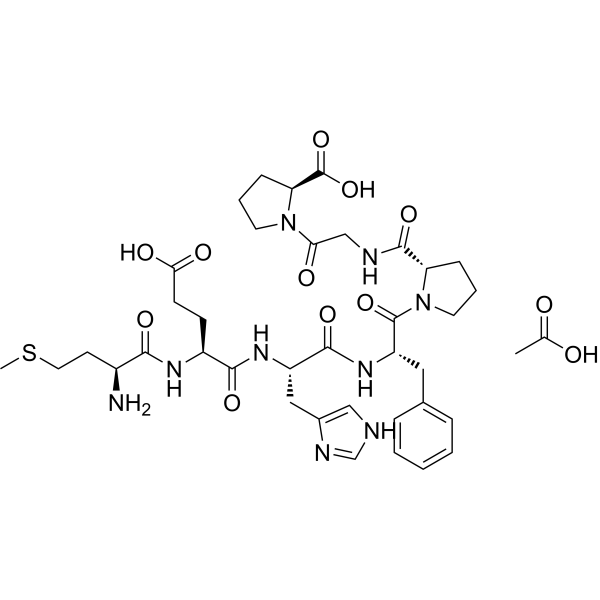
Semax acetate is a BBB-penetrable adrenocorticotropic hormone-like peptide and can form stable complexes with Cu 2+. Semax acetate is a synthetic peptide analog of Adrenocorticotropic hormone (ACTH) (4-10). Semax acetate has immunomodulatory, nootropic and neuroprotective activities. Semax acetate can be used in the research of central nervous system diseases such as Alzheimer's disease and cerebral ischemia .
|
-
-
- HY-154851
-
|
|
GSK-3
CDK
Tau Protein
|
Neurological Disease
|
|
GSK-3 inhibitor 3 is a selective, orally active and brain-penetrant inhibitor of GSK-3, with IC50s of 0.35 nM and 0.25 nM for GSK-3α and GSK-3β, respectively. GSK-3 inhibitor 3 lowers levels of tau protein phosphorylation at S396 in a triple-transgenic mouse Alzheimer’s disease model, with IC50 of 10 nM. GSK-3 inhibitor 3 can be used for neurological disease research .
|
-
-
- HY-176438
-
|
|
Tau Protein
|
Neurological Disease
|
|
DDL-357 is a potent secreted clusterin enhancer. DDL-357 reduces phospho-tau in brain and improves memory in the murine 3xTg-AD model .
|
-
-
- HY-176434
-
|
|
Sirtuin
|
Neurological Disease
|
|
DDL-218 is an orally active and potent SirT1 inhibitor. DDL-218 enhances SirT1 in ApoE4-expressing neurons and a murine AD model. DDL-218 can be used in the study of Alzheimer's disease .
|
-
-
- HY-P991570
-
|
AD5-10; oba-01 Antibody
|
TNF Receptor
Apoptosis
Caspase
Atg8/LC3
Akt
Beclin1
JNK
|
Cancer
|
|
Zaptuzumab (AD5-10) is a DR5-specific humanized monoclonal antibody that selectively binds to DR5 with high affinity. Zaptuzumab specifically induces cancer cell death by both caspase-apoptosis and autophagic cell death (ACD). Zaptuzumab activates both ADCC and CDC. Zaptuzumab induces ROS generation and GSH level reduction. Zaptuzumab shows a significant suppression of the tumor growth and good safety in various xenografts mice tumor models .
|
-
-
- HY-175022
-
|
|
PROTACs
IRAK
Toll-like Receptor (TLR)
Interleukin Related
|
Inflammation/Immunology
|
|
PROTAC IRAK4 degrader-13 (Degrader 1) is a selective IRAK4 PROTAC degrader with DC50s of 0.86 and 1.1 nM for monocytes and lymphocytes in PBMCs, respectively. PROTAC IRAK4 degrader-13 significantly induces TIR signal activation, and inhibits the expression of circulating proinflammatory cytokines in Imiquimod (HY-B0180) induced psoriasis mice model. PROTAC IRAK4 degrader-13 can be used for TLR- and IL-1R-driven driven neutrophilic inflammation diseases like hidradenitis suppurativa (HS) and atopic dermatitis (AD) research . Pink: IRAK4 ligand; Blue: E3 ligase ligand; Black: linker
|
-
-
- HY-106777
-
|
CPEC; NSC 375575
|
DNA/RNA Synthesis
Nucleoside Antimetabolite/Analog
Apoptosis
Necroptosis
Influenza Virus
HSV
|
Infection
Cancer
|
|
Cyclopentenylcytosine (CPEC), a carbocyclic nucleoside analog of cytosine, is a potent inhibitor of CTP synthetase and causes depletion of CTP and dCTP pools. Cyclopentenylcytosine shows broad-spectrum (both DNA and RNA viruses) antiviral activity. Cyclopentenyl cytosine increases Gemcitabine (HY-17026) radiosensitisation in human pancreatic cancer cells. Cyclopentenylcytosine shows effective antiviral activity in the Ad5/NZW rabbit ocular replication model and shows anti-tumor activity in various tumor xenografts model. Cyclopentenylcytosine can be used for the study of infection and cancer .
|
-
-
- HY-W611371
-
|
|
TRP Channel
iGluR
|
Neurological Disease
|
|
FP802 is an orally active potent TwinF interface inhibitor that disrupts and detoxifies the NMDAR/TRPM4 death complex. FP802 exerts powerful neuroprotective effects in the 5xFAD mouse model of Alzheimer’s disease (AD) by preventing cognitive decline, preserving neuronal structural integrity, reducing amyloid-β plaque formation, and mitigating mitochondrial pathology . FP802 stops loss of motor neurons, reduces serum neurofilament light chain (NfL) levels, improves motor performance, and extends life in a mouse model of amyotrophic lateral sclerosis (ALS). FP802 can be used for AD and ALS research .
|
-
-
- HY-117710B
-
|
|
Cholinesterase (ChE)
Amyloid-β
ERK
TNF Receptor
Interleukin Related
|
Neurological Disease
|
|
AD-35 is an orally active anti-Alzheimer's disease (AD) agent with moderate AChE inhibitory activity and metal ion chelating ability. AD-35 exhibits IC50 values for AChE and BuChE of 793 nM and 31428 nM, respectively. AD-35 can form chelates with Cu²⁺ and Fe³⁺, but its chelating ability for Zn²⁺ is relatively weak. AD-35 can inhibit Aβ aggregation and disassemble the formed Aβ aggregates, and inhibit Aβ-induced ERK phosphorylation. AD-35 inhibits neuroinflammation in AD rat models and demonstrates a strong effect in improving cognitive function .
|
-
-
- HY-178323
-
|
|
5-HT Receptor
Arrestin
|
Neurological Disease
|
|
MW073 is a highly selective and orally active 5-HT2BR antagonist (IC50 =70 nM). MW073 exerts its effects by concentration-dependently inhibiting receptor activity and β-arrestin-1 recruitment. MW073 ameliorates synaptic plasticity and behavioral deficits, including aggression, in Alzheimer’s disease (AD) mouse models. MW073 can be used for Alzheimer’s disease (AD) research [1][2].
|
-
-
- HY-105998
-
|
|
5-HT Receptor
|
Neurological Disease
|
|
AVN-211 (CD-008-0173) is a selective and orally active 5HT6R antagonist with an IC50 of 2.34 nM and a Ki of 1.09 nM. AVN-211 exhibits 5K-fold higher 5HT6R selectivity over other 65 receptors, enzymes, and ion channels. AVN-211 significantly improves cognitive and anxiety behaviors in various AD animal models, and has good safety profiles. AVN-211 can be used for the study of Alzheimer's dementia .
|
-
-
- HY-174984
-
|
|
p97
Caspase
p62
|
Cancer
|
|
VCP/p97 IN-3 is a VCP/p97 allosteric inhibitor. VCP/p97 IN-3 shows the inhibitory activity against the VCP proteins with an IC50 of 9 nM and the mutant VCP proteins with IC50 of 12 nM (N660K) and 19 nM (V474A/D649A). VCP/p97 IN-3 increases K48-linked ubiquitination and the level of cleaved caspase-3. VCP/p97 IN-3 activates ER-stress and the UPR. VCP/p97 IN-3 inhibits tumor growth in RPMI-8226 cell subcutaneous xenograft mouse models. VCP/p97 IN-3 can be used for the study of multiple myeloma .
|
-
-
- HY-D0186R
-
|
|
Reference Standards
Endogenous Metabolite
Thymidylate Synthase
|
Infection
|
2'-Deoxyuridine (Standard) is the analytical standard of 2'-Deoxyuridine. This product is intended for research and analytical applications. 2’-deoxyuridine is a brain-penetrant pyrimidines nucleotide that is associated with nervous system diseases. 2'-Deoxyuridine could increase chromosome breakage and results in a decreased thymidylate synthetase activity. 2'-Deoxyuridine is a precursor in the synthesis of Edoxudine (HY-B1011) and also an analogue of 5-ethynyl-2'-deoxyuridine, EdU (HY-118411). 2’-deoxyuridine reduces microglial activation and improve oxidative stress damage by modulating glycolytic metabolism on the Aβ25-35-induced brain injury, which is promising for research of Alzheimer’s disease (AD) .
In Vitro:The interaction between the 2-deoxyuridine and the column increases the duration of retention of 2-deoxyuridine .
Gradient elution with sodium acetate buffer-ACN eluent on two ZIC-HILIC homemade columns separates 2-deoxyuridine in under 9 min .
In Vivo:2'-Deoxyuridine (34.42 ng/mL, gavage, 15 min) passes the blood-brain barrier (BBB) to enter the hippocampus of mice brain .
2'-Deoxyuridine (20 mg/kg, gavage, daily for 4 weeks) improves cognition and memory loss and attenuates the damage to the hippocampus in Aβ25-35-induced mice model .
|
-
-
- HY-W841438
-
|
|
Amyloid-β
Tau Protein
|
Neurological Disease
|
|
Lithium orotate is an orally active lithium supplement with reduced binding that can bypass amyloid sequestration in AD mice models. Lithium orotate can prevent Aβ plaque deposition and phospho-tau accumulation and reverse AD pathology, neuroinflammatory changes and memory loss in AD mice models and ageing wild-type mice. Lithium orotate can be used for the research of alcoholism and Alzheimer’s disease .
|
-
-
- HY-153189
-
|
|
Trk Receptor
|
Neurological Disease
|
|
TrkB-IN-1 is a potent and orally active TrkB agonist and has favorable PK properties. TrkB-IN-1 reverses the cognitive defects in an AD mouse model and can be used for alzheimer’s disease research .
|
-
-
- HY-105321A
-
|
PBT 2 hydrochloride
|
Bacterial
|
Neurological Disease
|
|
PBT 1033 hydrochloride is an orally active copper/zinc ionophore. PBT 1033 hydrochloride restores cognition in mouse models of Alzheimer's disease (AD). PB 1033 also has antibacterial activity against Gram-positive bacteria .
|
-
-
- HY-W611371A
-
|
|
TRP Channel
iGluR
|
Neurological Disease
|
|
FP802 dihydrochloride is an orally active potent TwinF interface inhibitor that disrupts and detoxifies the NMDAR/TRPM4 death complex. FP802 dihydrochloride exerts powerful neuroprotective effects in the 5xFAD mouse model of Alzheimer’s disease (AD) by preventing cognitive decline, preserving neuronal structural integrity, reducing amyloid-β plaque formation, and mitigating mitochondrial pathology . FP802 dihydrochloride stops loss of motor neurons, reduces serum neurofilament light chain (NfL) levels, improves motor performance, and extends life in a mouse model of amyotrophic lateral sclerosis (ALS) . FP802 dihydrochloride can be used for AD and ALS research .
|
-
-
- HY-179337
-
|
|
Phosphodiesterase (PDE)
PKA
|
Neurological Disease
|
|
PDE2-IN-1 is a potent and orally active PDE2 inhibitor with an IC50 of 0.6 μM, demonstrating neuroprotective effects. PDE2-IN-1 modulates the PKA/CREB/BDNF signaling pathway by inhibiting PDE2. PDE2-IN-1 improves memory deficits and cognitive impairment in an okadai acid (OKA)-induced Alzheimer’s disease (AD) mouse model. PDE2-IN-1 can be used for the research of AD .
|
-
-
- HY-175758
-
|
|
Cholinesterase (ChE)
Amyloid-β
|
Neurological Disease
|
|
AChE-IN-94 is an orally active and blood-brain barrier penetrable AChE inhibitor with an IC50 of 0.40 μM and Ki of 0.28 μM. AChE-IN-94 prevents self-induced and AChE-mediated Aβ1-42 aggregation. AChE-IN-94 alleviates cognitive/memory deficits in Scopolamine (HY-N0296)-induced amnesic model. AChE-IN-94 can be used for the study of Alzheimer's disease (AD) .
|
-
-
- HY-172941
-
|
|
NOD-like Receptor (NLR)
|
Neurological Disease
|
|
VEN-02XX is an orally active and brain-permeable NLRP3 inhibitor. VEN-02XX inhibits the release of IL-1β and IL-18 (IC50 0.3 and 0.28 μM, respectively). VEN-02XX restores memory and cognition, inhibits microgliosis, and reduces neuroinflammation and tau pathology in the 5XFAD/Rubicon KO mouse model. VEN-02XX may be used in the study of Alzheimer's disease (AD) .
|
-
-
- HY-179459
-
|
|
Wnt
LDLR
Amyloid-β
|
Neurological Disease
|
|
SJ-300 is a potent and selective, orally active and brain-penetrat DKK3-LRP1 interaction inhibitor. SJ-300 restores Aβ clearance in AD models. SJ 300 binds to mLRPIV with a Kd of 7.9 μM, inhibits the DKK3 mLRPIV complex with an IC50 of 3.2 μM, and does not disrupt the binding of Aβ to LRP1. SJ 300 rescues cognitive function and ameliorates neuropathology (Aβ plaque reduction ≈ 73.3 %) in vivo. SJ 300 can be employed for research in Alzheimer’s disease .
|
-
-
- HY-148807A
-
|
QC8222; TACH 101
|
Apoptosis
Histone Demethylase
|
Cancer
|
|
Zavondemstat (QC8222; TACH 101) L-lysine is an orally active pan-KDM4 inhibitor, with a IC50 ≤ 0.08 μM against human KDM4A-D and a Kᵢ of 0.52 μM against human KDM4C. Zavondemstat L-lysine induces cell apoptosis, causes S-phase cell cycle arrest, reduces the population of tumor-initiating cells and inhibits cancer cell proliferation. Zavondemstat L-lysine suppresses tumor growth and induces tumor regression in mouse xenograft models. Zavondemstat L-lysine can be used for the research of various cancers including colorectal cancer, esophageal squamous cell carcinoma and triple-negative breast cancer .
|
-
-
- HY-178356
-
|
|
Cholinesterase (ChE)
nAChR
Interleukin Related
TNF Receptor
|
Neurological Disease
Inflammation/Immunology
|
|
BChE-IN-44 is a potent, brain-penetrant, highly selective BChE inhibitor [equine BChE IC50 = 18.00 pM, human BChE IC50 = 1.50 nM]. BChE-IN-44 shows neuroprotective effects against the Aβ1-42-induced injury model and inhibitory effects on Aβ1-42 self-aggregation. BChE-IN-44 reduces the levels of inflammatory factors (NO, IL-6, and TNF-α) in Lipopolysaccharides (HY-D1056)-induced BV2 cells. BChE-IN-44 can significantly ameliorate Scopolamine (HY-N0296)-induced cognition impairment. BChE-IN-44 exhibits capacity in the regulation of BChE and acetylcholine levels in the mouse hippocampus. BChE-IN-44 can be used for the study of Alzheimer’s disease (AD) .
|
-
-
- HY-114234
-
|
|
Beta-secretase
Amyloid-β
|
Neurological Disease
|
|
TAK-070 hydrochloride hydrate is a noncompetitive and orally active BACE1 inhibitor (IC50 = 3.15 μM). TAK-070 hydrochloride hydrate can be used for research of Alzheimer’s disease (AD). TAK-070 hydrochloride hydrate inhibits brain levels of soluble Aβ, and improves cognitive impairments in AD model .
|
-
-
- HY-114234A
-
|
|
Beta-secretase
Amyloid-β
|
Neurological Disease
|
|
TAK-070 Free base is a noncompetitive and orally active BACE1 inhibitor (IC50: 3.15 μM). TAK-070 Free base can be used for research of Alzheimer’s disease (AD). TAK-070 Free base inhibits brain levels of soluble Aβ, and improves cognitive impairments in AD model .
|
-
-
- HY-147720A
-
|
|
γ-secretase
|
Neurological Disease
|
|
γ-Secretase modulator 11 hydrochloride (compound 1o) is a potent and orally active γ-secretase modulator with an IC50 of 0.029 µM. γ-Secretase modulator 11 hydrochloride induces a robust reduction in brain Aβ42 levels. γ-Secretase modulator 11 hydrochloride rescues cognitive deficits exhibited by AD model mice. γ-Secretase modulator 11 hydrochloride has the potential for the research of alzheimer's disease .
|
-
-
- HY-159997
-
|
|
Sigma Receptor
|
Neurological Disease
|
|
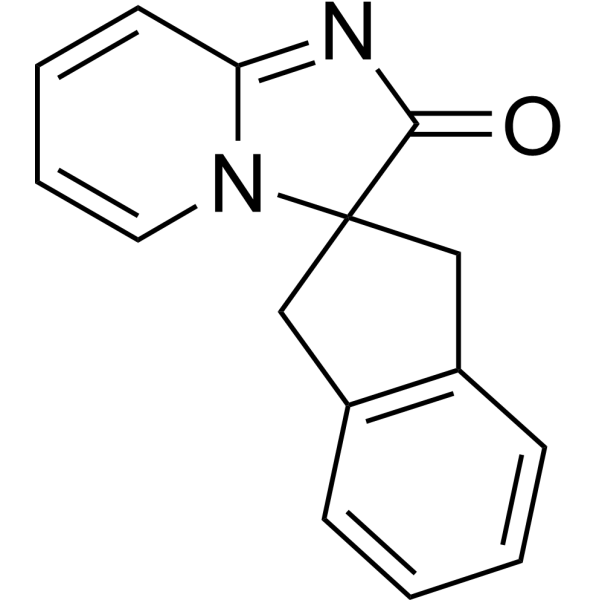
AD353 is a selective sigma-1 receptor ligand with antiallodynic activity. AD353 exhibits high potency both in a model of Capsaicin (HY-10448)-induced allodynia and in PGE2-induced mechanical hyperalgesia. AD353 exhibits a favorable pharmacokinetic profile .
|
-
-
- HY-149430
-
|
|
Amyloid-β
|
Neurological Disease
|
|
YIAD-0205 is an orally available Aβ(1?42) aggregation inhibitor. YIAD-0205 demonstrated in vivo efficacy in an AD transgenic mouse model with five familial AD mutations (5XFAD) .
|
-
-
- HY-158030
-
|
|
HDAC
|
Neurological Disease
|
|
HDAC6-IN-37 (compound W5) is an inhibitor of HDAC6 and has neuroprotective effects. HDAC6-IN-37 can restore the morphology of hippocampal neurons, reduce the expression of Aβ, Tau, and p-Tau proteins in the hippocampus of AD rats, and inhibit the formation of senile plaques and neurofibrillary tangles. Thus, HDAC6-IN-37 improves the Aβ/Cu 2+-induced AD model in rats, regulates oxidative stress status, and balances neurotransmitter disorders in brain tissue .
|
-
-
- HY-P10796
-
|
|
MAPKAPK2 (MK2)
|
Inflammation/Immunology
|
|
YARA peptide, a cell-penetrating peptide, is a MK2 inhibitor. YARA-loaded nanoparticles decreases the levels of inflammatory cytokines (IL-1β, IL-6, and TNF-α) in an ex vivo skin culture model. YARA peptide is promising for research of atopic dermatitis (AD) .
|
-
-
- HY-147720
-
|
|
γ-secretase
|
Neurological Disease
|
|
γ-Secretase modulator 11 (1o) showed high potency in vitro and brain exposure, inducing brain a β 42 levels were significantly reduced and showed undetectable inhibition of cytochrome P450 enzymes. In addition, compound 1o showed excellent anti cognitive deficit effect in AD model mice.
|
-
-
- HY-158978
-
|
|
Cholinesterase (ChE)
Monoamine Oxidase
|
Neurological Disease
|
|
Multitarget AD inhibitor-2 (Compound VN-19) is a multitargeting inhibitor acetylcholinesterase (AChE, IC50=0.14 μM), butyrylcholinesterase (BChE, IC50=11.6 μM), monoamine oxidase B (MAO B, IC50=0.45 μM). Multitarget AD inhibitor-2 inhibits self-induced aggregation of amyloid beta protein Aβ1-42 (inhibition rate is 47.3% at 20 μM), and downregulates the level of ROS in SH-SY5Y (80 inhibition rate at 25 μM). Multitarget AD inhibitor-2 ameliorates the cognitive decline in Scopolamine (HY-N0296)-induced Alzheimer’s Disease zebrafish models .
|
-
-
- HY-105321R
-
|
PBT 2 (Standard)
|
Bacterial
Reference Standards
|
Neurological Disease
|
|
PBT 1033 (Standard) is the analytical standard of PBT 1033. This product is intended for research and analytical applications. PBT 1033 (PBT 2) is an orally active copper/zinc ionophore. PBT 1033 restores cognition in mouse models of Alzheimer's disease (AD). PB 1033 also has antibacterial activity against Gram-positive bacteria .
|
-
-
- HY-P3340
-
|
|
iGluR
|
Neurological Disease
|
|
Leptin (116-130) is a bioactive leptin fragment. Leptin (116-130) promotes AMPA receptor trafficking to synapses and facilitate activity-dependent hippocampal synaptic plasticity. Leptin (116-130) prevents hippocampal synaptic disruption and neuronal cell death in models of amyloid toxicity. Leptin (116-130) has the potential for the research of Alzheimer's disease (AD) .
|
-
-
- HY-149417
-
|
|
HDAC
Cholinesterase (ChE)
|
Neurological Disease
|
|
BChE/HDAC6-IN-1 is a potent and selective dual BChE/HDAC6 inhibitor with IC50 values of 4 and 8.9 nM, respectively. BChE/HDAC6-IN-1 ameliorates the cognitive impairment in an Aβ1–42-induced mouse model and has the potental for AD research .
|
-
- HY-113354S1
-
|
|
Isotope-Labeled Compounds
|
Neurological Disease
|
|
Anserine-d4 hydrochloride is the deuterium labeled Anserine (HY-113354). Anserine, a methylated form of Carnosine, is an orally active, natural Histidine-containing dipeptide found in skeletal muscle of vertebrates. Anserine is not cleaved by serum carnosinase and act as biochemical buffers, chelators, antioxidants, and anti-glycation agents. Anserine improves memory functions in Alzheimer's disease (AD)-model mice .
|
-
- HY-113354R
-
|
|
Reference Standards
Endogenous Metabolite
|
Neurological Disease
|
|
Anserine (Standard) is the analytical standard of Anserine. This product is intended for research and analytical applications. Anserine, a methylated form of Carnosine, is an orally active, natural Histidine-containing dipeptide found in skeletal muscle of vertebrates. Anserine is not cleaved by serum carnosinase and act as biochemical buffers, chelators, antioxidants, and anti-glycation agents. Anserine improves memory functions in Alzheimer's disease (AD)-model mice[1][2].
|
-
- HY-149090
-
|
|
Cholinesterase (ChE)
Monoamine Oxidase
|
Neurological Disease
|
|
AChE/BuChE/MAO-B-IN-2 (compound 4b) is a potent AChE/BuChE inhibitor and showed good blood brain barrier (BBB) permeability in vitro with an IC50 value of 5.3 μM, 12.4 μM, 1.9±0.08 μM, for AChE, BuChE, huMAO-B, respectively. AChE/BuChE/MAO-B-IN-2 (compound 4b) can inhibit excess AChE/BuChE in Alzheimer's disease (AD) brain. AChE/BuChE/MAO-B-IN-2 (compound 4b) can be used in anti-Alzheimer's research .
|
-
- HY-B1328R
-
|
Pyridoxol (Standard)
|
Reference Standards
Endogenous Metabolite
Keap1-Nrf2
|
Neurological Disease
Cancer
|
|
Pyridoxine (Standard) is the analytical standard of Pyridoxine. This product is intended for research and analytical applications. Pyridoxine (Pyridoxol) is a pyridine derivative. Pyridoxine exerts antioxidant effects in cell model of Alzheimer's disease via the Nrf-2/HO-1 pathway.
In Vitro: Pyridoxine exerts a protective potential against AD, attenuates ROS levels, decreases the expressions of cytoplasmic Nrf2, and upregulates whole-cell HO-1 expression .
|
-
- HY-175841
-
|
|
Tau Protein
p38 MAPK
NF-κB
Apoptosis
Bcl-2 Family
ERK
JNK
|
Neurological Disease
|
|
Tau Protein Phosphorylation-IN-1 is a tau protein phosphorylation inhibitor that potently protects PC12 cells against Aβ25–35-induced cytotoxicity (EC50 = 1.93 μM), and can penetrate the blood-brain barrier (BBB).Tau Protein Phosphorylation-IN-1 reverses the hyperphosphorylation of tau, significantly inhibits the expression of certain immune-related cytotoxic factors, suppresses the MAPK and NF-κB signaling pathways, and significantly inhibits the expression of RAGE and the apoptosis factors Bax/Bcl-2, both in vitro and in vivo. Tau Protein Phosphorylation-IN-1 relieves nerve damage, and improves learning and memory in an Alzheimer’s disease (AD) mouse model. Tau Protein Phosphorylation-IN-1 can be used for AD research .
|
-
- HY-149246
-
|
|
Amyloid-β
Keap1-Nrf2
|
Neurological Disease
Inflammation/Immunology
|
|
Aβ-IN-6 reduces pro-inflammatory cytokine release from microglia cells. Aβ-IN-6 significantly induces Nrf2 nuclear translocation and hamperes Aβ oligomers formation. Aβ-IN-6 exerts a consistent neuroprotective effect by modulating the redox-sensitive signalling pathways in vivo oxidative stress model. Aβ-IN-6 is an orally active and has antiinflammatory, Antioxidant and Anti-oligomeric activity. Aβ-IN-6 has the potential for Alzheimer's disease (AD) research .
|
-
- HY-175658
-
|
|
Cholinesterase (ChE)
Amyloid-β
Tau Protein
|
Neurological Disease
|
|
AChE/BChE-IN-29 is an AChE/BChE inhibitor. AChE/BChE-IN-29 exhibits balanced dual cholinesterase inhibitory activity with IC50 values of 2.1 μM for Electrophorus electricus AChE (eeAChE) and 6.3 μM for equine serum butyrylcholinesterase (eqBChE). AChE/BChE-IN-29 effectively inhibits amyloid-β (Aβ42) aggregation and tau protein aggregation in E. coli cell models. AChE/BChE-IN-29 can be used for the study of Alzheimer’s disease (AD) .
|
-
- HY-158696
-
|
|
Cholinesterase (ChE)
Monoamine Oxidase
|
Neurological Disease
|
|
BChE/MAO-B-IN-1 (compound 7) is a dual BChE/MAO-B inhibitor with IC50 values of 375 nM and 20 nM, respectively. BChE/MAO-B-IN-1 protects against oxidative damage induced by H2O2 and 6-OHDA in SH-SY5Y cells. BChE/MAO-B-IN-1 can penetrate the central nervous system in a cell model that mimics the blood-brain barrier. BChE/MAO-B-IN-1 can be used in the study of neurological diseases such as Alzheimer's disease (AD) .
|
-
- HY-161953
-
|
|
OGA
|
Neurological Disease
|
|
O-GlcNAcase-IN-2 (compound 81) is an orally effective, blood-brain barrier-permeable OGA inhibitor (IC50=4.93 nM). O-GlcNAcase-IN-2 can increase the O-GlcNAcylation level of proteins and phosphorylation of tau (p-Ser199, p-Thr205 and p-Ser396) in the OA-damaged SH-SY5Y cell model. O-GlcNAcase-IN-2 can also improve cognitive impairment in APP/PS1 mice and has potential anti-Alzheimer's disease (AD) effects .
|
-
- HY-158695
-
|
|
Cholinesterase (ChE)
Monoamine Oxidase
|
Neurological Disease
|
|
Dual AChE-MAO B-IN-4 (compound 7) is a dual AChE/MAO-B inhibitor, with IC50 values of 261 nM and 15 nM, respectively. Dual AChE-MAO B-IN-4 protects against oxidative damage induced by H2O2 and 6-OHDA in SH-SY5Y cells. Dual AChE-MAO B-IN-4 can penetrate the central nervous system in a cell model that mimics the blood-brain barrier. Dual AChE-MAO B-IN-4 can be used in the study of neurological diseases such as Alzheimer's disease (AD) .
|
-
- HY-163909
-
|
|
Cholinesterase (ChE)
|
Neurological Disease
|
|
AChE-IN-72 (Compound 13a) is an inhibitor for acetylcholinesterase (AChE) with an IC50 of 0.59 μM. AChE-IN-72 inhibits BChE with an IC50 of 5.02 μM. AChE-IN-72 exhibits radical scavenging with IC50 of 5.88 μM. AChE-IN-72 exhibits iron-chelating property, inhibits Aβ1−42 aggregation, and inhibits NLRP3 inflammasome activation. AChE-IN-72 ameliorates memory impairment in Betaine (HY-B0710)-induced AD mouse model. AChE-IN-72 is blood-brain barrier (BBB) penetrable .
|
-
- HY-148807C
-
|
QC8222 sodium; TACH 101 sodium
|
Apoptosis
Histone Demethylase
|
Cancer
|
|
Zavondemstat (QC8222; TACH 101) sodium is an orally active pan-KDM4 inhibitor, with a IC50 ≤ 0.08 μM against human KDM4A-D and a Kᵢ of 0.52 μM against human KDM4C. Zavondemstat sodium induces cell apoptosis, causes S-phase cell cycle arrest, reduces the population of tumor-initiating cells and inhibits cancer cell proliferation. Zavondemstat sodium suppresses tumor growth and induces tumor regression in mouse xenograft models. Zavondemstat sodium can be used for the research of various cancers including colorectal cancer, esophageal squamous cell carcinoma and triple-negative breast cancer .
|
-
- HY-173152
-
|
|
Cholinesterase (ChE)
|
Neurological Disease
Inflammation/Immunology
|
|
AChE/BChE-IN-26 (Compound 20aa) is a cholinesterase inhibitor with IC50 values of 0.75 μM and 4.11 μM against eeAChE and eqBChE, respectively. AChE/BChE-IN-26 has antioxidant activity and can be used in the research of diseases such as Alzheimer's disease .
|
-
- HY-180891
-
|
|
Cholinesterase (ChE)
Calcium Channel
|
Neurological Disease
|
|
Multitarget AD-IN-4 (compound IIIj) is a multitarget-directed ligand (MTDL), with the ability to simultaneously inhibit ChE enzymes (EeAChE IC50 = 0.157 μM, eqBuChE IC50 = 0.147 μM, hAChE IC50 = 1.551 μM, hBuChE IC50 = 2.152 μM), exhibit antioxidant activity, provide neuroprotection, and inhibit calcium channels (Ca 2+ channel blockade: IC50 = 30.59 μM). Multitarget AD-IN-4 reverses Scopolamine (HY-N0296)-induced amnesia in a mouse model. Multitarget AD-IN-4 can be used for Alzheimer’s disease (AD) research .
|
-
- HY-170976
-
|
|
Cholinesterase (ChE)
|
Neurological Disease
|
|
BuChE-IN-16 (Compound 6a) is an orally active, BBB-permeable, and selective BuChE inhibitor with an IC50 of 0.33 μM. BuChE-IN-16 has anti-inflammatory and neuroprotective effects. BuChE-IN-16 can improve the cognitive function of zebrafish with Alzheimer's disease (AD) and alleviate memory impairment in mice induced by Scopolamine (HY-N0296). BuChE-IN-16 can be used for the research of AD .
|
-
- HY-D2967
-
|
|
Fluorescent Dye
|
Neurological Disease
|
|
Golgi-NO is a Golgi-targeted fluorescent probe for nitric oxide (NO) (Ex/Em: 560 nm/589 nm). Golgi-NO exhibits excellent selectivity for various potential interfering substances. Golgi-NO can be used to study the function of NO within the Golgi apparatus in disease models such as Alzheimer's disease (AD) .
|
-
- HY-P11677
-
|
|
|
Neurological Disease
|
|
CPO_Aβ17-21P is a apoE/Aβ interaction inhibitor with an IC50 of 1.02 nM. CPO_Aβ17-21P significantly inhibits ApoE4-mediated aggregation of Aβ40 and Aβ42. CPO_Aβ17-21P significantly improves cognitive function and comprehensively alleviates Alzheimer's disease (AD)-related pathologies in mouse models. CPO_Aβ17-21P is applicable to the research of AD .
|
-
- HY-178395S
-
|
|
Isotope-Labeled Compounds
Free Fatty Acid Receptor
|
Neurological Disease
|
|
Tricosanoic acid-d45 is the deuterium labeled Tricosanoic acid (HY-W009081). Tricosanoic acid is an endogenous agonist of long-chain saturated fatty acids and free fatty acid receptor FFAR1, which can activate hair growth. Tricosanoic acid (C23:0) has the activity of improving cognitive function by regulating neuronal membrane fluidity, inhibiting neuroinflammatory response, participating in myelination and neuronal energy metabolism. Tricosanoic acid expression levels are low in the prefrontal cortex of Alzheimer's disease (AD) models; while better cognitive performance corresponds to higher serum concentration levels. Tricosanoic acid can be used as a biomarker for diseases related to cognitive decline .
|
-
- HY-W746542
-
|
|
Isotope-Labeled Compounds
Free Fatty Acid Receptor
|
Neurological Disease
|
|
Tricosanoic acid-d3 is the deuterium labeled Tricosanoic acid (HY-W009081). Tricosanoic acid is an endogenous agonist of long-chain saturated fatty acids and free fatty acid receptor FFAR1, which can activate hair growth. Tricosanoic acid (C23:0) has the activity of improving cognitive function by regulating neuronal membrane fluidity, inhibiting neuroinflammatory response, participating in myelination and neuronal energy metabolism. Tricosanoic acid expression levels are low in the prefrontal cortex of Alzheimer's disease (AD) models; while better cognitive performance corresponds to higher serum concentration levels. Tricosanoic acid can be used as a biomarker for diseases related to cognitive decline .
|
-
- HY-181576
-
|
|
ROCK
|
Inflammation/Immunology
|
|
ROCK2-IN-14 is an orally active, selective ROCK2 inhibitor (IC50=4.8 nM) with 212-fold selectivity over ROCK1 (IC50=1.01 μM). By inhibiting the ROCK2/S100A9 signaling pathway, ROCK2-IN-14 downregulates S100A9 expression, inhibits NM2 phosphorylation and restores cytoskeletal abnormalities. Furthermore, ROCK2-IN-14 reduces inflammatory cytokine levels, alleviates skin inflammation and exerts anti-inflammatory activity. ROCK2-IN-14 also significantly inhibits ear thickening in a mouse model of atopic dermatitis (AD), and decreases the levels of IgE, TNF-α, IL-6 and TSLP. ROCK2-IN-14 can be used for research on atopic dermatitis .
|
-
| Cat. No. |
Product Name |
Type |
-
- HY-D2967
-
|
|
Fluorescent Dye
|
|
Golgi-NO is a Golgi-targeted fluorescent probe for nitric oxide (NO) (Ex/Em: 560 nm/589 nm). Golgi-NO exhibits excellent selectivity for various potential interfering substances. Golgi-NO can be used to study the function of NO within the Golgi apparatus in disease models such as Alzheimer's disease (AD) .
|
| Cat. No. |
Product Name |
Target |
Research Area |
-
- HY-P1146
-
Semax
1 Publications Verification
|
Amyloid-β
|
Cardiovascular Disease
Neurological Disease
Inflammation/Immunology
|
|
Semax is a BBB-penetrable adrenocorticotropic hormone-like peptide and can form stable complexes with Cu 2+. Semax is a synthetic peptide analog of Adrenocorticotropic hormone (ACTH) (4-10). Semax has immunomodulatory, nootropic and neuroprotective activities. Semax can be used in the research of central nervous system diseases such as Alzheimer's disease and cerebral ischemia .
|
-
- HY-P1146A
-
|
|
Amyloid-β
|
Cardiovascular Disease
Neurological Disease
Inflammation/Immunology
|
|
Semax acetate is a BBB-penetrable adrenocorticotropic hormone-like peptide and can form stable complexes with Cu 2+. Semax acetate is a synthetic peptide analog of Adrenocorticotropic hormone (ACTH) (4-10). Semax acetate has immunomodulatory, nootropic and neuroprotective activities. Semax acetate can be used in the research of central nervous system diseases such as Alzheimer's disease and cerebral ischemia .
|
-
- HY-P10796
-
|
|
MAPKAPK2 (MK2)
|
Inflammation/Immunology
|
|
YARA peptide, a cell-penetrating peptide, is a MK2 inhibitor. YARA-loaded nanoparticles decreases the levels of inflammatory cytokines (IL-1β, IL-6, and TNF-α) in an ex vivo skin culture model. YARA peptide is promising for research of atopic dermatitis (AD) .
|
-
- HY-P3340
-
|
|
iGluR
|
Neurological Disease
|
|
Leptin (116-130) is a bioactive leptin fragment. Leptin (116-130) promotes AMPA receptor trafficking to synapses and facilitate activity-dependent hippocampal synaptic plasticity. Leptin (116-130) prevents hippocampal synaptic disruption and neuronal cell death in models of amyloid toxicity. Leptin (116-130) has the potential for the research of Alzheimer's disease (AD) .
|
-
- HY-P11677
-
|
|
|
Neurological Disease
|
|
CPO_Aβ17-21P is a apoE/Aβ interaction inhibitor with an IC50 of 1.02 nM. CPO_Aβ17-21P significantly inhibits ApoE4-mediated aggregation of Aβ40 and Aβ42. CPO_Aβ17-21P significantly improves cognitive function and comprehensively alleviates Alzheimer's disease (AD)-related pathologies in mouse models. CPO_Aβ17-21P is applicable to the research of AD .
|
| Cat. No. |
Product Name |
Target |
Research Area |
Image |
-
- HY-P99022
-
|
R-04909832; RG-1450
|
Amyloid-β
|
Neurological Disease
|
|
Gantenerumab is a fully humanized anti-Aβ IgG1 monoclonal antibody. Gantenerumab can specifically bind to Aβ fibrils and plaques and can be used in Alzheimer's disease research .
|
-
(5)
-
- HY-P991570
-
|
AD5-10; oba-01 Antibody
|
TNF Receptor
Apoptosis
Caspase
Atg8/LC3
Akt
Beclin1
JNK
|
Cancer
|
|
Zaptuzumab (AD5-10) is a DR5-specific humanized monoclonal antibody that selectively binds to DR5 with high affinity. Zaptuzumab specifically induces cancer cell death by both caspase-apoptosis and autophagic cell death (ACD). Zaptuzumab activates both ADCC and CDC. Zaptuzumab induces ROS generation and GSH level reduction. Zaptuzumab shows a significant suppression of the tumor growth and good safety in various xenografts mice tumor models .
|
-
(5)
| Cat. No. |
Product Name |
Category |
Target |
Chemical Structure |
| Cat. No. |
Product Name |
Chemical Structure |
-
- HY-113354S
-
|
|
|
Anserine-d4 is the deuterium labeled Anserine. Anserine, a methylated form of Carnosine, is an orally active, natural Histidine-containing dipeptide found in skeletal muscle of vertebrates. Anserine is not cleaved by serum carnosinase and act as biochemical buffers, chelators, antioxidants, and anti-glycation agents. Anserine improves memory functions in Alzheimer's disease (AD)-model mice .
|
-
-
- HY-113354S1
-
|
|
|
Anserine-d4 hydrochloride is the deuterium labeled Anserine (HY-113354). Anserine, a methylated form of Carnosine, is an orally active, natural Histidine-containing dipeptide found in skeletal muscle of vertebrates. Anserine is not cleaved by serum carnosinase and act as biochemical buffers, chelators, antioxidants, and anti-glycation agents. Anserine improves memory functions in Alzheimer's disease (AD)-model mice .
|
-
-
- HY-178395S
-
|
|
|
Tricosanoic acid-d45 is the deuterium labeled Tricosanoic acid (HY-W009081). Tricosanoic acid is an endogenous agonist of long-chain saturated fatty acids and free fatty acid receptor FFAR1, which can activate hair growth. Tricosanoic acid (C23:0) has the activity of improving cognitive function by regulating neuronal membrane fluidity, inhibiting neuroinflammatory response, participating in myelination and neuronal energy metabolism. Tricosanoic acid expression levels are low in the prefrontal cortex of Alzheimer's disease (AD) models; while better cognitive performance corresponds to higher serum concentration levels. Tricosanoic acid can be used as a biomarker for diseases related to cognitive decline .
|
-
-
- HY-W746542
-
|
|
|
Tricosanoic acid-d3 is the deuterium labeled Tricosanoic acid (HY-W009081). Tricosanoic acid is an endogenous agonist of long-chain saturated fatty acids and free fatty acid receptor FFAR1, which can activate hair growth. Tricosanoic acid (C23:0) has the activity of improving cognitive function by regulating neuronal membrane fluidity, inhibiting neuroinflammatory response, participating in myelination and neuronal energy metabolism. Tricosanoic acid expression levels are low in the prefrontal cortex of Alzheimer's disease (AD) models; while better cognitive performance corresponds to higher serum concentration levels. Tricosanoic acid can be used as a biomarker for diseases related to cognitive decline .
|
-
Your information is safe with us. * Required Fields.
Inquiry Information
- Product Name:
- Cat. No.:
- Quantity:
- MCE Japan Authorized Agent:

