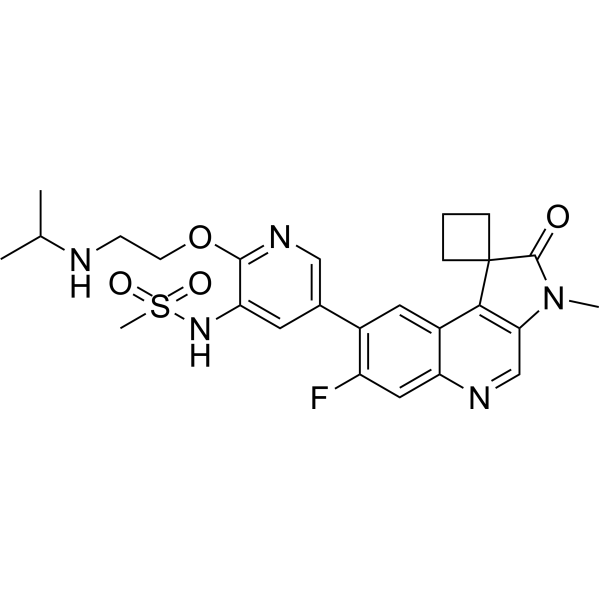
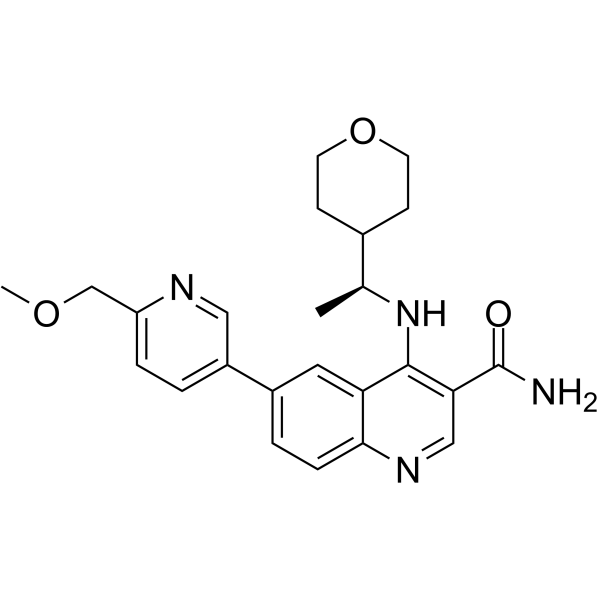
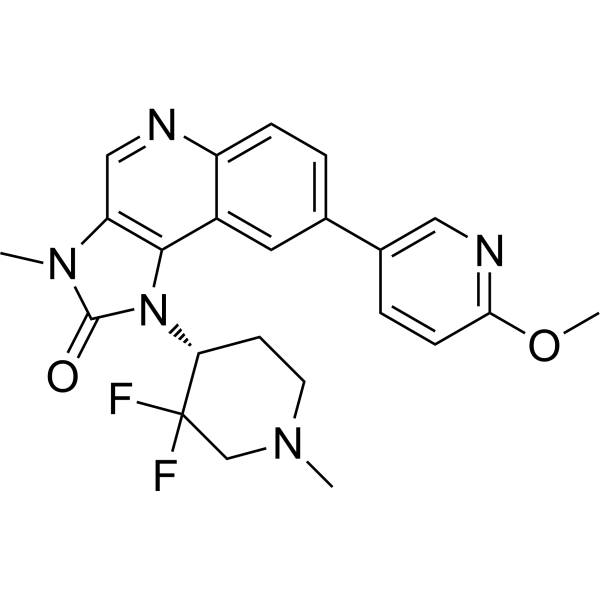
Search Result
Results for "
ATM Inhibitor
" in MedChemExpress (MCE) Product Catalog:
1
Isotope-Labeled Compounds
| Cat. No. |
Product Name |
Target |
Research Areas |
Chemical Structure |
-
- HY-B0097
-
|
5-Fluorouracil 2'-deoxyriboside
|
Nucleoside Antimetabolite/Analog
DNA/RNA Synthesis
Bacterial
CMV
HSV
Apoptosis
|
Infection
Cancer
|
|
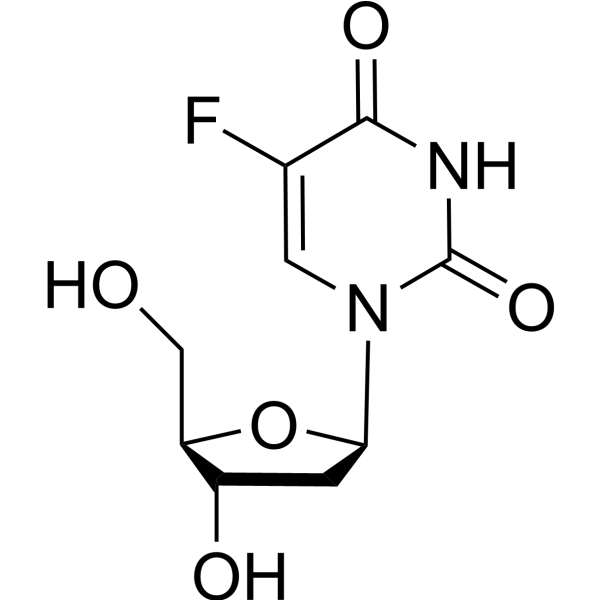
Floxuridine (5-Fluorouracil 2'-deoxyriboside) is a pyrimidine analog and known as an oncology antimetabolite. Floxuridine inhibits Poly(ADP-Ribose) polymerase and induces DNA damage by activating the ATM and ATR checkpoint signaling pathways in vitro. Floxuridine is a extreamly potent inhibitor for S. aureus infection and induces cell apoptosis . Floxuridine has antiviral effects against HSV and CMV .
|
-
-
- HY-12016
-
KU-55933
Maximum Cited Publications
62 Publications Verification
|
ATM/ATR
Autophagy
|
Cancer
|
|
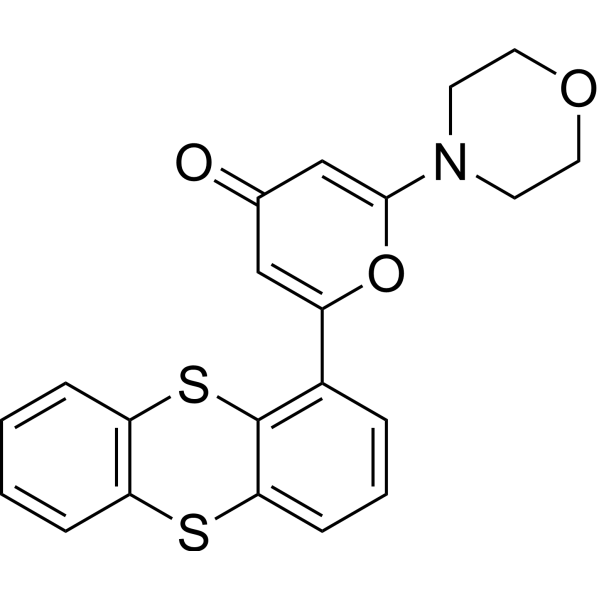
KU-55933 is a potent ATM inhibitor with an IC50 and Ki of 12.9 and 2.2 nM, respectively, and is highly selective for ATM as compared to DNA-PK, PI3K/PI4K, ATR and mTOR.
|
-
-
- HY-109566
-
-
-
- HY-12061
-
|
|
ATM/ATR
|
Cancer
|
|
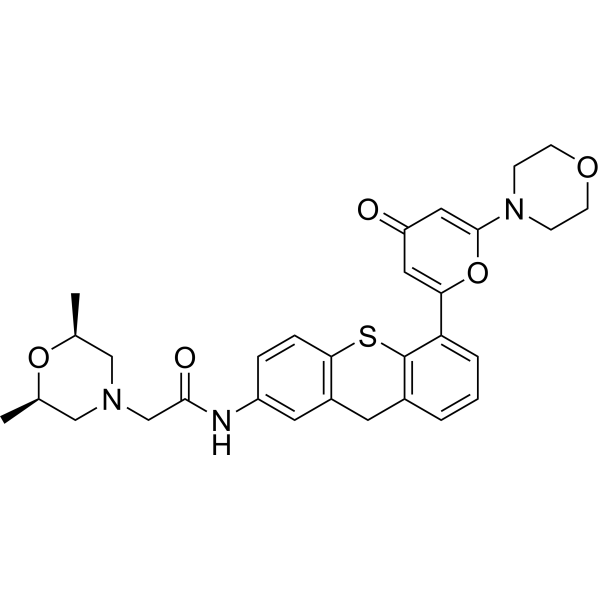
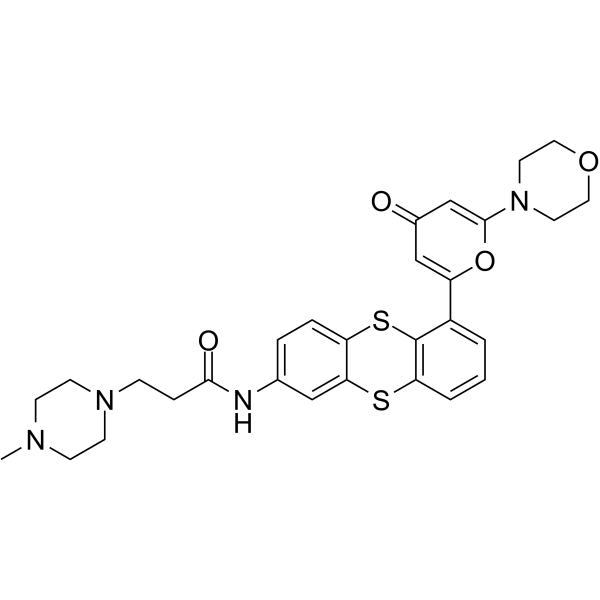
KU-60019 is an improved ATM kinase-specific inhibitor with IC50 of 6.3 nM.
|
-
-
- HY-139609
-
|
RP-3500; ATR Inhibitor 4
|
ATM/ATR
mTOR
|
Cancer
|
|
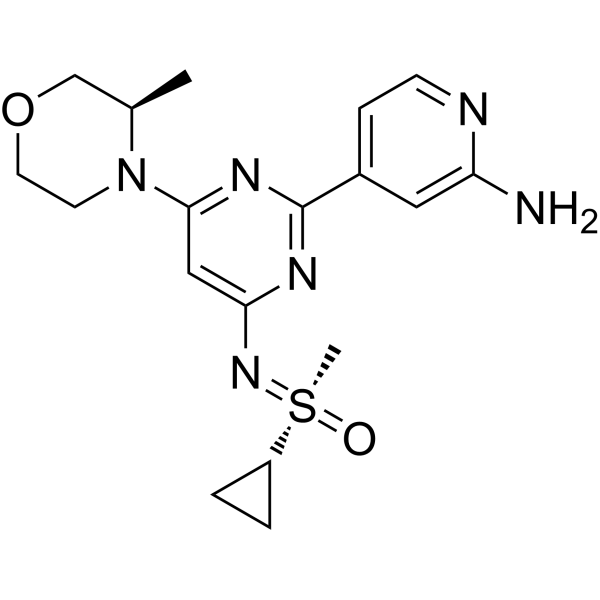
Camonsertib (RP-3500) is an orally active, selective ATR kinase inhibitor (ATRi) with an IC50 of 1.00 nM in biochemical assays. Camonsertib shows 30-fold selectivity for ATR over mTOR (IC50=120 nM) and >2,000-fold selectivity over ATM, DNA-PK, and PI3Kα kinases. Camonsertib has potent antitumor activity .
|
-
-
- HY-100016
-
|
|
ATM/ATR
Apoptosis
|
Cancer
|
|
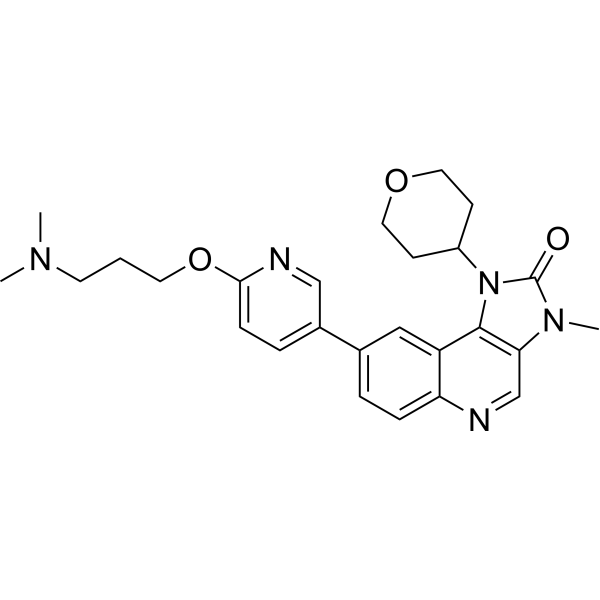
AZD0156 is a potent, selective and orally active ATM inhibitor with an IC50 of 0.58 nM. AZD0156 inhibits the ATM-mediated signaling, prevents DNA damage checkpoint activation, disrupts DNA damage repair, and induces tumor cell apoptosis .
|
-
-
- HY-19959
-
|
|
ATM/ATR
Apoptosis
|
Cancer
|
|
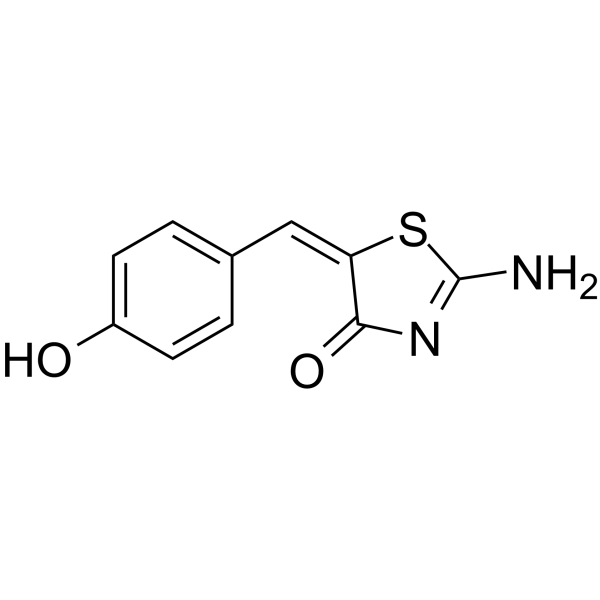
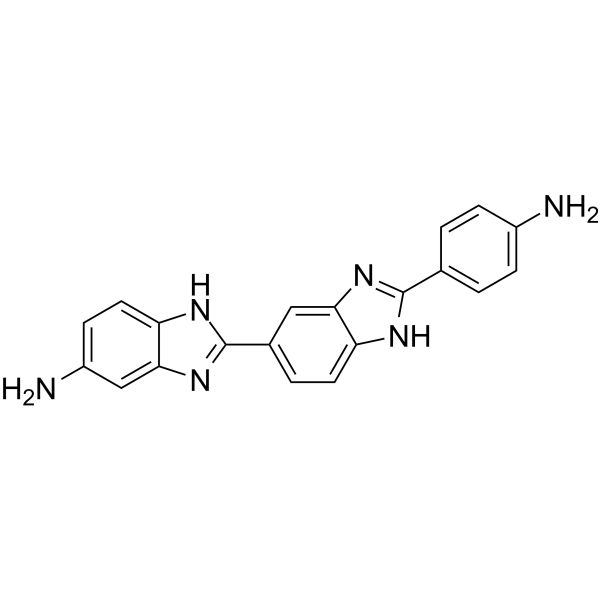
Mirin is a potent Mre11-Rad50-Nbs1 (MRN) complex inhibitor. Mirin prevents MRN-dependent activation of ATM (IC50=12 μM) without affecting ATM protein kinase activity, and it inhibits Mre11-associated exonuclease activity. Mirin abolishes the G2/M checkpoint and homology-dependent repair in mammalian cells. Mirin prevents ATM activation in response to DNA double-strand breaks (DSBs) and blocks homology-directed repair (HDR) in mammalian cells .
|
-
-
- HY-157941
-
|
|
ATM/ATR
Checkpoint Kinase (Chk)
DNA/RNA Synthesis
|
Cancer
|
|
ART0380 is a potent, selective and orally active ATR kinase inhibitor. ART0380 potently inhibits human ATR-ATRIP complex with an IC50 of 51.7 nM. ART0380 binds the ATP pocket of the ATR-ATRIP complex, blocks ATR-dependent Chk1 serine 345 phosphorylation, and induces cell cycle disorder and DNA damage. ART0380 demonstrates potent and selective antitumor activity in preclinical models with varying types of ataxia-telangiectasia mutated (ATM) gene aberrancy. ART0380 can be used for the research of cancer, such as colorectal cancer and prostate cancer .
|
-
-
- HY-123834
-
|
|
FLAP
ATM/ATR
|
Cancer
|
|
FEN1-IN-1 (compound 1) is a small molecule flap endonuclease 1 (FEN1) inhibitor with antitumor activity. FEN1-IN-1 binds to the active site of FEN1 and partly achieves inhibition by the co-ordination of Mg 2+ ions. FEN1-IN-1 initiaties a DNA damage response and activates the ATM checkpoint signalling pathway, the phosphorylation of histone H2AX and the ubiquitination of FANCD2 in mammalian cells. FEN1-IN-1 is promising for research of cancers .
|
-
-
- HY-162472
-
|
|
ATM/ATR
DNA-PK
|
Cancer
|
|
XRD-0394 is a potent and orally active dual ATM and DNA-PKcs inhibitor with IC50s of 0.39 nM and 0.89 nM, respectively. XRD-0394 shows selectivity over other PIKK and PI3K family members. XRD-0394 significantly enhances tumor cell killing in vitro and in vivo under therapeutic ionizing radiation conditions. XRD-0394 can potentiate the effects of PARP and topoisomerase I inhibitors in vitro .
|
-
-
- HY-171124
-
|
AZD9592
|
Antibody-Drug Conjugates (ADCs)
EGFR
c-Met/HGFR
Topoisomerase
DNA/RNA Synthesis
|
Cancer
|
|
Tilatamig samrotecan (AZD9592) is an anti-EGFR/c-MET antibody-drug conjugate (ADC). Tilatamig samrotecan consists of an anti-EGFR/c-MET antibody with the drug-linker conjugate being AZ14170133 (HY-145399) (a topoisomerase I (TOP1i) inhibitor payload). Tilatamig samrotecan induces multiple DNA damage response pathway markers (like ATM, ATR, γH2AX). Tilatamig samrotecan selectively binds to EGFR and c-MET, delivering the cytotoxic payload. Tilatamig samrotecan exerts anti-tumor activity in vivo. Tilatamig samrotecan can be used for non-small cell lung cancer (NSCLC) and head and neck squamous cell carcinoma (HNSCC) research .
|
-
-
- HY-15520
-
|
|
ATM/ATR
|
Cancer
|
|
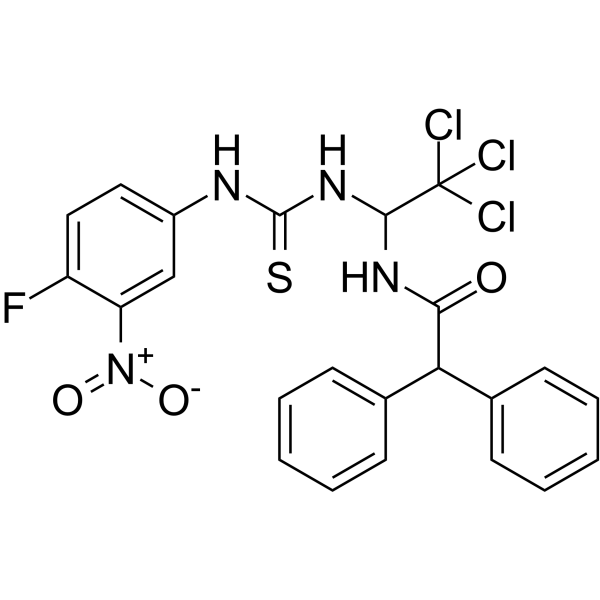
CGK733 is a potent ATM/ATR inhibitor, used for the research of cancer.
|
-
-
- HY-16705
-
BRD4770
5 Publications Verification
|
Histone Methyltransferase
|
Cancer
|
|
BRD4770 is a histone methyltransferase G9a inhibitor. BRD4770 reduces di- and trimethylation of lysine 9 on histone H3 (H3K9) with an EC50 of 5 μM, and has less or little effect toward H3K27me3, H3K36me3, H3K4me3, and H3K79me3. BRD4770 can activate the ataxia telangiectasia mutated (ATM) pathway and induce cell senescence .
|
-
-
- HY-150617
-
|
M4076; ATM Inhibitor-5
|
ATM/ATR
STING
PD-1/PD-L1
|
Cardiovascular Disease
Inflammation/Immunology
Cancer
|
|
Lartesertib (M4076) is an inhibitor of the serine/threonine protein kinase ATM with high potency. Lartesertib can inhibit the growth of multiple hematopoietic cell lines. Additionally, when combined with the ATR inhibitor Tuvusertib (HY-111451), Lartesertib can promote the death of tumor cells, activate the immune signaling pathway, and exhibit anti-tumor activity .
|
-
-
- HY-117693
-
|
|
ATM/ATR
|
Cancer
|
|
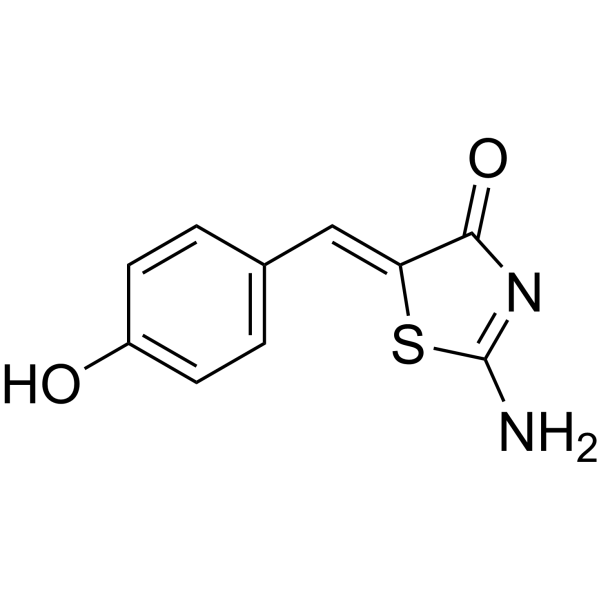
(E/Z)-Mirin is a mixture of (E)-Mirin and Mirin ((Z)-Mirin) (HY-19959) configurations. Among them, Mirin is an inhibitor of MRN (Mre11-Rad50-Nbs1). Mirin prevents MRN-dependent ATM activation without affecting ATM protein kinase activity .
|
-
-
- HY-112198
-
|
|
ATM/ATR
|
Cancer
|
|
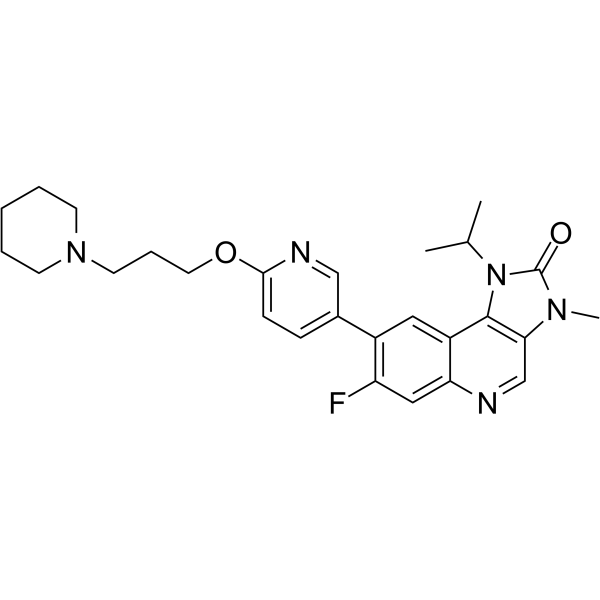
AZ31 is a a potent, highly selective, and orally active ATM inhibitor with an IC50 of <1.2 nM for ATM enzyme, and an IC50 of 46 nM for ATM in cell. AZ31 shows excellent selectivity over ATR (>500-fold) and excellent PIKK-family selectivity and pan-kinase selectivity. AZ31 is a potent radiosensitizer in vitro, it can be used for the research of cancer .
|
-
-
- HY-162002
-
|
|
ATM/ATR
|
Cancer
|
|
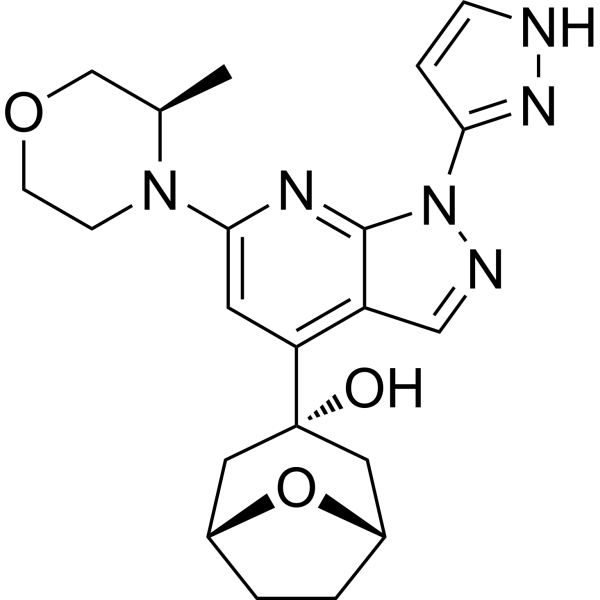
WSD0628 is a brain penetrant and potent ATM inhibitor with profound radiosensitizing effect .
|
-
-
- HY-11002
-
|
|
ATM/ATR
|
Cancer
|
|
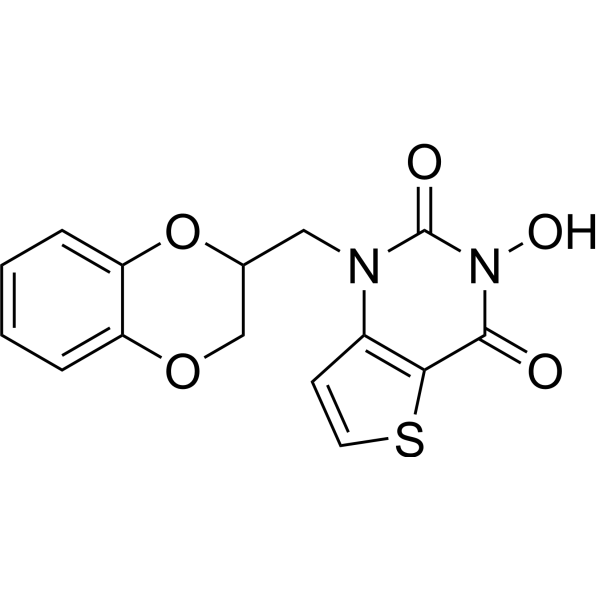
CP-466722 is a rapidly reversible inhibitor of ATM, with an IC50 of 0.41 μM, and has no effects on PI3K or closely related PI3K-like protein kinase (PIKK) family members.
|
-
-
- HY-103241
-
|
|
Amyloid-β
ATM/ATR
Phosphatase
Apoptosis
|
Neurological Disease
Cancer
|
|
Ro 90-7501 is an amyloid β42 (Aβ42) fibril assembly inhibitor that reduces Aβ42-induced cytotoxicity (EC50 of 2 μM). Ro 90-7501 inhibits ATM phosphorylation and DNA repair. RO 90-7501 selectively enhances toll-like receptor 3 (TLR3) and RIG-I-like receptor (RLR) ligand-induced IFN-β gene expression and antiviral response . Ro 90-7501 also inhibits protein phosphatase 5 (PP5) in a TPR-dependent manner . Ro 90-7501 has significant radiosensitizing effects on cervical cancer cells .
|
-
-
- HY-163944
-
|
|
DNA/RNA Synthesis
Molecular Glues
CDK
Apoptosis
RAD51
ATM/ATR
PARP
|
Cancer
|
LL-K12-18 is a CDK12 kinase inhibitor and a dual-site molecular glue. LL-K12-18 inhibits human CDK12 with an IC50 value of 283.9 nM, and selectively degrades cyclin K via the ubiquitin-proteasome system by stabilizing the CDK12-DDB1 complex. LL-K12-18 downregulates DNA damage response genes, reduces the phosphorylation level of CTD Ser2 in RNA polymerase II, and modulates biomarkers such as ATM, RAD51, γ-H2AX and cleaved PARP, thereby effectively inducing apoptosis and inhibiting proliferation of breast cancer cells. LL-K12-18 exhibits high target selectivity and serves as a research tool for studies on triple-negative breast cancer .
|
-
-
- HY-161615
-
|
|
PROTACs
ATM/ATR
Apoptosis
|
Inflammation/Immunology
Cancer
|
|
PROTAC ATR degrader-2 is a selective ATR PROTAC degrader. PROTAC ATR degrader-2 degrades ATR in acute myeloid leukemia (AML) cells MV-4-11 and MOLM-13, with DC50 values of 22.9 nM and 34.5 nM, respectively. PROTAC ATR degrader-2 has an IC50 of 29.6 nM against ATR, and its IC50 values against ATM and PI3K are both greater than 2000 nM. PROTAC ATR degrader-2 induces apoptosis, DNA damage, and upregulates p53 expression. PROTAC ATR degrader-2 inhibits cancer cell proliferation through the kinase-independent function of ATR protein. PROTAC ATR degrader-2 is applicable to research related to acute myeloid leukemia .
|
-
-
- HY-160096
-
|
|
ATM/ATR
|
Cancer
|
|
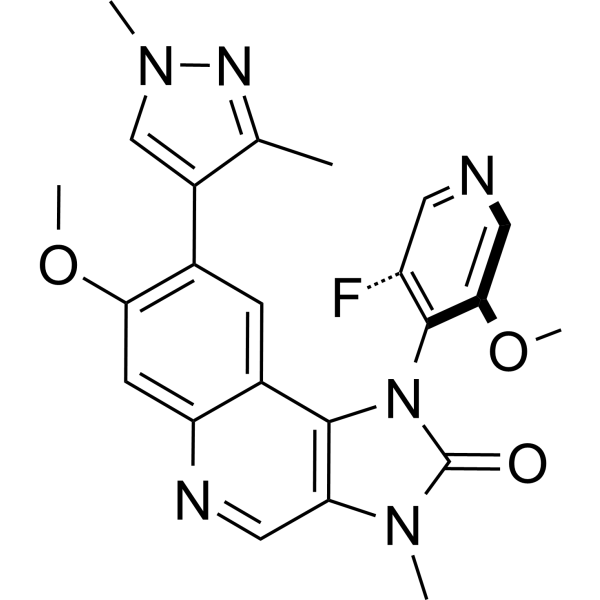
M3541 is a potent, ATP-competitive and selective ATM inhibitor with an IC50 of 0.25 nM. M3541 shows remarkable selectivity against other protein kinases. M3541 suppresses double-strand breaks (DSB) repair and has antitumor activities .
|
-
-
- HY-112305
-
|
|
ATM/ATR
|
Cancer
|
|
AZ32 is an orally bioavailable and blood-brain barrier-penetrating ATM inhibitor with an IC50 of <6.2 nM for ATM enzyme, and an IC50 of 0.31 μM for ATM in cell.
|
-
-
- HY-100948
-
|
|
Myosin
|
Cancer
|
|
ATM-3507 is a potent tropomyosin inhibitor with IC50s from 3.83-6.84 μM in human melanoma cell lines.
|
-
-
- HY-118911
-
|
|
ATM/ATR
|
Cancer
|
|
ATM Inhibitor-10 (compound 74), a 3-quinoline carboxamide, is a highly selective and orally active ATM inhibitor (IC50: 0.6 nM). ATM Inhibitor-10 has anti-tumor activity in SW620 xenograft models. ATM Inhibitor-10 is synergistic with Top I inhibitors .
|
-
-
- HY-170844
-
|
|
Endonuclease
|
Cancer
|
|
MU147 is an MRE11 nuclease inhibitor and chemical probe with anticancer activity, which is lethal to Ehrlich ascites tumor cells both in vitro and in vivo. MU147 also eliminates the double-strand break repair mechanism dependent on the MRE11 nuclease activity without impairing the activation of ATM. MU147 also impairs the degradation of nascent strands of stalled replication FOX and selectively affects brca2-deficient cells .
|
-
-
- HY-B0097R
-
|
5-Fluorouracil 2'-deoxyriboside (Standard)
|
Reference Standards
Nucleoside Antimetabolite/Analog
DNA/RNA Synthesis
Bacterial
CMV
HSV
Apoptosis
|
Infection
Cancer
|
|
Floxuridine (Standard) is the analytical standard of Floxuridine. This product is intended for research and analytical applications. Floxuridine (5-Fluorouracil 2'-deoxyriboside) is a pyrimidine analog and known as an oncology antimetabolite. Floxuridine inhibits Poly(ADP-Ribose) polymerase and induces DNA damage by activating the ATM and ATR checkpoint signaling pathways in vitro. Floxuridine is a extreamly potent inhibitor for S. aureus infection and induces cell apoptosis . Floxuridine has antiviral effects against HSV and CMV .
|
-
-
- HY-N11709
-
|
|
Apoptosis
VEGFR
ATM/ATR
PTEN
Akt
mTOR
HIF/HIF Prolyl-Hydroxylase
NF-κB
Notch
Cholinesterase (ChE)
Amyloid-β
γ-secretase
Ferroptosis
Fungal
|
Infection
Neurological Disease
Metabolic Disease
Cancer
|
|
Theasaponin E1 is an orally effective tea saponin. Theasaponin E1 inhibits the proliferation of cancer cells by activating apoptosis. Theasaponin E1 inhibits angiogenesis in ovarian cancer cells and HUVECs by reducing the expression of VEGF. Theasaponin E1 upregulates the phosphorylation level of ATM protein and the expression level of PTEN protein in cancer cells, decreases the phosphorylation levels of Akt, mTOR, p70S6K and 4E-BP1 proteins, downregulates the expression of HIF-1α and NF-κB, and reduces the protein expression of Notch ligands Dll4 and Jagged1. Theasaponin E1 exerts neuroprotective effects by inhibiting the activity of acetylcholinesterase, activating α-secretase and neprilysin, reducing the concentration of Aβ, and inhibiting the activities of β-secretase and γ-secretase. Theasaponin E1 exhibits toxic effects on cancer cells and quinone reductase-inducing activity, and inhibits tumor growth in vivo. Theasaponin E1 induces ferroptosis in Pomacea canaliculata by synergistically disrupting cholesterol homeostasis and sphingolipid metabolism. Theasaponin E1 possesses anti-biofilm activity against Candida albicans. Theasaponin E1 can be used in the research of ovarian cancer, obesity, Alzheimer's disease and fungal infections .
|
-
-
- HY-18650
-
|
|
ATM/ATR
|
Cancer
|
|
KU 59403 is a potent ATM inhibitor, with IC50 values of 3 nM, 9.1 μM and 10 μM for ATM, DNA-PK and PI3K, respectively .
|
-
-
- HY-19731
-
|
MiR-544 Inhibitor 1
|
MicroRNA
Apoptosis
|
Cancer
|
|
SID 3712249 (MiR-544 Inhibitor 1) is a miR-544 biogenesis inhibitor. SID 3712249 binds directly to the precursor miRNA. SID 3712249 blocks production of the mature microRNA and decreases miR-544, HIF-1α, and ATM transcripts. SID 3712249 can be used in the research of cancers, such as breast cancer .
|
-
-
- HY-112614
-
|
|
ATM/ATR
|
Cancer
|
|
ATM Inhibitor-1 is a highly potent, selective and orally active ATM inhibitor, with an IC50 of 0.7 nM, shows weak activity against mTOR (IC50, 21 μM), DNAPK (IC50, 2.8 μM), PI3Kα (IC50, 3.8 μM), PI3Kβ (IC50, 10.3 μM), PI3Kγ (IC50, 3 μM) and PI3Kδ (IC50, 0.73 μM). ATM Inhibitor-1 exhibits anti-tumor activity .
|
-
-
- HY-N6576
-
|
|
p38 MAPK
ERK
JNK
IAP
PARP
Apoptosis
Caspase
|
Cancer
|
|
Hellebrigenin is an inhibitor that selectively targets the MAPK signaling pathway (ERK, p38, JNK) and XIAP, and can inhibit Akt expression and phosphorylation. Hellebrigenin can activate endogenous apoptosis pathways (such as mitochondrial membrane potential disruption, Caspase family activation, PARP cleavage), downregulate anti-apoptotic proteins (Bcl-2, Bcl-xL) and upregulate pro-apoptotic proteins (Bax, Bak). Hellebrigenin can also induce DNA double-strand breaks to activate the ATM pathway. Hellebrigenin can inhibit tumor cell proliferation and clone formation, and is mainly used in the study of oral squamous cell carcinoma, liver cancer and other cancers .
|
-
-
- HY-162002A
-
|
|
ATM/ATR
|
Cancer
|
|
(S)-WSD0628 (Compound 28) is the S-isomer of WSD0628 (HY-162002). (S)-WSD0628 is the inhibitor for ATM that inhibits the phosphorylation of ATM in MCF-7 cell with IC50 <100 nM. (S)-WSD0628 exhibits radiosensitizing activity. (S)-WSD0628 can cross blood-brain barrier .
|
-
-
- HY-150617A
-
|
(Rac)-M4076; (Rac)-ATM Inhibitor-5
|
ATM/ATR
STING
PD-1/PD-L1
|
Cardiovascular Disease
Inflammation/Immunology
Cancer
|
|
(Rac)-Lartesertib ((Rac)-M4076) is an isoform of Lartesertib (HY-150617). Lartesertib (M4076) is an inhibitor of the serine/threonine protein kinase ATM with high potency. Lartesertib can inhibit the growth of multiple hematopoietic cell lines. Additionally, when combined with the ATR inhibitor Tuvusertib (HY-111451), Lartesertib can promote the death of tumor cells, activate the immune signaling pathway, and exhibit anti-tumor activity .
|
-
-
- HY-155090
-
|
|
ATM/ATR
|
Cancer
|
|
ATM Inhibitor-8 (Compound 10r) is a highly potent, selective and orally active ATM inhibitor,with an IC50 of 1.15 nM. ATM Inhibitor-8 exhibits anti-tumor activity .
|
-
-
- HY-174989
-
|
|
ATM/ATR
Apoptosis
|
Cancer
|
|
ATM-IN-2 is a selective and orally active ATM inhibitor with an IC50 of 4 nM. ATM-IN-2 exhibits excellent kinase selectivity (>700-fold over PIKK family members). ATM-IN-2 exerts its anti-tumor effect by inhibiting ATM phosphorylation and the downstream signaling pathways (p53, H2AX), and promotes cell apoptosis. ATM-IN-2 can be used for the study of chemosensitizer candidate such as colon cancer .
|
-
-
- HY-142931
-
|
|
ATM/ATR
|
Neurological Disease
Cancer
|
|
ATM-IN-1 is a potent inhibitor of ATM. ATM is located mainly in the nucleus and microsomes and is involved in cell cycle progression and in the cell cycle checkpoint response to DNA damage. ATM-IN-1 has the potential for the research of cancer and neurology diseases (extracted from patent WO2021139814A1, compound 3) .
|
-
-
- HY-100948B
-
|
|
Myosin
|
Cancer
|
|
ATM-3507 trihydrochloride is a potent tropomyosin inhibitor with IC50s from 3.83-6.84 μM in human melanoma cell lines.
|
-
-
- HY-155091
-
|
|
ATM/ATR
|
Cancer
|
|
ATM Inhibitor-9 (Compd 7a) is a potent ATM inhibitor with IC505 nM for ATM kinase, useful in cancer research .
|
-
-
- HY-153787
-
|
|
ATM/ATR
|
Cancer
|
|
ATM inhibitor-6 (A-193) is a selective ATM kinase inhibitor. ATM inhibitor-6 can be used in cancer research .
|
-
-
- HY-144687
-
|
|
ATM/ATR
PI3K
mTOR
|
Cancer
|
|
ATM Inhibitor-4 (compound 39) is a potent and selective ATM inhibitor, with an IC50 of 0.32 nM. ATM Inhibitor-4 shows stronger inhibition of PI3K kinases family. ATM Inhibitor-4 shows a full inhibition of mTOR at 1 μM. ATM Inhibitor-4 exhibits favorable metabolic stability .
|
-
-
- HY-144686
-
|
|
ATM/ATR
PI3K
mTOR
|
Cancer
|
|
ATM Inhibitor-3 (compound 34) is a potent and selective ATM inhibitor, with an IC50 of 0.71 nM. ATM Inhibitor-3 shows inhibition of PI3K kinases family. ATM Inhibitor-3 exhibits favorable metabolic stability .
|
-
-
- HY-169310
-
|
|
ATM/ATR
|
Cancer
|
|
ATM Inhibitor-11 (Compound 1) is an inhibitor for ATM with an IC50 of 0.32 nM. ATM Inhibitor-11 inhibits the KAP1 phosphorylation with an IC50 of 0.97 nM. ATM Inhibitor-11 exhibits high exposure in the brain, heart and plasma of ICR mouse. ATM Inhibitor-11 exhibits anti-tumor efficacy in NCI-H441 xenograft mouse model .
|
-
-
- HY-144685
-
|
|
ATM/ATR
|
Cancer
|
|
ATM Inhibitor-2 (compound 7) is a potent and selective ATM inhibitor, with an IC50 of <1 nM .
|
-
-
- HY-149291
-
|
|
ATM/ATR
Apoptosis
|
Cancer
|
|
ATM Inhibitor-7 is a potent and selective ataxia-telangiectasia mutated (ATM) inhibitor with an IC50 value of 1.0 nM. ATM Inhibitor-7 induces Apoptosis and cell cycle arrest at G2/M phase when combinanted with CPT-11 (HY-16562). ATM Inhibitor-7 combines with CPT-11 shows antitumor activity .
|
-
-
- HY-112477
-
|
Hymenialdisine analogue-1
|
Checkpoint Kinase (Chk)
Choline Kinase
|
Cancer
|
|
Chk2-IN-1 (compound 1) is a potent and selective inhibitor of checkpoint kinase 2 (Chk2), with IC50s of 13.5 nM and 220.4 nM for Chk2 and Chk1, respectively. Chk2-IN-1 can elicit a strong ataxia telangiectasia mutated (ATM)-dependent Chk2-mediated radioprotection effect .
|
-
-
- HY-W766548
-
|
5-Fluorouracil 2'-deoxyriboside-13C,15N2
|
Isotope-Labeled Compounds
Apoptosis
Nucleoside Antimetabolite/Analog
CMV
HSV
Bacterial
DNA/RNA Synthesis
|
Cancer
|
|
Floxuridine- 13C, 15N2 (5-Fluorouracil 2'-deoxyriboside- 13C, 15N2) is the 13C- and 15N-labeled labeled Floxuridine (HY-B0097). Floxuridine (5-Fluorouracil 2'-deoxyriboside) is a pyrimidine analog and known as an oncology antimetabolite. Floxuridine inhibits Poly(ADP-Ribose) polymerase and induces DNA damage by activating the ATM and ATR checkpoint signaling pathways in vitro. Floxuridine is a extreamly potent inhibitor for S. aureus infection and induces cell apoptosis . Floxuridine has antiviral effects against HSV and CMV .
|
-
-
- HY-141478
-
|
|
ATM/ATR
|
Cancer
|
|
Antitumor agent-28 selectively inhibits ataxia telangiectasia mutated (ATM) kinase. Antitumor agent-28 prevents ATM mediated disease and has potent anti-cancer activity .
|
-
-
- HY-151915
-
|
|
ATM/ATR
mTOR
|
Cancer
|
|
ATR-IN-20 is a potent ATR (ATM/ATR) inhibitor with an IC50 of 3 nM. ATR-IN-20 possess an inhibitory effect on mTOR (IC50 of 18 nM) while displaying good selectivity against PI3Kα (100 nM), ATM (100 nM), and DNA-PK (662 nM). ATR-IN-20 exhibits excellent pharmacokinetic profile (F = 30%), and has anticancer effects .
|
-
-
- HY-118911A
-
|
|
ATM/ATR
|
Cancer
|
|
ATM-IN-12 (example 1.1) is an ATM kinase inhibitor with an IC50 of 1.26 μM. ATM-IN-12 can be used for the study of ATM kinase mediated disease, including cancer .
|
-
- HY-173147
-
|
|
CDK
|
Cancer
|
|
CDK2-IN-42 (Compound H63) is a CDK12 inhibitor with an IC50 value of 10 nM. CDK2-IN-42 has anti-ESCC (Esophageal Squamous Cell Carcinoma) cell activity. It can block transcriptional elongation, downregulate the core genes in the G1 phase to induce cell cycle arrest, and alter the CDK12-ATM/ATR-CHEK1/CHEK2 signaling axis, resulting in DNA damage. CDK2-IN-42 can effectively inhibit tumor growth in a xenograft mouse model of human ESCC KYSE150. CDK2-IN-42 holds great promise for research in the field of cancer .
|
-
- HY-181786
-
|
|
ATM/ATR
|
Cancer
|
|
ATM-IN-13 (A36) is an orally active, selective ATM kinase inhibitor with a human IC50 of 0.3 nM. ATM-IN-13 blocks the ATM-mediated DNA double-strand break repair signaling pathway, reduces the phosphorylation levels of ATM and p53, and inhibits ATM-dependent DNA damage response. ATM-IN-13 can be used in the research of colorectal cancer .
|
-
- HY-100948R
-
|
|
Myosin
Reference Standards
|
Cancer
|
|
ATM-3507 (Standard) is the analytical standard of ATM-3507 (HY-100948). This product is intended for research and analytical applications. ATM-3507 is a potent tropomyosin inhibitor with IC50s from 3.83-6.84 μM in human melanoma cell lines.
|
-
- HY-182058
-
|
|
Drug Derivative
Bacterial
Beta-lactamase
|
Infection
|
|
ATM potentiators-1 is a quercetin derivative that synergistically enhances the antibacterial activity of Aztreonam (ATM, HY-B0129) against metallo-β-lactamase-producing Pseudomonas aeruginosa. ATM potentiators-1 inhibits NDM-1, OXA-10, VIM-2, KPC-2, and OXA-48, suppressing the efflux pump activity of Pseudomonas aeruginosa. When used in combination with CCCP (HY-100941), it exhibits a synergistic inhibitory effect. ATM potentiators-1 is applicable to research related to Pseudomonas aeruginosa infections .
|
-
- HY-100016R
-
|
|
ATM/ATR
Reference Standards
Apoptosis
|
Cancer
|
|
AZD0156 (Standard) is the analytical standard of AZD0156 (HY-100016). This product is intended for research and analytical applications. AZD0156 is a potent, selective and orally active ATM inhibitor with an IC50 of 0.58 nM. AZD0156 inhibits the ATM-mediated signaling, prevents DNA damage checkpoint activation, disrupts DNA damage repair, and induces tumor cell apoptosis .
|
-
- HY-172247
-
|
|
ATM/ATR
|
Cancer
|
|
ATR-IN-31 is a selective ATR kinase inhibitor with an IC50 of 7 nM. ATR-IN-31 does not significantly inhibit ATM kinase activity. ATR-IN-31 inhibits viability of prostate cancer cells.ATR-IN-31 can be used for the research of prostate cancer .
|
-
- HY-103241R
-
|
|
Reference Standards
Amyloid-β
ATM/ATR
Phosphatase
Apoptosis
|
Neurological Disease
Cancer
|
|
Ro 90-7501 (Standard) is the analytical standard of Ro 90-7501 (HY-103241). This product is intended for research and analytical applications. Ro 90-7501 is an amyloid β42 (Aβ42) fibril assembly inhibitor that reduces Aβ42-induced cytotoxicity (EC50 of 2 μM). Ro 90-7501 inhibits ATM phosphorylation and DNA repair. RO 90-7501 selectively enhances toll-like receptor 3 (TLR3) and RIG-I-like receptor (RLR) ligand-induced IFN-β gene expression and antiviral response . Ro 90-7501 also inhibits protein phosphatase 5 (PP5) in a TPR-dependent manner . Ro 90-7501 has significant radiosensitizing effects on cervical cancer cells .
|
-
| Cat. No. |
Product Name |
Category |
Target |
Chemical Structure |
-
- HY-N11709
-
|
|
Triterpenes
Structural Classification
Terpenoids
Camellia sinensis (L.) O. Ktze.
Plants
Source Classification
Theaceae
|
Apoptosis
VEGFR
ATM/ATR
PTEN
Akt
mTOR
HIF/HIF Prolyl-Hydroxylase
NF-κB
Notch
Cholinesterase (ChE)
Amyloid-β
γ-secretase
Ferroptosis
Fungal
|
|
Theasaponin E1 is an orally effective tea saponin. Theasaponin E1 inhibits the proliferation of cancer cells by activating apoptosis. Theasaponin E1 inhibits angiogenesis in ovarian cancer cells and HUVECs by reducing the expression of VEGF. Theasaponin E1 upregulates the phosphorylation level of ATM protein and the expression level of PTEN protein in cancer cells, decreases the phosphorylation levels of Akt, mTOR, p70S6K and 4E-BP1 proteins, downregulates the expression of HIF-1α and NF-κB, and reduces the protein expression of Notch ligands Dll4 and Jagged1. Theasaponin E1 exerts neuroprotective effects by inhibiting the activity of acetylcholinesterase, activating α-secretase and neprilysin, reducing the concentration of Aβ, and inhibiting the activities of β-secretase and γ-secretase. Theasaponin E1 exhibits toxic effects on cancer cells and quinone reductase-inducing activity, and inhibits tumor growth in vivo. Theasaponin E1 induces ferroptosis in Pomacea canaliculata by synergistically disrupting cholesterol homeostasis and sphingolipid metabolism. Theasaponin E1 possesses anti-biofilm activity against Candida albicans. Theasaponin E1 can be used in the research of ovarian cancer, obesity, Alzheimer's disease and fungal infections .
|
-
-
- HY-N6576
-
|
|
Animals
Classification of Application Fields
Disease Research Fields
Steroids
Source Classification
Cancer
|
p38 MAPK
ERK
JNK
IAP
PARP
Apoptosis
Caspase
|
|
Hellebrigenin is an inhibitor that selectively targets the MAPK signaling pathway (ERK, p38, JNK) and XIAP, and can inhibit Akt expression and phosphorylation. Hellebrigenin can activate endogenous apoptosis pathways (such as mitochondrial membrane potential disruption, Caspase family activation, PARP cleavage), downregulate anti-apoptotic proteins (Bcl-2, Bcl-xL) and upregulate pro-apoptotic proteins (Bax, Bak). Hellebrigenin can also induce DNA double-strand breaks to activate the ATM pathway. Hellebrigenin can inhibit tumor cell proliferation and clone formation, and is mainly used in the study of oral squamous cell carcinoma, liver cancer and other cancers .
|
-
| Cat. No. |
Product Name |
Chemical Structure |
-
- HY-W766548
-
|
|
|
Floxuridine- 13C, 15N2 (5-Fluorouracil 2'-deoxyriboside- 13C, 15N2) is the 13C- and 15N-labeled labeled Floxuridine (HY-B0097). Floxuridine (5-Fluorouracil 2'-deoxyriboside) is a pyrimidine analog and known as an oncology antimetabolite. Floxuridine inhibits Poly(ADP-Ribose) polymerase and induces DNA damage by activating the ATM and ATR checkpoint signaling pathways in vitro. Floxuridine is a extreamly potent inhibitor for S. aureus infection and induces cell apoptosis . Floxuridine has antiviral effects against HSV and CMV .
|
-
Your information is safe with us. * Required Fields.
Inquiry Information
- Product Name:
- Cat. No.:
- Quantity:
- MCE Japan Authorized Agent:

