1. Search Result
Search Result
Results for "

Allosteric antagonists

" in MedChemExpress (MCE) Product Catalog:

80

Inhibitors & Agonists

1

Peptides

1

Natural
Products

3

Isotope-Labeled Compounds

Cat. No. Product Name Target Research Areas Chemical Structure
  • HY-10046
    Plerixafor
    Maximum Cited Publications
    102 Publications Verification

    AMD 3100; JM3100; SID791

    CXCR HIV Infection Inflammation/Immunology Endocrinology Cancer
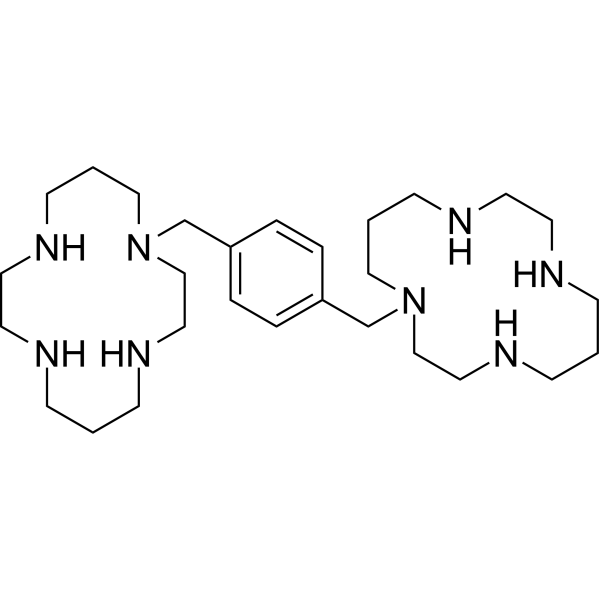
    Plerixafor (AMD 3100) is a selective CXCR4 antagonist with an IC50 of 44 nM. Plerixafor, an immunostimulant and a hematopoietic stem cell (HSC) mobilizer, is an allosteric agonist of CXCR7. Plerixafor inhibits HIV-1 and HIV-2 replication with an EC50 of 1-10 nM .
    Plerixafor
  • HY-13848
    Rugocrixan
    20+ Cited Publications

    AZD8797; KAND567

    CX3CR1 CXCR Inflammation/Immunology Endocrinology Cancer
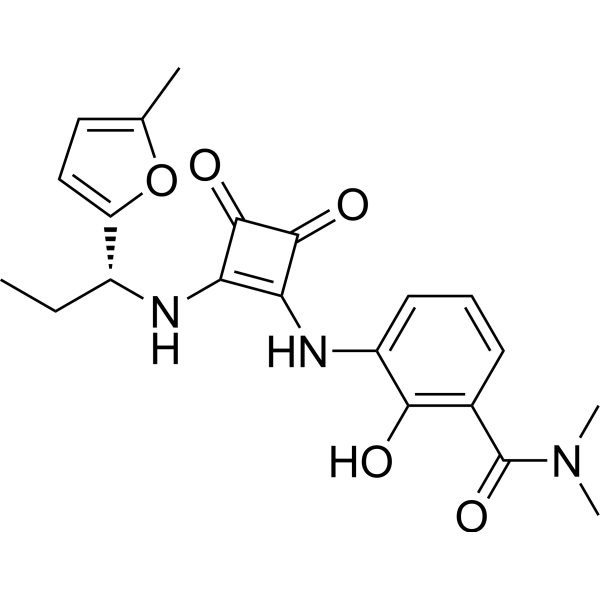
    AZD8797 (KAND567) is an allosteric non-competitive and orally active antagonist of the human CX3CR1 receptor; antagonizes CX3CR1 and CXCR2 with Kis of 3.9 and 2800 nM, respectively .
    Rugocrixan
  • HY-10198
    Navarixin
    30+ Cited Publications

    SCH 527123; MK-7123

    CXCR Inflammation/Immunology Endocrinology Cancer
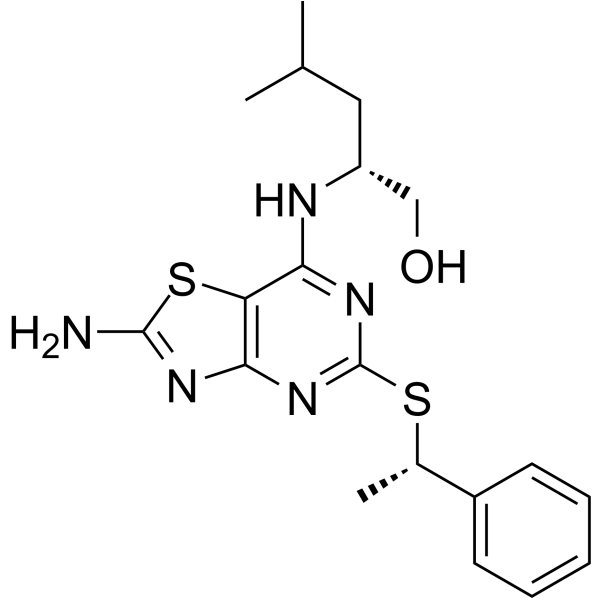
    Navarixin (SCH 527123) is a potent, allosteric and orally active antagonist of both CXCR1 and CXCR2, with Kd values of 41 nM for cynomolgus CXCR1 and 0.20 nM, 0.20 nM, 0.08 nM for mouse, rat and cynomolgus monkey CXCR2, respectivelly .
    Navarixin
  • HY-19904
    Adomeglivant
    4 Publications Verification

    LY2409021

    GCGR Metabolic Disease
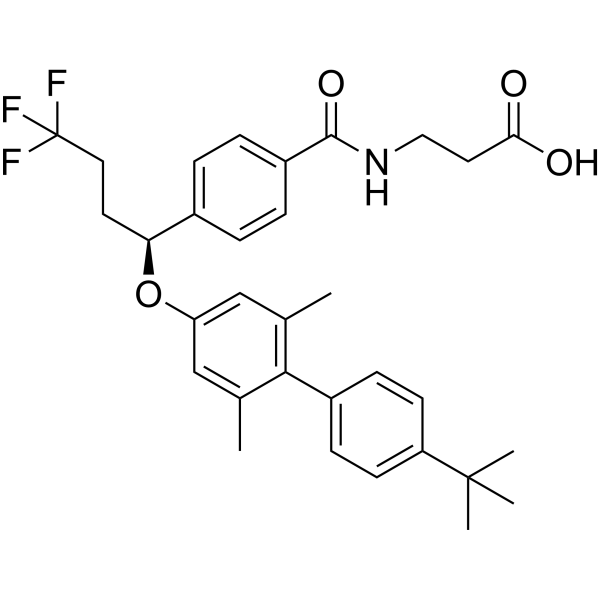
    Adomeglivant (LY2409021) is a potent, selective glucagon receptor (GluR) allosteric antagonist. Adomeglivant is widely used in the research for type 2 diabetes mellitus .
    Adomeglivant
  • HY-111052

    GABA Receptor Cytochrome P450 Neurological Disease Inflammation/Immunology
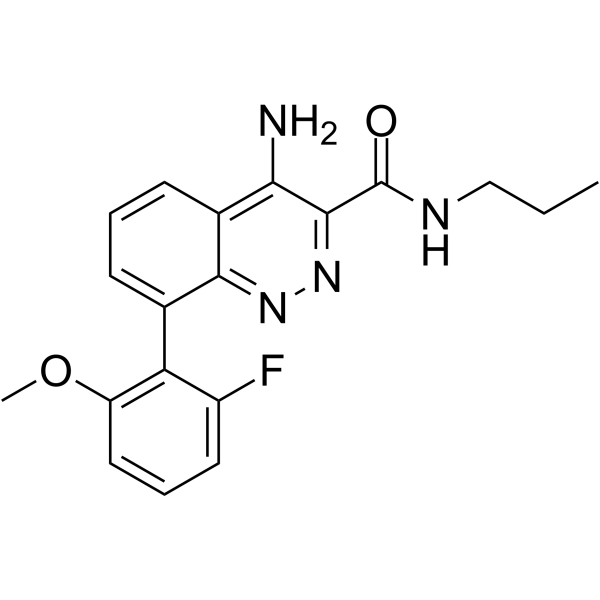
    AZD7325 is a potent and orally active partial selective PAM of GABAAα2 and Aα3 receptor (Ki=0.3 and 1.3 nM, respectively), and has less antagonistic efficacy at the Aα1 and Aα5 receptor subtypes . AZD7325 is a moderate CYP1A2 and a potent CYP3A4 inducer in vitro . AZD7325 has the potential for the investigation of anxiety and dravet syndrome . PAM: positive allosteric modulator.
    AZD7325
  • HY-B0520A
    Benztropine mesylate
    5 Publications Verification

    Benzatropine mesylate; Benzotropine mesylate; Benztropine methanesulfonate

    Dopamine Receptor mAChR Histamine Receptor Infection Neurological Disease Metabolic Disease Cancer
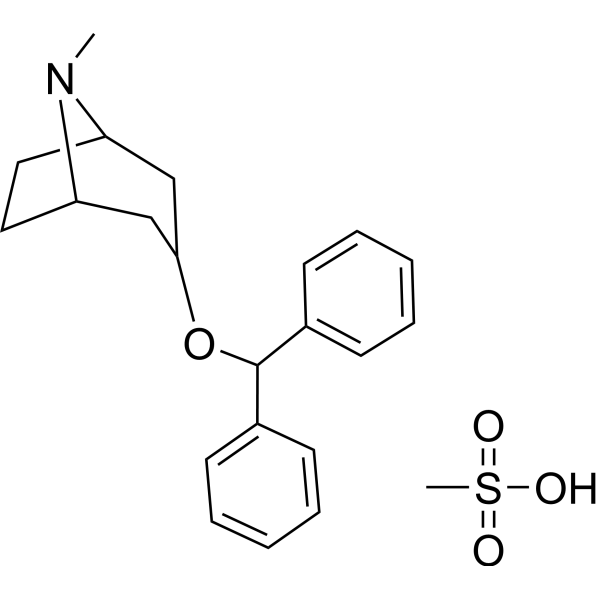
    Benztropine mesylate (Benzatropine mesylate) is an orally active and BBB-permeable centrally acting anticholinergic agent that can be used for Parkinson's disease research. Benztropine mesylate is an anti-histamine agent and a dopamine re-uptake inhibitor. Benztropine mesylate is also a human D2 dopamine receptor allosteric antagonist. Benztropine mesylate also has anti-CSCs (cancer stem cells) effects .
    Benztropine mesylate
  • HY-156815

    Orphan GPCR Neurological Disease Inflammation/Immunology
    YL-365 is a potent and selective GPR34 antagonist with an IC50 of 17 nM. YL-365 binds to a portion of the orthosteric binding pocket of GPR34 and induces allosteric changes that stabilize the receptor in an inactive conformation. YL-365 down-regulates expression of the proinflammatory gene iNOS in M1 microglia and suppresses proinflammatory responses. YL-365 reduces mechanical allodynia in a dose-dependent manner in a mouse model of neuropathic pain. YL-365 can be used for the research of neuropathic pain .
    YL-365
  • HY-123617

    Protease Activated Receptor (PAR) Inflammation/Immunology
    AZ8838 is a potent, competitive, allosteric, orally active non-peptide small molecule antagonist of PAR2 with a pKi of 6.4 for hPAR2 .
    AZ8838
  • HY-13831
    BPTU
    1 Publications Verification

    BMS-646786

    P2Y Receptor Neurological Disease Cancer
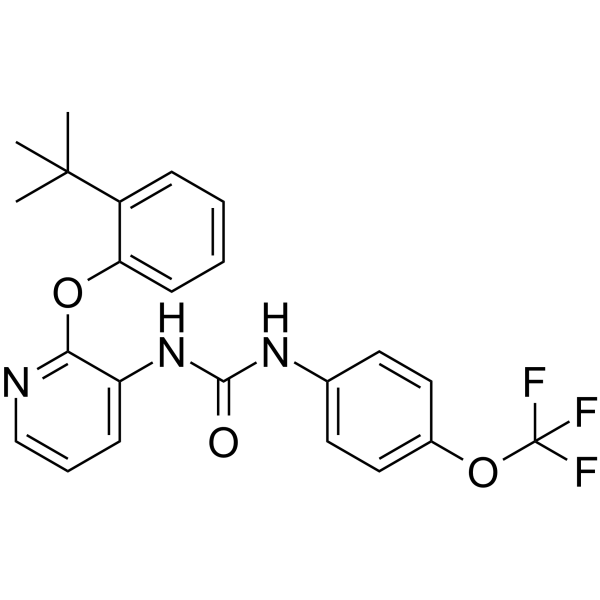
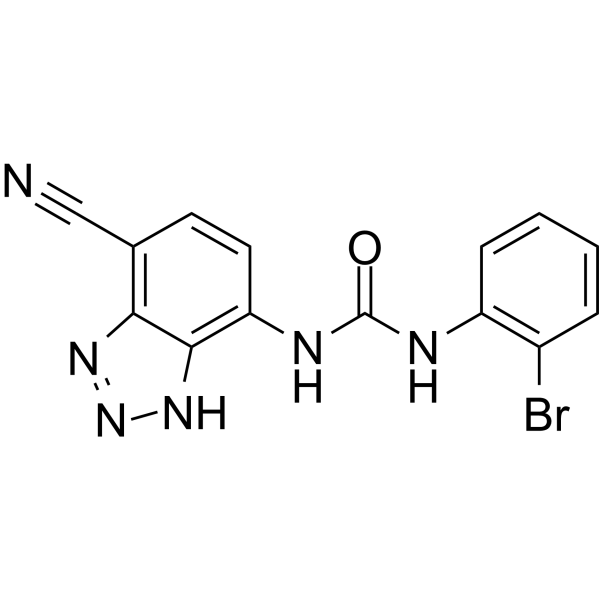
    BPTU (BMS-646786) is a non-nucleotide P2Y1 receptor allosteric antagonist with antithrombotic activity. BPTU is able to block the P2Y1 receptor located at the neuromuscular junction of the gastrointestinal tract .
    BPTU
  • HY-50688
    SB-265610
    5+ Cited Publications

    CXCR Inflammation/Immunology
    SB-265610 is a selective, competitive, nonpeptide and allosteric CXCR2 antagonist. SB-265610 blocks rat cytokine-induced neutrophil chemoattractant-1 (CINC-1)-induced calcium mobilization and neutrophil chemotaxis with IC50s of 3.7 nM and 70 nM, respectively .
    SB-265610
  • HY-15445
    CTEP
    2 Publications Verification

    RO 4956371; mGluR5 inhibitor

    mGluR Neurological Disease
    CTEP (RO 4956371) is a novel, long-acting, orally bioavailable allosteric antagonist of mGlu5 receptor with IC50 of 2.2 nM, and shows > 1000-fold selectivity over other mGlu receptors. CTEP is a click chemistry reagent, it contains an Alkyne group and can undergo copper-catalyzed azide-alkyne cycloaddition (CuAAc) with molecules containing Azide groups.
    CTEP
  • HY-122575
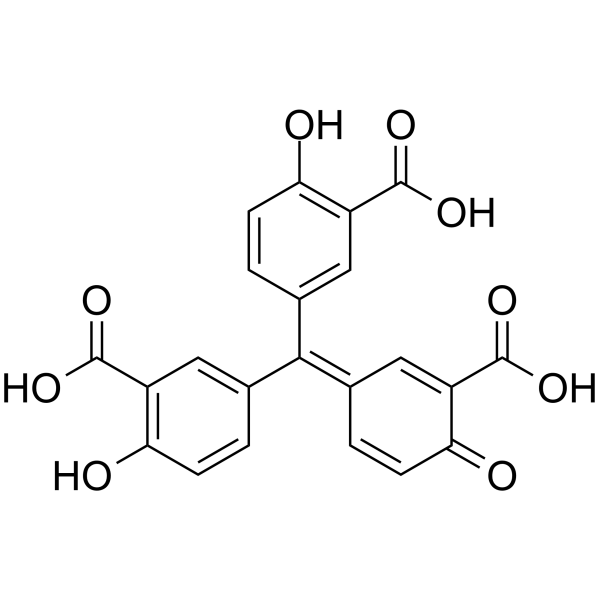
    Aurintricarboxylic acid
    3 Publications Verification

    P2X Receptor Influenza Virus Topoisomerase MicroRNA Apoptosis Infection Neurological Disease Inflammation/Immunology
    Aurintricarboxylic acid is a nanomolar-potency, allosteric antagonist with selectivity towards αβ-methylene-ATP-sensitive P2X1Rs and P2X3Rs, with IC50s of 8.6 nM and 72.9 nM for rP2X1R and rP2X3R, respectively . Aurintricarboxylic acid is a potent anti-influenza agent by directly inhibiting the neuraminidase . Aurintricarboxylic acid is an inhibitor of topoisomerase II and apoptosis . Aurintricarboxylic acid is a selective inhibitor of the TWEAK-Fn14 signaling pathway . Aurintricarboxylic acid also acts as a cystathionine-lyase (CSE) inhibitor with an IC50 of 0.6 μM . Aurintricarboxylic acid is a modifier of miRNAs that regulate miRNA function, with an IC50 of 0.47 µM .
    Aurintricarboxylic acid
  • HY-133073
    CCR7 Ligand 1
    3 Publications Verification

    CCR7-Cmp2105

    CCR Ligands for Target Protein for PROTAC Cancer
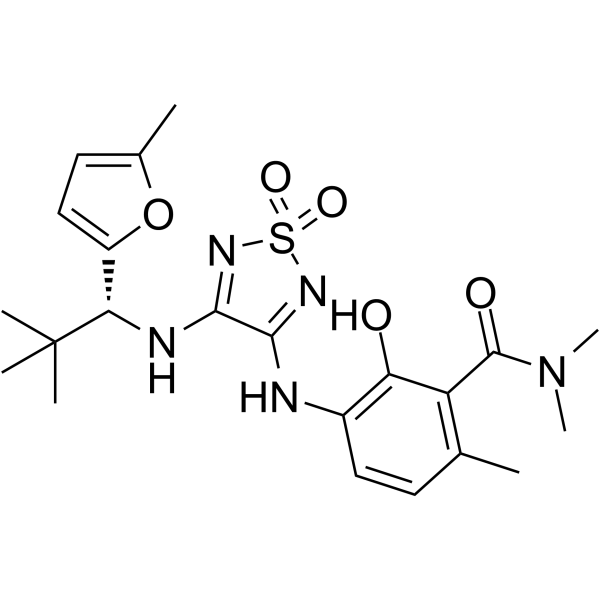
    CCR7 Ligand 1 (CCR7-Cmp2105) is an allosteric Ligand and antagonist for human CC chemokine receptor 7 (CCR7) with a Kd of 3 nM. CCR7 Ligand 1, thiadiazole-dioxide ligan, suppresses arrestin binding in response to activation by CCL19 with an IC50 of 7.3 μM .
    CCR7 Ligand 1
  • HY-19519A
    Ladarixin sodium
    1 Publications Verification

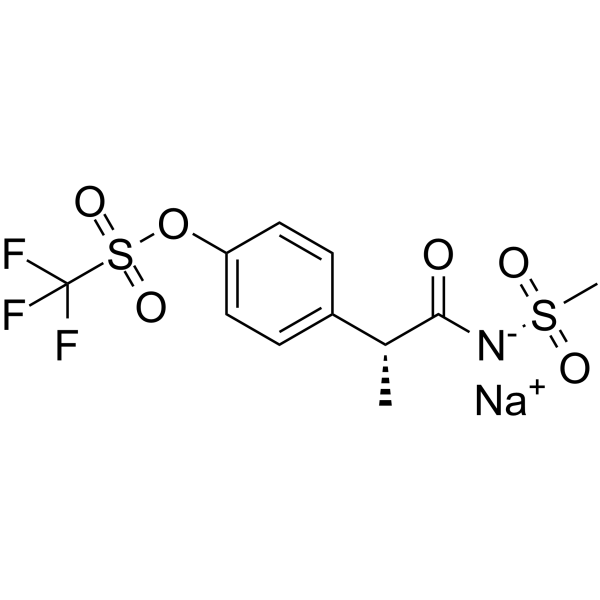
    DF 2156A

    CXCR Infection Inflammation/Immunology Cancer
    Ladarixin sodium (DF 2156A) is an orally active, allosteric non-competitive and dual CXCR1 and CXCR2 antagonist. Ladarixin sodium can be used for the research of COPD and asthma .
    Ladarixin sodium
  • HY-19519
    Ladarixin
    1 Publications Verification

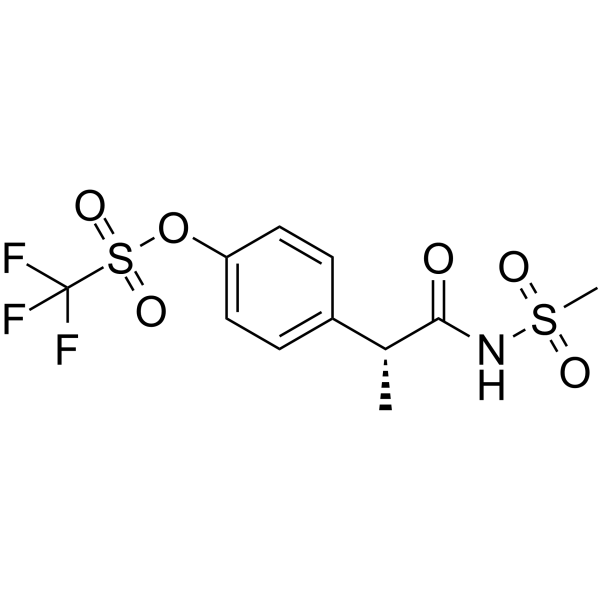
    DF 2156A free base

    CXCR Inflammation/Immunology Cancer
    Ladarixin (DF 2156A free base) is an orally active, allosteric non-competitive and dual CXCR1 and CXCR2 antagonist. Ladarixin can be used for the research of COPD and asthma .
    Ladarixin
  • HY-119217
    AZ084
    2 Publications Verification

    CCR Inflammation/Immunology Endocrinology Cancer
    AZ084 is a potent, selective, allosteric and oral active CCR8 allosteric antagonist, with a Ki of 0.9 nM. Has potential to treat asthma . AZ084 restrains the formation of the immunologically tolerant pre-metastatic niche (PMN) and tumor cells metastasis in lung by downregulating Treg differentiation. AZ084 can be used in studies of asthma and cancer .
    AZ084
  • HY-103111

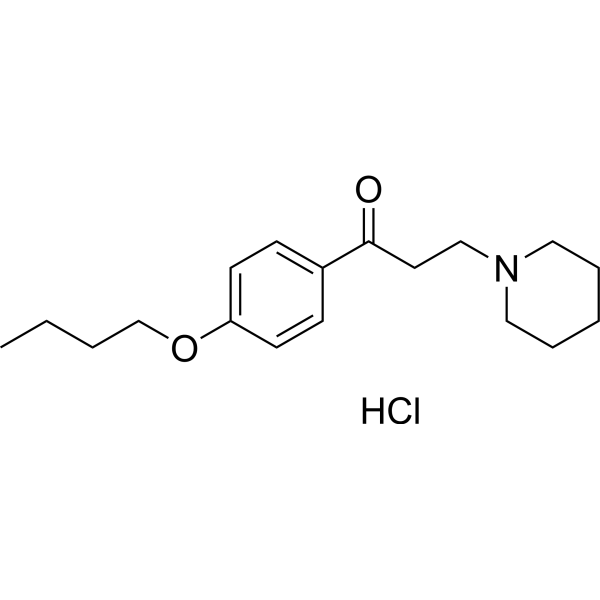
    mGluR Neurological Disease
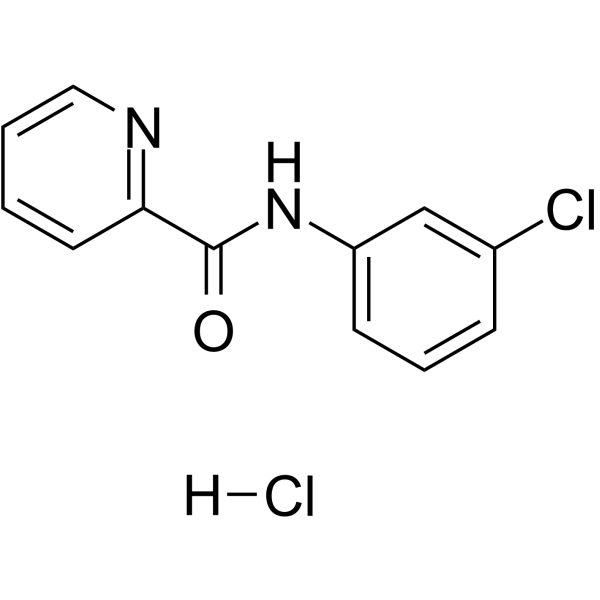
    MMPIP hydrochloride is an allosteric metabotropic glutamate receptor 7 (mGluR7) selective antagonist (KB values 24 -30 nM). MMPIP hydrochloride acts as a pharmacological tool for elucidating the roles of mGluR7 on central nervous system functions. MMPIP hydrochloride alleviates pain and normalizes affective and cognitive behavior in neuropathic mice .
    MMPIP hydrochloride
  • HY-176710

    Protein Arginine Deiminase Opioid Receptor mAChR Neurological Disease Inflammation/Immunology Cancer
    PAD-PF2 is a PAD family inhibitor, as well as a κ-opioid receptor agonist (EC50 = 7.55 μM) and an M1 muscarinic acetylcholine receptor antagonist (IC50 = 12.3 μM). The IC50 values of PAD-PF2 against PAD1, PAD2, PAD3 and PAD4 are 109 nM, 27.9 nM, 106 nM and 20.1 nM, respectively. PAD-PF2 binds to the common allosteric pocket of PAD1-4, and its inhibitory effects on PAD2 and PAD4 are Ca 2+-dependent. PAD-PF2 inhibits protein citrullination in neutrophils. PAD-PF2 is applicable to research related to rheumatoid arthritis, neurodegenerative diseases and cancer .
    PAD-PF2
  • HY-139202

    Integrin Inflammation/Immunology
    XVA143, an α/β I-like allosteric antagonist, inhibits LFA-1 dependent firm adhesion, while at the same time it enhances adhesion in shear flow and rolling both in vitro and in vivo .
    XVA143
  • HY-110237

    P2X Receptor Calcium Channel Cardiovascular Disease
    BX430 is a potent and selective noncompetitive allosteric human P2X4 receptor channels antagonist with an IC50 of 0.54 μM. BX430 has species specificity. BX430 is used for chronic pain and cardiovascular disease.
    BX430
  • HY-153213

    TSH Receptor Metabolic Disease
    Org 274179-0 is a potent and allosteric antagonist of thyroid-stimulating hormone (TSH) receptor, with an IC50 of nanomolar concentration. Org 274179-0 completely inhibits TSH (and TSI)-mediated TSH receptor activation with little effect on the potency of TSH. Org 274179-0 can be used for the research of Graves' disease (GD) .
    Org 274179-0
  • HY-112247

    PPAR TGF-beta/Smad Metabolic Disease Inflammation/Immunology
    SR 16832 is a dual-site covalent, orthosteric and allosteric PPARγ antagonist. SR 16832 activates the TGF-β signaling pathway and upregulates the expression of Vimentin and Fibronectin (Fibronectin). SR 16832 is toxic to bronchial epithelium. SR 16832 can be used in research related to type 2 diabetes and pulmonary fibrosis .
    SR 16832
  • HY-B0520
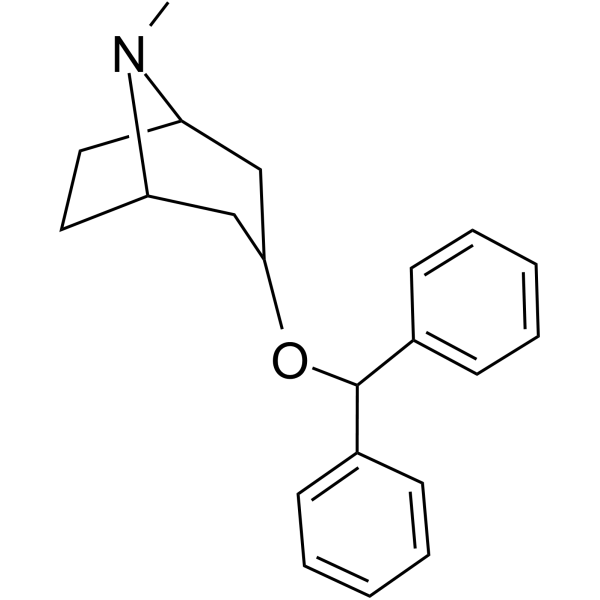
    Benztropine
    5 Publications Verification

    Benzatropine; Benzotropine

    Dopamine Receptor mAChR Histamine Receptor Cancer
    Benztropine (Benzatropine; Benzotropine) is an orally active and BBB-permeable centrally acting anticholinergic agent that can be used for Parkinson's disease research . Benztropine is an anti-histamine agent and a dopamine re-uptake inhibitor. Benztropine is also a human D2 dopamine receptor allosteric antagonist. Benztropine mesylate also has anti-CSCs (cancer stem cells) effects .
    Benztropine
  • HY-16639

    GPR35 Neurotensin Receptor Neurological Disease Endocrinology
    ML314 is a potent, BBB-penetrant and β-arrestin biased molecule agonist of NTR1 (EC50 = 1.9 μM). ML314 shows good selectivity against NTR2 and GPR35, but does not stimulate Ca2+ mobilization. ML314 can attenuate amphetamine-like hyperlocomotion in dopamine transporter knockout mice. ML314 attenuates methamphetamine-associated hyperlocomotion and potentiates the psychostimulant inhibitory effects of a ghrelin antagonist in wild type mouse model. ML314 also acts as an allosteric enhancer of endogenous neurotensin. ML314 antagonizes G protein signaling. ML314 can be studied in research for methamphetamine abuse conditions .
    ML314
  • HY-11095

    mGluR CaSR PI3K Akt mTOR Autophagy Apoptosis Bcl-2 Family Caspase Cardiovascular Disease Neurological Disease
    NPS 2390 is an allosteric antagonist of calcium-sensing receptor (CaSR) and mGluR1/5. NPS 2390 inhibits the PI3K/Akt/mTOR signaling pathway, reduces hypoxia-induced intracellular calcium elevation, decreases the expression of autophagy (autophagy) proteins, regulates the expression of phenotypic marker proteins, and inhibits the proliferation of pulmonary artery smooth muscle cells. NPS 2390 attenuates the endogenous apoptosis (apoptosis) pathway, increases the expression level of Bcl-2, downregulates the expression levels of Bax, cytochrome c and caspase-3, alleviates cerebral edema and improves neurological function in rat models. NPS 2390 can be used in studies related to hypoxic pulmonary hypertension, traumatic brain injury, stroke and pain .
    NPS 2390
  • HY-145684

    Prostaglandin Receptor Inflammation/Immunology
    EP2 receptor antagonist-1 (compound 1) is a potent, reversible, and agonist dependent allosteric prostaglandin EP2 receptor antagonist. EP2 receptor antagonist-1 shows anti-inflammatory effects .
    EP2 receptor antagonist-1
  • HY-129946

    Dopamine Receptor Neurological Disease
    Dopamine D2 receptor antagonist-1 is a negative allosteric modulator (NAM) of the dopamine D2 receptor (D2R) with sub-mM affinity .
    Dopamine D2 receptor antagonist-1
  • HY-50081
    CCR2-RA-[R]
    4 Publications Verification

    CCR Inflammation/Immunology Endocrinology
    CCR2-RA-[R] is an allosteric antagonist of the C-C chemokine receptor type 2 (CCR2) with an IC50 of 103 nM.
    CCR2-RA-[R]
  • HY-100405

    mGluR Neurological Disease
    FTIDC is an orally active, noncompetitive, selective allosteric metabotropic glutamate receptor (mGluR) 1 antagonist with an IC50 of 5.8 nM for human mGluR1a. FTIDC has no species differences in its antagonistic activity on recombinant human, mouse, and rat mGluR1 .
    FTIDC
  • HY-100588

    mGluR Neurological Disease
    VU0364770 is a selective and potent positive allosteric modulator (PAM) of mGlu4. VU0346770 exhibits EC50s of 290 nM and 1.1 μM at rat mGlu4 and human mGlu4 receptor, respectively. VU0364770 exhibits antagonist activity at mGlu5 with a potency of 17.9 μM and PAM activity at mGlu6 with a potency of 6.8 μM. VU0364770 also possesses activity at MAO with Ki values of 8.5 and 0.72 μM for human MAO-A and human MAO-B, respectively .
    VU0364770
  • HY-178121

    iGluR Neurological Disease Inflammation/Immunology
    JNJ-78911118 is a potent, brain-penetrant, selective GluN2A antagonist (IC50 = 44 nM). JNJ-78911118 shows >200-fold selectivity against GluN1/2B, 2C and 2D receptors. JNJ-78911118 functions as a negative allosteric modulator (NAM) by insurmountably suppressing glutamate efficacy and reducing glycine potency at GluN1/2A receptors. JNJ-78911118 produces profound pharmacodynamic effects in vivo. JNJ-78911118 can be used for depression research .
    JNJ-78911118
  • HY-118967

    VU0183254

    HCN Channel Others
    VUANT1 (VU0183254) is an allosteric antagonist of insect odorant receptor ion channels, which has the activity of inhibiting insect odorant receptor signaling. VUANT1 can inhibit the activation of insect odorant receptors through allosteric regulation, which is important for the study of the molecular mechanism of insect olfactory signaling. Although it may be of limited use in insect control programs, it can be used as a pharmacological tool to study related mechanisms.
    VUANT1
  • HY-107503

    mGluR Neurological Disease
    MMPIP is an allosteric metabotropic glutamate receptor 7 (mGluR7) selective antagonist (KB values 24 -30 nM). MMPIP acts as a pharmacological tool for elucidating the roles of mGluR7 on central nervous system functions. MMPIP alleviates pain and normalizes affective and cognitive behavior in neuropathic mice .
    MMPIP
  • HY-N8852

    6-MeOF

    GABA Receptor Taste Receptor Neurological Disease Metabolic Disease
    6-Methoxyflavanone (6-MeOF) is a flavonoid compound that can cross the blood-brain barrier. 6-Methoxyflavanone is a positive allosteric modulator of GABAA receptors. 6-Methoxyflavanone exhibits positive allosteric regulatory effects on human recombinant α1β2γ2L and α2β2γ2L GABAA receptors, and is relatively inactive on the α1β2 GABAA receptor. 6-Methoxyflavanone showes inhibitory behavior towards the activation of bitter receptor hTAS2R39 and hTAS2R14, demonstrating a reversible and non-overcome antagonistic effect. 6-Methoxyflavanone has the effects of anti-anxiety, analgesia and relief of neuropathic pain .
    6-Methoxyflavanone
  • HY-112874

    BMS-687681

    CCR Neurological Disease Inflammation/Immunology Cancer
    BMS-681 is an orthosteric antagonist of CC chemokine receptor 2 (CCR2). BMS-681 restricts the movement of the extracellular end of TM6 by stabilizing TM7. TM7 and TM6 are the main components of the orthosteric binding site. BMS-681 can be used to study inflammatory neurodegenerative diseases and cancer .
    BMS-681
  • HY-110152

    mGluR Neurological Disease
    LSN2463359 is positive allosteric modulator of metabotropic glutamate 5 (mGlu5). LSN2463359 attenuates aspects of the behavioral response to administration of the competitive NMDA receptor antagonist. LSN2463359 selectively attenuates reversal learning deficits observed in the neurodevelopmental MAM E17 model . LSN2463359 is a click chemistry reagent, it contains an Alkyne group and can undergo copper-catalyzed azide-alkyne cycloaddition (CuAAc) with molecules containing Azide groups.
    LSN2463359
  • HY-165125

    Neuropeptide Y Receptor Metabolic Disease
    (S)-VU0637120 is a Y4R antagonist that effectively reduces the binding response of its endogenous ligand, pancreatic polypeptide (PP), on Y4R, with an IC50 value of 2.7 μM. (S)-VU0637120 binds to the allosteric site of Y4R, which is located in the core region of the Y4R transmembrane structure, near the binding pocket of pancreatic polypeptide (PP), with a KB value of 300-400 nM. (S)-VU0637120 holds potential for research in the field of metabolic diseases .
    (S)-VU0637120
  • HY-121094

    Estrogen Receptor/ERR Cancer
    Androgen receptor allosteric antagonist 1(compound D36)is a a llosteric, competitive androgen receptor (AR) antagonist with the Ki of 9 μM. Androgen receptor allosteric antagonist 1 inhibits R1881-mediated transcription and proliferation and can be used for study of prostate cancer .
    Androgen receptor allosteric antagonist 1
  • HY-133555

    mGluR Neurological Disease
    mGluR2 antagonist 1 is a highly potent, orally bioavailable and selective class of mGluR2 negative allosteric modulator (IC50 of 9 nM) with excellent brain permeability .
    mGluR2 antagonist 1
  • HY-10046S

    Isotope-Labeled Compounds CXCR HIV Infection Inflammation/Immunology Endocrinology Cancer
    Plerixafor-d4 is the deuterium labeled Plerixafor. Plerixafor (AMD 3100) is a selective CXCR4 antagonist with an IC50 of 44 nM. Plerixafor, an immunostimulant and a hematopoietic stem cell (HSC) mobilizer, is an allosteric agonist of CXCR7. Plerixafor inhibits HIV-1 and HIV-2 replication with an EC50 of 1-10 nM .
    Plerixafor-d4
  • HY-15469
    GW791343 dihydrochloride
    1 Publications Verification

    P2X Receptor Neurological Disease
    GW791343 dihydrochloride is a potent human P2X7 receptor negative allosteric modulator (exhibits species-specific activity), produces a non-competitive antagonist effect on human P2X7 receptor, with a pIC50 of 6.9-7.2. GW791343 dihydrochloride can enhance ATP rhythm. GW791343 dihydrochloride can be used in study of neurological disease .
    GW791343 dihydrochloride
  • HY-175504

    Dopamine Receptor PERK Neurological Disease
    MLS6357 is a D3 dopamine receptor (D3R)-selective positive allosteric modulator (PAM)-antagonist. MLS6357 exhibits antagonist activity in the D3R-mediated and the BRET-based β-arrestin recruitment assay with IC50s of 13 and 14 μM, and no activity for other DAR subtypes (D1R/D2R/D4R/D5R) (IC50 > 100 μM). MLS6357 is also an antagonist in the D3R-mediated Go-BRET assay with an IC50 of 17 μM. MLS6357 can be used for the study of neuropsychiatric disorders, including substance use disorder .
    MLS6357
  • HY-176980

    CCR Inflammation/Immunology
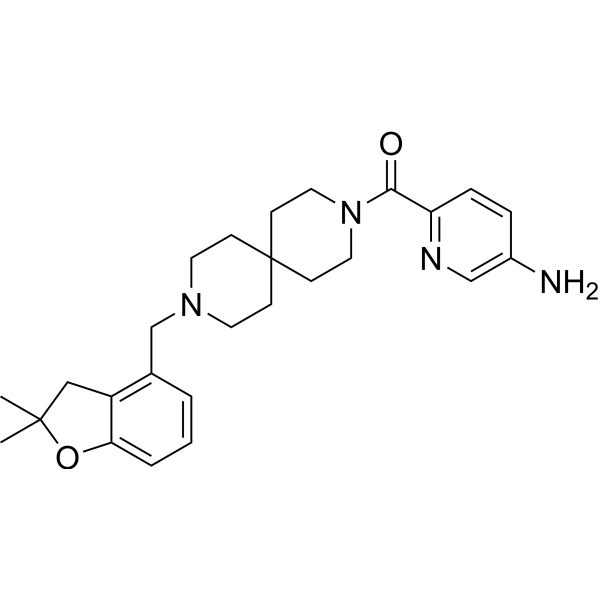
    CCR6 antagonist 4 (compound OXM1) is a potent and selective CC chemokine receptor 6 (CCR6) allosteric antagonist (IC50 = 158 nM). CCR6 antagonist 4 binds to an extracellular pocket and disrupts the receptor activation network. CCR6 antagonist 4 can be used for chronic inflammatory diseases research .
    CCR6 antagonist 4
  • HY-176979

    CCR Inflammation/Immunology
    CCR6 antagonist 3 (compound OXM2) is a potent and selective CC chemokine receptor 6 (CCR6) allosteric antagonist (IC50 = 166 nM). CCR6 antagonist 3 binds to an extracellular pocket and disrupts the receptor activation network. CCR6 antagonist 3 can be used for chronic inflammatory diseases research .
    CCR6 antagonist 3
  • HY-100979

    HDMPPA

    mAChR Others
    W-84 (dibromide) is a potent allosteric modulator of M2-cholinoceptors, which retards [ 3H]N-methylscopolamine dissociation. W-84 dibromide can stabilize cholinergic antagonist-receptor complexes. W-84 (dibromide) is a non-competitive muscarinic acetylcholine receptors antagonist with allosteric effects. W-84 (dibromide) protects over additively against an organophosphate-intoxication when applied in combination with atropine .
    W-84 dibromide
  • HY-110179

    Cannabinoid Receptor Metabolic Disease
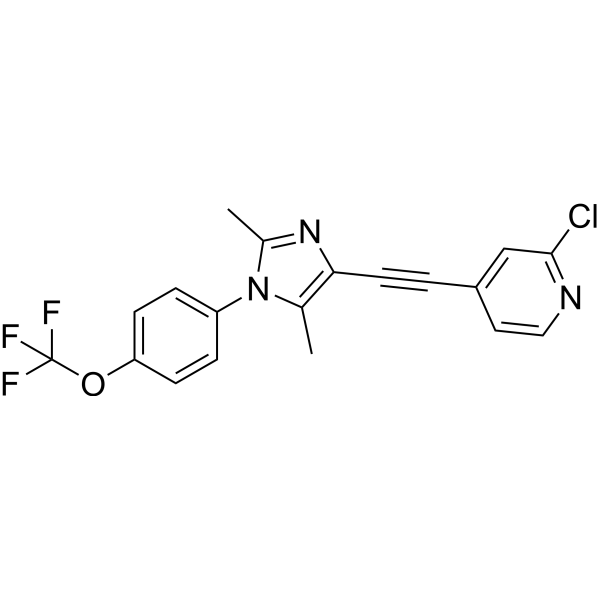
    PSNCBAM-1 is a selective CB1 receptor allosteric antagonist with an EC50 of 0.1 μM. PSNCBAM-1 can be used in the researches of obesity .
    PSNCBAM-1
  • HY-118238

    MRZ-8456

    mGluR Neurological Disease
    Remeglurant (MRZ-8456) acts as a selective, orally active and allosteric antagonist of the mGlu5 receptor, with an IC50 of 13 nM. Remeglurant (MRZ-8456) can be used in the research for dyskinesia in Parkinson’s disease (PD) .
    Remeglurant
  • HY-118356

    Neurokinin Receptor mAChR Neurological Disease
    WIN 62,577 is a rat-specific, but non-human, NK1 receptor antagonist. WIN 62,577 interacts with M1-M4 mAChRs and is an allosteric enhancer of acetylcholine affinity targeting the M3 receptor.
    WIN 62,577
  • HY-10046R

    AMD 3100 (Standard); JM3100 (Standard); SID791 (Standard)

    Reference Standards CXCR HIV Infection Inflammation/Immunology Endocrinology Cancer
    Plerixafor (Standard) is the analytical standard of Plerixafor. This product is intended for research and analytical applications. Plerixafor (AMD 3100) is a selective CXCR4 antagonist with an IC50 of 44 nM. Plerixafor, an immunostimulant and a hematopoietic stem cell (HSC) mobilizer, is an allosteric agonist of CXCR7. Plerixafor inhibits HIV-1 and HIV-2 replication with an EC50 of 1-10 nM .
    Plerixafor (Standard)
  • HY-15470

    P2X Receptor Neurological Disease
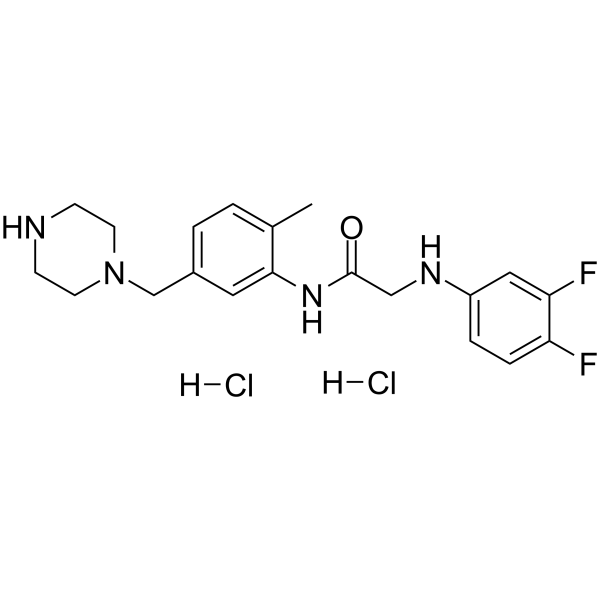
    GW791343 trihydrochloride is a potent human P2X7 receptor negative allosteric modulator (exhibits species-specific activity), produces a non-competitive antagonist effect on human P2X7 receptor, with a pIC50 of 6.9-7.2. GW791343 trihydrochloride can enhance ATP rhythm. GW791343 trihydrochloride can be used in study of neurological disease .
    GW791343 trihydrochloride

Inquiry Online

Your information is safe with us. * Required Fields.

Salutation


Country or Region *

Applicant Name *


Organization Name *

Department *


Email Address *


Product Name *

Cat. No.


Requested quantity *

Phone Number *


Remarks

Inquiry Online

Inquiry Information

Product Name:
Cat. No.:
Quantity:
MCE Japan Authorized Agent: