
Search Result
Results for "
Antithrombotic
" in MedChemExpress (MCE) Product Catalog:
6
Biochemical Assay Reagents
12
Isotope-Labeled Compounds
| Cat. No. |
Product Name |
Target |
Research Areas |
Chemical Structure |
-
- HY-113527
-
|
1-Methylnicotinamide chloride
|
Endogenous Metabolite
|
Metabolic Disease
|
|
TRIA-662 (1-Methylnicotinamide chloride) is an endogenous metabolite. TRIA-662 shows antithrombotic and anti-inflammatory activities .
|
-
-
- HY-17369B
-
|
L700462; MK383
|
Integrin
|
Cardiovascular Disease
|
|
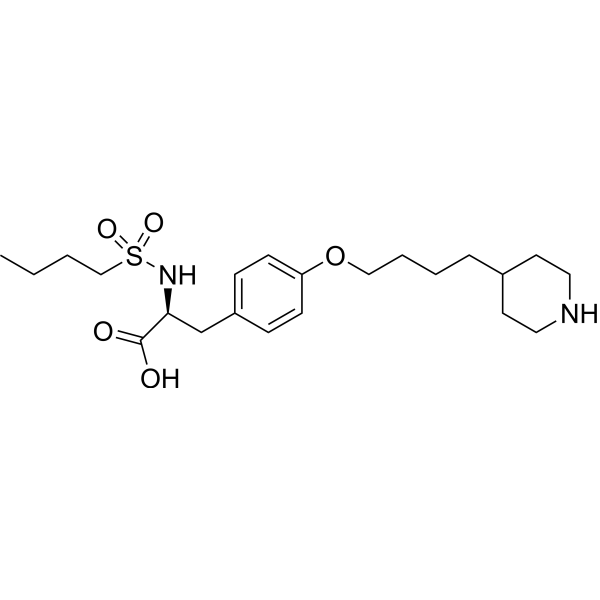
Tirofiban (L700462) is a selective and reversible platelet integrin receptor (Gp IIb/IIIa) antagonist that inhibits fibrinogen binding to this receptor and has antithrombotic activity. Tirofiban induces proliferation and migration on endothelial cell by inducing production of VEGF. Tirofiban can significantly reduces myocardial no-reflow and ischemia-reperfusion injury by alleviating myocardial microvascular structural and endothelial dysfunction in the ischemic area .
|
-
-
- HY-17459
-
|
(S)-(+)-Clopidogrel bisulfate; (S)-(+)-Clopidogrel hydrogen sulfate
|
Cytochrome P450
P2Y Receptor
|
Cardiovascular Disease
Cancer
|
|
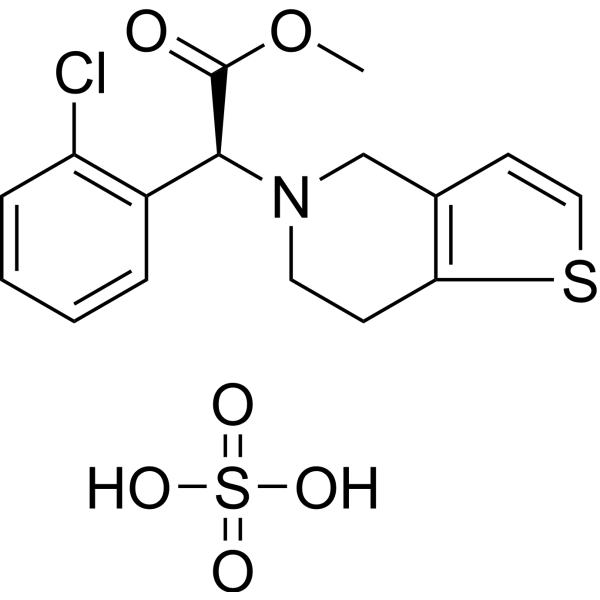
Clopidogrel hydrogen sulfate is an antiplatelet agent to prevent blood clots. Clopidogrel hydrogen sulfate inhibits CYP2B6 and CYP2C19 with IC50s of 18.2 nM and 524 nM, respectively . Clopidogrel hydrogen sulfate is a potent antithrombotic agent that inhibits ADP-induced platelet aggregation .Clopidogrel hydrogen sulfate also is an orally active P2Y(12) inhibitor .
|
-
-
- HY-10268
-
|
PRT054021
|
Factor Xa
|
Cardiovascular Disease
|
|
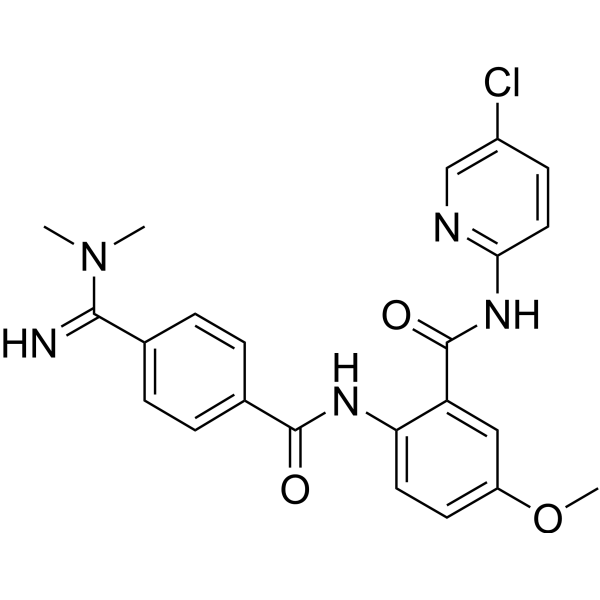
Betrixaban (PRT054021) is a highly potent, selective, and orally efficacious factor Xa (fXa) inhibitor with an IC50 of 1.5 nM. Betrixaban shows antithrombotic effect .
|
-
-
- HY-17369
-
|
L700462 hydrochloride monohydrate; MK383 hydrochloride monohydrate
|
Integrin
|
Cardiovascular Disease
|
|
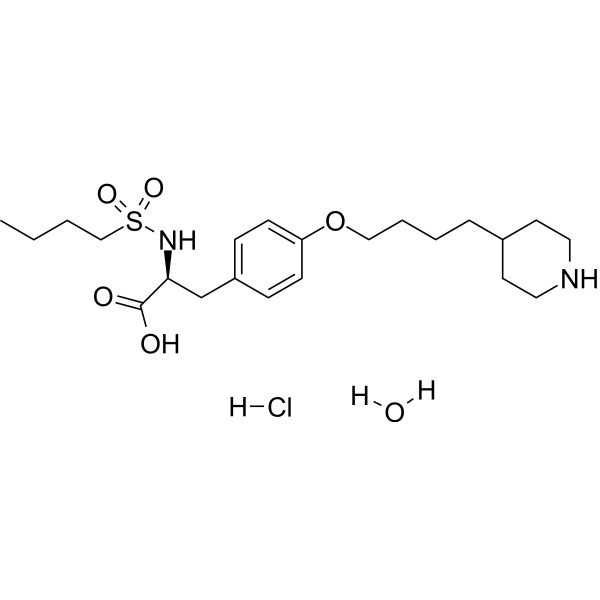
Tirofiban (L700462) hydrochloride monohydrate is a selective and reversible platelet integrin receptor (Gp IIb/IIIa) antagonist that inhibits fibrinogen binding to this receptor and has antithrombotic activity. Tirofiban hydrochloride monohydrate induces proliferation and migration on endothelial cell by inducing production of VEGF. Tirofiban hydrochloride monohydrate can significantly reduces myocardial no-reflow and ischemia-reperfusion injury by alleviating myocardial microvascular structural and endothelial dysfunction in the ischemic area .
|
-
-
- HY-100386
-
|
PCR 5332
|
NTPDase
Cytochrome P450
|
Cardiovascular Disease
|
|
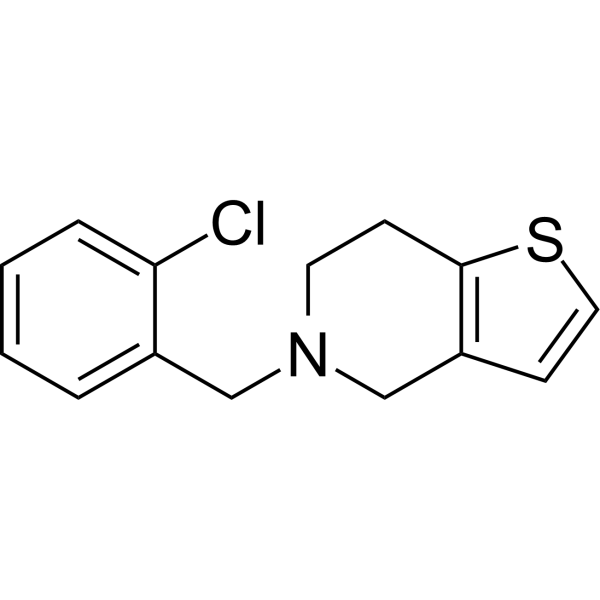
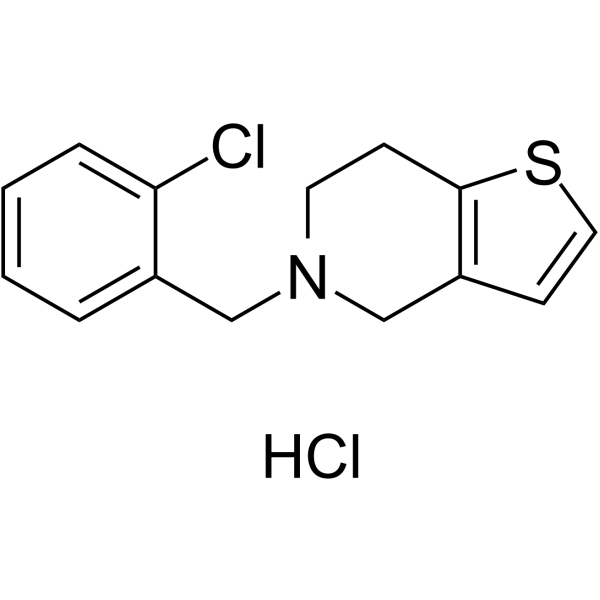
Ticlopidine (PCR 5332), an antithrombotic proagent, acts as an allosteric, noncompetitive inhibitor of CD39 with the IC50 of 81.7 μM. Ticlopidine blocks several NTPDase isoenzymes with IC50s of 170 μM and 149 μM for NTPDase2 and NTPDase3, respectively. Ticlopidine is an inhibitor of CYP2C19 human liver cytochrome. Ticlopidine inhibits CYP2C9 and CYP3A4 with IC50s of 26.0 and 32.3 μM, respectively.
|
-
-
- HY-D1005H
-
-
-
- HY-101312
-
|
OPC3689
|
Phosphodiesterase (PDE)
|
Cardiovascular Disease
|
|
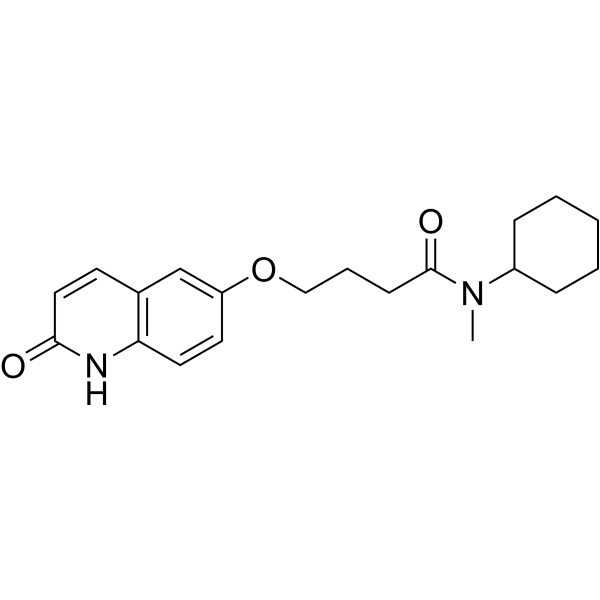
Cilostamide is a selective and potent PDE3 inhibitor, with IC50s of 27 nM and 50 nM for PDE3A and PDE3B, respectively, and has antithrombotic and anti-intimal hyperplastic activity.
|
-
-
- HY-13831
-
BPTU
1 Publications Verification
BMS-646786
|
P2Y Receptor
|
Neurological Disease
Cancer
|
|
BPTU (BMS-646786) is a non-nucleotide P2Y1 receptor allosteric antagonist with antithrombotic activity. BPTU is able to block the P2Y1 receptor located at the neuromuscular junction of the gastrointestinal tract .
|
-
-
- HY-108660
-
|
|
P2Y Receptor
|
Cardiovascular Disease
|
|
PSB-0739 is a high-affinity potent, competitive, nonselective platelet P2Y12 receptor antagonist with a Ki values of 24.9 nM. The P2Y12 receptor plays a crucial role in platelet aggregation. Antithrombotic effect .
|
-
-
- HY-B1271
-
|
G-28315
|
Endogenous Metabolite
|
Inflammation/Immunology
|
|
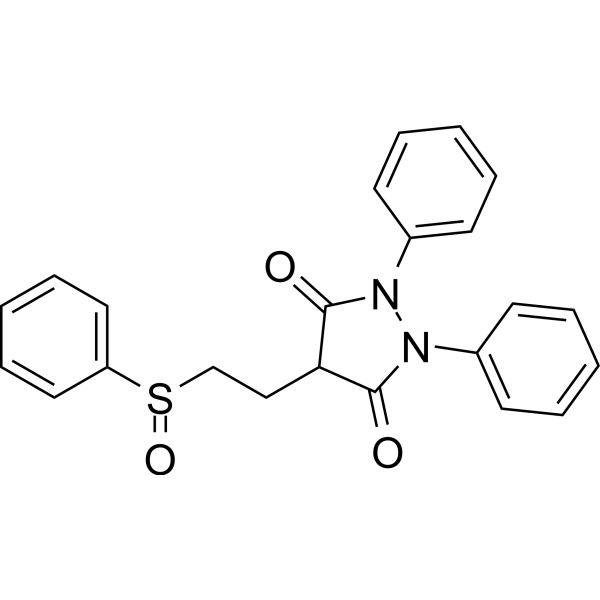
Sulfinpyrazone (G-28315) is an orally active and potent uricosuric agent for chronic and intermittent gouty arthritis. Sulfinpyrazone has antithrombotic and platelet inhibitory effects .
|
-
-
- HY-100897
-
|
|
Thrombin
|
Cardiovascular Disease
|
|
Sulodexide is a mixture of glycosaminoglycans available in soft capsule form for oral administration. It is composed of low molecular weight heparin (80%) and dermatan sulfate (20%). Sulodexide exhibits antithrombotic activity through interaction with antithrombin III (AT III) and heparin cofactor II (HC II), and inhibition of thrombin formation. Sulodexide exhibits profibrinolytic activity through release of tissue plasminogen activator (tPA). Sulodexide exhibits endothelial protective and anti-inflammatory effect, ameliorates chronic venous disease .
Sulodexide is a glycosaminoglycan mixture available in soft gelatin capsule form for oral administration.
|
-
-
- HY-N6864
-
|
3-Hydroxy-4-methoxybenzoic acid
|
Thrombin
|
Cardiovascular Disease
Metabolic Disease
|
|
Isovanillic acid (3-Hydroxy-4-methoxybenzoic acid) is a phenolic acid isolated from isolated from Scrophularia ningpoensis, with anti-thrombotic activity .
|
-
-
- HY-15799
-
|
|
P2Y Receptor
|
Cardiovascular Disease
|
|
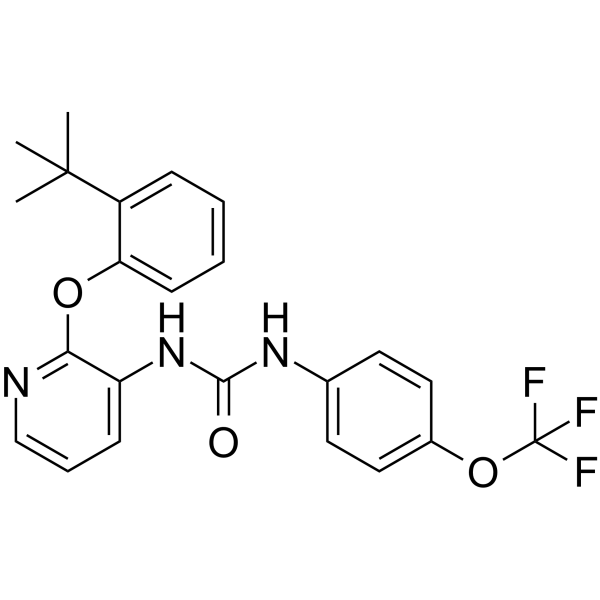
AZD1283 is a potent P2Y12 receptor antagonist with a binding IC50 of 11 nM and a GTPγS IC50 of 25 nM. AZD1283 has excellent antiplatelet aggregation potency. AZD1283 can be used to research thromboembolic disorders .
|
-
-
- HY-101054
-
NQ301
1 Publications Verification
|
Thrombin
|
Cardiovascular Disease
|
|
NQ301 is an antithrombotic agent; inhibits collagen-challenged rabbit platelet aggregation with an IC50 of 10 mg/mL.
|
-
-
- HY-118969
-
|
|
Factor Xa
Ser/Thr Protease
|
Cardiovascular Disease
|
|
BMS-262084 is a potent, selective and irreversible inhibitor of factor XIa, with an IC50 of 2.8 nM against human factor XIa. BMS-262084 also inhibits human tryptase (IC50=5 nM). BMS-262084 exhibits antithrombotic effects .
|
-
-
- HY-156371
-
|
|
PI3K
|
Cardiovascular Disease
Metabolic Disease
|
|
MIPS-21335 is a PI3KC2α inhibitor with an IC50 of 7 nM. MIPS-21335 also inhibits PI3KC2β, p110α, p110β and p110δ, with IC50 values of 43, 140, 386 and 742 nM, respectively. MIPS-21335 has antithrombotic effect. MIPS-21335 can be used for the researches of cardiovascular disease and metabolic disease, such as thrombosis and hyperlipidemia .
|
-
-
- HY-100897A
-
|
|
Thrombin
|
Cardiovascular Disease
|
|
Sulodexide solution is a mixture of glycosaminoglycans that can be administered by injection. It is composed of low molecular weight heparin (80%) and dermatan sulfate (20%). Sulodexide exhibits antithrombotic activity through interaction with antithrombin III (AT III) and heparin cofactor II (HC II), and inhibition of thrombin formation. Sulodexide exhibits profibrinolytic activity through release of tissue plasminogen activator (tPA). Sulodexide exhibits endothelial protective and anti-inflammatory effect, ameliorates chronic venous disease.
|
-
-
- HY-N5037
-
|
|
Others
|
Cardiovascular Disease
|
|
Ilexoside D is isolated from the roots of Ilex pubescens Hook. et Arn. Ilexoside D has the anti-tissue factor activity as well as the antithrombotic activity .
|
-
-
- HY-N8903
-
-
-
- HY-109122
-
|
ACT-246475
|
P2Y Receptor
|
Cardiovascular Disease
|
|
Selatogrel (ACT-246475) is a reversible and selective P2Y12 receptor antagonist which inhibits platelet aggregation with an IC50 of 8 nM. Selatogrel exhibits antithrombotic efficacy .
|
-
-
- HY-N2094
-
|
Genipin 1-gentiobioside; Genipin 1-β-gentiobioside; Genipin gentiobioside
|
Others
|
Inflammation/Immunology
|
|
Genipin 1-β-D-gentiobioside (Genipin 1-gentiobioside) is one of the most abundant and bioactive iridoid glycosides in Gardenia jasminoides Ellis, which possesses hepatoprotective, anti-inflammatory, antioxidant, and antithrombotic activities.
|
-
-
- HY-122098
-
|
PAI-749
|
PAI-1
|
Cardiovascular Disease
|
|
Diaplasinin (PAI-749) is a plasminogen activator inhibitor-1 (PAI-1) inhibitor with IC50 of 295 nM. Diaplasinin has antithrombotic efficacy .
|
-
-
- HY-124577
-
|
|
PAI-1
Apoptosis
|
Cardiovascular Disease
|
|
MDI-2268 is an inhibitor of plasma kallikrein inhibitor 1 (PAI-1). MDI-2268 has good antithrombotic properties and regulates blood coagulation and fibrinolysis process by enhancing fibrinolysis. MDI-2268 can be used in research areas such as deep vein thrombosis .
|
-
-
- HY-150790
-
-
-
- HY-100386R
-
|
PCR 5332 (Standard)
|
Reference Standards
NTPDase
Cytochrome P450
|
Cardiovascular Disease
|
|
Ticlopidine (Standard) is the analytical standard of Ticlopidine. This product is intended for research and analytical applications. Ticlopidine (PCR 5332), an antithrombotic proagent, acts as an allosteric, noncompetitive inhibitor of CD39 with the IC50 of 81.7 μM. Ticlopidine blocks several NTPDase isoenzymes with IC50s of 170 μM and 149 μM for NTPDase2 and NTPDase3, respectively . Ticlopidine is an inhibitor of CYP2C19 human liver cytochrome. Ticlopidine inhibits CYP2C9 and CYP3A4 with IC50s of 26.0 and 32.3 μM, respectively .
|
-
-
- HY-N4271
-
|
|
Others
|
Cardiovascular Disease
|
|
Protogracillin is a steroidal saponin isolated from Dioscorea zingiberensis Wright (DZW). Steroidal saponins from DZW rhizomes have the potential to reduce the risk of cardiovascular diseases by anti-thrombotic action .
|
-
-
- HY-10268A
-
|
PRT054021 maleate
|
Factor Xa
|
Cardiovascular Disease
|
|
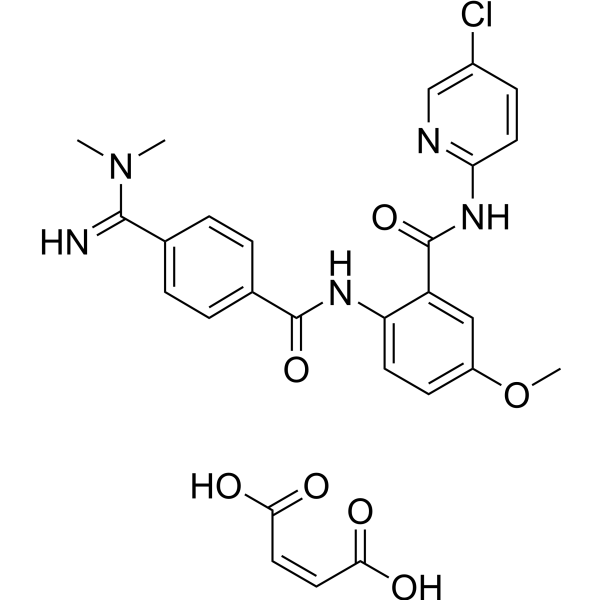
Betrixaban (PRT054021) maleate is a highly potent, selective, and orally efficacious factor Xa (fXa) inhibitor with an IC50 of 1.5 nM. Betrixaban maleate shows antithrombotic effect .
|
-
-
- HY-106784
-
|
|
Fungal
Apoptosis
|
Infection
Cancer
|
|
Ajoene, a garlic-derived compound, is an antithrombotic and antifungal agent. Ajoene inhibits proliferation and induces apoptosis of human leukaemia CD34-negative cells including HL-60, U937, HEL and OCIM-I. Anticancer activities .
|
-
-
- HY-105495
-
-
-
- HY-10217
-
|
|
Thrombin
|
Cardiovascular Disease
|
|
Thrombin Inhibitor 2 is a small molecule direct thrombin inhibitor, extracted from US8541580B2.
Thrombin Inhibitor 2 has antithrombotic activity .
|
-
-
- HY-113527R
-
|
1-Methylnicotinamide chloride (Standard)
|
Reference Standards
Endogenous Metabolite
|
Metabolic Disease
|
|
TRIA-662 (Standard) is the analytical standard of TRIA-662. This product is intended for research and analytical applications. TRIA-662 (1-Methylnicotinamide chloride) is an endogenous metabolite. TRIA-662 shows antithrombotic and anti-inflammatory activities .
|
-
-
- HY-B1271R
-
|
G-28315 (Standard)
|
Reference Standards
Endogenous Metabolite
|
Inflammation/Immunology
|
|
Sulfinpyrazone (Standard) is the analytical standard of Sulfinpyrazone. This product is intended for research and analytical applications. Sulfinpyrazone (G-28315) is an orally active and potent uricosuric agent for chronic and intermittent gouty arthritis. Sulfinpyrazone has antithrombotic and platelet inhibitory effects .
|
-
-
- HY-P5875A
-
|
|
Protease Activated Receptor (PAR)
|
Cardiovascular Disease
Inflammation/Immunology
|
|
P4pal10 TFA is the TFA salt form of P4pal10 (HY-P5875). P4pal10 TFA is an antagonist for protease-activated receptor 4 (PAR4). P4pal10 TFA inhibits the platelet aggregation, inhibits tissue factor (TF)-induced thrombin generation, and exhibits anticoagulant and antithrombotic activities. P4pal10 TFA reduces the oedema and the granulocyte infiltration induced by Carrageenan (HY-125474). P4pal10 TFA ameliorates the injury in rats myocardial ischemia/reperfusion (I/R) models .
|
-
-
- HY-W077219
-
|
Boc-Arg(Mtr)-OH
|
Amino Acid Derivatives
|
Others
|
|
Boc-L-Arg(Mtr)-OH (Boc-Arg(Mtr)-OH) is an amino acid derivative with a Boc protecting group, which can be used to synthesize peptides with antithrombotic activity .
|
-
-
- HY-10268B
-
|
PRT054021 hydrochloride
|
Factor Xa
|
Cardiovascular Disease
|
|
Betrixaban (PRT054021) hydrochloride is a highly potent, selective, and orally efficacious factor Xa (fXa) inhibitor with an IC50 of 1.5 nM. Betrixaban hydrochloride shows antithrombotic effect .
|
-
-
- HY-14853
-
|
YM150
|
Factor Xa
Ser/Thr Protease
|
Cardiovascular Disease
|
|
Darexaban (YM150) is a potent, selective and orally active factor Xa (FXa) inhibitor with an IC50 of 54.6 nM. Darexaban shows high selectivity against other related serine proteases, such as trypsin, thrombin, and kallikrein. Darexaban has anticoagulant and antithrombotic effects .
|
-
-
- HY-129496
-
|
|
Thrombin
|
Cardiovascular Disease
|
|
NP-313 is a potent antithrombotic agent that inhibits platelet aggregation and activation. NP-313 has dual inhibition of thromboxane A 2 synthesis and selective inhibition of SOCC-mediated Ca 2+ inward flow .
|
-
-
- HY-P99560
-
|
C4G1; YM-337
|
Integrin
|
Cardiovascular Disease
|
|
Tadocizumab (C4G1; YM-337) is a humanized monoclonal antibody tageting integrin αIIbβ3. Tadocizumab has antiplatelet and antithrombotic effects, and can be used for cardiovascular disease research .
|
-
-
- HY-U00383
-
-
-
- HY-107348
-
-
-
- HY-147079A
-
|
ARC 1779 sodium
|
Integrin
|
Cardiovascular Disease
|
|
Egaptivon pegol sodium is an aptamer, which blocks binding of the von Willebrand Factor (VWF) to platelet GPIb receptors. Egaptivon pegol sodium has anti-thrombotic efficacy.
|
-
-
- HY-147079
-
|
ARC 1779
|
Integrin
|
Cardiovascular Disease
|
|
Egaptivon pegol (ARC1779) is an aptamer, which blocks binding of the von Willebrand Factor (VWF) to platelet GPIb receptors. Egaptivon pegol has anti-thrombotic efficacy.
|
-
-
- HY-19373
-
|
3DP-10017
|
Thrombin
Factor Xa
|
Cardiovascular Disease
|
|
RWJ-445167 (3DP-10017) is a dual inhibitor of thrombin and factor Xa with Ki of 4.0 nM and 230 nM, respectively, exhibiting potent antithrombotic activity.
|
-
-
- HY-105559A
-
|
Quinotoxine hydrochloride
|
Drug Isomer
|
Cardiovascular Disease
|
|
Viquidil hydrochloride (Quinotoxine hydrochloride), an isomer of Quinidine, is a cerebral vasodilator agent. Viquidil hydrochloride shows antithrombotic activity .
|
-
-
- HY-105559
-
-
-
- HY-W009418
-
-
-
- HY-125123
-
|
|
Integrin
|
Cardiovascular Disease
|
|
Euchrestaflavanone A is a flavonoid found in the root bark of Cudrania tricuspidate. Euchrestaflavanone A inhibits platelet aggregation and has some antiplatelet and antithrombotic properties, making it a potential compound for thromboprophylaxis .
|
-
-
- HY-15759A
-
|
Ro 46-6240 hydrate; Ro 46-6240/010 hydrate
|
Thrombin
|
Cardiovascular Disease
|
|
Napsagatran (Ro 46-6240) hydrate is a potent thrombin inhibitor. Napsagatran hydrate exhibits anticoagulant effects in vitro and in vivo. Napsagatran hydrate can be used in antithrombotic research [1][2].
|
-
-
- HY-163341
-
|
|
Protease Activated Receptor (PAR)
|
Cardiovascular Disease
|
|
PAR4 antagonist 1 (Compound 48) is a protease activated receptor 4 (PAR4) antagonist with an IC50 of 1.8 nM. PAR4 antagonist 1 has an IC50 of 2 nM against γ-thrombin-activated PAR4 in platelet-rich plasma (PRP). PAR4 antagonist 1 can be used in antithrombotic research .
|
-
- HY-148300
-
|
|
P2Y Receptor
|
Cardiovascular Disease
|
|
AR-C66096 is a potent and selective antagonist of the Gi-coupled P2Y12 receptor. AR-C66096 suppresses platelet thrombus stability under physiological flow conditions. AR-C66096 inhibits ADP-induced aggregation in whole blood aggregometry. AR-C66096 can be used for antithrombotic research .
|
-
- HY-17369A
-
|
L700462 hydrochloride; MK383 hydrochloride
|
Integrin
|
Cardiovascular Disease
|
|
Tirofiban (L700462) hydrochloride is a selective and reversible platelet integrin receptor (Gp IIb/IIIa) antagonist that inhibits fibrinogen binding to this receptor and has antithrombotic activity. Tirofiban hydrochloride induces proliferation and migration on endothelial cell by inducing production of VEGF. Tirofiban hydrochloride can significantly reduces myocardial no-reflow and ischemia-reperfusion injury by alleviating myocardial microvascular structural and endothelial dysfunction in the ischemic area .
|
-
- HY-144658
-
|
|
Factor Xa
|
Cardiovascular Disease
|
|
FXIa-IN-8 is a potent and selective FXIa inhibitor with an IC50 of 14.2 nM. FXIa-IN-8 shows antithrombotic activity without increasing the bleeding risk and obvious toxicitysup>[1].
|
-
- HY-17369BR
-
|
L700462 (Standard); MK383 (Standard)
|
Reference Standards
Integrin
|
Cardiovascular Disease
|
|
Tirofiban (Standard) is the analytical standard of Tirofiban. This product is intended for research and analytical applications. Tirofiban (L700462) is a selective and reversible platelet integrin receptor (Gp IIb/IIIa) antagonist that inhibits fibrinogen binding to this receptor and has antithrombotic activity. Tirofiban induces proliferation and migration on endothelial cell by inducing production of VEGF. Tirofiban can significantly reduces myocardial no-reflow and ischemia-reperfusion injury by alleviating myocardial microvascular structural and endothelial dysfunction in the ischemic area .
|
-
- HY-111755
-
|
|
P2Y Receptor
|
Cardiovascular Disease
|
|
P2Y12 antagonist 2 is a potent P2Y12 receptor antagonist. P2Y12 antagonist 2 exhibits excellent antiplatelet aggregation potency with an IC50 value of 2.94 μM as well as antithrombotic efficacy in a rat ferric chloride model. P2Y12 antagonist 2 shows a superior safety profile than Clopidogrel (HY-15283) in a rat tail-bleeding model. P2Y12 antagonist 2 can be used to research thromboembolic disorders .
|
-
- HY-153817
-
|
|
Factor Xa
|
Cardiovascular Disease
|
|
FXIa-IN-13 (example 1) is an Factor Xa inhibitor with antithrombotic activity. FXIa-IN-13 inhibits arteriovenous thrombosis in vivo and in vitro .
|
-
- HY-125615
-
|
|
Glycoprotein VI
|
Cardiovascular Disease
Others
|
|
DMP 728 methanesulfonate is a platelet glycoprotein (GP) IIb/IIIa receptor antagonist. DMP 728 methanesulfonate shows dose-dependent antiplatelet and antithrombotic effects. DMP 728 methanesulfonate can be used in the study of effective antithrombotic agents in thromboembolic diseases of coronary and peripheral arteries .
|
-
- HY-105919
-
|
|
Factor Xa
|
Cardiovascular Disease
|
|
Naroparcil is an orally active antithrombotic agent. Naroparcil exhibits antithrombotic effects in rabbit Wessler stasis model with EC50s of 21.9 mg/kg and 36.0 mg/kg after respectively intravenous injection and oral administration .
|
-
- HY-108040
-
-
- HY-117824
-
|
|
Integrin
|
Others
|
|
L-703014 is a fibrinogen receptor antagonist, with the IC50 of 94 nM, that acts as a novel parenteral and potential oral antithrombotic agent .
|
-
- HY-19275
-
|
|
Integrin
|
Cardiovascular Disease
|
|
FR-158999 is a potent orally active fibrinogen inhibitor. FR-158999 exhibits potent anti-platelet activities with a pIC50 of 7.50. FR-158999 can be used for antithrombotic research .
|
-
- HY-19866
-
|
YM-222714
|
Factor Xa
|
Cardiovascular Disease
|
|
Darexaban glucuronide (YM-222714) is a active metabolite of darexaban (YM150). Darexaban glucuronide has an oral activity and antithrombotic effect .
|
-
- HY-120491
-
|
|
Thrombin
|
Cardiovascular Disease
|
|
L 722151 is a competitive inhibitor for factor XIIIa with Ki of 49 µM. L 722151 accelerates tissue plasminogen activator-catalyzed clot dissolution, and exhibits antithrombotic efficacy .
|
-
- HY-124499
-
|
|
Integrin
|
Cardiovascular Disease
|
|
RUC-1 (Compound 1) is an inhibitor for αIIbβ3 integrin. RUC-1 inhibits fibrin deposition and platelet aggregation in hybrid hαIIb/mβ3 receptors expressing mice. RUC-1 exhibits antithrombotic effect in hαIIb/mβ3 receptor expressing mice .
|
-
- HY-15759
-
|
Ro 46-6240; Ro 46-6240/010
|
Thrombin
|
Cardiovascular Disease
|
|
Napsagatran (Ro 46-6240) is a potent thrombin inhibitor. Napsagatran exhibits anticoagulant effects in vitro and in vivo. Napsagatran can be used in antithrombotic research [1][2].
|
-
- HY-119410
-
|
HN11500
|
Prostaglandin Receptor
|
Cardiovascular Disease
|
|
Linotroban (HN11500), a Sulotroban (HY-158332) derivative, is an orally active, potent non-prostanoid thromboxane receptor antagonist (TXRA) with a strong antiplatelet profile. Linotroban is used as antithrombotic agent .
|
-
- HY-170485
-
|
|
Thrombin
|
Cardiovascular Disease
|
|
Thrombin inhibitor 13 (Compound 13a) is a covalent and reversible inhibitor for thrombin (FIIa) with an IC50 of 0.7 nM. Thrombin inhibitor 13 prolongs the activated partial thromboplastin time (aPTT) and prothrombin time (PT), exhibits antithrombotic and anticoagulant activities .
|
-
- HY-108555
-
|
|
Protease Activated Receptor (PAR)
|
Cardiovascular Disease
|
|
FR171113 is a specific and non-peptide thrombin receptor antagonist. FR171113 exhibits the antithrombotic effects of a PAR1 antagonist. FR171113 inhibits thrombin-induced platelet aggregation with an IC50 of 0.29 μM. .
|
-
- HY-11091
-
|
BMS 561389 hydrochloride; DPC 906 hydrochloride
|
Factor Xa
Thrombin
|
Cardiovascular Disease
|
|
Razaxaban hydrochloride (BMS 561389 hydrochloride) is a highly potent, selective and orally active factor Xa inhibitor with a Ki of 0.19 nM. Razaxaban hydrochloride exhibits excellent selectivity (>5000-fold) for factor Xa over other related serine proteases. Razaxaban hydrochloride is also a potent thrombin inhibitor with a Ki of 540 nM. Razaxaban hydrochloride has strongly antithrombotic activity .
|
-
- HY-18201
-
|
|
Protease Activated Receptor (PAR)
|
Cardiovascular Disease
|
|
SCH-602539 is a selective PAR-1 antagonist. SCH-602539 inhibits platelet aggregation in response to PAR-1-selective high-affinity thrombin receptor agonist peptide. SCH-602539 exhibits synergistic antithrombotic effects when used in combination with Cangrelor (HY-19638) .
|
-
- HY-106932
-
|
|
Integrin
|
Cardiovascular Disease
|
|
L-734217 is an orally active and potent fibrinogen receptor antagonist and an antithrombotic agent. L-734217 is excreted largely by the renal route and partly into the bile in dogs. L-734217 is promising for research of thrombotic disorders .
|
-
- HY-162646
-
|
|
Thrombin
|
Cardiovascular Disease
|
|
FXIIa-IN-5 (Compound 4J) is an orally active, selective inhibitor for factor XIIa (FXIIa), with IC50 of 21 nM. FXIIa-IN-5 inhibits the intrinsic coagulation pathways, and exhibits anti-inflammatory and antithrombotic activity in Carrageenan (HY-125474)-induced mice thrombosis models. FXIIa-IN-5 exhibits moderate pharmacokinetic characteristics and slightly toxicity (at 100 mg/kg) .
|
-
- HY-17369R
-
|
L700462 hydrochloride monohydrate (Standard); MK383 hydrochloride monohydrate (Standard)
|
Reference Standards
Integrin
|
Cardiovascular Disease
|
|
Tirofiban (hydrochloride monohydrate) (Standard) is the analytical standard of Tirofiban (hydrochloride monohydrate). This product is intended for research and analytical applications. Tirofiban (L700462) hydrochloride monohydrate is a selective and reversible platelet integrin receptor (Gp IIb/IIIa) antagonist that inhibits fibrinogen binding to this receptor and has antithrombotic activity. Tirofiban hydrochloride monohydrate induces proliferation and migration on endothelial cell by inducing production of VEGF. Tirofiban hydrochloride monohydrate can significantly reduces myocardial no-reflow and ischemia-reperfusion injury by alleviating myocardial microvascular structural and endothelial dysfunction in the ischemic area .
|
-
- HY-115911
-
|
|
Glycoprotein VI
|
Cardiovascular Disease
|
|
GPVI antagonist 2 (Compound 1) is a potential antagonist of Glycoprotein VI (GPVI). IC50 values of GPVI antagonist 2 are, respectively, 0.35 μM for collagen, 0.80 μM for CRP, 195.2 μM for convulxin and 81.38 μM for thrombin. Glycoprotein VI (GPVI) is a platelet major collagen receptor and a target for potent and safe antithrombotic research. GPVI antagonist 2 is a promising antiplatelet agent .
|
-
- HY-115912
-
|
|
Glycoprotein VI
|
Cardiovascular Disease
|
|
GPVI antagonist 3 (Compound 2) is a potential antagonist of Glycoprotein VI (GPVI). IC50 values of GPVI antagonist 3 are, respectively, 1.01 μM for collagen, 1.92 μM for CRP, 7.24 μM for convulxin and 51.74 μM for thrombin. Glycoprotein VI (GPVI) is a platelet major collagen receptor and a target for potent and safe antithrombotic research. GPVI antagonist 3 is a promising antiplatelet agent .
|
-
- HY-19052
-
-
- HY-101807
-
-
- HY-P5889
-
|
|
Thrombin
|
Cardiovascular Disease
|
|
Thrombin receptor peptide ligand is a thrombin receptor antagonist peptide that can be used as an antithrombotic agent .
|
-
- HY-101700
-
-
- HY-114603
-
|
LY 294468
|
Thrombin
|
Cardiovascular Disease
|
|
Efegatran (LY 294468) is an inhibitor for thrombin, which inhibits aggregation of platelets, and exhibits anticoagulant and antithrombotic activities .
|
-
- HY-114603B
-
|
LY 294468 dihydrochloride
|
Thrombin
|
Cardiovascular Disease
|
|
Efegatran (LY 294468) dihydrochloride is an inhibitor for thrombin, which inhibits aggregation of platelets, and exhibits anticoagulant and antithrombotic activities .
|
-
- HY-114603A
-
|
LY 294468 sulfate
|
Thrombin
|
Cardiovascular Disease
|
|
Efegatran (LY 294468) sulfate is an inhibitor for thrombin, which inhibits aggregation of platelets, and exhibits anticoagulant and antithrombotic activities .
|
-
- HY-110265
-
-
- HY-110043
-
|
|
P2Y Receptor
|
Cardiovascular Disease
|
|
(±)-Clopidogrel hydrochloride is an antithrombotic agent that is ADP-selective and orally available. (±)-Clopidogrel hydrochloride inhibits platelet aggregation by inhibiting the binding of ADP to its platelet receptors .
|
-
- HY-10306
-
|
|
Integrin
|
Cardiovascular Disease
|
|
Gantofiban is a GPIIb/IIIa integrin receptor antagonist. By binding to this receptor, Gantofiban can effectively inhibit platelet aggregation, thereby exerting its antithrombotic effect .
|
-
- HY-N6864R
-
-
- HY-105666
-
|
AZ12649385
|
PI3K
|
Cardiovascular Disease
|
|
TGX-155 (AZ12649385) is a selective inhibitor of PI3Kβ. TGX-155 has potential applications in antithrombotic therapy .
|
-
- HY-119890
-
-
- HY-107348R
-
|
|
Prostaglandin Receptor
|
Cardiovascular Disease
|
|
Etofylline clofibrate (Standard) is the analytical standard of Etofylline clofibrate. This product is intended for research and analytical applications. Etofylline clofibrate has ypolipidemic and antithrombotic effect. Etofylline clofibrate has an agonistic interaction with intimal PGI2 .
|
-
- HY-W169940
-
|
|
Prostaglandin Receptor
|
Cardiovascular Disease
|
|
NP-184 is a novel orally active antithrombotic agent. NP-184 selectively inhibits TXA2 synthase activity with an IC50 value of 4.3 μM. NP-184 has antiplatelet and antithrombotic activities. NP-184 can be used in the research of thromboembolic diseases .
|
-
- HY-106115
-
|
RGH 2981; RT-3003
|
Others
|
Cardiovascular Disease
|
|
Vintoperol (RGH 2981; RT-3003) is a potent and orally active antithrombotic agent. Vintoperol interferes with platelet aggregation and has antithrombotic effects, protecting mice from retrograde and anterograde amnesia induced by traumatic brain injury .
|
-
- HY-105363
-
|
|
Others
|
Cardiovascular Disease
|
|
RGH-1962 is an orally active antithrombotic agent. RGH-1962 prevents endotoxin-induced decreases in fibrinogen level and platelet count, reduces the level of fibrin degradation products and inhibits the endotoxin-induced enhancement of fibrinolytic activity in a rabbit model of endotoxin-induced disseminated intravascular coagulation. RGH-1962 can be used for the study of thrombotic diseases .
|
-
- HY-W879307
-
|
|
Drug Derivative
|
Cardiovascular Disease
|
|
CP-201 is a 1,4-Naphthoquinone (HY-W015490) derivative with antiplatelet and antithrombotic activities. CP-201 shows concentration-dependent inhibitory effects on platelet aggregation induced by collagen and thrombin, with IC50 values of 4.1 and 4.6 μM, respectively. CP-201 displays a potent protective effect on pulmonary thrombosis in mice. CP-201 can be used for antithrombotic research .
|
-
- HY-108660R
-
|
|
Reference Standards
P2Y Receptor
|
Cardiovascular Disease
|
|
PSB-0739 (Standard) is the analytical standard of PSB-0739 (HY-108660). This product is intended for research and analytical applications. PSB-0739 is a high-affinity potent, competitive, nonselective platelet P2Y12 receptor antagonist with a Ki values of 24.9 nM. The P2Y12 receptor plays a crucial role in platelet aggregation. Antithrombotic effect .
|
-
- HY-105364
-
|
GYKI 39521 hydriodide
|
Others
|
Cardiovascular Disease
|
|
RGH-1875 (GYKI 39521) hydriodide is the hydriodide of RGH-1875. RGH-1875 is an orally active antithrombotic agent. RGH-1875 prevents endotoxin-induced decreases in fibrinogen level and platelet count, reduces the level of fibrin degradation products and inhibits the endotoxin-induced enhancement of fibrinolytic activity in a rabbit model of endotoxin-induced disseminated intravascular coagulation. RGH-1875 can be used for the study of thrombotic diseases .
|
-
- HY-105514
-
|
|
Drug Derivative
|
Cardiovascular Disease
|
|
KP-10614 is a potent, orally active platelet aggregation inhibitor. KP-10614 inhibits platelet aggregation induced by ADP with IC50 of 1 nM. KP-10614 causes dose-dependent inhibition of ex vivo platelet aggregation in rats. KP-10614 shows antithrombotic effects in various thrombosis models. KP-10614 can be used for thrombotic diseases research .
|
-
- HY-N17611
-
|
4'-O-Methylscutellarein
|
Xanthine Oxidase
|
Cardiovascular Disease
Neurological Disease
|
|
5,6,7-Trihydroxy-4'-methoxyflavone (4'-O-Methylscutellarein) is a flavonoid and a weak inhibitor of xanthine oxidase. 5,6,7-Trihydroxy-4'-methoxyflavone possesses antithrombotic and antioxidant activities. 5,6,7-Trihydroxy-4'-methoxyflavone has an IC50 value of 25.29 µM for DPPH free radical scavenging. 5,6,7-Trihydroxy-4'-methoxyflavone can also inhibit H2O2-induced damage to PC12 cells. 5,6,7-Trihydroxy-4'-methoxyflavone is applicable for the research of diseases such as cerebrovascular disorders .
|
-
- HY-117290A
-
|
|
Factor XI
|
Cardiovascular Disease
|
|
BMS-962212 hydrochloride is a selective coagulation factor XIa inhibitor and acute antithrombotic agent. BMS-962212 hydrochloride can be used in the research of thrombosis .
|
-
- HY-109122A
-
|
ACT-246475 hydrochloride
|
P2Y Receptor
|
Cardiovascular Disease
|
|
Selatogrel (ACT-246475) is a reversible and selective P2Y12 receptor antagonist which inhibits platelet aggregation with an IC50 of 8 nM. Selatogrel exhibits antithrombotic efficacy .
|
-
- HY-124405
-
-
- HY-N2094R
-
|
Genipin 1-gentiobioside (Standard); Genipin 1-β-gentiobioside (Standard); Genipin gentiobioside (Standard)
|
Reference Standards
Others
|
Inflammation/Immunology
|
|
Genipin 1-β-D-gentiobioside (Genipin 1-gentiobioside) is one of the most abundant and bioactive iridoid glycosides in Gardenia jasminoides Ellis, which possesses hepatoprotective, anti-inflammatory, antioxidant, and antithrombotic activities.
|
-
- HY-10269
-
|
|
Factor Xa
|
Cardiovascular Disease
|
|
LY-517717 is a potent and orally active FXa inhibitor. LY-517717 shows antithrombotic and anticoagulant activity. LY-517717 has the potential for the research of venous thromboembolism after hip or knee replacement .
|
-
- HY-P2813
-
Hirudin
3 Publications Verification
|
Thrombin
Apoptosis
|
Cardiovascular Disease
Cancer
|
|
Hirudin is a thrombin inhibitor with blood anticoagulant property. Hirudin has potent anti-thrombotic, wound repair, anti-fibrosis, anti-tumor and anti-hyperuricemia effects. Hirudin also affects diabetic complications, cerebral hemorrhage, and others .
|
-
- HY-D1005A
-
-
- HY-14854
-
|
ATI-5923
|
VKOR
|
Cardiovascular Disease
|
|
Tecarfarin (ATI-5923) is an orally active and non-competitive vitamin K epoxide reductase (VKOR) antagonist, and impairs the activation of the vitamin K-dependent clotting factors II, VII, IX and X . Tecarfarin has the antithrombotic activity .
|
-
- HY-113527S
-
|
1-Methylnicotinamide-d3chloride
|
Endogenous Metabolite
|
Metabolic Disease
|
|
TRIA-662-d3 is the deuterium labeled TRIA-662 . TRIA-662 (1-Methylnicotinamide chloride) is an endogenous metabolite. TRIA-662 shows antithrombotic and anti-inflammatory activities .
|
-
- HY-167858
-
|
|
Thrombin
|
Cardiovascular Disease
|
|
LK-732 is a thrombin inhibitor with anti-thrombotic activity.LK-732 has a dose-dependent inhibition of hypercoagulability in the model, with an IC50 of 1.3 mg/kg. LK-732 can be used in cardiovascular and cerebrovascular research .
|
-
- HY-10268R
-
|
PRT054021 (Standard)
|
Reference Standards
Factor Xa
|
Cardiovascular Disease
|
|
Betrixaban (Standard) is the analytical standard of Betrixaban. This product is intended for research and analytical applications. Betrixaban (PRT054021) is a highly potent, selective, and orally efficacious factor Xa (fXa) inhibitor with an IC50 of 1.5 nM. Betrixaban shows antithrombotic effect .
|
-
- HY-112624P
-
|
Dextran 500; Dextran D500; Dextran T500(MW 440000-560000)
|
Biochemical Assay Reagents
|
Others
|
|
Dextran T500 MW 500,000 (Dextran 500; Dextran D500; Dextran T500 MW 440000-560000) is a polymer of anhydroglucose with the average molecular weight of 500,000. Dextran T500 MW 500,000 exhibits good biodegradability and good biocompatibility, that is utilized in food, pharmaceutics, cosmetics, and research area .
|
-
- HY-10264BR
-
|
DU-176b monohydrate (Standard)
|
Reference Standards
Factor Xa
Thrombin
|
Cardiovascular Disease
Cancer
|
|
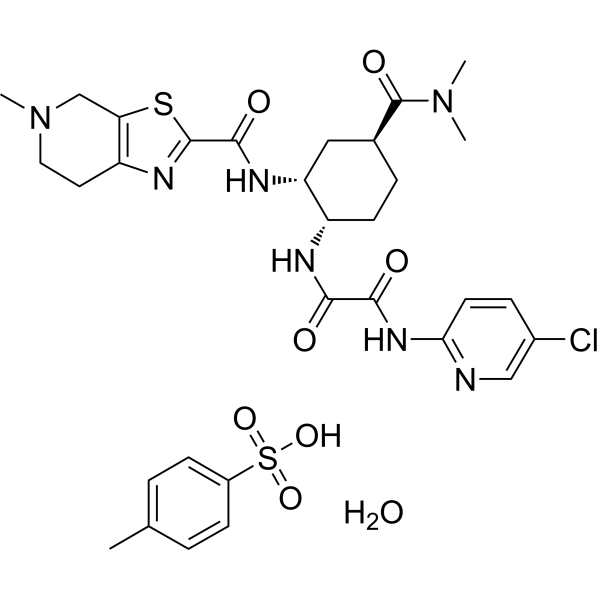
Edoxaban tosylate monohydrate (Standard) is the analytical standard of Edoxaban tosylate monohydrate (HY-10264B). This product is intended for research and analytical applications. Edoxaban (DU-176b) monohydrate is an orally active, highly potent, selective, and direct Factor Xa (FXa) inhibitor with Kis of 0.561 and 2.98 nM for free human FXa and prothrombinase. Edoxaban monohydrate exhibits more than 10,000-fold selectivity over other coagulation proteases. Edoxaban monohydrate can be used for preventing thromboembolic disease research .
|
-
- HY-111024
-
-
- HY-10264B
-
|
DU-176b monohydrate
|
Factor Xa
Thrombin
|
Cardiovascular Disease
Cancer
|
|
Edoxaban (DU-176b) monohydrate is an orally active, highly potent, selective, and direct Factor Xa (FXa) inhibitor with Kis of 0.561 and 2.98 nM for free human FXa and prothrombinase. Edoxaban monohydrate exhibits more than 10,000-fold selectivity over other coagulation proteases. Edoxaban monohydrate can be used for preventing thromboembolic disease research .
|
-
- HY-10264C
-
|
DU-176 hydrochloride
|
Factor Xa
Thrombin
|
Cardiovascular Disease
Cancer
|
|
Edoxaban (DU-176b) hydrochloride is an orally active, highly potent, selective, and direct Factor Xa (FXa) inhibitor with Ki values of 0.561 and 2.98 nM for free human FXa and prothrombinase. Edoxaban hydrochloride exhibits more than 10,000-fold selectivity over other coagulation proteases. Edoxaban hydrochloride can be used for preventing thromboembolic disease research .
|
-
- HY-10264
-
|
DU-176
|
Factor Xa
Thrombin
|
Cardiovascular Disease
Cancer
|
|
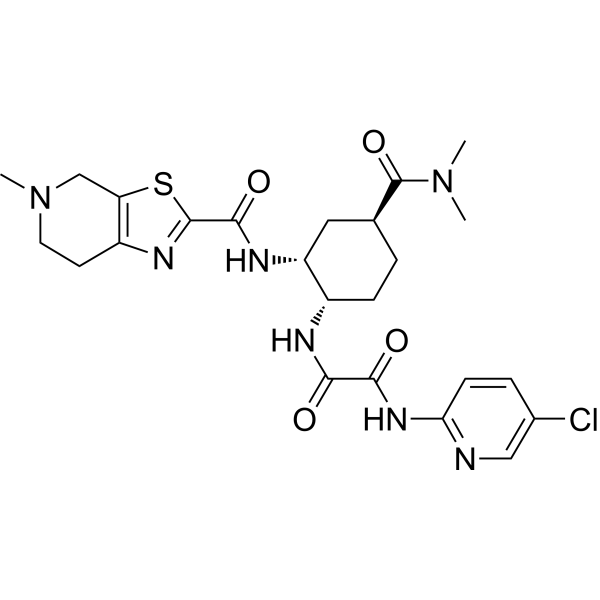
Edoxaban (DU-176b) is an orally active, highly potent, selective, and direct Factor Xa (FXa) inhibitor with Ki values of 0.561 and 2.98 nM for free human FXa and prothrombinase. Edoxaban exhibits more than 10,000-fold selectivity over other coagulation proteases. Edoxaban can be used in preventing thromboembolic disease research .
|
-
- HY-112624Q
-
|
Dextran 800; Dextran D800; Dextran T800(MW 750000-850000)
|
Biochemical Assay Reagents
|
Others
|
|
Dextran T800 MW 800,000 (Dextran 800; Dextran D800; Dextran T800 MW 750000-850000) is a polymer of anhydroglucose with the average molecular weight of 800,000. Dextran T800 MW 800,000 exhibits good biodegradability and good biocompatibility, that is utilized in food, pharmaceutics, cosmetics, and research area .
|
-
- HY-10264R
-
|
DU-176 (Standard)
|
Reference Standards
Factor Xa
Thrombin
|
Cardiovascular Disease
Cancer
|
|
Edoxaban (Standard) is the analytical standard of Edoxaban. This product is intended for research and analytical applications. Edoxaban (DU-176b) is an orally active, highly potent, selective, and direct Factor Xa (FXa) inhibitor with Ki values of 0.561 and 2.98 nM for free human FXa and prothrombinase. Edoxaban exhibits more than 10,000-fold selectivity over other coagulation proteases. Edoxaban can be used in preventing thromboembolic disease research .
|
-
- HY-112624D
-
|
Dextran 60; Dextran D60; Dextran T60(MW 54000-66000)
|
Biochemical Assay Reagents
|
Others
|
|
Dextran T60 MW 60,000 (Dextran 60; Dextran D60; Dextran T60 MW 54000-66000) is a polymer of anhydroglucose with the average molecular weight of 60,000. Dextran T60 MW 60,000 exhibits good biodegradability and good biocompatibility, that is utilized in food, pharmaceutics, cosmetics, and research area .
|
-
- HY-10264A
-
|
DU-176b
|
Factor Xa
Thrombin
|
Cardiovascular Disease
Cancer
|
|
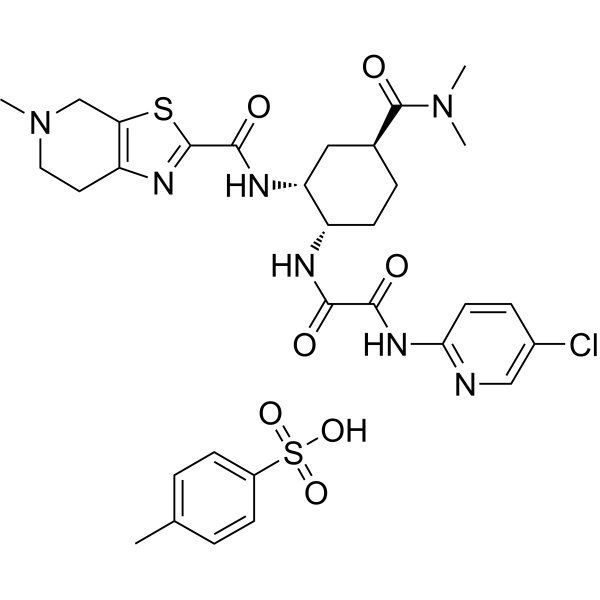
Edoxaban (DU-176b) tosylate is an orally active, highly potent, selective, and direct Factor Xa (FXa) inhibitor with Kis of 0.561 and 2.98 nM for free human FXa and prothrombinase. Edoxaban tosylate exhibits more than 10,000-fold selectivity over other coagulation proteases. Edoxaban tosylate can be used for preventing thromboembolic disease research .
|
-
- HY-163645
-
|
|
P2Y Receptor
|
Cardiovascular Disease
|
|
P2Y12 antagonist 1 (compound 26) is a P2Y12 receptor antagonist with a Ki of 3.13 μM. P2Y12 antagonist 1 can be used to inhibit platelet aggregation and is a potential antithrombotic agent .
|
-
- HY-P10949
-
|
|
Glycoprotein VI
|
Cardiovascular Disease
|
|
Pep-10L peptide is a glycoprotein VI (GPVI) antagonist with Ki values of 180, 225, and 179 μM for CPR, GPO-1, and Type 1 collagen, respectively. Pep-10L peptide has anti-thrombotic effects .
|
-
- HY-W013040
-
|
1,4-Diazine
|
MOFs
Drug Intermediate
|
Cardiovascular Disease
Infection
Inflammation/Immunology
Cancer
|
|
Pyrazine is an aromatic nitrogen-containing heterocyclic compound with two nitrogen atoms, and is well known for its electron-deficient property. Pyrazine serves as a key pharmacophore in a variety of drugs, and also acts as the core skeleton of derivatives with anticancer, antimycobacterial, antithrombotic and anti-inflammatory activities .
|
-
- HY-19229
-
|
|
Integrin
|
Cardiovascular Disease
|
|
TAK-029 is a potent GP IIb/IIIa antagonist. TAK-029 has potent antithrombotic effects with bleeding time (BT) prolongation in arterial thrombosis models. TAK-029 can be used for the research of various arterial thrombotic diseases .
|
-
- HY-101312R
-
|
OPC3689 (Standard)
|
Reference Standards
Phosphodiesterase (PDE)
|
Cardiovascular Disease
|
|
Cilostamide (Standard) is the analytical standard of Cilostamide. This product is intended for research and analytical applications. Cilostamide is a selective and potent PDE3 inhibitor, with IC50s of 27 nM and 50 nM for PDE3A and PDE3B, respectively, and has antithrombotic and anti-intimal hyperplastic activity.
|
-
- HY-124124
-
|
|
Endogenous Metabolite
Drug Metabolite
|
Cardiovascular Disease
Metabolic Disease
Cancer
|
|
N-Methylnicotinamide is an endogenous metabolite with antithrombotic effect. N-Methylnicotinamide via production/release of prostacyclin inhibits arterial thrombosis development. N-Methylnicotinamide is also the N-methylation product from nicotinamide catalyzed by N-methyltransferase within nicotinate and nicotinamide metabolism pathway .
|
-
- HY-10268S2
-
|
PRT054021-13C6
|
Isotope-Labeled Compounds
|
Cardiovascular Disease
|
|
Betrixaban- 13C6 (PRT054021- 13C6) is 13C labeled Betrixaban. Betrixaban (PRT054021) is a highly potent, selective, and orally efficacious factor Xa (fXa) inhibitor with an IC50 of 1.5 nM. Betrixaban shows antithrombotic effect .
|
-
- HY-W835723
-
-
- HY-16991
-
|
S-18886
|
Prostaglandin Receptor
|
Cardiovascular Disease
Metabolic Disease
|
|
Terutroban (S-18886) is a selective and orally active thromboxane-prostaglandin (TP) receptor antagonist with an IC50 of 16.4 nM. Terutroban inhibits TXA2 and prostaglandin endoperoxide receptors. Terutroban is a potent antithrombotic agent and possesses anti-atherosclerotic and anti-vasoconstrictor properties .
|
-
- HY-P991516
-
|
|
Factor VIII
|
Cardiovascular Disease
|
|
TB-402, a human IgG4 anticoagulant monoclonal antibody, is a partial Factor VIII inhibitor. TB-402 has a prolonged antithrombotic effect. TB-402 can be used for the prevention of venous thromboembolism (VTE) after total knee replacement (TKR) .
|
-
- HY-10268S1
-
|
PRT054021-dsub>4
|
Isotope-Labeled Compounds
Factor Xa
|
Cardiovascular Disease
|
|
Betrixaban-d4 (PRT054021-d4) is deuterium labeled Betrixaban. Betrixaban (PRT054021) is a highly potent, selective, and orally efficacious factor Xa (fXa) inhibitor with an IC50 of 1.5 nM. Betrixaban shows antithrombotic effect .
|
-
- HY-151146
-
|
|
Thrombin
|
Cardiovascular Disease
|
|
(1R,3S)-THCCA-Asn (4j) is a selective thrombin inhibitor with the IC50 value in the range of 0.07 to 0.14 μM. ((1R,3S)-THCCA-Asn has antithrombotic activity .
|
-
- HY-119680
-
|
|
Thrombin
|
Cardiovascular Disease
|
|
AT-1459 is a selective and orally active direct Thrombin inhibitor with a Ki value of 4.9 nM. AT-1459 exhibits excellent antithrombotic activity in both rat models of venous and arterial thrombosis. AT-1459 can be used for research on thrombosis-related diseases .
|
-
- HY-16991A
-
|
S-18886 sodium
|
Prostaglandin Receptor
|
Cardiovascular Disease
Metabolic Disease
|
|
Terutroban (S-18886) sodium is a selective and orally active thromboxane-prostaglandin (TP) receptor antagonist with an IC50 of 16.4 nM. Terutroban sodium inhibits TXA2 and prostaglandin endoperoxide receptors. Terutroban sodium is a potent antithrombotic agent and possesses anti-atherosclerotic and anti-vasoconstrictor properties .
|
-
- HY-106893
-
|
SM 10902
|
Drug Derivative
Prostaglandin Receptor
|
Cardiovascular Disease
Metabolic Disease
|
|
Pimilprost (SM 10902) is a prostaglandin I1 analogue. Pimilprost exhibits antithrombotic and increases cAMP levels. Pimilprost can promote wound healing through the stimulation of angiogenesis and the improvement of blood flow in diabetic mice. Pimilprost can be used for the research of metabolic and cardiovascular disease, such as diabetes .
|
-
- HY-P991993
-
|
|
Factor Xa
|
Cardiovascular Disease
|
|
AB054 is a humanized monoclonal antibody targeting factor XII (FXII). AB054 inhibits FXII activation and FXIIa activity through specific binding to the catalytic domain of FXII, and exerts antithrombotic effects in a concentration-dependent manner. AB054 can be used in studies related to thrombosis .
|
-
- HY-150682
-
|
|
Factor Xa
|
Cardiovascular Disease
|
|
FXIa-IN-9 (compound 3f) is a potent and selective FXIa inhibitor. FXIa-IN-9 can bind with FXIa and form hydrogen bond (human FXIa Ki: 0.17 nM, rabbit FXIa Ki: 0.5 nM). FXIa-IN-9 also has anticoagulant activity, and can be used in the research of thromboembolic diseases such as atrial fibrillation, stroke, myocardial infarction, deep vein thrombosis, and pulmonary embolism .
|
-
- HY-172400
-
|
|
Factor XI
|
Cardiovascular Disease
|
|
FXIa-IN-16 (Compound 43) is an orally active and selective Factor XIa (FXIa) inhibitor with an IC50 of 0.19 nM. FXIa-IN-16 exhibits strong anticoagulant and antithrombotic activities and shows good safety in mice. FXIa-IN-16 can be used in the research related to the treatment of thrombosis .
|
-
- HY-156613
-
|
EP-7041
|
Factor XI
|
Infection
|
|
Frunexian (EP-7041) is a selective and potent inhibitor of coagulation factor XI/activated factor XI, targeting to factor XIa. Frunexian exhibits antithrombotic activity, with no bleeding liability in rat mesenteric arterial puncture model. Frunexian can be used in extracorporeal membrane oxygenation (ECMO) research .
|
-
- HY-10217R
-
|
|
Reference Standards
Thrombin
|
Cardiovascular Disease
|
|
Thrombin Inhibitor 2 (Standard) is the analytical standard of Thrombin Inhibitor 2 (HY-10217). This product is intended for research and analytical applications. Thrombin Inhibitor 2 is a small molecule direct thrombin inhibitor, extracted from US8541580B2.
Thrombin Inhibitor 2 has antithrombotic activity .
|
-
- HY-165594A
-
|
|
5-HT Receptor
|
Cardiovascular Disease
|
|
AT-1015 is a selective and orally active 5-HT2A serotonin receptor antagonist. AT-1015 exhibits antithrombotic effect. AT-1015 prolongs the time needed to occlusion of the artery with thrombus. AT-1015 impairs platelet aggregation and vasoconstriction .
|
-
- HY-N0496
-
Ruscogenin
Maximum Cited Publications
6 Publications Verification
|
NOD-like Receptor (NLR)
|
Cardiovascular Disease
|
|
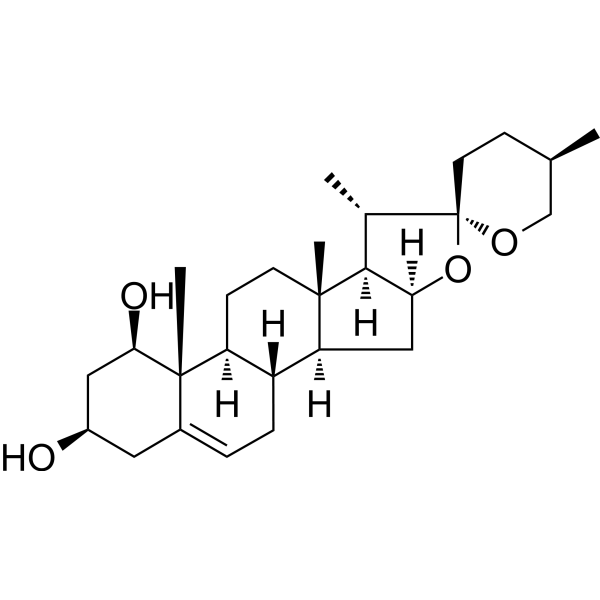
Ruscogenin, an important steroid sapogenin derived from Ophiopogon japonicus, attenuates cerebral ischemia-induced blood-brain barrier dysfunction by suppressing TXNIP/NLRP3 inflammasome activation and the MAPK pathway. Ruscogenin exerts significant anti-inflammatory and anti-thrombotic activities. Ruscogenin has orally bioactivity .
|
-
- HY-N1400
-
|
|
PKC
|
Cardiovascular Disease
|
|
(20R)-Ginsenoside Rh1 is the R-isomer of Ginsenoside Rh1 (HY-N0604), and it is found in red ginseng, ginseng, and other sources. (20R)-Ginsenoside Rh1 inhibits thrombin-induced conversion of fibrinogen to fibrin, exerting anticoagulant and antithrombotic effects .
|
-
- HY-108658
-
|
|
P2Y Receptor
|
Cardiovascular Disease
|
|
MRS2500 tetraammonium is a potent, selective and stable antagonist of the P2Y1 receptor (Ki=0.78 nM for recombinant human P2Y1 receptor). MRS2500 tetraammonium inhibits the ADP-induced aggregation of human platelets with an IC50 value of 0.95 nM. Antithrombotic activity .
|
-
- HY-N16748
-
|
|
Others
|
Cardiovascular Disease
|
|
Heptazoline is a carbazole alkaloid that can be isolated from the stem bark of Clausena excavata. Heptazoline exhibits significant antiplatelet aggregation activity (inhibiting platelet aggregation induced by arachidonic acid, collagen, etc.) and certain vasodilatory activity (inhibiting norepinephrine-induced contraction of rat aorta). Heptazoline can be used in antithrombotic research in the cardiovascular field .
|
-
- HY-19175
-
|
FR-144633
|
Thrombin
Integrin
|
Cardiovascular Disease
|
|
FK 633 (FR-144633) is a fibrinogen inhibitor and peptide mimetic GPⅡbⅡa receptor antagonist. FK 633 has anti-platelet and anti-thrombotic effects. FK 633 inhibits ADP-, collagen-, thrombin-, and PAF-induced platelet aggregation with IC50 values of 103, 87, 98, and 239 nM, respectively .
|
-
- HY-N7314
-
|
|
Syk
|
Inflammation/Immunology
|
|
Asebogenin has antimalarial activity in vitro . Asebogenin can inhibit the phosphorylation of Syk, thereby effectively suppressing platelet activation and the formation of neutrophil extracellular traps .
|
-
- HY-105240
-
|
PMX-60056
|
Factor Xa
|
Cardiovascular Disease
|
|
Delparantag (PMX-60056) is a salicylamide derivative and an effective unfractionated heparin (UFH) and low molecular weight heparin (LMWH) reversing agent. Delparantag shows ability to neutralize the anticoagulation and bleeding effects of UFH and LMWH .
|
-
- HY-124124S
-
|
|
Isotope-Labeled Compounds
Endogenous Metabolite
Drug Derivative
|
Cardiovascular Disease
Metabolic Disease
Cancer
|
|
N-Methylnicotinamide-d4 is the deuterium labeled N-Methylnicotinamide (HY-124124). N-Methylnicotinamide is an endogenous metabolite with antithrombotic effect. N-Methylnicotinamide via production/release of prostacyclin inhibits arterial thrombosis development. N-Methylnicotinamide is also the N-methylation product from nicotinamide catalyzed by N-methyltransferase within nicotinate and nicotinamide metabolism pathway.
|
-
- HY-19222
-
|
|
Thrombin
|
Cardiovascular Disease
|
|
CVS-1123 is an orally active direct thrombin inhibitor. CVS-1123 inhibits in vitro platelet aggregation of γ-thrombin and prolongs activated partial thromboplastin time. CVS-1123 alters the thrombotic response to deep vessel wall damage in arterial and venous circulation. CVS-1123 can be used in antithrombotic studies
|
-
- HY-N16369
-
|
|
Thrombin
|
Cardiovascular Disease
|
|
1,2-Di-(9Z-hexadecenoyl)-sn-glycerol (Compound 2e) is a diacylglycerol derivative that can be isolated from the fungus Stereum Hirsutum. 1,2-Di-(9Z-hexadecenoyl)-sn-glycerol has potential thrombin-inhibiting activity and can be used in research related to antithrombotic drugs .
|
-
- HY-12435
-
|
|
P2Y Receptor
|
Cardiovascular Disease
|
|
SAR216471 is a P2Y12 receptor antagonist. SAR216471 reversibly blocks the binding of 2MeSADP to P2Y12 receptors in vitro with an IC50 of 17 nM. SAR216471 can result in the inhibition of platelet aggregation. SAR216471 exhibits anti-thrombotic activity in rat model. SAR216471 can be studied in research on thrombosis .
|
-
- HY-P3082
-
|
|
Endogenous Metabolite
|
Cardiovascular Disease
|
|
SKF 106760 is a potent platelet fibrin receptor (glycoprotein IIb/IIIa) antagonist with significant antiplatelet and antithrombotic activities. SKF 106760 inhibits platelet aggregation in dogs in vitro and prevents thrombus formation in stenotic carotid arteries. SKF 106760 has also shown elimination effects against aspirin-resistant thrombi that develop in the setting of high-grade stenosis .
|
-
- HY-138019
-
|
|
Integrin
|
Cardiovascular Disease
|
|
SP-8008 is a selective shear stress-induced platelet aggregation (SIPA) inhibitor with an IC50 of 1.44 μM. SP-8008 effectively interferes von Willebrand factor (vWF) and platelet glycoprotein (GP) Ib interaction. SP-8008 exerts its antithrombotic effect by selectively inhibiting shear stress-induced platelet aggregation .
|
-
- HY-16991R
-
|
S-18886 (Standard)
|
Prostaglandin Receptor
Reference Standards
|
Cardiovascular Disease
Endocrinology
|
|
Terutroban (Standard) is the analytical standard of Terutroban. This product is intended for research and analytical applications. Terutroban (S-18886) is a selective and orally active thromboxane-prostaglandin (TP) receptor antagonist with an IC500 of 16.4 nM. Terutroban inhibits TXA2 and prostaglandin endoperoxide receptors. Terutroban is a potent antithrombotic agent and possesses antiatherosclerotic and antivasoconstrictor properties .
|
-
- HY-114511
-
|
|
Factor VIIa
|
Cardiovascular Disease
|
|
BMS-593214 is an active site-directed factor (F) VIIa inhibitor. BMS-593214 shows antithrombotic and antihaemostatic properties. BMS-593214 is a direct competitive inhibitor of human FVIIa and a non-competitive inhibitor of Viia-activated substrate FX. BMS-593214 prevents electroinduced carotid artery thrombosis (AT) and wire induced vena cava thrombosis (VT) .
|
-
- HY-165360
-
|
|
Thrombin
|
Cardiovascular Disease
|
|
JJ1 is a selective α-thrombin inhibitor with a Ki of 0.019 μM. JJ1 directly binds to the active site of α-thrombin to block its catalytic activity. JJ1 exhibits antithrombotic effects and prolongs activated partial thromboplastin time, prothrombin time, and tail bleeding time in mice. JJ1 can be used for the research of thrombotic diseases .
|
-
- HY-123400A
-
|
iso-DTTX30; iso-DT-TX 30 SE
|
Prostaglandin Receptor
|
Cardiovascular Disease
|
|
Iso-Samixogrel (iso-DTTX30) is a combined thromboxane A2 receptor blocker and thromboxane synthetase inhibitor that exhibits potent antithrombotic activity. Iso-Samixogrel effectively eliminates recurrent arterial thrombus formation and inhibits collagen-induced platelet aggregation ex vivo. Iso-Samixogrel also prolongs sublingual bleeding time, demonstrating its biological efficacy in managing thrombosis.
|
-
- HY-124124R
-
|
|
Reference Standards
Endogenous Metabolite
Drug Metabolite
|
Cardiovascular Disease
Metabolic Disease
Cancer
|
|
N-Methylnicotinamide (Standard) is the analytical standard of N-Methylnicotinamide (HY-124124). This product is intended for research and analytical applications. N-Methylnicotinamide is an endogenous metabolite with antithrombotic effect. N-Methylnicotinamide via production/release of prostacyclin inhibits arterial thrombosis development. N-Methylnicotinamide is also the N-methylation product from nicotinamide catalyzed by N-methyltransferase within nicotinate and nicotinamide metabolism pathway.
|
-
- HY-N0496R
-
|
|
Reference Standards
NOD-like Receptor (NLR)
|
Cardiovascular Disease
|
|
Ruscogenin (Standard) is the analytical standard of Ruscogenin. This product is intended for research and analytical applications. Ruscogenin, an important steroid sapogenin derived from Ophiopogon japonicus, attenuates cerebral ischemia-induced blood-brain barrier dysfunction by suppressing TXNIP/NLRP3 inflammasome activation and the MAPK pathway. Ruscogenin exerts significant anti-inflammatory and anti-thrombotic activities. Ruscogenin has orally bioactivity .
|
-
- HY-N0367
-
|
(E)-Anethole
|
Environmental Pollutants
Endogenous Metabolite
|
Cardiovascular Disease
Metabolic Disease
Endocrinology
Cancer
|
|
Trans-Anethole ((E)-Anethole) is an orally active phenylpropene derivative found in Foeniculum vulgare that is estrogenic at low concentrations and cytotoxic at high concentrations in tumor cell lines. Trans-Anethole also has anti-aflatoxin, anti-thrombotic and anti-diabetic activities. Trans-Anethole is an important odor component in plants such as fennel, myrtle, liquorice, and camphor .
|
-
- HY-N0188
-
Esculin
5 Publications Verification
|
p38 MAPK
|
Inflammation/Immunology
Cancer
|
|
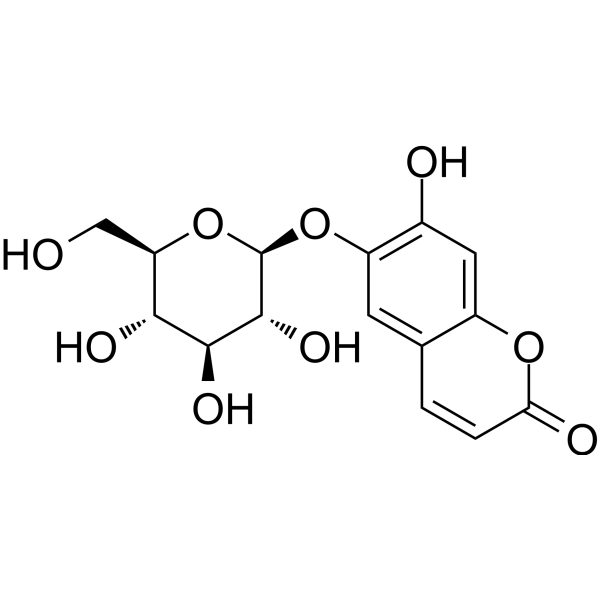
Esculin is a fluorescent coumarin glucoside, the active ingredient in ash bark. Esculin has antidiabetic effects, improves cognitive impairment in experimental diabetic nephropathy (DN) via the MAPK signaling pathway, and exerts antioxidant stress and anti-inflammatory effects. Esculin also has anticancer, antibacterial, antiviral, neuroprotective, antithrombotic, and therapeutic properties for eye diseases .
|
-
- HY-112461
-
|
|
P2X Receptor
|
Cardiovascular Disease
|
|
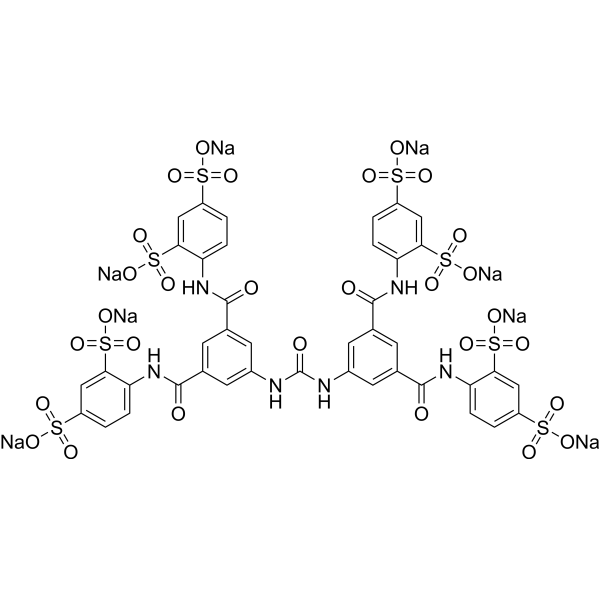
NF449 is a highly potent P2X1 receptor antagonist, with IC50s of 0.28, 0.69, and 120 nM for rP2X1, rP2X1+5, P2X2+3, respectively. NF449 is a Gsα-selective G Protein antagonist. NF449 suppresses the rate of GTP[γS] binding to Gsα-s, inhibits the stimulation of adenylyl cyclase activity, and blocks the coupling of β-adrenergic receptors to Gs .
|
-
- HY-112461A
-
|
|
P2X Receptor
|
Cardiovascular Disease
|
|
NF449 octasodium is a highly potent P2X1 receptor antagonist, with IC50s of 0.28, 0.69, and 120 nM for rP2X1, rP2X1+5, P2X2+3, respectively. NF449 octasodium is a Gsα-selective G Protein antagonist. NF449 octasodium suppresses the rate of GTP[γS] binding to Gsα-s, inhibits the stimulation of adenylyl cyclase activity, and blocks the coupling of β-adrenergic receptors to Gs .
|
-
- HY-113439
-
12-HETE
2 Publications Verification
|
Apoptosis
|
Cardiovascular Disease
Inflammation/Immunology
|
|
12-HETE, a major metabolic product of arachidonic acid using 12-LOX catalysis, inhibits cell apoptosis in a dose-dependent manner. 12-HETE promotes the activation and nuclear translocation of NF-κB through the integrin-linked kinase (ILK) pathway .12-HETE has both anti-thrombotic and pro-thrombotic effects . 12-HETE is a neuromodulator .
|
-
- HY-137227
-
|
15(R)-Pinanethromboxane A2
|
Prostaglandin Receptor
|
Cardiovascular Disease
|
|
15(R)-PTA2 (15(R)-Pinanethromboxane A2) is an antithrombotic agent that inhibits platelet aggregation. 15(R)-PTA2 inhibits stable prostaglandin endoperoxide analog-induced constriction of feline coronary arteries and stabilizes hepatic lysosomes. 15(R)-PTA2 also inhibits thromboxane synthase but has no effect on prostacyclin synthase .
|
-
- HY-19184
-
|
|
Platelet-activating Factor Receptor (PAFR)
|
Cardiovascular Disease
|
|
MKC-963 is an orally active and potent inhibitor targeting platelet aggregation-related pathways. MKC-963 exerts antithrombotic activity by inhibiting platelet aggregation, and can also induce autoinduction, i.e., upregulating the mRNA expression and activity of CYP3A4 enzyme to accelerate its own metabolism in vivo. MKC-963 is promising for research of platelet aggregation-related diseases (e.g., thrombosis) .
|
-
- HY-129611
-
|
|
Apoptosis
|
Inflammation/Immunology
Cancer
|
|
Bromelain is an anti-inflammatory agent derived from pineapple stem that acts through down-regulation of plasma kininogen, inhibition of Prostaglandin E2 expression, degradation of advanced glycation end product receptors and regulation of angiogenic biomarkers as well as antioxidant action upstream in the COX-pathway . Bromelain exhibits various fibrinolytic, antiedematous, antithrombotic, and anti-inflammatory activities. Bromelain also possesses some anticancerous activities and promotes apoptotic cell death .
|
-
- HY-N8278
-
|
|
Thrombin
|
Cardiovascular Disease
Inflammation/Immunology
|
|
Dermatan sulphate sodium is an oral active glycosaminoglycan and thrombin inactivator with antithrombotic activity. It selectively catalyzes the heparin cofactor II-mediated inactivation of thrombin without interacting with antithrombin III. Dermatan sulphate sodium promotes stem cell differentiation, exhibits high bioavailability, and alleviates pulmonary fibrosis injury induced by Bleomycin (HY-108345). Dermatan sulphate sodium can be used in research related to cardiovascular diseases, inflammation, and stem cell differentiation .
|
-
- HY-151196
-
|
|
Factor Xa
|
Cardiovascular Disease
|
|
FXIa-IN-10 (Compound 3f) is a potent activated factor XI (FXIa) inhibitor with an Ki of 0.17 nM. FXIa-IN-10 has good oral bioavailability .
|
-
- HY-N0188R
-
|
|
Reference Standards
p38 MAPK
|
Inflammation/Immunology
Cancer
|
|
Esculin (Standard) is the analytical standard of Esculin. This product is intended for research and analytical applications. Esculin is a fluorescent coumarin glucoside, the active ingredient in ash bark. Esculin has antidiabetic effects, improves cognitive impairment in experimental diabetic nephropathy (DN) via the MAPK signaling pathway, and exerts antioxidant stress and anti-inflammatory effects. Esculin also has anticancer, antibacterial, antiviral, neuroprotective, antithrombotic, and therapeutic properties for eye diseases .
|
-
- HY-19220
-
|
|
Thrombin
|
Cardiovascular Disease
|
|
S-18326 is an orally active direct thrombin inhibitor. S-18326 inhibits thrombus formation by reversibly and with high affinity binding to the active site of thrombin, directly preventing the conversion of fibrinogen to fibrin. S-18326 effectively prolongs various clotting times in human plasma. S-18326 has demonstrated antithrombotic efficacy in multiple animal models without causing thrombocytopenia. S-18326 can be used in research on thromboembolic diseases .
|
-
- HY-124858
-
|
|
STAT
JAK
Apoptosis
|
Cardiovascular Disease
Cancer
|
|
SC99 is an orally active, selective STAT3 inhibitor targeting JAK2-STAT3 pathway. SC99 docks into the ATP-binding pocket of JAK2. SC99 inhibits phosphorylation of JAK2 and STAT3 with no effects on the other kinases associated with STAT3 signaling. SC99 inhibits platelet activation, aggregation and displays potent anti-myeloma, anti-thrombotic activities .
|
-
- HY-P5875
-
|
|
Protease Activated Receptor (PAR)
|
Cardiovascular Disease
Inflammation/Immunology
|
|
P4pal10 is an antagonist for protease-activated receptor 4 (PAR4). P4pal10 inhibits the platelet aggregation, inhibits tissue factor (TF)-induced thrombin generation, and exhibits anticoagulant and antithrombotic activities. P4pal10 reduces the oedema and the granulocyte infiltration induced by Carrageenan (HY-125474). P4pal10 ameliorates the injury in mice myocardial ischemia/reperfusion (I/R) models .
|
-
- HY-159896
-
|
|
Protease Activated Receptor (PAR)
|
Cardiovascular Disease
|
|
PAR4 antagonist 8 (Compound 20f) is an effective, orally active, and selective PAR4 antagonist with an IC50 value of 15.32 nM. PAR4 antagonist 8 exhibits favorable pharmacokinetic properties. PAR4 antagonist 8 not only effectively inhibits human platelet aggregation induced by PAR4 agonists (IC50 = 6.39 nM) but also inhibits mouse platelet aggregation. PAR4 antagonist 8 can be used in antithrombotic research .
|
-
- HY-N0367R
-
|
(E)-Anethole (Standard)
|
Reference Standards
Endogenous Metabolite
|
Cardiovascular Disease
Metabolic Disease
Endocrinology
Cancer
|
|
Trans-Anethole (Standard) is the analytical standard of Trans-Anethole. This product is intended for research and analytical applications. Trans-Anethole ((E)-Anethole) is an orally active phenylpropene derivative found in Foeniculum vulgare that is estrogenic at low concentrations and cytotoxic at high concentrations in tumor cell lines. Trans-Anethole also has anti-aflatoxin, anti-thrombotic and anti-diabetic activities. Trans-Anethole is an important odor component in plants such as fennel, myrtle, liquorice, and camphor .
|
-
- HY-120265
-
|
|
PI3K
|
Cardiovascular Disease
|
|
MIPS-9922 is a potent and selective PI3Kβ inhibitor with an IC50 of 63 nM. MIPS-9922 inhibits PI3Kβ with >30-fold higher potency than PI3Kδ. MIPS-9922 blocks PI3K mediated activation of platelet glycoprotein αIIbβ3 activation and platelet adhesion in vitro. MIPS-9922 shows anti-platelet and anti-thrombotic activities .
|
-
- HY-113439S
-
|
|
Apoptosis
|
Cardiovascular Disease
Inflammation/Immunology
|
|
12-HETE-d8 is the deuterium labeled 12-HETE. 12-HETE, a major metabolic product of arachidonic acid using 12-LOX catalysis, inhibits cell apoptosis in a dose-dependent manner. 12-HETE promotes the activation and nuclear translocation of NF-κB through the integrin-linked kinase (ILK) pathway .12-HETE has both anti-thrombotic and pro-thrombotic effects . 12-HETE is a neuromodulator .
|
-
- HY-N1400R
-
|
|
Reference Standards
PKC
|
Cardiovascular Disease
|
|
(20R)-Ginsenoside Rh1 (Standard) is the analytical standard of (20R)-Ginsenoside Rh1 (HY-N1400). This product is intended for research and analytical applications. (20R)-Ginsenoside Rh1 is the R-isomer of Ginsenoside Rh1 (HY-N0604), and it is found in red ginseng, ginseng, and other sources. (20R)-Ginsenoside Rh1 inhibits thrombin-induced conversion of fibrinogen to fibrin, exerting anticoagulant and antithrombotic effects .
|
-
- HY-N0367S
-
|
(E)-Anethole-d3
|
Isotope-Labeled Compounds
Endogenous Metabolite
|
Endocrinology
|
|
Trans-Anethole-d3 is deuterated labeled Trans-Anethole (HY-N0367). Trans-Anethole ((E)-Anethole) is an orally active phenylpropene derivative found in Foeniculum vulgare that is estrogenic at low concentrations and cytotoxic at high concentrations in tumor cell lines. Trans-Anethole also has anti-aflatoxin, anti-thrombotic and anti-diabetic activities. Trans-Anethole is an important odor component in plants such as fennel, myrtle, liquorice, and camphor .
|
-
- HY-105931
-
|
RS-82856
|
Phosphodiesterase (PDE)
|
Cardiovascular Disease
Endocrinology
|
|
Lixazinone (RS-82856) is a selective inhibitor of cGMP-inhibited phosphodiesterase (PDE3) with an IC50 value of 22 nM. Lixazinone exhibits positive inotropic effects, afterload reduction and antithrombotic properties. Lixazinone increases cyclic adenosine monophosphate (cAMP) levels in human platelets, inhibits thrombin-induced aggregation of human platelets, and blocks the photolabeling of PDE3 active sites by [ 32P]cGMP. Lixazinone can be used in the research of polycystic kidney disease and congestive heart failure .
|
-
- HY-132828
-
|
LT3001; DHDMIQK(KAP)
|
P-selectin
|
Cardiovascular Disease
Metabolic Disease
Inflammation/Immunology
|
|
Odatroltide (LT3001; DHDMIQK(KAP)) is a P-selectin inhibitor. Odatroltide is a peptide molecule comprising a tripeptide Pro-Ala-Lys (PAK) and an (S)-6,7-dihydroxy-1,1-dimethyl-1,2,3,4-tetrahydro-isoquinoline-3-carboxylic acid domain. Odatroltide can restore cerebral blood flow, scavenge free radicals, and inhibit leukocyte migration. Odatroltide possesses thrombolytic and anti-thrombotic activities .
|
-
- HY-P4721
-
|
|
Thrombin
|
Cardiovascular Disease
|
|
Succinyl-(Pro58,D-Glu65)-Hirudin (56-65) (sulfated) is a hirugen-like peptide, and has high affnity for thrombin than Hirugen, with a KD < 100 nM. Succinyl-(Pro58,D-Glu65)-Hirudin (56-65) (sulfated) is an antithrombotic agent. Succinyl-(Pro58,D-Glu65)-Hirudin (56-65) (sulfated) inhibits the thrombin-induced fibrin clot formation with an IC50 value of 0.087 μM .
|
-
- HY-113822
-
|
RS-82856 hydrogensulfate
|
Phosphodiesterase (PDE)
|
Cardiovascular Disease
Endocrinology
|
|
Lixazinone (RS-82856) hydrogensulfate is a selective inhibitor of cGMP-inhibited phosphodiesterase (PDE3) with an IC50 value of 22 nM. Lixazinone hydrogensulfate exhibits positive inotropic effects, afterload reduction and antithrombotic properties. Lixazinone hydrogensulfate increases cyclic adenosine monophosphate (cAMP) levels in human platelets, inhibits thrombin-induced aggregation of human platelets, and blocks the photolabeling of PDE3 active sites by [ 32P]cGMP. Lixazinone hydrogensulfate can be used in the research of polycystic kidney disease and congestive heart failure .
|
-
- HY-B0153A
-
|
|
NTPDase
Cytochrome P450
|
Cardiovascular Disease
Neurological Disease
Cancer
|
|
Ticlopidine (PCR 5332) hydrochloride, an antithrombotic proagent, acts as an allosteric, noncompetitive inhibitor of CD39 with the IC50 of 81.7 μM. Ticlopidine hydrochloride blocks several NTPDase isoenzymes with IC50s of 170 μM and 149 μM for NTPDase2 and NTPDase3, respectively. Ticlopidine hydrochloride is an inhibitor of CYP2C19 human liver cytochrome. Ticlopidine hydrochloride inhibits CYP2C9 and CYP3A4 with IC50s of 26.0 and 32.3 μM, respectively .
|
-
- HY-10274A
-
|
BIBR 1048MS; Dabigatran etexilate methanesulfonate
|
Thrombin
|
Cardiovascular Disease
|
|
Dabigatran etexilate mesylate (BIBR 1048MS) is an orally active proagent of Dabigatran (a direct inhibitor of thrombin). Dabigatran etexilate mesylate has anticoagulant effects and is used for the prophylaxis of venousthromboembolism and stroke due to atrial fibrillation .
|
-
- HY-10274AR
-
|
BIBR 1048MS (Standard); Dabigatran etexilate methanesulfonate (Standard)
|
Reference Standards
Thrombin
|
Cardiovascular Disease
|
|
Dabigatran etexilate (mesylate) (Standard) is the analytical standard of Dabigatran etexilate (mesylate). This product is intended for research and analytical applications. Dabigatran etexilate mesylate (BIBR 1048MS) is an orally active proagent of Dabigatran (a direct inhibitor of thrombin). Dabigatran etexilate mesylate has anticoagulant effects and is used for the prophylaxis of venousthromboembolism and stroke due to atrial fibrillation .
|
-
- HY-10274R
-
|
BIBR 1048 (Standard)
|
Reference Standards
Thrombin
|
Cardiovascular Disease
|
|
Dabigatran etexilate (Standard) is the analytical standard of Dabigatran etexilate. This product is intended for research and analytical applications. Dabigatran etexilate (BIBR 1048) is an orally active proagent of Dabigatran (a direct inhibitor of thrombin). Dabigatran etexilate has anticoagulant effects and is used for the prophylaxis of venousthromboembolism and stroke due to atrial fibrillation .
|
-
- HY-10274
-
|
BIBR 1048
|
Thrombin
|
Cardiovascular Disease
|
|
Dabigatran etexilate (BIBR 1048) is an orally active proagent of Dabigatran (a direct inhibitor of thrombin). Dabigatran etexilate has anticoagulant effects and is used for the prophylaxis of venousthromboembolism and stroke due to atrial fibrillation .
|
-
- HY-17459R
-
|
(S)-(+)-Clopidogrel bisulfate (Standard); (S)-(+)-Clopidogrel hydrogen sulfate (Standard)
|
Reference Standards
Cytochrome P450
P2Y Receptor
|
Cardiovascular Disease
Cancer
|
|
Clopidogrel (hydrogen sulfate) (Standard) is the analytical standard of Clopidogrel (hydrogen sulfate). This product is intended for research and analytical applications. Clopidogrel hydrogen sulfate is an antiplatelet agent to prevent blood clots. Clopidogrel hydrogen sulfate inhibits CYP2B6 and CYP2C19 with IC50s of 18.2 nM and 524 nM, respectively . Clopidogrel hydrogen sulfate is a potent antithrombotic agent that inhibits ADP-induced platelet aggregation .Clopidogrel hydrogen sulfate also is an orally active P2Y(12) inhibitor .
|
-
- HY-167848
-
|
XL-118
|
Others
|
Cardiovascular Disease
|
|
DMP-728 free base (XL-118) is a highly potent and selective GPIIb/IIIa antagonist with antiplatelet and antithrombotic activities. DMP-728 free base can inhibit ADP-induced human platelet aggregation in vitro, with an IC50 of 46 nmol/L, and can significantly reduce the interaction between fibrinogen and human platelets or Binding of purified human GPIIb/IIIa receptors. DMP-728 free base exhibits dose-dependent antiplatelet effects in anesthetized mongrel dogs, effectively inhibiting ADP-induced platelet aggregation and prolonging template bleeding time .
|
-
- HY-123823
-
|
NCX 4016
|
COX
Apoptosis
|
Cancer
|
|
Nitroaspirin (NCX 4016) is a nitric oxide (NO) donor and a nitro-derivative of Aspirin, which combines with Nitroaspirin to inhibit cyclooxygenase. Nitroaspirin (NCX 4016) has antithrombotic and anti-platelet properties and acts as a direct and irreversible inhibitor of COX-1. Nitroaspirin (NCX 4016) causes significant induction of cell cycle arrest and apoptosis in Cisplatin-resistant human ovarian cancer cells via down-regulation of EGFR/PI3K/STAT3 signaling and modulation of Bcl-2 family proteins .
|
-
- HY-N0677
-
|
|
Influenza Virus
Prostaglandin Receptor
Akt
GSK-3
|
Infection
Inflammation/Immunology
Cancer
|
|
Dehydroandrographolide succinate can be extracted from herbal medicine Andrographis paniculata (Burm f) Nees, is widely used in research for viral pneumonia and viral upper respiratory tract infections because of its immunostimulatory, anti-infective and anti-inflammatory effect. Dehydroandrographolide succinate exerts antithrombotic effect. Dehydroandrographolide succinate significantly inhibits the platelet aggregation rate (ED50 = 386.9 mg/kg) by decreasing TXB2 levels. Dehydroandrographolide succinate mitigates muscle astrophy via the Akt/GSK3β and MuRF-1 pathways .
|
-
- HY-166530S
-
|
|
Isotope-Labeled Compounds
Cytochrome P450
|
Cardiovascular Disease
|
|
Ticlopidine-d6 hydrochloride is the deuterium labeled Ticlopidine hydrochloride. Ticlopidine (PCR 5332) hydrochloride, an antithrombotic proagent, acts as an allosteric, noncompetitive inhibitor of CD39 with the IC50 of 81.7 μM. Ticlopidine hydrochloride blocks several NTPDase isoenzymes with IC50s of 170 μM and 149 μM for NTPDase2 and NTPDase3, respectively . Ticlopidine hydrochloride is an inhibitor of CYP2C19 human liver cytochrome. Ticlopidine hydrochloride inhibits CYP2C9 and CYP3A4 with IC50s of 26.0 and 32.3 μM, respectively .
|
-
- HY-172905
-
|
|
Others
|
Cardiovascular Disease
|
|
BCX-3607 is an orally active tissue factor/factor VIIa (TF-FVIIa) inhibitor (IC50: 4 nM). BCX-3607 blocks the extrinsic coagulation pathway by inhibiting the TF-FVIIa complex and significantly prolongs the prothrombin time (PT). BCX-3607 has a higher selectivity for TF-FVIIa than other serine proteases (such as thrombin, FXa, etc.). BCX-3607 can reduce thrombus weight and inflammatory response, and has both anti-thrombotic and anti-inflammatory effects. BCX-3607 can be used in the study of thrombosis-related diseases .
|
-
- HY-N0713
-
|
|
SARS-CoV
NF-κB
Interleukin Related
|
Infection
|
|
Diosmetin-7-O-β-D-glucopyranoside is a natural product that can be isolated from the flowers of Chrysanthemum morifolium. Diosmetin-7-O-β-D-glucopyranoside has potent antiviral and anti-inflammatory activities against SARS-CoV-2 both in vitro (IC50 = 0.74 μM) and in vivo. Diosmetin-7-O-β-D-glucopyranoside has significant anti-thrombotic activity when combined with Pae and 5-HMF at a ratio of 3:4:3 in a zebrafish model .
|
-
- HY-100386S
-
|
PCR 5332-d4
|
Isotope-Labeled Compounds
NTPDase
Cytochrome P450
|
Cardiovascular Disease
|
|
Ticlopidine-d4 is the deuterium labeled Ticlopidine. Ticlopidine (PCR 5332), an antithrombotic proagent, acts as an allosteric, noncompetitive inhibitor of CD39 with the IC50 of 81.7 μM. Ticlopidine blocks several NTPDase isoenzymes with IC50s of 170 μM and 149 μM for NTPDase2 and NTPDase3, respectively . Ticlopidine is an inhibitor of CYP2C19 human liver cytochrome. Ticlopidine inhibits CYP2C9 and CYP3A4 with IC50s of 26.0 and 32.3 μM, respectively .
|
-
- HY-182012
-
|
|
Drug Derivative
|
Cardiovascular Disease
|
|
DT-678 is an orally active antiplatelet and antithrombotic inhibitor. DT-678 is a conjugate formed by linking the active metabolite of Clopidogrel (HY-15283) with 3-nitropyridine-2-thiol via a mixed disulfide bond. DT-678 does not rely on CYP2C19 for activation, and directly releases active substances via thiol exchange reactions in vivo, exhibiting superior efficacy over Clopidogrel. DT-678 can be used in research related to acute coronary syndrome and thrombosis .
|
-
- HY-17459S
-
|
(S)-(+)-Clopidogrel bisulfate-d3; (S)-(+)-Clopidogrel-d3 hydrogen sulfate
|
P2Y Receptor
Cytochrome P450
|
Cardiovascular Disease
|
|
Clopidogrel-d3 (hydrogen sulfate) is the deuterium labeled Clopidogrel hydrogen sulfate . Clopidogrel hydrogen sulfate is an antiplatelet agent to prevent blood clots. Clopidogrel hydrogen sulfate inhibits CYP2B6 and CYP2C19 with IC50s of 18.2 nM and 524 nM, respectively. Clopidogrel hydrogen sulfate is a potent antithrombotic agent that inhibits ADP-induced platelet aggregation.Clopidogrel hydrogen sulfate also is an orally active P2Y(12) inhibitor .
|
-
- HY-10264S
-
|
DU-176-d6
|
Factor Xa
Thrombin
|
Cardiovascular Disease
|
|
Edoxaban-d6 is deuterium labeled Edoxaban. Edoxaban (DU-176) is a selective, potent and orally active factor Xa (FXa) inhibitor with Kis of 0.561 nM and 2.98 nM for free FXa and prothrombinase, respectively. Edoxaban is an anticoagulant agent and can be used for stroke prevention. Edoxaban is also a weak inhibitor of thrombin and factor IXaβ (FIXa), with Kis of 6.00 μM and 41.7 μM, respectively, exhibits >10000-fold selectivity for FXa. Edoxaban has antithrombotic properties and has potential for thromboembolic diseases treatment .
|
-
- HY-112631
-
|
|
Phosphodiesterase (PDE)
|
Cardiovascular Disease
|
|
OPC-33540 is a highly selective and competitive PDE3 inhibitor with IC50 values of 0.32 nM (PDE3A) and 1.5 nM (PDE3B). OPC-33540 exhibits IC50s against PDE1, PDE2, PDE4, PDE5, and PDE7 of 42.9, 52.3, 100.8, 2.5, and 51.3 μM, respectively. OPC-33540 significantly enhances cAMP accumulation in platelets and effectively inhibits thrombin-induced platelet aggregation. OPC-33540 can be used in antithrombotic studies .
|
-
- HY-N1745A
-
|
|
Influenza Virus
|
Infection
Inflammation/Immunology
Cancer
|
|
3-Deoxysappanchalcone is a kinase inhibitor and antiviral agent. 3-Deoxysappanchalcone directly targets MET, EGFR, AKT, mTOR, p38 MAPK, JNK, thrombin, FXa, and influenza virus neuraminidase, thereby regulating related signaling pathways. 3-Deoxysappanchalcone induces cell cycle arrest, ROS production, and apoptosis. 3-Deoxysappanchalcone exhibits anti-inflammatory, anti-allergic, anticoagulant, and antithrombotic activities. 3-Deoxysappanchalcone is applicable to research related to gefitinib-resistant lung cancer, esophageal squamous cell carcinoma, thrombosis, and influenza virus infection .
|
-
- HY-B0153AS
-
|
|
Isotope-Labeled Compounds
NTPDase
Cytochrome P450
|
Cardiovascular Disease
|
|
Ticlopidine-d4 hydrochloride is the deuterium labeled Ticlopidine hydrochloride (HY-B0153A). Ticlopidine (PCR 5332) hydrochloride, an antithrombotic proagent, acts as an allosteric, noncompetitive inhibitor of CD39 with the IC50 of 81.7 μM. Ticlopidine hydrochloride blocks several NTPDase isoenzymes with IC50s of 170 μM and 149 μM for NTPDase2 and NTPDase3, respectively . Ticlopidine hydrochloride is an inhibitor of CYP2C19 human liver cytochrome. Ticlopidine hydrochloride inhibits CYP2C9 and CYP3A4 with IC50s of 26.0 and 32.3 μM, respectively .
|
-
- HY-W707554
-
|
|
Isotope-Labeled Compounds
Cytochrome P450
|
Cardiovascular Disease
|
|
Ticlopidine hydrochloride-d6 is the deuterium labeled Ticlopidine hydrochloride (HY-B0153A). Ticlopidine (PCR 5332) hydrochloride, an antithrombotic proagent, acts as an allosteric, noncompetitive inhibitor of CD39 with the IC50 of 81.7 μM. Ticlopidine hydrochloride blocks several NTPDase isoenzymes with IC50s of 170 μM and 149 μM for NTPDase2 and NTPDase3, respectively . Ticlopidine hydrochloride is an inhibitor of CYP2C19 human liver cytochrome. Ticlopidine hydrochloride inhibits CYP2C9 and CYP3A4 with IC50s of 26.0 and 32.3 μM, respectively .
|
-
- HY-B0153AR
-
|
|
Reference Standards
NTPDase
Cytochrome P450
|
Cardiovascular Disease
|
|
Ticlopidine hydrochloride (Standard) is the analytical standard of Ticlopidine hydrochloride (HY-B0153A). This product is intended for research and analytical applications. Ticlopidine (PCR 5332) hydrochloride, an antithrombotic proagent, acts as an allosteric, noncompetitive inhibitor of CD39 with the IC50 of 81.7 μM. Ticlopidine hydrochloride blocks several NTPDase isoenzymes with IC50s of 170 μM and 149 μM for NTPDase2 and NTPDase3, respectively . Ticlopidine hydrochloride is an inhibitor of CYP2C19 human liver cytochrome. Ticlopidine hydrochloride inhibits CYP2C9 and CYP3A4 with IC50s of 26.0 and 32.3 μM, respectively .
|
-
- HY-111373
-
|
|
mTOR
Autophagy
|
Cancer
|
|
RapaLink-1, the third-generation bivalent mTOR inhibitor, combines Rapamycin (HY-10219) with MLN0128 (HY-13328, a second-generation mTOR kinase inhibitor) by an inert chemical linker. RapaLink-1 shows better efficacy than Rapamycin or mTOR kinase inhibitors (TORKi), potently blocking cancer-derived, activating mutants of mTOR. RapaLink-1 can cross the blood-brain barrier. RapaLink-1 binding to FKBP12 results in targeted and durable inhibition of mTORC1. RapaLink-1 plays an antithrombotic role in antiphospholipid syndrome by improving autophagy. Anticancer activity .
|
-
- HY-122542
-
|
|
PAI-1
Thrombin
|
Inflammation/Immunology
|
|
PPACK is a potent, peptidic inhibitor targeting thrombin and granzyme GZMK. PPACK specifically blocks the activities of thrombin and GZMK, thereby inhibiting thrombin-mediated PAR-1 cleavage, as well as downstream inflammatory and procoagulant signaling pathways. Through stabilizing IκB proteins, blocking NF-κB activation and reducing systemic levels of proinflammatory/procoagulant biomarkers, PPACK exerts multiple effects including anti-inflammatory, antithrombotic, barrier repair, and inhibition of atherosclerotic plaque progression. PPACK binds to platelets without interference from kininogen, effectively limiting acute thrombus growth and reducing eosinophil infiltration and goblet cell hyperplasia in asthma models. PPACK is an important tool molecule for investigating the mechanisms of atherosclerosis, asthma and related thromboinflammatory diseases .
|
-
- HY-160184
-
|
|
COX
|
Neurological Disease
Inflammation/Immunology
|
|
COX-1-IN-5 (example 13, compound PS13) is a potent and selective COX-1 inhibitor (COX-1 IC50 = 1 nM, COX-2 IC50 > 0.1 μM) exhibiting >1000-fold selectivity over COX-2. COX-1-IN-5 possesses strong anti-inflammatory, antipyretic, analgesic, antithrombotic, anti-cancer activities. COX-1-IN-5 can be used for COX-mediated diseases research, such as inflammatory conditions and pain. COX-1-IN-5 radiolabeled with 11C can be used as a selective PET tracer for whole‑body imaging of COX‑1 distribution and target engagement in vivo .
|
-
- HY-P2970
-
|
|
Apoptosis
PARP
Caspase
Bcl-2 Family
Bacterial
Interleukin Related
|
Infection
Inflammation/Immunology
Cancer
|
|
Stem bromelain (EC 3.4.22.32) is a cysteine protease and antibacterial agent. Stem bromelain can be isolated from the stem of the pineapple (Ananas comosus). Stem bromelain induces dose-dependent secretion of IL-12p70, and IL-6, induces Apoptosis, causes cleavage of full-length PARP protein, Caspase 3, and Caspase 9, increases Bax, and decreases Bcl-2. Stem bromelain possesses various fibrinolytic, antiedema, antithrombotic, and anti-inflammatory activities. Stem bromelain also exhibits in vivo antitumor and antileukemic activities, as well as antimetastatic effects. Stem bromelain has antimycobacterial activity. Stem bromelain provides protection against lead poisoning .
|
-
- HY-108292R
-
|
|
Reference Standards
PAI-1
Thrombin
|
Cancer
|
|
Propacetamol (hydrochloride) (Standard) is the analytical standard of Propacetamol (hydrochloride). This product is intended for research and analytical applications. Propacetamol hydrochloride is a potent, peptidic inhibitor targeting thrombin and granzyme GZMK. Propacetamol hydrochloride specifically blocks the activities of thrombin and GZMK, thereby inhibiting thrombin-mediated PAR-1 cleavage, as well as downstream inflammatory and procoagulant signaling pathways. Through stabilizing IκB proteins, blocking NF-κB activation and reducing systemic levels of proinflammatory/procoagulant biomarkers, Propacetamol hydrochloride exerts multiple effects including anti-inflammatory, antithrombotic, barrier repair, and inhibition of atherosclerotic plaque progression. Propacetamol hydrochloride binds to platelets without interference from kininogen, effectively limiting acute thrombus growth and reducing eosinophil infiltration and goblet cell hyperplasia in asthma models. Propacetamol hydrochloride is an important tool molecule for investigating the mechanisms of atherosclerosis, asthma and related thromboinflammatory diseases .
|
-
- HY-N2082
-
|
Cacticin
|
Thrombin
COX
ERK
JNK
Factor Xa
|
Cardiovascular Disease
Inflammation/Immunology
|
|
Isorhamnetin 3-O-galactoside (Cacticin) is a flavonoid glycoside that can be isolated from Oenanthe javanica, with antithrombotic and profibrinolytic activities. Isorhamnetin 3-O-galactoside inhibits the activities of thrombin and factor Xa (FXa) and reduces thrombin-catalyzed fibrin polymerization maximum rate. Isorhamnetin 3-O-galactoside suppresses TNF-α-induced PAI-1 secretion, decreases the PAI-1/tissue-type plasminogen activator (t-PA) ratio, and inhibits FXa production and FVa/FXa-mediated thrombin generation. Isorhamnetin 3-O-galactoside exerts protective effects against Carbon tetrachloride (CCl4) (HY-Y0298)-induced hepatic injury in mice. Isorhamnetin 3-O-galactoside can be used for the study of liver injury-related diseases and thrombotic vascular diseases .
|
-
- HY-125856
-
|
BMS-986177; JNJ-70033093
|
Factor Xa
|
Cardiovascular Disease
|
|
Milvexian is an orally bioavailable, small-molecule, reversible, direct antagonists of factor Xia, with the Ki of 0.11, 0.38, 0.64, 490, 350 nM for human, rabbit, dog, rat, mouse, respectively. Milvexian shows anti-thrombosis activity in vitro and in vivo, and can be used for thrombus study .
|
-
- HY-125856A
-
|
BMS-986177 TFA; JNJ-70033093 TFA
|
Factor Xa
|
Cardiovascular Disease
|
|
Milvexian TFA (BMS-986177 TFA) is a factor XIa inhibitor with biological activity to prevent venous thromboembolism. Milvexian TFA was effective in reducing the occurrence of venous thromboembolism in patients undergoing knee replacement surgery. Milvexian TFA has good selectivity and shows significant inhibitory effects on plasma kallikrein and trypsin. Milvexian TFA has a bioavailability of 32%, which means it has a high absorption rate in the body. Milvexian TFA showed a relatively low risk of bleeding in clinical trials .
|
-
- HY-N3097R
-
-
- HY-N3097
-
-
- HY-122542B
-
|
|
Ligands for E3 Ligase
Molecular Glues
IKZF Family
|
Cardiovascular Disease
|
|
PPACK TFA is an orally active, selective molecular glue degrader targeting IKZF2. Through a molecular glue mechanism, PPACK TFA binds to CRBN, recruits IKZF2 to form a ternary complex, and promotes its ubiquitination and proteasomal degradation. This further converts inhibitory regulatory T cells (Treg) into effector-like T cells, enhances CD8 + T cell responses, and modulates the Teff:Treg balance. PPACK TFA also increases the production of the inflammatory cytokine IL-2 and reduces the suppressive activity of Treg. PPACK TFA can be used in cancer immunotherapy research, and exhibits a synergistic effect when combined with immune checkpoint inhibitors such as anti-PD1 .
|
-
- HY-112624B
-
|
Dextran 70; Dextran D70; Dextran T70(MW 64000-76000)
|
Bacterial
|
Others
|
|
Dextran 70,000 is a high molecular weight polysaccharide formed by glucose linked by α-(1→6) glycosidic bonds. Dextran 70,000 can expand blood volume through colloidal osmotic pressure effect and inhibit cell adhesion and platelet aggregation through steric hindrance. At the same time, Dextran 70,000 can be used as a drug carrier to achieve targeted delivery through endocytosis. Dextran 70,000 is biologically inert and has low immunogenicity. It can be used for clinical blood volume expansion, anti-thrombotic research, and evaluation of vascular permeability in in vitro experiments. It can also be combined with fluorescent dyes for cell tracking and drug delivery research. The Dextran series of compounds are also natural polysaccharide drug carriers that can be connected to drugs through covalent bonding methods such as ester bonds, amide bonds or click chemistry, or self-assembled to form carriers such as nanoparticles and hydrogels. Dextran is biodegradable and biocompatible, and can achieve targeted delivery and controlled release of drugs. Dextran derivatives can prolong the half-life of drugs, increase local concentrations, and reduce the activity of immune clearance.
|
-
- HY-117290
-
|
|
Factor Xa
|
Cardiovascular Disease
|
|
BMS-962212 is a factor XIa (FXIa) inhibitor with a Ki of 0.7 nM against human FXIa and a Ki of 3 nM against rabbit FXIa. BMS-962212 blocks thrombosis while preserving normal hemostatic function. BMS-962212 is applicable to thrombosis-related research .
|
-
| Cat. No. |
Product Name |
Type |
-
- HY-D1005A
-
|
PEG-PPG-PEG, 8800 (Average Mn)
|
Biochemical Assay Reagents
|
|
Poloxamer 188 is a nonionic linear copolymer with surfactant properties. Poloxamer 188 exhibits anti-thrombotic, anti-inflammatory, and cytoprotective activities in various tissue injury models. Poloxamer 188 can be used for drug delivery .
|
-
- HY-112624P
-
|
Dextran 500; Dextran D500; Dextran T500(MW 440000-560000)
|
Biochemical Assay Reagents
|
|
Dextran T500 MW 500,000 (Dextran 500; Dextran D500; Dextran T500 MW 440000-560000) is a polymer of anhydroglucose with the average molecular weight of 500,000. Dextran T500 MW 500,000 exhibits good biodegradability and good biocompatibility, that is utilized in food, pharmaceutics, cosmetics, and research area .
|
-
- HY-112624B
-
|
Dextran 70; Dextran D70; Dextran T70(MW 64000-76000)
|
Biochemical Assay Reagents
|
|
Dextran 70,000 is a high molecular weight polysaccharide formed by glucose linked by α-(1→6) glycosidic bonds. Dextran 70,000 can expand blood volume through colloidal osmotic pressure effect and inhibit cell adhesion and platelet aggregation through steric hindrance. At the same time, Dextran 70,000 can be used as a drug carrier to achieve targeted delivery through endocytosis. Dextran 70,000 is biologically inert and has low immunogenicity. It can be used for clinical blood volume expansion, anti-thrombotic research, and evaluation of vascular permeability in in vitro experiments. It can also be combined with fluorescent dyes for cell tracking and drug delivery research. The Dextran series of compounds are also natural polysaccharide drug carriers that can be connected to drugs through covalent bonding methods such as ester bonds, amide bonds or click chemistry, or self-assembled to form carriers such as nanoparticles and hydrogels. Dextran is biodegradable and biocompatible, and can achieve targeted delivery and controlled release of drugs. Dextran derivatives can prolong the half-life of drugs, increase local concentrations, and reduce the activity of immune clearance.
|
-
- HY-D1005H
-
|
PEG-PPG-PEG, 8400(Average Mn)
|
Biochemical Assay Reagents
|
|
Poloxamer 188 is a nonionic linear copolymer with surfactant properties. Poloxamer 188 exhibits anti-thrombotic, anti-inflammatory, and cytoprotective activities in various tissue injury models .
|
-
- HY-112624D
-
|
Dextran 60; Dextran D60; Dextran T60(MW 54000-66000)
|
Biochemical Assay Reagents
|
|
Dextran T60 MW 60,000 (Dextran 60; Dextran D60; Dextran T60 MW 54000-66000) is a polymer of anhydroglucose with the average molecular weight of 60,000. Dextran T60 MW 60,000 exhibits good biodegradability and good biocompatibility, that is utilized in food, pharmaceutics, cosmetics, and research area .
|
-
- HY-112624Q
-
|
Dextran 800; Dextran D800; Dextran T800(MW 750000-850000)
|
Biochemical Assay Reagents
|
|
Dextran T800 MW 800,000 (Dextran 800; Dextran D800; Dextran T800 MW 750000-850000) is a polymer of anhydroglucose with the average molecular weight of 800,000. Dextran T800 MW 800,000 exhibits good biodegradability and good biocompatibility, that is utilized in food, pharmaceutics, cosmetics, and research area .
|
| Cat. No. |
Product Name |
Target |
Research Area |
-
- HY-P2813
-
Hirudin
3 Publications Verification
|
Thrombin
Apoptosis
|
Cardiovascular Disease
Cancer
|
|
Hirudin is a thrombin inhibitor with blood anticoagulant property. Hirudin has potent anti-thrombotic, wound repair, anti-fibrosis, anti-tumor and anti-hyperuricemia effects. Hirudin also affects diabetic complications, cerebral hemorrhage, and others .
|
-
- HY-122542B
-
|
|
Ligands for E3 Ligase
Molecular Glues
IKZF Family
|
Cardiovascular Disease
|
|
PPACK TFA is an orally active, selective molecular glue degrader targeting IKZF2. Through a molecular glue mechanism, PPACK TFA binds to CRBN, recruits IKZF2 to form a ternary complex, and promotes its ubiquitination and proteasomal degradation. This further converts inhibitory regulatory T cells (Treg) into effector-like T cells, enhances CD8 + T cell responses, and modulates the Teff:Treg balance. PPACK TFA also increases the production of the inflammatory cytokine IL-2 and reduces the suppressive activity of Treg. PPACK TFA can be used in cancer immunotherapy research, and exhibits a synergistic effect when combined with immune checkpoint inhibitors such as anti-PD1 .
|
-
- HY-132828
-
|
LT3001; DHDMIQK(KAP)
|
P-selectin
|
Cardiovascular Disease
Metabolic Disease
Inflammation/Immunology
|
|
Odatroltide (LT3001; DHDMIQK(KAP)) is a P-selectin inhibitor. Odatroltide is a peptide molecule comprising a tripeptide Pro-Ala-Lys (PAK) and an (S)-6,7-dihydroxy-1,1-dimethyl-1,2,3,4-tetrahydro-isoquinoline-3-carboxylic acid domain. Odatroltide can restore cerebral blood flow, scavenge free radicals, and inhibit leukocyte migration. Odatroltide possesses thrombolytic and anti-thrombotic activities .
|
-
- HY-122542
-
|
|
PAI-1
Thrombin
|
Inflammation/Immunology
|
|
PPACK is a potent, peptidic inhibitor targeting thrombin and granzyme GZMK. PPACK specifically blocks the activities of thrombin and GZMK, thereby inhibiting thrombin-mediated PAR-1 cleavage, as well as downstream inflammatory and procoagulant signaling pathways. Through stabilizing IκB proteins, blocking NF-κB activation and reducing systemic levels of proinflammatory/procoagulant biomarkers, PPACK exerts multiple effects including anti-inflammatory, antithrombotic, barrier repair, and inhibition of atherosclerotic plaque progression. PPACK binds to platelets without interference from kininogen, effectively limiting acute thrombus growth and reducing eosinophil infiltration and goblet cell hyperplasia in asthma models. PPACK is an important tool molecule for investigating the mechanisms of atherosclerosis, asthma and related thromboinflammatory diseases .
|
-
- HY-P5875A
-
|
|
Protease Activated Receptor (PAR)
|
Cardiovascular Disease
Inflammation/Immunology
|
|
P4pal10 TFA is the TFA salt form of P4pal10 (HY-P5875). P4pal10 TFA is an antagonist for protease-activated receptor 4 (PAR4). P4pal10 TFA inhibits the platelet aggregation, inhibits tissue factor (TF)-induced thrombin generation, and exhibits anticoagulant and antithrombotic activities. P4pal10 TFA reduces the oedema and the granulocyte infiltration induced by Carrageenan (HY-125474). P4pal10 TFA ameliorates the injury in rats myocardial ischemia/reperfusion (I/R) models .
|
-
- HY-W077219
-
|
Boc-Arg(Mtr)-OH
|
Amino Acid Derivatives
|
Others
|
|
Boc-L-Arg(Mtr)-OH (Boc-Arg(Mtr)-OH) is an amino acid derivative with a Boc protecting group, which can be used to synthesize peptides with antithrombotic activity .
|
-
- HY-P5889
-
|
|
Thrombin
|
Cardiovascular Disease
|
|
Thrombin receptor peptide ligand is a thrombin receptor antagonist peptide that can be used as an antithrombotic agent .
|
-
- HY-P10949
-
|
|
Glycoprotein VI
|
Cardiovascular Disease
|
|
Pep-10L peptide is a glycoprotein VI (GPVI) antagonist with Ki values of 180, 225, and 179 μM for CPR, GPO-1, and Type 1 collagen, respectively. Pep-10L peptide has anti-thrombotic effects .
|
-
- HY-105240
-
|
PMX-60056
|
Factor Xa
|
Cardiovascular Disease
|
|
Delparantag (PMX-60056) is a salicylamide derivative and an effective unfractionated heparin (UFH) and low molecular weight heparin (LMWH) reversing agent. Delparantag shows ability to neutralize the anticoagulation and bleeding effects of UFH and LMWH .
|
-
- HY-P3082
-
|
|
Endogenous Metabolite
|
Cardiovascular Disease
|
|
SKF 106760 is a potent platelet fibrin receptor (glycoprotein IIb/IIIa) antagonist with significant antiplatelet and antithrombotic activities. SKF 106760 inhibits platelet aggregation in dogs in vitro and prevents thrombus formation in stenotic carotid arteries. SKF 106760 has also shown elimination effects against aspirin-resistant thrombi that develop in the setting of high-grade stenosis .
|
-
- HY-P5875
-
|
|
Protease Activated Receptor (PAR)
|
Cardiovascular Disease
Inflammation/Immunology
|
|
P4pal10 is an antagonist for protease-activated receptor 4 (PAR4). P4pal10 inhibits the platelet aggregation, inhibits tissue factor (TF)-induced thrombin generation, and exhibits anticoagulant and antithrombotic activities. P4pal10 reduces the oedema and the granulocyte infiltration induced by Carrageenan (HY-125474). P4pal10 ameliorates the injury in mice myocardial ischemia/reperfusion (I/R) models .
|
-
- HY-P4721
-
|
|
Thrombin
|
Cardiovascular Disease
|
|
Succinyl-(Pro58,D-Glu65)-Hirudin (56-65) (sulfated) is a hirugen-like peptide, and has high affnity for thrombin than Hirugen, with a KD < 100 nM. Succinyl-(Pro58,D-Glu65)-Hirudin (56-65) (sulfated) is an antithrombotic agent. Succinyl-(Pro58,D-Glu65)-Hirudin (56-65) (sulfated) inhibits the thrombin-induced fibrin clot formation with an IC50 value of 0.087 μM .
|
-
- HY-P1711
-
|
|
Peptides
|
Cardiovascular Disease
|
|
L 366763 is a potent peptide that acts as a fibrinogen receptor antagonist, preventing collagen-induced platelet aggregation and adhesion. L 366763 inhibits platelet deposition and maintains blood flow in a baboon thrombosis model, significantly prolonging bleeding time. L 366763 has antithrombotic efficacy, whereas recombinant LAPP does not have the same effect .
|
| Cat. No. |
Product Name |
Target |
Research Area |
Image |
-
- HY-P99560
-
|
C4G1; YM-337
|
Integrin
|
Cardiovascular Disease
|
|
Tadocizumab (C4G1; YM-337) is a humanized monoclonal antibody tageting integrin αIIbβ3. Tadocizumab has antiplatelet and antithrombotic effects, and can be used for cardiovascular disease research .
|
-
(5)
-
- HY-P991516
-
|
|
Factor VIII
|
Cardiovascular Disease
|
|
TB-402, a human IgG4 anticoagulant monoclonal antibody, is a partial Factor VIII inhibitor. TB-402 has a prolonged antithrombotic effect. TB-402 can be used for the prevention of venous thromboembolism (VTE) after total knee replacement (TKR) .
|
-
(5)
-
- HY-P991993
-
|
|
Factor Xa
|
Cardiovascular Disease
|
|
AB054 is a humanized monoclonal antibody targeting factor XII (FXII). AB054 inhibits FXII activation and FXIIa activity through specific binding to the catalytic domain of FXII, and exerts antithrombotic effects in a concentration-dependent manner. AB054 can be used in studies related to thrombosis .
|
-
(5)
| Cat. No. |
Product Name |
Category |
Target |
Chemical Structure |
-
- HY-113527
-
-
-
- HY-N0188
-
-
-
- HY-P2813
-
-
-
- HY-P2970
-
|
|
Ananas comosus(L.) Merr.
Structural Classification
Natural Products
Classification of Application Fields
Bromeliaceae
Plants
Inflammation/Immunology
Disease Research Fields
Cancer
|
Apoptosis
PARP
Caspase
Bcl-2 Family
Bacterial
Interleukin Related
|
|
Stem bromelain (EC 3.4.22.32) is a cysteine protease and antibacterial agent. Stem bromelain can be isolated from the stem of the pineapple (Ananas comosus). Stem bromelain induces dose-dependent secretion of IL-12p70, and IL-6, induces Apoptosis, causes cleavage of full-length PARP protein, Caspase 3, and Caspase 9, increases Bax, and decreases Bcl-2. Stem bromelain possesses various fibrinolytic, antiedema, antithrombotic, and anti-inflammatory activities. Stem bromelain also exhibits in vivo antitumor and antileukemic activities, as well as antimetastatic effects. Stem bromelain has antimycobacterial activity. Stem bromelain provides protection against lead poisoning .
|
-
-
- HY-B1271
-
-
-
- HY-124124
-
-
-
- HY-N0496
-
-
-
- HY-N8278
-
|
|
Natural Products
Animals
Classification of Application Fields
Inflammation/Immunology
Disease Research Fields
Source Classification
|
Thrombin
|
|
Dermatan sulphate sodium is an oral active glycosaminoglycan and thrombin inactivator with antithrombotic activity. It selectively catalyzes the heparin cofactor II-mediated inactivation of thrombin without interacting with antithrombin III. Dermatan sulphate sodium promotes stem cell differentiation, exhibits high bioavailability, and alleviates pulmonary fibrosis injury induced by Bleomycin (HY-108345). Dermatan sulphate sodium can be used in research related to cardiovascular diseases, inflammation, and stem cell differentiation .
|
-
-
- HY-N6864
-
-
-
- HY-N0367
-
-
-
- HY-113439
-
12-HETE
2 Publications Verification
|
Microorganisms
Source Classification
|
Apoptosis
|
|
12-HETE, a major metabolic product of arachidonic acid using 12-LOX catalysis, inhibits cell apoptosis in a dose-dependent manner. 12-HETE promotes the activation and nuclear translocation of NF-κB through the integrin-linked kinase (ILK) pathway .12-HETE has both anti-thrombotic and pro-thrombotic effects . 12-HETE is a neuromodulator .
|
-
-
- HY-N0713
-
-
-
- HY-N3097
-
-
-
- HY-N0677
-
-
-
- HY-N5037
-
-
-
- HY-N2094
-
-
-
- HY-N1400
-
-
-
- HY-N1745A
-
|
|
Structural Classification
Chalcones
Flavonoids
Classification of Application Fields
Leguminosae
Caesalpinia sappan L.
Phenols
Polyphenols
Plants
Inflammation/Immunology
Disease Research Fields
Source Classification
|
Influenza Virus
|
|
3-Deoxysappanchalcone is a kinase inhibitor and antiviral agent. 3-Deoxysappanchalcone directly targets MET, EGFR, AKT, mTOR, p38 MAPK, JNK, thrombin, FXa, and influenza virus neuraminidase, thereby regulating related signaling pathways. 3-Deoxysappanchalcone induces cell cycle arrest, ROS production, and apoptosis. 3-Deoxysappanchalcone exhibits anti-inflammatory, anti-allergic, anticoagulant, and antithrombotic activities. 3-Deoxysappanchalcone is applicable to research related to gefitinib-resistant lung cancer, esophageal squamous cell carcinoma, thrombosis, and influenza virus infection .
|
-
-
- HY-N4271
-
-
-
- HY-N2082
-
|
Cacticin
|
Cardiovascular Disease
Flavonols
Flavonoids
Typhaceae
Classification of Application Fields
Typha angustifolia L.
Phenols
Polyphenols
Plants
Disease Research Fields
Source Classification
|
Thrombin
COX
ERK
JNK
Factor Xa
|
|
Isorhamnetin 3-O-galactoside (Cacticin) is a flavonoid glycoside that can be isolated from Oenanthe javanica, with antithrombotic and profibrinolytic activities. Isorhamnetin 3-O-galactoside inhibits the activities of thrombin and factor Xa (FXa) and reduces thrombin-catalyzed fibrin polymerization maximum rate. Isorhamnetin 3-O-galactoside suppresses TNF-α-induced PAI-1 secretion, decreases the PAI-1/tissue-type plasminogen activator (t-PA) ratio, and inhibits FXa production and FVa/FXa-mediated thrombin generation. Isorhamnetin 3-O-galactoside exerts protective effects against Carbon tetrachloride (CCl4) (HY-Y0298)-induced hepatic injury in mice. Isorhamnetin 3-O-galactoside can be used for the study of liver injury-related diseases and thrombotic vascular diseases .
|
-
-
- HY-106784
-
-
-
- HY-113527R
-
-
-
- HY-B1271R
-
-
-
- HY-N0188R
-
|
|
Structural Classification
Monophenols
other families
Coumarins
Phenols
Phenylpropanoids
Plants
Source Classification
|
Reference Standards
p38 MAPK
|
|
Esculin (Standard) is the analytical standard of Esculin. This product is intended for research and analytical applications. Esculin is a fluorescent coumarin glucoside, the active ingredient in ash bark. Esculin has antidiabetic effects, improves cognitive impairment in experimental diabetic nephropathy (DN) via the MAPK signaling pathway, and exerts antioxidant stress and anti-inflammatory effects. Esculin also has anticancer, antibacterial, antiviral, neuroprotective, antithrombotic, and therapeutic properties for eye diseases .
|
-
-
- HY-125123
-
-
-
- HY-N7314
-
-
-
- HY-N0496R
-
-
-
- HY-N6864R
-
-
-
- HY-N16369
-
-
-
- HY-124124R
-
-
-
- HY-N0367R
-
-
-
- HY-N1400R
-
-
-
- HY-N3097R
-
-
-
- HY-N17611
-
|
4'-O-Methylscutellarein
|
Structural Classification
Flavonoids
Flavones
Labiatae
Plants
Medicago truncatula Gaertn.
Source Classification
|
Xanthine Oxidase
|
|
5,6,7-Trihydroxy-4'-methoxyflavone (4'-O-Methylscutellarein) is a flavonoid and a weak inhibitor of xanthine oxidase. 5,6,7-Trihydroxy-4'-methoxyflavone possesses antithrombotic and antioxidant activities. 5,6,7-Trihydroxy-4'-methoxyflavone has an IC50 value of 25.29 µM for DPPH free radical scavenging. 5,6,7-Trihydroxy-4'-methoxyflavone can also inhibit H2O2-induced damage to PC12 cells. 5,6,7-Trihydroxy-4'-methoxyflavone is applicable for the research of diseases such as cerebrovascular disorders .
|
-
-
- HY-N2094R
-
-
-
- HY-W835723
-
-
-
- HY-N16748
-
-
| Cat. No. |
Product Name |
Chemical Structure |
-
- HY-113439S
-
2 Publications Verification
|
|
12-HETE-d8 is the deuterium labeled 12-HETE. 12-HETE, a major metabolic product of arachidonic acid using 12-LOX catalysis, inhibits cell apoptosis in a dose-dependent manner. 12-HETE promotes the activation and nuclear translocation of NF-κB through the integrin-linked kinase (ILK) pathway .12-HETE has both anti-thrombotic and pro-thrombotic effects . 12-HETE is a neuromodulator .
|
-
-
- HY-113527S
-
|
|
|
TRIA-662-d3 is the deuterium labeled TRIA-662 . TRIA-662 (1-Methylnicotinamide chloride) is an endogenous metabolite. TRIA-662 shows antithrombotic and anti-inflammatory activities .
|
-
-
- HY-124124S
-
|
|
|
N-Methylnicotinamide-d4 is the deuterium labeled N-Methylnicotinamide (HY-124124). N-Methylnicotinamide is an endogenous metabolite with antithrombotic effect. N-Methylnicotinamide via production/release of prostacyclin inhibits arterial thrombosis development. N-Methylnicotinamide is also the N-methylation product from nicotinamide catalyzed by N-methyltransferase within nicotinate and nicotinamide metabolism pathway.
|
-
-
- HY-10264S
-
|
|
|
Edoxaban-d6 is deuterium labeled Edoxaban. Edoxaban (DU-176) is a selective, potent and orally active factor Xa (FXa) inhibitor with Kis of 0.561 nM and 2.98 nM for free FXa and prothrombinase, respectively. Edoxaban is an anticoagulant agent and can be used for stroke prevention. Edoxaban is also a weak inhibitor of thrombin and factor IXaβ (FIXa), with Kis of 6.00 μM and 41.7 μM, respectively, exhibits >10000-fold selectivity for FXa. Edoxaban has antithrombotic properties and has potential for thromboembolic diseases treatment .
|
-
-
- HY-10268S1
-
|
|
|
Betrixaban-d4 (PRT054021-d4) is deuterium labeled Betrixaban. Betrixaban (PRT054021) is a highly potent, selective, and orally efficacious factor Xa (fXa) inhibitor with an IC50 of 1.5 nM. Betrixaban shows antithrombotic effect .
|
-
-
- HY-N0367S
-
|
|
|
Trans-Anethole-d3 is deuterated labeled Trans-Anethole (HY-N0367). Trans-Anethole ((E)-Anethole) is an orally active phenylpropene derivative found in Foeniculum vulgare that is estrogenic at low concentrations and cytotoxic at high concentrations in tumor cell lines. Trans-Anethole also has anti-aflatoxin, anti-thrombotic and anti-diabetic activities. Trans-Anethole is an important odor component in plants such as fennel, myrtle, liquorice, and camphor .
|
-
-
- HY-100386S
-
|
|
|
Ticlopidine-d4 is the deuterium labeled Ticlopidine. Ticlopidine (PCR 5332), an antithrombotic proagent, acts as an allosteric, noncompetitive inhibitor of CD39 with the IC50 of 81.7 μM. Ticlopidine blocks several NTPDase isoenzymes with IC50s of 170 μM and 149 μM for NTPDase2 and NTPDase3, respectively . Ticlopidine is an inhibitor of CYP2C19 human liver cytochrome. Ticlopidine inhibits CYP2C9 and CYP3A4 with IC50s of 26.0 and 32.3 μM, respectively .
|
-
-
- HY-17459S
-
|
|
|
Clopidogrel-d3 (hydrogen sulfate) is the deuterium labeled Clopidogrel hydrogen sulfate . Clopidogrel hydrogen sulfate is an antiplatelet agent to prevent blood clots. Clopidogrel hydrogen sulfate inhibits CYP2B6 and CYP2C19 with IC50s of 18.2 nM and 524 nM, respectively. Clopidogrel hydrogen sulfate is a potent antithrombotic agent that inhibits ADP-induced platelet aggregation.Clopidogrel hydrogen sulfate also is an orally active P2Y(12) inhibitor .
|
-
-
- HY-B0153AS
-
|
|
|
Ticlopidine-d4 hydrochloride is the deuterium labeled Ticlopidine hydrochloride (HY-B0153A). Ticlopidine (PCR 5332) hydrochloride, an antithrombotic proagent, acts as an allosteric, noncompetitive inhibitor of CD39 with the IC50 of 81.7 μM. Ticlopidine hydrochloride blocks several NTPDase isoenzymes with IC50s of 170 μM and 149 μM for NTPDase2 and NTPDase3, respectively . Ticlopidine hydrochloride is an inhibitor of CYP2C19 human liver cytochrome. Ticlopidine hydrochloride inhibits CYP2C9 and CYP3A4 with IC50s of 26.0 and 32.3 μM, respectively .
|
-
-
- HY-W707554
-
|
|
|
Ticlopidine hydrochloride-d6 is the deuterium labeled Ticlopidine hydrochloride (HY-B0153A). Ticlopidine (PCR 5332) hydrochloride, an antithrombotic proagent, acts as an allosteric, noncompetitive inhibitor of CD39 with the IC50 of 81.7 μM. Ticlopidine hydrochloride blocks several NTPDase isoenzymes with IC50s of 170 μM and 149 μM for NTPDase2 and NTPDase3, respectively . Ticlopidine hydrochloride is an inhibitor of CYP2C19 human liver cytochrome. Ticlopidine hydrochloride inhibits CYP2C9 and CYP3A4 with IC50s of 26.0 and 32.3 μM, respectively .
|
-
-
- HY-10268S2
-
|
|
|
Betrixaban- 13C6 (PRT054021- 13C6) is 13C labeled Betrixaban. Betrixaban (PRT054021) is a highly potent, selective, and orally efficacious factor Xa (fXa) inhibitor with an IC50 of 1.5 nM. Betrixaban shows antithrombotic effect .
|
-
-
- HY-166530S
-
|
|
|
Ticlopidine-d6 hydrochloride is the deuterium labeled Ticlopidine hydrochloride. Ticlopidine (PCR 5332) hydrochloride, an antithrombotic proagent, acts as an allosteric, noncompetitive inhibitor of CD39 with the IC50 of 81.7 μM. Ticlopidine hydrochloride blocks several NTPDase isoenzymes with IC50s of 170 μM and 149 μM for NTPDase2 and NTPDase3, respectively . Ticlopidine hydrochloride is an inhibitor of CYP2C19 human liver cytochrome. Ticlopidine hydrochloride inhibits CYP2C9 and CYP3A4 with IC50s of 26.0 and 32.3 μM, respectively .
|
-
| Cat. No. |
Product Name |
|
Classification |
-
- HY-D1005A
-
|
PEG-PPG-PEG, 8800 (Average Mn)
|
|
Emulsifiers
Solubilizing Agents
|
|
Poloxamer 188 is a nonionic linear copolymer with surfactant properties. Poloxamer 188 exhibits anti-thrombotic, anti-inflammatory, and cytoprotective activities in various tissue injury models. Poloxamer 188 can be used for drug delivery .
|
-
- HY-112624B
-
|
Dextran 70; Dextran D70; Dextran T70(MW 64000-76000)
|
|
Polymers
|
|
Dextran 70,000 is a high molecular weight polysaccharide formed by glucose linked by α-(1→6) glycosidic bonds. Dextran 70,000 can expand blood volume through colloidal osmotic pressure effect and inhibit cell adhesion and platelet aggregation through steric hindrance. At the same time, Dextran 70,000 can be used as a drug carrier to achieve targeted delivery through endocytosis. Dextran 70,000 is biologically inert and has low immunogenicity. It can be used for clinical blood volume expansion, anti-thrombotic research, and evaluation of vascular permeability in in vitro experiments. It can also be combined with fluorescent dyes for cell tracking and drug delivery research. The Dextran series of compounds are also natural polysaccharide drug carriers that can be connected to drugs through covalent bonding methods such as ester bonds, amide bonds or click chemistry, or self-assembled to form carriers such as nanoparticles and hydrogels. Dextran is biodegradable and biocompatible, and can achieve targeted delivery and controlled release of drugs. Dextran derivatives can prolong the half-life of drugs, increase local concentrations, and reduce the activity of immune clearance.
|
-
- HY-D1005H
-
|
PEG-PPG-PEG, 8400(Average Mn)
|
|
Polymers
|
|
Poloxamer 188 is a nonionic linear copolymer with surfactant properties. Poloxamer 188 exhibits anti-thrombotic, anti-inflammatory, and cytoprotective activities in various tissue injury models .
|
-
- HY-108746
-
|
|
|
Antisense Oligonucleotides
|
|
Defibrotide sodium is a complex mixture of single stranded polydeoxyribonucleotides. Defibrotide sodium has liver protection, anti-inflammatory, antithrombotic, profibrinolytic, and anti-ischemic properties. Defibrotide sodium can be used for sinusoidal obstruction syndrome (SOS)/veno-occlusive disease (VOD) research .
|
-
- HY-147079A
-
|
ARC 1779 sodium
|
|
Aptamers
|
|
Egaptivon pegol sodium is an aptamer, which blocks binding of the von Willebrand Factor (VWF) to platelet GPIb receptors. Egaptivon pegol sodium has anti-thrombotic efficacy.
|
-
- HY-147079
-
|
ARC 1779
|
|
Aptamers
|
|
Egaptivon pegol (ARC1779) is an aptamer, which blocks binding of the von Willebrand Factor (VWF) to platelet GPIb receptors. Egaptivon pegol has anti-thrombotic efficacy.
|
Your information is safe with us. * Required Fields.
Inquiry Information
- Product Name:
- Cat. No.:
- Quantity:
- MCE Japan Authorized Agent:

