
1. Search Result
Search Result
Results for "

BE

" in MedChemExpress (MCE) Product Catalog:

25

Inhibitors & Agonists

1

Biochemical Assay Reagents

1

Peptides

1

Inhibitory Antibodies

5

Natural
Products

2

Recombinant Proteins

2

Antibodies

2

Oligonucleotides

Cat. No. Product Name Target Research Areas Chemical Structure
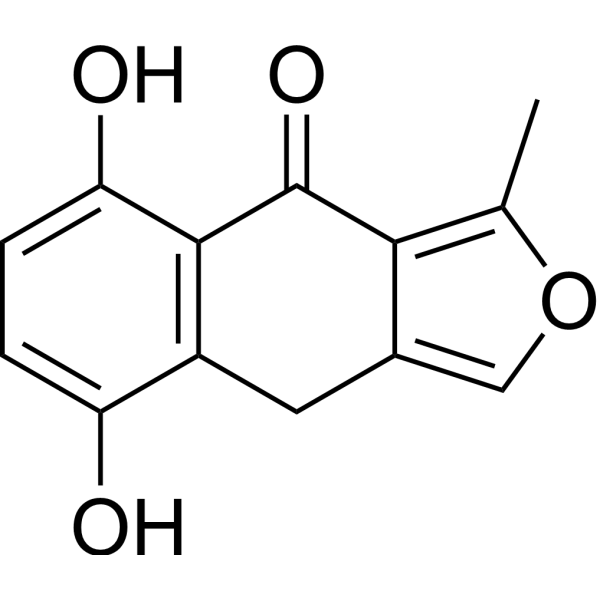
  • HY-100685
    MS-444
    2 Publications Verification

    BE-34776

    HuR Apoptosis COX Neurological Disease Cancer
    MS-444 (BE-34776) is a HuR (ELAVL1) inhibitor that blocks the cytoplasmic translocation of HuR and inhibits its dimerization. MS-444 reduces cytoplasmic HuR levels by preventing the binding of HuR to ARE-mRNA, without altering the total expression of HuR. MS-444 induces apoptosis, inhibits cell growth, angiogenesis and invasion, and also regulates immune function and microbiota. MS-444 effectively alters the number, size and invasiveness of tumors in various cancer models. MS-444 is tolerable to intraperitoneal injection in vivo and can be applied to research related to colorectal cancer, familial adenomatous polyposis, colitis-associated cancer and glioblastoma .
    MS-444
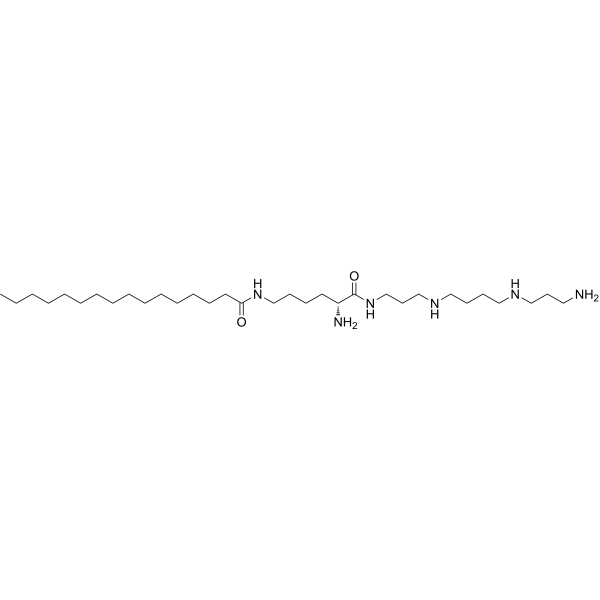
  • HY-124617
    AMXT-1501
    Maximum Cited Publications
    10 Publications Verification

    Apoptosis Bacterial Infection Cancer
    AMXT-1501 is a Bacterial agent and polyamine transport system inhibitor. AMXT-1501 targets membrane phospholipids and exhibits antibacterial activity against a variety of Gram-positive and Gram-negative multidrug-resistant bacteria . AMXT-1501 inhibits capsular biosynthesis in Streptococcus pneumoniae . AMXT-1501 targets ornithine decarboxylase and polyamines to inhibit the proliferation of neuroblastoma cells . AMXT-1501 in combination with DFMO (HY-B0744) induces Apoptosis in neuroblastoma cells. AMXT-1501 is applicable to research related to multidrug-resistant bacterial infections, pneumococcal infections, Streptococcus pneumoniae infections, and neuroblastoma .
    AMXT-1501
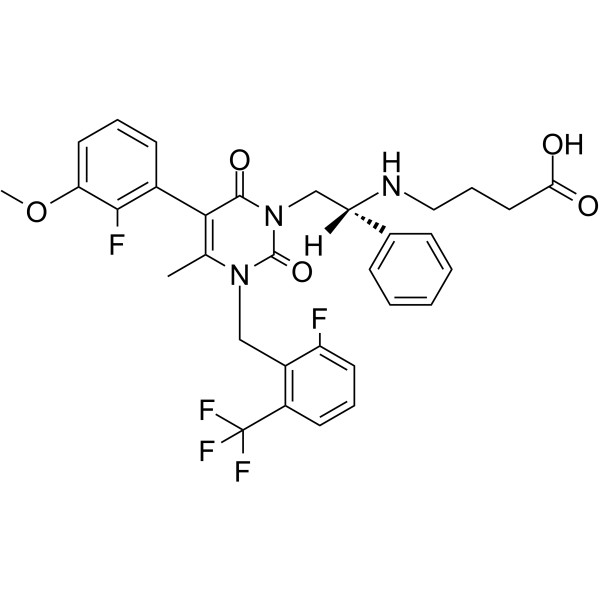
  • HY-14789

    NBI-56418

    GnRH Receptor Nuclear Factor of activated T Cells (NFAT) Endocrinology Cancer
    Elagolix is a highly effective, selective, oral-active, short-term, non-peptide gonadotropin-releasing hormone receptor (GnRH receptor) antagonist (KD = 54 pM) and NFAT inhibitor, which can be used to study pain related to endometriosis. .
    (R)-Elagolix
  • HY-150229

    Liposome Cancer
    306-N16B is a selective lung-targeted lipid nanoparticle that reversibly targets lung endothelial cells and specific immune cells through selective adsorption of a protein corona mediated by differences in tail structure (such as fibrinogen β/γ chain). 306-N16B binds to specific plasma proteins in the blood to form a protein corona, which guides the particles to be enriched in the lungs, releases mRNA and promotes target cell gene expression, exerts efficient lung cell transfection activity, and can precisely regulate gene delivery of different cell types in the lungs (such as endothelial cells and macrophages). 306-N16B can be used in gene therapy technologies for hereditary lung diseases including pulmonary lymphangioleiomyomatosis (LAM), restoring tumor suppressor function by delivering Tsc2 mRNA, and can also be used for lung-specific mRNA vaccines and gene editing therapies .
    306-N16B
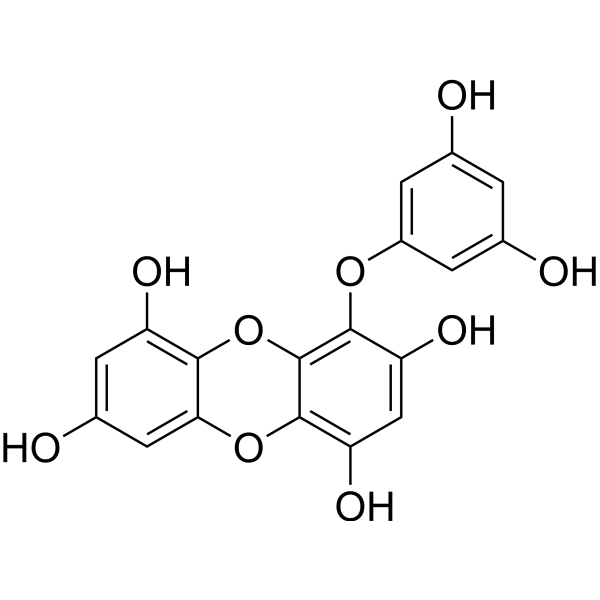
  • HY-114203

    BE003

    Monoamine Oxidase Influenza Virus Infection Neurological Disease Inflammation/Immunology
    Eckol is a potent hMAO-A (Mixed) and hMAO-B (non-competitive) inhibitor with IC50s of 7.20 and 83.44 μM, respectively. Eckol shows stimulatory effects in maize and can be used as a plant biostimulant. Eckol also shows antiallergic and antiviral effects .
    Eckol
  • HY-107301

    Soyasaponin BE; DHS-I

    Potassium Channel Neurological Disease
    Dehydrosoyasaponin I (Soyasaponin Be;DHS-I), a triterpene glycoside, is a potent and reversible calcium-activated potassium (maxi-K) channels activator .
    Dehydrosoyasaponin I
  • HY-143259

    LXR Cancer
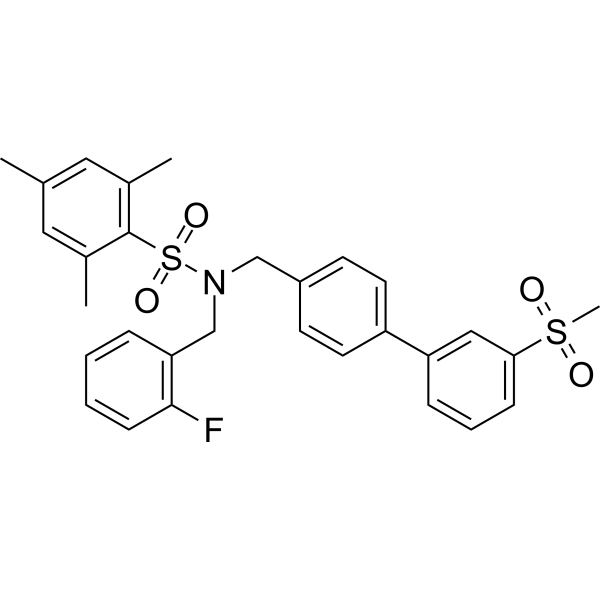
    BE1218 is a liver X receptor (LXR) inverse agonist with IC50 values of 9 nM and 7 nM against LXRα and LXRβ, respectively .
    BE1218
  • HY-176783

    Toll-like Receptor (TLR) Neurological Disease
    GNE-5152 is an orthosteric SARM1 base-exchange (BE) inhibitor. GNE-5152 sustainably activates SARM1 at subinhibitory concentrations under mildly activating conditions, and this synergistic adverse effect increases NAD consumption, induces axon degradation and neurodegeneration and releases neurofilament-light (NfL) in cortical neurons. GNE-5152 can be used for neurodegenerative diseases research .
    GNE-5152
  • HY-13610

    Diethylnorspermine; BENSPM; DENSPM; BE-333

    Caspase mTOR Cancer
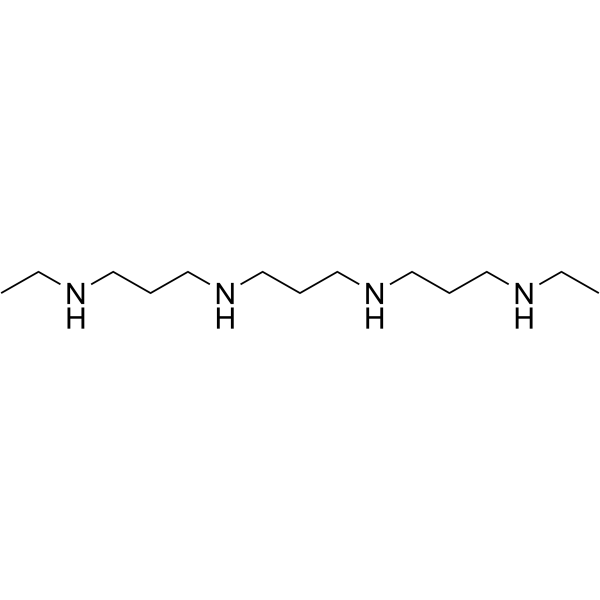
    N1,N11-Diethylnorspermine is a synthetic analog of the naturally occurring polyamine spermine, can induce polyamine depletion and inhibit tumor cell growth. N1,N11-Diethylnorspermine activates polyamine catabolism and downregulates mTOR protein. N1,N11-Diethylnorspermine induces the release of cytochrome c from mitochondria, resulting in activation of caspase 3. N1,N11-Diethylnorspermine tetrahydrochloride kills glioblastoma multiforme (GBM) through induction of SSAT (spermidine/spermine N1-acetyltransferase) coupled with H2O2 production .
    N1,N11-Diethylnorspermine
  • HY-P10395

    Opioid Receptor Neuropeptide FF Receptor Neurological Disease
    DP50 is a bifunctional compound that contains an opioid receptor (MOP) agonist and a neuropeptide FF receptor (NPFFR) antagonist. DP50 can be used in analgesia-related research .
    DP50
  • HY-167671

    Topoisomerase Cancer
    BE-10988 is a DNA topoisomerase inhibitor. BE-10988 inhibits the growth of Doxorubicin (HY-15142A)-resistant and vincristine-resistant P388 mouse leukemia cell lines by increasing the formation of DNA topoisomerase complexes .
    BE-10988
  • HY-117092

    Antibiotic Fungal Infection
    BE-31405 is an antifungal antibiotic. BE-31405 can be isolated from the culture broth of the fungal strains such as Penicillium minioluteum F31405, Talaromyces siamensis FKA-61, and Phomopsis sp. FKA-62. BE-31405 exhibits potent growth inhibitory activity against pathogenic fungal strains including Candida albicans, Candida glabrata, and Cryptococcus neoformans. BE-31405 shows no cytotoxicity against mammalian cells .
    BE-31405
  • HY-N10155A

    Bacterial Cancer
    BE-18591 shows antimicrobial activity against gram-positive and some gram-negative bacteria. BE-18591 inhibited the growth of the MKN-45 cell line (IC50= 0.285 μg/mL) and the P388 cell line (IC50= 0.52 μg/mL) .
    BE-18591
  • HY-121783

    Adrenergic Receptor Others
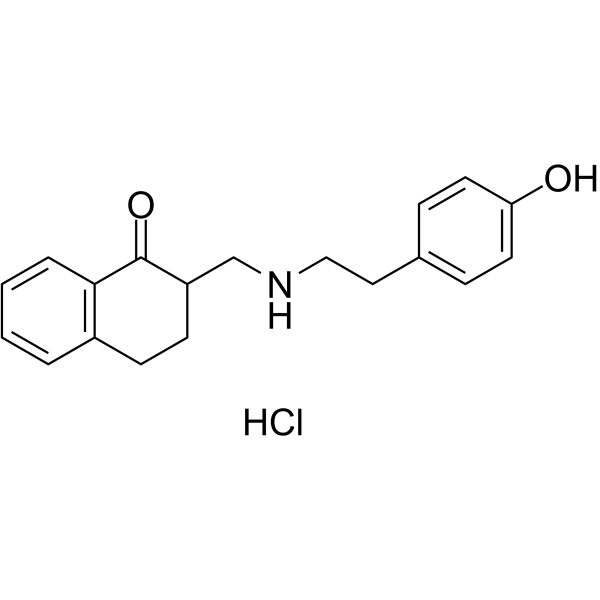
    BE2254 is a compound with antipyretic and metabolic activity, which has the activity of regulating the febrile response and metabolism. BE2254 can reduce the metabolic and febrile activity induced by lipopolysaccharide in febrile rabbits, suggesting that it may regulate body temperature by acting on the α1-adrenergic receptor mechanism.
    BE2254
  • HY-138211

    Estrogen Receptor/ERR Metabolic Disease Endocrinology
    BE-26263, an antiosteoporotic agent that can be isolated from Scedosporium apiospermum, possesses estrogenic effect .
    BE-26263
  • HY-170571

    Mitochondrial Metabolism Metabolic Disease Inflammation/Immunology
    BE2647 is a selective inhibitor for mitochondrial pyruvate carrier (MPC) with an EC50 of 70 nM. BE2647 exhibits good metabolic stability in mouse liver microsomes. BE2647 can be used in research of metabolic diseases, non-alcoholic fatty liver disease (MASLD), or non-alcoholic steatohepatitis (MASH) .
    BE2647
  • HY-100980

    BE2254 hydrochloride

    Adrenergic Receptor Neurological Disease Cancer
    HEAT (BE2254) hydrochloride is a selective alpha 1 adrenergic receptor antagonist. HEAT hydrochloride, a phenethylamine derivative, shows pKis of 9, 9.1, and 8.57 for alpha 1a, alpha 1b and alpha 1c, respectively .
    HEAT hydrochloride
  • HY-W781265

    L-755,805

    Endothelin Receptor Bacterial Infection
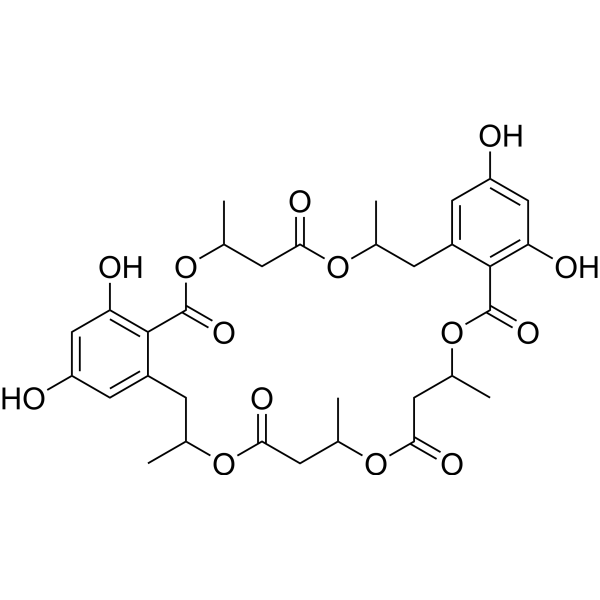
    BE 24566B is a polyketide fungal metabolite originally isolated from S. violaceusniger. It is active against B. subtilis, B. cereus, S. aureus, M. luteus, E. faecalis, and S. thermophilus (MICs=1.56, 1.56, 1.56, 1.56, 3.13, and 3.13 μg/mL, respectively). BE 24566B is an endothelin (ET) receptor antagonist (IC50s=11 and 3.9 μM for ETA and ETB receptors, respectively).
    BE 24566B
  • HY-RS17248

    Small Interfering RNA (siRNA) Others

    Pomc Mouse Pre-designed siRNA Set A contains three designed siRNAs for Pomc gene (Mouse), as well as a negative control, a positive control, and a FAM-labeled negative control.

    Pomc Mouse Pre-designed siRNA Set A
    Pomc Mouse Pre-designed siRNA Set A
  • HY-14789R

    NBI-56418 (Standard)

    GnRH Receptor Nuclear Factor of activated T Cells (NFAT) Reference Standards Endocrinology Cancer
    (R)-Elagolix (Standard) is the analytical standard of (R)-Elagolix. This product is intended for research and analytical applications. Elagolix is a highly effective, selective, oral-active, short-term, non-peptide gonadotropin-releasing hormone receptor (GnRH receptor) antagonist (KD = 54 pM) and NFAT inhibitor, which can be used to study pain related to endometriosis. .
    (R)-Elagolix (Standard)
  • HY-N8765

    Others Neurological Disease
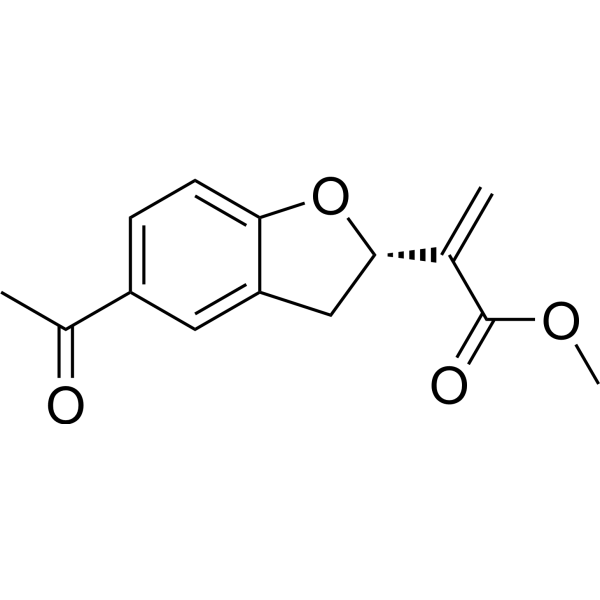
    Methyl 2-(5-acetyl-2,3-dihydrobenzofuran-2-yl)propenoate can be isolated from roots of Microglossa Pyrifolia. Microglossa Pyrifolia roots has analgesic and hepatic activities .
    Methyl 2-(5-acetyl-2,3-dihydrobenzofuran-2-yl)propenoate
  • HY-120943

    BM 17.0744

    PPAR Metabolic Disease
    K-111 (BM-170744) is an oral active PPAR alpha agonist. K-111 show efficacy in improving insulin resistance, reducing body weight, and ameliorating atherogenic dyslipidemia. K-111 can be used for study of type 2 diabetes, dyslipidaemia, obesity and the metabolic syndrome .
    K-111
  • HY-180944

    REV-ERB Neurological Disease
    BE2012, SR8278 (HY-14415) derivative, is a potent and selective REV-ERBα/β Antagonist with EC50 values of 0.285 and 0.346 μM. BE2012 binds to the ligand-binding domain (LBD) of REV-ERB, preventing the receptor from recruiting co-inhibitory factors and thereby releasing the transcriptional repression on downstream target genes. BE2012 can upregulate the expression of myogenic transcription factors Myf5 and Myod, promoting muscle regeneration and repair in acute muscle injury micemodels .
    BE2012
  • HY-120015

    MMP Cancer
    BE-16627B is a metalloproteinase inhibitor. BE-16627B can be isolated from microbial cultures. BE-16627B can inhibit metalloproteinases in enzyme assays. BE-16627B reduces the number and size of HT1080 cell nodules on lung surface in mouse models. BE-16627B inhibits growth of HT1080 cells in mice. BE-16627B can be studied in anti-cancer research .
    BE-16627B
  • HY-P991819

    Integrin Inflammation/Immunology
    Anti-Mouse ICAM-1 Antibody (BE29G1) reacts with the mouse ICAM-1. Anti-Mouse ICAM-1 Antibody (BE29G1) blocks the binding LFA-1 (CD11a/CD18) to ICAM-1. Recommend Isotype Controls: Mouse IgG1 kappa, Isotype Control (HY-P99977) .
    Anti-Mouse ICAM-1 Antibody (BE29G1)

Inquiry Online

Your information is safe with us. * Required Fields.

Salutation


Country or Region *

Applicant Name *


Organization Name *

Department *


Email Address *


Product Name *

Cat. No.


Requested quantity *

Phone Number *


Remarks

Inquiry Online

Inquiry Information

Product Name:
Cat. No.:
Quantity:
MCE Japan Authorized Agent:

