1. Search Result
Search Result
Results for "

CAII

" in MedChemExpress (MCE) Product Catalog:

38

Inhibitors & Agonists

4

Recombinant Proteins

4

Isotope-Labeled Compounds

2

Antibodies

2

Oligonucleotides

Cat. No. Product Name Target Research Areas Chemical Structure
  • HY-13513
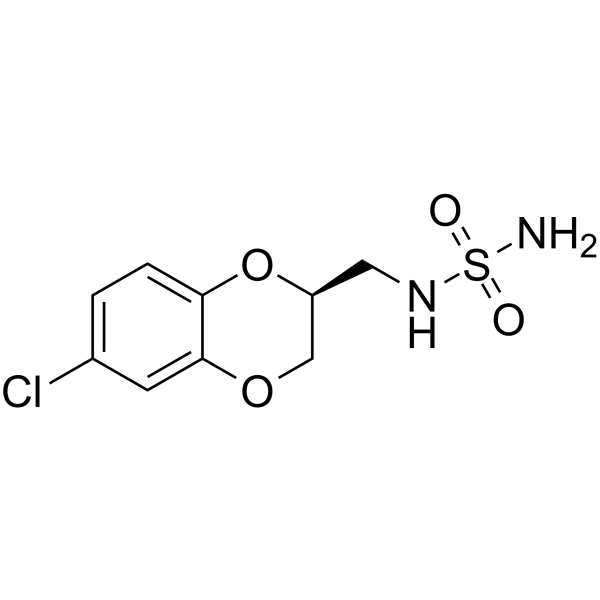
    U-104
    5+ Cited Publications

    SLC-0111

    Carbonic Anhydrase Cancer
    U-104 (SLC-0111) is a potent carbonic anhydrase (CA) inhibitor for CA IX and CA XII with Ki values of 45.1 nM and 4.5 nM, respectively. U-104 shows a significant delay in tumor growth in mice model .
    U-104
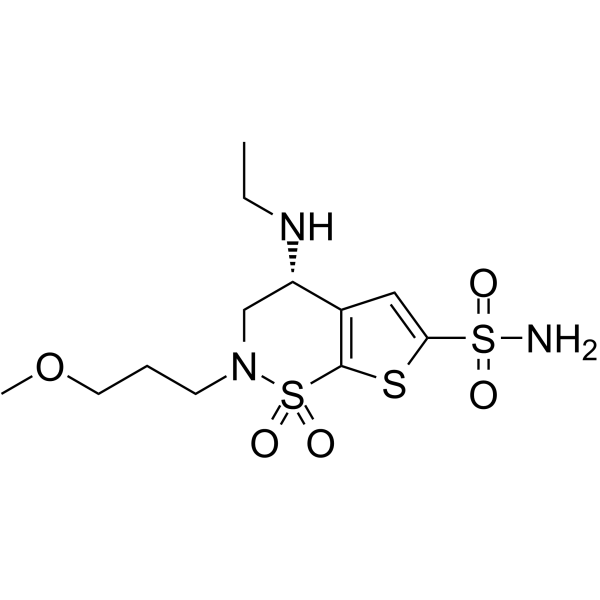
  • HY-B0588
    Brinzolamide
    5+ Cited Publications

    AL-4862

    Carbonic Anhydrase Cardiovascular Disease Others Neurological Disease
    Brinzolamide (AL-4862) is a selective carbonic anhydrase II inhibitor with anIC50 value of 3.2 nM. Brinzolamide hydrochloride reduces intraocular pressure (IOP) by inhibiting ciliary CA-II and decreasing atrial fluid secretion. Brinzolamide can be used in glaucoma disease research .
    Brinzolamide
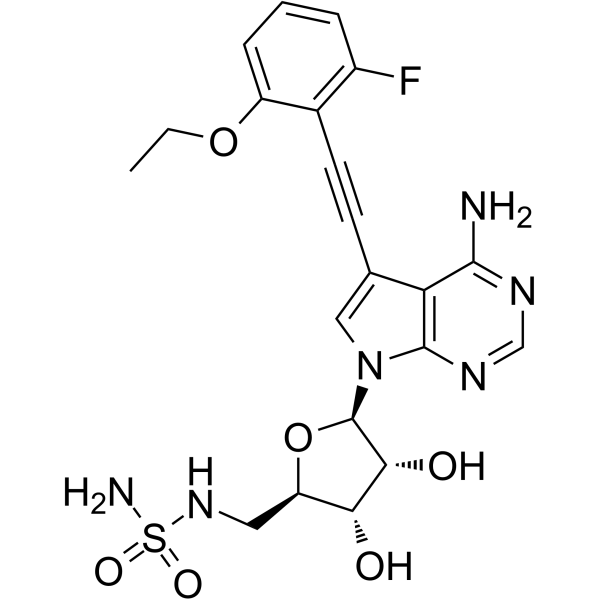
  • HY-128586
    TAS4464
    Maximum Cited Publications
    9 Publications Verification

    Apoptosis Carbonic Anhydrase NEDD8-activating Enzyme Cancer
    TAS4464 is a long-acting, highly selective covalent inhibitor targeting NEDD8-activating enzyme (NAE) (IC50=0.955 nM), and also inhibits CAII with an IC50 of 0.73 μM, which is less potent than MLN4924 (HY-70062). The IC50 values of TAS4464 against other E1 enzymes UAE and SAE are 449 nM and 1280 nM, respectively. TAS4464 targets NEDD8 in an ATP-dependent manner to inhibit NAE, blocks the neddylation pathway, causes accumulation of CRL ubiquitin ligase substrates (such as CDT1, p27, phosphorylated IκBα), and further induces tumor cell apoptosis. TAS4464 exhibits antiproliferative and cytotoxic effects, and has broad-spectrum antitumor activity against various hematologic and solid tumor cell lines as well as patient-derived tumor cells. TAS4464 has a wide selcetive window, without obvious toxicity. TAS4464 can be used in the research of hematologic malignancies (leukemia, lymphoma, multiple myeloma, etc.) and solid tumors (small cell lung cancer, colorectal cancer, sarcoma, endometrial cancer, ovarian cancer, etc.) .
    TAS4464
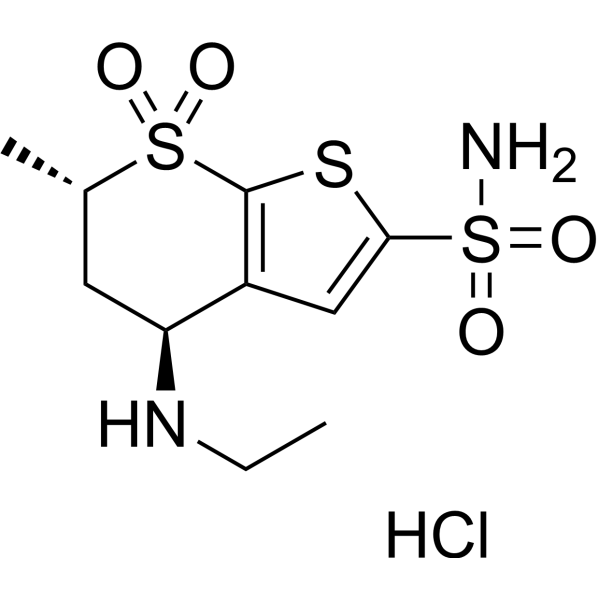
  • HY-B0109A
    Dorzolamide hydrochloride
    5+ Cited Publications

    L671152 hydrochloride; MK507 hydrochloride

    Carbonic Anhydrase Cardiovascular Disease Others
    Dorzolamide (L671152) hydrochloride is a potent carbonic anhydrase II inhibitor, with IC50 values of 0.18 nM and 600 nM for red blood cell CA-II and CA-I respectively. Dorzolamide possesses anti-tumor activity .
    Dorzolamide hydrochloride
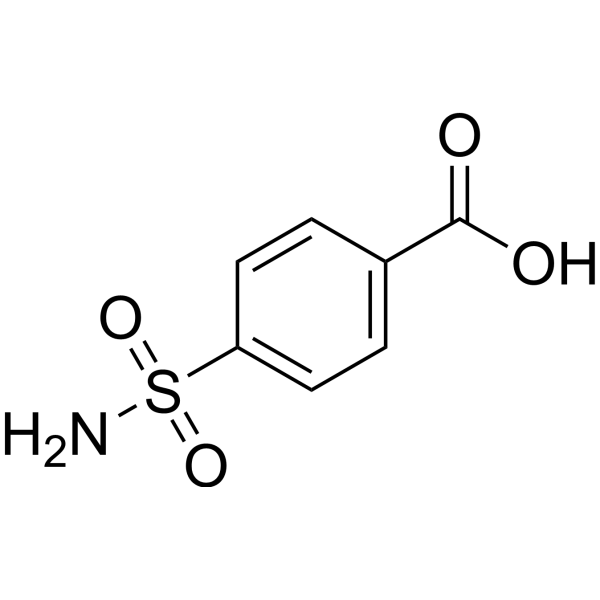
  • HY-B0989

    4-Sulfamoylbenzoic acid

    Drug Metabolite Carbonic Anhydrase Neurological Disease Cancer
    Carzenide (4-Sulfamoylbenzoic acid) is the major circulating metabolite of Mafenide (HY-B0614) in plasma. Carzenide is a strong CAII competitive inhibitor. Carzenide can be used in the research of epilepsy and cervical cancer .
    Carzenide
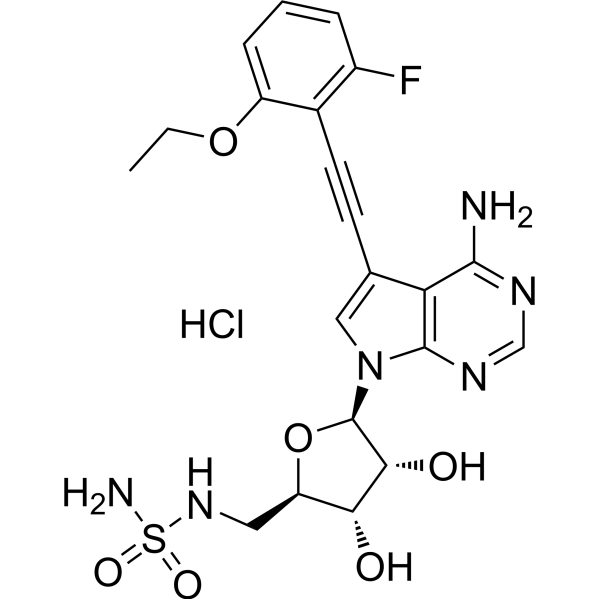
  • HY-128586A
    TAS4464 hydrochloride
    Maximum Cited Publications
    9 Publications Verification

    NEDD8-activating Enzyme Carbonic Anhydrase Apoptosis Cancer
    TAS4464 hydrochloride is a long-acting, highly selective covalent inhibitor targeting NEDD8-activating enzyme (NAE) (IC50=0.955 nM), and also inhibits CAII with an IC50 of 0.73 μM, which is less potent than MLN4924 (HY-70062). The IC50 values of TAS4464 hydrochloride against other E1 enzymes UAE and SAE are 449 nM and 1280 nM, respectively. TAS4464 hydrochloride targets NEDD8 in an ATP-dependent manner to inhibit NAE, blocks the neddylation pathway, causes accumulation of CRL ubiquitin ligase substrates (such as CDT1, p27, phosphorylated IκBα), and further induces tumor cell apoptosis. TAS4464 hydrochloride exhibits antiproliferative and cytotoxic effects, and has broad-spectrum antitumor activity against various hematologic and solid tumor cell lines as well as patient-derived tumor cells. TAS4464 hydrochloride has a wide therapeutic window, without obvious toxicity. TAS4464 hydrochloride can be used in the research of hematologic malignancies (leukemia, lymphoma, multiple myeloma, etc.) and solid tumors (small cell lung cancer, colorectal cancer, sarcoma, endometrial cancer, ovarian cancer, etc.) .
    TAS4464 hydrochloride
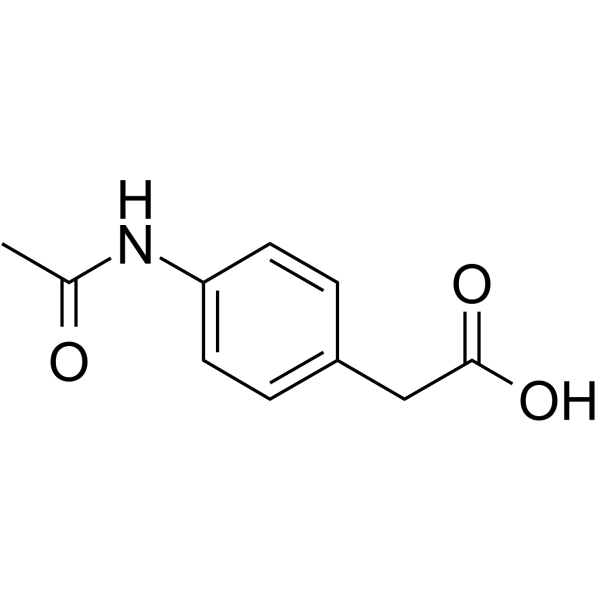
  • HY-76938

    4-Acetylaminophenylacetic acid; MS-932

    Carbonic Anhydrase TNF Receptor IFNAR Inflammation/Immunology
    Actarit (4-Acetylaminophenylacetic acid) is an orally active Carbonic Anhydrase II (CAII) inhibitor with an IC50 of 422 nM. Actarit shows suppressive effects experimental autoimmune encephalomyelitis in rats. Actarit inhibits the development of type ll collagen (CII)-induced arthritis in mice by suppressing delayed-type hypersensitivity to CII. Actarit can be used for the study of Multiple Sclerosis (MS) and rheumatoid arthritis .
    Actarit
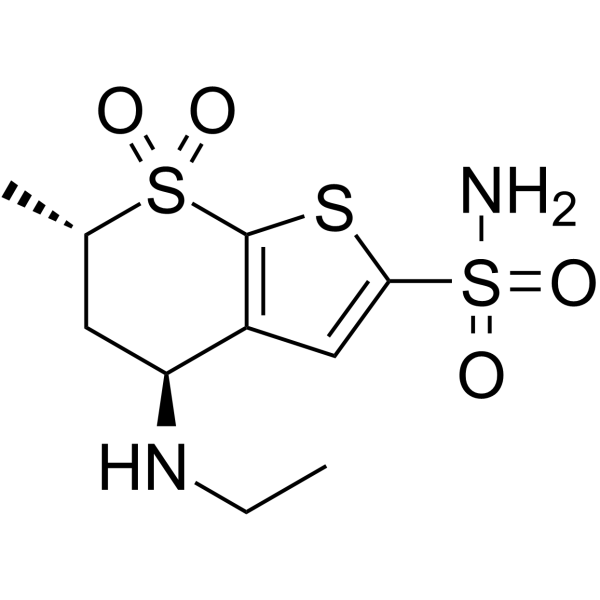
  • HY-B0109

    L671152; MK507

    Carbonic Anhydrase Cancer
    Dorzolamide (L671152) is a potent carbonic anhydrase II inhibitor, with IC50 values of 0.18 nM and 600 nM for red blood cell CA-II and CA-I respectively. Dorzolamide possesses anti-tumor activity .
    Dorzolamide
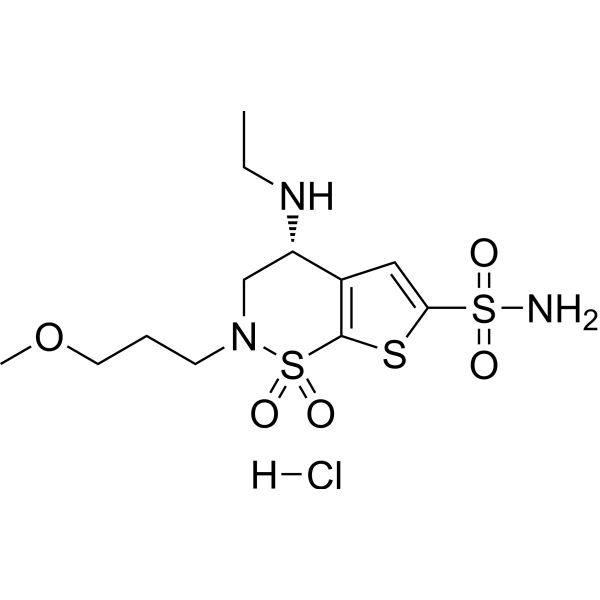
  • HY-B0588A

    AL-4862 hydrochloride

    Carbonic Anhydrase Neurological Disease
    Brinzolamide (AL-4862) hydrochloride is a selective carbonic anhydrase II inhibitor with an IC50 value of 3.2 nM. Brinzolamide hydrochloride reduces intraocular pressure (IOP) by inhibiting ciliary CA-II and decreasing atrial fluid secretion. Brinzolamide hydrochloride can be used in glaucoma disease research .
    Brinzolamide hydrochloride
  • HY-178362

    Carbonic Anhydrase NKCC mTOR Neurological Disease
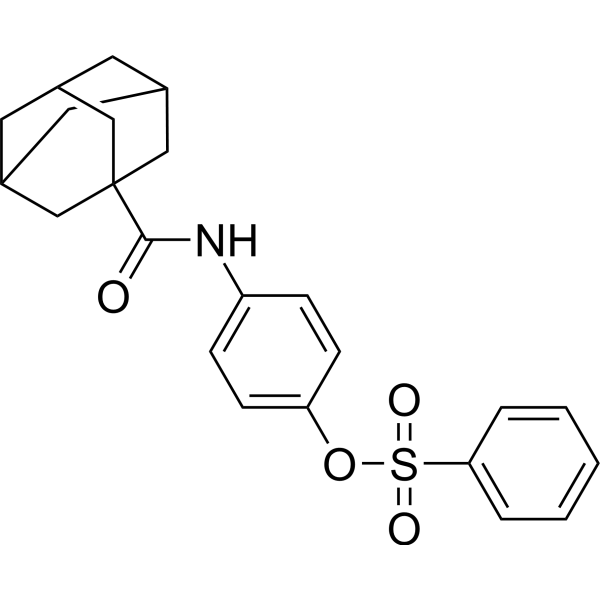
    CAII/VII-IN-1 is an orally active hCA II (KI = 12.3 nM), and hCA VII (KI = 22.6 nM) inhibitor, showing no significant activity against hCA I. CAII/VII-IN-1 shows excellent neuroprotective activity in vivo Pilocarpine (HY-B0726A)-induced seizure model. CAII/VII-IN-1 can upregulate KCC2 and inhibit mTOR, exerting neuroprotective effects. CAII/VII-IN-1 does not show any significant neurotoxic effects or alterations in liver and kidney function. CAII/VII-IN-1 can be used for the study of epilepsy .
    CAII/VII-IN-1
  • HY-179530

    Carbonic Anhydrase Phosphatase Cancer
    CA-II/TNAP-IN-1 (compound 15) is a potent dual inhibitor against b-TNAP and b-CAII with IC50s of 0.69 and 1.25 μM, respectively. CA-II/TNAP-IN-1 exhibits anti-cancer effects. CA-II/TNAP-IN-1 can be used for cancer research .
    CA-II/TNAP-IN-1
  • HY-12596

    Calcium Channel Sodium Channel Potassium Channel Neurological Disease
    JNJ-26489112, a CNS-active agent, exhibits broad-spectrum anticonvulsant activity in rodents against audiogenic, electrically-induced, and chemically-induced seizures. JNJ-26489112 inhibits voltage-gated Na + channels and N-type Ca 2+ channels, and is effective as a K + channel opener. JNJ-26489112 has very weak inhibition of CA-II (IC50=35 μM) and CA-I (18 μM) .
    JNJ-26489112
  • HY-151916

    Apoptosis Carbonic Anhydrase Phosphodiesterase (PDE) Cancer
    Enpp/Carbonic anhydrase-IN-1 (compound 1e) is a potent Enpp and carbonic anhydrase inhibitor with IC50s of 1.36, 1.35, 3.00, 0.88, 1.02 μM for NPP1, NPP2, NPP3, CA-II, CA-IX respectively. Enpp/Carbonic anhydrase-IN-1 shows antiproliferative activity for cancer cells and low cytotoxic against normal cells. Enpp/Carbonic anhydrase-IN-1 induces Apoptosis .
    Enpp/Carbonic anhydrase-IN-1
  • HY-151494

    Carbonic Anhydrase Cancer
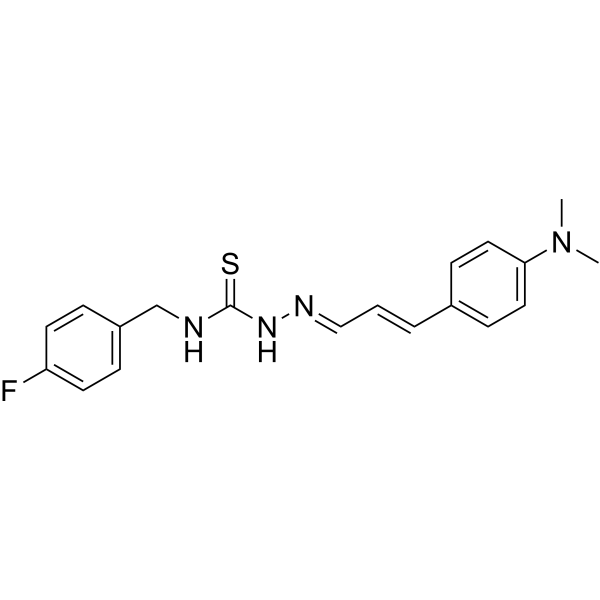
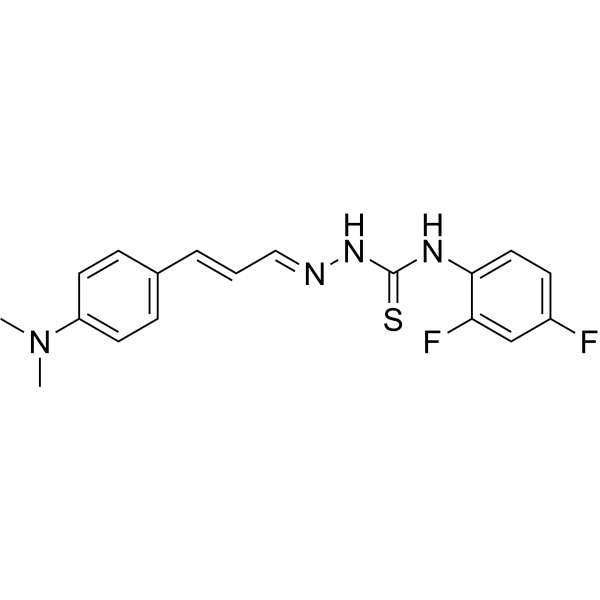
    CAII-IN-2 (compound 3g), a thiosemicarbazide derivative, is a potent, selective carbonic anhydrase-II (CA-II) inhibitor with an IC50 value of 12.1 µM for bovine CA-II. CAII-IN-2 can be used in research of carbonic anhydrase related biological disorders .
    CAII-IN-2
  • HY-151493

    Carbonic Anhydrase Cancer
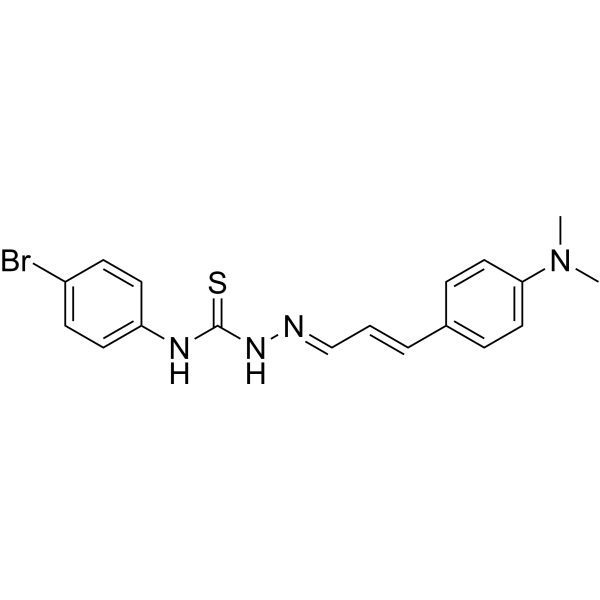
    CAII-IN-1 (compound 3n), a thiosemicarbazide derivative, is a potent, selective carbonic anhydrase-II (CA-II) inhibitor with an IC50 value of 10.3 µM for bovine CA-II. CAII-IN-1 can be used in research of carbonic anhydrase related biological disorders .
    CAII-IN-1
  • HY-175239

    Carbonic Anhydrase Neurological Disease
    CAII/CAXII-IN-1 (compound 8d) is a CAII/CAXII inhibitor with IC50 values of 0.38 µM and 0.61 µM for CAII and CAXII, respectively .
    CAII/CAXII-IN-1
  • HY-151495

    Carbonic Anhydrase Cancer
    CAII-IN-3 (compound 3h), a thiosemicarbazones derivatives, is a potent carbonic anhydrase-II (CA-II) inhibitor with an IC50 value of 13.4 µM .
    CAII-IN-3
  • HY-RS01768

    Small Interfering RNA (siRNA) Others

    CA2 Human Pre-designed siRNA Set A contains three designed siRNAs for CA2 gene (Human), as well as a negative control, a positive control, and a FAM-labeled negative control.

    CA2 Human Pre-designed siRNA Set A
    CA2 Human Pre-designed siRNA Set A
  • HY-175219

    Carbonic Anhydrase Cancer
    CA-II/Dkk1-IN-1 (Compound 5d) is a dual-functional inhibitor of CA-II and Dkk1 with a IC50 of 6.90  nM for CA-II. CA-II/Dkk1-IN-1 has significantly antioxidant activity and superior DNA binding capacity. CA-II/Dkk1-IN-1 can be used for cancers research, such as esophageal, renal, and lung cancer .
    CA-II/Dkk1-IN-1
  • HY-RS01909

    Small Interfering RNA (siRNA) Others

    Car2 Mouse Pre-designed siRNA Set A contains three designed siRNAs for Car2 gene (Mouse), as well as a negative control, a positive control, and a FAM-labeled negative control.

    Car2 Mouse Pre-designed siRNA Set A
    Car2 Mouse Pre-designed siRNA Set A
  • HY-B0109S

    Isotope-Labeled Compounds Carbonic Anhydrase Cancer
    Dorzolamide-d5 is the deuterium labeled Dorzolamide. Dorzolamide (L671152) is a potent carbonic anhydrase II inhibitor, with IC50 values of 0.18 nM and 600 nM for red blood cell CA-II and CA-I respectively. Dorzolamide possesses anti-tumor activity .
    Dorzolamide-d5
  • HY-B0109AR

    L671152 hydrochloride(Standard); MK507 hydrochloride (Standard)

    Reference Standards Carbonic Anhydrase Others
    Dorzolamide (hydrochloride) (Standard) is the analytical standard of Dorzolamide (hydrochloride). This product is intended for research and analytical applications. Dorzolamide (L671152) hydrochloride is a potent carbonic anhydrase II inhibitor, with IC50 values of 0.18 nM and 600 nM for red blood cell CA-II and CA-I respectively. Dorzolamide possesses anti-tumor activity .
    Dorzolamide hydrochloride (Standard)
  • HY-B0109AS

    L671152-d3 hydrochloride; MK507-d3 hydrochloride

    Carbonic Anhydrase Isotope-Labeled Compounds Others
    Dorzolamide-d3 hydrochloride is deuterated labeled Dorzolamide hydrochloride (HY-B0109A). Dorzolamide (L671152) hydrochloride is a potent carbonic anhydrase II inhibitor, with IC50 values of 0.18 nM and 600 nM for red blood cell CA-II and CA-I respectively. Dorzolamide possesses anti-tumor activity .
    Dorzolamide-d3 hydrochloride
  • HY-146254

    Carbonic Anhydrase Apoptosis Reactive Oxygen Species (ROS) Cancer
    hCAIX-IN-12 is a potent hCAIX inhibitor with IC50 values of 0.74, 10.78 μM for CAIX and CAII, respectively. hCAIX-IN-12 shows antiproliferative effect and induces apoptosis. hCAIX-IN-12 increases ROS production. hCAIX-IN-12 has the potential for the research of colorectal cancer (CRC) .
    hCAIX-IN-12
  • HY-B0109AS1

    L671152 hydrochloride-d5; MK507 hydrochlorid-d5

    Isotope-Labeled Compounds Carbonic Anhydrase Cardiovascular Disease Others
    Dorzolamide-d5(hydrochloride) (L671152 hydrochloride-d5) is deuterium labeled Dorzolamide (hydrochloride). Dorzolamide (L671152) hydrochloride is a potent carbonic anhydrase II inhibitor, with IC50 values of 0.18 nM and 600 nM for red blood cell CA-II and CA-I respectively. Dorzolamide possesses anti-tumor activity .
    Dorzolamide-d5hydrochloride
  • HY-B0588AS

    AL-4862-d5 hydrochloride

    Carbonic Anhydrase Neurological Disease
    Brinzolamide-d5 (hydrochloride) is the deuterium labeled Brinzolamide hydrochloride . Brinzolamide (AL-4862) hydrochloride is a selective carbonic anhydrase II inhibitor with an IC50 value of 3.2 nM. Brinzolamide hydrochloride reduces intraocular pressure (IOP) by inhibiting ciliary CA-II and decreasing atrial fluid secretion. Brinzolamide hydrochloride can be used in glaucoma disease research .
    Brinzolamide-d5 hydrochloride
  • HY-157139

    Carbonic Anhydrase Phosphatase Inflammation/Immunology
    ALP/Carbonic anhydrase-IN-1 (Compound 1e) is a dual carbonic anhydrase (CA) and alkaline phosphatase (ALP) inhibitor. ALP/Carbonic anhydrase-IN-1 shows IC50 values of 0.44 µM, 1.61 µM, 0.51 µM, and 0.107 µM for CA-II, CA-IX, CA-XII, and ALP, respectively .
    ALP/Carbonic anhydrase-IN-1
  • HY-B0588R

    AL-4862 (Standard)

    Reference Standards Carbonic Anhydrase Others Neurological Disease
    Brinzolamide (Standard) is the analytical standard of Brinzolamide. This product is intended for research and analytical applications. Brinzolamide (AL-4862) is a selective carbonic anhydrase II inhibitor with anIC50 value of 3.2 nM. Brinzolamide hydrochloride reduces intraocular pressure (IOP) by inhibiting ciliary CA-II and decreasing atrial fluid secretion. Brinzolamide can be used in glaucoma disease research .
    Brinzolamide (Standard)
  • HY-147722

    Carbonic Anhydrase Cancer
    hCAIX-IN-8 (compound 7i) is a potent and selective hCAIX inhibitor with IC50s of 1.99, 0.024, 1.10 μM for CAII, CAIX, CAVA respectively. hCAIX-IN-8 shows anti-proliferation activity with low toxicity. hCAIX-IN-8 decreases the epithelial to mesenchymal transitions and induces apoptosis. hCAIX-IN-8 inhibits cell migration and colonization potential .
    hCAIX-IN-8
  • HY-76938R

    4-Acetylaminophenylacetic acid (Standard); MS-932 (Standard)

    Carbonic Anhydrase Reference Standards Inflammation/Immunology
    Actarit (Standard) is the analytical standard of Actarit. This product is intended for research and analytical applications. Actarit (4-Acetylaminophenylacetic acid) is an orally active Carbonic Anhydrase II (CAII) inhibitor with an IC50 of 422 nM. Actarit shows suppressive effects experimental autoimmune encephalomyelitis in rats. Actarit inhibits the development of type ll collagen (CII)-induced arthritis in mice by suppressing delayed-type hypersensitivity to CII. Actarit can be used for the study of Multiple Sclerosis (MS) and rheumatoid arthritis .
    Actarit (Standard)
  • HY-134043

    Chlorthalidone EP Impurity G

    Carbonic Anhydrase Cardiovascular Disease
    Chlorthalidone Impurity G (Chlorthalidone EP Impurity G) is a potential impurity found in commercial preparations of chlorthalidone with moderate antihypertensive effects. Chlorthalidone is a thiazide diuretic that inhibits the Na+/Cl- cotransporter in the distal tubule of the kidney, thereby preventing sodium and chloride reabsorption, resulting in decreased plasma volume and cardiac output. It also inhibits carbonic anhydrase (CA), including isoenzymes CAVB, VII, IX, XII, and XIII (Kis=2.8-23 nM) and to a lesser extent CAI, CAII, IV, VA, and VI (Ki=138-1,347 nM), mediating vasodilatory activity.
    Chlorthalidone Impurity G
  • HY-183283

    Carbonic Anhydrase Apoptosis NOD-like Receptor (NLR) Interleukin Related Reactive Oxygen Species (ROS) Neurological Disease
    CAII-IN-15 is a potent carbonic anhydrase II (CA II) inhibitor with a hCA II IC50 of 10 nM. CAII-IN-15 elevates cGMP levels, releases nitric oxide, reduces oxidative stress, and exhibits neuroprotective activity in vitro. CAII-IN-15 inhibits NLRP3 inflammasome activation, reduces neuronal apoptosis. CAII-IN-15 reduces Intraocular pressure (IOP) in rabbits. CAII-IN-15 can be used for the research of glaucoma .
    CAII-IN-15
  • HY-180056

    Carbonic Anhydrase NKCC mTOR Neurological Disease
    CAII-IN-12 (compound 6c) is a potent and selective carbonic anhydrase (CA) II and VII inhibitor (hCA II Ki = 47.8 nM, hCA VII Ki = 3.6 nM) with anti-epilepitic activity. CAII-IN-12 displays selectivity over hCA I (Ki = 370 nM). CAII-IN-12 exhibits potent anticonvulsant activity in both Pentylenetetrazol- and Pilocarpine (HY-B0726A)-induced seizure mouse models. CAII-IN-12 increases expression of KCC2 in the hippocampus, maintains neuronal integrity, and reduces mTOR activity. CAII-IN-12 can be used for epilepsy research .
    CAII-IN-12
  • HY-181510

    Carbonic Anhydrase Others
    CAII-IN-14 (Compound 3o) is a human carbonic anhydrase II (hCA II) inhibitor with a Ki value of 1.65 nM. CAII-IN-14 also inhibits hCA I(Ki = 6.15 nM) and hCA IX(Ki = 5.43 nM). CAII-IN-14 exhibits predicted drug-like properties .
    CAII-IN-14
  • HY-180916

    Carbonic Anhydrase Reactive Oxygen Species (ROS) NOD-like Receptor (NLR) Apoptosis Neurological Disease
    CAII-IN-11 (Compound A1) is a dual-target compound that contains a hCA II inhibitor (IC₅₀ = 2 nM) portion and a NO donor portion. CAII-IN-11 also has inhibitory activity against hCA IX, hCA XII, and hCA I, with IC50 values of 6, 3, and 152 nM respectively. CAII-IN-11 significantly increases the intracellular cGMP level in human trabecular meshwork cells. CAII-IN-11 reduces the apoptosis of retinal ganglion cells by reducing oxidative stress (ROS levels), inhibiting astrocytes and the NLRP3 inflammasome activation. CAII-IN-11 has hypotensive activity in rabbit models and can be used for the study of glaucoma .
    CAII-IN-11
  • HY-181238

    Carbonic Anhydrase Others
    CAII-IN-13 is a human carbonic anhydrase inhibitor, with a Ki of 65.9 nM against human carbonic anhydrase II and a Ki of 968.4 nM against human carbonic anhydrase I. CAII-IN-13 functionally inhibits the catalytic activities of human carbonic anhydrase II and human carbonic anhydrase I. CAII-IN-13 satisfies the Lipinski's rule of five and may possess physicochemical properties and pharmacokinetic profiles associated with in vivo bioavailability .
    CAII-IN-13
  • HY-181689

    Carbonic Anhydrase Others
    CAII/lX-IN-1 (compound 14 (21,301,644)) is an inhibitor belonging to the N-acyl sulfonamides class, which selectively targets Carbonic Anhydrase IX and II. The IC50 values of CAII/lX-IN-1 against hCA-IX and hCA-II are 1.2 μM and 6.7 μM, respectively, with corresponding Ki values of 0.9 and 4.8 .
    CAII/lX-IN-1
  • HY-183374

    Carbonic Anhydrase Radionuclide-Drug Conjugates (RDCs) Cancer
    NYM074 is a carbonic anhydrase IX (CAIX) ligand. NYM074 binds specifically to human CAIX to enable targeted radionuclide delivery. NYM074 supports dual radiolabeling with 68Ga for positron emission tomography (PET) imaging and 177Lu for radionuclide applications. NYM074 can be used for the research of clear cell renal cell carcinoma .
    NYM074

Inquiry Online

Your information is safe with us. * Required Fields.

Salutation


Country or Region *

Applicant Name *


Organization Name *

Department *


Email Address *


Product Name *

Cat. No.


Requested quantity *

Phone Number *


Remarks

Inquiry Online

Inquiry Information

Product Name:
Cat. No.:
Quantity:
MCE Japan Authorized Agent:

