Search Result
| Isoforms Recommended: |
CDK1
|
Results for "
CDK1/cyclin B
" in MedChemExpress (MCE) Product Catalog:
3
Isotope-Labeled Compounds
| Cat. No. |
Product Name |
Target |
Research Areas |
Chemical Structure |
-
- HY-12529
-
|
|
CDK
Apoptosis
|
Cancer
|
|
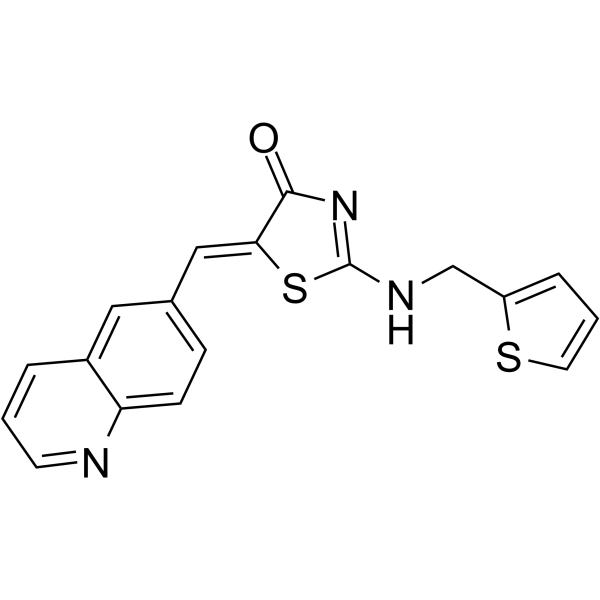
Ro-3306 is a potent and selective inhibitor of CDK1, with Kis of 20 nM, 35 nM and 340 nM for CDK1, CDK1/cyclin B1 and CDK2/cyclin E, respectively.
|
-
-
- HY-15777
-
Ribociclib
Maximum Cited Publications
80 Publications Verification
LEE011
|
CDK
|
Neurological Disease
Cancer
|
|
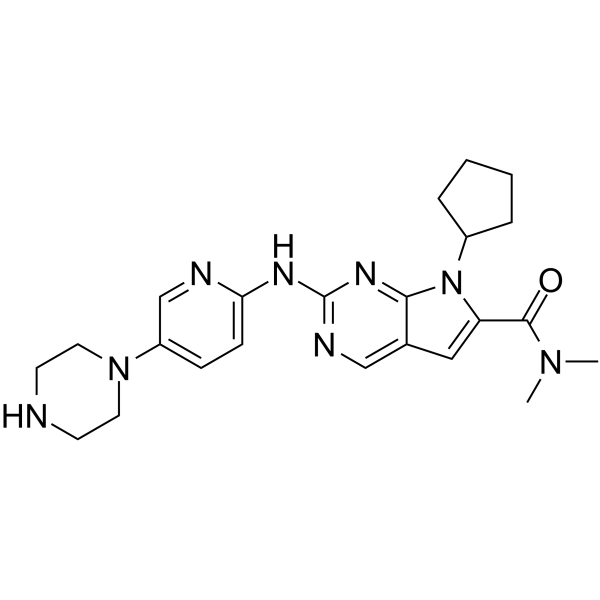
RRibociclib (LEE011) is an ATP-competitive and orally active CDK4/6 inhibitor that crosses the blood-brain barrier with IC50 values of 10 nM and 39 nM, respectively, and is over 1,000-fold less potent against the cyclin B/CDK1 complex .
|
-
-
- HY-15777A
-
|
LEE011 hydrochloride
|
CDK
|
Neurological Disease
Cancer
|
|
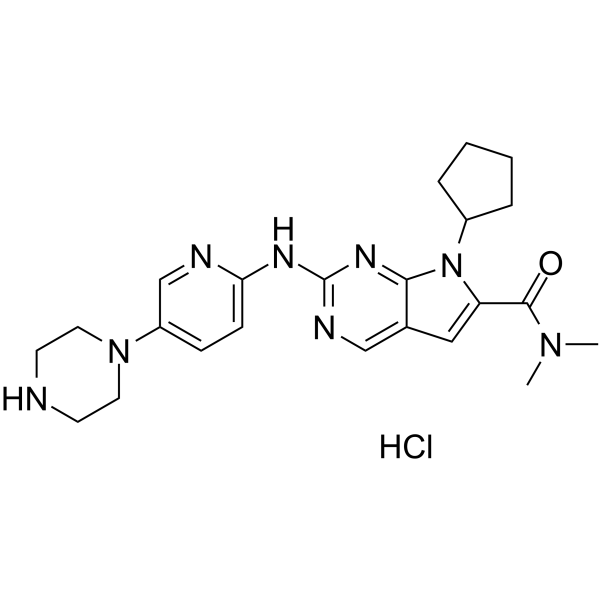
RRibociclib (LEE011) hydrochloride is an ATP-competitive and orally active CDK4/6 inhibitor that crosses the blood-brain barrier with IC50 values of 10 nM and 39 nM, respectively, and is over 1,000-fold less potent against the cyclin B/CDK1 complex .
|
-
-
- HY-18340
-
|
CR8, (R)-Isomer
|
Molecular Glues
CDK
Apoptosis
|
Neurological Disease
Cancer
|
|
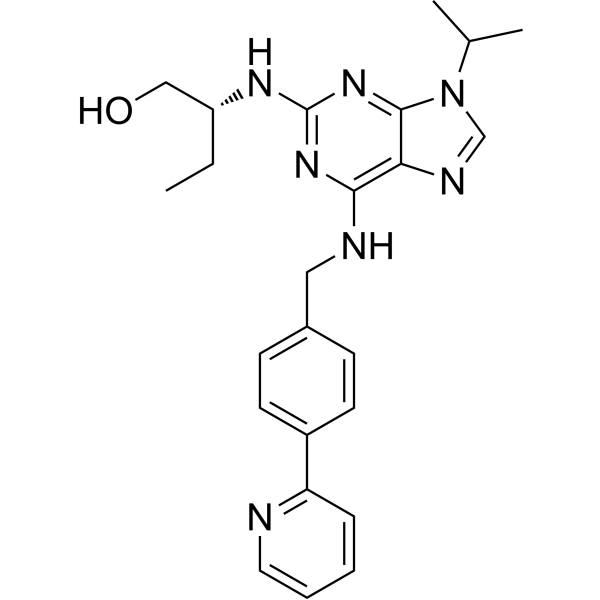
(R)-CR8, a second-generation analog of Roscovitine, is a potent CDK1/2/5/7/9 inhibitor. (R)-CR8 inhibits CDK1/cyclin B (IC50=0.09 μM), CDK2/cyclin A (0.072 μM), CDK2/cyclin E (0.041 μM), CDK5/p25 (0.11 μM), CDK7/cyclin H (1.1 μM), CDK9/cyclin T (0.18 μM) and CK1δ/ε (0.4 μM). (R)-CR8 induces apoptosis and has neuroprotective effect . (R)-CR8 acts as a molecular glue degrader that depletes cyclin K .
|
-
-
- HY-15777B
-
|
LEE011 succinate
|
CDK
|
Neurological Disease
Cancer
|
|
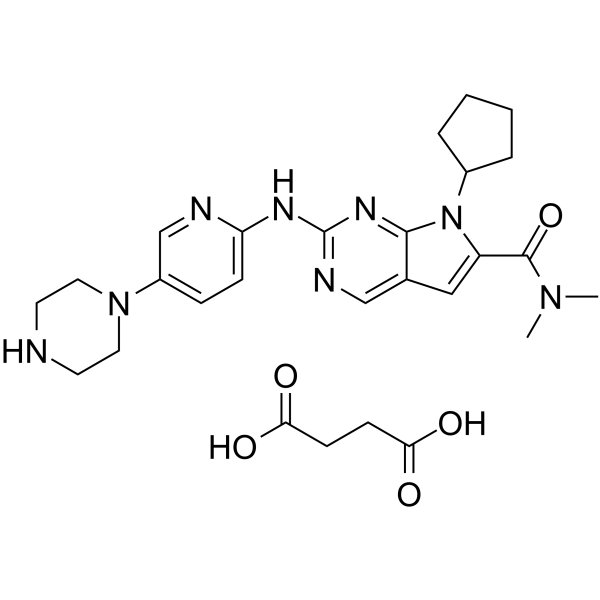
RRibociclib (LEE011) succinate is an ATP-competitive and orally active CDK4/6 inhibitor that crosses the blood-brain barrier with IC50 values of 10 nM and 39 nM, respectively, and is over 1,000-fold less potent against the cyclin B/CDK1 complex .
|
-
-
- HY-10424
-
|
PHA-848125
|
CDK
Autophagy
|
Cancer
|
|
Milciclib (PHA-848125) is a potent, ATP-competitive and dual inhibitor of CDK and Tropomyosin receptor kinase (TRK), with IC50s of 45, 150, 160, 363, 398 nM and 53 nM for cyclin A/CDK2, cyclin H/CDK7, cyclin D1/CDK4, cyclin E/CDK2, cyclin B/CDK1 and TRKA, respectively.
|
-
-
- HY-12302
-
|
9-Bromopaullone; NSC-664704
|
CDK
GSK-3
|
Cancer
|
|
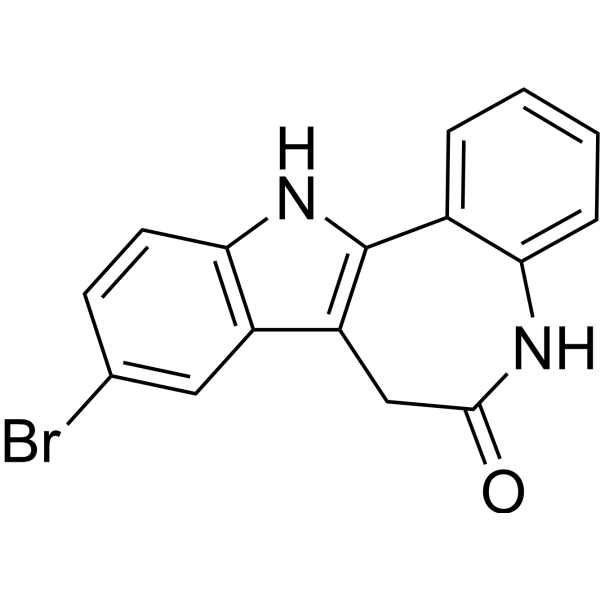
Kenpaullone is a potent inhibitor of CDK1/cyclin B and GSK-3β, with IC50s of 0.4 μM and 23 nM, and also inhibits CDK2/cyclin A, CDK2/cyclin E, and CDK5/p25 with IC50s of 0.68 μM, 7.5 μM, 0.85 μM, respectively. Kenpaullone, a small molecule inhibitor of KLF4, reduces self-renewal of breast cancer stem cells and cell motility in vitro.
|
-
-
- HY-108359
-
|
9-Nitropaullone; NSC 705701
|
CDK
GSK-3
Apoptosis
|
Cancer
|
|
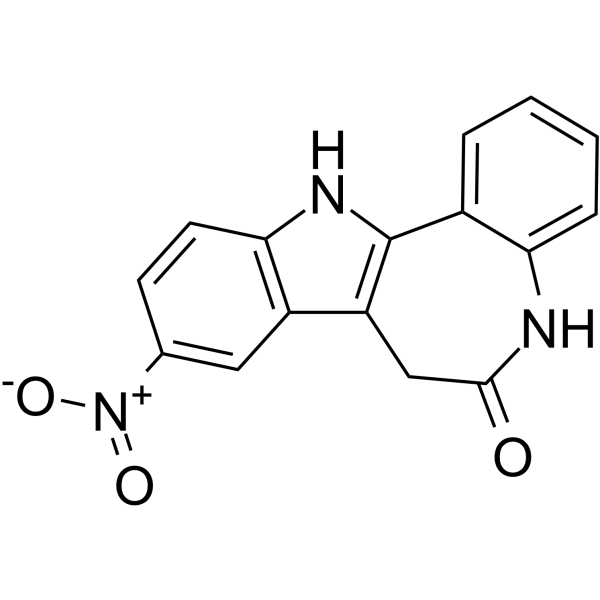
Alsterpaullone (9-Nitropaullone) is a potent CDK inhibitor, with IC50s of 35 nM, 15 nM, 200 nM and 40 nM for CDK1/cyclin B, CDK2/cyclin A, CDK2/cyclin E and CDK5/p35, respectively. Alsterpaullone also competes with ATP for binding to GSK-3alpha/GSK-3beta with IC50s of both 4 nM. Alsterpaullone has antitumor activity, and possesses potential for the study in neurodegenerative and proliferative disorders . Alsterpaullone induces apoptosis in leukemia cell line .
|
-
-
- HY-11012
-
|
GSK-3β Inhibitor I; NP 01139
|
GSK-3
|
Cancer
|
|
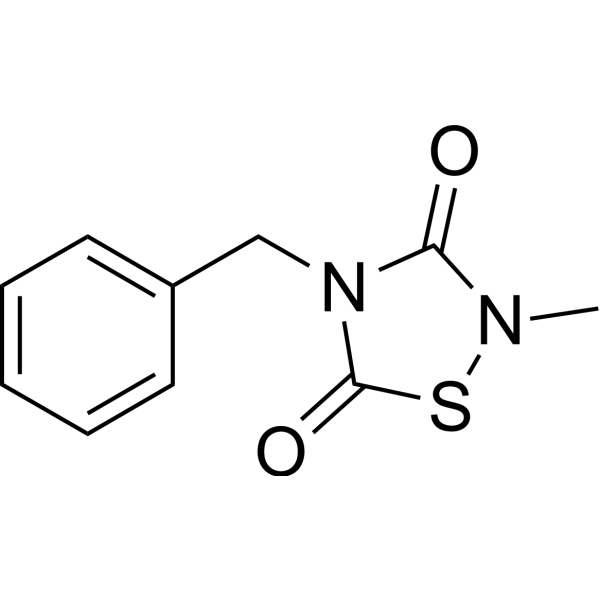
TDZD-8 is an inhibitor of GSK-3β, with an IC50 of 2 μM; TDZD-8 shows less potent activities against Cdk-1/cyclin B, CK-II, PKA, and PKC, with all IC50s of >100 μM.
|
-
-
- HY-10014
-
R547
2 Publications Verification
|
CDK
GSK-3
Apoptosis
|
Cancer
|
|
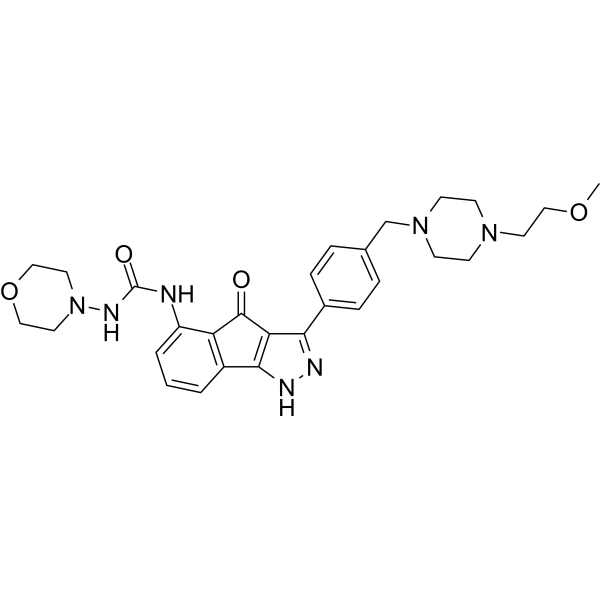
R547 is a potent, selective and orally active ATP-competitive CDK inhibitor, with Kis of 2 nM, 3 nM and 1 nM for CDK1/cyclin B, CDK2/cyclin E and CDK4/cyclin D1, respectively .
|
-
-
- HY-19807
-
|
Indirubin-3'-oxime
|
GSK-3
CDK
Lipoxygenase
|
Cancer
|
|
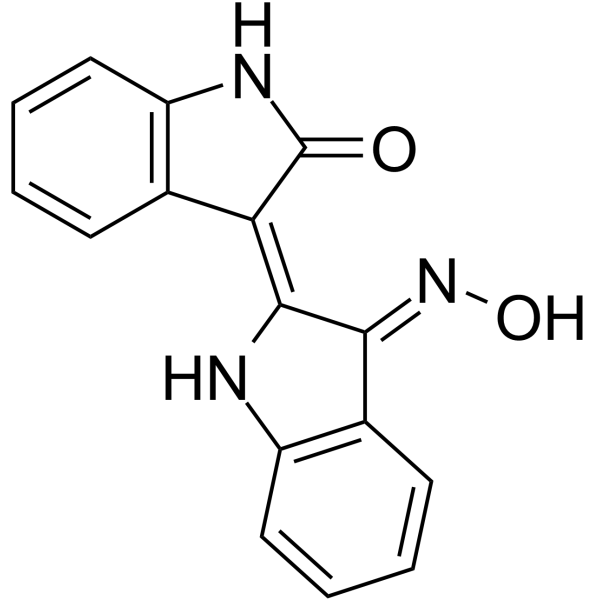
Indirubin-3'-monoxime is a potent GSK-3β inhibitor, and weakly inhibits 5-Lipoxygenase, with IC50s of 22 nM and 7.8-10 µM, respectively; Indirubin-3'-monoxime also shows inhibitory activities against CDK5/p25 and CDK1/cyclin B, with IC50s of 100 and 180 nM.
|
-
-
- HY-15504A
-
|
|
CDK
GSK-3
MEK
JAK
|
Cancer
|
|
RGB-286638 is a CDK inhibitor that inhibits the kinase activity of cyclin T1-CDK9, cyclin B1-CDK1, cyclin E-CDK2, cyclin D1-CDK4, cyclin E-CDK3, and p35-CDK5 with IC50s of 1, 2, 3, 4, 5 and 5 nM, respectively; also inhibits GSK-3β, TAK1, Jak2 and MEK1, with IC50s of 3, 5, 50, and 54 nM.
|
-
-
- HY-N0417
-
|
α-Elaterin; α-Elaterine
|
CDK
Autophagy
PANoptosis
|
Metabolic Disease
Inflammation/Immunology
Cancer
|
|
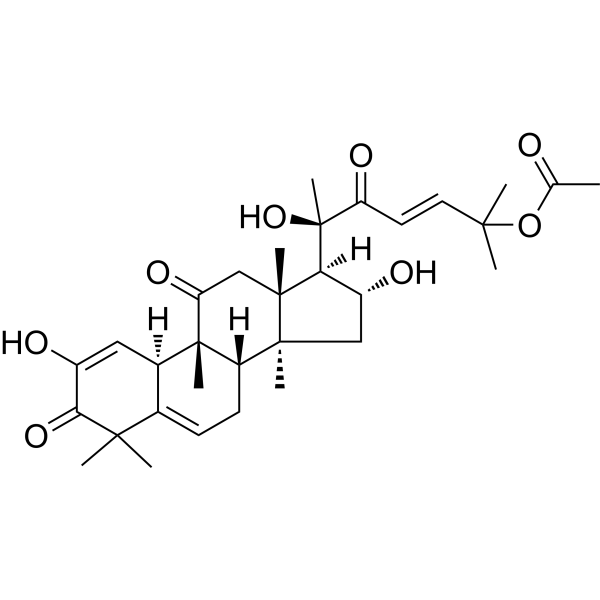
Cucurbitacin E is a CDK1 inhibitor that significantly inhibits the activity of the cyclin B1/CDC2 complex. Cucurbitacin E also induces PANoptosis in adrenocortical carcinoma cells in a ZBP1-dependent manner. Cucurbitacin E exhibits synergistic effects with Mitotane (HY-13690); when used in combination, they effectively eliminate tumors .
|
-
-
- HY-117535
-
|
|
CDK
|
Cancer
|
|
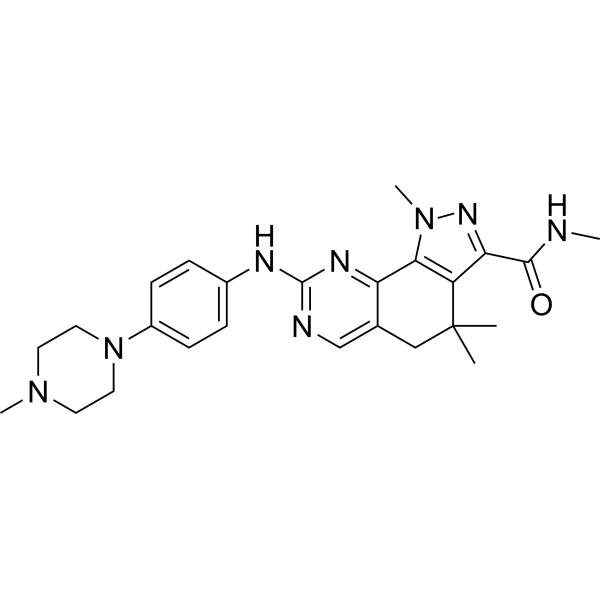
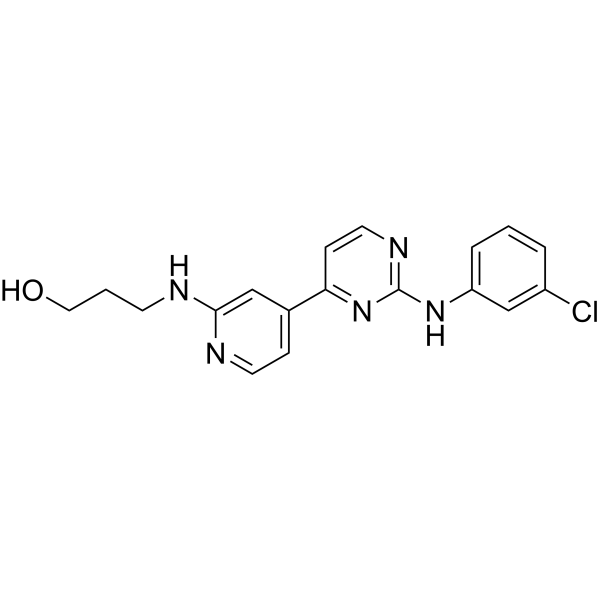
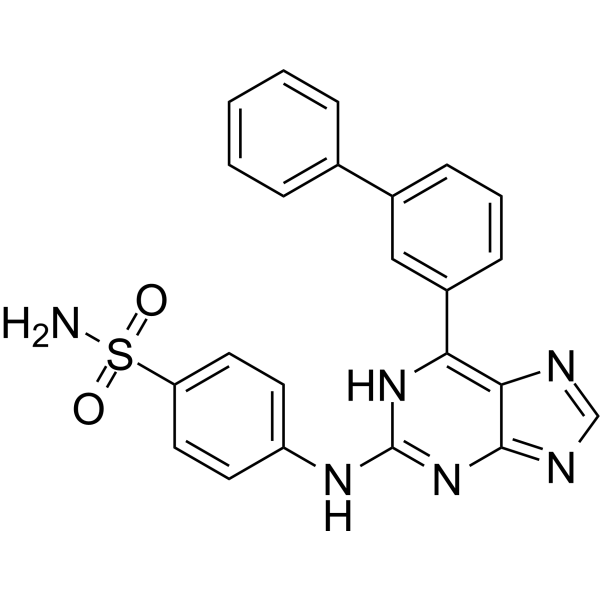
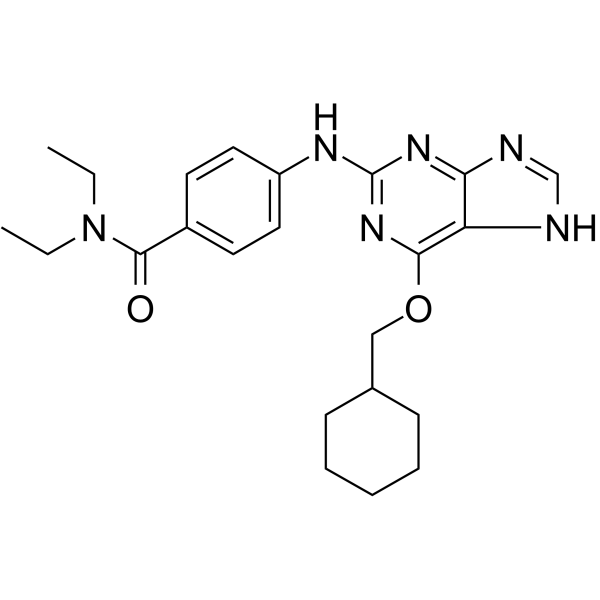
CDK2-IN-4 (compound 73) is a potent and selective CDK2 inhibitor with an IC50 of 44 nM for CDK2/cyclin A, shows 2,000-fold selectivity over CDK1/cyclin B (IC50=86 uM) .
|
-
-
- HY-15504
-
|
|
CDK
GSK-3
MEK
JAK
|
Cancer
|
|
RGB-286638 is a CDK inhibitor that inhibits the kinase activity of cyclin T1-CDK9, cyclin B1-CDK1, cyclin E-CDK2, cyclin D1-CDK4, cyclin E-CDK3, and p35-CDK5 with IC50s of 1, 2, 3, 4, 5 and 5 nM, respectively; also inhibits GSK-3β, TAK1, Jak2 and MEK1, with IC50s of 3, 5, 50, and 54 nM.
|
-
-
- HY-11009
-
|
|
CDK
PKC
|
Cancer
|
|
CGP60474, a highly potent anti-endotoxemic agent, is a potent cyclin-dependent kinase (CDK) inhibitor (IC50 values are 26, 3, 4, 216, 10, 200 and 13 nM for CDK1/B, CDK2/E, CDK2/A, CDK4/D, CDK5/p25, CDK7/H and CDK9/T, respectively). CGP60474 is a selective and ATP-competitive PKC inhibitor .
|
-
-
- HY-103647
-
|
|
CDK
VEGFR
GSK-3
|
Cancer
|
|
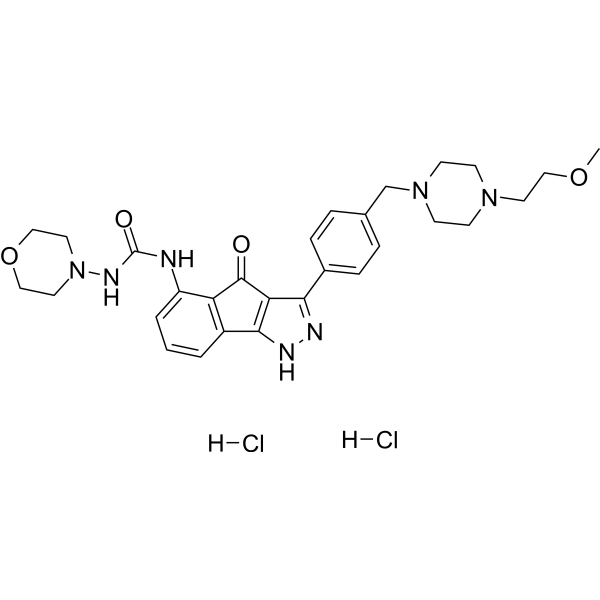
K00546 is a potent CDK1 and CDK2 inhibitor with IC50s of 0.6 nM and 0.5 nM for CDK1/cyclin B and CDK2/cyclin A, respectively. K00546 is also a potent CDC2-like kinase 1 (CLK1) and CLK3 inhibitor with IC50s of 8.9 nM and 29.2 nM, respectively .
|
-
-
- HY-15777S
-
|
LEE011-d6
|
CDK
|
Cancer
|
|
Ribociclib-d6 (LEE011-d6) is a deuterium labeled Ribociclib (HY-15777). Ribociclib is a highly specific CDK4/6 inhibitor with IC50 values of 10 nM and 39 nM, respectively, and is over 1,000-fold less potent against the cyclin B/CDK1 complex .
|
-
-
- HY-103221
-
-
-
- HY-115565
-
|
|
CDK
Apoptosis
|
Cancer
|
|
CGP-74514 (Compound 13) is a highly selective cyclin-dependent kinase 1 (CDK1) inhibitor (IC50=25 nM). CGP-74514 inhibits CDK1/cyclin B complex activity, arrests the cell cycle at G2/M phase and induces tumor cell apoptosis. CGP-74514 is promising for research of bladder cancer .
|
-
-
- HY-107419
-
NU6140
1 Publications Verification
|
CDK
Aurora Kinase
|
Cancer
|
|
NU6140 is a selective CDK2-cyclin A inhibitor (IC50, 0.41 μM), exhibits 10- to 36-fold selectivity over other CDKs . NU6140 also potently inhibits Aurora A and Aurora B, with IC50s of 67 and 35 nM, respectively . Enhances the apoptotic effect, with anti-cancer activity .
|
-
-
- HY-111930
-
|
|
GSK-3
CDK
|
Cancer
|
|
5-Iodo-indirubin-3'-monoxime is a potent GSK-3β, CDK5/P25 and CDK1/cyclin B inhibitor, competing with ATP for binding to the catalytic site of the kinase, with IC50s of 9, 20 and 25 nM, respectively .
|
-
-
- HY-18340A
-
|
CR8, (R)-Isomer trihydrochloride
|
Molecular Glues
CDK
Apoptosis
|
Neurological Disease
Cancer
|
|
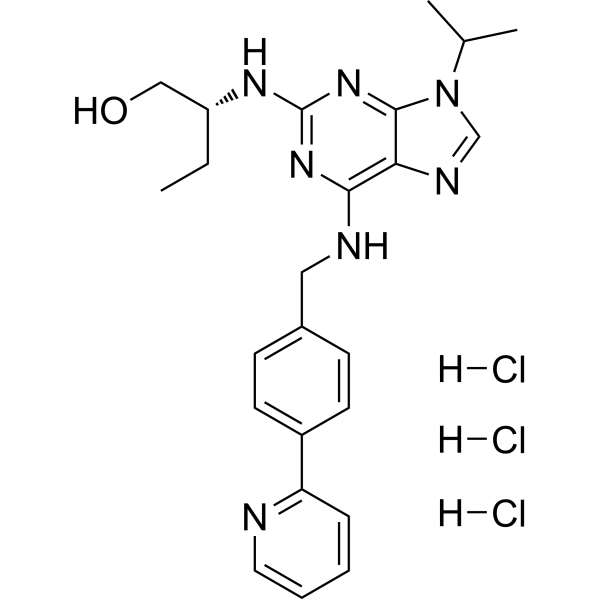
(R)-CR8 (CR8) trihydrochloride, a second-generation analog of Roscovitine, is a potent CDK1/2/5/7/9 inhibitor. (R)-CR8 trihydrochloride inhibits CDK1/cyclin B (IC50=0.09 μM), CDK2/cyclin A (0.072 μM), CDK2/cyclin E (0.041 μM), CDK5/p25 (0.11 μM), CDK7/cyclin H (1.1 μM), CDK9/cyclin T (0.18 μM) and CK1δ/ε (0.4 μM). (R)-CR8 trihydrochloride induces apoptosis and has neuroprotective effect . (R)-CR8 trihydrochloride acts as a molecular glue degrader that depletes cyclin K .
|
-
-
- HY-15777C
-
|
LEE011 succinate hydrate
|
CDK
|
Cancer
|
|
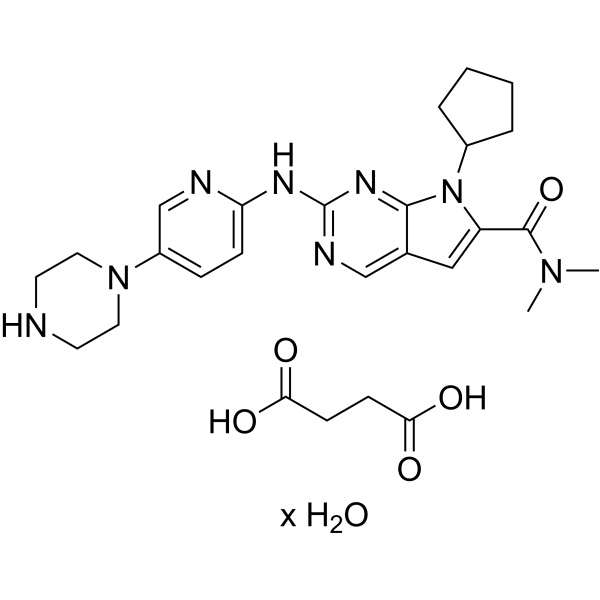
RRibociclib (LEE011) succinate hydrate is an ATP-competitive and orally active CDK4/6 inhibitor that crosses the blood-brain barrier with IC50 values of 10 nM and 39 nM, respectively, and is over 1,000-fold less potent against the cyclin B/CDK1 complex .
|
-
-
- HY-15777R
-
|
LEE011 (Standard)
|
Reference Standards
CDK
|
Cancer
|
|
Ribociclib (Standard) is the analytical standard of Ribociclib. This product is intended for research and analytical applications. Ribociclib (LEE01) is a highly specific CDK4/6 inhibitor with IC50 values of 10 nM and 39 nM, respectively, and is over 1,000-fold less potent against the cyclin B/CDK1 complex .
|
-
-
- HY-112462
-
|
|
CDK
|
Cancer
|
|
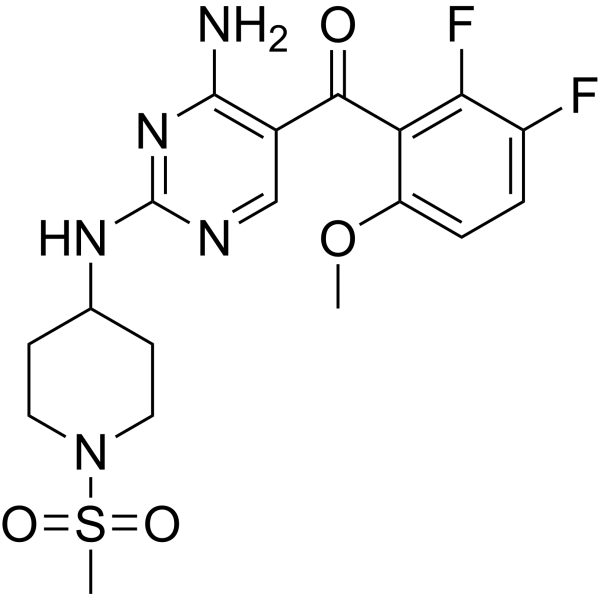
Cdk1/2 Inhibitor III (compound 3n) is a highly potent and selective Cdk1/cyclin B and Cdk2/cyclin A inhibitor of with IC50s of 0.6 nM and 0.5 nM, respectively. Cdk1/2 Inhibitor III shows selectivity over VEGF-R2 (IC50 of 32 nM), GSK-3β (IC50 of 140 nM), and a other kinases. Cdk1/2 Inhibitor III inhibits in cell proliferation with IC50s of 20 nM, 35 nM and 92 nM for HCT-116, HeLa, and A375 cells, respectively .
|
-
-
- HY-15777AS
-
|
LEE011-d6 hydrochloride
|
Isotope-Labeled Compounds
CDK
|
Cancer
|
|
Ribociclib-d6 (LEE011-d6) hydrochloride is a deuterium labeled Ribociclib. Ribociclib is a highly specific CDK4/6 inhibitor with IC50 values of 10 nM and 39 nM, respectively, and is over 1,000-fold less potent against the cyclin B/CDK1 complex .
|
-
-
- HY-15612
-
|
|
CDK
|
Cancer
|
|
CDK4 inhibitor is a novel and specific CDK4/Cyclin D1 inhibitor with an IC50 of 10 nM; 1500 and 500 fold than CDK1/Cyclin B (IC50>15 uM) and CDK2/Cyclin A (IC50=5.265 uM) respectively.
|
-
-
- HY-114903
-
|
GSK-3 Inhibitor X
|
GSK-3
CDK
|
Neurological Disease
Metabolic Disease
Cancer
|
|
(E/Z)-BIO-acetoxime (GSK-3 Inhibitor X) is a potent and selective GSK-3α/β inhibitor, with an IC50 of 10 nM. (E/Z)-BIO-acetoxime shows more than 200-flod selectivity over CDK5/p25, CDK2/cyclin A and CDK1/cyclin B (IC50=2.4, 4.3, 63 μM) .
|
-
-
- HY-15777S1
-
|
LEE011-d8
|
CDK
|
Cancer
|
|
Ribociclib-d8 is the deuterium labeled Ribociclib . Ribociclib (LEE01) is a highly specific CDK4/6 inhibitor with IC50 values of 10 nM and 39 nM, respectively, and is over 1,000-fold less potent against the cyclin B/CDK1 complex .
|
-
-
- HY-15777AR
-
|
LEE011 hydrochloride (Standard)
|
Reference Standards
CDK
|
Cancer
|
|
Ribociclib (Standard) (LEE011(Standard)) hydrochloride is the analytical standard of Ribociclib hydrochloride (HY-15777A). This product is intended for research and analytical applications. Ribociclib hydrochloride (LEE011 hydrochloride) is a highly specific CDK4/6 inhibitor with IC50 values of 10 nM and 39 nM, respectively, and is over 1,000-fold less potent against the cyclin B/CDK1 complex.
|
-
-
- HY-E70653
-
|
|
CDK
|
Cancer
|
|
CDK1 is a cyclin-dependent kinase that functions as a serine/threonine protein kinase, and is a key player in cell cycle regulation. CDK1/CycB1 Recombinant Human Active Protein Kinase is an ortholog of CDK1. CDK1/cyclin B1 complexes initiates mitotic entry by phosphorylating a multitude of proteins to condense chromosomes, disrupt the nuclear envelope, and enable microtubules polymerization to attach and to segregate the chromosomes .
|
-
-
- HY-118976
-
|
CGP-74514A
|
CDK
Apoptosis
|
Cancer
|
|
CGP-74514 hydrochloride is a highly selective cyclin-dependent kinase 1 (CDK1) inhibitor (IC50: 25 nM). CGP-74514 hydrochloride inhibits CDK1/cyclin B complex activity, arrests the cell cycle at G2/M phase and induces tumor cell apoptosis. CGP-74514 hydrochloride is promising for research of bladder cancer .
|
-
-
- HY-112336
-
|
|
CDK
GSK-3
|
Neurological Disease
|
|
Aloisine RP106 (compound 38) is a potent inhibitor of Cdk1/cyclin B, Cdk5/p25, and GSK3 with IC50s of 0.70µM, 1.5µM, 0.92 µM, respectively .
|
-
-
- HY-112450
-
|
|
CDK
|
Cancer
|
|
Olomoucine II is a potent CDK inhibitor with IC50 values of 0.06, 0.1, 0.45, 7.6, 19.8 µM for CDK9/cyclin T, CDK2/cyclin E, CDK7/cyclin H, CDK1/cyclin B, CDK4/cyclin D1, respectively. Olomoucine II shows antiproliferative activity .
|
-
-
- HY-112371
-
|
|
CDK
|
Cancer
|
|
(S)-CR8 is the S-isomer of CR8. (S)-CR8 is a potent and selective CDK inhibitor with IC50s of 0.060, 0.080, 0.11, 0.12, and 0.15 μM for CDK2/cyclin E, CDK2/cyclin A, CDK9/cyclin T, CDK5/p25, and CDK1/cyclin B, respectively. (S)-CR8 reduces SH-SY5Y cells survival (IC50 0.40 μM) .
|
-
-
- HY-112363
-
|
RP107
|
CDK
GSK-3
ERK
JNK
CFTR
|
Inflammation/Immunology
Cancer
|
|
Aloisine A (RP107) is a a potent cyclin-dependent kinase (CDK) inhibitor with IC50s of 0.15 μM, 0.12 μM, 0.4 μM, 0.16 μM for CDK1/cyclin B, CDK2/cyclin A, CDK2/cyclin E, CDK5/p35, respectively. Aloisine A ininhibits GSK-3α (IC50=0.5 μM) and GSK-3β (IC50=1.5 μM). Aloisine A stimulates wild-type CFTR and mutated CFTR, with submicromolar affinity by a cAMP-independent mechanism. Aloisine A has the potential for CFTR-related diseases, including cystic fibrosis research .
|
-
-
- HY-110359
-
|
|
CDK
Apoptosis
|
Cancer
|
|
CGP-74514 dihydrochloride is a highly selective cyclin-dependent kinase 1 (CDK1) inhibitor (IC50=25 nM). CGP-74514 dihydrochloride inhibits CDK1/cyclin B complex activity, arrests the cell cycle at G2/M phase and induces tumor cell apoptosis. CGP-74514 dihydrochloride is promising for research of bladder cancer .
|
-
-
- HY-111932
-
|
|
CDK
GSK-3
|
Cancer
|
|
Indirubin-5-sulfonate is a cyclin-dependent kinase (CDK) inhibitor, with IC50 values of 55 nM, 35 nM, 150 nM, 300 nM and 65 nM for CDK1/cyclin B, CDK2/cyclin A, CDK2/cyclin E, CDK4/cyclin D1, and CDK5/p35, respectively . Indirubin-5-sulfonate also shows inhibitory activity against GSK-3β .
|
-
-
- HY-103383
-
|
|
CDK
Casein Kinase
|
Neurological Disease
Cancer
|
|
(R)-DRF053 dihydrochloride is a potent casein kinases 1 (CK1), CDK1/cyclin B and CDK5/p25 inhibitor with IC50s of 14 nM, 220 nM and 80 nM, respectively. (R)-DRF053 dihydrochloride prevents the CK1-dependent production of amyloid-beta in a cell model .
|
-
-
- HY-161521
-
|
|
Polo-like Kinase (PLK)
|
Cancer
|
|
PLK1-IN-10 (Compound 4Bb) is an orally active PLK1 PBD (polo-box domain) inhibitor. PLK1-IN-10 blocks the interaction of PLK1 with the cell division regulator protein 1 (PRC1) and decreases the protein expression of the CDK1-Cyclin B1 complex. PLK1-IN-10 reacts with glutathione (GSH) to increase cellular oxidative stress, ultimately leading to cell death .
|
-
-
- HY-15777BR
-
|
LEE011 succinate (Standard)
|
CDK
Reference Standards
|
Cancer
|
|
Ribociclib succinate (Standard) is the analytical standard of Ribociclib succinate. This product is intended for research and analytical applications. Ribociclib succinate (LEE011 succinate) is a highly specific CDK4/6 inhibitor with IC50 values of 10 nM and 39 nM, respectively, and is over 1,000-fold less potent against the cyclin B/CDK1 complex.
|
-
-
- HY-112394
-
|
|
GSK-3
CDK
|
Cancer
|
|
2-Cyanoethylalsterpaullone (compound 7) is an Alsterpaullone (HY-108359) derivative, which exhibits potent and selective inhibitory activities against CDK1/Cyclin B and GSK-3β (GSK-3β: IC50=0.8 nM; CDK1/Cyclin B: IC50=0.23 nM) .
|
-
-
- HY-111260
-
|
|
CDK
GSK-3
Apoptosis
|
Cancer
|
|
R547 mesylate is a potent, selective and orally active ATP-competitive CDK inhibitor, with Kis of 2 nM, 3 nM and 1 nM for CDK1/cyclin B, CDK2/cyclin E and CDK4/cyclin D1, respectively .
|
-
-
- HY-149261
-
|
|
Autophagy
CDK
|
Cancer
|
|
H1k, a Eudistomin Y derivative, is a lysosome-targeted antiproliferation agent. H1k increases the autophagy signal and downregulate the expression of cyclin-dependent kinase (CDK1) and cyclin B1. H1k can be used in research of cancer .
|
-
-
- HY-136841
-
|
|
CDK
|
Cancer
|
|
SLM6 is a sangivamycin-like molecule. SLM6 is a CDK9 inhibitor. SLM6 inhibits CDK9/cyclin K and CDK9/cyclin T1 kinase activity with IC50s of 280 nM and 133 nM, respectively. SLM6 also inhibits CDK1/cyclin B and CDK2/
cyclin A with IC50s of less than 300 nM. SLM6 induces apoptosis in multiple myeloma (MM) cells .
|
-
-
- HY-10424R
-
|
PHA-848125 (Standard)
|
Reference Standards
CDK
Autophagy
|
Cancer
|
|
Milciclib (Standard) is the analytical standard of Milciclib. This product is intended for research and analytical applications. Milciclib (PHA-848125) is a potent, ATP-competitive and dual inhibitor of CDK and Tropomyosin receptor kinase (TRK), with IC50s of 45, 150, 160, 363, 398 nM and 53 nM for cyclin A/CDK2, cyclin H/CDK7, cyclin D1/CDK4, cyclin E/CDK2, cyclin B/CDK1 and TRKA, respectively.
|
-
-
- HY-141685
-
|
|
CDK
GSK-3
VEGFR
FGFR
|
Cancer
|
|
3-Methylthienyl-carbonyl-JNJ-7706621 is a potent and selective inhibitor of cyclin-dependent kinase (CDK), with IC50s of 6.4 nM and 2 nM for CDK1/cyclin B and CDK2/cyclin A, respectively. 3-Methylthienyl-carbonyl-JNJ-7706621 also shows potent inhibition of GSK-3 (IC50=0.041 μM) and modest potency against CDK4, VEGF-R2, and FGF-R2 (IC50=0.11, 0.13, 0.22 μM, respectively). 3-Methylthienyl-carbonyl-JNJ-7706621 can be used for the research of cancer .
|
-
-
- HY-144637
-
|
|
Apoptosis
Autophagy
|
Cancer
|
|
Autophagy inducer 2 (Compound 11i) is a potent autophagy inducer. Autophagy inducer 2 exhibits apparent antiproliferative activity against the MCF-7 cell line with an IC50 value of 1.31 μM and remarkably inhibits the colony formation of the MCF-7 cells. Autophagy inducer 2 arrests the MCF-7 cells in the G2/M phase by regulating the cell-cycle-related proteins Cdk-1 and Cyclin B1. Autophagy inducer 2 has the potential for the research of breast cancer .
|
-
-
- HY-161826
-
|
|
Wnt
β-catenin
HSP
CDK
c-Myc
|
Cancer
|
|
Antitumor agent-174 (Compound 10) directly engages the N-terminal site of Hsp90 and promotes the degradation of β-catenin, thereby suppressing the Wnt/β-catenin signaling. Antitumor agent-174 effectively inhibits proliferation, induce S and G2/M phases arrest and block the clonogenic ability in CRC cells. Antitumor agent-174 down-regulates CDK1, Cyclin D1, c-Myc, Cyclin B1, and Cyclin A2, and upregulaties P21 proteins. Antitumor agent-174 has significant anti-tumor efficacy against colorectal cancer (CRC) with excellent pharmacokinetics and low toxicity .
|
-
- HY-170965
-
|
|
CDK
DNA/RNA Synthesis
|
Cancer
|
|
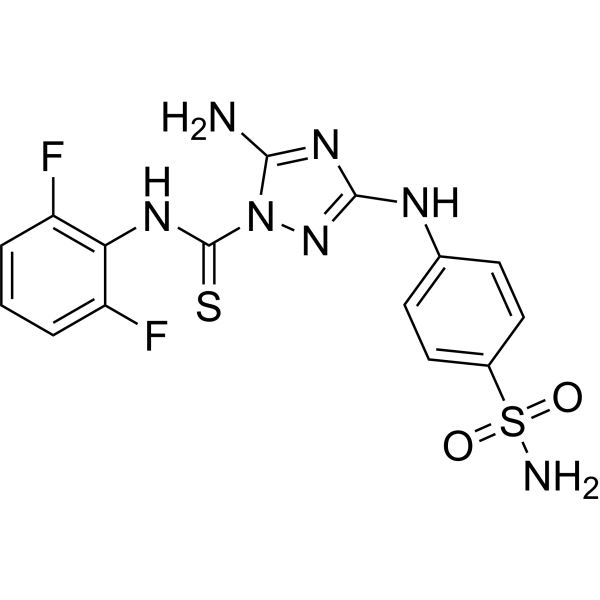
Anticancer agent 264 (Compound 5w) is an anticancer agent that exhibits significant antiproliferative activity across tumor cell lines, with an IC50 range of 7.5-33.67 μM.
Anticancer agent 264 significantly induces G2/M phase arrest in MDA-MB-231, MIA PaCa-2, and DU-145 cell lines.
Anticancer agent 264 reduces the expression of key cell cycle proteins, including CDK1, CDK2, and Cyclin B1, in a dose-dependent manner, and shows strong binding affinity with inhibitor of differentiation (ID) proteins and DNA-binding proteins.
Anticancer agent 264 can be used for research in the field of cancer-related diseases .
|
-
- HY-182752
-
|
|
CDK
Aurora Kinase
Apoptosis
|
Cancer
|
|
CDK1-IN-9 is an orally active and selective CDK1 inhibitor with an IC50 of 5.5 nM. CDK1-IN-9 exhibits broad antiproliferative activity, particularly against HCT116 colon cancer cells. CDK1-IN-9 induces G2/M phase arrest and downregulates CDK1, cyclin B1, and the replication initiation factor CDC45. CDK1-IN-9 induces severe DNA replication stress, subsequently activating the p53 signaling pathway to trigger apoptosis. CDK1-IN-9 can be used for research on colon cancer, liver cancer and gastric cancer .
|
-
- HY-183118
-
|
|
CDK
Apoptosis
|
Neurological Disease
Cancer
|
|
CID-078 is an orally active macrocyclic cyclin A and cyclin B inhibitor. CID-078 binds cyclin hydrophobic patches, disrupting interactions of cyclin A-Cdk2 with E2F1 and cyclin B-Cdk1 with Myt1, and selectively targets RxL binding motifs to block complex-substrate interactions. CID-078 induces DNA damage, G2/M cell cycle arrest, apoptosis, mitotic catastrophe, spindle assembly checkpoint activation, and neomorphic cyclin B-CDK2 complex formation, driving synthetic lethality in E2F-driven cancer cells. CID-078 can be used for the research of small cell lung cancer, non-small cell lung cancer, triple negative breast cancer, advanced solid tumors, luminal HR +/HER 2- breast cancer, RB1-altered solid tumors, and neuroblastoma .
|
-
- HY-103647R
-
|
|
Reference Standards
CDK
VEGFR
GSK-3
|
Cancer
|
|
K00546 (Standard) is the analytical standard of K00546 (HY-103647). This product is intended for research and analytical applications. K00546 is a potent CDK1 and CDK2 inhibitor with IC50s of 0.6 nM and 0.5 nM for CDK1/cyclin B and CDK2/cyclin A, respectively. K00546 is also a potent CDC2-like kinase 1 (CLK1) and CLK3 inhibitor with IC50s of 8.9 nM and 29.2 nM, respectively .
|
-
- HY-11012R
-
|
GSK-3β Inhibitor I (Standard); NP 01139 (Standard)
|
GSK-3
Reference Standards
|
Cancer
|
|
TDZD-8 (Standard) is the analytical standard of TDZD-8. This product is intended for research and analytical applications. TDZD-8 is an inhibitor of GSK-3β, with an IC50 of 2 μM; TDZD-8 shows less potent activities against Cdk-1/cyclin B, CK-II, PKA, and PKC, with all IC50s of >100 μM.
|
-
- HY-103221R
-
|
|
Reference Standards
Aryl Hydrocarbon Receptor
GSK-3
CDK
|
Others
|
|
MeBIO (Standard) is the analytical standard of MeBIO (HY-103221). This product is intended for research and analytical applications. MeBIO is a potent AhR (aryl hydrocarbon receptor) agonist, with IC50 of 44 μM (GSK-3) and 55 μM (CDK1/cyclin B), respectively .
|
-
- HY-183854
-
|
|
CDK
|
Cancer
|
|
AG-12286 is a pan-CDK inhibitor with an IC50 value of 2 nM against cdk1/cyclin B, 6 nM against cdk2/cyclin E, and 12 nM against cdk4/cyclin D. AG-12286 is 1000-fold more selective for the CDK family than for PKC. AG-12286 can be used in cancer research .
|
-
- HY-10014R
-
|
|
CDK
Reference Standards
GSK-3
Apoptosis
|
Cancer
|
|
R547 (Standard) is the analytical standard of R547 (HY-10014). This product is intended for research and analytical applications. R547 is a potent, selective and orally active ATP-competitive CDK inhibitor, with Kis of 2 nM, 3 nM and 1 nM for CDK1/cyclin B, CDK2/cyclin E and CDK4/cyclin D1, respectively .
|
-
- HY-181763
-
|
|
Microtubule/Tubulin
Apoptosis
CDK
|
Cancer
|
|
Tubulin-IN-65 (Compound Imp-18) is a Tubulin inhibitor. Tubulin-IN-65 exhibits tubulin-disrupting activity. Tubulin-IN-65 disrupts microtubule integrity. Tubulin-IN-65 induces Apoptosis and increases the expression of CDK1 and Cyclin B1. Tubulin-IN-65 possesses anticancer activity against breast cancer and colorectal cancer. Tubulin-IN-65 can be used in research related to triple-negative breast cancer and colorectal adenocarcinoma .
|
-
- HY-180820
-
|
|
Drug Derivative
MDM-2/p53
CDK
Reactive Oxygen Species (ROS)
Apoptosis
Bcl-2 Family
Caspase
|
Cancer
|
|
Dimethyl bisphenolate (Compound DMB) is a natural neolignan derivative with orally active anti-tumor activity. Dimethyl bisphenolate can inhibit cancer cells proliferation, invasion and migration. Dimethyl bisphenolate can activate the p53 signaling pathway, upregulate the expression of p21 protein, inhibit the activity of the CDK1-cyclin B1 complex, and cause cells to stall at the G2/M phase. Dimethyl bisphenolate can induce ROS production, upregulate pro-apoptotic proteins Noxa and Bim, downregulate anti-apoptotic protein Bcl-2, activate caspase-9 and caspase-3, and ultimately induce cell apoptosis. Dimethyl bisphenolate can be used for research of glioblastoma .
|
-
- HY-114214
-
|
|
Drug Derivative
NF-κB
MMP
TNF Receptor
Interleukin Related
Cyclin G-associated Kinase (GAK)
CDK
PI3K
Akt
|
Inflammation/Immunology
Cancer
|
|
CKD-712 is an orally active multi-target tetrahydroisoquinoline derivatived and a potent inhibitor of the NF-κB pathway . CKD-712 selectively inhibits MMP-9 with no effect on MMP-2, downregulates the expression of TNF-α, IL-6, cyclin A, cyclin B, CDK-1 and other proteins, and activates the PI3K/Akt signaling pathway . CKD-712 blocks the activation and nuclear translocation of NF-κB, downregulates inflammatory factors and pro-tumor metastatic proteins, and induces G2/M phase arrest in tumor cells and thereby inhibits the invasion of cancer cells . CKD-712 can be used for the research of sepsis, myocardial ischemia-reperfusion injury and non-small cell lung cancer .
|
-
- HY-183787
-
|
|
PI3K
Akt
mTOR
Apoptosis
CDK
|
Cancer
|
|
PI3Kα-IN-33 is an orally active and selective PI3Kα inhibitor with an IC50 of 9.9 nM. PI3Kα-IN-33 blocks the PI3K/Akt/mTOR signaling pathway. PI3Kα-IN-33 induces apoptosis and triggers G2/M-phase arrest via Cyclin B1 and CDK1 downregulation. PI3Kα-IN-33 can be used for the research of colorectal cancer .
|
-
- HY-182734
-
|
|
CDK
|
Cancer
|
|
BMS-357075 is a pan-CDK inhibitor with CDK1 IC50 18 nM, CDK2 IC50 3 nM, CDK4 IC50 26 nM. BMS-357075 induces cytotoxicity in human ovarian cancer A2780 cells. BMS-357075 exhibits anticancer activity in mice against P388 murine leukemia. BMS-357075 can be used for the research of leukemia .
|
-
- HY-107419R
-
|
|
Reference Standards
CDK
Aurora Kinase
|
Cancer
|
|
NU6140 (Standard) is the analytical standard of NU6140 (HY-107419). This product is intended for research and analytical applications. NU6140 is a selective CDK2-cyclin A inhibitor (IC50, 0.41 μM), exhibits 10- to 36-fold selectivity over other CDKs . NU6140 also potently inhibits Aurora A and Aurora B, with IC50s of 67 and 35 nM, respectively . Enhances the apoptotic effect, with anti-cancer activity .
|
-
- HY-179614
-
|
|
PARP
DNA/RNA Synthesis
Apoptosis
CDK
Bcl-2 Family
|
Cancer
|
|
PARP1-IN-50 is a selective and orally active PARP-1 inhibitor with an IC50 of 64.98 nM. PARP1-IN-50 can inhibit PAR formation and induce DNA double strand breaks, thereby causing DNA damage. PARP1-IN-50 can induce G2/M phase arrest and cancer cells apoptosis. PARP1-IN-50 demonstrates significant antiproliferative activity against various cancer cells. PARP1-IN-50 can be used for the research of cancer, such as breast cancer .
|
-
| Cat. No. |
Product Name |
Category |
Target |
Chemical Structure |
| Cat. No. |
Product Name |
Chemical Structure |
-
- HY-15777S
-
|
|
|
Ribociclib-d6 (LEE011-d6) is a deuterium labeled Ribociclib (HY-15777). Ribociclib is a highly specific CDK4/6 inhibitor with IC50 values of 10 nM and 39 nM, respectively, and is over 1,000-fold less potent against the cyclin B/CDK1 complex .
|
-
-
- HY-15777AS
-
|
|
|
Ribociclib-d6 (LEE011-d6) hydrochloride is a deuterium labeled Ribociclib. Ribociclib is a highly specific CDK4/6 inhibitor with IC50 values of 10 nM and 39 nM, respectively, and is over 1,000-fold less potent against the cyclin B/CDK1 complex .
|
-
-
- HY-15777S1
-
|
|
|
Ribociclib-d8 is the deuterium labeled Ribociclib . Ribociclib (LEE01) is a highly specific CDK4/6 inhibitor with IC50 values of 10 nM and 39 nM, respectively, and is over 1,000-fold less potent against the cyclin B/CDK1 complex .
|
-
Your information is safe with us. * Required Fields.
Inquiry Information
- Product Name:
- Cat. No.:
- Quantity:
- MCE Japan Authorized Agent:

