
From 11:00 pm to 12:00 pm EST ( 8:00 pm to 9:00 pm PST ) on January 6th, the website will be under maintenance. We are sorry for the inconvenience. Please arrange your schedule properly.
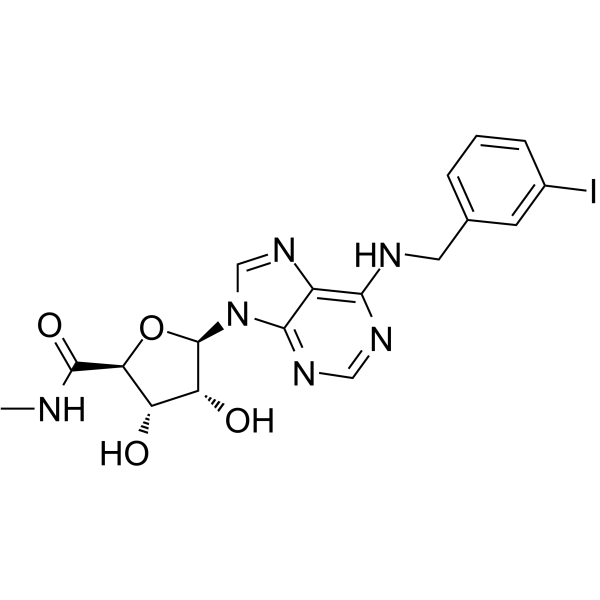
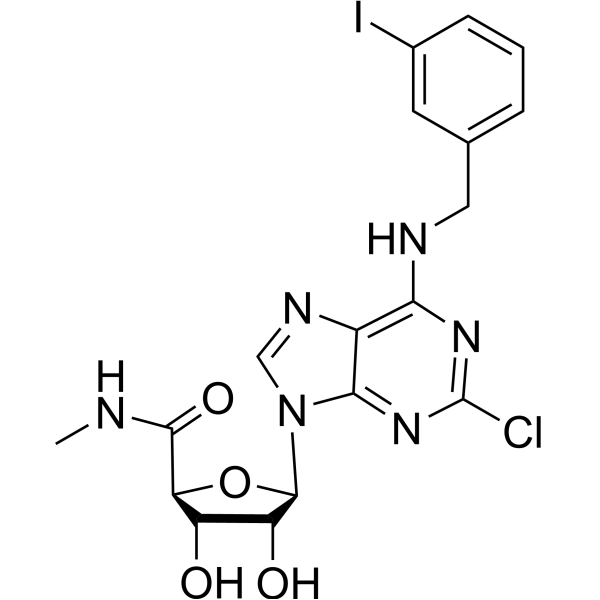
Namodenoson (CF-102) is a selective A3 adenosine receptor (A3AR) agonist (Ki=0.33 nM). Namodenoson displays 2500- and 1400-fold selectivity over A1 and A2A receptors respectively .
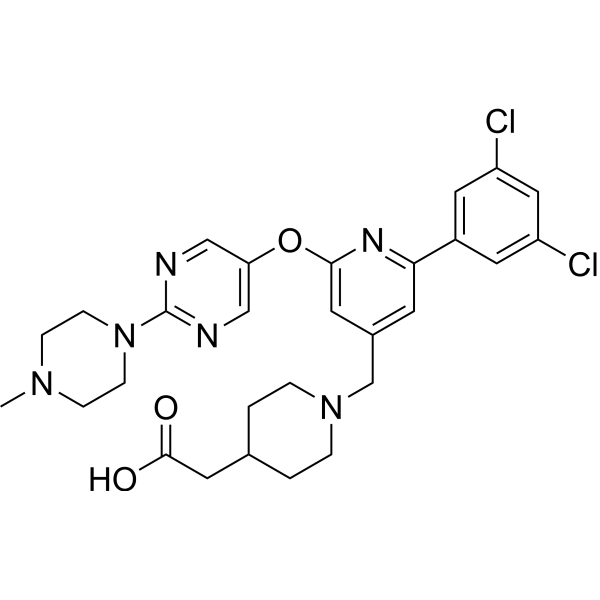
BOS-318 is a potent, slowly dissociating, highly selective, and cell-permeable furin inhibitor with IC50 value of 1.9 nM. BOS-318 protects ENaC from subsequent activation by neutrophil elastase. BOS-318 can be used for the rsearch for CF lung disease .
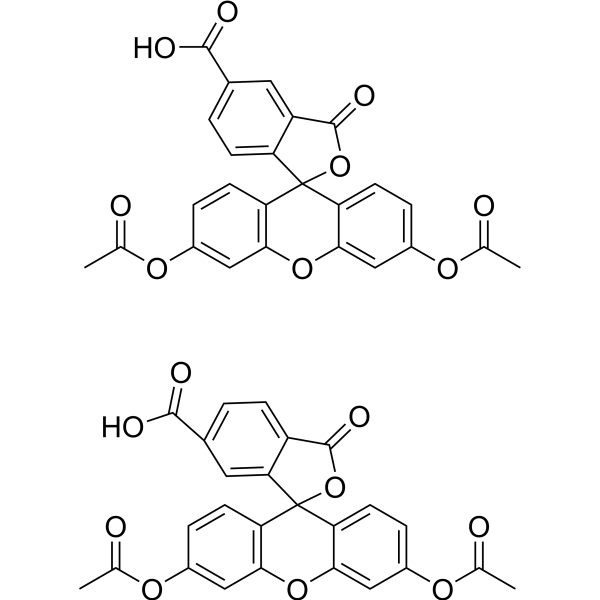
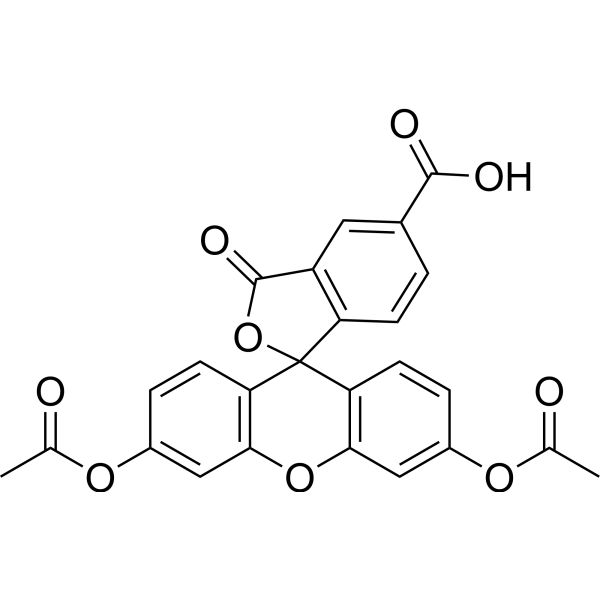
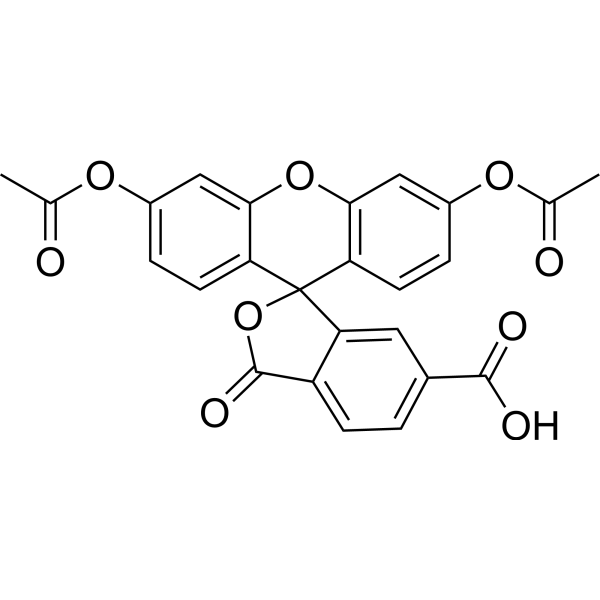
5(6)-CFDA is a common aliphatic luciferin-line organism. CFDA conducts free diffusion into cells, and then it is hydrolyzed into carboxyl fluorescein (CF) by intracellular non-specific lipase. CF containing portion contains an additional negative charge so that it is better retained in cells, compared to fluorescein dyes .
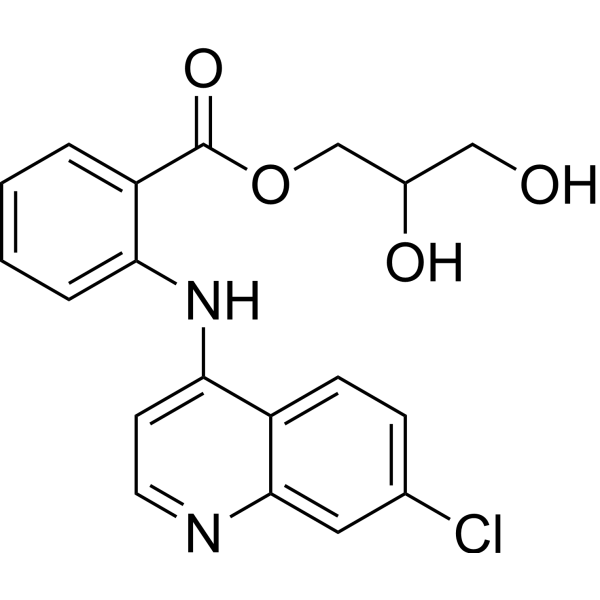
Glafenine (Glafenin) is a non-selective, non-steroidal anti-inflammatory drug-based COX-1/COX-2 inhibitor. Glafenine exerts anti-inflammatory, anti-proliferative and anti-cell migration effects by inhibiting the arachidonic acid metabolic pathway and reducing prostaglandin synthesis. Glafenine can induce cell cycle arrest in vascular smooth muscle cells and endothelial cells and reduce the synthesis of the extracellular matrix protein Tenascin. Glafenine can be used in the research of inflammatory-related diseases, vascular restenosis and cystic fibrosis (CF) .
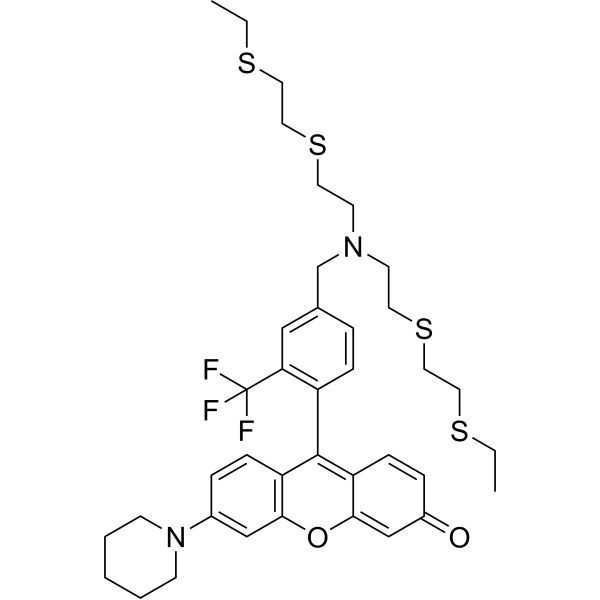
Copper Fluor-4 (CF4) is a Cu +-specific fluorescent probe based on a rhodol dye scaffold. Copper Fluor-4 has high copper selectivity with a Kd value of 2.9×10 −13 M, particularly over zinc and iron, as well as abundant cellular alkali and alkaline earth metals. Copper Fluor-4 is stable in a physiologically relevant pH regime between 6 and 8 (wavelengths of 415 nm for excitation and 660 nm for emission) .
Piclidenoson (IB-MECA) is a first-in-class, orally active and selective A3 adenosine receptor (A3AR) agonist. Piclidenoson exhibits antiproliferative effect and induces apoptosis in different cancer cell types like melanoma, leukemia. Piclidenoson can be used for the research of autoimmune inflammatory diseases and COVID-19 .
5-CFDA is a common aliphatic luciferin-line organism. CFDA conducts free diffusion into cells, and then it is hydrolyzed into carboxyl fluorescein (CF) by intracellular non-specific lipase. CF containing portion contains an additional negative charge so that it is better retained in cells, compared to fluorescein dyes .
6-CFDA is a common aliphatic luciferin-line organism. CFDA conducts free diffusion into cells, and then it is hydrolyzed into carboxyl fluorescein (CF) by intracellular non-specific lipase. CF containing portion contains an additional negative charge so that it is better retained in cells, compared to fluorescein dyes .
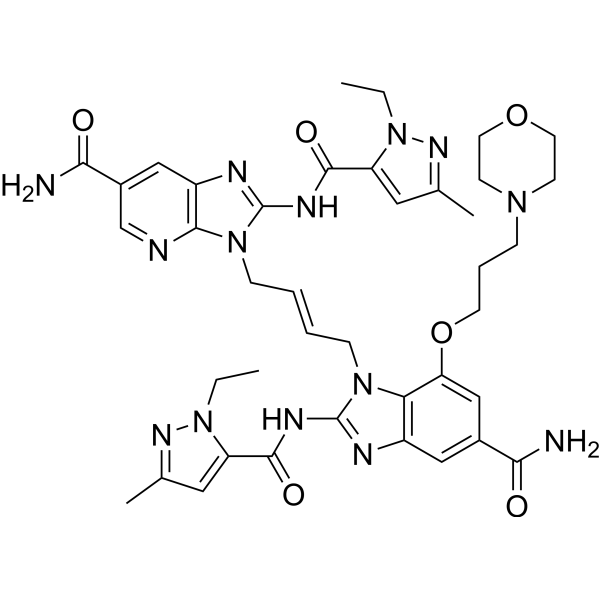
STING agonist-22 (CF501) is a potent non-nucleotide STING agonist. STING agonist-22 is a adjuvant by activating STING to induce the type I interferon (IFN-I) response and proinflammatory cytokine production. STING agonist-22 can be used as an adjuvant to boost the original protein vaccine, producing potent, broad, and long-term immune protection. STING agonist-22 can be used for SARS-CoV-2 variants and sarbecovirus diseases research .
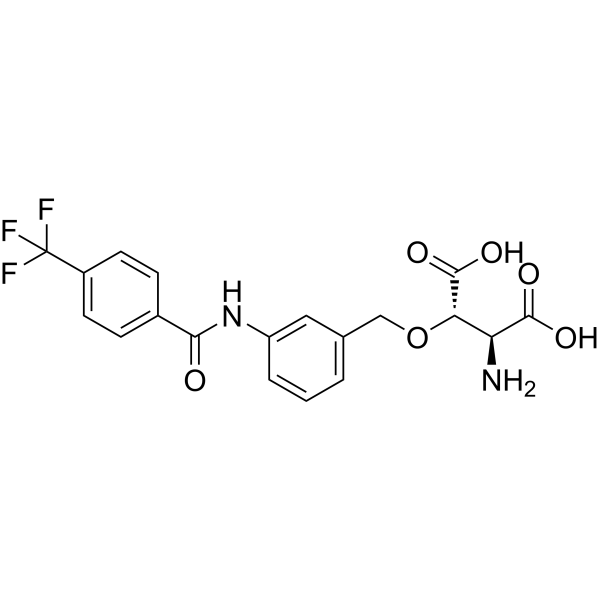
TFB-TBOA (CF3-Bza-TBOA) is a potent glutamate transporter blocker that potently suppresses the activity of glial transporters. TFB-TBOA shows IC50 values of 22, 17, and 300 nM for glutamate transporters EAAT1, EAAT2, and EAAT3 respectively in an uptake assay using cells transiently expressing EAATs .
Duramycin (Moli1901) is a lantibiotic derived from Streptomyces cinnamoneuma. Duramycin also is a antimicrobial peptide. Duramycin can be used for the research of cystic fibrosis (CF) .
Talniflumate (BA 7602-06) is the proagent of Niflumic acid (HY-B0493), exerting its activity in the body through conversion to niflumic acid by esterase . Talniflumate is an orally active Ca 2+-activated Cl - channel (CaCC) blocker. Talniflumate can be used as an analgesic and anti-inflammatory agent in cystic fibrosis mouse model of distal intestinal obstructive syndrome .
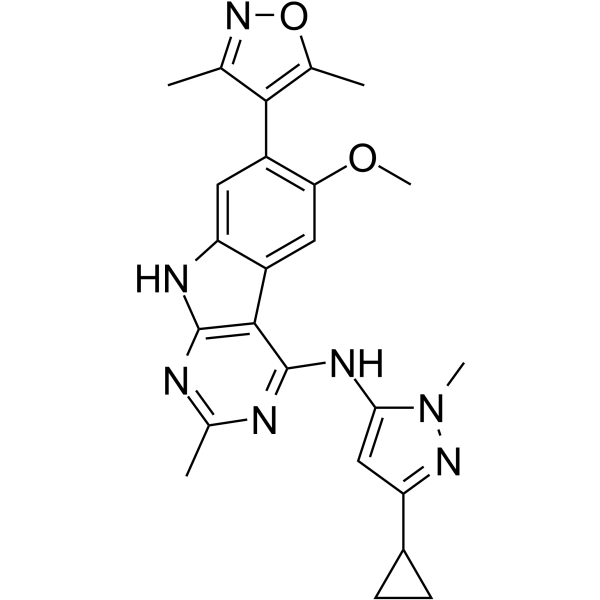
CF53 is a highly potent, selective and orally active inhibitor of BET protein, with a Ki of <1 nM, Kd of 2.2 nM and an IC50 of 2 nM for BRD4 BD1. CF53 binds to both the BD1 and BD2 domains of BRD2, BRD3, BRD4, and BRDT BET proteins with high affinities, very selective over non-BET bromodomain-containing proteins. CF53 shows potent anti-tumor activity both in vitro and in vivo .
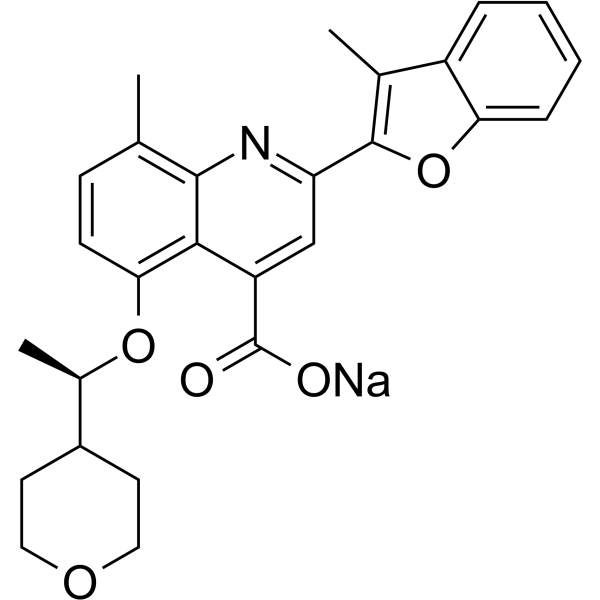
Posenacaftor (PTI-801) sodium is a cystic fibrosis transmembrane regulator (CFTR) protein modulator that corrects the folding and trafficking of CFTR protein. Posenacaftor sodium is used for the research of cystic fibrosis (CF) .
5-Bromo-2-fluoropyrimidine is a polyhalogenated pyrimidine and chemoselective amination substrate.5-Bromo-2-fluoropyrimidine undergoes chemoselective amination at the C-2 position (C-F bond) with no amination at the C-5 position (C-Br bond) in the presence of a Cu(II)/PTABS catalytic system .
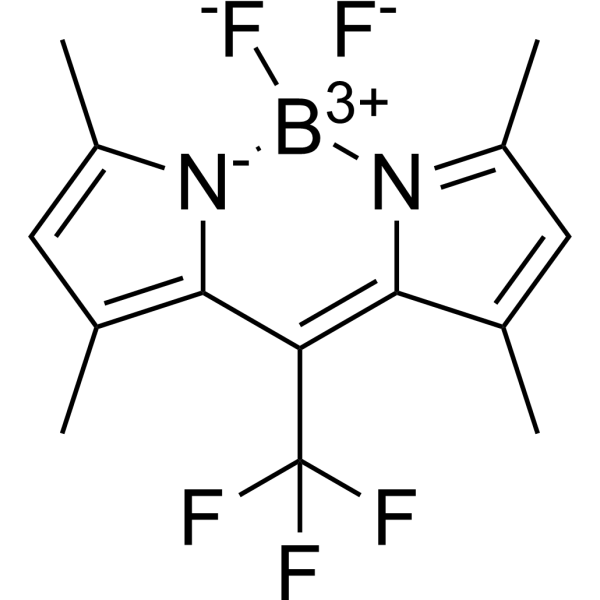
meso-CF3-BODIPY 2 (CF3-substituted Tetramethyl BODIPY) is a fluorescent dye with the absorption wavelength (λabs) of 553 nm and emission wavelength (λem) of 622 nm. meso-CF3-BODIPY 2 can be used in labeling reagents and photodynamic therapy .
Lonodelestat (POL6014) is a potent, orally active and selective peptide inhibitor of human neutrophil elastase (hNE). Lonodelestat (POL6014) has the potential for the research of cystic fibrosis (CF) .
I1421 is an activator of the cystic fibrosis transmembrane conductance regulator (CFTR) with an EC50 of 64 nM for WT CFTR currents. I1421 also allosterically activates multiple mutants causing cystic fibrosis (CF) with good in vivo potency, with an oral bioavailability of 60% in mice corresponding to a half-life of 75 min. I1421 synergizes with Elexacaftor (HY-111772) to enhance CFTR currents .
STING agonist-26 (CF508) is a non-nucleotide small-molecule STING agonist. STING agonist-23 activates STING, increases phosphorylation of STING, TBK1 and IRF3. STING agonist-23 promotes the levels of IFN-β, IL-6, CXCL-10, TNF-α, ISG-15, and CCL-5 in tumor cells. STING agonist-23 exhibits activity against SARS-CoV series strains .
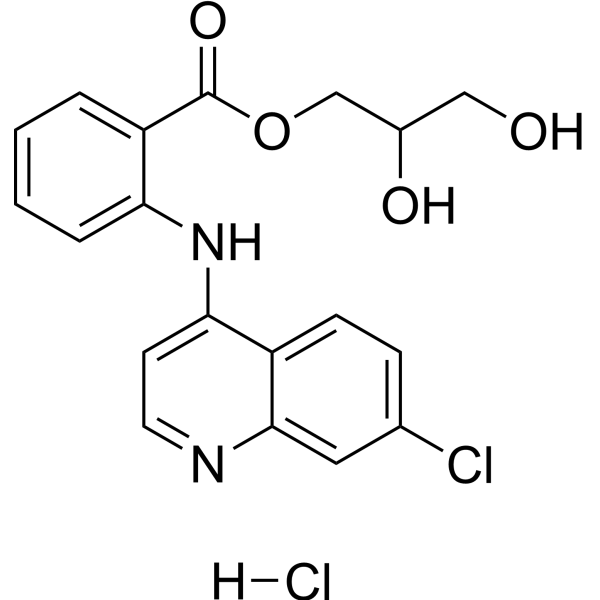
Glafenine (Glafenin) hydrochloride is a non-selective, non-steroidal anti-inflammatory drug-based COX-1/COX-2 inhibitor. Glafenine hydrochloride exerts anti-inflammatory, anti-proliferative and anti-cell migration effects by inhibiting the arachidonic acid metabolic pathway and reducing prostaglandin synthesis. Glafenine hydrochloride can induce cell cycle arrest in vascular smooth muscle cells and endothelial cells and reduce the synthesis of the extracellular matrix protein Tenascin. Glafenine hydrochloride can be used in the research of inflammatory-related diseases, vascular restenosis and cystic fibrosis (CF) .
WLBU2 is a engineered cationic antimicrobial peptide (eCAP) that overcomes the environmental sensitivity of natural antimicrobial peptides (AMPs). WLBU2 exhibits rapid bactericidal effect, with the MIC values of ≤ 10 μM against both Gram-negative and Gram-positive bacteria including MRSA, vancomycin-resistant enterococci, K. pneumoniae, E.aerogenes, E. cloacae, Escherichia coli, et, al. WLBU2 prevents P. aeruginosa biofilm growth and retains its activity in an environment rich in mucus, low pH and high salt concentrations without negative effects on human airway epithelial cells. WLBU2 can be used for the studies of cystic fibrosis (CF) and Pseudomonas aeruginosa infections .
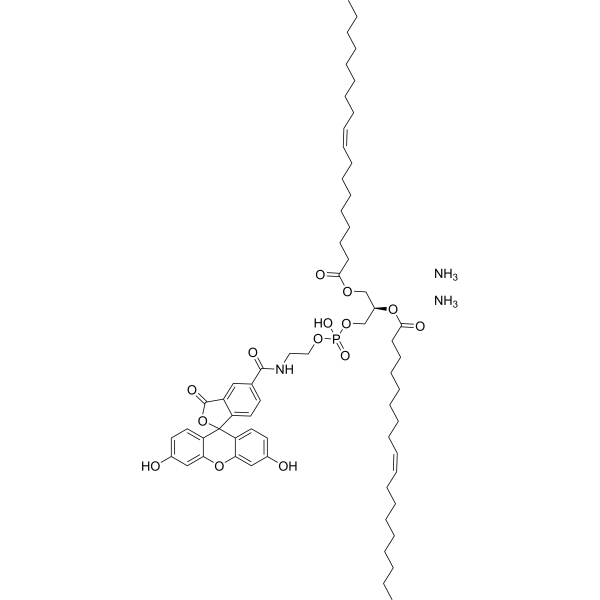
18:1 PE CF (1,2-dioleoyl-sn-glycero-3-phosphoethanolamine-N-(carboxyfluorescein) (ammonium)) is a pH-sensitive fluorescent indicator. 18:1 PE CF exhibits changes in fluorescence intensity in response to pH variations and reflects the electrostatic states of cationic liposomes and lipoplexes. 18:1 PE CF supports real-time visualization of pH distribution and membrane deformation in giant unilamellar vesicles and is suitable for steady-state fluorescence testing in large unilamellar vesicle membranes. 18:1 PE CF is capable of monitoring the surface electrical potential of cationic liposomes and lipoplexes and can effectively label lipid bilayers and nanomicelles. 18:1 PE CF can be used for the research of the investigation of lung cancer (Ex = 495 nm; Em = 520 nm) .
STING agonist-23 (CF502) is a non-nucleotide small-molecule STING agonist. STING agonist-23 activates STING, increases phosphorylation of STING, TBK1 and IRF3. STING agonist-23 promotes the levels of IFN-β, IL-6, CXCL-10, TNF-α, ISG-15, and CCL-5 in tumor cells. STING agonist-23 exhibits activity against SARS-CoV series strains .
Glafenine (Standard) is the analytical standard of Glafenine. This product is intended for research and analytical applications. Glafenine (Glafenin) is a non-selective, non-steroidal anti-inflammatory drug-based COX-1/COX-2 inhibitor. Glafenine exerts anti-inflammatory, anti-proliferative and anti-cell migration effects by inhibiting the arachidonic acid metabolic pathway and reducing prostaglandin synthesis. Glafenine can induce cell cycle arrest in vascular smooth muscle cells and endothelial cells and reduce the synthesis of the extracellular matrix protein Tenascin. Glafenine can be used in the research of inflammatory-related diseases, vascular restenosis and cystic fibrosis (CF) .
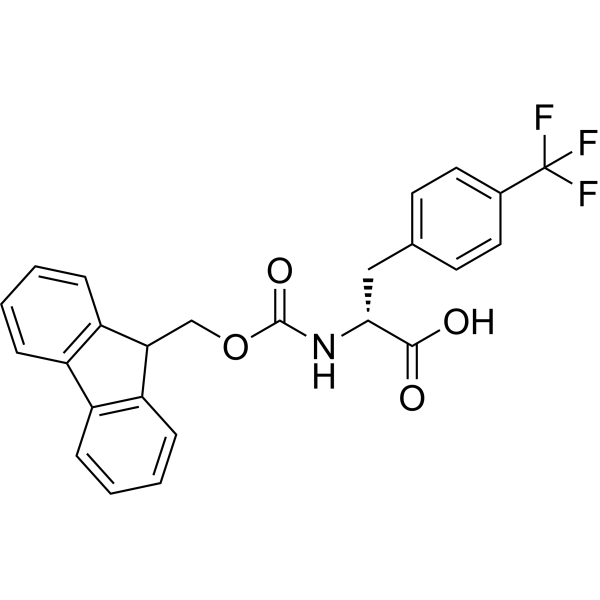
Fmoc-D-Phe(4-CF3)-OH is Phenylalanine derivative. Fmoc-D-Phe(4-CF3)-OH can be used for the research of peptide inhibitors of protein-protein interactions .
Ctrl-CF4-S2 is a chemically modified control probe of the copper probe Copper Fluor-4 (CF4, HY-150086), in which two of the four thioether ligands in CF4 (HY-150086) are replaced with methylene groups. CF4 (HY-150086) is a fluorescent probe used for detecting the presence and distribution of copper ions, whereas Ctrl-CF4-S2 does not respond to copper ions. This allows it to eliminate background signals from copper, thereby helping to determine whether the signals from CF4 (HY-150086) accurately reflect the dynamic changes of copper ions in biological systems
CFTR corrector 6 is a potent potentiator of Cystic Fibrosis Transmembrane conductance Regulator (CFTR). CFTR corrector 6 has the potential for cystic fibrosis (CF) and other CFTR associated disorders research .
Lonodelestat TFA (POL6014 TFA) is a potent, orally active and selective peptide inhibitor of human neutrophil elastase (hNE). Lonodelestat TFA has the potential for the research of cystic fibrosis (CF) .
(R)-Olacaftor ((R)-VX-440) is a Cystic fibrosis transmembrane conductance regulator (CFTR) modulator. (R)-Olacaftor has good potential for the study of cystic fibrosis (CF) .
ICI-200880 is a potent, selective and reversible human neutrophil elastase (HNE) inhibitor. ICI-200880 is promising for research of inflammatory lung diseases related to neutrophil elastase, such as chronic obstructive pulmonary disease (COPD) and cystic fibrosis (CF) .
(R)-Posenacaftor (R)-PTI-801) sodium is the R enantiomer of Posenacaftor. Posenacaftor is a cystic fibrosis transmembrane regulator (CFTR) protein modulator that corrects the folding and trafficking of CFTR protein. Posenacaftor is used for the research of cystic fibrosis (CF) .
Valnivudine (FV-100 free base), a proagent of CF-1743, is an orally active anti-herpes zoster (HZ) nucleoside analogue. CF-1743, a bicyclic nucleoside analog (BCNA), has highly specific antiviral activity against varicella-zoster virus (VZV). Valnivudine is rapidly and extensively converted to CF-1743 in vivo .
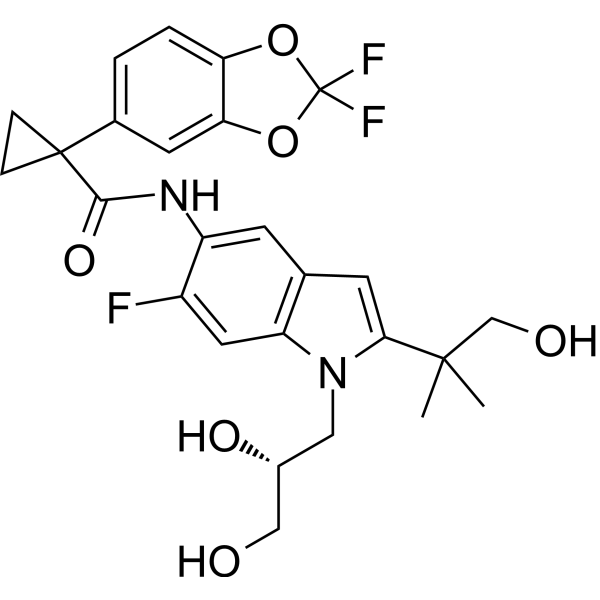
CFTR corrector 15 (Compound 4172) is a corrector for cystic fibrosis transmembrane conductance regulator (CFTR), that repairs the F508del-CFTR folding defect when used with VX-809 (HY-13262). CFTR corrector 15 can be used in research of cystic fibrosis disease .
STING agonist-28 (CF510) is a non-nucleotide small-molecule STING agonist. STING agonist-23 activates STING, increases phosphorylation of STING, TBK1 and IRF3. STING agonist-23 promotes the levels of IFN-β, IL-6, CXCL-10, TNF-α, ISG-15, and CCL-5 in tumor cells. STING agonist-23 exhibits activity against SARS-CoV series strains .
CF-Carvacrol is an orally active lipid-lowering agent synthesized by merging the pharmacophores of Carvacrol (HY-N0711) and Clofibric acid (HY-B1415). CF-Carvacrol has a good affinity for PPAR-α. CF-Carvacrol has significant hypolipidemic activity and may exert antioxidant and anti-inflammatory activity by activating the Nrf2/HO-1 signaling pathway to reduce liver injury. CF-Carvacrol can be used for the study of CF-induced liver damage .
ARN23765 is a corrector for F508del-CFTR with an EC50 of 38 pM in human bronchial epithelial cells. ARN23765 improves the maturation and function of F508del-CFTR on the cell membrane, affects the ions transport and secretion, and corrects the pathological mechanism of cystic fibrosis (CF) .
Posenacaftor (PTI-801) is a cystic fibrosis transmembrane regulator (CFTR) protein modulator that corrects the folding and trafficking of CFTR protein. Posenacaftor is used for the research of cystic fibrosis (CF) .
FV-100 is a potent, selective and orally active anti-varicella zoster virus agent. FV-100 is a proagent of CF-1743. FV-100 exhibits very low toxicity in vivo .
Fmoc-D-Cit-OH is citrulline with an Fmoc protecting group, which can be used to synthesize bioactive peptide mimetics, such as H-Dmt-D-Cit-Aba-b-Ala-NMe-30,50-(CF3)2-Bn and H-Dmt-D-Cit-Aba-b-Ala-NMe-Bn with neurokinin-1 antagonist activity .
Zapotin is a member of the polymethoxyflavones, which are natural polyphenols from the group of flavonoid. Zapotin exhibits antidepressant, anticancer, antifungal, and antioxidant activity. Zapotin is a chemopreventive and chemotherapeutic agent. Zapotin can result in a reduction of large aberrant crypt foci in CF-1 mouse model. Zapotin inhibits autophagosome formation. Zapotin has inhibitory activity in mouse mammary organ culture with an IC50 of 50 µg/mL .
STING agonist-27 (CF509) is a non-nucleotide small-molecule STING agonist. STING agonist-23 activates STING, exhibits activity against SARS-CoV series strains .
STING agonist-29 (CF511) is a non-nucleotide small-molecule STING agonist. STING agonist-23 activates STING, exhibits activity against SARS-CoV series strains .
BIIB042 is a potent, orally active, brain-penetrant, and selective γ-secretase modulator (GSM). BIIB042 reduces Aβ42 and increases Aβ38 levels in cells. BIIB042 significantly reduces brain Aβ42 levels in CF-1 mice and Fischer rats, as well as plasma Aβ42 levels in cynomolgus monkeys. BIIB042 reduces Aβ42 levels and Aβ plaque burden in Tg2576 mice. BIIB042 can be used for alzheimer's disease (AD) research .
ABT-255 free base is an orally active anti-bacterial agent. ABT-255 free base exhibits potent in vitro potency (MIC = 0.016-0.031 μg/mL) against drug-susceptible and Rifampin (HY-B0272)- or Ethambutol (HY-B0535)-resistant Mycobacterium tuberculosis. ABT-255 free base shows efficacy against S. aureus, S. pneumoniae and E. coli and reduces viable counts of drug-resistant Mycobacterium tuberculosis in CF-1 mice. ABT-255 free base can be used for the study of pulmonary tuberculosis .
STING agonist-24 (CF504) is a non-nucleotide small-molecule STING agonist. STING agonist-23 activates STING, increases phosphorylation of STING, TBK1 and IRF3. STING agonist-23 promotes the levels of IFN-β, IL-6, CXCL-10, TNF-α, ISG-15, and CCL-5 in tumor cells. STING agonist-23 exhibits activity against SARS-CoV series strains .
STING agonist-25 (CF505) is a non-nucleotide small-molecule STING agonist. STING agonist-23 activates STING, increases phosphorylation of STING, TBK1 and IRF3. STING agonist-23 promotes the levels of IFN-β, IL-6, CXCL-10, TNF-α, ISG-15, and CCL-5 in tumor cells. STING agonist-23 exhibits activity against SARS-CoV series strains .
4-CF3-TPP-DC (4-CF3-Triphenylphosphonium-DC) is an inert mitochondrial targeting carrier, that delivers target drugs and probes to mitochondria without causing mitochondrial depolarization and cytotoxicity in cell C2C12 .
CF3–K11 is a stable antibiotic with antibacterial activity. CF3–K11 has strong antibacterial activity against Pseudomonas aeruginosa and methicillin-resistant Staphylococcus aureus (MRSA).
CF 1743-d7 is the deuterium labeled Cf1743 (HY-107025). Cf1743 is a potent anti-varicella-zoster virus (VZV) bicyclic nucleoside analogue. Cf1743 has antiviral activity, with an IC50 of 3.3 μM for VZV thymidine kinase (TK) .
Cf1743 is a potent anti-varicella-zoster virus (VZV) bicyclic nucleoside analogue. Cf1743 has antiviral activity, with an IC50 of 3.3 μM for VZV thymidine kinase (TK) .
5-CF3-ddUTP sodium is a labeled modified deoxyoligonucleotide (dNTP) that can release pyrophosphate to produce fluorescence and has special applications in gene synthesis and sequencing .
DMTr-4'-CF3-5-Me-U-CED phosphoramidite (DMTr-4'-CF3-5-Methyluridine-CED phosphoramidite), the modified oligodeoxynucleotide (ODN), is a dye reagent for oligonucleotide labeling, can be used for the research of applications in RNA research .
A1CF Human Pre-designed siRNA Set A contains three designed siRNAs for A1CF gene (Human), as well as a negative control, a positive control, and a FAM-labeled negative control.
A1cf Mouse Pre-designed siRNA Set A contains three designed siRNAs for A1cf gene (Mouse), as well as a negative control, a positive control, and a FAM-labeled negative control.
Tenofovir-C3-O-C15-CF3 (ammonium) exhibits substantially longer t1/2 values than tenofovir in human liver microsomes, potent anti-HIV activity in vitro, and enhances pharmacokinetic properties in vivo.
PAT1inh-A0030 is a selective PAT1 (SLC26A6) inhibitor (IC50= 1.0 μM). PAT1inh-A0030 inhibits fluid absorption in the ileum of wild-type and cystic fibrosis (CF) mice (CftrdelF508/delF508) in a closed-loop model of intestinal fluid absorption. PAT1inh-A0030 can be used in the study of intestinal diseases related to CF .
Namodenoson (Standard) is the analytical standard of Namodenoson. This product is intended for research and analytical applications. Namodenoson (CF-102) is a selective A3 adenosine receptor (A3AR) agonist (Ki=0.33 nM). Namodenoson displays 2500- and 1400-fold selectivity over A1 and A2A receptors respectively .
(S,R,S)-AHPC-O-CF3-CO-cyclohexene-Bpin is an E3 Ligase Ligand-Linker Conjugate. (S,R,S)-AHPC-O-CF3-CO-cyclohexene-Bpin can be used to synthesize PROTAC SMARCA2/4-degrader-20 (HY-163873) .
17-Trifluoromethylphenyl trinor prostaglandin F2α ethyl amide (compound 17-CF3PTPG2α EA) is a lipophilic analog of 17-trifluoromethylphenyl trinor PGF2α .
Phenyl phenylcarbamate-CH-5-methoxypicolinamide-CH-CH-Ph-CF3 is a conjugate of E3 ubiquitin ligase ligand-Linker, which can be used to synthesize complete PROTACs molecules.
Antitubercular agent-16 (Compound 5q) is an antitubercular agent with MIC90 values of 0.40, 20.11, 23.51, 19.62, 10.93 and 13.62 μg/mL against M. tuberculosis H37Rv, CF16, CF61, CF76, CF152 and CF161, respectively. Antitubercular agent-16 shows low cytotoxicity against macrophages and pulmonary fibroblasts .
Antitubercular agent-15 (Compound 5n) is an antitubercular agent with MIC90 values of 0.73, 7.69, 9.38, 18.80, 7.53 and 7.31 μg/mL against M. tuberculosis H37Rv, CF16, CF61, CF76, CF152 and CF161, respectively. Antitubercular agent-15 shows low cytotoxicity against macrophages and pulmonary fibroblasts .
Oxanosine is an antibiotic isolated from the streptomyces MG265-CF34, which has anti-tumor activity. Oxanosine is also a substrate for adenosine deaminase .
CFTR Human Pre-designed siRNA Set A contains three designed siRNAs for CFTR gene (Human), as well as a negative control, a positive control, and a FAM-labeled negative control.
Arphamenine A is an aminopeptidase B inhibitor found in Chromobacteriuin violaceumHMG361-CF4. Arphamenine A can inhibit the activity of aminopeptidase B, and can inhibit sarcoma 180 and invasive micropapillary carcinoma (IMC) cancer .
4-Methylphenoxyacetic acid-Oxindole-CF3 is the E3 ligase ligand part of L134 (HY-169358). 4-Methylphenoxyacetic acid-Oxindole-CF3 can be utilized in PROTAC synthesis .
CFTR corrector 14 (Compound SVQ26) is a class 3 corrector for cystic fibrosis transmembrane conductance regulator (CFTR), that promotes the CFTR activity (EC50 of 3.08 μM with presence of C1 class corrector VX-809). CFTR corrector 14 regulates the mutant-caused misfolding and impaired function of the CFTR protein. CFTR corrector 14 can be used in research about cystic fibrosis .
Germacrone 4,5-epoxide is a sesquiterpene that can be isolated from Curcuma cf. viridiflora. Germacrone 4,5-epoxide has excellent anti-leukemic activities .
CFTR corrector 9 (compound 42) is a cystic fibrosis transmembrane conductance regulator (CFTR) modulator. CFTR corrector 9 can be used for researching cystic fibrosis (CF) and other CFTR associated disorders .
ABT-255 hydrochloride is an orally active anti-bacterial agent. ABT-255 hydrochloride exhibits potent in vitro potency (MIC = 0.016-0.031 μg/mL) against drug-susceptible and Rifampin (HY-B0272)- or Ethambutol (HY-B0535)-resistant Mycobacterium tuberculosis. ABT-255 hydrochloride shows efficacy against S. aureus, S. pneumoniae and E. coli and reduces viable counts of drug-resistant Mycobacterium tuberculosis in CF-1 mice. ABT-255 hydrochloride can be used for the study of pulmonary tuberculosis .
CFTR potentiator 1 (I1421) is a potent CFTR potentiator with an EC50 value of 64 nM. CFTR potentiator 1 allosterically activates a wide range of CF-causing mutants, such as ΔF508 and G551D CFTR .
LasR-IN-2 is a LasR inhibitor that forms H-bonding with TRY-56 residue. LasR-IN-2 can be used in the research of bacterial infection, neutropenia, severe burns and chronic lung disease in cystic fibrosis (CF) .
L-NBDNJ, a glycomimetic, is an antivirulence agent. L-NBDNJ interferes with the expression of proteins regulating cytoskeleton assembly and organization of the host cell. L-NBDNJ has anti-inflammatory and anti-infective effects in models of cystic fibrosis (CF) lung disease infection .
Antibacterial agent 176 (Compound 6f) is a potent PqsR antagonist. Antibacterial agent 176 has a good inhibitory effect on P. aeruginosa CF, and a significant inhibitory effect on the production of pyocyanin, 2-alkyl-4 (1H) -quinolones .
CFTR corrector 18 (Compound I-99) is a cystic fibrosis transmembrane conductance regulator (CFTR) corrector. CFTR corrector 18 facilitates the processing and trafficking of CFTR, increasing the number of CFTR on the cell surface. CFTR corrector 18 is promising for research of cystic fibrosis (CF) .
MOR agonist-4 (2d) is a G protein signaling-biased Kappa opioid receptor (KOR) agonist with an EC50 value of 11 nM. MOR agonist-4 contains an electron withdrawing CF3 group and a bias factor of 38 based on triazole. MOR agonist-4 is used in the research of pruritis and analgesia .
CFTR corrector 13 (SVQ18) is a cystic fibrosis transmembrane conductance regulator (CFTR) corrector (EC50=3.14 μM). CFTR corrector 13 enhances the function of CFTR channels, especially when used in combination with Lumacaftor (HY-13262), it can produce a dose-dependent increase in CFTR function. CFTR corrector 13 can be used in the study of cystic fibrosis (CF) and other CFTR-related diseases .
Talniflumate (Standard) is the analytical standard of Talniflumate. This product is intended for research and analytical applications. Talniflumate (BA 7602-06) is the proagent of Niflumic acid (HY-B0493), exerting its activity in the body through conversion to niflumic acid by esterase . Talniflumate is an orally active Ca2+-activated Cl- channel (CaCC) blocker. Talniflumate can be used as an analgesic and anti-inflammatory agent in cystic fibrosis mouse model of distal intestinal obstructive syndrome .
Glafenine (hydrochloride) (Standard) is the analytical standard of Glafenine (hydrochloride). This product is intended for research and analytical applications. Glafenine (Glafenin) hydrochloride is a non-selective, non-steroidal anti-inflammatory drug-based COX-1/COX-2 inhibitor. Glafenine hydrochloride exerts anti-inflammatory, anti-proliferative and anti-cell migration effects by inhibiting the arachidonic acid metabolic pathway and reducing prostaglandin synthesis. Glafenine hydrochloride can induce cell cycle arrest in vascular smooth muscle cells and endothelial cells and reduce the synthesis of the extracellular matrix protein Tenascin. Glafenine hydrochloride can be used in the research of inflammatory-related diseases, vascular restenosis and cystic fibrosis (CF) .
CF-Vanillin is an orally active hypolipidemic/hepatic protector with strong binding affinity for PPAR-α. CF-Vanillin exerts antioxidant and anti-inflammatory effects by activating the Nrf2/HO-1 signaling pathway. CF-Vanillin reduces triglyceride and total cholesterol levels and alleviates liver injury. CF-Vanillin can be used in the research of diseases such as hyperlipidemia and liver injury .
5CF2PB is an antibacterial and antifungal agent. 5CF2PB targets 5O4L. 5CF2PB exhibits potent antibacterial and antifungal activities, particularly against Pseudomonas aeruginosa and Aspergillusniger .
DCM-gal-CF is a fluorescent probe containing a DCM fluorophore scaffold and a D-galactose recognition moiety. DCM-gal-CF itself shows weak fluorescence, and its fluorescence is enhanced after cleavage by β-galactosidase. DCM-gal-CF can be used to detect β-galactosidase activity .
PE-CF594 is a labeled monoclonal antibody conjugate that specifically binds to HLA-DR on the surface of monocytes and B cells, while acting as a signal attenuator. Through steric hindrance and a possible fluorescence resonance energy transfer mechanism, PE-CF594 specifically reduces the fluorescence intensity of PE-CD124 staining, but does not interfere with the staining of other PE-labeled antibodies such as CD40, CD4 or CD14. PE-CF594 can also be used to detect the emission signal of mt-Keima after excitation with a 561-nm laser, thereby effectively evaluating mitophagy activity .
QM-B-CF is a sequential dual-lock chemiluminescent/fluorescent dual-mode probe designed for the specific detection of H2O2, and it can produce enhanced chemiluminescence upon photoirradiation. QM-B-CF generates chemiluminescent signals only under the conditions of H2O2 and light exposure in vitro, in cancer cells, and in tumor-bearing nude mice (Ex/Em = 514 nm/600 nm) .
A1cf Rat Pre-designed siRNA Set A contains three designed siRNAs for A1cf gene (Rat), as well as a negative control, a positive control, and a FAM-labeled negative control.
(S,R,S)-AHPC-O-CF3 -CO-cyclohexane is an E3 Ligase Ligand-Linker Conjugate. (S,R,S)-AHPC-O-CF3 -CO-cyclohexane can be used to synthesize PROTAC SMARCA2/4-degrader-20 (HY-163873) .
Copper Fluor-4 (solution) (CF4 (solution)) is a Cu +-specific fluorescent probe based on a rhodol dye scaffold. Copper Fluor-4 solution has high copper selectivity with a Kd value of 2.9×10 ?13 M, particularly over zinc and iron, as well as abundant cellular alkali and alkaline earth metals. Copper Fluor-4 solution is stable in a physiologically relevant pH regime between 6 and 8 (wavelengths of 415 nm for excitation and 660 nm for emission) . Solvent and concentration: DMSO: 5 mM
cis-THSG is a selective and orally active DNA topoisomerase II inhibitor with no activity against DNA topoisomerase I. cis-THSG suppresses transcription of PEPCK. cis-THSG reduces blood glucose levels, ameliorates glucose intolerance, and alleviates insulin resistance in high fat diet-induced diabetic male CF-1 mice. cis-THSG can be used for the research of type 2 diabetes mellitus .
β-(isoxazolin-5-on-2-yl)-L-Alanine synthase (EC 2.5.1.118) forms 3-(5-oxoisoxazolin-4-yl)-L-alanine in vitro (cf. EC 2.5.1.119) . However, only 3-(5-oxoisoxazolin-2-yl)-L-alanine is formed in vivo.
WLBU2 acetate is a engineered cationic antimicrobial peptide (eCAP) that overcomes the environmental sensitivity of natural antimicrobial peptides (AMPs). WLBU2 acetate exhibits rapid bactericidal effect, with the MIC values of ≤ 10 μM against both Gram-negative and Gram-positive bacteria including MRSA, vancomycin-resistant enterococci, K. pneumoniae, E.aerogenes, E. cloacae, Escherichia coli, et, al. WLBU2 acetate prevents P. aeruginosa biofilm growth and retains its activity in an environment rich in mucus, low pH and high salt concentrations without negative effects on human airway epithelial cells. WLBU2 acetate can be used for the studies of cystic fibrosis (CF) and Pseudomonas aeruginosa infections .
Tezacaftor (VX-661) is a F508del CFTR corrector. It helps CFTR protein reach the cell surface. However, Ivacaftor (VX-770, HY-13017), a CFTR potentiator, helps to prolong the opening time of cell surface CFTR protein channels. Tezacaftor combining with Ivacaftor, shows potent efficacy against cystic fibrosis and diseases with homozygous for the CFTR Phe508del mutation. Moreover, Elexacaftor (VX-445, HY-111772) is also a CFTR corrector. Elexacaftor-Tezacaftor-Ivacaftor aims at with cystic fibrosis (CF) with at least one Phe508del mutation, often avoids the indication for lung transplantation .
Dornase alfa (rhDNase) is a recombinant human deoxyribonuclease I (rhDNase) that can specifically degrade extracellular DNA. Dornase alfa catalyzes the cleavage of DNA released by neutrophils in respiratory mucus, reduces sputum viscosity, thereby improving mucus clearance efficiency, reducing airway obstruction and alleviating inflammatory responses. Dornase alfa can be used to improve lung function (such as FEV_1) in cystic fibrosis (CF), reduce the risk of acute pulmonary exacerbations, and has good in vivo tolerability. Dornase alfa acts locally on the respiratory tract through aerosol inhalation, specifically improving the high viscosity of mucus caused by DNA accumulation and related respiratory symptoms .
Phenamil methanesulfonate, an analog of Amiloride (HY-B0285), is a more potent and less reversible epithelial sodium channel (ENaC) blocker with an IC50 of 400 nM . Phenamil methanesulfonate is also a competive inhibitor of TRPP3 and inhibits TRPP3-mediated Ca 2+ transport with an IC50 of 140 nM in a Ca 2+ uptake assay . Phenamil methanesulfonate is an intriguing small molecule to promote bone repair by strongly activating BMP signaling pathway . Phenamil methanesulfonate is used for the research of cystic fibrosis lung disease .
Tezacaftor (Standard) is the analytical standard of Tezacaftor. This product is intended for research and analytical applications. Tezacaftor (VX-661) is a F508del CFTR corrector. It helps CFTR protein reach the cell surface. However, Ivacaftor (VX-770, HY-13017), a CFTR potentiator, helps to prolong the opening time of cell surface CFTR protein channels. Tezacaftor combining with Ivacaftor, shows potent efficacy against cystic fibrosis and diseases with homozygous for the CFTR Phe508del mutation. Moreover, Elexacaftor (VX-445, HY-111772) is also a CFTR corrector. Elexacaftor-Tezacaftor-Ivacaftor aims at with cystic fibrosis (CF) with at least one Phe508del mutation, often avoids the indication for lung transplantation .
Tezacaftor-d6 (VX-661-d6) is deuterium labeled Tezacaftor. Tezacaftor (VX-661) is a F508del CFTR corrector. It helps CFTR protein reach the cell surface. However, Ivacaftor (VX-770, HY-13017), a CFTR potentiator, helps to prolong the opening time of cell surface CFTR protein channels. Tezacaftor combining with Ivacaftor, shows potent efficacy against cystic fibrosis and diseases with homozygous for the CFTR Phe508del mutation. Moreover, Elexacaftor (VX-445, HY-111772) is also a CFTR corrector. Elexacaftor-Tezacaftor-Ivacaftor aims at with cystic fibrosis (CF) with at least one Phe508del mutation, often avoids the indication for lung transplantation .
Dextran 4,000 is a mucus rheology modifier. The dextran molecules in Dextran 4,000 can reduce the cross-link density of mucus through osmotic effects and hydrogen bond substitution, and reduce viscoelasticity and improve the mucociliary/cough clearance index by destroying the DNA-mucin network structure in mucus. Dextran 4,000 has the ability to improve the rheological properties and clearance ability of cystic fibrosis (CF) sputum, and can be used in the study of inhalation therapy or aerosol delivery of mucostatic respiratory diseases. The Dextran series of compounds are also natural polysaccharide drug carriers that can be connected to drugs through covalent bonding methods such as ester bonds, amide bonds or click chemistry, or self-assembled to form carriers such as nanoparticles and hydrogels. Dextran is biodegradable and biocompatible, and can achieve targeted delivery and controlled release of drugs. Dextran derivatives can prolong the half-life of drugs, increase local concentrations, and reduce the activity of immune clearance .
5(6)-CFDA is a common aliphatic luciferin-line organism. CFDA conducts free diffusion into cells, and then it is hydrolyzed into carboxyl fluorescein (CF) by intracellular non-specific lipase. CF containing portion contains an additional negative charge so that it is better retained in cells, compared to fluorescein dyes .
Copper Fluor-4 (CF4) is a Cu +-specific fluorescent probe based on a rhodol dye scaffold. Copper Fluor-4 has high copper selectivity with a Kd value of 2.9×10 −13 M, particularly over zinc and iron, as well as abundant cellular alkali and alkaline earth metals. Copper Fluor-4 is stable in a physiologically relevant pH regime between 6 and 8 (wavelengths of 415 nm for excitation and 660 nm for emission) .
5-CFDA is a common aliphatic luciferin-line organism. CFDA conducts free diffusion into cells, and then it is hydrolyzed into carboxyl fluorescein (CF) by intracellular non-specific lipase. CF containing portion contains an additional negative charge so that it is better retained in cells, compared to fluorescein dyes .
6-CFDA is a common aliphatic luciferin-line organism. CFDA conducts free diffusion into cells, and then it is hydrolyzed into carboxyl fluorescein (CF) by intracellular non-specific lipase. CF containing portion contains an additional negative charge so that it is better retained in cells, compared to fluorescein dyes .
meso-CF3-BODIPY 2 (CF3-substituted Tetramethyl BODIPY) is a fluorescent dye with the absorption wavelength (λabs) of 553 nm and emission wavelength (λem) of 622 nm. meso-CF3-BODIPY 2 can be used in labeling reagents and photodynamic therapy .
18:1 PE CF (1,2-dioleoyl-sn-glycero-3-phosphoethanolamine-N-(carboxyfluorescein) (ammonium)) is a pH-sensitive fluorescent indicator. 18:1 PE CF exhibits changes in fluorescence intensity in response to pH variations and reflects the electrostatic states of cationic liposomes and lipoplexes. 18:1 PE CF supports real-time visualization of pH distribution and membrane deformation in giant unilamellar vesicles and is suitable for steady-state fluorescence testing in large unilamellar vesicle membranes. 18:1 PE CF is capable of monitoring the surface electrical potential of cationic liposomes and lipoplexes and can effectively label lipid bilayers and nanomicelles. 18:1 PE CF can be used for the research of the investigation of lung cancer (Ex = 495 nm; Em = 520 nm) .
Ctrl-CF4-S2 is a chemically modified control probe of the copper probe Copper Fluor-4 (CF4, HY-150086), in which two of the four thioether ligands in CF4 (HY-150086) are replaced with methylene groups. CF4 (HY-150086) is a fluorescent probe used for detecting the presence and distribution of copper ions, whereas Ctrl-CF4-S2 does not respond to copper ions. This allows it to eliminate background signals from copper, thereby helping to determine whether the signals from CF4 (HY-150086) accurately reflect the dynamic changes of copper ions in biological systems
DCM-gal-CF is a fluorescent probe containing a DCM fluorophore scaffold and a D-galactose recognition moiety. DCM-gal-CF itself shows weak fluorescence, and its fluorescence is enhanced after cleavage by β-galactosidase. DCM-gal-CF can be used to detect β-galactosidase activity .
PE-CF594 is a labeled monoclonal antibody conjugate that specifically binds to HLA-DR on the surface of monocytes and B cells, while acting as a signal attenuator. Through steric hindrance and a possible fluorescence resonance energy transfer mechanism, PE-CF594 specifically reduces the fluorescence intensity of PE-CD124 staining, but does not interfere with the staining of other PE-labeled antibodies such as CD40, CD4 or CD14. PE-CF594 can also be used to detect the emission signal of mt-Keima after excitation with a 561-nm laser, thereby effectively evaluating mitophagy activity .
QM-B-CF is a sequential dual-lock chemiluminescent/fluorescent dual-mode probe designed for the specific detection of H2O2, and it can produce enhanced chemiluminescence upon photoirradiation. QM-B-CF generates chemiluminescent signals only under the conditions of H2O2 and light exposure in vitro, in cancer cells, and in tumor-bearing nude mice (Ex/Em = 514 nm/600 nm) .
Copper Fluor-4 (solution) (CF4 (solution)) is a Cu +-specific fluorescent probe based on a rhodol dye scaffold. Copper Fluor-4 solution has high copper selectivity with a Kd value of 2.9×10 ?13 M, particularly over zinc and iron, as well as abundant cellular alkali and alkaline earth metals. Copper Fluor-4 solution is stable in a physiologically relevant pH regime between 6 and 8 (wavelengths of 415 nm for excitation and 660 nm for emission) . Solvent and concentration: DMSO: 5 mM
Dextran 4,000 is a mucus rheology modifier. The dextran molecules in Dextran 4,000 can reduce the cross-link density of mucus through osmotic effects and hydrogen bond substitution, and reduce viscoelasticity and improve the mucociliary/cough clearance index by destroying the DNA-mucin network structure in mucus. Dextran 4,000 has the ability to improve the rheological properties and clearance ability of cystic fibrosis (CF) sputum, and can be used in the study of inhalation therapy or aerosol delivery of mucostatic respiratory diseases. The Dextran series of compounds are also natural polysaccharide drug carriers that can be connected to drugs through covalent bonding methods such as ester bonds, amide bonds or click chemistry, or self-assembled to form carriers such as nanoparticles and hydrogels. Dextran is biodegradable and biocompatible, and can achieve targeted delivery and controlled release of drugs. Dextran derivatives can prolong the half-life of drugs, increase local concentrations, and reduce the activity of immune clearance .
5-Bromo-2-fluoropyrimidine is a polyhalogenated pyrimidine and chemoselective amination substrate.5-Bromo-2-fluoropyrimidine undergoes chemoselective amination at the C-2 position (C-F bond) with no amination at the C-5 position (C-Br bond) in the presence of a Cu(II)/PTABS catalytic system .
5-CF3-ddUTP sodium is a labeled modified deoxyoligonucleotide (dNTP) that can release pyrophosphate to produce fluorescence and has special applications in gene synthesis and sequencing .
Lonodelestat (POL6014) is a potent, orally active and selective peptide inhibitor of human neutrophil elastase (hNE). Lonodelestat (POL6014) has the potential for the research of cystic fibrosis (CF) .
WLBU2 is a engineered cationic antimicrobial peptide (eCAP) that overcomes the environmental sensitivity of natural antimicrobial peptides (AMPs). WLBU2 exhibits rapid bactericidal effect, with the MIC values of ≤ 10 μM against both Gram-negative and Gram-positive bacteria including MRSA, vancomycin-resistant enterococci, K. pneumoniae, E.aerogenes, E. cloacae, Escherichia coli, et, al. WLBU2 prevents P. aeruginosa biofilm growth and retains its activity in an environment rich in mucus, low pH and high salt concentrations without negative effects on human airway epithelial cells. WLBU2 can be used for the studies of cystic fibrosis (CF) and Pseudomonas aeruginosa infections .
Fmoc-D-Phe(4-CF3)-OH is Phenylalanine derivative. Fmoc-D-Phe(4-CF3)-OH can be used for the research of peptide inhibitors of protein-protein interactions .
Lonodelestat TFA (POL6014 TFA) is a potent, orally active and selective peptide inhibitor of human neutrophil elastase (hNE). Lonodelestat TFA has the potential for the research of cystic fibrosis (CF) .
Fmoc-D-Cit-OH is citrulline with an Fmoc protecting group, which can be used to synthesize bioactive peptide mimetics, such as H-Dmt-D-Cit-Aba-b-Ala-NMe-30,50-(CF3)2-Bn and H-Dmt-D-Cit-Aba-b-Ala-NMe-Bn with neurokinin-1 antagonist activity .
WLBU2 acetate is a engineered cationic antimicrobial peptide (eCAP) that overcomes the environmental sensitivity of natural antimicrobial peptides (AMPs). WLBU2 acetate exhibits rapid bactericidal effect, with the MIC values of ≤ 10 μM against both Gram-negative and Gram-positive bacteria including MRSA, vancomycin-resistant enterococci, K. pneumoniae, E.aerogenes, E. cloacae, Escherichia coli, et, al. WLBU2 acetate prevents P. aeruginosa biofilm growth and retains its activity in an environment rich in mucus, low pH and high salt concentrations without negative effects on human airway epithelial cells. WLBU2 acetate can be used for the studies of cystic fibrosis (CF) and Pseudomonas aeruginosa infections .
Duramycin (Moli1901) is a lantibiotic derived from Streptomyces cinnamoneuma. Duramycin also is a antimicrobial peptide. Duramycin can be used for the research of cystic fibrosis (CF) .
Germacrone 4,5-epoxide is a sesquiterpene that can be isolated from Curcuma cf. viridiflora. Germacrone 4,5-epoxide has excellent anti-leukemic activities .
cis-THSG is a selective and orally active DNA topoisomerase II inhibitor with no activity against DNA topoisomerase I. cis-THSG suppresses transcription of PEPCK. cis-THSG reduces blood glucose levels, ameliorates glucose intolerance, and alleviates insulin resistance in high fat diet-induced diabetic male CF-1 mice. cis-THSG can be used for the research of type 2 diabetes mellitus .
The thrombin receptor/PAR1 protein is a high-affinity receptor for activated thrombin that is coupled to G proteins to stimulate phosphoinositide hydrolysis. This signaling mechanism suggests its involvement in platelet activation, which is critical for hemostasis and thrombosis. Thrombin Receptor/PAR1 Protein, Human (HEK293, His) is the recombinant human-derived Thrombin Receptor/PAR1 protein, expressed by HEK293 , with C-His labeled tag.
MCP-1/CCL2 Protein, Mouse (HEK293, His) is a cytokine belonging to the CC chemokine family that interacts with the CCR2 chemokine receptor on the cell surface to mediate inflammatory immune responses, viral infections, and tumorigenesis. MCP-1/CCL2 Protein, Mouse (HEK293, His) is a mouse MCP-1/CCL2 expressed by HEK293 with a His tag at the C-terminus.
MCP-1/CCL2 (human) acts as a ligand for CCR2, triggering a potent chemotactic response and intracellular calcium mobilization upon CCR2 binding. It specifically attracts monocytes and basophils while sparing neutrophils and eosinophils. Animal-Free MCP-1/CCL2 Protein, Human (His) is the recombinant human-derived animal-FreeMCP-1/CCL2 protein, expressed by E. coli , with N-His labeled tag. This product is for cell culture use only.
MCP-1/CCL2 protein acts as a ligand for CCR2, inducing chemotactic responses and calcium mobilization. It attracts monocytes and basophils but not neutrophils or eosinophils. Animal-Free MCP-1/CCL2 Protein, Pig (His) is the recombinant pig-derived animal-Free MCP-1/CCL2 protein, expressed by E. coli , with N-His labeled tag.This product is for cell culture use only.
MCP-1/CCL2 protein activates CCR2 and induces chemotaxis and calcium ion mobilization. It attracts monocytes and basophils, not neutrophils or eosinophils. It also contributes to neuropathic pain and enhances synaptic transmission in dopamine neurons. MCP-1/CCL2 exists as a monomer or homodimer and binds to endothelial cells through proteoglycans. It interacts with TNFAIP6 via its Link domain. MCP-1/CCL2 Protein, Cynomolgus (HEK293, His) is the recombinant cynomolgus-derived MCP-1/CCL2 protein, expressed by HEK293 , with C-His labeled tag.
MCP-1/CCL2 (human) acts as a ligand for CCR2, triggering a potent chemotactic response and intracellular calcium mobilization upon CCR2 binding. It specifically attracts monocytes and basophils while sparing neutrophils and eosinophils. MCP-1/CCL2 Protein, Human (HEK293, hFc) is the recombinant human-derived MCP-1/CCL2 protein, expressed by HEK293, with C-hFc labeled tag.
MCP-1/CCL2 Protein, Human (HEK293, His-Avi) is a cytokine belonging to the CC chemokine family that interacts with the CCR2 chemokine receptor on the cell surface to mediate inflammatory immune responses, viral infections, and tumorigenesis. MCP-1/CCL2 Protein MCP-1/CCL2 Protein, Human (HEK293, His-Avi) is a recombinant human MCP-1/CCL2 (Q24-T99) expressed by HEK293 with His and Avi tags at the C-terminus.
MCP-1/CCL2 Protein, Human (Biotinylated, HEK293, His-Avi) is a cytokine belonging to the CC chemokine family that interacts with the CCR2 chemokine receptor on the cell surface to mediate inflammatory immune responses, viral infections, and tumorigenesis. MCP-1/CCL2 Protein MCP-1/CCL2 Protein, Human (Biotinylated, HEK293, His-Avi) is a biotinylated recombinant human MCP-1/CCL2 (Q24-T99) expressed by HEK293 with His and Avi tags at the C-terminus.
OARD1 is an ADP:ATP antiporter that regulates mitochondrial energy dynamics by shuttling ADP for ATP synthesis and exporting ATP. It induces mitochondrial thermogenesis, uncouples proton flux and regulates ATP production efficiency. OARD1 Protein, Human (Myc, His) is the recombinant human-derived OARD1 protein, expressed by E. coli , with N-His, C-Myc labeled tag.
CF 1743-d7 is the deuterium labeled Cf1743 (HY-107025). Cf1743 is a potent anti-varicella-zoster virus (VZV) bicyclic nucleoside analogue. Cf1743 has antiviral activity, with an IC50 of 3.3 μM for VZV thymidine kinase (TK) .
Tezacaftor-d6 (VX-661-d6) is deuterium labeled Tezacaftor. Tezacaftor (VX-661) is a F508del CFTR corrector. It helps CFTR protein reach the cell surface. However, Ivacaftor (VX-770, HY-13017), a CFTR potentiator, helps to prolong the opening time of cell surface CFTR protein channels. Tezacaftor combining with Ivacaftor, shows potent efficacy against cystic fibrosis and diseases with homozygous for the CFTR Phe508del mutation. Moreover, Elexacaftor (VX-445, HY-111772) is also a CFTR corrector. Elexacaftor-Tezacaftor-Ivacaftor aims at with cystic fibrosis (CF) with at least one Phe508del mutation, often avoids the indication for lung transplantation .
DMTr-4'-CF3-5-Me-U-CED phosphoramidite (DMTr-4'-CF3-5-Methyluridine-CED phosphoramidite), the modified oligodeoxynucleotide (ODN), is a dye reagent for oligonucleotide labeling, can be used for the research of applications in RNA research .
A1CF Human Pre-designed siRNA Set A contains three designed siRNAs for A1CF gene (Human), as well as a negative control, a positive control, and a FAM-labeled negative control.
A1cf Mouse Pre-designed siRNA Set A contains three designed siRNAs for A1cf gene (Mouse), as well as a negative control, a positive control, and a FAM-labeled negative control.
CFTR Human Pre-designed siRNA Set A contains three designed siRNAs for CFTR gene (Human), as well as a negative control, a positive control, and a FAM-labeled negative control.
A1cf Rat Pre-designed siRNA Set A contains three designed siRNAs for A1cf gene (Rat), as well as a negative control, a positive control, and a FAM-labeled negative control.
Inquiry Online
Your information is safe with us. * Required Fields.
Western blot analysis of extracts from THP-1(lane 2(20μg), Jurkat (lane 3(20μg) and NIH3T3(lane 4(20μg) using FOXO1A (HY-P80132) Rabbit mAb. Proteins were transferred
to a PVDF membrane and blocked with 5% non-fat milk in TBST for 2 hour at room temperature. The primary antibody (1/1000) and Loading control antibody (Beta Actin, HY-P80438, 1/10000) was
used in 5% non-fat milk in TBST at 4°C overnight. Goat Anti-Mouse/Rabbit IgG-HRP Secondary Antibody (1/10000) was used for 1 hour at room temperature.
Western blot analysis of extracts from THP-1(lane 2(20μg), Jurkat (lane 3(20μg) and NIH3T3(lane 4(20μg) using FOXO1A (HY-P80132) Rabbit mAb. Proteins were transferred
to a PVDF membrane and blocked with 5% non-fat milk in TBST for 2 hour at room temperature. The primary antibody (1/1000) and Loading control antibody (Beta Actin, HY-P80438, 1/10000) was
used in 5% non-fat milk in TBST at 4°C overnight. Goat Anti-Mouse/Rabbit IgG-HRP Secondary Antibody (1/10000) was used for 1 hour at room temperature.
Western blot analysis of extracts from THP-1(lane 2(20μg), Jurkat (lane 3(20μg) and NIH3T3(lane 4(20μg) using FOXO1A (HY-P80132) Rabbit mAb. Proteins were transferred
to a PVDF membrane and blocked with 5% non-fat milk in TBST for 2 hour at room temperature. The primary antibody (1/1000) and Loading control antibody (Beta Actin, HY-P80438, 1/10000) was
used in 5% non-fat milk in TBST at 4°C overnight. Goat Anti-Mouse/Rabbit IgG-HRP Secondary Antibody (1/10000) was used for 1 hour at room temperature.
Western blot analysis of extracts from THP-1(lane 2(20μg), Jurkat (lane 3(20μg) and NIH3T3(lane 4(20μg) using FOXO1A (HY-P80132) Rabbit mAb. Proteins were transferred
to a PVDF membrane and blocked with 5% non-fat milk in TBST for 2 hour at room temperature. The primary antibody (1/1000) and Loading control antibody (Beta Actin, HY-P80438, 1/10000) was
MedchemExpress Validation 03
Western blot analysis of extracts from THP-1(lane 2(20μg), Jurkat (lane 3(20μg) and NIH3T3(lane 4(20μg) using FOXO1A (HY-P80132) Rabbit mAb. Proteins were transferred
MedchemExpress Validation 04
Western blot analysis of extracts from THP-1(lane 2(20μg), Jurkat (lane 3(20μg) and NIH3T3(lane 4(20μg) using FOXO1A (HY-P80132) Rabbit mAb. Proteins were transferred
to a PVDF membrane and blocked with 5% non-fat milk in TBST for 2 hour at room temperature. The primary antibody (1/1000) and Loading control antibody (Beta Actin, HY-P80438, 1/10000) was
used in 5% non-fat milk in TBST at 4°C overnight. Goat Anti-Mouse/Rabbit IgG-HRP Secondary Antibody (1/10000) was used for 1 hour at room temperature.
MedchemExpress Validation
Western blot analysis of extracts from THP-1(lane 2(20μg), Jurkat (lane 3(20μg) and NIH3T3(lane 4(20μg) using FOXO1A (HY-P80132) Rabbit mAb. Proteins were transferred
to a PVDF membrane and blocked with 5% non-fat milk in TBST for 2 hour at room temperature. The primary antibody (1/1000) and Loading control antibody (Beta Actin, HY-P80438, 1/10000) was
used in 5% non-fat milk in TBST at 4°C overnight. Goat Anti-Mouse/Rabbit IgG-HRP Secondary Antibody (1/10000) was used for 1 hour at room temperature.
Western blot analysis of extracts from THP-1(lane 2(20μg), Jurkat (lane 3(20μg) and NIH3T3(lane 4(20μg) using FOXO1A (HY-P80132) Rabbit mAb. Proteins were transferred
to a PVDF membrane and blocked with 5% non-fat milk in TBST for 2 hour at room temperature. The primary antibody (1/1000) and Loading control antibody (Beta Actin, HY-P80438, 1/10000) was
used in 5% non-fat milk in TBST at 4°C overnight. Goat Anti-Mouse/Rabbit IgG-HRP Secondary Antibody (1/10000) was used for 1 hour at room temperature.
MedchemExpress Validation
Western blot analysis of extracts from THP-1(lane 2(20μg), Jurkat (lane 3(20μg) and NIH3T3(lane 4(20μg) using FOXO1A (HY-P80132) Rabbit mAb. Proteins were transferred
to a PVDF membrane and blocked with 5% non-fat milk in TBST for 2 hour at room temperature. The primary antibody (1/1000) and Loading control antibody (Beta Actin, HY-P80438, 1/10000) was
used in 5% non-fat milk in TBST at 4°C overnight. Goat Anti-Mouse/Rabbit IgG-HRP Secondary Antibody (1/10000) was used for 1 hour at room temperature.
MedchemExpress Validation
Western blot analysis of extracts from THP-1(lane 2(20μg), Jurkat (lane 3(20μg) and NIH3T3(lane 4(20μg) using FOXO1A (HY-P80132) Rabbit mAb. Proteins were transferred
to a PVDF membrane and blocked with 5% non-fat milk in TBST for 2 hour at room temperature. The primary antibody (1/1000) and Loading control antibody (Beta Actin, HY-P80438, 1/10000) was
used in 5% non-fat milk in TBST at 4°C overnight. Goat Anti-Mouse/Rabbit IgG-HRP Secondary Antibody (1/10000) was used for 1 hour at room temperature.
MedchemExpress Validation
Western blot analysis of extracts from THP-1(lane 2(20μg), Jurkat (lane 3(20μg) and NIH3T3(lane 4(20μg) using FOXO1A (HY-P80132) Rabbit mAb. Proteins were transferred
to a PVDF membrane and blocked with 5% non-fat milk in TBST for 2 hour at room temperature. The primary antibody (1/1000) and Loading control antibody (Beta Actin, HY-P80438, 1/10000) was
used in 5% non-fat milk in TBST at 4°C overnight. Goat Anti-Mouse/Rabbit IgG-HRP Secondary Antibody (1/10000) was used for 1 hour at room temperature.
MedchemExpress Validation
Western blot analysis of extracts from THP-1(lane 2(20μg), Jurkat (lane 3(20μg) and NIH3T3(lane 4(20μg) using FOXO1A (HY-P80132) Rabbit mAb. Proteins were transferred
to a PVDF membrane and blocked with 5% non-fat milk in TBST for 2 hour at room temperature. The primary antibody (1/1000) and Loading control antibody (Beta Actin, HY-P80438, 1/10000) was
used in 5% non-fat milk in TBST at 4°C overnight. Goat Anti-Mouse/Rabbit IgG-HRP Secondary Antibody (1/10000) was used for 1 hour at room temperature.
MedchemExpress Validation
Western blot analysis of extracts from THP-1(lane 2(20μg), Jurkat (lane 3(20μg) and NIH3T3(lane 4(20μg) using FOXO1A (HY-P80132) Rabbit mAb. Proteins were transferred
to a PVDF membrane and blocked with 5% non-fat milk in TBST for 2 hour at room temperature. The primary antibody (1/1000) and Loading control antibody (Beta Actin, HY-P80438, 1/10000) was
used in 5% non-fat milk in TBST at 4°C overnight. Goat Anti-Mouse/Rabbit IgG-HRP Secondary Antibody (1/10000) was used for 1 hour at room temperature.
MedchemExpress Validation
Western blot analysis of extracts from THP-1(lane 2(20μg), Jurkat (lane 3(20μg) and NIH3T3(lane 4(20μg) using FOXO1A (HY-P80132) Rabbit mAb. Proteins were transferred
to a PVDF membrane and blocked with 5% non-fat milk in TBST for 2 hour at room temperature. The primary antibody (1/1000) and Loading control antibody (Beta Actin, HY-P80438, 1/10000) was
used in 5% non-fat milk in TBST at 4°C overnight. Goat Anti-Mouse/Rabbit IgG-HRP Secondary Antibody (1/10000) was used for 1 hour at room temperature.
MedChemExpress values your privacy and your trust is important to us. We use cookies to enhance your website experience. Some cookies are necessary to run the website.
Privacy and Cookie Policy

