1. Search Result
Search Result
Isoforms Recommended: CDK1
Results for "

Cdk-1

" in MedChemExpress (MCE) Product Catalog:

209

Inhibitors & Agonists

3

Peptides

11

Natural
Products

9

Recombinant Proteins

4

Isotope-Labeled Compounds

15

Antibodies

3

Click Chemistry

5

Oligonucleotides

Targets Recommended:
Cat. No. Product Name Target Research Areas Chemical Structure
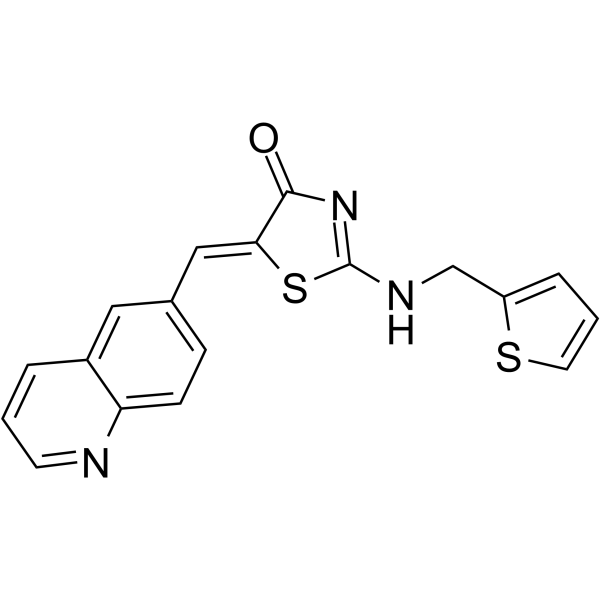
  • HY-12529
    Ro-3306
    65+ Cited Publications

    CDK Apoptosis Cancer
    Ro-3306 is a potent and selective inhibitor of CDK1, with Kis of 20 nM, 35 nM and 340 nM for CDK1, CDK1/cyclin B1 and CDK2/cyclin E, respectively.
    Ro-3306
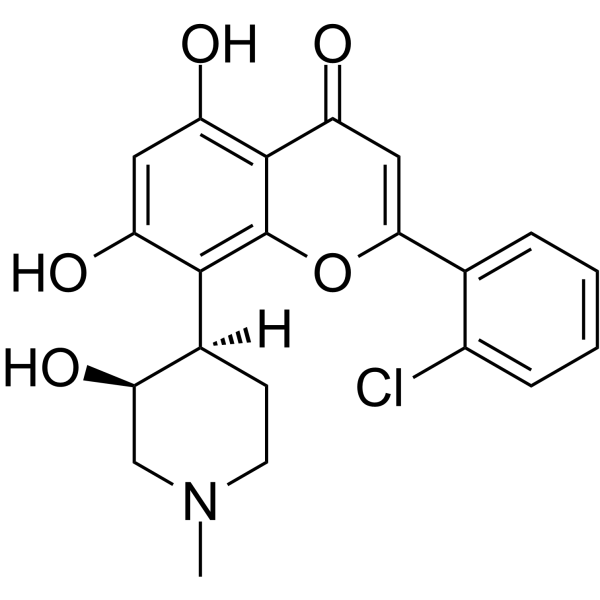
  • HY-10005
    Flavopiridol
    50+ Cited Publications

    HMR-1275; Alvocidib; L86-8275

    CDK Autophagy HIV Apoptosis Cancer
    Flavopiridol (Alvocidib) is a broad spectrum and competitive inhibitor of CDKs, inhibiting CDK1, CDK2, CDK4 with IC50s of 30, 170, 100 nM, respectively.
    Flavopiridol
  • HY-10492
    Dinaciclib
    50+ Cited Publications

    SCH 727965

    CDK Apoptosis Cancer
    Dinaciclib (SCH 727965) is a potent inhibitor of CDK, with IC50s of 1 nM, 1 nM, 3 nM, and 4 nM for CDK2, CDK5, CDK1, and CDK9, respectively [1].
    Dinaciclib
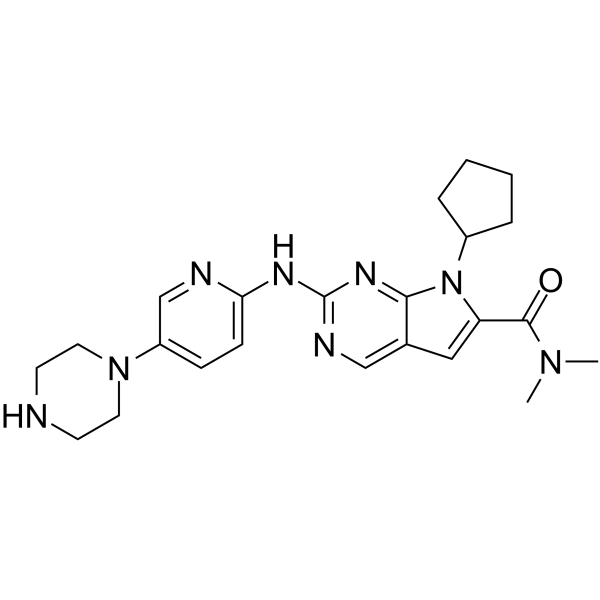
  • HY-15777
    Ribociclib
    Maximum Cited Publications
    80 Publications Verification

    LEE011

    CDK Neurological Disease Cancer
    RRibociclib (LEE011) is an ATP-competitive and orally active CDK4/6 inhibitor that crosses the blood-brain barrier with IC50 values of 10 nM and 39 nM, respectively, and is over 1,000-fold less potent against the cyclin B/CDK1 complex [1] .
    Ribociclib
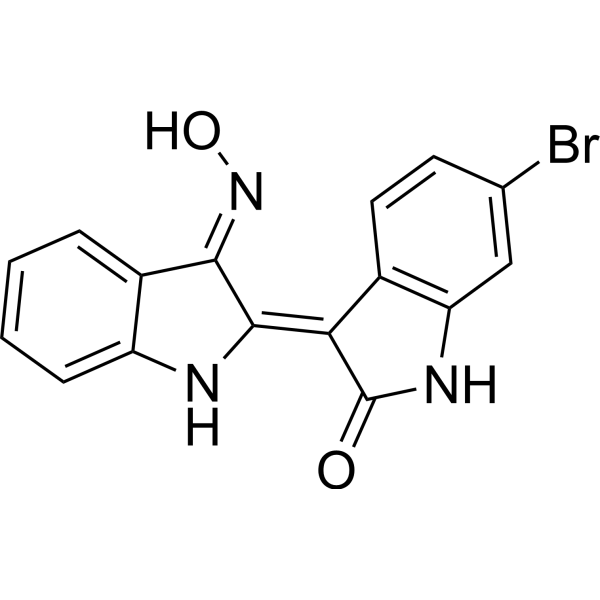
  • HY-10580
    GSK 3 Inhibitor IX
    15+ Cited Publications

    6-Bromoindirubin-3'-oxime; BIO; MLS 2052

    GSK-3 CDK Apoptosis Cancer
    GSK 3 Inhibitor IX (6-Bromoindirubin-3'-oxime; BIO) is a potent, selective, reversible and ATP-competitive inhibitor of GSK-3α/β and CDK1-cyclinB complex with IC50s of 5 nM/320 nM/80 nM for (GSK-3α/β)/CDK1/CDK5, respectively.
    GSK 3 Inhibitor IX
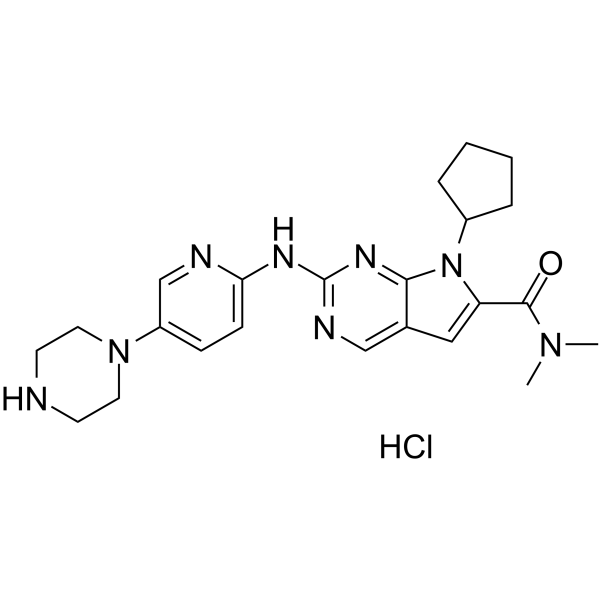
  • HY-15777A
    Ribociclib hydrochloride
    Maximum Cited Publications
    80 Publications Verification

    LEE011 hydrochloride

    CDK Neurological Disease Cancer
    RRibociclib (LEE011) hydrochloride is an ATP-competitive and orally active CDK4/6 inhibitor that crosses the blood-brain barrier with IC50 values of 10 nM and 39 nM, respectively, and is over 1,000-fold less potent against the cyclin B/CDK1 complex [1] .
    Ribociclib hydrochloride
  • HY-10329
    JNJ-7706621
    5 Publications Verification

    Aurora Kinase CDK Apoptosis Cancer
    JNJ-7706621 is a potent aurora kinase inhibitor, and also inhibits CDK1 and CDK2, with IC50s of 9 nM, 3 nM, 11 nM, and 15 nM for CDK1, CDK2, aurora-A and aurora-B, respectively [1] .
    JNJ-7706621
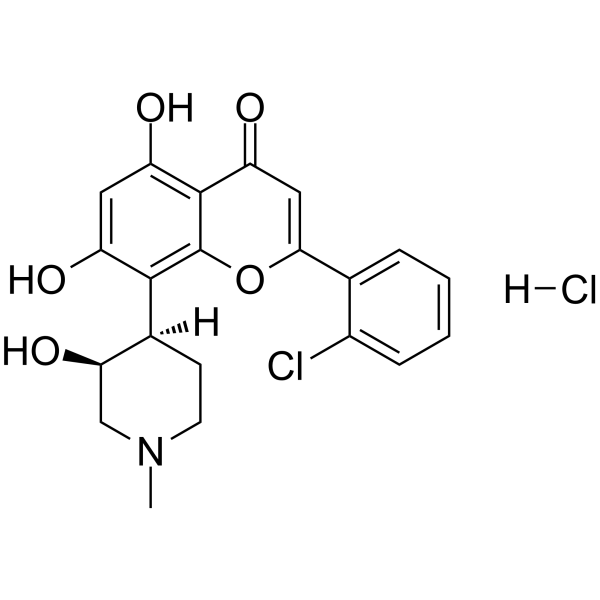
  • HY-10006
    Flavopiridol Hydrochloride
    50+ Cited Publications

    Alvocidib Hydrochloride; L86-8275 Hydrochloride; HMR-1275 Hydrochloride

    CDK Autophagy HIV Cancer
    Flavopiridol Hydrochloride (Alvocidib Hydrochloride) is a broad inhibitor of CDK, competing with ATP to inhibit CDKs including CDK1, CDK2, CDK4 with IC50s of 30, 170, 100 nM, respectively.
    Flavopiridol Hydrochloride
  • HY-18629
    SU9516
    5 Publications Verification

    CDK Autophagy Apoptosis Cancer
    SU9516 is a potent CDK2 inhibitor, with an IC50 of 22 nM, and also shows inhibitory effects on CDK1 and CDK4, with IC50s of 40, 200 nM, respectively.
    SU9516
  • HY-18340
    (R)​-​CR8
    1 Publications Verification

    CR8, (R)-Isomer

    Molecular Glues CDK Apoptosis Neurological Disease Cancer
    (R)-CR8, a second-generation analog of Roscovitine, is a potent CDK1/2/5/7/9 inhibitor. (R)-CR8 inhibits CDK1/cyclin B (IC50=0.09 μM), CDK2/cyclin A (0.072 μM), CDK2/cyclin E (0.041 μM), CDK5/p25 (0.11 μM), CDK7/cyclin H (1.1 μM), CDK9/cyclin T (0.18 μM) and CK1δ/ε (0.4 μM). (R)-CR8 induces apoptosis and has neuroprotective effect [1] . (R)-CR8 acts as a molecular glue degrader that depletes cyclin K .
    (R)​-​CR8
  • HY-13914
    Roniciclib
    2 Publications Verification

    BAY 1000394

    CDK Cancer
    Roniciclib is an orally bioavailable pan-cyclin dependent kinase (CDK) inhibitor, with IC50s of 5-25 nM for CDK1, CDK2, CDK3, CDK4, CDK7 and CDK9.
    Roniciclib
  • HY-50940
    AT7519
    10+ Cited Publications

    AT7519M

    CDK Apoptosis Cancer
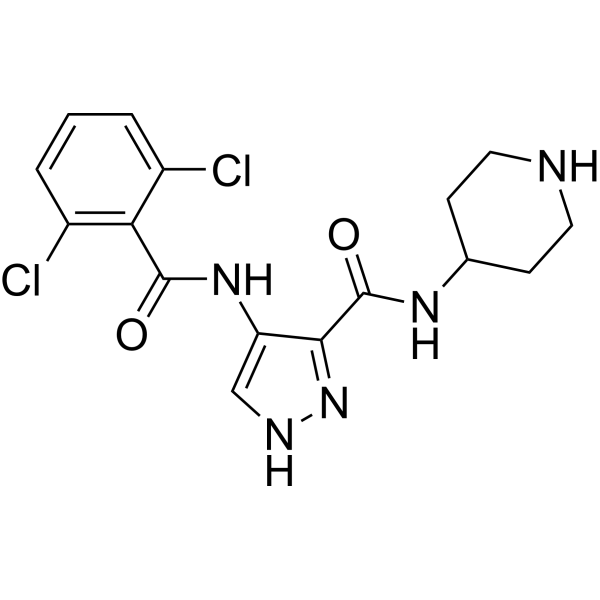
    AT7519 (AT7519M) as a potent inhibitor of CDKs, with IC50s of 210, 47, 100, 13, 170, and <10 nM for CDK1, CDK2, CDK4 to CDK6, and CDK9, respectively.
    AT7519
  • HY-122609

    PF-6808472

    CDK Cancer
    XO44 (PF-6808472) is a broad-spectrum covalent kinase probe. XO44 can bind in CDK2 and CDK1. XO44 also labels CDK4 proteins in cells [1] .
    XO44
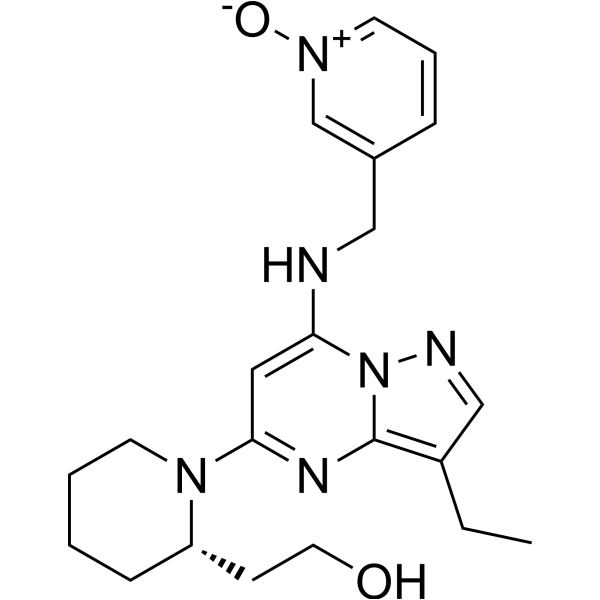
  • HY-15569

    CDK Cancer
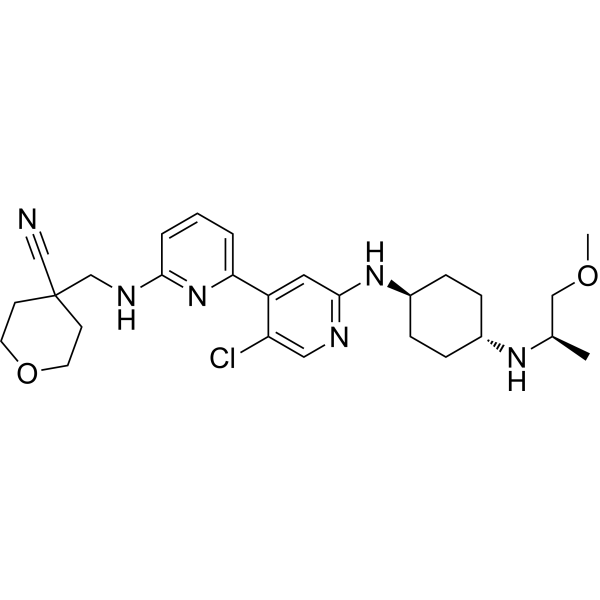
    NU6102 is a potent CDK1 and CDK2 inhibitor with IC50s of 9.5 nM and 5.4 nM for CDK1/cyclinB and CDK2/cyclinA3, respectively. NU6102 shows selectivity for CDK1/CDK2 over CDK4 (IC50 of 1.6 μM), DYRK1A (IC50 of 0.9 μM), PDK1 (IC50 of 0.8 μM) and ROCKII (IC50 of 0.6 μM) [1] .
    NU6102
  • HY-10014
    R547
    2 Publications Verification

    CDK GSK-3 Apoptosis Cancer
    R547 is a potent, selective and orally active ATP-competitive CDK inhibitor, with Kis of 2 nM, 3 nM and 1 nM for CDK1/cyclin B, CDK2/cyclin E and CDK4/cyclin D1, respectively [1] .
    R547
  • HY-11001
    PHA-793887
    4 Publications Verification

    CDK Apoptosis Cancer
    PHA-793887 is a potent, ATP-competitive CDK inhibitor, can inhibit Cdk2, Cdk1, Cdk4, and Cdk9 with IC50s of 8 nM, 60 nM, 62 nM and 138 nM, respectively, and also inhibits glycogen synthase kinase 3β with an IC50 of 79 nM.
    PHA-793887
  • HY-19807
    Indirubin-3'-monoxime
    4 Publications Verification

    Indirubin-3'-oxime

    GSK-3 CDK Lipoxygenase Cancer
    Indirubin-3'-monoxime is a potent GSK-3β inhibitor, and weakly inhibits 5-Lipoxygenase, with IC50s of 22 nM and 7.8-10 µM, respectively; Indirubin-3'-monoxime also shows inhibitory activities against CDK5/p25 and CDK1/cyclin B, with IC50s of 100 and 180 nM.
    Indirubin-3'-monoxime
  • HY-117535
    CDK2-IN-4
    3 Publications Verification

    CDK Cancer
    CDK2-IN-4 (compound 73) is a potent and selective CDK2 inhibitor with an IC50 of 44 nM for CDK2/cyclin A, shows 2,000-fold selectivity over CDK1/cyclin B (IC50=86 uM) [1].
    CDK2-IN-4
  • HY-137432
    Avotaciclib
    3 Publications Verification

    BEY1107

    CDK Apoptosis Cancer
    Avotaciclib (BEY1107) is an orally active cyclin-dependent kinase 1 (CDK1) inhibitor. Avotaciclib can inhibit the proliferation and induce apoptosis of tumor cells. Avotaciclib can be used in the research of cancer such as pancreatic cancer and lung cancer [1] .
    Avotaciclib
  • HY-N5072
    Desmethylglycitein
    3 Publications Verification

    4',6,7-Trihydroxyisoflavone

    CDK PI3K PKC Cancer
    Desmethylglycitein (4',6,7-Trihydroxyisoflavone), a metabolite of daidzein, sourced from Glycine max with antioxidant, and anti-cancer activities. Desmethylglycitein binds directly to CDK1 and CDK2 in vivo, resulting in the suppresses CDK1 and CDK2 activity [1]. Desmethylglycitein is a direct inhibitor of protein kinase C (PKC)α, against solar UV (sUV)-induced matrix matrix metalloproteinase 1 (MMP1) . Desmethylglycitein binds to PI3K in an ATP competitive manner in the cytosol, where it inhibits the activity of PI3K and downstream signaling cascades, leading to the suppression of adipogenesis in 3T3-L1 preadipocytes .
    Desmethylglycitein
  • HY-103647

    CDK VEGFR GSK-3 Cancer
    K00546 is a potent CDK1 and CDK2 inhibitor with IC50s of 0.6 nM and 0.5 nM for CDK1/cyclin B and CDK2/cyclin A, respectively. K00546 is also a potent CDC2-like kinase 1 (CLK1) and CLK3 inhibitor with IC50s of 8.9 nM and 29.2 nM, respectively [1] .
    K00546
  • HY-13266A
    BS-181 hydrochloride
    5+ Cited Publications

    CDK Cancer
    BS-181 hydrochloride is a highly selective CDK7 inhibitor with IC50 of 21 nM, and > 40-fold selective for CDK7 than CDK1, 2, 4, 5, 6, or 9.
    BS-181 hydrochloride
  • HY-50914

    CDK Cancer
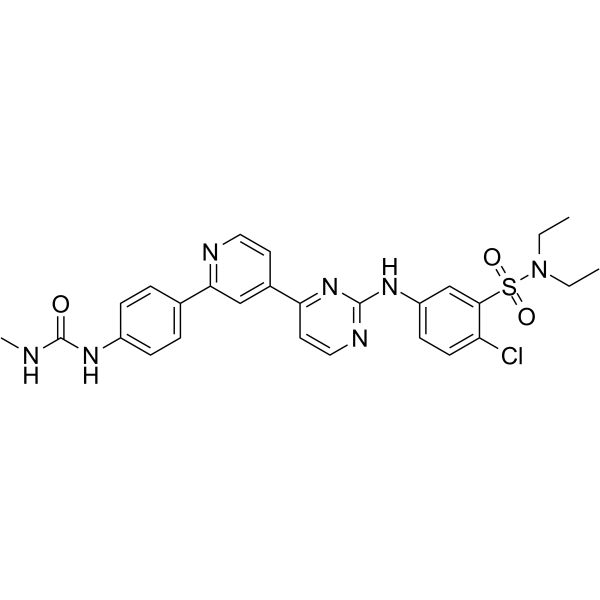
    AZD5597 is an inhibitor of CDK with IC50 values of both 2 nM for CDK1 and CDK2. AZD5597 can inhibit the proliferation of tumor cells and has anti-tumor activity [1].
    AZD5597
  • HY-50943
    AT7519 Hydrochloride
    10+ Cited Publications

    CDK Apoptosis Cancer
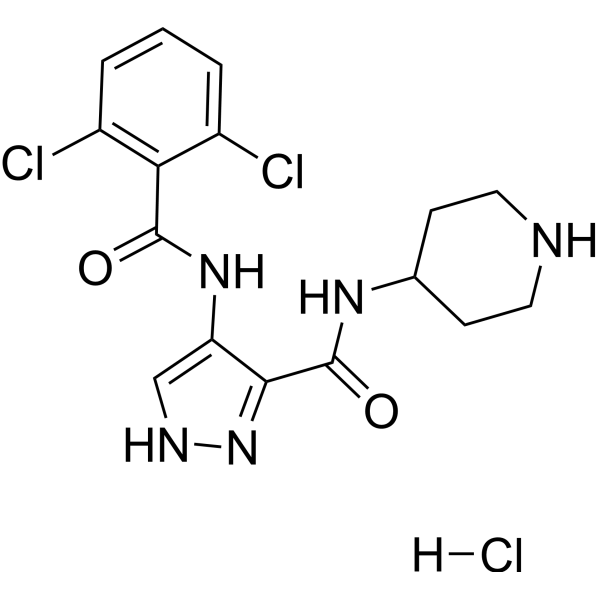
    AT7519 Hydrochloride is a potent inhibitor of CDKs, with IC50s of 210, 47, 100, 13, 170, and <10 nM for CDK1, CDK2, CDK4 to CDK6, and CDK9, respectively.
    AT7519 Hydrochloride
  • HY-16559
    Riviciclib hydrochloride
    3 Publications Verification

    P276-00

    CDK Apoptosis Cancer
    Riviciclib hydrochloride (P276-00) is a potent cyclin-dependent kinase (CDK) inhibitor, which inhibits CDK9-cyclinT1, CDK4-cyclin D1, and CDK1-cyclinB with IC50s of 20 nM, 63 nM, and 79 nM, respectively [1] . Riviciclib hydrochloride (P276-00) shows antitumor activity on cisplatin-resistant cells .
    Riviciclib hydrochloride
  • HY-124760
    hSMG-1 inhibitor 11e
    3 Publications Verification

    mTOR PI3K CDK Cancer
    hSMG-1 inhibitor 11e is a potent and selective hSMG-1 kinase inhibitor with an IC50 of <0.05 nM. hSMG-1 inhibitor 11e shows >900-fold selectivity over mTOR (IC50 of 45 nM), PI3Kα/γ (IC50s of 61 nM and 92 nM) and CDK1/CDK2 (IC50s of 32 μM and 7.1 μM) [1].
    hSMG-1 inhibitor 11e
  • HY-103221

    Aryl Hydrocarbon Receptor GSK-3 CDK Others
    MeBIO is a potent AhR (aryl hydrocarbon receptor) agonist, with IC50 of 44 μM (GSK-3) and 55 μM (CDK1/cyclin B), respectively [1].
    MeBIO
  • HY-115565

    CDK Apoptosis Cancer
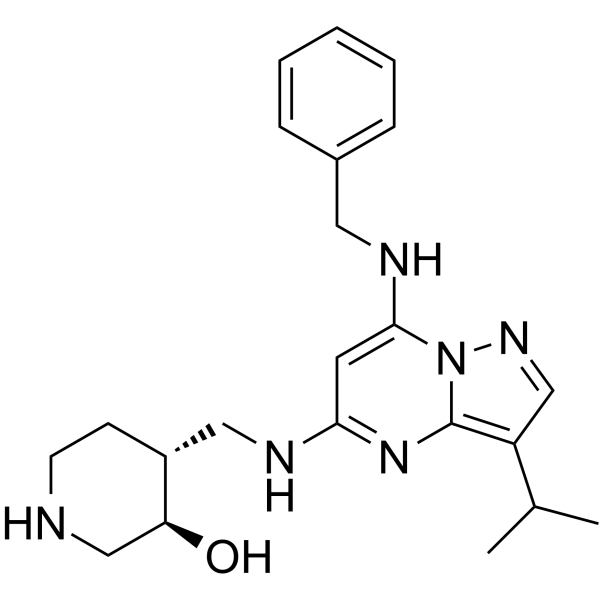
    CGP-74514 (Compound 13) is a highly selective cyclin-dependent kinase 1 (CDK1) inhibitor (IC50=25 nM). CGP-74514 inhibits CDK1/cyclin B complex activity, arrests the cell cycle at G2/M phase and induces tumor cell apoptosis. CGP-74514 is promising for research of bladder cancer [1] .
    CGP-74514
  • HY-114779

    CDK Cancer
    N9-Isopropylolomoucine is a mitotic cyclin dependent kinase (CDK) inhibitor. N9-Isopropylolomoucine targets CCNB 1/CDK1 and can be used for cancer research [1].
    N9-Isopropylolomoucine
  • HY-111930

    GSK-3 CDK Cancer
    5-Iodo-indirubin-3'-monoxime is a potent GSK-3β, CDK5/P25 and CDK1/cyclin B inhibitor, competing with ATP for binding to the catalytic site of the kinase, with IC50s of 9, 20 and 25 nM, respectively [1].
    5-Iodo-indirubin-3'-monoxime
  • HY-129478
    TC11
    2 Publications Verification

    Caspase Bcl-2 Family CDK Cancer
    TC11 is a MCL1 degrader and Caspase-9 and CDK1 activator. TC11 functions as a phenylacetylamide derivative and is structurally related to immunomodulatory active molecules. TC11 induces degradation of MCL1 leading to apoptotic death [1] during prolonged mitotic arrest.
    TC11
  • HY-13816

    CDK ATM/ATR Cancer
    NU6027 is a potent and ATP-competitive inhibitor of both CDK1 and CDK2, with Kis of 2.5 μM and 1.3 μM, respectively. NU6027 is also a potent inhibitor of ATR and enhances hydroxyurea and cisplatin cytotoxicity in an ATR-dependent manner [1] .
    NU6027
  • HY-112463

    CDK Cancer
    CDK1-IN-2 is a CDK1 inhibitor (IC50: 5.8 μM) [1].
    CDK1-IN-2
  • HY-112462

    CDK Cancer
    Cdk1/2 Inhibitor III (compound 3n) is a highly potent and selective Cdk1/cyclin B and Cdk2/cyclin A inhibitor of with IC50s of 0.6 nM and 0.5 nM, respectively. Cdk1/2 Inhibitor III shows selectivity over VEGF-R2 (IC50 of 32 nM), GSK-3β (IC50 of 140 nM), and a other kinases. Cdk1/2 Inhibitor III inhibits in cell proliferation with IC50s of 20 nM, 35 nM and 92 nM for HCT-116, HeLa, and A375 cells, respectively [1].
    Cdk1/2 Inhibitor III
  • HY-50940A
    AT7519 TFA
    10+ Cited Publications

    AT7519M TFA

    CDK Cancer
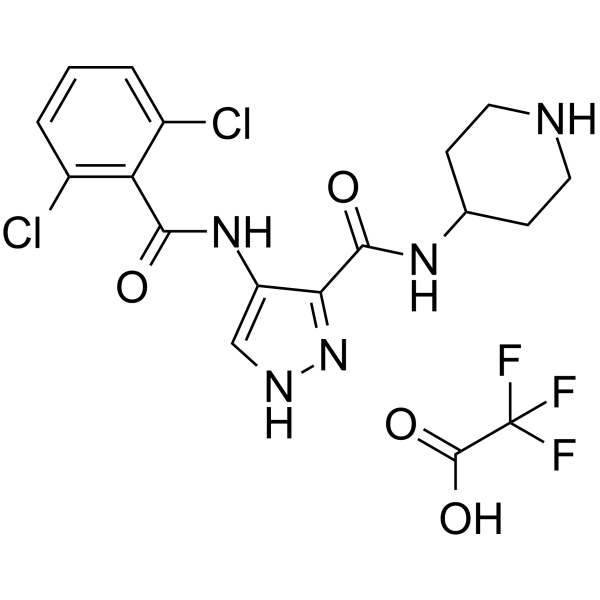
    AT7519 (AT7519M) TFA as a potent inhibitor of CDKs, with IC50s of 210, 47, 100, 13, 170, and <10 nM for CDK1, CDK2, CDK4 to CDK6, and CDK9, respectively.
    AT7519 TFA
  • HY-137432A
    Avotaciclib trihydrochloride
    3 Publications Verification

    BEY1107 trihydrochloride

    CDK Apoptosis Cancer
    Avotaciclib (BEY1107) trihydrochloride is an orally active cyclin-dependent kinase 1 (CDK1) inhibitor. Avotaciclib trihydrochloride can inhibit the proliferation and induce apoptosis of tumor cells. Avotaciclib trihydrochloride can be used in the research of cancer such as pancreatic cancer and lung cancer [1] .
    Avotaciclib trihydrochloride
  • HY-115924

    CDK Cancer
    CDK1-IN-1 is a potent CDK1 inhibitor (CDK1/CycB IC50=161.2 nM) with potential antiproliferative activity and selectivity for cancer tissues. CDK1-IN-1 induces apoptosis in p53 dependent manner through the intrinsic apoptotic pathway. CDK1-IN-1 is a potential targeted antitumor agent [1].
    CDK1-IN-1
  • HY-147646

    CDK Apoptosis Cancer
    CDK1/Cyc B-IN-1 (Compound 5) is a selective CDK1/Cyc B complex inhibitor with an IC50 of 97 nM. CDK1/Cyc B-IN-1 triggers apoptosis and G2/M cell cycle arrest. CDK1/Cyc B-IN-1 shows broad-spectrum cytotoxic action against cancer cell lines [1].
    CDK1/Cyc B-IN-1
  • HY-RS02348

    Small Interfering RNA (siRNA) CDK Others

    CDK1 Human Pre-designed siRNA Set A contains three designed siRNAs for CDK1 gene (Human), as well as a negative control, a positive control, and a FAM-labeled negative control.

    CDK1 Human Pre-designed siRNA Set A
    CDK1 Human Pre-designed siRNA Set A
  • HY-103381

    CDK GSK-3 Cancer
    NSC693868 is a selective inhibitor of CDK1 and CDK5 with IC50s of 600 nM and 400 nM, respectively. NSC693868 less potently inhibits GSK3β with an IC50 of 1 µM) and does not block CDC25 activity. NSC693868 is used to help define the roles of CDK1 and CDK5 in various signaling pathways [1].
    NSC693868
  • HY-15612

    CDK Cancer
    CDK4 inhibitor is a novel and specific CDK4/Cyclin D1 inhibitor with an IC50 of 10 nM; 1500 and 500 fold than CDK1/Cyclin B (IC50>15 uM) and CDK2/Cyclin A (IC50=5.265 uM) respectively.
    CDK4-IN-1
  • HY-N11774

    Apoptosis Caspase Cancer
    Euphornin is a anticaner agent, that can be isolated from E. helioscopia. Euphornin induces apoptosis via caspase-mediated pathways. Euphornin induces cell cycle arrest by increasing the level of the phospho-CDK1 (Tyr15) protein [1].
    Euphornin
  • HY-19316

    O6-(Cyclohexylmethyl)guanine

    CDK Cancer
    NU2058 (O6-(Cyclohexylmethyl)guanine) is a potent, competitive and guanine-based CDK inhibitor with IC50s of 17 μM and 26 μM for CDK2 and CDK1. NU2058 has anti-cancer activity.
    NU2058
  • HY-168673

    CDK Cancer
    CDK1-IN-6 (Ligand 3) is a potent CDK1 inhibitor. CDK1-IN-6 has the potential for the research of cancer [1].
    CDK1-IN-6
  • HY-P2480

    CDK Others
    Histone H1-derived Peptide is a phosphopeptide and the peptide substrates containes a sequence in accordance with the optimal recognition motif for CDK, can be used to detecting CDK1-cyclinB1 enzyme activity [1] .
    Histone H1-derived Peptide
  • HY-112471

    CDK Cancer
    TrkA Inhibitor (Compound 18) is a CDK2 inhibitor with an IC50 of 0.69  μM over CDK1. TrkA Inhibitor can be used for chemotherapy-induced alopecia research [1].
    TrkA Inhibitor
  • HY-137432B
    Avotaciclib hydrochloride
    3 Publications Verification

    BEY1107 hydrochloride

    CDK Apoptosis Cancer
    Avotaciclib (BEY1107) hydrochloride is an orally active cyclin-dependent kinase 1 (CDK1) inhibitor. Avotaciclib hydrochloride can inhibit the proliferation and induce apoptosis of tumor cells. Avotaciclib hydrochloride can be used in the research of cancer such as pancreatic cancer and lung cancer [1] .
    Avotaciclib hydrochloride
  • HY-E70653

    CDK Cancer
    CDK1 is a cyclin-dependent kinase that functions as a serine/threonine protein kinase, and is a key player in cell cycle regulation. CDK1/CycB1 Recombinant Human Active Protein Kinase is an ortholog of CDK1. CDK1/cyclin B1 complexes initiates mitotic entry by phosphorylating a multitude of proteins to condense chromosomes, disrupt the nuclear envelope, and enable microtubules polymerization to attach and to segregate the chromosomes [1].
    CDK1/CycB1 Recombinant Human Active Protein Kinase
  • HY-118976

    CGP-74514A

    CDK Apoptosis Cancer
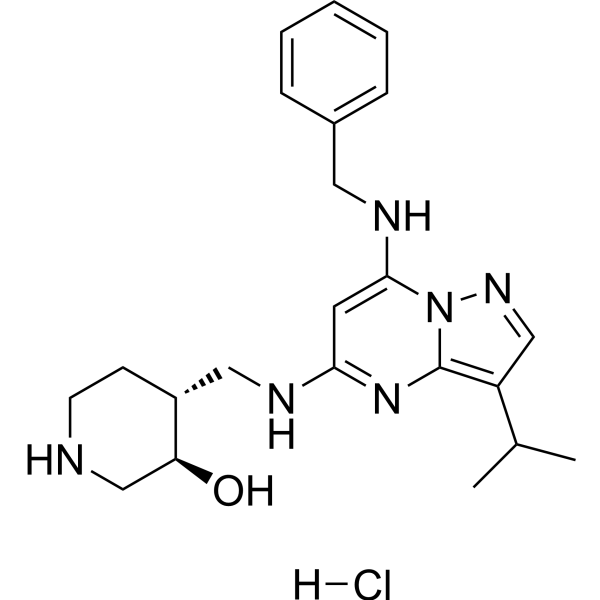
    CGP-74514 hydrochloride is a highly selective cyclin-dependent kinase 1 (CDK1) inhibitor (IC50: 25 nM). CGP-74514 hydrochloride inhibits CDK1/cyclin B complex activity, arrests the cell cycle at G2/M phase and induces tumor cell apoptosis. CGP-74514 hydrochloride is promising for research of bladder cancer [1] .
    CGP-74514 hydrochloride
  • HY-112336

    CDK GSK-3 Neurological Disease
    Aloisine RP106 (compound 38) is a potent inhibitor of Cdk1/cyclin B, Cdk5/p25, and GSK3 with IC50s of 0.70µM, 1.5µM, 0.92 µM, respectively [1].
    Aloisine RP106

Inquiry Online

Your information is safe with us. * Required Fields.

Salutation


Country or Region *

Applicant Name *


Organization Name *

Department *


Email Address *


Product Name *

Cat. No.


Requested quantity *

Phone Number *


Remarks

Inquiry Online

Inquiry Information

Product Name:
Cat. No.:
Quantity:
MCE Japan Authorized Agent:

