Search Result
Results for "
Cytidine-d
" in MedChemExpress (MCE) Product Catalog:
7
Biochemical Assay Reagents
44
Isotope-Labeled Compounds
| Cat. No. |
Product Name |
Target |
Research Areas |
Chemical Structure |
-
- HY-B0158
-
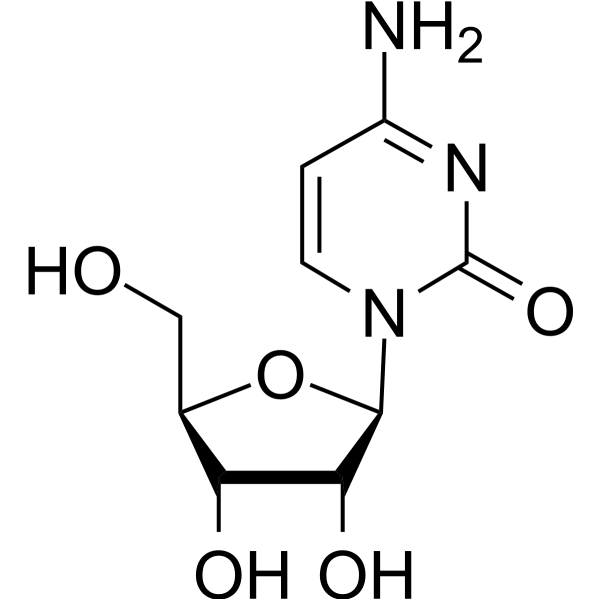
Cytidine
Maximum Cited Publications
8 Publications Verification
Cytosine β-D-riboside; Cytosine-1-β-D-ribofuranoside
|
Nucleoside Antimetabolite/Analog
Endogenous Metabolite
|
Neurological Disease
|
|
Cytidine is a pyrimidine nucleoside and acts as a component of RNA. Cytidine is a precursor of uridine. Cytidine controls neuronal-glial glutamate cycling, affecting cerebral phospholipid metabolism, catecholamine synthesis, and mitochondrial function .
|
-
-
- HY-125818
-
|
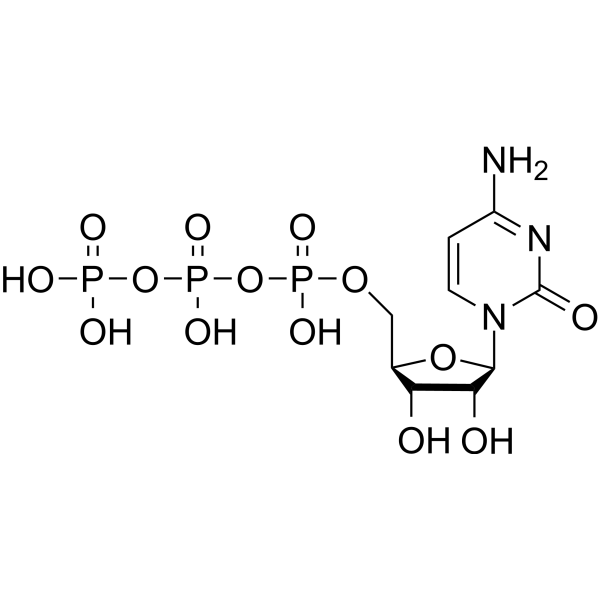
Cytidine triphosphate; 5'-CTP
|
DNA/RNA Synthesis
Nucleoside Antimetabolite/Analog
Endogenous Metabolite
|
Metabolic Disease
|
|
Cytidine 5′-triphosphate (Cytidine triphosphate; 5'-CTP) is a nucleoside triphosphate and serves as a building block for nucleotides and nucleic acids, lipid biosynthesis. Cytidine triphosphate synthase can catalyze the formation of cytidine 5′-triphosphate from uridine 5′-triphosphate (UTP). Cytidine 5′-triphosphate is an essential biomolecule in the de novo pyrimidine biosynthetic pathway in T. gondii .
|
-
-
- HY-15345A
-
|
THU; NSC-112907
|
DNA/RNA Synthesis
|
Cancer
|
|
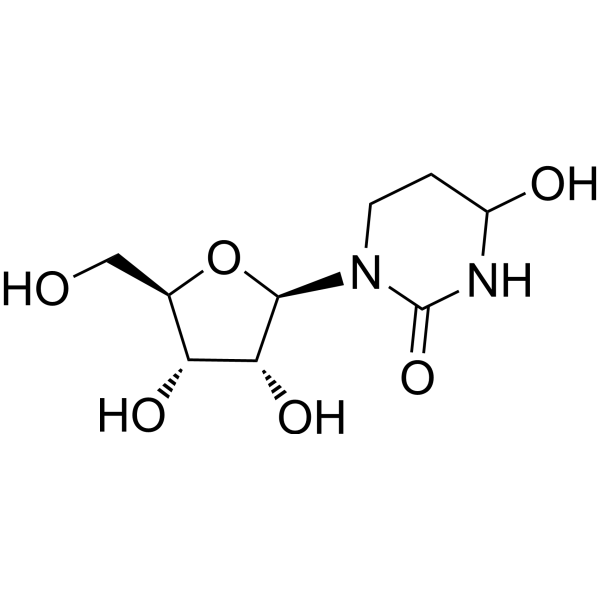
Tetrahydrouridine dihydrate is potent inhibitor of cytidine deaminase (CDA), which competitively blocks the enzyme's active site more effectively than intrinsic cytidine .
|
-
-
- HY-W009162
-
|
5'-Cytidylic acid; 5'-CMP
|
Endogenous Metabolite
|
Metabolic Disease
|
|
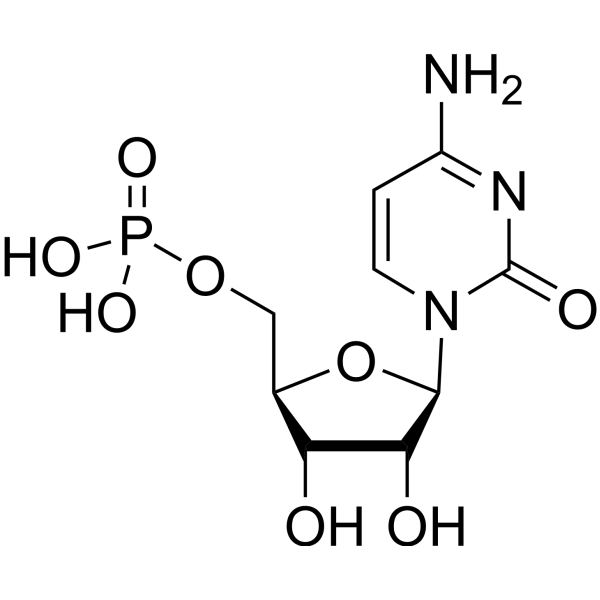
Cytidine 5'-monophosphate (5'-Cytidylic acid) is a nucleotide which is used as a monomer in RNA. Cytidine 5'-monophosphate consists of the nucleobase cytosine, the pentose sugar ribose, and the phosphate group .
|
-
-
- HY-105336
-
|
NSC 126849
|
DNA/RNA Synthesis
Nucleoside Antimetabolite/Analog
|
Cancer
|
|
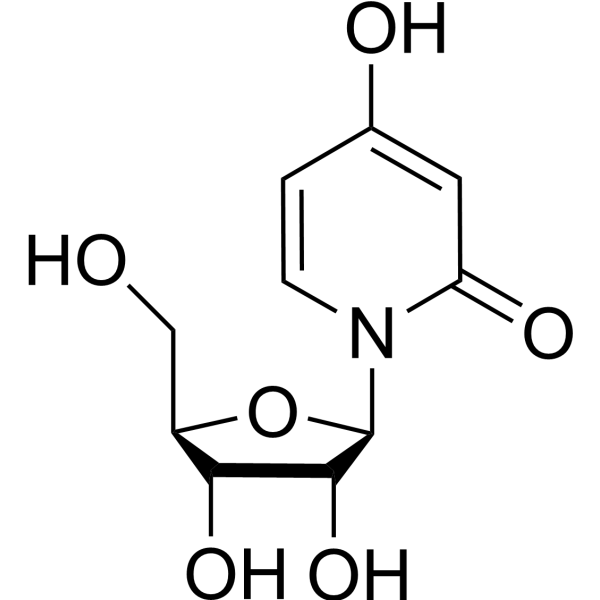
3-Deazauridine (NSC 126849) is a uridine analogue. 3-Deazauridine competitively inhibits cytidine triphosphate synthase to inhibit the biosynthesis of cytidine-5'-triphosphate. 3-Deazauridine acts synergistically with several antineoplastic agents, acting as a biological response modifier .
|
-
-
- HY-W013100
-
|
Cytidine triphosphate disodium; 5'-CTP disodium
|
DNA/RNA Synthesis
Nucleoside Antimetabolite/Analog
Endogenous Metabolite
|
Metabolic Disease
|
|
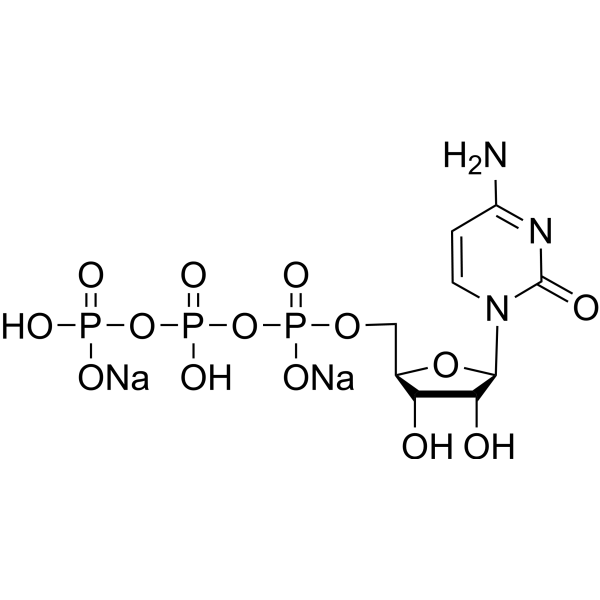
Cytidine-5'-triphosphate (Cytidine triphosphate; 5'-CTP) disodium is a nucleoside triphosphate, that is invovled in biosynthesis of DNA, RNA and lipid. Cytidine triphosphate synthase can catalyze the formation of cytidine 5′-triphosphate from uridine 5′-triphosphate (UTP). Cytidine 5′-triphosphate disodium is an essential biomolecule in the de novo pyrimidine biosynthetic pathway in T. gondii .
|
-
-
- HY-W008915
-
|
CDP
|
DNA/RNA Synthesis
|
Metabolic Disease
|
|
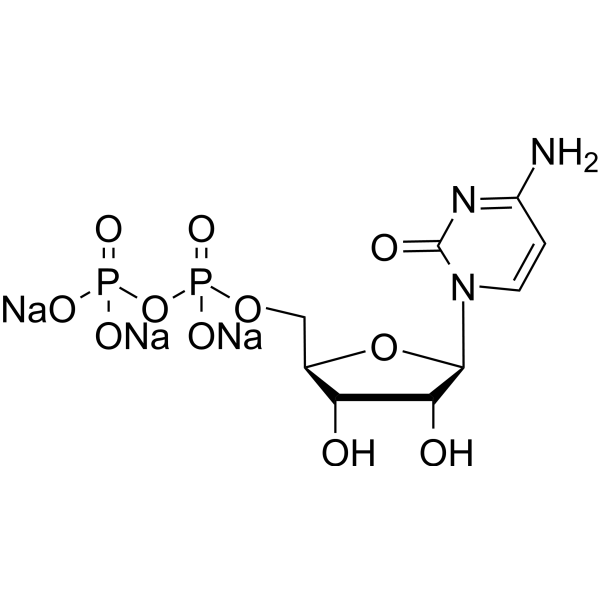
Cytidine 5'-diphosphate trisodium salt (CDP) is produced by the transfer of phosphoryl group from ATP to cytidine monophosphate (CMP) catalyzed by uridine monophosphate kinase (UMPK). Cytidine 5′-diphosphate can be used to produce Cytidine triphosphate (CTP) for synthesis of DNA and RNA .
|
-
-
- HY-148165
-
|
|
Nucleoside Antimetabolite/Analog
|
Neurological Disease
|
|
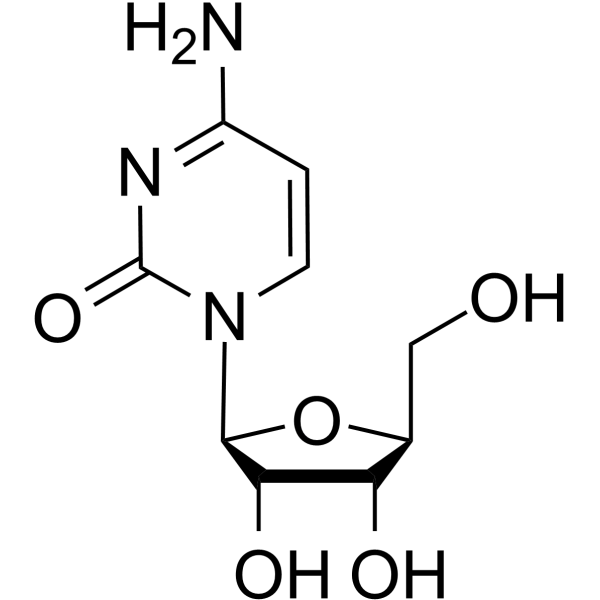
L-Cytidine is an L-configurational form of Cytidine (HY-B0158). L-Cytidine is a pyrimidine nucleoside, a component of RNA. Cytidine can control the glial glutamate cycle, affect brain phospholipid metabolism, catecholamine synthesis and mitochondrial function .
|
-
-
- HY-W013707
-
|
Cytidine triphosphate disodium dihydrate; 5'-CTP disodium dihydrate
|
Endogenous Metabolite
|
Metabolic Disease
|
|
Cytidine-5'-triphosphate disodium dihydrate (5'-CTP disodium dihydrate) is a molecule of high energy, and acts as a coenzyme in glycerophospholipid biosynthesis and protein glycosylation .
|
-
-
- HY-B0158S7
-
|
Cytosine β-D-riboside-13C9; Cytosine-1-β-D-ribofuranoside-13C9
|
Nucleoside Antimetabolite/Analog
Endogenous Metabolite
Isotope-Labeled Compounds
|
Neurological Disease
|
|
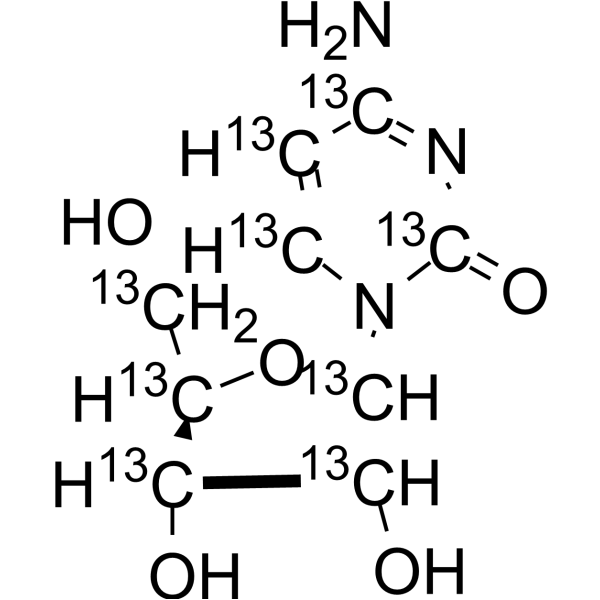
Cytidine- 13C9 (Cytosine β-D-riboside- 13C9) is 13C labeled Cytidine (HY-B0158). Cytidine is a pyrimidine nucleoside and acts as a component of RNA. Cytidine is a precursor of uridine. Cytidine controls neuronal-glial glutamate cycling, affecting cerebral phospholipid metabolism, catecholamine synthesis, and mitochondrial function .
|
-
-
- HY-15345
-
|
THU dihydrate; NSC-112907 dihydrate
|
DNA/RNA Synthesis
|
Cancer
|
|
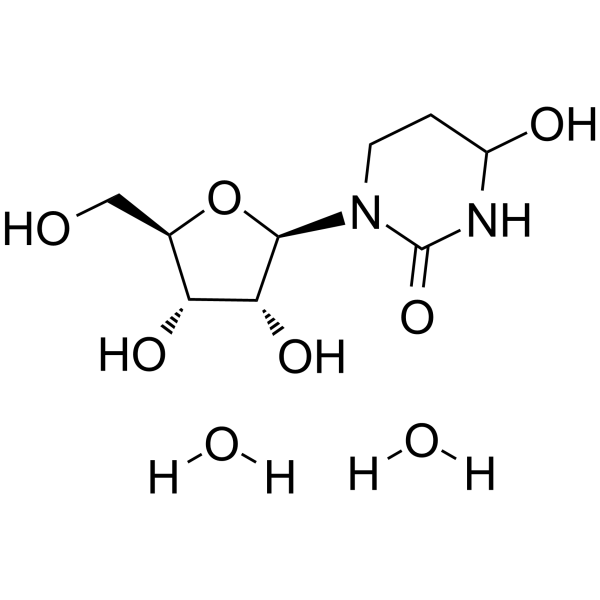
Tetrahydrouridine dihydrate (THU dihydrate) is potent inhibitor of cytidine deaminase (CDA), which competitively blocks the enzyme's active site more effectively than intrinsic cytidine.
|
-
-
- HY-B0158S6
-
|
Cytosine β-D-riboside-15N3; Cytosine-1-β-D-ribofuranoside-15N3
|
Nucleoside Antimetabolite/Analog
Endogenous Metabolite
|
Neurological Disease
|
|
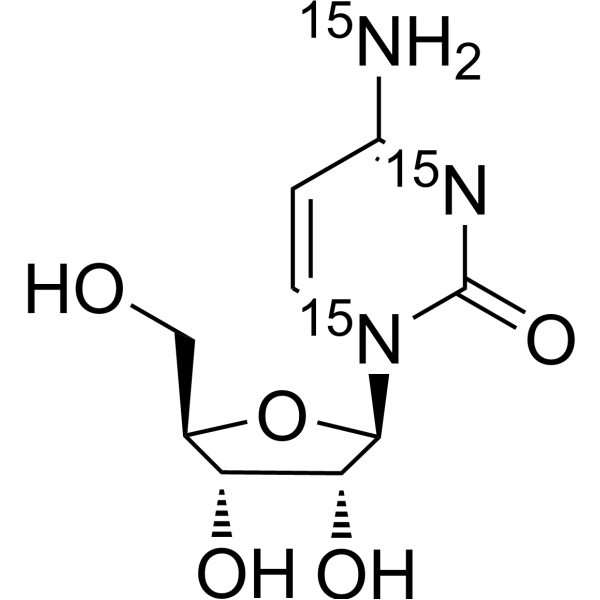
Cytidine- 15N3 is the 15N labeled Cytidine . Cytidine is a pyrimidine nucleoside and acts as a component of RNA. Cytidine is a precursor of uridine. Cytidine controls neuronal-glial glutamate cycling, affecting cerebral phospholipid metabolism, catecholamine synthesis, and mitochondrial function .
|
-
-
- HY-B0158R
-
|
Cytosine β-D-riboside (Standard); Cytosine-1-β-D-ribofuranoside (Standard)
|
Reference Standards
Nucleoside Antimetabolite/Analog
Endogenous Metabolite
|
Neurological Disease
|
|
Cytidine (Standard) is the analytical standard of Cytidine. This product is intended for research and analytical applications. Cytidine is a pyrimidine nucleoside and acts as a component of RNA. Cytidine is a precursor of uridine. Cytidine controls neuronal-glial glutamate cycling, affecting cerebral phospholipid metabolism, catecholamine synthesis, and mitochondrial function .
In Vivo:Cytidine decreases glutamate/glutamine levels and induces earlier improvement of depressive symptoms .
|
-
-
- HY-145780
-
|
|
Cholinesterase (ChE)
|
Others
|
|
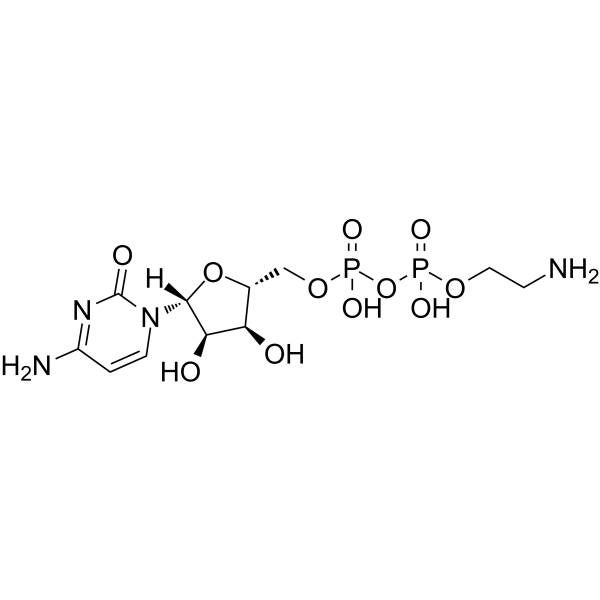
Cytidine 5′-diphosphoethanolamine is an intermediate compound in the synthesis of phosphatidylethanolamine. Cytidine 5′-diphosphoethanolamine is a stimulant of Ach synthesis .
|
-
-
- HY-W009162S5
-
|
5'-Cytidylic acid-13C9,15N3 dilithium; 5'-CMP-13C9,15N3 dilithium
|
Isotope-Labeled Compounds
Endogenous Metabolite
|
Metabolic Disease
|
|
Cytidine 5′-monophosphate- 13C9, 15N3 (5'-Cytidylic acid- 13C9, 15N3 dilithium; 5'-CMP- 13C9, 15N3) dilithium is 13C and 15N-labeled Cytidine 5'-monophosphate (HY-W009162). Cytidine 5'-monophosphate (5'-Cytidylic acid) is a nucleotide which is used as a monomer in RNA. Cytidine 5'-monophosphate consists of the nucleobase cytosine, the pentose sugar ribose, and the phosphate group.
|
-
-
- HY-W578275
-
|
|
Nucleoside Antimetabolite/Analog
|
Cancer
|
|
3′-O-Methylcytidine is a cytidine analog. Cytidine analogs have a mechanism of inhibiting DNA methyltransferases (such as Zebularine, HY-13420), and have potential anti-metabolic and anti-tumor activities .
|
-
-
- HY-W115186
-
-
-
- HY-W130466
-
|
|
Nucleoside Antimetabolite/Analog
|
Others
Cancer
|
|
N4-Methylcytidine (Nsc518744) is a cytidine nucleoside analog. Cytidine analogs have a mechanism of inhibiting DNA methyltransferases (such as Zebularine, HY-13420), and have potential anti-metabolic and anti-tumor activities .
|
-
-
- HY-W114787
-
|
|
Nucleoside Antimetabolite/Analog
|
Cancer
|
|
N4-Benzoyl-2’-O-methylcytidine is a natural cytidine nucleoside analog. Cytidine analogs have the mechanism of inhibiting DNA methyltransferase (such as Zebularine (HY-13420)) and have potential antimetabolite and antitumor activities .
|
-
-
- HY-B0158S1
-
-
-
- HY-125818S3
-
|
Cytidine triphosphate-13C9 dilithium; 5'-CTP-13C9 dilithium
|
Isotope-Labeled Compounds
DNA/RNA Synthesis
Nucleoside Antimetabolite/Analog
Endogenous Metabolite
|
Metabolic Disease
|
|
Cytidine-5'-triphosphate- 13C9 (Cytidine triphosphate- 13C9 dilithium; 5'-CTP- 13C9) dilithium is 13C-labeled Cytidine-5'-triphosphate (HY-125818). Cytidine 5′-triphosphate (Cytidine triphosphate; 5'-CTP) is a nucleoside triphosphate and serves as a building block for nucleotides and nucleic acids, lipid biosynthesis. Cytidine triphosphate synthase can catalyze the formation of cytidine 5′-triphosphate from uridine 5′-triphosphate (UTP). Cytidine 5′-triphosphate is an essential biomolecule in the de novo pyrimidine biosynthetic pathway in T. gondii.
|
-
-
- HY-W008915R
-
|
CDP (Standard)
|
Reference Standards
DNA/RNA Synthesis
|
Metabolic Disease
|
|
Cytidine 5'-diphosphate (trisodium salt) (Standard) is the analytical standard of Cytidine 5'-diphosphate (trisodium salt). This product is intended for research and analytical applications. Cytidine 5'-diphosphate trisodium salt (CDP) is produced by the transfer of phosphoryl group from ATP to cytidine monophosphate (CMP) catalyzed by uridine monophosphate kinase (UMPK). Cytidine 5′-diphosphate can be used to produce Cytidine triphosphate (CTP) for synthesis of DNA and RNA[1][2].
|
-
-
- HY-W576440
-
|
|
Nucleoside Antimetabolite/Analog
|
Others
|
|
α-Cytidine is a nucleoside. Under appropriate prebiotic conditions, α-Cytidine can be generated from ribose 5'-phosphate, cyanamide and cyanoacetylene .
|
-
-
- HY-B0158S
-
|
Cytosine β-D-riboside-d2; Cytosine-1-β-D-ribofuranoside-d2
|
Nucleoside Antimetabolite/Analog
Endogenous Metabolite
|
Neurological Disease
|
|
Cytidine-d2 is the deuterium labeled Cytidine. Cytidine is a pyrimidine nucleoside and acts as a component of RNA. Cytidine is a precursor of uridine. Cytidine controls neuronal-glial glutamate cycling, affecting cerebral phospholipid metabolism, catecholamine synthesis, and mitochondrial function .
|
-
-
- HY-W013100R
-
|
Cytidine triphosphate disodium (Standard); 5'-CTP disodium (Standard)
|
Reference Standards
DNA/RNA Synthesis
Nucleoside Antimetabolite/Analog
Endogenous Metabolite
|
Metabolic Disease
|
|
Cytidine-5'-triphosphate (Cytidine triphosphate) (Standard) disodium is the analytical standard of Cytidine-5'-triphosphate disodium (HY-W013100). This product is intended for research and analytical applications. Cytidine-5'-triphosphate (Cytidine triphosphate; 5'-CTP) disodium is a nucleoside triphosphate, that is invovled in biosynthesis of DNA, RNA and lipid. Cytidine triphosphate synthase can catalyze the formation of cytidine 5′-triphosphate from uridine 5′-triphosphate (UTP). Cytidine 5′-triphosphate disodium is an essential biomolecule in the de novo pyrimidine biosynthetic pathway in T. gondii.
|
-
-
- HY-W009162R
-
|
5'-Cytidylic acid (Standard); 5'-CMP (Standard)
|
Reference Standards
Endogenous Metabolite
|
Metabolic Disease
|
|
Cytidine 5'-monophosphate (Standard) is the analytical standard of Cytidine 5'-monophosphate. This product is intended for research and analytical applications. Cytidine 5'-monophosphate (5'-Cytidylic acid) is a nucleotide which is used as a monomer in RNA. Cytidine 5'-monophosphate consists of the nucleobase cytosine, the pentose sugar ribose, and the phosphate group .
|
-
-
- HY-154150
-
|
|
Nucleoside Antimetabolite/Analog
|
Cancer
|
|
N-(1-Oxopropyl)cytidine is a cytidine analog. Cytidine analogs have a mechanism of inhibiting DNA methyltransferases (such as Zebularine, HY-13420), and have potential anti-metabolic and anti-tumor activities .
|
-
-
- HY-113400
-
|
Cytidine diphosphate
|
Endogenous Metabolite
|
Others
|
|
Cytidine 5'-diphosphate (Cytidine diphosphate) is a nucleoside diphosphate that acts as a carrier for phosphorylcholine, diacylglycerol, and other molecules during phospholipid synthesis .
|
-
-
- HY-122427
-
|
|
Nucleoside Antimetabolite/Analog
|
Cancer
|
|
Xylocytidine is a cytidine analog. Cytidine analogs have a mechanism of inhibiting DNA methyltransferases (such as Zebularine, HY-13420), and have potential anti-metabolic and anti-tumor activities .
|
-
-
- HY-101904
-
|
|
Nucleoside Antimetabolite/Analog
|
Others
|
|
2-Chloro-2'-deoxycytidine is a cytidine nucleoside analog. Cytidine analogs have a mechanism of inhibiting DNA methyltransferases (such as Zebularine, HY-13420), and have potential anti-metabolic and anti-tumor activities .
|
-
-
- HY-152822
-
|
|
Nucleoside Antimetabolite/Analog
|
Others
|
|
5-Iodo-2’-O-methylcytidine is a cytidine nucleoside analog. Cytidine analogs have a mechanism of inhibiting DNA methyltransferases (such as Zebularine, HY-13420), and have potential anti-metabolic and anti-tumor activities .
|
-
-
- HY-152483
-
|
|
Nucleoside Antimetabolite/Analog
|
Others
|
|
N4,N4-Dimethylarabinocytidine is a cytidine nucleoside analog. Cytidine analogs have a mechanism of inhibiting DNA methyltransferases (such as Zebularine, HY-13420), and have potential anti-metabolic and anti-tumor activities .
|
-
-
- HY-W128788A
-
|
|
Nucleoside Antimetabolite/Analog
|
Others
|
|
2’-Deoxy-2’-fluoro-b-D-arabinocytidine(hydrochloride) is a cytidine nucleoside analog. Cytidine analogs have a mechanism of inhibiting DNA methyltransferases (such as Zebularine, HY-13420), and have potential anti-metabolic and anti-tumor activities .
|
-
-
- HY-B0158S4
-
-
-
- HY-125818B
-
|
Cytidine triphosphate sodium hydrate; 5'-CTP sodium hydrate
|
DNA/RNA Synthesis
|
Metabolic Disease
|
|
Cytidine-5'-triphosphate sodium hydrate (Cytidine triphosphate sodium hydrate; 5'-CTP sodium hydrate) is the sodium hydrate form of Cytidine-5'-triphosphate (HY-125818). Cytidine-5'-triphosphate sodium hydrate is a nucleoside triphosphate, that is invovled in biosynthesis of DNA, RNA and lipid .
|
-
-
- HY-B0158S2
-
-
-
- HY-W768207
-
-
-
- HY-B0158S5
-
|
Cytosine β-D-riboside-13C9,15N3; Cytosine-1-β-D-ribofuranoside-13C9,15N3
|
Nucleoside Antimetabolite/Analog
Endogenous Metabolite
|
Neurological Disease
|
|
Cytidine- 13C9, 15N3 is the 13C and 15N labeled Cytidine . Cytidine is a pyrimidine nucleoside and acts as a component of RNA. Cytidine is a precursor of uridine. Cytidine controls neuronal-glial glutamate cycling, affecting cerebral phospholipid metabolism, catecholamine synthesis, and mitochondrial function .
|
-
-
- HY-W008940
-
|
Cytidine diphosphate disodium
|
Endogenous Metabolite
|
Metabolic Disease
|
|
Cytidine 5'-diphosphate (Cytidine) disodium salt is a nucleoside diphosphate that acts as a carrier for phosphorylcholine, diacylglycerol, and other molecules during phospholipid synthesis .
|
-
-
- HY-W768839
-
|
|
Isotope-Labeled Compounds
Nucleoside Antimetabolite/Analog
|
Cancer
|
|
5-(Hydroxymethyl)cytidine- 13C,d2 is the deuterium labeled and 13C-labeled 5-(Hydroxymethyl)cytidine (HY-152854). 5-(Hydroxymethyl)cytidine is a purine nucleoside analogue. Purine nucleoside analogs have broad antitumor activity targeting indolent lymphoid malignancies. Anticancer mechanisms in this process rely on inhibition of DNA synthesis, induction of apoptosis, etc .
|
-
-
- HY-152714
-
|
|
Nucleoside Antimetabolite/Analog
|
Others
|
|
5-Formyl-2’-O-methylcytidine is a cytidine nucleoside analog. Cytidine analogs have a mechanism of inhibiting DNA methyltransferases (such as Zebularine, HY-13420), and have potential anti-metabolic and anti-tumor activities .
|
-
-
- HY-B0158S3
-
-
-
- HY-B0158S8
-
|
Cytosine β-D-riboside-d13; Cytosine-1-β-D-ribofuranoside-d13
|
Nucleoside Antimetabolite/Analog
Endogenous Metabolite
Isotope-Labeled Compounds
|
Neurological Disease
|
|
Cytidine-d13 (Cytosine β-D-riboside-d13) is deuterium labeled Cytidine (HY-B0158). Cytidine is a pyrimidine nucleoside and acts as a component of RNA. Cytidine is a precursor of uridine. Cytidine controls neuronal-glial glutamate cycling, affecting cerebral phospholipid metabolism, catecholamine synthesis, and mitochondrial function .
|
-
-
- HY-B0739AS
-
|
Cytidine diphosphate-choline-d9 sodium; CDP-Choline-d9 sodium; Cytidine 5'-diphosphocholine-d9 sodium
|
Isotope-Labeled Compounds
Endogenous Metabolite
Apoptosis
Reactive Oxygen Species (ROS)
Caspase
|
Neurological Disease
Cancer
|
|
Citicoline-d9 (Cytidine diphosphate-choline-d9) sodium is the deuterium labeled Citicoline sodium (HY-B0739A). Citicoline sodium is an endogenous intermediate in the synthesis of phosphatidylcholine which is a component of cell membranes. Citicoline sodium inhibits reactive oxygen species (ROS) and apoptosis. Citicoline sodium can be used for neurological disease and hearing loss study .
|
-
-
- HY-D0184S4
-
|
DeoxyCytidine-d13; Cytosine deoxyriboside-d13; Deoxyribose Cytidine-d13
|
Isotope-Labeled Compounds
Endogenous Metabolite
|
Others
|
|
2'-Deoxycytidine-d13 (Deoxycytidine-d13; Cytosine deoxyriboside-d13; Deoxyribose cytidine-d13) is deuterium labeled 2'-Deoxycytidine (HY-D0184). 2'-Deoxycytidine, a deoxyribonucleoside, could inhibit biological effects of Bromodeoxyuridine (Brdu).
|
-
-
- HY-W754064
-
|
Cytidine triphosphate-13C5; 5'-CTP-13C5; Cytidine-5'-triphosphate-1',2',3',4',5'-13C5 Triethylamine Salt
|
Isotope-Labeled Compounds
Nucleoside Antimetabolite/Analog
DNA/RNA Synthesis
Endogenous Metabolite
|
Metabolic Disease
|
|
Cytidine-5'-triphosphate- 13C5 (Cytidine triphosphate- 13C5) is the 13C-labeled Cytidine-5'-triphosphate (HY-125818). Cytidine 5′-triphosphate (Cytidine triphosphate; 5'-CTP) is a nucleoside triphosphate and serves as a building block for nucleotides and nucleic acids, lipid biosynthesis. Cytidine triphosphate synthase can catalyze the formation of cytidine 5′-triphosphate from uridine 5′-triphosphate (UTP). Cytidine 5′-triphosphate is an essential biomolecule?in the de novo?pyrimidine biosynthetic pathway in?T. gondii .
|
-
-
- HY-125818S1
-
|
|
Nucleoside Antimetabolite/Analog
DNA/RNA Synthesis
Endogenous Metabolite
|
Metabolic Disease
|
|
Cytidine-5′-triphosphate-d14 disodium is the deuterium labeled Cytidine-5'-triphosphate . Cytidine 5′-triphosphate (Cytidine triphosphate;5'-CTP) is a nucleoside triphosphate and serves as a building block for nucleotides and nucleic acids, lipid biosynthesis. Cytidine triphosphate synthase can catalyze the formation of cytidine 5′-triphosphate from uridine 5′-triphosphate (UTP). Cytidine 5′-triphosphate is an essential biomolecule in the de novo pyrimidine biosynthetic pathway in T. gondii .
|
-
-
- HY-125818S4
-
|
Cytidine triphosphate-d14 dilithium; 5'-CTP-d14 dilithium
|
Isotope-Labeled Compounds
DNA/RNA Synthesis
Nucleoside Antimetabolite/Analog
Endogenous Metabolite
|
Metabolic Disease
|
|
Cytidine-5'-triphosphate-d14 (Cytidine triphosphate-d14 dilithium; 5'-CTP-d14) dilithium is deuterium labeled Cytidine-5'-triphosphate (HY-125818). Cytidine 5′-triphosphate (Cytidine triphosphate; 5'-CTP) is a nucleoside triphosphate and serves as a building block for nucleotides and nucleic acids, lipid biosynthesis. Cytidine triphosphate synthase can catalyze the formation of cytidine 5′-triphosphate from uridine 5′-triphosphate (UTP). Cytidine 5′-triphosphate is an essential biomolecule in the de novo pyrimidine biosynthetic pathway in T. gondii.
|
-
-
- HY-125818S6
-
|
Cytidine triphosphate-15N3 dilithium; 5'-CTP-15N3 dilithium
|
Isotope-Labeled Compounds
DNA/RNA Synthesis
Nucleoside Antimetabolite/Analog
Endogenous Metabolite
|
Metabolic Disease
|
|
Cytidine-5'-triphosphate- 15N3 (Cytidine triphosphate- 15N3 dilithium; 5'-CTP- 15N3) dilithium is 15N labeled Cytidine-5'-triphosphate (HY-125818). Cytidine 5′-triphosphate (Cytidine triphosphate; 5'-CTP) is a nucleoside triphosphate and serves as a building block for nucleotides and nucleic acids, lipid biosynthesis. Cytidine triphosphate synthase can catalyze the formation of cytidine 5′-triphosphate from uridine 5′-triphosphate (UTP). Cytidine 5′-triphosphate is an essential biomolecule in the de novo pyrimidine biosynthetic pathway in T. gondii.
|
-
-
- HY-125818S2
-
|
Cytidine triphosphate-13C,d1 dilithium; 5'-CTP-13C,d1 dilithium
|
Isotope-Labeled Compounds
DNA/RNA Synthesis
Nucleoside Antimetabolite/Analog
Endogenous Metabolite
|
Metabolic Disease
|
|
Cytidine-5'-triphosphate- 13C,d1 (Cytidine triphosphate- 13C,d1 dilithium; 5'-CTP- 13C,d1) dilithium is deuterium and 13C-labeled Cytidine-5'-triphosphate (HY-125818). Cytidine 5′-triphosphate (Cytidine triphosphate; 5'-CTP) is a nucleoside triphosphate and serves as a building block for nucleotides and nucleic acids, lipid biosynthesis. Cytidine triphosphate synthase can catalyze the formation of cytidine 5′-triphosphate from uridine 5′-triphosphate (UTP). Cytidine 5′-triphosphate is an essential biomolecule in the de novo pyrimidine biosynthetic pathway in T. gondii.
|
-
- HY-125818S5
-
|
Cytidine triphosphate-15N3,d14 dilithium; 5'-CTP-15N3,d14 dilithium
|
Isotope-Labeled Compounds
DNA/RNA Synthesis
Nucleoside Antimetabolite/Analog
Endogenous Metabolite
|
Metabolic Disease
|
|
Cytidine-5'-triphosphate- 15N3,d14 (Cytidine triphosphate- 15N3,d14 dilithium; 5'-CTP- 15N3,d14) dilithium is deuterium and 15N labeled Cytidine-5'-triphosphate (HY-125818). Cytidine 5′-triphosphate (Cytidine triphosphate; 5'-CTP) is a nucleoside triphosphate and serves as a building block for nucleotides and nucleic acids, lipid biosynthesis. Cytidine triphosphate synthase can catalyze the formation of cytidine 5′-triphosphate from uridine 5′-triphosphate (UTP). Cytidine 5′-triphosphate is an essential biomolecule in the de novo pyrimidine biosynthetic pathway in T. gondii.
|
-
- HY-W008940R
-
|
Cytidine diphosphate disodium (Standard)
|
Endogenous Metabolite
Reference Standards
|
Metabolic Disease
|
|
Cytidine 5'-diphosphate (disodium salt) (Standard) is the analytical standard of Cytidine 5'-diphosphate (disodium salt). This product is intended for research and analytical applications. Cytidine 5'-diphosphate (Cytidine) disodium salt is a nucleoside diphosphate that acts as a carrier for phosphorylcholine, diacylglycerol, and other molecules during phospholipid synthesis .
|
-
- HY-W400159
-
|
|
Nucleoside Antimetabolite/Analog
|
Cancer
|
|
5-Methoxy cytidine is a cytidine analog. Cytidine analogs have a mechanism of inhibiting DNA methyltransferases (such as Zebularine, HY-13420), and have potential anti-metabolic and anti-tumor activities .
|
-
- HY-W555551
-
|
|
Nucleoside Antimetabolite/Analog
|
Cancer
|
|
5-Ethyl cytidine is a cytidine analog. Cytidine analogs have a mechanism of inhibiting DNA methyltransferases (such as Zebularine, HY-13420), and have potential anti-metabolic and anti-tumor activities .
|
-
- HY-113400S3
-
|
|
Isotope-Labeled Compounds
Endogenous Metabolite
|
Others
|
|
Cytidine diphosphate-d13 dilithium is deuterium labeled Cytidine diphosphate (HY-113400). Cytidine diphosphate is a nucleoside diphosphate that acts as a carrier for phosphorylcholine, diacylglycerol, and other molecules during phospholipid synthesis.
|
-
- HY-154699
-
|
|
Nucleoside Antimetabolite/Analog
|
Cancer
|
|
5-(2-Hydroxyethyl)cytidine is a cytidine analog. Cytidine analogs have a mechanism of inhibiting DNA methyltransferases (such as Zebularine, HY-13420), and have potential anti-metabolic and anti-tumor activities .
|
-
- HY-113400S
-
|
|
Isotope-Labeled Compounds
Endogenous Metabolite
|
Others
|
|
Cytidine diphosphate- 15N3 dilithium is 15N labeled Cytidine diphosphate (HY-113400). Cytidine diphosphate is a nucleoside diphosphate that acts as a carrier for phosphorylcholine, diacylglycerol, and other molecules during phospholipid synthesis.
|
-
- HY-W009162S
-
|
|
Isotope-Labeled Compounds
Endogenous Metabolite
|
Metabolic Disease
|
|
Cytidine 5′-monophosphate- 15N3 (disodium) is the 15N labeled Cytidine 5'-monophosphate disodium . Cytidine 5'-monophosphate (5'-Cytidylic acid) disodium is a nucleotide which is used as a monomer in RNA. Cytidine 5'-monophosphate disodium consists of the nucleobase cytosine, the pentose sugar ribose, and the phosphate group .
|
-
- HY-113400S1
-
|
|
Isotope-Labeled Compounds
Endogenous Metabolite
|
Others
|
|
Cytidine diphosphate- 13C9 dilithium is 13C-labeled Cytidine diphosphate (HY-113400). Cytidine diphosphate is a nucleoside diphosphate that acts as a carrier for phosphorylcholine, diacylglycerol, and other molecules during phospholipid synthesis.
|
-
- HY-152382
-
|
|
Nucleoside Antimetabolite/Analog
|
Cancer
|
|
3’-O-(2-Methoxyethyl)cytidine is a cytidine analog. Cytidine analogs have a mechanism of inhibiting DNA methyltransferases (such as Zebularine, HY-13420), and have potential anti-metabolic and anti-tumor activities .
|
-
- HY-125818C
-
|
Cytidine triphosphate disodium hydrate; 5'-CTP disodium hydrate
|
DNA/RNA Synthesis
Nucleoside Antimetabolite/Analog
Endogenous Metabolite
|
Metabolic Disease
|
|
Cytidine 5′-triphosphate is a nucleoside triphosphate and serves as a building block for nucleotides and nucleic acids, lipid biosynthesis. Cytidine triphosphate synthase can catalyze the formation of cytidine 5′-triphosphate from uridine 5′-triphosphate (UTP). Cytidine 5′-triphosphate is an essential biomolecule in the de novo pyrimidine biosynthetic pathway in T. gondii .
|
-
- HY-154151
-
|
|
Nucleoside Antimetabolite/Analog
|
Cancer
|
|
N4-(3,3,3-Trifluoropropanoyl)cytidine is a cytidine analog. Cytidine analogs have a mechanism of inhibiting DNA methyltransferases (such as Zebularine, HY-13420), and have potential anti-metabolic and anti-tumor activities .
|
-
- HY-150930S
-
-
- HY-150763S
-
-
- HY-113400S2
-
|
|
Isotope-Labeled Compounds
Endogenous Metabolite
|
Others
|
|
Cytidine diphosphate- 13C9, 15N3 dilithium is 13C and 15N-labeled Cytidine diphosphate (HY-113400). Cytidine diphosphate is a nucleoside diphosphate that acts as a carrier for phosphorylcholine, diacylglycerol, and other molecules during phospholipid synthesis.
|
-
- HY-150777S
-
-
- HY-150929S
-
-
- HY-W009162S2
-
|
5'-Cytidylic acid-d12 dilithium; 5'-CMP-d12 dilithium
|
Isotope-Labeled Compounds
Endogenous Metabolite
|
Metabolic Disease
|
|
Cytidine 5′-monophosphate-d12 (5'-Cytidylic acid-d12 dilithium; 5'-CMP-d12) dilithium is deuterium labeled Cytidine 5'-monophosphate (HY-W009162). Cytidine 5'-monophosphate (5'-Cytidylic acid) is a nucleotide which is used as a monomer in RNA. Cytidine 5'-monophosphate consists of the nucleobase cytosine, the pentose sugar ribose, and the phosphate group.
|
-
- HY-W009162S4
-
|
5'-Cytidylic acid-15N3 dilithium; 5'-CMP-15N3 dilithium
|
Isotope-Labeled Compounds
Endogenous Metabolite
|
Metabolic Disease
|
|
Cytidine 5′-monophosphate- 15N3 (5'-Cytidylic acid- 15N3 dilithium; 5'-CMP- 15N3) dilithium is 15N labeled Cytidine 5'-monophosphate (HY-W009162). Cytidine 5'-monophosphate (5'-Cytidylic acid) is a nucleotide which is used as a monomer in RNA. Cytidine 5'-monophosphate consists of the nucleobase cytosine, the pentose sugar ribose, and the phosphate group.
|
-
- HY-154000
-
|
|
Nucleoside Antimetabolite/Analog
|
Cancer
|
|
3,5’-Bis(O-t-butyldimethylsilyl)-2’-O-methyl-5-methyl cytidine is a cytidine analog. Cytidine analogs have a mechanism of inhibiting DNA methyltransferases (such as Zebularine, HY-13420), and have potential anti-metabolic and anti-tumor activities .
|
-
- HY-W009162S1
-
|
5'-Cytidylic acid-13C9 dilithium; 5'-CMP-13C9 dilithium
|
Isotope-Labeled Compounds
Endogenous Metabolite
|
Metabolic Disease
|
|
Cytidine 5′-monophosphate- 13C9 (5'-Cytidylic acid- 13C9 dilithium; 5'-CMP- 13C9) dilithium is 13C-labeled Cytidine 5'-monophosphate (HY-W009162). Cytidine 5'-monophosphate (5'-Cytidylic acid) is a nucleotide which is used as a monomer in RNA. Cytidine 5'-monophosphate consists of the nucleobase cytosine, the pentose sugar ribose, and the phosphate group.
|
-
- HY-150710S
-
-
- HY-152789
-
|
|
Nucleoside Antimetabolite/Analog
|
Others
|
|
5-(2-Azidoethyl)cytidine is a cytidine nucleoside analog. Cytidine analogs have a mechanism of inhibiting DNA methyltransferases (such as Zebularine, HY-13420), and have potential anti-metabolic and anti-tumor activities . 5-(2-Azidoethyl)cytidine is a click chemistry reagent, it contains an Azide group and can undergo copper-catalyzed azide-alkyne cycloaddition reaction (CuAAc) with molecules containing Alkyne groups. It can also undergo strain-promoted alkyne-azide cycloaddition (SPAAC) reactions with molecules containing DBCO or BCN groups.
|
-
- HY-152787
-
|
|
Nucleoside Antimetabolite/Analog
|
Others
|
|
5-(3-Azidopropyl)cytidine is a cytidine nucleoside analog. Cytidine analogs have a mechanism of inhibiting DNA methyltransferases (such as Zebularine, HY-13420), and have potential anti-metabolic and anti-tumor activities . 5-(3-Azidopropyl)cytidine is a click chemistry reagent, it contains an Azide group and can undergo copper-catalyzed azide-alkyne cycloaddition reaction (CuAAc) with molecules containing Alkyne groups. It can also undergo strain-promoted alkyne-azide cycloaddition (SPAAC) reactions with molecules containing DBCO or BCN groups.
|
-
- HY-152694
-
|
|
Nucleoside Antimetabolite/Analog
|
Others
|
|
5-Vinylcytidine is a cytidine nucleoside analog. Cytidine analogs have a mechanism of inhibiting DNA methyltransferases (such as Zebularine, HY-13420), and have potential anti-metabolic and anti-tumor activities .
|
-
- HY-152658
-
|
|
Nucleoside Antimetabolite/Analog
|
Others
|
|
5-Phenylcytidine is a cytidine nucleoside analog. Cytidine analogs have a mechanism of inhibiting DNA methyltransferases (such as Zebularine, HY-13420), and have potential anti-metabolic and anti-tumor activities .
|
-
- HY-152784
-
|
|
Nucleoside Antimetabolite/Analog
|
Others
|
|
5’(R)-C-Methylcytidine is a cytidine nucleoside analog. Cytidine analogs have a mechanism of inhibiting DNA methyltransferases (such as Zebularine, HY-13420), and have potential anti-metabolic and anti-tumor activities .
|
-
- HY-152394
-
|
|
Nucleoside Antimetabolite/Analog
|
Others
|
|
3’-beta-C-Methylcytidine is a cytidine nucleoside analog. Cytidine analogs have a mechanism of inhibiting DNA methyltransferases (such as Zebularine, HY-13420), and have potential anti-metabolic and anti-tumor activities .
|
-
- HY-152446
-
|
|
Nucleoside Antimetabolite/Analog
|
Others
|
|
N4-Methylarabinocytidine is a cytidine nucleoside analog. Cytidine analogs have a mechanism of inhibiting DNA methyltransferases (such as Zebularine, HY-13420), and have potential anti-metabolic and anti-tumor activities .
|
-
- HY-154413
-
-
- HY-15345AS
-
|
THU-d3; NSC-112907-d3
|
Isotope-Labeled Compounds
|
Cancer
|
|
Tetrahydrouridine-d3 is the deuterium labeled Tetrahydrouridine . Tetrahydrouridine dihydrate is potent inhibitor of cytidine deaminase (CDA), which competitively blocks the enzyme's active site more effectively than intrinsic cytidine .
|
-
- HY-W009162S3
-
|
5'-Cytidylic acid-15N3,d12 dilithium; 5'-CMP-15N3,d12 dilithium
|
Isotope-Labeled Compounds
Endogenous Metabolite
|
Metabolic Disease
|
|
Cytidine 5′-monophosphate- 15N3,d12 (5'-Cytidylic acid- 15N3,d12 dilithium; 5'-CMP- 15N3,d12) dilithium is deuterium and 15N labeled Cytidine 5'-monophosphate (HY-W009162). Cytidine 5'-monophosphate (5'-Cytidylic acid) is a nucleotide which is used as a monomer in RNA. Cytidine 5'-monophosphate consists of the nucleobase cytosine, the pentose sugar ribose, and the phosphate group.
|
-
- HY-152360
-
|
|
Nucleoside Antimetabolite/Analog
|
Cancer
|
|
1-(β-D-Xylofuranosyl)-5-methylcytosine is a cytidine analog. Cytidine analogs have a mechanism of inhibiting DNA methyltransferases (such as Zebularine, HY-13420), and have potential anti-metabolic and anti-tumor activities .
|
-
- HY-152528
-
|
|
Nucleoside Antimetabolite/Analog
|
Others
|
|
4’-C-Methyl-5-methylcytidine is a cytidine nucleoside analog. Cytidine analogs have a mechanism of inhibiting DNA methyltransferases (such as Zebularine, HY-13420), and have potential anti-metabolic and anti-tumor activities .
|
-
- HY-152406
-
|
|
Nucleoside Antimetabolite/Analog
|
Cancer
|
|
3’-Beta-C-Methyl-5-methylcytidine is a cytidine analog. Cytidine analogs have a mechanism of inhibiting DNA methyltransferases (such as Zebularine, HY-13420), and have potential anti-metabolic and anti-tumor activities .
|
-
- HY-15345AR
-
|
THU (Standard); NSC-112907 (Standard)
|
DNA/RNA Synthesis
Reference Standards
|
Cancer
|
|
Tetrahydrouridine (Standard) is the analytical standard of Tetrahydrouridine. This product is intended for research and analytical applications. Tetrahydrouridine dihydrate is potent inhibitor of cytidine deaminase (CDA), which competitively blocks the enzyme's active site more effectively than intrinsic cytidine .
|
-
- HY-152526
-
|
|
Nucleoside Antimetabolite/Analog
|
Others
|
|
5-Fluoro-4’-C-methylcytidine is a cytidine nucleoside analog. Cytidine analogs have a mechanism of inhibiting DNA methyltransferases (such as Zebularine, HY-13420), and have potential anti-metabolic and anti-tumor activities .
|
-
- HY-152300
-
|
|
Nucleoside Antimetabolite/Analog
|
Others
|
|
N4,N4-Dimethylcytidine is a cytidine nucleoside analog. Cytidine analogs have a mechanism of inhibiting DNA methyltransferases (such as Zebularine, HY-13420), and have potential anti-metabolic and anti-tumor activities .
|
-
- HY-154480
-
|
|
Nucleoside Antimetabolite/Analog
|
Cancer
|
|
N4-Benzoyl-3’-O-methylcytidine is a cytidine analog. Cytidine analogs have a mechanism of inhibiting DNA methyltransferases (such as Zebularine, HY-13420), and have potential anti-metabolic and anti-tumor activities .
|
-
- HY-152480
-
|
|
Nucleoside Antimetabolite/Analog
|
Cancer
|
|
3’-O-(2-Methoxyethyl)-5-methylcytidine is a cytidine analog. Cytidine analogs have a mechanism of inhibiting DNA methyltransferases (such as Zebularine, HY-13420), and have potential anti-metabolic and anti-tumor activities .
|
-
- HY-154397
-
|
|
Nucleoside Antimetabolite/Analog
|
Cancer
|
|
2',3',5'-Tri-O-benzoyl-5-azacytidine is a cytidine analog. Cytidine analogs have a mechanism of inhibiting DNA methyltransferases (such as Zebularine, HY-13420), and have potential anti-metabolic and anti-tumor activities .
|
-
- HY-B0739R
-
|
Cytidine diphosphate-choline (Standard); CDP-Choline (Standard); Cytidine 5'-diphosphocholine (Standard)
|
Reference Standards
Apoptosis
Endogenous Metabolite
Caspase
Reactive Oxygen Species (ROS)
|
Neurological Disease
Cancer
|
|
Citicoline (Cytidine diphosphate-choline) (Standard) is the analytical standard of Citicoline. This product is intended for research and analytical applications. Citicoline is an endogenous intermediate in the synthesis of phosphatidylcholine which is a component of cell membranes. Citicoline inhibits reactive oxygen species (ROS) and apoptosis. Citicoline can be used for neurological disease and hearing loss study.
|
-
- HY-125818D
-
-
- HY-E71200C
-
|
|
Biochemical Assay Reagents
|
Others
|
|
16S rRNA (cytidine1409-2'-O)-Methyltransferase (EC 2.1.1.227) from Mycobacterium tuberculosis 2'-O-methylates cytidine1409 in helix 44 of 16S rRNA and cytidine1920 in helix 69 of 23S rRNA.
|
-
- HY-137733A
-
|
Cytidine-5'-O-2-thiodiphosphate trisodium salt
|
Nucleoside Antimetabolite/Analog
|
Others
|
|
CDP-β-S (Cytidine-5'-O-(2-thiodiphosphate)) trisodium salt is an unhydrolyzable analogue of CDP (Cytidine Diphosphate), featuring antioxidant and free radical scavenging functions .
|
-
- HY-E71200B
-
|
|
Biochemical Assay Reagents
|
Others
|
|
16S rRNA (cytidine1402-2'-O)-Methyltransferase (EC 2.1.1.198) catalyses the 2'-O-methylation of cytidine1402 and RsmH (EC 2.1.1.199) catalyses the N4-methylation of cytidine1402 in 16S rRNA. Both methylations are necessary for efficient translation initiation at the UUG and GUG codons.
|
-
- HY-150780S
-
-
- HY-164112
-
-
- HY-E71041
-
|
|
Biochemical Assay Reagents
|
Others
|
|
Cytidine deaminase, Human (EC 3.5.4.5) is an enzyme that scavenges exogenous and endogenous cytidine and 2'-deoxycytidine for UMP synthesis. This protein is one of several deaminases responsible for maintaining the cellular pyrimidine pool.
|
-
- HY-105336R
-
|
NSC 126849 (Standard)
|
Reference Standards
DNA/RNA Synthesis
Nucleoside Antimetabolite/Analog
|
Cancer
|
|
3-Deazauridine (Standard) is the analytical standard of 3-Deazauridine (HY-105336). This product is intended for research and analytical applications. 3-Deazauridine (NSC 126849) is a uridine analogue. 3-Deazauridine competitively inhibits cytidine triphosphate synthase to inhibit the biosynthesis of cytidine-5'-triphosphate. 3-Deazauridine acts synergistically with several antineoplastic agents, acting as a biological response modifier .
|
-
- HY-128401
-
|
2-LysylCytidine
|
Nucleoside Antimetabolite/Analog
Drug Derivative
Bacterial
|
Others
|
|
Lysidine (2-lysyl cytidine) is a lysine-containing Cytidine (HY-B0158) derivative. Lysidine can be found at the wobble position of bacterial AUA codon-specific tRNA Ile. This modification determines both codon and amino acid specificities of tRNA Ile .
|
-
- HY-104039
-
|
|
Nucleoside Antimetabolite/Analog
Phosphoramidites
|
Cancer
|
|
2'-Deoxy-5'-O-DMT-5-methylcytidine is a cytidine analog. Cytidine analogs have a mechanism of inhibiting DNA methyltransferases (such as Zebularine, HY-13420), and have potential anti-metabolic and anti-tumor activities .
|
-
- HY-152763
-
|
|
Nucleoside Antimetabolite/Analog
|
Others
|
|
2’-Deoxy-2’-fluoro-5-methylcytidine is a cytidine nucleoside analog. Cytidine analogs have a mechanism of inhibiting DNA methyltransferases (such as Zebularine, HY-13420), and have potential anti-metabolic and anti-tumor activities .
|
-
- HY-152811
-
|
|
Nucleoside Antimetabolite/Analog
|
Others
|
|
2′-Deoxy-2′-fluoro-5-methyl-arabinocytidine is a cytidine nucleoside analog. Cytidine analogs have a mechanism of inhibiting DNA methyltransferases (such as Zebularine, HY-13420), and have potential anti-metabolic and anti-tumor activities .
|
-
- HY-W048496
-
|
|
Nucleoside Antimetabolite/Analog
|
Cancer
|
|
2'-O-(2-Methoxyethyl)-cytidine is a synthetic oligonucleotide derived from uridine. 2'-O-(2-Methoxyethyl)-cytidine has good hybridization properties and high stability, and can be used in the research of oligonucleotide chemotherapeutic agents .
|
-
- HY-W411295
-
|
|
Nucleoside Antimetabolite/Analog
|
Others
Cancer
|
|
5-Methyl-2'-O,4'-C-methylenecytidine is a cytidine nucleoside analog. Cytidine analogs have a mechanism of inhibiting DNA methyltransferases (such as Zebularine, HY-13420), and have potential anti-metabolic and anti-tumor activities .
|
-
- HY-W008615
-
|
5-Iodo-D-Cytidine
|
Nucleoside Antimetabolite/Analog
|
Others
|
|
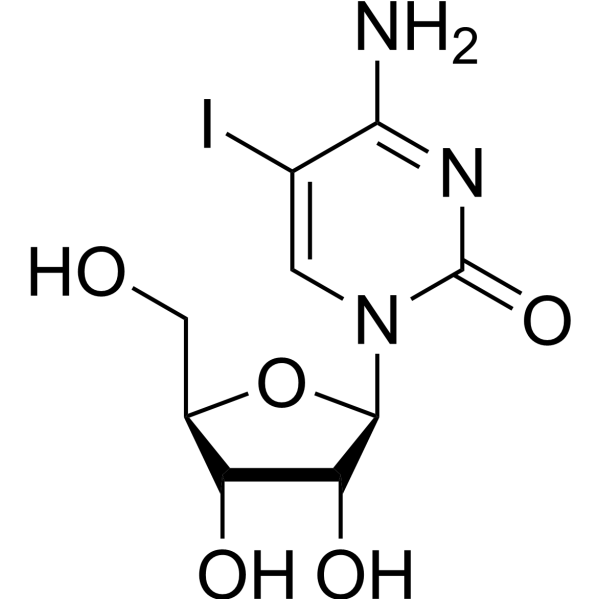
5-Iodo-cytidine (5-Iodo-D-cytidine) is a purine nucleoside analogue. Purine nucleoside analogs have broad antitumor activity targeting indolent lymphoid malignancies. Anticancer mechanisms in this process rely on inhibition of DNA synthesis, induction of apoptosis, etc .
|
-
- HY-154414
-
|
|
Nucleoside Antimetabolite/Analog
Phosphoramidites
|
Cancer
|
|
2’-Fluoro-2’-deoxy-ara-C(Bz)-3’-phosphoramidite is a cytidine analog. Cytidine analogs have a mechanism of inhibiting DNA methyltransferases (such as Zebularine, HY-13420), and have potential anti-metabolic and anti-tumor activities .
|
-
- HY-154019
-
|
|
Nucleoside Antimetabolite/Analog
Phosphoramidites
|
Cancer
|
|
N4-Benzoyl-5'-O-DMT-5-methylcytidine is a cytidine analog. Cytidine analogs have a mechanism of inhibiting DNA methyltransferases (such as Zebularine, HY-13420), and have potential anti-metabolic and anti-tumor activities .
|
-
- HY-154618
-
|
|
DNA/RNA Synthesis
Phosphoramidites
|
Others
|
|
N4-Benzoyl-5’-O-(4,4’-dimethoxytrityl)-3’-deoxy-3’-fluoro-beta-D-xylofuranosyl cytidine-2’-CED-phosphoramidite is a phosphoramidite that can be used in the synthesis of oligonucleotides.
|
-
- HY-152705
-
|
|
Nucleoside Antimetabolite/Analog
|
Others
|
|
5-Bromo-2’-deoxy-2’-fluoro-beta-D-arabinocytidine is a cytidine nucleoside analog. Cytidine analogs have a mechanism of inhibiting DNA methyltransferases (such as Zebularine, HY-13420), and have potential anti-metabolic and anti-tumor activities .
|
-
- HY-171703
-
-
- HY-152976
-
|
|
Nucleoside Antimetabolite/Analog
|
Others
|
|
N4-Benzoyl-7’-O-(4,4’-dimethoxytrityl oxy)morpholinocytosine is a cytidine analog. Cytidine analogs have a mechanism of inhibiting DNA methyltransferases (such as Zebularine, HY-13420), and have potential anti-metabolic and anti-tumor activities .
|
-
- HY-W048504
-
|
|
Nucleoside Antimetabolite/Analog
|
Cancer
|
|
1-[3’-O-[(4,4’-Dimethoxytriphenyl)methyl]-a-L-threofuranosyl]-N4-benzoylcytosine is a cytidine analog. Cytidine analogs have a mechanism of inhibiting DNA methyltransferases (such as Zebularine, HY-13420), and have potential anti-metabolic and anti-tumor activities .
|
-
- HY-152978
-
|
|
Nucleoside Antimetabolite/Analog
Phosphoramidites
|
Others
|
|
2'-Deoxy-5'-O-DMT-N4-Fmoc-5-methylcytidine is a cytidine analog. Cytidine analogs have a mechanism of inhibiting DNA methyltransferases (such as Zebularine, HY-13420), and have potential anti-metabolic and anti-tumor activities .
|
-
- HY-153249
-
-
- HY-154077
-
|
|
Nucleoside Antimetabolite/Analog
|
Cancer
|
|
N4-Benzoyl-5-methyl-2’-O,4’-C-methylenecytidine is a cytidine analog. Cytidine analogs have a mechanism of inhibiting DNA methyltransferases (such as Zebularine, HY-13420), and have potential anti-metabolic and anti-tumor activities .
|
-
- HY-125818I
-
|
Cytidine triphosphate disodium salt, 100 mM Solution, PCR Grade; 5'-CTP disodium salt, 100 mM Solution, PCR Grade
|
Biochemical Assay Reagents
|
Metabolic Disease
|
|
CTP (Cytidine triphosphate; 5'-CTP disodium salt) disodium salt, 100 mM Solution, PCR Grade is an immediate-use solution of cytidine triphosphate diodium salt. CTP is one of the four basic raw materials for RNA biosynthesis. CTP disodium salt is mainly used in molecular biology applications such as in vitro transcription (IVT), RNA synthesis and labeling .
|
-
- HY-78574
-
|
|
Nucleoside Antimetabolite/Analog
|
Others
|
|
N-Benzoylcytidine is a modified cytidine analogue that can be phosphorylated by uracil-cytidine kinase (UCK1 and UCK2). N-Benzoylcytidine can be used to synthesize 2-OH protective groups for solid-phase RNA synthesis, as well as synthetic oligonucleotides for UV induction and targeted gene silencing in zebrafish embryos .
|
-
- HY-W788728
-
-
- HY-157093
-
-
- HY-W039722
-
|
|
DNA/RNA Synthesis
|
Others
|
|
5-Fluorocytidine is a member of cytidines, inhibits maturation of the 45S ribosomal RNA precursor .
|
-
- HY-141884
-
-
- HY-154450
-
|
|
Nucleoside Antimetabolite/Analog
Phosphoramidites
|
Cancer
|
|
N4-Benzoyl-5’-O-DMT-3’-O-(2-methoxyethyl)-5-methylcytidine is a cytidine analog. Cytidine analogs have a mechanism of inhibiting DNA methyltransferases (such as Zebularine, HY-13420), and have potential anti-metabolic and anti-tumor activities .
|
-
- HY-152979
-
|
|
DNA/RNA Synthesis
Phosphoramidites
|
Others
|
|
2'-Deoxy-5'-O-DMT-N4-Fmoc-5-methylcytidine 3'-CE-phosphoramidite is a cytidine analog. Cytidine analogs have a mechanism of inhibiting DNA methyltransferases (such as Zebularine, HY-13420), and have potential anti-metabolic and anti-tumor activities .
|
-
- HY-154441
-
|
|
Nucleoside Antimetabolite/Analog
Phosphoramidites
|
Cancer
|
|
N4-Benzoyl-3'-O-DMT-2'-O-(2-methoxyethyl)-5-methylcytidine is a cytidine analog. Cytidine analogs have a mechanism of inhibiting DNA methyltransferases (such as Zebularine, HY-13420), and have potential anti-metabolic and anti-tumor activities .
|
-
- HY-W129617
-
-
- HY-180513
-
|
|
DNA/RNA Synthesis
|
Cancer
|
|
NSC668382 is an antitumor compound. The cytotoxicity of NSC668382 is negatively correlated with cytidine deaminase transcript levels .
|
-
- HY-154779R
-
|
|
Nucleoside Antimetabolite/Analog
Reference Standards
|
Cancer
|
|
5′-Deoxy-5-fluoro-N-[(2-methylbutoxy)carbonyl]cytidine (Standard) is the analytical standard of 5′-Deoxy-5-fluoro-N-[(2-methylbutoxy)carbonyl]cytidine. This product is intended for research and analytical applications. 5′-Deoxy-5-fluoro-N-[(2-methylbutoxy)carbonyl]cytidine is a purine nucleoside analog. Purine nucleoside analogs have broad antitumor activity targeting indolent lymphoid malignancies. Anticancer mechanisms in this process rely on inhibition of DNA synthesis, induction of apoptosis, etc .
|
-
- HY-119859
-
-
- HY-N15194A
-
|
|
Bacterial
Apoptosis
|
Infection
Cancer
|
|
Inostamycin A sodium is an inhibitor of cytidine-5'-diphosphate-1,2-diacyl-sn-glycerol (CDP-DG):inositol transferase. Inostamycin A sodium reduces phosphatidylinositol turnover, and inhibits cell proliferation and transformation. Inostamycin A sodium inhibits cancer cell proliferation, induces apoptosis, and prevents tumor recurrence. Inostamycin A sodium exhibits antibacterial activity. Inostamycin A sodium is applicable to research related to infection and cancer .
|
-
- HY-W338294S3
-
|
DeoxyCytidine-d2 monohydrate; Cytosine deoxyriboside-d2 monohydrate; Deoxyribose Cytidine-d2 monohydrate
|
Isotope-Labeled Compounds
|
Others
|
|
2'-Deoxycytidine-d2 monohydrate is the deuterium labeled 2'-Deoxycytidine monohydrate .
|
-
- HY-160535
-
-
- HY-W960552A
-
|
|
DNA/RNA Synthesis
|
Others
|
|
5-Methoxy-cytidine-5'-triphosphate trisodiumyes 5-Methoxycytidine-5'-Trisodium triphosphate.
|
-
- HY-13420
-
|
NSC309132; 4-Deoxyuridine
|
DNA Methyltransferase
Autophagy
|
Cancer
|
|
Zebularine (NSC309132; 4-Deoxyuridine) is a DNA methyltransferase inhibitor. Zebularine also inhibits cytidine deaminase with a Ki of 0.95 μM.
|
-
- HY-177197
-
-
- HY-121513
-
|
2'-Deoxy-L-Cytidine; L-dC
|
HBV
|
Infection
|
|
Torcitabine (2'-Deoxy-L-cytidine) is an antiviral agent. Torcitabine has the potential for chronic hepatitis B virus infection treatment .
|
-
- HY-W778087
-
-
- HY-128718
-
|
|
Influenza Virus
|
Infection
|
|
Carbodine (Carbocyclic cytidine) is a broad-spectrum antiviral agent active against DNA viruses, (+)RNA viruses, (-)RNA viruses, paramyxo, rhabdo and (+/-)RNA viruses, targets CTP synthetase that converts UTP to CTP. Carbodine (Carbocyclic cytidine) possesses significant antiviral activity against influenza virus types A0/PR-8/34 and A2/Aichi/2/68 in vitro .
|
-
- HY-W767228
-
-
- HY-134554
-
|
|
Drug Derivative
|
Cancer
|
|
5′-Deoxy-5-fluoro-N4-(isopentyloxycarbonyl)cytidine is an impurity in the synthesis of Capecitabine (HY-B0016) .
|
-
- HY-131811
-
|
5'-O-ThiophosphonoCytidine
|
DNA/RNA Synthesis
|
Others
|
|
5’CMPS (5’-O-Thiophosphonocytidine) is a 5’-CMP analog that is a potential competitive inhibitor or regulator of enzymes that interact with cytidine 5’phosphate .
|
-
- HY-109081
-
|
E7727
|
DNA/RNA Synthesis
|
Cancer
|
|
Cedazuridine (E7727) (Compound 7a) is an orally active cytidine deaminase (CDA) inhibitor with an IC50 value of 0.4 μM. Cedazuridine can be used for cancer research .
|
-
- HY-109081A
-
|
E7727 hydrochloride
|
DNA/RNA Synthesis
|
Cancer
|
|
Cedazuridine (E7727) (Compound 7a) hydrochloride is an orally active cytidine deaminase (CDA) inhibitor with an IC50 value of 0.4 μM. Cedazuridine hydrochloride can be used for cancer research .
|
-
- HY-128401A
-
|
2-LysylCytidine hydrochloride
|
Drug Derivative
|
Others
|
|
Lysidine (2-Lysylcytidine) hydrochloride is a lysine-containing Cytidine (HY-B0158) derivative commonly found at the wobble position of bacterial AUA codon-specific tRNA(Ile) .
|
-
- HY-154955
-
-
- HY-152869
-
|
|
Nucleoside Antimetabolite/Analog
|
Others
|
|
5-(Trifluoromethyl)cytidine is a purine nucleoside analogue. Purine nucleoside analogs have broad antitumor activity targeting indolent lymphoid malignancies. Anticancer mechanisms in this process rely on inhibition of DNA synthesis, induction of apoptosis, etc .
|
-
- HY-148395
-
|
|
Dihydroorotate Dehydrogenase
|
Cancer
|
|
UCK2 Inhibitor-2 is a non-competitive uridine-cytidine kinase 2 (UCK2) inhibitor with an IC50 value of 3.8 µM. UCK2 Inhibitor-2 can suppress uridine salvage in cells .
|
-
- HY-154615
-
|
|
DNA/RNA Synthesis
Phosphoramidites
|
Others
|
|
N4-Benzoyl-5’-O-DMTr-2’-O-(N3-trifluoroacetyl) aminopropyl cytidine 3’-CED phosphoramidite is a phosphorite monomer that can be used in the synthesis of oligonucleotides.
|
-
- HY-154528
-
|
|
Nucleoside Antimetabolite/Analog
|
Cancer
|
|
2’-O-Phthalimidopropyl cytidine is a purine nucleoside analog. Purine nucleoside analogs have broad antitumor activity targeting indolent lymphoid malignancies. Anticancer mechanisms in this process rely on inhibition of DNA synthesis, induction of apoptosis, etc .
|
-
- HY-154398
-
|
|
Nucleoside Antimetabolite/Analog
|
Cancer
|
|
5-Aza-xylo-cytidine is a purine nucleoside analog. Purine nucleoside analogs have broad antitumor activity targeting indolent lymphoid malignancies. Anticancer mechanisms in this process rely on inhibition of DNA synthesis, induction of apoptosis, etc .
|
-
- HY-152592
-
|
|
Nucleoside Antimetabolite/Analog
|
Others
|
|
3’-Azido-3’-deoxy-beta-L-cytidine is a purine nucleoside analogue. Purine nucleoside analogs have broad antitumor activity targeting indolent lymphoid malignancies. Anticancer mechanisms in this process rely on inhibition of DNA synthesis, induction of apoptosis, etc . 3’-Azido-3’-deoxy-beta-L-cytidine is a click chemistry reagent, it contains an Azide group and can undergo copper-catalyzed azide-alkyne cycloaddition reaction (CuAAc) with molecules containing Alkyne groups. It can also undergo strain-promoted alkyne-azide cycloaddition (SPAAC) reactions with molecules containing DBCO or BCN groups.
|
-
- HY-109081R
-
|
E7727 (Standard)
|
Others
Reference Standards
|
Cancer
|
|
Cedazuridine (Standard) is the analytical standard of Cedazuridine. This product is intended for research and analytical applications. Cedazuridine (E7727) (Compound 7a) is an orally active cytidine deaminase (CDA) inhibitor with an IC50 value of 0.4 μM. Cedazuridine can be used for cancer research .
|
-
- HY-152642
-
|
|
Nucleoside Antimetabolite/Analog
|
Cancer
|
|
2’-Azido-2’-deoxy-5-methyl cytidine is a purine nucleoside analog. Purine nucleoside analogs have broad antitumor activity targeting indolent lymphoid malignancies. Anticancer mechanisms in this process rely on inhibition of DNA synthesis, induction of apoptosis, etc . 2’-Azido-2’-deoxy-5-methyl cytidine is a click chemistry reagent, it contains an Azide group and can undergo copper-catalyzed azide-alkyne cycloaddition reaction (CuAAc) with molecules containing Alkyne groups. It can also undergo strain-promoted alkyne-azide cycloaddition (SPAAC) reactions with molecules containing DBCO or BCN groups.
|
-
- HY-W042357
-
|
|
Phosphoramidites
DNA/RNA Synthesis
|
Others
|
|
Ac-rC Phosphoramidite is a cytosine phosphoramidite used in the chemical synthesis of RNA oligonucleotides. Ac-rC Phosphoramidite enables the incorporation of cytidine nucleotides into synthetic RNA strands, and its unique protecting groups ensure the structural integrity of the molecule throughout complex synthetic processes .
|
-
- HY-152640
-
|
|
Nucleoside Antimetabolite/Analog
|
Cancer
|
|
5-Fluoro-4’-thio-cytidine is a purine nucleoside analog. Purine nucleoside analogs have broad antitumor activity targeting indolent lymphoid malignancies. Anticancer mechanisms in this process rely on inhibition of DNA synthesis, induction of apoptosis, etc .
|
-
- HY-176891
-
|
|
Drug Metabolite
DNA/RNA Synthesis
|
Cancer
|
|
Cyslopentenyl cytosine triphosphoric is an active metabolite of the antitumor nucleoside analogue cyclopentenyl cytosine (CPEC) within cells. Cyslopentenyl cytosine triphosphoric can inhibit CTP synthetase and deplete the pools of cytidine nucleotides. Cyslopentenyl cytosine triphosphoric can be used for the research of cancer, such as leukemia .
|
-
- HY-152854
-
|
|
Nucleoside Antimetabolite/Analog
|
Cancer
|
|
5-(Hydroxymethyl)cytidine is a purine nucleoside analog that can be used in oligonucleotide synthesis. Purine nucleoside analogs have broad antitumor activity targeting indolent lymphoid malignancies. Anticancer mechanisms in this process rely on inhibition of DNA synthesis, induction of apoptosis, etc .
|
-
- HY-152597
-
|
|
Nucleoside Antimetabolite/Analog
|
Others
|
|
3’-Azido-3’-deoxy-5-fluoro-beta-L-cytidine is a purine nucleoside analogue. Purine nucleoside analogs have broad antitumor activity targeting indolent lymphoid malignancies. Anticancer mechanisms in this process rely on inhibition of DNA synthesis, induction of apoptosis, etc . 3’-Azido-3’-deoxy-5-fluoro-beta-L-cytidine is a click chemistry reagent, it contains an Azide group and can undergo copper-catalyzed azide-alkyne cycloaddition reaction (CuAAc) with molecules containing Alkyne groups. It can also undergo strain-promoted alkyne-azide cycloaddition (SPAAC) reactions with molecules containing DBCO or BCN groups.
|
-
- HY-152595
-
|
|
Nucleoside Antimetabolite/Analog
|
Others
|
|
3’-Azido-3’-deoxy-5-methyl-beta-L-cytidine is a purine nucleoside analogue. Purine nucleoside analogs have broad antitumor activity targeting indolent lymphoid malignancies. Anticancer mechanisms in this process rely on inhibition of DNA synthesis, induction of apoptosis, etc . 3’-Azido-3’-deoxy-5-methyl-beta-L-cytidine is a click chemistry reagent, it contains an Azide group and can undergo copper-catalyzed azide-alkyne cycloaddition reaction (CuAAc) with molecules containing Alkyne groups. It can also undergo strain-promoted alkyne-azide cycloaddition (SPAAC) reactions with molecules containing DBCO or BCN groups.
|
-
- HY-154198
-
|
|
Nucleoside Antimetabolite/Analog
|
Cancer
|
|
5′-O-[Bis(4-methoxyphenyl)phenylmethyl]cytidine is a purine nucleoside analog. Purine nucleoside analogs have broad antitumor activity targeting indolent lymphoid malignancies. Anticancer mechanisms in this process rely on inhibition of DNA synthesis, induction of apoptosis, etc .
|
-
- HY-154529
-
|
|
Nucleoside Antimetabolite/Analog
|
Cancer
|
|
5’-O-DMTr-3’-O-phthalimidopropyl cytidine is a purine nucleoside analog. Purine nucleoside analogs have broad antitumor activity targeting indolent lymphoid malignancies. Anticancer mechanisms in this process rely on inhibition of DNA synthesis, induction of apoptosis, etc .
|
-
- HY-152149
-
|
|
DNA/RNA Synthesis
|
Inflammation/Immunology
|
|
CTP Synthetase-IN-1 is a potent, orally active cytidine 5'-triphosphate synthetase (CTPS) inhibitor with IC50s of 32 nM and 18 nM for human CTPS1 and human CTPS2, respectively. CTP Synthetase-IN-1 has anti-inflammatory effects .
|
-
- HY-152804
-
|
|
Nucleoside Antimetabolite/Analog
|
Others
|
|
5-Iodo-2’-β-C-methyl cytidine is a purine nucleoside analogue. Purine nucleoside analogs have broad antitumor activity targeting indolent lymphoid malignancies. Anticancer mechanisms in this process rely on inhibition of DNA synthesis, induction of apoptosis, etc .
|
-
- HY-152693
-
|
|
Nucleoside Antimetabolite/Analog
|
Others
|
|
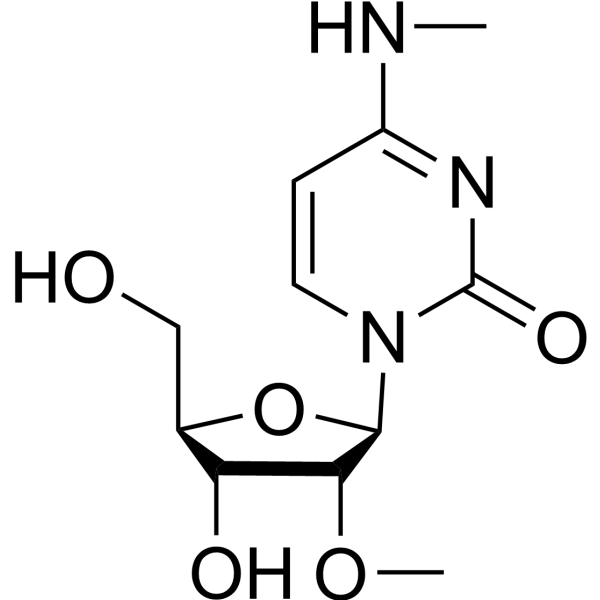
N4-Methyl-2’-O-methyl-cytidine is a purine nucleoside analogue. Purine nucleoside analogs have broad antitumor activity targeting indolent lymphoid malignancies. Anticancer mechanisms in this process rely on inhibition of DNA synthesis, induction of apoptosis, etc .
|
-
- HY-W009538
-
|
5-Fluoro-5'-deoxyCytidine
|
Nucleoside Antimetabolite/Analog
DNA/RNA Synthesis
Drug Metabolite
|
Cancer
|
|
5'-Deoxy-5-fluorocytidine (5-Fluoro-5'-deoxycytidine) is a cytidine analog and metabolite of Capecitabine (HY-B0016). 5'-Deoxy-5-fluorocytidine is converted from Capecitabine by carboxylesterase in the liver. 5'-Deoxy-5-fluorocytidine is deaminated by cytidine deaminase to generate 5'-deoxy-5-fluorouridine, which is finally converted into 5-fluorouracil (HY-90006) by thymidine phosphorylase in tumor tissues to exert anti-tumor effects. 5'-Deoxy-5-fluorocytidine is used in the researches for solid tumors such as colorectal cancer, non-small cell lung cancer and breast cancer .
|
-
- HY-152310
-
|
|
Nucleoside Antimetabolite/Analog
|
Others
|
|
N4-(n-Palmitoyl)-4’-azido-2’-deoxy-2’-fluoro-arabinocytidine is a cytidine nucleoside analog. Cytidine analogs have a mechanism of inhibiting DNA methyltransferases (such as Zebularine, HY-13420), and have potential anti-metabolic and anti-tumor activities . N4-(n-Palmitoyl)-4’-azido-2’-deoxy-2’-fluoro-arabinocytidine is a click chemistry reagent, it contains an Azide group and can undergo copper-catalyzed azide-alkyne cycloaddition reaction (CuAAc) with molecules containing Alkyne groups. It can also undergo strain-promoted alkyne-azide cycloaddition (SPAAC) reactions with molecules containing DBCO or BCN groups.
|
-
- HY-10586
-
-
- HY-154779
-
|
|
Nucleoside Antimetabolite/Analog
|
Cancer
|
|
5′-Deoxy-5-fluoro-N-[(2-methylbutoxy)carbonyl]cytidine is a purine nucleoside analog. Purine nucleoside analogs have broad antitumor activity targeting indolent lymphoid malignancies. Anticancer mechanisms in this process rely on inhibition of DNA synthesis, induction of apoptosis, etc .
|
-
- HY-W017068A
-
|
2'-Deoxyuridine-5'-triphosphate sodium salt
|
Biochemical Assay Reagents
|
Others
|
|
dUTP sodium is the salt form of dUTP. dUTP is a metabolic intermediate in both procaryotes and eucaryotes. dUTP can be used in PCR and RT-PCR to replace dTTP, resulting in the uracil-containing PCR products suitable for most standard applications. dUTP is found to inhibit the enzyme - Cytidine Aminohydrolase from sheep liver .
|
-
- HY-154024
-
|
|
Nucleoside Antimetabolite/Analog
|
Cancer
|
|
N4-Benzoyl-2’-O-(2-methoxyethyl)cytidine is a purine nucleoside analog. Purine nucleoside analogs have broad antitumor activity targeting indolent lymphoid malignancies. Anticancer mechanisms in this process rely on inhibition of DNA synthesis, induction of apoptosis, etc .
|
-
- HY-D0184S5
-
|
DeoxyCytidine-13C9; Cytosine deoxyriboside-13C9; Deoxyribose Cytidine-13C9
|
Isotope-Labeled Compounds
Endogenous Metabolite
|
Others
|
|
2'-Deoxycytidine- 13C9 (Deoxycytidine- 13C9; Cytosine deoxyriboside- 13C9; Deoxyribose cytidine- 13C9) is 13C-labeled 2'-Deoxycytidine (HY-D0184). 2'-Deoxycytidine, a deoxyribonucleoside, could inhibit biological effects of Bromodeoxyuridine (Brdu).
|
-
- HY-135909
-
TH1217
1 Publications Verification
ZINC1775962367
|
SARS-CoV
|
Infection
Cancer
|
|
TH1217 (ZINC1775962367) is a potent and selective dCTPase pyrophosphatase 1 (dCTPase) inhibitor, with an IC50 of 47 nM. TH1217 enhances the cytotoxic effect of cytidine analogues in leukemia cells. TH1217 also could modulate SARS-Cov-2 interactors, so it shows activity of against COVID-19 .
|
-
- HY-154581
-
|
|
Nucleoside Antimetabolite/Analog
|
Cancer
|
|
5-(Furan-2-yl)-2’-O-methyl-5’-O-DMTr-cytidine is a purine nucleoside analog. Purine nucleoside analogs have broad antitumor activity targeting indolent lymphoid malignancies. Anticancer mechanisms in this process rely on inhibition of DNA synthesis, induction of apoptosis, etc .
|
-
- HY-154601
-
|
|
Nucleoside Antimetabolite/Analog
|
Cancer
|
|
N4-Benzoyl-5’-O-(4,4-dimethoxytrityl)-3’-deoxy cytidine is a purine nucleoside analog. Purine nucleoside analogs have broad antitumor activity targeting indolent lymphoid malignancies. Anticancer mechanisms in this process rely on inhibition of DNA synthesis, induction of apoptosis, etc .
|
-
- HY-154593
-
|
|
Nucleoside Antimetabolite/Analog
|
Cancer
|
|
N4-Benzoyl-5’-O-DMTr-2’-O-(N3-trifluoroacetyl) aminopropyl cytidine is a purine nucleoside analog. Purine nucleoside analogs have broad antitumor activity targeting indolent lymphoid malignancies. Anticancer mechanisms in this process rely on inhibition of DNA synthesis, induction of apoptosis, etc .
|
-
- HY-154633
-
|
|
Nucleoside Antimetabolite/Analog
|
Cancer
|
|
3,5-O-[1,1,3,3-Tetrakis(1-methylethyl)-1,3-disiloxanediyl] cytidine is a purine nucleoside analog. Purine nucleoside analogs have broad antitumor activity targeting indolent lymphoid malignancies. Anticancer mechanisms in this process rely on inhibition of DNA synthesis, induction of apoptosis, etc .
|
-
- HY-14920
-
|
Reverset; d-d4FC
|
Reverse Transcriptase
HIV
|
Infection
|
|
Dexelvucitabine (Reverset; d-d4FC), a Cytidine (HY-B0158) analog, is an orally active nucleoside reverse transcriptase inhibitor. Dexelvucitabine is a powerful agent against HIV-1-resistant viruses containing a thymidine analog and/or M184V mutation in the viral polymerase. Dexelvucitabine is a 2′-Deoxycytidine antiretroviral agent .
|
-
- HY-W017068
-
|
2'-Deoxyuridine-5'-triphosphate trisodium salt
|
DNA/RNA Synthesis
|
Others
|
|
dUTP trisodium (2´-Deoxyuridine, 5´-Triphosphate) is the salt form of dUTP. dUTP is a metabolic intermediate in both procaryotes and eucaryotes. dUTP can be used in PCR and RT-PCR to replace dTTP, resulting in the uracil-containing PCR products suitable for most standard applications. dUTP is found to inhibit the enzyme - Cytidine Aminohydrolase from sheep liver .
|
-
- HY-139015
-
|
5-Aza-T-dCyd; NTX-301
|
DNA Methyltransferase
|
Cancer
|
|
5-Aza-4'-thio-2'-deoxycytidine (5-Aza-T-dCyd) is an orally active DNA methyltransferase I (DNMT1) inhibitor. 5-Aza-4'-thio-2'-deoxycytidine, a sulfur-containing deoxy-cytidine analog, has the potential for DNA hypomethylating and has antitumor effects .
|
-
- HY-W009538R
-
|
5-Fluoro-5'-deoxyCytidine (Standard)
|
Nucleoside Antimetabolite/Analog
Reference Standards
DNA/RNA Synthesis
Drug Metabolite
|
Cancer
|
|
5'-Deoxy-5-fluorocytidine (Standard) is the analytical standard of 5'-Deoxy-5-fluorocytidine (HY-W009538). This product is intended for research and analytical applications. 5'-Deoxy-5-fluorocytidine (5-Fluoro-5'-deoxycytidine) is a cytidine analog and metabolite of Capecitabine (HY-B0016). 5'-Deoxy-5-fluorocytidine is converted from Capecitabine by carboxylesterase in the liver. 5'-Deoxy-5-fluorocytidine is deaminated by cytidine deaminase to generate 5'-deoxy-5-fluorouridine, which is finally converted into 5-fluorouracil (HY-90006) by thymidine phosphorylase in tumor tissues to exert anti-tumor effects. 5'-Deoxy-5-fluorocytidine is used in the researches for solid tumors such as colorectal cancer, non-small cell lung cancer and breast cancer .
|
-
- HY-W009538S
-
|
5-Fluoro-5'-deoxyCytidine-d3
|
Nucleoside Antimetabolite/Analog
Isotope-Labeled Compounds
DNA/RNA Synthesis
Drug Metabolite
|
Cancer
|
|
5'-Deoxy-5-fluorocytidine-d3 is deuterated labeled 5'-Deoxy-5-fluorocytidine (HY-W009538). 5'-Deoxy-5-fluorocytidine (5-Fluoro-5'-deoxycytidine) is a cytidine analog and metabolite of Capecitabine (HY-B0016). 5'-Deoxy-5-fluorocytidine is converted from Capecitabine by carboxylesterase in the liver. 5'-Deoxy-5-fluorocytidine is deaminated by cytidine deaminase to generate 5'-deoxy-5-fluorouridine, which is finally converted into 5-fluorouracil (HY-90006) by thymidine phosphorylase in tumor tissues to exert anti-tumor effects. 5'-Deoxy-5-fluorocytidine is used in the researches for solid tumors such as colorectal cancer, non-small cell lung cancer and breast cancer .
|
-
- HY-10586R
-
|
Azacitidine (Standard); 5-AzaC (Standard); Ladakamycin (Standard)
|
Organoid
Reference Standards
Nucleoside Antimetabolite/Analog
DNA Methyltransferase
Bacterial
Autophagy
Antibiotic
|
Infection
Cancer
|
|
5-Azacytidine (Standard) is the analytical standard of 5-Azacytidine. This product is intended for research and analytical applications. 5-Azacytidine (Azacitidine; 5-AzaC; Ladakamycin) is a nucleoside analogue of cytidine that specifically inhibits DNA methylation. 5-Azacytidine is incorporated into DNA to covalently trap DNA methyltransferases and contributes to reverse epigenetic changes . 5-Azacytidine induces cell autophagy .
|
-
- HY-W048494
-
|
N4-Benzoyl-5-methyl-5'-O-(4,4'-dimethoxytrityl)-2'-O-methoxyethyl-Cytidine
|
Phosphoramidites
Nucleoside Antimetabolite/Analog
|
Others
|
|
N4-Bz-5-Me-DMT-2'-O-MOE-Cr (N4-Benzoyl-5-methyl-5'-O-(4,4'-dimethoxytrityl)-2'-O-methoxyethyl-cytidine) is a nucleoside analog containing a dimethoxytrityl (DMT) group, commonly used in the synthesis of nucleic acids.
|
-
- HY-W077279
-
|
N4-Acetyl-2'-deoxy-5'-O-DMT-Cytidine
|
Phosphoramidites
DNA/RNA Synthesis
|
Others
|
|
5'-O-DMT-N4-Ac-dC (N4-Acetyl-2'-deoxy-5'-O-DMT-cytidine, compound 7), a deoxynucleoside, can be used to synthesize of dodecyl phosphoramidite which is the raw material for dod‐DNA (amphiphilic DNA containing an internal hydrophobic region consisting of dodecyl phosphotriester linkages) synthesis .
|
-
- HY-W653970
-
-
- HY-W009538S1
-
|
5-Fluoro-5'-deoxyCytidine-13C5
|
Isotope-Labeled Compounds
DNA/RNA Synthesis
Drug Metabolite
|
Cancer
|
|
5'-Deoxy-5-fluorocytidine-13C5 is the 13C labeled isotope of 5'-Deoxy-5-fluorocytidine (HY-W009538). 5'-Deoxy-5-fluorocytidine (5-Fluoro-5'-deoxycytidine) is a cytidine analog and metabolite of Capecitabine (HY-B0016). 5'-Deoxy-5-fluorocytidine is converted from Capecitabine by carboxylesterase in the liver. 5'-Deoxy-5-fluorocytidine is deaminated by cytidine deaminase to generate 5'-deoxy-5-fluorouridine, which is finally converted into 5-fluorouracil (HY-90006) by thymidine phosphorylase in tumor tissues to exert anti-tumor effects. 5'-Deoxy-5-fluorocytidine is used in the researches for solid tumors such as colorectal cancer, non-small cell lung cancer and breast cancer .
|
-
- HY-D0184S3
-
|
DeoxyCytidine-13C9,15N3; Cytosine deoxyriboside-13C9,15N3; Deoxyribose Cytidine-13C9,15N3
|
Isotope-Labeled Compounds
Endogenous Metabolite
|
Others
|
|
2'-Deoxycytidine- 13C9, 15N3 (Deoxycytidine- 13C9, 15N3; Cytosine deoxyriboside- 13C9, 15N3; Deoxyribose cytidine- 13C9, 15N3) is 13C and 15N-labeled 2'-Deoxycytidine (HY-D0184). 2'-Deoxycytidine, a deoxyribonucleoside, could inhibit biological effects of Bromodeoxyuridine (Brdu).
|
-
- HY-148396
-
|
|
DNA/RNA Synthesis
|
Infection
Cancer
|
|
UCK2 Inhibitor-3 is a non-competitive inhibitor of uridine-cytidine kinase 2 (UCK2, a pyrimidine salvage enzyme) with an IC50 value of 16.6 μM. UCK2 can replace dihydroorotate dehydrogenase (DHODH), in a certain extent, in infected or rapidly dividing cells to continue efficient uridine salvage. UCK2 Inhibitor-3 also inhibits DNA polymerase eta and kappa with IC50s of 56 μM and 16 μM .
|
-
- HY-14920R
-
|
Reverset (Standard); d-d4FC (Standard)
|
Reverse Transcriptase
HIV
Reference Standards
|
Infection
|
|
Dexelvucitabine (Standard) is the analytical standard of Dexelvucitabine. This product is intended for research and analytical applications. Dexelvucitabine (Reverset; d-d4FC), a Cytidine (HY-B0158) analog, is an orally active nucleoside reverse transcriptase inhibitor. Dexelvucitabine is a powerful agent against HIV-1-resistant viruses containing a thymidine analog and/or M184V mutation in the viral polymerase. Dexelvucitabine is a 2′-Deoxycytidine antiretroviral agent .
|
-
- HY-111641
-
|
|
Nucleoside Antimetabolite/Analog
|
Infection
Inflammation/Immunology
|
|
3'-Azido-3'-deoxy-5-fluorocytidine (Compound 12) is a cytidine derivative. 3'-Azido-3'-deoxy-5-fluorocytidine is a click chemistry reagent, it contains an Azide group and can undergo copper-catalyzed azide-alkyne cycloaddition reaction (CuAAc) with molecules containing Alkyne groups. It can also undergo strain-promoted alkyne-azide cycloaddition (SPAAC) reactions with molecules containing DBCO or BCN groups.
|
-
- HY-P2881
-
|
Nucleoside 5′-diphosphate kinase
|
Biochemical Assay Reagents
|
Cancer
|
|
Nucleoside diphosphate kinase (Nucleoside 5′-diphosphate kinase) belongs to the family of structurally and functionally conserved NDPK (Nucleotide diphosphate kinase) enzymes. Nucleoside diphosphate kinase catalyzes the reversible transfer of γ-phosphates between nucleoside di-(NDP) and triphosphates (NTP) through ping-pong bi-bi reaction kinetics. Nucleoside diphosphate kinase is the essential housekeeping proteins that produces CTP (cytidine triphosphate) for lipid syntheses, UTP (Uridine triphosphate) for polysaccharide syntheses, and GTP (guanosine triphosphate) for protein syntheses, signal transduction, and microtubules polymerization .
|
-
- HY-E70298
-
|
ST3GAL1
|
Endogenous Metabolite
|
Cancer
|
|
ST3 β-Gal α-2,3-Sialyltransferase 1 (ST3GAL1) is a sialyltransferase whose overexpression in ovarian cancer cell lines enhances cell growth, migration, and invasion capabilities, as well as increases tumorigenicity and resistance to paclitaxel in vivo. ST3 β-Gal α-2,3-Sialyltransferase 1 catalyzes the transfer of sialic acid from cytidine monophosphate-sialic acid to galactose-containing substrates and can be utilized in studies of cancer progression and chemotherapy resistance .
|
-
- HY-W012282
-
|
|
HCV
|
Infection
|
|
3′-Deoxyuridine is a 3'-deoxynucleoside analog and a 2',3'-dideoxynucleoside. 3′-Deoxyuridine does not inhibit the replication of HCV-like RNA templates or luciferase levels in human cells at the tested concentrations. 3′-Deoxyuridine serves as a substrate for microbial dideoxyribosylation reactions to generate various 2',3'-dideoxynucleosides, but cannot be converted into 2',3'-dideoxycytidine by resting E. coli AJ 2595 cells. 3′-Deoxyuridine can be formed by the deamination of 3'-deoxycytidine by E. coli BM-11 cytidine deaminase, and can also undergo phosphorolytic cleavage to produce uracil and the corresponding pentose phosphate. 3′-Deoxyuridine has been used in research related to HCV and other relevant fields .
|
-
- HY-171574
-
|
AZddCTP
|
HIV
DNA/RNA Synthesis
|
Infection
|
|
3′-Azido-2′,3′-dideoxy-CTP (AZddCTP) is a cytidine analog containing a 3-azido group. As a chain terminator, 3′-Azido-2′,3′-dideoxy-CTP can be incorporated into the nascent DNA chain by HIV reverse transcriptase. 3′-Azido-2′,3′-dideoxy-CTP terminates DNA synthesis due to the lack of a 3'-hydroxyl group, thereby inhibiting viral replication. 3′-Azido-2′,3′-dideoxy-CTP has IC50 values of 15.6 μM and 160.8 μM for WT HIV and AZT R HIV. 3′-Azido-2′,3′-dideoxy-CTP has antiviral activity .
|
-
- HY-17026A
-
|
dFdCTP
|
Drug Metabolite
DNA/RNA Synthesis
Apoptosis
|
Cancer
|
|
Gemcitabine triphosphate (dFdCTP) is the active metabolite of Gemcitabine (HY-17026). The mechanism of Gemcitabine triphosphate cell-killing is its competition with cytidine triphosphate during DNA replication, which results in the inhibition of chain elongation. Gemcitabine triphosphate shows a Ki of 11.2 μM against DNA polymerase α and 14.4 μM against DNA polymerase ε. Gemcitabine triphosphate partially inhibits dCMP deaminase and acts as a substrate for DNA synthesis to incorporate into cellular DNA and RNA. Gemcitabine triphosphate disrupts DNA and RNA synthesis, arrests cell cycle in G0/G1 and S phases, triggers apoptosis, reduces tumor cell proliferation. Gemcitabine triphosphate can be used for the research of pancreatic cancer and non-small cell lung cancer .
|
-
- HY-17026E
-
|
dFdCTP trisodium
|
Drug Metabolite
DNA/RNA Synthesis
Apoptosis
|
Cancer
|
|
Gemcitabine triphosphate (dFdCTP) trisodium is the active metabolite of Gemcitabine (HY-17026). The mechanism of Gemcitabine triphosphate trisodium cell-killing is its competition with cytidine triphosphate during DNA replication, which results in the inhibition of chain elongation. Gemcitabine triphosphate trisodium shows a Ki of 11.2 μM against DNA polymerase α and 14.4 μM against DNA polymerase ε. Gemcitabine triphosphate trisodium partially inhibits dCMP deaminase and acts as a substrate for DNA synthesis to incorporate into cellular DNA and RNA. Gemcitabine triphosphate trisodium disrupts DNA and RNA synthesis, arrests cell cycle in G0/G1 and S phases, triggers apoptosis, reduces tumor cell proliferation. Gemcitabine triphosphate trisodium can be used for the research of pancreatic cancer and non-small cell lung cancer .
|
-
- HY-112747
-
|
LPI; PE (soy)
|
Phospholipase
|
Infection
|
|
Soy PE (LPI) is the most abundant phospholipid in prokaryotes and the second most abundant found in the membrane of mammalian, plant, and yeast cells, comprising approximately 25% of total mammalian phospholipids. In the brain, phosphatidylethanolamine comprises almost half of the total phospholipids. It is synthesized mainly through the cytidine diphosphate-ethanolamine and phosphatidylserine decarboxylation pathways, which occur in the endoplasmic reticulum (ER) and mitochondrial membranes, respectively. It is a precursor in the synthesis of phosphatidylcholine and arachidonoyl ethanolamide and is a source of ethanolamine used in various cellular functions. In E.coli, phosphatidylethanolamine deficiency prevents proper assembly of lactose permease, suggesting a role as a lipid chaperone. It is a cofactor in the propagation of prions in vitro and can convert recombinant mammalian proteins into infectious molecules even in the absence of RNA. This product contains phosphatidylethanolamine molecular species with variable fatty acyl chain lengths at the sn-1 and sn-2 positions .
|
-
- HY-164582
-
|
|
Phosphoramidites
DNA/RNA Synthesis
|
Others
|
|
DMTr-2'-O-C22-rC (Ac)-3'-CE-Phosphoramidite is an RNA phosphoramidite monomer. DMTr-2'-O-C22-rC (Ac)-3'-CE-Phosphoramidite enables site-specific introduction of 2'-O-C22 lipophilic modification at cytidine positions during oligonucleotide synthesis, which is used to construct double-stranded RNA (dsRNA) molecules with extrahepatic delivery capability. DMTr-2'-O-C22-rC (Ac)-3'-CE-Phosphoramidite supports target gene silencing in skeletal muscle, cardiac muscle and adipose tissue by enhancing the lipophilicity and tissue uptake efficiency of dsRNA. Construction and mechanism study of DMTr-2'-O-C22-rC (Ac)-3'-CE-Phosphoramidite nucleic acid silencing molecules .
|
-
| Cat. No. |
Product Name |
Type |
-
- HY-125818I
-
|
Cytidine triphosphate disodium salt, 100 mM Solution, PCR Grade; 5'-CTP disodium salt, 100 mM Solution, PCR Grade
|
Biochemical Assay Reagents
|
|
CTP (Cytidine triphosphate; 5'-CTP disodium salt) disodium salt, 100 mM Solution, PCR Grade is an immediate-use solution of cytidine triphosphate diodium salt. CTP is one of the four basic raw materials for RNA biosynthesis. CTP disodium salt is mainly used in molecular biology applications such as in vitro transcription (IVT), RNA synthesis and labeling .
|
-
- HY-W077279
-
|
N4-Acetyl-2'-deoxy-5'-O-DMT-Cytidine
|
Biochemical Assay Reagents
|
|
5'-O-DMT-N4-Ac-dC (N4-Acetyl-2'-deoxy-5'-O-DMT-cytidine, compound 7), a deoxynucleoside, can be used to synthesize of dodecyl phosphoramidite which is the raw material for dod‐DNA (amphiphilic DNA containing an internal hydrophobic region consisting of dodecyl phosphotriester linkages) synthesis .
|
-
- HY-125818B
-
|
Cytidine triphosphate sodium hydrate; 5'-CTP sodium hydrate
|
Biochemical Assay Reagents
|
|
Cytidine-5'-triphosphate sodium hydrate (Cytidine triphosphate sodium hydrate; 5'-CTP sodium hydrate) is the sodium hydrate form of Cytidine-5'-triphosphate (HY-125818). Cytidine-5'-triphosphate sodium hydrate is a nucleoside triphosphate, that is invovled in biosynthesis of DNA, RNA and lipid .
|
-
- HY-141884
-
|
2',3'-Isopropylidene Cytidine
|
Biochemical Assay Reagents
|
|
2',3'-O-Isopropylidenecytidine (2',3'-Isopropylidene cytidine) is a synthetic sugar compound.
|
-
- HY-W788728
-
-
- HY-E70147
-
|
EC:2.4.99.; ST3GAL6; Type 2 lactosamine α-2,3-sialyltransferase
|
Biochemical Assay Reagents
|
|
ST3 beta-Gal alpha-2,3-Sialyltransferase 6 (EC:2.4.99., ST3GAL6; SIAT10, Type 2 lactosamine alpha-2,3-sialyltransferase) transfer sialic acid from the activated cytidine 5'-monophospho-N-acetylneuraminic acid to terminal positions on sialylated glycolipids (gangliosides) or to the N- or O-linked sugar chains of glycoproteins. ST3 beta-Gal alpha-2,3-Sialyltransferase 6 play an important role in cancer .
|
-
- HY-164112
-
|
18:1 CDP DG
|
Biochemical Assay Reagents
|
|
1,2-Dioleoyl-sn-glycero-3-(cytidine diphosphate) ammonium (18:1 CDP DG) is a diacylglycerol derivate .
|
| Cat. No. |
Product Name |
Category |
Target |
Chemical Structure |
| Cat. No. |
Product Name |
Chemical Structure |
-
- HY-B0158S7
-
|
|
|
Cytidine- 13C9 (Cytosine β-D-riboside- 13C9) is 13C labeled Cytidine (HY-B0158). Cytidine is a pyrimidine nucleoside and acts as a component of RNA. Cytidine is a precursor of uridine. Cytidine controls neuronal-glial glutamate cycling, affecting cerebral phospholipid metabolism, catecholamine synthesis, and mitochondrial function .
|
-
-
- HY-B0158S6
-
|
|
|
Cytidine- 15N3 is the 15N labeled Cytidine . Cytidine is a pyrimidine nucleoside and acts as a component of RNA. Cytidine is a precursor of uridine. Cytidine controls neuronal-glial glutamate cycling, affecting cerebral phospholipid metabolism, catecholamine synthesis, and mitochondrial function .
|
-
-
- HY-W009162S5
-
|
|
|
Cytidine 5′-monophosphate- 13C9, 15N3 (5'-Cytidylic acid- 13C9, 15N3 dilithium; 5'-CMP- 13C9, 15N3) dilithium is 13C and 15N-labeled Cytidine 5'-monophosphate (HY-W009162). Cytidine 5'-monophosphate (5'-Cytidylic acid) is a nucleotide which is used as a monomer in RNA. Cytidine 5'-monophosphate consists of the nucleobase cytosine, the pentose sugar ribose, and the phosphate group.
|
-
-
- HY-B0158S1
-
|
|
|
Cytidine- 13C is the 13C labeled Cytidine. Cytidine is a pyrimidine nucleoside and acts as a component of RNA. Cytidine is a precursor of uridine. Cytidine controls neuronal-glial glutamate cycling, affecting cerebral phospholipid metabolism, catecholamine
|
-
-
- HY-125818S3
-
|
|
|
Cytidine-5'-triphosphate- 13C9 (Cytidine triphosphate- 13C9 dilithium; 5'-CTP- 13C9) dilithium is 13C-labeled Cytidine-5'-triphosphate (HY-125818). Cytidine 5′-triphosphate (Cytidine triphosphate; 5'-CTP) is a nucleoside triphosphate and serves as a building block for nucleotides and nucleic acids, lipid biosynthesis. Cytidine triphosphate synthase can catalyze the formation of cytidine 5′-triphosphate from uridine 5′-triphosphate (UTP). Cytidine 5′-triphosphate is an essential biomolecule in the de novo pyrimidine biosynthetic pathway in T. gondii.
|
-
-
- HY-B0158S
-
|
|
|
Cytidine-d2 is the deuterium labeled Cytidine. Cytidine is a pyrimidine nucleoside and acts as a component of RNA. Cytidine is a precursor of uridine. Cytidine controls neuronal-glial glutamate cycling, affecting cerebral phospholipid metabolism, catecholamine synthesis, and mitochondrial function .
|
-
-
- HY-W338294S3
-
|
|
|
2'-Deoxycytidine-d2 monohydrate is the deuterium labeled 2'-Deoxycytidine monohydrate .
|
-
-
- HY-B0158S4
-
|
|
|
Cytidine-d is the deuterium labeled Cytidine. Cytidine is a pyrimidine nucleoside and acts as a component of RNA. Cytidine is a precursor of uridine. Cytidine controls neuronal-glial glutamate cycling, affecting cerebral phospholipid metabolism, catechol
|
-
-
- HY-B0158S2
-
|
|
|
Cytidine- 13C-1 is the 13C labeled Cytidine. Cytidine is a pyrimidine nucleoside and acts as a component of RNA. Cytidine is a precursor of uridine. Cytidine controls neuronal-glial glutamate cycling, affecting cerebral phospholipid metabolism, catecholami
|
-
-
- HY-W768207
-
|
|
|
Cytidine-1',2',3',4',5'- 13C5 is the 13C-labeled Cytidine (HY-B0158). Cytidine is a pyrimidine nucleoside and acts as a component of RNA. Cytidine is a precursor of uridine. Cytidine controls neuronal-glial glutamate cycling, affecting cerebral phospholipid metabolism, catecholamine synthesis, and mitochondrial function .
|
-
-
- HY-B0158S5
-
|
|
|
Cytidine- 13C9, 15N3 is the 13C and 15N labeled Cytidine . Cytidine is a pyrimidine nucleoside and acts as a component of RNA. Cytidine is a precursor of uridine. Cytidine controls neuronal-glial glutamate cycling, affecting cerebral phospholipid metabolism, catecholamine synthesis, and mitochondrial function .
|
-
-
- HY-W768839
-
|
|
|
5-(Hydroxymethyl)cytidine- 13C,d2 is the deuterium labeled and 13C-labeled 5-(Hydroxymethyl)cytidine (HY-152854). 5-(Hydroxymethyl)cytidine is a purine nucleoside analogue. Purine nucleoside analogs have broad antitumor activity targeting indolent lymphoid malignancies. Anticancer mechanisms in this process rely on inhibition of DNA synthesis, induction of apoptosis, etc .
|
-
-
- HY-B0158S3
-
|
|
|
Cytidine-d2-1 is the deuterium labeled Cytidine. Cytidine is a pyrimidine nucleoside and acts as a component of RNA. Cytidine is a precursor of uridine. Cytidine controls neuronal-glial glutamate cycling, affecting cerebral phospholipid metabolism, catech
|
-
-
- HY-B0158S8
-
|
|
|
Cytidine-d13 (Cytosine β-D-riboside-d13) is deuterium labeled Cytidine (HY-B0158). Cytidine is a pyrimidine nucleoside and acts as a component of RNA. Cytidine is a precursor of uridine. Cytidine controls neuronal-glial glutamate cycling, affecting cerebral phospholipid metabolism, catecholamine synthesis, and mitochondrial function .
|
-
-
- HY-B0739AS
-
|
|
|
Citicoline-d9 (Cytidine diphosphate-choline-d9) sodium is the deuterium labeled Citicoline sodium (HY-B0739A). Citicoline sodium is an endogenous intermediate in the synthesis of phosphatidylcholine which is a component of cell membranes. Citicoline sodium inhibits reactive oxygen species (ROS) and apoptosis. Citicoline sodium can be used for neurological disease and hearing loss study .
|
-
-
- HY-W653970
-
|
|
|
5-Azacytidine- 15N4 is 13C and 15N labeled 5-Azacytidine. 5-Azacytidine (Azacitidine; 5-AzaC; Ladakamycin) is a nucleoside analogue of cytidine that specifically inhibits DNA methylation. 5-Azacytidine is incorporated into DNA to covalently trap DNA methyltransferases and contributes to reverse epigenetic changes. 5-Azacytidine induces cell autophagy .
|
-
-
- HY-D0184S3
-
|
|
|
2'-Deoxycytidine- 13C9, 15N3 (Deoxycytidine- 13C9, 15N3; Cytosine deoxyriboside- 13C9, 15N3; Deoxyribose cytidine- 13C9, 15N3) is 13C and 15N-labeled 2'-Deoxycytidine (HY-D0184). 2'-Deoxycytidine, a deoxyribonucleoside, could inhibit biological effects of Bromodeoxyuridine (Brdu).
|
-
-
- HY-D0184S4
-
|
|
|
2'-Deoxycytidine-d13 (Deoxycytidine-d13; Cytosine deoxyriboside-d13; Deoxyribose cytidine-d13) is deuterium labeled 2'-Deoxycytidine (HY-D0184). 2'-Deoxycytidine, a deoxyribonucleoside, could inhibit biological effects of Bromodeoxyuridine (Brdu).
|
-
-
- HY-W754064
-
|
|
|
Cytidine-5'-triphosphate- 13C5 (Cytidine triphosphate- 13C5) is the 13C-labeled Cytidine-5'-triphosphate (HY-125818). Cytidine 5′-triphosphate (Cytidine triphosphate; 5'-CTP) is a nucleoside triphosphate and serves as a building block for nucleotides and nucleic acids, lipid biosynthesis. Cytidine triphosphate synthase can catalyze the formation of cytidine 5′-triphosphate from uridine 5′-triphosphate (UTP). Cytidine 5′-triphosphate is an essential biomolecule?in the de novo?pyrimidine biosynthetic pathway in?T. gondii .
|
-
-
- HY-125818S1
-
|
|
|
Cytidine-5′-triphosphate-d14 disodium is the deuterium labeled Cytidine-5'-triphosphate . Cytidine 5′-triphosphate (Cytidine triphosphate;5'-CTP) is a nucleoside triphosphate and serves as a building block for nucleotides and nucleic acids, lipid biosynthesis. Cytidine triphosphate synthase can catalyze the formation of cytidine 5′-triphosphate from uridine 5′-triphosphate (UTP). Cytidine 5′-triphosphate is an essential biomolecule in the de novo pyrimidine biosynthetic pathway in T. gondii .
|
-
-
- HY-125818S4
-
|
|
|
Cytidine-5'-triphosphate-d14 (Cytidine triphosphate-d14 dilithium; 5'-CTP-d14) dilithium is deuterium labeled Cytidine-5'-triphosphate (HY-125818). Cytidine 5′-triphosphate (Cytidine triphosphate; 5'-CTP) is a nucleoside triphosphate and serves as a building block for nucleotides and nucleic acids, lipid biosynthesis. Cytidine triphosphate synthase can catalyze the formation of cytidine 5′-triphosphate from uridine 5′-triphosphate (UTP). Cytidine 5′-triphosphate is an essential biomolecule in the de novo pyrimidine biosynthetic pathway in T. gondii.
|
-
-
- HY-125818S6
-
|
|
|
Cytidine-5'-triphosphate- 15N3 (Cytidine triphosphate- 15N3 dilithium; 5'-CTP- 15N3) dilithium is 15N labeled Cytidine-5'-triphosphate (HY-125818). Cytidine 5′-triphosphate (Cytidine triphosphate; 5'-CTP) is a nucleoside triphosphate and serves as a building block for nucleotides and nucleic acids, lipid biosynthesis. Cytidine triphosphate synthase can catalyze the formation of cytidine 5′-triphosphate from uridine 5′-triphosphate (UTP). Cytidine 5′-triphosphate is an essential biomolecule in the de novo pyrimidine biosynthetic pathway in T. gondii.
|
-
-
- HY-125818S2
-
|
|
|
Cytidine-5'-triphosphate- 13C,d1 (Cytidine triphosphate- 13C,d1 dilithium; 5'-CTP- 13C,d1) dilithium is deuterium and 13C-labeled Cytidine-5'-triphosphate (HY-125818). Cytidine 5′-triphosphate (Cytidine triphosphate; 5'-CTP) is a nucleoside triphosphate and serves as a building block for nucleotides and nucleic acids, lipid biosynthesis. Cytidine triphosphate synthase can catalyze the formation of cytidine 5′-triphosphate from uridine 5′-triphosphate (UTP). Cytidine 5′-triphosphate is an essential biomolecule in the de novo pyrimidine biosynthetic pathway in T. gondii.
|
-
-
- HY-125818S5
-
|
|
|
Cytidine-5'-triphosphate- 15N3,d14 (Cytidine triphosphate- 15N3,d14 dilithium; 5'-CTP- 15N3,d14) dilithium is deuterium and 15N labeled Cytidine-5'-triphosphate (HY-125818). Cytidine 5′-triphosphate (Cytidine triphosphate; 5'-CTP) is a nucleoside triphosphate and serves as a building block for nucleotides and nucleic acids, lipid biosynthesis. Cytidine triphosphate synthase can catalyze the formation of cytidine 5′-triphosphate from uridine 5′-triphosphate (UTP). Cytidine 5′-triphosphate is an essential biomolecule in the de novo pyrimidine biosynthetic pathway in T. gondii.
|
-
-
- HY-113400S3
-
|
|
|
Cytidine diphosphate-d13 dilithium is deuterium labeled Cytidine diphosphate (HY-113400). Cytidine diphosphate is a nucleoside diphosphate that acts as a carrier for phosphorylcholine, diacylglycerol, and other molecules during phospholipid synthesis.
|
-
-
- HY-113400S
-
|
|
|
Cytidine diphosphate- 15N3 dilithium is 15N labeled Cytidine diphosphate (HY-113400). Cytidine diphosphate is a nucleoside diphosphate that acts as a carrier for phosphorylcholine, diacylglycerol, and other molecules during phospholipid synthesis.
|
-
-
- HY-W009162S
-
|
|
|
Cytidine 5′-monophosphate- 15N3 (disodium) is the 15N labeled Cytidine 5'-monophosphate disodium . Cytidine 5'-monophosphate (5'-Cytidylic acid) disodium is a nucleotide which is used as a monomer in RNA. Cytidine 5'-monophosphate disodium consists of the nucleobase cytosine, the pentose sugar ribose, and the phosphate group .
|
-
-
- HY-113400S1
-
|
|
|
Cytidine diphosphate- 13C9 dilithium is 13C-labeled Cytidine diphosphate (HY-113400). Cytidine diphosphate is a nucleoside diphosphate that acts as a carrier for phosphorylcholine, diacylglycerol, and other molecules during phospholipid synthesis.
|
-
-
- HY-150930S
-
|
|
|
Cytidine 5'-triphosphate- 15N3 (ammonium) is the 15N labeled Cytidine 5'-triphosphate ammonium .
|
-
-
- HY-150763S
-
|
|
|
Cytidine 5'-Triphosphate (ammonium salt)-d8 is the deuterium labeled Cytidine 5'-Triphosphate ammonium salt .
|
-
-
- HY-113400S2
-
|
|
|
Cytidine diphosphate- 13C9, 15N3 dilithium is 13C and 15N-labeled Cytidine diphosphate (HY-113400). Cytidine diphosphate is a nucleoside diphosphate that acts as a carrier for phosphorylcholine, diacylglycerol, and other molecules during phospholipid synthesis.
|
-
-
- HY-150777S
-
|
|
|
Cytidine 5'-triphosphate(CTP)-d4 (ammonium salt) is the deuterium labeled Cytidine 5'-triphosphate(CTP) ammonium salt .
|
-
-
- HY-150929S
-
|
|
|
Cytidine 5'-triphosphate (CTP)-d5 (ammonium) is the deuterium labeled Cytidine 5'-triphosphate (CTP) ammonium .
|
-
-
- HY-W009162S2
-
|
|
|
Cytidine 5′-monophosphate-d12 (5'-Cytidylic acid-d12 dilithium; 5'-CMP-d12) dilithium is deuterium labeled Cytidine 5'-monophosphate (HY-W009162). Cytidine 5'-monophosphate (5'-Cytidylic acid) is a nucleotide which is used as a monomer in RNA. Cytidine 5'-monophosphate consists of the nucleobase cytosine, the pentose sugar ribose, and the phosphate group.
|
-
-
- HY-W009162S4
-
|
|
|
Cytidine 5′-monophosphate- 15N3 (5'-Cytidylic acid- 15N3 dilithium; 5'-CMP- 15N3) dilithium is 15N labeled Cytidine 5'-monophosphate (HY-W009162). Cytidine 5'-monophosphate (5'-Cytidylic acid) is a nucleotide which is used as a monomer in RNA. Cytidine 5'-monophosphate consists of the nucleobase cytosine, the pentose sugar ribose, and the phosphate group.
|
-
-
- HY-W009162S1
-
|
|
|
Cytidine 5′-monophosphate- 13C9 (5'-Cytidylic acid- 13C9 dilithium; 5'-CMP- 13C9) dilithium is 13C-labeled Cytidine 5'-monophosphate (HY-W009162). Cytidine 5'-monophosphate (5'-Cytidylic acid) is a nucleotide which is used as a monomer in RNA. Cytidine 5'-monophosphate consists of the nucleobase cytosine, the pentose sugar ribose, and the phosphate group.
|
-
-
- HY-150710S
-
|
|
|
Cytidine 5'-triphosphate- 13C9, 15N3 (ammonium) is the 13C and 15N labeled Cytidine 5'-triphosphate ammonium .
|
-
-
- HY-15345AS
-
|
|
|
Tetrahydrouridine-d3 is the deuterium labeled Tetrahydrouridine . Tetrahydrouridine dihydrate is potent inhibitor of cytidine deaminase (CDA), which competitively blocks the enzyme's active site more effectively than intrinsic cytidine .
|
-
-
- HY-W009162S3
-
|
|
|
Cytidine 5′-monophosphate- 15N3,d12 (5'-Cytidylic acid- 15N3,d12 dilithium; 5'-CMP- 15N3,d12) dilithium is deuterium and 15N labeled Cytidine 5'-monophosphate (HY-W009162). Cytidine 5'-monophosphate (5'-Cytidylic acid) is a nucleotide which is used as a monomer in RNA. Cytidine 5'-monophosphate consists of the nucleobase cytosine, the pentose sugar ribose, and the phosphate group.
|
-
-
- HY-W767228
-
|
|
|
Decitabine- 15N4 (5-Aza-2'-deoxy cytidine- 15N4) is 15N labeled Decitabine .
|
-
-
- HY-D0184S5
-
|
|
|
2'-Deoxycytidine- 13C9 (Deoxycytidine- 13C9; Cytosine deoxyriboside- 13C9; Deoxyribose cytidine- 13C9) is 13C-labeled 2'-Deoxycytidine (HY-D0184). 2'-Deoxycytidine, a deoxyribonucleoside, could inhibit biological effects of Bromodeoxyuridine (Brdu).
|
-
-
- HY-W009538S
-
|
|
|
5'-Deoxy-5-fluorocytidine-d3 is deuterated labeled 5'-Deoxy-5-fluorocytidine (HY-W009538). 5'-Deoxy-5-fluorocytidine (5-Fluoro-5'-deoxycytidine) is a cytidine analog and metabolite of Capecitabine (HY-B0016). 5'-Deoxy-5-fluorocytidine is converted from Capecitabine by carboxylesterase in the liver. 5'-Deoxy-5-fluorocytidine is deaminated by cytidine deaminase to generate 5'-deoxy-5-fluorouridine, which is finally converted into 5-fluorouracil (HY-90006) by thymidine phosphorylase in tumor tissues to exert anti-tumor effects. 5'-Deoxy-5-fluorocytidine is used in the researches for solid tumors such as colorectal cancer, non-small cell lung cancer and breast cancer .
|
-
-
- HY-W009538S1
-
|
|
|
5'-Deoxy-5-fluorocytidine-13C5 is the 13C labeled isotope of 5'-Deoxy-5-fluorocytidine (HY-W009538). 5'-Deoxy-5-fluorocytidine (5-Fluoro-5'-deoxycytidine) is a cytidine analog and metabolite of Capecitabine (HY-B0016). 5'-Deoxy-5-fluorocytidine is converted from Capecitabine by carboxylesterase in the liver. 5'-Deoxy-5-fluorocytidine is deaminated by cytidine deaminase to generate 5'-deoxy-5-fluorouridine, which is finally converted into 5-fluorouracil (HY-90006) by thymidine phosphorylase in tumor tissues to exert anti-tumor effects. 5'-Deoxy-5-fluorocytidine is used in the researches for solid tumors such as colorectal cancer, non-small cell lung cancer and breast cancer .
|
-
-
- HY-150780S
-
|
|
|
Cytidine 5'-triphosphate (ammonium salt)-d2 is the deuterium labeled Cytidine 5'-triphosphate ammonium salt .
|
-
| Cat. No. |
Product Name |
|
Classification |
-
- HY-152789
-
|
|
|
Azide
|
|
5-(2-Azidoethyl)cytidine is a cytidine nucleoside analog. Cytidine analogs have a mechanism of inhibiting DNA methyltransferases (such as Zebularine, HY-13420), and have potential anti-metabolic and anti-tumor activities . 5-(2-Azidoethyl)cytidine is a click chemistry reagent, it contains an Azide group and can undergo copper-catalyzed azide-alkyne cycloaddition reaction (CuAAc) with molecules containing Alkyne groups. It can also undergo strain-promoted alkyne-azide cycloaddition (SPAAC) reactions with molecules containing DBCO or BCN groups.
|
-
- HY-152787
-
|
|
|
Azide
|
|
5-(3-Azidopropyl)cytidine is a cytidine nucleoside analog. Cytidine analogs have a mechanism of inhibiting DNA methyltransferases (such as Zebularine, HY-13420), and have potential anti-metabolic and anti-tumor activities . 5-(3-Azidopropyl)cytidine is a click chemistry reagent, it contains an Azide group and can undergo copper-catalyzed azide-alkyne cycloaddition reaction (CuAAc) with molecules containing Alkyne groups. It can also undergo strain-promoted alkyne-azide cycloaddition (SPAAC) reactions with molecules containing DBCO or BCN groups.
|
-
- HY-152592
-
|
|
|
Azide
|
|
3’-Azido-3’-deoxy-beta-L-cytidine is a purine nucleoside analogue. Purine nucleoside analogs have broad antitumor activity targeting indolent lymphoid malignancies. Anticancer mechanisms in this process rely on inhibition of DNA synthesis, induction of apoptosis, etc . 3’-Azido-3’-deoxy-beta-L-cytidine is a click chemistry reagent, it contains an Azide group and can undergo copper-catalyzed azide-alkyne cycloaddition reaction (CuAAc) with molecules containing Alkyne groups. It can also undergo strain-promoted alkyne-azide cycloaddition (SPAAC) reactions with molecules containing DBCO or BCN groups.
|
-
- HY-152642
-
|
|
|
Azide
|
|
2’-Azido-2’-deoxy-5-methyl cytidine is a purine nucleoside analog. Purine nucleoside analogs have broad antitumor activity targeting indolent lymphoid malignancies. Anticancer mechanisms in this process rely on inhibition of DNA synthesis, induction of apoptosis, etc . 2’-Azido-2’-deoxy-5-methyl cytidine is a click chemistry reagent, it contains an Azide group and can undergo copper-catalyzed azide-alkyne cycloaddition reaction (CuAAc) with molecules containing Alkyne groups. It can also undergo strain-promoted alkyne-azide cycloaddition (SPAAC) reactions with molecules containing DBCO or BCN groups.
|
-
- HY-152597
-
|
|
|
Azide
|
|
3’-Azido-3’-deoxy-5-fluoro-beta-L-cytidine is a purine nucleoside analogue. Purine nucleoside analogs have broad antitumor activity targeting indolent lymphoid malignancies. Anticancer mechanisms in this process rely on inhibition of DNA synthesis, induction of apoptosis, etc . 3’-Azido-3’-deoxy-5-fluoro-beta-L-cytidine is a click chemistry reagent, it contains an Azide group and can undergo copper-catalyzed azide-alkyne cycloaddition reaction (CuAAc) with molecules containing Alkyne groups. It can also undergo strain-promoted alkyne-azide cycloaddition (SPAAC) reactions with molecules containing DBCO or BCN groups.
|
-
- HY-152595
-
|
|
|
Azide
|
|
3’-Azido-3’-deoxy-5-methyl-beta-L-cytidine is a purine nucleoside analogue. Purine nucleoside analogs have broad antitumor activity targeting indolent lymphoid malignancies. Anticancer mechanisms in this process rely on inhibition of DNA synthesis, induction of apoptosis, etc . 3’-Azido-3’-deoxy-5-methyl-beta-L-cytidine is a click chemistry reagent, it contains an Azide group and can undergo copper-catalyzed azide-alkyne cycloaddition reaction (CuAAc) with molecules containing Alkyne groups. It can also undergo strain-promoted alkyne-azide cycloaddition (SPAAC) reactions with molecules containing DBCO or BCN groups.
|
-
- HY-152310
-
|
|
|
Azide
|
|
N4-(n-Palmitoyl)-4’-azido-2’-deoxy-2’-fluoro-arabinocytidine is a cytidine nucleoside analog. Cytidine analogs have a mechanism of inhibiting DNA methyltransferases (such as Zebularine, HY-13420), and have potential anti-metabolic and anti-tumor activities . N4-(n-Palmitoyl)-4’-azido-2’-deoxy-2’-fluoro-arabinocytidine is a click chemistry reagent, it contains an Azide group and can undergo copper-catalyzed azide-alkyne cycloaddition reaction (CuAAc) with molecules containing Alkyne groups. It can also undergo strain-promoted alkyne-azide cycloaddition (SPAAC) reactions with molecules containing DBCO or BCN groups.
|
| Cat. No. |
Product Name |
|
Classification |
-
- HY-B0158
-
Cytidine
Maximum Cited Publications
8 Publications Verification
Cytosine β-D-riboside; Cytosine-1-β-D-ribofuranoside
|
|
Nucleoside Analogs
Cytidine
|
|
Cytidine is a pyrimidine nucleoside and acts as a component of RNA. Cytidine is a precursor of uridine. Cytidine controls neuronal-glial glutamate cycling, affecting cerebral phospholipid metabolism, catecholamine synthesis, and mitochondrial function .
|
-
- HY-125818
-
|
Cytidine triphosphate; 5'-CTP
|
|
Nucleotide Analogs
|
|
Cytidine 5′-triphosphate (Cytidine triphosphate; 5'-CTP) is a nucleoside triphosphate and serves as a building block for nucleotides and nucleic acids, lipid biosynthesis. Cytidine triphosphate synthase can catalyze the formation of cytidine 5′-triphosphate from uridine 5′-triphosphate (UTP). Cytidine 5′-triphosphate is an essential biomolecule in the de novo pyrimidine biosynthetic pathway in T. gondii .
|
-
- HY-15345A
-
|
THU; NSC-112907
|
|
Nucleoside Analogs
Uridine
|
|
Tetrahydrouridine dihydrate is potent inhibitor of cytidine deaminase (CDA), which competitively blocks the enzyme's active site more effectively than intrinsic cytidine .
|
-
- HY-W009162
-
|
5'-Cytidylic acid; 5'-CMP
|
|
Nucleotide Analogs
|
|
Cytidine 5'-monophosphate (5'-Cytidylic acid) is a nucleotide which is used as a monomer in RNA. Cytidine 5'-monophosphate consists of the nucleobase cytosine, the pentose sugar ribose, and the phosphate group .
|
-
- HY-152854
-
|
|
|
Nucleoside Analogs
Cytidine
|
|
5-(Hydroxymethyl)cytidine is a purine nucleoside analog that can be used in oligonucleotide synthesis. Purine nucleoside analogs have broad antitumor activity targeting indolent lymphoid malignancies. Anticancer mechanisms in this process rely on inhibition of DNA synthesis, induction of apoptosis, etc .
|
-
- HY-W013100
-
|
Cytidine triphosphate disodium; 5'-CTP disodium
|
|
Nucleotide Analogs
Cytidine Nucleotide
|
|
Cytidine-5'-triphosphate (Cytidine triphosphate; 5'-CTP) disodium is a nucleoside triphosphate, that is invovled in biosynthesis of DNA, RNA and lipid. Cytidine triphosphate synthase can catalyze the formation of cytidine 5′-triphosphate from uridine 5′-triphosphate (UTP). Cytidine 5′-triphosphate disodium is an essential biomolecule in the de novo pyrimidine biosynthetic pathway in T. gondii .
|
-
- HY-W008915
-
|
CDP
|
|
Nucleotide Analogs
|
|
Cytidine 5'-diphosphate trisodium salt (CDP) is produced by the transfer of phosphoryl group from ATP to cytidine monophosphate (CMP) catalyzed by uridine monophosphate kinase (UMPK). Cytidine 5′-diphosphate can be used to produce Cytidine triphosphate (CTP) for synthesis of DNA and RNA .
|
-
- HY-W009538
-
|
5-Fluoro-5'-deoxyCytidine
|
|
Nucleoside Analogs
Cytidine
|
|
5'-Deoxy-5-fluorocytidine (5-Fluoro-5'-deoxycytidine) is a cytidine analog and metabolite of Capecitabine (HY-B0016). 5'-Deoxy-5-fluorocytidine is converted from Capecitabine by carboxylesterase in the liver. 5'-Deoxy-5-fluorocytidine is deaminated by cytidine deaminase to generate 5'-deoxy-5-fluorouridine, which is finally converted into 5-fluorouracil (HY-90006) by thymidine phosphorylase in tumor tissues to exert anti-tumor effects. 5'-Deoxy-5-fluorocytidine is used in the researches for solid tumors such as colorectal cancer, non-small cell lung cancer and breast cancer .
|
-
- HY-148165
-
|
|
|
Nucleoside Analogs
Cytidine
|
|
L-Cytidine is an L-configurational form of Cytidine (HY-B0158). L-Cytidine is a pyrimidine nucleoside, a component of RNA. Cytidine can control the glial glutamate cycle, affect brain phospholipid metabolism, catecholamine synthesis and mitochondrial function .
|
-
- HY-W013707
-
|
Cytidine triphosphate disodium dihydrate; 5'-CTP disodium dihydrate
|
|
Nucleotide Analogs
Cytidine Nucleotide
|
|
Cytidine-5'-triphosphate disodium dihydrate (5'-CTP disodium dihydrate) is a molecule of high energy, and acts as a coenzyme in glycerophospholipid biosynthesis and protein glycosylation .
|
-
- HY-15345
-
|
THU dihydrate; NSC-112907 dihydrate
|
|
Nucleoside Analogs
Uridine
|
|
Tetrahydrouridine dihydrate (THU dihydrate) is potent inhibitor of cytidine deaminase (CDA), which competitively blocks the enzyme's active site more effectively than intrinsic cytidine.
|
-
- HY-W039722
-
-
- HY-W578275
-
|
|
|
Nucleoside Analogs
Cytidine
|
|
3′-O-Methylcytidine is a cytidine analog. Cytidine analogs have a mechanism of inhibiting DNA methyltransferases (such as Zebularine, HY-13420), and have potential anti-metabolic and anti-tumor activities .
|
-
- HY-W115186
-
|
|
|
Phosphoramidites
Cytosine
|
|
DMT-2'-OMe-Bz-C is a cytidine analog. Cytidine analogs have a mechanism of inhibiting DNA methyltransferases (such as Zebularine, HY-13420), and have potential anti-metabolic and anti-tumor activities .
|
-
- HY-W130466
-
|
|
|
Nucleoside Analogs
Cytidine
|
|
N4-Methylcytidine (Nsc518744) is a cytidine nucleoside analog. Cytidine analogs have a mechanism of inhibiting DNA methyltransferases (such as Zebularine, HY-13420), and have potential anti-metabolic and anti-tumor activities .
|
-
- HY-W114787
-
|
|
|
Nucleoside Analogs
Cytidine
|
|
N4-Benzoyl-2’-O-methylcytidine is a natural cytidine nucleoside analog. Cytidine analogs have the mechanism of inhibiting DNA methyltransferase (such as Zebularine (HY-13420)) and have potential antimetabolite and antitumor activities .
|
-
- HY-154414
-
|
|
|
Phosphoramidites
Cytosine
|
|
2’-Fluoro-2’-deoxy-ara-C(Bz)-3’-phosphoramidite is a cytidine analog. Cytidine analogs have a mechanism of inhibiting DNA methyltransferases (such as Zebularine, HY-13420), and have potential anti-metabolic and anti-tumor activities .
|
-
- HY-W576440
-
|
|
|
Nucleoside Analogs
Cytidine
|
|
α-Cytidine is a nucleoside. Under appropriate prebiotic conditions, α-Cytidine can be generated from ribose 5'-phosphate, cyanamide and cyanoacetylene .
|
-
- HY-104039
-
|
|
|
Phosphoramidites
Cytosine
|
|
2'-Deoxy-5'-O-DMT-5-methylcytidine is a cytidine analog. Cytidine analogs have a mechanism of inhibiting DNA methyltransferases (such as Zebularine, HY-13420), and have potential anti-metabolic and anti-tumor activities .
|
-
- HY-W008615
-
|
5-Iodo-D-Cytidine
|
|
Nucleoside Analogs
Cytidine
|
|
5-Iodo-cytidine (5-Iodo-D-cytidine) is a purine nucleoside analogue. Purine nucleoside analogs have broad antitumor activity targeting indolent lymphoid malignancies. Anticancer mechanisms in this process rely on inhibition of DNA synthesis, induction of apoptosis, etc .
|
-
- HY-W048496
-
|
|
|
Nucleoside Analogs
Cytidine
|
|
2'-O-(2-Methoxyethyl)-cytidine is a synthetic oligonucleotide derived from uridine. 2'-O-(2-Methoxyethyl)-cytidine has good hybridization properties and high stability, and can be used in the research of oligonucleotide chemotherapeutic agents .
|
-
- HY-121513
-
|
2'-Deoxy-L-Cytidine; L-dC
|
|
Nucleoside Analogs
Cytidine
|
|
Torcitabine (2'-Deoxy-L-cytidine) is an antiviral agent. Torcitabine has the potential for chronic hepatitis B virus infection treatment .
|
-
- HY-W042357
-
|
|
|
Phosphoramidites
Cytosine
|
|
Ac-rC Phosphoramidite is a cytosine phosphoramidite used in the chemical synthesis of RNA oligonucleotides. Ac-rC Phosphoramidite enables the incorporation of cytidine nucleotides into synthetic RNA strands, and its unique protecting groups ensure the structural integrity of the molecule throughout complex synthetic processes .
|
-
- HY-152693
-
|
|
|
Nucleoside Analogs
Cytidine
|
|
N4-Methyl-2’-O-methyl-cytidine is a purine nucleoside analogue. Purine nucleoside analogs have broad antitumor activity targeting indolent lymphoid malignancies. Anticancer mechanisms in this process rely on inhibition of DNA synthesis, induction of apoptosis, etc .
|
-
- HY-154150
-
|
|
|
Nucleoside Analogs
Cytidine
|
|
N-(1-Oxopropyl)cytidine is a cytidine analog. Cytidine analogs have a mechanism of inhibiting DNA methyltransferases (such as Zebularine, HY-13420), and have potential anti-metabolic and anti-tumor activities .
|
-
- HY-113400
-
|
Cytidine diphosphate
|
|
Nucleotide Analogs
|
|
Cytidine 5'-diphosphate (Cytidine diphosphate) is a nucleoside diphosphate that acts as a carrier for phosphorylcholine, diacylglycerol, and other molecules during phospholipid synthesis .
|
-
- HY-122427
-
|
|
|
Nucleoside Analogs
Cytidine
|
|
Xylocytidine is a cytidine analog. Cytidine analogs have a mechanism of inhibiting DNA methyltransferases (such as Zebularine, HY-13420), and have potential anti-metabolic and anti-tumor activities .
|
-
- HY-101904
-
|
|
|
Nucleoside Analogs
Cytidine
|
|
2-Chloro-2'-deoxycytidine is a cytidine nucleoside analog. Cytidine analogs have a mechanism of inhibiting DNA methyltransferases (such as Zebularine, HY-13420), and have potential anti-metabolic and anti-tumor activities .
|
-
- HY-152822
-
|
|
|
Nucleoside Analogs
Cytidine
|
|
5-Iodo-2’-O-methylcytidine is a cytidine nucleoside analog. Cytidine analogs have a mechanism of inhibiting DNA methyltransferases (such as Zebularine, HY-13420), and have potential anti-metabolic and anti-tumor activities .
|
-
- HY-152483
-
|
|
|
Nucleoside Analogs
Cytidine
|
|
N4,N4-Dimethylarabinocytidine is a cytidine nucleoside analog. Cytidine analogs have a mechanism of inhibiting DNA methyltransferases (such as Zebularine, HY-13420), and have potential anti-metabolic and anti-tumor activities .
|
-
- HY-W128788A
-
|
|
|
Nucleoside Analogs
Cytidine
|
|
2’-Deoxy-2’-fluoro-b-D-arabinocytidine(hydrochloride) is a cytidine nucleoside analog. Cytidine analogs have a mechanism of inhibiting DNA methyltransferases (such as Zebularine, HY-13420), and have potential anti-metabolic and anti-tumor activities .
|
-
- HY-152763
-
|
|
|
Nucleoside Analogs
Cytidine
|
|
2’-Deoxy-2’-fluoro-5-methylcytidine is a cytidine nucleoside analog. Cytidine analogs have a mechanism of inhibiting DNA methyltransferases (such as Zebularine, HY-13420), and have potential anti-metabolic and anti-tumor activities .
|
-
- HY-154528
-
|
|
|
Nucleoside Analogs
Cytidine
|
|
2’-O-Phthalimidopropyl cytidine is a purine nucleoside analog. Purine nucleoside analogs have broad antitumor activity targeting indolent lymphoid malignancies. Anticancer mechanisms in this process rely on inhibition of DNA synthesis, induction of apoptosis, etc .
|
-
- HY-125818B
-
|
Cytidine triphosphate sodium hydrate; 5'-CTP sodium hydrate
|
|
Nucleotide Analogs
Cytidine Nucleotide
|
|
Cytidine-5'-triphosphate sodium hydrate (Cytidine triphosphate sodium hydrate; 5'-CTP sodium hydrate) is the sodium hydrate form of Cytidine-5'-triphosphate (HY-125818). Cytidine-5'-triphosphate sodium hydrate is a nucleoside triphosphate, that is invovled in biosynthesis of DNA, RNA and lipid .
|
-
- HY-W008940
-
|
Cytidine diphosphate disodium
|
|
Nucleotide Analogs
Cytidine Nucleotide
|
|
Cytidine 5'-diphosphate (Cytidine) disodium salt is a nucleoside diphosphate that acts as a carrier for phosphorylcholine, diacylglycerol, and other molecules during phospholipid synthesis .
|
-
- HY-152714
-
|
|
|
Nucleoside Analogs
Cytidine
|
|
5-Formyl-2’-O-methylcytidine is a cytidine nucleoside analog. Cytidine analogs have a mechanism of inhibiting DNA methyltransferases (such as Zebularine, HY-13420), and have potential anti-metabolic and anti-tumor activities .
|
-
- HY-W400159
-
|
|
|
Nucleoside Analogs
Cytidine
|
|
5-Methoxy cytidine is a cytidine analog. Cytidine analogs have a mechanism of inhibiting DNA methyltransferases (such as Zebularine, HY-13420), and have potential anti-metabolic and anti-tumor activities .
|
-
- HY-W555551
-
|
|
|
Nucleoside Analogs
Cytidine
|
|
5-Ethyl cytidine is a cytidine analog. Cytidine analogs have a mechanism of inhibiting DNA methyltransferases (such as Zebularine, HY-13420), and have potential anti-metabolic and anti-tumor activities .
|
-
- HY-154699
-
|
|
|
Nucleoside Analogs
Cytidine
|
|
5-(2-Hydroxyethyl)cytidine is a cytidine analog. Cytidine analogs have a mechanism of inhibiting DNA methyltransferases (such as Zebularine, HY-13420), and have potential anti-metabolic and anti-tumor activities .
|
-
- HY-152382
-
|
|
|
Nucleoside Analogs
Cytidine
|
|
3’-O-(2-Methoxyethyl)cytidine is a cytidine analog. Cytidine analogs have a mechanism of inhibiting DNA methyltransferases (such as Zebularine, HY-13420), and have potential anti-metabolic and anti-tumor activities .
|
-
- HY-125818C
-
|
Cytidine triphosphate disodium hydrate; 5'-CTP disodium hydrate
|
|
Nucleotide Analogs
Cytidine Nucleotide
|
|
Cytidine 5′-triphosphate is a nucleoside triphosphate and serves as a building block for nucleotides and nucleic acids, lipid biosynthesis. Cytidine triphosphate synthase can catalyze the formation of cytidine 5′-triphosphate from uridine 5′-triphosphate (UTP). Cytidine 5′-triphosphate is an essential biomolecule in the de novo pyrimidine biosynthetic pathway in T. gondii .
|
-
- HY-154151
-
|
|
|
Nucleoside Analogs
Cytidine
|
|
N4-(3,3,3-Trifluoropropanoyl)cytidine is a cytidine analog. Cytidine analogs have a mechanism of inhibiting DNA methyltransferases (such as Zebularine, HY-13420), and have potential anti-metabolic and anti-tumor activities .
|
-
- HY-154000
-
|
|
|
Nucleoside Analogs
Cytidine
|
|
3,5’-Bis(O-t-butyldimethylsilyl)-2’-O-methyl-5-methyl cytidine is a cytidine analog. Cytidine analogs have a mechanism of inhibiting DNA methyltransferases (such as Zebularine, HY-13420), and have potential anti-metabolic and anti-tumor activities .
|
-
- HY-152789
-
|
|
|
Nucleoside Analogs
Cytidine
|
|
5-(2-Azidoethyl)cytidine is a cytidine nucleoside analog. Cytidine analogs have a mechanism of inhibiting DNA methyltransferases (such as Zebularine, HY-13420), and have potential anti-metabolic and anti-tumor activities . 5-(2-Azidoethyl)cytidine is a click chemistry reagent, it contains an Azide group and can undergo copper-catalyzed azide-alkyne cycloaddition reaction (CuAAc) with molecules containing Alkyne groups. It can also undergo strain-promoted alkyne-azide cycloaddition (SPAAC) reactions with molecules containing DBCO or BCN groups.
|
-
- HY-152787
-
|
|
|
Nucleoside Analogs
Cytidine
|
|
5-(3-Azidopropyl)cytidine is a cytidine nucleoside analog. Cytidine analogs have a mechanism of inhibiting DNA methyltransferases (such as Zebularine, HY-13420), and have potential anti-metabolic and anti-tumor activities . 5-(3-Azidopropyl)cytidine is a click chemistry reagent, it contains an Azide group and can undergo copper-catalyzed azide-alkyne cycloaddition reaction (CuAAc) with molecules containing Alkyne groups. It can also undergo strain-promoted alkyne-azide cycloaddition (SPAAC) reactions with molecules containing DBCO or BCN groups.
|
-
- HY-152694
-
|
|
|
Nucleoside Analogs
Cytidine
|
|
5-Vinylcytidine is a cytidine nucleoside analog. Cytidine analogs have a mechanism of inhibiting DNA methyltransferases (such as Zebularine, HY-13420), and have potential anti-metabolic and anti-tumor activities .
|
-
- HY-152658
-
|
|
|
Nucleoside Analogs
Cytidine
|
|
5-Phenylcytidine is a cytidine nucleoside analog. Cytidine analogs have a mechanism of inhibiting DNA methyltransferases (such as Zebularine, HY-13420), and have potential anti-metabolic and anti-tumor activities .
|
-
- HY-152784
-
|
|
|
Nucleoside Analogs
Cytidine
|
|
5’(R)-C-Methylcytidine is a cytidine nucleoside analog. Cytidine analogs have a mechanism of inhibiting DNA methyltransferases (such as Zebularine, HY-13420), and have potential anti-metabolic and anti-tumor activities .
|
-
- HY-152394
-
|
|
|
Nucleoside Analogs
Cytidine
|
|
3’-beta-C-Methylcytidine is a cytidine nucleoside analog. Cytidine analogs have a mechanism of inhibiting DNA methyltransferases (such as Zebularine, HY-13420), and have potential anti-metabolic and anti-tumor activities .
|
-
- HY-152446
-
|
|
|
Nucleoside Analogs
Cytidine
|
|
N4-Methylarabinocytidine is a cytidine nucleoside analog. Cytidine analogs have a mechanism of inhibiting DNA methyltransferases (such as Zebularine, HY-13420), and have potential anti-metabolic and anti-tumor activities .
|
- HY-154413
-
|
|
|
Phosphoramidites
Cytosine
|
|
DMT-2'-F-Bz-dC is a cytidine analog. Cytidine analogs have a mechanism of inhibiting DNA methyltransferases (such as Zebularine, HY-13420), and have potential anti-metabolic and anti-tumor activities .
|
- HY-152360
-
|
|
|
Nucleoside Analogs
Cytidine
|
|
1-(β-D-Xylofuranosyl)-5-methylcytosine is a cytidine analog. Cytidine analogs have a mechanism of inhibiting DNA methyltransferases (such as Zebularine, HY-13420), and have potential anti-metabolic and anti-tumor activities .
|
- HY-152528
-
|
|
|
Nucleoside Analogs
Cytidine
|
|
4’-C-Methyl-5-methylcytidine is a cytidine nucleoside analog. Cytidine analogs have a mechanism of inhibiting DNA methyltransferases (such as Zebularine, HY-13420), and have potential anti-metabolic and anti-tumor activities .
|
- HY-152406
-
|
|
|
Nucleoside Analogs
Cytidine
|
|
3’-Beta-C-Methyl-5-methylcytidine is a cytidine analog. Cytidine analogs have a mechanism of inhibiting DNA methyltransferases (such as Zebularine, HY-13420), and have potential anti-metabolic and anti-tumor activities .
|
- HY-152526
-
|
|
|
Nucleoside Analogs
Cytidine
|
|
5-Fluoro-4’-C-methylcytidine is a cytidine nucleoside analog. Cytidine analogs have a mechanism of inhibiting DNA methyltransferases (such as Zebularine, HY-13420), and have potential anti-metabolic and anti-tumor activities .
|
- HY-152300
-
|
|
|
Nucleoside Analogs
Cytidine
|
|
N4,N4-Dimethylcytidine is a cytidine nucleoside analog. Cytidine analogs have a mechanism of inhibiting DNA methyltransferases (such as Zebularine, HY-13420), and have potential anti-metabolic and anti-tumor activities .
|
- HY-154480
-
|
|
|
Nucleoside Analogs
Cytidine
|
|
N4-Benzoyl-3’-O-methylcytidine is a cytidine analog. Cytidine analogs have a mechanism of inhibiting DNA methyltransferases (such as Zebularine, HY-13420), and have potential anti-metabolic and anti-tumor activities .
|
- HY-152480
-
|
|
|
Nucleoside Analogs
Cytidine
|
|
3’-O-(2-Methoxyethyl)-5-methylcytidine is a cytidine analog. Cytidine analogs have a mechanism of inhibiting DNA methyltransferases (such as Zebularine, HY-13420), and have potential anti-metabolic and anti-tumor activities .
|
- HY-154397
-
|
|
|
Nucleoside Analogs
Cytidine
|
|
2',3',5'-Tri-O-benzoyl-5-azacytidine is a cytidine analog. Cytidine analogs have a mechanism of inhibiting DNA methyltransferases (such as Zebularine, HY-13420), and have potential anti-metabolic and anti-tumor activities .
|
- HY-W411295
-
|
|
|
Nucleoside Analogs
Cytidine
|
|
5-Methyl-2'-O,4'-C-methylenecytidine is a cytidine nucleoside analog. Cytidine analogs have a mechanism of inhibiting DNA methyltransferases (such as Zebularine, HY-13420), and have potential anti-metabolic and anti-tumor activities .
|
- HY-152811
-
|
|
|
Nucleoside Analogs
Cytidine
|
|
2′-Deoxy-2′-fluoro-5-methyl-arabinocytidine is a cytidine nucleoside analog. Cytidine analogs have a mechanism of inhibiting DNA methyltransferases (such as Zebularine, HY-13420), and have potential anti-metabolic and anti-tumor activities .
|
- HY-154019
-
|
|
|
Phosphoramidites
Cytosine
|
|
N4-Benzoyl-5'-O-DMT-5-methylcytidine is a cytidine analog. Cytidine analogs have a mechanism of inhibiting DNA methyltransferases (such as Zebularine, HY-13420), and have potential anti-metabolic and anti-tumor activities .
|
- HY-154618
-
|
|
|
Phosphoramidites
Cytosine
|
|
N4-Benzoyl-5’-O-(4,4’-dimethoxytrityl)-3’-deoxy-3’-fluoro-beta-D-xylofuranosyl cytidine-2’-CED-phosphoramidite is a phosphoramidite that can be used in the synthesis of oligonucleotides.
|
- HY-152705
-
|
|
|
Nucleoside Analogs
Cytidine
|
|
5-Bromo-2’-deoxy-2’-fluoro-beta-D-arabinocytidine is a cytidine nucleoside analog. Cytidine analogs have a mechanism of inhibiting DNA methyltransferases (such as Zebularine, HY-13420), and have potential anti-metabolic and anti-tumor activities .
|
- HY-152976
-
|
|
|
Nucleoside Analogs
Cytidine
|
|
N4-Benzoyl-7’-O-(4,4’-dimethoxytrityl oxy)morpholinocytosine is a cytidine analog. Cytidine analogs have a mechanism of inhibiting DNA methyltransferases (such as Zebularine, HY-13420), and have potential anti-metabolic and anti-tumor activities .
|
- HY-152978
-
|
|
|
Phosphoramidites
Cytosine
|
|
2'-Deoxy-5'-O-DMT-N4-Fmoc-5-methylcytidine is a cytidine analog. Cytidine analogs have a mechanism of inhibiting DNA methyltransferases (such as Zebularine, HY-13420), and have potential anti-metabolic and anti-tumor activities .
|
- HY-153249
-
|
|
|
Phosphoramidites
Cytosine
|
|
DMT-2'-F-Cytidine Phosphoramidite is a phosphoramidite that can be used in the synthesis of oligonucleotides.
|
- HY-154077
-
|
|
|
Nucleoside Analogs
Cytidine
|
|
N4-Benzoyl-5-methyl-2’-O,4’-C-methylenecytidine is a cytidine analog. Cytidine analogs have a mechanism of inhibiting DNA methyltransferases (such as Zebularine, HY-13420), and have potential anti-metabolic and anti-tumor activities .
|
- HY-141884
-
|
2',3'-Isopropylidene Cytidine
|
|
Nucleoside Analogs
Cytidine
|
|
2',3'-O-Isopropylidenecytidine (2',3'-Isopropylidene cytidine) is a synthetic sugar compound.
|
- HY-W788728
-
- HY-157093
-
- HY-154450
-
|
|
|
Phosphoramidites
Cytosine
|
|
N4-Benzoyl-5’-O-DMT-3’-O-(2-methoxyethyl)-5-methylcytidine is a cytidine analog. Cytidine analogs have a mechanism of inhibiting DNA methyltransferases (such as Zebularine, HY-13420), and have potential anti-metabolic and anti-tumor activities .
|
- HY-152979
-
|
|
|
Phosphoramidites
Cytosine
|
|
2'-Deoxy-5'-O-DMT-N4-Fmoc-5-methylcytidine 3'-CE-phosphoramidite is a cytidine analog. Cytidine analogs have a mechanism of inhibiting DNA methyltransferases (such as Zebularine, HY-13420), and have potential anti-metabolic and anti-tumor activities .
|
- HY-154441
-
|
|
|
Phosphoramidites
Cytosine
|
|
N4-Benzoyl-3'-O-DMT-2'-O-(2-methoxyethyl)-5-methylcytidine is a cytidine analog. Cytidine analogs have a mechanism of inhibiting DNA methyltransferases (such as Zebularine, HY-13420), and have potential anti-metabolic and anti-tumor activities .
|
- HY-W960552A
-
- HY-134554
-
|
|
|
Nucleoside Analogs
Cytidine
|
|
5′-Deoxy-5-fluoro-N4-(isopentyloxycarbonyl)cytidine is an impurity in the synthesis of Capecitabine (HY-B0016) .
|
- HY-152869
-
|
|
|
Nucleoside Analogs
Cytidine
|
|
5-(Trifluoromethyl)cytidine is a purine nucleoside analogue. Purine nucleoside analogs have broad antitumor activity targeting indolent lymphoid malignancies. Anticancer mechanisms in this process rely on inhibition of DNA synthesis, induction of apoptosis, etc .
|
- HY-154615
-
|
|
|
Phosphoramidites
Cytosine
|
|
N4-Benzoyl-5’-O-DMTr-2’-O-(N3-trifluoroacetyl) aminopropyl cytidine 3’-CED phosphoramidite is a phosphorite monomer that can be used in the synthesis of oligonucleotides.
|
- HY-154398
-
|
|
|
Nucleoside Analogs
Cytidine
|
|
5-Aza-xylo-cytidine is a purine nucleoside analog. Purine nucleoside analogs have broad antitumor activity targeting indolent lymphoid malignancies. Anticancer mechanisms in this process rely on inhibition of DNA synthesis, induction of apoptosis, etc .
|
- HY-152592
-
|
|
|
Nucleoside Analogs
Cytidine
|
|
3’-Azido-3’-deoxy-beta-L-cytidine is a purine nucleoside analogue. Purine nucleoside analogs have broad antitumor activity targeting indolent lymphoid malignancies. Anticancer mechanisms in this process rely on inhibition of DNA synthesis, induction of apoptosis, etc . 3’-Azido-3’-deoxy-beta-L-cytidine is a click chemistry reagent, it contains an Azide group and can undergo copper-catalyzed azide-alkyne cycloaddition reaction (CuAAc) with molecules containing Alkyne groups. It can also undergo strain-promoted alkyne-azide cycloaddition (SPAAC) reactions with molecules containing DBCO or BCN groups.
|
- HY-152642
-
|
|
|
Nucleoside Analogs
Cytidine
|
|
2’-Azido-2’-deoxy-5-methyl cytidine is a purine nucleoside analog. Purine nucleoside analogs have broad antitumor activity targeting indolent lymphoid malignancies. Anticancer mechanisms in this process rely on inhibition of DNA synthesis, induction of apoptosis, etc . 2’-Azido-2’-deoxy-5-methyl cytidine is a click chemistry reagent, it contains an Azide group and can undergo copper-catalyzed azide-alkyne cycloaddition reaction (CuAAc) with molecules containing Alkyne groups. It can also undergo strain-promoted alkyne-azide cycloaddition (SPAAC) reactions with molecules containing DBCO or BCN groups.
|
- HY-152640
-
|
|
|
Nucleoside Analogs
Cytidine
|
|
5-Fluoro-4’-thio-cytidine is a purine nucleoside analog. Purine nucleoside analogs have broad antitumor activity targeting indolent lymphoid malignancies. Anticancer mechanisms in this process rely on inhibition of DNA synthesis, induction of apoptosis, etc .
|
- HY-152597
-
|
|
|
Nucleoside Analogs
Cytidine
|
|
3’-Azido-3’-deoxy-5-fluoro-beta-L-cytidine is a purine nucleoside analogue. Purine nucleoside analogs have broad antitumor activity targeting indolent lymphoid malignancies. Anticancer mechanisms in this process rely on inhibition of DNA synthesis, induction of apoptosis, etc . 3’-Azido-3’-deoxy-5-fluoro-beta-L-cytidine is a click chemistry reagent, it contains an Azide group and can undergo copper-catalyzed azide-alkyne cycloaddition reaction (CuAAc) with molecules containing Alkyne groups. It can also undergo strain-promoted alkyne-azide cycloaddition (SPAAC) reactions with molecules containing DBCO or BCN groups.
|
- HY-152595
-
|
|
|
Nucleoside Analogs
Cytidine
|
|
3’-Azido-3’-deoxy-5-methyl-beta-L-cytidine is a purine nucleoside analogue. Purine nucleoside analogs have broad antitumor activity targeting indolent lymphoid malignancies. Anticancer mechanisms in this process rely on inhibition of DNA synthesis, induction of apoptosis, etc . 3’-Azido-3’-deoxy-5-methyl-beta-L-cytidine is a click chemistry reagent, it contains an Azide group and can undergo copper-catalyzed azide-alkyne cycloaddition reaction (CuAAc) with molecules containing Alkyne groups. It can also undergo strain-promoted alkyne-azide cycloaddition (SPAAC) reactions with molecules containing DBCO or BCN groups.
|
- HY-154198
-
|
|
|
Nucleoside Analogs
Cytidine
|
|
5′-O-[Bis(4-methoxyphenyl)phenylmethyl]cytidine is a purine nucleoside analog. Purine nucleoside analogs have broad antitumor activity targeting indolent lymphoid malignancies. Anticancer mechanisms in this process rely on inhibition of DNA synthesis, induction of apoptosis, etc .
|
- HY-154529
-
|
|
|
Nucleoside Analogs
Cytidine
|
|
5’-O-DMTr-3’-O-phthalimidopropyl cytidine is a purine nucleoside analog. Purine nucleoside analogs have broad antitumor activity targeting indolent lymphoid malignancies. Anticancer mechanisms in this process rely on inhibition of DNA synthesis, induction of apoptosis, etc .
|
- HY-152804
-
|
|
|
Nucleoside Analogs
Cytidine
|
|
5-Iodo-2’-β-C-methyl cytidine is a purine nucleoside analogue. Purine nucleoside analogs have broad antitumor activity targeting indolent lymphoid malignancies. Anticancer mechanisms in this process rely on inhibition of DNA synthesis, induction of apoptosis, etc .
|
- HY-152310
-
|
|
|
Nucleoside Analogs
Cytidine
|
|
N4-(n-Palmitoyl)-4’-azido-2’-deoxy-2’-fluoro-arabinocytidine is a cytidine nucleoside analog. Cytidine analogs have a mechanism of inhibiting DNA methyltransferases (such as Zebularine, HY-13420), and have potential anti-metabolic and anti-tumor activities . N4-(n-Palmitoyl)-4’-azido-2’-deoxy-2’-fluoro-arabinocytidine is a click chemistry reagent, it contains an Azide group and can undergo copper-catalyzed azide-alkyne cycloaddition reaction (CuAAc) with molecules containing Alkyne groups. It can also undergo strain-promoted alkyne-azide cycloaddition (SPAAC) reactions with molecules containing DBCO or BCN groups.
|
- HY-154779
-
|
|
|
Nucleoside Analogs
Cytidine
|
|
5′-Deoxy-5-fluoro-N-[(2-methylbutoxy)carbonyl]cytidine is a purine nucleoside analog. Purine nucleoside analogs have broad antitumor activity targeting indolent lymphoid malignancies. Anticancer mechanisms in this process rely on inhibition of DNA synthesis, induction of apoptosis, etc .
|
- HY-154024
-
|
|
|
Nucleoside Analogs
Cytidine
|
|
N4-Benzoyl-2’-O-(2-methoxyethyl)cytidine is a purine nucleoside analog. Purine nucleoside analogs have broad antitumor activity targeting indolent lymphoid malignancies. Anticancer mechanisms in this process rely on inhibition of DNA synthesis, induction of apoptosis, etc .
|
- HY-154581
-
|
|
|
Nucleoside Analogs
Cytidine
|
|
5-(Furan-2-yl)-2’-O-methyl-5’-O-DMTr-cytidine is a purine nucleoside analog. Purine nucleoside analogs have broad antitumor activity targeting indolent lymphoid malignancies. Anticancer mechanisms in this process rely on inhibition of DNA synthesis, induction of apoptosis, etc .
|
- HY-154601
-
|
|
|
Nucleoside Analogs
Cytidine
|
|
N4-Benzoyl-5’-O-(4,4-dimethoxytrityl)-3’-deoxy cytidine is a purine nucleoside analog. Purine nucleoside analogs have broad antitumor activity targeting indolent lymphoid malignancies. Anticancer mechanisms in this process rely on inhibition of DNA synthesis, induction of apoptosis, etc .
|
- HY-154593
-
|
|
|
Nucleoside Analogs
Cytidine
|
|
N4-Benzoyl-5’-O-DMTr-2’-O-(N3-trifluoroacetyl) aminopropyl cytidine is a purine nucleoside analog. Purine nucleoside analogs have broad antitumor activity targeting indolent lymphoid malignancies. Anticancer mechanisms in this process rely on inhibition of DNA synthesis, induction of apoptosis, etc .
|
- HY-125818D
-
|
Cytidine triphosphate trisodium; 5'-CTP trisodium
|
|
Nucleoside Analogs
Nucleotide Analogs
|
|
Cytidine-5'-triphosphate (Cytidine triphosphate) trisodium is a monomeric raw material that can be used for nucleic acid synthesis.
|
- HY-164112
-
- HY-171703
-
|
|
|
Phosphoramidites
Cytosine
|
|
2'-Amino Cytidine CED phosphoramidite is a phosphoramidite that can be used in the synthesis of oligonucleotides.
|
- HY-W129617
-
- HY-160535
-
|
|
|
Phosphoramidites
Cytosine
|
|
2'-O-TOM-Cytidine-(N-Ac)-3'-CEP is a phosphoramidite that can be used in the synthesis of oligonucleotides.
|
- HY-W778087
-
- HY-154955
-
|
|
|
Phosphoramidites
Cytosine
|
|
N4-Acetyl-2'-deoxy-3'-O-DMT-cytidine-5'-CE phosphoramidite is a phosphoramidite that can be used in the synthesis of oligonucleotides.
|
- HY-154633
-
|
|
|
Nucleoside Analogs
Cytidine
|
|
3,5-O-[1,1,3,3-Tetrakis(1-methylethyl)-1,3-disiloxanediyl] cytidine is a purine nucleoside analog. Purine nucleoside analogs have broad antitumor activity targeting indolent lymphoid malignancies. Anticancer mechanisms in this process rely on inhibition of DNA synthesis, induction of apoptosis, etc .
|
- HY-W048494
-
|
N4-Benzoyl-5-methyl-5'-O-(4,4'-dimethoxytrityl)-2'-O-methoxyethyl-Cytidine
|
|
Phosphoramidites
Cytosine
|
|
N4-Bz-5-Me-DMT-2'-O-MOE-Cr (N4-Benzoyl-5-methyl-5'-O-(4,4'-dimethoxytrityl)-2'-O-methoxyethyl-cytidine) is a nucleoside analog containing a dimethoxytrityl (DMT) group, commonly used in the synthesis of nucleic acids.
|
- HY-W077279
-
|
N4-Acetyl-2'-deoxy-5'-O-DMT-Cytidine
|
|
Phosphoramidites
Cytosine
|
|
5'-O-DMT-N4-Ac-dC (N4-Acetyl-2'-deoxy-5'-O-DMT-cytidine, compound 7), a deoxynucleoside, can be used to synthesize of dodecyl phosphoramidite which is the raw material for dod‐DNA (amphiphilic DNA containing an internal hydrophobic region consisting of dodecyl phosphotriester linkages) synthesis .
|
- HY-111641
-
|
|
|
Nucleoside Analogs
Cytidine
|
|
3'-Azido-3'-deoxy-5-fluorocytidine (Compound 12) is a cytidine derivative. 3'-Azido-3'-deoxy-5-fluorocytidine is a click chemistry reagent, it contains an Azide group and can undergo copper-catalyzed azide-alkyne cycloaddition reaction (CuAAc) with molecules containing Alkyne groups. It can also undergo strain-promoted alkyne-azide cycloaddition (SPAAC) reactions with molecules containing DBCO or BCN groups.
|
- HY-171574
-
|
AZddCTP
|
|
Nucleotide Analogs
Cytidine Nucleotide
|
|
3′-Azido-2′,3′-dideoxy-CTP (AZddCTP) is a cytidine analog containing a 3-azido group. As a chain terminator, 3′-Azido-2′,3′-dideoxy-CTP can be incorporated into the nascent DNA chain by HIV reverse transcriptase. 3′-Azido-2′,3′-dideoxy-CTP terminates DNA synthesis due to the lack of a 3'-hydroxyl group, thereby inhibiting viral replication. 3′-Azido-2′,3′-dideoxy-CTP has IC50 values of 15.6 μM and 160.8 μM for WT HIV and AZT R HIV. 3′-Azido-2′,3′-dideoxy-CTP has antiviral activity .
|
- HY-164582
-
|
|
|
Phosphoramidites
Cytosine
|
|
DMTr-2'-O-C22-rC (Ac)-3'-CE-Phosphoramidite is an RNA phosphoramidite monomer. DMTr-2'-O-C22-rC (Ac)-3'-CE-Phosphoramidite enables site-specific introduction of 2'-O-C22 lipophilic modification at cytidine positions during oligonucleotide synthesis, which is used to construct double-stranded RNA (dsRNA) molecules with extrahepatic delivery capability. DMTr-2'-O-C22-rC (Ac)-3'-CE-Phosphoramidite supports target gene silencing in skeletal muscle, cardiac muscle and adipose tissue by enhancing the lipophilicity and tissue uptake efficiency of dsRNA. Construction and mechanism study of DMTr-2'-O-C22-rC (Ac)-3'-CE-Phosphoramidite nucleic acid silencing molecules .
|
Your information is safe with us. * Required Fields.
Inquiry Information
- Product Name:
- Cat. No.:
- Quantity:
- MCE Japan Authorized Agent:

