104 Results for "

Cytoskeletal

" in MedChemExpress (MCE) Product Catalog:
Products (104)

104 Results for "Cytoskeletal" in MCE Product Catalog:

52
52 Publications Verification
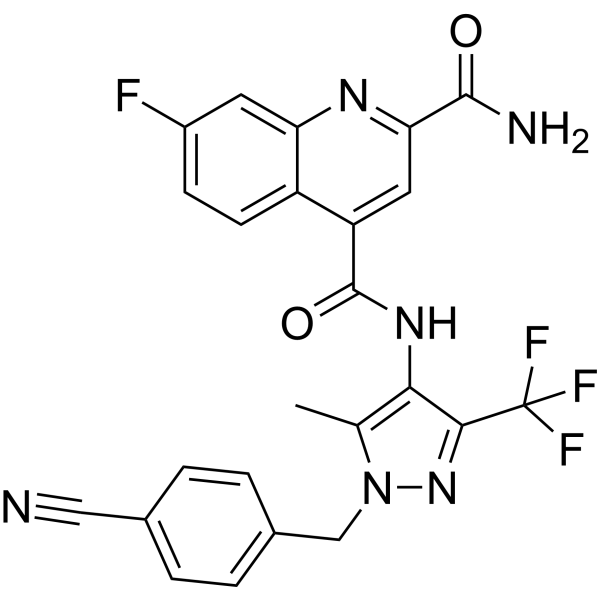
Cat. No.: HY-100017
CAS No.: 1799753-84-6
Purity:  99.67%
Target:  

GLUT Disulfidptosis

Research Areas:  

Cancer

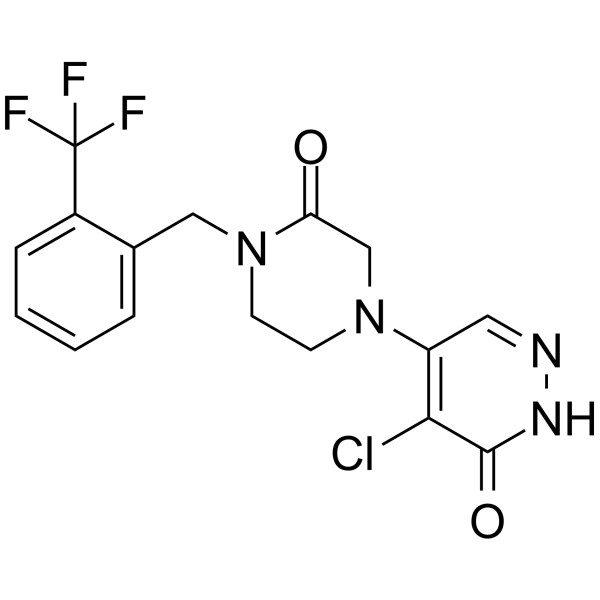
BAY-876, a chemical probe, is an orally active and selective glucose transporter 1 (GLUT1) inhibitor with an IC50 of 2 nM. BAY-876 is >130-fold more selective for GLUT1 than GLUT2, GLUT3, and GLUT4. BAY-876 is also a potent blocker of glycolytic metabolism and ovarian cancer growth. In addition, BAY-876 can induce the formation of disulfide bonds in actin cytoskeletal proteins, leading to the occurrence of cellular disulfidptosis .
11
11 Cited Publications
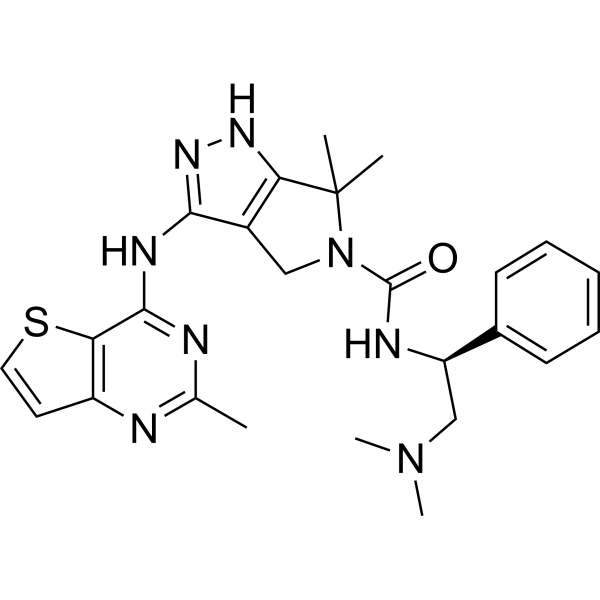
Cat. No.: HY-13007
CAS No.: 898044-15-0
Purity:  99.79%
Synonyms: PF-03758309
Target:  

PAK Apoptosis

Research Areas:  

Cancer

PF-3758309 (PF-03758309) is a potent, orally available, and reversible ATP-competitive inhibitor of PAK4 (Kd= 2.7 nM; Ki=18.7 nM). PF-3758309 has the expected cellular functions of a PAK4 inhibitor: inhibition of anchorage-independent growth, induction of apoptosis, cytoskeletal remodeling, and inhibition of proliferation .
9
9 Cited Publications
Cat. No.: HY-P80438
Synonyms: A26C1A antibody; A26C1B antibody; ACTB antibody; ACTB_HUMAN antibody; Actin beta antibody; Actin cytoplasmic 1 antibody; Actin, cytoplasmic 1, N-terminally processed antibody; Actx antibody; b actin antibody; Beta Cytoskeletal actin antibody; Beta-actin antibody; BRWS1 antibody; E430023M04Rik antibody; MGC128179 antibody; PS1TP5 binding protein 1 antibody; PS1TP5BP1 antibody; β-actin antibody

Host:  

Mouse

Application:  

WB, IHC-P, ICC/IF

Reactivity:  

Human, Mouse, Rat

6
6 Cited Publications
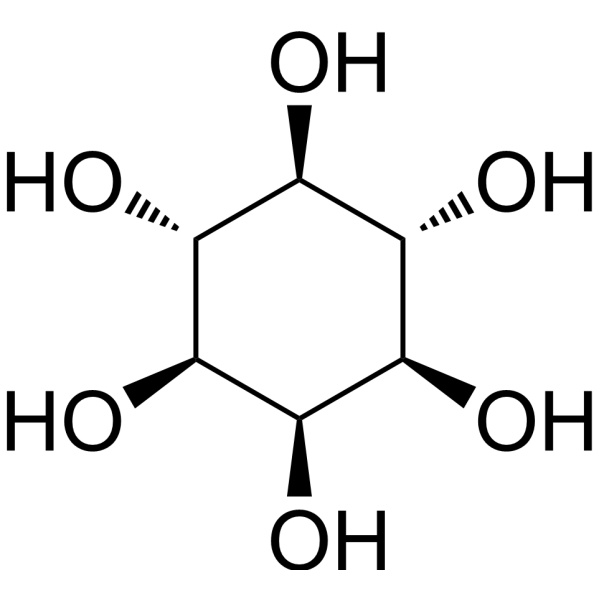
Cat. No.: HY-B1411
CAS No.: 87-89-8
Synonyms: myo-Inositol; meso-Inositol
i-Inositol (myo-Inositol) is a compound of sugar alcohols. i-Inositol is involved in a series of biological processes such as insulin signal transduction and cytoskeletal transduction. i-Inositol mainly exists in glial cells and plays an osmotic role .
6
6 Cited Publications
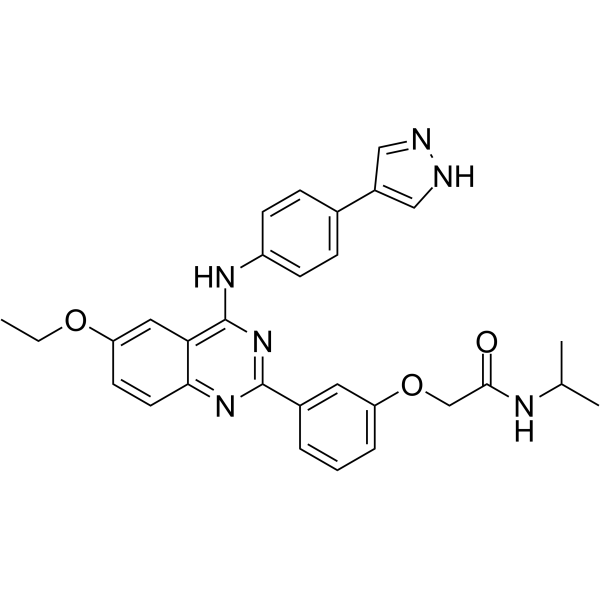
Cat. No.: HY-145597
CAS No.: 1369452-53-8
Purity:  99.40%
Target:  

GLUT Disulfidptosis

Research Areas:  

Metabolic Disease Cancer

KL-11743 is a potent, orally active, and glucose-competitive inhibitor of the class I glucose transporters, with IC50s of 115, 137, 90, and 68 nM for GLUT1, GLUT2, GLUT3, and GLUT4, respectively. KL-11743 specifically blocks glucose metabolism. KL-11743 can synergize with electron transport inhibitors to induce cell death. In addition, KL-11743 can induce the formation of disulfide bonds in actin cytoskeletal proteins, leading to the occurrence of cellular disulfidptosis .
5
5 Cited Publications
Cat. No.: HY-12807
CAS No.: 939055-18-2
Purity:  98.00%
Synonyms: 5-Fluoro-2-indolyl deschlorohalopemide
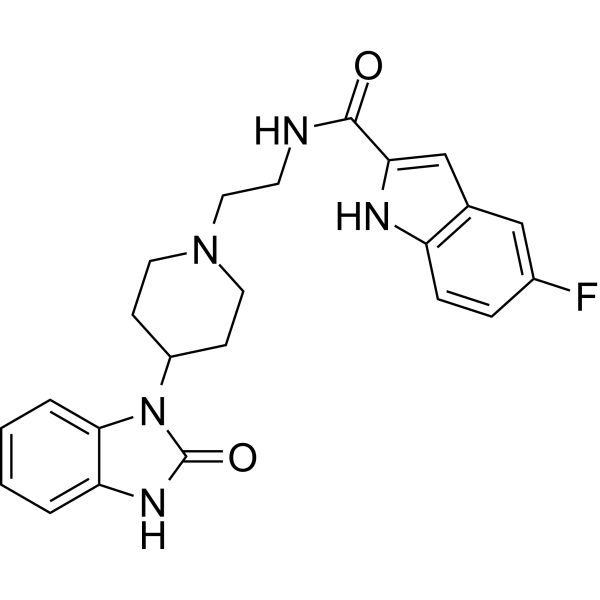
FIPI is a phospholipase D (PLD) inhibitor with an IC50 for PLD1 and PLD2 of about 25 nM. FIPI regulates cytoskeletal recombination, cell diffusion and chemotaxis. FIPI can be used in cancer research. In addition, FIPI can enhance the secretion and aggregation of platelet dense particles, inhibit thrombosis, reduce ischemic stroke infarct volume and improve nerve function .
2
2 Cited Publications
Cat. No.: HY-N2438
CAS No.: 74805-91-7
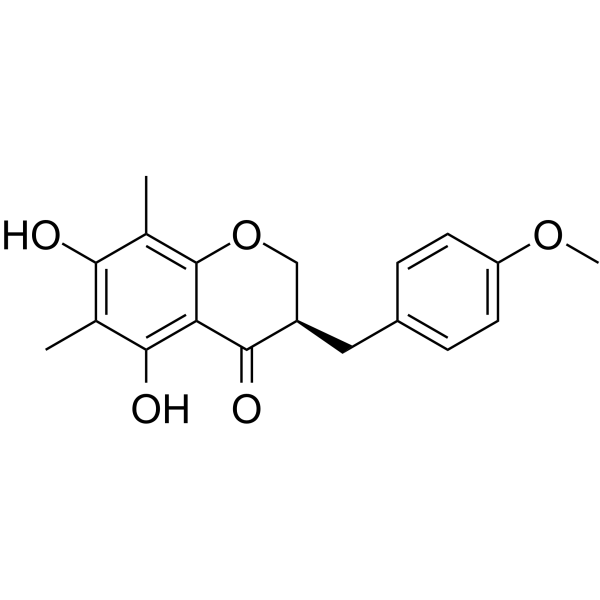
Methylophiopogonanone B is a homoisoflavonoid compound. Methylophiopogonanone B can be isolated from O. japonicus root. Methylophiopogonanone B promotes Rho activation and Tubulin depolymerization. Methylophiopogonanone B significantly increases GTP-Rho, but not GTP-Rac or GTP-CDC42. Methylophiopogonanone B induces cell morphological change via melanocyte dendrite retraction and stress fiber formation. Methylophiopogonanone B exhibits strong antioxidant activity. Methylophiopogonanone B can be used in the research of cervical cancer .
1
1 Cited Publications
Cat. No.: HY-112624I
CAS No.: 9004-54-0
Synonyms: Dextran 3; Dextran D3; Dextran T3(MW 2400-3600)
Dextran T3 (Dextran 3; Dextran T3(MW 2400-3600)) is a neural tracer and intestinal permeability probe that can move anterogradely and retrogradely in neuronal axons by passive diffusion. Dextran T3 (MW 3,000) is able to permeate across the intestinal epithelial cell membrane in the presence of cholera toxin-induced cytoskeletal disturbance. Dextran T3 (MW 3,000) is used as a fluorescent marker to rapidly label developing neurons (such as Xenopus retinal ganglion cells) and to assess intestinal barrier function. It can be used to study axonal transport in neuroanatomy and permeability changes in intestinal pathophysiology. The Dextran series of compounds are also natural polysaccharide drug carriers that can be connected to drugs through covalent bonding methods such as ester bonds, amide bonds or click chemistry, or self-assembled to form carriers such as nanoparticles and hydrogels. Dextran is biodegradable and biocompatible, and can achieve targeted delivery and controlled release of drugs. Dextran derivatives can prolong the half-life of drugs, increase local concentrations, and reduce the activity of immune clearance .
1
1 Cited Publications
Cat. No.: HY-P81181
Synonyms: K1C18_HUMAN; Keratin, type I Cytoskeletal 18; KRT18; CYK18; Cell proliferation-inducing gene 46 protein; Cytokeratin-18 (CK-18); Keratin-18 (K18); PIG46; Keratin 18;

Host:  

Rabbit

Application:  

WB, ELISA, IHC-P, IHC-F, FC, ICC/IF

Reactivity:  

Human, Mouse, Rat

Cat. No.: HY-W021040
CAS No.: 131341-86-1
Synonyms: CGA-173506
Research Areas:  

Infection Cancer

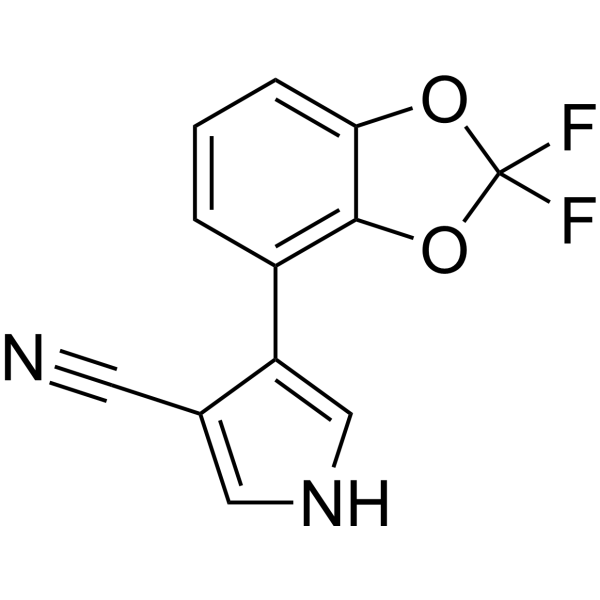
Fludioxonil (CGA-173506) is a phenylpyrrole-type fungicide with oral activity that can inhibit the growth of S. sclerotiorum. Fludioxonil promotes tumor growth and metastasis, and induces cardiac toxicity. Fludioxonil causes cytoskeletal disruption, DNA damage, and apoptosis in mouse glioma cells .
Cat. No.: HY-W007330
CAS No.: 683-57-8
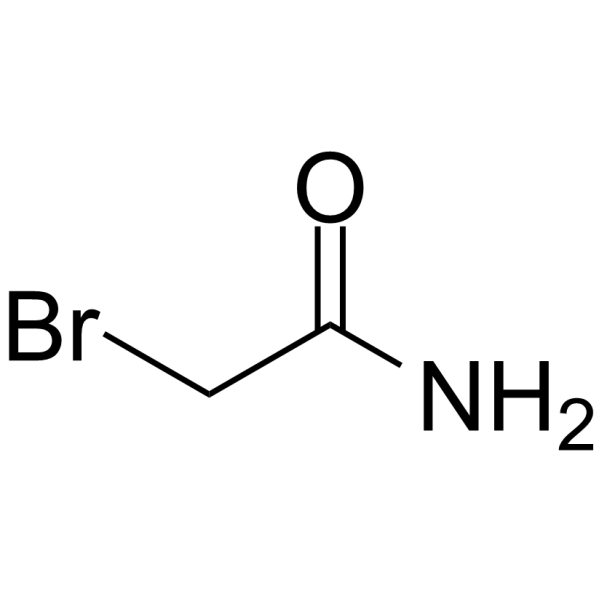
2-Bromoacetamide is a disinfection byproduct. 2-Bromoacetamide can inactivate liver alcohol dehydrogenase and interfere with microtubule and actin cytoskeletal function. 2-Bromoacetamide is a potent developmental toxicant in animals .
Cat. No.: HY-138053
CAS No.: 90831-71-3
Synonyms: Ristomycin III
Target:  

Antibiotic

Research Areas:  

Cardiovascular Disease Infection

Ristocetin A sulfate (Ristomycin III) is a glycopeptide antibiotic that binds to von Willebrand factor (VWF) and bacterial cell wall components. Ristocetin A sulfate interferes with the biosynthesis of bacterial peptidoglycan by inhibiting transpeptidation. As an inducer of platelet adhesion and aggregation, Ristocetin A sulfate drives conformational changes by binding to the A1 domain of VWF, thereby activating downstream signaling pathways and promoting cytoskeletal rearrangement. Ristocetin A sulfate not only enhances platelet adhesion and spreading on immobilized VWF, but also induces the formation of asymmetric dimers with anticooperativity between platelets and plasma VWF. Ristocetin A sulfate is widely used in studies related to thromboembolic diseases and bacterial infections .
Cat. No.: HY-133012
CAS No.: 2304549-73-1
Purity:  99.74%
Target:  

TRP Channel

Research Areas:  

Neurological Disease

GFB-8438 is a potent and subtype selective TRPC5 inhibitor, with IC50s of 0.18 and 0.29 μM of hTRPC5 and hTRPC4, respectively. GFB-8438 shows excellent selectivity against TRPC6, other TRP family members, NaV 1.5, as well as limited activity against the hERG channel. GFB-8438 protects mouse podocytes from injury induced by protamine sulfate model .
Cat. No.: HY-B1411R
CAS No.: 87-89-8
Synonyms: myo-Inositol (Standard); meso-Inositol (Standard)
i-Inositol (Standard) is the analytical standard of i-Inositol. This product is intended for research and analytical applications. i-Inositol (myo-Inositol) is a compound of sugar alcohols. i-Inositol is involved in a series of biological processes such as insulin signal transduction and cytoskeletal transduction. i-Inositol mainly exists in glial cells and plays an osmotic role .
Cat. No.: HY-N6701
CAS No.: 39156-67-7
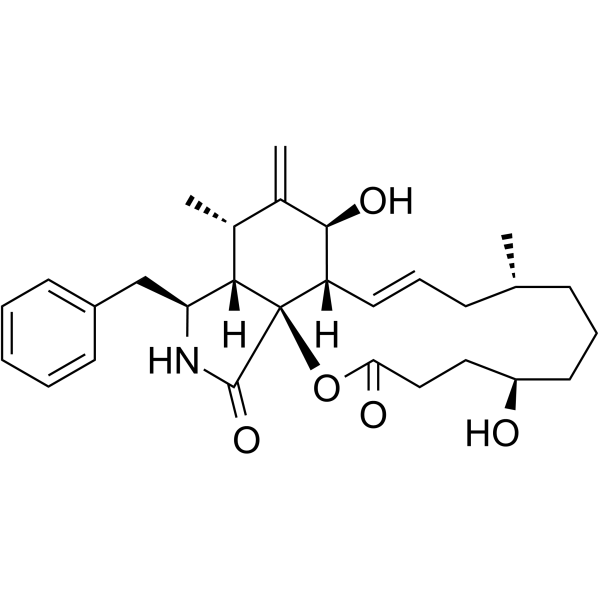
Dihydrocytochalasin B is an Actin disruptor. Dihydrocytochalasin B disrupts actin microfilament bundles, inhibits actin polymerization, and alters intracellular actin cytoskeletal structures. Dihydrocytochalasin B blocks the initiation of DNA synthesis. Dihydrocytochalasin B inhibits Calcium transport. Dihydrocytochalasin B inhibits cytokinesis and alters cell morphology. Dihydrocytochalasin B can be used in studies related to rickets .
Cat. No.: HY-131900
CAS No.: 84477-87-2
Purity:  99.96%
Target:  

PKC PKA PKG Arp2/3 Complex

Research Areas:  

Others

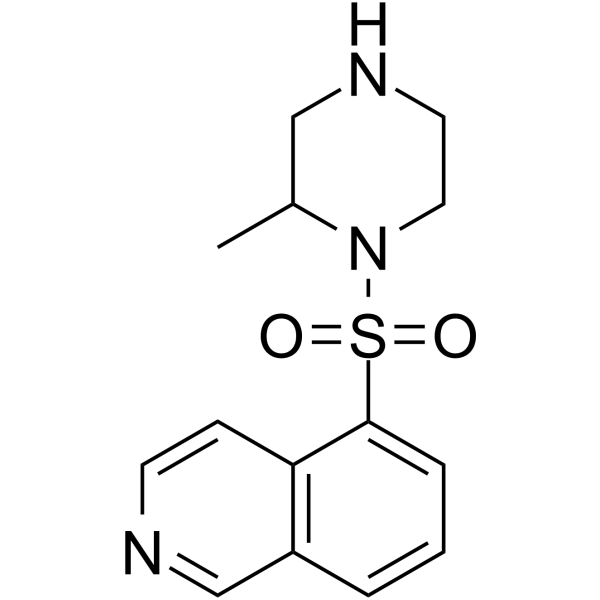
Protein kinase inhibitor H-7 is a selective inhibitor of PKC and cyclic nucleotide-dependent protein kinases, with a Ki value of 6.0 μM for rabbit protein kinase C, a Ki value of 3.0 μM for rabbit cAMP-dependent protein kinase, and a Ki value of 5.8 μM for porcine cGMP-dependent protein kinase. Protein kinase inhibitor H-7 has no effect on Ca 2+-calmodulin-dependent enzymes. Protein kinase inhibitor H-7 regulates the Actin cytoskeleton, inhibits contractility, disrupts stress fibers, induces protrusive activity, stabilizes intercellular junctions, and triggers rapid and reversible cytoskeletal reorganization. Protein kinase inhibitor H-7 serves as a research tool for elucidating the functions of protein kinase C-mediated signaling systems .
Cat. No.: HY-W011258
CAS No.: 17355-11-2
Synonyms: L-Tyrosyl-L-phenylalanine
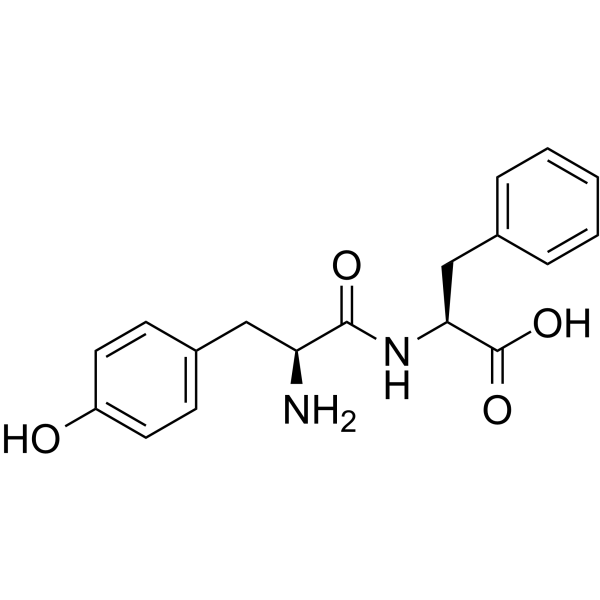
H-Tyr-Phe-OH (L-Tyrosyl-L-phenylalanine) is an orally active inhibitor of Angiotensin converting enzyme (ACE), with an inhibiton rate of 48% at 50 μM. H-Tyr-Phe-OH can be used as an biomarker for differentiating benign thyroid nodules (BTN) from thyroid cancer (TC). H-Tyr-Phe-OH exhibits xanthine oxidase inhibition (uric acid lowering) activity and serves as regulator in IL-8 production in neutrophil-like cells .
Cat. No.: HY-P2325
CAS No.: 58319-92-9
Exoenzyme C3, clostridium botulinum, is a mono-ADP-ribosylating enzyme. Exoenzyme C3, clostridium botulinum specifically modifies RhoA, B, and C by transferring ADP-ribose to them, thereby inactivating these GTPases. Exoenzyme C3, clostridium botulinum can induce neuronal axonal and dendritic growth, inhibit macrophage migration, and regulate cytoskeletal dynamics. Exoenzyme C3, clostridium botulinum can be used in the research of spinal cord injury and diabetic painful neuropathy .
Cat. No.: HY-168969
Target:  

PROTACs

Research Areas:  

Neurological Disease Cancer

AA-BR-157 is a metallothionein 2A (MT2A) PROTAC degrader, DC50 is 200 nM (MT2A overexpressed in MDA-MB-231 cells). AA-BR-157 increases intracellular zinc levels, downregulates DIAPH3, disrupts cytoskeleton remodeling, and reduces the migration and invasion abilities of cancer cells. AA-BR-157 can be used for research on triple-negative breast cancer and glioblastoma .
Cat. No.: HY-D2871
CAS No.: 1866495-46-6
DAyne is a Dopamine (DA)-mimetic probe. DAyne covalently binds to proteins modified by dopamine oxidation products (e.g., dopaquinone, DQ) to form adducts. DAyne is promising for research of Parkinson’s disease (PD), particularly neurotoxicity, protein modification, and related pathways (e.g., endoplasmic reticulum stress, cytoskeletal instability) caused by dopamine dysregulation .

