44 Results for "

Disinfection

" in MedChemExpress (MCE) Product Catalog:
Products (44)

44 Results for "Disinfection" in MCE Product Catalog:

1
1 Cited Publications
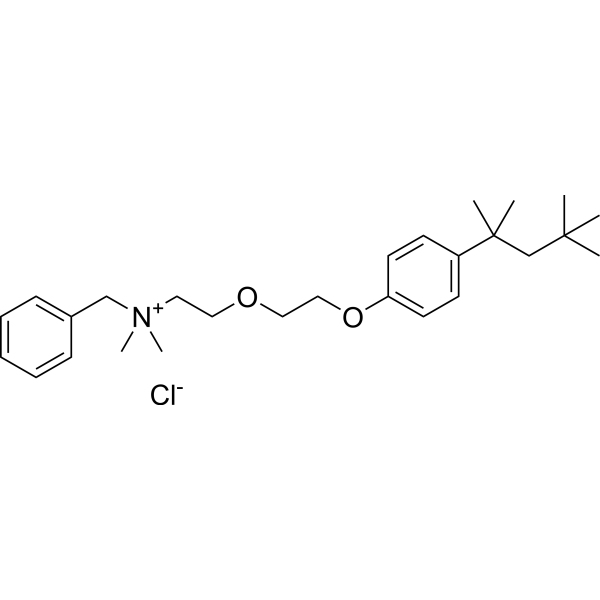
Cat. No.: HY-B0942
CAS No.: 121-54-0
Benzethonium chloride inhibits nicotinic acetylcholine receptors in human recombinant α7 and α4β2 neurons in Xenopus laevis oocytes, which has antibacterial, anticancer, antisepsis and disinfection activity. Benzethonium chloride induced Apoptosis and activated caspases in cancer cell lines. Benzethonium chloride ablates the tumor-forming ability of FaDu cells, delays the growth of xenograft tumors in vivo .
loading...
    loading...
1
1 Cited Publications
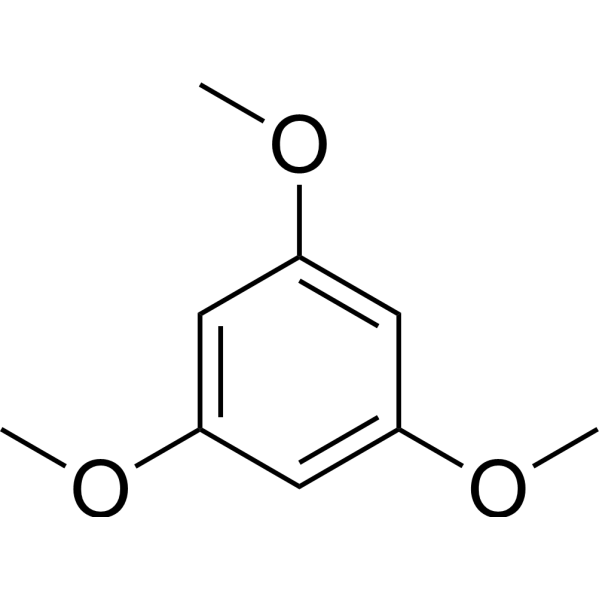
Cat. No.: HY-Y0678
CAS No.: 621-23-8
Synonyms: TRIMETHYL PHLOROGLUCINOL
1,3,5-Trimethoxybenzene (TRIMETHYL PHLOROGLUCINOL) is an electrophilic substitution reaction substrate targeting free chlorine (Cl +) and free bromine (Br +). 1,3,5-Trimethoxybenzene has highly selective electrophilic addition characteristics. By capturing halogens, it undergoes specific substitution reactions to generate stable halogenated products. 1,3,5-Trimethoxybenzene can not only quench residual oxidants, but also quantify the halogen concentration by detecting the product without affecting the stability of redox-sensitive disinfection byproducts (DBPs). 1,3,5-Trimethoxybenzene is mainly used in water quality testing and quantitative analysis of free chlorine/bromine in water. At the same time, in phytochemistry, it is a key component of rose fragrance and participates in the study of pollination attraction mechanism .
loading...
    loading...
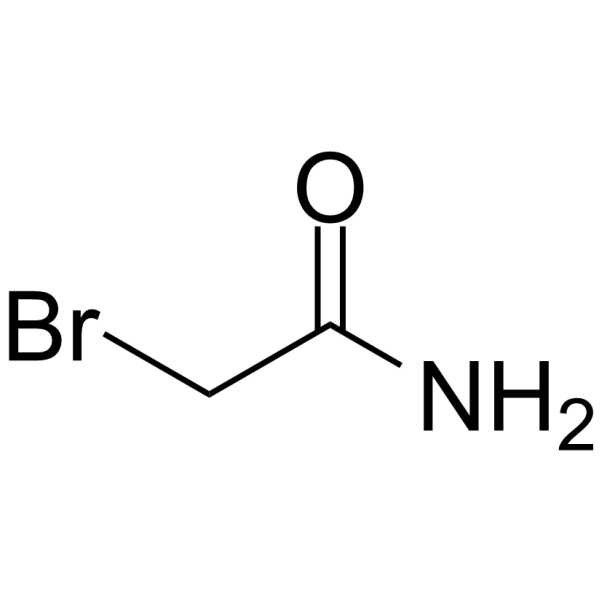
Cat. No.: HY-W007330
CAS No.: 683-57-8
2-Bromoacetamide is a disinfection byproduct. 2-Bromoacetamide can inactivate liver alcohol dehydrogenase and interfere with microtubule and actin cytoskeletal function. 2-Bromoacetamide is a potent developmental toxicant in animals .
loading...
    loading...
Cat. No.: HY-141633
CAS No.: 25339-99-5
Purity:  ≥97.0%
Sucrose monolaurate is a glycolipid surfactant . Sucrose monolaurate interacts with bacterial DNA, disrupts cell membrane permeability, and exerts excellent inhibitory and bactericidal effects against a variety of foodborne pathogens (especially Gram-positive bacteria). Sucrose monolaurate significantly reduces liquid surface tension, and acts as a synergist for chlorine-based disinfectants in food cleaning and disinfection to improve the removal efficiency of pathogens on the surface of agricultural products .
loading...
    loading...
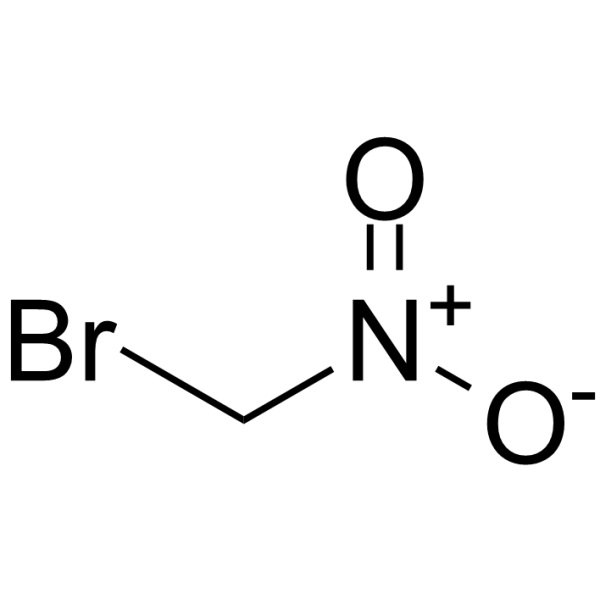
Cat. No.: HY-131120
CAS No.: 563-70-2
Purity:  99.38%
Bromonitromethane is a halogenated nitromethane disinfection byproduct. Bromonitromethane does not induce morphological changes in lung cells, alter cell growth status, change the secretion levels of matrix metalloproteinases, or enhance the anchorage-independent growth ability of lung cells. Bromonitromethane can act as a bromine donor to participate in the bis (amidine)-catalyzed enantioselective aza-Henry addition reaction of N-(trimethylsilyl) imines, which is used in the synthesis of α-bromonitroalkane donors for umpolung amide synthesis (UmAS). Bromonitromethane can be used in bronchial and cancer research .
loading...
    loading...
Cat. No.: HY-B1386
CAS No.: 80-13-7
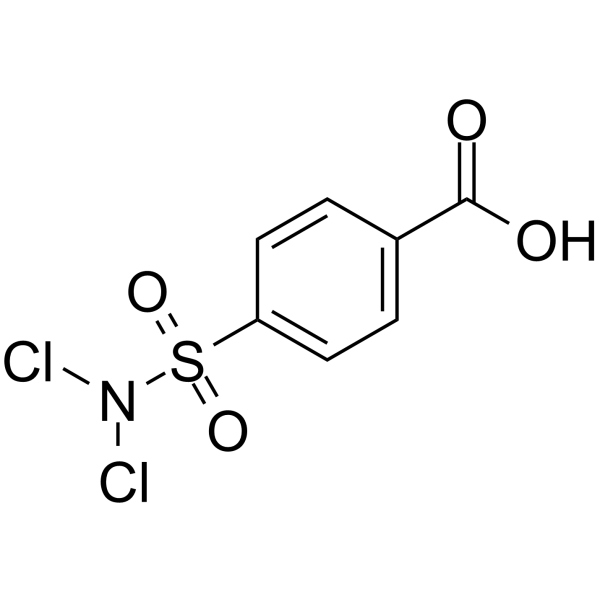
Halazone is an atypical antimicrobial sulfonamide derivative and a carbonic anhydrase II inhibitor with a Kd value of 1.45 μM. Halazone protects sodium channels from inactivation. Halazone is widely used for disinfection of drinking water .
loading...
    loading...
Cat. No.: HY-W392026
CAS No.: 57028-96-3
Synonyms: PHMGH
Research Areas:  

Infection

Polyhexamethyleneguanidine (PHMGH) hydrochloride is a positively charged polymer with broad-spectrum antimicrobial activity. It exerts its antibacterial effects by binding to the cell membranes of bacteria and fungi, disrupting membrane integrity. Polyhexamethyleneguanidine hydrochloride can be applied in studies related to disinfection, water treatment, pesticides, and other fields [2]
loading...
    loading...
Cat. No.: HY-133665
CAS No.: 598-70-9
Target:  

Drug Derivative

Research Areas:  

Others

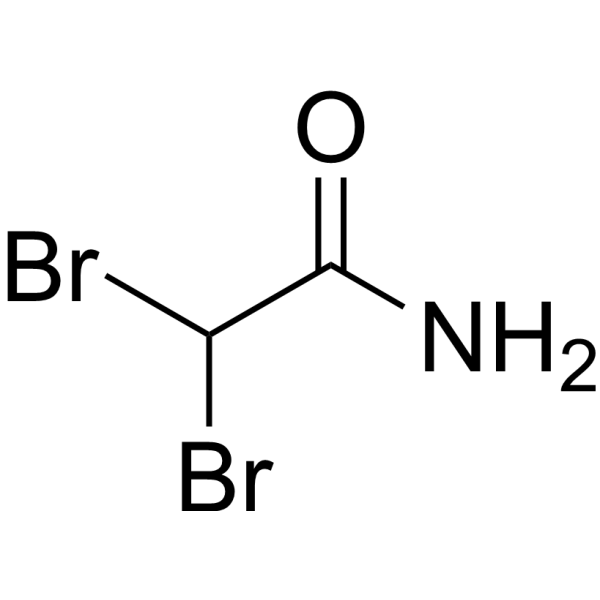
2,2-Dibromoacetamide is a class of disinfection by-product (DBP) in drinking water .
loading...
    loading...
Cat. No.: HY-133631
CAS No.: 1794-84-9
Purity:  98.12%
Target:  

Drug Derivative

Research Areas:  

Others

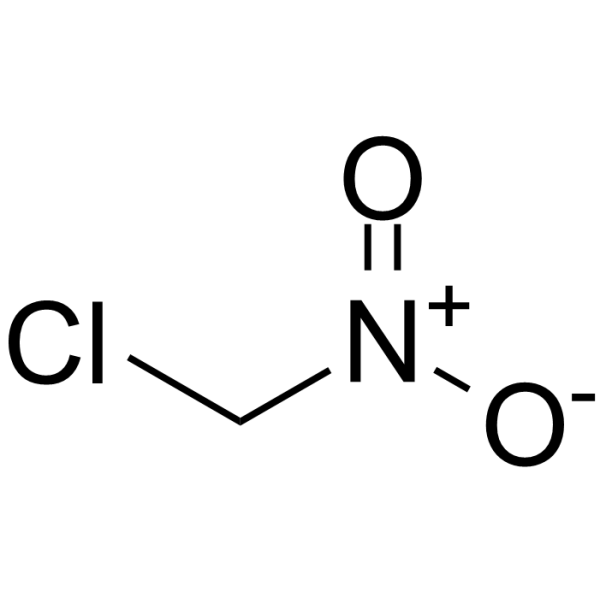
Chloronitromethane is one of Halonitromethanes, which are a recently identified class of disinfection by-products (DBPs) in drinking water .
loading...
    loading...
Cat. No.: HY-118547
CAS No.: 120-32-1
Synonyms: 2-Benzyl-4-chlorophenol
Target:  

Bacterial

Research Areas:  

Infection

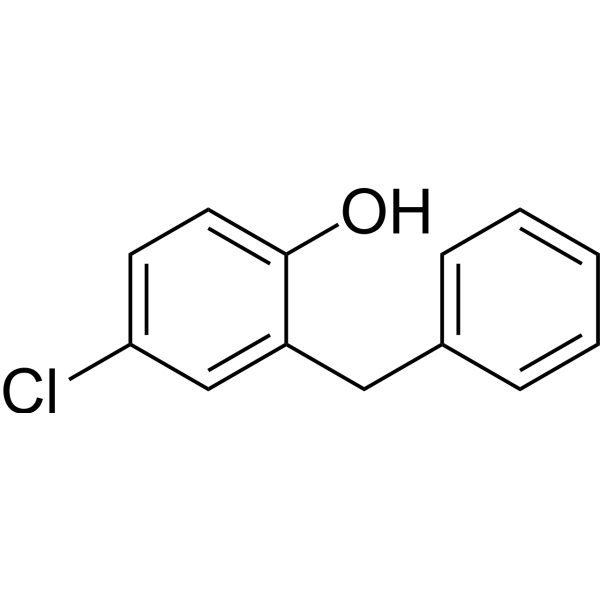
Clorofene (2-Benzyl-4-chlorophenol) is an aryl halide fungicide widely used in hospitals and homes as a broad-spectrum fungicide in general cleaning and disinfection disinfectant solutions and in soap formulations. Clorofene has antibacterial and carcinogenic activity .
loading...
    loading...
Cat. No.: HY-128384
CAS No.: 147228-80-6
Purity:  ≥98.0%
Target:  

Bacterial

Research Areas:  

Infection

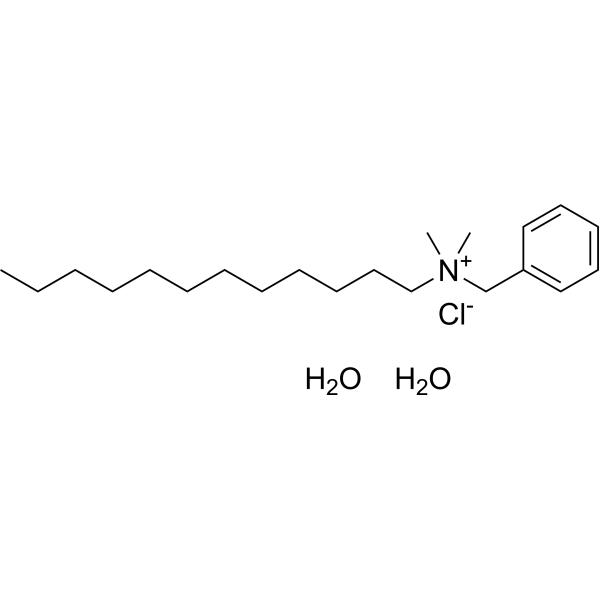
Benzyldodecyldimethylammonium chloride dihydrate is a quaternary ammonium compound (QAC) and can be used as a biocide to target antibiotic-resistant bacteria, such as methicillin-resistant Staphylococcus aureus (MRSA), multidrug-resistant (MDR) P. aeruginosa et. al. Benzyldodecyldimethylammonium chloride dihydrate, an antimicrobial agent, bacteriostatic or bactericidal properties depending on the concentration.
loading...
    loading...
Cat. No.: HY-Y0678R
CAS No.: 621-23-8
1,3,5-Trimethoxybenzene (TRIMETHYL PHLOROGLUCINOL) is an electrophilic substitution reaction substrate targeting free chlorine (Cl+) and free bromine (Br+). 1,3,5-Trimethoxybenzene has highly selective electrophilic addition characteristics. By capturing halogens, it undergoes specific substitution reactions to generate stable halogenated products. 1,3,5-Trimethoxybenzene can not only quench residual oxidants, but also quantify the halogen concentration by detecting the product without affecting the stability of redox-sensitive disinfection byproducts (DBPs). 1,3,5-Trimethoxybenzene is mainly used in water quality testing and quantitative analysis of free chlorine/bromine in water. At the same time, in phytochemistry, it is a key component of rose fragrance and participates in the study of pollination attraction mechanism .
loading...
    loading...
Cat. No.: HY-W019780
CAS No.: 75-27-4
Synonyms: Dichlorobromomethane
Research Areas:  

Metabolic Disease Cancer

Bromodichloromethane (Dichlorobromomethane) is a type of trihalomethane, commonly found in chlorinated drinking water for disinfection, and is a disinfection by-product. The bromination of bromodichloromethane can cause the formation of mutagenic intermediates through the transformation mediated by glutathione S-transferase (GST). Bromodichloromethane inhibits the differentiation of human placental trophoblast cells and reduces the secretion of chorionic gonadotropin (CG). Bromodichloromethane has potential reproductive toxicity and carcinogenicity .
loading...
    loading...
Cat. No.: HY-133644
CAS No.: 75519-19-6
Target:  

Drug Derivative

Research Areas:  

Others

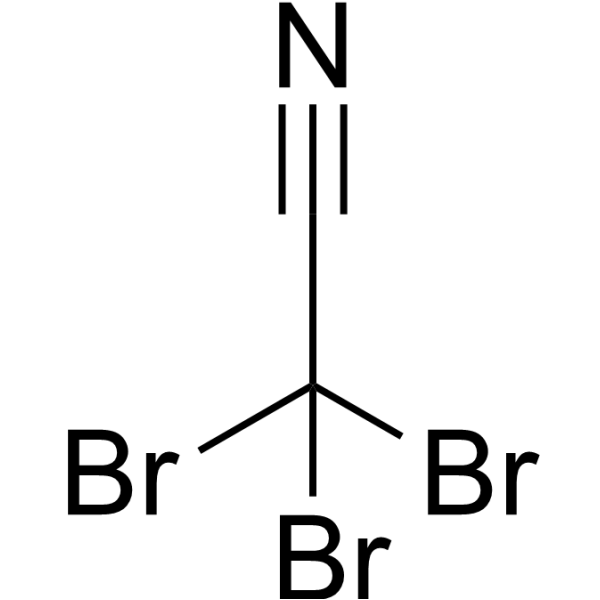
Tribromoacetonitrile is a nitrogen-containing disinfection byproduct .
loading...
    loading...
Cat. No.: HY-133657
CAS No.: 71815-43-5
Research Areas:  

Others

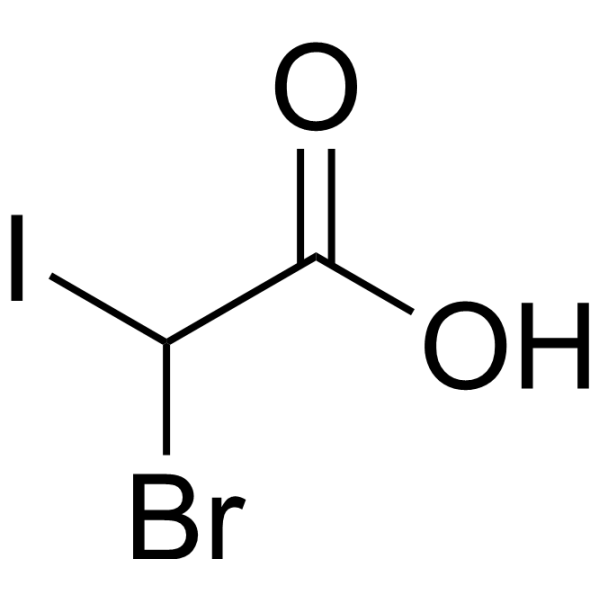
Bromoiodoacetic acid, one of iodinated haloacids, is a disinfection byproduct (DBP) at in finished drinking waters .
loading...
    loading...
Cat. No.: HY-133635
CAS No.: 464-10-8
Research Areas:  

Others

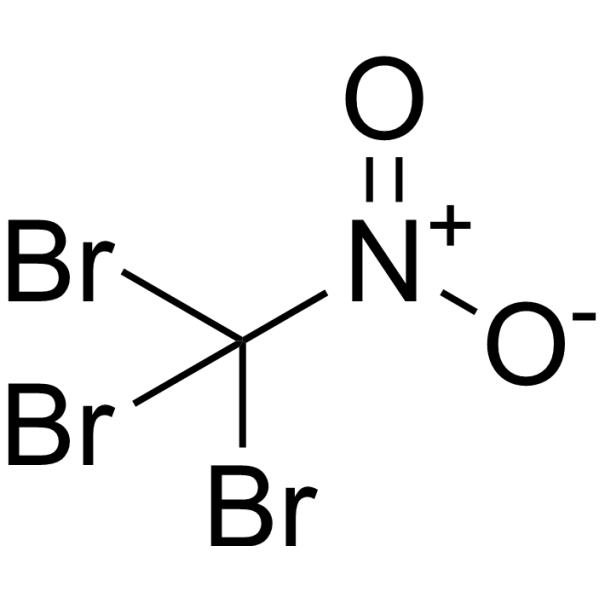
Tribromonitromethane is one of Halonitromethanes, which are a recently identified class of disinfection by-products (DBPs) in drinking water .
loading...
    loading...
Cat. No.: HY-105840
CAS No.: 473-34-7
Purity:  ≥96.0%
Synonyms: p-Toluenesulfondichloramide
Target:  

Bacterial

Research Areas:  

Infection

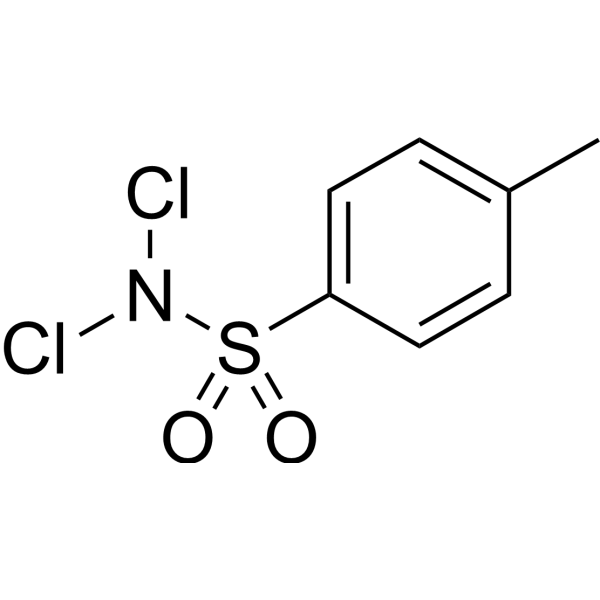
Dichloramine-T is a strong oxidizer and disinfectant, with strong oxidation and sterilization. Dichloramine-T is also widely used in the medical and health field for disinfection and sterilization operations .
loading...
    loading...
Cat. No.: HY-133646
CAS No.: 83463-62-1
Target:  

DNA/RNA Synthesis

Research Areas:  

Others

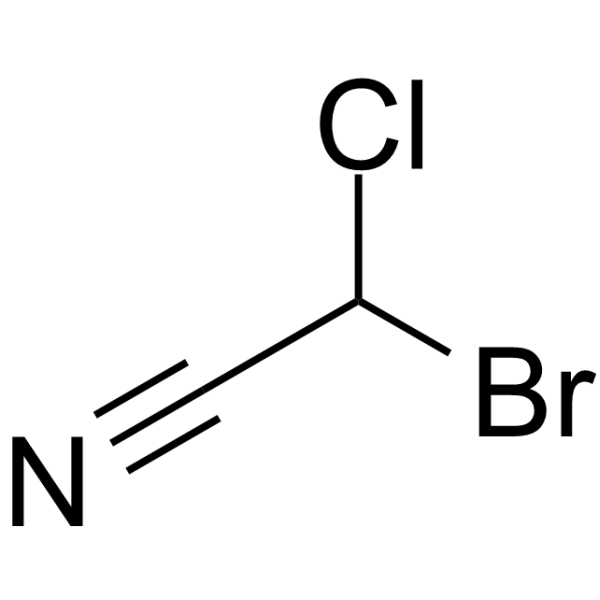
Bromochloroacetonitrile is a by-product of the chlorine disinfection of water containing natural organic material. Bromochloroacetonitrile possesses direct acting mutagenic activity and is capable of inducing DNA strand breakage .
loading...
    loading...
Cat. No.: HY-W127809
CAS No.: 550-52-7
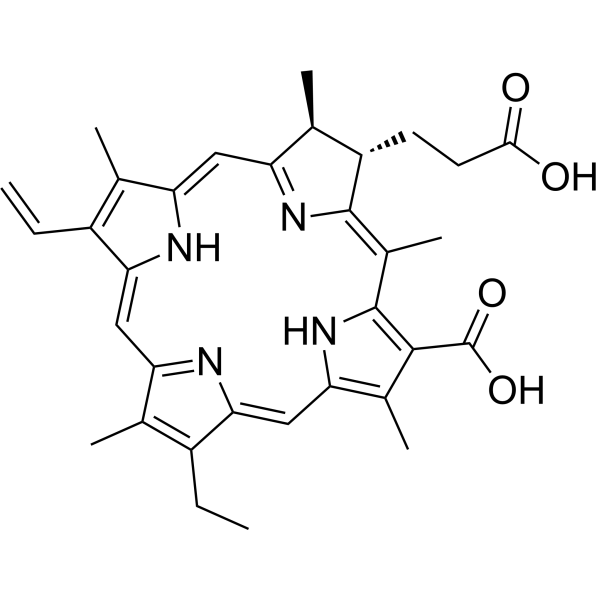
Chlorin e4 is an organic compound belonging to the family of chlorins, which are macrocyclic compounds with a similar structure to porphyrins. It is commonly used to improve photodynamic therapy for cancer and other diseases. Chlorin e4 has multiple applications in medical research, including as a photosensitizer for localized tumor destruction. In addition, its antimicrobial properties and potential use in disinfection applications were investigated.
loading...
    loading...
Cat. No.: HY-32833
CAS No.: 6636-78-8
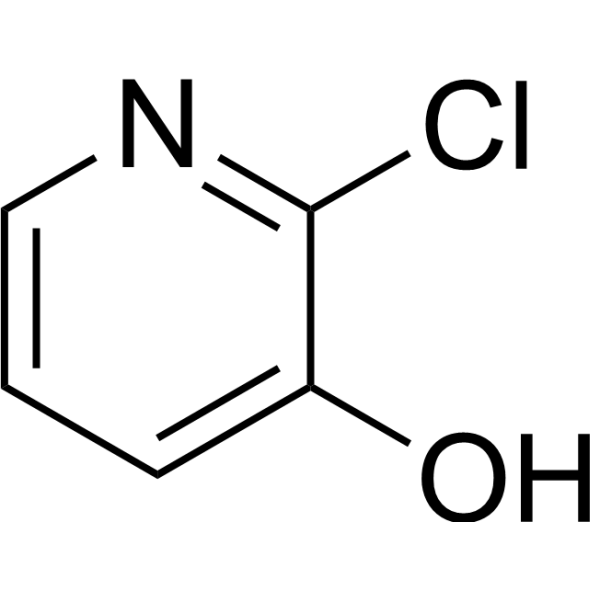
2-Chloro-3-pyridinol is a biochemical reagent that can be used as a biological material or organic compound for life science related research. 2-Chloro-3-pyridinol can also be used in the synthesis of other active compounds. In addition, 2-Chloro-3-pyridinol is a halopyridinol disinfection by-product in drinking water samples .
loading...
    loading...

