



Search Result
Results for "
Disulfide bond
" in MedChemExpress (MCE) Product Catalog:
4
Biochemical Assay Reagents
3
Isotope-Labeled Compounds
| Cat. No. |
Product Name |
Target |
Research Areas |
Chemical Structure |
-
- HY-15917
-
|
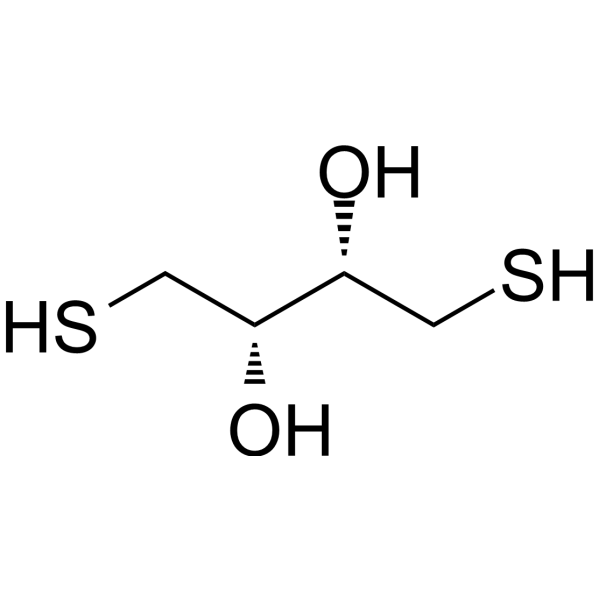
DTT; rel-(2R,3R)-1,4-Dimercapto-2,3-butanediol
|
Biochemical Assay Reagents
Disulfidptosis
|
Cancer
|
|
DL-Dithiothreitol (DTT) is a strong reductant with anti-disulfidptosis activity. When DL-Dithiothreitol is oxidized, it forms a stable six-membered ring with an internal disulfide bond .
|
-
-
- HY-NP008
-
|
|
Lipocalin Family
|
Inflammation/Immunology
|
|
β-Lactoglobulin, a major whey protein, is a small globular protein from the lipocalin family. β-Lactoglobulin is an important source of the essential and branched-chain amino acids (leucine, isoleucine, and valine). β-Lactoglobulin shows antioxidant properties, because it contains two disulfide bonds and one free thiol group. β-Lactoglobulin is a ligand transport agent. β-Lactoglobulin is one of the major allergens in milk and can be utilized in the research for developing safe hypoallergenic dairy products .
|
-
-
- HY-15917A
-
|
|
Biochemical Assay Reagents
|
Others
|
|
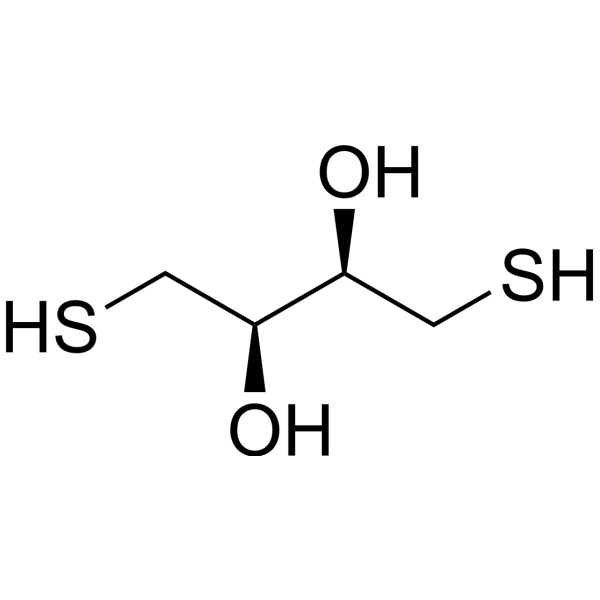
L-Dithiothreitol (DTT) is a reducing agent commonly used in various biochemical applications to break disulfide bonds in proteins, thereby denaturing proteins or preventing the formation of unwanted aggregates. DTT has a unique chemical property that cleaves the sulfur-sulfur bond in the disulfide bond to form a sulfhydryl group. This makes it a useful tool for protein purification, enzyme assays, and protein structure studies.
|
-
-
- HY-128945
-
|
|
ADC Linker
|
Inflammation/Immunology
Cancer
|
|
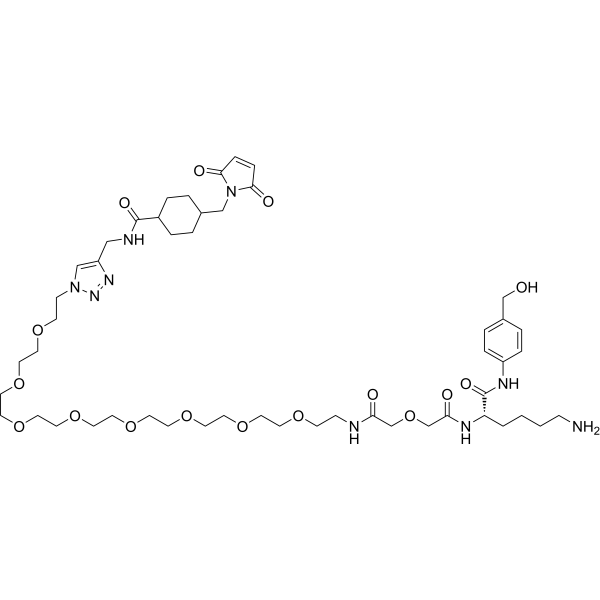
CL2A is a claevable complicated PEG8- and triazole-containing PABC-peptide-mc linker. CL2A is cleavable through pH sensitivity, giving rise to bystander effect, and binds the antibody at a cysteine residue via a disulfide bond. Labetuzumab govitecan used this linker .
|
-
-
- HY-100433
-
|
|
PDI
|
Cancer
|
|
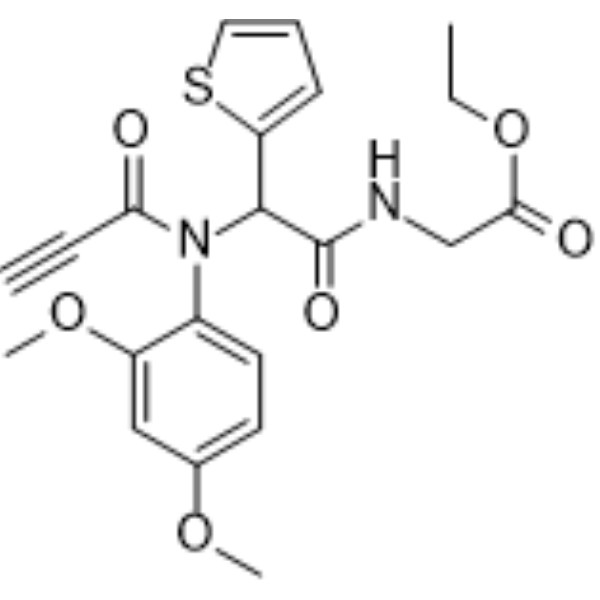
PACMA 31 is an irreversible, orally active protein disulfide isomerase (PDI) inhibitor with an IC50 of 10 μM. PACMA 31 forms a covalent bond with the active site cysteines of PDI. PACMA 31 shows tumor targeting ability and significantly suppresses ovarian tumor growth without causing toxicity to normal tissues . PACMA 31 is a click chemistry reagent, it contains an Alkyne group and can undergo copper-catalyzed azide-alkyne cycloaddition (CuAAc) with molecules containing Azide groups.
|
-
-
- HY-134633
-
|
EV 06 chloride; UNR 844 chloride
|
Drug Intermediate
|
Neurological Disease
|
|
Alpha-lipoic acid choline ester (EV 06) chloride is choline ester of alpha-lipoic acid. Alpha-lipoic acid choline ester chloride reduces the disulfide bond level of lens proteins. Alpha-lipoic acid choline ester chloride improves lens elasticity. Alpha-lipoic acid choline ester chloride is hydrolyzed by ocular esterases to release alpha-lipoic acid and choline. Alpha-lipoic acid choline ester chloride is used for the research of presbyopia .
|
-
-
- HY-P5601
-
|
|
Bacterial
Fungal
|
Infection
|
|
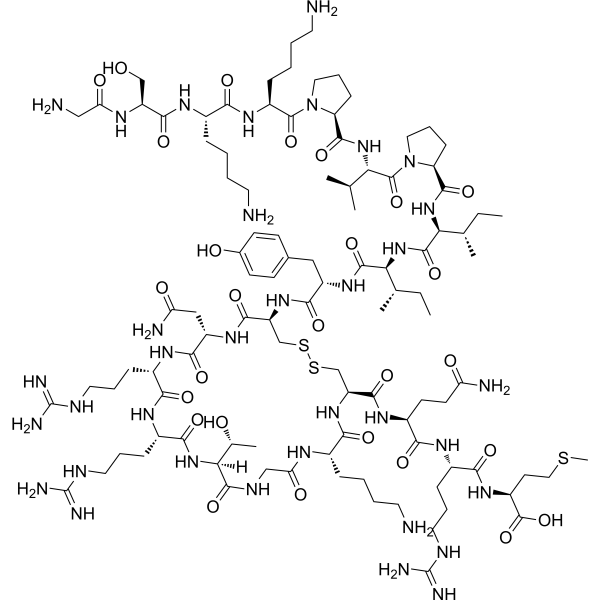
Thanatin is an inducible cationic antimicrobial peptide. Thanatin is a pathogen-inducible single-disulfide-bond-containing β-hairpin AMP. Thanatin displays broad-spectrum activity against both Gram-negative and Gram-positive bacteria as well as against various species of fungi with MICs of 0.3-40 µM, 0.6-40 µM and 0.6-20 µM, respectively. Thanatin has the property of competitive replacement of divalent cations from bacterial outer membrane (OM), leading to OM disruption .
|
-
-
- HY-P5601A
-
|
|
Bacterial
Fungal
|
Infection
|
|
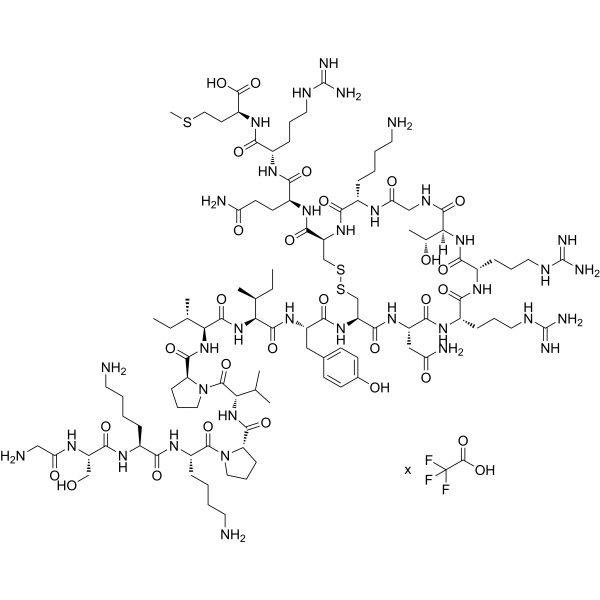
Thanatin TFA is an inducible cationic antimicrobial peptide. Thanatin TFA s a pathogen-inducible single-disulfide-bond-containing β-hairpin AMP. Thanatin TFA displays broad-spectrum activity against both Gram-negative and Gram-positive bacteria as well as against various species of fungi with MICs of 0.3-40 µM, 0.6-40 µM and 0.6-20 µM, respectively. Thanatin TFA has the property of competitive replacement of divalent cations from bacterial outer membrane (OM), leading to OM disruption .
|
-
-
- HY-131516
-
|
|
Drug Derivative
|
Metabolic Disease
|
|
Tiopronin-cysteine disulfide is a soluble disulfide metabolite/derivative of Tiopronin (HY-B0373) formed by reaction of Tiopronin with cystine. Tiopronin-cysteine disulfide reduces cystine crystal formation in cystinuria. Tiopronin-cysteine disulfide can be used for the research of cystinuria .
|
-
-
- HY-P990059
-
|
INT-016; AZD8205 Antibody
|
ADC Antibody
CD276/B7-H3
|
Cancer
|
|
Puxitatug (INT-016; AZD8205 Antibody) is a monoclonal antibody targeting VTCN1/B7-H4. Puxitatug can be used to synthesize antibody-drug conjugates (ADCs), such as Puxitatug samrotecan (HY-171689), which can be applied to various solid tumors. Puxitatug can also be used for researching adjuvant therapies for gastric cancer .
|
-
-
- HY-P4452
-
-
-
- HY-W590681
-
|
|
Liposome
|
Others
|
|
113-O12B is a disulfide bond-containing ionizable cationic lipidoid. 113-O12B can be used in that generation of lipid nanoparticles (LNPs) for the delivery of mRNA .
|
-
-
- HY-P3432
-
|
|
Biochemical Assay Reagents
|
Others
|
|
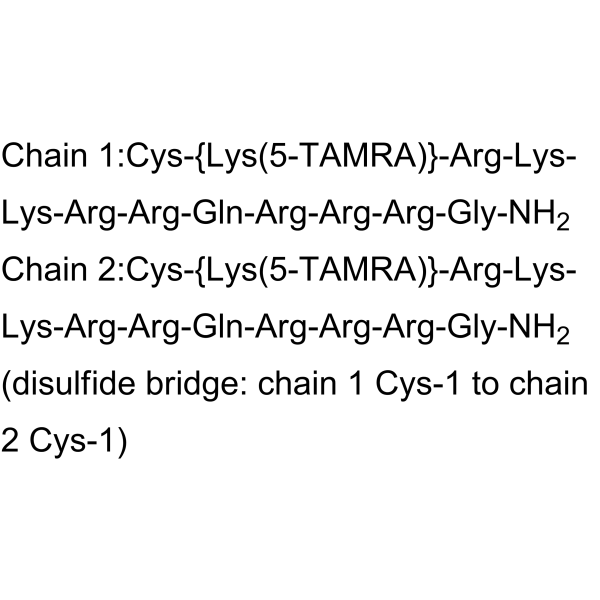
DfTat is a dimer of the prototypical cell-penetrating peptide TAT. DfTat can deliver small molecules, peptides and proteins into live cells with a particularly high efficiency. DfTat labeled with the rhodamine can be used as a tracer for easy detection .
|
-
-
- HY-130082
-
|
|
ADC Payload
Microtubule/Tubulin
|
Cancer
|
|
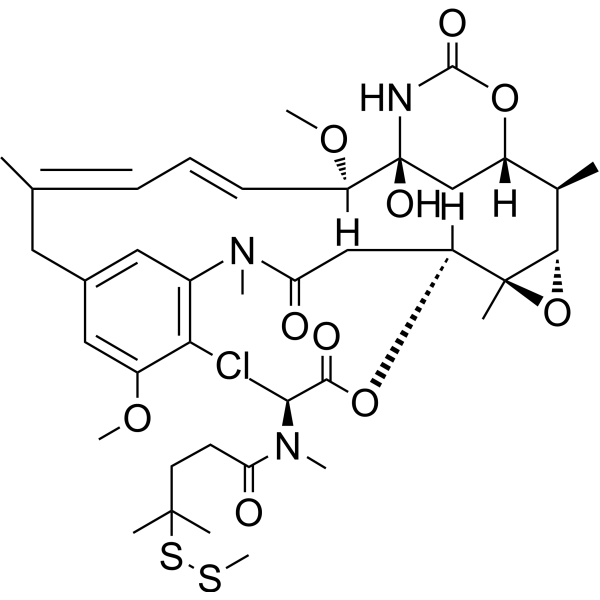
DM4-SMe is a metabolite of antibody-maytansin conjugates (AMCs) and a tubulin inhibitor, and also a cytotoxic moiety of antibody-drug conjugates (ADCs), which can be linked to antibody through disulfide bond or stable thioether bond. DM4-SMe inhibits KB cells with an IC50 of 0.026 nM. DM4-SMe is a highly toxic metabolite that can be oxidized and detoxified by human liver microsomes .
|
-
-
- HY-P99493
-
|
IMGN242; huC242-DM4
|
Antibody-Drug Conjugates (ADCs)
Microtubule/Tubulin
|
Cancer
|
|
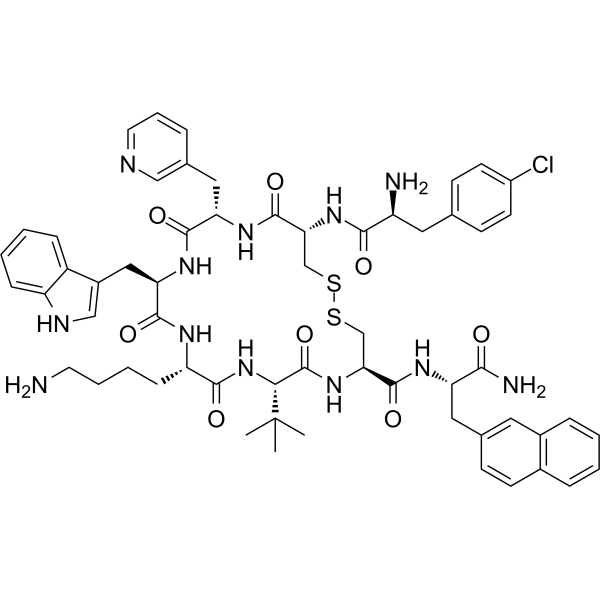
Cantuzumab ravtansine (IMGN242; huC242-DM4), an ADC, is a humanized monoclonal antibody, huC242, covalently linked via a disulfide bond to DM4 (HY-12454). Cantuzumab ravtansine has broad antitumor efficacy against a range of CanAg-positive human tumor xenografts .
|
-
-
- HY-15917S2
-
|
DTT-d6
|
Isotope-Labeled Compounds
Disulfidptosis
|
Cancer
|
|
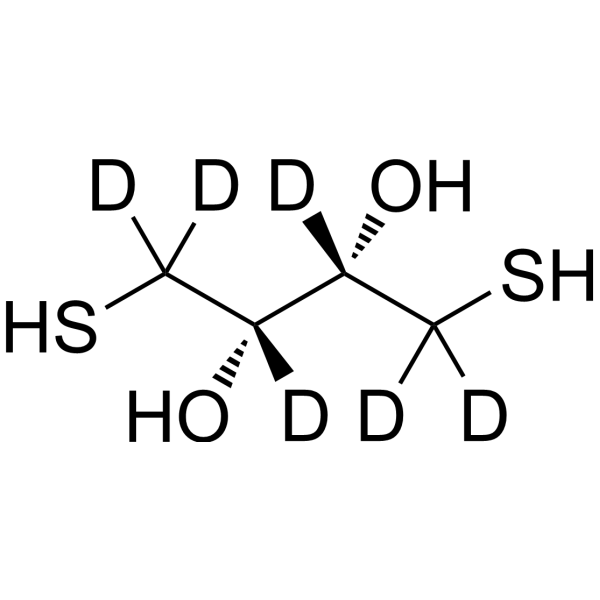
DL-Dithiothreitol-d6 is the deuterated form of DL-Dithiothreitol. DL-dithiothreitol (DTT) is a strong reductant with anti-disulfidptosis activity. DL-dithiothreitol is oxidized to form a stable six-membered ring with an internal disulfide bond .
|
-
-
- HY-135113
-
|
|
Amino Acid Derivatives
|
Others
|
|
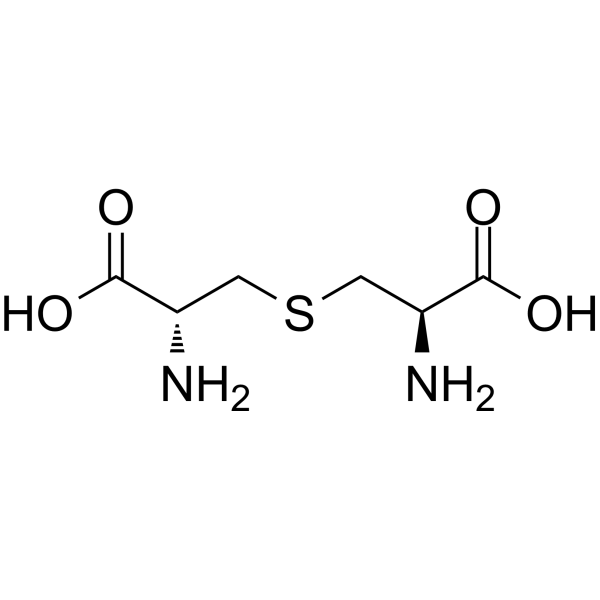
DL/meso-Lanthionine is a mixture of the racemic mixture (DL-) and meso- isomers of Lanthionine. Lanthionine is a non-protein amino acid composed of two alanine residues cross-linked by a thioether bond and is a structural component of the bacterial cell wall.
|
-
-
- HY-P11035
-
|
|
Ephrin Receptor
|
Neurological Disease
Cancer
|
|
APY-d3 is a EphA4-LBD antagonistic peptide with a Kd of 138 nM. APY-d3 is constrained into a bioactive β-hairpin conformation via a head-to-tail disulfide bond. APY-d3 can be used for cancers like gastric and pancreatic cancers and neurodegenerative diseases like amyotrophic lateral sclerosis and Alzheimer’s disease research .
|
-
-
- HY-W096122
-
|
|
Biochemical Assay Reagents
|
Others
|
|
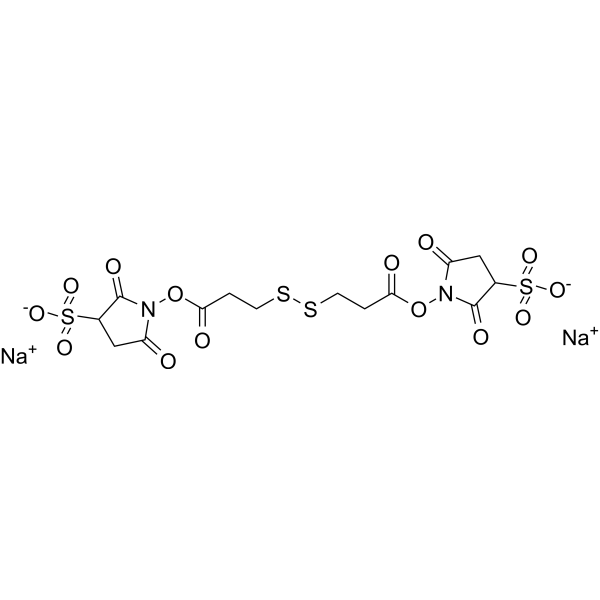
DTSSP Crosslinker disodium is a protein cross-linker containing a disulfide bond. DTSSP Crosslinker disodium can react with sidechains of amino acids that are within close proximity .
|
-
-
- HY-W615327
-
|
|
Biochemical Assay Reagents
|
Others
|
|
Bis-sulfone NHS Ester is a bis-alkylating labeling reagent that is selective for the cysteine sulfur atoms from a native disulfide. These reagents undergo bis-alkylation to conjugate both thiols derived from the two cysteine residues of a reduced native disulfide bond such as the interchain disulfide bonds of an antibody. The reaction results in covalent rebridging of the disulfide bond via a three carbon bridge leaving the protein structurally intact.
|
-
-
- HY-139036
-
|
|
Biochemical Assay Reagents
|
Others
|
|
Dicyanocobinamide is a precursor to vitamin B12. Dicyanocobinamide is a catalyst for the oxidation of peptides, which is utilized for a rapid, environmentally friendly method of disulfide bond formation in water. Dicyanocobinamide exhibits good biocompatibility .
|
-
-
- HY-130081
-
|
|
ADC Payload
Microtubule/Tubulin
|
Cancer
|
|
DM3-SMe is a maytansine derivative and a tubulin inhibitor, and is a cytotoxic moiety of antibody-drug conjugates (ADCs), which can be linked to antibody through disulfide bond or stable thioether bond. DM3-SMe shows highly cytotoxic activity in vitro with an IC50 of 0.0011 nM .
|
-
-
- HY-W590679
-
|
|
Liposome
|
Others
|
|
113-O16B is a disulfide bond-containing ionizable cationic lipidoid. 113-O16B has been used in the generation of lipid nanoparticles (LNPs) for the delivery of mRNA .
|
-
-
- HY-15917S
-
|
DTT-d10
|
Isotope-Labeled Compounds
Disulfidptosis
|
Cancer
|
|
DL-Dithiothreitol-d10 is the deuterated form of DL-Dithiothreitol. DL-Dithiothreitol (DTT) is a strong reductant with anti-disulfidptosis activity. When DL-Dithiothreitol is oxidized, it forms a stable six-membered ring with an internal disulfide bond .
|
-
-
- HY-128945A
-
|
|
ADC Linker
|
Inflammation/Immunology
Cancer
|
|
CL2A TFA is a claevable complicated PEG8- and triazole-containing PABC-peptide-mc linker. CL2A TFA is cleavable through pH sensitivity, giving rise to bystander effect, and binds the antibody at a cysteine residue via a disulfide bond. Labetuzumab govitecan used this linker .
|
-
-
- HY-D2943
-
|
SNAP-SS-SulfoCy3
|
Fluorescent Dye
|
Others
|
|
BG-SS-SulfoCy3 is a SulfoCy3-labeled SNAP tag fluorescent probe, which is linked by a disulfide bond to achieve selective labeling and controllable cleavage. BG-SS-SulfoCy3 can be used to study the endocytosis and trafficking of membrane proteins such as GPCRs .
|
-
-
- HY-W101954
-
|
|
Biochemical Assay Reagents
|
Others
|
|
(Fmoc-Cys-OtBu)2 (Disulfide bond) is a cystine dipeptide which is linked through an oxidized disulfide bond. (Fmoc-Cys-OtBu)2 (disulfide bridge) can be used in the synthesis of cleavable disulfide linkers.
|
-
-
- HY-W190952
-
|
|
Biochemical Assay Reagents
|
Others
|
|
Bis-sulfone-PEG4-NHS Ester is a bis-alkylating labeling reagent that is selective for the cysteine sulfur atoms from a native disulfide. These reagents undergo bis-alkylation to conjugate both thiols derived from the two cysteine residues of a reduced native disulfide bond such as the interchain disulfide bonds of an antibody. The reaction results in covalent rebridging of the disulfide bond via a three carbon bridge leaving the protein structurally intact. The hydrophilic PEG spacer increases solubility in aqueous media.
|
-
-
- HY-131810
-
-
-
- HY-W800683
-
|
|
Biochemical Assay Reagents
|
Others
|
|
4-Azide-TFP-Amide-SS-Sulfo-NHS consists of an aryl azide, a cleavable disulfide bond, and an NHS ester. The aryl azide can be photo-activated with UV light (250 to 350 nm) for conjugation with biomolecules. Fluoro helps to stabilize the free radical intermediate. The NHS ester reacts with amines. The disulfide bond can be cleaved by reducing agents.
|
-
-
- HY-W190951
-
|
|
Biochemical Assay Reagents
|
Others
|
|
3-((2-(2,2,2-Trifluoroacetamido)ethyl)disulfanyl)propanoic acid is a cleavable linker containing a carboxylic acid. The terminal carboxylic acid can be reacted with primary amine groups in the presence of activators (e.g. EDC, or HATU) to form a stable amide bond. The disulfide bond can be cleaved via reduction reactions.
|
-
-
- HY-W800651
-
|
|
Biochemical Assay Reagents
|
Others
|
|
Biotin-SS-Amine hydrochloride is a cleavable biotinylation reagent. The amine group can react with carboxylic acids, activated NHS esters and other carbonyl groups. The disulfide bond in this linker can be cleaved using reducing agents such as DTT, BME and TCEP.
|
-
-
- HY-15917S1
-
|
DTTl-d10-1
|
Isotope-Labeled Compounds
Disulfidptosis
|
Cancer
|
|
DL-Dithiothreitol-d10-1 is the deuterated form of DL-dithiothreitol. DL-Dithiothreitol (DTT) is a strong reductant with anti-disulfidptosis activity. DL-Dithiothreitol is oxidized to form a stable six-membered ring with an internal disulfide bond .
|
-
-
- HY-P5461
-
|
|
Bacterial
|
Others
|
|
CHRG01 is a biological active peptide. (CHRG01 is derived from human b-defensin 3 (hBD3) C-terminal amino acids 54 to 67, with all Cys residues substituted with Ser. This substitution removes all disulfide bond linkages within the sequence. CHRG01, like hBD3, displays electrostatic-dependent antimicrobial properties.)
|
-
-
- HY-W800720
-
|
|
Biochemical Assay Reagents
|
Others
|
|
(S)-2-amino-4-(2-(pyridin-2-yl)disulfanyl)butanoic acid is a small molecule reagent with a 2-thiopyridine linked to a short amino acid. SPDP is a thiol-specific labeling reagent, commonly used in reversibly binding cysteine residues on proteins. The disulfide bond it forms with the cysteine is selectively cleaved in the reducing environment of the cell cytoplasm.
|
-
-
- HY-W440901
-
|
|
Liposome
|
Others
|
|
DSPE-PEG5000-SPDP is an amphiphilic polyPEG which forms lipid bilayer in water. It can be used to encapsualte therapeutic agents. The core can encapsulate hydrophilic nutrients, such as protein/peptide and mRNA/DNA/siRNA etc. while the lipid bilayer can solubilize hydrophobic drugs, such as doxorubicin, curcumin etc. The SPDP moiety can react with thiol molecule to form a disulfide bond.
|
-
-
- HY-P2791
-
|
|
Potassium Channel
|
Neurological Disease
Inflammation/Immunology
|
|
Tertiapin (reduced) is a kind of synthesis of melittin, its Cys3-Cys14 and Cys5-Cys18 between containing a disulfide bond. Tertiapin (reduced) is a kind of inward rectifier potassium channels blockers, can block the activity of calcium activates large conductance potassium channels. Tertiapin (reduced) can be used for research in diseases such as rheumatoid arthritis and multiple sclerosis .
|
-
-
- HY-170842
-
|
|
Apoptosis
|
Cancer
|
|
TDK-HCPT is a small-molecule conjugate that links glutathione-sensitive thiamine disulfide to the chemotherapy drug 10-Hydroxycamptothecin (HY-N0095) via a thioketal bond. TDK-HCPT can target tumor cells and prolong the retention of chemotherapy agents within tumor cells. TDK-HCPT can inhibit tumor growth, induce apoptosis of tumor cells, and has anti-tumor activity .
|
-
-
- HY-D2930
-
|
SNAP-SS-SulfoCy5
|
Fluorescent Dye
|
Others
|
|
BG-SS-SulfoCy5 (SNAP-SS-SulfoCy5) is a SulfoCy5-labeled SNAP tag fluorescent probe, linked by a disulfide bond. BG-SS-SulfoCy5 combines the specific recognition of SNAP-tag, the cleavability of disulfide bond, and the excellent optical properties of SulfoCy5. BG-SS-SulfoCy5 can be used for tracking the internalization of cell surface proteins and multiple labeling experiments .
|
-
-
- HY-W190916
-
|
|
Biochemical Assay Reagents
|
Others
|
|
3-[[2-[(4-azidobenzoyl)amino]ethyl]dithio]propanoicacid contains an aryl azide, a cleavable disulfide bond, and a carboxylic acid. The aryl azide can be photo-activated with UV light (250 to 350 nm) for conjugation with biomolecules. The carboxylic acid can be reacted with amines in the presence of an activator to form an amide bond. The disulfide bond can be cleaved via reducing agents.
|
-
-
- HY-W800627
-
|
|
Biochemical Assay Reagents
|
Others
|
|
Bis-sulfone-PEG8-NHS Ester is a bis-alkylating labeling reagent that is selective for the cysteine sulfur atoms from a native disulfide. These reagents undergo bis-alkylation to conjugate both thiols derived from the two cysteine residues of a reduced native disulfide bond such as the interchain disulfide bonds of an antibody. The reaction results in covalent rebridging of the disulfide bond via a three carbon bridge leaving the protein structurally intact. The hydrophilic PEG spacer increases solubility in aqueous media.
|
-
-
- HY-W800632
-
|
|
Biochemical Assay Reagents
|
Others
|
|
4-Azide-TFP-Amide-SS-propionic acid contains an aryl azide, a cleavable disulfide bond, and a carboxylic acid. The aryl azide can be photo-activated with UV light (250 to 350 nm) for conjugation with biomolecules. Fluoro helps to stabilize the free radical intermediate. The carboxylic acid can be reacted with amines in the presence of an activator to form an amide bond. The disulfide bond can be cleaved via reducing agents.
|
-
-
- HY-W591325
-
|
|
Biochemical Assay Reagents
|
Others
|
|
4-((5-Nitropyridin-2-yl)disulfanyl)pentanoic acid is a synthetic building block with terminal nitro and carboxylic acid groups with a disulfide bond in the center.
|
-
-
- HY-W190907
-
|
|
Biochemical Assay Reagents
|
Others
|
|
Trifluoroacetamidoethyl-SS-propionic NHS ester is a cleavable linker containing an NHS ester. The NHS ester can be used to label the primary amines (-NH2) of proteins, amine-modified oligonucleotides, and other amine-containing molecules. The disulfide bond can be cleaved under reduction conditions.
|
-
-
- HY-W190940
-
|
|
Biochemical Assay Reagents
|
Others
|
|
Biotin-PEG4-S-S-acid is a cleavable reagent which can efficiently introduce a biotin moiety to amine-containing biomolecules. The disulfide bond in this linker can be cleaved using reducing agents such as DTT, BME and TCEP to remove the biotin label.
|
-
-
- HY-P3051A
-
|
|
Drug Derivative
|
Infection
Inflammation/Immunology
|
|
CKS-17 (dimer) is the dimer of CKS-17 (HY-P3051). CKS-17 (dimer) can be prepared by introducing a naturally occurring cysteine at the carboxyl terminus and dimerizing via a cysteine-disulfide bond. CKS-17 is a synthetic retroviral envelope peptide. CKS-17 has a highly conserved amino acid sequence present in the transmembrane envelope proteins of numerous animal and human retroviruses. As an immunomodulatory epitope, CKS-17 exhibits inhibitory properties on a variety of immune functions .
|
-
-
- HY-182012
-
|
|
Drug Derivative
|
Cardiovascular Disease
|
|
DT-678 is an orally active antiplatelet and antithrombotic inhibitor. DT-678 is a conjugate formed by linking the active metabolite of Clopidogrel (HY-15283) with 3-nitropyridine-2-thiol via a mixed disulfide bond. DT-678 does not rely on CYP2C19 for activation, and directly releases active substances via thiol exchange reactions in vivo, exhibiting superior efficacy over Clopidogrel. DT-678 can be used in research related to acute coronary syndrome and thrombosis .
|
-
-
- HY-100433R
-
|
|
PDI
Reference Standards
|
Cancer
|
|
PACMA 31 (Standard) is the analytical standard of PACMA 31 (HY-100433). This product is intended for research and analytical applications. PACMA 31 is an irreversible, orally active protein disulfide isomerase (PDI) inhibitor with an IC50 of 10 μM. PACMA 31 forms a covalent bond with the active site cysteines of PDI. PACMA 31 shows tumor targeting ability and significantly suppresses ovarian tumor growth without causing toxicity to normal tissues . PACMA 31 is a click chemistry reagent, it contains an Alkyne group and can undergo copper-catalyzed azide-alkyne cycloaddition (CuAAc) with molecules containing Azide groups.
|
-
-
- HY-P11398
-
|
|
Bacterial
HIV
Fungal
DNA Alkylator/Crosslinker
|
Infection
Cancer
|
|
Tachyplesin II is a broad-spectrum cationic antimicrobial peptide. Tachyplesin II has significant inhibitory effects on Gram-positive bacteria, Gram-negative bacteria, and some fungi. Tachyplesin II binds to bacterial membrane lipopolysaccharides through its positive charge, disrupting membrane integrity and causing leakage of cellular contents. Tachyplesin II can bind to DNA grooves, inhibiting microbial replication, and also suppressing HIV-1 replication and the proliferation of liver cancer cells .
|
-
-
- HY-P4948
-
|
|
Biochemical Assay Reagents
|
Others
|
|
Coumarin-phalloidin is a kind of phalloidin labeled with Coumarin (HY-N0709). Coumarin-phalloidin is a new type of actin probe that can be used for triple immunofluorescence microscopic observation of the cell skeleton .
|
-
| Cat. No. |
Product Name |
Type |
-
- HY-D2943
-
|
SNAP-SS-SulfoCy3
|
Fluorescent Dye
|
|
BG-SS-SulfoCy3 is a SulfoCy3-labeled SNAP tag fluorescent probe, which is linked by a disulfide bond to achieve selective labeling and controllable cleavage. BG-SS-SulfoCy3 can be used to study the endocytosis and trafficking of membrane proteins such as GPCRs .
|
-
- HY-D2930
-
|
SNAP-SS-SulfoCy5
|
Fluorescent Dye
|
|
BG-SS-SulfoCy5 (SNAP-SS-SulfoCy5) is a SulfoCy5-labeled SNAP tag fluorescent probe, linked by a disulfide bond. BG-SS-SulfoCy5 combines the specific recognition of SNAP-tag, the cleavability of disulfide bond, and the excellent optical properties of SulfoCy5. BG-SS-SulfoCy5 can be used for tracking the internalization of cell surface proteins and multiple labeling experiments .
|
-
- HY-W190940
-
|
|
Fluorescent Dye
|
|
Biotin-PEG4-S-S-acid is a cleavable reagent which can efficiently introduce a biotin moiety to amine-containing biomolecules. The disulfide bond in this linker can be cleaved using reducing agents such as DTT, BME and TCEP to remove the biotin label.
|
| Cat. No. |
Product Name |
Type |
-
- HY-15917
-
|
DTT; rel-(2R,3R)-1,4-Dimercapto-2,3-butanediol
|
Biochemical Assay Reagents
|
|
DL-Dithiothreitol (DTT) is a strong reductant with anti-disulfidptosis activity. When DL-Dithiothreitol is oxidized, it forms a stable six-membered ring with an internal disulfide bond .
|
-
- HY-NP008
-
|
|
Biochemical Assay Reagents
|
|
β-Lactoglobulin, a major whey protein, is a small globular protein from the lipocalin family. β-Lactoglobulin is an important source of the essential and branched-chain amino acids (leucine, isoleucine, and valine). β-Lactoglobulin shows antioxidant properties, because it contains two disulfide bonds and one free thiol group. β-Lactoglobulin is a ligand transport agent. β-Lactoglobulin is one of the major allergens in milk and can be utilized in the research for developing safe hypoallergenic dairy products .
|
-
- HY-15917A
-
|
|
Biochemical Assay Reagents
|
|
L-Dithiothreitol (DTT) is a reducing agent commonly used in various biochemical applications to break disulfide bonds in proteins, thereby denaturing proteins or preventing the formation of unwanted aggregates. DTT has a unique chemical property that cleaves the sulfur-sulfur bond in the disulfide bond to form a sulfhydryl group. This makes it a useful tool for protein purification, enzyme assays, and protein structure studies.
|
-
- HY-W440901
-
|
|
Biochemical Assay Reagents
|
|
DSPE-PEG5000-SPDP is an amphiphilic polyPEG which forms lipid bilayer in water. It can be used to encapsualte therapeutic agents. The core can encapsulate hydrophilic nutrients, such as protein/peptide and mRNA/DNA/siRNA etc. while the lipid bilayer can solubilize hydrophobic drugs, such as doxorubicin, curcumin etc. The SPDP moiety can react with thiol molecule to form a disulfide bond.
|
| Cat. No. |
Product Name |
Target |
Research Area |
-
- HY-P5601
-
|
|
Bacterial
Fungal
|
Infection
|
|
Thanatin is an inducible cationic antimicrobial peptide. Thanatin is a pathogen-inducible single-disulfide-bond-containing β-hairpin AMP. Thanatin displays broad-spectrum activity against both Gram-negative and Gram-positive bacteria as well as against various species of fungi with MICs of 0.3-40 µM, 0.6-40 µM and 0.6-20 µM, respectively. Thanatin has the property of competitive replacement of divalent cations from bacterial outer membrane (OM), leading to OM disruption .
|
-
- HY-P5601A
-
|
|
Bacterial
Fungal
|
Infection
|
|
Thanatin TFA is an inducible cationic antimicrobial peptide. Thanatin TFA s a pathogen-inducible single-disulfide-bond-containing β-hairpin AMP. Thanatin TFA displays broad-spectrum activity against both Gram-negative and Gram-positive bacteria as well as against various species of fungi with MICs of 0.3-40 µM, 0.6-40 µM and 0.6-20 µM, respectively. Thanatin TFA has the property of competitive replacement of divalent cations from bacterial outer membrane (OM), leading to OM disruption .
|
-
- HY-P4452
-
-
- HY-P3432
-
|
|
Biochemical Assay Reagents
|
Others
|
|
DfTat is a dimer of the prototypical cell-penetrating peptide TAT. DfTat can deliver small molecules, peptides and proteins into live cells with a particularly high efficiency. DfTat labeled with the rhodamine can be used as a tracer for easy detection .
|
-
- HY-135113
-
|
|
Amino Acid Derivatives
|
Others
|
|
DL/meso-Lanthionine is a mixture of the racemic mixture (DL-) and meso- isomers of Lanthionine. Lanthionine is a non-protein amino acid composed of two alanine residues cross-linked by a thioether bond and is a structural component of the bacterial cell wall.
|
-
- HY-P4597
-
|
|
Peptides
|
Others
|
|
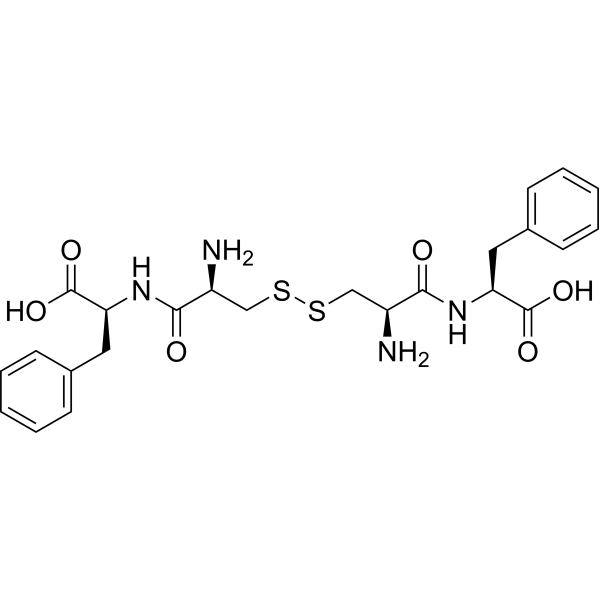
(H-Cys-Phe-OH)2 (disulfide bond) is a polypeptide that can be found by peptide screening. Peptide screening is a research tool that pools active peptides primarily by immunoassay. Peptide screening can be used for protein interaction, functional analysis, epitope screening, especially in the field of agent research and development .
|
-
- HY-P11035
-
|
|
Ephrin Receptor
|
Neurological Disease
Cancer
|
|
APY-d3 is a EphA4-LBD antagonistic peptide with a Kd of 138 nM. APY-d3 is constrained into a bioactive β-hairpin conformation via a head-to-tail disulfide bond. APY-d3 can be used for cancers like gastric and pancreatic cancers and neurodegenerative diseases like amyotrophic lateral sclerosis and Alzheimer’s disease research .
|
-
- HY-P5461
-
|
|
Bacterial
|
Others
|
|
CHRG01 is a biological active peptide. (CHRG01 is derived from human b-defensin 3 (hBD3) C-terminal amino acids 54 to 67, with all Cys residues substituted with Ser. This substitution removes all disulfide bond linkages within the sequence. CHRG01, like hBD3, displays electrostatic-dependent antimicrobial properties.)
|
-
- HY-P2791
-
|
|
Potassium Channel
|
Neurological Disease
Inflammation/Immunology
|
|
Tertiapin (reduced) is a kind of synthesis of melittin, its Cys3-Cys14 and Cys5-Cys18 between containing a disulfide bond. Tertiapin (reduced) is a kind of inward rectifier potassium channels blockers, can block the activity of calcium activates large conductance potassium channels. Tertiapin (reduced) can be used for research in diseases such as rheumatoid arthritis and multiple sclerosis .
|
-
- HY-P3051A
-
|
|
Drug Derivative
|
Infection
Inflammation/Immunology
|
|
CKS-17 (dimer) is the dimer of CKS-17 (HY-P3051). CKS-17 (dimer) can be prepared by introducing a naturally occurring cysteine at the carboxyl terminus and dimerizing via a cysteine-disulfide bond. CKS-17 is a synthetic retroviral envelope peptide. CKS-17 has a highly conserved amino acid sequence present in the transmembrane envelope proteins of numerous animal and human retroviruses. As an immunomodulatory epitope, CKS-17 exhibits inhibitory properties on a variety of immune functions .
|
-
- HY-P11398
-
|
|
Bacterial
HIV
Fungal
DNA Alkylator/Crosslinker
|
Infection
Cancer
|
|
Tachyplesin II is a broad-spectrum cationic antimicrobial peptide. Tachyplesin II has significant inhibitory effects on Gram-positive bacteria, Gram-negative bacteria, and some fungi. Tachyplesin II binds to bacterial membrane lipopolysaccharides through its positive charge, disrupting membrane integrity and causing leakage of cellular contents. Tachyplesin II can bind to DNA grooves, inhibiting microbial replication, and also suppressing HIV-1 replication and the proliferation of liver cancer cells .
|
-
- HY-P4948
-
|
|
Biochemical Assay Reagents
|
Others
|
|
Coumarin-phalloidin is a kind of phalloidin labeled with Coumarin (HY-N0709). Coumarin-phalloidin is a new type of actin probe that can be used for triple immunofluorescence microscopic observation of the cell skeleton .
|
| Cat. No. |
Product Name |
Target |
Research Area |
Image |
-
- HY-P990059
-
|
INT-016; AZD8205 Antibody
|
ADC Antibody
CD276/B7-H3
|
Cancer
|
|
Puxitatug (INT-016; AZD8205 Antibody) is a monoclonal antibody targeting VTCN1/B7-H4. Puxitatug can be used to synthesize antibody-drug conjugates (ADCs), such as Puxitatug samrotecan (HY-171689), which can be applied to various solid tumors. Puxitatug can also be used for researching adjuvant therapies for gastric cancer .
|
-
(5)
-
- HY-P99493
-
|
IMGN242; huC242-DM4
|
Antibody-Drug Conjugates (ADCs)
Microtubule/Tubulin
|
Cancer
|
|
Cantuzumab ravtansine (IMGN242; huC242-DM4), an ADC, is a humanized monoclonal antibody, huC242, covalently linked via a disulfide bond to DM4 (HY-12454). Cantuzumab ravtansine has broad antitumor efficacy against a range of CanAg-positive human tumor xenografts .
|
-
(5)
| Cat. No. |
Product Name |
Chemical Structure |
-
- HY-15917S2
-
|
|
|
DL-Dithiothreitol-d6 is the deuterated form of DL-Dithiothreitol. DL-dithiothreitol (DTT) is a strong reductant with anti-disulfidptosis activity. DL-dithiothreitol is oxidized to form a stable six-membered ring with an internal disulfide bond .
|
-
-
- HY-15917S
-
|
|
|
DL-Dithiothreitol-d10 is the deuterated form of DL-Dithiothreitol. DL-Dithiothreitol (DTT) is a strong reductant with anti-disulfidptosis activity. When DL-Dithiothreitol is oxidized, it forms a stable six-membered ring with an internal disulfide bond .
|
-
-
- HY-15917S1
-
|
|
|
DL-Dithiothreitol-d10-1 is the deuterated form of DL-dithiothreitol. DL-Dithiothreitol (DTT) is a strong reductant with anti-disulfidptosis activity. DL-Dithiothreitol is oxidized to form a stable six-membered ring with an internal disulfide bond .
|
-
| Cat. No. |
Product Name |
|
Classification |
-
- HY-100433
-
|
|
|
Alkynes
|
|
PACMA 31 is an irreversible, orally active protein disulfide isomerase (PDI) inhibitor with an IC50 of 10 μM. PACMA 31 forms a covalent bond with the active site cysteines of PDI. PACMA 31 shows tumor targeting ability and significantly suppresses ovarian tumor growth without causing toxicity to normal tissues . PACMA 31 is a click chemistry reagent, it contains an Alkyne group and can undergo copper-catalyzed azide-alkyne cycloaddition (CuAAc) with molecules containing Azide groups.
|
| Cat. No. |
Product Name |
|
Classification |
-
- HY-W590681
-
|
|
|
Cationic Lipids
|
|
113-O12B is a disulfide bond-containing ionizable cationic lipidoid. 113-O12B can be used in that generation of lipid nanoparticles (LNPs) for the delivery of mRNA .
|
-
- HY-W590679
-
|
|
|
Cationic Lipids
|
|
113-O16B is a disulfide bond-containing ionizable cationic lipidoid. 113-O16B has been used in the generation of lipid nanoparticles (LNPs) for the delivery of mRNA .
|
Your information is safe with us. * Required Fields.
Inquiry Information
- Product Name:
- Cat. No.:
- Quantity:
- MCE Japan Authorized Agent:

