
Search Result
Results for "
LKB1
" in MedChemExpress (MCE) Product Catalog:
8
Isotope-Labeled Compounds
| Cat. No. |
Product Name |
Target |
Research Areas |
Chemical Structure |
-
- HY-10371
-
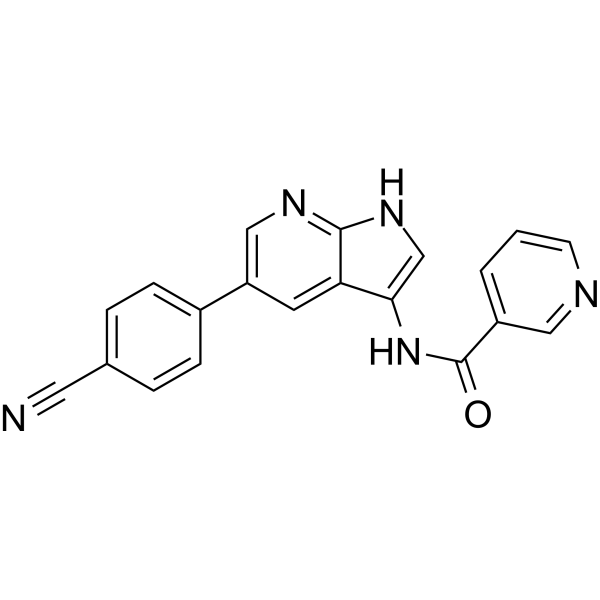
Pim1/AKK1-IN-1
Maximum Cited Publications
12 Publications Verification
LKB1/AAK1 dual inhibitor
|
Pim
|
Cancer
|
|
Pim1/AKK1-IN-1 is a potent multi-kinase inhibitor with Kd values of 35 nM/53 nM/75 nM/380 nM for Pim1/AKK1/MST2/LKB1 respectively, and also inhibits MPSK1 and TNIK.
|
-
-
- HY-N0059
-
|
|
Parasite
Bacterial
AMPK
PPAR
|
Infection
Neurological Disease
Metabolic Disease
|
|
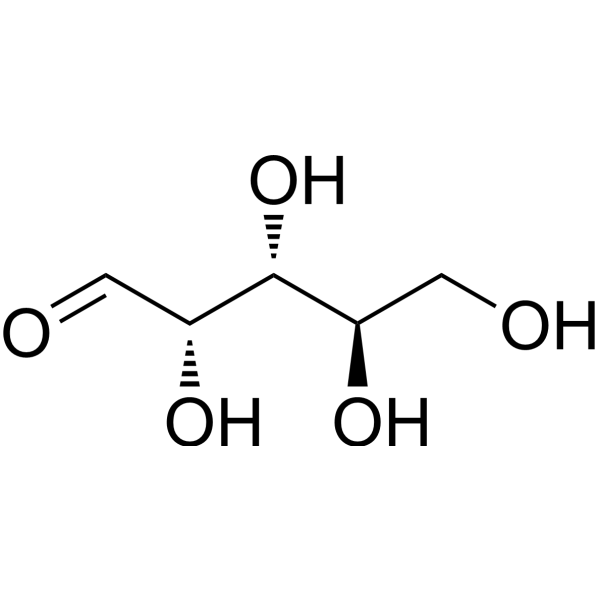
D-Arabinose is is an orally active antidepressant and a growth inhibitor of C. elegans (IC50 is 7.5 mM). D-Arabinose can penetrate the blood-brain barrier, selectively interfere with the metabolism of D-ribose and D-fructose, and inhibit the growth of nematodes. D-Arabinose can also inhibit the synthesis of cell biofilm and exert antibacterial activity. D-Arabinose activates the ACSS2-PPARγ/TFEB-CRTC1 axis through the lysosomal AXIN-LKB1-AMPK pathway, inducing CRTC1 transcription, exerts antidepressant-like activity. D-Arabinose is the ring-opened form of the aldopentose D-?Arabinose (HY-N7082) [1] .
|
-
-
- HY-113788
-
|
|
Pyk2
p38 MAPK
Amyloid-β
|
Neurological Disease
Inflammation/Immunology
|
|
PF-719 is a highly selective Pyk2 inhibitor with an IC50 value of 17 nM. PF-719 promotes the activation of LKB1 and p38 MAPK. PF-719 blocks synaptic deficits induced by Amyloid-beta oligomers and reverses the inhibition of long-term potentiation induced by β-amyloid oligomers. PF-719 can be used in research related to Alzheimer's disease and autoimmune diseases [1] .
|
-
-
- HY-N0385
-
|
|
NO Synthase
AMPK
CaMK
NF-κB
Keap1-Nrf2
|
Cardiovascular Disease
Inflammation/Immunology
|
|
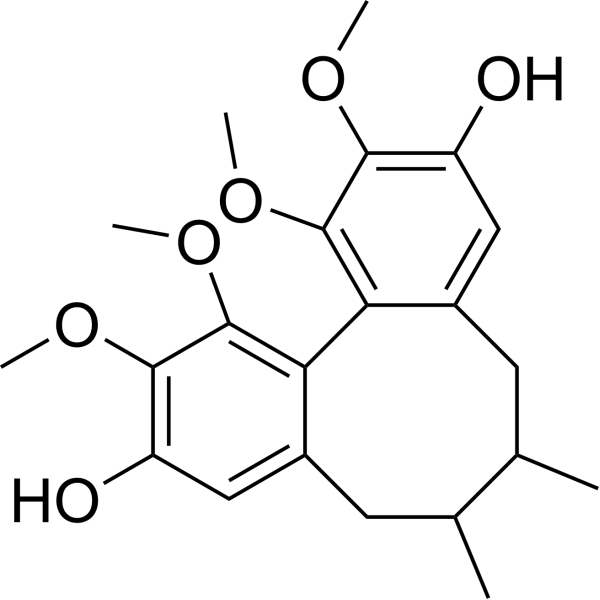
Gomisin J is a Schisandra chinensis-derived lignan that can inhibit multiple targets such as eNOS, AMPK (LKB1, CaMKIIβ), fetuin-A, NF-κB, Nrf2/HO-1, and can pass through the blood-brain barrier. Gomisin J increases NO bioavailability by activating eNOS, regulates lipid metabolism by activating the AMPK pathway, inhibits fetuin-A and NF-κB to exert anti-inflammatory effects, and activates Nrf2/HO-1 to enhance antioxidant capacity. Gomisin J has the activities of anti-hypertension, regulating liver lipid metabolism, and reducing cerebral ischemia-reperfusion injury, and can be used for research on hypertension, non-alcoholic fatty liver disease, cerebral ischemia-reperfusion injury, etc [1] .
|
-
-
- HY-N7082
-
|
|
Parasite
Bacterial
AMPK
PPAR
|
Infection
Neurological Disease
Metabolic Disease
|
|
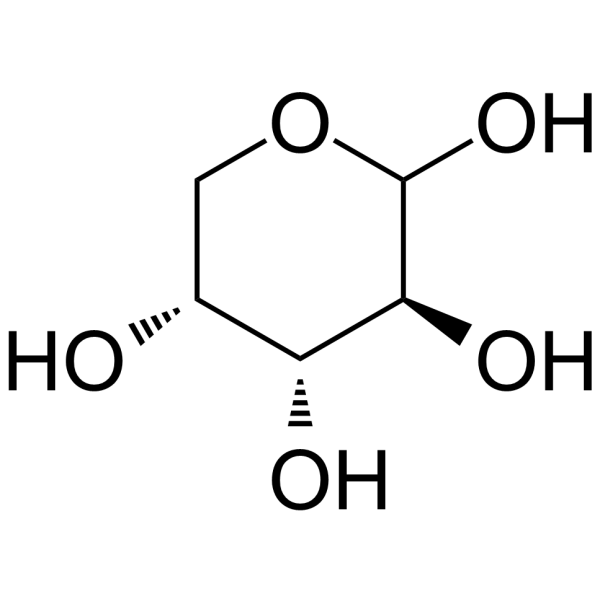
D-Arabinopyranose is a rare aldehyde pentose, and its ring-opened form is D-arabinose (HY-N0059). D-arabinose is is an orally active antidepressant and a growth inhibitor of C. elegans (IC50 is 7.5 mM). D-arabinose can penetrate the blood-brain barrier, selectively interfere with the metabolism of D-ribose and D-fructose, and inhibit the growth of nematodes. D-arabinose can also inhibit the synthesis of cell biofilm and exert antibacterial activity. D-arabinose activates the ACSS2-PPARγ/TFEB-CRTC1 axis through the lysosomal AXIN-LKB1-AMPK pathway, inducing CRTC1 transcription, exerts antidepressant-like activity. D-arabinose is the ring-opened form of the aldopentose D-?Arabinose (HY-N7082) [1] .
|
-
-
- HY-18555
-
TMPA
3 Publications Verification
|
Nuclear Hormone Receptor 4A/NR4A
AMPK
|
Metabolic Disease
Inflammation/Immunology
Cancer
|
|
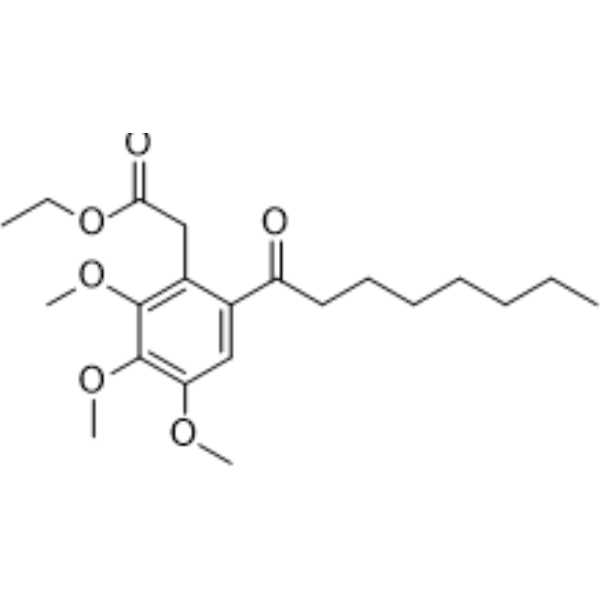
TMPA is a high-affinity Nur77 antagonist that binds to Nur77 leading to the release and shuttling of LKB1 in the cytoplasm to activate AMPKα. TMPA effectively lowers blood glucose and attenuates insulin resistance in type II db/db, high-fat diet and streptozotocin-induced diabetic mice. TMPA reduces RICD (restimulation-induced cell death) in human T cells, can also be used in studies of cancer and T-cell apoptosis dysregulation [1] .
|
-
-
- HY-121006
-
|
|
Mitochondrial Metabolism
AMPK
Insulin Receptor
|
Metabolic Disease
Cancer
|
|
Biguanide is an orally active antihyperglycemic agent. Biguanide inhibits mitochondrial ATP production, activates the LKB1-AMPK signaling pathway, and damages the energy homeostasis. Biguanide enhances insulin-receptor activation and downstream signaling. Biguanide exhibits potential in ameliorating the type 2 diabetes and the insulin-associated cancers.
|
-
-
- HY-P5435
-
|
|
Ser/Thr Kinase
|
Others
|
|
LKBtide is a biological active peptide. (This is a peptide substrate that is phosphorylated by Serine/Threonine kinase 11 (STK11), also known as LKB1. LKBtide is derived from sucrose non-fermenting 1 (SNF1) protein kinase, which is normally activated by the LKB1/AMP-activated protein kinase (AMPK) signaling pathway.)
|
-
-
- HY-RS13921
-
|
|
Small Interfering RNA (siRNA)
|
Others
|
|
STK11 Human Pre-designed siRNA Set A contains three designed siRNAs for STK11 gene (Human), as well as a negative control, a positive control, and a FAM-labeled negative control.
|
-
STK11 Human Pre-designed siRNA Set A
-
- HY-174803
-
|
|
p38 MAPK
HDAC
AMPK
MDM-2/p53
Microtubule/Tubulin
Pim
Survivin
Apoptosis
|
Cancer
|
|
WMJ-J-09 is an HDAC inhibitor with IC50 values of 7.5 nM (HDAC1), 21.3 nM (HDAC2), 18.4 nM (HDAC3), 90.9 nM (HDAC8), 3.9 nM (HDAC6) and 8715.7 nM (HDAC4). WMJ-J-09 blocks the cell cycle and induces apoptosis in cancer cells. WMJ-J-09 induces cancer cell death through the LKB1-AMPK-p38MAPK-p63-survivin signaling cascade.WMJ-J-09 inhibits HDAC enzyme activity, leading to acetylation of key proteins and thereby regulating cancer cell death. WMJ-J-09 can be used in HCT116 cells and FaDu cells research[1][2].
|
-
-
- HY-N0059R
-
|
|
Reference Standards
Parasite
Bacterial
AMPK
PPAR
|
Infection
Neurological Disease
Metabolic Disease
|
|
D-Arabinose (Standard) is the analytical standard of D-Arabinose. This product is intended for research and analytical applications. D-Arabinose is is an orally active antidepressant and a growth inhibitor of C. elegans (IC50 is 7.5 mM). D-Arabinose can penetrate the blood-brain barrier, selectively interfere with the metabolism of D-ribose and D-fructose, and inhibit the growth of nematodes. D-Arabinose can also inhibit the synthesis of cell biofilm and exert antibacterial activity. D-Arabinose activates the ACSS2-PPARγ/TFEB-CRTC1 axis through the lysosomal AXIN-LKB1-AMPK pathway, inducing CRTC1 transcription, exerts antidepressant-like activity. D-Arabinose is the ring-opened form of the aldopentose D-?Arabinose (HY-N7082) [1] .
|
-
-
- HY-N0059S1
-
|
|
Isotope-Labeled Compounds
Parasite
Bacterial
AMPK
PPAR
|
Infection
Neurological Disease
Metabolic Disease
|
|
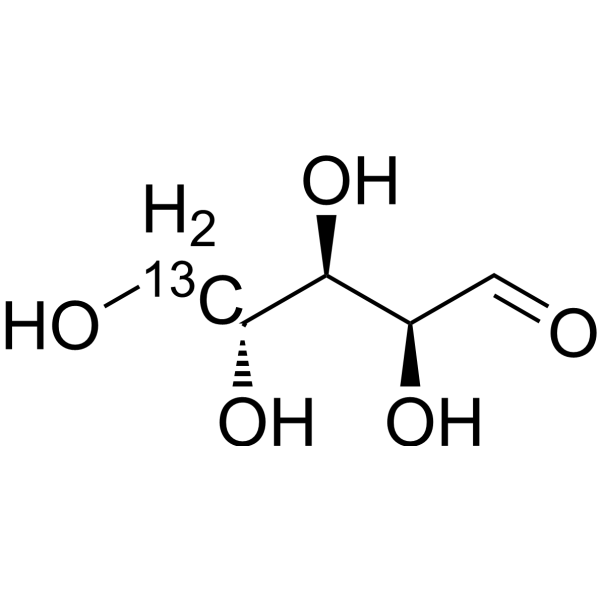
D-Arabinose- 13C-1 is the 13C labeled D-Arabinose (HY-N0059). D-Arabinose is is an orally active antidepressant and a growth inhibitor of C. elegans (IC50 is 7.5 mM). D-Arabinose can penetrate the blood-brain barrier, selectively interfere with the metabolism of D-ribose and D-fructose, and inhibit the growth of nematodes. D-Arabinose can also inhibit the synthesis of cell biofilm and exert antibacterial activity. D-Arabinose activates the ACSS2-PPARγ/TFEB-CRTC1 axis through the lysosomal AXIN-LKB1-AMPK pathway, inducing CRTC1 transcription, exerts antidepressant-like activity. D-Arabinose is the ring-opened form of the aldopentose D-?Arabinose (HY-N7082) [1] .
|
-
-
- HY-N0059S3
-
|
|
Isotope-Labeled Compounds
Parasite
Bacterial
AMPK
PPAR
|
Infection
Neurological Disease
Metabolic Disease
|
|
D-Arabinose- 13C-3 is the 13C labeled D-Arabinose (HY-N0059). D-Arabinose is is an orally active antidepressant and a growth inhibitor of C. elegans (IC50 is 7.5 mM). D-Arabinose can penetrate the blood-brain barrier, selectively interfere with the metabolism of D-ribose and D-fructose, and inhibit the growth of nematodes. D-Arabinose can also inhibit the synthesis of cell biofilm and exert antibacterial activity. D-Arabinose activates the ACSS2-PPARγ/TFEB-CRTC1 axis through the lysosomal AXIN-LKB1-AMPK pathway, inducing CRTC1 transcription, exerts antidepressant-like activity. D-Arabinose is the ring-opened form of the aldopentose D-?Arabinose (HY-N7082) [1] .
|
-
-
- HY-N6904
-
|
|
Amyloid-β
|
Neurological Disease
Inflammation/Immunology
|
|
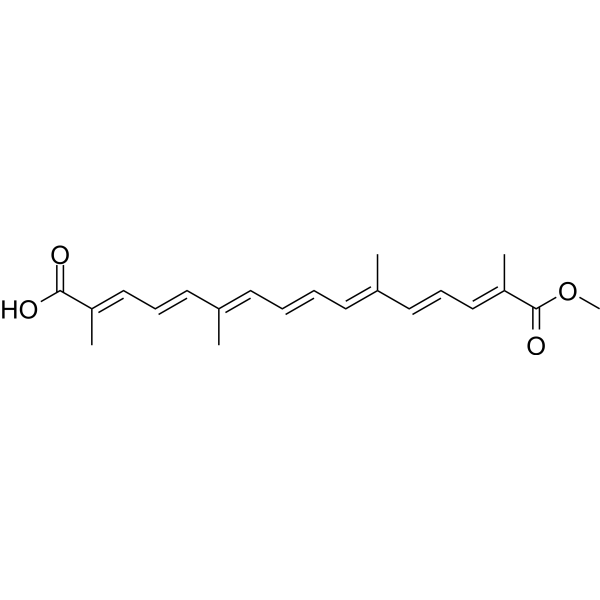
Crocetin monomethyl ester, isolated from Crocus sativus, possesses anti-inflammatory, neuroprotective and antioxidant activity [1] . Crocetin monomethyl ester promotes clearance of amyloid-β by inducing autophagy via the STK11/LKB1-mediated AMPK pathway .
|
-
-
- HY-N6904R
-
|
|
Reference Standards
Amyloid-β
|
Neurological Disease
Inflammation/Immunology
|
|
Crocetin monomethyl ester (Standard) is the analytical standard of Crocetin monomethyl ester. This product is intended for research and analytical applications. Crocetin monomethyl ester, isolated from Crocus sativus, possesses anti-inflammatory, neuroprotective and antioxidant activity [1] . Crocetin monomethyl ester promotes clearance of amyloid-β by inducing autophagy via the STK11/LKB1-mediated AMPK pathway .
|
-
-
- HY-E70851
-
|
|
AMPK
|
Cancer
|
|
NUAK2 is a member of the SNF1/AMP kinase (AMPK) family (serine/threonine kinases) that is regulated by the putative tumor suppressor LKB1 (20-23) and also by death receptor signaling through NF-κB. Nuak2 Recombinant Human Active Protein Kinase is a recombinant Nuak2 protein that can be used to study Nuak2-related functions [1].
|
-
-
- HY-N0059S4
-
|
|
Isotope-Labeled Compounds
Parasite
Bacterial
AMPK
PPAR
|
Infection
Neurological Disease
Metabolic Disease
|
|
D-Arabinose-d2 is the deuterium labeled D-Arabinose (HY-N0059). D-Arabinose is is an orally active antidepressant and a growth inhibitor of C. elegans (IC50 is 7.5 mM). D-Arabinose can penetrate the blood-brain barrier, selectively interfere with the metabolism of D-ribose and D-fructose, and inhibit the growth of nematodes. D-Arabinose can also inhibit the synthesis of cell biofilm and exert antibacterial activity. D-Arabinose activates the ACSS2-PPARγ/TFEB-CRTC1 axis through the lysosomal AXIN-LKB1-AMPK pathway, inducing CRTC1 transcription, exerts antidepressant-like activity. D-Arabinose is the ring-opened form of the aldopentose D-?Arabinose (HY-N7082) [1] .
|
-
-
- HY-N0059S
-
|
|
Isotope-Labeled Compounds
Parasite
Bacterial
AMPK
PPAR
|
Infection
Neurological Disease
Metabolic Disease
|
|
D-Arabinose- 13C is the 13C labeled D-Arabinose (HY-N0059). D-Arabinose is is an orally active antidepressant and a growth inhibitor of C. elegans (IC50 is 7.5 mM). D-Arabinose can penetrate the blood-brain barrier, selectively interfere with the metabolism of D-ribose and D-fructose, and inhibit the growth of nematodes. D-Arabinose can also inhibit the synthesis of cell biofilm and exert antibacterial activity. D-Arabinose activates the ACSS2-PPARγ/TFEB-CRTC1 axis through the lysosomal AXIN-LKB1-AMPK pathway, inducing CRTC1 transcription, exerts antidepressant-like activity. D-Arabinose is the ring-opened form of the aldopentose D-?Arabinose (HY-N7082) [1] .
|
-
-
- HY-N0059S6
-
|
|
Isotope-Labeled Compounds
Parasite
Bacterial
AMPK
PPAR
|
Infection
Neurological Disease
Metabolic Disease
|
|
D-Arabinose-d6 is the deuterium labeled D-Arabinose (HY-N0059). D-Arabinose is is an orally active antidepressant and a growth inhibitor of C. elegans (IC50 is 7.5 mM). D-Arabinose can penetrate the blood-brain barrier, selectively interfere with the metabolism of D-ribose and D-fructose, and inhibit the growth of nematodes. D-Arabinose can also inhibit the synthesis of cell biofilm and exert antibacterial activity. D-Arabinose activates the ACSS2-PPARγ/TFEB-CRTC1 axis through the lysosomal AXIN-LKB1-AMPK pathway, inducing CRTC1 transcription, exerts antidepressant-like activity. D-Arabinose is the ring-opened form of the aldopentose D-?Arabinose (HY-N7082) [1] .
|
-
-
- HY-N0059S5
-
|
|
Isotope-Labeled Compounds
Parasite
Bacterial
AMPK
PPAR
|
Infection
Neurological Disease
Metabolic Disease
|
|
D-Arabinose-d5 is the deuterium labeled D-Arabinose (HY-N0059). D-Arabinose is is an orally active antidepressant and a growth inhibitor of C. elegans (IC50 is 7.5 mM). D-Arabinose can penetrate the blood-brain barrier, selectively interfere with the metabolism of D-ribose and D-fructose, and inhibit the growth of nematodes. D-Arabinose can also inhibit the synthesis of cell biofilm and exert antibacterial activity. D-Arabinose activates the ACSS2-PPARγ/TFEB-CRTC1 axis through the lysosomal AXIN-LKB1-AMPK pathway, inducing CRTC1 transcription, exerts antidepressant-like activity. D-Arabinose is the ring-opened form of the aldopentose D-?Arabinose (HY-N7082) [1] .
|
-
-
- HY-N0059S2
-
|
|
Isotope-Labeled Compounds
Parasite
Bacterial
AMPK
PPAR
|
Infection
Neurological Disease
Metabolic Disease
|
|
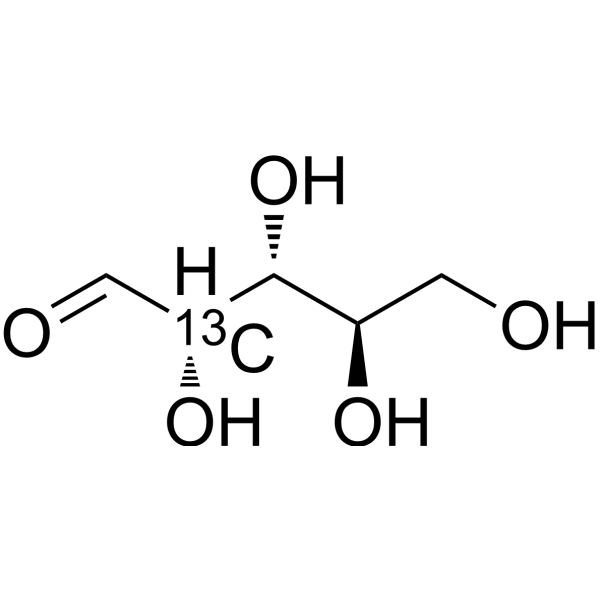
D-Arabinose- 13C-2 is the 13C labeled D-Arabinose (HY-N0059). D-Arabinose is is an orally active antidepressant and a growth inhibitor of C. elegans (IC50 is 7.5 mM). D-Arabinose can penetrate the blood-brain barrier, selectively interfere with the metabolism of D-ribose and D-fructose, and inhibit the growth of nematodes. D-Arabinose can also inhibit the synthesis of cell biofilm and exert antibacterial activity. D-Arabinose activates the ACSS2-PPARγ/TFEB-CRTC1 axis through the lysosomal AXIN-LKB1-AMPK pathway, inducing CRTC1 transcription, exerts antidepressant-like activity. D-Arabinose is the ring-opened form of the aldopentose D-?Arabinose (HY-N7082) [1] .
|
-
-
- HY-N7082S
-
|
|
Isotope-Labeled Compounds
Parasite
Bacterial
AMPK
PPAR
|
Infection
Neurological Disease
Metabolic Disease
|
|
D-Arabinopyranos- 13C5 is 13C labeled D-Arabinopyranos (HY-N7082). D-Arabinopyranose is a rare aldehyde pentose, and its ring-opened form is D-arabinose (HY-N0059). D-arabinose is is an orally active antidepressant and a growth inhibitor of C. elegans (IC50 is 7.5 mM). D-arabinose can penetrate the blood-brain barrier, selectively interfere with the metabolism of D-ribose and D-fructose, and inhibit the growth of nematodes. D-arabinose can also inhibit the synthesis of cell biofilm and exert antibacterial activity. D-arabinose activates the ACSS2-PPARγ/TFEB-CRTC1 axis through the lysosomal AXIN-LKB1-AMPK pathway, inducing CRTC1 transcription, exerts antidepressant-like activity. D-arabinose is the ring-opened form of the aldopentose D-?Arabinose (HY-N7082) [1] .
|
-
-
- HY-10371R
-
|
LKB1/AAK1 dual inhibitor (Standard)
|
Reference Standards
Pim
|
Cancer
|
|
Pim1/AKK1-IN-1 (Standard) is the analytical standard of Pim1/AKK1-IN-1 (HY-10371). This product is intended for research and analytical applications. Pim1/AKK1-IN-1 is a potent multi-kinase inhibitor with Kd values of 35 nM/53 nM/75 nM/380 nM for Pim1/AKK1/MST2/LKB1 respectively, and also inhibits MPSK1 and TNIK.
|
-
-
- HY-E70802
-
|
|
AMPK
|
Cancer
|
|
NUAK2 is a member of the SNF1/AMP kinase (AMPK) family (serine/threonine kinases) that is regulated by the putative tumor suppressor LKB1 (20-23) and also by death receptor signaling through NF-κB. Biotin-Nuak2 Recombinant Human Active Protein Kinase is a recombinant Nuak2 protein that can be used to study Nuak2-related functions, and is biotinylated [1].
|
-
-
- HY-N3055
-
|
|
Apoptosis
AMPK
Platelet-activating Factor Receptor (PAFR)
Caspase
|
Neurological Disease
Metabolic Disease
Cancer
|
|
Pinusolide is an AMPK activator and PAF receptor antagonist. Pinusolide activates AMPK, phosphorylates ACC, enhances IRS-1 tyrosine phosphorylation, boosts glucose uptake, and modulates insulin signaling. Pinusolide inhibits caspase-3/7 activation, intracellular calcium elevation, reactive oxygen species overproduction, lipid peroxidation, and tumor cell proliferation. Pinusolide stabilizes superoxide dismutase activity, reduces apoptotic hallmarks, induces mitochondrial pathway apoptosis, and triggers DNA fragmentation. Pinusolide can be used for the research of type 2 diabetes, neurodegenerative diseases, acute lymphoblastic leukemia, acute myeloid leukemia, and Burkitt lymphoma [1] .
|
-
-
- HY-RS23763
-
|
|
Small Interfering RNA (siRNA)
|
Others
|
|
Stk11 Rat Pre-designed siRNA Set A contains three designed siRNAs for Stk11 gene (Rat), as well as a negative control, a positive control, and a FAM-labeled negative control.
|
-
Stk11 Rat Pre-designed siRNA Set A
-
- HY-RS17308
-
|
|
Small Interfering RNA (siRNA)
|
Others
|
|
Stk11 Mouse Pre-designed siRNA Set A contains three designed siRNAs for Stk11 gene (Mouse), as well as a negative control, a positive control, and a FAM-labeled negative control.
|
-
Stk11 Mouse Pre-designed siRNA Set A
-
- HY-W800535
-
|
|
NF-κB
p38 MAPK
mTOR
Topoisomerase
AMPK
Apoptosis
Cholinesterase (ChE)
HIF/HIF Prolyl-Hydroxylase
β-catenin
|
Infection
Metabolic Disease
Inflammation/Immunology
Cancer
|
|
Cryptolepine is an orally active multi-potent alkaloid with anti-cancer, anti-bacterial, anti-viral, anti-malarial, anti-inflammatory, anti-hyperglycemic, relieve pain and other properties. Cryptolepine acts as an inhibitor of c-Myc, mTOR, NF-κB, HIF-1, MAPK and an activator of AMPKα1/2. It intercalates into DNA, inhibits topoisomerase II (Top II), disrupts mitochondrial dynamics and induces apoptosis. Cryptolepine also exhibits anti-plasmodial and cholinesterase inhibitory activities. Cryptolepine can be used in research related to tumors (melanoma, hepatocellular carcinoma, mammary adenocarcinoma, etc.), malaria, inflammatory diseases and diabetes, particularly in studies focused on inhibiting tumor growth and anti-plasmodial infection [1] .
|
-
| Cat. No. |
Product Name |
Target |
Research Area |
-
- HY-P5435
-
|
|
Ser/Thr Kinase
|
Others
|
|
LKBtide is a biological active peptide. (This is a peptide substrate that is phosphorylated by Serine/Threonine kinase 11 (STK11), also known as LKB1. LKBtide is derived from sucrose non-fermenting 1 (SNF1) protein kinase, which is normally activated by the LKB1/AMP-activated protein kinase (AMPK) signaling pathway.)
|
| Cat. No. |
Product Name |
Category |
Target |
Chemical Structure |
-
- HY-N0059
-
-
-
- HY-N0385
-
|
|
Cardiovascular Disease
Structural Classification
Monophenols
Classification of Application Fields
Lignans
Phenols
Phenylpropanoids
Plants
Schisandraceae
Schisandra chinensis (Turcz.) Baill.
Disease Research Fields
Source Classification
|
NO Synthase
AMPK
CaMK
NF-κB
Keap1-Nrf2
|
|
Gomisin J is a Schisandra chinensis-derived lignan that can inhibit multiple targets such as eNOS, AMPK (LKB1, CaMKIIβ), fetuin-A, NF-κB, Nrf2/HO-1, and can pass through the blood-brain barrier. Gomisin J increases NO bioavailability by activating eNOS, regulates lipid metabolism by activating the AMPK pathway, inhibits fetuin-A and NF-κB to exert anti-inflammatory effects, and activates Nrf2/HO-1 to enhance antioxidant capacity. Gomisin J has the activities of anti-hypertension, regulating liver lipid metabolism, and reducing cerebral ischemia-reperfusion injury, and can be used for research on hypertension, non-alcoholic fatty liver disease, cerebral ischemia-reperfusion injury, etc [1] .
|
-
-
- HY-N7082
-
|
|
Infection
Microorganisms
Classification of Application Fields
Disease Research Fields
Saccharides
Monosaccharides
Source Classification
|
Parasite
Bacterial
AMPK
PPAR
|
|
D-Arabinopyranose is a rare aldehyde pentose, and its ring-opened form is D-arabinose (HY-N0059). D-arabinose is is an orally active antidepressant and a growth inhibitor of C. elegans (IC50 is 7.5 mM). D-arabinose can penetrate the blood-brain barrier, selectively interfere with the metabolism of D-ribose and D-fructose, and inhibit the growth of nematodes. D-arabinose can also inhibit the synthesis of cell biofilm and exert antibacterial activity. D-arabinose activates the ACSS2-PPARγ/TFEB-CRTC1 axis through the lysosomal AXIN-LKB1-AMPK pathway, inducing CRTC1 transcription, exerts antidepressant-like activity. D-arabinose is the ring-opened form of the aldopentose D-?Arabinose (HY-N7082) [1] .
|
-
-
- HY-N0059R
-
|
|
Structural Classification
Human Gut Microbiota Metabolites
Microorganisms
Endogenous metabolite
Saccharides
Source Classification
|
Reference Standards
Parasite
Bacterial
AMPK
PPAR
|
|
D-Arabinose (Standard) is the analytical standard of D-Arabinose. This product is intended for research and analytical applications. D-Arabinose is is an orally active antidepressant and a growth inhibitor of C. elegans (IC50 is 7.5 mM). D-Arabinose can penetrate the blood-brain barrier, selectively interfere with the metabolism of D-ribose and D-fructose, and inhibit the growth of nematodes. D-Arabinose can also inhibit the synthesis of cell biofilm and exert antibacterial activity. D-Arabinose activates the ACSS2-PPARγ/TFEB-CRTC1 axis through the lysosomal AXIN-LKB1-AMPK pathway, inducing CRTC1 transcription, exerts antidepressant-like activity. D-Arabinose is the ring-opened form of the aldopentose D-?Arabinose (HY-N7082) [1] .
|
-
-
- HY-N6904
-
-
-
- HY-N6904R
-
-
-
- HY-N3055
-
|
|
Cupressaceae
Classification of Application Fields
Terpenoids
Diterpenoids
Plants
Disease Research Fields
Calocedrus decurrens (Torr.) Florin
Source Classification
Cancer
|
Apoptosis
AMPK
Platelet-activating Factor Receptor (PAFR)
Caspase
|
|
Pinusolide is an AMPK activator and PAF receptor antagonist. Pinusolide activates AMPK, phosphorylates ACC, enhances IRS-1 tyrosine phosphorylation, boosts glucose uptake, and modulates insulin signaling. Pinusolide inhibits caspase-3/7 activation, intracellular calcium elevation, reactive oxygen species overproduction, lipid peroxidation, and tumor cell proliferation. Pinusolide stabilizes superoxide dismutase activity, reduces apoptotic hallmarks, induces mitochondrial pathway apoptosis, and triggers DNA fragmentation. Pinusolide can be used for the research of type 2 diabetes, neurodegenerative diseases, acute lymphoblastic leukemia, acute myeloid leukemia, and Burkitt lymphoma [1] .
|
-
-
- HY-W800535
-
|
|
Malvaceae
Structural Classification
Alkaloids
Sida acuta Burm. F.
Quinoline Alkaloids
Plants
Indole Alkaloids
Source Classification
|
NF-κB
p38 MAPK
mTOR
Topoisomerase
AMPK
Apoptosis
Cholinesterase (ChE)
HIF/HIF Prolyl-Hydroxylase
β-catenin
|
|
Cryptolepine is an orally active multi-potent alkaloid with anti-cancer, anti-bacterial, anti-viral, anti-malarial, anti-inflammatory, anti-hyperglycemic, relieve pain and other properties. Cryptolepine acts as an inhibitor of c-Myc, mTOR, NF-κB, HIF-1, MAPK and an activator of AMPKα1/2. It intercalates into DNA, inhibits topoisomerase II (Top II), disrupts mitochondrial dynamics and induces apoptosis. Cryptolepine also exhibits anti-plasmodial and cholinesterase inhibitory activities. Cryptolepine can be used in research related to tumors (melanoma, hepatocellular carcinoma, mammary adenocarcinoma, etc.), malaria, inflammatory diseases and diabetes, particularly in studies focused on inhibiting tumor growth and anti-plasmodial infection [1] .
|
-
| Cat. No. |
Compare |
Product Name |
Species |
Source |
Image |
Compare Products
|
| Products |
|
| Cat. No. |
|
| Species |
|
| Source |
|
| Tag |
|
| Accession |
|
| Gene ID |
|
| Molecular Weight |
|
| Purity |
|
| Endotoxin Level |
|
| Biological Activity |
|
| Appearance |
|
| Formulation |
|
| Storage & Stability |
|
| Shipping |
|
| Free Sample |
Yes
No
|
| Size |
* This product has been "discontinued".
Optimized version of product available:
|
| Cat. No. |
Product Name |
Chemical Structure |
-
- HY-N0059S1
-
|
|
|
D-Arabinose- 13C-1 is the 13C labeled D-Arabinose (HY-N0059). D-Arabinose is is an orally active antidepressant and a growth inhibitor of C. elegans (IC50 is 7.5 mM). D-Arabinose can penetrate the blood-brain barrier, selectively interfere with the metabolism of D-ribose and D-fructose, and inhibit the growth of nematodes. D-Arabinose can also inhibit the synthesis of cell biofilm and exert antibacterial activity. D-Arabinose activates the ACSS2-PPARγ/TFEB-CRTC1 axis through the lysosomal AXIN-LKB1-AMPK pathway, inducing CRTC1 transcription, exerts antidepressant-like activity. D-Arabinose is the ring-opened form of the aldopentose D-?Arabinose (HY-N7082) [1] .
|
-
-
- HY-N0059S3
-
|
|
|
D-Arabinose- 13C-3 is the 13C labeled D-Arabinose (HY-N0059). D-Arabinose is is an orally active antidepressant and a growth inhibitor of C. elegans (IC50 is 7.5 mM). D-Arabinose can penetrate the blood-brain barrier, selectively interfere with the metabolism of D-ribose and D-fructose, and inhibit the growth of nematodes. D-Arabinose can also inhibit the synthesis of cell biofilm and exert antibacterial activity. D-Arabinose activates the ACSS2-PPARγ/TFEB-CRTC1 axis through the lysosomal AXIN-LKB1-AMPK pathway, inducing CRTC1 transcription, exerts antidepressant-like activity. D-Arabinose is the ring-opened form of the aldopentose D-?Arabinose (HY-N7082) [1] .
|
-
-
- HY-N0059S4
-
|
|
|
D-Arabinose-d2 is the deuterium labeled D-Arabinose (HY-N0059). D-Arabinose is is an orally active antidepressant and a growth inhibitor of C. elegans (IC50 is 7.5 mM). D-Arabinose can penetrate the blood-brain barrier, selectively interfere with the metabolism of D-ribose and D-fructose, and inhibit the growth of nematodes. D-Arabinose can also inhibit the synthesis of cell biofilm and exert antibacterial activity. D-Arabinose activates the ACSS2-PPARγ/TFEB-CRTC1 axis through the lysosomal AXIN-LKB1-AMPK pathway, inducing CRTC1 transcription, exerts antidepressant-like activity. D-Arabinose is the ring-opened form of the aldopentose D-?Arabinose (HY-N7082) [1] .
|
-
-
- HY-N0059S
-
|
|
|
D-Arabinose- 13C is the 13C labeled D-Arabinose (HY-N0059). D-Arabinose is is an orally active antidepressant and a growth inhibitor of C. elegans (IC50 is 7.5 mM). D-Arabinose can penetrate the blood-brain barrier, selectively interfere with the metabolism of D-ribose and D-fructose, and inhibit the growth of nematodes. D-Arabinose can also inhibit the synthesis of cell biofilm and exert antibacterial activity. D-Arabinose activates the ACSS2-PPARγ/TFEB-CRTC1 axis through the lysosomal AXIN-LKB1-AMPK pathway, inducing CRTC1 transcription, exerts antidepressant-like activity. D-Arabinose is the ring-opened form of the aldopentose D-?Arabinose (HY-N7082) [1] .
|
-
-
- HY-N0059S6
-
|
|
|
D-Arabinose-d6 is the deuterium labeled D-Arabinose (HY-N0059). D-Arabinose is is an orally active antidepressant and a growth inhibitor of C. elegans (IC50 is 7.5 mM). D-Arabinose can penetrate the blood-brain barrier, selectively interfere with the metabolism of D-ribose and D-fructose, and inhibit the growth of nematodes. D-Arabinose can also inhibit the synthesis of cell biofilm and exert antibacterial activity. D-Arabinose activates the ACSS2-PPARγ/TFEB-CRTC1 axis through the lysosomal AXIN-LKB1-AMPK pathway, inducing CRTC1 transcription, exerts antidepressant-like activity. D-Arabinose is the ring-opened form of the aldopentose D-?Arabinose (HY-N7082) [1] .
|
-
-
- HY-N0059S5
-
|
|
|
D-Arabinose-d5 is the deuterium labeled D-Arabinose (HY-N0059). D-Arabinose is is an orally active antidepressant and a growth inhibitor of C. elegans (IC50 is 7.5 mM). D-Arabinose can penetrate the blood-brain barrier, selectively interfere with the metabolism of D-ribose and D-fructose, and inhibit the growth of nematodes. D-Arabinose can also inhibit the synthesis of cell biofilm and exert antibacterial activity. D-Arabinose activates the ACSS2-PPARγ/TFEB-CRTC1 axis through the lysosomal AXIN-LKB1-AMPK pathway, inducing CRTC1 transcription, exerts antidepressant-like activity. D-Arabinose is the ring-opened form of the aldopentose D-?Arabinose (HY-N7082) [1] .
|
-
-
- HY-N0059S2
-
|
|
|
D-Arabinose- 13C-2 is the 13C labeled D-Arabinose (HY-N0059). D-Arabinose is is an orally active antidepressant and a growth inhibitor of C. elegans (IC50 is 7.5 mM). D-Arabinose can penetrate the blood-brain barrier, selectively interfere with the metabolism of D-ribose and D-fructose, and inhibit the growth of nematodes. D-Arabinose can also inhibit the synthesis of cell biofilm and exert antibacterial activity. D-Arabinose activates the ACSS2-PPARγ/TFEB-CRTC1 axis through the lysosomal AXIN-LKB1-AMPK pathway, inducing CRTC1 transcription, exerts antidepressant-like activity. D-Arabinose is the ring-opened form of the aldopentose D-?Arabinose (HY-N7082) [1] .
|
-
-
- HY-N7082S
-
|
|
|
D-Arabinopyranos- 13C5 is 13C labeled D-Arabinopyranos (HY-N7082). D-Arabinopyranose is a rare aldehyde pentose, and its ring-opened form is D-arabinose (HY-N0059). D-arabinose is is an orally active antidepressant and a growth inhibitor of C. elegans (IC50 is 7.5 mM). D-arabinose can penetrate the blood-brain barrier, selectively interfere with the metabolism of D-ribose and D-fructose, and inhibit the growth of nematodes. D-arabinose can also inhibit the synthesis of cell biofilm and exert antibacterial activity. D-arabinose activates the ACSS2-PPARγ/TFEB-CRTC1 axis through the lysosomal AXIN-LKB1-AMPK pathway, inducing CRTC1 transcription, exerts antidepressant-like activity. D-arabinose is the ring-opened form of the aldopentose D-?Arabinose (HY-N7082) [1] .
|
-
| Cat. No. |
Product Name |
|
Classification |
-
- HY-RS13921
-
|
|
|
siRNAs
Human Pre-designed siRNA Sets
|
|
STK11 Human Pre-designed siRNA Set A contains three designed siRNAs for STK11 gene (Human), as well as a negative control, a positive control, and a FAM-labeled negative control.
|
-
- HY-RS23763
-
|
|
|
siRNAs
Rat Pre-designed siRNA Sets
|
|
Stk11 Rat Pre-designed siRNA Set A contains three designed siRNAs for Stk11 gene (Rat), as well as a negative control, a positive control, and a FAM-labeled negative control.
|
-
- HY-RS17308
-
|
|
|
siRNAs
Mouse Pre-designed siRNA Sets
|
|
Stk11 Mouse Pre-designed siRNA Set A contains three designed siRNAs for Stk11 gene (Mouse), as well as a negative control, a positive control, and a FAM-labeled negative control.
|
Your information is safe with us. * Required Fields.
Inquiry Information
- Product Name:
- Cat. No.:
- Quantity:
- MCE Japan Authorized Agent:

