1. Search Result
Search Result
Results for "

MCF-10A

" in MedChemExpress (MCE) Product Catalog:

54

Inhibitors & Agonists

2

Natural
Products

1

Oligonucleotides

Cat. No. Product Name Target Research Areas Chemical Structure
  • HY-136552
    β-Bisabolene
    1 Publications Verification

    Others Cancer
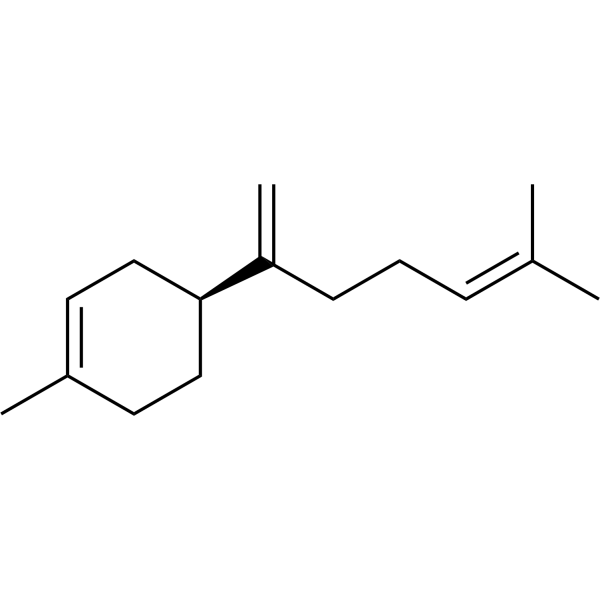
    β-Bisabolene is a sesquiterpene isolated from opoponax (Commiphora guidotti). β-Bisabolene, an anti-cancer agent, can be used for the study of breast cancer .
    β-Bisabolene
  • HY-14543
    Sertindole
    3 Publications Verification

    Lu 23-174

    5-HT Receptor Dopamine Receptor Adrenergic Receptor Autophagy Neurological Disease Cancer
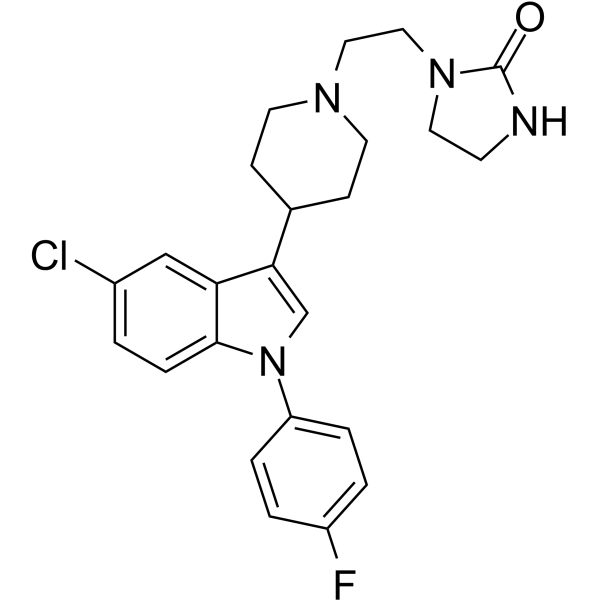
    Sertindole (Lu 23-174) is an orally active 5-HT2A, 5-HT2C, dopamine D2, and αl-adrenergic receptors antagonist. Sertindole shows antipsychotic activity and anti-proliferative activity to multiple cancer cells .
    Sertindole
  • HY-136453
    CR-1-31-B
    Maximum Cited Publications
    12 Publications Verification

    Eukaryotic Initiation Factor (eIF) Apoptosis Cancer
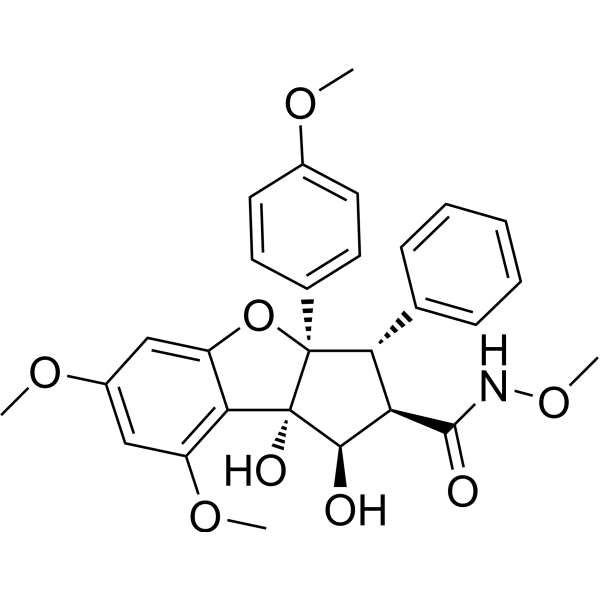
    CR-1-31-B is a synthetic rocaglate and a potent eIF4A inhibitor. CR-1-31-B exhibits powerful inhibitory effects over eIF4A by perturbing the interaction between eIF4A and RNA, sequentially impeding initiation during protein synthesis. CR-1-31-B perturbs association of Plasmodium falciparum eIF4A (PfeIF4A) with RNA. CR-1-31-B induces apoptosis of neuroblastoma and gallbladder cancer cells .
    CR-1-31-B
  • HY-176848

    YTHDF Apoptosis MMP Caspase Cancer
    SKLB-Y13 is a selective YTHDF1 inhibitor with an IC50 of 0.76 μM and a KD of 5.097 μM. SKLB-Y13 binds to the Tyr397 and Trp470 residues in the m 6A-binding pocket of YTHDF1, disrupting the interaction between YTHDF1 and m 6A-modified mRNA. SKLB-Y13 inhibits cancer cell proliferation and promotes apoptosis. SKLB-Y13 is applicable to breast cancer-related research .
    SKLB-Y13
  • HY-158045

    PROTACs PARP Cancer
    PROTAC PARP1 degrader-1 is a PARP1 PROTAC degrader with a DC50 value of 252.5 nM. PROTAC PARP1 degrader-1, combined with Daunorubicin (HY-13062A), induces the accumulation of cytoplasmic DNA fragments, activates the cGAS/STING innate immune pathway, and remodels the tumor microenvironment. PROTAC PARP1 degrader-1 can be used in research related to breast cancer .
    PROTAC PARP1 degrader-1
  • HY-W116007

    Environmental Pollutants DNA/RNA Synthesis Endocrinology
    Octamethylcyclotetrasiloxane promotes the anchorage-independent growth of MCF-10A and MCF-10F cells. Octamethylcyclotetrasiloxane induces DNA damage, inhibits the expression of DNA-repairing protein BRCA1 under long-term and high-concentration exposure. Octamethylcyclotetrasiloxane exhibits intrinsic estrogenic activity .
    Octamethylcyclotetrasiloxane
  • HY-160062

    Mucin Cancer
    S2.2 aptamer sodium is a nucleic acid-based MUC1-binding aptamer with high affinity and low toxicity. Upon binding to its target, S2.2 aptamer sodium undergoes a conformational switch and restores fluorescence signal, serving as a targeted imaging agent for MUC1-positive cancer cells. S2.2 aptamer sodium enables targeted delivery to breast cancer cells with overexpressed MUC1. When formulated as the S2.2-PEG-MZF molecular probe, S2.2 aptamer sodium possesses the functions of T2 signal inhibition, magnetic field-induced hyperthermia and targeted magnetic resonance molecular imaging. In the S2.2-PEG-MZF/DOX nanoliposome, S2.2 aptamer sodium supports targeted thermochemotherapy, effectively inhibiting cancer cell proliferation and invasion as well as inducing apoptosis, and is widely used in studies related to breast cancer .
    S2.2 aptamer sodium
  • HY-151799

    p62 E1/E2/E3 Enzyme Apoptosis Cancer
    P62-RNF168 agonist-1 (compound 5a) is a low cytotoxicity P62-RNF168 agonist that enhances the interaction between P62 and RNF168. P62-RNF168 agonist-1 induces a reduction in H2A ubiquitination mediated by RNF168 and impairs homologous recombination-mediated DNA repair. P62-RNF168 agonist-1 also inhibits the growth of xenograft tumors in mice in a dose-dependent manner .
    P62-RNF168 agonist-1
  • HY-138071

    8αTGH

    STAT Pyroptosis Apoptosis Reactive Oxygen Species (ROS) c-Myc Bcl-2 Family TrxR Cancer
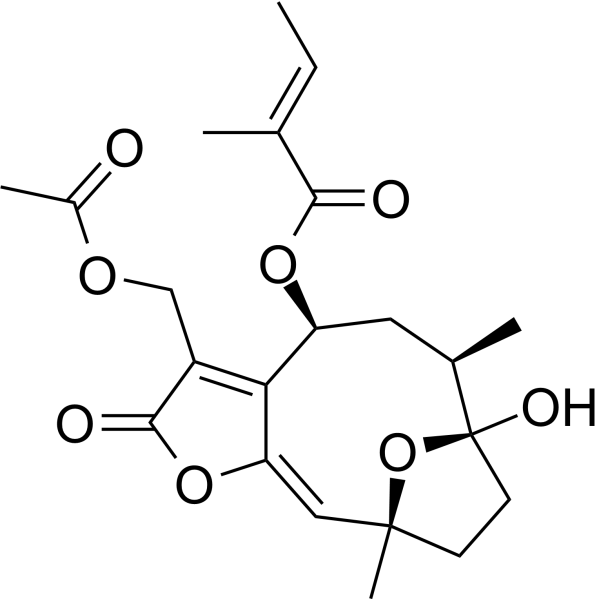
    8α-Tigloyloxyhirsutinolide 13-O-acetate (8αTGH) is a potent and orally active STAT3 inhibitor. 8α-Tigloyloxyhirsutinolide 13-O-acetate induces early oxidative stress and pyroptosis, and late DNA damage, cell cycle arrest, apoptosis in the TNBC cells. 8α-Tigloyloxyhirsutinolide 13-O-acetate suppresses tumor cell growth in vitro and tumor growth in vivo .
    8α-Tigloyloxyhirsutinolide 13-O-acetate
  • HY-150775

    Cytochrome P450 Cancer
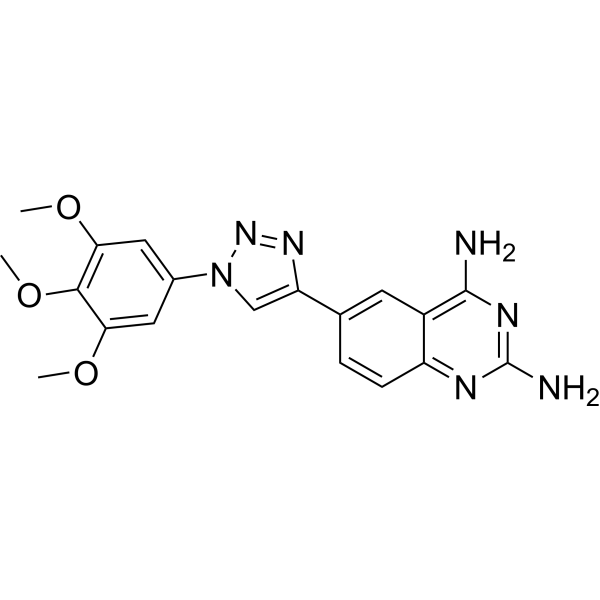
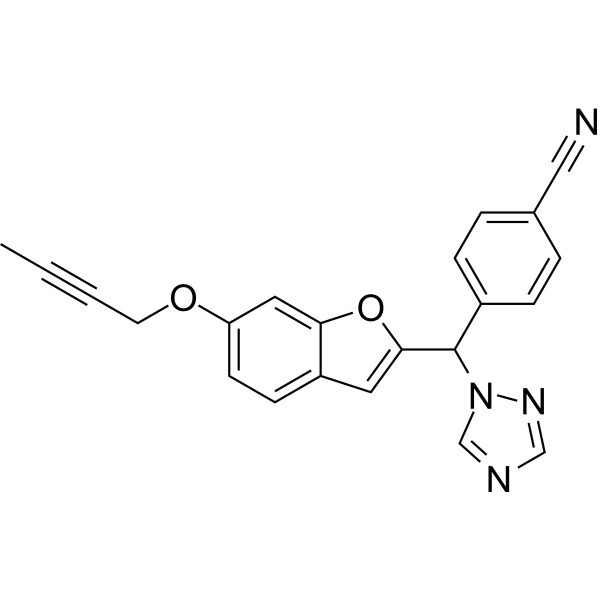
    CYP19A1-IN-2 (Compound 13h) is a nonsteroidal aromatase (CYP19A1) inhibitor (IC50=0.09 nM). CYP19A1-IN-2 has potential for breast cancer research . CYP19A1-IN-2 is a click chemistry reagent, it contains an Alkyne group and can undergo copper-catalyzed azide-alkyne cycloaddition (CuAAc) with molecules containing Azide groups.
    CYP19A1-IN-2
  • HY-149431

    HSP Potassium Channel Cancer
    NDNA4 (compound 17) is a selective inhibitor of Hsp90α (IC50: 0.34 μM). NDNA4 is a permanently charged analog with low membrane permeability and low cytotoxicity against Ovcar-8 and MCF-10A ((IC50 >100 μM)). NDNA4 prevents disruption of hERG channel maturation without generating a heat shock response or causing degradation of Hsp90α-dependent client proteins .
    NDNA4
  • HY-132885

    PARP Histone Methyltransferase Autophagy Cancer
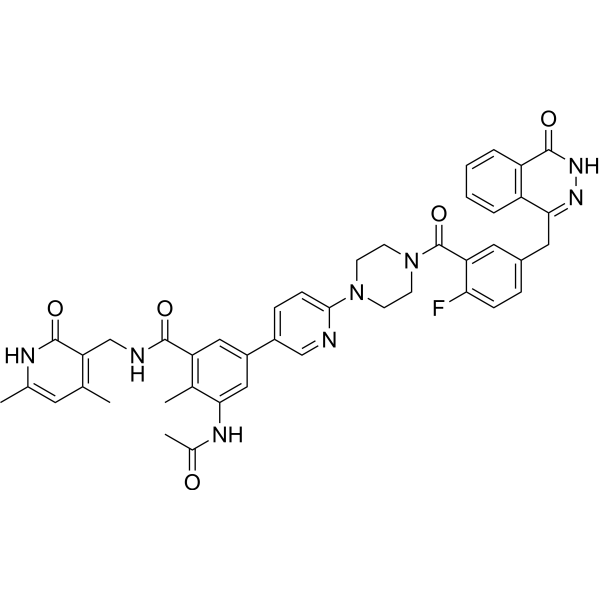
    PARP/EZH2-IN-1 is a first-in-class dual PARP-1/EZH2 inhibitor with IC50 values of 6.87 nM and 36.51 nM, respectively. PARP/EZH2-IN-1 induces autophagy in cancer cells and shows potent antiproliferative activity in BRCA wild-type triple-negative breast cancer cells .
    PARP/EZH2-IN-1
  • HY-175253

    STAT Apoptosis Cancer
    YZ-35 is a STAT3 inhibitor, with a Ki value of 0.38 μM. YZ-35 binds directly to STAT3 with high affinity, exhibiting a dissociation constant (Kd) of 190 nM. YZ-35 directly attenuates the dual phosphorylation of STAT3 (Tyr705 and Ser727). YZ-35 suppresses colony formation, cellular migration, and induces apoptosis in breast cancer cell lines (BCSC). YZ-35 selectively suppresses BCSC self-renewal. YZ-35 inhibits tumor growth in the BCSC xenograft models. YZ-35 can be used for the study of breast cancer .
    YZ-35
  • HY-124451

    Environmental Pollutants Apoptosis Autophagy Cancer
    2-Chloronaphthalene, serving as an intermediate in organic synthesis, is classified as a persistent organic pollutant. 2-Chloronaphthalene can induce apoptosis and autophagy, while inhibiting cell proliferation. 2-Chloronaphthalene leads to cell death through the interplay between autophagy and apoptosis .
    2-Chloronaphthalene
  • HY-156375

    Pyruvate Kinase PDK-1 Cancer
    PKM2 activator 6 (Compound Z10) is a PKM2 activator and PDK1 inhibitor (KD: 121 and 19.6 μM respectively). PKM2 activator 6 induces colorectal cell apoptosis, and inhibits cell proliferation and migration . PKM2 activator 6 inhibits glycolysis. PKM2 activator 6 inhibits proliferation of DLD-1, HCT-8, HT-29, MCF-10A cells (IC50: 10.04, 2.16, 3.57, 66.39 μM) .
    PKM2 activator 6
  • HY-149432

    HSP Potassium Channel Cancer
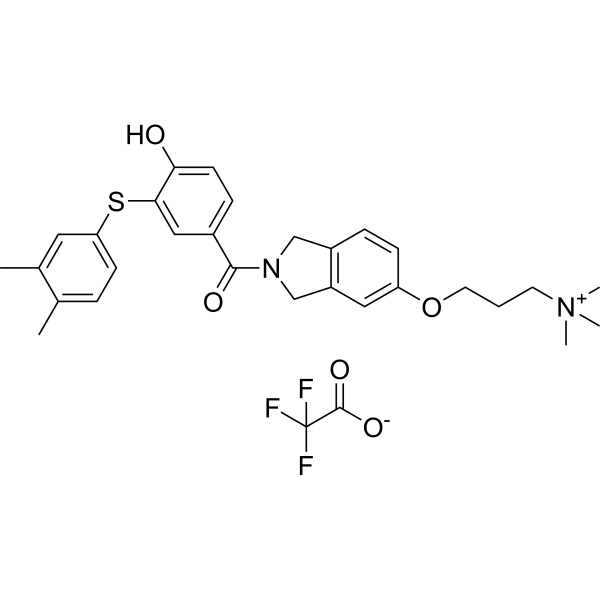
    NDNA3 (compound 14) is a selective inhibitor of Hsp90α (IC50: 0.51 μM). NDNA3 is a permanently charged analog with low membrane permeability and low toxicity to Ovcar-8 (IC50: 12.66 μM) and MCF-10A (IC50: 11.72 μM) cells. NDNA3 prevents disruption of hERG channel maturation without generating a heat shock response or causing degradation of Hsp90α-dependent client proteins .
    NDNA3
  • HY-155197

    Microtubule/Tubulin Estrogen Receptor/ERR Cancer
    ER degrader 7 (Compound 35t) is an ERα and ERβ degrader. ER degrader 7 inhibits tubulin polymerization. ER degrader 7 inhibits cell viability with IC50s of 0.06, 2.56, 15.84, 1.59, 1.67, 1.37 μM for MCF-7, T47D, MCF-10A, LCC2, T47D D538G, and T47D Y537S cells respectively. ER degrader 7 also inhibits breast cancer tumor growth .
    ER degrader 7
  • HY-145269

    Cadherin Cancer
    AL-GDa62 is a derivative of the CDH1/E-cadherin modulator SLEC-11 (HY-145268) and induces apoptosis in CDH1 -/- cells. AL-GDa62 has an EC50 of 3.2 μM and 2 μM for isogenic mammary epithelial cells MCF10A-WT (wild type) and mutant MCF10A-CDH1 -/-, respectively. AL-GDa62 specifically inhibits TCOF1, ARPC5, and UBC9, and suppresses SUMOylation at low micromolar concentrations .
    AL-GDa62
  • HY-121085

    Microtubule/Tubulin Cancer
    CID-663143 targets microtubule-associated proteins, not tubulin itself, to inhibit the polymerization process within cells. CID-663143 inhibits cancer cell growth (IC50: <100 nM for HT-1080, BJeLR, MCF10A cells) .
    CID-663143
  • HY-155382

    Monocarboxylate Transporter Others Cancer
    Lactate transportor 1 (compound 1) is an active lactate transporter in living cells. Lactate transportor 1 displays the cytotoxic effect, with IC50 values of 3.36, 3.27,5.58 and 7.66 μM in Hela, CAL27, MCF7 and MCF10A, respectively. Lactate transportor 1 has an additive effect with Cisplatin (HY-17394) observed in HeLa cells .
    Lactate transportor 1
  • HY-119467

    Ser/Thr Protease Cancer
    MDK0734 is a selective inhibitor that inhibits feline hepsin B endopeptidase and exopeptidase activities. MDK0734 demonstrated efficacy in a cell-based in vitro tumor invasion model, significantly attenuating the invasive ability of MCF-10A neoT cells. MDK0734 provides new potential inhibitors for the development of clinically useful compounds targeting the deleterious effects of feline hepsin B in cancer progression .
    MDK0734
  • HY-159515

    Apoptosis DNA/RNA Synthesis Reactive Oxygen Species (ROS) Cancer
    PBE-AMF is a prodrug that activates H2O2 with anticancer activity. PBE-AMF impedes tumor proliferation by inhibiting DNA synthesis, reducing ATP levels, inducing apoptosis, and arresting the cell cycle. PBE-AMF potently and selectively inhibits the proliferation of MDA-MB-231 cells (IC50=6.4 μM) while sparing non-cancerous MCF-10A cells .
    PBE-AMF
  • HY-116264

    Ser/Thr Protease Cancer
    CatB-IN-1 is an enzyme inhibitor with significant inhibitory activity against tumor invasion. CatB-IN-1 may reduce the invasiveness of tumor cells by regulating intracellular protein metabolism. CatB-IN-1 demonstrates effective anti-invasive ability in cell models and can significantly reduce the invasive ability of MCF-10A neoT cells. The structure-activity relationship study of CatB-IN-1 shows that its design can target multiple functions of cat hepsin B .
    CatB-IN-1
  • HY-144638

    Apoptosis Cancer
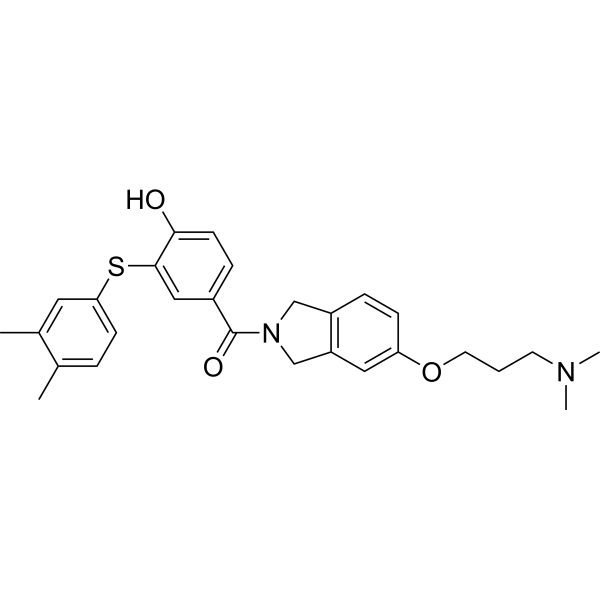
    JMX0293 is an O-alkylamino-tethered salicylamide derivative compound. JMX0293 maintains good potency against MDA-MB-231 cell line (IC50 = 3.38 μM) while exhibiting very low toxicity against human non-tumorigenic breast epithelial cell line MCF-10A (IC50> 60 μM). JMX0293 inhibits STAT3 phosphorylation and contribute to apoptosis in TNBC MDA-MB-231 cells. JMX0293 significantly suppresses MDA-MB-231 xenograft tumor growth in vivo without significant toxicity .
    JMX0293
  • HY-145432

    PI3K Cancer
    PI3K-IN-28 (Compound 6c) is a potent inhibitor of PI3K. PI3K-IN-28 displays the most potent activity with lower toxic effects on MCF-10a. PI3K-IN-28 displays half-maximal inhibitory concentration (IC50, μM) values of 5.8, 2.3, and 7.9. PI3K-IN-28 is the most potent one with a selectivity index (SI) of 39 and is considered as a latent lead for further optimization of anticancer agents .
    PI3K-IN-28
  • HY-W010713

    Fimaporfin free base

    Photosensitizer Cancer
    Meso-tetraphenylchlorin (TPCS2a) is a photosensitizer with poor water solubility, which limits its use in the blood circulation. However, TPCS2a@NPs nanoparticles can be prepared based on polylactic-co-polyethylene glycol acid (PLGA) polymer core loaded with TPCS2. Such nanoparticles can be coated with mesenchymal stem cell-derived plasma membranes (mMSCs) to form mMSC-TPCS2a@NPs, which prolongs blood circulation time and improves tumor targeting ability. Compared with uncoated TPCS2a@NPs, mMSC-TPCS2a@NPs can reduce macrophage uptake by 54% to 70% under different conditions. Both nanoparticle forms are effectively accumulated in MCF7 and MDA-MB-231 breast cancer cells, while uptake in normal breast epithelial cells MCF10A is significantly lower .
    Meso-tetraphenylchlorin
  • HY-144697

    p38 MAPK Apoptosis Reactive Oxygen Species (ROS) Cancer
    p38 MAPK-IN-3 (Compound 2c) is a p38α MAPK inhibitor. p38 MAPK-IN-3 has antitumor activities and induces apoptosis and ROS .
    p38 MAPK-IN-3
  • HY-161013

    Others Others
    Antiproliferative agent-44 (compound 3) is a potent inhibitor of proliferation, with the IC50 values ranging from 2.02 to 1.61 μM .
    Antiproliferative agent-44
  • HY-176210

    Fungal Cytochrome P450 Infection
    CYP51-IN-24 (Compound 22) is a Sterol 14α-Demethylase (CYP51) inhibitor. CYP51-IN-24 exhibits potent inhibitory activity against wild-type and drug-resistant fungi. CYP51-IN-24 inhibits ergosterol biosynthesis by binding to the fungal CYP51 enzyme. CYP51-IN-24 can be used in research and drug development against drug-resistant fungal infections .
    CYP51-IN-24
  • HY-168627

    EGFR Cancer
    EGFR-IN-135 (compound 3d) is a EGFR inhibitor with the IC50 of 0.086 μM. EGFR-IN-135 inhibitor cell growth and arrests the cell cycle at the S phase of reast cancer cell lines .
    EGFR-IN-135
  • HY-173408

    Nuclear Hormone Receptor 4A/NR4A Ferroptosis Reactive Oxygen Species (ROS) Glutathione Peroxidase Cancer
    Nur77 agonist-1 (Compound 8f) is an orally active Nur77 agonist. Nur77 agonist-1 induces ferroptosis by upregulating Nur77 protein expression, increasing reactive oxygen species (ROS) and lipid peroxidation levels, and decreasing GPX4 protein expression. Nur77 agonist-1 has binding affinity to the ligand binding domain (LBD) of Nur77 (KD: 13.80 μM). Nur77 agonist-1 exhibits significant antiproliferative activity against a variety of breast cancer cells (IC50: 2.15-3.26 μM) and has low toxicity to normal cells. Nur77 agonist-1 can be used in breast cancer research .
    Nur77 agonist-1
  • HY-155492

    Estrogen Receptor/ERR Cancer
    ERα degrader 7 (compound B1) is a potent ERα degrader with an IC50 of 14.6 nM and a DC50 of 9.7 nM, respectively. ERα degrader 7 shows excellent antitumor activity, indicating its potential to evolve as a promising selective estrogen-receptor degrader (SERD) for breast cancer research .
    ERα degrader 7
  • HY-163923

    Apoptosis Cancer
    Apoptosis inducer 24 (Compound 4) inhibits the proliferation of gastric cancer cells with IC50 of 1.2-4.8 μM. Apoptosis inducer 24 arrests cell cycle at G2/M phase, induces apoptosis in cell BGC-823, and causes mitochondrial dysfunction. Apoptosis inducer 24 exhibits antitumor efficacy in mice, without significant toxicity (LD50 is 91.2 mg/kg) .
    Apoptosis inducer 24
  • HY-174854

    HDAC Reactive Oxygen Species (ROS) Apoptosis Cancer
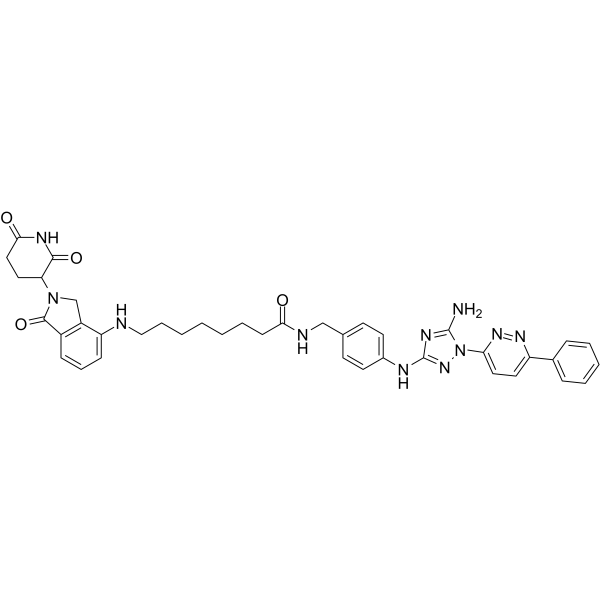
    PySAHA is a multifunctional HDAC inhibitor. PySAHA can degrade intracellular HDAC via a hydrophobic tagging mechanism. PySAHA also possesses photodynamic therapeutic activity and can generate reactive oxygen species under light irradiation. PySAHA can inhibit the proliferation, migration and induce cell apoptosis of breast cancer cells. PySAHA has antitumor activity and can be used in breast cancer research .
    PySAHA
  • HY-149844

    Fungal Infection
    S-F24 is an antifungal agent with excellent broad-spectrum. S-F24 inhibits CYP3A4 with an IC50 value of 0.4 μM. S-F24 displays a good safety profile with high selectivity, low hemolytic effects, and low tendency to induce resistance. S-F24 can be used for research on fungal infections .
    S-F24
  • HY-14543R

    Lu 23-174 (Standard)

    5-HT Receptor Dopamine Receptor Adrenergic Receptor Autophagy Reference Standards Neurological Disease Cancer
    Sertindole (Standard) is the analytical standard of Sertindole. This product is intended for research and analytical applications. Sertindole (Lu 23-174) is an orally active 5-HT2A, 5-HT2C, dopamine D2, and αl-adrenergic receptors antagonist. Sertindole shows antipsychotic activity and anti-proliferative activity to multiple cancer cells .
    Sertindole (Standard)
  • HY-178822

    Drug Derivative Cancer
    AQ-13 (Compound 7) is a Chloroquine (HY-17589A) analogue with anti-breast cancer property. AQ-13 shows antiproliferative activities against MDA-MB231 and MCF7 with GI50 of 27.81 and 17.85 μM. AQ-13 shows low cytotoxicity against non-cancerous breast epithelial cells MCF10A (GI50 = 65.26 μM). AQ-13 can be used for the research of breast cancer .
    AQ-13
  • HY-172611

    Microtubule/Tubulin Cancer
    Tubulin polymerization-IN-78 (compound 10a) is a tubulin polymerization inhibitor with an IC50 value of 2.69 μM. Tubulin polymerization-IN-78 shows antiproliferative activity .
    Tubulin polymerization-IN-78
  • HY-183304

    Cytochrome P450 Cancer
    Anticancer agent 318 (Compound 8 (6)) is a selective anticancer agent. Anticancer agent 318 can be metabolized by CYP1A1, CYP1A2 and CYP1B1. After bioactivation, Anticancer agent 318 exerts antiproliferative activity in breast cancer cells expressing CYP1. Anticancer agent 318 can be used in the research of breast cancer .
    Anticancer agent 318
  • HY-182763

    EGFR Raf Caspase Apoptosis Bcl-2 Family Cancer
    EGFR/BRAFV600E-IN-7 is a dual EGFR and BRAF V600E kinase inhibitor with human IC50 values of 0.12 μM, 0.80 μM, 1.20 μM for EGFR and 0.05 μM, 0.22 μM, 0.78 μM for BRAF V600E.EGFR/BRAFV600E-IN-7 interacts with key ATP-binding site residues of EGFR and BRAF V600E, including hydrogen bonding with EGFR Met769 and BRAF V600E Cys532.EGFR/BRAFV600E-IN-7 induces apoptosis via caspase-3/8/9 activation, modulates Bax and Bcl-2 expression, scavenges free radicals, and exhibits antiproliferative activity against human cancer cell lines.EGFR/BRAFV600E-IN-7 displays drug-likeness with no PAINS/Brenk structural alerts per in silico predictions.EGFR/BRAFV600E-IN-7 can be used for the research of colon cancer, pancreatic cancer, lung cancer, breast cancer .
    EGFR/BRAFV600E-IN-7
  • HY-182036

    CDK Epigenetic Reader Domain Reactive Oxygen Species (ROS) Cancer
    KWZL-7f15 is a dual CDK6/BRD4 inhibitor with an IC50 of 31.81 nM against human CDK6. KWZL-7f15 inhibits the CDK6-RB axis and BRD4-Myc axis, and also acts as a pan-BET inhibitor. KWZL-7f15 exhibits antiproliferative activity against triple-negative breast cancer cells. KWZL-7f15 shows antitumor activity in xenograft mouse models. KWZL-7f15 can be used in studies related to triple-negative breast cancer .
    KWZL-7f15
  • HY-181163

    Caspase COX Cytochrome P450 Steroid Sulfatase Apoptosis Cancer
    Caspase-3/7 activator 4 is a caspase-3 activator and caspase-7 activator. Caspase-3/7 activator 4 inhibits key enzymes in estrogen biosynthesis, including aromatase (IC50 = 38.3 nM) and steroid sulfatase (IC50 = 12.7 µM), and selectively suppresses COX-2 (IC50 = 5.38 µM). Caspase-3/7 activator 4 shows strong antioxidant activity (DPPH: IC50 = 16.26 µM). Caspase-3/7 activator 4 inhibits estrogen synthesis, suppresses estrogen availability, reduces prostaglandin production, increases caspase-3/7 expression, induces G0/G1 cell cycle arrest, induces apoptotic cell death, reduces circulating TNF-α and VEGFR-II levels, restores hepatorenal function markers and histoarchitecture, restores antioxidant defense enzyme activity, reduces lipid peroxidation, exerts antiproliferative activity against breast cancer cells, exerts antitumor activity in the Ehrlich ascites carcinoma models. Caspase-3/7 activator 4 can be used for the research of breast cancer, ehrlich ascites carcinoma .
    Caspase-3/7 activator 4
  • HY-183373

    EGFR PARP Cancer
    EGFR/PARP-1-IN-1 is a dual EGFR and PARP-1 inhibitor with IC50 values of 64 nM and 12 nM, respectively. EGFR/PARP-1-IN-1 binds to the ATP-binding pocket of EGFR and interacts with the catalytic domain of PARP-1, inhibiting kinase and enzymatic activity via hydrogen bond formation with key residues in both targets. EGFR/PARP-1-IN-1 induces apoptosis through the endogenous mitochondrial pathway, arrests the cell cycle at the G2 phase, and inhibits cell proliferation. EGFR/PARP-1-IN-1 can be used for research on triple-negative breast cancer .
    EGFR/PARP-1-IN-1
  • HY-181832

    AMPK Apoptosis Cancer
    ASS1 activator 1 (Compound 10f) is a ASS1 activator with an EC50 of 1.90 μM. ASS1 activator 1 enhances the activity of ASS1 and promotes AMPK phosphorylation. ASS1 activator 1 induces cell Apoptosis. ASS1 activator 1 exhibits anticancer activity against triple-negative breast cancer, colorectal cancer and liver cancer .
    ASS1 activator 1
  • HY-182614

    Src Cathepsin PI3K Akt Ras Raf ERK MMP Cancer
    BJ-2302 is a Src kinase inhibitor with an IC50 of 3.23 μM, and inhibits cathepsin S (CTSS) activity .BJ-2302 binds to Src, suppresses PI3K/AKT and Ras/Raf/ERK pathways, and reduces CTSS and MMP-9 expression .BJ-2302 inhibits cancer cell invasion, metastasis, proliferation, and tumor growth .BJ-2302 does not induce cytotoxicity in normal breast epithelial cells .BJ-2302 can be used for the research of breast cancer and triple-negative breast cancer .
    BJ-2302
  • HY-20888

    MNF

    Aryl Hydrocarbon Receptor Cytochrome P450 Apoptosis Akt ERK TGF-beta/Smad Neurological Disease Inflammation/Immunology Cancer
    3'-Methoxy-4'-nitroflavone (MNF) is a specific aryl hydrocarbon receptor (AhR) antagonist. 3'-Methoxy-4'-nitroflavone activates AhR by inhibiting CYP1, the metabolic enzyme of the endogenous ligand FICZ (HY-12451), leading to the accumulation of FICZ. 3'-Methoxy-4'-nitroflavone reverses the anti-apoptotic effect of TCDD, attenuates the activation of Akt and Erk1/2 kinases and the expression of TGFα induced by TCDD. 3'-Methoxy-4'-nitroflavone can be used in research related to breast tumor promotion, rheumatoid arthritis, multiple sclerosis and inflammatory bowel disease .
    3'-Methoxy-4'-nitroflavone
  • HY-181797

    Amyloid-β CD47 Cancer
    CL121 is a Glutaminyl Cyclase inhibitor with an IC50 of 0.07 μM against human sQC and an IC50 of 0.54 μM against human gQC. CL121 reduces the level of pyroglutamate (pE)-modified CD47 on the surface of cancer cells. CL121 exhibits anti-tumor activity against triple-negative breast cancer .
    CL121
  • HY-181842

    PARP ERK Apoptosis Cancer
    PARP1/ERK IN-1 is a dual PARP1/ERK inhibitor, with a PARP1 IC50 of 0.9 nM and an ERK2 IC50 of 1.8 nM. PARP1/ERK IN-1 inhibits proliferation and migration of various cancer cell lines, and induces apoptosis and DNA damage. PARP1/ERK IN-1 suppresses tumor growth in mouse models of colorectal cancer, and reduces the expression of Ki‑67, BRCA1 and Rad51. PARP1/ERK IN-1 can be used in the research of colorectal cancer, triple-negative breast cancer and pancreatic cancer .
    PARP1/ERK IN-1
  • HY-181060

    Apoptosis DNA/RNA Synthesis Caspase Bcl-2 Family MDM-2/p53 Cancer
    Apoptosis inducer 56 is an apoptosis inducer. Apoptosis inducer 56 induces DNA damage (upregulation of γH2AX and p-ATM expression) by minor groove binding. Apoptosis inducer 56 induces intrinsic apoptosis (upregulation of p53 and Bax/Bcl-2 ratio, cleaved caspase-7) via S-phase cell cycle arrest. Apoptosis inducer 56 shows selectivity for cancer cells over normal breast epithelial cells. Apoptosis inducer 56 can be used for the research of breast cancer .
    Apoptosis inducer 56
  • HY-184166

    mTOR Apoptosis Cancer
    COH-17 is a potent mTOR inhibitor. COH-17 exhibits selective anticancer activity against breast cancer cells, showing significant anticancer effects through inhibiting mTOR, inducing apoptosis and arresting the cell cycle. COH-17 can be used for the research of breast cancer .
    COH-17

Inquiry Online

Your information is safe with us. * Required Fields.

Salutation


Country or Region *

Applicant Name *


Organization Name *

Department *


Email Address *


Product Name *

Cat. No.


Requested quantity *

Phone Number *


Remarks

Inquiry Online

Inquiry Information

Product Name:
Cat. No.:
Quantity:
MCE Japan Authorized Agent:

