1. Search Result
Search Result
Pathways Recommended: Stem Cell/Wnt Cell Cycle/DNA Damage
Results for "

MDA-MB-435 cells

" in MedChemExpress (MCE) Product Catalog:

23

Inhibitors & Agonists

2

Peptides

2

Natural
Products

Cat. No. Product Name Target Research Areas Chemical Structure
  • HY-79256
    MMAF-OMe
    1 Publications Verification

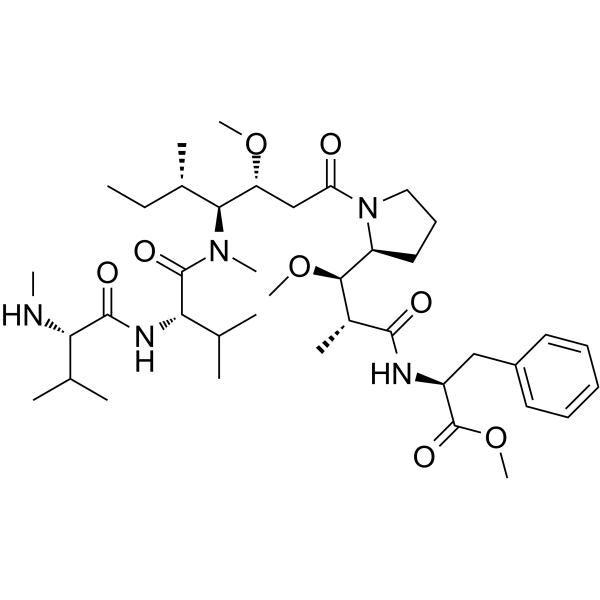
    Monomethyl auristatin F methyl ester

    ADC Payload Cancer
    MMAF-Ome, an antitubulin agent, is also an ADC cytotoxin. MMAF-Ome inhibits several tumor cell lines with IC50s of 0.056 nM, 0.166 nM, 0.183 nM, and 0.449 nM for MDAMB435/5T4, MDAMB361DYT2, MDAMB468, and Raji (5T4 -) cell lines, respectively.
    MMAF-OMe
  • HY-12810
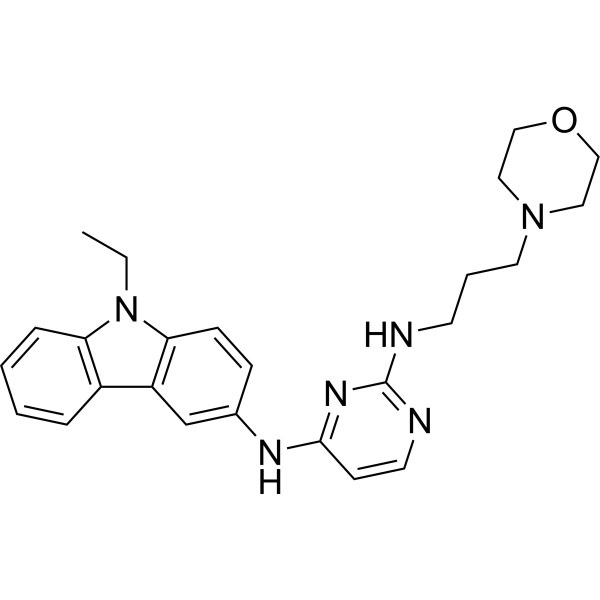
    EHop-016
    Maximum Cited Publications
    7 Publications Verification

    Ras Cancer
    EHop-016 is a potent and selective Rac GTPase Rac1 and Rac3 inhibitor. EHop-016 inhibits Rac1 activity with an IC50 of 1.1 μM in MDA-MB-435 cells. EHop-016 inhibits Vav2 interaction with Rac, Rac-activated PAK1, lamellipodia formation, and cell migration .
    EHop-016
  • HY-B0327
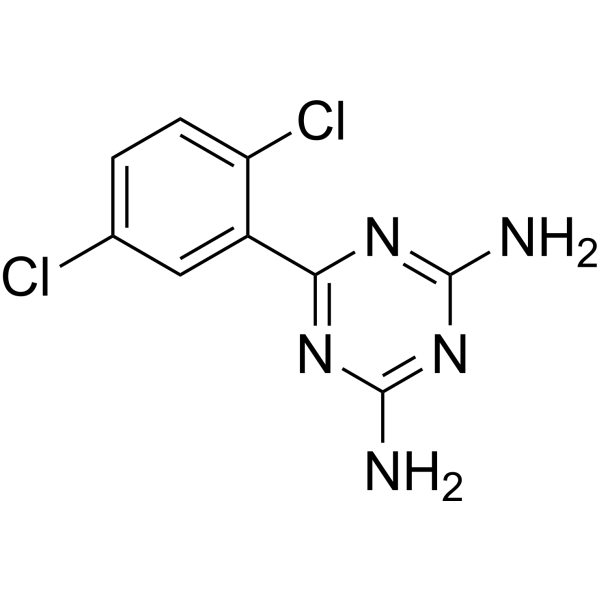
    Irsogladine
    3 Publications Verification

    Dicloguamine

    Phosphodiesterase (PDE) NF-κB AP-1 TRP Channel Interleukin Related Inflammation/Immunology Cancer
    Irsogladine (Dicloguamine) is an orally active gastric mucosal protective agent. Irsogladine inhibits breast cancer recurrence and lung metastasis in nude mice . Irsogladine inhibits the transcriptional activities of NF-κB and AP-1, suppresses the activities of PDE and PDE4 to elevate intracellular cAMP levels, and activates TRPV1 and KATP channels. Irsogladine enhances iNOS expression, NO production, and the activation of cAMP-responsive elements. Irsogladine inhibits the development and progression of intestinal polyps in Apc-mutant mice. Irsogladine alleviates oxidative stress, increases gastric mucosal blood flow, and stimulates the production of endogenous prostaglandins. Irsogladine promotes insulin secretion in MIN6 cells. Irsogladine inhibits tumor angiogenesis, cancer cell proliferation, and the production of proinflammatory cytokines. Irsogladine exerts protective effects on astrocytes in ethanol/hydrochloric acid-induced gastric ulcers in mice. Irsogladine prevents colitis in IL-10 gene-deficient mice by reducing the production of IL-12 and IL-23. Irsogladine upregulates gap junction intercellular communication in pancreatic cancer cells via the PKA pathway. Irsogladine is applicable to research related to breast cancer, intestinal polyposis, gastric ulcer, spontaneous colitis, glioma, liver cancer, and pancreatic cancer [5][6] .
    Irsogladine
  • HY-112338

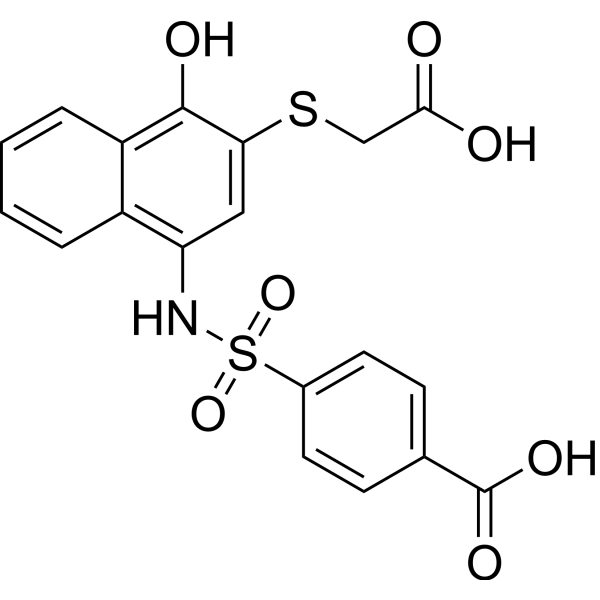
    CPD188

    STAT Apoptosis Cancer
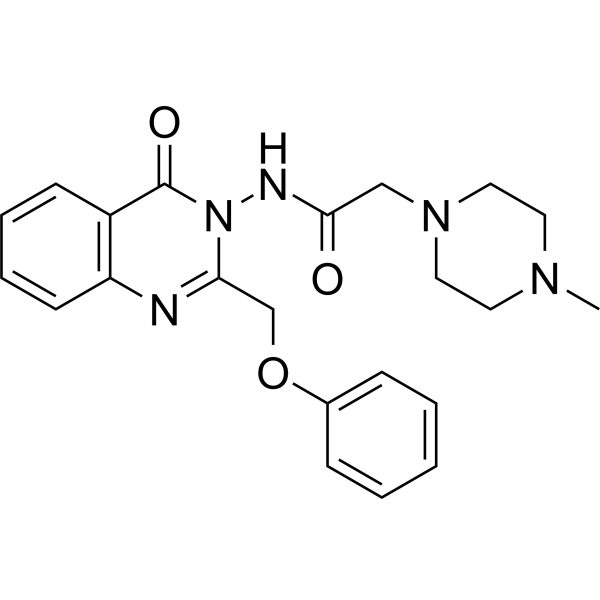
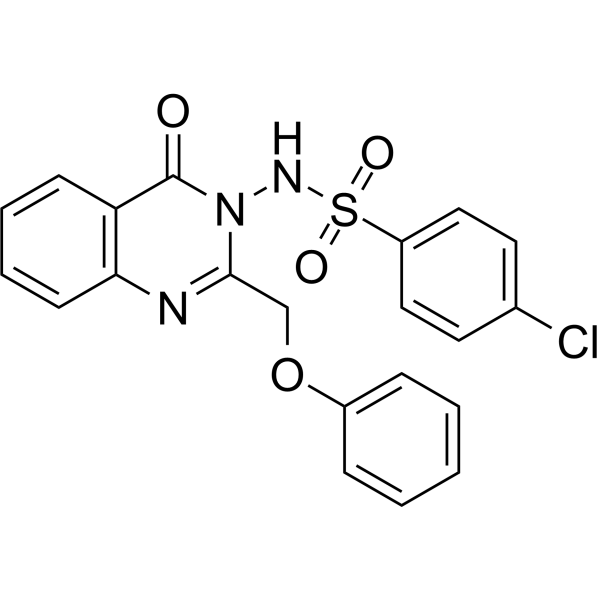
    C188 (CPD188) is a STAT3 inhibitor with anticancer effects. C188 inhibits STAT3 SH2/pY-peptide binding (IC50 of 20 µM against pY-peptide binding) and IL-6-mediated STAT3 phosphorylation. C188 is selective for STAT3 over STAT1. C188 inhibits nuclear-to-cytoplasmic translocation of Stat3. C188 shows highly active induces apoptosis in breast cancer cell lines with constitutive Stat3 activation (EC50s of 0.73 µM, 3.96 µM, and 7.01 µM in MDA-MB-468, MDA-MB-231, and MDA-MB-435 cultures, respectively) .
    C188
  • HY-12168

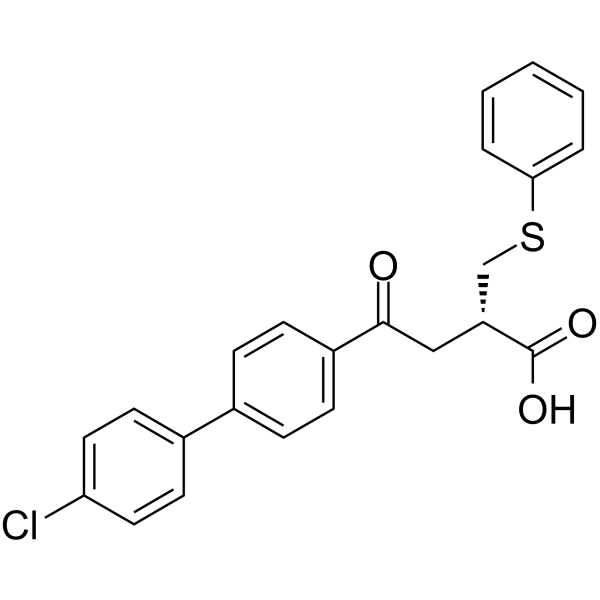
    BAY 12-9566

    MMP Cancer
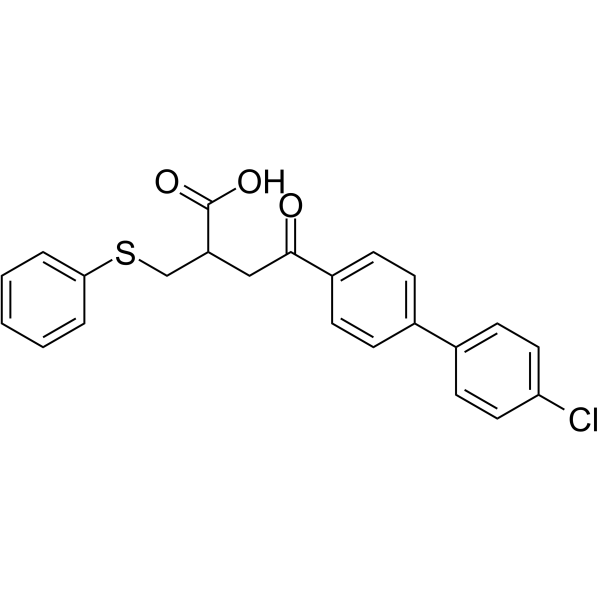
    Tanomastat (BAY 12-9566) is an orally bioavailable, non-peptidic biphenyl matrix metalloproteinases (MMPs) inhibitor with a Zn-binding carboxyl group. The Ki values are 11, 143, 301, and 1470 nM for MMP-2, MMP-3, MMP-9, MMP-13 respectively. Tanomastat shows anti-invasive and antimetastatic activity in several experimental tumor models .
    Tanomastat
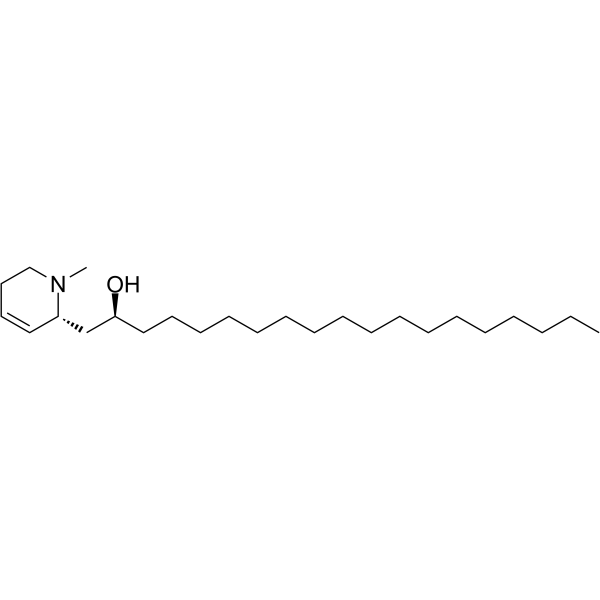
  • HY-110151

    NF-κB Interleukin Related Inflammation/Immunology Cancer
    Bengamide B is an alkaloid with anti-tumor and anti-inflammatory activities. Bengamide B reduces the phosphorylation level of IκBα, thereby blocking the activation of NF-κB. Bengamide B inhibits the proliferation of tumor cells. Bengamide B can be used in research related to inflammatory diseases and cancers .
    Bengamide B
  • HY-W231513

    MASTL Ser/Thr Protease Aurora Kinase Cancer
    MASTL/Aurora A-IN-1 (Compound MA4) is a dual inhibitor of MASTL and Aurora A kinases with IC50 values of 0.56 μM and 0.16 μM, respectively. MASTL/Aurora A-IN-1 has broad-spectrum anticancer activity and has potent anticancer activity against SR (leukemia), K-562 (leukemia), MDA-MB-435 (melanoma), MOLT-4 (leukemia), and SK-MEL-2 (melanoma) cell lines in NCI-60 cancer cell lines with GI50 values of 0.023, 0.032, 0.037, 0.044, and 0.051 μM, respectively. MASTL/Aurora A-IN-1 inhibits Aurora A and MASTL kinases, inducing cell cycle G2/M arrest, thereby inhibiting cancer cell proliferation. MASTL/Aurora A-IN-1 can be used in cancer research, especially for tumors with dysregulated mitosis .
    MASTL/Aurora A-IN-1
  • HY-163709

    PROTACs FAK Cancer
    PROTAC FAK degrader 2 (Compound F2) is a PROTAC degrader for focal adhesion kinase (FAK), with DC50 of 27.72 and 60.1 nM, for total FAK and phosphorylated p-FAK. PROTAC FAK degrader 2 inhibits cell viability of cancer cells 4T1, MDA-MB-231, MDA-MB-468 and MDA-MB-435, with IC50s of 0.73-5.84 μM. PROTAC FAK degrader 2 reverses the multidrug resistance (MDR) through inhibition of AKT and ERK signaling pathway. PROTAC FAK degrader 2 exhibits antitumor efficacy in HCT/8 xenograft mouse model. (Pink: ligand for target protein Ifebemtinib (HY-122844); Black: linker (HY-Y0681); Blue: ligand for E3 ligase Thalidomide (HY-14658))
    PROTAC FAK degrader 2
  • HY-178261

    Glutathione S-transferase Cancer
    KT53 is a highly active, selective, and cell penetrable GSTO1 inhibitor. KT53 can effectively inhibit GSTO1 activity in MDA-MB-435 (IC50 = 35 nM) cells. KT53 significantly enhances the killing effect of cisplatin (HY-17394) on MDA-MB-435 cancer cells. KT53 can be used for cancer research .
    KT53
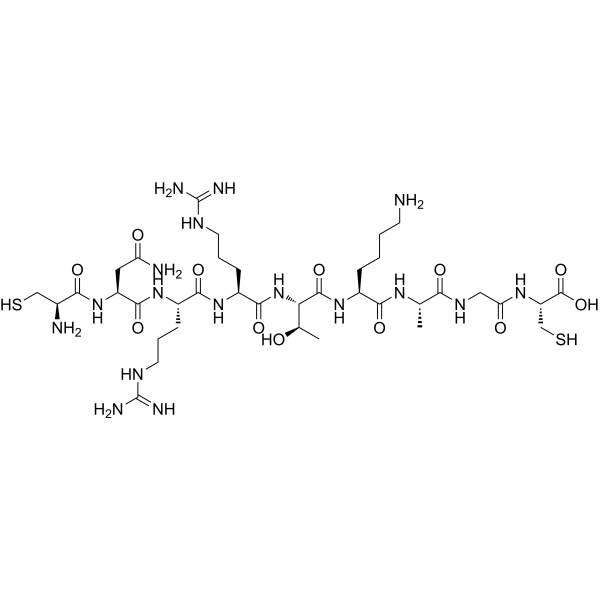
  • HY-P10790

    Microtubule/Tubulin Cancer
    Breast cancer targeting peptide 18–4 is a KRT1 receptor-targeting peptide, with a Kd of 0.98 μM. The amino acid sequence of Breast cancer targeting peptide 18–4 is WxEAAYQrFL, and it is an analogue of P160 peptide (HY-P10789). When covalently conjugated with the anticancer peptide MccJ25, Breast cancer targeting peptide 18–4 significantly increases the cellular uptake of MccJ25 in breast cancer cells and enhances its anticancer activity. The covalent conjugate exhibits IC50 values of 14.2, 20, and 25 μM against MCF-7, MDA-MB-435, and MDA-MB-435-MDR cells, respectively .
    Breast cancer
 targeting peptide 18–4
  • HY-178114

    Histone Methyltransferase Apoptosis Cancer
    SKLB-0124 is a selective PRMT6 degrader with DC50s of 15.4 μM and a 16.4 μM in HCC827 and MDA-MB-435 cells. SKLB-0124 does not degrade PRMT1 or PRMT8. SKLB-0124 exhibits an IC50 on PRMT6 of 1.6 μM. SKLB-0124 induces proteasome dependent degradation of PRMT6 and significantly inhibits the proliferation. SKLB-0124 effectively induces apoptosis and cell cycle arrest. SKLB-0124 can be used for the studies of lung cancer and breast cancer .
    SKLB-0124
  • HY-U00002A

    VEGFR Cancer
    ZD-4190 hydrochloride is a potent VEGFR inhibitor with anti-tumor activity. ZD-4190 hydrochloride can delay the growth of MDA-MB-435 tumors by inhibiting tumor cell proliferation and angiogenesis .
    ZD-4190 hydrochloride
  • HY-147556

    Potassium Channel Cancer
    SK3 Channel-IN-1 (compound 7a) is a potent and specific SK3 channel modulator. SK3 Channel-IN-1 has efficient effect on breast cancer MDA-MB-435 cell migration while exhibiting low cytotoxicity in other cell lines. SK3 Channel-IN-1 can modulate ion channels’activity in cancer .
    SK3 Channel-IN-1
  • HY-120421

    Sigma Receptor Cancer
    SW116 free base is a selective fluorescent ligand for sigma-2 receptor with a Ki of 14 nM. SW116 free base exhibits in methanol a maximal excitation wavelength of 333 nM, and a maximal emission wavelength of 506 nM. SW116 free base can be internalized into MDA-MB-435 cells, and reach 50% maximum fluorescent intensity in 24 minutes. SW116 free base can be as a fluorescent probe used in cancer research .
    SW116 free base
  • HY-177345

    Sigma Receptor Apoptosis Caspase Cancer
    SV119 is a selective sigma-2 (σ₂) receptor ligand (Ki ≈ 5-10 nM). SV119 induces apoptosis in various human cancer cell lines by activating caspase-3 and promoting mitochondrial depolarization. SV119 can enhance the effects of chemotherapeutic agents such as Paclitaxel (HY-B0015), increasing their cytotoxicity against tumor cells. SV119 significantly inhibits tumor growth in mouse xenograft models, both alone and in combination. SV119 is useful in the research of cancers such as breast, prostate, and pancreatic cancer .
    SV119
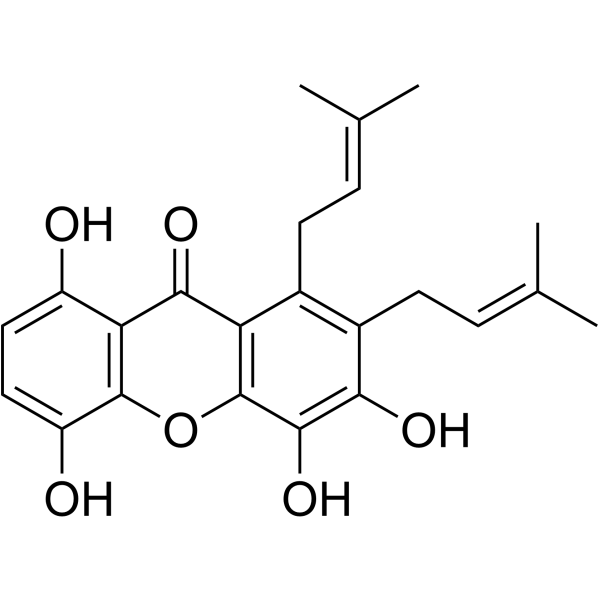
  • HY-N0985

    Others Cancer
    1,4,5,6-Tetrahydroxy-7,8-diprenylxanthone is a xanthone that can be isolated from Garcinia xanthochymus. 1,4,5,6-Tetrahydroxy-7,8-diprenylxanthone shows moderate cytotoxicities against MDA-MB-435S and A549 cell lines with IC50s of 1.3 and 3.86 μg/ml, respectively .
    1,4,5,6-Tetrahydroxy-7,8-diprenylxanthone
  • HY-144810

    CDK Cancer
    CDK2-IN-8 is a potent CDK2 inhibitor with an IC50 of 1.74 µM. CDK2-IN-8 shows antiproliferative activity. CDK2-IN-8 has the potential for the research of melanoma .
    CDK2-IN-8
  • HY-154988

    MARK Neurological Disease Cancer
    MARK4 inhibitor 4 is a MARK4 inhibitor with an IC50 of 1.49 μM. MARK4 inhibitor 4 can be used in cancer and tau lesion-related research .
    MARK4 inhibitor 4
  • HY-144811

    CDK Apoptosis Cancer
    CDK2-IN-9 is a potent CDK2 inhibitor with an IC50 of 0.63 µM. CDK2-IN-9 shows antiproliferative activity. CDK2-IN-9 induces apoptosis and cell cycle arrest at S and G2/M phase. CDK2-IN-9 has the potential for the research of melanoma .
    CDK2-IN-9
  • HY-12168B

    (Rac)-BAY 12-9566

    MMP Cancer
    (Rac)-Tanomastat ((Rac)-BAY 12-9566) is the racemate of Tanomastat. Tanomastat (BAY 12-9566) is an orally bioavailable, non-peptidic biphenyl matrix metalloproteinases (MMPs) inhibitor with a Zn-binding carboxyl group. The Ki values are 11, 143, 301, and 1470 nM for MMP-2, MMP-3, MMP-9, MMP-13 respectively. Tanomastat shows anti-invasive and antimetastatic activity in several experimental tumor models .
    (Rac)-Tanomastat
  • HY-155949

    Neurological Disease Cancer
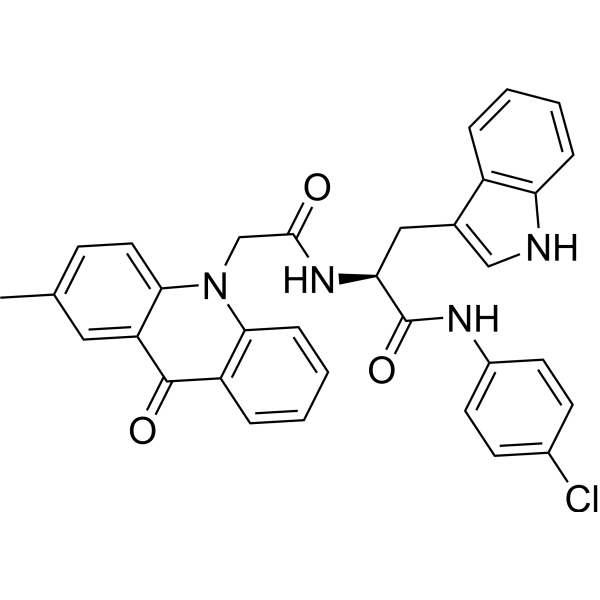
    Bt354 is an orally active STAT3 inhibitor with IC50 values of 4.6 μM (DU145), 6.5 μM (MDA-MB-435) and 7.2 μM (MDA-MB-231), respectively. Bt354 induces cell cycle arrest and apoptosis, and downregulates epithelial-mesenchymal transition-related genes. Bt354 exhibits anti-angiogenic and anti-inflammatory activities, attenuates the polarization of M1 microglia and A1 astrocytes, suppresses inflammasome-related signaling pathways, and alleviates mechanical hyperalgesia and thermal hyperalgesia. Bt354 can be used in research related to glioblastoma multiforme, triple-negative breast cancer, prostate cancer and neuropathic pain .
    Bt354
  • HY-130451

    Fungal Infection Cancer
    Misakimycin is a naphthoquinone compound. Misakimycin exhibits cytotoxicity against human melanoma, breast cancer and ovarian cancer cells. Misakimycin can be found in strains of the genus Pyrenochaetopsis (strain MSX63693). Misakimycin can be used in research related to melanoma, breast cancer and ovarian cancer .
    Misakimycin
  • HY-106021

    ILX651 free base

    Microtubule/Tubulin Prolyl Endopeptidase (PREP) Cancer
    Tasidotin (ILX651 free base) is a tubulin inhibitor and competitive Prolyl Endopeptidase (PREP) inhibitor, with an IC50 of 10 μM against bovine tubulin. Tasidotin exhibits high cerebrospinal fluid penetration in non-human primates. Tasidotin antagonizes microtubule assembly and induces an extended assembly lag phase, thereby inhibiting mitosis and cell proliferation, and exerts cytotoxic and oncolytic effects on cancer cells. Tasidotin is metabolized into polypeptides and proline inside cells, and its in vivo metabolism is mediated by prolyl endopeptidase. Tasidotin can be applied in research related to Burkitt's lymphoma, breast cancer, leukemia, melanoma, central nervous system malignancies and various solid tumors .
    Tasidotin

Inquiry Online

Your information is safe with us. * Required Fields.

Salutation


Country or Region *

Applicant Name *


Organization Name *

Department *


Email Address *


Product Name *

Cat. No.


Requested quantity *

Phone Number *


Remarks

Inquiry Online

Inquiry Information

Product Name:
Cat. No.:
Quantity:
MCE Japan Authorized Agent:

