1. Search Result
Search Result
Results for "

METTL

" in MedChemExpress (MCE) Product Catalog:

87

Inhibitors & Agonists

2

Peptides

6

Natural
Products

11

Recombinant Proteins

2

Isotope-Labeled Compounds

7

Antibodies

36

Oligonucleotides

Targets Recommended:
Cat. No. Product Name Target Research Areas Chemical Structure
  • HY-134836
    STM2457
    Maximum Cited Publications
    104 Publications Verification

    Apoptosis METTL3 Cancer
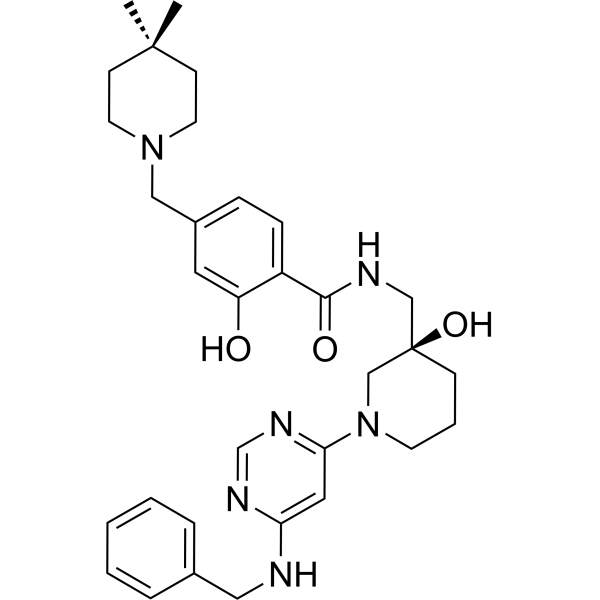
    STM2457 is a first-in-class, highly potent, selective and orally active METTL3 inhibitor with an IC50 of 16.9 nM. STM2457 can be used for the research of acute myeloid leukaemia (AML) .
    STM2457
  • HY-19528
    SAH
    15+ Cited Publications

    SAH (S-Adenosylhomocysteine)

    Endogenous Metabolite Metabolic Disease
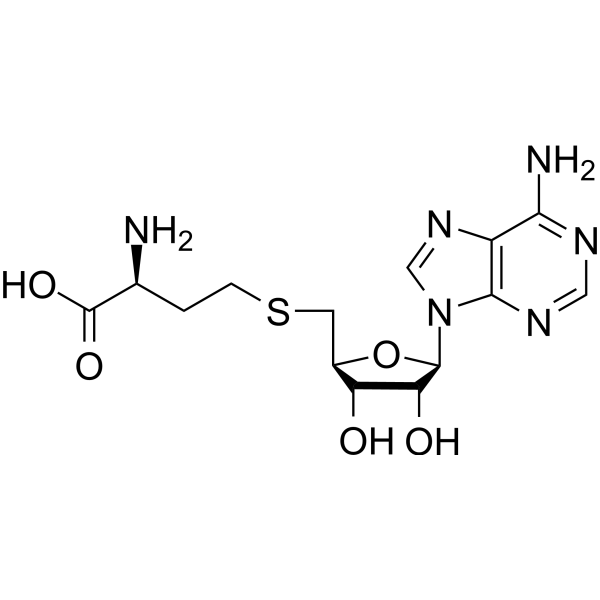
    SAH (S-Adenosylhomocysteine) is an amino acid derivative and a modulartor in several metabolic pathways. It is an intermediate in the synthesis of cysteine and adenosine . SAH is an inhibitor for METTL3-METTL14 heterodimer complex (METTL3-14) with an IC50 of 0.9 µM .
    SAH
  • HY-156677
    STC-15
    4 Publications Verification

    METTL3 Cancer
    STC-15 is an orally active RNA methyltransferase METTL3 inhibitor with the activity of activating anti-tumor immunity and reshaping the tumor microenvironment. STC-15 inhibits tumor growth by activating anti-cancer immune responses associated with increased interferon signaling and synergizes with T-cell checkpoint blockade. STC-15 can be used in the study of proliferative diseases such as cancer and autoimmune diseases .
    STC-15
  • HY-W037893
    CHMA1004 dihydrochloride
    2 Publications Verification

    Methyl piperazine-2-carboxylate dihydrochloride; METTL3 activator-1

    METTL3 Inflammation/Immunology
    METTL3 activator-1 (2-Piperazinecarboxylic acid methyl ester dihydrochloride) is a Mettl3 activator that can promote the expression of Mettl3. METTL3 activator-1 can be used for the study of liver fibrosis .
    CHMA1004 dihydrochloride
  • HY-156773
    STM3006
    2 Publications Verification

    Apoptosis METTL3 Cancer
    STM3006 is a highly potent, selective, and orally active inhibitor of METTL3 (IC50: 5 nM). STM3006 can reduce the m6A level, promote the formation of dsRNA, trigger a cell-intrinsic interferon response, and enhance the killing effect of T cells on tumors. STM3006 has anti-tumor activity, and its combination with anti-PD-1 immunotherapy yields better results .
    STM3006
  • HY-161402

    DNA Methyltransferase Cancer
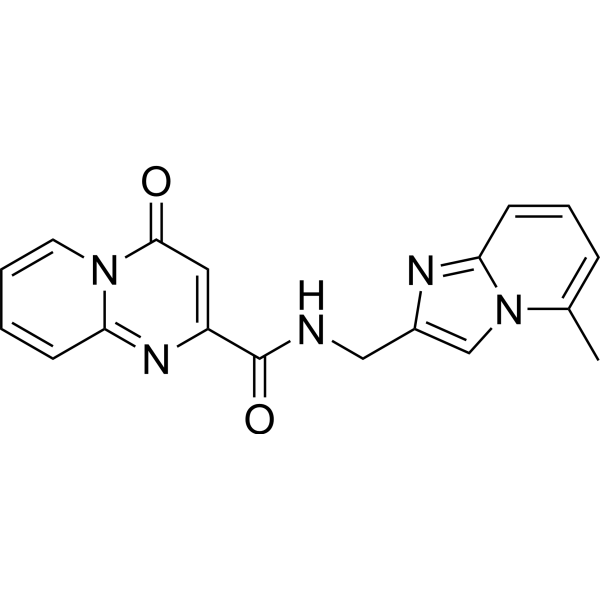
    METTL16-IN-1 is a potent METTL16 inhibitor with an IC50 value of 1.7 μM and a Kd value of 1.35 μM. Mettl16-in-1 inhibits the binding interaction of U6 snRNA deletion and METTL16 MTD with an IC50 value of 2.5 μM. METTL16-IN-1 has antitumor activity .
    METTL16-IN-1
  • HY-N0353
    Curdione
    2 Publications Verification

    (+)-Curdione

    Ferroptosis Apoptosis Reactive Oxygen Species (ROS) Autophagy Glutathione Peroxidase Keap1-Nrf2 Heme Oxygenase (HO) TGF-β Receptor Indoleamine 2,3-Dioxygenase (IDO) Cardiovascular Disease Neurological Disease Cancer
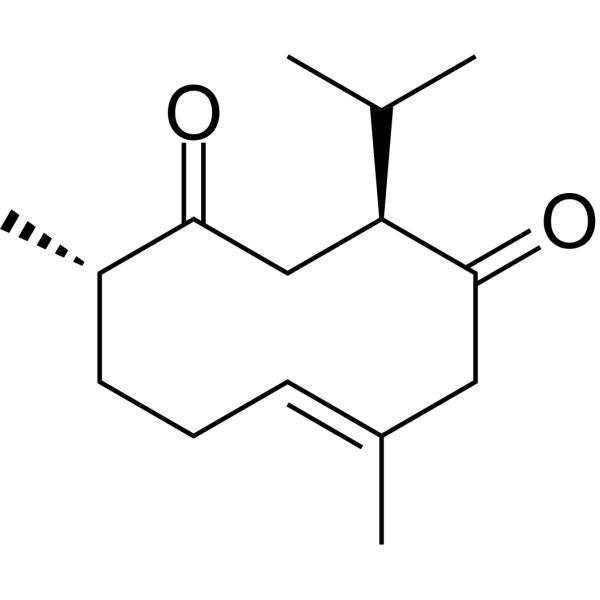
    Curdione ((+)-Curdione) is an orally active sesquiterpenoid. Curdione inhibits platelet aggregation. Curdione induces ferroptosis in colorectal cancer via m6A methylation mediated by METTL14 and YTHDF2. Curdione inhibits ferroptosis in Isoproterenol (HY-B0468)-induced myocardial infarction by regulating the Keap1/Trx1/GPX4 signaling pathway, suppressing oxidative stress (ROS) and apoptosis. Curdione ameliorates Doxorubicin (HY-15142)-induced cardiotoxicity by inhibiting oxidative stress (ROS) and activating the Nrf2/HO-1 pathway. Curdione ameliorates sepsis-induced lung injury by inhibiting platelet-mediated neutrophil extracellular trap formation. Curdione ameliorates Bleomycin (HY-17565A)-induced pulmonary fibrosis by inhibiting TGF-β-induced fibroblast-to-myofibroblast differentiation. Curdione exhibits neuroprotective effects against focal cerebral ischemia-reperfusion injury in rats. Curdione exerts antiproliferative effects against human uterine leiomyosarcoma by targeting IDO1. Curdione protects vascular endothelial cells and atherosclerosis by regulating DNMT1-mediated ERBB4 promoter methylation. Curdione inhibits inducible prostaglandin E2 production (IC50 = 1.1 μM) and cyclooxygenase 2 expression .
    Curdione
  • HY-160415
    WD6305
    2 Publications Verification

    PROTACs Apoptosis METTL3 Cancer
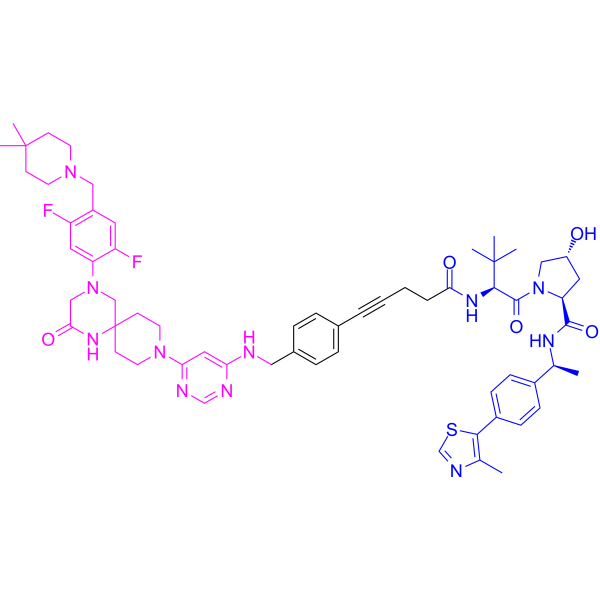
    WD6305 is a potent and selective METTL3-METTL14 PROTAC degrader. WD6305 has DC50 values of 140 nM and 194 nM for METTL3 and METTL14, respectively. WD6305 inhibits m 6A modification and proliferation of AML cells, and induces apoptosis. WD6305 has antitumor activity .(Pink: UZH2 (HY-115717); Black: Linker; Blue: VHL ligand (HY-150803))
    WD6305
  • HY-115717
    UZH2
    1 Publications Verification

    METTL3 Cancer
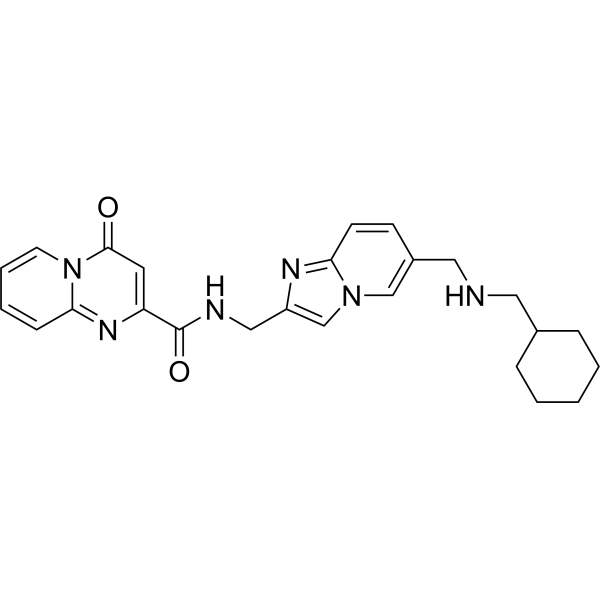
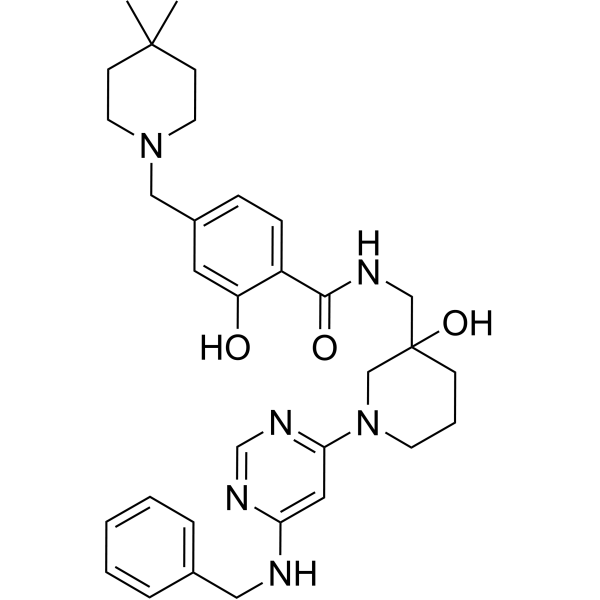
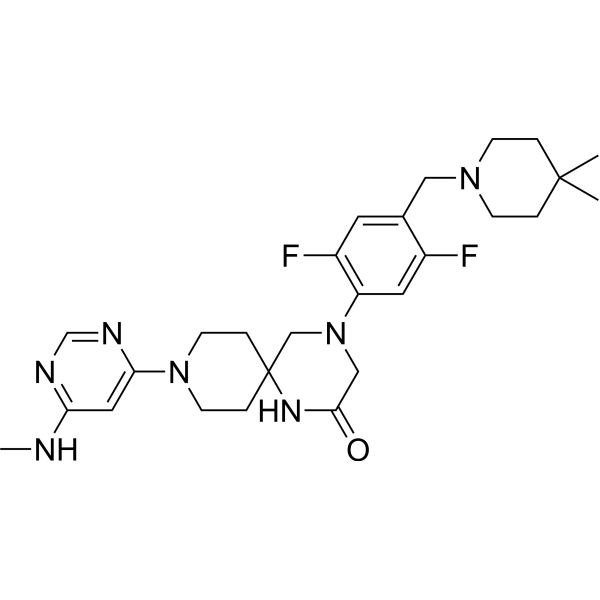
    UZH2 is a potent and selective METTL3 inhibitor with an IC50 value of 5 nM.
    UZH2
  • HY-178159

    RNA MTase Inflammation/Immunology
    SA91-0178 is a METTL1 inhibitor. SA91-0178 inhibits m 7G methylation of RNA, reduces SARM1 stability, mitigates NAD + depletion and metabolic reprogramming in macrophages. SA91-0178 demonstrates excellent protective efficacy against multiple organ injury in cecal ligation and puncture (CLP)-induced and ischemia/reperfusion (I/R)-induced mice. SA91-0178 can be used for the study of systemic inflammatory diseases .
    SA91-0178
  • HY-162080
    METTL1-WDR4-IN-1
    1 Publications Verification

    DNA Methyltransferase Pyruvate Kinase Cancer
    METTL1-WDR4-IN-1 (Compound 1) is a selective competitive inhibitor of the methyltransferase complex METTL1-WDR4 (IC50 = 144 μM). METTL1-WDR4-IN-1 inhibits the m 7G methyltransferase activity of the METTL1-WDR4 complex, blocking m 7G modification of PKM mRNA, reducing PKM2 protein expression, disrupting the METTL1/PKM2/H3K9la positive feedback loop, and simultaneously inhibiting PKM2 nuclear translocation-mediated CD155 transcriptional activation. METTL1-WDR4-IN-1 can inhibit tumor cell proliferation, weaken glycolytic metabolism, reverse tumor immune evasion (restoring NK cell and CD8 + T cell function), and regulate RNA epigenetic modification and the tumor immune microenvironment. METTL1-WDR4-IN-1 can be used in immunotherapy research for cancers such as colorectal cancer, and is particularly suitable for use in combination with PKM2 inhibitors to enhance anti-tumor treatment efficacy .
    METTL1-WDR4-IN-1
  • HY-160415A
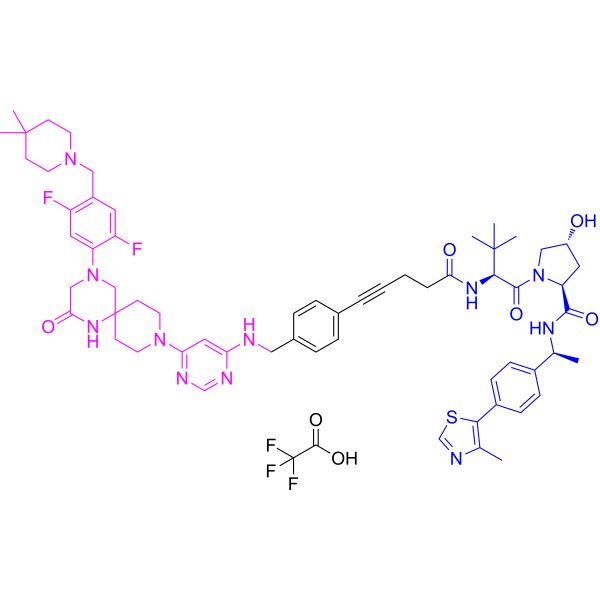
    WD6305 TFA
    2 Publications Verification

    PROTACs Apoptosis METTL3 Cancer
    WD6305 TFA is a potent and selective METTL3-METTL14 PROTAC degrader. WD6305 TFA has DC50 values of 140 nM and 194 nM for METTL3 and METTL14, respectively. WD6305 TFA inhibits m 6A modification and proliferation of AML cells, and induces apoptosis. WD6305 TFA has antitumor activity .(Pink: UZH2 (HY-115717); Black: Linker; Blue: VHL ligand (HY-150803))
    WD6305 TFA
  • HY-153625
    STM2120
    2 Publications Verification

    METTL3 Cancer
    STM2120 is a METTL3-METTL14 inhibitor with an IC50 of 64.5 μM .
    STM2120
  • HY-19528S

    SAH (S-Adenosylhomocysteine)-d4

    Endogenous Metabolite Metabolic Disease
    SAH-d4 is the deuterium labeled SAH. SAH (S-Adenosylhomocysteine) is an amino acid derivative and a modulartor in several metabolic pathways. It is an intermediate in the synthesis of cysteine and adenosine . SAH is an inhibitor for METTL3-METTL14 heterodimer complex (METTL3-14) with an IC50 of 0.9 μM .
    SAH-d4
  • HY-P10387
    RSM3
    1 Publications Verification

    METTL3 Apoptosis MDM-2/p53 NF-κB Caspase Cancer
    RSM3 is a METTL3-METTL14 complex inhibitor with a Kd of 3.10 μM for the METTL3-METTL14 complex. RSM3 reduces the m 6A modification level of SLC31A1 and the global RNA methylation level. RSM3 upregulates programmed cell death-related genes, enhances cell apoptosis, inhibits pro-cancer signals and suppresses tumor growth. RSM3 is applicable to the research of preeclampsia and cancer .
    RSM3
  • HY-134673A
    UZH1a
    3 Publications Verification

    Apoptosis Cancer
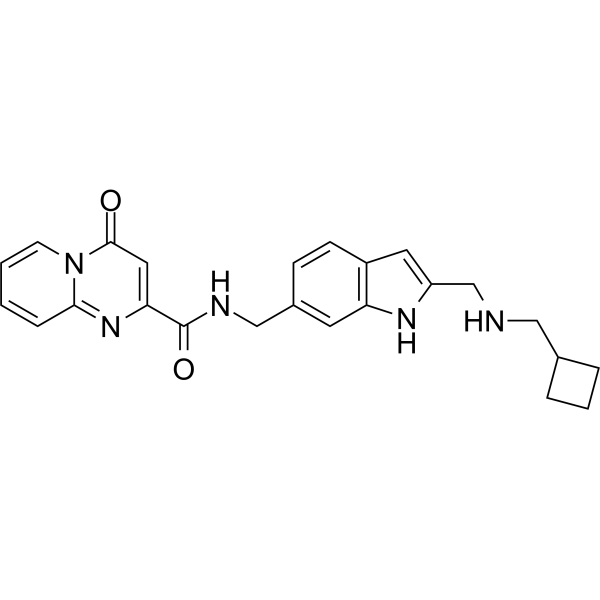
    UZH1a is a potent and selective METTL3 inhibitor, with an IC50 of 280 nM. UZH1a can be used for epitranscriptomic modulation of cellular processes. UZH1a has antitumor activity. UZH1a also can be used as a chemical probe for studying METTL3 .
    UZH1a
  • HY-174873

    PROTACs METTL3 Apoptosis Bcl-2 Family Cancer
    AF151 is a METTL3 PROTAC degrader with the DC50 of 0.43 μM in MOLM-13 cells. AF151 inhibits cell growth by significantly degrading METTL3 protein and reducing m6A levels. AF151 can induce cell apoptosis and reduce the level of Bcl-2 protein. AF151 can be used for research on cancer such as acute myeloid leukemia (AML). (Pink: METTL3 Ligand (HY-174874); Blue: VHL Ligand (HY-125845); Black: Linker; VHL Ligand+Linker (HY-174875)) .
    AF151
  • HY-134673
    UZH1
    3 Publications Verification

    Apoptosis Cancer
    UZH1 is a racemate of UZH1a and UZH1b. UZH1a is a potent and selective METTL3 inhibitor, with an IC50 of 280 nM. UZH1b (IC50=28 µM) is essentially inactive. UZH1 can be used for epitranscriptomic modulation of cellular processes. UZH1 has antitumor activity. UZH1 also can be used as a chemical probe for studying METTL3 .
    UZH1
  • HY-168878

    METTL3 Cancer
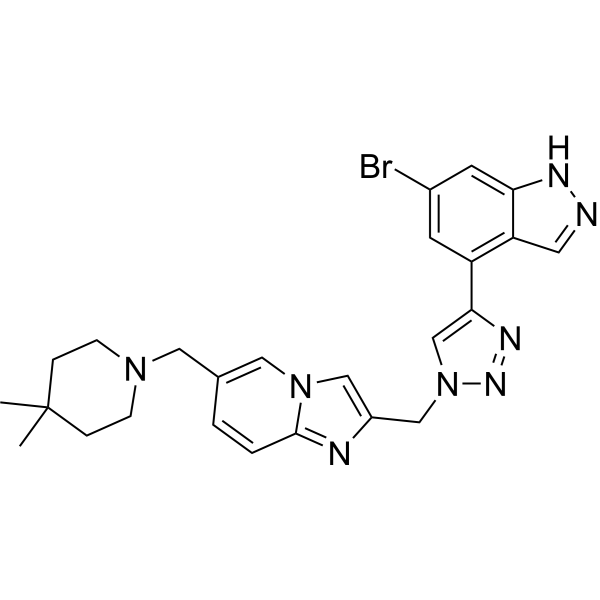
    EP652 is a METTL3 inhibitor and antitumor agent with IC50 values of 2 nM, <10 nM, and 37 nM in SPA, intracellular, and ATPlite assays, respectively. EP652 exhibits high selectivity against 40 other methyltransferases and FTO, and possesses favorable pharmacokinetic parameters. EP652 reduces intracellular N 6-methyladenosine (m 6A) levels in mRNA. EP652 inhibits tumor growth and progression of both hematologic malignancies and solid tumors. EP652 can be used for the research of acute myeloid leukemia, ovarian cancer, non-small cell lung cancer, and hypopharyngeal squamous cell carcinoma .
    EP652
  • HY-N0086R
    N6-Methyladenosine (Standard)
    1 Publications Verification

    6-Methyladenosine (Standard); N-Methyladenosine (Standard)

    Endogenous Metabolite Influenza Virus Reference Standards Infection
    N6-Methyladenosine (Standard) is the analytical standard of N6-Methyladenosine. This product is intended for research and analytical applications. N6-Methyladenosine is the most prevalent internal (non-cap) modification present in the messenger RNA (mRNA) of all higher eukaryotes. N6-Methyladenosine can modifies viral RNAs and has antiviral activities. In Vitro: N6-methyladenosine (m6A) is selectively recognized by the human YTH domain family 2 (YTHDF2) protein to regulate mRNA degradation. N6-methyladenosine (m6A), a prevalent internal modification in the messenger RNA of all eukaryotes, is post-transcriptionally installed by m6A methyltransferase (e.g., MT-A70) within the consensus sequence of G(m6A)C (70%) or A(m6A)C (30%). N6-methyladenosine (m6A)-containing RNAs are greatly enriched in the YTHDF-bound portion and diminished in the flow-through portion . N6-methyladenosine (m6A), the most abundant internal RNA modification, functions in diverse biological processes, including regulation of embryonic stem cell self-renewal and differentiation. N6-methyladenosine (m6A) is a large protein complex, consisting in part of methyltransferase-like 3 (METTL3) and methyltransferase-like 14 (METTL14) catalytic subunits .
    N6-Methyladenosine (Standard)
  • HY-N4031

    Anaplastic lymphoma kinase (ALK) METTL3 Inflammation/Immunology
    Humantenine is a highly toxic indole alkaloid from Gelsemium elegans (Gardn. & Champ.) Benth. that binds to RNA m6A modification regulatory proteins (ALKBH5, METTL). Humantenine stably binds via hydrogen bonding and hydrophobic interactions and disrupts the m6A methylation level of target genes, thereby impairing the expression of intestinal epithelial cell tight junction and cytoskeleton-related genes, causing intestinal barrier dysfunction and significant intestinal cytotoxicity. The intraperitoneal injection LD50 values of Humantenine are <1 mg/kg in mice, 1.2 mg/kg in male rats and 1.5 mg/kg in female rats, respectively. Species differences exist in the metabolism of Humantenine in human, porcine, goat and rat liver microsomes, and demethylation, dehydrogenation and oxidation occur in liver microsomes .
    Humantenine
  • HY-158404

    METTL3 Inflammation/Immunology
    METTL3-IN-8 (F039-0002) is a potent METTL3 inhibitor. METTL3-IN-8 strongly ameliorates Dextran sulfate sodium salt (DSS) (HY-116282C)-induced colitis. METTL3-IN-8 can be used Inflammatory bowel disease (IBD) research .
    METTL3-IN-8
  • HY-159604

    METTL3 Cancer
    METTL3-IN-9 (compound C3) is an inhibitor of methyltransferase-like METTL3, an RNA methyltransferase that catalyzes the N6-methyladenosine (m6A) modification of mRNA in eukaryotic cells .
    METTL3-IN-9
  • HY-19528R

    SAH (S-Adenosylhomocysteine) (Standard)

    Reference Standards Endogenous Metabolite Metabolic Disease
    SAH (Standard) is the analytical standard of SAH. This product is intended for research and analytical applications. SAH (S-Adenosylhomocysteine) is an amino acid derivative and a modulartor in several metabolic pathways. It is an intermediate in the synthesis of cysteine and adenosine . SAH is an inhibitor for METTL3-METTL14 heterodimer complex (METTL3-14) with an IC50 of 0.9 μM .
    SAH (Standard)
  • HY-148468

    METTL3 Cancer
    METTL3-IN-2 (compound 28) is a METTL3 inhibitor with an IC50 value of 6.1 nM. METTL3-IN-2 inhibits cell proliferation of Caov3 cancer cells .
    METTL3-IN-2
  • HY-162082

    DNA Methyltransferase Cancer
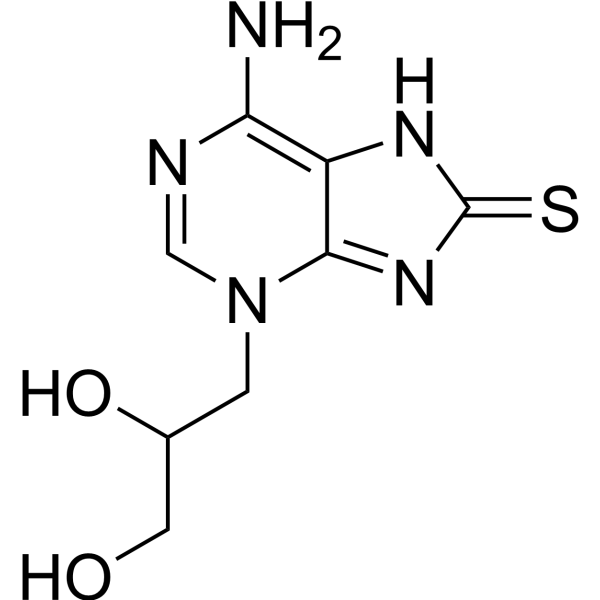
    METTL1-WDR4-IN-2, an adenosine derivative, is a selective methyltransferase Like 1 (METTL1)-WDR4 inhibitor with an IC50 of 41 μM. METTL1-WDR4-IN-2 shows selectivity against METTL3-14 (IC50 of 958 μM) and METTL16 (IC50 of 208 μM). METTL1-WDR4-IN-2 can be used for the study of cancer .
    METTL1-WDR4-IN-2
  • HY-162930

    PROTACs METTL3 Cancer
    PROTAC METTL3 degrader 1 is a VHL-based PROTAC METTL3 degrader (DC50: 220 nM in MOLM-13 cells). PROTAC METTL3 degrader 1 inhibits METTL3/14 complex with an IC50 value of 341 nM. PROTAC METTL3 degrader 1 can be used for the research of acute myeloid leukemia and gastric cancer .
    PROTAC METTL3 degrader 1
  • HY-RS08364

    Small Interfering RNA (siRNA) Others

    METTL3 Human Pre-designed siRNA Set A contains three designed siRNAs for METTL3 gene (Human), as well as a negative control, a positive control, and a FAM-labeled negative control.

    METTL3 Human Pre-designed siRNA Set A
    METTL3 Human Pre-designed siRNA Set A
  • HY-RS08355

    Small Interfering RNA (siRNA) Others

    METTL14 Human Pre-designed siRNA Set A contains three designed siRNAs for METTL14 gene (Human), as well as a negative control, a positive control, and a FAM-labeled negative control.

    METTL14 Human Pre-designed siRNA Set A
    METTL14 Human Pre-designed siRNA Set A
  • HY-RS23843

    Small Interfering RNA (siRNA) Others

    Mettl16 Rat Pre-designed siRNA Set A contains three designed siRNAs for Mettl16 gene (Rat), as well as a negative control, a positive control, and a FAM-labeled negative control.

    Mettl16 Rat Pre-designed siRNA Set A
    Mettl16 Rat Pre-designed siRNA Set A
  • HY-P10387A
    RSM3 TFA
    1 Publications Verification

    METTL3 Apoptosis Cancer
    RSM3 TFA, a stapled peptide, is a METTL3-METTL14 inhibitor with an Kd of 3.10 μM. RSM3 TFA inhibits tumor growth while induces cell apoptosis. RSM3 TFA can be used for study of cancer .
    RSM3 TFA
  • HY-178446

    METTL3 c-Myc Bcl-2 Family Cancer
    METTL3-IN-11 is an excellent, selective METTL3 inhibitor (IC50 = 45.31 nM). METTL3-IN-11 exhibits high selectivity towards METTL3 compared to DNMT1, EZH1, MLL1, and PRMT1. METTL3-IN-11 reduces the m6A level of total RNA in MOLM-13 and SKOV3 cells, induces cell apoptosis, and inhibits cell migration. METTL3-IN-11 can reduce the expression of m6A downstream target genes (c-MYC and BCL2). METTL3-IN-11 can be used for the study of ovarian cancer and acute myeloid leukemia .
    METTL3-IN-11
  • HY-148469

    METTL3 Others
    METTL3-IN-3 (compound 11) is a polyheterocyclic compound, acts as METTL3 inhibitor .
    METTL3-IN-3
  • HY-162282

    PROTACs DNA Methyltransferase Cancer
    PROTAC METTL3-14 degrader 1 (compound 30) is a PROTAC degrader of METTL3-14. PROTAC METTL3-14 degrader 1 shows a 50% or higher degradation of METTL3 and/or METTL14(Pink: Ligand for target protein (HY-115717); Black: Linker (HY-168686); Blue: Ligand for E3 ligase (HY-10984)) .
    PROTAC METTL3-14 degrader 1
  • HY-RS16861

    Small Interfering RNA (siRNA) Others

    Mettl14 Mouse Pre-designed siRNA Set A contains three designed siRNAs for Mettl14 gene (Mouse), as well as a negative control, a positive control, and a FAM-labeled negative control.

    Mettl14 Mouse Pre-designed siRNA Set A
    Mettl14 Mouse Pre-designed siRNA Set A
  • HY-RS16508

    Small Interfering RNA (siRNA) Others

    Mettl3 Mouse Pre-designed siRNA Set A contains three designed siRNAs for Mettl3 gene (Mouse), as well as a negative control, a positive control, and a FAM-labeled negative control.

    Mettl3 Mouse Pre-designed siRNA Set A
    Mettl3 Mouse Pre-designed siRNA Set A
  • HY-RS08359

    Small Interfering RNA (siRNA) Others

    METTL18 Human Pre-designed siRNA Set A contains three designed siRNAs for METTL18 gene (Human), as well as a negative control, a positive control, and a FAM-labeled negative control.

    METTL18 Human Pre-designed siRNA Set A
    METTL18 Human Pre-designed siRNA Set A
  • HY-151924

    Enterovirus Infection
    Antiviral agent 23 (compound 11b) is an antiviral agent to enterovirus 71 (EV71) with an EC50 value of 94 nM. Antiviral agent 23 effectively suppresses the activity of METTL3/METTL14. Antiviral agent 23 can be used for the research of infection .
    Antiviral agent 23
  • HY-156759

    METTL3 Cancer
    METTL3-IN-5 (Compound 13) is a METTL3 inhibitor. METTL3-IN-5 inhibits MOLM-13 growth with an IC50 less than 2 μM. METTL3-IN-5 has weak hERG inhibitory activity (IC50 >30 μM). METTL3-IN-5 can be used for AML research .
    METTL3-IN-5
  • HY-179239

    METTL3 Cancer
    METTL3-IN-12 (Compound 15) is a selective METTL3 inhibitor with an IC50 of 50 nM. METTL3-IN-12 exhibits significant anti-proliferative activity in various leukemia cell lines. METTL3-IN-12 can be used for research on leukemia .
    METTL3-IN-12
  • HY-158403

    METTL3 Inflammation/Immunology
    METTL3-IN-7 (7460-0250) is a potent METTL3 inhibitor. METTL3-IN-7 strongly ameliorates Dextran sulfate sodium salt (DSS) (HY-116282C)-induced colitis. METTL3-IN-7 can be used Inflammatory bowel disease (IBD) research .
    METTL3-IN-7
  • HY-148467

    METTL3 Others
    METTL3-IN-1 (compound 23) is a polyheterocyclic compound, acts as METTL3 inhibitor .
    METTL3-IN-1
  • HY-W125425

    Methyl piperazine-2-carboxylate; METTL3 activator-1 free base

    HIV METTL3 Infection
    METTL3 activator-1 free base (compound 4) is a potent METTL3/METTL14/WTAP activator. METTL3 activator-1 free base increases HIV-1 p24 virion production. METTL3 activator-1 free base increases the N6-adenosine methylation level in the viral RNA genome .
    CHMA1004
  • HY-178947

    METTL3 Apoptosis Cancer
    ZINC13000658 is a METTL inhibitor. ZINC13000658 exhibits significant anti proliferative activity in various cells and can induce G1 phase cell cycle arrest and apoptosis such as HepG2 (IC50 = 5.632 µM) and SNU-449 (IC50 = 6.184 µM) cells. ZINC13000658 may be related to the inhibition of the activity of multiple methyltransferases such as METTL1, 3, 6, 16, 18, etc. ZINC13000658 can be used for research on various types of cancer .
    ZINC13000658
  • HY-19528S2

    Endogenous Metabolite Metabolic Disease
    SAH- 13C10 is the 13C labeled SAH . SAH (S-Adenosylhomocysteine) is an amino acid derivative and a modulartor in several metabolic pathways. It is an intermediate in the synthesis of cysteine and adenosine . SAH is an inhibitor for METTL3-METTL14 heterodimer complex (METTL3-14) with an IC50 of 0.9 μM .
    SAH-13C10
  • HY-151926

    Enterovirus Infection
    Antiviral agent 24 is a potent antiviral agent with EC50 values of 0.101, 19.9, 91.2 µM for EV71, CVA21, EV68, respectively. Antiviral agent 24 inhibits METTL3/METTL14 activity in a dose-dependent manner .
    Antiviral agent 24
  • HY-134673B

    METTL3 Others
    UZH1b is an enantiomer of UZH1a (a METTL3 inhibitor). UZH1b is essentially inactive for METTL3 (IC50=28 µM) .
    UZH1b
  • HY-174874

    METTL3 Ligands for Target Protein for PROTAC Cancer
    POI-4 is a ligand for METTL3. POI-4 can be used for synthesizing PROTACs such as AF151 (HY-174873) .
    POI-4
  • HY-154997

    METTL3 Cancer
    7OQL (compound 54) is a selective METTL3 inhibitor (IC50=0.054 µM). 7OQL has the potential to be used in the study of cancer .
    7OQL
  • HY-162080A
    METTL1-WDR4-IN-1 TFA
    1 Publications Verification

    DNA Methyltransferase Pyruvate Kinase Cancer
    METTL1-WDR4-IN-1 (Compound 1) TFA is a selective competitive inhibitor of the methyltransferase complex METTL1-WDR4 (IC50=144 μM). METTL1-WDR4-IN-1 TFA inhibits the m 7G methyltransferase activity of the METTL1-WDR4 complex, blocking the m 7G modification of PKM mRNA, reducing PKM2 protein expression, disrupting the METTL1/PKM2/H3K9la positive feedback loop, and simultaneously inhibiting PKM2 nuclear translocation-mediated CD155 transcriptional activation. METTL1-WDR4-IN-1 TFA can inhibit tumor cell proliferation, weaken glycolytic metabolism, reverse tumor immune evasion (restoring NK cell and CD8 + T cell function), and regulate RNA epigenetic modification and the tumor immune microenvironment. METTL1-WDR4-IN-1 TFA can be used in immunotherapy research for cancers such as colorectal cancer, and is particularly suitable for use in combination with PKM2 inhibitors to enhance anti-tumor treatment efficacy .
    METTL1-WDR4-IN-1 TFA

Inquiry Online

Your information is safe with us. * Required Fields.

Salutation


Country or Region *

Applicant Name *


Organization Name *

Department *


Email Address *


Product Name *

Cat. No.


Requested quantity *

Phone Number *


Remarks

Inquiry Online

Inquiry Information

Product Name:
Cat. No.:
Quantity:
MCE Japan Authorized Agent:

