22 Results for "

Nuclear factor-kB

" in MedChemExpress (MCE) Product Catalog:
Products (22)

22 Results for "Nuclear factor-kB" in MCE Product Catalog:

8
8 Publications Verification
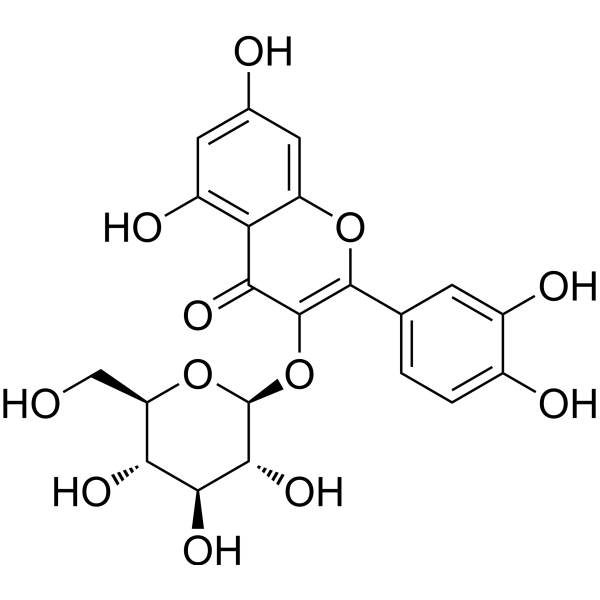
Cat. No.: HY-N1445
CAS No.: 482-35-9
Synonyms: Isoquercetin; Quercetin 3-glucoside
Isoquercetin (Quercetin 3-glucoside) is a naturally occurring polyphenol that has antioxidant, anti-proliferative, and anti-inflammatory properties. Isoquercetin alleviates ethanol-induced hepatotoxicity, oxidative stress, and inflammatory responses via the Nrf2/ARE antioxidant signaling pathway . Isoquercetin regulates the expression of nitric oxide synthase 2 (NO2) via modulating the nuclear factor-κB (NF-κB) transcription regulation system. Isoquercetin has high bioavailability and low toxicity, is a promising candidate agent to prevent birth defects in diabetic pregnancies .
loading...
    loading...
5
5 Cited Publications
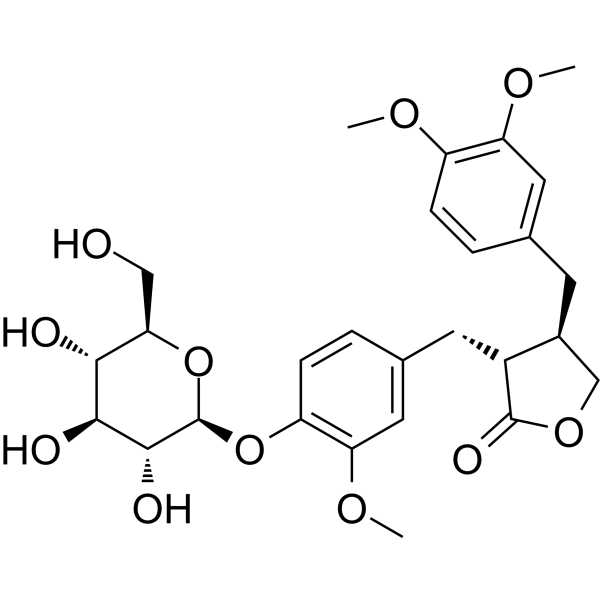
Cat. No.: HY-N0034
CAS No.: 20362-31-6
Synonyms: Arctii; NSC 315527; Arctigenin-4-glucoside
Arctiin is an orally active inhibitor of NF-κB. Arctiin suppresses cyclin D1 protein expression in human tumor cells. Arctiin also reduces malondialdehyde and pro-in ammatory cytokines levels. Arctiin can used in study glomerulonephritis .
loading...
    loading...
2
2 Cited Publications
Cat. No.: HY-136741
CAS No.: 113760-29-5
Purity:  99.77%
Target:  

IKK

Research Areas:  

Inflammation/Immunology

BOT-64 is an inhibitory κB (IκB) kinase β (IKKβ) inhibitor with an IC50 of 1 µM. BOT-64 blocks lipopolysaccharide-induced nuclear factor-κB activation and nuclear factor-κB-regulated inflammatory gene transcription .
loading...
    loading...
2
2 Cited Publications
Cat. No.: HY-N1445R
CAS No.: 482-35-9
Synonyms: Isoquercetin (Standard); Quercetin 3-glucoside (Standard)
Isoquercetin (Standard) is the analytical standard of Isoquercetin. This product is intended for research and analytical applications. Isoquercetin (Quercetin 3-glucoside) is a naturally occurring polyphenol that has antioxidant, anti-proliferative, and anti-inflammatory properties. Isoquercetin alleviates ethanol-induced hepatotoxicity, oxidative stress, and inflammatory responses via the Nrf2/ARE antioxidant signaling pathway . Isoquercetin regulates the expression of nitric oxide synthase 2 (NO2) via modulating the nuclear factor-κB (NF-κB) transcription regulation system. Isoquercetin has high bioavailability and low toxicity, is a promising candidate agent to prevent birth defects in diabetic pregnancies .
loading...
    loading...
1
1 Cited Publications
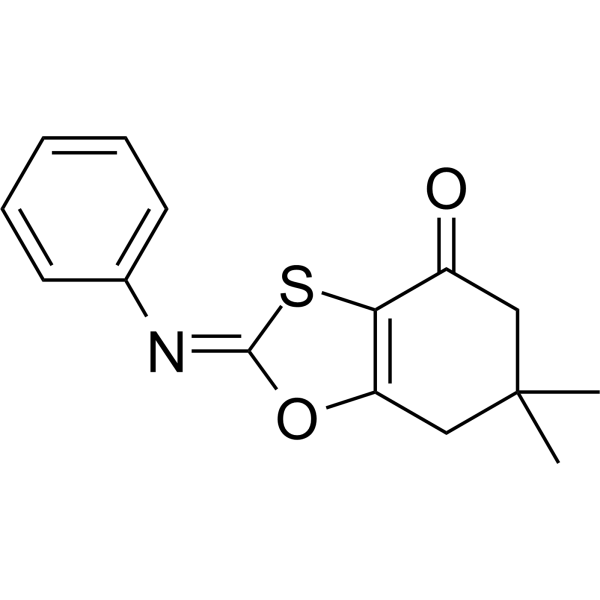
Cat. No.: HY-169703
CAS No.: 1251839-15-2
Research Areas:  

Inflammation/Immunology

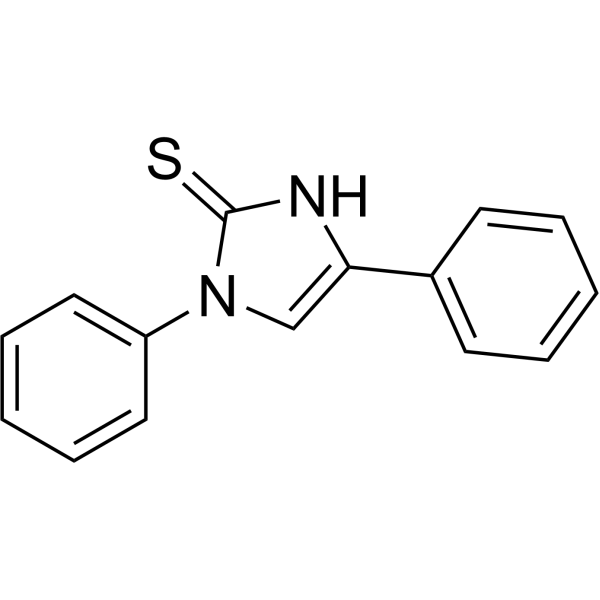
SPA0355 is a thiourea derivative that has antioxidant and anti-inflammatory properties. SPA0355 inhibits the RANKL (receptor activator of nuclear factor κB ligand) induced osteoclast formation in primary bone marrow-derived macrophages. SPA0355 also suppresses the activation of the MAPKs, Akt, and NF-κB pathways. Additionally, SPA0355 promotes osteoblast differentiation, increases alkaline phosphatase activity, and enhances mineral nodule formation. SPA0355 can protect ovariectomized mice from bone loss by stimulating osteoblast differentiation and inhibiting osteoclast resorption, making it useful for studying postmenopausal osteoporosis .
loading...
    loading...
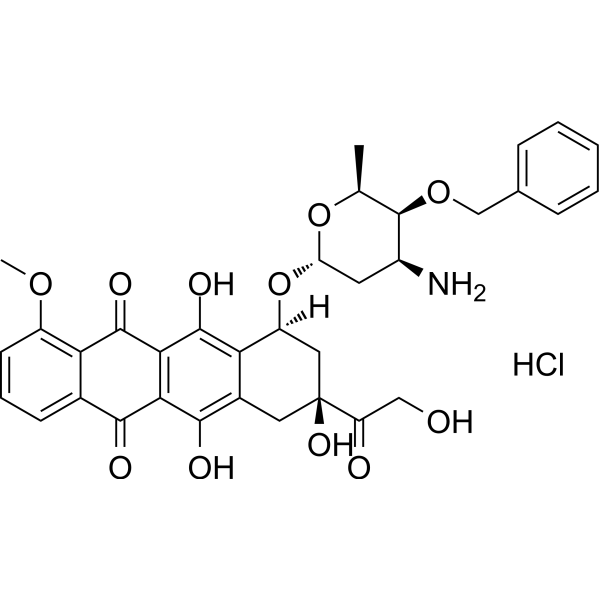
Cat. No.: HY-14942A
CAS No.: 293736-67-1
Purity:  95.08%
Synonyms: RTA 744; WP 744; WP 769 hydrochloride
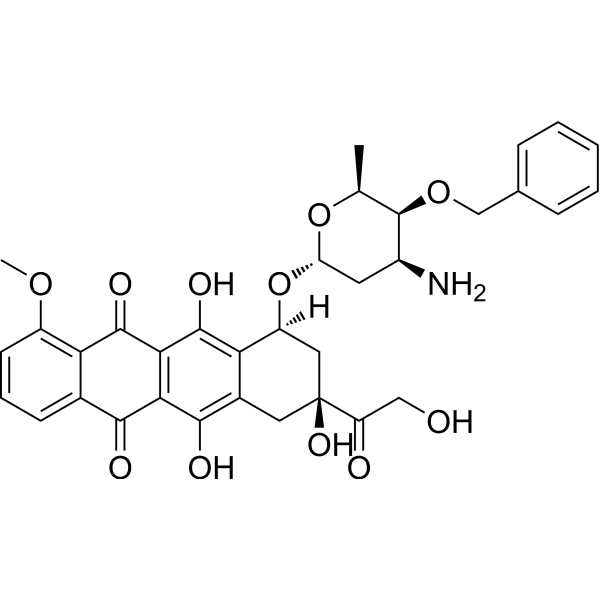
Berubicin (RTA 744) hydrochloride is a Doxorubicin (HY-15142A) analog that can cross the blood-brain barrier. Berubicin hydrochloride inhibits P-gp and MRP1-mediated efflux and suppresses glioblastoma multiforme (GBM). Berubicin hydrochloride exerts toxic effects on leukemia cells by activating nuclear factor κB (NF-κB) and induces apoptosis in neuroblastoma cells. Berubicin hydrochloride can be used in the study of tumors related to the nervous system .
loading...
    loading...
Cat. No.: HY-151970
CAS No.: 2250374-27-5
Purity:  99.87%
Target:  

STING

Research Areas:  

Inflammation/Immunology

STING-IN-4 (Compound 1) is a STING inhibitor that inhibits STING expression and hence reducing activation of STING and nuclear factor-κB (NF-κB) signaling. STING-IN-4 shows anti-inflammatory activity and can be used for the research of sepsis .
loading...
    loading...
Cat. No.: HY-136427
CAS No.: 79220-94-3
Purity:  98.08%
KRM-III is an orally active TCR inhibitor and NFAT inhibitor with an IC50 of 5 μM against NFAT. KRM-III has no effect on the activation of nuclear factor-κB. KRM-III inhibits T cell proliferation induced by T cell antigen receptor stimulation. KRM-III abrogates anti-CD3 antibody-induced cell activation in vivo. KRM-III reduces paw pad swelling in delayed-type hypersensitivity induced by Bovine serum albumin (HY-D0842). KRM-III alleviates the severity of experimental autoimmune encephalomyelitis (EAE) in mice. KRM-III can be used in studies related to experimental autoimmune encephalomyelitis .
loading...
    loading...
Cat. No.: HY-14942
CAS No.: 677017-23-1
Purity:  87.76%
Synonyms: RTA 744 free base; WP 744 free base; WP 769
Berubicin (RTA 744 free base) is a Doxorubicin (HY-15142A) analog that can cross the blood-brain barrier. Berubicin inhibits P-gp and MRP1-mediated efflux and suppresses glioblastoma multiforme (GBM). Berubicin exerts toxic effects on leukemia cells by activating nuclear factor κB (NF-κB) and induces apoptosis in neuroblastoma cells. Berubicin can be used in the study of tumors related to the nervous system .
loading...
    loading...
Cat. No.: HY-118482
CAS No.: 128533-02-8
Synonyms: Saurolactam
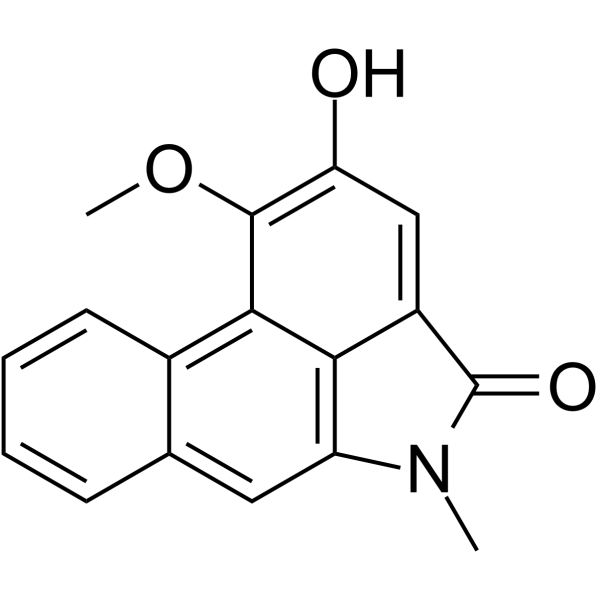
Sauristolactam, a natural aristolactam isolated from aerial portions of Saururus chinensis, has significant neuroprotective activity against glutamate-induced toxicity in primary cultured rat cortical cells . Sauristolactam also inhibits the receptor activator of nuclear factor-κB ligand (RANKL)-induced osteoclastogenesis and has the potential to inhibit osteoclast differentiation .
loading...
    loading...
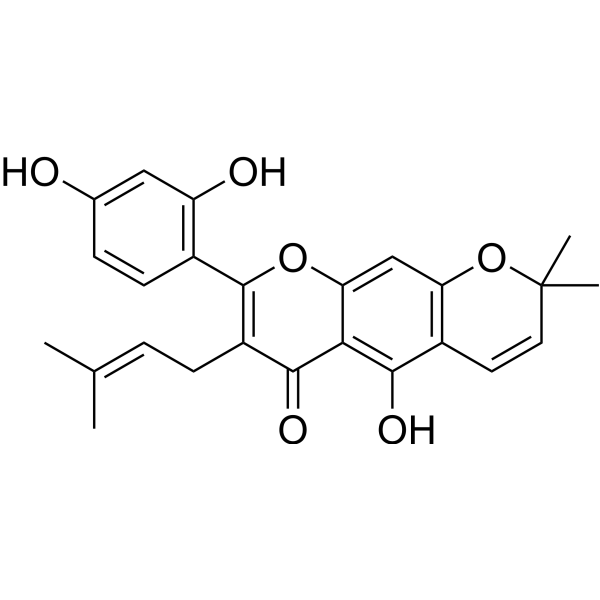
Cat. No.: HY-N10009
CAS No.: 19275-49-1
Cudraflavone B is a prenylated flavonoid with anti-inflammatory and anti-tumor properties. Cudraflavone B is also a dual inhibitor of COX-1 and COX-2. Cudraflavone B blocks the translocation of nuclear factor κB (NF-κB) from the cytoplasm to the nucleus in macrophages. Thus, Cudraflavone B inhibits tumor necrosis factor α (TNFα) gene expression and secretion. Cudraflavone B also triggers the mitochondrial apoptotic pathway, activates NF-κB, the MAPK p38, and ERK, and induced the expression of SIRT1. Thus Cudraflavone B inhibits the growth of human oral squamous cell carcinoma cells .
loading...
    loading...
Cat. No.: HY-P99966
CAS No.: 2646587-68-8

Target:  

RANKL/RANK

Research Areas:  

Cancer

Narlumosbart (JMT103) is an IgG4κ antibody targeting receptor activator of nuclear factor-κB ligand (RANKL) .
loading...
    loading...
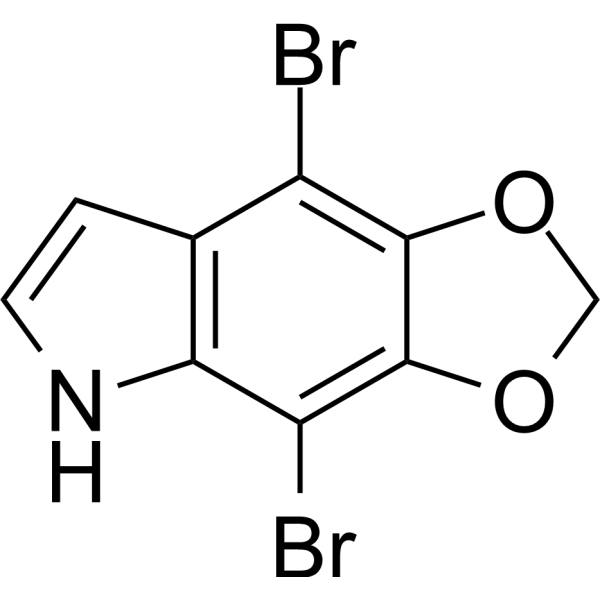
Cat. No.: HY-N10062
CAS No.: 2923661-84-9
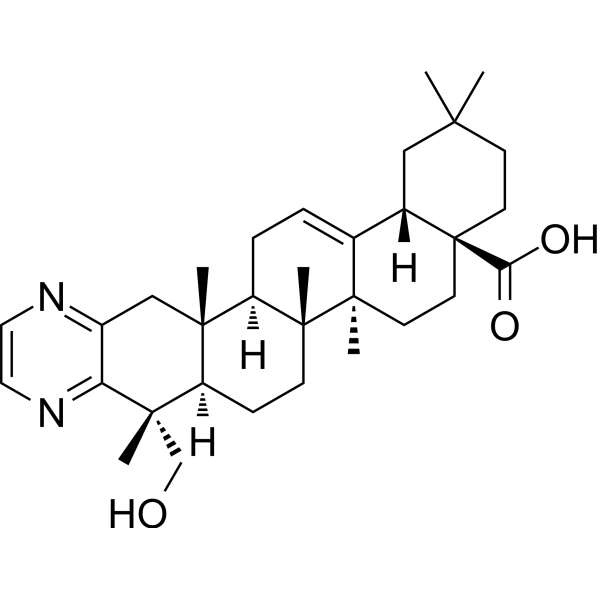
Amakusamine inhibits the receptor activator of nuclear factor-κB ligand (RANKL)-induced formation of multinuclear osteoclasts with an IC50 value of 10.5 μM in RAW264.7 cells.
loading...
    loading...
Cat. No.: HY-144745
CAS No.: 2763363-08-0
Target:  

NF-κB

Research Areas:  

Cancer

HSR1304 (Compound 5d) is a potent inhibitor of NFκB. The multifunctional transcription factor, nuclear factor-κB (NF-κB), is broadly involved in multiple human diseases, such as cancer and chronic inflammation. HSR1304 has the potential for the research of cancer diseases .
loading...
    loading...
Cat. No.: HY-114568
CAS No.: 1047978-71-1
Purity:  99.38%
AMC-01 is a potent chemical probe that regulates eIF2-α activity. AMC-01 induces protein kinase RNA activation (PKR) kinase and nuclear factor κb (NF-κB). AMC-01 inhibits apoptosis .
loading...
    loading...
Cat. No.: HY-139833
Target:  

NF-κB IKK

Research Areas:  

Inflammation/Immunology

Anti-inflammatory agent 6 blocks the phosphorylation of I kappa b kinase α/β (IKKα/β), IκBα, and nuclear factor kB p65 (NF-κB p65) which is a key controller of inflammation, thereby showing anti-inflammatory potential.
loading...
    loading...
Cat. No.: HY-123870
CAS No.: 2170102-50-6
Target:  

Survivin IAP NF-κB

Research Areas:  

Inflammation/Immunology Cancer

MX107 is a selective and potent survivin inhibitor that suppresses triple-negative breast cancer (TNBC) cell proliferation. MX107 induces degradation of survivin and inhibitor-of-apoptosis proteins (IAPs), which inhibits nuclear factor κB (NF-κB) activation induced by DNA damage. MX107 enhances tumoricidal efficacy of genotoxic treatments synergized with chemotherapeutic drugs .
loading...
    loading...
Cat. No.: HY-N0034R
CAS No.: 20362-31-6
Synonyms: Arctii (Standard); NSC 315527 (Standard); Arctigenin-4-glucoside (Standard)
Arctiin (Standard) is the analytical standard of Arctiin. This product is intended for research and analytical applications. Arctiin is an orally active inhibitor of NF-κB. Arctiin suppresses cyclin D1 protein expression in human tumor cells. Arctiin also reduces malondialdehyde and pro-in?ammatory cytokines levels. Arctiin can used in study glomerulonephritis .
loading...
    loading...
Cat. No.: HY-162538
CAS No.: 3053823-69-8
Target:  

NF-κB IRAK PROTACs

Research Areas:  

Inflammation/Immunology

LC-MI-3 is an orally active IRAK4 degrader with an IC50 of 57.2 nM and high selectivity among human protein kinases .LC-MI-3 eliminates IRAK4 kinase and scaffolding functions via the cereblon E3 ubiquitin ligase and ubiquitin-proteasome systems .LC-MI-3 inhibits downstream nuclear factor-κB and IRAK4-mediated inflammatory signaling pathways .LC-MI-3 exerts anti-inflammatory activity in lipopolysaccharide-, Escherichia coli-, TLR4-, and TLR7-induced inflammatory models .LC-MI-3 can be used for the research of acute lung injury, sepsis, psoriasis, and inflammatory diseases .
loading...
    loading...
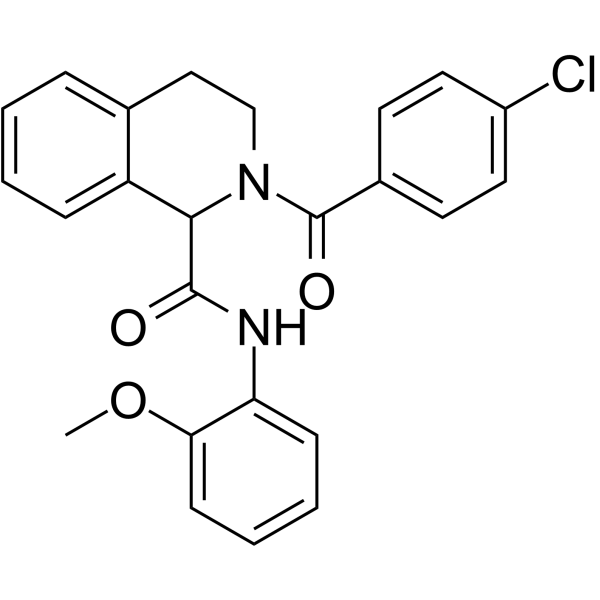
Cat. No.: HY-175703A
RANKL-IN-1 formate is a selective receptor activator of nuclear factor-κB ligand inhibitor ligand (RANKL) inhibitor with a KD value of 7.6 μM. RANKL-IN-1 formate exhibits inhibitory activity and selectivity against osteoclastogenesis with an IC50 value of 0.07 μM and SI of 82.57. RANKL-IN-1 formate binds directly to RANKL and blocks the RANKL-induced activation of the NF-κB and MAPK pathways. RANKL-IN-1 formate can be used for the research of metabolic disease, such as osteoporosis .
loading...
    loading...

