1. Search Result
Search Result
Results for "

PARP-1 Inhibitor

" in MedChemExpress (MCE) Product Catalog:

253

Inhibitors & Agonists

1

Fluorescent Dyes

1

Biochemical Assay Reagents

9

Natural
Products

10

Isotope-Labeled Compounds

1

Click Chemistry

1

GMP Molecules

Targets Recommended:
Cat. No. Product Name Target Research Areas Chemical Structure
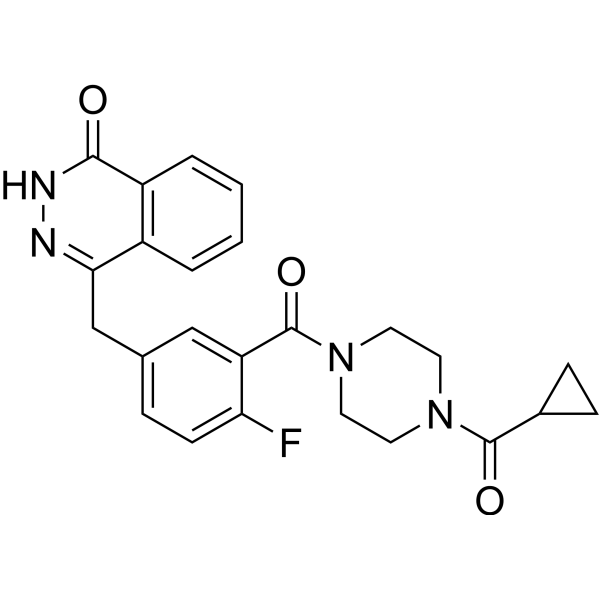
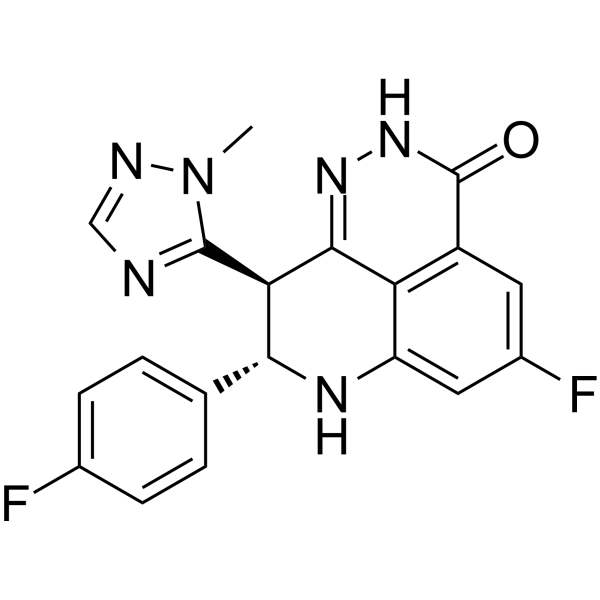
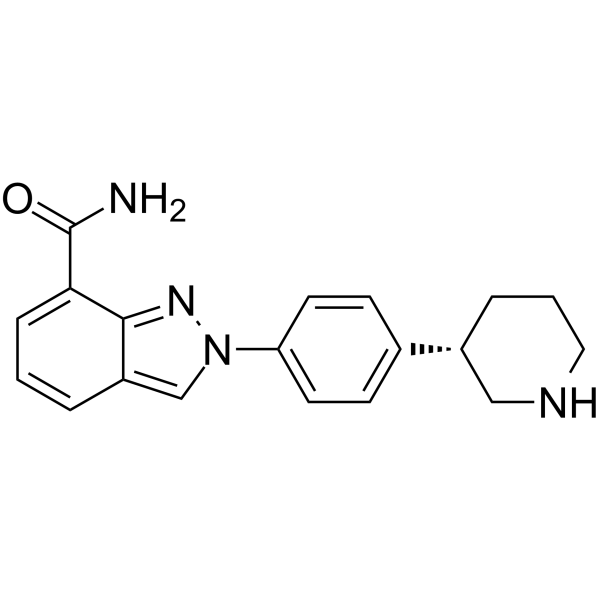
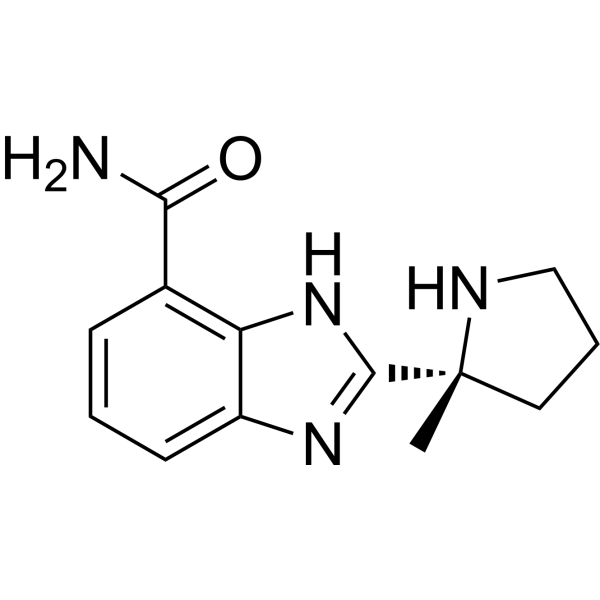
  • HY-16106
    Talazoparib
    95+ Cited Publications

    BMN-673; LT-673

    PARP Cancer
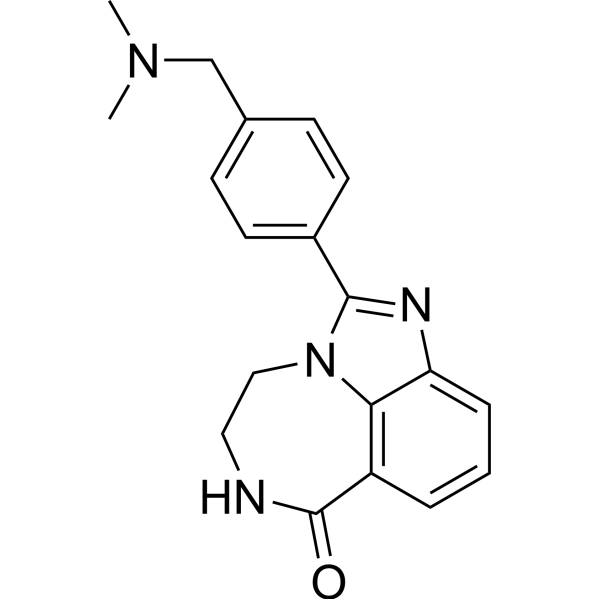
    Talazoparib (BMN-673) is a highly potent, orally active PARP1/2 inhibitor.Talazoparib inhibits PARP1 and PARP2 enzyme activity with Kis of 1.2 nM and 0.87 nM, respectively. Talazoparib has antitumor activity .
    Talazoparib
  • HY-10617A
    Rucaparib
    45+ Cited Publications

    AG014699; PF-01367338

    PARP Cancer
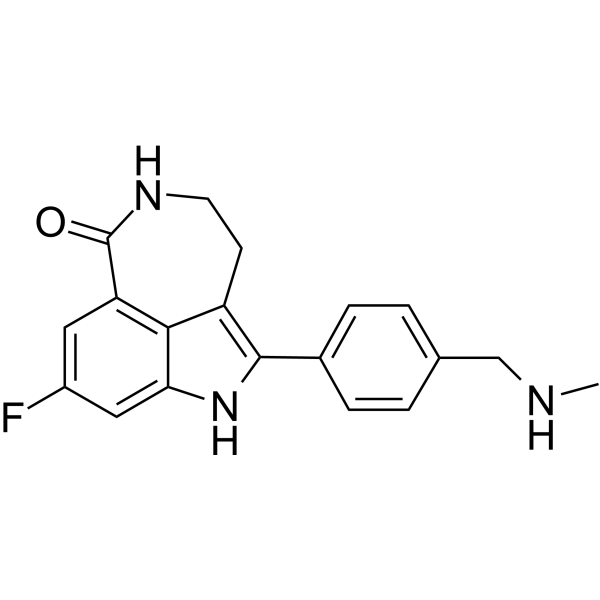
    Rucaparib (AG014699) is an orally active, potent inhibitor of PARP proteins (PARP-1, PARP-2 and PARP-3) with a Ki of 1.4 nM for PARP1. Rucaparib is a modest hexose-6-phosphate dehydrogenase (H6PD) inhibitor. Rucaparib has the potential for castration-resistant prostate cancer (CRPC) research .
    Rucaparib
  • HY-145804
    Palacaparib
    1 Publications Verification

    AZD-9574

    PPAR Neurological Disease Cancer
    AZD-9574 is a potent and brain penetrant PARP1 inhibitor and shows >8000-fold selectivity for PARP1 compared to PARP2/3/5a/6. AZD-9574 acts by selectively inhibiting and trapping PARP1 at the sites of SSBs. AZD-9574 is an anti-cancer agent and can be used for HRD +?breast cancer and advanced solid malignancies research .
    Palacaparib
  • HY-10617
    Rucaparib phosphate
    45+ Cited Publications

    AG-014699 phosphate; PF-01367338 phosphate

    PARP Cancer
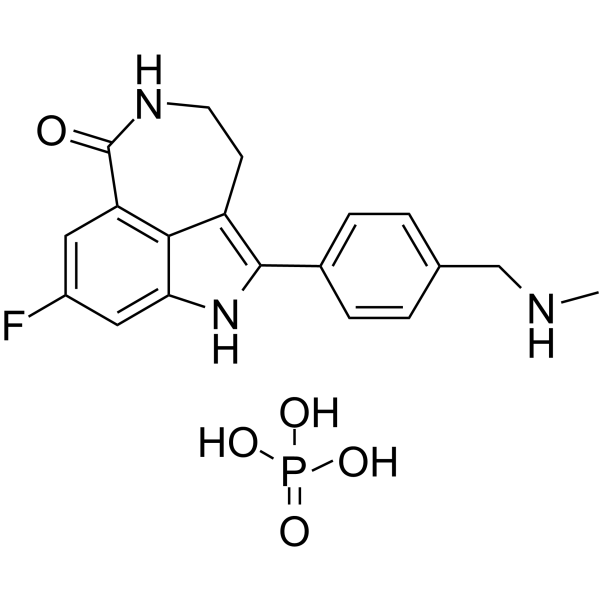
    Rucaparib (AG014699) phosphate is an orally active, potent inhibitor of PARP proteins (PARP-1, PARP-2 and PARP-3) with a Ki of 1.4 nM for PARP1. Rucaparib phosphate is a modest hexose-6-phosphate dehydrogenase (H6PD) inhibitor. Rucaparib phosphate has the potential for castration-resistant prostate cancer (CRPC) research .
    Rucaparib phosphate
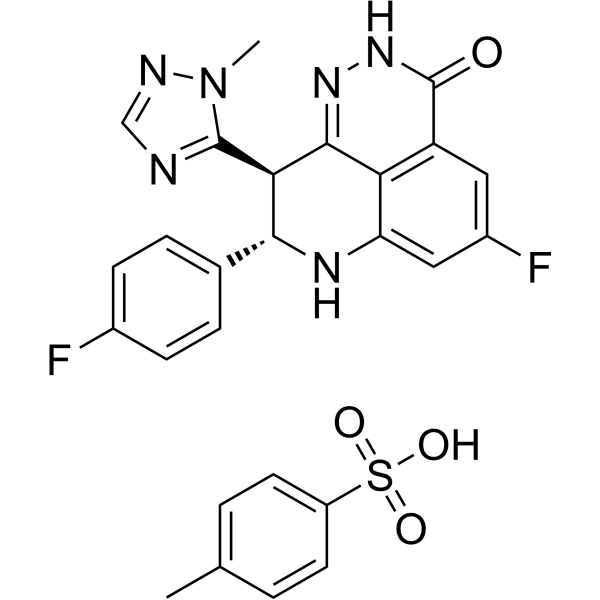
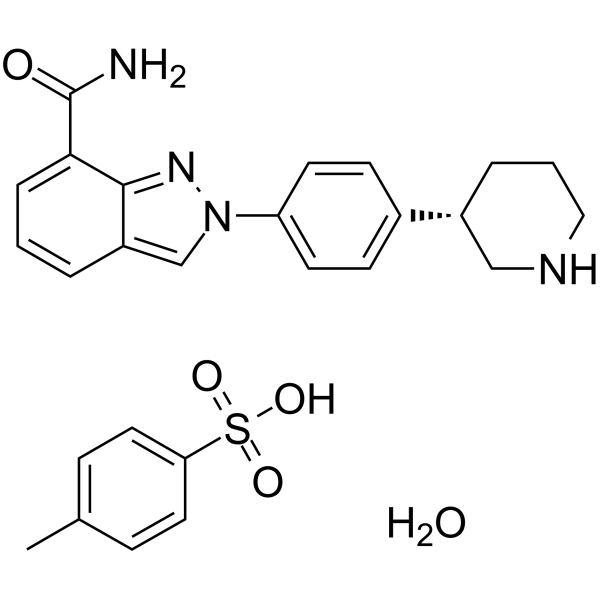
  • HY-108413
    Talazoparib tosylate
    95+ Cited Publications

    BMN 673ts

    PARP Cancer
    Talazoparib tosylate (BMN 673ts) is a novel, potent and orally available PARP1/2 inhibitor with an IC50 of 0.57 nM for PARP1.
    Talazoparib tosylate
  • HY-14478
    UPF 1069
    1 Publications Verification

    PARP Cancer
    UPF 1069 is a PARP inhibitor, with IC50s of 8 and 0.3 μM for PARP-1 and PARP-2, respectively.
    UPF 1069
  • HY-170620
    PARP1 PROTAC 180055
    1 Publications Verification

    PROTACs PARP Cancer
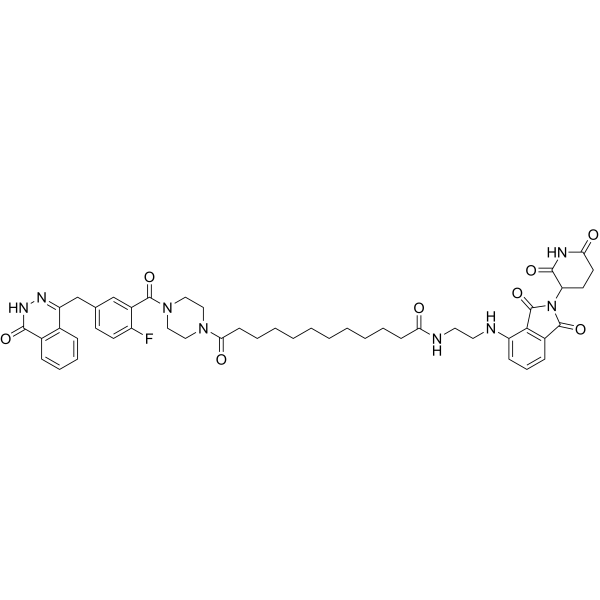
    PARP1 PROTAC 180055 (Compound 180055) is a selective PARP1 PROTAC degrader (DC50 in T47D and MDA-MB-231 cell lines is 180 nM and 240 nM, respectively). PARP1 PROTAC 180055 promotes ubiquitination and degradation of PARP1 as well as inhibits PARP1 enzyme activity without a noticeable DNA trapping effect. PARP1 PROTAC 180055 inhibits tumors carrying BRCA mutations with a minor impact on the growth of normal cells (Pink: PARP1 ligand (HY-10617A); Blue: E3 ligase VHL ligand (HY-125845); Black: linker (HY-W014787)) .
    PARP1 PROTAC 180055
  • HY-164926

    PARP Neurological Disease
    PARP1-IN-33 (Example 6) is a PARP1 inhibitor (IC50: 0.41 nM). PARP1-IN-33 has retinal cytoprotective effect, with an EC50 of 0.02 nM (inhibition on MTS activity of H2O2 induced human retinal pigment epithelial cell) .
    PARP1-IN-33
  • HY-108632
    BYK204165
    1 Publications Verification

    PARP Cancer
    BYK204165 is a potent and selective PARP1 inhibitor. BYK204165 inhibits cell-free recombinant human PARP-1 (hPARP-1) with a pIC50 of 7.35 (pKi=7.05), and murine PARP-2 (mPARP-2) with a pIC50 of 5.38, respectively. BYK204165 displays 100-fold selectivity for PARP-1 .
    BYK204165
  • HY-18954
    NMS-P118
    3 Publications Verification

    PARP Cancer
    NMS-P118 is a potent, orally available, and highly selective PARP-1 Inhibitor for cancer therapy.
    NMS-P118
  • HY-120115

    Olaparib-bodipy FL

    PARP Fluorescent Dye Cancer
    PARPi-FL (Olaparib-bodipy FL) is a small-molecule fluorescent inhibitor of PARP1 that can specifically bind to PARP1. PARPi-FL can be used as a fluorescent imaging agent for tumor detection, diagnosis, and surgical guidance .
    PARPi-FL
  • HY-119653

    PARP Cancer
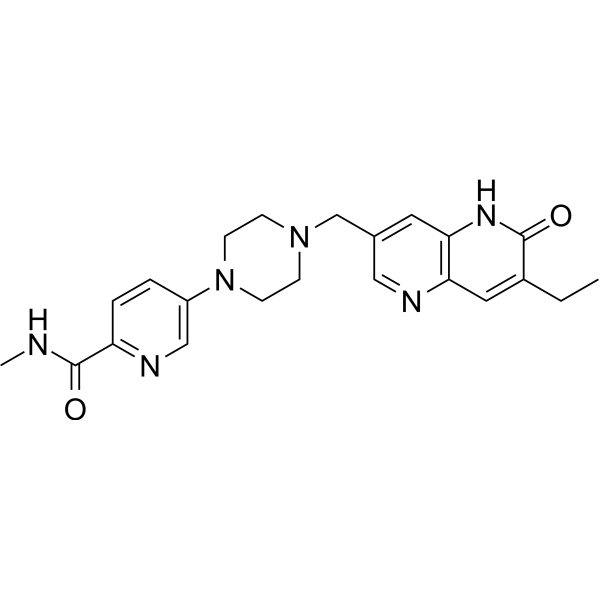
    AZ9482 is a triple PARP1/2/6 inhibitor, with IC50 values of 1 nM, 1 nM and 640 nM for PARP1, PARP2 and PARP6, respectively .
    AZ9482
  • HY-147027

    PARP Caspase Apoptosis Neurological Disease Inflammation/Immunology Cancer
    PARP-1-IN-2 (compound 11g) is a potent PARP1 inhibitor, with an IC50 of 149 nM, and ADME prediction indicates it has high blood-brain barrier permeability. PARP1-IN-2 shows significantly potent anti-proliferative activity against Human lung adenocarcinoma epithelial cell line A549. PARP1-IN-2 can induce A549 cells apoptosis .
    PARP-1-IN-2
  • HY-132297A
    PARP1-IN-5 dihydrochloride
    1 Publications Verification

    PARP Cancer
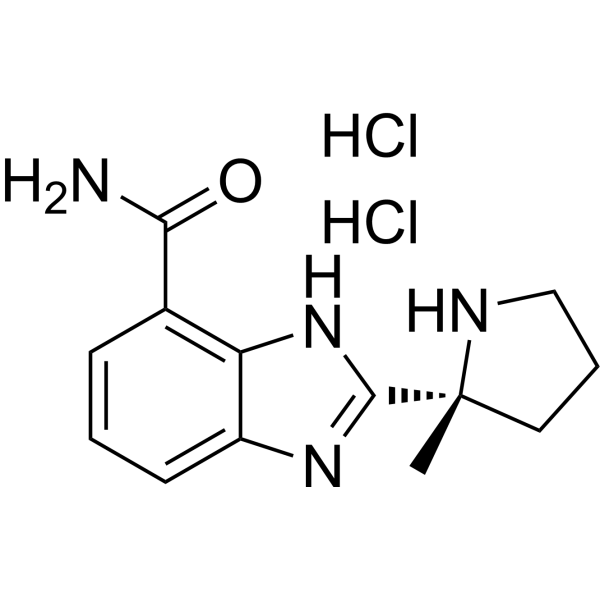
    PARP1-IN-5 dihydrochloride is a low toxicity, orally active, potent and selective PARP-1 inhibitor (IC50 =14.7 nM). PARP1-IN-5 dihydrochloride can be used for the research of cancer .
    PARP1-IN-5 dihydrochloride
  • HY-147886
    PARP1-IN-11
    1 Publications Verification

    PARP Cancer
    PARP1-IN-11 (compound 49) is a potent PARP1 inhibitor with IC50 value of 0.082 µM. PARP1-IN-11 shows complete inhibition of PARP2 and substantially inhibits PARP3, TNKS1 and TNKS2 .
    PARP1-IN-11
  • HY-114324A

    PROTACs PARP Cancer
    rel-PROTAC PARP1 degrader is the relative configuration of ROTAC PARP1 degrader (HY-114324). ROTAC PARP1 degrader is a PARP1 degrader based on MDM2 E3 ligand. It induces significant PARP1 cleavage and programmed cell death. PROTAC PARP1 degrader at 10 μM at 24 h inhibits MDA-MB-231 cell line with an IC50 of 6.12 μM.
    rel-PROTAC PARP1 degrader
  • HY-161288

    PARP Cancer
    UKTT15 (compound 6) is an allosteric inhibitor of PARP1 .
    UKTT15
  • HY-179406

    PARP DNA/RNA Synthesis Reactive Oxygen Species (ROS) Apoptosis Cancer
    PARP1-IN-49 is a selective PARP1 inhibitor with an IC50 of 23.56 nM and a Kd of 17.78 nM. PARP1-IN-49 shows a selectivity for PARP1 over PARP2. PARP1-IN-49 leads to the induction of DNA damage, cell cycle arrest, and apoptosis. PARP1-IN-49 also increases intracellular ROS levels and inhibits cell migration. PARP1-IN-49 can be used for the research of breast cancer and ovarian cancer .
    PARP1-IN-49
  • HY-172224

    CDK PARP Cancer
    PARP1/CDK12-IN-1 (107) is a dual inhibitor of CDK12 and PARP1, with IC50 values of 285 nM and 34 nM for CDK12 and PARP1, respectively .
    PARP1/CDK12-IN-1
  • HY-146336

    PARP Apoptosis Cancer
    PARP1/2/TNKS1/2-IN-1 (Compound I-9) is a dual PARP-1, PARP-2, TNKS1 and TNKS2 inhibitor with IC50 values of 0.25 nM, 1.2 nM, 13.5 nM and 4.15 nM against PARP-1, PARP-2, TNKS1 and TNKS2, respectively. PARP1/2/TNKS1/2-IN-1 exhibits favorable synergistic antitumor efficacy and induces apoptosis .
    PARP1/2/TNKS1/2-IN-1
  • HY-174828

    PARP ATM/ATR Apoptosis Cancer
    ATR/PARP1-IN-1 is a potent ATR and PARP1 dual inhibitor with IC50s of 17.3 nM and 0.38 nM, respectively. ATR/PARP1-IN-1 effectively reduces cell viability, induces apoptosis and DNA damage. ATR/PARP1-IN-1 significantly impairs triple-negative breast cancer (TNBC) colony formation, migration, and invasion. ATR/PARP1-IN-1 suppresses tumor growth effectively in MDA-MB-468 xenografted mice, with no significant body weight change .
    ATR/PARP1-IN-1
  • HY-116218

    JPI-289 free base

    PARP Cardiovascular Disease Neurological Disease
    Amelparib (JPI-289 free base) is a potent, orally active, and water-soluble inhibitor of PARP-1. Amelparib inhibits PARP-1 activity (IC50=18.5 nM) and cellular PAR formation (IC50=10.7 nM) in the nanomolar range. Amelparib is a potential neuroprotective agent. Amelparib has the potential for the research of acute ischaemic stroke .
    Amelparib
  • HY-34386

    PARP Inflammation/Immunology Cancer
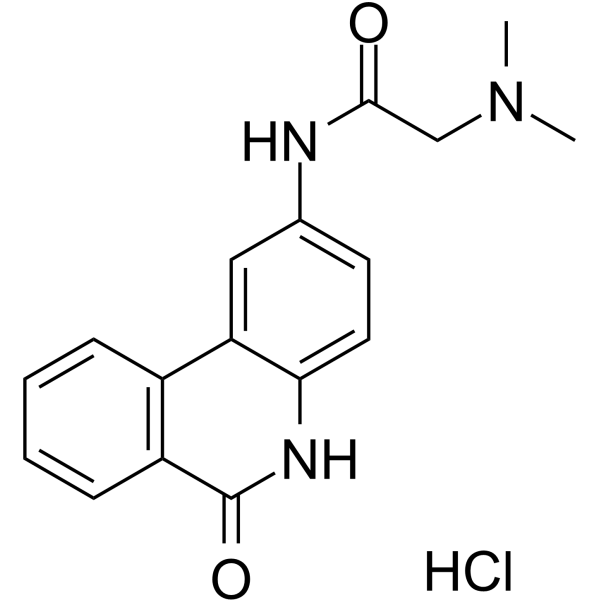
    6(5H)-Phenanthridinone is a potent PARP-1 inhibitor and immunomodulator. 6(5H)-Phenanthridinone inhibits cell proliferation and can be used in cancer research .
    6(5H)-Phenanthridinone
  • HY-164475

    PARP Cancer
    PARP1-IN-29 is an orally active PARP-1 inhibitor with an IC50 value of 6.3 nM. PARP1-IN-29, after being labeled with [18F], can be used for positron emission tomography (PET) imaging, specifically targeting PARP-1 in tumors. PARP1-IN-29 is applicable in the fields of oncology and imaging research, particularly for detecting PARP-1 activity in cancer .
    PARP1-IN-29
  • HY-175471

    PARP Cancer
    PARP1-IN-42 (Example 43 cis-a) is a PARP1 inhibitor with IC50 <10 nM. PARP1-IN-42 can be used in cancer research .
    PARP1-IN-42
  • HY-178100

    PARP BCRP Cancer
    PARP1-IN-45 (Compound 15) is a PARP1 inhibitor with an IC50 of 17  nM. PARP1-IN-45 effectively stimulates ATPase activity of ABCG2. PARP1-IN-45 can be used for cancers like ovarian cancer research .
    PARP1-IN-45
  • HY-132297

    PARP Cancer
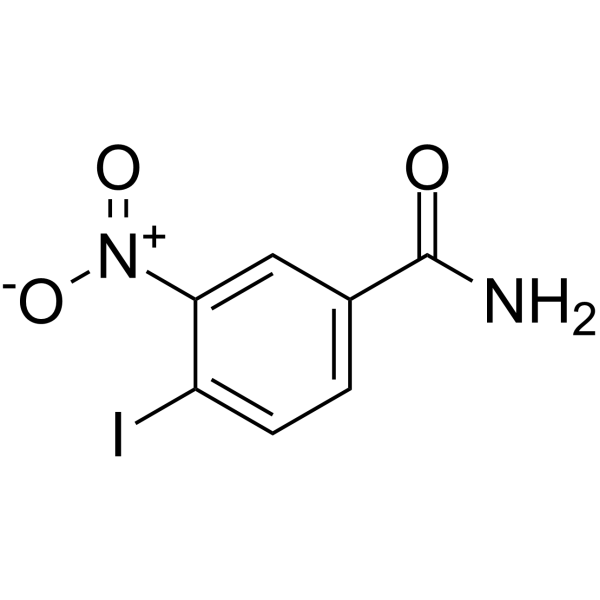
    PARP1-IN-5 is a low toxicity, orally active, potent and selective PARP-1 inhibitor (IC50 =14.7 nM). PARP1-IN-5 can be used for the research of cancer .
    PARP1-IN-5
  • HY-178972

    PARP Infection Metabolic Disease Cancer
    PARP1-IN-48 (Compound 61) is a highly selective PARP1 (PARP1 IC50 = 3 nM, PARP2 IC50 = 170 nM) inhibitor. PARP1-IN-48 can be used for research on cancer, viral infections, and metabolic conditions .
    PARP1-IN-48
  • HY-178178

    PARP Reactive Oxygen Species (ROS) DNA/RNA Synthesis Apoptosis Cancer
    PARP1-IN-46 is a potent PARP-1 inhibitor with an IC50 of 2.4 nM. PARP1-IN-46 demonstrates remarkable anti-proliferative activity in both rat (C6) and human (U87MG) glioma cells. PARP1-IN-46 promotes PARP cleavage, triggers DNA damage, and increases ROS. PARP1-IN-46 effectively inhibits the migration, invasion and colony formation of glioma cells, and ultimately induces cell apoptosis. PARP1-IN-46 can be used to the study of glioma .
    PARP1-IN-46
  • HY-144338

    Epigenetic Reader Domain PARP Apoptosis DNA/RNA Synthesis Cancer
    PARP1/BRD4-IN-1 is a potent and high selective PARP1/BRD4 inhibitor (IC50s of 49 and 202 nM in PARP1 and BRD4, respectively). PARP1/BRD4-IN-1 represses the expression and activity of PARP1 and BRD4 to synergistically inhibit the malignant growth of pancreatic cancer cells .
    PARP1/BRD4-IN-1
  • HY-149001

    PARP Cancer
    PARP1-IN-9 (Compound 5c) is a PARP1 inhibitor with an IC50 of 30.51 nM. PARP1-IN-9 induces cell apoptosis and shows anticancer activity. PARP1-IN-9 has higher potency than Olaparib (HY-10162) .
    PARP1-IN-9
  • HY-178468

    PARP Cancer
    PARP1-IN-47 (Compound 35) is a highly selective PARP1 inhibitor (IC50 <100 nM). PARP1-IN-47 blocks poly(ADP-ribosyl)ation and disrupts DNA damage repair pathways to induce tumor cell apoptosis. PARP1-IN-47 is promising for research of solid tumors and hematological malignancies .
    PARP1-IN-47
  • HY-169575

    PARP Cardiovascular Disease Neurological Disease Inflammation/Immunology Cancer
    PARP1-IN-36 (compound 11) is a 4-carboxamido-isoindolinone derivative and a selective PARP-1 inhibitor with a Kd < 0.01 μM. PARP1-IN-36 can be utilized in cancer, cardiovascular diseases, nervous system injury and inflammation research .
    PARP1-IN-36
  • HY-170972

    Apoptosis PARP NAMPT Cancer
    PARP1/NAMPT-IN-2 (Compound 13j) is a dual PARP/NAMPT inhibitor with IC50 values of 0.8 nM and 18 nM for PARP1 and NAMPT, respectively. PARP1/NAMPT-IN-2 can inhibit the proliferation, migration and induce apoptosis of breast cancer cells. PARP1/NAMPT-IN-2 can be used for the research of triple-negative breast cancer .
    PARP1/NAMPT-IN-2
  • HY-179386

    PARP Histone Methyltransferase Apoptosis Pyroptosis Necroptosis Reactive Oxygen Species (ROS) PANoptosis Cancer
    PARP1/EZH2-IN-1 is a selective PARP1 and EZH2 dual inhibitor. PARP1/EZH2-IN-1 has IC50s of 28 nM, 414 nM and 74 nM for PARP1, PARP2 and EZH2, respectively. PARP1/EZH2-IN-1 inhibits the proliferation and migration of TNBC cells (triple-negative breast Cancer cells). PARP1/EZH2-IN-1 induces PANoptosis (Apoptosis, Pyroptosis and Necroptosis), increases the level of reactive oxygen species (ROS), and activates related inflammatory pathways. PARP1/EZH2-IN-1 can be used in triple-negative breast cancer research .
    PARP1/EZH2-IN-1
  • HY-175482

    PARP Neurological Disease Cancer
    PARP1-IN-43 (Compound 5350) is a blood-brain barrier (BBB) permeable PARP1 inhibitor, with an IC50 of 5 nM. PARP1-IN-43 can be used for the study of homologous recombination (HR)-deficient central nerve system (CNS) cancers .
    PARP1-IN-43
  • HY-178032

    PARP Apoptosis Reactive Oxygen Species (ROS) DNA/RNA Synthesis STING Cancer
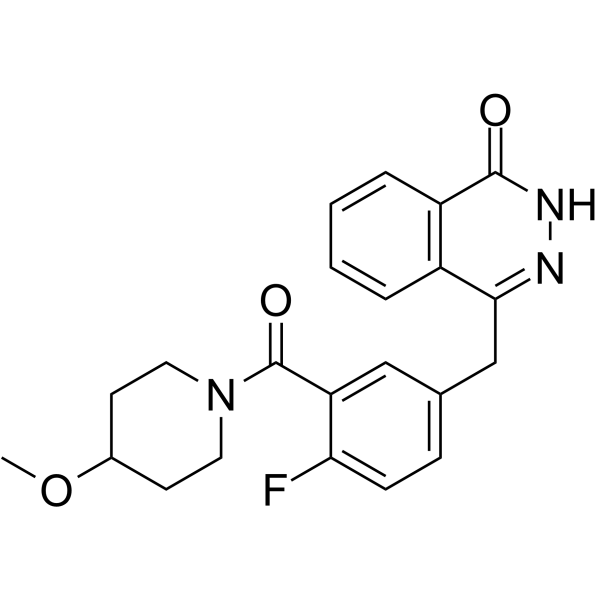
    PARP1-IN-44, an Olaparib (HY-10162) derivative, is an orally active PARP1 inhibitor (IC50 = 0.6 nM), and also inhibits PARP2 (IC50 = 1.0 nM) and PARP7 (IC50 = 7.5 nM). PARP1-IN-44 has selective antiproliferative activity against BRCA-deficient cancer cells with minimal toxicity to normal cells. PARP1-IN-44 induces G2/M phase arrest, promotes apoptosis, elevates ROS levels, disrupts mitochondrial membrane potential. PARP1-IN-44 suppresses PARylation while increasing γH2AX accumulation. PARP1-IN-44 activates the cGAS-STING pathway, upregulating IFN-β and CXCL10 expression. PARP1-IN-44 enhancing CD8+ T cell infiltration in a CT26 tumor mouse model, demonstrating robust in vivo antitumor efficacy .
    PARP1-IN-44
  • HY-144642

    PARP Cancer
    PARP-1-IN-1 is a high selective and orally active PARP-1 inhibitor (IC50=0.96 nM). PARP-1-IN-1 has well tolerance and remarkable single dose activity in the MDA-MB-436 xenotransplantation model .
    PARP-1-IN-1
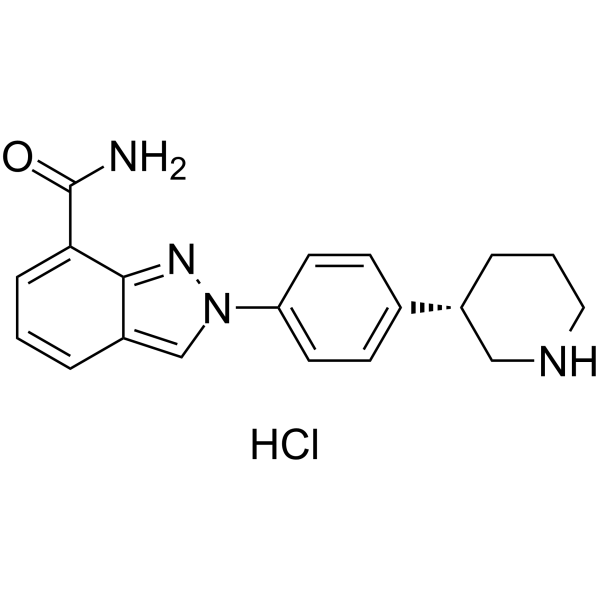
  • HY-10617B

    AG014699 hydrochloride; PF-01367338 hydrochloride

    PARP Cancer
    Rucaparib (AG014699) hydrochloride is an orally active, potent inhibitor of PARP proteins (PARP-1, PARP-2 and PARP-3) with a Ki of 1.4 nM for PARP1. Rucaparib hydrochloride is a modest hexose-6-phosphate dehydrogenase (H6PD) inhibitor. Rucaparib hydrochloride has the potential for castration-resistant prostate cancer (CRPC) research .
    Rucaparib hydrochloride
  • HY-177100

    PARP Others
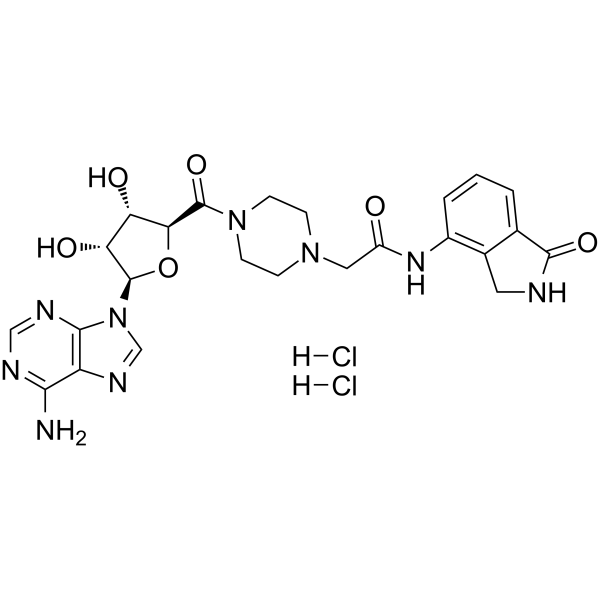
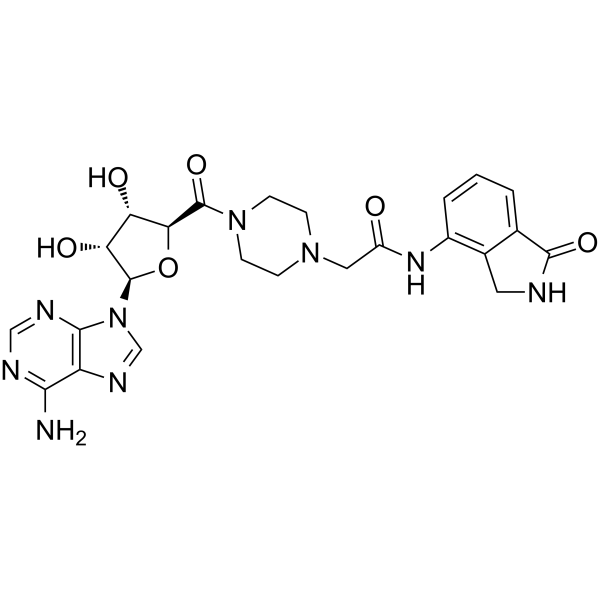
    Lotixparib (Example 1) is an inhibitor of poly(ADP-ribose)polymerase-1 (PARP-1). Lotixparib has cytoprotective effect against a retinal disease. Lotixparib can be studied in research for PARP-1-associated diseases .
    Lotixparib
  • HY-169299

    PARP Topoisomerase Apoptosis Cancer
    TOPOI/PARP-1-IN-2 (compound 6c) is a dual PARP-1 and topoisomerase 1 (TOPO-1) inhibitor with IC50s of 32.2 nM and 46.2 nM, respectively. TOPOI/PARP-1-IN-2 shows a selectivity for PARP-1 over PARP-2. TOPOI/PARP-1-IN-2 disrupts the cell cycle at the S phase and induces apoptosis in NCI-60 cancer cell lines .
    TOPOI/PARP-1-IN-2
  • HY-170432

    PARP Cancer
    PARP1-IN-34 (compound 30) is a selective PARP1 inhibitor with an IC50 of 0.32 nM. PARP1-IN-34 is a subnanomolar PARP1 inhibitor with >1000-fold selectivity against PARP2 with an IC50 of 326 nM. PARP1-IN-34 shows antitumor efficacy[1].
    PARP1-IN-34
  • HY-159612

    PARP Cancer
    PARP1-IN-28 (compound 1) is a PARP1 inhibitor. PARP1-IN-28 can be used in the study of cancer .
    PARP1-IN-28
  • HY-157137

    PARP Caspase Apoptosis Cancer
    PARP1-IN-17 is a PARP-1 inhibitor (IC50 = 19.24 nM for PARP-1 and = 32.58 nM for PARP-2) and induce apoptosis. PARP1-IN-17 shows excellent anti-proliferative activity .
    PARP1-IN-17
  • HY-174442

    PARP Cancer
    PARP1-IN-40 is a highly selectively and orally active PARP1 inhibitor (IC50: 0.19 nM for PARP1, 26 nM for PARP2). PARP1-IN-40 kills tumor cells by inhibiting PARP1, leading to accumulation of DNA damage. PARP1-IN-40 has high antitumor activity against BRCA mutant MDA-MB-436 cells. PARP1-IN-40 can be used in combination with chemotherapy for cancer-related research .
    PARP1-IN-40
  • HY-155246

    Apoptosis PARP Cancer
    PARP1-IN-15 (Compound 6) is a PARP1 inhibitor. PARP1-IN-15 inhibits tankyrase (TNKS) and facilitates DNA double-strand breaks damage. PARP1-IN-15 induces tumor cell apoptosis. PARP1-IN-15 has anti-cancer activity in triple-negative breast cancer (TNBC) cells and TNBC patient-derived organoids. PARP1-IN-15 can be used for research of TNBC with or without BRCA1 mutations .
    PARP1-IN-15
  • HY-168094

    PARP Cancer
    PARP1-IN-30 (Compound 3) is a specific and potent PARP1 inhibitor with cytotoxicity. PARP1-IN-30 allows precise inhibition of PARP1 in tumor cells with breast cancer 1 protein (BRCA1) or BRCA2 deficiencies. PARP1-IN-30 is promising for research of cancers .
    PARP1-IN-30
  • HY-162114

    PARP Cancer
    PARP1-IN-18 (compound 25) is a potent PARP1 inhibitor with an IC50 value of 2.7 nM. PARP1-IN-18 has anticancer effects .
    PARP1-IN-18
  • HY-171543

    PARP Cancer
    PARP1-IN-37 (Compound 8) is an orally active and selective poly(ADP-ribose) polymerase 1 and 2 (PARP1/2) inhibitor with an IC50 value of 24 nM for PARP1. PARP1-IN-37 inhibits PARP activity in cells with an EC50 value of 3.7 μM. PARP1-IN-37 is promising for research of BRCA-mutated tumors, such as breast and ovarian cancers .
    PARP1-IN-37
  • HY-158680

    PARP Cancer
    PARP1-IN-21 (example 16) is a potent inhibitor of PARP1, with the IC50 of < 10 nM .
    PARP1-IN-21

Inquiry Online

Your information is safe with us. * Required Fields.

Salutation


Country or Region *

Applicant Name *


Organization Name *

Department *


Email Address *


Product Name *

Cat. No.


Requested quantity *

Phone Number *


Remarks

Inquiry Online

Inquiry Information

Product Name:
Cat. No.:
Quantity:
MCE Japan Authorized Agent:

