
Search Result
Results for "
PDAC
" in MedChemExpress (MCE) Product Catalog:
| Cat. No. |
Product Name |
Target |
Research Areas |
Chemical Structure |
-
- HY-12248
-
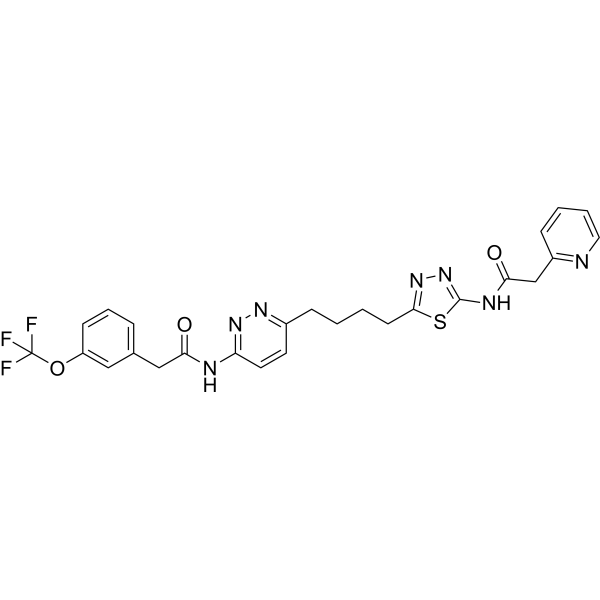
Telaglenastat
Maximum Cited Publications
104 Publications Verification
CB-839
|
Glutaminase
Autophagy
|
Cancer
|
|
Telaglenastat (CB-839) is a first-in-class, selective, reversible and orally active glutaminase 1 (GLS1) inhibitor. Telaglenastat selectively inhibits GLS1 splice variants KGA (kidney-type glutaminase) and GAC (glutaminase C) compared to GLS2. The IC50s are 23 nM and 28 nM for endogenous glutaminase in mouse kidney and brain, respectively. Telaglenastat inuduces autophagy and has antitumor activity .
|
-
-
- HY-160818
-
MC3138
2 Publications Verification
|
Sirtuin
|
Cancer
|
|
MC3138 is a selective SIRT5 activator. MC3138 has antitumor activity on human PDAC cells, with IC50 values of 25.4-236.9 μM. MC3138 combined with Gemcitabine (HY-17026) significantly inhibits tumor growth in mice .
|
-
-
- HY-101194
-
|
Tin-protoporphyrin IX; Sn-Protoporphyrin; SnPPIX
|
Reactive Oxygen Species (ROS)
|
Cancer
|
|
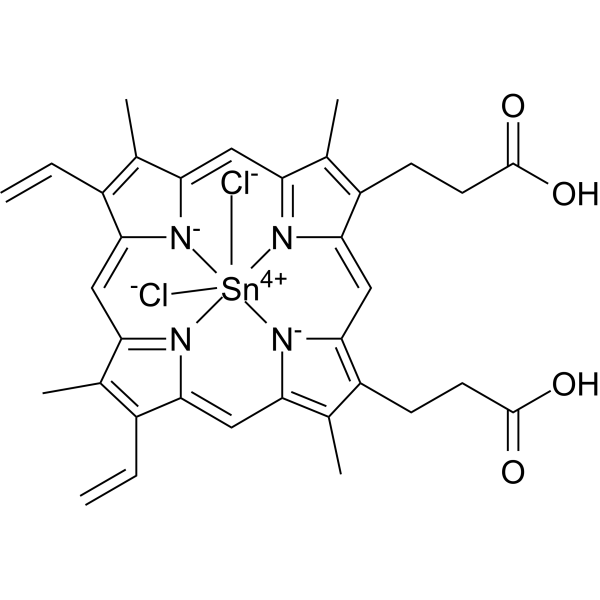
Tin protoporphyrin IX dichloride (SnPPIX) is a potent Heme oxygenase-1 (HO-1) inhibitor. Tin protoporphyrin IX dichloride sensitizes pancreatic ductal adenocarcinoma (PDAC) tumors to chemotherapy in mice model .
|
-
-
- HY-10805
-
|
ACT 078573
|
Orexin Receptor (OX Receptor)
Calcium Channel
Caspase
Apoptosis
|
Neurological Disease
Endocrinology
Cancer
|
|
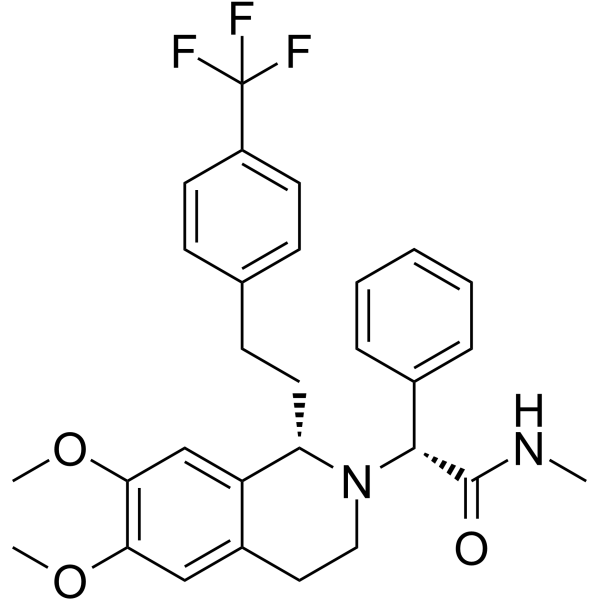
Almorexant (ACT 078573) is an orally active, potent and competitive dual orexin receptor antagonist, with Kd values of 1.3 nM (OX1) and 0.17 nM (OX2), respectively. Almorexant reversibly blocks signaling of orexin-A and orexin-B peptides. Almorexant totally blocked the intracellular Ca 2+ signal pathway. Almorexant stimulates caspase-3 activity in AsPC-1 cells and induces apoptosis .
|
-
-
- HY-135985
-
|
|
Fluorescent Dye
|
Cancer
|
|
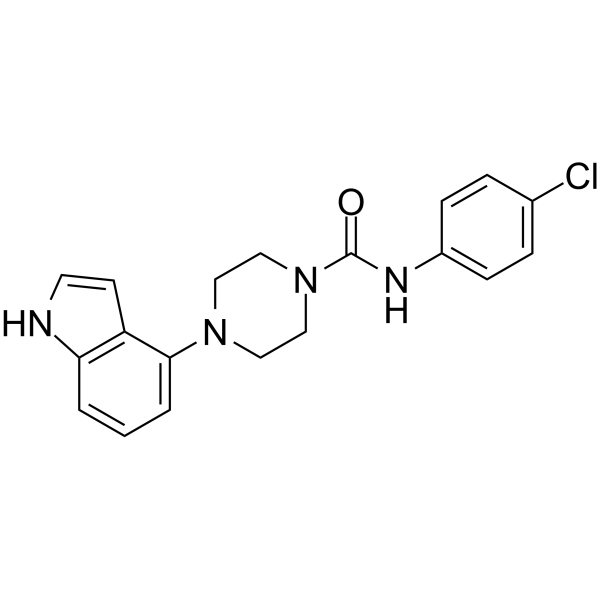
DCLK1-IN-1 is a selective, oral bioavailability in vivo-compatible chemical probe of the doublecortin like kinase 1 (DCLK1 kinase) domain. DCLK1-IN-1 inhibits DCLK1 and DCLK2 kinases (IC50: DCLK1=9.5/57.2 nM and DCLK2=31/103 nM in binding and kinase assay, respectively). DCLK1-IN-1 shows low toxicity, and can investigate DCLK1 biology and establish its role in cancer, like DCLK1 + pancreatic ductal adenocarcinoma (PDAC) .
|
-
-
- HY-50867
-
|
CEP-701; KT-5555
|
JAK
FLT3
Trk Receptor
Apoptosis
STAT
|
Cancer
|
|
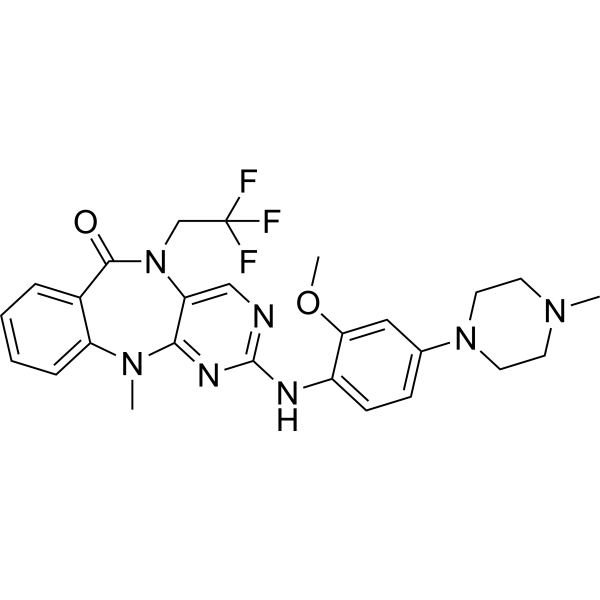
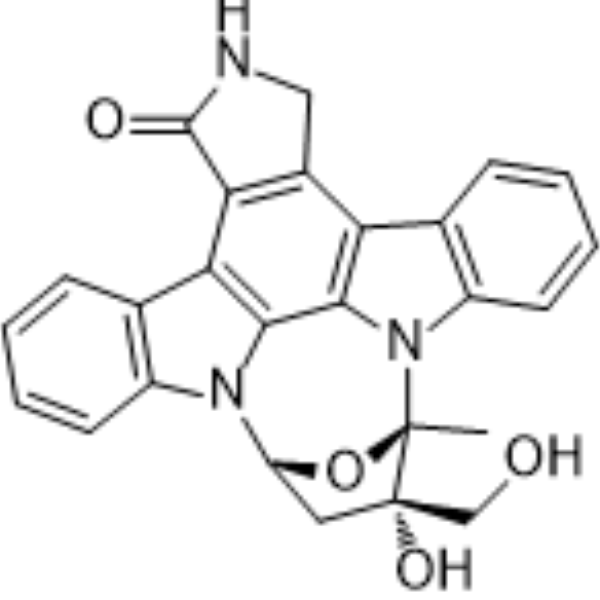
Lestaurtinib (CEP-701) is an orally active and selective RPTKs (receptor protein tyrosine kinase) inhibitor, competitively inhibits ATP binding to the TrkA/B/C domain. Lestaurtinib inhibits RPTKs phosphorylation, with IC50s of 2, 25 and 0.9 nM for FLT3, TrkA and JAK2, respectively. Lestaurtinib induces apoptosis and cycle arrest, also can inhibit growth of tumor .
|
-
-
- HY-100507
-
-
-
- HY-70006
-
|
TOK-001; VN-124-1
|
Molecular Glues
Androgen Receptor
MNK
Cytochrome P450
Apoptosis
|
Cancer
|
|
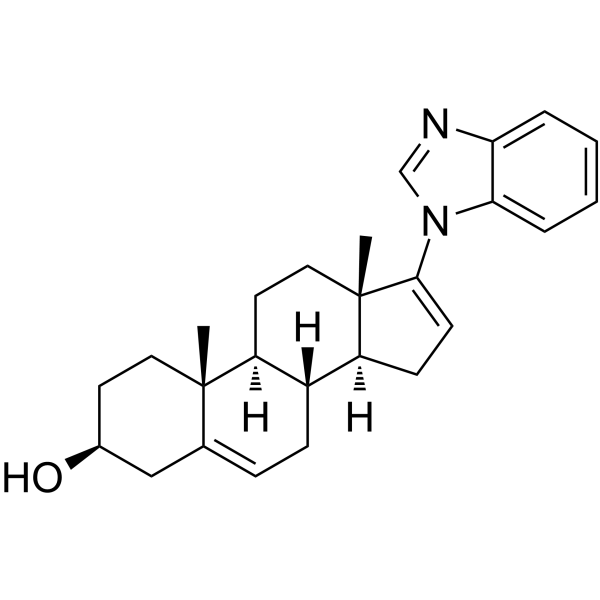
Galeterone (TOK-001) is a potent, orally active molecular glue degrader, which degrades androgen receptor (AR) and its splice variants (AR-Vs) and MAP kinase-interacting serine/threonine protein kinase Mnk1/2. Galeterone also functions as a CYP17 inhibitor (IC50 = 47 nM). Galeterone induces cell apoptosis. Galeterone inhibits tumor growth in human prostate cancer xenograft mouse models. Galeterone can be used for castration resistant prostate cancer (CRPC) and pancreatic ductal adenocarcinoma (PDAC) research [1][2].
|
-
-
- HY-P10944
-
|
NNS309
|
FAP
|
Inflammation/Immunology
Cancer
|
|
Unlabeled FXX489 (NNS309) is a fibroblast activation protein (FAP)-targeting ligand. Unlabeled FXX489 can be labeled with 68Ga and 177Lu and shows anticancer effects. Unlabeled FXX489 can be used for the study of pancreatic ductal adenocarcinoma (PDAC), non-small cell lung cancer (NSCLC), breast cancer (BC), and colorectal cancer (CRC) .
|
-
-
- HY-122723
-
|
|
Reactive Oxygen Species (ROS)
|
Cancer
|
|
GOT1 inhibitor-1 (compound 2c), a tryptamine-based derivative, acts as a novel, potent and non-covalent inhibitor of glutamate oxaloacetate transaminase 1 (GOT1) with an IC50 of 8.2 uM. GOT1 plays an important role in energy metabolism and Reactive Oxygen Species (ROS) balance. GOT1 inhibitor-1 can be used for the research of pancreatic ductal adenocarcinoma (PDAC) .
|
-
-
- HY-P99379
-
|
CAN04; Anti-IL-1RAP/IL-1R3 Reference Antibody (nidanilimab)
|
Interleukin Related
|
Cancer
|
|
Nidanilimab (CAN04) is a fully humanized monoclonal anti-IL1RAP antibody with a Kd value of 1.10 pM. Nidanilimab blocks IL1α and IL1β signaling and stimulates the immune system to destroy tumour cells. Nidanilimab can be used in research of non-small lung cancer (NSCLC) and pancreatic ductal adenocarcinoma (PDAC) .
|
-
-
- HY-111838A
-
|
|
Apoptosis
|
Cancer
|
|
ZZW-115 hydrochloride is a potent NUPR1 inhibitor, with a Kd of 2.1 μM. ZZW-115 hydrochloride induces tumor cell death by necroptosis and apoptosis. Anticancer activity .
|
-
-
- HY-P99555
-
|
OPN-305
|
Toll-like Receptor (TLR)
MyD88
NOD-like Receptor (NLR)
Tau Protein
Interleukin Related
|
Cardiovascular Disease
Neurological Disease
Inflammation/Immunology
Cancer
|
|
Tomaralimab (OPN-305) is a humanized anti-TLR2 IgG4 monoclonal antibody. Tomaralimab inhibits TLR2, MyD88, NLRP3, and reduces pro-inflammatory cytokine (IL-1β, IL-6, IL-8) production. Tomaralimab reduces tau pathology. Tomaralimab improves cognition, atopic dermatitis. Tomaralimab has anticancer effects on pancreatic ductal adenocarcinoma. Tomaralimab is being studied in myelodysplastic syndrome (MDS), atopic dermatitis, pancreatic ductal adenocarcinoma, Alzheimer's disease, and myocardial ischemia/reperfusion injury .
|
-
-
- HY-148012
-
|
QN-302
|
G-quadruplex
|
Cancer
|
|
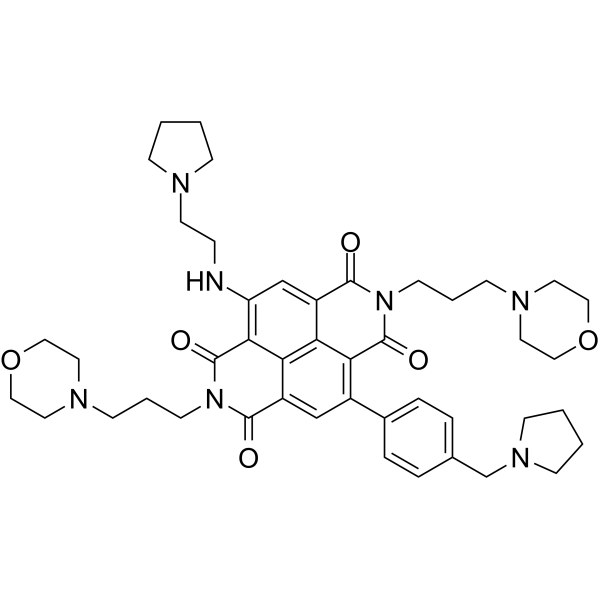
SOP1812 (QN-302) is a naphthalene diimide (ND) derivative with anti-tumor activity. SOP1812 binds to quadruplex arrangements (G4s), and down-regulates several cancer gene pathways. SOP1812 shows great affinity to hTERT G4 and HuTel21 G4 with KD values of 4.9 and 28.4 nM, respectively. SOP1812 can be used for the research of cancer .
|
-
-
- HY-139612
-
|
JDQ-443; NVP-JDQ443
|
Ras
PERK
|
Inflammation/Immunology
Cancer
|
|
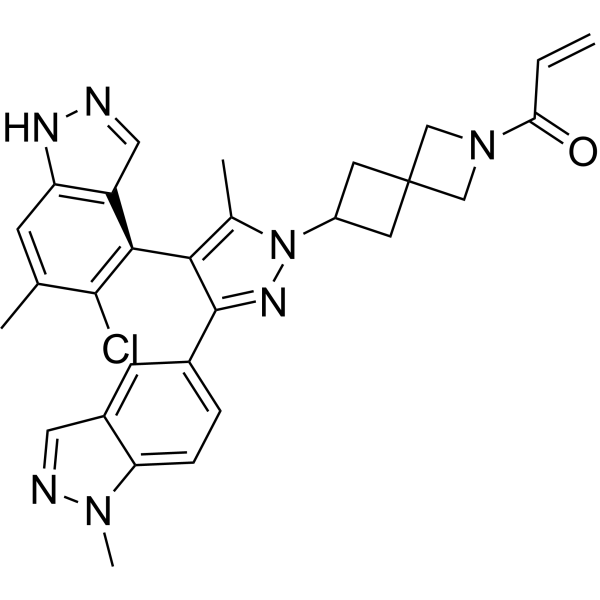
Opnurasib (JDQ-443) (NVP-JDQ443) is an orally active, potent, selective, and covalent KRAS G12C inhibitor. Opnurasib shows antitumor activity .
|
-
-
- HY-10805A
-
|
ACT 078573 hydrochloride
|
Orexin Receptor (OX Receptor)
Calcium Channel
Caspase
Apoptosis
|
Neurological Disease
Endocrinology
Cancer
|
|
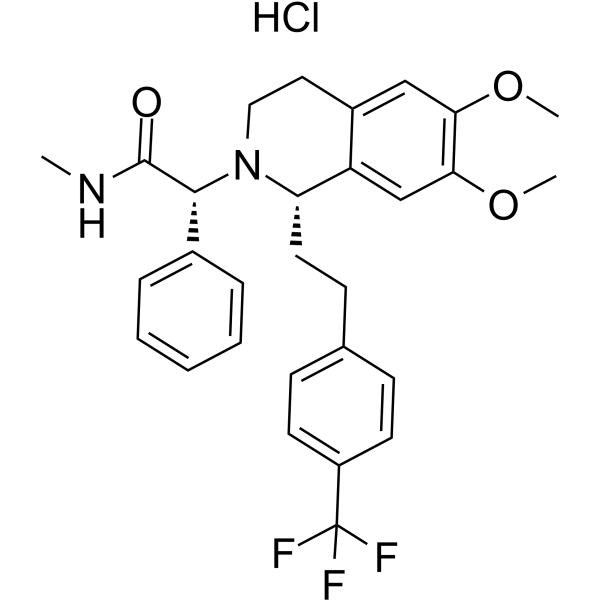
Almorexant (ACT 078573) hydrochloride is an orally active, potent and competitive dual orexin receptor antagonist, with Kd values of 1.3 nM (OX1) and 0.17 nM (OX2), respectively. Almorexant hydrochloride reversibly blocks signaling of orexin-A and orexin-B peptides. Almorexant hydrochloride totally blocked the intracellular Ca 2+ signal pathway. Almorexant hydrochloride stimulates caspase-3 activity in AsPC-1 cells and induces apoptosis .
|
-
-
- HY-148409
-
|
|
Ferroptosis
Apoptosis
Autophagy
MDM-2/p53
|
Cancer
|
|
MMRi62, a ferroptosis inducer targeting MDM2-MDM4 (negative regulators of tumor suppressor p53). MMRi62 shows a P53-independent pro-apoptotic activity against pancreatic ductal adenocarcinoma (PDAC) cells and induce autophagy. MMRi62 inducesferroptosis, resulting in a increase of reactive oxygen and lysosomal degradation of ferritin heavy chain (FTH1). MMRi62 also leads to proteasomal degradation of mutant p53, also inhibits orthotopic xenograft PDAC mouse model in vivo with high frequency mutation characteristics of KRAS and TP53.12 .
|
-
-
- HY-147008
-
|
|
Epigenetic Reader Domain
|
Cancer
|
|
XP-524 is a potent BET and EP300 inhibitor. XP-524 shows great tumoricidal activity in vivo. XP-524 prevents KRAS-induced, neoplastic transformation in vivo and extends survival in two transgenic mouse models of aggressive PDAC. XP-524 also enhances the presentation of self-peptide and tumor recruitment of cytotoxic T lymphocytes. XP-524 has the potential for the research of pancreatic ductal adenocarcinoma (PDAC) .
|
-
-
- HY-P1676
-
|
BK-1361
|
MMP
|
Cancer
|
|
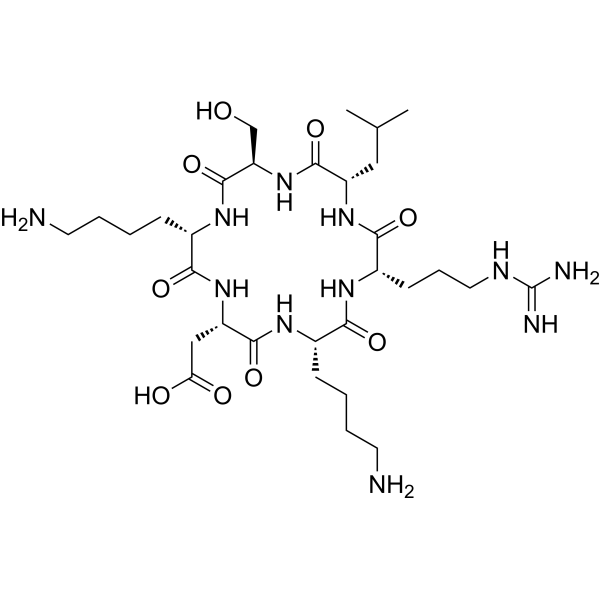
cyclo(RLsKDK) (BK-1361) is a specific inhibitor of metalloproteinase ADAM8 with an IC50 value of 182 nM. cyclo(RLsKDK) has potential applications in inflammatory diseases and cancer .
|
-
-
- HY-111838
-
ZZW-115
4 Publications Verification
|
Apoptosis
|
Cancer
|
|
ZZW-115 is a potent NUPR1 inhibitor, with a Kd of 2.1 μM. ZZW-115 induces tumor cell death by necroptosis and apoptosis. Anticancer activity .
|
-
-
- HY-124632
-
WJ460
3 Publications Verification
|
Ferroptosis
Autophagy
|
Cancer
|
|
WJ460 is a potent inhibitor of myoferlin (MYOF) that interacts directly with MYOF. WJ460 inhibits the migration and growth, induces cell cycle arrest, mitochondrial autophagy, lipid peroxidation and ferroptosis in tumor cells. WJ460 has anti-tumor activity .
|
-
-
- HY-179089
-
|
|
ULK
|
Cancer
|
|
SBP-1750 is an orally active ULK inhibitor and an ATG13 degrader. SBP-1750 strongly inhibits ULK1/2 activity, with IC50 values of 8 and 50 nM, respectively. SBP-1750 induces ATG13 degradation, with an EC50 value of 114 nM. SBP-1750 can inhibit autophagy in cancer cells and induce cell death. SBP-1750 can be used in cancer research, such as for pancreatic cancer .
|
-
-
- HY-160777
-
|
Galeterone 3β-imidazole
|
Molecular Glues
Androgen Receptor
MNK
Apoptosis
|
Cancer
|
|
VNPP433-3β (Galeterone 3β-imidazole) is an orally active molecular glue degrader, which degrades androgen receptor (AR) and its splice variants (AR-Vs) and MAP kinase-interacting serine/threonine protein kinase Mnk1/2. VNPP433-3β induces cell apoptosis. VNPP433-3β inhibits tumor growth in the CWR22Rv1 xenograft mouse model. VNPP433-3β can be used for the study of castration resistant prostate cancer (CRPC) and pancreatic ductal adenocarcinoma (PDAC) .
|
-
-
- HY-156027
-
-
-
- HY-P99968
-
|
|
Mucin
|
Cancer
|
|
Clivatuzumab is a humanized anti-mucin monoclonal antibody targeting an epitope in the MUC1 antigen expressed in most pancreatic cancers .
|
-
-
- HY-178521
-
|
|
Cadherin
|
Cancer
|
|
BAS00602705 is an E-cadherin inhibitor. BAS00602705 exerts its function by blocking the trans-interactions of E-cadherin molecules within junctional complexes, without permanently altering E-cadherin expression levels. BAS00602705 significantly impairs invadopodia formation in pancreatic cancer cells. BAS00602705 can be used for the study of anti-invasive therapeutic strategies in cancers characterized by dysregulated E-cadherin-mediated invadopodia activity, such as pancreatic ductal adenocarcinoma (PDAC) .
|
-
-
- HY-151523
-
|
|
Ras
|
Cancer
|
|
KRas G12R inhibitor 1 is a covalent inhibitor targeting the common oncogenic mutant KRas G12R with selectivity for the mutant arginine. KRas G12R inhibitor 1 possesses an α,β-diketoamide and exploits strong nucleophilicity of the mutant cysteine and irreversibly binds in the Switch II region of KRas. KRas G12R inhibitor 1 can be researched for K-Ras (G12R)-driven cancer such as pancreatic ductal adenocarcinoma (PDAC) .
|
-
-
- HY-109963
-
-
-
- HY-139612A
-
|
(S)-JDQ-443; (S)-NVP-JDQ443
|
Drug Isomer
Ras
PERK
|
Inflammation/Immunology
Cancer
|
|
(S)-Opnurasib ((S)-JDQ-443; (S)-NVP-JDQ443) is an isomer of Opnurasib (HY-139612). Opnurasib is an orally active, potent, selective, and covalent KRAS G12C inhibitor (extracted from patent WO2021120890A1). Opnurasib shows antitumor activity .
|
-
-
- HY-177106
-
|
|
Drug Intermediate
Ras
|
Cancer
|
|
ADT-1004 is an orally active prodrug of ADT-007 (HY-157887). ADT-007 is a reversible, highly potent and selective pan-RAS inhibitor that binds to the nucleotide-free conformation of RAS proteins and blocks their GTP activation, thereby inhibiting the downstream MAPK and AKT signaling pathways. ADT-1004 can be used for the research of pancreatic ductal adenocarcinoma .
|
-
-
- HY-175202
-
|
|
Discoidin Domain Receptor
Apoptosis
Caspase
Interleukin Related
PERK
|
Cancer
|
|
CIDD-8633 is a potent DDR2 inhibitor with an IC50 of 6.105 μM. CIDD-8633 inhibits cell migration and halts the cell cycle and induces apoptosis, significantly suppressing pancreatic ductal adenocarcinoma (PDAC) tumor growth. CIDD-8633 can be used for the study of pancreatic cancer such as PDAC .
|
-
-
- HY-160038
-
|
|
LXR
|
Cancer
|
|
GAC0003A4 is an LXR inverse agonist that inhibits LXR transcriptional activity. GAC0003A4 also efficiently degrades LXRβ protein. GAC0003A4 has the potential to be used in advanced pancreatic cancer and other refractory malignancies .
|
-
-
- HY-12248R
-
|
CB-839 (Standard)
|
Glutaminase
Autophagy
Reference Standards
|
Cancer
|
|
Telaglenastat (Standard) is the analytical standard of Telaglenastat. This product is intended for research and analytical applications. Telaglenastat (CB-839) is a first-in-class, selective, reversible and orally active glutaminase 1 (GLS1) inhibitor. Telaglenastat selectively inhibits GLS1 splice variants KGA (kidney-type glutaminase) and GAC (glutaminase C) compared to GLS2. The IC50s are 23 nM and 28 nM for endogenous glutaminase in mouse kidney and brain, respectively. Telaglenastat inuduces autophagy and has antitumor activity .
|
-
-
- HY-P1676A
-
|
BK-1361 TFA
|
MMP
|
Cancer
|
|
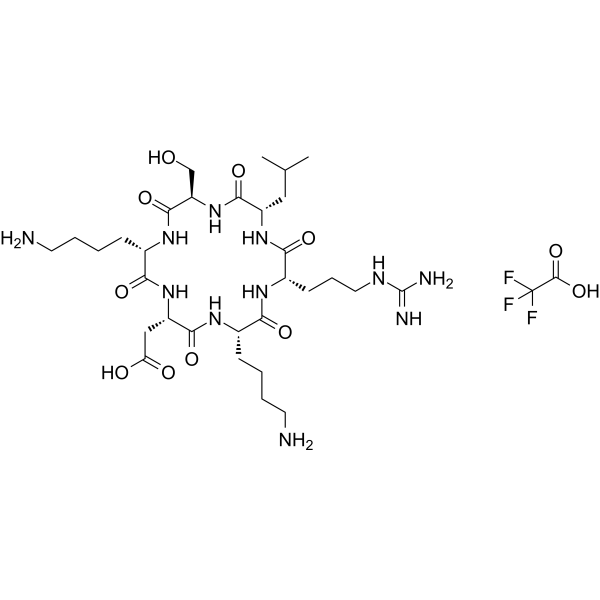
cyclo(RLsKDK) (TFA) (BK-1361 (TFA)) is a specific inhibitor of metalloproteinase ADAM8 with an IC50 value of 182 nM. cyclo(RLsKDK) (TFA) has potential applications in inflammatory diseases and cancer .
|
-
-
- HY-161346A
-
|
|
PROTACs
Epigenetic Reader Domain
|
Cancer
|
|
(Rac)-EBET-1055 is the racemate of EBET-1055 (HY-161346). EBET-1055 is a bromodomain and extra-terminal (BET) PROTAC degrader. EBET-1055 effectively inhibits the growth of pancreatic ductal adenocarcinoma (PDAC). EBET-1055 also simultaneously modulates cancer-associated fibroblast (CAF) activity, upregulating all reporter gene activities in organoid co-cultures .
|
-
-
- HY-161346
-
|
|
PROTACs
Epigenetic Reader Domain
|
Cancer
|
|
EBET-1055 is a bromodomain and extra-terminal (BET) PROTAC degrader. EBET-1055 effectively inhibits the growth of pancreatic ductal adenocarcinoma (PDAC). EBET-1055 also simultaneously modulates cancer-associated fibroblast (CAF) activity, upregulating all reporter gene activities in organoid co-cultures . Pink: BET ligand (HY-161387); Blue: CRBN ligase ligand (HY-14658); Black: linker
|
-
-
- HY-N6237
-
|
|
Aminotransferases (Transaminases)
Apoptosis
|
Cancer
|
|
Aspulvinone O is a selective inhibitor of glutamate oxaloacetate aminotransferase GOT1. Aspulvinone O inhibits glutamine metabolism and reduces NADPH production, thereby inducing oxidative stress and apoptosis in pancreatic ductal adenocarcinoma (PDAC) cells. Aspulvinone O inhibits PDAC cell proliferation in vitro and tumor growth in xenograft models .
|
-
-
- HY-70006A
-
|
TOK-001 hydrochloride; VN-124-1 hydrochloride
|
Molecular Glues
Androgen Receptor
MNK
Cytochrome P450
Apoptosis
|
Cancer
|
|
Galeterone (TOK-001) hydrochloride is a potent, orally active molecular glue degrader, which degrades androgen receptor (AR) and its splice variants (AR-Vs) and MAP kinase-interacting serine/threonine protein kinase Mnk1/2. Galeterone hydrochloride also functions as a CYP17 inhibitor (IC50 = 47 nM). Galeterone hydrochloride induces cell apoptosis. Galeterone hydrochloride inhibits tumor growth in human prostate cancer xenograft mouse models. Galeterone hydrochloride can be used for castration resistant prostate cancer (CRPC) and pancreatic ductal adenocarcinoma (PDAC) research [1][2].
|
-
-
- HY-12248A
-
|
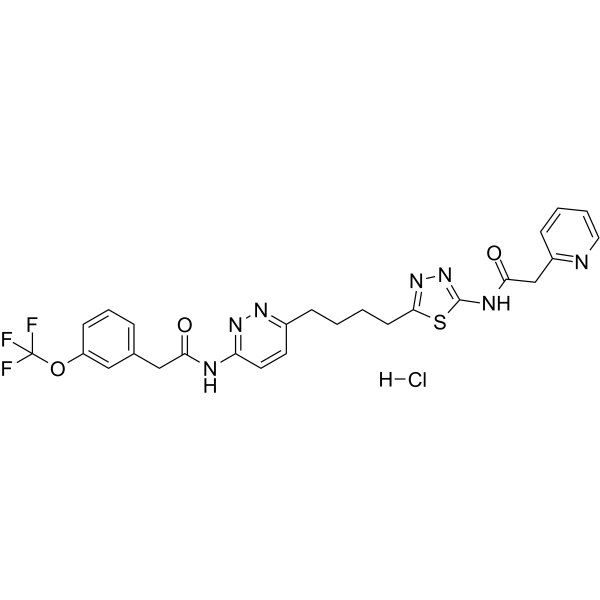
CB-839 hydrochloride
|
Glutaminase
Autophagy
|
Cancer
|
|
Telaglenastat (CB-839) hydrochloride is a first-in-class, selective, reversible and orally active glutaminase 1 (GLS1) inhibitor. Telaglenastat hydrochloride selectively inhibits GLS1 splice variants KGA (kidney-type glutaminase) and GAC (glutaminase C) compared to GLS2. The IC50s are 23 nM and 28 nM for endogenous glutaminase in mouse kidney and brain, respectively. Telaglenastat hydrochloride inudces autophagy and has antitumor activity .
|
-
-
- HY-178461
-
|
|
Lactate Dehydrogenase
|
Cancer
|
|
LDHA-IN-10 (Compound HP19) is a Lactate Dehydrogenase-A (LDHA) inhibitor with an IC50 value of 5.2 μM. LDHA-IN-10 reduces lactate production and ATP levels, inhibiting the proliferation of pancreatic cancer cell line PANC-1. LDHA-IN-10 induces G1/S cell cycle arrest and promotes apoptosis. LDHA-IN-10 is promising for research of pancreatic ductal adenocarcinoma (PDAC) .
|
-
-
- HY-18652A
-
|
Ro 5126766 potassium; CH5126766 potassium
|
Raf
MEK
|
Cancer
|
|
Avutometinib (CH5126766) (potassium) is a RAF/MEK clamp that potently inhibits RAF/MEK kinase activity and induces dominant negative RAF-MEK complexes preventing phosphorylation of MEK by ARAF, BRAF and CRAF. Avutometinib (potassium) shows anti-proliferative potency across tumor cell lines carrying KRAS mutations including PDAC cell lines. Avutometinib (potassium) induces tumor inhibition and increases survival in a KRAS/p53 pancreatic cancer mouse model. Avutometinib (potassium) is promising for research of low-grade-serous-ovarian-carcinoma (LGSOC), ovarian cancer and pancreatic ductal adenocarcinoma (PDAC) .
|
-
-
- HY-155222
-
|
|
Epigenetic Reader Domain
HDAC
|
Cancer
|
|
TW9 is a potent dual inhibitor simultaneously targeting BET and HDAC proteins with KDs of 0.069 μM, 0.231 μM for BRD4(1), BRD4(2), and an IC50 of 0.29 μM for HDAC1, respectively. TW9 is a newly generated adduct of the BET inhibitor (+)-JQ1 (HY-13030) and class I HDAC inhibitor CI994 (HY-50934). TW9 shows high potency in suppressing tumor growth in pancreatic ductal adenocarcinoma (PDAC). TW9 improves the efficacy of the chemotherapeutic agent Gemcitabine (HY-17026) .
|
-
-
- HY-172620
-
-
-
- HY-160045
-
|
|
Cholecystokinin Receptor
|
Cancer
|
|
AP1153 aptamer sodium is a DNA aptamer that specifically binds to the cholecystokinin receptor CCKBR (Kd: ~15 pM), but does not activate CCKBR-related signaling pathways. AP1153 aptamer sodium is internalized by pancreatic ductal adenocarcinoma (PDAC) cells in a receptor-mediated manner. AP1153 aptamer sodium can bioconjugate to the surface of fluorescent nanoparticles to facilitate nanoparticle delivery to PDAC tumors in vivo .
|
-
-
- HY-100507A
-
|
CC 122 hydrochloride
|
E1/E2/E3 Enzyme
Apoptosis
Molecular Glues
NF-κB
|
Inflammation/Immunology
Cancer
|
|
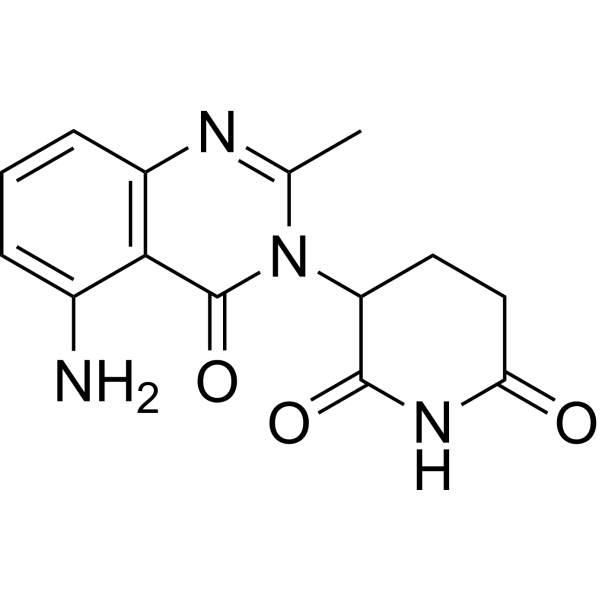
Avadomide hydrochloride (CC 122 hydrochloride) is the hydrochloride form of Avadomide (HY-100507). Avadomide hydrochloride is an orally active cereblon modulator. Avadomide hydrochloride modulates cereblon E3 ligase activity, inhibits NF-κB pathway, arrests the cell cycle at G1 phase, and thus induces apoptosis in cancer cell PDAC. Avadomide hydrochloride exhibits potent antitumor and immunomodulatory activities .
|
-
-
- HY-148260
-
|
|
Ras
|
Cancer
|
|
KRAS G12D inhibitor 16 is a KRAS G12D inhibitor. KRAS G12D inhibitor 16 has inhibitory activity against KRAS G12D and KRAS G12D mutation with IC50 value of 0.7 nM and 0.35 μM, respectively. KRAS G12D inhibitor 16 can be used for the research of many malignant tumor, such as pancreatic ductal adenocarcinomas (PDAC), colon and rectal carcinomas (CRC), non-small cell lung carcinomas (NSCLC) .
|
-
-
- HY-147838
-
|
|
NAMPT
|
Cancer
|
|
Nampt-IN-9 (Compound 8) is a potent NAMPT inhibitor with anticancer activities. Nampt-IN-9 can be used for pancreatic ductal adenocarcinoma research .
|
-
-
- HY-160777A
-
|
Galeterone 3β-imidazole dihydrochloride
|
Molecular Glues
Androgen Receptor
MNK
Apoptosis
|
Cancer
|
|
VNPP433-3β (Galeterone 3β-imidazole) dihydrochloride is an orally active molecular glue degrader, which degrades androgen receptor (AR) and its splice variants (AR-Vs) and MAP kinase-interacting serine/threonine protein kinase Mnk1/2. VNPP433-3β dihydrochloride induces cell apoptosis. VNPP433-3β dihydrochloride inhibits tumor growth in the CWR22Rv1 xenograft mouse model. VNPP433-3β dihydrochloride can be used for the study of castration resistant prostate cancer (CRPC) and pancreatic ductal adenocarcinoma (PDAC) .
|
-
-
- HY-160777B
-
|
Galeterone 3β-imidazole hydrochloride
|
Molecular Glues
Androgen Receptor
MNK
Apoptosis
|
Cancer
|
|
VNPP433-3β (Galeterone 3β-imidazole) hydrochloride is an orally active molecular glue degrader, which degrades androgen receptor (AR) and its splice variants (AR-Vs) and MAP kinase-interacting serine/threonine protein kinase Mnk1/2. VNPP433-3β hydrochloride induces cell apoptosis. VNPP433-3β hydrochloride inhibits tumor growth in the CWR22Rv1 xenograft mouse model. VNPP433-3β hydrochloride can be used for the study of castration resistant prostate cancer (CRPC) and pancreatic ductal adenocarcinoma (PDAC) .
|
-
-
- HY-151407
-
|
|
CDK
|
Cancer
|
|
CDK1-IN-3 (8g) is a selective CDK1 inhibitor with IC50s of 36.8, 305.17 and 369.37 nM for CDK1, CDK2 and CDK5, respectively. CDK1-IN-3 inhibits the growth of cancer cells by affecting cell cycle. CDK1-IN-3 can be used for the research of cancer .
|
-
- HY-175529
-
|
|
Ras
ERK
Apoptosis
|
Cancer
|
|
KRASG12D-IN-7 is a selective KRAS G12D inhibitor. KRASG12D-IN-7 displays strong binding activity for KRAS G12D in both its GDP- and GTP- bound states, with Kd value of 1.12 nM and 1.86 nM, respectively. KRASG12D-IN-7 inhibits the proliferation of KRAS G12D harboring AsPC-1 cells with an IC50 value of 10 nM and suppresses MAPK signaling. KRASG12D-IN-7 induces G0/G1 phase arrest and apoptosis in AsPC-1 cells, and strongly inhibits their colony formation. KRASG12D-IN-7 can be used for the study of cancers harboring KRAS G12D mutation, particularly pancreatic ductal adenocarcinoma (PDAC) .
|
-
- HY-129085
-
|
C5OH
|
Drug Derivative
Apoptosis
NF-κB
|
Cancer
|
|
5-Methyl cromolyn (C5OH) disodium, an analog of Cromolyn (HY-B1619), is a S100P inhibitor. 5-Methyl cromolyn disodium inhibits the binding of S100P to its receptor RAGE, NF-κB activity and cell proliferation, and promotes Gemcitabine (HY-17026)-induced apoptosis. 5-Methyl cromolyn disodium reduces tumor growth and metastasis, and prolongs survival in mouse models of syngeneic PDAC. 5-Methyl cromolyn disodium can be used for pancreatic cancer like pancreatic ductal adenocarcinoma (PDAC) research .
|
-
- HY-168718
-
|
|
FAK
JAK
Aurora Kinase
PI3K
Akt
Apoptosis
|
Cancer
|
|
FAK-IN-22 (Compound 26) is an inhibitor of FAK, JAK3, and Aurora B, with IC50 values of 50.94 nM, 9.99 nM, and 0.49 nM, respectively, effectively inhibiting tumor occurrence and metastasis in pancreatic ductal adenocarcinoma (PDAC). FAK-IN-22 effectively inhibits the proliferation of PANC-1 cells, with an IC50 value of 0.15 μM. FAK-IN-22 induces apoptosis and G2/M phase arrest in PANC-1 cells by inhibiting the FAK/PI3K/Akt signaling pathway .
|
-
- HY-163715
-
|
|
FAK
|
Cancer
|
|
Antitumor agent-165 (Compound 10l) is a potent focal adhesion kinase (FAK) inhibitor. Antitumor agent-165 exhibits effective antiproliferative activity against CAPAN-1, PANC-1, PATU-T, SUIT-2, BxPC-3, PDAC-3 and PANC-1 GR with IC50s in the range of 1.04-3.44 μM .
|
-
- HY-116212
-
|
|
MAGL
|
Cancer
|
|
JCP-170, a substituted chloroisocoumarin, is an ABHD6 inhibitor. JCP-170 robustly and reproducibly inhibits metastatic seeding of the murine cell line 0688M and both human pancreatic ductal adenocarcinoma (PDAC) cell lines .
|
-
- HY-100507R
-
|
CC 122 (Standard)
|
Reference Standards
E1/E2/E3 Enzyme
Apoptosis
Molecular Glues
NF-κB
|
Inflammation/Immunology
Cancer
|
|
Avadomide (Standard) is the analytical standard of Avadomide. This product is intended for research and analytical applications. Avadomide is an orally active cereblon modulator. Avadomide modulates cereblon E3 ligase activity, inhibits NF-κB pathway, arrests the cell cycle at G1 phase, and thus induces apoptosis in cancer cell PDAC. Avadomide exhibits potent antitumor and immunomodulatory activities .
|
-
- HY-172177
-
|
|
Apoptosis
HDAC
ROCK
|
Cancer
|
|
ROCK/HDAC-IN-2 (Compound C-9) is a ROCK/HDAC inhibitor, with IC50 values of 0.185 µM, 0.8 µM, and 0.7 µM for HDAC6, ROCK1, and ROCK2, respectively. ROCK/HDAC-IN-2 can induce apoptosis and changes in mitochondrial membrane potential in cancer cells, demonstrating significant antitumor activity. ROCK/HDAC-IN-2 can be used in the research of pancreatic ductal adenocarcinoma (PDAC) and triple-negative breast cancer (TNBC) .
|
-
- HY-P3203
-
-
- HY-151408
-
|
|
CDK
|
Cancer
|
|
CDK1-IN-4 (10d) is a selective CDK1 inhibitor with IC50s of 44.52, 624.93 and 135.22 nM for CDK1, CDK2 and CDK5, respectively. CDK1-IN4 inhibits the growth of cancer cells by affecting cell cycle. CDK1-IN-4 can be used for the research of cancer .
|
-
- HY-151409
-
|
|
CDK
|
Cancer
|
|
CDK1-IN-5 (10h) is a selective CDK1 inhibitor with IC50s of 42.19, 188.71 and 354.15 nM for CDK1, CDK2 and CDK5, respectively. CDK1-IN-5 inhibits growth of cancer cells by affecting cell cycle. CDK1-IN-5 can be used for the research of cancer .
|
-
- HY-10805R
-
|
ACT 078573 (Standard)
|
Orexin Receptor (OX Receptor)
Calcium Channel
Caspase
Apoptosis
Reference Standards
|
Neurological Disease
Endocrinology
Cancer
|
|
Almorexant (Standard) is the analytical standard of Almorexant. This product is intended for research and analytical applications. Almorexant (ACT 078573) is an orally active, potent and competitive dual orexin receptor antagonist, with Kd values of 1.3 nM (OX1) and 0.17 nM (OX2), respectively. Almorexant reversibly blocks signaling of orexin-A and orexin-B peptides. Almorexant totally blocked the intracellular Ca2+ signal pathway. Almorexant stimulates caspase-3 activity in AsPC-1 cells and induces apoptosis .
|
-
- HY-183624
-
|
|
Others
|
Cancer
|
|
Trimer44NMe is a polyamine transport inhibitor (PTI). Trimer44NMe inhibits the polyamine transport of putrescine (Put), spermidine (Spd), and spermine (Spm). Trimer44NMe can be used for research of Pancreatic ductal adenocarcinoma (PDAC) .
|
-
- HY-P11596
-
|
|
Integrin
|
Cancer
|
|
NOTA-Asp2-αvβ6L is an integrin αvβ6 binder with selective accumulation in αvβ6-positive pancreatic cancer cells and tumors. NOTA-Asp2-αvβ6L can be used as a PET/CT tracer for imaging pancreatic ductal adenocarcinoma (PDAC) .
|
-
- HY-N13944
-
|
|
Apoptosis
|
Cancer
|
|
Argyrin F a cyclic peptide with antitumoral activities. Argyrin F inhibits cell proliferation, migration, invasion and colony formation by partial induction of apoptosis and epithelial-mesenchymal transition (EMT). Argyrin F stabilizes p27 kip, up-regulated p21 waf1/cip1 and depletes COX2. Argyrin F can be used for the study of pancreatic ductal adenocarcinoma (PDAC) .
|
-
- HY-182241
-
|
|
c-Myc
Early 2 Factor (E2F)
TNF Receptor
MDM-2/p53
Reactive Oxygen Species (ROS)
Apoptosis
|
Cancer
|
|
JR4-187 is an orally active, copper-dependent anticancer agent. JR4-187 downregulates genes involved in oxidative phosphorylation, MYC targets and E2F targets in cancer cells, while upregulates genes involved in the TNF-α signaling pathway, p53 pathway and KRAS signaling pathway, and downregulates CTR1 protein . JR4-187 induces ROS production, apoptosis, copper-dependent cytotoxicity, and exhibits selective cytotoxicity against KRAS-mutant cancer cells. JR4-187 is well tolerated in mouse models of pancreatic cancer. JR4-187 can be used in research related to cancers such as pancreatic ductal adenocarcinoma, colon cancer and rectal cancer .
|
-
- HY-10805AR
-
|
ACT 078573 hydrochloride (Standard)
|
Reference Standards
Orexin Receptor (OX Receptor)
Calcium Channel
Caspase
Apoptosis
|
Neurological Disease
Endocrinology
Cancer
|
|
Almorexant hydrochloride (Standard) is the analytical standard of Almorexant (hydrochloride) (HY-10805A). This product is intended for research and analytical applications. Almorexant (ACT 078573) hydrochloride is an orally active, potent and competitive dual orexin receptor antagonist, with Kd values of 1.3 nM (OX1) and 0.17 nM (OX2), respectively. Almorexant hydrochloride reversibly blocks signaling of orexin-A and orexin-B peptides. Almorexant hydrochloride totally blocked the intracellular Ca2+ signal pathway. Almorexant hydrochloride stimulates caspase-3 activity in AsPC-1 cells and induces apoptosis .
|
-
- HY-P11785
-
|
|
Claudin
|
Cancer
|
|
Cpe30 MT2 is a short peptide that binds tightly junction protein Claudin‑4 (CLDN4) with high affinity, with a Kd value of 1.97 nM. Cpe30 MT2 can be used for the synthesis of PET molecular imaging probes targeting pancreatic cancer .
|
-
- HY-183786
-
|
|
NF-κB
Fluorescent Dye
Drug Derivative
Autophagy
|
Cancer
|
|
Anticancer agent 327, a fluorescent Andrographolide (HY-N0191) derivative, is an NF-κB p50 inhibitor. Anticancer agent 327 covalently binds to the p50 subunit of NF-κB. Anticancer agent 327 reduces levels of multiple oncogenic p53 proteins via the autophagy/lysosome pathway. Anticancer agent 327 can be used for the research of pancreatic ductal adenocarcinoma (Ex/Em = 488/515 nm)[1].
|
-
| Cat. No. |
Product Name |
Target |
Research Area |
-
- HY-P10944
-
|
NNS309
|
FAP
|
Inflammation/Immunology
Cancer
|
|
Unlabeled FXX489 (NNS309) is a fibroblast activation protein (FAP)-targeting ligand. Unlabeled FXX489 can be labeled with 68Ga and 177Lu and shows anticancer effects. Unlabeled FXX489 can be used for the study of pancreatic ductal adenocarcinoma (PDAC), non-small cell lung cancer (NSCLC), breast cancer (BC), and colorectal cancer (CRC) .
|
-
- HY-P1676
-
|
BK-1361
|
MMP
|
Cancer
|
|
cyclo(RLsKDK) (BK-1361) is a specific inhibitor of metalloproteinase ADAM8 with an IC50 value of 182 nM. cyclo(RLsKDK) has potential applications in inflammatory diseases and cancer .
|
-
- HY-P1676A
-
|
BK-1361 TFA
|
MMP
|
Cancer
|
|
cyclo(RLsKDK) (TFA) (BK-1361 (TFA)) is a specific inhibitor of metalloproteinase ADAM8 with an IC50 value of 182 nM. cyclo(RLsKDK) (TFA) has potential applications in inflammatory diseases and cancer .
|
-
- HY-P3203
-
-
- HY-P11596
-
|
|
Integrin
|
Cancer
|
|
NOTA-Asp2-αvβ6L is an integrin αvβ6 binder with selective accumulation in αvβ6-positive pancreatic cancer cells and tumors. NOTA-Asp2-αvβ6L can be used as a PET/CT tracer for imaging pancreatic ductal adenocarcinoma (PDAC) .
|
-
- HY-P11785
-
|
|
Claudin
|
Cancer
|
|
Cpe30 MT2 is a short peptide that binds tightly junction protein Claudin‑4 (CLDN4) with high affinity, with a Kd value of 1.97 nM. Cpe30 MT2 can be used for the synthesis of PET molecular imaging probes targeting pancreatic cancer .
|
| Cat. No. |
Product Name |
Target |
Research Area |
Image |
-
- HY-P99379
-
|
CAN04; Anti-IL-1RAP/IL-1R3 Reference Antibody (nidanilimab)
|
Interleukin Related
|
Cancer
|
|
Nidanilimab (CAN04) is a fully humanized monoclonal anti-IL1RAP antibody with a Kd value of 1.10 pM. Nidanilimab blocks IL1α and IL1β signaling and stimulates the immune system to destroy tumour cells. Nidanilimab can be used in research of non-small lung cancer (NSCLC) and pancreatic ductal adenocarcinoma (PDAC) .
|
-
(5)
-
- HY-P99555
-
|
OPN-305
|
Toll-like Receptor (TLR)
MyD88
NOD-like Receptor (NLR)
Tau Protein
Interleukin Related
|
Cardiovascular Disease
Neurological Disease
Inflammation/Immunology
Cancer
|
|
Tomaralimab (OPN-305) is a humanized anti-TLR2 IgG4 monoclonal antibody. Tomaralimab inhibits TLR2, MyD88, NLRP3, and reduces pro-inflammatory cytokine (IL-1β, IL-6, IL-8) production. Tomaralimab reduces tau pathology. Tomaralimab improves cognition, atopic dermatitis. Tomaralimab has anticancer effects on pancreatic ductal adenocarcinoma. Tomaralimab is being studied in myelodysplastic syndrome (MDS), atopic dermatitis, pancreatic ductal adenocarcinoma, Alzheimer's disease, and myocardial ischemia/reperfusion injury .
|
-
(5)
-
- HY-P99968
-
|
|
Mucin
|
Cancer
|
|
Clivatuzumab is a humanized anti-mucin monoclonal antibody targeting an epitope in the MUC1 antigen expressed in most pancreatic cancers .
|
-
(5)
-
- HY-P990199
-
|
|
Inhibitory Antibodies
|
Infection
Inflammation/Immunology
Cancer
|
|
Anti-Mouse Ly6G/Ly6C Antibody (NIMP-R14) is an anti-mouse Ly6G/Ly6C IgG2b monoclonal antibody. Anti-Mouse Ly6G/Ly6C Antibody (NIMP-R14) can deplete granulocytes and monocytes. Anti-Mouse Ly6G/Ly6C Antibody (NIMP-R14) can be used for researches on infection conditions and cancer such as pancreatic cancer and Orientia tsutsugamushi infection .
|
-
(5)
| Cat. No. |
Product Name |
Category |
Target |
Chemical Structure |
-
- HY-N6237
-
-
-
- HY-N13944
-
|
|
Natural Products
Microorganisms
Source Classification
|
Apoptosis
|
|
Argyrin F a cyclic peptide with antitumoral activities. Argyrin F inhibits cell proliferation, migration, invasion and colony formation by partial induction of apoptosis and epithelial-mesenchymal transition (EMT). Argyrin F stabilizes p27 kip, up-regulated p21 waf1/cip1 and depletes COX2. Argyrin F can be used for the study of pancreatic ductal adenocarcinoma (PDAC) .
|
-
| Cat. No. |
Product Name |
|
Classification |
-
- HY-160045
-
|
|
|
Aptamers
|
|
AP1153 aptamer sodium is a DNA aptamer that specifically binds to the cholecystokinin receptor CCKBR (Kd: ~15 pM), but does not activate CCKBR-related signaling pathways. AP1153 aptamer sodium is internalized by pancreatic ductal adenocarcinoma (PDAC) cells in a receptor-mediated manner. AP1153 aptamer sodium can bioconjugate to the surface of fluorescent nanoparticles to facilitate nanoparticle delivery to PDAC tumors in vivo .
|
Your information is safe with us. * Required Fields.
Inquiry Information
- Product Name:
- Cat. No.:
- Quantity:
- MCE Japan Authorized Agent:

