
Search Result
Results for "
Pbp
" in MedChemExpress (MCE) Product Catalog:
7
Isotope-Labeled Compounds
| Cat. No. |
Product Name |
Target |
Research Areas |
Chemical Structure |
-
- HY-B0129
-
-
-
- HY-120859
-
-
-
- HY-B0200
-
|
Cefalexin; Cephacillin
|
Penicillin-binding protein (PBP)
Antibiotic
Bacterial
|
Infection
Cancer
|
|
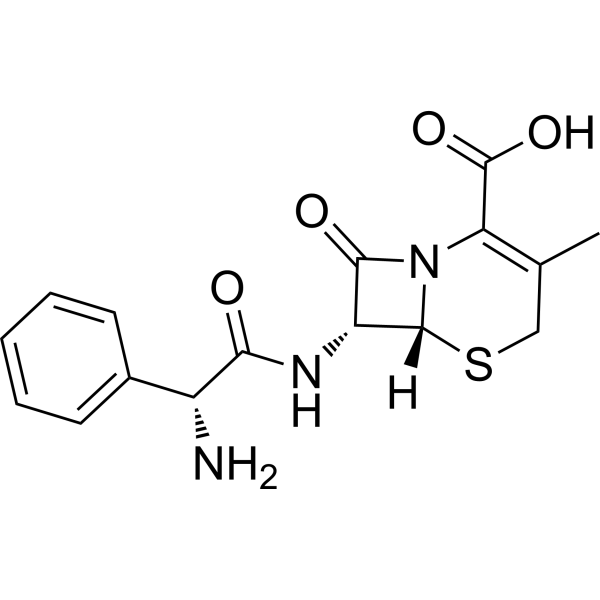
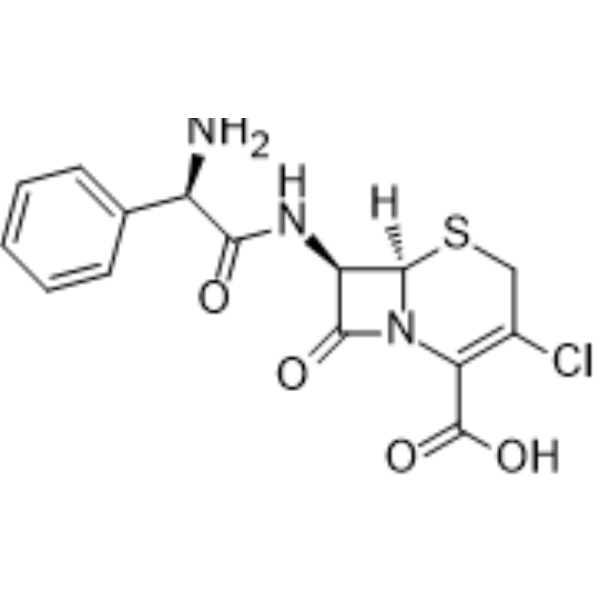
Cephalexin (Cefalexin) is a potent, orally active semisynthetic cephalosporin antibiotic with a broad antibacterial spectrum. Cephalexin has antibacterial activity against a wide variety of gram-positive and gram-negative bacteria. Cephalexin targets penicillin-binding proteins (PBPs) to inhibit bacterial cell wall assembly. Cephalexin is used for the research of pneumonia, strep throat, and bacterial endocarditis, et al .
|
-
-
- HY-19806A
-
|
CXA-101; FR264205
|
Bacterial
|
Infection
|
|
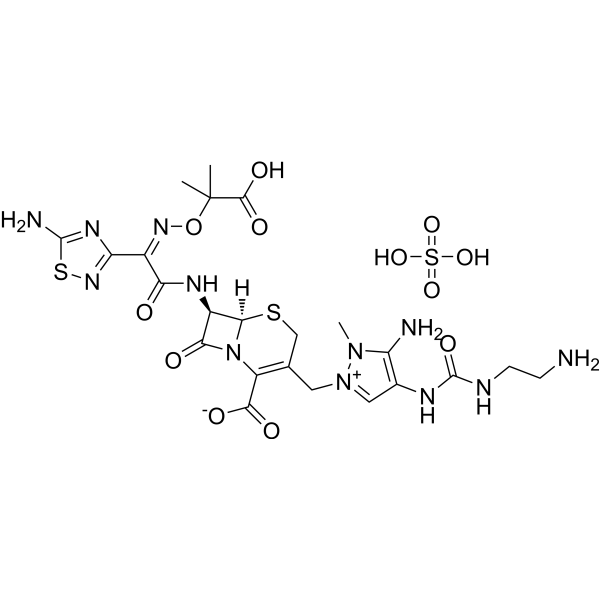
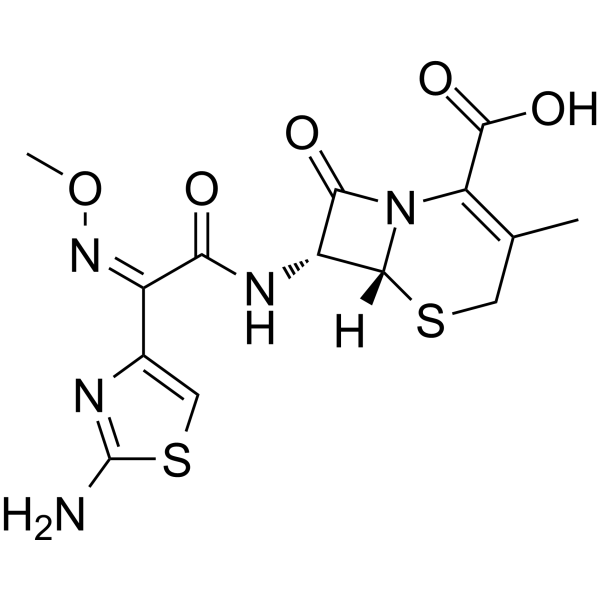
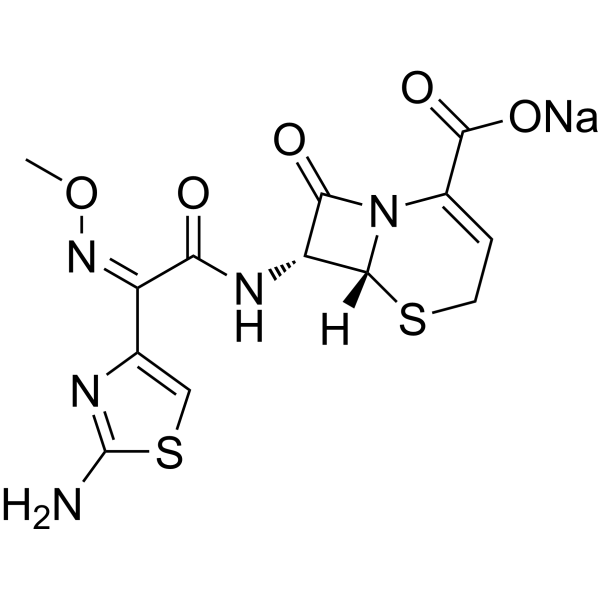
Ceftolozane (CXA-101) sulfate is an antipseudomonal cephalosporin. Ceftolozane binds to P. aeruginosa essential PBPs (1b, 1c, 2 and 3) with high affinity. Ceftolozane inhibits cell wall synthesis by binding the PBPs. Ceftolozane sulfate inhibits P. aeruginosa and Enterobacteriaceae .
|
-
-
- HY-B0396
-
-
-
- HY-B0200B
-
|
Cefalexin hydrate; Cephacillin hydrate
|
Penicillin-binding protein (PBP)
Antibiotic
Bacterial
|
Infection
Cancer
|
|
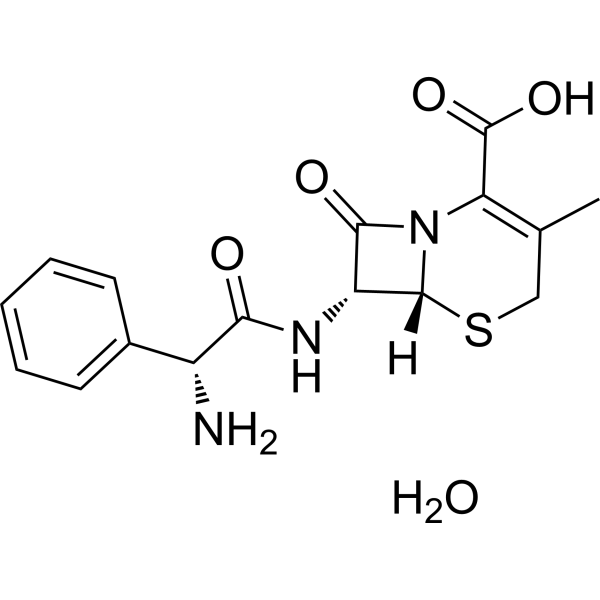
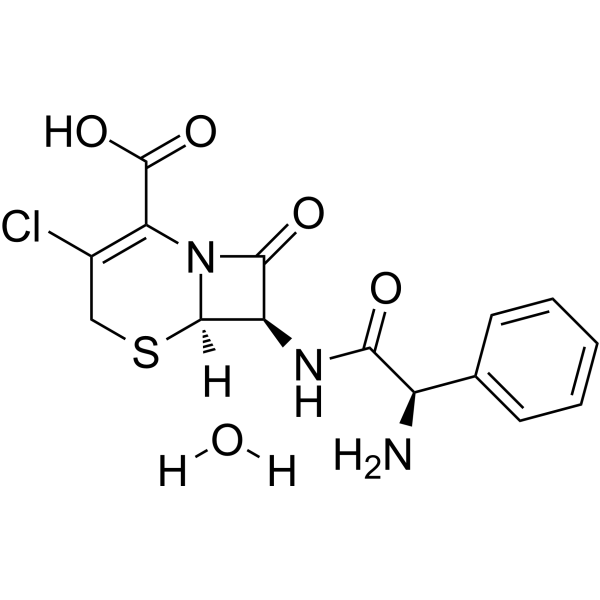
Cephalexin (Cefalexin) monohydrate is a potent, orally active new semisynthetic cephalosporin antibiotic with a broad antibacterial spectrum. Cephalexin (Cefalexin) monohydrate has antibacterial activity against a wide variety of gram-positive and gram-negative bacteria. Cephalexin (Cefalexin) monohydrate targets penicillin-binding proteins (PBPs) to inhibit bacterial cell wall assembly. Cephalexin (Cefalexin) monohydrate is used for the research of pneumonia, strep throat, and bacterial endocarditis, et al .
|
-
-
- HY-109008
-
|
OP0595 free acid
|
Beta-lactamase
Bacterial
|
Infection
|
|
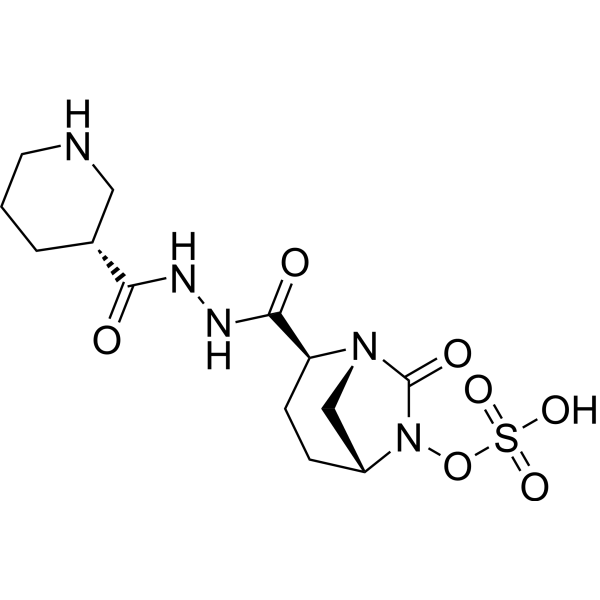
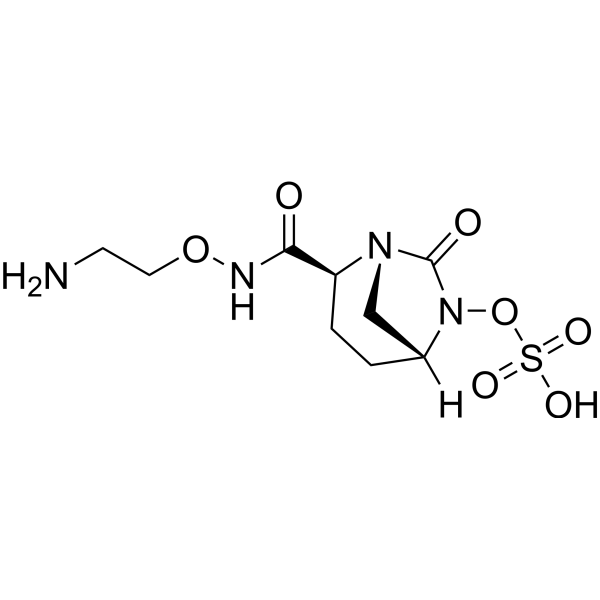
Nacubactam (OP0595 free acid) is a potent non-β-lactam-β-lactamase inhibitor with activity against class A and C β-lactamases. Nacubactam acts as a penicillin binding protein (PBP) 2-active antibacterial, and gives β-lactamase-independent potentiation of β-lactams targeting other PBPs. Nacubactam potentiates the antimicrobial activities of Piperacillin (HY-B1923), Cefepime (HY-B0692), and Meropenem (HY-13678) against CTX-M-15-positive Escherichia coli and KPC-positive Klebsiella pneumoniae .
|
-
-
- HY-B0198
-
-
-
- HY-126387
-
|
|
Bacterial
Antibiotic
Penicillin-binding protein (PBP)
|
Infection
|
|
Moenomycin complex is a class of antibacterial agents and PBP inhibitors, with Kd values ranging from 94 nM to 1690 nM against various bacterial PBPs. Moenomycin complex inhibits bacterial growth by blocking the transglycosylase activity of class A penicillin-binding proteins (PBPs). Moenomycin complex is used in the research of bacterial infections .
|
-
-
- HY-B1325
-
|
|
Bacterial
Antibiotic
|
Infection
Inflammation/Immunology
|
|
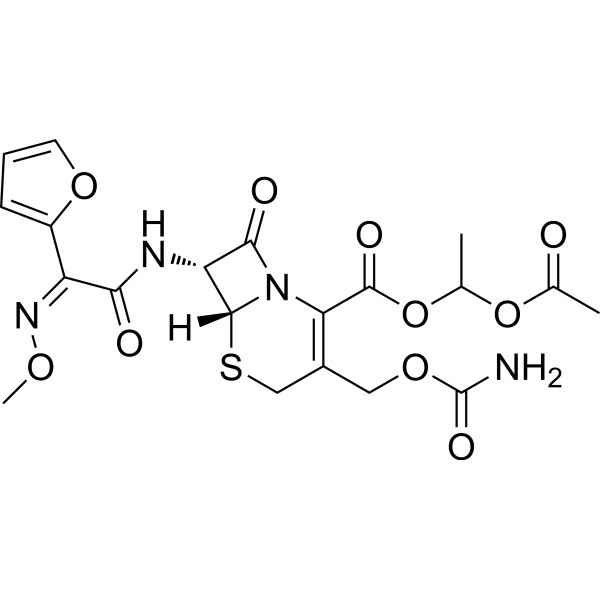
Cefuroxime axetil is an orally effective broad-spectrum β-lactam antibiotic that targets bacterial penicillin-binding proteins (PBPs, such as PBP3 and PBP1). Cefuroxime axetil inhibits cell wall synthesis, leading to bacterial lysis and death, with a minimum inhibitory concentration (MIC) of 0.12-4 mg/L for non-typeable Haemophilus influenzae (NTHi). Cefuroxime axetil is hydrolyzed by esterase to the active ingredient Cefuroxime (HY-B1256A) after oral absorption. Topical administration of Cefuroxime via bioadhesive nanoparticles (BNPs) can prolong the drug's retention time in the middle ear (≥7 days). Cefuroxime axetil can be used in the study of otitis media (especially NTHi infection). Cefuroxime axetil can achieve precise antibacterial effects through oral or topical nano-delivery systems, reducing systemic exposure and the risk of antibiotic resistance .
|
-
-
- HY-A0111
-
|
Ro 15-8074; Deacetoxycefotaxime
|
Antibiotic
Bacterial
Penicillin-binding protein (PBP)
Drug Metabolite
|
Infection
|
|
Cefetamet (Ro 15-8074) is a cephalosporin antibiotic and the active metabolite of Cefetamet pivoxil (HY-B1894A). Cefetamet binds to bacterial penicillin-binding protein (PBP) (IC50 for PBP3 in Escherichia coli W3110 is 2.5 μg/mL). Cefetamet has significant activity against Gram-negative bacteria such as Enterobacteriaceae, Neisseria species, and Haemophilus influenzae, as well as Gram-positive bacteria such as Streptococcus. Cefetamet kills and lyses Treponema pallidum. Cefetamet can be used in the research of respiratory tract, urinary tract, ear, nose and throat infections, and syphilis .
|
-
-
- HY-121329
-
|
AMA-1080; Ro 17-2301
|
Penicillin-binding protein (PBP)
Antibiotic
Bacterial
|
Infection
|
|
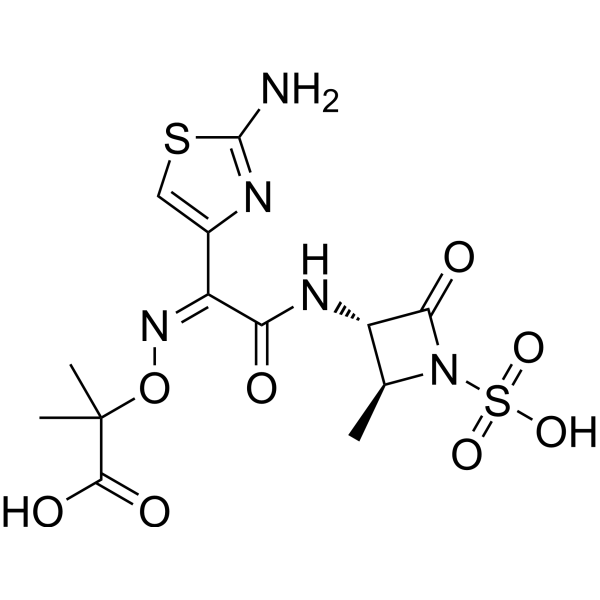
Carumonam (AMA-1080; Ro 17-2301) is a sulfonated monocyclic β-Lactam Antibiotic, targeting to penicillin-binding protein (PBP). Carumonam exerts highly activity against Enterobacteriaceae, Pseudomonas aeruginosa, and Haemophilus influenzae, while it weakly and even inactively inhibits Streptococcus pneumoniae and Staphylococcus aureus. Carumonam is resistant to beta-lactamase-mediated hydrolysis .
|
-
-
- HY-13588
-
|
SCE-129 sodium
|
Bacterial
Antibiotic
|
Infection
|
|
Cefsulodin (SCE-129) sodium is a third generation β lactam antibiotic and member of the cephems subgroup of antibiotics. Cefsulodin sodium inhibits cell wall synthesis by competitively inhibiting penicillin binding protein (PBP) cross-linking and transpeptidation of peptidogly. Cefsulodin sodium is a potent tyrosine phosphatase inhibitor against mPTPB, a virulent phosphatase from Mycobacterium tuberculosis, with an IC50 value of 16 μM .
|
-
-
- HY-B0200A
-
|
Cefalexin hydrochloride; Cephacillin hydrochloride
|
Penicillin-binding protein (PBP)
Bacterial
Antibiotic
|
Infection
Cancer
|
|
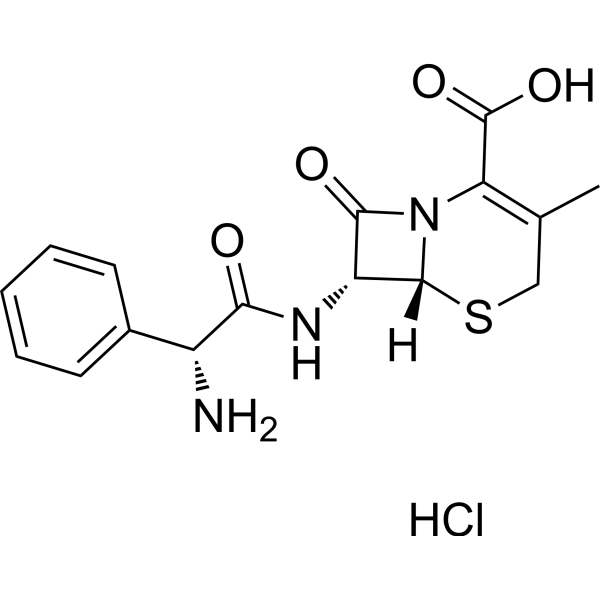
Cephalexin (Cefalexin) hydrochloride is a potent, orally active new semisynthetic cephalosporin antibiotic with a broad antibacterial spectrum. Cephalexin (Cefalexin) hydrochloride has antibacterial activity against a wide variety of gram-positive and gram-negative bacteria. Cephalexin (Cefalexin) hydrochloride targets penicillin-binding proteins (PBPs) to inhibit bacterial cell wall assembly. Cephalexin (Cefalexin) hydrochloride is used for the research of pneumonia, strep throat, and bacterial endocarditis, et al .
|
-
-
- HY-P1116
-
PBP10
1 Publications Verification
|
Bacterial
Reactive Oxygen Species (ROS)
Interleukin Related
|
Infection
Inflammation/Immunology
|
|
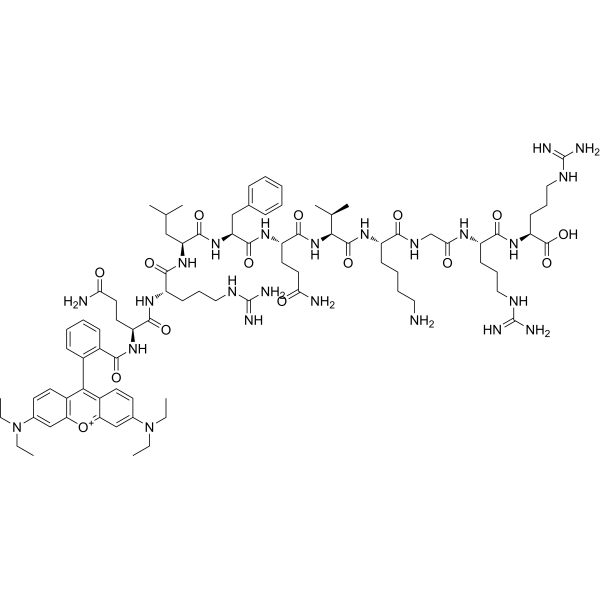
PBP10 is a decapeptide. PBP10 selectively binds to lipoteichoic acid (LTA), lipopolysaccharide (LPS) and phosphatidylinositol-4,5-bisphosphate (PIP2). PBP10 penetrates cell membranes and possesses bactericidal, anti-inflammatory, cell motility-inhibiting and actin assembly-regulating activities. PBP10 is applicable to relevant research on bacterial infections, microbe-induced inflammation, skin and soft tissue infections, as well as sepsis .
|
-
-
- HY-B0771A
-
|
SCE-2787 hydrochloride
|
Antibiotic
Bacterial
Penicillin-binding protein (PBP)
|
Infection
|
|
Cefozopran (SCE-2787) hydrochloride is a potent antibiotic with broad-spectrum antibacterial activity. Cefozopran hydrochloride binds PBPs, induces cell wall destruction, cell elongation, filamentation, irregular septa formation, and bactericidal, bacteriolytic activity. Cefozopran hydrochloride reduces bacterial counts and eradicates bacteria in mouse respiratory, urinary, and thigh muscle infections. Cefozopran hydrochloride can be used for the research of bacterial infections .
|
-
-
- HY-B1257
-
|
Sodium cefmetazole
|
Bacterial
Antibiotic
|
Infection
Cancer
|
|
Cefmetazole sodium (Sodium cefmetazole) is a semisynthetic cephamycin antibiotic with broad-spectrum antibacterial activity, covering gram-positive, gram-negative, and anaerobic bacteria. Cefmetazole sodium binds to penicillin binding proteins (PBPs), resulting in interfering bacterial cell wall biosynthesis. Cefmetazole sodium is used for the research of gynecologic, intraabdominal, urinary tract, respiratory tract and skin and soft tissue infections .
|
-
-
- HY-159688
-
|
|
Antibiotic
Bacterial
Penicillin-binding protein (PBP)
Interleukin Related
|
Infection
|
|
Cefditoren is a broad-spectrum oral active cephalosporin that acts as a penicillin-binding protein (PBP) inhibitor. Cefditoren binds to specific PBPs in Gram-positive and Gram-negative bacteria, thereby inhibiting cell wall synthesis. Cefditoren also reduces serum levels of the inflammatory biomarkers IL-6 and KL-6. Cefditoren can be used in research related to acute exacerbation of chronic bronchitis, pharyngitis-tonsillitis, uncomplicated skin and skin structure infections, respiratory tract infections, acute pyelonephritis, and enterococcal endocarditis .
|
-
-
- HY-137243
-
|
|
Endogenous Metabolite
Nucleoside Antimetabolite/Analog
|
Others
|
|
Adenosine 3',5'-diphosphate disodium is an endogenous purine nucleotide. Adenosine 3',5'-diphosphate disodium acts as an inhibitor of bovine adrenal estrogen sulfotransferase (EST) with a Ki value of 7.0 μM. It also serves as an indispensable specific cofactor for the pregnenolone-binding protein (PBP) steroid-binding complex, with an EC50 value of 1.5 μM in guinea pigs .
|
-
-
- HY-N7102
-
|
|
Antibiotic
Bacterial
NF-κB
p38 MAPK
TNF Receptor
Interleukin Related
|
Infection
|
|
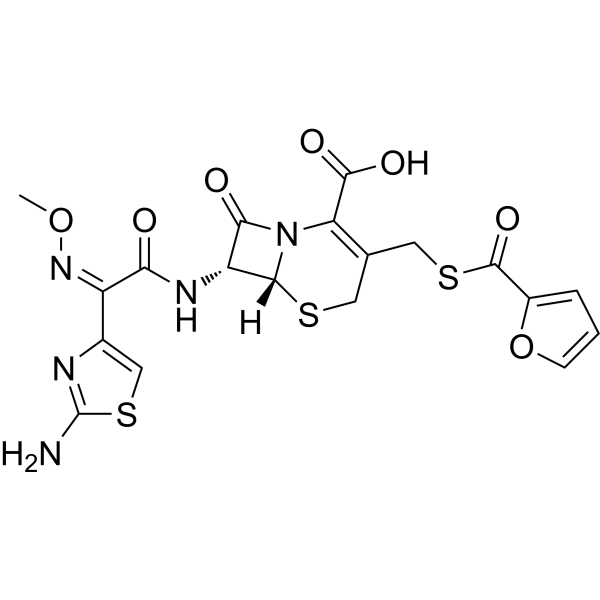
Ceftiofur is a cell wall synthesis inhibitor that targets bacterial penicillin-binding proteins (PBPs) and has anti-inflammatory effects in endotoxemia. Ceftiofur exerts bactericidal effects by inhibiting the synthesis of bacterial cell wall peptidoglycan, leading to bacterial cell lysis. Ceftiofur also inhibits the activation of NF-κB and MAPKs, thereby reducing the secretion of pro-inflammatory cytokines such as TNF-α, IL-1β, and IL-6 .
|
-
-
- HY-B0898
-
|
sodium ceftiofur
|
Antibiotic
Bacterial
NF-κB
p38 MAPK
TNF Receptor
Interleukin Related
|
Infection
|
|
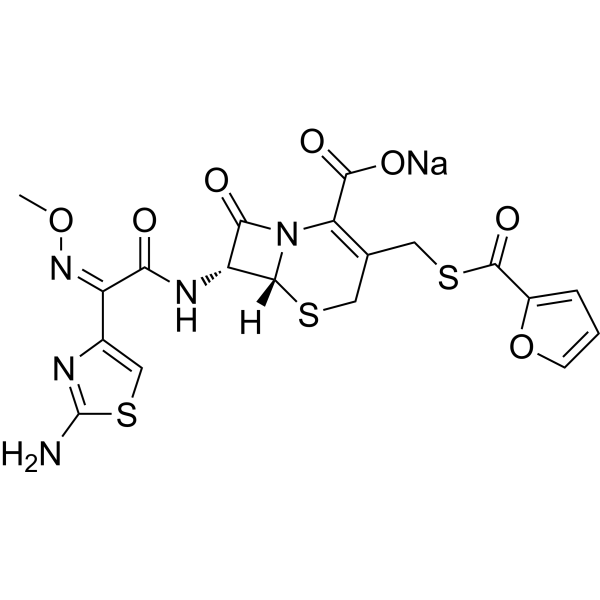
Ceftiofur sodium is a cell wall synthesis inhibitor that targets bacterial penicillin-binding proteins (PBPs) and has anti-inflammatory effects in endotoxemia. Ceftiofur sodium exerts bactericidal effects by inhibiting the synthesis of bacterial cell wall peptidoglycan, leading to bacterial cell lysis. Ceftiofur sodium also inhibits the activation of NF-κB and MAPKs, thereby reducing the secretion of pro-inflammatory cytokines such as TNF-α, IL-1β, and IL-6 .
|
-
-
- HY-B0129S
-
-
-
- HY-B1596A
-
-
-
- HY-121544
-
|
|
Penicillin-binding protein (PBP)
Bacterial
Antibiotic
Histamine Receptor
|
Infection
|
|
Methicillin is a narrow-spectrum β-lactam antibiotic, acts by inhibiting penicillin-binding proteins (PBPs). Methicillin is active against Staphylococcus aureus and Staphylococcus epidermidis that are resistant to other penicillins.Methicillin can be used for the research of skin infections, osteomyelitis, and endocarditis .
|
-
-
- HY-D0184R
-
|
Deoxycytidine (Standard); Cytosine deoxyriboside (Standard); Deoxyribose cytidine (Standard)
|
Reference Standards
Endogenous Metabolite
|
Cancer
|
|
Cefaclor (monohydrate) (Standard) is the analytical standard of Cefaclor (monohydrate). This product is intended for research and analytical applications. Cefaclor is a well-absorbed orally active cephalosporin antibiotic. Cefaclor can specifically bind to specific for penicillin-binding protein 3 (PBP3). Cefaclor can be used for the research of depression and kinds of infections caused by bacteria, such as respiratory tract infections, bacterial bronchitis, pharyngitis and skin infections .
|
-
-
- HY-P1116A
-
|
|
Bacterial
|
Infection
Inflammation/Immunology
|
|
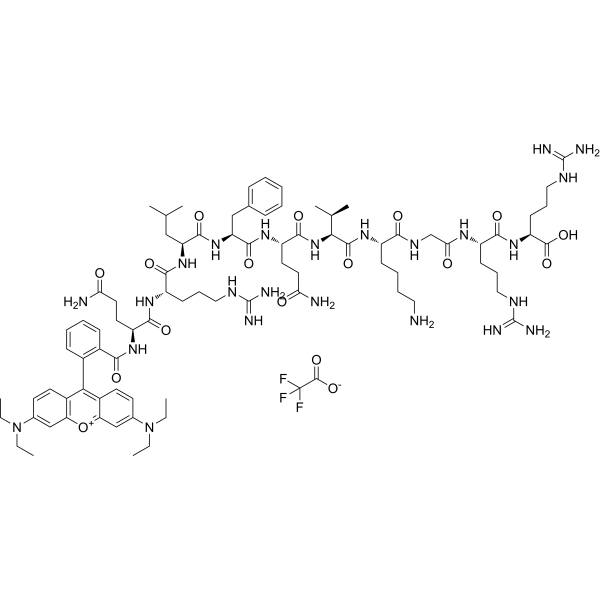
PBP10 is a cell permeable and selective gelsolin-derived peptide inhibitor of formyl peptide receptor 2 (FPR2) over FPR1 . PBP10 is a 10-AA peptide with rhodamine conjugated at its N terminus, exerts bactericidal activity against gram-positive and gram-negative bacteria and limits microbial-induced inflammatory effects .
|
-
-
- HY-W105318
-
|
Pbp
|
TGF-beta/Smad
Apoptosis
|
Cancer
|
|
Pentabromophenol (PBP) is a brominated flame retardant (BFR) widely used in various consumer products to reduce the flammability of materials used in different utility items. Pentabromophenol can accelerate the degradation of transforming growth factor-β (TGF-β) receptors by promoting clathrin-mediated endocytosis, thereby inhibiting the TGF-β signaling pathway. Additionally, Pentabromophenol can also induce apoptosis in peripheral blood mononuclear cells (PBMCs) .
|
-
-
- HY-B1595
-
|
CS 1170
|
Antibiotic
Bacterial
|
Infection
Cancer
|
|
Cefmetazole (CS 1170) is a semisynthetic cephamycin antibiotic with broad-spectrum antibacterial activity, covering gram-positive, gram-negative and anaerobic bacteria. Cefmetazole binds to penicillin binding proteins (PBPs), resulting in interfering bacterial cell wall biosynthesis. Cefmetazole is used for the research of gynecologic, intraabdominal, urinary tract, respiratory tract and skin and soft tissue infections .
|
-
-
- HY-B0129R
-
-
-
- HY-B0200R
-
|
Cefalexin (Standard); Cephacillin (Standard)
|
Penicillin-binding protein (PBP)
Reference Standards
Antibiotic
Bacterial
|
Infection
Cancer
|
|
Cephalexin (Standard) is the analytical standard of Cephalexin. This product is intended for research and analytical applications. Cephalexin (Cefalexin) is a potent, orally active semisynthetic cephalosporin antibiotic with a broad antibacterial spectrum. Cephalexin has antibacterial activity against a wide variety of gram-positive and gram-negative bacteria. Cephalexin targets penicillin-binding proteins (PBPs) to inhibit bacterial cell wall assembly. Cephalexin is used for the research of pneumonia, strep throat, and bacterial endocarditis, et al .
|
-
-
- HY-B0771
-
|
SCE-2787
|
Antibiotic
Bacterial
Penicillin-binding protein (PBP)
|
Infection
|
|
Cefozopran (SCE-2787) is a potent antibiotic with broad-spectrum antibacterial activity. Cefozopran binds PBPs, induces cell wall destruction, cell elongation, filamentation, irregular septa formation, and bactericidal, bacteriolytic activity. Cefozopran reduces bacterial counts and eradicates bacteria in mouse respiratory, urinary, and thigh muscle infections. Cefozopran can be used for the research of bacterial infections .
|
-
-
- HY-139744
-
-
-
- HY-B0198A
-
-
-
- HY-139745
-
|
|
Beta-lactamase
Bacterial
|
Infection
|
|
FPI-1523 sodium, a derivative of Avibactam, is a potent β-lactamase inhibitor, with Kds of 4 nM and 34 nM for CTX-M-15 and OXA-48, respectively. FPI-1523 sodium also inhibits PBP2, with an IC50 of 3.2 μM. FPI-1523 sodium exhibits considerable antimicrobial activity .
|
-
-
- HY-B0026
-
|
|
Antibiotic
Bacterial
NF-κB
p38 MAPK
TNF Receptor
Interleukin Related
|
Infection
|
|
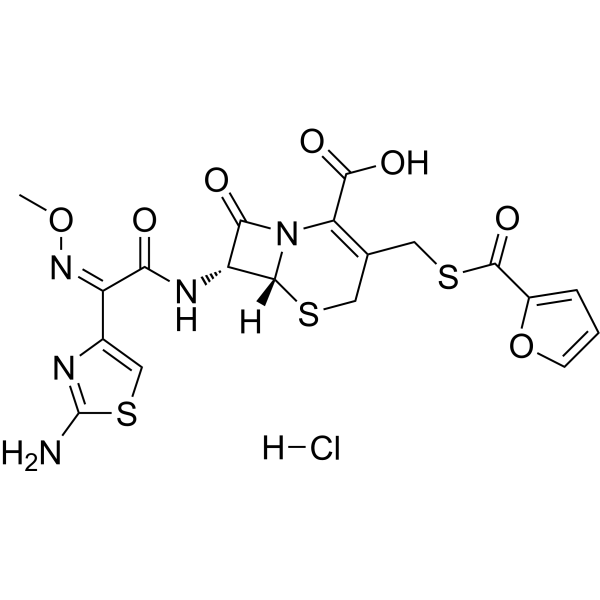
Ceftiofur hydrochloride is a cell wall synthesis inhibitor that targets bacterial penicillin-binding proteins (PBPs) and has anti-inflammatory effects in endotoxemia. Ceftiofur hydrochloride exerts bactericidal effects by inhibiting the synthesis of bacterial cell wall peptidoglycan, leading to bacterial cell lysis. Ceftiofur hydrochloride also inhibits the activation of NF-κB and MAPKs, thereby reducing the secretion of pro-inflammatory cytokines such as TNF-α, IL-1β, and IL-6 .
|
-
-
- HY-W653936
-
|
|
Isotope-Labeled Compounds
Bacterial
Antibiotic
Penicillin-binding protein (PBP)
|
Cancer
|
|
Cephalexin-d5 (hydrate) is deuterium labeled Cephalexin (monohydrate). Cephalexin (Cefalexin) monohydrate is a potent, orally active new semisynthetic cephalosporin antibiotic with a broad antibacterial spectrum. Cephalexin (Cefalexin) monohydrate has antibacterial activity against a wide variety of gram-positive and gram-negative bacteria. Cephalexin (Cefalexin) monohydrate targets penicillin-binding proteins (PBPs) to inhibit bacterial cell wall assembly. Cephalexin (Cefalexin) monohydrate is used for the research of pneumonia, strep throat, and bacterial endocarditis, et al .
|
-
-
- HY-B0898R
-
|
sodium ceftiofur (Standard)
|
Reference Standards
Antibiotic
Bacterial
NF-κB
p38 MAPK
TNF Receptor
Interleukin Related
|
Infection
|
|
Ceftiofur sodium (Standard) is the analytical standard of Ceftiofur sodium (HY-B0898). This product is intended for research and analytical applications. Ceftiofur sodium is a cell wall synthesis inhibitor that targets bacterial penicillin-binding proteins (PBPs) and has anti-inflammatory effects in endotoxemia. Ceftiofur sodium exerts bactericidal effects by inhibiting the synthesis of bacterial cell wall peptidoglycan, leading to bacterial cell lysis. Ceftiofur sodium also inhibits the activation of NF-κB and MAPKs, thereby reducing the secretion of pro-inflammatory cytokines such as TNF-α, IL-1β, and IL-6 .
|
-
-
- HY-RS00003
-
|
|
Small Interfering RNA (siRNA)
PKD
|
Others
|
|
PKD1 Human Pre-designed siRNA Set A contains three designed siRNAs for PKD1 gene (Human), as well as a negative control, a positive control, and a FAM-labeled negative control.
|
-
PKD1 Human Pre-designed siRNA Set A
-
- HY-120859A
-
-
-
- HY-RS10313
-
|
|
Small Interfering RNA (siRNA)
|
Others
|
|
PEBP1 Human Pre-designed siRNA Set A contains three designed siRNAs for PEBP1 gene (Human), as well as a negative control, a positive control, and a FAM-labeled negative control.
|
-
PEBP1 Human Pre-designed siRNA Set A
-
- HY-150063
-
|
|
Penicillin-binding protein (PBP)
Bacterial
|
Infection
|
|
Antibacterial agent 116 is a benzophenone-containing salicylanilide compound. Antibacterial agent 116 has potent antibacterial activity by inhibiting the peptidoglycan formation. Antibacterial agent 116 is used as a photoaffinity probe to label Acinetobacter baumannii penicillin-binding protein (PBP1b), block the propagation pathway to disrupt the growth of peptidoglycan chain .
|
-
-
- HY-B0200C
-
|
Cefalexin hydrochloride monohydrate; Cephacillin hydrochloride monohydrate
|
Penicillin-binding protein (PBP)
Antibiotic
Bacterial
|
Infection
Cancer
|
|
Cephalexin (Cefalexin) hydrochloride monohydrate is a potent, orally active new semisynthetic cephalosporin antibiotic with a broad antibacterial spectrum. Cephalexin (Cefalexin) hydrochloride monohydrate has antibacterial activity against a wide variety of gram-positive and gram-negative bacteria. Cephalexin (Cefalexin) hydrochloride monohydrate targets penicillin-binding proteins (PBPs) to inhibit bacterial cell wall assembly. Cephalexin (Cefalexin) hydrochloride monohydrate is used for the research of pneumonia, strep throat, and bacterial endocarditis, et al .
|
-
-
- HY-B0200D
-
|
Cefalexin (lysine); Cephacillin (lysine)
|
Penicillin-binding protein (PBP)
Bacterial
Antibiotic
|
Infection
Cancer
|
|
Cephalexin (Cefalexin) lysine is a potent, orally active new semisynthetic cephalosporin antibiotic with a broad antibacterial spectrum. Cephalexin lysine has antibacterial activity against a wide variety of gram-positive and gram-negative bacteria. Cephalexin lysine targets penicillin-binding proteins (PBPs) to inhibit bacterial cell wall assembly. Cephalexin lysine is used for the research of pneumonia, strep throat, and bacterial endocarditis, et al .
|
-
-
- HY-129949
-
|
|
Antibiotic
Bacterial
|
Infection
Cancer
|
|
Aztreonam (lysine) is a monocyclic beta-lactam antibiotic, and has a very high affinity for penicillin-binding protein 3 (PBP-3). Aztreonam (lysine) is active against Gram-negative aerobic bacteria .
|
-
-
- HY-106095
-
|
|
Antibiotic
Bacterial
Penicillin-binding protein (PBP)
|
Infection
|
DQ 2556 is a semi-synthetic cephalosporin antibiotic. DQ-2556 exhibits significant activity against both Gram-positive and Gram-negative bacteria, particularly Gram-positive bacteria and Enterobacteriaceae infections. DQ 2556 exerts its bactericidal effect by interfering with cell division. DQ-2556 has a strong affinity for the penicillin-binding proteins (PBPs) of Escherichia coli: PBP1A/1B (IC₅₀ = 0.57-0.73 μg/mL) and PBP3 (IC₅₀ = 0.088 μg/mL). DQ-2556 demonstrates significant in vivo protective effects. DQ-2556 can be used in the development of injectable cephalosporins .
|
-
-
- HY-120366
-
-
-
- HY-B0396A
-
|
L084 hydrochloride
|
Penicillin-binding protein (PBP)
Bacterial
Antibiotic
|
Infection
|
|
Tebipenem pivoxil (L084) hydrochloride is an orally active antibiotic against a variety of pathogenic bacteria. Tebipenem pivoxil hydrochloride binds penicillin-binding protein (PBP), thereby inhibiting cell wall synthesis .
|
-
-
- HY-121544A
-
|
|
Penicillin-binding protein (PBP)
Bacterial
Antibiotic
Histamine Receptor
|
Infection
|
|
Methicillin sodium hydrate is a narrow-spectrum β-lactam antibiotic, acts by inhibiting penicillin-binding proteins (PBPs). Methicillin sodium hydrate is active against Staphylococcus aureus and Staphylococcus epidermidis that are resistant to other penicillins. Methicillin sodium hydrate can be used for the research of skin infections, osteomyelitis, and endocarditis .
|
-
-
- HY-114780
-
|
|
Penicillin-binding protein (PBP)
Bacterial
|
Infection
|
|
Lactivicin is a non-beta-lactam antibiotic showing beta-lactam action through binding to penicillin-binding protein (PBP). Lactivicin is moderately active against a wide range of Gram-negative bacteria and highly active against Gram-positive bacteria .
|
-
-
- HY-120859R
-
-
- HY-W743473
-
|
Ro 15-8074-d3; Deacetoxycefotaxime-d3
|
Isotope-Labeled Compounds
Bacterial
Antibiotic
Penicillin-binding protein (PBP)
Drug Metabolite
|
Infection
|
|
Cefetamet-d3 (Ro 15-8074-d3; Deacetoxycefotaxime-d3) is the deuterium labeled Cefetamet (HY-A0111). Cefetamet (Ro 15-8074) is a cephalosporin antibiotic and the active metabolite of Cefetamet pivoxil (HY-B1894A). Cefetamet binds to bacterial penicillin-binding protein (PBP) (IC50 for PBP3 in Escherichia coli W3110 is 2.5 μg/mL). Cefetamet has significant activity against Gram-negative bacteria such as Enterobacteriaceae, Neisseria species, and Haemophilus influenzae, as well as Gram-positive bacteria such as Streptococcus. Cefetamet kills and lyses Treponema pallidum. Cefetamet can be used in the research of respiratory tract, urinary tract, ear, nose and throat infections, and syphilis .
|
-
- HY-106922
-
|
GV104326
|
Antibiotic
Bacterial
|
Infection
|
|
Sanfetrinem (GV104326) is a β-lactamase-stable antibiotic. Sanfetrinem has broad-spectrum antimicrobial activity against both Gram-positive and Gram-negative bacteria .
|
-
- HY-19071
-
|
|
Antibiotic
Bacterial
|
Infection
|
|
BK-218 is an orally active cephalosporin antibiotic that binds to penicillin-binding proteins (PBPs) and has a greater inhibitory effect than Cephalexin (HY-B0200) and Cefoxitin (HY-B1825). BK-218 has similar antibacterial activity to Cefamandole (HY-B1128) and can be used in the development of antibacterial drugs .
|
-
- HY-129805
-
|
|
Bacterial
Antibiotic
|
Infection
|
|
BO 1341 is a PBPs inhibitor and an antipseudomonal semisynthetic cephalosporin, which belongs to the class of Antibiotic. BO 1341 exhibits antibacterial activity against most Gram-negative bacteria, such as Pseudomonas aeruginosa (MIC90: 1.56 μg/mL), Pseudomonas maltophilia (MIC50: 1.56 μg/mL), and Acinetobacter calcoaceticus (MIC90: 3.13 μg/mL) . BO 1341 can be used in the research of infectious diseases .
|
-
- HY-W013376
-
|
1-(Diphenylmethyl)piperazine; 1-Benzhydrylpiperazine
|
Antibiotic
Bacterial
Penicillin-binding protein (PBP)
|
Infection
Cancer
|
|
Norcyclizine is a piperazine compound that can be used for the synthesis of antimicrobial agents. 1-Benzhydrylpiperazine derivatives have been found to enhance the antibacterial activity of β-lactam antibiotics (Oxacillin, HY-B0925A) against Methicillin (HY-121544)-resistant Staphylococcus aureus (MRSA). This enhancement is likely achieved by inhibiting the allosteric site of PBP2a. Additionally, 1-Benzhydrylpiperazine can also serve as a pharmacological scaffold for the synthesis of anticancer agents .
|
-
- HY-19234
-
|
|
Antibiotic
Bacterial
Penicillin-binding protein (PBP)
Beta-lactamase
|
Infection
|
|
FK-041 is an orally active cephalosporin antibiotic with high affinity for penicillin-binding proteins (PBPs). FK-041 exhibits broad-spectrum antibacterial activity, exerting potent antibacterial effects against Gram-positive bacteria, most Gram-negative bacteria, anaerobes, and so on. FK-041 also shows good efficacy against some drug-resistant strains such as penicillin-resistant Streptococcus pneumoniae. FK-041 is an antibacterial agent and can be used in the research of infectious diseases .
|
-
- HY-B0898S
-
|
|
Isotope-Labeled Compounds
Antibiotic
Bacterial
NF-κB
p38 MAPK
TNF Receptor
Interleukin Related
|
Infection
|
|
Ceftiofur-d3 sodium is deuterium labeled Ceftiofur sodium (HY-B0898). Ceftiofur sodium is a cell wall synthesis inhibitor that targets bacterial penicillin-binding proteins (PBPs) and has anti-inflammatory effects in endotoxemia. Ceftiofur sodium exerts bactericidal effects by inhibiting the synthesis of bacterial cell wall peptidoglycan, leading to bacterial cell lysis. Ceftiofur sodium also inhibits the activation of NF-κB and MAPKs, thereby reducing the secretion of pro-inflammatory cytokines such as TNF-α, IL-1β, and IL-6 .
|
-
- HY-173197
-
|
|
Bacterial
|
Infection
|
|
PBP4-IN-1 (Compound 1) is an inhibitor of penicillin-binding protein 4 (PBP4) of Staphylococcus aureus. PBP4-IN-1 enhances the inhibitory activity of antibiotics against PBP2a-mediated methicillin-resistant Staphylococcus aureus (MRSA) by inhibiting the function of PBP4. PBP4-IN-1 can be used for the study of osteomyelitis caused by Staphylococcus aureus and for the study of reversing PBP4-mediated resistance to β-lactam antibiotics.
|
-
- HY-P10825
-
|
|
DNA/RNA Synthesis
|
Cancer
|
|
p21PBP, a 20 amino-acid peptide, is an inhibitor of DNA replication. p21PBP specifically binds to purified proliferating cell nuclear antigen (PCNA) in tumour cell extracts. p21PBP is promising for research of cancers .
|
-
- HY-116519
-
|
|
Bacterial
|
Infection
|
|
LY173013 is an antibacterial agent with a broad spectrum antibacterial activity. LY173013 binds to PBP 3 of E.coli and can be utilized in antibacterial research .
|
-
- HY-Z7592
-
|
(E)-THR-221
|
Antibiotic
Bacterial
Penicillin-binding protein (PBP)
|
Infection
|
|
(E)-Cefodizime ((E)-THR-221) is an antibiotic. (E)-Cefodizime can selectively bind to penicillin-binding proteins (PBPs) and inhibit the synthesis of the bacterial cell wall, thereby exerting antibacterial activity. (E)-Cefodizime is promising for research of various bacterial infectious diseases, such as for preoperative infection prophylaxis .
|
-
- HY-114913
-
|
EL 222
|
Androgen Receptor
Bacterial
|
Infection
Endocrinology
|
|
Fenarimol (EL 222) is a potent and orally active fungicide. Fenarimol also is a androgen receptor inhibitor with an IC50 value of 19 µM. Fenarimol decreases the mRNA expression of PBP C3, ODC, IGF-1 .
|
-
- HY-B1257R
-
|
Sodium cefmetazole (Standard)
|
Reference Standards
Bacterial
Antibiotic
|
Infection
Cancer
|
|
Cefmetazole (sodium) (Standard) is the analytical standard of Cefmetazole (sodium). This product is intended for research and analytical applications. Cefmetazole sodium (Sodium cefmetazole) is a semisynthetic cephamycin antibiotic with broad-spectrum antibacterial activity, covering gram-positive, gram-negative, and anaerobic bacteria. Cefmetazole sodium binds to penicillin binding proteins (PBPs), resulting in interfering bacterial cell wall biosynthesis. Cefmetazole sodium is used for the research of gynecologic, intraabdominal, urinary tract, respiratory tract and skin and soft tissue infections .
|
-
- HY-117736
-
|
|
Penicillin-binding protein (PBP)
Bacterial
|
Infection
Inflammation/Immunology
|
|
Ro 09-1428 is a broad-spectrum parenteral cephalosporin. Ro 09-1428 has potent antibacterial activities against Pseudomonas aeruginosa and Acinetobacter caloaceticus, with MIC90s of 0.39 and 6.25 μg/mL, respectively, better than Ceftazidime (HY-B0593). Additionally, Ro 09-1428 shows high activity against Escherichia coli, Kkbsielia pneumoniae, Proteus mirabilis, P. aeruginosa, staphylococci, and more. Ro 09-1428 preferentially attacks PBP 3 for target in E. coli and P. aeruginosa, which is promising for research of septicemias and serious P. aeruginosa infections .
|
-
- HY-RS03925
-
|
|
Small Interfering RNA (siRNA)
|
Others
|
|
DOCK3 Human Pre-designed siRNA Set A contains three designed siRNAs for DOCK3 gene (Human), as well as a negative control, a positive control, and a FAM-labeled negative control.
|
-
DOCK3 Human Pre-designed siRNA Set A
- HY-RS18075
-
|
|
Small Interfering RNA (siRNA)
|
Others
|
|
Pebp1 Mouse Pre-designed siRNA Set A contains three designed siRNAs for Pebp1 gene (Mouse), as well as a negative control, a positive control, and a FAM-labeled negative control.
|
-
Pebp1 Mouse Pre-designed siRNA Set A
- HY-B0198S
-
-
- HY-A0111A
-
|
Ro15-8074/001; Deacetoxycefotaxime sodium
|
Antibiotic
Bacterial
Penicillin-binding protein (PBP)
Drug Metabolite
|
Infection
|
|
Cefetamet (Ro 15-8074) sodium is a cephalosporin antibiotic and the active metabolite of Cefetamet pivoxil (HY-B1894A). Cefetamet sodium binds to bacterial penicillin-binding protein (PBP) (IC50 for PBP3 in Escherichia coli W3110 is 2.5 μg/mL). Cefetamet sodium has significant activity against Gram-negative bacteria such as Enterobacteriaceae, Neisseria species, and Haemophilus influenzae, as well as Gram-positive bacteria such as Streptococcus. Cefetamet sodium kills and lyses Treponema pallidum. Cefetamet sodium can be used in the research of respiratory tract, urinary tract, ear, nose and throat infections, and syphilis .
|
-
- HY-A0111B
-
|
Ro 15-8074 hydrochloride; Deacetoxycefotaxime hydrochloride
|
Antibiotic
Bacterial
Penicillin-binding protein (PBP)
Drug Metabolite
|
Infection
|
|
Cefetamet (Ro 15-8074) hydrochloride is a cephalosporin antibiotic and the active metabolite of Cefetamet pivoxil (HY-B1894A). Cefetamet hydrochloride binds to bacterial penicillin-binding protein (PBP) (IC50 for PBP3 in Escherichia coli W3110 is 2.5 μg/mL). Cefetamet hydrochloride has significant activity against Gram-negative bacteria such as Enterobacteriaceae, Neisseria species, and Haemophilus influenzae, as well as Gram-positive bacteria such as Streptococcus. Cefetamet hydrochloride kills and lyses Treponema pallidum. Cefetamet hydrochloride can be used in the research of respiratory tract, urinary tract, ear, nose and throat infections, and syphilis .
|
-
- HY-A0111R
-
|
Ro 15-8074 (Standard); Deacetoxycefotaxime (Standard)
|
Reference Standards
Antibiotic
Bacterial
Penicillin-binding protein (PBP)
Drug Metabolite
|
Infection
|
|
Cefetamet (Standard) is the analytical standard of Cefetamet (HY-A0111). This product is intended for research and analytical applications. Cefetamet (Ro 15-8074) is a cephalosporin antibiotic and the active metabolite of Cefetamet pivoxil (HY-B1894A). Cefetamet binds to bacterial penicillin-binding protein (PBP) (IC50 for PBP3 in Escherichia coli W3110 is 2.5 μg/mL). Cefetamet has significant activity against Gram-negative bacteria such as Enterobacteriaceae, Neisseria species, and Haemophilus influenzae, as well as Gram-positive bacteria such as Streptococcus. Cefetamet kills and lyses Treponema pallidum. Cefetamet can be used in the research of respiratory tract, urinary tract, ear, nose and throat infections, and syphilis .
|
-
- HY-174459
-
|
|
Bacterial
Penicillin-binding protein (PBP)
|
Infection
|
|
Anti-MRSA agent 31 (Compound 6) is an anti-methicillin-resistant Staphylococcus aureus (MRSA) agent with a MIC of 97 μg/mL and a MBC of 781.25 μg/mL. Anti-MRSA agent 31 has a potent antibacterial activity and a strong Binding Protein 2a (PBP2a) inhibitory activity .
|
-
- HY-B0396R
-
|
L084 (Standard)
|
Penicillin-binding protein (PBP)
Reference Standards
Bacterial
Antibiotic
|
Infection
|
|
Tebipenem pivoxil (Standard) is the analytical standard of Tebipenem pivoxil. This product is intended for research and analytical applications. Tebipenem pivoxil (L084) is an orally active antibiotic against a variety of pathogenic bacteria. Tebipenem pivoxil binds penicillin-binding protein (PBP), thereby inhibiting cell wall synthesis[1].
|
-
- HY-139745A
-
|
|
Beta-lactamase
Bacterial
|
Infection
|
|
FPI-1523, a derivative of Avibactam, is a potent β-lactamase inhibitor, with Kds of 4 nM and 34 nM for CTX-M-15 and OXA-48, respectively. FPI-1523 also inhibits PBP2, with an IC50 of 3.2 μM. FPI-1523 exhibits considerable antimicrobial activity .
|
-
- HY-RS08278
-
|
|
Small Interfering RNA (siRNA)
|
Others
|
|
MED1 Human Pre-designed siRNA Set A contains three designed siRNAs for MED1 gene (Human), as well as a negative control, a positive control, and a FAM-labeled negative control.
|
-
MED1 Human Pre-designed siRNA Set A
- HY-121544AR
-
|
|
Penicillin-binding protein (PBP)
Reference Standards
Bacterial
Antibiotic
Histamine Receptor
|
Infection
|
|
Methicillin (sodium hydrate) (Standard) is the analytical standard of Methicillin (sodium hydrate). This product is intended for research and analytical applications. Methicillin sodium hydrate is a narrow-spectrum β-lactam antibiotic, acts by inhibiting penicillin-binding proteins (PBPs). Methicillin sodium hydrate is active against Staphylococcus aureus and Staphylococcus epidermidis that are resistant to other penicillins. Methicillin sodium hydrate can be used for the research of skin infections, osteomyelitis, and endocarditis .
|
-
- HY-18719ER
-
|
|
Cytochrome P450
Reference Standards
Estrogen Receptor/ERR
Drug Metabolite
Parasite
|
Cancer
|
|
Methicillin (sodium hydrate) (Standard) is the analytical standard of Methicillin (sodium hydrate). This product is intended for research and analytical applications. Methicillin sodium hydrate is a narrow-spectrum β-lactam antibiotic, acts by inhibiting penicillin-binding proteins (PBPs). Methicillin sodium hydrate is active against Staphylococcus aureus and Staphylococcus epidermidis that are resistant to other penicillins. Methicillin sodium hydrate can be used for the research of skin infections, osteomyelitis, and endocarditis .
|
-
- HY-B0198R
-
-
- HY-13588B
-
|
SCE-129 sodium hydrate
|
Antibiotic
Bacterial
|
Infection
|
|
Cefsulodin (SCE-129) sodium is a third generation β lactam antibiotic and member of the cephems subgroup of antibiotics. Cefsulodin sodium inhibits cell wall synthesis by competitively inhibiting penicillin binding protein (PBP) cross-linking and transpeptidation of peptidogly. Cefsulodin sodium is a potent tyrosine phosphatase inhibitor against mPTPB, a virulent phosphatase from Mycobacterium tuberculosis, with an IC50 value of 16 μM .
|
-
- HY-B0198AR
-
-
- HY-N7101S1
-
|
U-76,252-d6; CS-807-d6
|
Isotope-Labeled Compounds
Penicillin-binding protein (PBP)
Bacterial
Antibiotic
|
Infection
|
|
Cefpodoxime Proxetil-d6 (U-76,252-d6) is deuterium labeled Cefpodoxime Proxetil. Cefpodoxime proxetil is an orally administered broad spectrum third-generation cephalosporin. Cefpodoxime proxetil has anti-bacterial activity. Cefpodoxime proxetil binds to penicillin binding proteins (PBPs) which inhibits peptidoglycan synthesis, finally results in interfering bacterial cell wall biosynthesis .
|
-
- HY-178108
-
|
|
Bacterial
Penicillin-binding protein (PBP)
Fungal
|
Infection
|
|
Anti-MRSA agent 35 (Compound 6b) is an anti-MRSA agent. Anti-MRSA agent 35 significantly inhibits MRSA biofilm formation, suppresses penicillin-binding protein (PBP2a) expression and induces mecA virulence gene mutation. Anti-MRSA agent 35 has potent bactericidal and fungicidal activities with MIC50s of 7.8-31.25 μg/mL for gram positive bacteria, gram-negative bacteria and Fungi. .
|
-
- HY-B0771AR
-
|
SCE-2787 hydrochloride (Standard)
|
Reference Standards
Antibiotic
Bacterial
Penicillin-binding protein (PBP)
|
Infection
|
|
Cefozopran (SCE-2787) hydrochloride (Standard) is the analytical standard of Cefozopran hydrochloride. Cefozopran (SCE-2787) dihydrochloride is a potent antibiotic with broad-spectrum antibacterial activity. Cefozopran dihydrochloride binds PBPs, induces cell wall destruction, cell elongation, filamentation, irregular septa formation, and bactericidal, bacteriolytic activity. Cefozopran dihydrochloride reduces bacterial counts and eradicates bacteria in mouse respiratory, urinary, and thigh muscle infections. Cefozopran dihydrochloride can be used for the research of bacterial infections .
|
-
- HY-13588R
-
|
SCE-129 sodium (Standard)
|
Reference Standards
Bacterial
Antibiotic
|
Infection
|
|
Cefsulodin (sodium) (Standard) is the analytical standard of Cefsulodin (sodium). This product is intended for research and analytical applications. Cefsulodin (SCE-129) sodium is a third generation β lactam antibiotic and member of the cephems subgroup of antibiotics. Cefsulodin sodium inhibits cell wall synthesis by competitively inhibiting penicillin binding protein (PBP) cross-linking and transpeptidation of peptidogly. Cefsulodin sodium is a potent tyrosine phosphatase inhibitor against mPTPB, a virulent phosphatase from Mycobacterium tuberculosis, with an IC50 value of 16 μM .
|
-
- HY-B0200AR
-
|
Cefalexin hydrochloride (Standard); Cephacillin hydrochloride (Standard)
|
Penicillin-binding protein (PBP)
Reference Standards
Bacterial
Antibiotic
|
Infection
Cancer
|
|
Cephalexin (hydrochloride) (Standard) is the analytical standard of Cephalexin (hydrochloride). This product is intended for research and analytical applications. Cephalexin (Cefalexin) hydrochloride is a potent, orally active new semisynthetic cephalosporin antibiotic with a broad antibacterial spectrum. Cephalexin (Cefalexin) hydrochloride has antibacterial activity against a wide variety of gram-positive and gram-negative bacteria. Cephalexin (Cefalexin) hydrochloride targets penicillin-binding proteins (PBPs) to inhibit bacterial cell wall assembly. Cephalexin (Cefalexin) hydrochloride is used for the research of pneumonia, strep throat, and bacterial endocarditis, et al[1][2].
|
-
- HY-B0200BR
-
|
Cefalexin hydrate (Standard); Cephacillin hydrate (Standard)
|
Penicillin-binding protein (PBP)
Reference Standards
Antibiotic
Bacterial
|
Infection
Cancer
|
|
Cephalexin (monohydrate) (Standard) is the analytical standard of Cephalexin (monohydrate). This product is intended for research and analytical applications. Cephalexin (Cefalexin) monohydrate is a potent, orally active new semisynthetic cephalosporin antibiotic with a broad antibacterial spectrum. Cephalexin (Cefalexin) monohydrate has antibacterial activity against a wide variety of gram-positive and gram-negative bacteria. Cephalexin (Cefalexin) monohydrate targets penicillin-binding proteins (PBPs) to inhibit bacterial cell wall assembly. Cephalexin (Cefalexin) monohydrate is used for the research of pneumonia, strep throat, and bacterial endocarditis, et al .
|
-
- HY-B0026R
-
|
|
Reference Standards
Antibiotic
Bacterial
NF-κB
p38 MAPK
TNF Receptor
Interleukin Related
|
Infection
|
|
Ceftiofur hydrochloride (Standard) is the analytical standard of Ceftiofur hydrochloride (HY-B0026). This product is intended for research and analytical applications. Ceftiofur hydrochloride is a cell wall synthesis inhibitor that targets bacterial penicillin-binding proteins (PBPs) and has anti-inflammatory effects in endotoxemia. Ceftiofur hydrochloride exerts bactericidal effects by inhibiting the synthesis of bacterial cell wall peptidoglycan, leading to bacterial cell lysis. Ceftiofur hydrochloride also inhibits the activation of NF-κB and MAPKs, thereby reducing the secretion of pro-inflammatory cytokines such as TNF-α, IL-1β, and IL-6 .
|
-
- HY-N7102R
-
|
|
Reference Standards
Antibiotic
Bacterial
NF-κB
p38 MAPK
TNF Receptor
Interleukin Related
|
Infection
|
|
Ceftiofur (Standard) is the analytical standard of Ceftiofur (HY-N7102). This product is intended for research and analytical applications. Ceftiofur is a cell wall synthesis inhibitor that targets bacterial penicillin-binding proteins (PBPs) and has anti-inflammatory effects in endotoxemia. Ceftiofur exerts bactericidal effects by inhibiting the synthesis of bacterial cell wall peptidoglycan, leading to bacterial cell lysis. Ceftiofur also inhibits the activation of NF-κB and MAPKs, thereby reducing the secretion of pro-inflammatory cytokines such as TNF-α, IL-1β, and IL-6 .
|
-
- HY-RS10933
-
|
|
Small Interfering RNA (siRNA)
|
Others
|
|
PPBP Human Pre-designed siRNA Set A contains three designed siRNAs for PPBP gene (Human), as well as a negative control, a positive control, and a FAM-labeled negative control.
|
-
PPBP Human Pre-designed siRNA Set A
- HY-181715
-
|
|
Bacterial
Penicillin-binding protein (PBP)
|
Infection
|
|
PBP1b-IN-1 is a penicillin-binding protein inhibitor, with an IC50 of 0.042 μM against PBP1b of Streptococcus pneumoniae and an IC50 of 7.6 μM against PBP3 of Escherichia coli. PBP1b-IN-1 exerts antibacterial activity by targeting penicillin-binding proteins to inhibit bacterial peptidoglycan cross-linking. PBP1b-IN-1 can be used in studies related to bacterial infections .
|
-
- HY-W740077
-
|
SCE-2787 dihydrochloride
|
Antibiotic
Bacterial
Penicillin-binding protein (PBP)
|
Infection
|
|
Cefozopran (SCE-2787) dihydrochloride is a potent antibiotic with broad-spectrum antibacterial activity. Cefozopran dihydrochloride binds PBPs, induces cell wall destruction, cell elongation, filamentation, irregular septa formation, and bactericidal, bacteriolytic activity. Cefozopran dihydrochloride reduces bacterial counts and eradicates bacteria in mouse respiratory, urinary, and thigh muscle infections. Cefozopran dihydrochloride can be used for the research of bacterial infections .
|
-
- HY-183080
-
|
|
Bacterial
Penicillin-binding protein (PBP)
|
Infection
|
|
VNRX-14079 is an antibacterial agent and PBP2 inhibitor, with an IC50 value of 1.7 μM against wild-type Neisseria gonorrhoeae PBP2. VNRX-14079 forms a covalent bond with Ser310 of PBP2, interacts with multiple residues of PBP2 to stabilize the complex, and induces an inward conformational change of the β3-β4 loop in chimeric PBP2. VNRX-14079 exhibits antibacterial activity against Ceftriaxone (HY-B0712)-resistant Neisseria gonorrhoeae strains. VNRX-14079 can be used in the research of gonorrhea .
|
-
- HY-RS24550
-
|
|
Small Interfering RNA (siRNA)
|
Others
|
|
Pebp1 Rat Pre-designed siRNA Set A contains three designed siRNAs for Pebp1 gene (Rat), as well as a negative control, a positive control, and a FAM-labeled negative control.
|
-
Pebp1 Rat Pre-designed siRNA Set A
- HY-182396
-
|
|
Penicillin-binding protein (PBP)
Bacterial
|
Infection
|
|
YU253434 is a PBP3 inhibitor with an IC50 of 2.5 μM against Pseudomonas aeruginosa PBP3. YU253434 contains a siderophore domain that facilitates its uptake into the periplasmic space of Gram-negative bacilli. YU253434 exhibits antibacterial activity against multidrug-resistant Gram-negative bacilli. YU253434 can be used in studies of multidrug-resistant Gram-negative bacterial infections .
|
-
- HY-RS18247
-
|
|
Small Interfering RNA (siRNA)
|
Others
|
|
Med1 Mouse Pre-designed siRNA Set A contains three designed siRNAs for Med1 gene (Mouse), as well as a negative control, a positive control, and a FAM-labeled negative control.
|
-
Med1 Mouse Pre-designed siRNA Set A
- HY-105401
-
|
|
Bacterial
|
Infection
|
|
J-114870 is a bacterial penicillin-binding protein (PBPs) inhibitor. J-114870 is effective against methicillin-resistant Staphylococcus aureus (MRSA) and methicillin-resistant coagulase-negative staphylococci (MRCoNS). J-114870 can be used for research on bacterial infections .
|
-
- HY-107053
-
|
CB-181963
|
Bacterial
Penicillin-binding protein (PBP)
|
Infection
|
|
BC-1175 (CB-181963) is a novel cephalosporin and antibacterial agent. CB-181963 displays strong binding to altered PBP 2a. CB-181963 demonstrates marked efficacy against MRSA, Klebsiella pneumoniae, Streptococcus pneumoniae, and Escherichia coli .
|
-
- HY-109008R
-
|
OP0595 free acid (Standard)
|
Beta-lactamase
Reference Standards
Bacterial
|
Infection
|
|
Nacubactam (Standard) is the analytical standard of Nacubactam (HY-109008). This product is intended for research and analytical applications. Nacubactam (OP0595 free acid) is a potent non-β-lactam-β-lactamase inhibitor with activity against class A and C β-lactamases. Nacubactam acts as a penicillin binding protein (PBP) 2-active antibacterial, and gives β-lactamase-independent potentiation of β-lactams targeting other PBPs. Nacubactam potentiates the antimicrobial activities of Piperacillin (HY-B1923), Cefepime (HY-B0692), and Meropenem (HY-13678) against CTX-M-15-positive Escherichia coli and KPC-positive Klebsiella pneumoniae .
|
-
- HY-159796A
-
|
GR69153
|
Bacterial
Antibiotic
Glycosidase
|
Infection
Metabolic Disease
|
|
Ceftezole (GR69153) is a broad-spectrum cephalosporin antibiotic and an α-glucosidase inhibitor. Ceftezole inhibits bacterial cell lysis by inhibiting cell wall synthesis and binding to penicillin-binding proteins (PBPs). Ceftezole exhibits in vivo anti-diabetic activity in diabetic mice. Ceftezole can be used in antibacterial and anti-diabetic research .
|
-
- HY-N18053
-
|
|
Drug Derivative
Bacterial
NF-κB
NO Synthase
|
Infection
|
|
Anabsinthin is a dimeric sesquiterpene lactone. Anabsinthin can be found in Artemisia absinthium L. (wormwood). Anabsinthin modulates intracellular calcium levels, mediates anti-inflammatory and antioxidant effects. Anabsinthin inhibits Phorbol 12-myristate 13-acetate (HY-18739)-induced superoxide anion production, increased iNOS and MUC5AC protein expression, and IL-1β transcription upregulation. Anabsinthin can be used for the research of citrus canker .
|
-
- HY-183291
-
|
|
Bacterial
DNA/RNA Synthesis
DNA Alkylator/Crosslinker
Reactive Oxygen Species (ROS)
Penicillin-binding protein (PBP)
|
Infection
|
|
Antibacterial agent 343 (Compound 47) is an Antibacterial agent. Antibacterial agent 343 binds to the allosteric site of PBP2a to open its active site. Antibacterial agent 343 disrupts bacterial cell membranes, leading to protein leakage. Antibacterial agent 343 interacts with DNA and inhibits replication and transcription. Antibacterial agent 343 induces ROS accumulation. Antibacterial agent 343 exhibits antibacterial activity against MRSA, Staphylococcus aureus, and Enterococcus faecalis. Antibacterial agent 343 can be used for the research of methicillin-resistant Staphylococcus aureus infections .
|
-
- HY-N7101
-
|
U-76,252; CS-807
|
Bacterial
Antibiotic
Penicillin-binding protein (PBP)
|
Infection
|
|
Cefpodoxime Proxetil is an orally active broad spectrum third-generation cephalosporin with potent antibacterial activity against both Gram-positive and Gram-negative bacteria including staphylococci, streptococci, Haemophilus influenzae, Neisseria gonorrhoeae, Escherichia coli, Klebsiella pnuemoniae, Citrobacter spp, and Proteus spp. Cefpodoxime Proxetil binds to penicillin binding proteins (PBPs), which inhibits peptidoglycan synthesis, finally results in interfering bacterial cell wall biosynthesis. Cefpodoxime Proxetil can be used against skin structure infections, acute otitis media, pharyngitis, tonsillitis, upper respiratory tract infection, urinary tract infections and sexually transmitted diseases .
|
-
- HY-165460
-
|
|
Antibiotic
Beta-lactamase
Bacterial
Penicillin-binding protein (PBP)
|
Infection
|
|
AM-112 is a β-lactamase (β-lactamase) inhibitor and antibacterial agent, with IC50 values ranging from 0.0002 μg/mL to 0.67 μg/mL against class A, C, and D β-lactamase. By inhibiting PBP2, the penicillin-binding protein of E. coli, and protecting Ceftazidime (HY-B0593) from enzymatic hydrolysis, AM-112 significantly enhances the antibacterial efficacy of Ceftazidime against Gram-negative bacteria, enterococci, and staphylococci. AM-112 exhibits favorable pharmacokinetic properties and acid-base stability. AM-112 can be used for the research of bacterial infections .
|
-
- HY-N6670
-
|
|
Antibiotic
Raf
ERK
Ras
MEK
Bacterial
|
Infection
|
|
Cefotetan is a binding agent that targets human Raf1 kinase inhibitor protein (hRKIP). Cefotetan binds to hRKIP, reduces the binding space between hRKIP and Raf1 kinase, relieves hRKIP's inhibition of the Ras/Raf1/MEK/ERK signaling pathway, and enhances ERK phosphorylation. Cefotetan can be used to study diseases associated with dysregulated Ras/Raf1/MEK/ERK signaling pathways. Cefotetan is also a broad-spectrum antibacterial agent that disrupts cell wall synthesis by binding to bacterial penicillin-binding proteins (PBPs). It is used to study bacterial infections such as bone, skin, urinary tract, and lower respiratory tract .
|
-
- HY-N7101R
-
|
U-76,252 (Standard); CS-807 (Standard)
|
Reference Standards
Bacterial
Antibiotic
Penicillin-binding protein (PBP)
|
Infection
|
|
Cefpodoxime Proxetil (Standard) is the analytical standard of Cefpodoxime Proxetil. This product is intended for research and analytical applications. Cefpodoxime Proxetil is an orally active broad spectrum third-generation cephalosporin with potent antibacterial activity against both Gram-positive and Gram-negative bacteria including staphylococci, streptococci, Haemophilus influenzae, Neisseria gonorrhoeae, Escherichia coli, Klebsiella pnuemoniae, Citrobacter spp, and Proteus spp. Cefpodoxime Proxetil binds to penicillin binding proteins (PBPs), which inhibits peptidoglycan synthesis, finally results in interfering bacterial cell wall biosynthesis. Cefpodoxime Proxetil can be used against skin structure infections, acute otitis media, pharyngitis, tonsillitis, upper respiratory tract infection, urinary tract infections and sexually transmitted diseases .
|
-
- HY-N7101S
-
|
U-76-d7,252-d7; CS-807-d7
|
Isotope-Labeled Compounds
Bacterial
Antibiotic
Penicillin-binding protein (PBP)
|
Infection
|
|
Cefpodoxime proxetil-d7 (U-76-d7,252-d7; CS-807-d7) is the deuterium labeled Cefpodoxime Proxetil (HY-N7101). Cefpodoxime Proxetil is an orally active broad spectrum third-generation cephalosporin with potent antibacterial activity against both Gram-positive and Gram-negative bacteria including staphylococci, streptococci, Haemophilus influenzae, Neisseria gonorrhoeae, Escherichia coli, Klebsiella pnuemoniae, Citrobacter spp, and Proteus spp. Cefpodoxime Proxetil binds to penicillin binding proteins (PBPs), which inhibits peptidoglycan synthesis, finally results in interfering bacterial cell wall biosynthesis. Cefpodoxime Proxetil can be used against skin structure infections, acute otitis media, pharyngitis, tonsillitis, upper respiratory tract infection, urinary tract infections and sexually transmitted diseases .
|
-
- HY-403538
-
|
|
Zinc Finger Protein
|
Cancer
|
|
iZMYND8-34 is a ZMYND8 inhibitor with an IC50 of 0.66 μM. iZMYND8-34 inhibits the binding of H3K4me1–H3K14ac peptide to the ZMYND8 protein. iZMYND8-34 inhibits ZMYND8’s histone recognition. iZMYND8-34 blocks neuroendocrine prostate cancer development .
|
-
| Cat. No. |
Product Name |
Target |
Research Area |
-
- HY-P1116
-
PBP10
1 Publications Verification
|
Bacterial
Reactive Oxygen Species (ROS)
Interleukin Related
|
Infection
Inflammation/Immunology
|
|
PBP10 is a decapeptide. PBP10 selectively binds to lipoteichoic acid (LTA), lipopolysaccharide (LPS) and phosphatidylinositol-4,5-bisphosphate (PIP2). PBP10 penetrates cell membranes and possesses bactericidal, anti-inflammatory, cell motility-inhibiting and actin assembly-regulating activities. PBP10 is applicable to relevant research on bacterial infections, microbe-induced inflammation, skin and soft tissue infections, as well as sepsis .
|
-
- HY-P1116A
-
|
|
Bacterial
|
Infection
Inflammation/Immunology
|
|
PBP10 is a cell permeable and selective gelsolin-derived peptide inhibitor of formyl peptide receptor 2 (FPR2) over FPR1 . PBP10 is a 10-AA peptide with rhodamine conjugated at its N terminus, exerts bactericidal activity against gram-positive and gram-negative bacteria and limits microbial-induced inflammatory effects .
|
-
- HY-P10825
-
|
|
DNA/RNA Synthesis
|
Cancer
|
|
p21PBP, a 20 amino-acid peptide, is an inhibitor of DNA replication. p21PBP specifically binds to purified proliferating cell nuclear antigen (PCNA) in tumour cell extracts. p21PBP is promising for research of cancers .
|
| Cat. No. |
Product Name |
Target |
Research Area |
Image |
-
- HY-P99537
-
|
Pbp1510
|
Inhibitory Antibodies
|
Cancer
|
|
Ulenistamab (PBP1510) is a first-in-class hunamised IgG1 monoclonal antibody targeting pancreatic adenocarcinoma upregulated factor (PAUF). Ulenistamab can be used for pancreatic cancer (PC) research .
|
-
(5)
| Cat. No. |
Product Name |
Category |
Target |
Chemical Structure |
| Cat. No. |
Product Name |
Chemical Structure |
-
- HY-B0129S
-
|
|
|
Aztreonam-d6 is deuterium labeled Aztreonam. Aztreonam (SQ-26,776) is a synthetic monocyclic beta-lactam antibiotic, which has a very high affinity for penicillin-binding protein 3 (PBP-3).
|
-
-
- HY-W653936
-
|
|
|
Cephalexin-d5 (hydrate) is deuterium labeled Cephalexin (monohydrate). Cephalexin (Cefalexin) monohydrate is a potent, orally active new semisynthetic cephalosporin antibiotic with a broad antibacterial spectrum. Cephalexin (Cefalexin) monohydrate has antibacterial activity against a wide variety of gram-positive and gram-negative bacteria. Cephalexin (Cefalexin) monohydrate targets penicillin-binding proteins (PBPs) to inhibit bacterial cell wall assembly. Cephalexin (Cefalexin) monohydrate is used for the research of pneumonia, strep throat, and bacterial endocarditis, et al .
|
-
-
- HY-W743473
-
|
|
|
Cefetamet-d3 (Ro 15-8074-d3; Deacetoxycefotaxime-d3) is the deuterium labeled Cefetamet (HY-A0111). Cefetamet (Ro 15-8074) is a cephalosporin antibiotic and the active metabolite of Cefetamet pivoxil (HY-B1894A). Cefetamet binds to bacterial penicillin-binding protein (PBP) (IC50 for PBP3 in Escherichia coli W3110 is 2.5 μg/mL). Cefetamet has significant activity against Gram-negative bacteria such as Enterobacteriaceae, Neisseria species, and Haemophilus influenzae, as well as Gram-positive bacteria such as Streptococcus. Cefetamet kills and lyses Treponema pallidum. Cefetamet can be used in the research of respiratory tract, urinary tract, ear, nose and throat infections, and syphilis .
|
-
-
- HY-B0898S
-
|
|
|
Ceftiofur-d3 sodium is deuterium labeled Ceftiofur sodium (HY-B0898). Ceftiofur sodium is a cell wall synthesis inhibitor that targets bacterial penicillin-binding proteins (PBPs) and has anti-inflammatory effects in endotoxemia. Ceftiofur sodium exerts bactericidal effects by inhibiting the synthesis of bacterial cell wall peptidoglycan, leading to bacterial cell lysis. Ceftiofur sodium also inhibits the activation of NF-κB and MAPKs, thereby reducing the secretion of pro-inflammatory cytokines such as TNF-α, IL-1β, and IL-6 .
|
-
-
- HY-B0198S
-
|
|
|
Cefaclor-d5 is the deuterium labeled Cefaclor. Cefaclor is an effective antibiotic agent, and specifically binds to penicillin-binding protein 3 (PBP 3) .
|
-
-
- HY-N7101S1
-
|
|
|
Cefpodoxime Proxetil-d6 (U-76,252-d6) is deuterium labeled Cefpodoxime Proxetil. Cefpodoxime proxetil is an orally administered broad spectrum third-generation cephalosporin. Cefpodoxime proxetil has anti-bacterial activity. Cefpodoxime proxetil binds to penicillin binding proteins (PBPs) which inhibits peptidoglycan synthesis, finally results in interfering bacterial cell wall biosynthesis .
|
-
-
- HY-N7101S
-
|
|
|
Cefpodoxime proxetil-d7 (U-76-d7,252-d7; CS-807-d7) is the deuterium labeled Cefpodoxime Proxetil (HY-N7101). Cefpodoxime Proxetil is an orally active broad spectrum third-generation cephalosporin with potent antibacterial activity against both Gram-positive and Gram-negative bacteria including staphylococci, streptococci, Haemophilus influenzae, Neisseria gonorrhoeae, Escherichia coli, Klebsiella pnuemoniae, Citrobacter spp, and Proteus spp. Cefpodoxime Proxetil binds to penicillin binding proteins (PBPs), which inhibits peptidoglycan synthesis, finally results in interfering bacterial cell wall biosynthesis. Cefpodoxime Proxetil can be used against skin structure infections, acute otitis media, pharyngitis, tonsillitis, upper respiratory tract infection, urinary tract infections and sexually transmitted diseases .
|
-
| Cat. No. |
Product Name |
|
Classification |
-
- HY-137243
-
|
|
|
Nucleotide Analogs
Adenine Nucleotide
|
|
Adenosine 3',5'-diphosphate disodium is an endogenous purine nucleotide. Adenosine 3',5'-diphosphate disodium acts as an inhibitor of bovine adrenal estrogen sulfotransferase (EST) with a Ki value of 7.0 μM. It also serves as an indispensable specific cofactor for the pregnenolone-binding protein (PBP) steroid-binding complex, with an EC50 value of 1.5 μM in guinea pigs .
|
-
- HY-RS00003
-
|
|
|
siRNAs
Human Pre-designed siRNA Sets
|
|
PKD1 Human Pre-designed siRNA Set A contains three designed siRNAs for PKD1 gene (Human), as well as a negative control, a positive control, and a FAM-labeled negative control.
|
-
- HY-RS10313
-
|
|
|
siRNAs
Human Pre-designed siRNA Sets
|
|
PEBP1 Human Pre-designed siRNA Set A contains three designed siRNAs for PEBP1 gene (Human), as well as a negative control, a positive control, and a FAM-labeled negative control.
|
-
- HY-RS03925
-
|
|
|
siRNAs
Human Pre-designed siRNA Sets
|
|
DOCK3 Human Pre-designed siRNA Set A contains three designed siRNAs for DOCK3 gene (Human), as well as a negative control, a positive control, and a FAM-labeled negative control.
|
-
- HY-RS18075
-
|
|
|
siRNAs
Mouse Pre-designed siRNA Sets
|
|
Pebp1 Mouse Pre-designed siRNA Set A contains three designed siRNAs for Pebp1 gene (Mouse), as well as a negative control, a positive control, and a FAM-labeled negative control.
|
-
- HY-RS08278
-
|
|
|
siRNAs
Human Pre-designed siRNA Sets
|
|
MED1 Human Pre-designed siRNA Set A contains three designed siRNAs for MED1 gene (Human), as well as a negative control, a positive control, and a FAM-labeled negative control.
|
-
- HY-RS10933
-
|
|
|
siRNAs
Human Pre-designed siRNA Sets
|
|
PPBP Human Pre-designed siRNA Set A contains three designed siRNAs for PPBP gene (Human), as well as a negative control, a positive control, and a FAM-labeled negative control.
|
-
- HY-RS24550
-
|
|
|
siRNAs
Rat Pre-designed siRNA Sets
|
|
Pebp1 Rat Pre-designed siRNA Set A contains three designed siRNAs for Pebp1 gene (Rat), as well as a negative control, a positive control, and a FAM-labeled negative control.
|
-
- HY-RS18247
-
|
|
|
siRNAs
Mouse Pre-designed siRNA Sets
|
|
Med1 Mouse Pre-designed siRNA Set A contains three designed siRNAs for Med1 gene (Mouse), as well as a negative control, a positive control, and a FAM-labeled negative control.
|
Your information is safe with us. * Required Fields.
Inquiry Information
- Product Name:
- Cat. No.:
- Quantity:
- MCE Japan Authorized Agent:

