Search Result
Results for "
Pro-Val
" in MedChemExpress (MCE) Product Catalog:
3
Isotope-Labeled Compounds
| Cat. No. |
Product Name |
Target |
Research Areas |
Chemical Structure |
-
- HY-B0136
-
|
FK-482; CI-983
|
Bacterial
Antibiotic
|
Infection
|
|
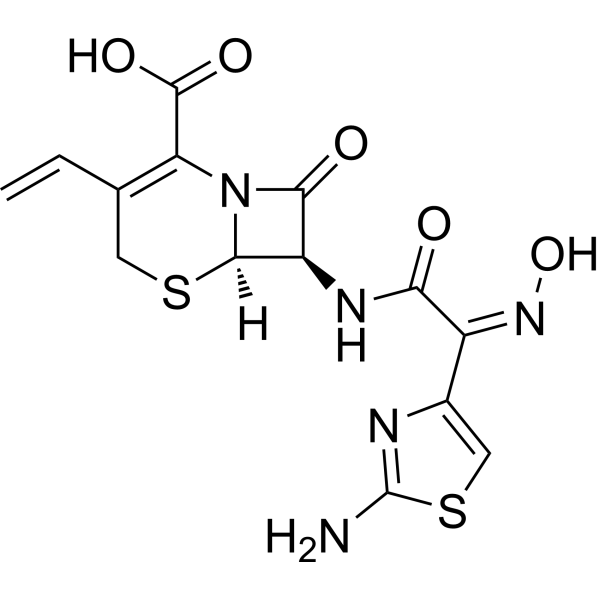
Cefdinir (FK-482) is a semi-synthetic, broad-spectrum antibiotic in the third generation of the cephalosporin class, which is proved to be effective for infections caused by several Gram-negative and Gram-positive bacteria. Cefdinir can be used for the research of common bacterial infections of the ear, sinus, throat, and skin .
|
-
-
- HY-P2685
-
|
|
Fluorescent Dye
|
Others
|
|
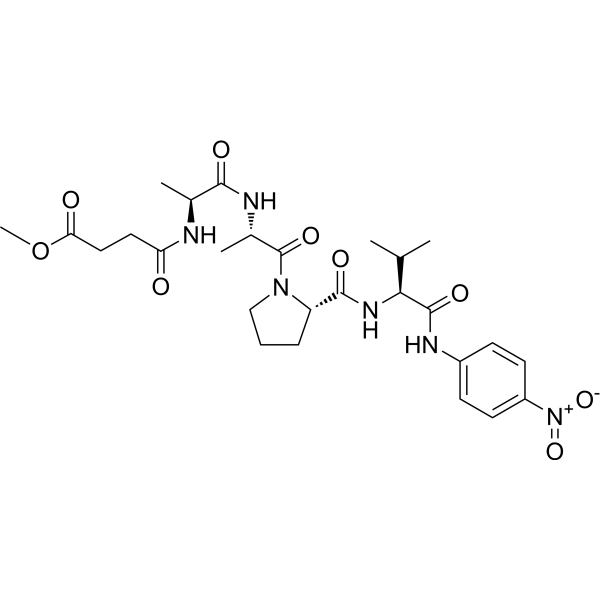
MeOSuc-Ala-Ala-Pro-Val-pNA is a sensitive chromogenic substrate for human leukocyte and porcine pancreatic elastase .
|
-
-
- HY-P4566
-
|
Pro-Val
|
Dipeptidyl Peptidase
|
Others
|
|
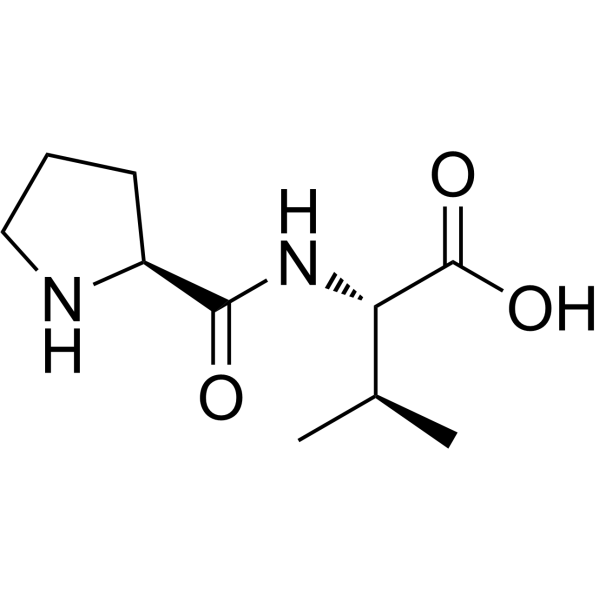
H-Pro-Val-OH is a deprotonation dipeptide containing proline, which can catalyze the Michael addition reaction of acetone to trans-β-nitrostyrene. H-Pro Val OH can also serve as a substrate for fibroblast enzymes and prolinase, and has potential applications in biochemical analysis .
|
-
-
- HY-129724A
-
|
ACTH-(11-13) acetate; Lys-Pro-Val acetate; H-Lys-Pro-Val-OH acetate
|
|
Infection
Metabolic Disease
|
|
α-MSH (11-13) acetate is a melanocortin-1 receptor ligand and anti-inflammatory agent. α-MSH (11-13) acetate triggers acute intracellular calcium elevation under specific costimulation or pathway inhibition conditions. α-MSH (11-13) acetate inhibits TNF-α-induced NF-κB activation, GPx activity, HIV replication, as well as colony formation of S. aureus and C. albicans. α-MSH (11-13) acetate is applicable to the research of Staphylococcus aureus infection, Candida albicans infection, human immunodeficiency virus infection, traumatic brain injury, corneal epithelial wound and inflammatory bowel disease .
|
-
-
- HY-125776
-
|
BAS 490 F
|
Environmental Pollutants
Mitochondrial Metabolism
Fungal
|
Infection
|
|
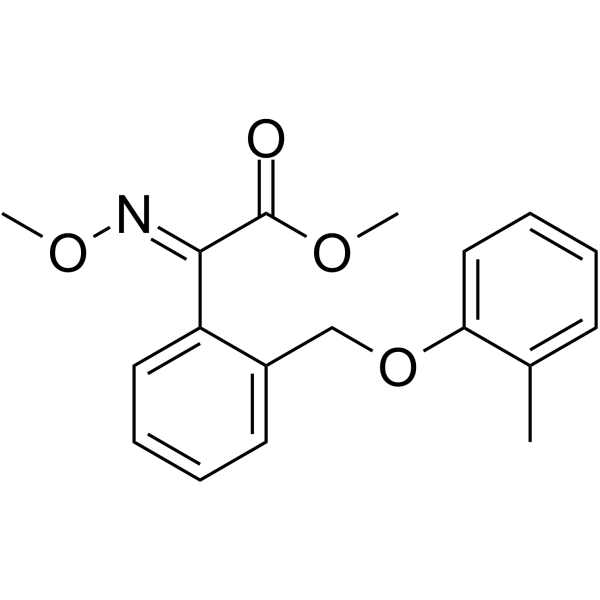
Kresoxim-methyl (BAS 490 F), a Strobilurin-based fungicide, inhibits the respiration at the complex III (cytochrome bc1 complex). Kresoxim-methyl binds to complex III from yeast with an apparent Kd of 0.07 μM proving a high affinity for this enzyme .
|
-
-
- HY-116874
-
|
|
Dopamine Receptor
|
Neurological Disease
|
|
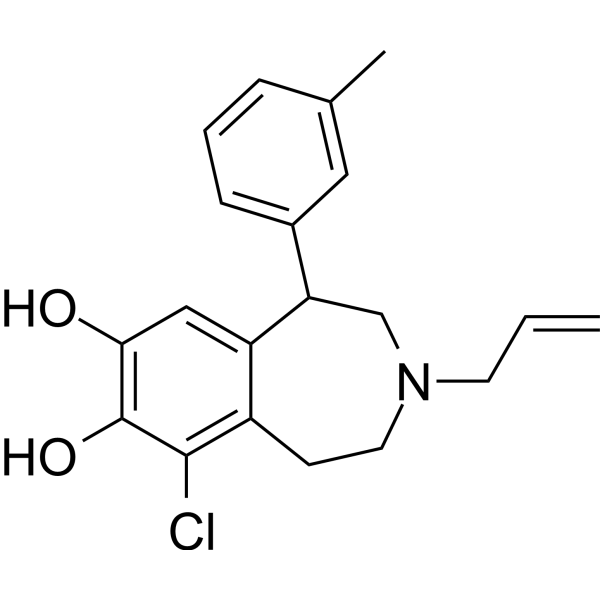
SKF 83822 is an atypical agonist of dopamine D1 receptor. SKF 83822 activates adenylyl cyclase (AC), but not phospholipase C (PLC). SKF 83822 is also proved to stimulate AC via cAMP production. SKF 83822 can be used for research of schizophrenia .
|
-
-
- HY-12659
-
LX7101
3 Publications Verification
|
LIM Kinase (LIMK)
ROCK
PKA
|
Endocrinology
|
|
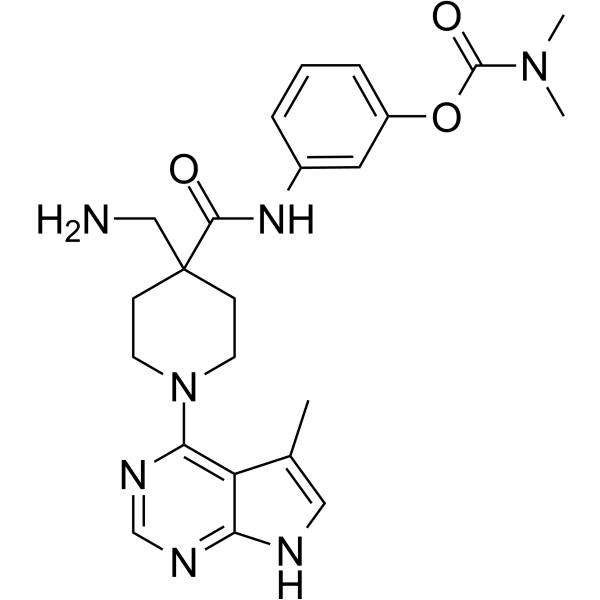
LX7101 is a potent LIM-kinase, ROCK and PKA inhibitor with IC50s of 24 nM, 1.6 nM, 10 nM and <1 nM for LIMK1, LIMK2, ROCK2 and PKA, respectively. LX7101 proves significantly selective for LIMK2 with IC50 values of 4.3 nM and 32 nM for LIMK2 and LIMK1 at 2 μM ATP, respectively. LX7101 has the potential for ocular hypertension and associated glaucoma research .
|
-
-
- HY-129724
-
-
-
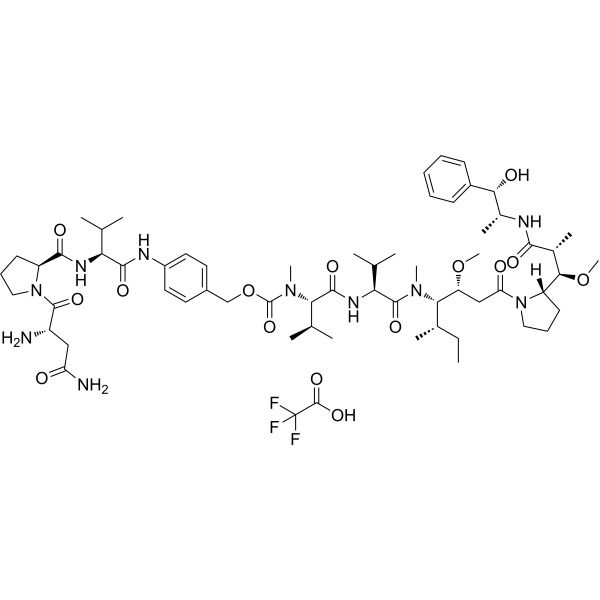
- HY-136375
-
-
-
- HY-144628
-
|
|
ADC Linker
|
Cancer
|
|
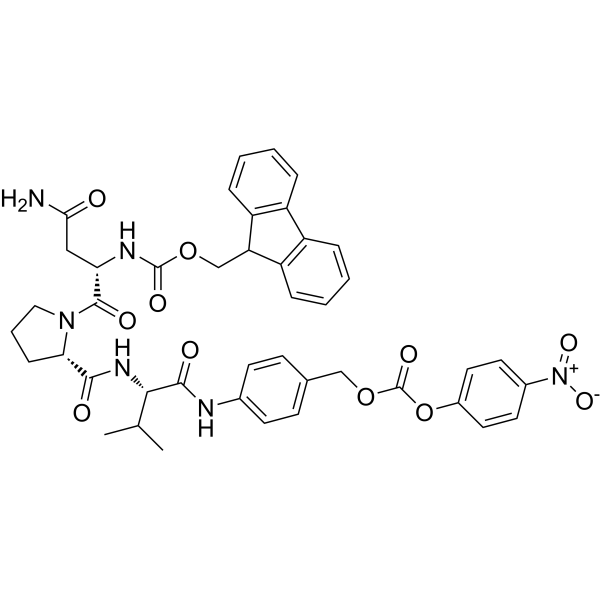
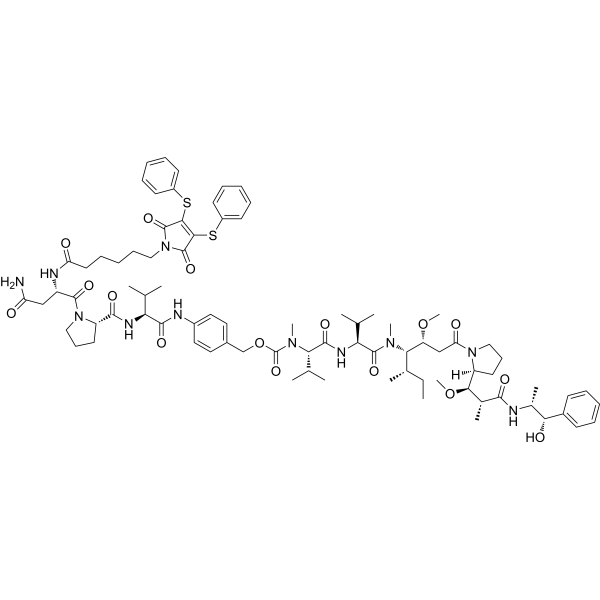
Fmoc-Asn-Pro-Val-PABC-PNP (compound 6) is a potent ADC Linker .
|
-
-
- HY-106784A
-
|
|
Fungal
Apoptosis
|
Neurological Disease
|
|
(E)-Ajoene is a oxygenated ajoene and organosulfur compound, which can be acquired via allicin decomposing. The polysulfides from garlic can be converted by human red blood cells into hydrogen sulfide (H2S) and allyl glutathione. (E)-Ajoene has been proved to show neuroprotective effects against ischemic damage. (E)-Ajoene is orally active to inhibit lipid peroxidation. (E)-Ajoene increases the number of cresyl violet-positive neurons and decreases the number of reactive gliosis in the CA1 region .
|
-
-
- HY-W103463
-
|
1-Phenylpyrrolidin-2-one
|
GABA Receptor
|
Neurological Disease
|
|
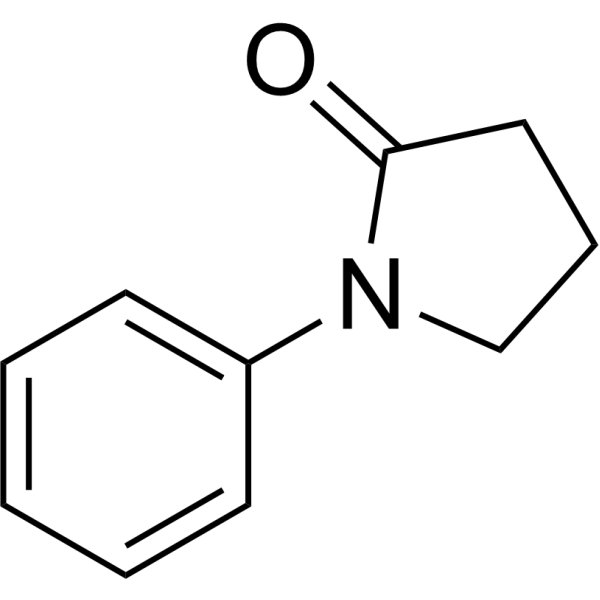
1-Phenyl-2-pyrrolidinone (1-Phenylpyrrolidin-2-one) is a phenyl analogue of GABA with sedative effect, decreasing the exploratory behavior of rats at 50-100 mg/kg (i.v.). 1-Phenyl-2-pyrrolidinone also has been proved to inhibit emotional reactions in dogs and cats. 1-Phenyl-2-pyrrolidinone induces decreases in the pressor reaction to emotional stress without accompanied by normalization of the function of baroreceptor reflexes .
|
-
-
- HY-P4126
-
|
|
Elastase
|
Others
|
|
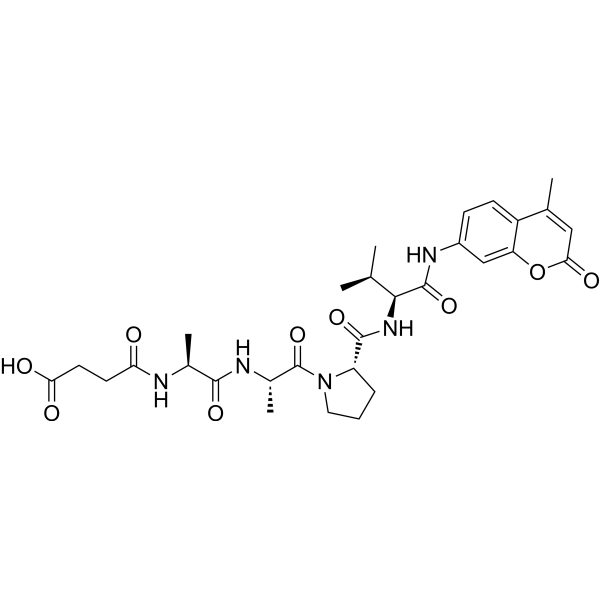
Suc-Ala-Ala-Pro-Val-AMC is a fluorescent substrate for elastase. Suc-Ala-Ala-Pro-Val-AMC can be hydrolyzed by these elastases to release the fluorescent substance 7-amino-4-methylcoumarin. Suc-Ala-Ala-Pro-Val-AMC is used for in vitro elastase activity assays and can also be applied in studies related to chronic wounds .
|
-
-
- HY-144630
-
-
-
- HY-144629
-
-
-
- HY-B0590D
-
|
(-)-TBZ; (3S,11bS)-TBZ; (3S,11bS)-Tetrabenazine
|
Monoamine Transporter
|
Neurological Disease
|
|
(-)-Tetrabenazine ((-)-TBZ; compound 13) is an enantiomer of Tetrabenazine (HY-B0590). (+)-Tetrabenazine proves 3-fold more active than (-)-Tetrabenazine in inhibiting vesicular monoamine transporter 2 (VMAT2) .
|
-
-
- HY-N15154
-
|
|
Cathepsin
HSP
|
Cancer
|
|
Tasiamide B is a Cathepsin D inhibitor, which is a linear peptide found in the marine cyanobacteria Symploca sp.. Tasiamide B is proved as a good template for the development of aspartic proteases inhibitors. Tasiamide B is effective against skin cancer by strongly interacting with the target protein HSP90 .
|
-
-
- HY-P3648
-
|
AAPV-CMK
|
Elastase
|
Inflammation/Immunology
|
|
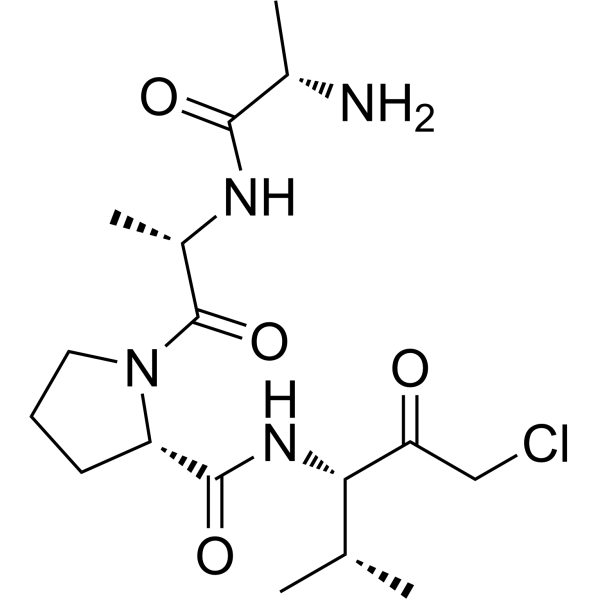
Ala-Ala-Pro-Val-chloromethylketone is an irreversible human neutrophil elastase (NE) inhibitor for use in the study of chronic inflammatory airway diseases .
|
-
-
- HY-P4019
-
|
|
HIV Protease
|
Others
|
|
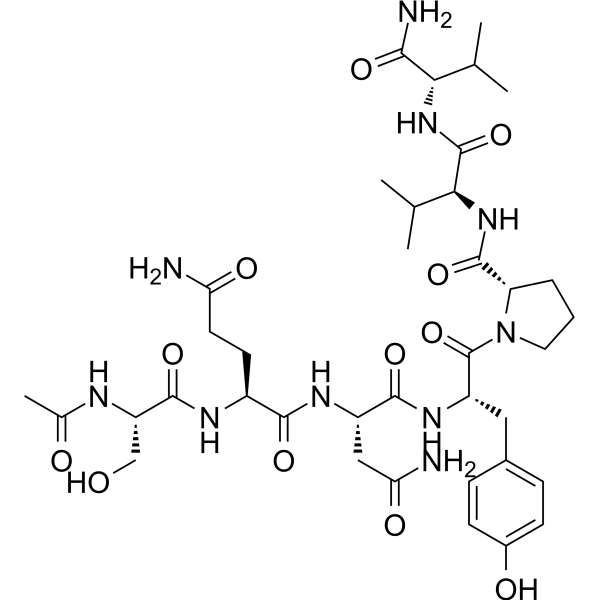
Ac-Ser-Gln-Asn-Tyr-Pro-Val-Val-NH2 is a substrato peptídico of HIV-1 protease. Ac-Ser-Gln-Asn-Tyr-Pro-Val-Val-NH2 acts as the variable substrate in a peptidolytic assay to quantify the inhibition of the protease .
|
-
-
- HY-P5993
-
|
|
Fluorescent Dye
|
Others
|
|
MeOSuc-Ala-Ala-Pro-Val-4-MNA is a elastase fluorogenic substrate that can be detected at 425 nm (with excitation at 340 nm) .
|
-
-
- HY-N11615R
-
|
|
Others
Reference Standards
|
Others
|
|
Tylosin (tartrate) (Standard) is the analytical standard of Tylosin (tartrate). This product is intended for research and analytical applications. Tylosin tartrate is a macrolide antibiotic found naturally as a fermentation product of Streptomyces fradiae. Tylosin tartrate exerts potent antimicrobial activity against Gram-positive bacteria. Tylosin tartrate is widely used as a feed additive for promoting animal growth. Tylosin tartrate is used for veterinary purposes against bacterial dysentery and respiratory diseases in poultry, pigs and cattle .
|
-
-
- HY-125128
-
-
-
- HY-P1938S1
-
|
|
Isotope-Labeled Compounds
|
Others
|
|
Cyclo(Pro-Val)-d4 is the deuterium labeled Cyclo(Pro-Val) (HY-N11615). Cyclo(Pro-Val) can be isolated from Pseudomonas fluorescens GcM5-1A and has cytotoxicity .
|
-
-
- HY-147709
-
|
|
Tyrosinase
|
Others
|
|
Compound 4B proved to be the most effective tyrosinase inhibitor (ic50= 3.80 μ M) It also showed good antioxidant activity.
|
-
-
- HY-136375S
-
|
|
Isotope-Labeled Compounds
|
Others
|
|
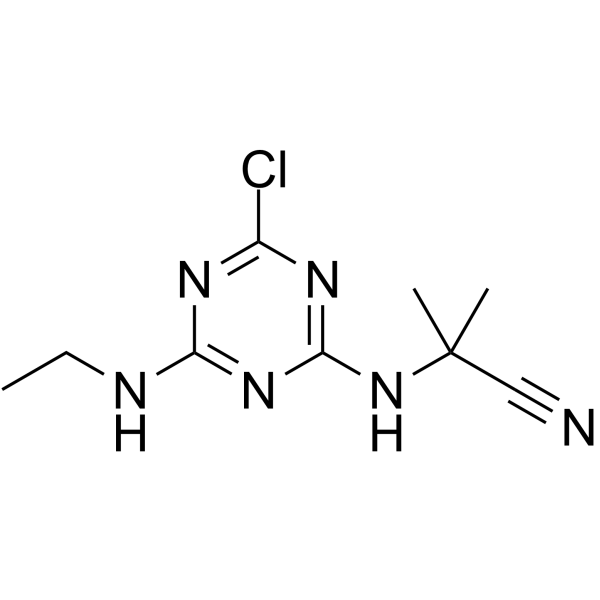
Cyanazine-d5 is deuterium labeled Cyanazine. Cyanazine, a triazine herbicide cyanazine, is used to control a variety of grass weeds and broadleaf weed. Cyanazine is proved non-genotoxic .
|
-
-
- HY-136375R
-
|
|
Herbicide
Reference Standards
|
Others
|
|
Cyanazine (Standard) is the analytical standard of Cyanazine. This product is intended for research and analytical applications. Cyanazine, a triazine herbicide cyanazine, is used to control a variety of grass weeds and broadleaf weed. Cyanazine is proved non-genotoxic .
|
-
-
- HY-N10322
-
|
|
Drug Metabolite
|
Others
|
|
2-Hydroxyemodin is an active metabolite of emodin in the hepatic microsomes. Emodin is an anthraquinone present in fungal metabolites and constituent of rhubarb. 2-Hydroxyemodin proves to be mutagenic to Salmonella typhimurium TA1537 in the absence of activation system .
|
-
-
- HY-154910
-
|
|
mTOR
|
Cancer
|
|
CC214-1 is a potentially efficacious mTOR inhibitor that induces autophagy ,with an IC50 is 0.002 μM. CC214-1 proved to be useful as an in vitro tool compound for the exploration of mTOR kinase biology. CC214-1 can be used for Glioblastoma study .
|
-
-
- HY-147707
-
|
|
Cannabinoid Receptor
|
Others
|
|
Hexyl resorcinol derivative 29 has been proved to be a CB2 selective competitive antagonist / reverse agonist with good potency. Olivanol and 5- (2-methyloctane-2-yl) resorcinol derivatives 23 and 24 showed significant antinociceptive activity. Compound 24 was shown to activate cannabinoid and TRPV1 receptors.
|
-
-
- HY-125776R
-
|
BAS 490 F (Standard)
|
Reference Standards
Fungal
Mitochondrial Metabolism
|
Infection
|
|
Kresoxim-methyl (Standard) is the analytical standard of Kresoxim-methyl. This product is intended for research and analytical applications. Kresoxim-methyl (BAS 490 F), a Strobilurin-based fungicide, inhibits the respiration at the complex III (cytochrome bc1 complex). Kresoxim-methyl binds to complex III from yeast with an apparent Kd of 0.07 μM proving a high affinity for this enzyme .
|
-
-
- HY-B0136R
-
|
FK-482 (Standard); CI-983 (Standard)
|
Reference Standards
Bacterial
Antibiotic
|
Infection
|
|
Cefdinir (Standard) is the analytical standard of Cefdinir. This product is intended for research and analytical applications. Cefdinir (FK-482) is a semi-synthetic, broad-spectrum antibiotic in the third generation of the cephalosporin class, which is proved to be effective for infections caused by several Gram-negative and Gram-positive bacteria. Cefdinir can be used for the research of common bacterial infections of the ear, sinus, throat, and skin .
|
-
-
- HY-N11615A
-
|
|
Drug Derivative
|
|
|
(R,R)-Cyclo(Pro-Val) is a trans (D-L) diastereoisomer of valyl-prolyl diketopiperazine (cyclic dipeptide) .
|
-
-
- HY-12659B
-
|
|
LIM Kinase (LIMK)
ROCK
PKA
|
Endocrinology
|
|
LX7101 monohydrochloride is a potent LIM-kinase, ROCK and PKA inhibitor with IC50s of 24 nM, 1.6 nM, 10 nM and <1 nM for LIMK1, LIMK2, ROCK2 and PKA, respectively. LX7101 monohydrochloride proves significantly selective for LIMK2 with IC50 values of 4.3 nM and 32 nM for LIMK2 and LIMK1 at 2 μM ATP, respectively. LX7101 monohydrochloride has the potential for ocular hypertension and associated glaucoma research .
|
-
-
- HY-B0136S
-
|
FK-482-13C,15N2; CI-983-13C,15N2
|
Isotope-Labeled Compounds
Antibiotic
Bacterial
|
Infection
|
|
Cefdinir- 13C, 15N2 (FK-482- 13C, 15N2) is 13C and 15N labeled Cefdinir. Cefdinir (FK-482) is a semi-synthetic, broad-spectrum antibiotic in the third generation of the cephalosporin class, which is proved to be effective for infections caused by several Gram-negative and Gram-positive bacteria. Cefdinir can be used for the research of common bacterial infections of the ear, sinus, throat, and skin .
|
-
-
- HY-E70733
-
|
|
JAK
|
Cancer
|
|
JAK1 belongs to Janus family kinases (JAK) family. JAK mediates the Stat activation by cytokines. Jak1 is involved in IL-6-stimulated Stat3 activity. JAK1S729C mutations is proved to be activating mutations in vitro. JAK1 S729C Recombinant Human Active Protein Kinase is a recombinant JAK1 S729C protein that can be used to study JAK1 S729C-related functions .
|
-
-
- HY-179721
-
|
|
Cholecystokinin Receptor
|
Neurological Disease
|
|
CCKBR agonist-2 (Compound z-44) is a Gi-preferring CCKBR agonist. CCKBR agonist-2 effectively activates the CCKBR-Gi signaling pathway (EC50 = 0.27 nM), but has almost no activity on Gq and Gs signaling pathways. CCKBR agonist-2 shows no significant protective effect in the mouse Alzheimer's disease model, proving that the simple activation of the Gi signal pathway does not play a dominant role in the improvement of cognitive function .
|
-
-
-
HY-L084
-
|
|
914 compounds
|
|
Nature has been a source of medicinal products for millennia, with many useful active substances developed from plant sources. In the 20th century, the discovery of the penicillin was the starting point for drug discovery from microbial sources. Microorganisms, which have been considered to be a rich source of unique bioactive compounds, play an important role in the development of the chemistry of natural products and medical therapy. Microbial metabolites have proved to be affective antimicrobial agents, anti-tumor agents, enzyme inhibitors, anti-inflammatory agents, etc. Today, many microbial-originated antibiotics are available in the mark, and a large number of bioactive metabolites are used in medicine.
MCE provides a unique collection of 914 microbial metabolites, which is an important source of lead compounds and can be used for drug discovery.
|
-
-
HY-L152
-
|
|
5,124 compounds
|
|
19F-NMR has proved to be a detection mode in fragment-based drug discovery (FBDD) for studies of protein structure and interactions. 19F shows high sensitivity for NMR detection, and the exquisite sensitivity of 19F chemical shifts and linewidths to ligand binding all make it a valuable approach in FBDD.F (Fluorine) -Fragments can be used for 19F-NMR detection after binding to target proteins, and can be used as an effective 19F-NMR tool for FBDD.
MCE designs a unique collection of 5,124 F-fragments, all of which obey a heuristic rule called the “Rule of Three (RO3)”, in which molecular weight ≤300 Da, the number of hydrogen bond donors (H-donors) ≤3, the number of hydrogen bond acceptors (H-acceptors) is ≤3 and cLogP is ≤3. This F-fragments library is an important source of lead-like drugs.
|
-
-
HY-L041
-
|
|
448 compounds
|
|
Macrocycles, molecules containing 12-membered or larger rings, are receiving increased attention in small-molecule drug discovery. The reasons are several, including providing access to novel chemical space, challenging new protein targets, showing favorable ADME- and PK-properties. Macrocycles have demonstrated repeated success when addressing targets that have proved to be highly challenging for standard small-molecule drug discovery, especially in modulating macromolecular processes such as protein–protein interactions (PPI). Otherwise, the size and complexity of macrocyclic compounds make possible to ensure numerous and spatially distributed binding interactions, thereby increasing both binding affinity and selectivity.
MCE offers a unique collection of 448 macrocyclic compounds which can be used for drug discovery for high throughput screening (HTS) and high content screening (HCS). MCE Macrocyclic Compound Library is a useful tool for discovering new drugs, especially for “undruggable” targets and protein–protein interactions.
|
| Cat. No. |
Product Name |
Type |
-
- HY-P2685
-
|
|
Fluorescent Dye
|
|
MeOSuc-Ala-Ala-Pro-Val-pNA is a sensitive chromogenic substrate for human leukocyte and porcine pancreatic elastase .
|
| Cat. No. |
Product Name |
Target |
Research Area |
-
- HY-P2685
-
|
|
Fluorescent Dye
|
Others
|
|
MeOSuc-Ala-Ala-Pro-Val-pNA is a sensitive chromogenic substrate for human leukocyte and porcine pancreatic elastase .
|
-
- HY-P4566
-
|
Pro-Val
|
Dipeptidyl Peptidase
|
Others
|
|
H-Pro-Val-OH is a deprotonation dipeptide containing proline, which can catalyze the Michael addition reaction of acetone to trans-β-nitrostyrene. H-Pro Val OH can also serve as a substrate for fibroblast enzymes and prolinase, and has potential applications in biochemical analysis .
|
-
- HY-129724A
-
|
ACTH-(11-13) acetate; Lys-Pro-Val acetate; H-Lys-Pro-Val-OH acetate
|
|
Infection
Metabolic Disease
|
|
α-MSH (11-13) acetate is a melanocortin-1 receptor ligand and anti-inflammatory agent. α-MSH (11-13) acetate triggers acute intracellular calcium elevation under specific costimulation or pathway inhibition conditions. α-MSH (11-13) acetate inhibits TNF-α-induced NF-κB activation, GPx activity, HIV replication, as well as colony formation of S. aureus and C. albicans. α-MSH (11-13) acetate is applicable to the research of Staphylococcus aureus infection, Candida albicans infection, human immunodeficiency virus infection, traumatic brain injury, corneal epithelial wound and inflammatory bowel disease .
|
-
- HY-135158
-
|
Val-Pro; H-Val-Pro-OH
|
Peptides
|
Others
|
|
Prolylvaline (Pro-Val) is a proline-valine dipeptide that can be used to bind fluorescein isothiocyanate (FITC). Prolylvaline has specific imprinting effects in Tetrahymena, inducing negative imprinting. Using protozoan organisms, proline dipeptides containing different partner amino acids can be distinguished from dipeptides with opposite amino acid positions .
|
-
- HY-129724
-
-
- HY-N11615
-
|
|
Peptides
|
Others
|
|
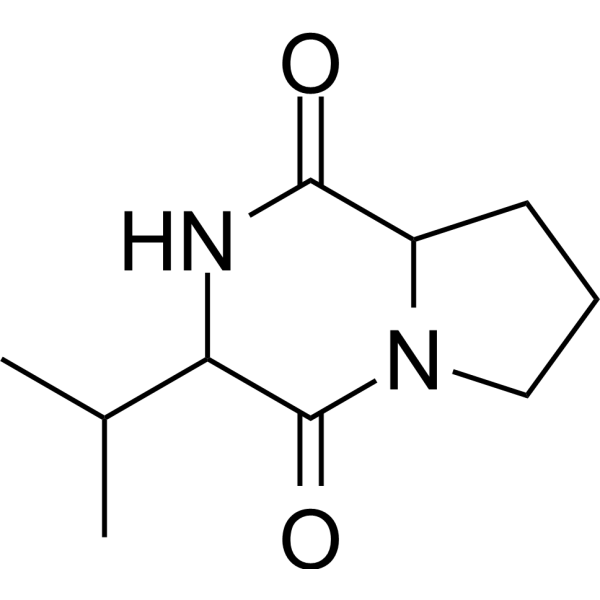
Cyclo(Pro-Val) can be isolated from Pseudomonas fluorescens GcM5-1A and has cytotoxicity .
|
-
- HY-P4126
-
|
|
Elastase
|
Others
|
|
Suc-Ala-Ala-Pro-Val-AMC is a fluorescent substrate for elastase. Suc-Ala-Ala-Pro-Val-AMC can be hydrolyzed by these elastases to release the fluorescent substance 7-amino-4-methylcoumarin. Suc-Ala-Ala-Pro-Val-AMC is used for in vitro elastase activity assays and can also be applied in studies related to chronic wounds .
|
-
- HY-P3648
-
|
AAPV-CMK
|
Elastase
|
Inflammation/Immunology
|
|
Ala-Ala-Pro-Val-chloromethylketone is an irreversible human neutrophil elastase (NE) inhibitor for use in the study of chronic inflammatory airway diseases .
|
-
- HY-P4019
-
|
|
HIV Protease
|
Others
|
|
Ac-Ser-Gln-Asn-Tyr-Pro-Val-Val-NH2 is a substrato peptídico of HIV-1 protease. Ac-Ser-Gln-Asn-Tyr-Pro-Val-Val-NH2 acts as the variable substrate in a peptidolytic assay to quantify the inhibition of the protease .
|
-
- HY-P5337
-
|
|
Peptides
|
Others
|
|
Myristoyl tetrapeptide Ala-Ala-Pro-Val is a biological active peptide. (stimulates the expression of ECM proteins and inhibits the expression of metalloproteinases (MMPs))
|
-
- HY-P5993
-
|
|
Fluorescent Dye
|
Others
|
|
MeOSuc-Ala-Ala-Pro-Val-4-MNA is a elastase fluorogenic substrate that can be detected at 425 nm (with excitation at 340 nm) .
|
-
- HY-N11615R
-
|
|
Peptides
Reference Standards
|
Others
|
|
Tylosin (tartrate) (Standard) is the analytical standard of Tylosin (tartrate). This product is intended for research and analytical applications. Tylosin tartrate is a macrolide antibiotic found naturally as a fermentation product of Streptomyces fradiae. Tylosin tartrate exerts potent antimicrobial activity against Gram-positive bacteria. Tylosin tartrate is widely used as a feed additive for promoting animal growth. Tylosin tartrate is used for veterinary purposes against bacterial dysentery and respiratory diseases in poultry, pigs and cattle .
|
-
- HY-125128
-
-
- HY-P4096B
-
|
|
Peptides
|
Inflammation/Immunology
|
|
scHAP-1 is a scrambled HAP-1 peptide, and HAP-1 is a synovial homing peptide. After amino acid sequence scrambling, scHAP-1 still specifically binds to human and rabbit fibroblast-like synoviocytes (FLS), while showing extremely weak binding to human umbilical vein endothelial cells, which proves that it remains an effective FLS-targeting ligand. scHAP-1 can be used in studies related to rheumatoid arthritis .
|
| Cat. No. |
Product Name |
Category |
Target |
Chemical Structure |
-
- HY-N11615
-
-
-
- HY-106784A
-
|
|
Natural Products
Allium sativum L.
Plants
Amaryllidaceae
Source Classification
|
Fungal
Apoptosis
|
|
(E)-Ajoene is a oxygenated ajoene and organosulfur compound, which can be acquired via allicin decomposing. The polysulfides from garlic can be converted by human red blood cells into hydrogen sulfide (H2S) and allyl glutathione. (E)-Ajoene has been proved to show neuroprotective effects against ischemic damage. (E)-Ajoene is orally active to inhibit lipid peroxidation. (E)-Ajoene increases the number of cresyl violet-positive neurons and decreases the number of reactive gliosis in the CA1 region .
|
-
-
- HY-N15154
-
-
-
- HY-N11615R
-
|
|
Alkaloids
Microorganisms
Other Alkaloids
Source Classification
|
Others
Reference Standards
|
|
Tylosin (tartrate) (Standard) is the analytical standard of Tylosin (tartrate). This product is intended for research and analytical applications. Tylosin tartrate is a macrolide antibiotic found naturally as a fermentation product of Streptomyces fradiae. Tylosin tartrate exerts potent antimicrobial activity against Gram-positive bacteria. Tylosin tartrate is widely used as a feed additive for promoting animal growth. Tylosin tartrate is used for veterinary purposes against bacterial dysentery and respiratory diseases in poultry, pigs and cattle .
|
-
-
- HY-N10322
-
-
-
- HY-N11615A
-
-
| Cat. No. |
Product Name |
Chemical Structure |
-
- HY-P1938S1
-
|
|
|
Cyclo(Pro-Val)-d4 is the deuterium labeled Cyclo(Pro-Val) (HY-N11615). Cyclo(Pro-Val) can be isolated from Pseudomonas fluorescens GcM5-1A and has cytotoxicity .
|
-
-
- HY-136375S
-
|
|
|
Cyanazine-d5 is deuterium labeled Cyanazine. Cyanazine, a triazine herbicide cyanazine, is used to control a variety of grass weeds and broadleaf weed. Cyanazine is proved non-genotoxic .
|
-
-
- HY-B0136S
-
|
|
|
Cefdinir- 13C, 15N2 (FK-482- 13C, 15N2) is 13C and 15N labeled Cefdinir. Cefdinir (FK-482) is a semi-synthetic, broad-spectrum antibiotic in the third generation of the cephalosporin class, which is proved to be effective for infections caused by several Gram-negative and Gram-positive bacteria. Cefdinir can be used for the research of common bacterial infections of the ear, sinus, throat, and skin .
|
-
Your information is safe with us. * Required Fields.
Inquiry Information
- Product Name:
- Cat. No.:
- Quantity:
- MCE Japan Authorized Agent:

