34 Results for "

RAFT

" in MedChemExpress (MCE) Product Catalog:
Products (34)

34 Results for "RAFT" in MCE Product Catalog:

52
52 Publications Verification
Cat. No.: HY-17409
CAS No.: 1400-61-9
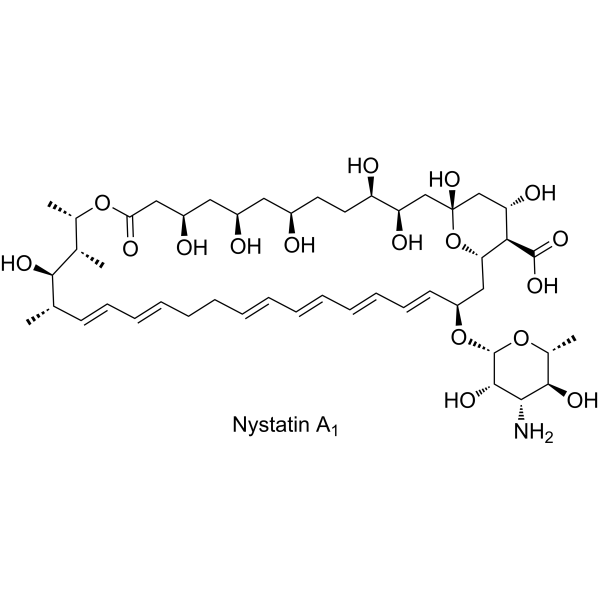
Nystatin is an orally active polyene antifungal antibiotic effective against yeast and mycoplasma. Nystatin increases the permeability of plasma membranes to small monovalent ions, including chloridion . Nystatin is a cholesterol-sequestering agent , partially prevents Oxaliplatin-induced lipid raft aggregation, DR4 and DR5 clustering, and thereby reduces apoptosis .
12
12 Cited Publications
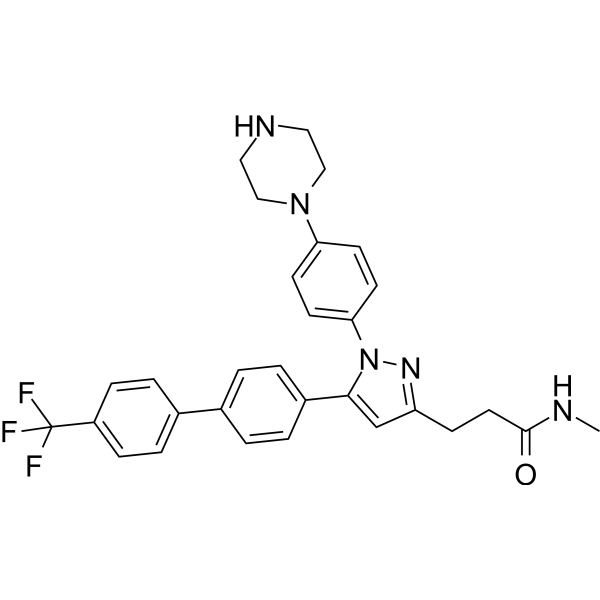
Cat. No.: HY-18676
CAS No.: 2070015-22-2
Research Areas:  

Cancer

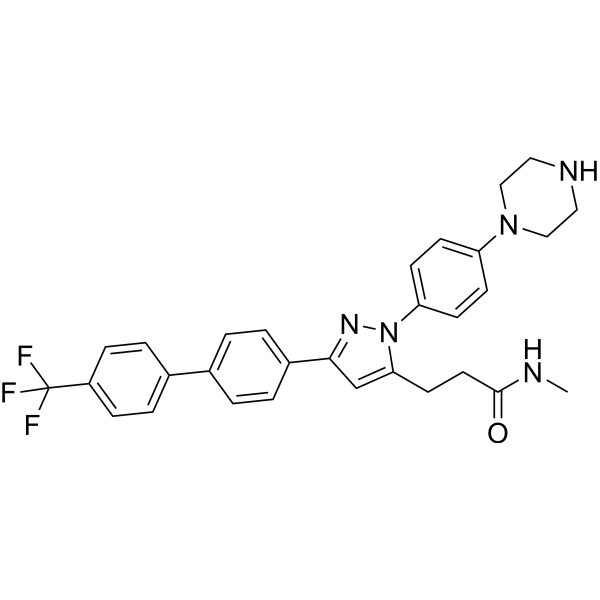
OSU-T315 (ILK-IN-1) is a small Integrin-linked kinase (ILK) inhibitor with an IC50 of 0.6 μM, inhibiting PI3K/AKT signaling by dephosphorylation of AKT-Ser473 and other ILK targets (GSK-3β and myosin light chain) . OSU-T315 abrogates AKT activation by impeding AKT localization in lipid rafts and triggers caspase-dependent apoptosis in an ILK-independent manner . OSU-T315 causes cell death through apoptosis and autophagy .
2
2 Cited Publications
Cat. No.: HY-P80837
Synonyms: MTOR; FRAP; FRAP1; FRAP2; RAFT1; RAPT1; Serine/threonine-protein kinase mTOR; FK506-binding protein 12-rapamycin complex-associated protein 1; FKBP12-rapamycin complex-associated protein; Mammalian target of rapamycin; mTOR; Mechanistic tar

Host:  

Rabbit

Application:  

WB, IHC-P

Reactivity:  

Human, Mouse

1
1 Cited Publications
Cat. No.: HY-108610A
CAS No.: 70641-51-9
Purity:  ≥99.0%
Synonyms: ET-18-OCH3
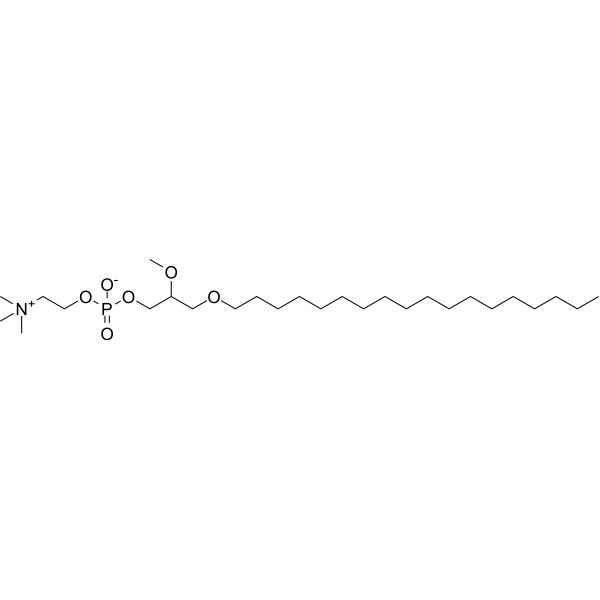
Edelfosine (ET-18-OCH3) is an orally active lipid raft modulator and apoptosis inducer that alters membrane fluidity and preferentially inserts into tumor cell membranes. Edelfosine recruits death receptor ligands (FasL/CD95L, TRAIL) and Bid to lipid rafts to form death-inducing signaling complexes, thereby initiating mitochondria-dependent apoptosis and inducing cytochrome c release. Edelfosine also exerts anti-inflammatory effects, promotes L-Selectin shedding, and causes no gastrointestinal or organ toxicity. In addition, Edelfosine inhibits nucleic acid and protein synthesis in Leishmania donovani and exhibits antiproliferative activity. Edelfosine can be used in research on multiple myeloma, inflammatory bowel diseases (such as ulcerative colitis and Crohn's disease), and visceral leishmaniasis .
1
1 Cited Publications
Cat. No.: HY-164561
CAS No.: 1678515-93-9
Research Areas:  

Cancer

TASIN-30 is a selective EBP inhibitor with an EC50 of 0.097 μM. TASIN-30 blocks the production of 7-dehydrocholesterol (7-DHC) and downstream cholesterol biosynthesis processes. TASIN-30 depletes downstream sterols, disrupts the integrity of lipid rafts in tumor cells, accelerates intracellular cholesterol consumption, and inhibits tumor cell proliferation. TASIN-30 induces ferroptosis and apoptosis by reducing 7-DHC levels and increasing phospholipid peroxidation. TASIN-30 achieves tumor suppression in nude mice with osteosarcoma. TASIN-30 can be used in cancer-related research such as colorectal cancer and osteosarcoma .
1
1 Cited Publications
Cat. No.: HY-N2382
CAS No.: 81917-50-2
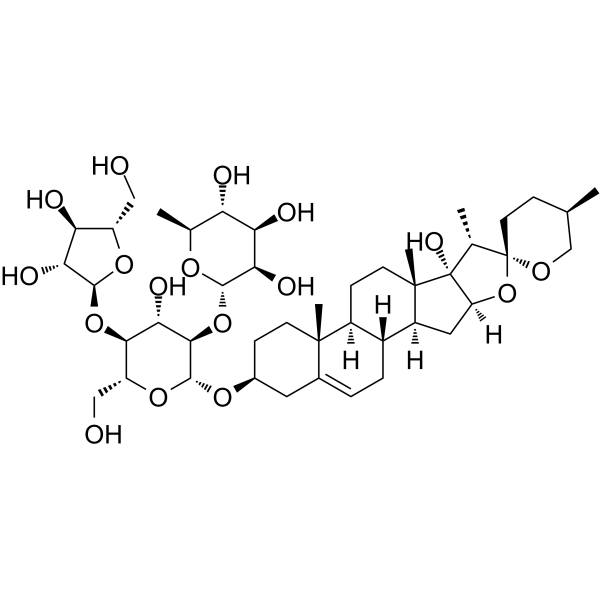
Polyphyllin H is a steroidal saponin. Polyphyllin H is isolated from Paris polyphylla. Polyphyllin H potently inhibits the activities of CYP1A2 (IC50 = 6.44 μM, competitive), CYP2D6 (IC50 = 13.88 μM, competitive) and CYP3A4 (IC50 = 4.52 μM, non-competitive, time-dependent). Polyphyllin H downregulates the expression of ABCB1 and ABCC3. Polyphyllin H binds to membrane cholesterol and disrupts lipid raft structures. Polyphyllin H restores the sensitivity of paclitaxel-resistant breast cancer cells to paclitaxel .
1
1 Cited Publications
Cat. No.: HY-P80759
Synonyms: MTOR; FRAP; FRAP1; FRAP2; RAFT1; RAPT1; Serine/threonine-protein kinase mTOR; FK506-binding protein 12-rapamycin complex-associated protein 1; FKBP12-rapamycin complex-associated protein; Mammalian target of rapamycin; mTOR; Mechanistic tar

Host:  

Rabbit

Application:  

WB, IHC-P, ICC/IF, IP, FC

Reactivity:  

Human, Mouse, Rat

Cat. No.: HY-100355
CAS No.: 2304-81-6
Purity:  99.95%
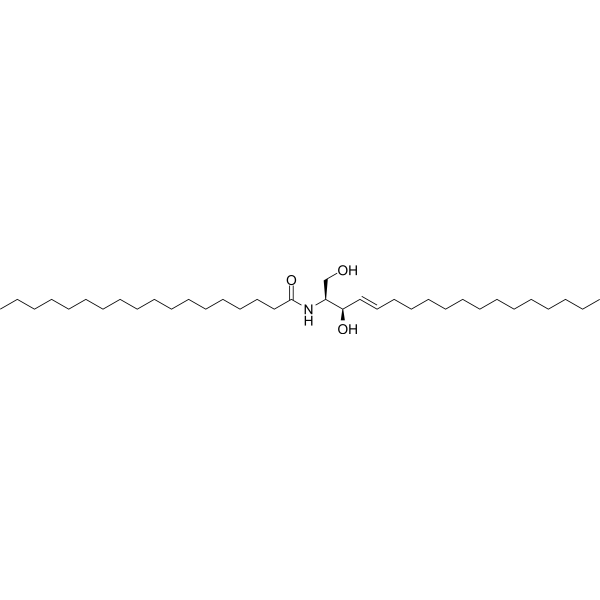
Synonyms: C18-Ceramide
C18-Ceramide (d18:1/18:0) is a bioactive molecule with multiple functions in cells, not a traditional agonist or inhibitor targeting a single site. It can act on multiple cellular targets, such as proteins related to endoplasmic reticulum stress (e.g., ATF-4, XBP-1, CHOP), proteins in the PI3K/AKT signaling pathway, and SNARE complex proteins. It exerts activities like inducing cell death, promoting autophagy, and regulating exocytosis through mechanisms such as activating endoplasmic reticulum stress, inhibiting the PI3K/AKT signaling pathway, and affecting lipid raft - related functions. It can be used in research on the mechanism of neuronal injury in the field of neuroscience and in the treatment research of cancers such as glioma in the field of oncology .
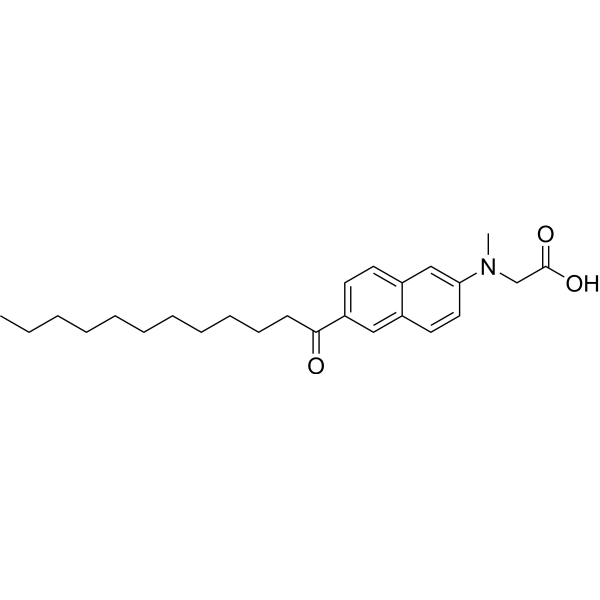
Cat. No.: HY-D1378
CAS No.: 959839-06-6
C-Laurdan is a modified Laurdan (HY-D0080) probe that imaging lipid rafts with environmentally sensitive fluorescence. C-Laurdan can be used in research of lipid arrangement and fluidity in biological membranes or artificial lipid membranes .
Cat. No.: HY-P3394
CAS No.: 131096-89-4
Synonyms: CTB, from vibrio cholerae
Cholera toxin B subunit, from vibrio cholerae (CTB, from vibrio cholerae) is non-toxic to cells and possesses no intrinsic adenylate cyclase activity. Cholera toxin B subunit, from vibrio cholerae attaches to cells by binding to ganglioside GM1.8 CTB has been shown to be a good label for microglial cells (due to the enrichment of ganglioside GM1 on their cell surface), but not for oligodendrocytes or astrocytes. Cholera toxin B subunit, from vibrio cholerae has been reported to be an excellent tracer for the study of axonal transport using immunohistochemical methods. Cholera toxin B subunit, from vibrio cholerae has been widely used as a marker of membrane lipid rafts .
Cat. No.: HY-W105423
CAS No.: 38862-25-8
Synonyms: NHS-MA
Methacrylic acid N-hydroxysuccinimide ester (NHS-MA) is a polymer that serves as a monomer to prepare degradable amphiphilic block copolymer microparticles via RAFT polymerization for low pH-triggered drug delivery. Methacrylic acid N-hydroxysuccinimide ester is used for the synthesis of nanogels .
Cat. No.: HY-18676B
CAS No.: 1333146-24-9
Synonyms: OSU-T315 analog
Research Areas:  

Cancer

ILK-IN-2 (OSU-T315 analog) is an oral PDK2 inhibitor and also an ILK inhibitor, with an IC50 of 0.6 μM. ILK-IN-2 induces cell autophagy and apoptosis, showing anti-tumor activity. ILK-IN-2 directly abolishes AKT activation by preventing AKT from translocating to lipid rafts, triggering Caspase-dependent apoptosis in chronic lymphocytic leukemia (CLL) and extending the lifespan in TCL1 mouse models .
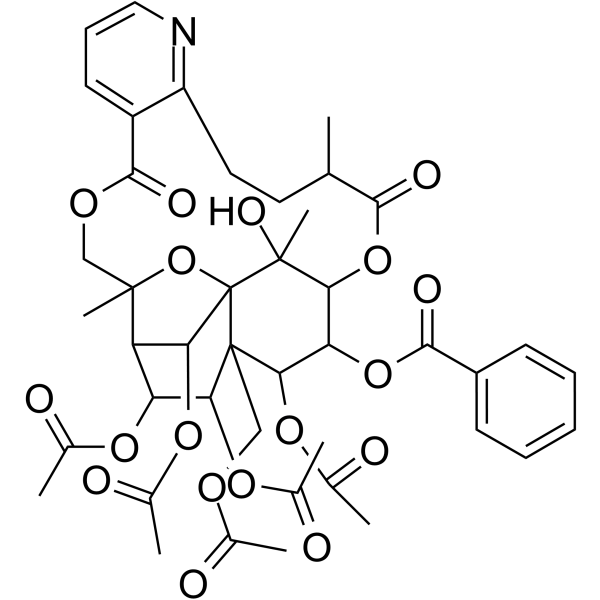
Cat. No.: HY-N0899
CAS No.: 11088-09-8
Wilforine is an orally active JAK-STAT pathway inhibitor with immunomodulatory effects and the ability to inhibit osteoclast fusion. Wilforine disrupts lipid raft integrity, reprograms cholesterol and glycosphingolipid metabolic pathways, regulates NF-κB and the complement system, and modulates the expression of various interleukins. Wilforine also inhibits the Wnt11/β-catenin signaling pathway and suppresses the proliferation of fibroblast-like synoviocytes. Wilforine can serve as a quality and pharmacokinetic marker for Tripterygium glycoside tablets, and can be applied to research on related diseases such as rheumatoid arthritis, inflammatory osteolysis, and SAPHO syndrome .
Cat. No.: HY-148978
CAS No.: 321883-23-2
Purity:  99.62%
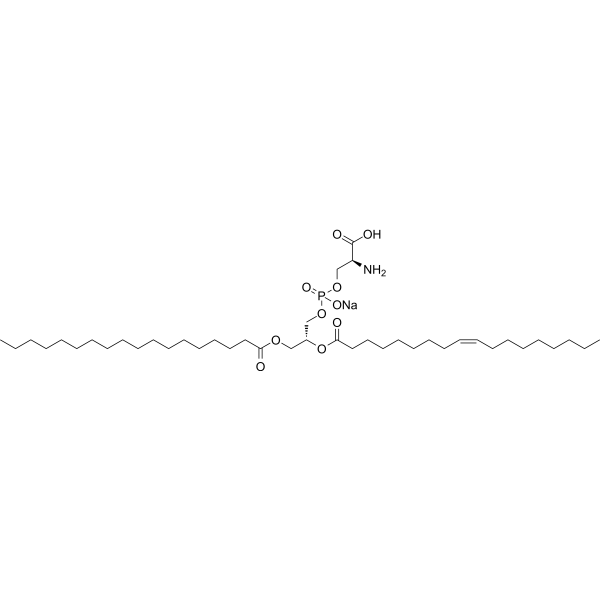
18:0,18:1 PS sodium is the dominant phosphatidylserine subtype in cells, exosomes and HIV particles. It is abundant in the brain and is essential for maintaining membrane structure, lipid raft organization and intracellular trafficking. 18:0,18:1 PS sodium mediates interleaflet membrane coupling through cholesterol-dependent interactions with very long-chain sphingolipids, and can induce the clustering of glycosylphosphatidylinositol-anchored proteins. In addition, clusters formed by the binding of 18:0,18:1 PS sodium to cholesterol not only facilitate the proper distribution of cholesterol in lipid bilayers, but also effectively protect cholesterol from oxidative damage .
Cat. No.: HY-131682
CAS No.: 201731-19-3
Purity:  ≥99.0%
Synonyms: 3-Hexanoyl-NBD-cholesterol
Target:  

Fluorescent Dye

Research Areas:  

Others

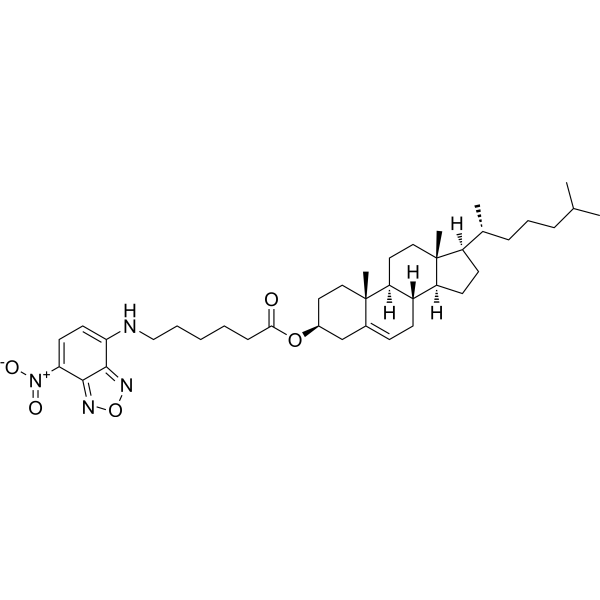
3-C6-NBD-cholesterol is a fluorescent analog of Chol that can be used to measure the kinetics of membrane and intracellular trafficking .
Cat. No.: HY-141569
CAS No.: 12707-58-3
Research Areas:  

Inflammation/Immunology

Ganglioside GD1a modulates toxic and inflammatory effects of E. coli lipopolysaccharide by preventing TLR4 translocation into lipid rafts. Ganglioside GD1a significantly reduces the effect of LPS on the decrease of cell survival and on stimulation of reactive oxygen species production .
Cat. No.: HY-16461
CAS No.: 137038-57-4
Synonyms: (-)-Solenopsin A
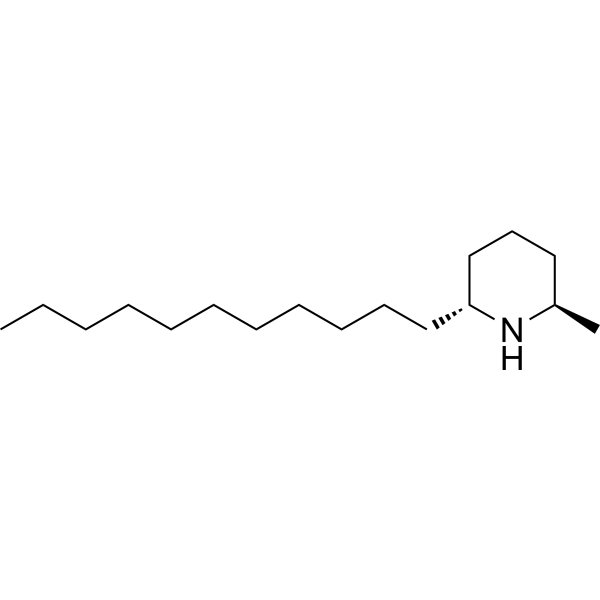
Solenopsin ((-)-Solenopsin A) is an ATP-competitive and selective Akt-1 inhibitor with an IC50 of 5-10 μM, and also acts as an RSK1 inhibitor. Solenopsin inhibits the activities of PDK1 in lipid rafts, downregulates PI3K, blocks PI3K-dependent generation of 3-phosphoinositides, and suppresses the phosphorylation of FOXO1a. Solenopsin induces Mitophagy and ROS production, reduces mitochondrial oxygen consumption, and exhibits antiproliferative and antiangiogenic activities. Solenopsin can be used in research related to hyperproliferative skin diseases and malignant diseases .
Cat. No.: HY-148978A
CAS No.: 124262-93-7
Research Areas:  

Metabolic Disease

18:0,18:1 PS is the dominant phosphatidylserine subtype in cells, exosomes and HIV particles. It is abundant in the brain and is essential for maintaining membrane structure, lipid raft organization and intracellular trafficking. 18:0,18:1 PS mediates interleaflet membrane coupling through cholesterol-dependent interactions with very long-chain sphingolipids, and can induce the clustering of glycosylphosphatidylinositol-anchored proteins. In addition, clusters formed by the binding of 18:0,18:1 PS to cholesterol not only facilitate the proper distribution of cholesterol in lipid bilayers, but also effectively protect cholesterol from oxidative damage .
Cat. No.: HY-134939
CAS No.: 943022-11-5
Target:  

Drug Derivative

Research Areas:  

Others

thio-Miltefosine is a modulator of rafts in membrane tissue. Rafts are nanoscale aggregates of different lipids and proteins that profoundly affect cellular function. Thio-Miltefosine modulates membrane phase behavior on cell-derived giant plasma membrane vesicles .
Cat. No.: HY-148978R
CAS No.: 321883-23-2
Resorantel (Standard) is the analytical standard of Resorantel. This product is intended for research and analytical applications. 18:0,18:1 PS sodium is the dominant phosphatidylserine subtype in cells, exosomes and HIV particles. It is abundant in the brain and is essential for maintaining membrane structure, lipid raft organization and intracellular trafficking. 18:0,18:1 PS sodium mediates interleaflet membrane coupling through cholesterol-dependent interactions with very long-chain sphingolipids, and can induce the clustering of glycosylphosphatidylinositol-anchored proteins. In addition, clusters formed by the binding of 18:0,18:1 PS sodium to cholesterol not only facilitate the proper distribution of cholesterol in lipid bilayers, but also effectively protect cholesterol from oxidative damage .

