367 Results for "

Source

" in MedChemExpress (MCE) Product Catalog:
Products (367)

367 Results for "Source" in MCE Product Catalog:

47
47 Publications Verification
Cat. No.: HY-Y1269C
CAS No.: 12125-02-9
Synonyms: Salmiac, for cell culture
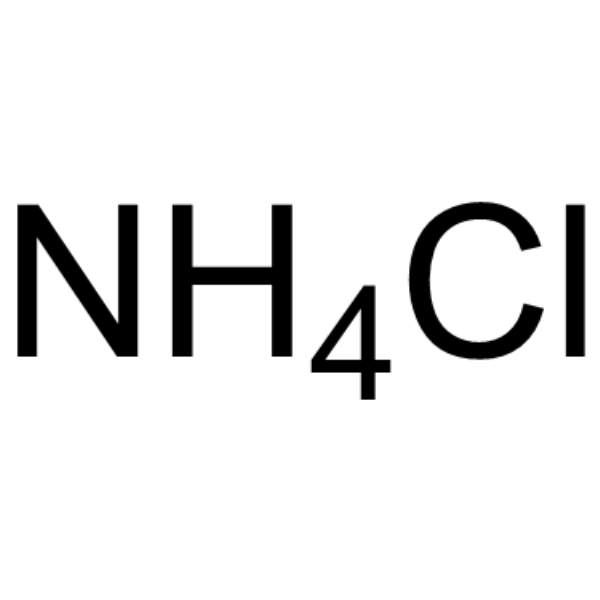
Ammonium chloride, for cell culture (Salmiac, for cell culture) is a reagent that can be used in cell culture to provide a source of nitrogen. Ammonium chloride can be used as a heteropolar compound to regulate pH value, which can cause intracellular alkalination and metabolic acidosis, thus affecting the activity of enzymes and affecting the process of biological systems. Ammonium chloride acts as an autophagy inhibitor.Ammonium chloride is also a lysosome inhibitor.
27
27 Cited Publications
Cat. No.: HY-N0390
CAS No.: 56-85-9
Synonyms: L-Glutamic acid 5-amide
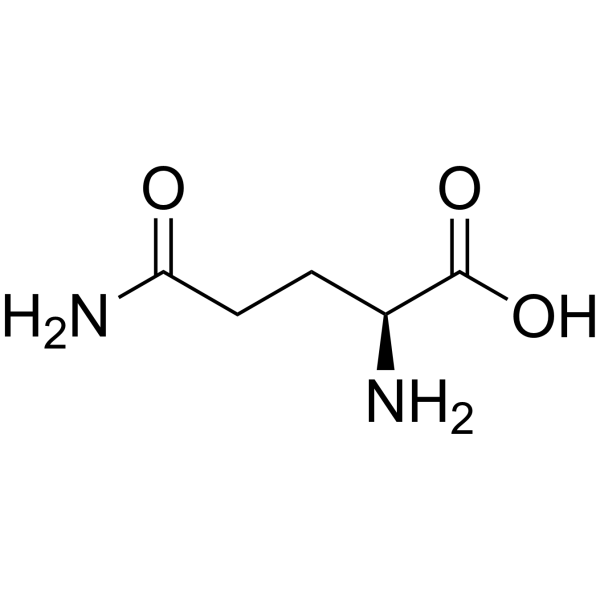
L-Glutamine (L-Glutamic acid 5-amide) is a non-essential amino acid present abundantly throughout the body and involved in many metabolic processes. L-Glutamine provides a source of carbons for oxidation in some cells .
27
27 Cited Publications
Cat. No.: HY-123033A
CAS No.: 23111-00-4
Purity:  99.90%
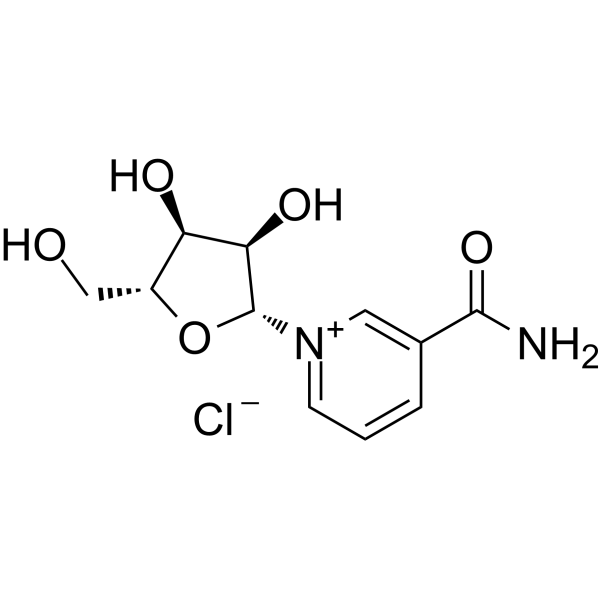
Nicotinamide riboside Chloride, an orally active NAD + precursor, increases NAD + levels and activates SIRT1 and SIRT3. Nicotinamide riboside Chloride is a source of vitamin B3 (niacin) and enhances oxidative metabolism, protection against high fat diet-induced metabolic abnormalities . Nicotinamide riboside Chloride reduces cognitive deterioration in a transgenic mouse model of Alzheimer’s disease .
27
27 Cited Publications
Cat. No.: HY-123033B
CAS No.: 2415657-86-0
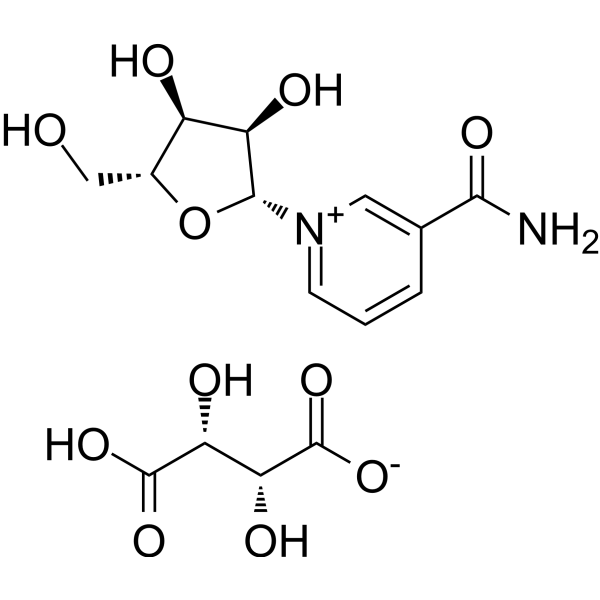
Nicotinamide riboside tartrate, an orally active NAD + precursor, increases NAD + levels and activates SIRT1 and SIRT3. Nicotinamide riboside tartrate is a source of vitamin B3 (niacin) and enhances oxidative metabolism, protection against high fat diet-induced metabolic abnormalities . Nicotinamide riboside tartrate reduces cognitive deterioration in a transgenic mouse model of Alzheimer’s disease .
27
27 Cited Publications
Cat. No.: HY-123033C
CAS No.: 2415659-01-5
Purity:  98.04%
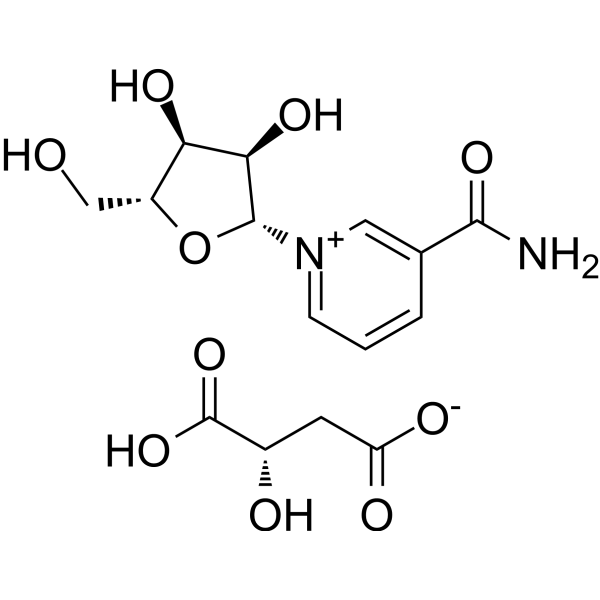
Nicotinamide riboside malate, an orally active NAD + precursor, increases NAD + levels and activates SIRT1 and SIRT3. Nicotinamide riboside malate is a source of vitamin B3 (niacin) and enhances oxidative metabolism, protection against high fat diet-induced metabolic abnormalities . Nicotinamide riboside malate reduces cognitive deterioration in a transgenic mouse model of Alzheimer’s disease .
11
11 Cited Publications
Cat. No.: HY-B1000
CAS No.: 1464-42-2
Synonyms: Seleno-DL-methionine; DL-Selenomethionine
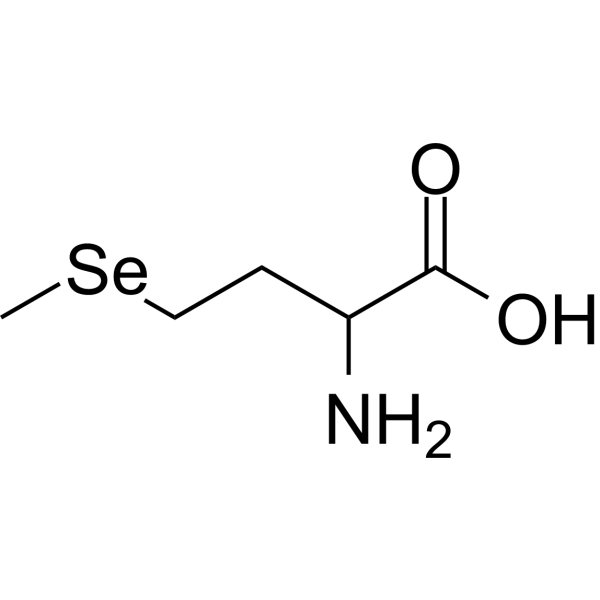
Selenomethionine is a naturally occurring amino acid containing selenium that has oral activity and is a common natural food source. Selenomethionine has antitumor activity .
8
8 Cited Publications
Cat. No.: HY-B2235
CAS No.: 8002-43-5
Synonyms: Polyene phosphatidylcholine
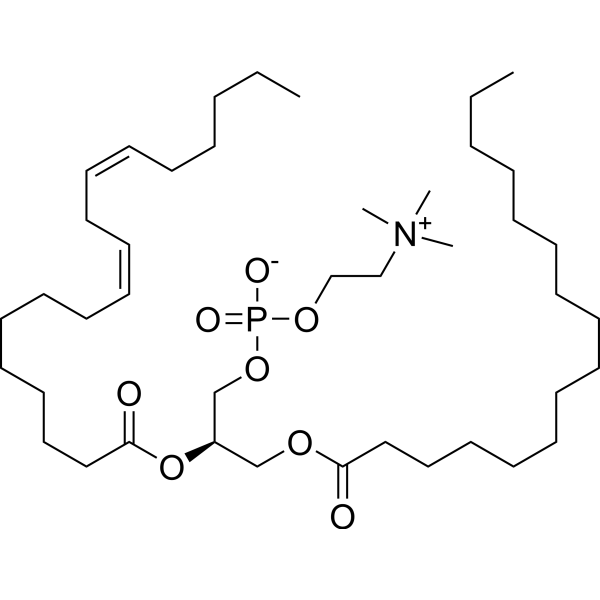
Lecithin is regarded as a safe, conventional phospholipid source. Phospholipids are reported to alter the fatty acid composition and microstructure of the membranes in animal cells.
8
8 Cited Publications
Cat. No.: HY-B1529
CAS No.: 3012-65-5
Synonyms: Ammonium hydrogencitrate, 99%; Diammonium hydrogen citrate, 99%
Ammonium citrate dibasic, 99% (Ammonium hydrogencitrate, 99%) can be used as the carbon source to prepare carbon quantum dots (CDs). Ammonium citrate dibasic, 99% is a buffering agent .
8
8 Cited Publications
Cat. No.: HY-B1529A
CAS No.: 3458-72-8
Synonyms: Triammonium citrate
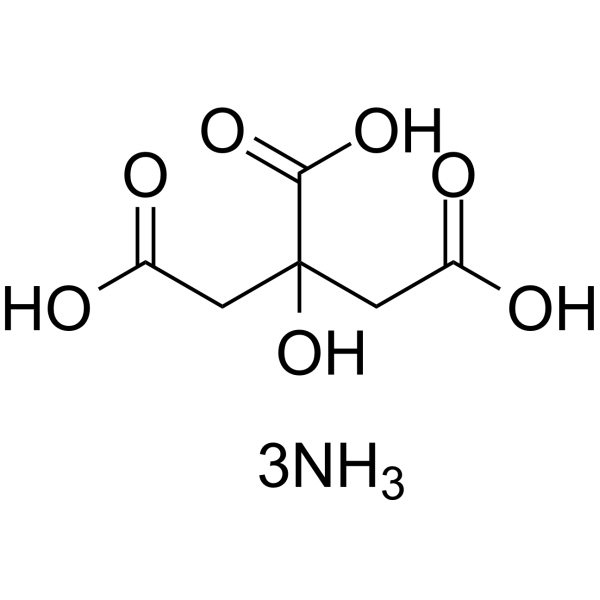
Citric acid triammonium (Triammonium citrate) is formed by Citric acid (HY-N1428) reacting with ammonia in a molar ratio of 1:3. Citric acid triammonium can be used as the carbon source to prepare carbon quantum dots (CDs). Citric acid triammonium with higher nitrogen components might promote the nitrogen-based functional groups in CDs, leading to a more efficient emission-color tunability .
7
7 Cited Publications
Cat. No.: HY-P2902
CAS No.: 9001-37-0
Target:  

Endogenous Metabolite

Research Areas:  

Cancer

Glucose oxidase is used in the food and beverage industry as a preservative and stabilizer and is commonly derived from the fungus Aspergillus niger. Glucose oxidase can react with intracellular glucose and oxygen (O2) to produce hydrogen peroxide (H2O2) and gluconic acid, which can cut off the nutrition source of cancer cells and consequently inhibit their proliferation .
6
6 Cited Publications
Cat. No.: HY-W051723
CAS No.: 625-72-9
Synonyms: (R)-(-)-3-Hydroxybutanoic acid; (R)-3-Hydroxybutyric acid
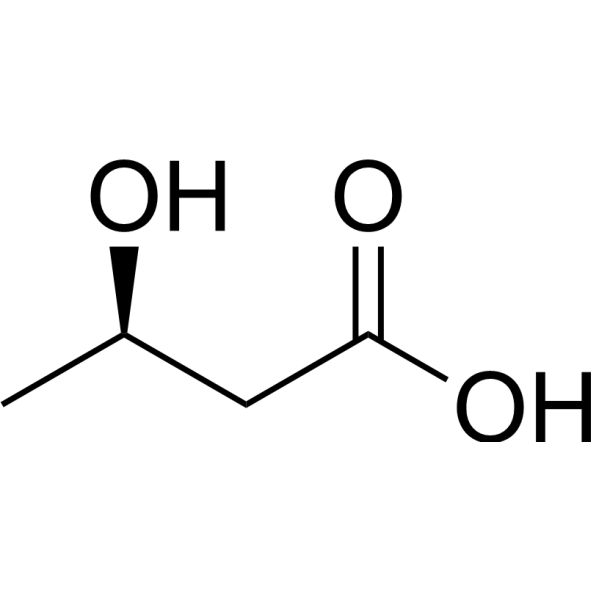
(R)-3-Hydroxybutanoic acid is a metabolite, and converted from acetoacetic acid catalyzed by 3-hydroxybutyrate dehydrogenase. (R)-3-Hydroxybutanoic acid has applications as a nutrition source and as a precursor for vitamins, antibiotics and pheromones .
6
6 Cited Publications
Cat. No.: HY-W015851
CAS No.: 13613-65-5
Synonyms: (R)-(-)-3-Hydroxybutanoic acid sodium; (R)-3-Hydroxybutyric acid sodium
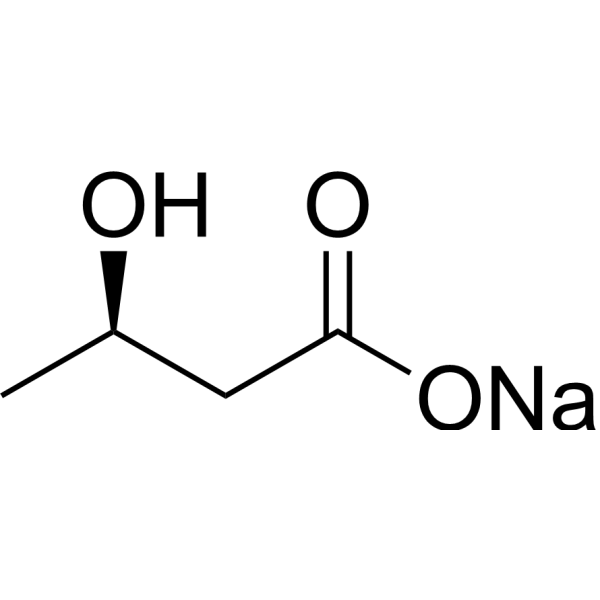
(R)-3-Hydroxybutanoic acid ((R)-3-Hydroxybutyric acid) sodium is a metabolite converted from acetoacetic acid catalyzed by 3-hydroxybutyrate dehydrogenase. (R)-3-Hydroxybutanoic acid sodium can function as a nutrition source, and as a precursor for vitamins, antibiotics and pheromones .
6
6 Cited Publications
Cat. No.: HY-Y0271
CAS No.: 57-13-6
Synonyms: Carbonyl diamide
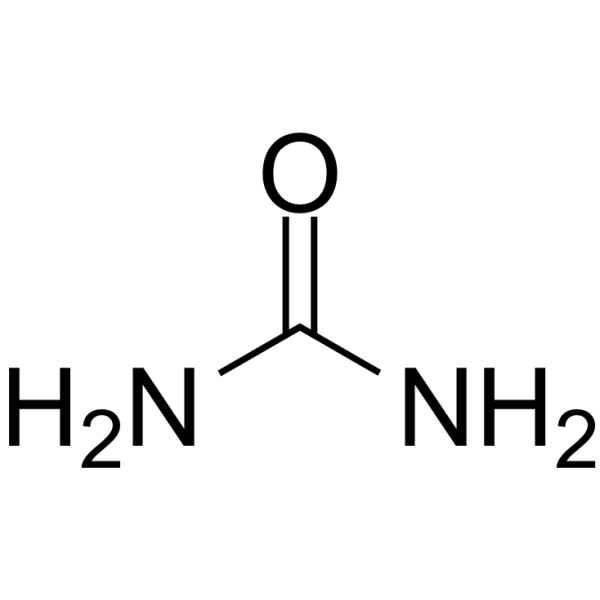
Urea is a powerful protein denaturant via both direct and indirect mechanisms . A potent emollient and keratolytic agent . Used as a diuretic agent. Blood urea nitrogen (BUN) has been utilized to evaluate renal function . Widely used in fertilizers as a source of nitrogen and is an important raw material for the chemical industry.
6
6 Cited Publications
Cat. No.: HY-B0717
CAS No.: 9002-96-4
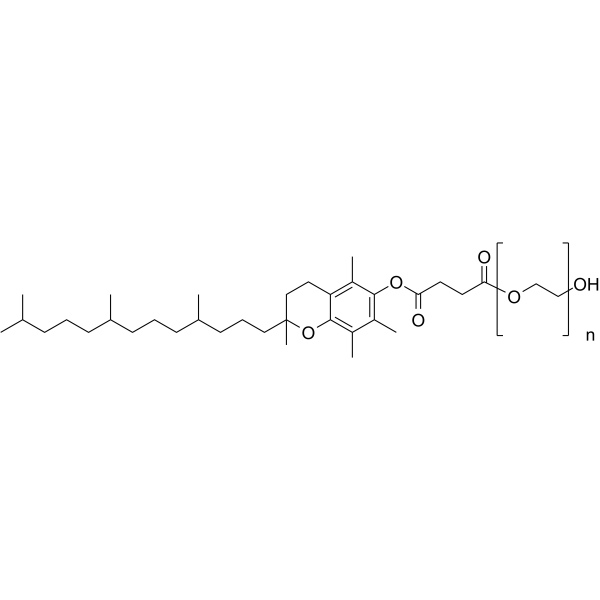
Synonyms: TPGS; D-α-Tocopherol polyethylene glycol 1000 succinate; Vitamin E-TPGS
Target:  

Drug Derivative

Tocofersolan is synthetic polyethylene glycol derivative of α-tocopherol. Tocofersolan is an orally active and water-soluble analog of vitamin E. Tocofersolan can reduce neurobehavioral deficits in zebrafish embryos exposed to moderate and high concentrations of BaP during early development. Tocofersolan shows antioxidant activity. Tocofersolan can be used to provide an orally bioavailable source of vitamin E .
6
6 Cited Publications
Cat. No.: HY-B0504
CAS No.: 60-27-5
Synonyms: NSC13123
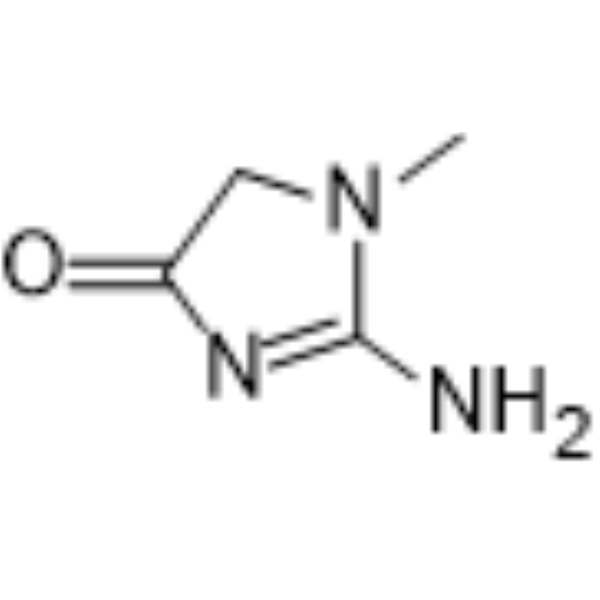
Creatinine (NSC13123) is an orally active, blood-brain barrier-permeable modulator of GABAA and NMDA receptors, with activities of antioxidation and metabolic regulation. Creatinine is generated via non-enzymatic conversion of creatine and phosphocreatine in muscle. Creatinine serum levels correlate with muscle mass, glomerular filtration rate, and extrarenal clearance, serving as an evaluation biomarker for renal function, muscle mass, and clinical outcomes, and used for perioperative renal risk assessment. In addition, Creatinine can induce specific Cryptococcus species to produce creatinine deiminase and act as their nitrogen source, while it can be secreted via renal tubules. Creatinine is widely used in research related to various diseases such as neurodegenerative diseases, psychiatric disorders, acute kidney injury, chronic kidney disease, and renal failure .
5
5 Cited Publications
Cat. No.: HY-N0537
CAS No.: 58-86-6
Synonyms: D-(+)-Xylose; (+)-Xylose; Wood sugar
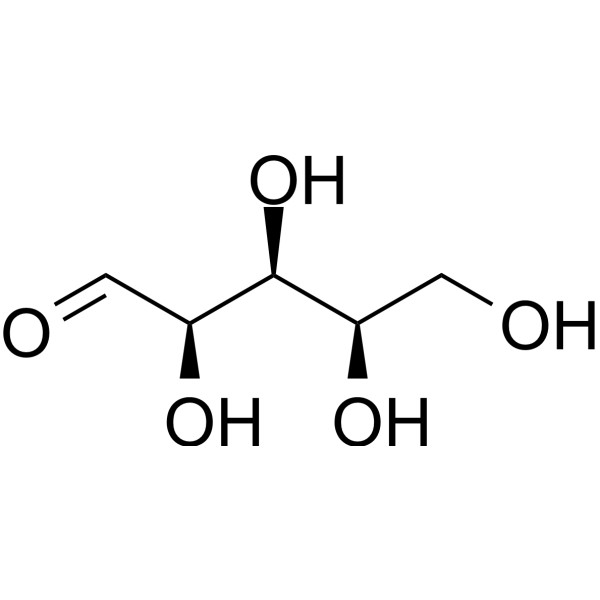
Xylose (D-(+)-Xylose) is a natural pentose sugar that is catalyzed by xylose isomerase to form xylulose, which is a key step in the anaerobic ethanol fermentation of Xylose. Xylose can be used by microorganisms to produce fuels, chemicals, and bulk industrial enzymes. Xylose provides the substances and energy for cells, as a carbon source for the biosynthesis of high-value chemicals and biofuel. Xylose can be used to fully explore lignocellulose resources and provide a new direction for microbia fermentation .
5
5 Cited Publications
Cat. No.: HY-B0710
CAS No.: 107-43-7
Synonyms: Trimethylglycine; carboxy-N,N,N-trimethylmethanaminium
Betaine (Trimethylglycine) is a natural compound found in many foods and also an active methyl-donor which can maintain normal DNA methylation patterns [1,2]. Betaine is found ubiquitously in plants, animals, microorganisms, and rich dietary sources including seafood, spinach, and wheat bran. Betaine also acts as an osmolyte, to maintain the avian’s cellular water and ion balance to improve the avian’s capacity against heat stress via preventing dehydration and osmotic inactivation. It helps in maintaining the protective osmolytic activity, especially in heat-stressed birds. Betaine may promote various intestinal microbes against osmotic variations and thus improve microbial fermentation activity .
5
5 Cited Publications
Cat. No.: HY-B0504S
CAS No.: 143827-20-7
Synonyms: NSC13123-d3
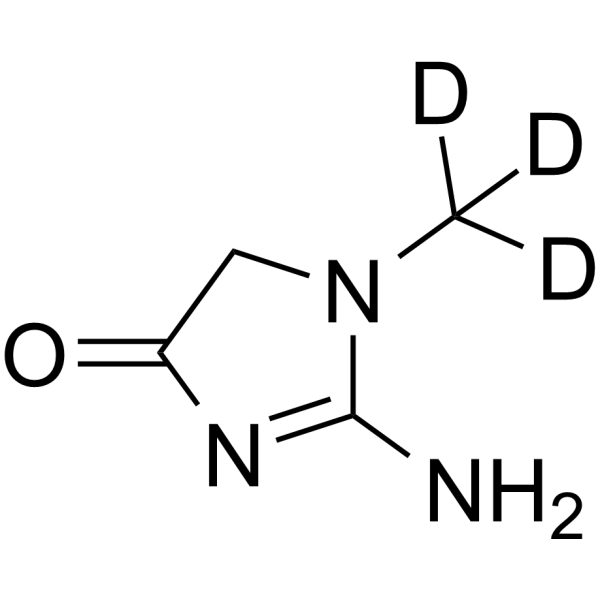
Creatinine-d3 is a deuterium labeled Creatinine. Creatinine (NSC13123) is an orally active, blood-brain barrier-permeable modulator of GABAA and NMDA receptors, with activities of antioxidation and metabolic regulation. Creatinine is generated via non-enzymatic conversion of creatine and phosphocreatine in muscle. Creatinine serum levels correlate with muscle mass, glomerular filtration rate, and extrarenal clearance, serving as an evaluation biomarker for renal function, muscle mass, and clinical outcomes, and used for perioperative renal risk assessment. In addition, Creatinine can induce specific Cryptococcus species to produce creatinine deiminase and act as their nitrogen source, while it can be secreted via renal tubules. Creatinine is widely used in research related to various diseases such as neurodegenerative diseases, psychiatric disorders, acute kidney injury, chronic kidney disease, and renal failure .
4
4 Cited Publications
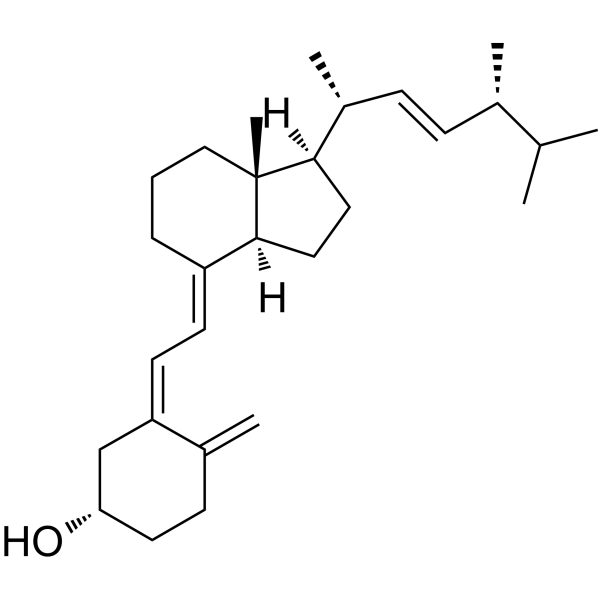
Cat. No.: HY-76542
CAS No.: 50-14-6
Synonyms: Ergocalciferol; Calciferol; Ercalciol
Vitamin D2 (Ergocalciferol), drived from plant sources or dietary supplements, could be used as supplement of Vitamin D .
4
4 Cited Publications
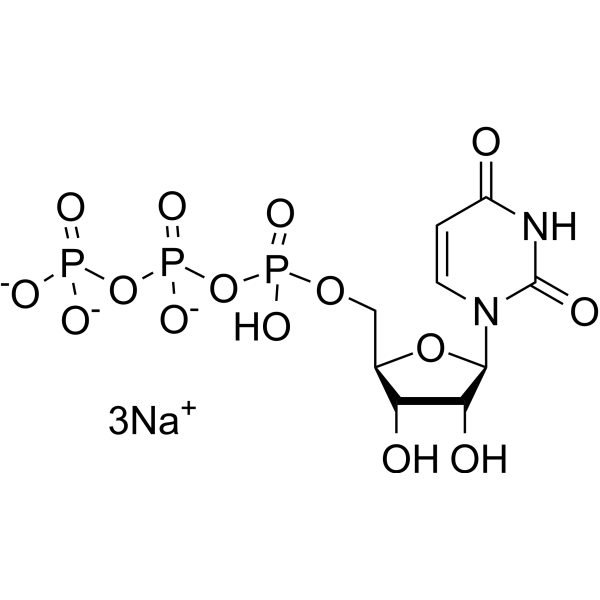
Cat. No.: HY-W013093
CAS No.: 19817-92-6
Synonyms: UTP trisodium salt; Uridine 5'-triphosphate trisodium salt
Uridine triphosphate (UTP) trisodium salt is a pyrimidine nucleoside triphosphate that is used as a substrate to synthesize RNA or as an energy source in metabolic reactions. Uridine triphosphate trisodium salt activates membrane-bound P2Y2 receptors .

