
37 Results for "

THP-1 monocytes

" in MedChemExpress (MCE) Product Catalog:
Products (37)

37 Results for "THP-1 monocytes" in MCE Product Catalog:

7
7 Publications Verification
Cat. No.: HY-N7038
CAS No.: 9008-97-3
Synonyms: PHA-M
Phytohemagglutinin (PHA-M), the major seed lectin of the common bean, Phaseolus vulgaris, is a T-cell activator. Phytohemagglutinin stimulates human mononuclear leukocytes, inducing the expression of ChAT mRNA and potentiating ACh synthesis. Phytohemagglutinin induces dose- and time-dependent toxicity in THP-1 monocytes/macrophages, alters cellular morphology, causes organelle dysfunction, and increases the expression of NF-κB, COX2, IL-1β .
loading...
    loading...
2
2 Cited Publications
Cat. No.: HY-122542B
CAS No.: 157379-44-7
Purity:  99.28%
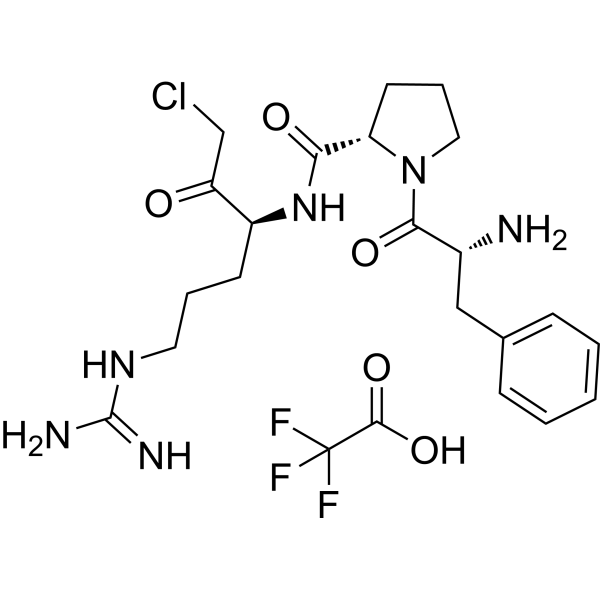
PPACK TFA is a potent, peptidic inhibitor targeting thrombin and granzyme GZMK. PPACK TFA specifically blocks the activities of thrombin and GZMK, thereby inhibiting thrombin-mediated PAR-1 cleavage, as well as downstream inflammatory and procoagulant signaling pathways. Through stabilizing IκB proteins, blocking NF-κB activation and reducing systemic levels of proinflammatory/procoagulant biomarkers, PPACK TFA exerts multiple effects including anti-inflammatory, antithrombotic, barrier repair, and inhibition of atherosclerotic plaque progression. PPACK TFA binds to platelets without interference from kininogen, effectively limiting acute thrombus growth and reducing eosinophil infiltration and goblet cell hyperplasia in asthma models. PPACK TFA is an important tool molecule for investigating the mechanisms of atherosclerosis, asthma and related thromboinflammatory diseases .
loading...
    loading...
2
2 Cited Publications
Cat. No.: HY-12017
CAS No.: 956905-27-4
Purity:  99.85%
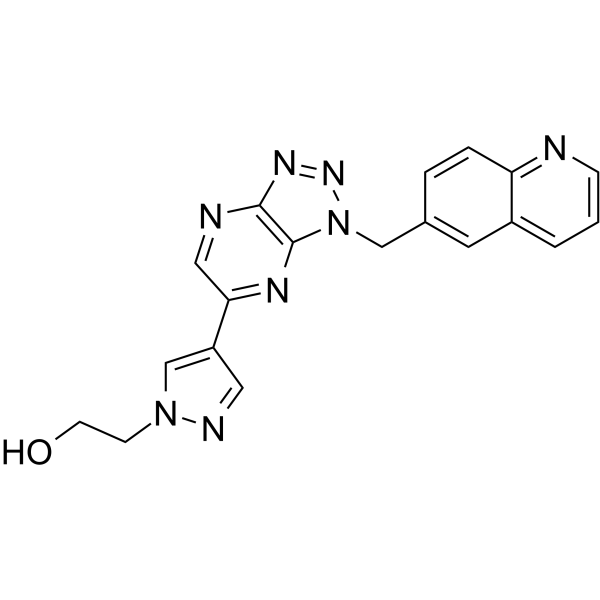
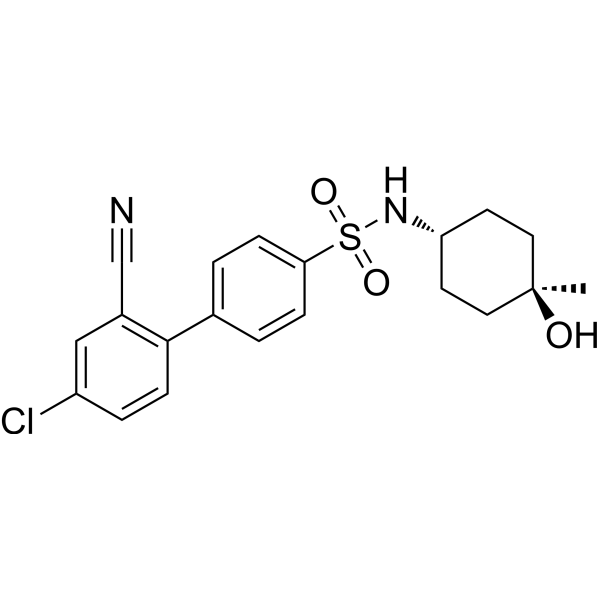
PF-04217903 is an orally active, highly selective ATP-competitive c-Met kinase inhibitor with a Ki value of 4.8 nM and a Kd value of 4.5 nM. PF-04217903 blocks c-Met and HGF signaling pathways, inhibits MET phosphorylation, and blocks downstream MAPK, PI3K/AKT and PLCγ1 pathways. PF-04217903 suppresses tumor proliferation, survival, migration, invasion, angiogenesis and metastasis, induces apoptosis, and enhances efferocytosis, Annexin A1 expression and resolution of inflammation. PF-04217903 retains activity against several c-Met mutants (M1131T, V1220I, H1094R). PF-04217903 increases the incidence of subarachnoid hemorrhage and reduces survival rate without altering aneurysm formation, and also prevents lymph node metastasis induced by VEGF inhibition. PF-04217903 is applicable to research related to tumors (pancreas, stomach, lung, brain, colon, breast, kidney, melanoma, etc.), intracranial aneurysms and inflammatory diseases (gouty arthritis, neutrophilic pleuritis) .
loading...
    loading...
2
2 Cited Publications
Cat. No.: HY-122542A
CAS No.: 82188-90-7
Synonyms: Pebac; D-Phenylalanyl-prolyl-arginyl Chloromethyl Ketone; D-Phe-Pro-Arg-CH2Cl
PPACK dihydrochloride is a potent, peptidic inhibitor targeting thrombin and granzyme GZMK. PPACK dihydrochloride specifically blocks the activities of thrombin and GZMK, thereby inhibiting thrombin-mediated PAR-1 cleavage, as well as downstream inflammatory and procoagulant signaling pathways. Through stabilizing IκB proteins, blocking NF-κB activation and reducing systemic levels of proinflammatory/procoagulant biomarkers, PPACK dihydrochloride exerts multiple effects including anti-inflammatory, antithrombotic, barrier repair, and inhibition of atherosclerotic plaque progression. PPACK dihydrochloride binds to platelets without interference from kininogen, effectively limiting acute thrombus growth and reducing eosinophil infiltration and goblet cell hyperplasia in asthma models. PPACK dihydrochloride is an important tool molecule for investigating the mechanisms of atherosclerosis, asthma and related thromboinflammatory diseases .
loading...
    loading...
2
2 Cited Publications
Cat. No.: HY-12017A
CAS No.: 956906-93-7
Purity:  99.82%
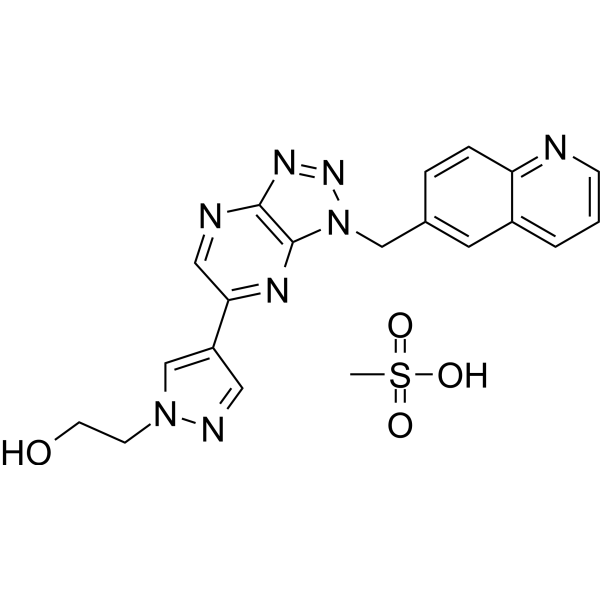
PF-04217903 mesylate is an orally active, highly selective ATP-competitive c-Met kinase inhibitor with a Ki value of 4.8 nM and a Kd value of 4.5 nM. PF-04217903 mesylate blocks c-Met and HGF signaling pathways, inhibits MET phosphorylation, and blocks downstream MAPK, PI3K/AKT and PLCγ1 pathways. PF-04217903 mesylate suppresses tumor proliferation, survival, migration, invasion, angiogenesis and metastasis, induces apoptosis, and enhances efferocytosis, Annexin A1 expression and resolution of inflammation. PF-04217903 mesylate retains activity against several c-Met mutants (M1131T, V1220I, H1094R). PF-04217903 mesylate increases the incidence of subarachnoid hemorrhage and reduces survival rate without altering aneurysm formation, and also prevents lymph node metastasis induced by VEGF inhibition. PF-04217903 mesylate is applicable to research related to tumors (pancreas, stomach, lung, brain, colon, breast, kidney, melanoma, etc.), intracranial aneurysms and inflammatory diseases (gouty arthritis, neutrophilic pleuritis) .
loading...
    loading...
Cat. No.: HY-18711A
CAS No.: 1174161-86-4
Synonyms: Metatinib anhydrous; c-Met inhibitor 2
Research Areas:  

Cancer

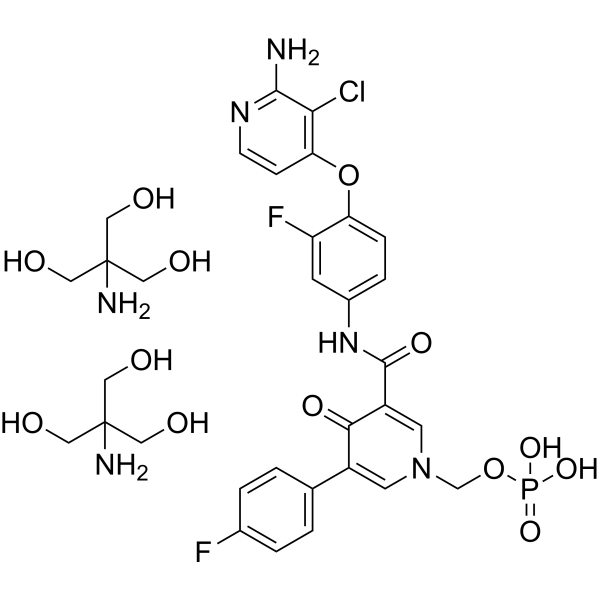
SCR-1481B1 (Metatinib anhydrous; c-Met inhibitor 2) is an inhibitor of the N-terminal fragment of Gasdermin D (GSDMD), with an IC50 of 1.04 μM and a Ka of 0.42 μM in mice. SCR-1481B1 effectively blocks GSDMD-NT oligomerization and pore formation, inhibits GSDMD-mediated pyroptosis (Pyroptosis), preserves mitochondrial integrity, and reduces proinflammatory cytokine secretion. SCR-1481B1 also inhibits angiogenesis, exerts GSDMD-independent antitumor effects, and enhances the infiltration of antitumor immune cells. SCR-1481B1 is also an inhibitor targeting to c-MET and VEGFR2, can be used in studies related to melanoma and sepsis .
loading...
    loading...
Cat. No.: HY-157421
CAS No.: 2847156-05-0
Target:  

NAMPT

Research Areas:  

Metabolic Disease

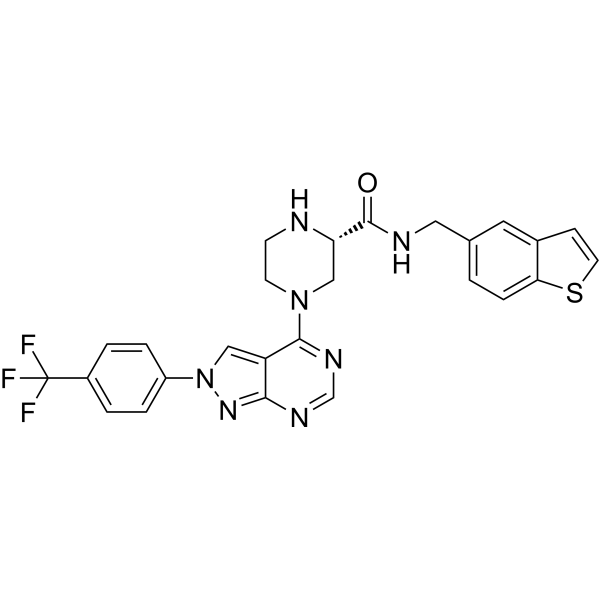
Nampt activator-4 is an orally active NAMPT activator, with an EC50 of 58 nM and a Ka of 85.38 nM against human NAMPT. Nampt activator-4 effectively relieves the feedback inhibition of nicotinamide and NAD +, thereby enhancing enzymatic activity and significantly increasing intracellular NAD + levels. Nampt activator-4 exhibits moderate stability in human and mouse liver microsomes. Nampt activator-4 shows low to moderate inhibitory effects on cytochrome P450 (especially CYP3A4). Nampt activator-4 can be used for the research of type 2 diabetes and related metabolic disorders .
loading...
    loading...
Cat. No.: HY-P11072
CAS No.: 1601299-92-6
IRF5-CPP5 is a cytosolic peptide that selectively targeting human IRF5 wirh a Kd of 0.53 μM. IRF5-CPP5 disrupts IRF5 homodimerization and inhibits its nuclear translocation without altering IRF5 phosphorylation levels. IRF5-CPP5 inhibits proinflammatory cytokine (IL-6, IL-1β, TNF-α) production. IRF5-CPP5 can be used for the research of systemic lupus erythematosus .
loading...
    loading...
Cat. No.: HY-14926
CAS No.: 154357-42-3
Purity:  99.79%
Synonyms: (S)-(-)-Nadifloxacin; WCK 771
Target:  

Antibiotic Bacterial

Research Areas:  

Infection

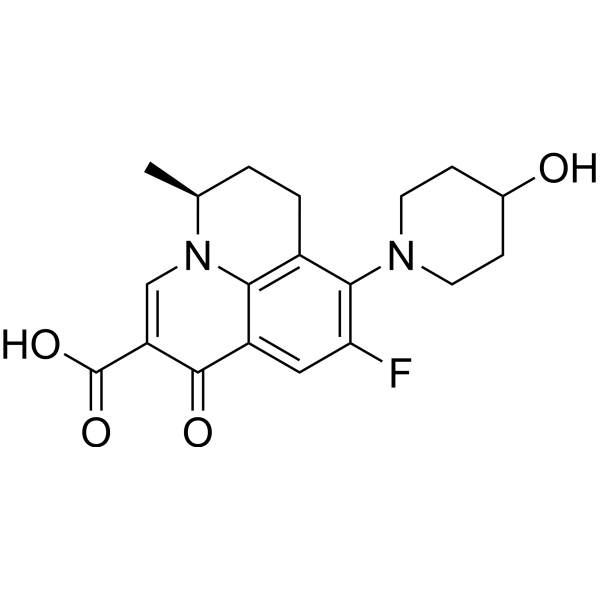
Levonadifloxacin ((S)-(-)-Nadifloxacin; WCK 771) is a broad-spectrum anti-staphylococcal agent. Levonadifloxacin shows antibacterial activity against Methicillin (HY-121544)-susceptible Staphylococcus aureus (MSSA) and Methicillin-resistant S. aureus (MRSA) strains, with a reduction of which phagocytized in THP-1 monocytes .
loading...
    loading...
Cat. No.: HY-122542
CAS No.: 71142-71-7
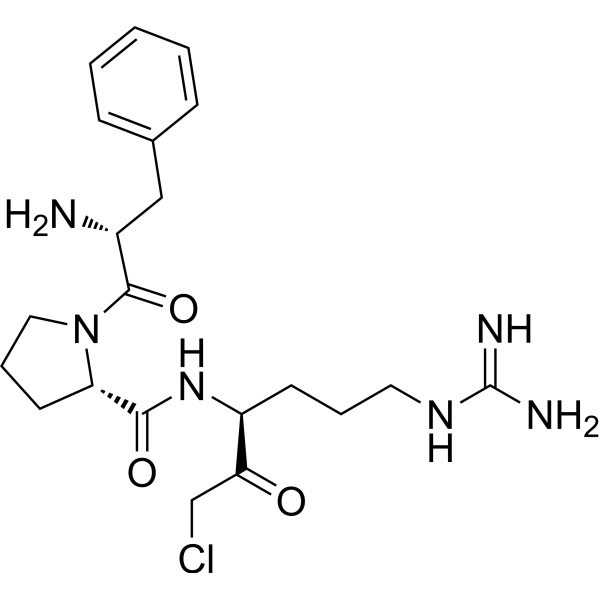
PPACK is a potent, peptidic inhibitor targeting thrombin and granzyme GZMK. PPACK specifically blocks the activities of thrombin and GZMK, thereby inhibiting thrombin-mediated PAR-1 cleavage, as well as downstream inflammatory and procoagulant signaling pathways. Through stabilizing IκB proteins, blocking NF-κB activation and reducing systemic levels of proinflammatory/procoagulant biomarkers, PPACK exerts multiple effects including anti-inflammatory, antithrombotic, barrier repair, and inhibition of atherosclerotic plaque progression. PPACK binds to platelets without interference from kininogen, effectively limiting acute thrombus growth and reducing eosinophil infiltration and goblet cell hyperplasia in asthma models. PPACK is an important tool molecule for investigating the mechanisms of atherosclerosis, asthma and related thromboinflammatory diseases .
loading...
    loading...
Cat. No.: HY-B1451
CAS No.: 89396-94-1
Synonyms: TA-6366
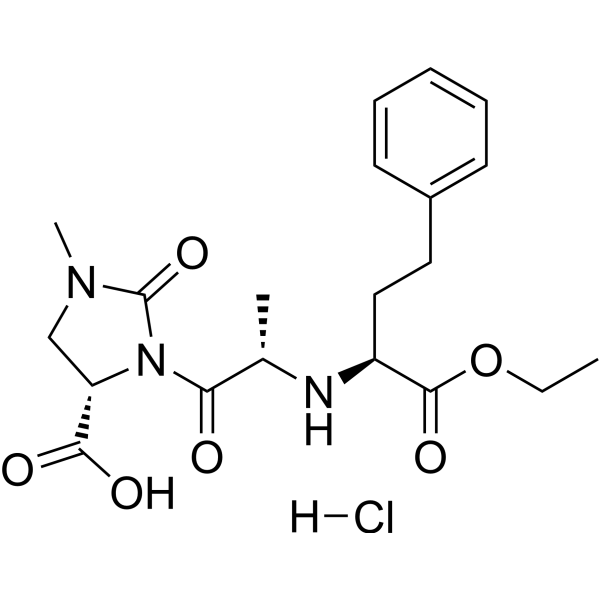
Imidapril hydrochloride (TA-6366) is an orally active dual inhibitor of angiotensin-converting enzyme (ACE) and MMP-9. Imidapril hydrochloride inhibits lipopolysaccharide-induced phosphorylation of c-Jun, MKK4 and JNK in monocytes, and downregulates the production of specific inflammatory factors such as TNF-α and IP-10, thereby exerting anti-inflammatory activity. Imidapril hydrochloride also effectively ameliorates mesangial expansion and reduces urinary albumin excretion by inhibiting angiotensin AngII production, lowering glomerular pressure and oxidative stress, thus delaying disease progression. Imidapril hydrochloride can also directly bind to the active site of MMP-9 to inhibit gelatinase activity, and suppress the enlargement of cerebral aneurysms without altering systemic blood pressure. Imidapril hydrochloride is widely applicable to related studies on autoimmune glomerulonephritis, diabetic nephropathy, cerebral aneurysms and other conditions .
loading...
    loading...
Cat. No.: HY-156622
CAS No.: 1642602-54-7
Purity:  98.00%
Synonyms: HMC-C-01-A; MBS2320
Research Areas:  

Cancer

Leramistat (HMC-C-01-A; MBS2320) is a mitochondrial complex 1 inhibitor, involving in cell metabolism immune metabolism regulation. Leramistat also inhibits ATP production in Thp1 human monocytes (IC50: 0.63 μM). Leramistat inhibits atopic dermatitis and other skin diseases autoimmune diseases, inflammatory diseases, cancer; and also inhibits osteoclast mediated disease .
loading...
    loading...
Cat. No.: HY-133138
CAS No.: 2133360-04-8
Purity:  95.03%
Research Areas:  

Cancer

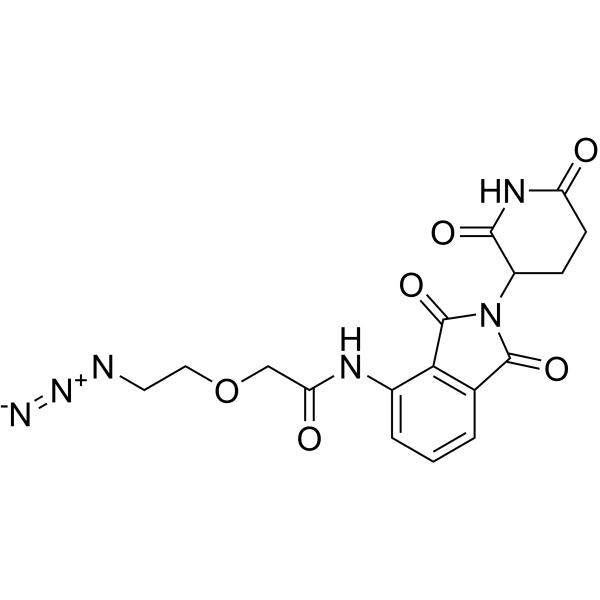
Pomalidomide-PEG1-azide is an E3 ligase lgand-linker conjugate. Pomalidomide-PEG1-azide incorporates the Pomalidomide based cereblon ligand and a linker. Pomalidomide-PEG1-azide can be used to synthesis PROTAC BRD4 Degrader-1 (HY-133131) . PROTAC BRD4 Degrader-1 is a PROTAC connected by ligands for Cereblon and BRD4 with an IC50 of 41.8 nM against BRD4 BD1. PROTAC BRD4 Degrader-1 can effectively degrade BRD4 protein and suppress c-Myc expression.
loading...
    loading...
Cat. No.: HY-120602
CAS No.: 1338575-28-2
Purity:  98.26%
WWL229 is a selective inhibitor of carboxylesterase 3 (CES3) with an IC50 1.94 μM. WWL229 attenuates LPS (HY-D1056)-induced pro-inflammatory cytokine mRNA levels, inhibits lipolysis and adipose thermogenesis, impairs mitochondrial function, and promotes lipid storage. WWL229 can be used for the research of obesity, insulin resistance, type 2 diabetes, and lung inflammation .
loading...
    loading...
Cat. No.: HY-145726
CAS No.: 250755-32-9
ISIS 104838 is an antisense oligonucleotide targeting TNF-α. ISIS 104838 specifically binds to human TNF-α mRNA via Watson-Crick base pairing to form a DNA:RNA hybrid duplex, thereby recruiting the ubiquitously expressed intracellular enzyme RNase H to degrade the target mRNA and inhibit TNF-α protein synthesis at the transcriptional level. ISIS 104838 induces moderate, self-limiting thrombocytopenia in cynomolgus monkeys. ISIS 104838 can be used for the study of inflammatory diseases .
loading...
    loading...
Cat. No.: HY-171692
CAS No.: 2780391-08-2
Research Areas:  

Infection

G3-YSD is a cGAS agonist. G3-YSD directly interacts with cGAS to enhance its enzymatic activity, promote the conversion of ATP and GTP into cGAMP, and trigger STING-dependent IFN-α/β secretion. G3-YSD acts as a viral mimic to replace actual viral DNA . G3-YSD is applicable to research related to long COVID and type 1 human immunodeficiency virus infection .
loading...
    loading...
Cat. No.: HY-134375
CAS No.: 1507367-51-2
Synonyms: Cyclic Adenosine-Inosine Monophosphate
Target:  

NF-κB IFNAR

Research Areas:  

Inflammation/Immunology

cAIMP (Cyclic Adenosine-Inosine Monophosphate) is an effective synthetic cyclic dinucleotide. cAIMP activates IRF and NF-κB in the THP1 human monocyte reporter cell line (THP1-Dual). cAIMP induces the secretion of IFNs and pro-inflammatory cytokines in vitro in human blood, with an EC50 of 6.4 μmol/L .
loading...
    loading...
Cat. No.: HY-163280
CAS No.: 3011930-28-9
Research Areas:  

Neurological Disease

JGB-1-155 is a nicotinamide phosphoribosyltransferase (NAMPT) activator and also a reactive oxygen species (ROS) inhibitor. JGB-1-155 binds to NAMPT, thereby enhancing its catalytic activity and increasing intracellular NAD + levels. JGB-1-155 alleviates the elevation of ROS levels induced by various types of damage. JGB-1-155 can be used in research related to neurodegenerative diseases .
loading...
    loading...
Cat. No.: HY-W113433
CAS No.: 13398-94-2
Research Areas:  

Inflammation/Immunology

3-Hydroxybenzeneethanol is a phenethyl alcohol antioxidant. 3-Hydroxybenzeneethanol can inhibit ROS production induced by cumene hydroperoxide. 3-Hydroxybenzeneethanol can be used for the research of inflammation .
loading...
    loading...
Cat. No.: HY-176256
Target:  

STING

Research Areas:  

Cancer

endo-S-cGAFMP (Compound 3) is a STING agonist. endo-S-cGAFMP induces the production of interferon regulatory factors and proinflammatory cytokines by activating the cGAS-STING pathway, thereby enhancing innate and adaptive immune responses. endo-S-cGAFMP has potent immunostimulatory capacity in THP1 monocytes and RAW macrophages (EC50 values of 2.45 μM and 5.54 μM, respectively). endo-S-cGAFMP has significant antitumor activity. endo-S-cGAFMP can be used as a potential cancer immunotherapeutic agent, especially for studies of systemic administration .
loading...
    loading...

