33 Results for "

TLR4 agonist

" in MedChemExpress (MCE) Product Catalog:
Products (33)

33 Results for "TLR4 agonist" in MCE Product Catalog:

19
19 Publications Verification
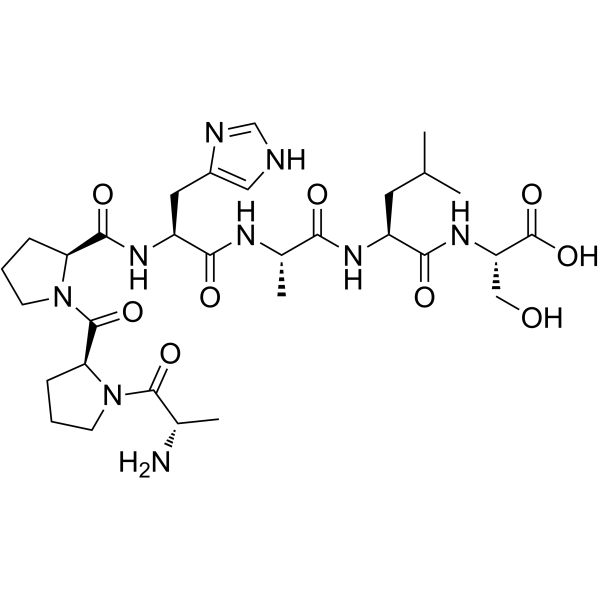
Cat. No.: HY-P1439
CAS No.: 1449566-36-2
Research Areas:  

Inflammation/Immunology

RS 09 is an LPS (HY-D1056) peptide mimic and TLR4 agonist. RS 09 can bind to TLR-4 and activate NF-κB. RS 09 can function as an adjuvant in vivo, enhancing the antigen-specific immune response .
loading...
    loading...
19
19 Publications Verification
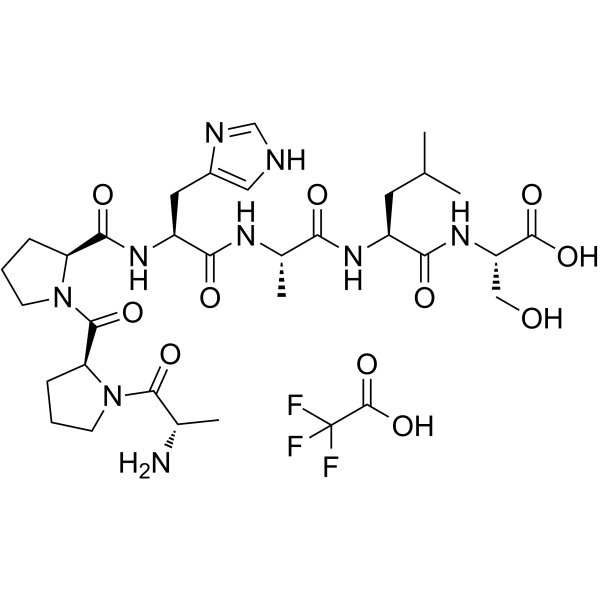
Cat. No.: HY-P1439A
Research Areas:  

Inflammation/Immunology

RS 09 TFA is an LPS (HY-D1056) peptide mimic and TLR4 agonist. RS 09 TFA can bind to TLR-4 and activate NF-κB. RS 09 TFA can function as an adjuvant in vivo, enhancing the antigen-specific immune response .
loading...
    loading...
2
2 Cited Publications
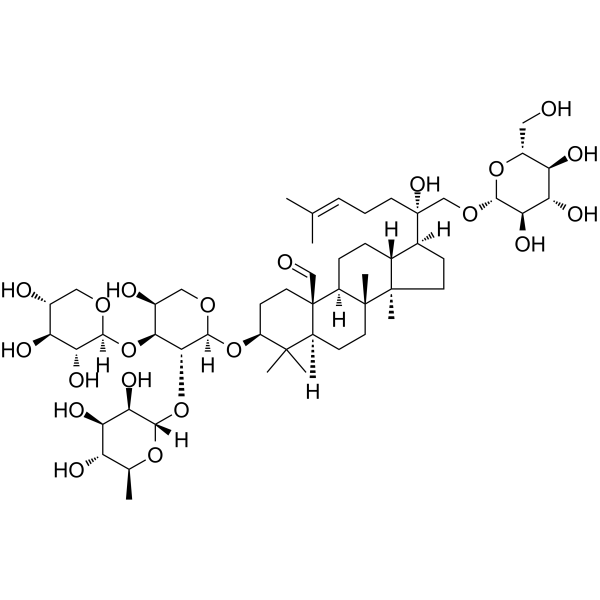
Cat. No.: HY-N1990
CAS No.: 94987-08-3
Gypenoside XLIX is a multifunctional bioactive compound that can be isolated from Gynostemma pentaphyllum, with a Ka value of 1.58 μM for its binding to SIRT1. Gypenoside XLIX acts as a PPAR-α agonist. It inhibits the activation of TLR4-mediated NF-κB signaling pathway by activating the Sirt1/Nrf2 signaling pathway, reduces ROS accumulation, and alleviates hepatic inflammatory injury in mice with sepsis-induced liver disease. Gypenoside XLIX targets SIRT1 to block YAP-NLRP3 activation and improve sepsis-induced cardiomyopathy. Gypenoside XLIX inhibits apoptosis (Apoptosis), pyroptosis (Pyroptosis), autophagy (Autophagy), lipid peroxidation, pro-inflammatory cytokines and anti-inflammatory cytokines. Gypenoside XLIX alleviates sepsis-induced splenic injury by inhibiting inflammation and oxidative stress, and mitigates sepsis-associated encephalopathy by targeting PPAR-α. Gypenoside XLIX prevents acute kidney injury by inhibiting IGFBP7/IGF1R-mediated programmed cell death and inflammation. Gypenoside XLIX inhibits the expression and activity of vascular cell adhesion molecule-1 in cytokine-induced human endothelial cells. Gypenoside XLIX is applicable to research related to acute liver injury, lung injury, cardiomyopathy, acute splenic injury, sepsis-associated encephalopathy, acute kidney injury, atherosclerosis and chronic inflammation .
loading...
    loading...
1
1 Cited Publications
Cat. No.: HY-P5524A
Synonyms: Lauroyl-γ-D-glutamyl-meso-diaminopimelic acid hydrochloride; γ-D-glutamyl-meso-diaminopimelic acid hydrochloride
C12-iE-DAP hydrochloride (Lauroyl-γ-D-glutamyl-meso-diaminopimelic acid hydrochloride) is a highly potent and selective NOD1 agonist, with an EC50 of 0.027 nM in HEK-Blue cells expressing human NOD1. C12-iE-DAP hydrochloride activates the NOD1/RIPK2 signaling pathway and its downstream p38 MAPK and NF-κB, induces the expression of inflammatory mediators such as IL6 and IL8, and exerts synergistic effects with TLR4, Dectin-1 or Mincle signaling. C12-iE-DAP hydrochloride can be used in studies related to vascular inflammation, tumor metastasis and neuroinflammation .
loading...
    loading...
Cat. No.: HY-175222
CAS No.: 41137-10-4
GlcNAc-MurNAc, a disaccharide, is a TLR4 agonist with a Kd of 383 μM for murine TLR4. GlcNAc-MurNAc directly binds to TLR4 and activates its downstream NF-κB and IRF pathways. GlcNAc-MurNAc improves Dextran sulfate sodium salt (DSS) (HY-116282C)-induced colitis in mice through a TLR4-dependent mechanism. GlcNAc-MurNAc can be used for the study of inflammatory bowel disease .
loading...
    loading...
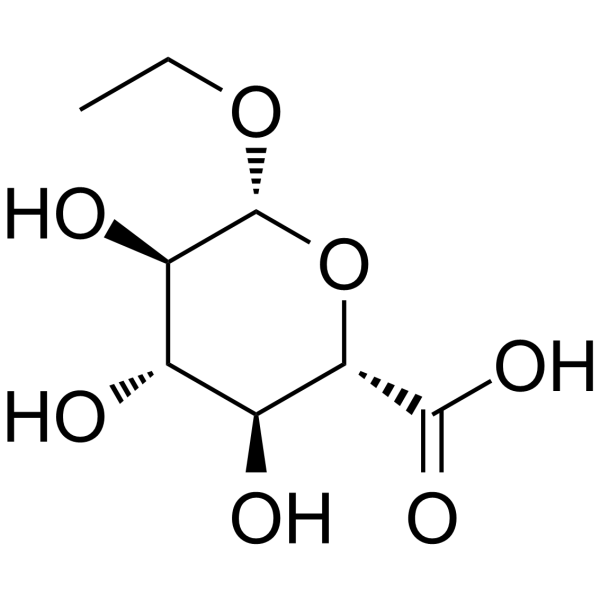
Cat. No.: HY-113093
CAS No.: 17685-04-0
Purity:  98.39%
Ethyl glucuronide is an endogenous metabolite. Ethyl glucuronide is the metabolite of ethanol. Ethyl glucuronide is a biomarker for ethanol exposure that accumulates in hair and reflects the alcohol intake over a time period. Ethyl glucuronide is the agonist for TLR4 .
loading...
    loading...
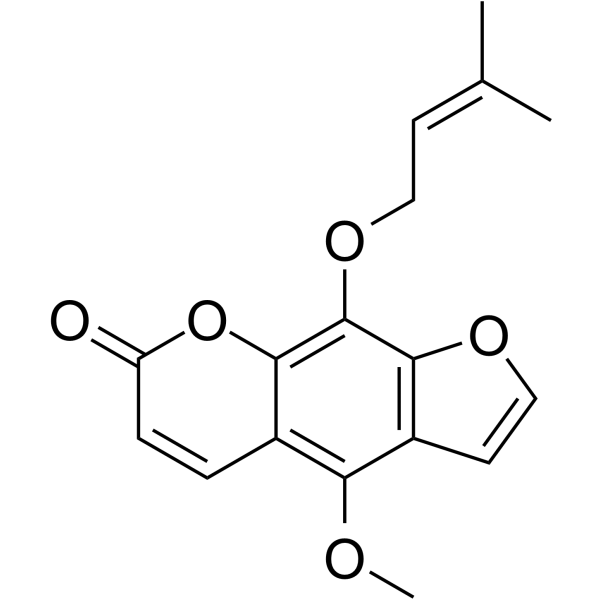
Cat. No.: HY-N2110
CAS No.: 2543-94-4
Phellopterin, an orally active furocoumarin with multiple biological activities. Phellopterin is a partial agonist of the central benzodiazepine receptors. Phellopterin exerts anti-inflammatory effects by upregulating SIRT1, downregulating ICAM-1 (reducing chronic inflammation, aiding diabetic ulcer healing), inhibiting STAT3 phosphorylation (easing atopic dermatitis inflammation), regulating Akt/PKC pathways (lowering TNF-α-induced VCAM-1 to block monocyte adhesion), and inhibiting TLR4/NF-κB pathway and macrophage M2 polarization (alleviating colitis-related cancers). Phellopterin suppresses ovarian cancer progression via inhibiting the PU.1/CLEC5A/PI3K-AKT loop (inducing cell cycle arrest, apoptosis, DNA damage). Phellopterin alleviates murine diabetes by promoting adipocyte differentiation and increasing PPARγ. Phellopterin also has anti-HSV-1 activity. Phellopterin can be used for studying anti-inflammation, anti-cancer (e.g., ovarian cancer, colitis cancer), blood glucose lowering, anti-diabetes, and anti-virus .
loading...
    loading...
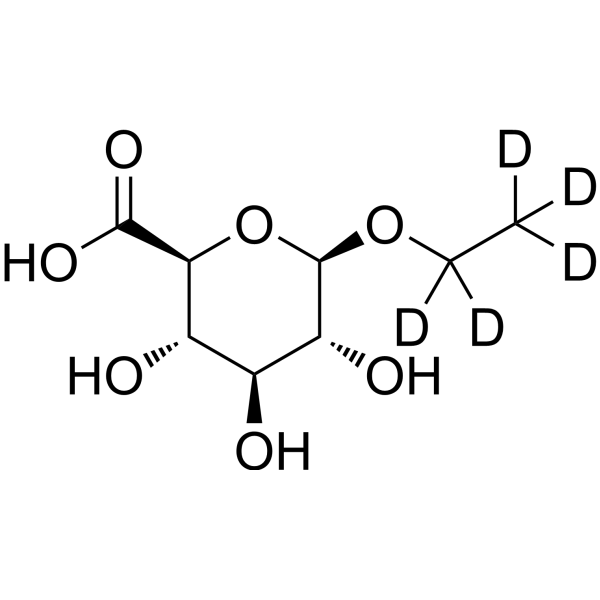
Cat. No.: HY-113093S
CAS No.: 1135070-98-2
Purity:  ≥97.0%
Ethyl glucuronide-d5 is the deuterium labeled Ethyl glucuronide (HY-113093) . Ethyl glucuronide is an endogenous metabolite. Ethyl glucuronide is the metabolite of ethanol. Ethyl glucuronide is a biomarker for ethanol exposure that accumulates in hair and reflects the alcohol intake over a time period. Ethyl glucuronide is the agonist for TLR4 .
loading...
    loading...
Cat. No.: HY-111792
CAS No.: 1233589-81-5
Purity:  94.48%
Synonyms: CRX-601
Research Areas:  

Inflammation/Immunology Cancer

GSK1795091 (CRX-601), an immunologic stimulator, is a synthetic TLR4 agonist. Antitumor activity. GSK1795091 can be used as a vaccine adjuvant to enhance both mucosal and systemic immunity to influenza virus vaccines. Not only, GSK1795091 inhibits tumor growth and increases the survival in mice model, but results in long term survival in influenza challenge model in mice .
loading...
    loading...
Cat. No.: HY-N16021
CAS No.: 2260669-09-6
4A-MPLA ammonium is an orally active TLR4 agonist. 4A-MPLA ammonium induces TLR4 endocytosis dependent on Cdc42 and galectin-3, triggering TRIF-mediated signaling and sustained IFN-β production. 4A-MPLA ammonium promotes lipid droplet formation, upregulates interferon-stimulated genes and type I IFN signaling genes, downregulates lysosome/phagosome function genes, and modulates tolerogenic dendritic cell function. 4A-MPLA ammonium can be used for the research of colitis .
loading...
    loading...
Cat. No.: HY-149650
CAS No.: 2374139-51-0
Research Areas:  

Inflammation/Immunology

TLR4 agonist-1 (compound 17a) is a potent agonist of Toll-like Receptor 4 (TLR4), and induces the generation of MIP-1β in RAW 264.7 and MM6 cells .
loading...
    loading...
Cat. No.: HY-149650A
CAS No.: 3020639-70-4
Research Areas:  

Inflammation/Immunology

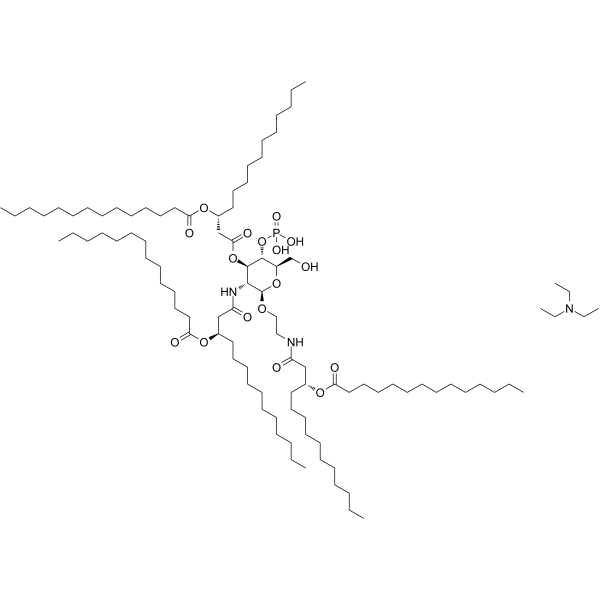
TLR4 agonist-1 (TEA) (compound 17a) is a potent agonist of Toll-like Receptor 4 (TLR4), and induces the generation of MIP-1β in RAW 264.7 and MM6 cells .
loading...
    loading...
Cat. No.: HY-176837
NOD2/TLR4 agonist-1 (Compound 2) is a NOD2/TLR4 dual agonist. NOD2/TLR4 agonist-1 lacks immunostimulatory activity and serves as an important negative control in research .
loading...
    loading...
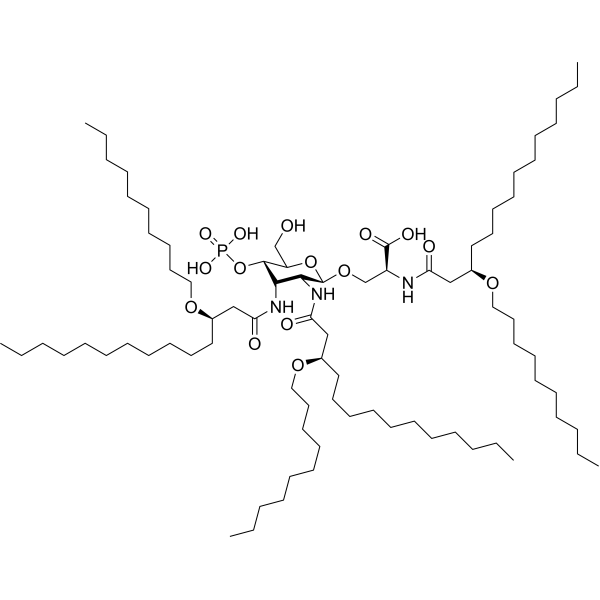
Cat. No.: HY-155801
CAS No.: 216014-14-1
CRX 527 is a TLR4 agonist. CRX 527 activates the MyD88-dependent, TRIF-dependent, and TRAF6/NF-κB signaling pathways downstream of TLR4, mimics lipid A, and regulates antigen processing and presentation by dendritic cells. CRX 527 stimulates innate immune responses and enhances vaccine efficacy. CRX 527 maintains the structural integrity of hematopoietic tissues, spleen and intestine, alleviates radiation-induced damage, preserves intestinal homeostasis, and inhibits apoptosis, inflammatory responses, oxidative stress and DNA damage. CRX 527 can be used in the research of acute radiation syndrome, melanoma, HPV-related tumors and intracerebral hemorrhage .
loading...
    loading...
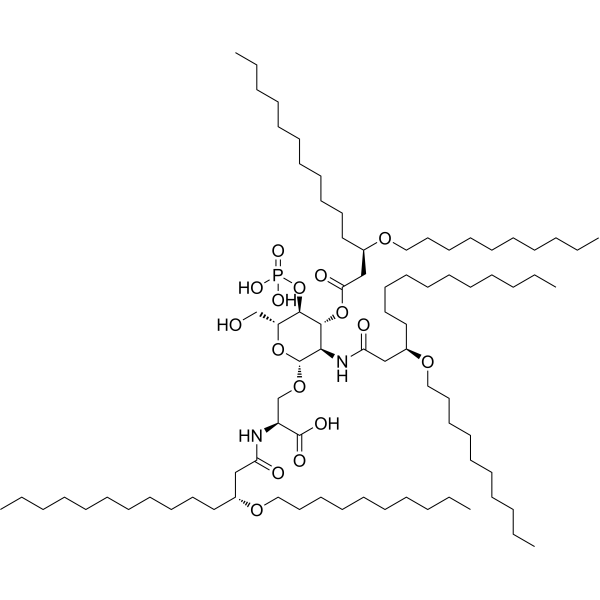
Cat. No.: HY-144002
CAS No.: 216014-46-9
Synonyms: RC-529
RIBI-529 (RC-529) is a fully synthetic, low-toxicity TLR4 agonist vaccine adjuvant. RIBI-529 upregulates cell surface co-stimulatory molecules, receptors, cytokines and chemokines, and activates the innate immune system. RIBI-529 enhances short-term CD4 + T cell clonal expansion, division, and ex vivo survival under growth factor withdrawal conditions. RIBI-529 enhances humoral and cell-mediated adaptive immune responses, induces non-specific resistance against viral and bacterial pathogens, and skews responses toward a Th1 type, accompanied by Th2 responses .
loading...
    loading...
Cat. No.: HY-N16231
CAS No.: 1699735-80-2
Category:  

Lipids

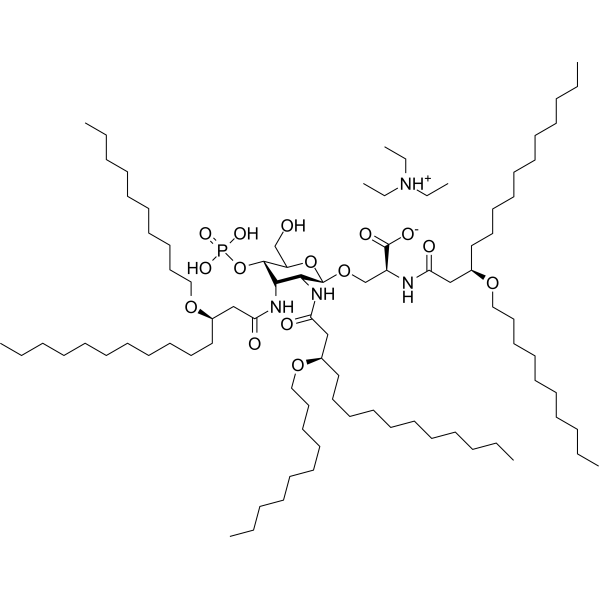
3A-MPLA ammonium, a monophosphoryl rri-acyl lipid A, is a TLR-4 agonist .
loading...
    loading...
Cat. No.: HY-186271
CAS No.: 2148927-98-2
Research Areas:  

Inflammation/Immunology

TLR4 agonist-2 is a TLR4 agonist with EC50 values of 0.82 μM and 0.43 μM for mTLR4 and hTLR4, respectively. TLR4 agonist-2 induces the production of TLR4-dependent cytokines and chemokines. TLR4 agonist-2 can be used for immunological research .
loading...
    loading...
Cat. No.: HY-164386
CAS No.: 171092-39-0
Synonyms: OM 174
Research Areas:  

Inflammation/Immunology Cancer

Defoslimod (OM 174) is an agonist for TLR4 receptor and acts as an immunomodulator. Defoslimod activates macrophages and dendritic cells, induces cytokines secretion, and exhibits antitumor efficacy in rats .
loading...
    loading...
Cat. No.: HY-159671
CAS No.: 252042-59-4
Synonyms: 3D-MPL (14)
3D-Monophosphoryl Lipid (14) (3D-Monophosphoryl Lipid (14)) is a TLR4 agonist that can be used as a vaccine adjuvant to enhance the immunogenicity of vaccines .
loading...
    loading...
Cat. No.: HY-P5524
CAS No.: 1269619-57-9
Synonyms: Lauroyl-γ-D-glutamyl-meso-diaminopimelic acid; γ-D-glutamyl-meso-diaminopimelic acid
C12-iE-DAP (Lauroyl-γ-D-glutamyl-meso-diaminopimelic acid) is a highly potent and selective NOD1 agonist, with an EC50 of 0.027 nM in HEK-Blue cells expressing human NOD1. C12-iE-DAP activates the NOD1/RIPK2 signaling pathway and its downstream p38 MAPK and NF-κB, induces the expression of inflammatory mediators such as IL6 and IL8, and exerts synergistic effects with TLR4, Dectin-1 or Mincle signaling. C12-iE-DAP can be used in studies related to vascular inflammation, tumor metastasis and neuroinflammation .
loading...
    loading...

