

663 Results for "

Targeting peptide

" in MedChemExpress (MCE) Product Catalog:
Products (663)

663 Results for "Targeting peptide" in MCE Product Catalog:

33
33 Publications Verification
Cat. No.: HY-P0319
CAS No.: 402750-12-3
Research Areas:  

Others

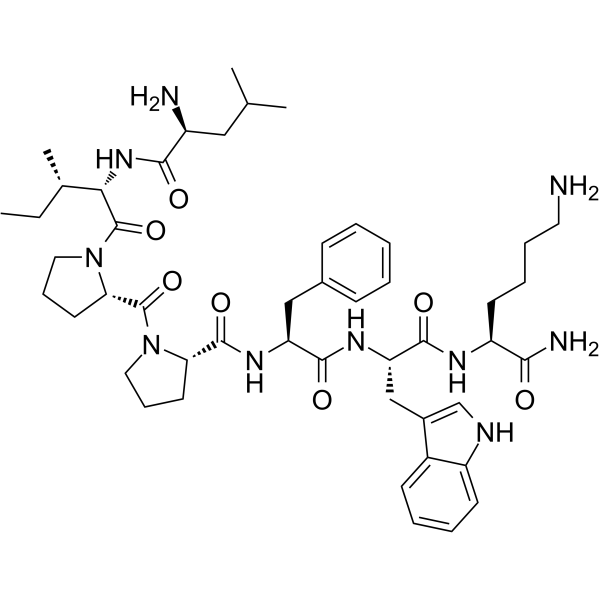
3X FLAG peptides are FLAG-tagged peptides containing three repeats of the Asp-Tyr-Lys-Xaa-Xaa-Asp motif. 3X FLAG peptide can be used for protein separation and purification, and competitive elution with target proteins.
loading...
    loading...
33
33 Publications Verification
Cat. No.: HY-P0319A
Target:  

Peptides

Research Areas:  

Others

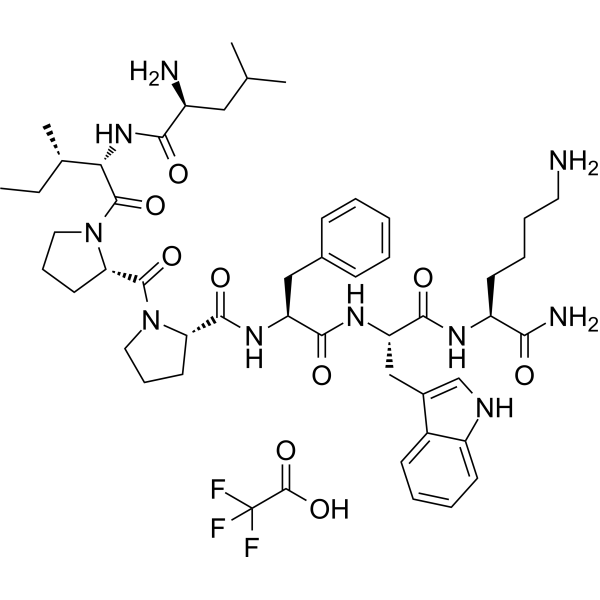
3X FLAG peptide TFA is a FLAG-tagged peptide containing three repeats of the Asp-Tyr-Lys-Xaa-Xaa-Asp motif. 3X FLAG peptide TFA can be used for protein separation and purification, and competitive elution with target proteins.
loading...
    loading...
11
11 Cited Publications
Cat. No.: HY-P1902
CAS No.: 115722-23-1
Cardiotoxin Analog (CTX) IV (6-12) is a membrane active peptide that specifically targets negatively charged phospholipid membranes (such as phosphatidylserine and phosphatidylinositol). Cardiotoxin Analog (CTX) IV (6-12) was discovered in the venom of the Taiwan cobra. Cardiotoxin Analog (CTX) IV (6-12) is a chemically synthesized snake venom cardiotoxin that binds to cell membranes and embeds into lipid bilayers through hydrophobic interactions and electrostatic attraction, thereby destroying the stability of membrane structure. Cardiotoxin Analog (CTX) IV (6-12) can induce membrane lipid disorder and cell lysis, exhibiting hemolysis and cytotoxicity .
loading...
    loading...
11
11 Cited Publications
Cat. No.: HY-P1902A
CAS No.: 2918768-05-3
Cardiotoxin Analog (CTX) IV (6-12) TFA is a membrane active peptide that specifically targets negatively charged phospholipid membranes (such as phosphatidylserine and phosphatidylinositol). Cardiotoxin Analog (CTX) IV (6-12) TFA was discovered in the venom of the Taiwan cobra. Cardiotoxin Analog (CTX) IV (6-12) TFA is a chemically synthesized snake venom cardiotoxin that binds to cell membranes and embeds into lipid bilayers through hydrophobic interactions and electrostatic attraction, thereby destroying the stability of membrane structure. Cardiotoxin Analog (CTX) IV (6-12) TFA can induce membrane lipid disorder and cell lysis, exhibiting hemolysis and cytotoxicity .
loading...
    loading...
9
9 Cited Publications
Cat. No.: HY-10340
CAS No.: 897016-82-9
Purity:  99.45%
Synonyms: KX2-391; KX-01
Target:  

Src Microtubule/Tubulin

Research Areas:  

Cancer

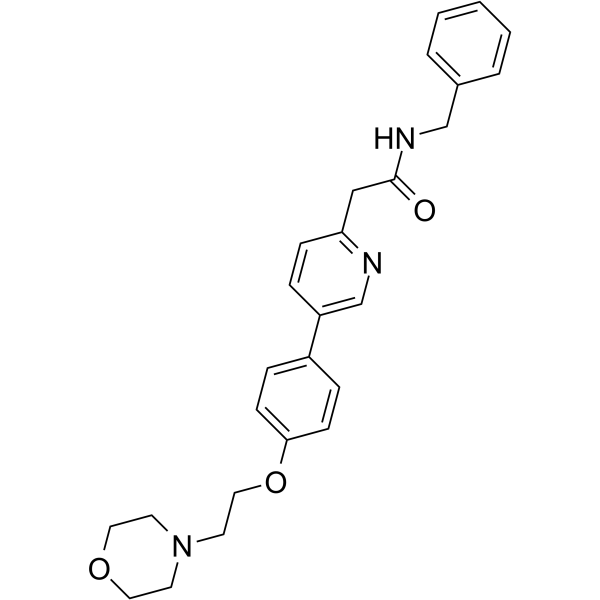
Tirbanibulin (KX2-391) is an inhibitor of Src that targets the peptide substrate site of Src, with GI50 of 9-60 nM in cancer cell lines.
loading...
    loading...
9
9 Cited Publications
Cat. No.: HY-10340A
CAS No.: 1038395-65-1
Purity:  99.59%
Synonyms: KX2-391 dihydrochloride; KX-01 dihydrochloride
Target:  

Src Microtubule/Tubulin

Research Areas:  

Cancer

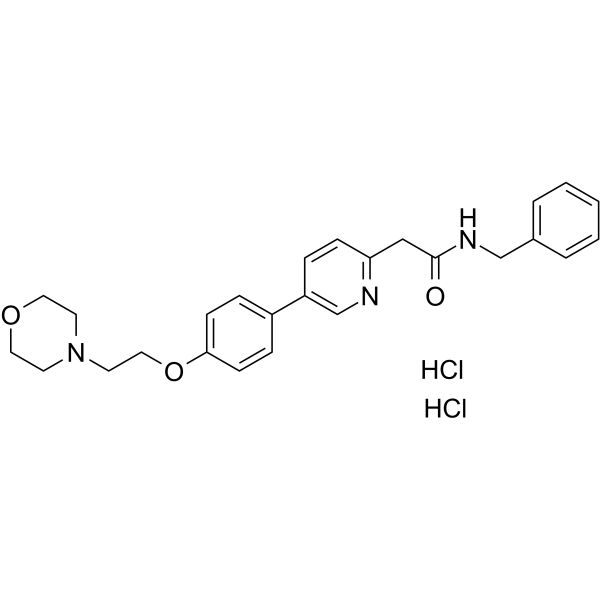
Tirbanibulin (dihydrochloride) (KX2-391 (dihydrochloride)) is an inhibitor of Src that targets the peptide substrate site of Src, with GI50 of 9-60 nM in cancer cell lines.
loading...
    loading...
9
9 Cited Publications
Cat. No.: HY-10340B
CAS No.: 1080645-95-9
Purity:  99.94%
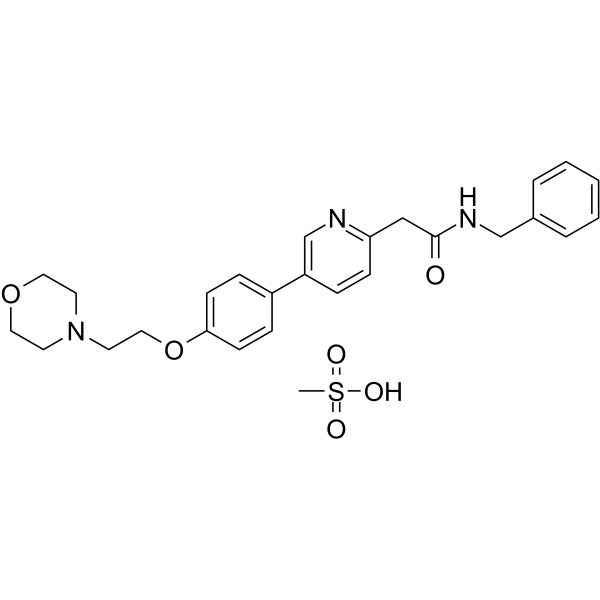
Synonyms: KX2-391 Mesylate; KX01 Mesylate
Target:  

Src Microtubule/Tubulin

Research Areas:  

Cancer

Tirbanibulin Mesylate (KX2-391 Mesylate) is an inhibitor of Src that targets the peptide substrate site of Src, with GI50 of 9-60 nM in cancer cell lines.
loading...
    loading...
7
7 Cited Publications
Cat. No.: HY-P0122
CAS No.: 1392278-76-0
Synonyms: c(CRGDKGPDC)
Target:  

Integrin

Research Areas:  

Cancer

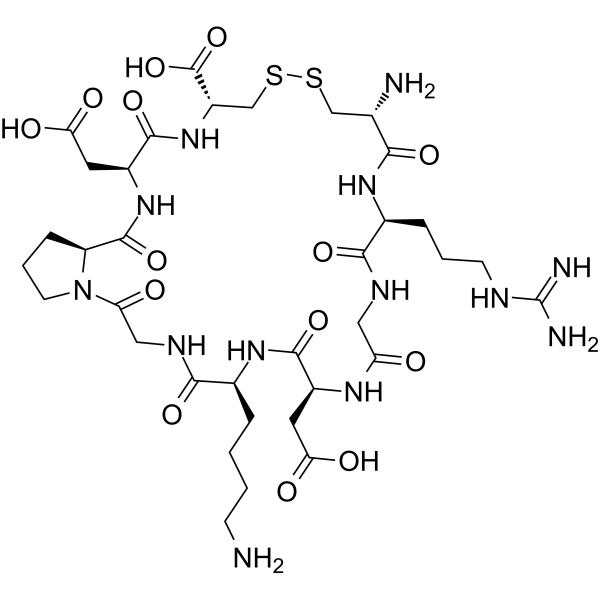
iRGD peptide is a 9-amino acid cyclic peptide, triggers tissue penetration of agents by first binding to αv-integrins, then proteolytically cleaved in the tumor to produce CRGDK/R to interact with neuropilin-1, and has tumor-targeting and tumor-penetrating properties.
loading...
    loading...
6
6 Cited Publications
Cat. No.: HY-141539
CAS No.: 2755823-12-0
Purity:  99.93%
Research Areas:  

Cancer

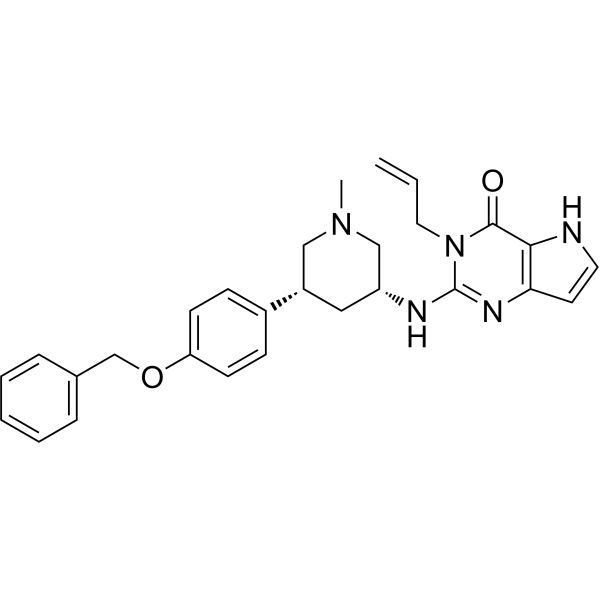
SETDB1-TTD-IN-1 is a SETDB1 methyltransferase activator and SETDB1-TTD competitive inhibitor (Kd of 88 nM), and selectivity for SETDB1-TTD over other tudor and bromodomain proteins. SETDB1-TTD-IN-1 stimulates methyltransferase activity via increased catalytic activity, promotes Akt1 Lys64 methylation, Akt1 Thr308 phosphorylation and activation. SETDB1-TTD-IN-1 prevents SETDB1-TTD-histone H3 peptide association, induces global gene expression changes, exhibits cellular target engagement, and acts as a tool compound for SETDB1-TTD function exploration. SETDB1-TTD-IN-1 can be used for the research of breast cancer .
loading...
    loading...
5
5 Cited Publications
Cat. No.: HY-15940
CAS No.: 72088-94-9
Synonyms: 5(6)-FAM; 5-(and-6)-Carboxyfluorescein mixed isomers
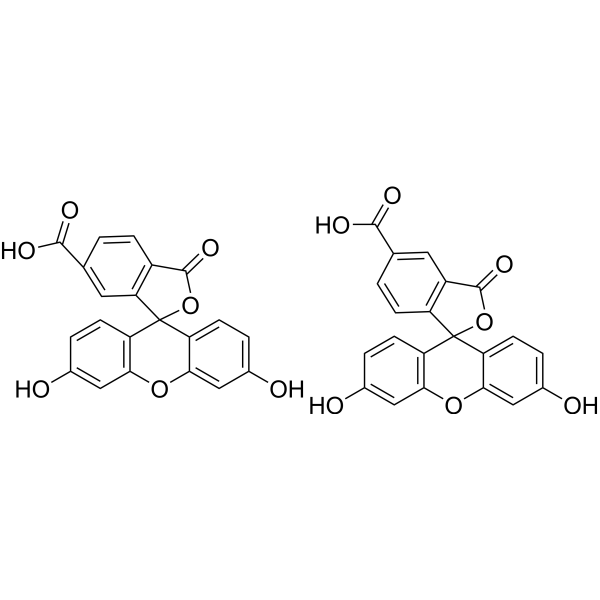
5(6)-Carboxyfluorescein (5(6)-FAM) is an amine-reactive pH-sensitive green fluorescent probe. 5(6)-Carboxyfluorescein (5(6)-FAM) can be used to label proteins, peptides and nucleotides. 5(6)-Carboxyfluorescein can be used for the detection of tumour areas in vivo .
loading...
    loading...
4
4 Cited Publications
Cat. No.: HY-P1034
CAS No.: 106362-34-9
Synonyms: D-Ala-peptide T-amide; Adaptavir
Target:  

CCR HIV

Research Areas:  

Infection Endocrinology

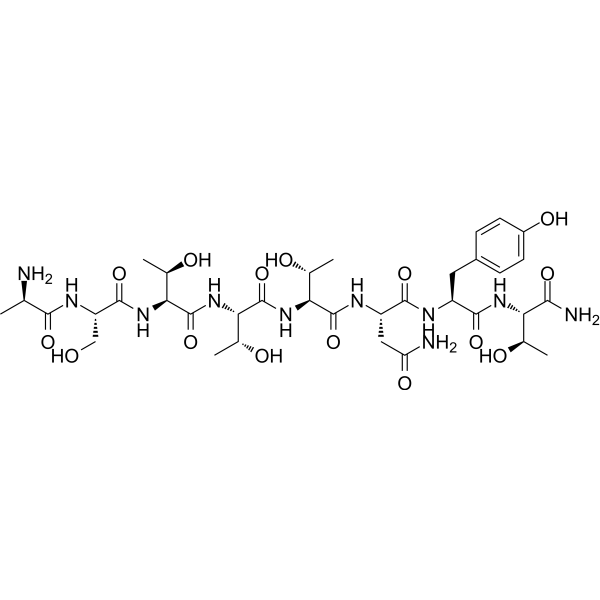
DAPTA is a synthetic peptide, functions as a viral entry inhibitor by targeting selectively CCR5, and shows potent anti-HIV activities.
loading...
    loading...
3
3 Cited Publications
Cat. No.: HY-P2264
CAS No.: 676657-00-4
Target:  

Ephrin Receptor

Research Areas:  

Inflammation/Immunology

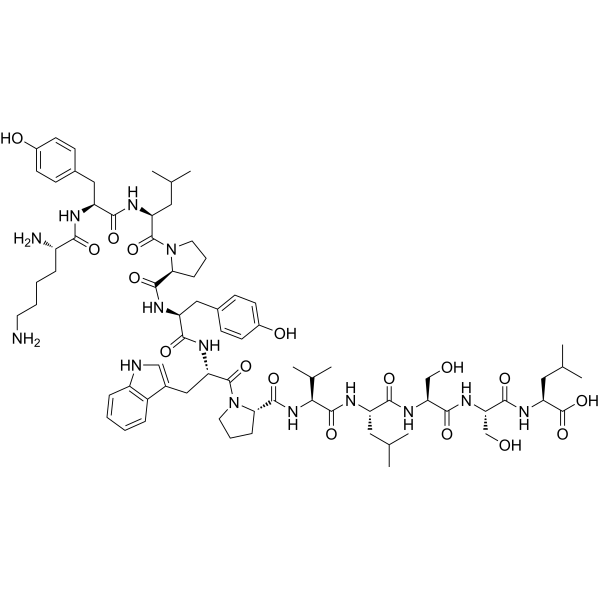
KYL peptide, an antagonistic peptide, selectively targets EphA4 receptor (IC50:4.22 μM, Kd:1.3 μM). KYL peptide binds to the ligand-binding domain of EphA4, effectively alleviates Aβ-induced synaptic dysfunction and synaptic plasticity defects in AD mice. KYL peptide can promote nerve regeneration after injury and modulating immune responses .
loading...
    loading...
3
3 Cited Publications
Cat. No.: HY-P1674A
CAS No.: 3053070-05-3
Synonyms: POL7080 TFA
Target:  

Bacterial Antibiotic

Research Areas:  

Infection

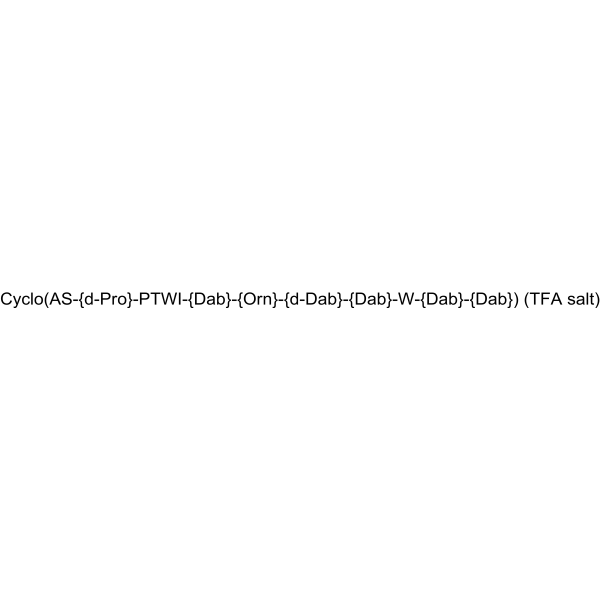
Murepavadin (POL7080) (TFA), a 14-amino-acid cyclic peptide, is a highly potent, specific antibiotic. Murepavadin exhibits a potent antimicrobial activity for P. aeruginosa with MIC50 and MIC90 values both of 0.12 mg/L. Murepavadin also can target the lipopolysaccharide transport portin D. Murepavadin can be used for the research of bacterial resistance .
loading...
    loading...
3
3 Cited Publications
Cat. No.: HY-32350
CAS No.: 60133-18-8
Synonyms: 1α,25-Dihydroxy Vitamin D2
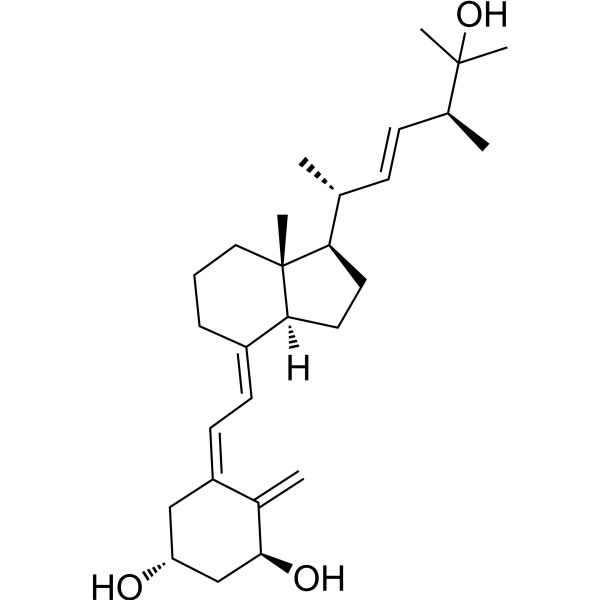
Ercalcitriol (1α,25-Dihydroxy Vitamin D2) is a vitamin D receptor (VDR) agonist with high binding affinity. After binding to VDR, Ercalcitriol forms a complex with retinoid X receptor (RXR) to regulate target gene transcription. For example, Ercalcitriol induces human gingival/oral epithelial cells to produce human cat antimicrobial peptide (hCAP-18/LL-37), which has antimicrobial activity against periodontal pathogens such as Porphyromonas gingivalis. Ercalcitriol enhances the innate immune defense of the oral mucosa by promoting the expression of antimicrobial peptides, and is mainly used in the study of periodontal diseases and immune-related oral diseases .
loading...
    loading...
2
2 Cited Publications
Cat. No.: HY-P4094
CAS No.: 1052692-86-0
Synonyms: Cardiac Targeting peptide
Target:  

Peptides

Research Areas:  

Cardiovascular Disease

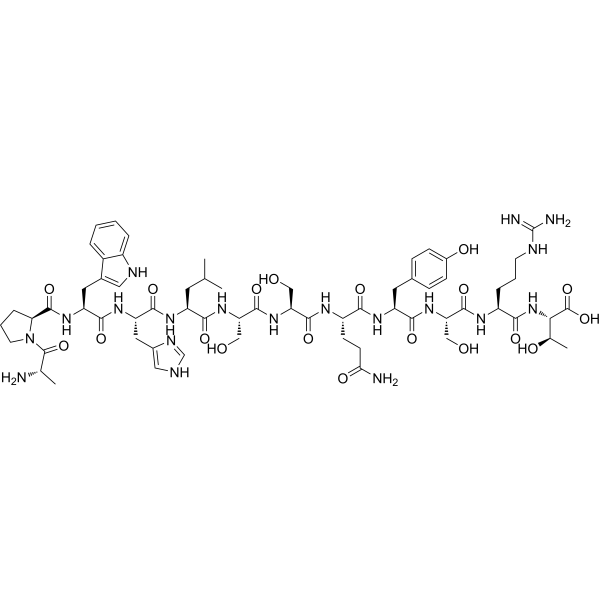
CTP (cardiac targeting peptide) can transduce cardiomyocytes in vitro. CTP leads to efficient and specific transduction of heart tissue in mice model. CTP can be reversibly linked (e.g. via enolases, thiol groups) to cargo (e.g. miRNAs) for delivery specifically to cardiomyocytes over all other organs .
loading...
    loading...
2
2 Cited Publications
Cat. No.: HY-P3108
CAS No.: 1176306-10-7
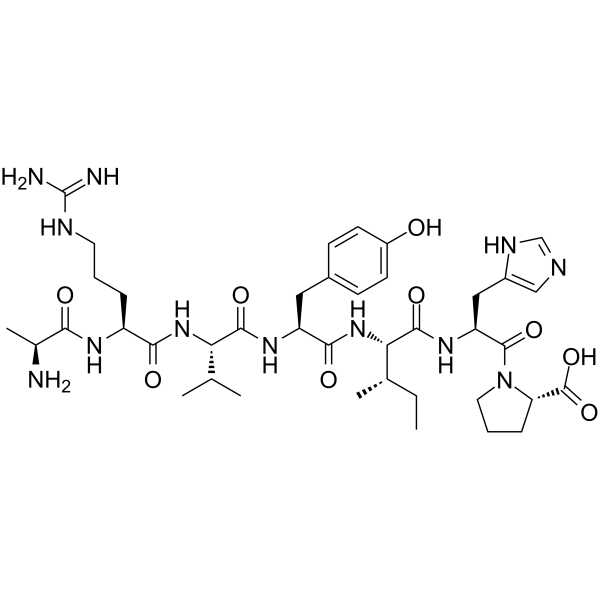
Alamandine, a member of the renin-angiotensin system (RAS), a vasoactive peptide, is an endogenous ligand of the G protein-coupled receptor MrgD. Alamandine targets to protect the kidney and heart through anti-hypertensive actions .
loading...
    loading...
2
2 Cited Publications
Cat. No.: HY-153549
CAS No.: 1341207-62-2
Purity:  99.03%
Research Areas:  

Others

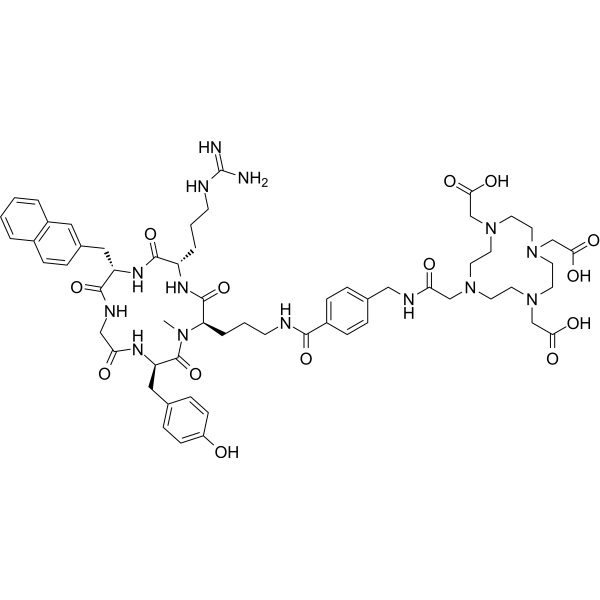
Pentixafor is a peptide that targets CXCR4. Pentixafor is capable of being labelled with 68Gallium ( 68Ga) for positron emission tomography (PET) imaging . Pentixafor can be used for the synthesis/research of Radionuclide-Drug Conjugates (RDCs).
loading...
    loading...
2
2 Cited Publications
Cat. No.: HY-W053583
CAS No.: 60239-18-1
Synonyms: DOTA
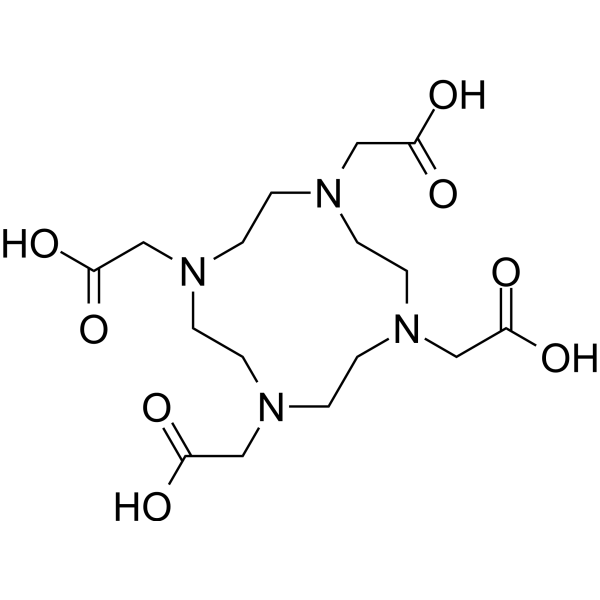
Tetraxetan (DOTA) is a macrocyclic chelating agent. Tetraxetan can form stable coordination complexes with a variety of metal ions (e.g., 68Ga, 111In, 177Lu). Tetraxetan can be conjugated with targeting molecules (e.g., RGD peptide, folic acid) to enable the complex to target specific biomolecules or cells. Tetraxetan can be used for imaging studies of tumors, including melanoma and folate receptor-positive tumors (e.g., cervical cancer) .
loading...
    loading...
2
2 Cited Publications
Cat. No.: HY-161111
CAS No.: 3056394-59-0
Target:  

Ser/Thr Kinase

Research Areas:  

Cancer

KVS0001 is a selective SMG1 inhibitor. KVS0001 elevates the expression of transcripts and proteins resulting from truncating mutations. KVS0001 increased the presentation of immune-targetable HLA class I-associated peptides from nonsense-mediated decay (NMD)-downregulated proteins on the surface of cancer cells. KVS0001 exerts anti-tumor properties and can be studied in research for NMD-related diseases, including cancer and inherited diseases .
loading...
    loading...
1
1 Cited Publications
Cat. No.: HY-P10645
CAS No.: 1098005-45-8
Target:  

Peptides

Research Areas:  

Cardiovascular Disease

T9 peptide (SKTFNTHPQSTP) is a muscle targeting peptide. T9 peptide binds strongly to C2C12 myoblasts. T9 peptide is capable of increased specificity for the heart and quadriceps muscles if conjugated to oligonucleotides without a similar effect in targeting to the kidney, liver, and diaphragm.
loading...
    loading...

