

Search Result
Results for "
Trimethylammonium
" in MedChemExpress (MCE) Product Catalog:
9
Biochemical Assay Reagents
9
Isotope-Labeled Compounds
| Cat. No. |
Product Name |
Target |
Research Areas |
Chemical Structure |
-
- HY-112754A
-
|
1,2-Dioleoyl-3-Trimethylammonium-propane chloride
|
Liposome
|
Cancer
|
|
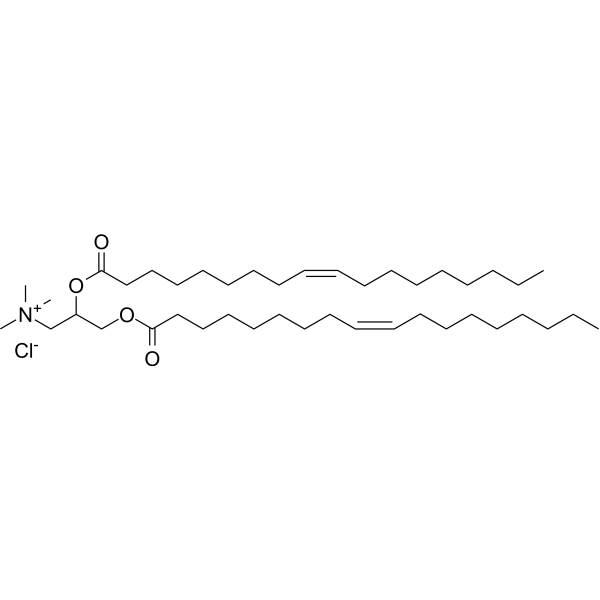
DOTAP chloride is a useful and effective cationic lipid for transient and stable transfection DNA (plasmids, bacmids) and modified nucleic acids (antisense oligonucleotides) with out the use of helper lipid .
|
-
-
- HY-W127378
-
|
1,2-Dioleoyl-3-Trimethylammonium-propane methylsulfate
|
Liposome
|
Others
|
|
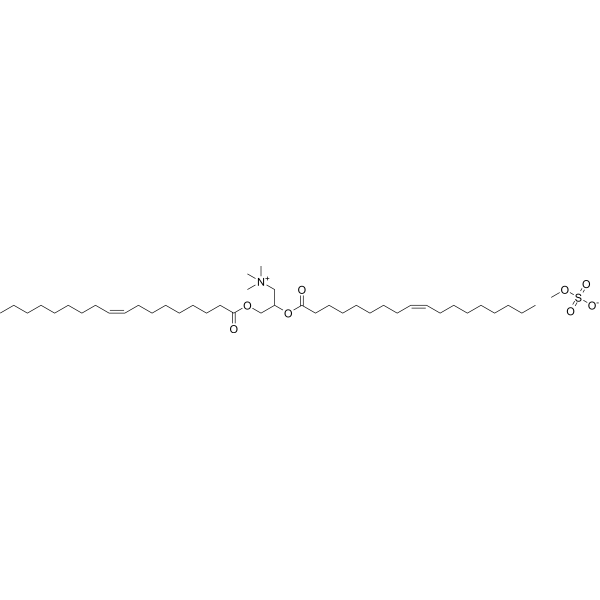
DOTAP methylsulfat is a cationic lipid reagent, a cationic derivative of trimethylammonium, linked to two 18-carbon fatty acid tails, each with a single olefin group. DOTAP methylsulfat can self-assemble with negatively charged ions (such as DNA) to form complexes, which can be adsorbed to the cell membrane surface and enter the cell by electrostatic interaction and endocytosis, respectively. DOTAP methylsulfat promotes endosomal membrane fusion with its own hydrophobic domain, releases DNA into the cytoplasm, and exerts gene delivery function. DOTAP methylsulfat can be widely used in research fields such as gene therapy, cell transfection, and non-viral vector design .
|
-
-
- HY-134124
-
|
|
Reactive Oxygen Species (ROS)
|
Metabolic Disease
|
|
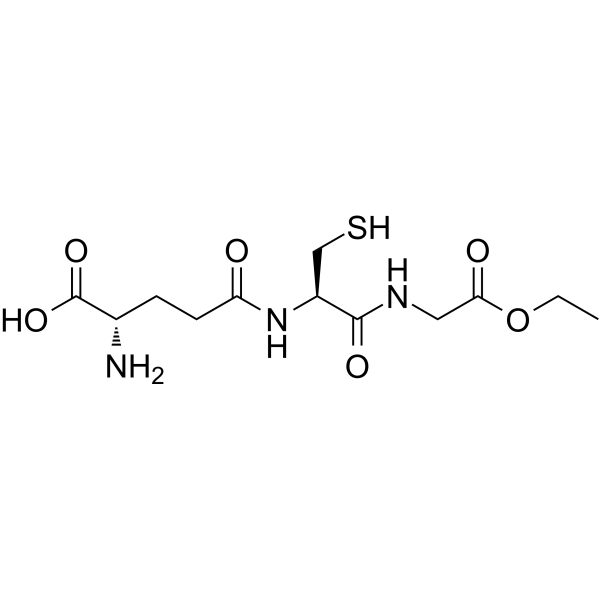
Glutathione ethyl ester is a cell-permeable GSH donor and provides an efficient supply of GSH to the oocyte. Glutathione ethyl ester shows positive effect on the in vitro production of embryos by enhancement of the antioxidative defense .
|
-
-
- HY-P10272
-
|
PTG-300
|
Ferroportin
|
Others
|
|
Rusfertide is a peptide mimetic of natural hepcidin, which targets and degrades ferroportin, reduces serum iron and transferrin-saturation, and thus regulates the production of red blood cells. Rusfertide ameliorates the polycythemia vera, β-thalassemia and hereditary hemochromatosis .
|
-
-
- HY-A0248A
-
|
|
Bacterial
|
Infection
|
|
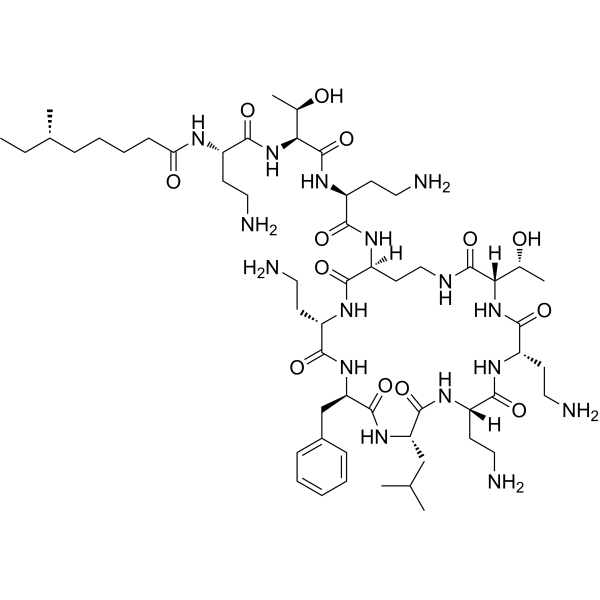
Polymyxin B1 is a potent antimicrobial lipopeptide first derived from Bacilus polymyxa. Polymyxin B1 is the major component in Polymyxin B (HY-A0248). Polymyxin B1 can induce lysis of bacterial cells through interaction with their membranes. Polymyxin B1 has the potential for multidrug-resistant Gram-negative bacterial infections treatment .
|
-
-
- HY-Y0504
-
-
-
- HY-D0176
-
|
(3-Chloro-2-hydroxypropyl)Trimethylammonium chloride
|
Biochemical Assay Reagents
|
Others
|
|
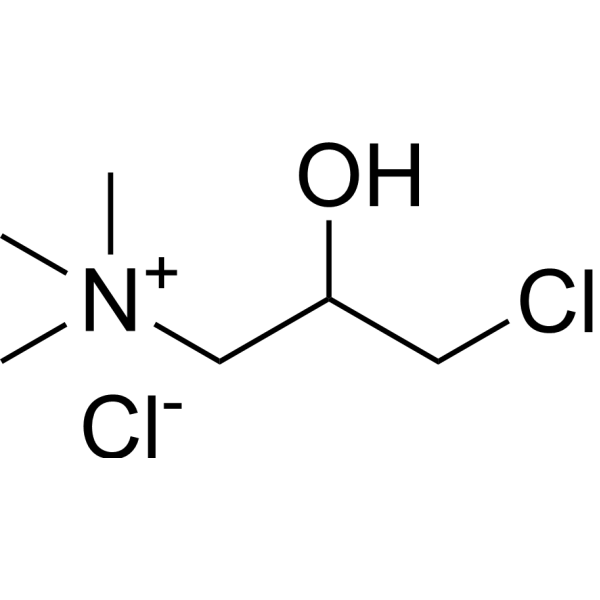
Dextrosil KA ((3-Chloro-2-hydroxypropyl) trimethylammonium (chloride)) is a biological dye and indicator that can be used as a biomaterial or organic compound in life science-related research .
|
-
-
- HY-Y0504S3
-
-
-
- HY-P1108A
-
|
|
CRFR
|
Neurological Disease
Inflammation/Immunology
|
Astressin 2B TFA is a blood-brain barrier-impermeable, highly selective CRFR2 antagonist (rCRFR2, IC50=0.57 nM). Astressin 2B TFA blocks the protective effects mediated by CRFR2, thereby exacerbating indomethacin (HY-14397)-induced hemorrhagic intestinal injury in rats. Astressin 2B TFA reverses the protective effects of Urocortin 1 against intestinal hypermotility, bacterial invasion and upregulation of inflammatory mediators. Astressin 2B TFA also blocks the anxiogenic effect of Urocortin 2 and attenuates stress-induced anxiety-related behaviors. In the Clostridioides difficile toxin A (C. difficile toxin A)-mediated enteritis model, Astressin 2B TFA mimics the phenotype of CRFR2-deficient mice, significantly exacerbating intestinal epithelial damage, edema, neutrophil migration and the expression of multiple proinflammatory cytokines. Astressin 2B TFA is an important tool molecule for investigating the intestinal protective mechanisms of CRFR2 .
|
-
-
- HY-P1108
-
|
|
CRFR
|
Neurological Disease
Inflammation/Immunology
|
Astressin 2B is a blood-brain barrier-impermeable, highly selective CRFR2 antagonist (rCRFR2, IC50=0.57 nM). Astressin 2B blocks the protective effects mediated by CRFR2, thereby exacerbating indomethacin (HY-14397)-induced hemorrhagic intestinal injury in rats. Astressin 2B reverses the protective effects of Urocortin 1 against intestinal hypermotility, bacterial invasion and upregulation of inflammatory mediators. Astressin 2B also blocks the anxiogenic effect of Urocortin 2 and attenuates stress-induced anxiety-related behaviors. In the Clostridioides difficile toxin A (C. difficile toxin A)-mediated enteritis model, Astressin 2B mimics the phenotype of CRFR2-deficient mice, significantly exacerbating intestinal epithelial damage, edema, neutrophil migration and the expression of multiple proinflammatory cytokines. Astressin 2B is an important tool molecule for investigating the intestinal protective mechanisms of CRFR2 .
|
-
-
- HY-112754AGL
-
|
1,2-Dioleoyl-3-Trimethylammonium-propane chloride (GMP Like)
|
Liposome
|
Others
|
|
DOTAP chloride (GMP Like) is the GMP Like class DOTAP chloride (HY-112754A). GMP small molecules works appropriately as an auxiliary reagent for cell therapy manufacture. DOTAP chloride is a cationic lipid with good membrane fusion ability and biocompatibility. DOTAP chloride (GMP Like) can be used as an excipient for transient and stable transfection DNA (plasmids, bacmids) and modified nucleic acids (antisense oligonucleotides) without the use of helper lipid .
|
-
-
- HY-W014539
-
-
-
- HY-W110589
-
|
|
Biochemical Assay Reagents
|
Others
|
|
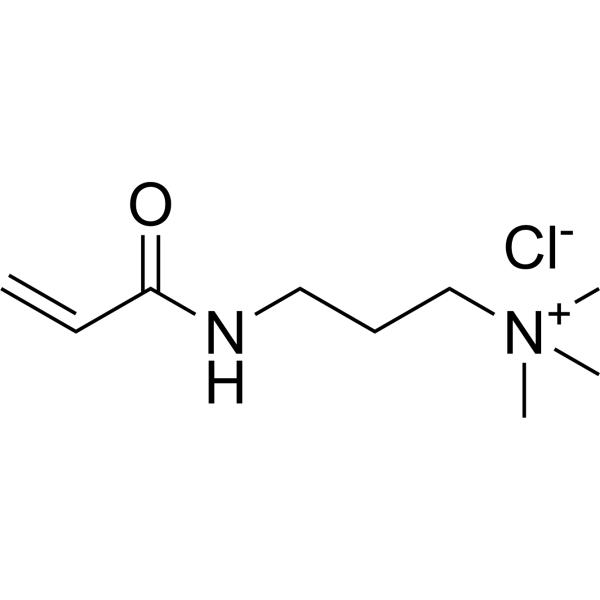
(3-Acrylamidopropyl)trimethylammonium chloride is a biochemical reagent that can be used as a biological material or organic compound for life science related research.
|
-
-
- HY-91018
-
|
N-[3-(Trimethoxysilyl)propyl]-N,N,N-Trimethylammonium chloride, 50% in methanol
|
Biochemical Assay Reagents
|
Others
|
|
Trimethyl[3-(trimethoxysilyl)propyl]ammonium (N-[3-(Trimethoxysilyl)propyl]-N,N,N-trimethylammonium) chloride (50% in methanol) is a functional organic silane coupling agent and quaternary ammonium salt cationic functional monomer, which can be used for functionalizing mesoporous silica with electrochemical modified electrodes or surface chemical modification .
|
-
-
- HY-W099682
-
|
n-Hexyl Trimethylammonium bromide
|
Biochemical Assay Reagents
|
Others
|
|
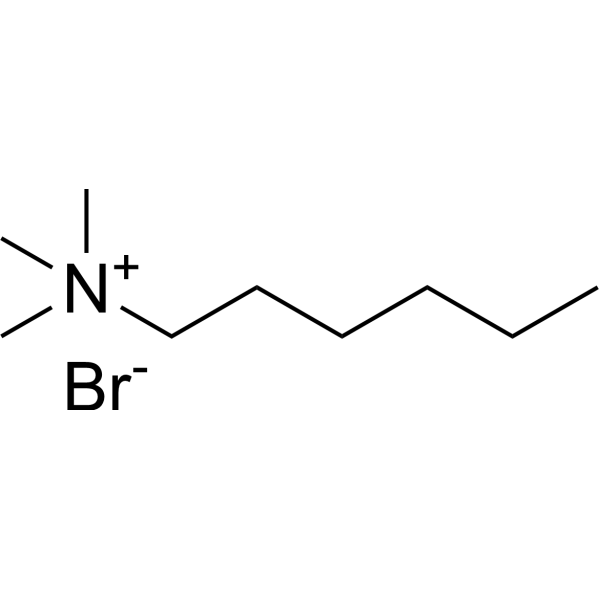
Hexyltrimethylammonium bromide is a cationic surfactant, quaternary ammonium compound, detergent, emulsifier, phase transfer catalyst, antibacterial agent, electrochemical device, corrosion inhibitor, micelle former, industrial chemical.
|
-
-
- HY-P10143
-
|
Ac-Pro-Leu-Gly-[(S)-2-mercapto-4-methyl-pentanoyl]-Leu-Gly-OEt
|
MMP
|
Others
|
|
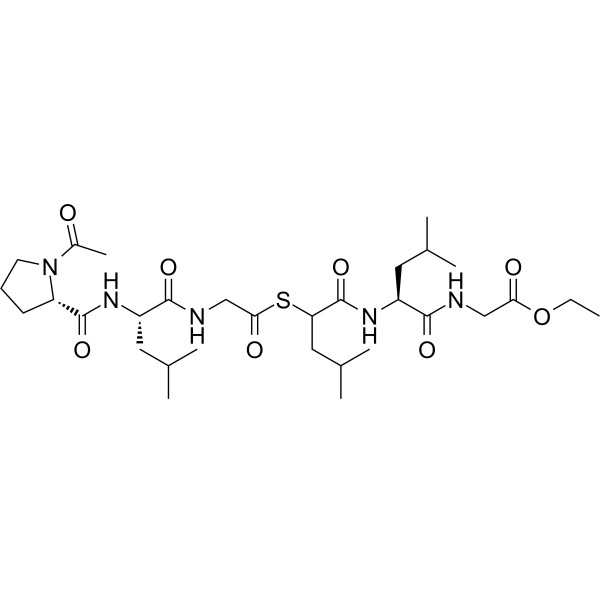
MMP-2/MMP-9 Substrate (Ac-Pro-Leu-Gly-[(S)-2-mercapto-4-methyl-pentanoyl]-Leu-Gly-OEt) is a synthetic chromogenic polypeptide substrate whose core structure mimics the cleavage sites of MMP-2 and MMP-9 (gelatinase A and B) in collagen. After being hydrolyzed by collagenase, MMP-2/MMP-9 Substrate reacts with 4,4'-dithiodipyridine or Ellman's Reagent via its thiol fragment to produce a product with ultraviolet absorption properties .
|
-
-
- HY-A0248AS
-
|
|
Isotope-Labeled Compounds
Bacterial
|
Infection
|
|
Polymyxin B1-d7 TFA is the deuterium labeled Polymyxin B1 TFA (HY-A0248A). Polymyxin B1 is a potent antimicrobial lipopeptide first derived from Bacilus polymyxa. Polymyxin B1 is the major component in Polymyxin B (HY-A0248). Polymyxin B1 can induce lysis of bacterial cells through interaction with their membranes. Polymyxin B1 has the potential for multidrug-resistant Gram-negative bacterial infections treatment .
|
-
-
- HY-Y0504R
-
|
Hegzadesil (Standard); Trimethylamine hydrochloric acid (Standard); Trimethylamine monohydrochloride (Standard)
|
Endogenous Metabolite
Cholinesterase (ChE)
Reference Standards
|
Metabolic Disease
|
|
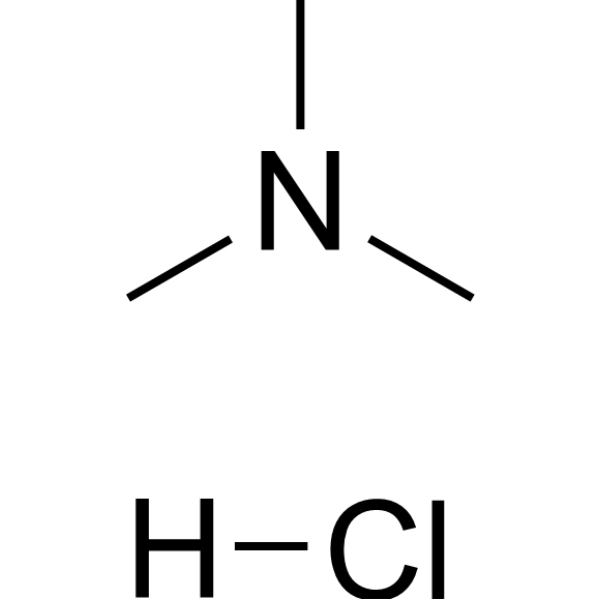
Trimethylammonium chloride (Standard) is the analytical standard of Trimethylammonium chloride. This product is intended for research and analytical applications. Trimethylammonium chlorideIt is an endogenous metabolite that inhibits deacetylation. Trimethylammonium chlorideIs a non-competitive inhibitor of acetylcholinesterase .
|
-
-
- HY-Y0504S
-
|
|
Endogenous Metabolite
|
Metabolic Disease
|
|
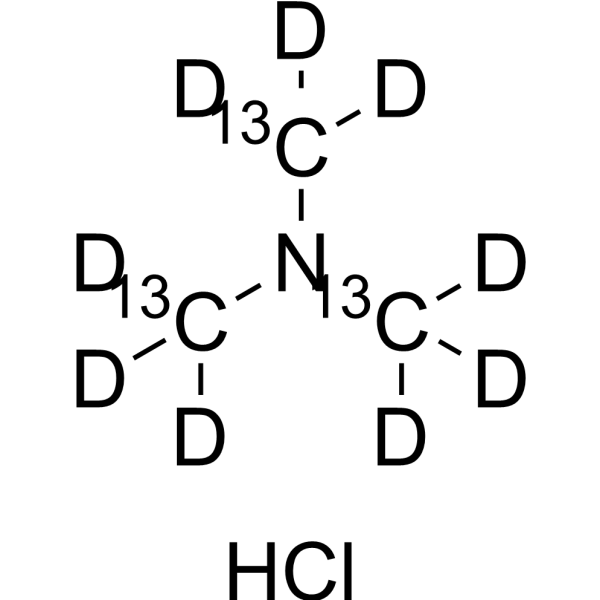
Trimethylammonium chloride- 13C3,d9 is the deuterium and 13C labeled Trimethylammonium chloride . Trimethylammonium chloride is an endogenous metabolite.
|
-
-
- HY-W127654
-
|
|
Biochemical Assay Reagents
|
Others
|
|
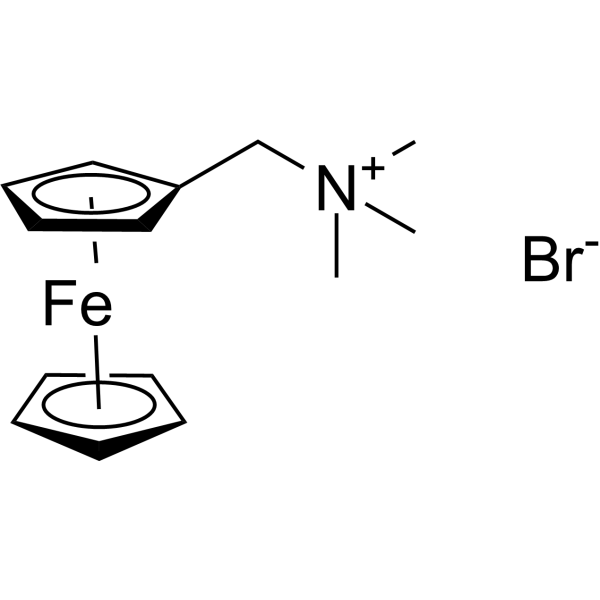
(Ferrocenylmethyl)trimethylammonium bromide is an organic compound containing ammonium and bromide ions. It is commonly used as a phase transfer catalyst in organic synthesis, especially in the production of pharmaceuticals and agrochemicals. (Ferrocenylmethyl)trimethylammonium Bromide has a strong base that facilitates the transfer of reactants between immiscible solvents for more efficient chemical reactions. In addition, it can also be used as an intermediate in the synthesis of other organic compounds.
|
-
-
- HY-P10563
-
|
BHV-1100
|
CD38
|
Cancer
|
|
Noraramtide (BHV-1100) is an antibody recruitment molecule. Noraramtide can specifically bind to CD38 molecules to recruit natural killer (NK) cells. Noraramtide enhances the ability of NK cells to kill tumor cells through antibody-dependent cellular cytotoxicity (ADCC). This mechanism allows NK cells to more effectively recognize and eliminate tumor cells while avoiding mutual killing between NK cells. Noraramtide can be used for the study of autologous cancer immunity .
|
-
-
- HY-Y0504S1
-
|
Hegzadesil-d10; Trimethylamine hydrochloric acid-d10; Trimethylamine monohydrochloride-d10
|
Endogenous Metabolite
|
Metabolic Disease
|
|
Trimethylammonium chloride-d10 is the deuterium labeled Trimethylammonium chloride . Trimethylammonium chloride is an endogenous metabolite.
|
-
-
- HY-P3066
-
|
d(CH2)5Tyr(Et)VAVP
|
Vasopressin Receptor
|
Metabolic Disease
|
|
SKF 100398 (d(CH2)5Tyr(Et)VAVP), an arginine vasopressin (AVP) analogue, is a specific antagonist of the antidiuretic effect of exogenous and endogenous AVP .
|
-
-
- HY-Y0504S4
-
|
Hegzadesil-d6; Trimethylamine hydrochloric acid-d6; Trimethylamine monohydrochloride-d6
|
Endogenous Metabolite
|
Metabolic Disease
|
|
Trimethylammonium chloride-d6 is the deuterium labeled Trimethylammonium chloride . Trimethylammonium chloride is an endogenous metabolite.
|
-
-
- HY-P10828
-
|
|
Virus Protease
|
Infection
Inflammation/Immunology
|
|
MAPI is a polypeptide irreversible 3C cysteine protease (SV3CP) inhibitor. MAPI inhibits SV3CP by covalently binding its C-terminal Michael-acceptor extension to the active site thiol of SV3CP Cys 139. MAPI is promising for research of noroviruses infection .
|
-
-
- HY-W585905
-
|
|
Isotope-Labeled Compounds
|
Others
|
|
Trimethylammonium chloride- 13C3 is a deuterated labeled Trimethylammonium chloride (HY-Y0504). Trimethylammonium chlorideIt is an endogenous metabolite that inhibits deacetylation. Trimethylammonium chlorideIs a non-competitive inhibitor of acetylcholinesterase .
|
-
-
- HY-Y0504S2
-
|
Hegzadesil-15N; Trimethylamine hydrochloric acid-15N; Trimethylamine monohydrochloride-15N
|
Endogenous Metabolite
|
Metabolic Disease
|
|
Trimethylammonium chloride- 15N is the 15N labeled Trimethylammonium chloride . Trimethylammonium chloride is an endogenous metabolite.
|
-
-
- HY-P3860
-
|
|
Amyloid-β
|
Neurological Disease
|
|
Biotinyl-Amyloid β-Protein (1-42) ammonium is a biotinylated Amyloid β-Protein (1-42) (HY-P1363). Biotinyl-Amyloid β-Protein (1-42) ammonium can be used for the research of Aβ1-42 converts to Aβ1-40 in brain .
|
-
-
- HY-P2592
-
-
-
- HY-125628
-
|
|
Endogenous Metabolite
|
Infection
|
|
Kahalalide A is an anti-mycobacterial compound with antimicrobial activity. Kahalalide A is derived from the marine mollusk Elysia rufescens. Kahalalide A has attracted extensive attention in natural product research due to its potential medicinal value .
|
-
-
- HY-W724336
-
|
(3-Chloro-2-hydroxypropyl)Trimethylammonium-d9 chloride
|
Isotope-Labeled Compounds
Biochemical Assay Reagents
|
Others
|
|
Dextrosil KA-d9 ( (3-Chloro-2-hydroxypropyl)trimethylammonium-d9 chloride) is the deuterium labeled Dextrosil KA (65% in water) (HY-D0176). Dextrosil KA is a biochemical reagent that can be used as a biological material or organic compound for life science related research.
|
-
-
- HY-P3783
-
-
-
- HY-A0248AS1
-
|
|
Isotope-Labeled Compounds
Bacterial
|
Infection
|
|
Polymyxin B1-D-Leu-d7 TFA is the deuterium labeled Polymyxin B1 (HY-A0248A). Polymyxin B1 is a potent antimicrobial lipopeptide first derived from Bacilus polymyxa. Polymyxin B1 is the major component in Polymyxin B (HY-A0248). Polymyxin B1 can induce lysis of bacterial cells through interaction with their membranes. Polymyxin B1 has the potential for multidrug-resistant Gram-negative bacterial infections treatment .
|
-
| Cat. No. |
Product Name |
Type |
-
- HY-112754AGL
-
|
1,2-Dioleoyl-3-Trimethylammonium-propane chloride (GMP Like)
|
Fluorescent Dye
|
|
DOTAP chloride (GMP Like) is the GMP Like class DOTAP chloride (HY-112754A). GMP small molecules works appropriately as an auxiliary reagent for cell therapy manufacture. DOTAP chloride is a cationic lipid with good membrane fusion ability and biocompatibility. DOTAP chloride (GMP Like) can be used as an excipient for transient and stable transfection DNA (plasmids, bacmids) and modified nucleic acids (antisense oligonucleotides) without the use of helper lipid .
|
| Cat. No. |
Product Name |
Type |
-
- HY-112754A
-
|
1,2-Dioleoyl-3-Trimethylammonium-propane chloride
|
Biochemical Assay Reagents
|
|
DOTAP chloride is a useful and effective cationic lipid for transient and stable transfection DNA (plasmids, bacmids) and modified nucleic acids (antisense oligonucleotides) with out the use of helper lipid .
|
-
- HY-W127378
-
|
1,2-Dioleoyl-3-Trimethylammonium-propane methylsulfate
|
Biochemical Assay Reagents
|
|
DOTAP methylsulfat is a cationic lipid reagent, a cationic derivative of trimethylammonium, linked to two 18-carbon fatty acid tails, each with a single olefin group. DOTAP methylsulfat can self-assemble with negatively charged ions (such as DNA) to form complexes, which can be adsorbed to the cell membrane surface and enter the cell by electrostatic interaction and endocytosis, respectively. DOTAP methylsulfat promotes endosomal membrane fusion with its own hydrophobic domain, releases DNA into the cytoplasm, and exerts gene delivery function. DOTAP methylsulfat can be widely used in research fields such as gene therapy, cell transfection, and non-viral vector design .
|
-
- HY-D0176
-
|
(3-Chloro-2-hydroxypropyl)Trimethylammonium chloride
|
Biochemical Assay Reagents
|
|
Dextrosil KA ((3-Chloro-2-hydroxypropyl) trimethylammonium (chloride)) is a biological dye and indicator that can be used as a biomaterial or organic compound in life science-related research .
|
-
- HY-112754AGL
-
|
1,2-Dioleoyl-3-Trimethylammonium-propane chloride (GMP Like)
|
Biochemical Assay Reagents
|
|
DOTAP chloride (GMP Like) is the GMP Like class DOTAP chloride (HY-112754A). GMP small molecules works appropriately as an auxiliary reagent for cell therapy manufacture. DOTAP chloride is a cationic lipid with good membrane fusion ability and biocompatibility. DOTAP chloride (GMP Like) can be used as an excipient for transient and stable transfection DNA (plasmids, bacmids) and modified nucleic acids (antisense oligonucleotides) without the use of helper lipid .
|
-
- HY-W014539
-
-
- HY-W110589
-
|
|
Biochemical Assay Reagents
|
|
(3-Acrylamidopropyl)trimethylammonium chloride is a biochemical reagent that can be used as a biological material or organic compound for life science related research.
|
-
- HY-91018
-
|
N-[3-(Trimethoxysilyl)propyl]-N,N,N-Trimethylammonium chloride, 50% in methanol
|
Biochemical Assay Reagents
|
|
Trimethyl[3-(trimethoxysilyl)propyl]ammonium (N-[3-(Trimethoxysilyl)propyl]-N,N,N-trimethylammonium) chloride (50% in methanol) is a functional organic silane coupling agent and quaternary ammonium salt cationic functional monomer, which can be used for functionalizing mesoporous silica with electrochemical modified electrodes or surface chemical modification .
|
-
- HY-W099682
-
|
n-Hexyl Trimethylammonium bromide
|
Biochemical Assay Reagents
|
|
Hexyltrimethylammonium bromide is a cationic surfactant, quaternary ammonium compound, detergent, emulsifier, phase transfer catalyst, antibacterial agent, electrochemical device, corrosion inhibitor, micelle former, industrial chemical.
|
-
- HY-W127654
-
|
|
Biochemical Assay Reagents
|
|
(Ferrocenylmethyl)trimethylammonium bromide is an organic compound containing ammonium and bromide ions. It is commonly used as a phase transfer catalyst in organic synthesis, especially in the production of pharmaceuticals and agrochemicals. (Ferrocenylmethyl)trimethylammonium Bromide has a strong base that facilitates the transfer of reactants between immiscible solvents for more efficient chemical reactions. In addition, it can also be used as an intermediate in the synthesis of other organic compounds.
|
| Cat. No. |
Product Name |
Target |
Research Area |
-
- HY-134124
-
|
|
Reactive Oxygen Species (ROS)
|
Metabolic Disease
|
|
Glutathione ethyl ester is a cell-permeable GSH donor and provides an efficient supply of GSH to the oocyte. Glutathione ethyl ester shows positive effect on the in vitro production of embryos by enhancement of the antioxidative defense .
|
-
- HY-P10272
-
|
PTG-300
|
Ferroportin
|
Others
|
|
Rusfertide is a peptide mimetic of natural hepcidin, which targets and degrades ferroportin, reduces serum iron and transferrin-saturation, and thus regulates the production of red blood cells. Rusfertide ameliorates the polycythemia vera, β-thalassemia and hereditary hemochromatosis .
|
-
- HY-A0248A
-
|
|
Bacterial
|
Infection
|
|
Polymyxin B1 is a potent antimicrobial lipopeptide first derived from Bacilus polymyxa. Polymyxin B1 is the major component in Polymyxin B (HY-A0248). Polymyxin B1 can induce lysis of bacterial cells through interaction with their membranes. Polymyxin B1 has the potential for multidrug-resistant Gram-negative bacterial infections treatment .
|
-
- HY-P1108A
-
|
|
CRFR
|
Neurological Disease
Inflammation/Immunology
|
Astressin 2B TFA is a blood-brain barrier-impermeable, highly selective CRFR2 antagonist (rCRFR2, IC50=0.57 nM). Astressin 2B TFA blocks the protective effects mediated by CRFR2, thereby exacerbating indomethacin (HY-14397)-induced hemorrhagic intestinal injury in rats. Astressin 2B TFA reverses the protective effects of Urocortin 1 against intestinal hypermotility, bacterial invasion and upregulation of inflammatory mediators. Astressin 2B TFA also blocks the anxiogenic effect of Urocortin 2 and attenuates stress-induced anxiety-related behaviors. In the Clostridioides difficile toxin A (C. difficile toxin A)-mediated enteritis model, Astressin 2B TFA mimics the phenotype of CRFR2-deficient mice, significantly exacerbating intestinal epithelial damage, edema, neutrophil migration and the expression of multiple proinflammatory cytokines. Astressin 2B TFA is an important tool molecule for investigating the intestinal protective mechanisms of CRFR2 .
|
-
- HY-P1108
-
|
|
CRFR
|
Neurological Disease
Inflammation/Immunology
|
Astressin 2B is a blood-brain barrier-impermeable, highly selective CRFR2 antagonist (rCRFR2, IC50=0.57 nM). Astressin 2B blocks the protective effects mediated by CRFR2, thereby exacerbating indomethacin (HY-14397)-induced hemorrhagic intestinal injury in rats. Astressin 2B reverses the protective effects of Urocortin 1 against intestinal hypermotility, bacterial invasion and upregulation of inflammatory mediators. Astressin 2B also blocks the anxiogenic effect of Urocortin 2 and attenuates stress-induced anxiety-related behaviors. In the Clostridioides difficile toxin A (C. difficile toxin A)-mediated enteritis model, Astressin 2B mimics the phenotype of CRFR2-deficient mice, significantly exacerbating intestinal epithelial damage, edema, neutrophil migration and the expression of multiple proinflammatory cytokines. Astressin 2B is an important tool molecule for investigating the intestinal protective mechanisms of CRFR2 .
|
-
- HY-P10143
-
|
Ac-Pro-Leu-Gly-[(S)-2-mercapto-4-methyl-pentanoyl]-Leu-Gly-OEt
|
MMP
|
Others
|
|
MMP-2/MMP-9 Substrate (Ac-Pro-Leu-Gly-[(S)-2-mercapto-4-methyl-pentanoyl]-Leu-Gly-OEt) is a synthetic chromogenic polypeptide substrate whose core structure mimics the cleavage sites of MMP-2 and MMP-9 (gelatinase A and B) in collagen. After being hydrolyzed by collagenase, MMP-2/MMP-9 Substrate reacts with 4,4'-dithiodipyridine or Ellman's Reagent via its thiol fragment to produce a product with ultraviolet absorption properties .
|
-
- HY-A0248AS
-
|
|
Isotope-Labeled Compounds
Bacterial
|
Infection
|
|
Polymyxin B1-d7 TFA is the deuterium labeled Polymyxin B1 TFA (HY-A0248A). Polymyxin B1 is a potent antimicrobial lipopeptide first derived from Bacilus polymyxa. Polymyxin B1 is the major component in Polymyxin B (HY-A0248). Polymyxin B1 can induce lysis of bacterial cells through interaction with their membranes. Polymyxin B1 has the potential for multidrug-resistant Gram-negative bacterial infections treatment .
|
-
- HY-P10563
-
|
BHV-1100
|
CD38
|
Cancer
|
|
Noraramtide (BHV-1100) is an antibody recruitment molecule. Noraramtide can specifically bind to CD38 molecules to recruit natural killer (NK) cells. Noraramtide enhances the ability of NK cells to kill tumor cells through antibody-dependent cellular cytotoxicity (ADCC). This mechanism allows NK cells to more effectively recognize and eliminate tumor cells while avoiding mutual killing between NK cells. Noraramtide can be used for the study of autologous cancer immunity .
|
-
- HY-P3066
-
|
d(CH2)5Tyr(Et)VAVP
|
Vasopressin Receptor
|
Metabolic Disease
|
|
SKF 100398 (d(CH2)5Tyr(Et)VAVP), an arginine vasopressin (AVP) analogue, is a specific antagonist of the antidiuretic effect of exogenous and endogenous AVP .
|
-
- HY-P10828
-
|
|
Virus Protease
|
Infection
Inflammation/Immunology
|
|
MAPI is a polypeptide irreversible 3C cysteine protease (SV3CP) inhibitor. MAPI inhibits SV3CP by covalently binding its C-terminal Michael-acceptor extension to the active site thiol of SV3CP Cys 139. MAPI is promising for research of noroviruses infection .
|
-
- HY-P3860
-
|
|
Amyloid-β
|
Neurological Disease
|
|
Biotinyl-Amyloid β-Protein (1-42) ammonium is a biotinylated Amyloid β-Protein (1-42) (HY-P1363). Biotinyl-Amyloid β-Protein (1-42) ammonium can be used for the research of Aβ1-42 converts to Aβ1-40 in brain .
|
-
- HY-P4756
-
|
|
Peptides
|
Others
|
|
N-(2-Carbamoyl-ethyl)-Val-Leu-anilide is a polypeptide that can be found by peptide screening. Peptide screening is a research tool that pools active peptides primarily by immunoassay. Peptide screening can be used for protein interaction, functional analysis, epitope screening, especially in the field of agent research and development .
|
-
- HY-P2592
-
-
- HY-125628
-
|
|
Endogenous Metabolite
|
Infection
|
|
Kahalalide A is an anti-mycobacterial compound with antimicrobial activity. Kahalalide A is derived from the marine mollusk Elysia rufescens. Kahalalide A has attracted extensive attention in natural product research due to its potential medicinal value .
|
-
- HY-P3783
-
-
- HY-A0248AS1
-
|
|
Isotope-Labeled Compounds
Bacterial
|
Infection
|
|
Polymyxin B1-D-Leu-d7 TFA is the deuterium labeled Polymyxin B1 (HY-A0248A). Polymyxin B1 is a potent antimicrobial lipopeptide first derived from Bacilus polymyxa. Polymyxin B1 is the major component in Polymyxin B (HY-A0248). Polymyxin B1 can induce lysis of bacterial cells through interaction with their membranes. Polymyxin B1 has the potential for multidrug-resistant Gram-negative bacterial infections treatment .
|
| Cat. No. |
Product Name |
Category |
Target |
Chemical Structure |
| Cat. No. |
Product Name |
Chemical Structure |
-
- HY-Y0504S3
-
|
|
|
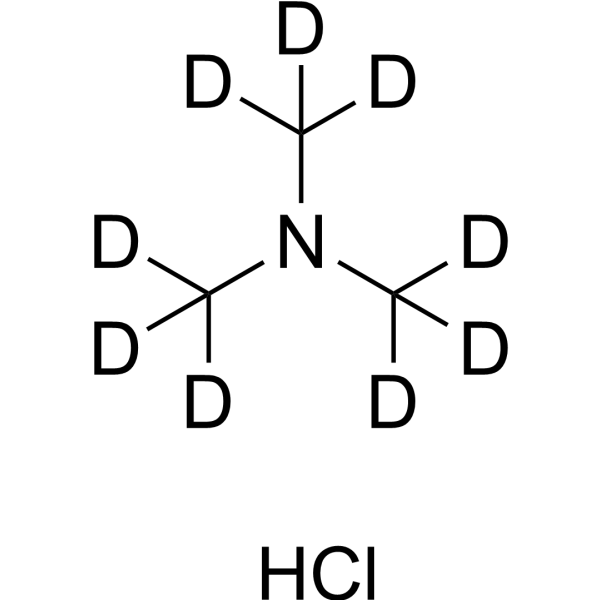
Trimethylammonium chloride-d9 is the deuterium labeled Trimethylammonium chloride . Trimethylammonium chloride is an endogenous metabolite.
|
-
-
- HY-A0248AS
-
|
|
|
Polymyxin B1-d7 TFA is the deuterium labeled Polymyxin B1 TFA (HY-A0248A). Polymyxin B1 is a potent antimicrobial lipopeptide first derived from Bacilus polymyxa. Polymyxin B1 is the major component in Polymyxin B (HY-A0248). Polymyxin B1 can induce lysis of bacterial cells through interaction with their membranes. Polymyxin B1 has the potential for multidrug-resistant Gram-negative bacterial infections treatment .
|
-
-
- HY-Y0504S
-
|
|
|
Trimethylammonium chloride- 13C3,d9 is the deuterium and 13C labeled Trimethylammonium chloride . Trimethylammonium chloride is an endogenous metabolite.
|
-
-
- HY-Y0504S1
-
|
|
|
Trimethylammonium chloride-d10 is the deuterium labeled Trimethylammonium chloride . Trimethylammonium chloride is an endogenous metabolite.
|
-
-
- HY-Y0504S4
-
|
|
|
Trimethylammonium chloride-d6 is the deuterium labeled Trimethylammonium chloride . Trimethylammonium chloride is an endogenous metabolite.
|
-
-
- HY-W585905
-
|
|
|
Trimethylammonium chloride- 13C3 is a deuterated labeled Trimethylammonium chloride (HY-Y0504). Trimethylammonium chlorideIt is an endogenous metabolite that inhibits deacetylation. Trimethylammonium chlorideIs a non-competitive inhibitor of acetylcholinesterase .
|
-
-
- HY-Y0504S2
-
|
|
|
Trimethylammonium chloride- 15N is the 15N labeled Trimethylammonium chloride . Trimethylammonium chloride is an endogenous metabolite.
|
-
-
- HY-W724336
-
|
|
|
Dextrosil KA-d9 ( (3-Chloro-2-hydroxypropyl)trimethylammonium-d9 chloride) is the deuterium labeled Dextrosil KA (65% in water) (HY-D0176). Dextrosil KA is a biochemical reagent that can be used as a biological material or organic compound for life science related research.
|
-
-
- HY-A0248AS1
-
|
|
|
Polymyxin B1-D-Leu-d7 TFA is the deuterium labeled Polymyxin B1 (HY-A0248A). Polymyxin B1 is a potent antimicrobial lipopeptide first derived from Bacilus polymyxa. Polymyxin B1 is the major component in Polymyxin B (HY-A0248). Polymyxin B1 can induce lysis of bacterial cells through interaction with their membranes. Polymyxin B1 has the potential for multidrug-resistant Gram-negative bacterial infections treatment .
|
-
| Cat. No. |
Product Name |
|
Classification |
-
- HY-112754A
-
|
1,2-Dioleoyl-3-Trimethylammonium-propane chloride
|
|
Cationic Lipids
|
|
DOTAP chloride is a useful and effective cationic lipid for transient and stable transfection DNA (plasmids, bacmids) and modified nucleic acids (antisense oligonucleotides) with out the use of helper lipid .
|
-
- HY-W127378
-
|
1,2-Dioleoyl-3-Trimethylammonium-propane methylsulfate
|
|
Cationic Lipids
|
|
DOTAP methylsulfat is a cationic lipid reagent, a cationic derivative of trimethylammonium, linked to two 18-carbon fatty acid tails, each with a single olefin group. DOTAP methylsulfat can self-assemble with negatively charged ions (such as DNA) to form complexes, which can be adsorbed to the cell membrane surface and enter the cell by electrostatic interaction and endocytosis, respectively. DOTAP methylsulfat promotes endosomal membrane fusion with its own hydrophobic domain, releases DNA into the cytoplasm, and exerts gene delivery function. DOTAP methylsulfat can be widely used in research fields such as gene therapy, cell transfection, and non-viral vector design .
|
| Cat. No. |
Product Name |
Target |
Research Areas |
Chemical Structure |
-
- HY-112754AGL
-
|
1,2-Dioleoyl-3-Trimethylammonium-propane chloride (GMP Like)
|
Liposome
|
Others
|
|
DOTAP chloride (GMP Like) is the GMP Like class DOTAP chloride (HY-112754A). GMP small molecules works appropriately as an auxiliary reagent for cell therapy manufacture. DOTAP chloride is a cationic lipid with good membrane fusion ability and biocompatibility. DOTAP chloride (GMP Like) can be used as an excipient for transient and stable transfection DNA (plasmids, bacmids) and modified nucleic acids (antisense oligonucleotides) without the use of helper lipid .
|
-
Your information is safe with us. * Required Fields.
Inquiry Information
- Product Name:
- Cat. No.:
- Quantity:
- MCE Japan Authorized Agent: