1. Search Result
Search Result
Results for "

activation system

" in MedChemExpress (MCE) Product Catalog:

248

Inhibitors & Agonists

15

Screening Libraries

1

Fluorescent Dye

16

Biochemical Assay Reagents

30

Peptides

3

MCE Kits

7

Inhibitory Antibodies

39

Natural
Products

12

Isotope-Labeled Compounds

9

Oligonucleotides

Cat. No. Product Name Target Research Areas Chemical Structure
  • HY-18982
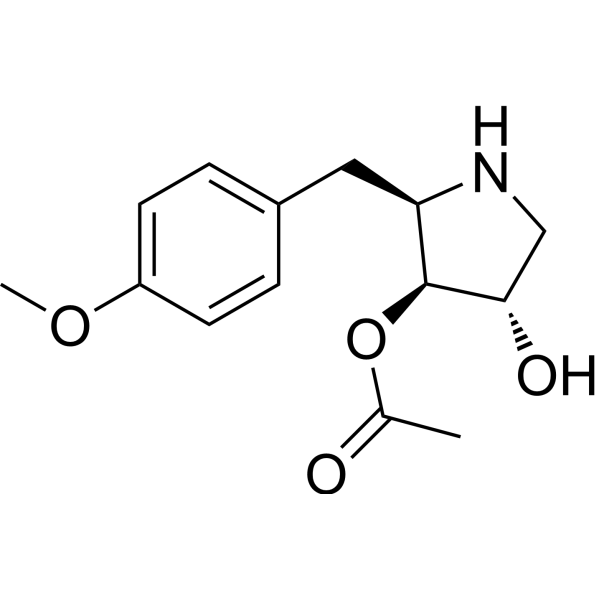
    Anisomycin
    Maximum Cited Publications
    138 Publications Verification

    Flagecidin; Wuningmeisu C

    DNA/RNA Synthesis JNK Bacterial Apoptosis Antibiotic Parasite Infection Cancer
    Anisomycin is a potent protein synthesis inhibitor which interferes with protein and DNA synthesis by inhibiting peptidyl transferase or the 80S ribosome system . Anisomycin is a JNK activator, which increases phospho-JNK . Anisomycin is a bacterial antibiotic .
    Anisomycin
  • HY-114481
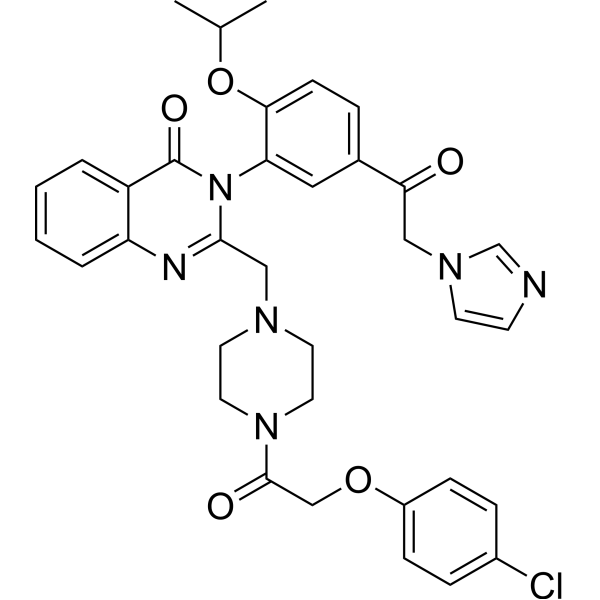
    Imidazole ketone erastin
    45+ Cited Publications

    IKE

    Ferroptosis Cancer
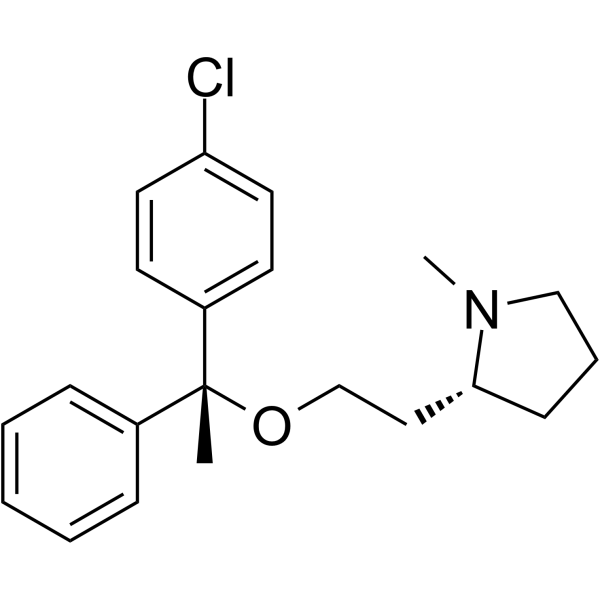
    Imidazole ketone erastin is a potent, selective, and metabolically stable inhibitor of the cystine-glutamate antiporter, system xc - and an activator of ferroptosis. Imidazole ketone erastin has anti-tumor activity .
    Imidazole ketone erastin
  • HY-113313
    Aldosterone
    5+ Cited Publications

    Endogenous Metabolite Cardiovascular Disease
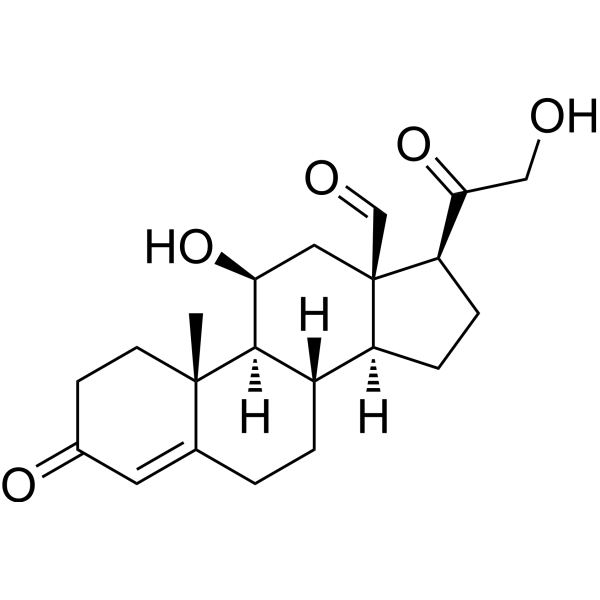
    Aldosterone is the primary mineralocorticoid. Aldosterone is a steroid hormone, and it is synthesized and secreted in response to renin-angiotensin system activation (RAS) or high dietary potassium by the zona glomerulosa (ZG) of the adrenal cortex. Aldosterone activity is dependent by the binding and activation of the cytoplasmic/nuclear mineralocorticoid receptor (MR) at cellular level .
    Aldosterone
  • HY-D0186
    2'-Deoxyuridine
    3 Publications Verification

    Endogenous Metabolite Thymidylate Synthase Infection
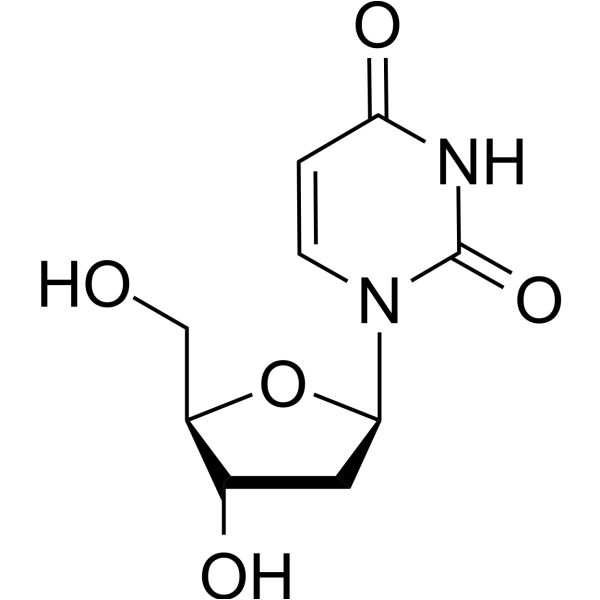
    2’-deoxyuridine is a brain-penetrant pyrimidines nucleotide that is associated with nervous system diseases. 2'-Deoxyuridine could increase chromosome breakage and results in a decreased thymidylate synthetase activity. 2'-Deoxyuridine is a precursor in the synthesis of Edoxudine (HY-B1011) and also an analogue of 5-ethynyl-2'-deoxyuridine, EdU (HY-118411). 2’-deoxyuridine reduces microglial activation and improve oxidative stress damage by modulating glycolytic metabolism on the Aβ25-35-induced brain injury, which is promising for research of Alzheimer’s disease (AD) .
    2'-Deoxyuridine
  • HY-N10546

    iGluR Trk Receptor ERK Apoptosis Autophagy Neurological Disease
    Ganglioside GM1 is a type of glycosphingolipid, mainly found on the cell membranes of the central nervous system of vertebrates. Ganglioside GM1 exerts neuroprotective effects by reducing excessive activation of NMDAR, activating TrkA and ERK1/2, and inhibiting oxidative stress and cell apoptosis and autophagy. Ganglioside GM1 can be used in the research of diseases such as traumatic brain injury, Parkinson's disease, Alzheimer's disease, and Huntington's disease .
    Ganglioside GM1
  • HY-135013

    TRP Channel Neurological Disease
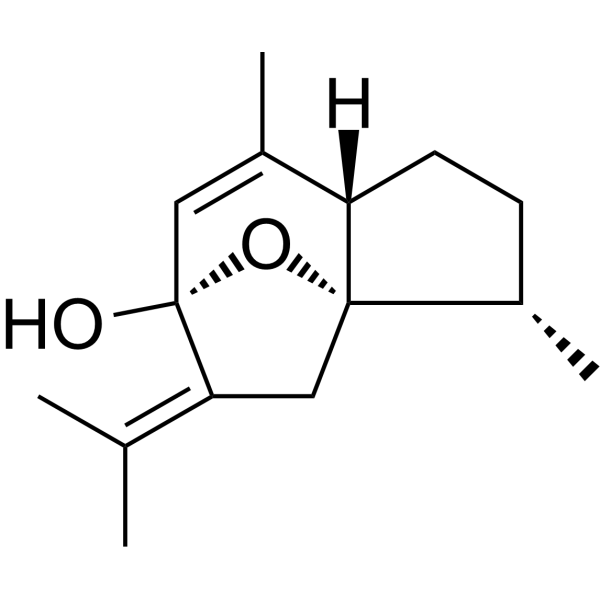
    Umbellulone is an active constituent of the leaves of Umbellularia californica. Umbellulone stimulates the TRPA1 channel in a subset of peptidergic, nociceptive neurons, activating the trigeminovascular system via this mechanism .
    Umbellulone
  • HY-P1036
    Compstatin
    3 Publications Verification

    Complement System Others
    Compstatin, a 13-residue cyclic peptide, is a potent inhibitor of the complement system C3 with species specificity. Compstatin binds to baboon C3 and is resistant to proteolytic cleavage in baboon blood (similar to humans). Compstatin inhibits only the activation of primates’ complement system. Compstatin exhibits IC50 values of 63 μM and 12 μM for classical and alterative complement pathway, respectively .
    Compstatin
  • HY-148029

    TAK-676

    STING Cancer
    Dazostinag disodium (TAK-676) is an agonist of STING, triggering the activation of STING signaling pathway and type I interferons. Dazostinag disodium is also a modulator of immune system, resulting complete regressions and durable memory T-cell immunity. Dazostinag disodium promotes durable IFN-dependent antitumor immunity .
    Dazostinag disodium
  • HY-P2847

    CRFR Metabolic Disease Endocrinology
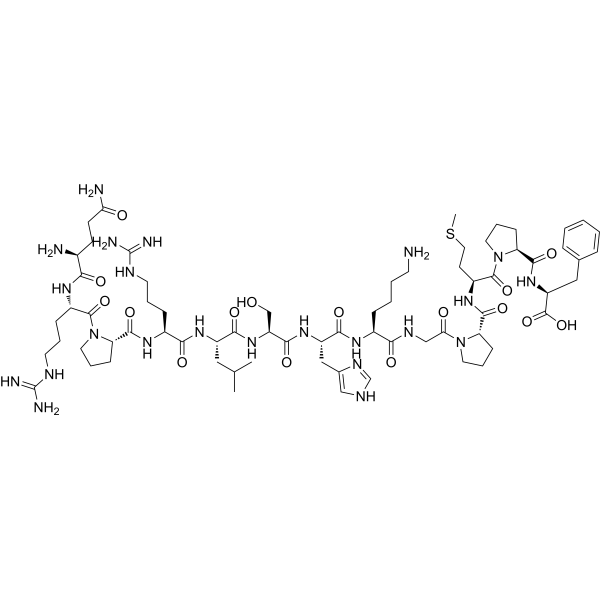
    Urocortin II, mouse is a potent and selective endogenous peptide agonist of type-2 corticotropin-releasing factor (CRF2) receptor with Ki values of 0.66 nM and ﹥100 nM for CRFR2 and CRFR1, respectively. Urocortin II, mouse activates CRF2 receptors in a cAMP/PKA- and Ca 2+/CaMKII-dependent manner.Urocortin II, mouse is expressed in discrete areas of the central nervous system, and activates central neurons involved in the processing of visceral sensory information, and in modulating autonomic outflow .
    Urocortin II, mouse
  • HY-34431

    7H-Imidazo(4,5-d)pyrimidine

    Endogenous Metabolite PARP Neurological Disease Metabolic Disease Cancer
    Purine is an endogenous metabolite. Purine bases are the building blocks of the nucleic acids. Purine inhibits the activation of PARP. Purine protects against oxidant-induced cell injury. Purine can be used in the research of cancer and nervous system diseases .
    Purine
  • HY-16511
    Upamostat
    1 Publications Verification

    WX-671

    PAI-1 Ser/Thr Protease Infection Cancer
    Upamostat (WX-671), a prodrug of WX-UK1, is an orally active serine protease inhibitor. Upamostat inhibits the urokinase-type plasminogen activator (uPA) system, blocking the plasminogen activation process mediated by it, thereby suppressing the invasion, migration and metastasis of tumor cells. Upamostat can be used in the research of metastatic breast cancer and locally advanced pancreatic cancer .
    Upamostat
  • HY-107004A
    Amotosalen hydrochloride
    1 Publications Verification

    S-59

    DNA/RNA Synthesis Parasite Inflammation/Immunology
    Amotosalen hydrochloride (S-59) is a light-activated, DNA-, RNA-crosslinking psoralen compound, which is used to neutralise pathogens. Light-activated Amotosalen binds and permanently crosslinks DNA, preventing replication and thus stopping proliferation of donor T cells. Amotosalen can be used for the study of blood system pathogen reduction technology and graft-versus-host disease (GVHD) .
    Amotosalen hydrochloride
  • HY-N0106

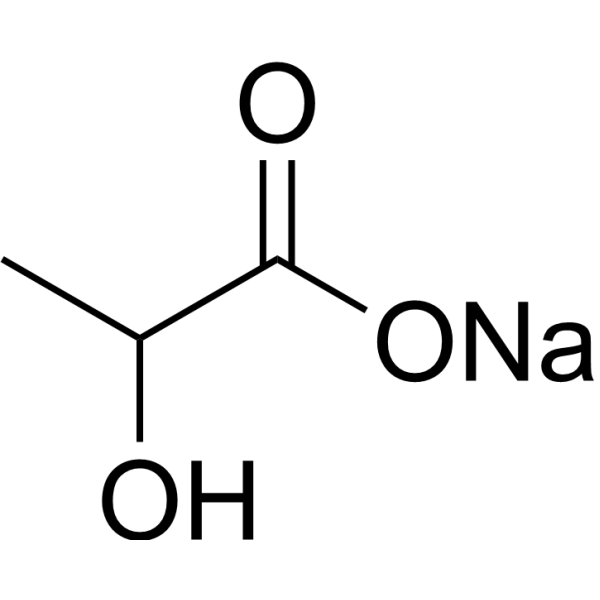
    (Rac)-Danshensu sodium; (Rac)-Tanshinol sodium

    Keap1-Nrf2 NF-κB Mitochondrial Metabolism Apoptosis Infection Cardiovascular Disease Inflammation/Immunology
    (Rac)-Salvianic acid A sodium is the racemic form of Salvianic acid A (HY-N1913). Salvianic acid A is an orally active phenolic compound that induces Nrf2/HO-1 activation and inhibits the NF-κB pathway, and it also activates the mitochondrial antioxidant defense system (Mitochondrial Metabolism). Salvianic acid A exhibits anti-inflammatory, antioxidant, and anti-apoptotic properties (Apoptosis), demonstrating potential for research into inflammation and cardiovascular diseases .
    (Rac)-Salvianic acid A sodium
  • HY-113884B

    13(S)-HODE

    PPAR Mitochondrial Metabolism Inflammation/Immunology Cancer
    (S)-Coriolic acid (13(S)-HODE), the product of 15-lipoxygenase (15-LOX) metabolism of linoleic acid, functions as the endogenous ligand to activate PPARγ. (S)-Coriolic acid is an important intracellular signal agent and is involved in cell proliferation and differentiation in various biological systems. (S)-Coriolic acid induces mitochondrial dysfunction and airway epithelial injury .
    (S)-Coriolic acid
  • HY-113313S1

    Endogenous Metabolite Cardiovascular Disease
    Aldosterone-d7 is the deuterium labeled Aldosterone. Aldosterone is the primary mineralocorticoid. Aldosterone is a steroid hormone, and it is synthesized and secreted in response to renin-angiotensin system activation (RAS) or high dietary potassium by the zona glomerulosa (ZG) of the adrenal cortex. Aldosterone activity is dependent by the binding and activation of the cytoplasmic/nuclear mineralocorticoid receptor (MR) at cellular level .
    Aldosterone-d7
  • HY-150602

    Proteasome Neurological Disease
    20S Proteasome activator 1 is a potent 20S proteasome activator with EC200 values of 0.3 μM, 0.7 μM and 1.8 μM for trypsin-like site, chymotrypsin-like site and caspase-like site. 20S Proteasome activator 1 translates well in a cellular system, preventing the accumulation of the pathogenic A53T mutant of α-synuclein. 20S Proteasome activator 1 can be used for researching neurodegenerative diseases .
    20S Proteasome activator 1
  • HY-B1435

    Thymoxamine hydrochloride

    Adrenergic Receptor Cardiovascular Disease Neurological Disease Metabolic Disease
    Moxisylyte (Thymoxamine) hydrochloride is a selective α1A-adrenergic receptor antagonist. Moxisylyte hydrochloride competitively antagonizes the activation mediated by norepinephrine. Moxisylyte hydrochloride relaxes penile cavernous smooth muscle and aids erectile function, while also improving dysuria and reducing residual urine volume in patients with multiple system atrophy. Moxisylyte hydrochloride is applicable to research related to erectile dysfunction and multiple system atrophy .
    Moxisylyte hydrochloride
  • HY-117541

    Glycyl-L-glutamine

    Others Neurological Disease
    Glycyl-glutamine (Glycyl-L-glutamine), as a enzymatic cleavage product of β-endorphin, is apparently an endogenous antagonist of beta-endorphin(1-31) in several systems . Glycyl-glutamine (Glycyl-L-glutamine) is an activate and stable glutamine-containing neuropeptide over glutamine (Gln) .
    Glycyl-glutamine
  • HY-160719

    Peptide-Drug Conjugates (PDCs) Inflammation/Immunology
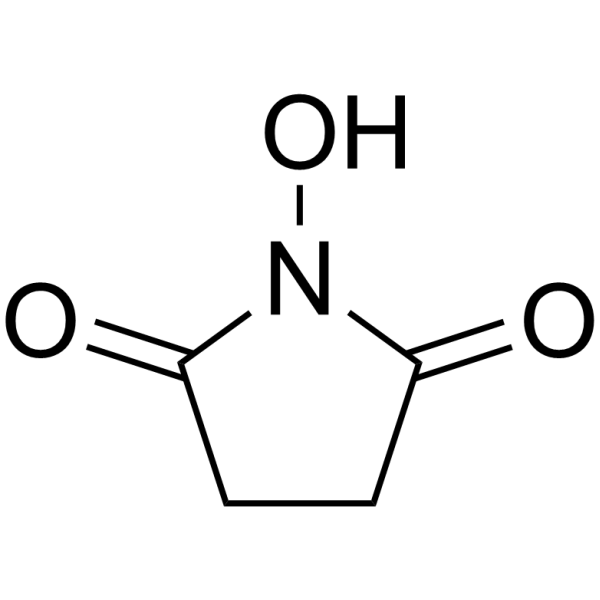
    NHS-activated 2-octynoic acid-BSA is an immunogen used to establish a mouse model of primary biliary cholangitis (PBC). When used in combination with Complete Freund's Adjuvant (HY-153808), NHS-activated 2-octynoic acid-BSA stimulates the body's immune system, which recognizes it as a foreign antigen and triggers an immune response against autologous biliary epithelial cells. This leads to the production of anti-PDC-E2 antibodies, causing bile duct damage and inflammation. NHS-activated 2-octynoic acid-BSA is promising for use in primary biliary cholangitis research .
    2-octynoic acid-BSA
  • HY-W040055
    Neopterin
    1 Publications Verification

    D-(+)-Neopterin; D-erythro-Neopterin

    NF-κB PPAR ERK Raf Src Cardiovascular Disease Inflammation/Immunology
    Neopterin is an immune system activator metabolized by GTP and can be produced by activated macrophages. Neopterin has the potential to resist vascular inflammation and atherosclerosis. Neopterin inhibits the phosphorylation of NF-κB and promotes the expression of PPAR-γ, thereby suppressing the inflammatory response of vascular endothelial cells, reducing the formation of macrophage foam cells, and regulating the migration and proliferation of vascular smooth muscle cells. Neopterin can be used in research fields such as cardiovascular diseases (such as atherosclerosis), inflammation-related diseases and tumor immunomonitoring .
    Neopterin
  • HY-109189
    Rezivertinib
    1 Publications Verification

    BPI-7711

    EGFR Cancer
    Rezivertinib (BPI-7711) is an orally active, highly selective and irreversible third-generation EGFR tyrosine kinase inhibitor (TKI). Rezivertinib exhibits high potency against the common activation EGFR and the resistance T790M mutations. Rezivertinib has excellent central nervous system (CNS) penetration and has antitumor activity .
    Rezivertinib
  • HY-176949

    STAT Inflammation/Immunology
    STAT6-IN-10 is a STAT6 (signal transducer and activator of transcription 6) inhibitor with an EC50 of 2 nM. STAT6-IN-10 can inhibit the secretion of CCL17 in human peripheral whole blood. STAT6-IN-10 can be used in the research of dermatological and respiratory system diseases .
    STAT6-IN-10
  • HY-110353
    CU-T12-9
    10+ Cited Publications

    Toll-like Receptor (TLR) Inflammation/Immunology Cancer
    CU-T12-9 is a specific TLR1/2 agonist with EC50 of 52.9 nM in HEK-Blue hTLR2 SEAP assay. CU-T12-9 activates both the innate and the adaptive immune systems. CU-T12-9 selectively activates the TLR1/2 heterodimer, not TLR2/6. CU-T12-9 signals through NF-κB and invokes an elevation of the downstream effectors TNF-α, IL-10, and iNOS .
    CU-T12-9
  • HY-139410

    c-Fms Inflammation/Immunology
    Sodium caseinates is a kind of sodium salts of major milk proteins, which act as protein-based biopolymers and innate immune system activators. Sodium caseinates induce granulopoiesis, activation and differentiation, promote the production of M-CSF, and increase serum levels of G-CSF and GM-CSF. Sodium caseinates inhibit the proliferation and reduce the viability of leukemia macrophage-like cells, thereby significantly improving the survival rate of mice inoculated with leukemia cells. Sodium caseinates can serve as carriers for probiotics in edible films and exhibit anti-Listeria activity. Sodium caseinates effectively protect vitamin A from degradation, enhance its stability, bioaccessibility and bioavailability, and regulate protein digestibility when complexed with vitamin A. Sodium caseinates can be applied to research related to acute monocytic leukemia and vitamin A deficiency .
    Sodium caseinates
  • HY-16785

    INXN-1001; RG-115932

    Interleukin Related Inflammation/Immunology Cancer
    Veledimex (INXN-1001), a synthetic analog of the insect molting hormone ecdysone, is an orally active activator ligand for a proprietary gene therapy promoter system. Veledimex can be used to activate certain genes using the ecdysone receptor (EcR)-based inducible gene regulation system, the RheoSwitch Therapeutic System (RTS). Veledimex can cross blood-brain barrier (BBB) in both orthotopic GL-261 mice and cynomolgus monkeys .
    Veledimex
  • HY-W402682

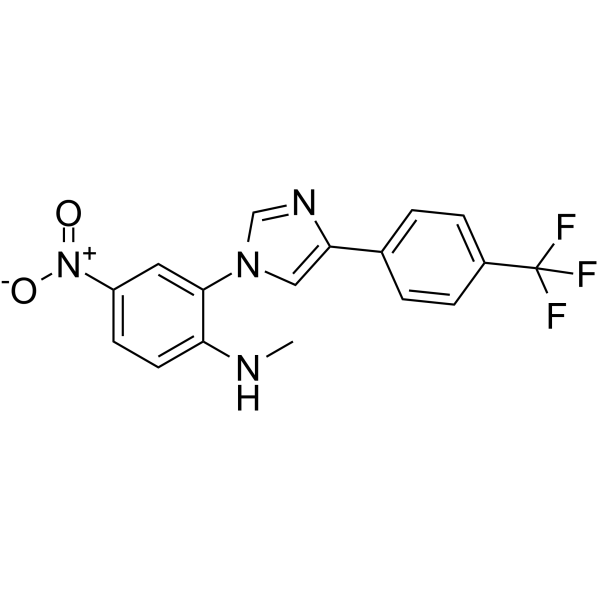
    Amino acid Transporter Neurological Disease Cancer
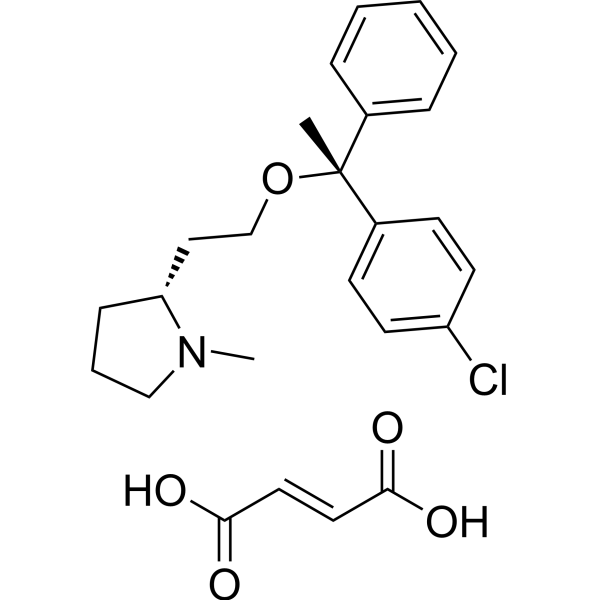
    SXC-2023 is an orally active cystine-glutamate antiporter (SLC7A11; System xc-) activator. SXC-2023 can be used for the study of central nervous system disorders, such as trichotillomania .
    SXC2023
  • HY-U00442

    MDM-2/p53 E1/E2/E3 Enzyme Cancer
    CTX1 is a p53 activator that overcomes HdmX-mediated p53 repression. CTX1 exhibits potent anti-cancer activity in a mouse acute myeloid leukemia (AML) model system .
    CTX1
  • HY-107730

    Neuropeptide Y Receptor Neurological Disease
    NPY5RA-972 is an orally active, central nervous system (CNS) penetrating, potent and selective NPY Y5 receptor antagonist that prevents feeding driven by activation of this receptor .
    NPY5RA-972
  • HY-P5762

    PNX-14

    GnRH Receptor Neurological Disease
    Phoenixin-14 (PNX-14) is one of the endogenous active isoform, and generates anxiolytic effect via the activation of the AHA GnRH system in mice. Phoenixin-14 inhibits ischemia/reperfusion-induced cytotoxicity in microglia .
    Phoenixin-14
  • HY-B1399

    o-Cresotic acid; Hydroxytoluic acid

    Endogenous Metabolite Cardiovascular Disease
    3-Methylsalicylic acid (o-Cresotic acid) is a derivative of salicylic acid. 3-Methylsalicylic acid exhibits significant fibrinolytic activity in human plasma by activating the fibrinolytic system. 3-Methylsalicylic acid can be used as an intermediate for the synthesis of other compounds. 3-Methylsalicylic acid inhibits the feeding of midges .
    3-Methylsalicylic acid
  • HY-W040055S

    D-(+)-Neopterin-13C5; D-erythro-Neopterin-13C5

    Isotope-Labeled Compounds Endogenous Metabolite Others
    Neopterin- 13C5 (D-(+)-Neopterin- 13C5; D-erythro-Neopterin- 13C5) is the deuterium labeled Neopterin (HY-W040055) . Neopterin (D-(+)-Neopterin), a catabolic product of guanosine triphosphate (GTM), serves as a marker of cellular immune system activation .
    Neopterin-13C5
  • HY-P1858A

    CRFR Cardiovascular Disease Neurological Disease Endocrinology
    Urocortin III, mouse TFA is a corticotropin-releasing factor (CRF)-related peptide. Urocortin III preferentially binds and activates CRF-R2 . Urocortin III (Ucn3) is a known component of the behavioral stress response system. Urocortin III and CRF-R2 in the medial amygdala regulate complex social dynamics .
    Urocortin III, mouse TFA
  • HY-P99638

    ALXN-1720

    Complement System Inflammation/Immunology
    Gefurulimab (ALXN-1720) is a high-affinity antibody inhibitor targeting complement protein C5, which can specifically bind to C5 and inhibit its cleavage into C5a and C5b. Gefurulimab can block the activation of the terminal complement pathway and reduce inflammatory damage. Gefurulimab can effectively reduce the formation of membrane attack complex (MAC) and has good pharmacokinetic properties. Gefurulimab can be used to study kidney and autoimmune diseases related to abnormal activation of the complement system, such as IgA nephropathy, lupus nephritis, and myasthenia gravis .
    Gefurulimab
  • HY-P11175

    Bacterial Infection
    Competence-stimulating peptide is a competence-stimulating peptide. Competence-stimulating peptide activates the Com-dependent quorum sensing system of S. mutans. Competence-stimulating peptide restores bacteriocin production .
    Competence-stimulating peptide
  • HY-14612

    mGluR Neurological Disease
    CPPHA is potent and selective positive allosteric modulator (PAM) of the mGluR5 and mGluR1 (metabotropic glutamate receptor). CPPHA can potentiate responses of mGluR5 and mGluR1 to activation of these receptors. CPPHA is developed for the research of central nervous system disorders .
    CPPHA
  • HY-P99812
    Ragifilimab
    1 Publications Verification

    INCAGN-1876

    TNF Receptor Inflammation/Immunology Cancer
    Ragifilimab (INCAGN-1876) is an agonist monoclonal antibody targeting the glucocorticoid-induced TNFR-related protein (GITR). Ragifilimab binds to and activates GITR on T cells, which stimulates the immune system to enhance its anti-tumor activity. Ragifilimab can be used for advanced or metastatic solid tumors research .
    Ragifilimab
  • HY-W041343

    Benzoylbenzoicacid

    Bacterial Antibiotic Photosensitizer Infection
    4-(Phenylcarbonyl)benzoic acid is a photooxidant. Upon light activation, 4-(Phenylcarbonyl)benzoic acid forms an electrophilic aromatic ketone that acts as an oxidant in organic synthesis or biological systems. 4-(Phenylcarbonyl)benzoic acid has been used in the study of amino acid oxidation, as well as the synthesis of photoactivated antibacterial and antiviral compounds 1 2 3.
    4-Benzoylbenzoic acid
  • HY-P1858

    CRFR Cardiovascular Disease Neurological Disease Endocrinology
    Urocortin III, mouse is a corticotropin-releasing factor (CRF)-related peptide. Urocortin III preferentially binds and activates CRF-R2 . Urocortin III (Ucn3) is a known component of the behavioral stress response system. Urocortin III and CRF-R2 in the medial amygdala regulate complex social dynamics .
    Urocortin III, mouse
  • HY-N3138

    Bacterial Apoptosis Reactive Oxygen Species (ROS) ERK JNK Caspase SOD Fungal Infection Neurological Disease
    Ombuoside has antioxidant properties, inhibiting ROS production and apoptosis. Ombuoside exerts neuroprotective effects through the ERK-JNK-caspase-3 system. Ombuoside promotes Dopamine biosynthesis through TH and CREB activation. Ombuoside exhibits antimicrobial activity against several Gram-positive and Gram-negative bacteria, as well as Candida albicans
    Ombuoside
  • HY-100822

    (+)-HA-966

    iGluR Neurological Disease
    (R)-(+)-HA-966 ((+)-HA-966) is a partial agonist/antagonist of glycine site of the N-methyl-D-aspartate (NMDA) receptor complex. (R)-(+)-HA-966 selectively blocks the activation of the mesolimbic dopamine system by amphetamine . (R)-(+)-HA-966 can cross the blood-brain barrier and has the potential for neuropathic and acute pain .
    (R)-(+)-HA-966
  • HY-127041

    Bacterial Infection
    Virstatin inhibits the pili system synthesis and prevents A. baumannii biofilm formation. Virstatin also inhibits dimerization of the transcriptional activator ToxT .
    Virstatin
  • HY-159114

    Biochemical Assay Reagents Inflammation/Immunology
    Whole Glucan Particles is a Dectin-1a agonist. Whole Glucan Particles activates the innate immune system to improve the function of macrophages, monocytes and other immune cells .
    Whole Glucan Particles
  • HY-18982R

    Flagecidin (Standard); Wuningmeisu C (Standard)

    Reference Standards DNA/RNA Synthesis JNK Bacterial Apoptosis Antibiotic Parasite Infection Cancer
    Anisomycin (Standard) is the analytical standard of Anisomycin. This product is intended for research and analytical applications. Anisomycin is a potent protein synthesis inhibitor which interferes with protein and DNA synthesis by inhibiting peptidyl transferase or the 80S ribosome system[1]. Anisomycin is a JNK activator, which increases phospho-JNK[2][3]. Anisomycin is a bacterial antibiotic[4].
    Anisomycin (Standard)
  • HY-150187

    GPR55 ERK ROCK Calcium Channel Neurological Disease
    20:4 Lyso PI acts as an activator of GPR55 and RhoA. 20:4 Lyso PI activates the GPR55-RhoA-ROCK pathway, thereby inducing morphological changes, cytoskeleton assembly, cell rounding and stress fiber formation. 20:4 Lyso PI can be used in research related to diseases such as those of the nervous system .
    20:4 Lyso PI
  • HY-P1036A
    Compstatin TFA
    3 Publications Verification

    Complement System Others
    Compstatin TFA, a 13-residue cyclic peptide, is a potent inhibitor of the complement system C3 with species specificity. Compstatin TFA binds to baboon C3 and is resistant to proteolytic cleavage in baboon blood (similar to humans). Compstatin TFA inhibits only the activation of primates’ complement system. Compstatin TFA exhibits IC50 values of 63 μM and 12 μM for classical and alterative complement pathway, respectively .
    Compstatin TFA
  • HY-W753791

    TNF Receptor JNK Neurological Disease Inflammation/Immunology
    (±)-Perillaldehyde has an antidepressant effect by modulating the olfactory nervous system in a mouse model of stress-induced depression. (±)-Perillaldehyde also has anti-inflammatory activity, inducing JNK activation in RAW264.7 cells and inhibiting the expression of TNF-α, with an IC50 of 171.7 μM .
    (±)-Perillaldehyde
  • HY-160901

    Complement System Inflammation/Immunology
    CP-289,503 is an inhibitor of the complement C5a receptor with an IC50 of 1 μM. C5a acts as an activator of leukocytes and phagocytes during complement system activation. The C5a receptor can bind to C5a, which can stimulate the upregulation of cell surface integrins and degranulation of inflammatory cells, leading to endothelial cell damage. C5a receptor inhibitors can block C5a signaling and inhibit a variety of inflammatory diseases .
    CP-289,503
  • HY-165084

    Soy PS sodium

    Liposome Inflammation/Immunology
    L-a-Phosphatidylserine sodium is an antigen targeting phosphatidylserine (PS) and can induce the production of polyclonal antibodies. L-a-Phosphatidylserine can trigger complement-dependent immune damage by binding to PS on the cell membrane surface. After L-a-Phosphatidylserine is recognized by antibodies, it activates the complement system, causing liposome membrane damage and content release, and then participates in the regulation of immune response and cell apoptosis signaling. L-a-Phosphatidylserine can be used in immunological research, such as antibody specificity analysis and complement activation mechanism research .
    L-a-Phosphatidylserine sodium
  • HY-137952

    Potassium Channel TRP Channel Neurological Disease
    NS8593 is an SK channel (small conductance Ca 2+-activated K+ channels) inhibitor. NS8593 reversibly inhibited recombinant SK3-mediated currents (human SK3 and rat SK3). NS8593 inhibits all the SK1-3 subtypes Ca 2+-dependently (Kd = 0.42, 0.60, and 0.73 μM, respectively, at 0.5 μM Ca 2+). NS8593 does not affect the Ca 2+-activated K channels of intermediate and large conductance (hlk and hBK channels, respectively). NS8593 can also inhibit TRPM7 (melastatin-related TRP cation channel 7) (IC50 = 1.6 mM). NS8593 can be used for the study of central nervous system (CNS) related diseases .
    NS8593
  • HY-163445

    NAMPT Cancer
    NAMPT activator-6 is a NAMPT activator, a regulatory molecule for the optical control system of NAMPT and NAD+. NAMPT activator-6 can be used to design efficient photoswitchable proteolysis-targeting chimeras (PS-PROTACs) to achieve up-down reversible regulation of NAMPT and NAD+ in a light-dependent manner and reduce the toxicity associated with inhibitor-based PS-PROTACs. PS-PROTAC can be used to achieve antitumor activity, NAMPT, and NAD+ modulation in vivo via optical manipulation .
    NAMPT activator-6

Inquiry Online

Your information is safe with us. * Required Fields.

Salutation


Country or Region *

Applicant Name *


Organization Name *

Department *


Email Address *


Product Name *

Cat. No.


Requested quantity *

Phone Number *


Remarks

Inquiry Online

Inquiry Information

Product Name:
Cat. No.:
Quantity:
MCE Japan Authorized Agent:

