1. Search Result
Search Result
Results for "

active ribosomes

" in MedChemExpress (MCE) Product Catalog:

58

Inhibitors & Agonists

1

Biochemical Assay Reagents

11

Natural
Products

8

Isotope-Labeled Compounds

Cat. No. Product Name Target Research Areas Chemical Structure
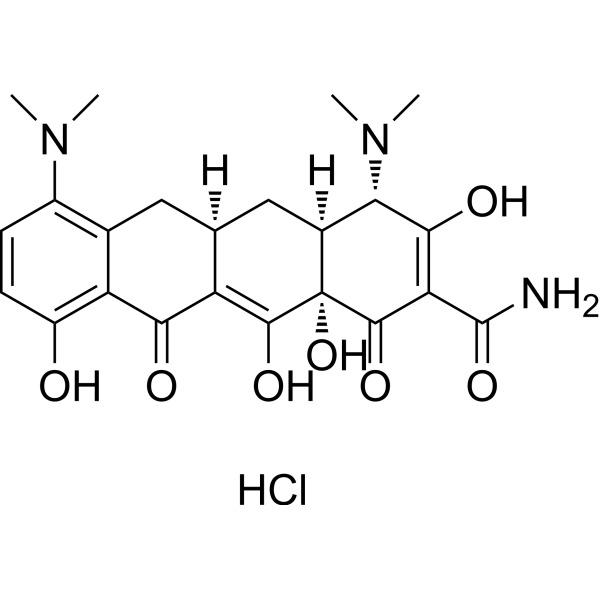
  • HY-17412
    Minocycline hydrochloride
    Maximum Cited Publications
    65 Publications Verification

    Bacterial Antibiotic HIF/HIF Prolyl-Hydroxylase Apoptosis MDM-2/p53 Potassium Channel Calcium Channel Infection Cardiovascular Disease Neurological Disease Metabolic Disease Inflammation/Immunology Cancer
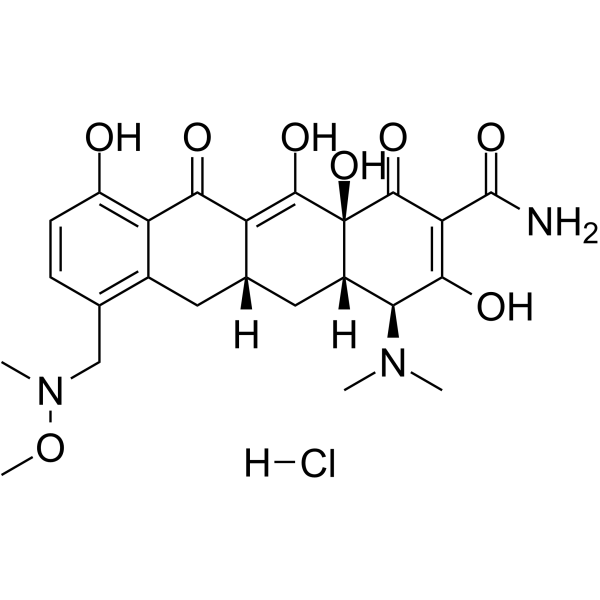
    Minocycline hydrochloride is an orally active, potent and BBB-penetrated semi-synthetic tetracycline antibiotic. Minocycline hydrochloride is a hypoxia-inducible factor (HIF)-1α inhibitor. Minocycline hydrochloride shows anti-cancer, anti-inflammatory, and glutamate antagonist effects. Minocycline hydrochloride reduces glutamate neurotransmission and shows neuroprotective properties and antidepressant effects. Minocycline hydrochloride inhibits bacterial protein synthesis through binding with the 30S subunit of the bacterial ribosome, resulting in a bacteriostatic effect .
    Minocycline hydrochloride
  • HY-B1329
    Apramycin sulfate
    4 Publications Verification

    Nebramycin II sulfate

    Bacterial Antibiotic Infection
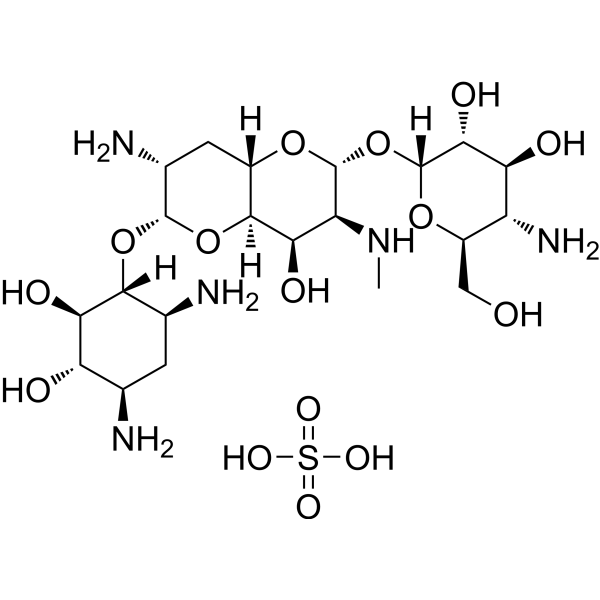
    Apramycin (EBL 1003) sulfate is an orally active, acidic pH tolerant and aminoglycoside-modifying-enzymes-tolerant aminoglycoside antibiotic which inhibits protein biosynthesis by targeting the bacterial ribosome. Apramycin sulfate is a potential anti-drug-resistance antibiotic .
    Apramycin sulfate
  • HY-153356

    Molecular Glues Apoptosis Inflammation/Immunology Cancer
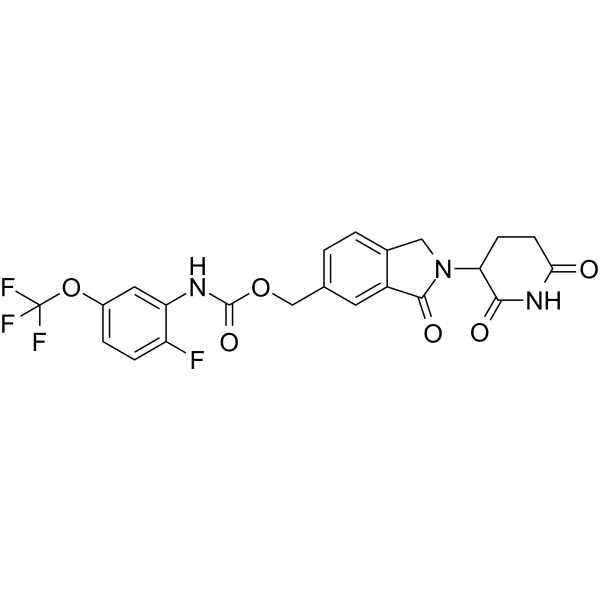
    MRT-2359 is an orally active and selective GSPT1 molecular glue degrader, with a DC50 of 5 nM. MRT-2359 induces CRBN/GSPT1 ternary complex formation to drive CRBN- and degron-dependent proteasomal GSPT1 degradation, with selectivity for wild-type GSPT1 over the GSPT1G575N mutant. MRT-2359 disrupts protein translation, induces ribosome stalling, downregulates MYC family proteins and their transcriptional output, reduces proliferation, and induces apoptosis in cancer cells. MRT-2359 can be used for the research of non-small cell lung cancer (NSCLC), small cell lung cancer (SCLC), neuroendocrine lung cancer, high grade neuroendocrine cancers, diffuse large B-cell lymphoma, prostate cancer, and MYC-driven solid tumors .
    MRT-2359
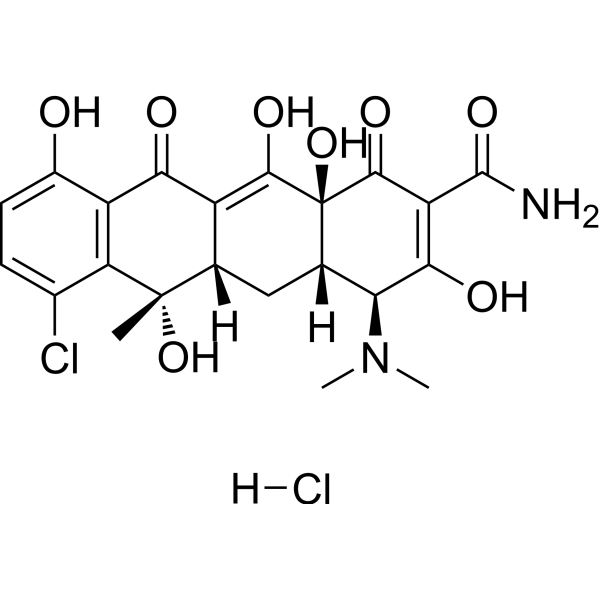
  • HY-B1327
    Chlortetracycline hydrochloride
    Maximum Cited Publications
    7 Publications Verification

    7-Chlorotetracycline hydrochloride

    Bacterial Antibiotic Parasite Infection Inflammation/Immunology
    Chlortetracycline hydrochloride (7-Chlorotetracycline hydrochloride) is an orally active, effective and selectively methanogenic bacteria inhibitor with bactericidal effects. Chlortetracycline hydrochloride is also a antibiotic that acts by inhibiting bacterial protein synthesis. Additionally, Chlortetracycline hydrochloride is a specific and potent calcium ionophore antibiotic, inhibiting binding of aminoacyl-tRNA to ribosomes .
    Chlortetracycline hydrochloride
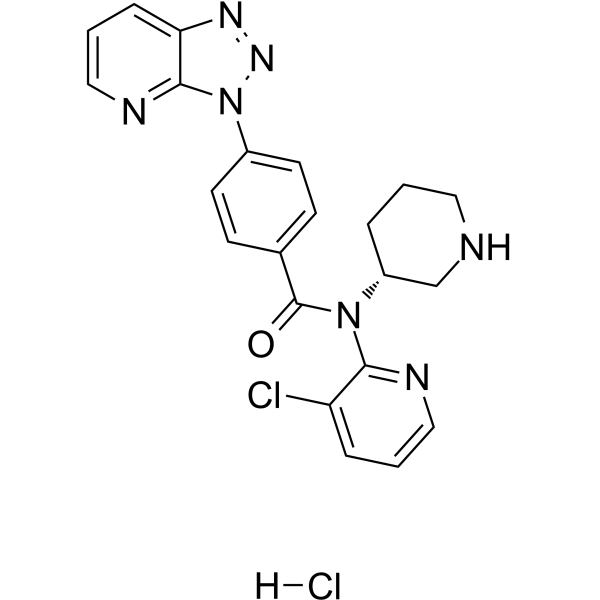
  • HY-120088A
    PF-06446846 hydrochloride
    5+ Cited Publications

    PCSK9 Cardiovascular Disease
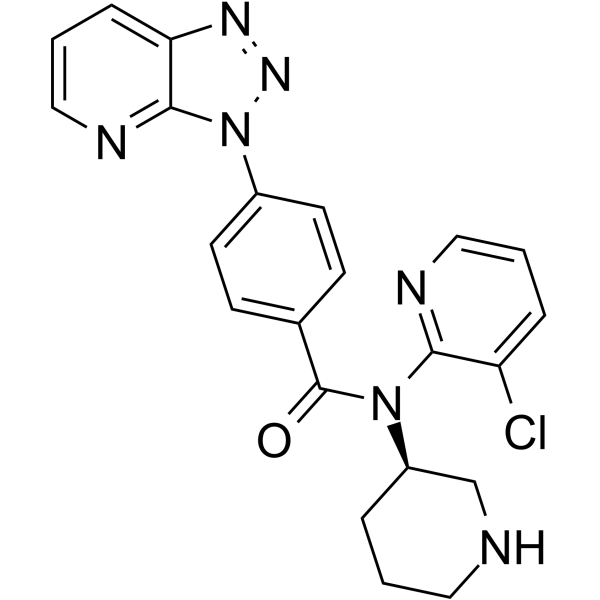
    PF-06446846 hydrochloride is an orally active and highly selective inhibitor of translation of Proprotein convertase subtilisin/kexin type 9 (PCSK9). PF-06446846 hydrochloride inhibits PCSK9 by inducing the ribosome to stall around codon 34 .
    PF-06446846 hydrochloride
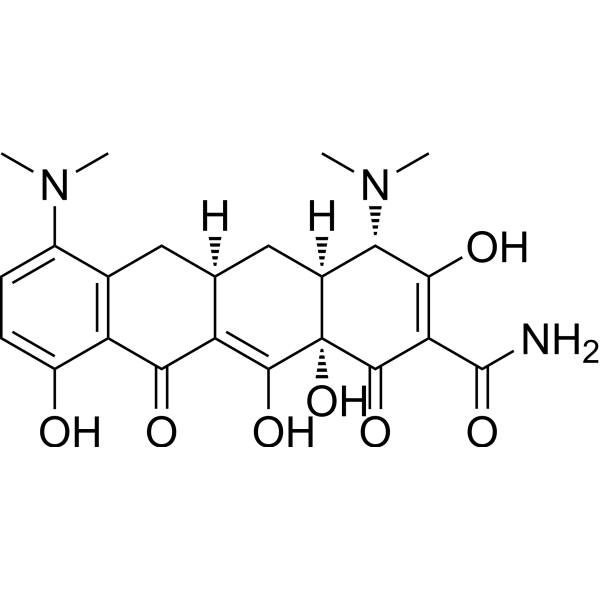
  • HY-17412A
    Minocycline
    Maximum Cited Publications
    65 Publications Verification

    Antibiotic Bacterial HIF/HIF Prolyl-Hydroxylase Apoptosis MDM-2/p53 Potassium Channel Calcium Channel Infection Cardiovascular Disease Neurological Disease Metabolic Disease Inflammation/Immunology Cancer
    Minocycline is an orally active, potent and BBB-penetrated semi-synthetic tetracycline antibiotic. Minocycline is a hypoxia-inducible factor (HIF)-1α inhibitor. Minocycline shows anti-cancer, anti-inflammatory, and glutamate antagonist effects. Minocycline reduces glutamate neurotransmission and shows neuroprotective properties and antidepressant effects. Minocycline inhibits bacterial protein synthesis through binding with the 30S subunit of the bacterial ribosome, resulting in a bacteriostatic effect .
    Minocycline
  • HY-B1920
    Josamycin
    1 Publications Verification

    EN-141

    Bacterial Antibiotic Infection
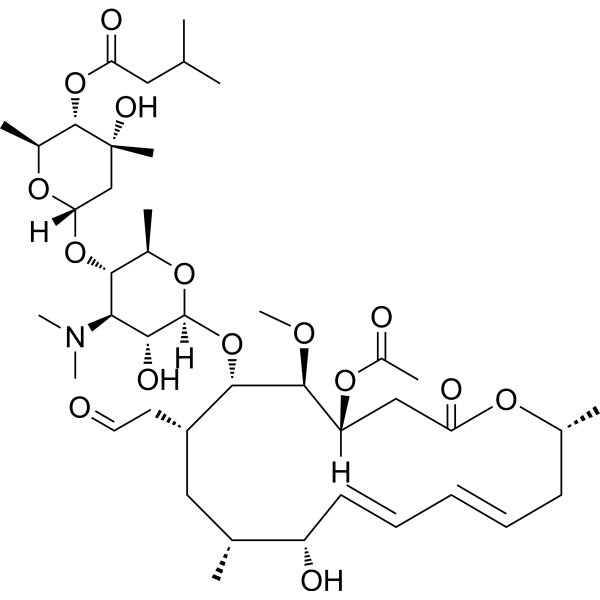
    Josamycin (EN-141) is an orally active macrolide antibiotic exhibiting antimicrobial activity against a wide spectrum of pathogens, such as bacteria. The dissociation constant Kd from ribosome for Josamycin is 5.5 nM .
    Josamycin
  • HY-16908A
    Lefamulin acetate
    4 Publications Verification

    BC-3781 acetate

    Bacterial Antibiotic Infection Inflammation/Immunology
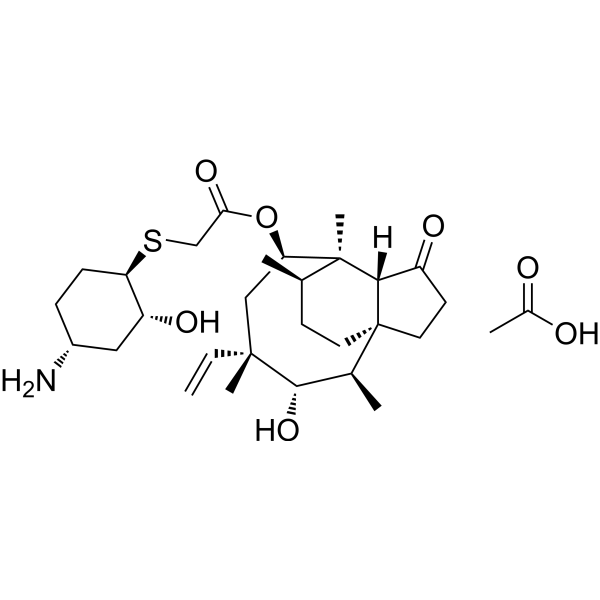
    Lefamulin (BC-3781) acetate is an orally active antibiotic. Lefamulin acetate inhibits protein synthesis by binding to the peptidyl transferase center of the 50S bacterial ribosome. Lefamulin acetate has anti-inflammatory activity. Lefamulin acetate can be used in the research of bacterial infections, such as bacterial pneumonia .
    Lefamulin acetate
  • HY-13858A
    Sarecycline hydrochloride
    4 Publications Verification

    P-005672 hydrochloride

    Antibiotic Bacterial DNA/RNA Synthesis Infection
    Sarecycline hydrochloride is an orally active narrow-spectrum tetracycline derivative antibiotic. Sarecycline hydrochloride has anti-inflammatory activity. Sarecycline hydrochloride inhibits the activity of Gram-positive bacteria and several types of keratobacterium acnes. Sarecycline hydrochloride interferes with tRNA accommodation and tethers mRNA to the 70S ribosome. Sarecycline hydrochloride can be used to study moderate to severe acne .
    Sarecycline hydrochloride
  • HY-B0905
    Tilmicosin
    5 Publications Verification

    LY-177370; EL-870

    Bacterial Antibiotic Apoptosis Calcium Channel Infection Inflammation/Immunology
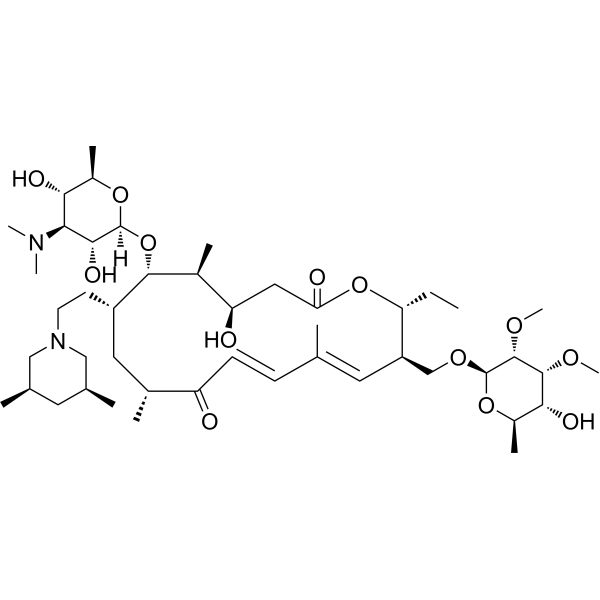
    Tilmicosin (LY-177370) is an orally active calcium channel antagonist and macrolide antibiotic with antimicrobial activity. Tilmicosin mainly acts on the 50S subunit of bacterial ribosomes, inhibiting protein synthesis. Tilmicosin is effective in the treatment of respiratory diseases in livestock such as cattle, sheep and pigs. In addition, Tilmicosin has immunomodulatory and anti-inflammatory effects .
    Tilmicosin
  • HY-117660
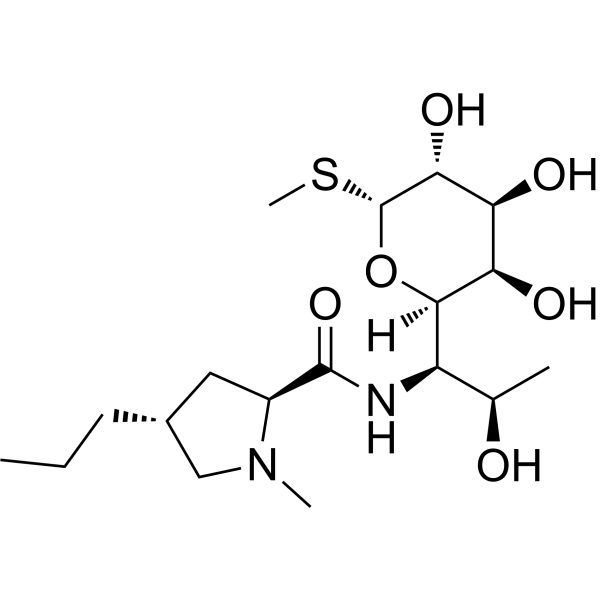
    Lincomycin
    5 Publications Verification

    U-10149

    Antibiotic Bacterial DNA/RNA Synthesis Infection Metabolic Disease
    Lincomycin (U-10149) is an orally active lincosamide antibiotic. Lincomycin binds to the ribosomes of Gram-positive bacteria to inhibit protein synthesis. Lincomycin can inhibit chloroplast translation, disrupt chloroplast integrity, and activate chloroplast-to-nucleus retrograde signaling in Arabidopsis thaliana seedlings. Lincomycin induces alterations in lipid profiles and liver injury, disrupts blood glucose and insulin levels, and increases growth rate in mice .
    Lincomycin
  • HY-B1327A

    7-Chlorotetracycline

    Bacterial Antibiotic Parasite Infection Inflammation/Immunology
    Chlortetracycline (7-Chlorotetracycline) is an orally active, effective and selectively methanogenic bacteria inhibitor with bactericidal effects. Chlortetracycline is also a antibiotic that acts by inhibiting bacterial protein synthesis. Additionally, Chlortetracycline is a specific and potent calcium ionophore antibiotic, inhibiting binding of aminoacyl-tRNA to ribosomes .
    Chlortetracycline
  • HY-148865
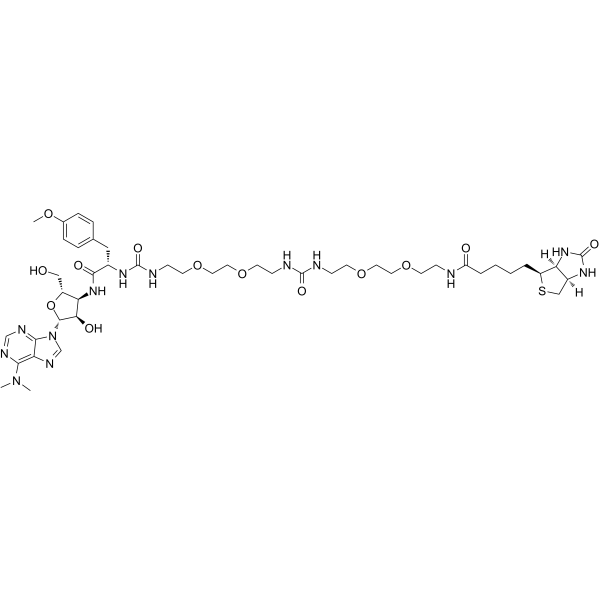
    Puromycin-bis(PEG2-amide)-Biotin
    1 Publications Verification

    Biochemical Assay Reagents Others
    Puromycin-bis (PEG2-amide)-Biotin (Compound 3P) is a binding molecule. Puromycin-bis (PEG2-amide)-Biotin binds to ribosome-RNA complexes within single cells. Puromycin-bis (PEG2-amide)-Biotin is used for single-cell translatome sequencing .
    Puromycin-bis(PEG2-amide)-Biotin
  • HY-B0435
    Roxithromycin
    5+ Cited Publications

    RU-28965

    Bacterial Antibiotic Apoptosis p38 MAPK NF-κB Infection Cardiovascular Disease Inflammation/Immunology Cancer
    Roxithromycin (RU-28965) is an orally active semi-synthethic macrolide antibiotic. Roxithromycin inhibits protein biosynthesis in the elongation step by binding to 50S bacterial ribosome. Roxithromycin has antimicrobial, antiproliferative, anti-inflammatory, tumour vasculature inhibiting and lung injury ameliorating effects .
    Roxithromycin
  • HY-B0905A
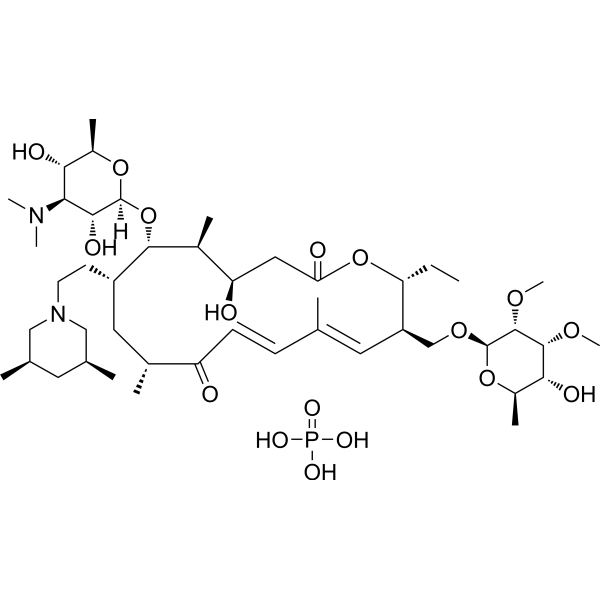
    Tilmicosin phosphate
    5 Publications Verification

    LY-177370 phosphate; EL-870 phosphate

    Bacterial Antibiotic Apoptosis NO Synthase COX Infection Inflammation/Immunology
    Tilmicosin (LY-177370) phosphate is an orally active calcium channel antagonist and macrolide antibiotic with antimicrobial activity. Tilmicosin phosphate mainly acts on the 50S subunit of bacterial ribosomes, inhibiting protein synthesis. Tilmicosin phosphate is effective in the treatment of respiratory diseases in livestock such as cattle, sheep and pigs. In addition, Tilmicosin phosphate has immunomodulatory and anti-inflammatory effects .
    Tilmicosin phosphate
  • HY-B0417A
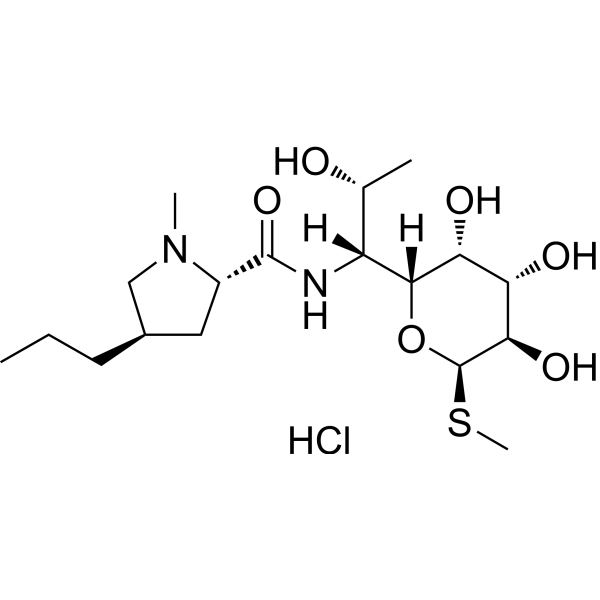
    Lincomycin hydrochloride
    5 Publications Verification

    U10149A

    DNA/RNA Synthesis Antibiotic Bacterial Infection Metabolic Disease
    Lincomycin hydrochloride (U10149A) is an orally active lincosamide antibiotic. Lincomycin hydrochloride binds to the ribosomes of Gram-positive bacteria to inhibit protein synthesis. Lincomycin hydrochloride can inhibit chloroplast translation, disrupt chloroplast integrity, and activate chloroplast-to-nucleus retrograde signaling in Arabidopsis thaliana seedlings. Lincomycin hydrochloride induces alterations in lipid profiles and liver injury, disrupts blood glucose and insulin levels, and increases growth rate in mice .
    Lincomycin hydrochloride
  • HY-B1358
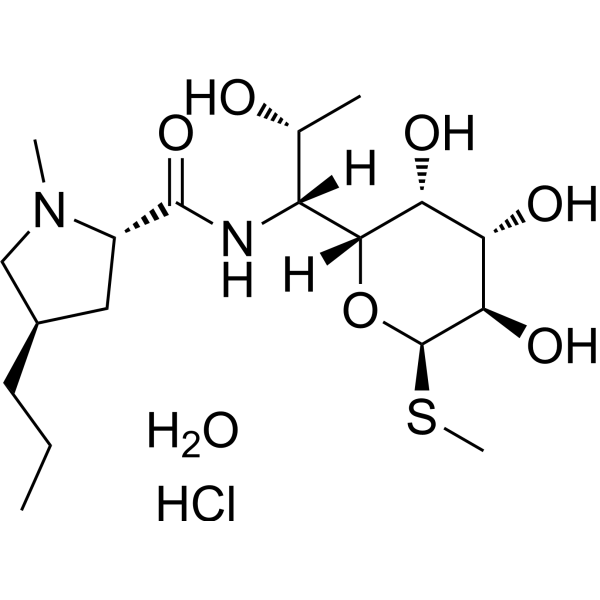
    Lincomycin hydrochloride monohydrate
    5 Publications Verification

    U-10149 hydrochloride monohydrate

    DNA/RNA Synthesis Antibiotic Bacterial Infection Metabolic Disease
    Lincomycin (U-10149) hydrochloride monohydrate is an orally active lincosamide antibiotic. Lincomycin hydrochloride monohydrate binds to the ribosomes of Gram-positive bacteria to inhibit protein synthesis. Lincomycin hydrochloride monohydrate can inhibit chloroplast translation, disrupt chloroplast integrity, and activate chloroplast-to-nucleus retrograde signaling in Arabidopsis thaliana seedlings. Lincomycin hydrochloride monohydrate induces alterations in lipid profiles and liver injury, disrupts blood glucose and insulin levels, and increases growth rate in mice .
    Lincomycin hydrochloride monohydrate
  • HY-17412R

    Reference Standards Antibiotic Bacterial HIF/HIF Prolyl-Hydroxylase Apoptosis MDM-2/p53 Potassium Channel Calcium Channel Infection Cardiovascular Disease Neurological Disease Metabolic Disease Inflammation/Immunology Cancer
    Minocycline (hydrochloride) (Standard) is the analytical standard of Minocycline (hydrochloride). This product is intended for research and analytical applications. Minocycline hydrochloride is an orally active, potent and BBB-penetrated semi-synthetic tetracycline antibiotic. Minocycline hydrochloride is a hypoxia-inducible factor (HIF)-1α inhibitor. Minocycline hydrochloride shows anti-cancer, anti-inflammatory, and glutamate antagonist effects. Minocycline hydrochloride reduces glutamate neurotransmission and shows neuroprotective properties and antidepressant effects. Minocycline hydrochloride inhibits bacterial protein synthesis through binding with the 30S subunit of the bacterial ribosome, resulting in a bacteriostatic effect .
    Minocycline hydrochloride (Standard)
  • HY-131920A

    Polyuridylic acid potassium

    DNA/RNA Synthesis Others
    Polyuridylic acid potassium is a polynucleotide. In protein synthesis systems based on active mammalian ribosomes, Polyuridylic acid potassium acts as a specific messenger to induce the biosynthesis of polyphenylalanine, with no effect on the incorporation of non-phenylalanine amino acids. Polyuridylic acid potassium serves as a template to promote the non-enzymatic synthesis of oligoadenylates .
    Poly(U) potassium
  • HY-16908
    Lefamulin
    4 Publications Verification

    BC-3781

    Bacterial Antibiotic Infection
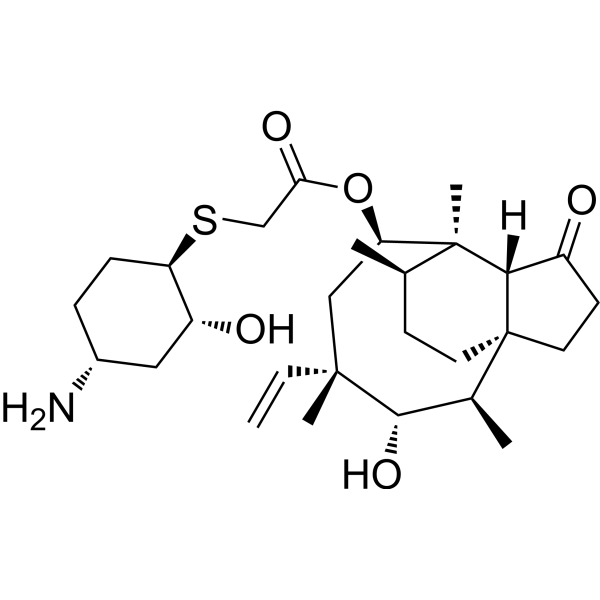
    Lefamulin (BC-3781) is an orally active antibiotic. Lefamulin inhibits protein synthesis by binding to the peptidyl transferase center of the 50S bacterial ribosome. Lefamulin has anti-inflammatory activity. Lefamulin can be used in the research of bacterial infections, such as bacterial pneumonia .
    Lefamulin
  • HY-123035

    HSP Akt EGFR Endocrinology
    Gamendazole, an indazole carboxylic acid (ICA), is an orally active, selective HSP90AB1 (HSP90BETA) and EEF1A1 (eEF1A) inhibitor. Gamendazole binds to the C-terminal nucleotide binding pocket of HSP90 and cause downregulation of clients AKT1 and ERBB2, but stabilizes the HSP90 heterocomplex. Gamendazole specifically inhibits the actin bundling function of EEF1A1, but does not bind to the nucleotide docking pocket nor inhibits the ribosome charging or protein translation functions of EEF1A1. Gamendazole, an antispermatogenic compound with antifertility effects, has the potential for reversible non-hormonal male contraceptive agent research .
    Gamendazole
  • HY-120088
    PF-06446846
    5+ Cited Publications

    PCSK9 Cardiovascular Disease
    PF-06446846 is an orally active proprotein convertase subtilisin/kexin type 9 (PCSK9) inhibitor. PF-06446846 directly and selectively inhibits translation of PCSK9 by stalling the 80S ribosome in the proximity of codon region .
    PF-06446846
  • HY-W653977

    7-Chlorotetracycline-13C,d3 hydrochloride

    Isotope-Labeled Compounds Antibiotic Bacterial Parasite Infection
    Chlortetracycline-13C,d3 hydrochloride (7-Chlorotetracycline-13C,d3 hydrochloride) is the 13C- and deuterium labeled Chlortetracycline hydrochloride (HY-B1327). Chlortetracycline hydrochloride is an orally active, selective antibiotic, that inhibits methanogenic bacteria through inhibition of bacterial protein synthesis. Chlortetracycline hydrochloride is a specific and potent calcium ionophore antibiotic, that inhibits binding of aminoacyl-tRNA to ribosomes .
    Chlortetracycline-13C,d3 hydrochloride
  • HY-127072

    Antibiotic Bacterial Infection Inflammation/Immunology Cancer
    Amicoumacin A is an orally active antibiotic. Amicoumacin A targets bacterial ribosomes and inhibits bacterial translation by stabilizing the interaction between mRNA and ribosomes. Amicoumacin A induces cancer cell death by targeting eukaryotic ribosomes. Amicoumacin A exhibits anti-inflammatory and anti-ulcer activities, inhibits carrageenan-induced paw edema, and prevents stress-induced gastric ulcers. Amicoumacin A inhibits the growth of Gram-positive bacteria, Salmonella spp., Shigella spp., Helicobacter pylori, and methicillin-resistant Staphylococcus aureus. Amicoumacin A can be used in the research of lung cancer, breast cancer, bacterial infections, inflammatory edema and gastric ulcers [2] .
    Amicoumacin A
  • HY-B1329R

    Nebramycin II sulfate (Standard)

    Reference Standards Bacterial Antibiotic Infection
    Apramycin (sulfate) (Standard) is the analytical standard of Apramycin (sulfate). This product is intended for research and analytical applications. Apramycin (EBL 1003) is an orally active, acidic pH tolerant and aminoglycoside-modifying-enzymes-tolerant aminoglycoside antibiotic which inhibits protein biosynthesis by targeting the bacterial ribosome. Apramycin is a potential anti-drug-resistance antibiotic .
    Apramycin sulfate (Standard)
  • HY-17412AS

    Isotope-Labeled Compounds Antibiotic Bacterial HIF/HIF Prolyl-Hydroxylase Apoptosis MDM-2/p53 Potassium Channel Calcium Channel Infection Cardiovascular Disease Neurological Disease Metabolic Disease Inflammation/Immunology Cancer
    Minocycline-d6 is deuterium labeled Minocycline (HY-17412A). Minocycline is an orally active, potent and BBB-penetrated semi-synthetic tetracycline antibiotic. Minocycline is a hypoxia-inducible factor (HIF)-1α inhibitor. Minocycline shows anti-cancer, anti-inflammatory, and glutamate antagonist effects. Minocycline reduces glutamate neurotransmission and shows neuroprotective properties and antidepressant effects. Minocycline inhibits bacterial protein synthesis through binding with the 30S subunit of the bacterial ribosome, resulting in a bacteriostatic effect .
    Minocycline-d6
  • HY-106597A

    Bacterial Antibiotic Infection
    Pirlimycin hydrochloride, a lincosamide antibiotic, is active against Gram-positive bacteria. Pirlimycin hydrochloride acts by inhibiting bacterial protein synthesis via binding with the 50S subunit of the ribosome .
    Pirlimycin hydrochloride
  • HY-106597

    Antibiotic Bacterial Infection
    Pirlimycin, a lincosamide antibiotic, is active against Gram-positive bacteria. Pirlimycin acts by inhibiting bacterial protein synthesis via binding with the 50S subunit of the ribosome .
    Pirlimycin
  • HY-17558
    Apramycin
    4 Publications Verification

    Nebramycin II

    Bacterial Antibiotic Infection
    Apramycin (Nebramycin II) is an orally active, acidic pH tolerant and aminoglycoside-modifying-enzymes-tolerant aminoglycoside antibiotic which inhibits protein biosynthesis by targeting the bacterial ribosome. Apramycin is a potential anti-drug-resistance antibiotic .
    Apramycin
  • HY-B0905R

    LY-177370 (Standard); EL-870 (Standard)

    Reference Standards Bacterial Antibiotic Apoptosis Calcium Channel Infection Inflammation/Immunology
    Tilmicosin (Standard) is the analytical standard of Tilmicosin. This product is intended for research and analytical applications. Tilmicosin (LY-177370) is an orally active calcium channel antagonist and macrolide antibiotic with antimicrobial activity. Tilmicosin mainly acts on the 50S subunit of bacterial ribosomes, inhibiting protein synthesis. Tilmicosin is effective in the treatment of respiratory diseases in livestock such as cattle, sheep and pigs. In addition, Tilmicosin has immunomodulatory and anti-inflammatory effects .
    Tilmicosin (Standard)
  • HY-177569

    Eukaryotic Initiation Factor (eIF) Others
    NVS1.1 is a potent, orally active and brain-penetrant readthrough promoter. NVS1.1 triggers the degradation of eRF1 by activating the ribosome-related quality control pathways (involving GCN1, RNF14, and RNF25), thereby facilitating the reading through of premature termination codons. NVS1.1 can be used for the research of genetic diseases caused by nonsense mutations .
    NVS1.1
  • HY-B0905S

    LY-177370-d3; EL-870-d3

    Isotope-Labeled Compounds Bacterial Antibiotic Apoptosis NO Synthase COX Infection Inflammation/Immunology
    Tilmicosin-d3 is the deuterium labeled Tilmicosin. Tilmicosin (LY-177370) is an orally active calcium channel antagonist and macrolide antibiotic with antimicrobial activity. Tilmicosin mainly acts on the 50S subunit of bacterial ribosomes, inhibiting protein synthesis. Tilmicosin is effective in the treatment of respiratory diseases in livestock such as cattle, sheep and pigs. In addition, Tilmicosin has immunomodulatory and anti-inflammatory effects .
    Tilmicosin-d3
  • HY-177757

    Eukaryotic Initiation Factor (eIF) Others
    NVS2.1 is a potent, orally active and brain-penetrant readthrough promoter. NVS2.1 triggers the degradation of eRF1 by activating the ribosome-related quality control pathways (involving GCN1, RNF14, and RNF25), thereby facilitating the reading through of premature termination codons. NVS2.1 can be used for the research of genetic diseases caused by nonsense mutations .
    NVS2.1
  • HY-19428A

    RBx-7644

    Antibiotic Bacterial Infection Cardiovascular Disease
    Ranbezolid (RBx7644 free base) is an orally active, oxazolidinone antibiotic against Gram-positive and Gram-negative anaerobes including Staphylococcus aureus, Staphylococcus epidermidis and Bacteroides fragilis. Ranbezolid can inhibit the 50s ribosomal subunit with an IC50 of 17 μM for bacterial ribosomes. Ranbezolid interferes cell wall and lipid synthesis. Ranbezolid can rapidly kill bacteria, significantly reduce bacterial load, and has better cardiovascular safety. Ranbezolid can be used for the study of antibiotics for anaerobic bacteria .
    Ranbezolid hydrochloride
  • HY-19428

    RBx7644 free base

    Antibiotic Bacterial Infection Cardiovascular Disease
    Ranbezolid (RBx7644 free base) is an orally active, oxazolidinone antibiotic against Gram-positive and Gram-negative anaerobes including Staphylococcus aureus, Staphylococcus epidermidis and Bacteroides fragilis. Ranbezolid can inhibit the 50s ribosomal subunit with an IC50 of 17 μM for bacterial ribosomes. Ranbezolid interferes cell wall and lipid synthesis. Ranbezolid can rapidly kill bacteria, significantly reduce bacterial load, and has better cardiovascular safety. Ranbezolid can be used for the study of antibiotics for anaerobic bacteria .
    Ranbezolid
  • HY-17412S1

    Isotope-Labeled Compounds Antibiotic Bacterial HIF/HIF Prolyl-Hydroxylase Apoptosis MDM-2/p53 Potassium Channel Calcium Channel Infection Cardiovascular Disease Neurological Disease Metabolic Disease Inflammation/Immunology Cancer
    Minocycline-d6 sulfate is deuterated labeled Minocycline (HY-17412A). Minocycline is an orally active, potent and BBB-penetrated semi-synthetic tetracycline antibiotic. Minocycline is a hypoxia-inducible factor (HIF)-1α inhibitor. Minocycline shows anti-cancer, anti-inflammatory, and glutamate antagonist effects. Minocycline reduces glutamate neurotransmission and shows neuroprotective properties and antidepressant effects. Minocycline inhibits bacterial protein synthesis through binding with the 30S subunit of the bacterial ribosome, resulting in a bacteriostatic effect .
    Minocycline-d6 sulfate
  • HY-17412S

    Isotope-Labeled Compounds Antibiotic Bacterial HIF/HIF Prolyl-Hydroxylase Apoptosis MDM-2/p53 Potassium Channel Calcium Channel Infection Cardiovascular Disease Neurological Disease Metabolic Disease Inflammation/Immunology Cancer
    Minocycline-d6 hydrochloride is deuterated labeled Minocycline hydrochloride (HY-17412). Minocycline hydrochloride is an orally active, potent and BBB-penetrated semi-synthetic tetracycline antibiotic. Minocycline hydrochloride is a hypoxia-inducible factor (HIF)-1α inhibitor. Minocycline hydrochloride shows anti-cancer, anti-inflammatory, and glutamate antagonist effects. Minocycline hydrochloride reduces glutamate neurotransmission and shows neuroprotective properties and antidepressant effects. Minocycline hydrochloride inhibits bacterial protein synthesis through binding with the 30S subunit of the bacterial ribosome, resulting in a bacteriostatic effect .
    Minocycline-d6 hydrochloride
  • HY-175733

    RIO Kinase Apoptosis Cancer
    CQ3196 is an orally active RIOK2 inhibitor with a Kd of 14 nM. CQ3196 effectively inhibits the ATPase activity of RIOK2, with an IC50 value of 72 nM. CQ3196 inhibits cell proliferation and colony formation in gastric cancer cell lines. CQ3196 induces cell apoptosis in HGC-27 and AGS cells. CQ3196 suppresses downstream signal pathway of RIOK2. CQ3196 reduces phosphorylation of mTOR and AKT. CQ3196 modulates ribosome function and protein synthesis. CQ3196 inhibits tumor growth and can be used for gastric cancer invtro and invivo research .
    CQ3196
  • HY-119132

    Bacterial Infection
    RWJ-416457 is an orally active antibacterial agent targeting 23S rRNA ribosome. RWJ-416457 is promising for research of Gram-positive bacterial infections .
    RWJ-416457
  • HY-153222

    Bacterial Infection
    SEQ-9 is an orally active Mycobacterium tuberculosis (Mtb) 23S bacterial ribosome inhibitor with an IC50 of approximately 170 nM for unmethylated Mtb ribosomes. SEQ-9 also potently inhibits A2296 methylated ribosomes. SEQ-9 can be used to study bacterial infection and drug resistance .
    SEQ-9
  • HY-B1920A

    EN-141 hydrochloride

    Antibiotic Bacterial Infection
    Josamycin (EN-141) hydrochloride is an orally active macrolide antibiotic exhibiting antimicrobial activity against a wide spectrum of pathogens, such as bacteria. The dissociation constant Kd from ribosome for Josamycin hydrochloride is 5.5 nM .
    Josamycin hydrochloride
  • HY-106597AR

    Bacterial Reference Standards Antibiotic Infection
    Pirlimycin (hydrochloride) (Standard) is the analytical standard of Pirlimycin (hydrochloride). This product is intended for research and analytical applications. Pirlimycin hydrochloride, a lincosamide antibiotic, is active against Gram-positive bacteria. Pirlimycin hydrochloride acts by inhibiting bacterial protein synthesis via binding with the 50S subunit of the ribosome .
    Pirlimycin hydrochloride (Standard)
  • HY-B1920R

    EN-141 (Standard)

    Reference Standards Bacterial Antibiotic Infection
    Josamycin (Standard) is the analytical standard of Josamycin. This product is intended for research and analytical applications. Josamycin (EN-141) is an orally active macrolide antibiotic exhibiting antimicrobial activity against a wide spectrum of pathogens, such as bacteria. The dissociation constant Kd from ribosome for Josamycin is 5.5 nM .
    Josamycin (Standard)
  • HY-16908AR

    BC-3781 acetate (Standard)

    Reference Standards Bacterial Antibiotic Infection Inflammation/Immunology
    Lefamulin (acetate) (Standard) is the analytical standard of Lefamulin (acetate). This product is intended for research and analytical applications. Lefamulin (BC-3781) acetate is an orally active antibiotic. Lefamulin acetate inhibits protein synthesis by binding to the peptidyl transferase center of the 50S bacterial ribosome. Lefamulin acetate has anti-inflammatory activity. Lefamulin acetate can be used in the research of bacterial infections, such as bacterial pneumonia[1].
    Lefamulin acetate (Standard)
  • HY-N8295

    Kitasamycin A13

    Antibiotic Infection
    Leucomycin A13 is a macrolide antibiotic and a component of the leucomycin complex originally isolated from S. kitasatoensis. It is active against B. subtilis, S. aureus, M. luteus, and E. coli with MIC values of 0.16, 0.16, 0.08 and >10 μg/mL, respectively. It binds to ribosomes with an IC50 value of 1.2 μM in a radioligand binding assay.
    Leucomycin A13
  • HY-134561

    6A-8tFP

    Prion Protein Infection
    6-Amino-8-trifluoromethylphenanthridine (6A-8tFP) is an antiprion agent and a derivative of 6-aminophenanthridine (HY-135189). It inhibits protein folding activity of the ribosome (PFAR) when used at a concentration of 150 μM.2 6A-8tFP directly competes with protein substrates for the ribosomal active site.
    6-Amino-8-trifluoromethylphenanthridine
  • HY-139554A
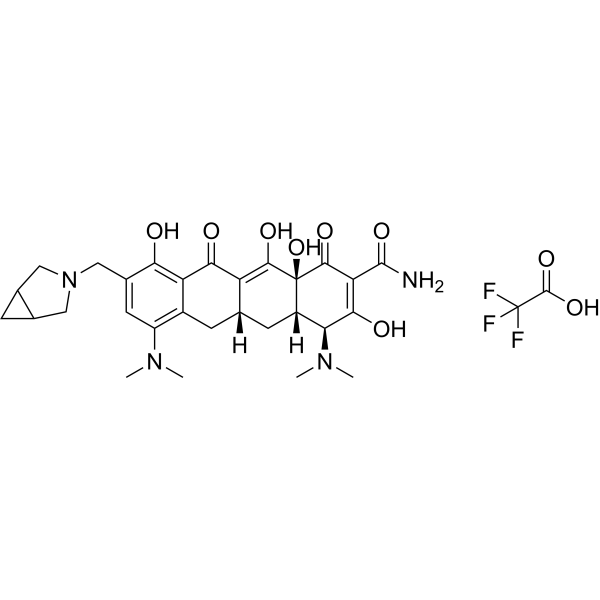
    Zifanocycline TFA
    1 Publications Verification

    KBP-7072 TFA

    Bacterial Infection
    Zifanocycline (KBP-7072) TFA is an orally active, semi-synthetic aminomethylcycline antibiotic that inhibits the normal function of bacterial ribosomes. Zifanocycline TFA has broad spectrum in vitro antimicrobial activity against Gram-positive and Gram-negative bacteria, including many multidrug-resistant pathogens. Zifanocycline TFA is indicated for the study of acute bacterial skin and skin structure infections, community-acquired bacterial pneumonia, and complicated intra-abdominal infections .
    Zifanocycline TFA
  • HY-13858AR

    P-005672 hydrochloride (Standard)

    Reference Standards Antibiotic Bacterial DNA/RNA Synthesis Infection
    Sarecycline (hydrochloride) (Standard) is the analytical standard of Sarecycline (hydrochloride). This product is intended for research and analytical applications. Sarecycline hydrochloride is an orally active narrow-spectrum tetracycline derivative antibiotic. Sarecycline hydrochloride has anti-inflammatory activity. Sarecycline hydrochloride inhibits the activity of Gram-positive bacteria and several types of keratobacterium acnes. Sarecycline hydrochloride interferes with tRNA accommodation and tethers mRNA to the 70S ribosome. Sarecycline hydrochloride can be used to study moderate to severe acne .
    Sarecycline hydrochloride (Standard)
  • HY-B0905AR

    LY-177370 phosphate (Standard); EL-870 phosphate (Standard)

    Reference Standards Bacterial Antibiotic Apoptosis NO Synthase COX Infection Inflammation/Immunology
    Tilmicosin (phosphate) (Standard) is the analytical standard of Tilmicosin (phosphate). This product is intended for research and analytical applications. Tilmicosin (LY-177370) phosphate is an orally active calcium channel antagonist and macrolide antibiotic with antimicrobial activity. Tilmicosin phosphate mainly acts on the 50S subunit of bacterial ribosomes, inhibiting protein synthesis. Tilmicosin phosphate is effective in the treatment of respiratory diseases in livestock such as cattle, sheep and pigs. In addition, Tilmicosin phosphate has immunomodulatory and anti-inflammatory effects .
    Tilmicosin phosphate (Standard)
  • HY-117660S

    U-10149-d3

    Isotope-Labeled Compounds DNA/RNA Synthesis Antibiotic Bacterial Infection Metabolic Disease
    Lincomycin-d3 (U-10149-d3) is the deuterium labeled Lincomycin. Lincomycin is an orally active lincosamide antibiotic. Lincomycin binds to the ribosomes of Gram-positive bacteria to inhibit protein synthesis. Lincomycin can inhibit chloroplast translation, disrupt chloroplast integrity, and activate chloroplast-to-nucleus retrograde signaling in Arabidopsis thaliana seedlings. Lincomycin induces alterations in lipid profiles and liver injury, disrupts blood glucose and insulin levels, and increases growth rate in mice.
    Lincomycin-d3

Inquiry Online

Your information is safe with us. * Required Fields.

Salutation


Country or Region *

Applicant Name *


Organization Name *

Department *


Email Address *


Product Name *

Cat. No.


Requested quantity *

Phone Number *


Remarks

Inquiry Online

Inquiry Information

Product Name:
Cat. No.:
Quantity:
MCE Japan Authorized Agent:

