1. Search Result
Search Result
Results for "

agonism

" in MedChemExpress (MCE) Product Catalog:

38

Inhibitors & Agonists

2

Peptides

Cat. No. Product Name Target Research Areas Chemical Structure
  • HY-U00443

    5-HT Receptor Neurological Disease Cancer
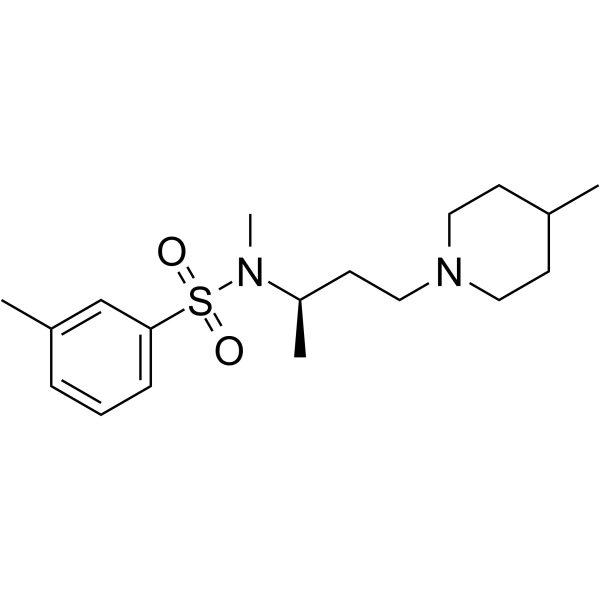
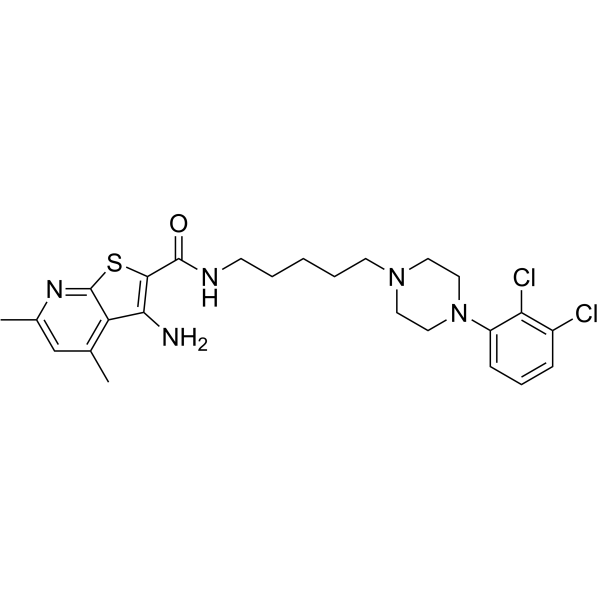
    SB 258719 is a selective 5-HT7 receptor antagonist with high affinity (pKi=7.5) for the receptor. SB 258719 can be used for the research of cancer and neurological disease .
    SB 258719
  • HY-141852

    Deubiquitinase Inflammation/Immunology
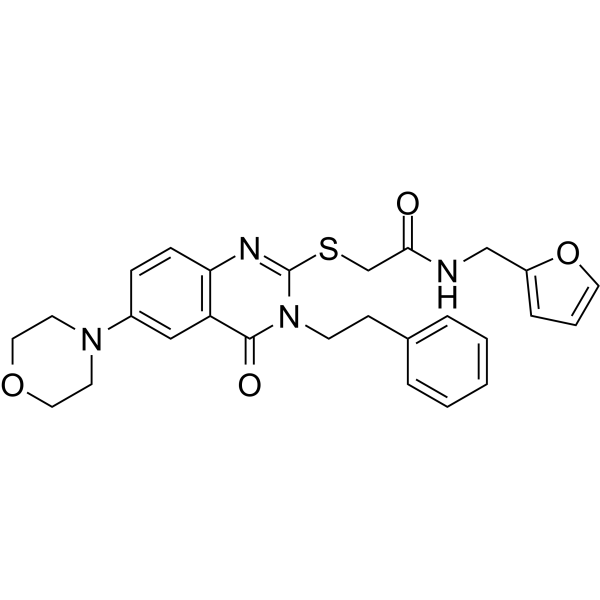
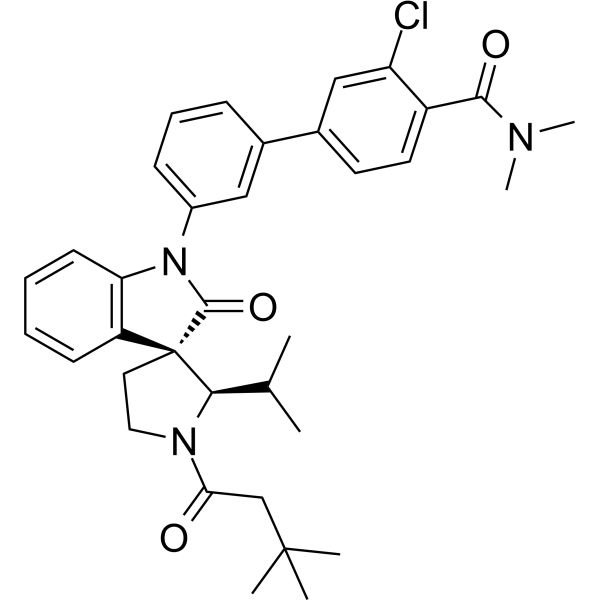
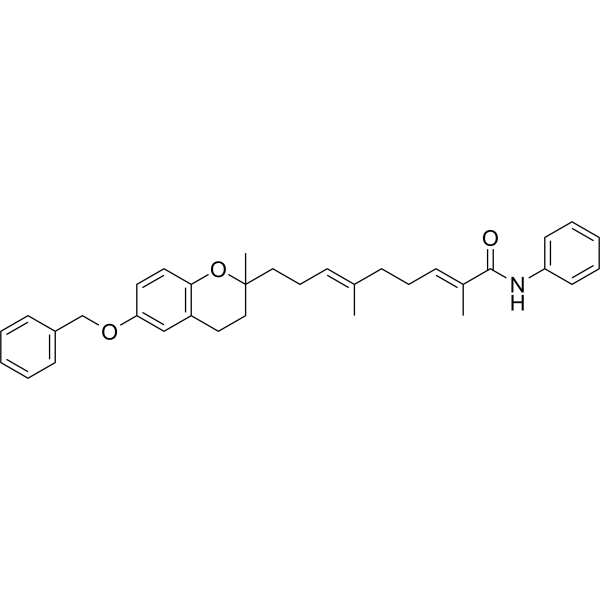
    STAMBP-IN-1 is a small-molecule inhibitor of STAMBP deubiquitinase, and interrupts STAMBP-Ub-NALP7 interaction. STAMBP-IN-1 decreases protein level of its inflammasome substrate NALP7 and suppresses IL-1b release after Toll-like receptor (TLR) agonism. STAMBP-IN-1 inhibits the activity of STAMBP to cleave recombinant di-Ub with an IC50 value of 0.33 mM .
    STAMBP-IN-1
  • HY-119486A

    (Rac)-PF-06649751; (Rac)-CVL-751

    Dopamine Receptor Arrestin Neurological Disease
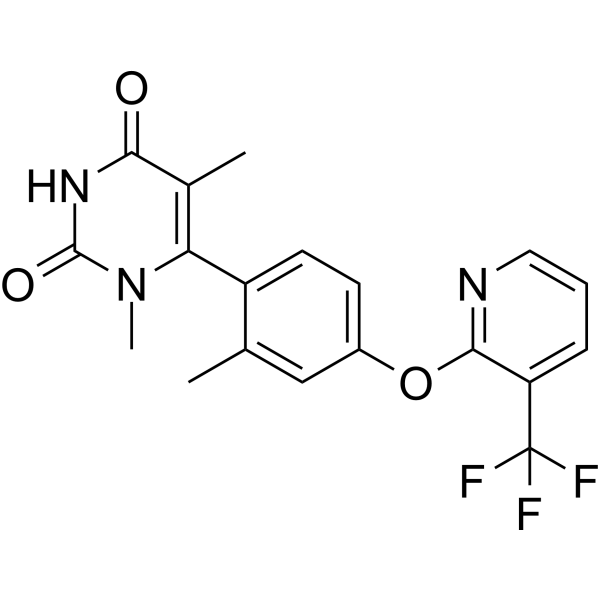
    (Rac)-Tavapadon ((Rac)-PF-06649751) is a potent and selective noncatechol dopamine D1 receptor agonist. (Rac)-Tavapadon displays potent full agonism in the GS activation assay as well as partial agonism in the β-arrestin2 recruitment assay (GS-cAMP, EC50=0.8 nM; β-arrestin2, EC50=68 nM). (Rac)-Tavapadon has antiparkinsonian activity .
    (Rac)-Tavapadon
  • HY-106432A

    SB-202026 hydrochloride; Memric hydrochloride

    mAChR Dopamine Receptor Neurological Disease
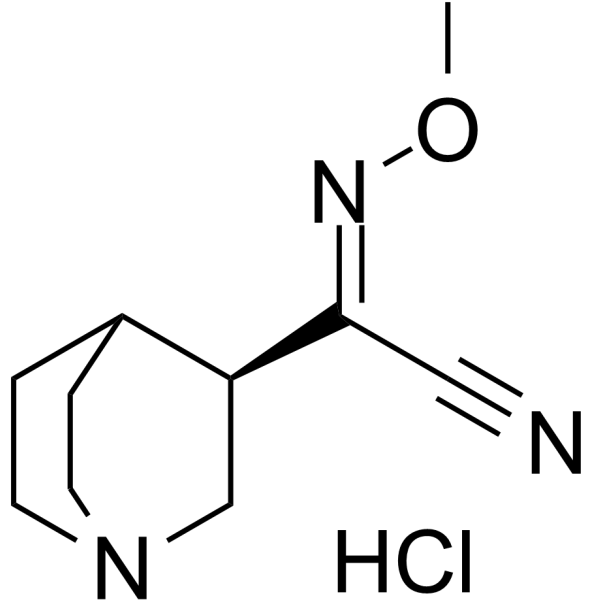
    Sabcomeline (SB-202026; Memric) hydrochloride is a muscarinic receptor agonist capable of crossing the blood-brain barrier. Sabcomeline hydrochloride exhibits affinity for all hM1 to hM5 subtypes (pKi=6.72-7.23), and shows near-full agonism at the hM3 receptor, inducing extracellular acidification. Sabcomeline hydrochloride alters the binding kinetics of dopamine D2 receptors through neural network regulation. Sabcomeline hydrochloride also causes minimal cardiovascular changes, effectively reverses spatial memory deficits in rodents and induces conditioned taste aversion. Sabcomeline hydrochloride is an important tool compound in studies of Alzheimer's disease and related neurodegenerative diseases .
    Sabcomeline hydrochloride
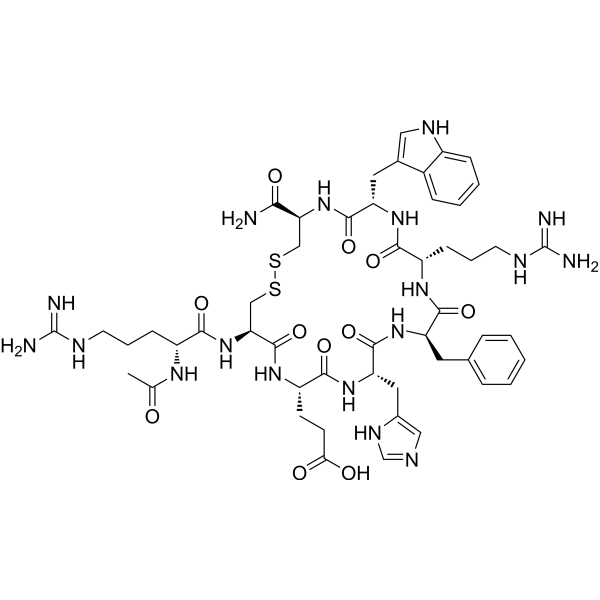
  • HY-P4764

    Melanocortin Receptor Cardiovascular Disease
    Ac-DArg-c[Cys-Glu-His-DPhe-Arg-Trp-Cys]-NH 2 is a cyclic octapeptide with MC4R agonism. Ac-DArg-c[Cys-Glu-His-DPhe-Arg-Trp-Cys]-NH 2 significantly increases heart rate and blood pressure .
    Ac-(d-Arg)-CEH-(d-Phe)-RWC-NH2
  • HY-145153

    Cannabinoid Receptor Neurological Disease
    S-777469 is a selective and orally available cannabinoid type 2 receptor (CB2) agonist with a Ki of 36 nM. S-777469 significantly suppresses compound 48/80-induced scratching behavior in mice in a dose-dependent manner. S-777469 produces its antipruritic effects by inhibiting itch signal transmission through CB2 agonism .
    S-777469
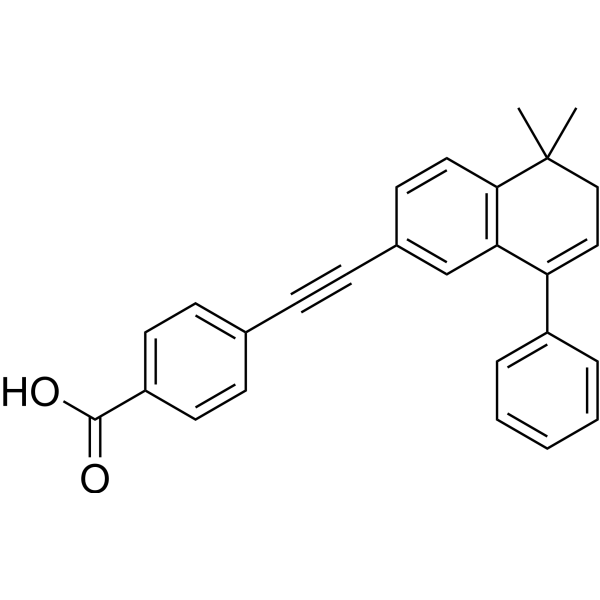
  • HY-105689

    RAR/RXR Others
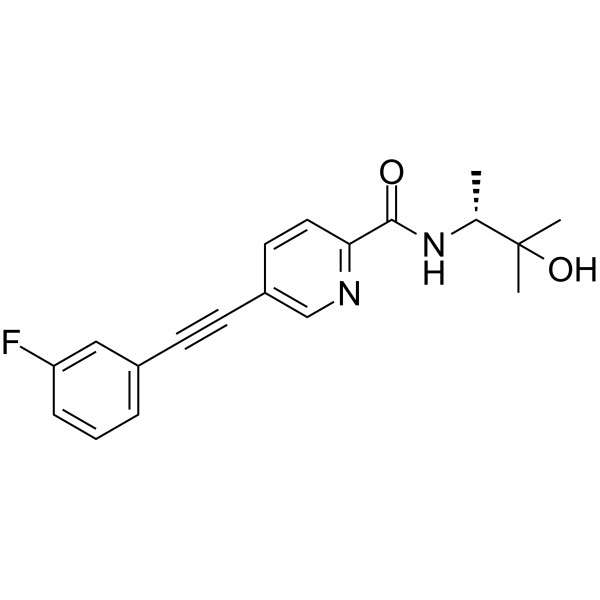
    AGN 192870 is a RAR neutral antagonist with Kds of 147, 33, and 42 nM for RARα, RARβ, and RARγ, respectively. AGN 192870 shows IC50s of 87 and 32 nM for RARαand RARγ, respectively. AGN 192870 shows RARβ partial agonism . AGN 192870 is a click chemistry reagent, it contains an Alkyne group and can undergo copper-catalyzed azide-alkyne cycloaddition (CuAAc) with molecules containing Azide groups.
    AGN 192870
  • HY-118363

    mAChR Neurological Disease
    Lu AE51090 is selective muscarinic M1 receptor agonist with blood-brain barrier penetration. Lu AE51090 activates human M1 receptor with EC50 of 61 nM, while showing no significant agonism at M2-M5 receptors. Lu AE51090 exerts procognitive effects in mice. Lu AE51090 can be used for the study of Alzheimer’s disease (AD) and cognitive impairment associated with schizophrenia (CIAS) .
    Lu AE51090
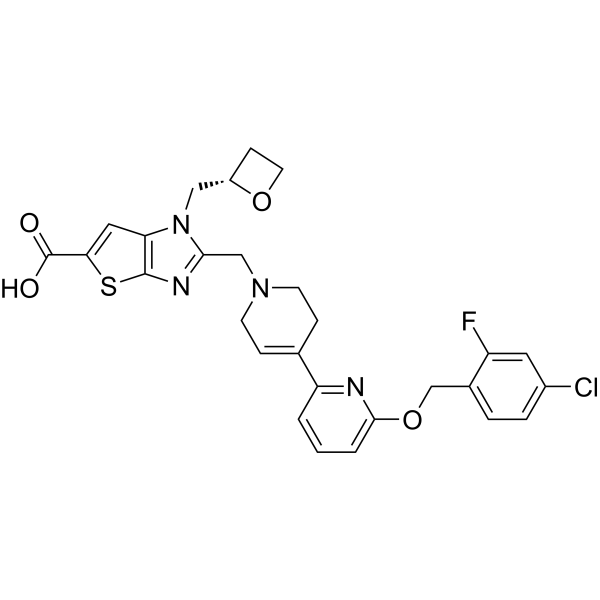
  • HY-148212

    GCGR Cardiovascular Disease Metabolic Disease
    GLP-1R agonist 17 (Compound example 232) is a GLP-1 receptor agonist. GLP-1R agonist 17 shows excellent agonism on a GLP-1 receptor. GLP-1R agonist 17 can be used for the research of cardiovascular metabolic diseases .
    GLP-1R agonist 17
  • HY-139678

    Opioid Receptor Others
    SC13 is a novel mitragynine analog with low-efficacy Mu opioid receptor agonism that displays antinociception with attenuated adverse effects.
    SC13
  • HY-103123

    5-HT Receptor Neurological Disease Cancer
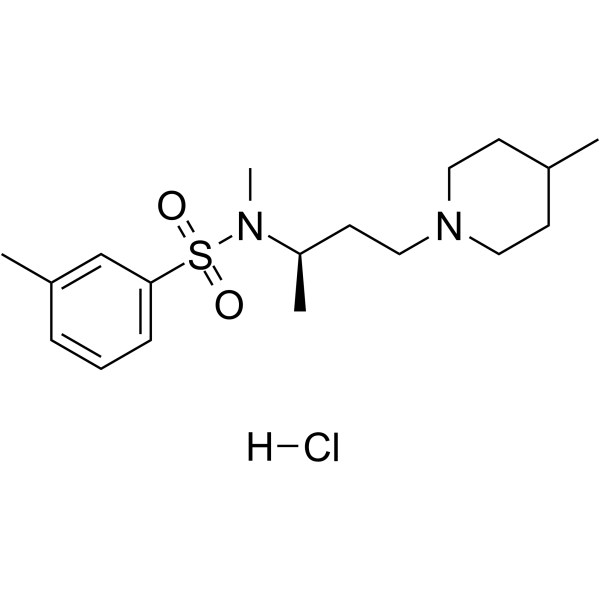
    SB 258719 hydrochloride is a selective 5-HT7 receptor antagonist displayed high affnity (pKi=7.5) for the receptor. SB-258719 hydrochloride can be used for the research of cancer and neurological diseases .
    SB 258719 hydrochloride
  • HY-P11043

    GLP Receptor Neuropeptide Y Receptor Arrestin Metabolic Disease
    GEP44 is a peptide biased triple agonist targeting Glucagon-like peptide 1 receptor (GLP-1R), neuropeptide Y1 Receptor (Y1-R), and neuropeptide Y2 Receptor (Y2-R). GEP44 induces Y1-R antagonist-controlled, GLP-1R-dependent stimulation of insulin secretion in both rat and human pancreatic islets by counteracting effects of Y1-R and GLP-1R agonism. GEP44 promotes insulin-independent Y1-R-mediated glucose uptake in muscle tissue and significantly reduces food intake and body weight in diet-induced obese rat models. GEP44 can be used for obesity and type 2 diabetes mellitus research .
    GEP44
  • HY-146288

    LXR Metabolic Disease
    LXR agonist 2 (compound 18rr) is a potent LXR (liver X receptor) agonist. LXR agonist 2 can stabilize NCOA1 (co-activator), leading to LXR agonism .
    LXR agonist 2
  • HY-125839

    Glucocorticoid Receptor Inflammation/Immunology Endocrinology
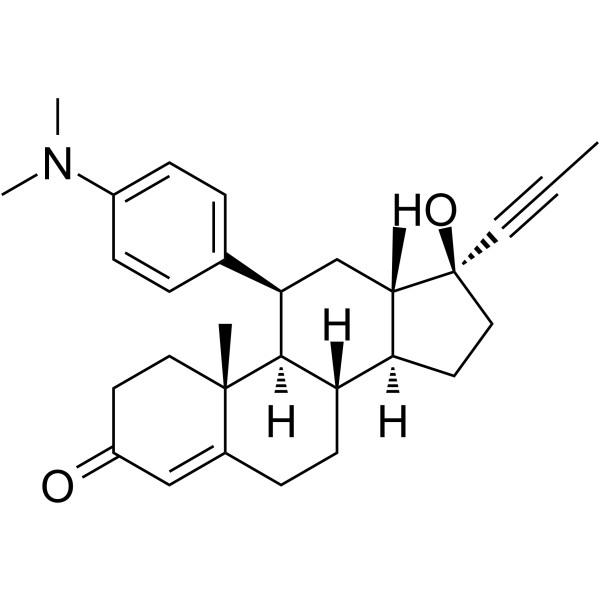
    OP-3633 is a potent and selective steroidal glucocorticoid receptor (GR) antagonist with an IC50 of 29 nM, with inhibition of GR transcriptional activity. OP-3633 exhibits low progesterone receptor (PR) agonism and androgen receptor (AR) antagonism .
    OP-3633
  • HY-124947

    5-HT Receptor Neurological Disease
    PF-4522654 is a potent, selective and brain-permeable 5-HT2C receptor agonist with an EC50 of 16 nM and a Ki of 8 nM. PF-4522654 shows no measurable functional agonism at no 5-HT2A and 5-HT2B receptors. PF-4522654 can be used for the study of stress urinary incontinence (SUI) .
    PF-4522654
  • HY-114978

    mGluR PERK Neurological Disease
    VU0424465 is a potent and partial PAM (positive allosteric modulator)-agonist for mGlu5 mediated iCa 2+ mobilization. VU0424465 exhibits high affinity at MPEP allosteric binding site, with a Ki value of 11.8 nM. VU0424465 is also a agonist for pERK1/2 in cortical neurons .
    VU0424465
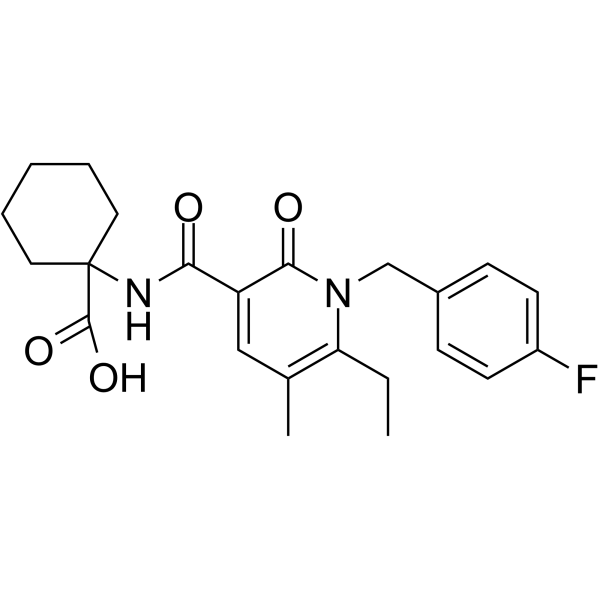
  • HY-175286

    Integrin ERK Inflammation/Immunology Cancer
    α4β1 antagonist-1 (Compound 4) is a highly selective α4β1 integrin antagonist (IC50=15 nM). α4β1 antagonist-1 inhibits integrin-mediated cell adhesion and ERK1/2 signaling activation. α4β1 antagonist-1 also exhibits partial agonism toward αMβ2 integrin (EC50=23 nM). α4β1 antagonist-1 is promising for research of chronic inflammatory diseases (e.g., rheumatoid arthritis, multiple sclerosis) and cancers .
    α4β1 antagonist-1
  • HY-146731

    PPAR Cardiovascular Disease Metabolic Disease
    PPARγ agonist 1 (compound 15) is a potent agonist of PPARγ. PPARγ agonist 1 shows high efficacy to activate hPPARγ without raising a full agonism and probably avoiding adverse effects. PPARγ agonist 1 has the potential for the research of cardiovascular diseases associated with metabolic disorders .
    PPARγ agonist 1
  • HY-151515

    Dopamine Receptor Neurological Disease
    Dopamine D2 receptor agonist-2 (compound 36) is a potent dopamine D2 receptor biased agonism ligand with an Ki value of 11.2 nM. Dopamine D2 receptor agonist-2 can be used to research antipsychosis .
    Dopamine D2 receptor agonist-2
  • HY-155706

    Opioid Receptor Dopamine Receptor Inflammation/Immunology
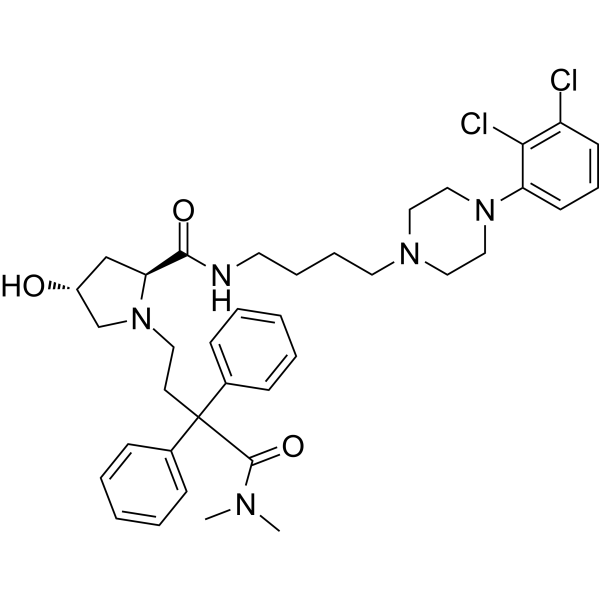
    MOR agonist-2 (compound 46) is a antagonist of D3R and agonist of MOR (Ki: 7.26 nM and 564 nM, respectively). MOR agonist-2 has the potential to produce analgesic effects through MOR partial agonism. MOR agonist-2 reduces opioid-misuse liability via D3R antagonism .
    MOR agonist-2
  • HY-123123

    Prostaglandin Receptor Endogenous Metabolite Cardiovascular Disease
    RS-61756-007 is a selective thromboxane receptor (TP) agonist with high activity at the TP receptor. RS-61756-007 showed agonism at TP and FP receptors in in vitro studies but had no activity at other receptor subtypes. The effects of RS-61756-007 can be antagonized in a similar manner by the TP antagonist SQ 29,548 .
    RS-61756-007
  • HY-147705

    PPAR Metabolic Disease
    PPARγ phosphorylation inhibitor 1 (Compound 10) is a potent PPARγ binder with the IC50 of 24 nM. PPARγ phosphorylation inhibitor 1 inhibits CDK5-mediated phosphorylation of PPARγ Ser273 with the IC50 of 160 nM. PPARγ phosphorylation inhibitor 1 displays negligible PPARγ agonism in a reporter gene assay. Antidiabetic effects .
    PPARγ phosphorylation inhibitor 1
  • HY-149387

    Dopamine Receptor Opioid Receptor Inflammation/Immunology
    D3R/MOR antagonist 2 (Compound 121) is a D3R/MOR antagonist (Ki: 361 nM and 85.2 nM respectively). D3R/MOR antagonist 2 has the potential to produce analgesic effects through MOR partial agonism, reduce opioid-misuse liability via D3R antagonism .
    D3R/MOR antagonist 2
  • HY-149386

    Dopamine Receptor Opioid Receptor Inflammation/Immunology
    D3R/MOR antagonist 1 (Compound 114) is a D3R/MOR antagonist (Ki: 46.5 nM and 691 nM respectively). D3R/MOR antagonist 1 has the potential to produce analgesic effects through MOR partial agonism, reduce opioid-misuse liability via D3R antagonism .
    D3R/MOR antagonist 1
  • HY-163065

    Opioid Receptor Sigma Receptor Neurological Disease
    σ1 Receptor/μ Opioid receptor modulator 2 (compound 4x) is a dual μOR agonist/σ1R antagonist, and displays picomolar μOR agonism activity (EC50: 0.6 ± 0.2 nM) and good σ1R inhibitory activity (Ki: 363.7 ± 5.6 nM). σ1 Receptor/μ Opioid receptor modulator 2 exhibits robust analgesic effects in various pain models .
    σ1 Receptor/μ Opioid receptor modulator 2
  • HY-135487

    AR-C68397AA free base; AR-C68397XX

    Dopamine Receptor Adrenergic Receptor Neurological Disease
    Sibenadet (AR-C68397AA free base) is a dual dopamine D22-adrenoceptor agonist with selective β2-adrenoceptor agonism. Sibenadet inhibits capsaicin-induced plasma protein extravasation in rat trachea. Sibenadet suppresses edema from sensory nerve fiber activation by activating β2-adrenoceptor. Sibenadet is promising for research of chronic obstructive pulmonary disease (COPD) .
    Sibenadet
  • HY-118775

    5-HT Receptor Others
    LEK 8804 is a compound with 5-HT1A receptor agonist and 5-HT2 receptor antagonist properties, and has the activity of modulating related receptor-mediated behavioral responses. LEK 8804 can induce spontaneous tail-flick response in rats in a dose-dependent manner, showing complete 5-HT1A agonist activity, and can inhibit 5-HTP-induced head twitch response in mice, probably through antagonism of 5-HT2 receptors rather than agonism of 5-HT1A receptors.
    LEK 8804
  • HY-162585

    5-HT Receptor Neurological Disease
    5-HT1AR agonist 1 (Compound A3) emerges as a relatively balanced multi-target activity profile, including 5-HT1AR agonist with an EC50 value of 34 nM, SERT reuptake ihibitor (IC50 =12 nM), NET reuptake inhibitor (IC50 =78 nM) and DAT reuptake inhibitor (IC50 =135 nM). 5-HT1AR agonist 1 performs significant antidepressant effects and exhibits excellent bioavailability and low clearance in mice, which is promising for research in the field of antidepressant drugs .
    5-HT1AR agonist 1
  • HY-137055

    Others Others
    PF-3774076 is a highly central nervous system (CNS) penetrant, potent, and selective human α1A-adrenoceptor partial agonist. It exhibits good potency and selectivity in multiple binding and functional assays. PF-3774076 increases peak urethral pressure in anesthetized female dogs in a dose-dependent manner via a central mechanism. PF-3774076 affects both the proximal and distal portions of the urethra in vivo. These properties suggest that PF-3774076 may have significant benefit in the treatment of stress urinary incontinence (SUI) as a CNS-penetrant α1A receptor partial agonist. However, despite its partial agonism and selectivity for α1A receptors, PF-3774076 failed to provide adequate safety differences in in vivo models of cardiovascular function. This may be due to the simultaneous activation of both peripheral and central α1A receptors. These data suggest that while central α1A partial agonists may have significant benefit in the treatment of SUI, this class of agents may have difficulty achieving the desired urethral selectivity without affecting cardiovascular function.
    PF-3774076
  • HY-14341

    5-HT Receptor Metabolic Disease
    E-6837 is a selective and orally active 5-HT6 receptor ligand. E-6837 demonstrates partial agonism at a presumably silent rat 5-HT6 receptor and full agonism at a constitutively active human 5-HT6 receptor by monitoring the cAMP signaling pathway. E-6837 induces hypophagia, reduces fat mass and body weight, and improves glycemic control. E-6837 can be used for the research of obesity .
    E-6837
  • HY-165434

    EL 784

    Prostaglandin Receptor Cardiovascular Disease
    Naxaprostene is a prostacyclin analogue. Naxaprostene was much more selective for IP receptors and tended towards partial agonism. Naxaprostene inhibits ADP-induced platelet aggregation. It has been shown to prevent rabbit carotid artery thrombosis.
    Naxaprostene
  • HY-176965

    ThrCA

    Drug Derivative Pregnane X Receptor (PXR) Inflammation/Immunology
    N-Cholyl-L-threonine (ThrCA) is a Cholic acid (HY-N0324) conjugated with L-threonine (HY-N0658). N-Cholyl-L-threonine possesses PXR agonism activity. N-Cholyl-L-threonine can be used in the research of Crohn's disease .
    N-Cholyl-L-threonine
  • HY-19029

    5-HT Receptor Dopamine Receptor Neurological Disease
    SDZ 208-912 is a dual-action 5-HT1A/2 receptor agonist and dopamine D1 receptor antagonist. SDZ 208-912 exhibits partial dopamine agonism and atypical neurosedative effects in rodent models. SDZ 208-912 can be used in research on neurological disorders such as schizophrenia .
    SDZ 208-912
  • HY-182597

    Imidazoline Receptor 5-HT Receptor Adrenergic Receptor Neurological Disease
    Tracizoline is an orally active I2-imidazoline receptor agonist. Tracizoline functionally modulates I2-imidazoline receptors, regulates hippocampal FADD cell fate adaptor, attenuates mechanical and thermal hyperalgesia, activates α2A-adrenergic receptors with very weak partial agonism, and induces antidepressant-like activity via 5-HT1A receptor activation. Tracizoline can be used for the research of inflammatory pain, neuropathic pain, and depression .
    Tracizoline
  • HY-145156

    GLP Receptor Metabolic Disease
    CHU-128 is an effective and selective GLP-1R agonist. CHU-128 exhibits strong signal specificity and can activate the Gs/cAMP pathway, but it cannot activate the Gq/calcium signal, ERK phosphorylation, or recruit β-inhibitory proteins. CHU-128 can be used for research on type 2 diabetes .
    CHU-128
  • HY-105689R

    Reference Standards RAR/RXR Others
    AGN 192870 (Standard) is the analytical standard of AGN 192870 (HY-105689). This product is intended for research and analytical applications. AGN 192870 is a RAR neutral antagonist with Kds of 147, 33, and 42 nM for RARα, RARβ, and RARγ, respectively. AGN 192870 shows IC50s of 87 and 32 nM for RARαand RARγ, respectively. AGN 192870 shows RARβ partial agonism . AGN 192870 is a click chemistry reagent, it contains an Alkyne group and can undergo copper-catalyzed azide-alkyne cycloaddition (CuAAc) with molecules containing Azide groups.
    AGN 192870 (Standard)
  • HY-179721

    Cholecystokinin Receptor Neurological Disease
    CCKBR agonist-2 (Compound z-44) is a Gi-preferring CCKBR agonist. CCKBR agonist-2 effectively activates the CCKBR-Gi signaling pathway (EC50 = 0.27 nM), but has almost no activity on Gq and Gs signaling pathways. CCKBR agonist-2 shows no significant protective effect in the mouse Alzheimer's disease model, proving that the simple activation of the Gi signal pathway does not play a dominant role in the improvement of cognitive function .
    CCKBR agonist-2
  • HY-176968

    AspCA

    Drug Derivative Inflammation/Immunology
    N-Cholyl-L-aspartic acid (AspCA) is a N-cholyl Amino Acid (HY-168761) derivative. N-Cholyl-L-aspartic acid can be used for the study of inflammatory bowel disease (IBD) .
    N-Cholyl-L-aspartic acid

Inquiry Online

Your information is safe with us. * Required Fields.

Salutation


Country or Region *

Applicant Name *


Organization Name *

Department *


Email Address *


Product Name *

Cat. No.


Requested quantity *

Phone Number *


Remarks

Inquiry Online

Inquiry Information

Product Name:
Cat. No.:
Quantity:
MCE Japan Authorized Agent:

