

From 11:00 pm to 12:00 pm EST ( 8:00 pm to 9:00 pm PST ) on January 6th, the website will be under maintenance. We are sorry for the inconvenience. Please arrange your schedule properly.
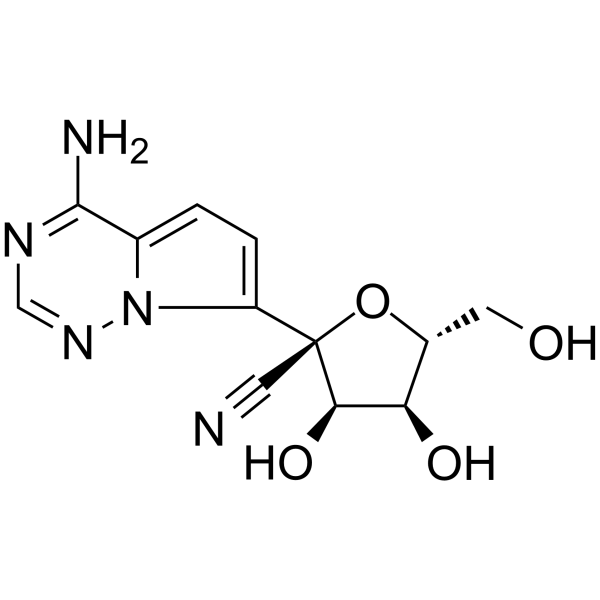
GS-441524 is a potent, orally active and CNS-penetrant viral RNA-dependent RNA polymerase inhibitor. GS-441524 competes with natural nucleosides to block viral RNA transcription as an alternative substrate and RNA chain terminator. GS-441524 inhibits the replication of feline infectious peritonitis virus, African swine fever virus, and severe acute respiratory syndrome coronavirus 2. GS-441524 reduces viral RNA levels in cats. GS-441524 can be used in research related to feline infectious peritonitis, African swine fever, and coronavirus disease 2019 (COVID-19) .
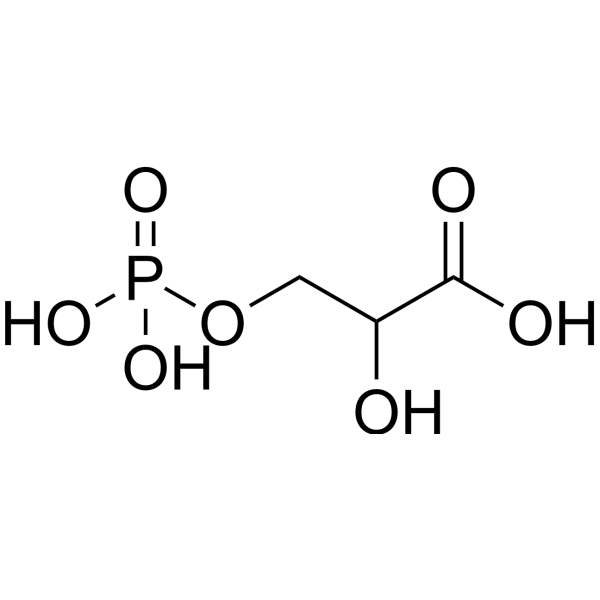
3-Phosphoglyceric acid is a metabolic intermediate in both glycolysis and the Calvin cycle. 3-Phosphoglyceric acid is involved in alveolar macrophage epigenetic regulation.
GALA is a pH-responsive amphipathic peptide consisting of 30 amino acids, which acts as a lung endothelium-targeting ligand. GALA undergoes a conformational transition from random coil to α-helix in an acidic environment at pH 5.0, thereby inducing endosomal membrane destabilization and fusion. GALA-modified liposomes traverse lung endothelial cells via clathrin-dependent endocytosis and transcytosis, and specifically accumulate in the lungs after intravenous injection. GALA significantly promotes the cytosolic release of cargos carried by exosomes, plasmids and liposomes, effectively enhances gene transfection efficiency, and drives gene knockdown of functional macromolecules (such as siRNA) in alveolar epithelial cells (with no significant cytotoxicity at effective concentrations). GALA serves as a critical tool for studies on lung cancer metastasis (e.g., melanoma lung metastasis) and lung-targeted drug delivery systems .
SBI-797812 is an orally active nicotinamide phosphoribosyltransferase (NAMPT) activator. SBI-797812 shifts NAMPT to NMN formation, increases NAMPT affinity for ATP, stabilizes phosphorylated NAMPT, promotes consumption of the pyrophosphate by-product, and blunts feedback inhibition by NAD +. SBI-797812 increases intracellular nicotinamide mononucleotide (NMN) and elevates liver NAD + in mice .
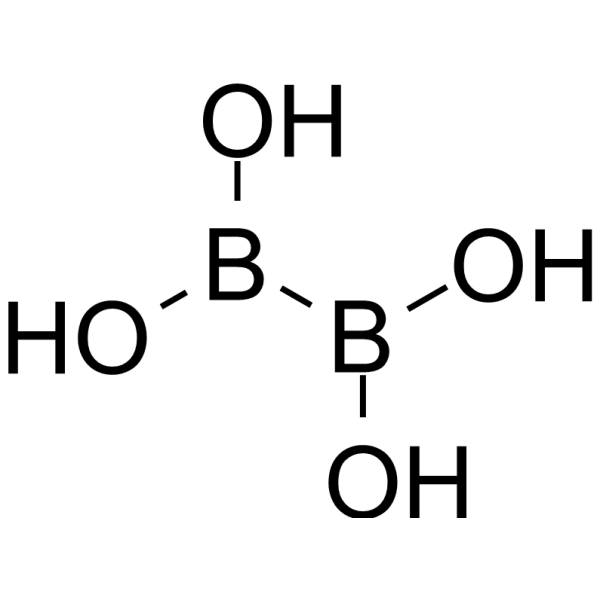
Tetrahydroxydiboron acts as a hydrogel initiator and bioadhesion promoter, with broad-spectrum antibacterial activity, ROS scavenging capacity and osteogenic induction properties. Tetrahydroxydiboron initiates rapid gelation by generating free radicals through reactions with vinyl monomers and dissolved oxygen, and overcomes oxygen inhibition without deoxygenation or external triggers. Tetrahydroxydiboron achieves strong bioadhesion through interaction with carboxymethyl chitosan. Tetrahydroxydiboron can be used in the research of periodontitis and related inflammatory diseases .
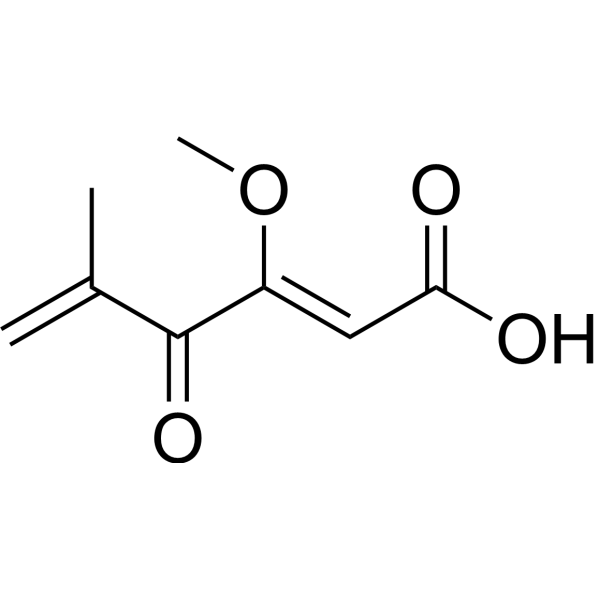
Penicillic acid is a polyketide mycotoxin produced by several species of Aspergillus and Penicillium. Penicillic acid exhibits cytotoxicity in rat alveolar macrophages (AM) in vitro. Penicillic acid inhibits Fas ligand-induced apoptosis by blocking self-processing of caspase-8 .
Fezakinumab (ILV 094) is an anti-IL-22 monoclonal antibody. Fezakinumab inhibits IL-22 signal transduction, and regulates the JAK1/STAT3 pathway as well as apoptotic proteins. Fezakinumab alleviates airway remodeling, alveolar enlargement and inflammatory cell infiltration in lung tissues. Fezakinumab reduces the levels of neutrophils, lymphocytes, eosinophils and macrophages in lung tissues. Fezakinumab can be used in the research of chronic obstructive pulmonary disease and skin diseases .
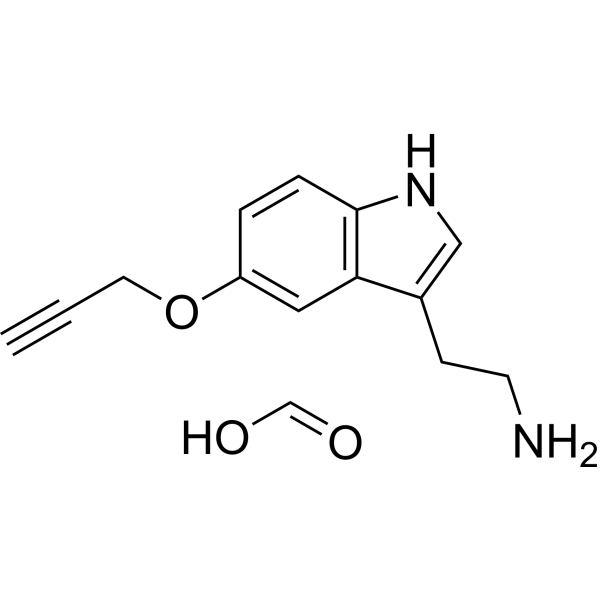
5-PT (5-Propargyltryptamide) formic is an alkyne-functionalized 5-HT (HY-B1473A) derivative and serotonylation substrate, taken up by living cells. 5-PT formic conjugated to a biotin enables identification of serotonylated proteins via copper-click chemistry and mass spectrometry. 5-PT formic labels and isolates serotonylated cells in alveolar epithelial cells for proteomic analysis. 5-PT formic can be used for the research of bronchopulmonary dysplasia .
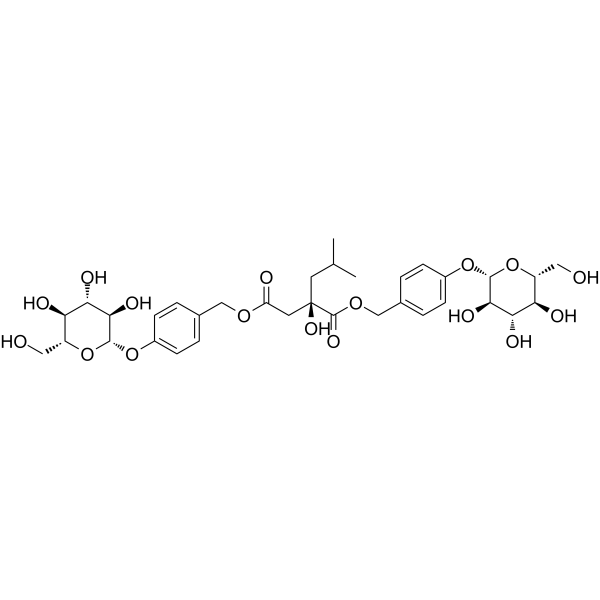
Militarine is a plant growth inhibitor and anti-inflammatory agent. Militarine inhibits the elongation of radicles and hypocotyls in seedlings of lettuce, Italian ryegrass and timothy grass. Militarine alleviates PM2.5-induced inflammatory injury and inhibits cell migration in human alveolar epithelial A549 cells by inhibiting the NF-κB signaling pathway, reducing oxidative stress and the release of inflammatory factors. Militarine can be used in studies related to PM2.5-induced pulmonary diseases .
Corisin is a pro-apoptotic small peptide produced by Staphylococcus species. Corisin binds to serum albumin to target organs such as the lungs and kidneys, induces cellular senescence, apoptosis and epithelial-mesenchymal transition, and accelerates the progression of organ fibrosis including pulmonary fibrosis and diabetic renal fibrosis. Corisin levels are closely associated with coronavirus disease 2019 (COVID-19), diabetic chronic kidney disease (CKD), non-diabetic CKD, and idiopathic pulmonary fibrosis (IPF) .
H-8 dihydrochloride is a selective Cyclic nucleotide-dependent protein kinase inhibitor. H-8 dihydrochloride potently inhibits cGMP- and cAMP-dependent protein phosphorylation. H-8 dihydrochloride enhances the vasodilatory effect induced by 8-bromo-cAMP (HY-12306A). H-8 dihydrochloride fails to attenuate the vasodilatory effects induced by 8-bromo-cGMP (HY-101379A), atrial natriuretic peptide II, or Sodium nitroprusside (HY-B0564) in rat aorta .
GSK2862277 is a human monoclonal antibody (mAb) targeting TNFRSF1A. GSK2862277 increases neutrophil extracellular trap formation and alveolar macrophage phagocytosis. GSK2862277 can be used in Acute lung injury and Acute Respiratory Distress Syndrome (ARDS) research. Recommended isotype control: VHH-hFc .
BRL-44408 maleate is a selective, blood-brain barrier-permeable α2A-adrenergic receptor antagonist with a Ki value of 8.56 nM against human targets. BRL-44408 maleate exhibits activities such as antidepressant, analgesic effects and attenuation of sepsis-induced acute lung injury by regulating the release of neurotransmitters such as norepinephrine and dopamine, or inhibiting signaling pathways including ERK1/2, p38MAPK and p65. BRL-44408 maleate can be used in studies related to acute respiratory distress syndrome, depression and visceral pain .
PRRSV/CD163-IN-1 is a PRRSV/CD163 inhibitor. PRRSV/CD163-IN-1 can inhibit the interaction between the PRRSV glycoprotein (GP2a or GP4) and the CD163-SRCR5 domain. PRRSV/CD163-IN-1 can be used for the research of porcine reproductive and respiratory syndrome (PRRS) .
MJ-33 lithium salt is a competitive phospholipase A2 (PLA2) inhibitor with an IC50 of 0.3 μM. MJ-33 lithium salt inhibits NOX2 activation and reduces ROS production by blocking the PLA2 activity of Prdx6. MJ-33 lithium salt effectively inhibits the activity of acidic PLA2 (pH 4.0) and reduces the degradation of alveolar surfactant phosphatidylcholine (PC), but exerts no effect on alkaline PLA2 (pH 8.5). MJ-33 lithium salt significantly alleviates lung oxidative injury induced by ischemia-reperfusion (I/R). MJ-33 lithium salt significantly inhibits the invasion, migration and adhesion abilities of prostate cancer cells by suppressing the MAPK, AKT, NF-κB and AP-1 signaling pathways. MJ-33 lithium salt can be used for the research of ROS-related diseases and prostate cancer .
Azidocillin, a semi-synthetic Penicillin, is an orally active β-lactam antibiotic. Azidocillin bears an azide functionality and retains on-target activity within bacteria. Azidocillin can be used to research osteitis caused by dental surgery, otitis media, enterococcal septicemia and other bacterial infectious diseases . Azidocillin is a click chemistry reagent, it contains an Azide group and can undergo copper-catalyzed azide-alkyne cycloaddition reaction (CuAAc) with molecules containing Alkyne groups. It can also undergo strain-promoted alkyne-azide cycloaddition (SPAAC) reactions with molecules containing DBCO or BCN groups.
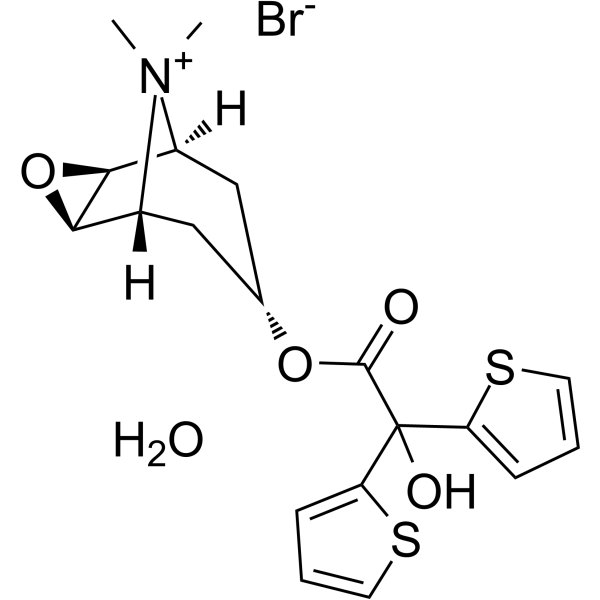
Tiotropium bromide monohydrate (BA-679 BR monohydrate) is a long-acting anticholinergic bronchodilator. Tiotropium bromide monohydrate blocks the action of acetylcholine at muscarinic M1, M2, and M3 receptors, prevents bronchoconstriction, and dilates bronchial airways. Tiotropium bromide monohydrate is applicable to research related to chronic obstructive pulmonary disease and asthma .
5-PT (5-Propargyltryptamide) is an alkyne-functionalized 5-HT (HY-B1473A) derivative and serotonylation substrate, taken up by living cells. 5-PT conjugated to a biotin enables identification of serotonylated proteins via copper-click chemistry and mass spectrometry. 5-PT labels and isolates serotonylated cells in alveolar epithelial cells for proteomic analysis. 5-PT can be used for the research of bronchopulmonary dysplasia .
Coelonin is a dihydrophenanthrene with anti-inflammation activity. Coelonin inhibits LPS-induced PTEN phosphorylation. Coelonin inhibits NF-κB activation and p27Kip1 degradation by regulating the PI3K/AKT pathway negatively. Coelonin can inhibit IκBα phosphorylation and degradation and increases the expression of IκBα protein .
2-Naphthalenemethanol is the metabolite of environmental pollutant 2-methylnaphthalene. 2-Naphthalenemethanol covalently binds to alveolar protein and induces pulmonary toxicity .
Indeno[1,2,3-cd]pyrene is a polycyclic aromatic hydrocarbon with moderate cytotoxicity in human pulmonary alveolar epithelial cells HPAEpiC. Indeno[1,2,3-cd]pyrene enhances allergic lung infammation via aryl hydrocarbon receptor .
Ethyl rosmarinate is a phenolic compound that can be isolated from Lycopus lucidus. Ethyl rosmarinate has antioxidative activity. Ethyl rosmarinate inhibits lung inflammation .
DGM is an inhibitor of the TGF-β1/Smad signaling pathway with significant antifibrotic effects. DGM inhibits the epithelial-mesenchymal transition (EMT) process in alveolar epithelial cells and slows the progression of pulmonary fibrosis in vivo by reducing lung inflammation, improving lung function, and decreasing extracellular matrix (ECM) remodeling. DGM can be used in research on idiopathic pulmonary fibrosis (IPF) and EMT-related diseases .
Norethynodrel (Enidrel; SC-4642) is an orally active progestogen analog that reduces estrogen-like effects and enhances progestogen-like responses in endometrial stromal cells. Norethynodrel also promotes cell maturation and predecidual cell formation by inducing organelle hyperplasia and glycogen accumulation. Norethynodrel competitively inhibits drug-metabolizing enzymes in rat liver microsomes, thereby prolonging Pentobarbital sleep time, while exhibiting multiple effects including reduced body weight gain, attenuated heart rate elevation and ovulation inhibition. In mouse models, Norethynodrel significantly increases the incidence of mammary adenocarcinoma, cervical cancer and pituitary tumors. Norethynodrel can be used for mechanism research on related diseases such as mammary adenocarcinoma, cervical cancer, ovarian tubular adenoma and pituitary adenoma .
GS-441524 hydrochloride is a potent, orally active and CNS-penetrant viral RNA-dependent RNA polymerase inhibitor. GS-441524 hydrochloride competes with natural nucleosides to block viral RNA transcription as an alternative substrate and RNA chain terminator. GS-441524 hydrochloride inhibits the replication of feline infectious peritonitis virus, African swine fever virus, and severe acute respiratory syndrome coronavirus 2. GS-441524 hydrochloride reduces viral RNA levels in cats. GS-441524 hydrochloride can be used in research related to feline infectious peritonitis, African swine fever, and coronavirus disease 2019 (COVID-19) .
CALP2 TFA is a calmodulin (CaM) antagonist (Kd of 7.9 µM) with high affinity for binding to the CaM EF-hand/Ca 2+-binding site. CALP2 TFA inhibits CaM-dependent phosphodiesterase activity and increases intracellular Ca 2+ concentrations. CALP2 TFA potently inhibits of adhesion and degranulation. CALP2 TFA is also a strong activator of alveolar macrophages .
PMX464 (AW 464), a thiol-reactive quinol, is the inhibitor of thioredoxin-thioredoxin reductase (Trx/TrxR) system. PMX464 can inhibit NF-κB-mediated proinflammatory activation of human type II alveolar epithelial cells .
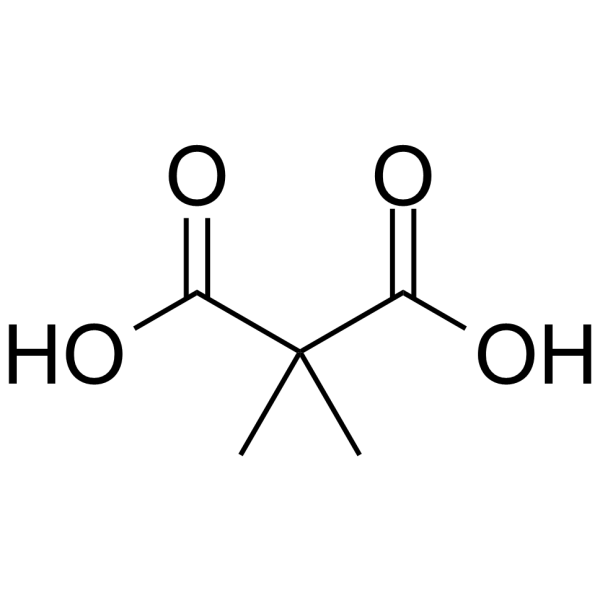
Dimethylmalonic acid is a short-chain dicarboxylic acid in human serum. Dimethylmalonic acid is also a volatile organic compound detected in alveolar breath .
Motapizone (NAT 05-239) is a selective PDE3 inhibitor. Motapizone moderately inhibits cytokine release in lipopolysaccharide (LPS)-induced alveolar macrophages. Motapizone also inhibits human platelet aggregation by increasing intracellular cAMP .
IR-117-17 is an ionizable cationic amino lipid, targeting conducting airways of the lung. IR-117-17 could be degraded via esterase cleavage and thus be unlikely to accumulate upon repeated dosing . It can be used in research related to diseases that manifest outside alveolar spaces.
BRL-44408 is a selective, blood-brain barrier-permeable α2A-adrenergic receptor antagonist with a Ki value of 8.56 nM against human targets. BRL-44408 exhibits activities such as antidepressant, analgesic effects and attenuation of sepsis-induced acute lung injury by regulating the release of neurotransmitters such as norepinephrine and dopamine, or inhibiting signaling pathways including ERK1/2, p38MAPK and p65. BRL-44408 can be used in studies related to acute respiratory distress syndrome, depression and visceral pain .
PROTAC BTK Degrader-9 (compound 23) is a PROTAC degrader that effectively targets BTK. PROTAC BTK Degrader-9 downregulates the BTK-PLCγ2-Ca 2+-NFATc1 signaling pathway activated by RANKL. Thus, PROTAC BTK Degrader-9 was able to inhibit osteoclastogenesis and attenuate alveolar bone resorption in a mouse periodontitis model .
P162-0948 is a selective CDK8 inhibitor with an IC50 value of 50.4 nM. P162-0948 reduces cell migration and protein expression of EMT-related proteins in A549 human alveolar epithelial cell lines. P162-0948 reduces phosphorylation of Smad, which suggests disruption of the TGF-β/Smad signaling pathway. P162-0948 is promising for research of pulmonary fibrosis .
JNJ-17166864 is a highly selective CCR2 antagonist. JNJ-17166864 has low oral bioavailability. JNJ-17166864 can significantly reduce the area of alveolar bone loss in a mouse model of periodontitis induced by Porphyromonas gingivalis infection. JNJ-17166864 can be used in the research of inflammatory diseases such as allergic rhinitis and periodontitis .
TQB-2858 is a bifunctional fusion protein composed of a monoclonal antibody against PD-L1 fused with the extracellular domain of TGF-β receptor. TQB-2858 has a high affinity for PD-L1, TGF-β1, and TGF-β3 and exhibited high PD-L1 target occupancy. TQB-2858 can be used for the study of osteosarcoma and alveolar soft part sarcoma (ASPS) .
Neltenexine, a mucolytic agent, is an Elastase inhibitor. Neltenexine diminishes anion secretion in in bronchial epithelial cells by inhibiting the Cl− and HCO3- uptake via Na/K/2Cl++− and Na+/HCO3- cotransporter without blockade of the CFTR channel, and also diminishes anion secretion via stimulation of Cl−/HCO3- exchanger. Neltenexine significantly prevents pulmonary emphysema with a reduction of alveolar deformation in rat models induced by Elastase. Neltenexine can be used for lung diseases such as chronic obstructive pulmonary disease (COPD) research .
KI-ARv-03 is a potent and selective ATP-competitive CDK9 inhibitor with an IC₅₀ of 0.15 μM (at 45 μM ATP), exhibiting over 130-fold selectivity against other CDKs (including CDK1-7). KI-ARv-03 reduces androgen receptor (AR)-driven transcription and proliferation in prostate cancer cells. KI-ARv-03 can be used for leukemia, pancreatic cancer, alveolar rhabdomyosarcoma (ARMS) and castration-resistant prostate cancer (CRPC) research. KI-ARv-03 is a ligand for target protein for PROTAC. KI-ARv-03 can be used to synthesize PROTAC KI-CDK9d-32 (HY-173523) [1][2].
CALP2 is a calmodulin (CaM) antagonist ( (Kd of 7.9 µM)) with high affinity for binding to the CaM EF-hand/Ca 2+-binding site. CALP2 inhibits CaM-dependent phosphodiesterase activity and increases intracellular Ca 2+ concentrations. CALP2 potently inhibits of adhesion and degranulation. CALP2 is also a strong activator of alveolar macrophages .
FAZ-053 is a human monoclonal antibody (mAb) targeting B7-H1/PD-L1/CD274. FAZ-053 inhibits the interaction of PD-L1 with PD-1 and B7-1 on monocytes, dendritic cells, and B cells. FAZ-053 enhances interleukin 2 production. FAZ-053 can be used in advanced alveolar soft tissue sarcoma (ASPS), chordoma, and triple-negative breast cancer research .
Napyradiomycin B4 is a Napyradiomycin derivative, which inhibits the RANKL-induced MEK-ERK signaling pathway. Napyradiomycin B4 attenuates osteoclastogenesis and prevents alveolar bone destruction in experimental periodontitis .
Dimethylmalonic acid (Standard) is the analytical standard of Dimethylmalonic acid. This product is intended for research and analytical applications. Dimethylmalonic acid is a short-chain dicarboxylic acid in human serum. Dimethylmalonic acid is also a volatile organic compound detected in alveolar breath[1].
MI 63 is an activator for p53, by targeting the MDM2 (Ki is 3 nM). MI 63 inhibits the proliferation of embryonic and alveolar rhabdomyosarcoma (ERMS and ARMS) cells (IC50 is 0.58 μM in RH36 cells), and induces apoptosis in ERMS and ARMS .
FIZZ-1 (32-51) (mouse) is a cysteine-rich secretory protein that is highly expressed by macrophages, bronchial epithelial and type II alveolar epithelial cells (AEC) in allergic airway inflammation. FIZZ1 (32-51) (mouse) also shows an antiapoptotic effect on lung fibroblasts. FIZZ-1 (32-51) (mouse) can be used in the study of allergic pneumonia .
ATX inhibitor 9 is a potent inhibitor of ATX. ATX inhibitor 9 is a thickened heteroaryl derivatives compound. Autotaxin (ATX), also known as ENPP2, is a secreted enzyme that is highly expressed mainly in cancer cells, bronchial epithelial cells and alveolar macrophages in the lung. ATX inhibitor 9 has the potential for the research of cancer or fibrous degenerative disease (extracted from patent WO2021078227A1, compound 3) .
KRP-109 is a neutrophil elastase (NE) inhibitor with activity in reducing lung inflammation. KRP-109 improves survival in mouse models and reduces the number of neutrophils and inflammation in the alveolar walls. KRP-109 significantly reduced cell and neutrophil counts in bronchoalveolar lavage fluid, as well as cytokine levels such as interleukin 1β and macrophage inflammatory protein 2. KRP-109 can be used in the research of severe pneumonia .
Indeno[1,2,3-cd]pyrene (Standard) is the analytical standard of Indeno[1,2,3-cd]pyrene. This product is intended for research and analytical applications. Indeno[1,2,3-cd]pyrene is a polycyclic aromatic hydrocarbon with moderate cytotoxicity in human pulmonary alveolar epithelial cells HPAEpiC. Indeno[1,2,3-cd]pyrene enhances allergic lung infammation via aryl hydrocarbon receptor .
20-hydroxy Prostaglandin F2α (20-hydroxy PGF2α) is the ω-oxidation product of PGF2α. Cultured type II alveolar cells from pregnant rabbits metabolize exogenous PGF2α via microsomal cytochrome P450 ω-oxidation, producing 20-hydroxy PGF2α and its 15-hydroxy PGDH metabolites. Cells from male rabbits exhibit only the 15-hydroxy PGDH pathway.
TRPV1-IN-3 (compound 14) is a TRPV1 inhibitor that can be used for the research of idiopathic pulmonary fibrosis. TRPV1-IN-3 affects the expression of fibrosis markers collagen I and α-SMA by inhibiting the TGF-β/Smads and MAPK pathways, thereby exerting antifibrotic activity in vitro (IC50=0.51 μM). TRPV1-IN-3 significantly inhibits collagen deposition in lung tissue, improves the alveolar structure, and also increases the survival rate of mice with pulmonary fibrosis induced by Bleomycin (HY-108345) .
Militarine (Standard) is the analytical standard of Militarine (HY-122308). This product is intended for research and analytical applications. Militarine is a plant growth inhibitor and anti-inflammatory agent. Militarine inhibits the elongation of radicles and hypocotyls in seedlings of lettuce, Italian ryegrass and timothy grass. Militarine alleviates PM2.5-induced inflammatory injury and inhibits cell migration in human alveolar epithelial A549 cells by inhibiting the NF-κB signaling pathway, reducing oxidative stress and the release of inflammatory factors. Militarine can be used in studies related to PM2.5-induced pulmonary diseases .
Anti-Mouse IL-4Rα Antibody (REGN1103) is a mouse homologous antibody targeting IL-4Rα, as well as an inhibitor of IL-4 signaling. Anti-Mouse IL-4Rα Antibody (REGN1103) can be used in studies related to alveolar rhabdomyosarcoma .
Anti-Mouse CD124/IL4RA Antibody (REGN1103) is a mouse-specific monoclonal antibody and IL-4Rα antagonist.Anti-Mouse CD124/IL4RA Antibody (REGN1103) inhibits IL-4 signaling through Type I and Type II receptor complexes.Anti-Mouse CD124/IL4RA Antibody (REGN1103) can be used for the research of alveolar rhabdomyosarcoma .
2-Naphthalenemethanol is the metabolite of environmental pollutant 2-methylnaphthalene. 2-Naphthalenemethanol covalently binds to alveolar protein and induces pulmonary toxicity .
PI3K-001 is a cathepsin B-responsive prodrug and antifibrotic agent. PI3K-001 undergoes cathepsin B-mediated cleavage of the Val-Ala linker in fibrotic lung lesions to release an active PI3K inhibitor payload, while it remains stable in healthy tissues. PI3K-001 improves collagen deposition, tissue collapse and alveolar injury in fibrotic lung tissues. PI3K-001 is applicable for the research of pulmonary fibrosis .
Penicillic acid- 13C8 is the 13C-labeled Penicillic acid (HY-N6777). Penicillic acid is a polyketide mycotoxin produced by several species of Aspergillus and Penicillium. Penicillic acid exhibits cytotoxicity in rat alveolar macrophages (AM) in vitro. Penicillic acid inhibits Fas ligand-induced apoptosis by blocking self-processing of caspase-8 .
Fominoben is a type of benzamide-based antitussive agent. Fominoben works by acting on the central nervous system to increase alveolar ventilation, thereby improving the blood oxygen levels in patients with pulmonary diseases (COLD). Fominoben can bind to the benzodiazepine receptor binding sites in the brain and also has anti-anxiety and anti-convulsant effects. Fominoben can be used in research on hypoxemia.
Hepoxilin A3 (HXA3) is a neutrophil chemo-attractant, synthesized by activating the PLA2-12-LOX pathway. Hepoxilin A3 can guide neutrophils to cross the epithelial barrier and migrate to the infection site (such as the alveolar cavity). The level of Hepoxilin A3 increases synchronously with neutrophil infiltration in mouse models. Hepoxilin A3 can be used to study inflammatory diseases (such as pneumonia, cystic fibrosis) .
KRP-109 is a neutrophil elastase (NE) inhibitor with activity in reducing lung inflammation. KRP-109 improves survival in mouse models and reduces the number of neutrophils and inflammation in the alveolar walls. KRP-109 significantly reduced cell and neutrophil counts in bronchoalveolar lavage fluid, as well as cytokine levels such as interleukin 1β and macrophage inflammatory protein 2. KRP-109 can be used in the research of severe pneumonia .
SK56 is a GSDMD-NT pore inhibitor. SK56 inhibits pyroptosis (Pyroptosis) and the release of pyroptosis-related cytokines in macrophages and human peripheral blood leukocytes. SK56 prevents extensive cell death in human alveolar organoids in an organoid-macrophage co-culture model. SK56 prevents death from infectious shock induced by LPS (HY-D1056) or cecal ligation and puncture in mice. SK56 can be used in studies related to sepsis .
LJ-2698 is an orally active adenosine A3 receptor antagonist. LJ-2698 induces increased levels of anti-inflammatory cytokines in macrophages and significantly elevates the number of anti-inflammatory M2 macrophages in the lung. LJ-2698 prevents alveolar cavity enlargement, restores pulmonary function, inhibits matrix metalloproteinase activity and pulmonary cell apoptosis in the lung tissues of mice. LJ-2698 prevents renal injury, inhibits renal lipid accumulation, and increases PGC1α levels in renal tissues of mice with diabetic nephropathy. LJ-2698 is applicable to the research of emphysema and diabetic nephropathy .
Y1693 is an orally active RANKL inhibitor with a Kd of 5.03 μM for hRANKL. Y1693 inhibits the activation of the downstream c-fos/NFATc1 signaling pathway by blocking its interaction with RANK. Y1693 significantly inhibits RANKL-induced osteoclast differentiation, F-actin ring formation and bone resorptive activity, while downregulating the mRNA and protein expressions of TRAP, cathepsin K, c-fos and NFATc1. Y1693 shows no obvious cytotoxicity to bone marrow-derived macrophages and osteoclast precursor cells, and exhibits favorable ADME properties. Y1693 improves ovariectomy-induced osteoporosis in mice and reverses ligation-induced periodontal alveolar bone loss. Y1693 is applicable to research related to osteoporosis and periodontal diseases .
LYRM03 is a derivative of Ubenimex (HY-B0134) and a Aminopeptidase N inhibitor. LYRM03 is isolated from Streptomyces HCCB10043. LYRM03 inhibits TLR4, MyD88, NLRP3, ASC, NF-κB and p38 MAPK, stabilizes IκB, and suppresses LPS-induced expression of iNOS and COX-2. LYRM03 reduces the levels of inflammatory cytokines and oxidative stress markers, and alleviates pulmonary edema. LYRM03 exhibits anticancer activity against breast cancer. LYRM03 has anti-inflammatory activity. LYRM03 can be used in the research of acute lung injury and breast cancer .
MN33-47 is a multi-target anti-tumor compound with broad-spectrum anti-proliferative activity. MN33-47 relieves the inhibition of the mitochondrial apoptosis pathway by downregulating the anti-apoptotic protein Bcl-2, while activating caspase-3 and inhibiting Topoisomerase I activity, thereby promoting its degradation through the ubiquitin-proteasome and autophagy-lysosome pathways. MN33-47 can also induce DNA cross-linking and G2/M cell cycle arrest, inhibit cancer cell migration and activate the mitochondrial apoptosis pathway, thus exerting potent anti-tumor effects. MN33-47 can improve the water solubility of SN-38 (HY-13704), and exhibits dose-dependent tumor growth inhibition effects in CT26 tumor-bearing mouse models without obvious toxic and side effects. MN33-47 can be used in related studies on colorectal adenocarcinoma, cervical adenocarcinoma, hepatocellular carcinoma, alveolar basal epithelial adenocarcinoma, gastric cancer and colon cancer .
Ethyl (10E,12E)-9-oxooctadeca-10,12-dienoate is a conjugated ketonic fatty acid that can be found in the leaves of Vernicia fordii. Ethyl (10E,12E)-9-oxooctadeca-10,12-dienoate shows no significant cytotoxic activity against cancer cells .
Tetrahydroxydiboron acts as a hydrogel initiator and bioadhesion promoter, with broad-spectrum antibacterial activity, ROS scavenging capacity and osteogenic induction properties. Tetrahydroxydiboron initiates rapid gelation by generating free radicals through reactions with vinyl monomers and dissolved oxygen, and overcomes oxygen inhibition without deoxygenation or external triggers. Tetrahydroxydiboron achieves strong bioadhesion through interaction with carboxymethyl chitosan. Tetrahydroxydiboron can be used in the research of periodontitis and related inflammatory diseases .
2-Naphthalenemethanol is the metabolite of environmental pollutant 2-methylnaphthalene. 2-Naphthalenemethanol covalently binds to alveolar protein and induces pulmonary toxicity .
GALA is a pH-responsive amphipathic peptide consisting of 30 amino acids, which acts as a lung endothelium-targeting ligand. GALA undergoes a conformational transition from random coil to α-helix in an acidic environment at pH 5.0, thereby inducing endosomal membrane destabilization and fusion. GALA-modified liposomes traverse lung endothelial cells via clathrin-dependent endocytosis and transcytosis, and specifically accumulate in the lungs after intravenous injection. GALA significantly promotes the cytosolic release of cargos carried by exosomes, plasmids and liposomes, effectively enhances gene transfection efficiency, and drives gene knockdown of functional macromolecules (such as siRNA) in alveolar epithelial cells (with no significant cytotoxicity at effective concentrations). GALA serves as a critical tool for studies on lung cancer metastasis (e.g., melanoma lung metastasis) and lung-targeted drug delivery systems .
Corisin is a pro-apoptotic small peptide produced by Staphylococcus species. Corisin binds to serum albumin to target organs such as the lungs and kidneys, induces cellular senescence, apoptosis and epithelial-mesenchymal transition, and accelerates the progression of organ fibrosis including pulmonary fibrosis and diabetic renal fibrosis. Corisin levels are closely associated with coronavirus disease 2019 (COVID-19), diabetic chronic kidney disease (CKD), non-diabetic CKD, and idiopathic pulmonary fibrosis (IPF) .
CALP2 TFA is a calmodulin (CaM) antagonist (Kd of 7.9 µM) with high affinity for binding to the CaM EF-hand/Ca 2+-binding site. CALP2 TFA inhibits CaM-dependent phosphodiesterase activity and increases intracellular Ca 2+ concentrations. CALP2 TFA potently inhibits of adhesion and degranulation. CALP2 TFA is also a strong activator of alveolar macrophages .
CALP2 is a calmodulin (CaM) antagonist ( (Kd of 7.9 µM)) with high affinity for binding to the CaM EF-hand/Ca 2+-binding site. CALP2 inhibits CaM-dependent phosphodiesterase activity and increases intracellular Ca 2+ concentrations. CALP2 potently inhibits of adhesion and degranulation. CALP2 is also a strong activator of alveolar macrophages .
FIZZ-1 (32-51) (mouse) is a cysteine-rich secretory protein that is highly expressed by macrophages, bronchial epithelial and type II alveolar epithelial cells (AEC) in allergic airway inflammation. FIZZ1 (32-51) (mouse) also shows an antiapoptotic effect on lung fibroblasts. FIZZ-1 (32-51) (mouse) can be used in the study of allergic pneumonia .
SK56 is a GSDMD-NT pore inhibitor. SK56 inhibits pyroptosis (Pyroptosis) and the release of pyroptosis-related cytokines in macrophages and human peripheral blood leukocytes. SK56 prevents extensive cell death in human alveolar organoids in an organoid-macrophage co-culture model. SK56 prevents death from infectious shock induced by LPS (HY-D1056) or cecal ligation and puncture in mice. SK56 can be used in studies related to sepsis .
Fezakinumab (ILV 094) is an anti-IL-22 monoclonal antibody. Fezakinumab inhibits IL-22 signal transduction, and regulates the JAK1/STAT3 pathway as well as apoptotic proteins. Fezakinumab alleviates airway remodeling, alveolar enlargement and inflammatory cell infiltration in lung tissues. Fezakinumab reduces the levels of neutrophils, lymphocytes, eosinophils and macrophages in lung tissues. Fezakinumab can be used in the research of chronic obstructive pulmonary disease and skin diseases .
GSK2862277 is a human monoclonal antibody (mAb) targeting TNFRSF1A. GSK2862277 increases neutrophil extracellular trap formation and alveolar macrophage phagocytosis. GSK2862277 can be used in Acute lung injury and Acute Respiratory Distress Syndrome (ARDS) research. Recommended isotype control: VHH-hFc .
TQB-2858 is a bifunctional fusion protein composed of a monoclonal antibody against PD-L1 fused with the extracellular domain of TGF-β receptor. TQB-2858 has a high affinity for PD-L1, TGF-β1, and TGF-β3 and exhibited high PD-L1 target occupancy. TQB-2858 can be used for the study of osteosarcoma and alveolar soft part sarcoma (ASPS) .
FAZ-053 is a human monoclonal antibody (mAb) targeting B7-H1/PD-L1/CD274. FAZ-053 inhibits the interaction of PD-L1 with PD-1 and B7-1 on monocytes, dendritic cells, and B cells. FAZ-053 enhances interleukin 2 production. FAZ-053 can be used in advanced alveolar soft tissue sarcoma (ASPS), chordoma, and triple-negative breast cancer research .
Anti-Mouse IL-4Rα Antibody (REGN1103) is a mouse homologous antibody targeting IL-4Rα, as well as an inhibitor of IL-4 signaling. Anti-Mouse IL-4Rα Antibody (REGN1103) can be used in studies related to alveolar rhabdomyosarcoma .
Anti-Mouse CD124/IL4RA Antibody (REGN1103) is a mouse-specific monoclonal antibody and IL-4Rα antagonist.Anti-Mouse CD124/IL4RA Antibody (REGN1103) inhibits IL-4 signaling through Type I and Type II receptor complexes.Anti-Mouse CD124/IL4RA Antibody (REGN1103) can be used for the research of alveolar rhabdomyosarcoma .
3-Phosphoglyceric acid is a metabolic intermediate in both glycolysis and the Calvin cycle. 3-Phosphoglyceric acid is involved in alveolar macrophage epigenetic regulation.
Penicillic acid is a polyketide mycotoxin produced by several species of Aspergillus and Penicillium. Penicillic acid exhibits cytotoxicity in rat alveolar macrophages (AM) in vitro. Penicillic acid inhibits Fas ligand-induced apoptosis by blocking self-processing of caspase-8 .
Militarine is a plant growth inhibitor and anti-inflammatory agent. Militarine inhibits the elongation of radicles and hypocotyls in seedlings of lettuce, Italian ryegrass and timothy grass. Militarine alleviates PM2.5-induced inflammatory injury and inhibits cell migration in human alveolar epithelial A549 cells by inhibiting the NF-κB signaling pathway, reducing oxidative stress and the release of inflammatory factors. Militarine can be used in studies related to PM2.5-induced pulmonary diseases .
PRRSV/CD163-IN-1 is a PRRSV/CD163 inhibitor. PRRSV/CD163-IN-1 can inhibit the interaction between the PRRSV glycoprotein (GP2a or GP4) and the CD163-SRCR5 domain. PRRSV/CD163-IN-1 can be used for the research of porcine reproductive and respiratory syndrome (PRRS) .
Coelonin is a dihydrophenanthrene with anti-inflammation activity. Coelonin inhibits LPS-induced PTEN phosphorylation. Coelonin inhibits NF-κB activation and p27Kip1 degradation by regulating the PI3K/AKT pathway negatively. Coelonin can inhibit IκBα phosphorylation and degradation and increases the expression of IκBα protein .
2-Naphthalenemethanol is the metabolite of environmental pollutant 2-methylnaphthalene. 2-Naphthalenemethanol covalently binds to alveolar protein and induces pulmonary toxicity .
Ethyl rosmarinate is a phenolic compound that can be isolated from Lycopus lucidus. Ethyl rosmarinate has antioxidative activity. Ethyl rosmarinate inhibits lung inflammation .
Norethynodrel (Enidrel; SC-4642) is an orally active progestogen analog that reduces estrogen-like effects and enhances progestogen-like responses in endometrial stromal cells. Norethynodrel also promotes cell maturation and predecidual cell formation by inducing organelle hyperplasia and glycogen accumulation. Norethynodrel competitively inhibits drug-metabolizing enzymes in rat liver microsomes, thereby prolonging Pentobarbital sleep time, while exhibiting multiple effects including reduced body weight gain, attenuated heart rate elevation and ovulation inhibition. In mouse models, Norethynodrel significantly increases the incidence of mammary adenocarcinoma, cervical cancer and pituitary tumors. Norethynodrel can be used for mechanism research on related diseases such as mammary adenocarcinoma, cervical cancer, ovarian tubular adenoma and pituitary adenoma .
Dimethylmalonic acid is a short-chain dicarboxylic acid in human serum. Dimethylmalonic acid is also a volatile organic compound detected in alveolar breath .
Napyradiomycin B4 is a Napyradiomycin derivative, which inhibits the RANKL-induced MEK-ERK signaling pathway. Napyradiomycin B4 attenuates osteoclastogenesis and prevents alveolar bone destruction in experimental periodontitis .
Dimethylmalonic acid (Standard) is the analytical standard of Dimethylmalonic acid. This product is intended for research and analytical applications. Dimethylmalonic acid is a short-chain dicarboxylic acid in human serum. Dimethylmalonic acid is also a volatile organic compound detected in alveolar breath[1].
Militarine (Standard) is the analytical standard of Militarine (HY-122308). This product is intended for research and analytical applications. Militarine is a plant growth inhibitor and anti-inflammatory agent. Militarine inhibits the elongation of radicles and hypocotyls in seedlings of lettuce, Italian ryegrass and timothy grass. Militarine alleviates PM2.5-induced inflammatory injury and inhibits cell migration in human alveolar epithelial A549 cells by inhibiting the NF-κB signaling pathway, reducing oxidative stress and the release of inflammatory factors. Militarine can be used in studies related to PM2.5-induced pulmonary diseases .
2-Naphthalenemethanol is the metabolite of environmental pollutant 2-methylnaphthalene. 2-Naphthalenemethanol covalently binds to alveolar protein and induces pulmonary toxicity .
LYRM03 is a derivative of Ubenimex (HY-B0134) and a Aminopeptidase N inhibitor. LYRM03 is isolated from Streptomyces HCCB10043. LYRM03 inhibits TLR4, MyD88, NLRP3, ASC, NF-κB and p38 MAPK, stabilizes IκB, and suppresses LPS-induced expression of iNOS and COX-2. LYRM03 reduces the levels of inflammatory cytokines and oxidative stress markers, and alleviates pulmonary edema. LYRM03 exhibits anticancer activity against breast cancer. LYRM03 has anti-inflammatory activity. LYRM03 can be used in the research of acute lung injury and breast cancer .
Ethyl (10E,12E)-9-oxooctadeca-10,12-dienoate is a conjugated ketonic fatty acid that can be found in the leaves of Vernicia fordii. Ethyl (10E,12E)-9-oxooctadeca-10,12-dienoate shows no significant cytotoxic activity against cancer cells .
SFTPA2 (Pulmonary surfactant-associated protein A2) is primarily synthesized in lung alveolar type II cells, as part of a complex of lipids and proteins known as pulmonary surfactant. SFTPA2 Protein, Human (HEK293, hFc) is the recombinant human-derived SFTPA2 protein, expressed by HEK293 , with C-hFc labeled tag.
SFTPA1 (Pulmonary surfactant-associated protein A1) is primarily synthesised in type II alveolar cells in the lung, as part of a complex of lipids and proteins known as pulmonary surfactant. SFTPA1 Protein, Human (HEK293, hFc) is the recombinant human-derived SFTPA1 protein, expressed by HEK293 , with C-hFc labeled tag.
IL-8/CXCL8 protein, a vital chemotactic factor, orchestrates inflammatory responses by attracting neutrophils, basophils, and T-cells to clear pathogens. It activates neutrophils and binds to CXCR1/CXCR2 receptors, initiating downstream signaling pathways. IL-8/CXCL8 homodimerizes, disrupted by tick evasin-3, and interacts with TNFAIP6, potentially regulating chemokine activity in the inflammatory microenvironment. IL-8/CXCL8 Protein, Porcine is the recombinant Porcine-derived IL-8/CXCL8 protein, expressed by E. coli , with tag free.
Penicillic acid- 13C8 is the 13C-labeled Penicillic acid (HY-N6777). Penicillic acid is a polyketide mycotoxin produced by several species of Aspergillus and Penicillium. Penicillic acid exhibits cytotoxicity in rat alveolar macrophages (AM) in vitro. Penicillic acid inhibits Fas ligand-induced apoptosis by blocking self-processing of caspase-8 .
Azidocillin, a semi-synthetic Penicillin, is an orally active β-lactam antibiotic. Azidocillin bears an azide functionality and retains on-target activity within bacteria. Azidocillin can be used to research osteitis caused by dental surgery, otitis media, enterococcal septicemia and other bacterial infectious diseases . Azidocillin is a click chemistry reagent, it contains an Azide group and can undergo copper-catalyzed azide-alkyne cycloaddition reaction (CuAAc) with molecules containing Alkyne groups. It can also undergo strain-promoted alkyne-azide cycloaddition (SPAAC) reactions with molecules containing DBCO or BCN groups.
Norethynodrel (Enidrel; SC-4642) is an orally active progestogen analog that reduces estrogen-like effects and enhances progestogen-like responses in endometrial stromal cells. Norethynodrel also promotes cell maturation and predecidual cell formation by inducing organelle hyperplasia and glycogen accumulation. Norethynodrel competitively inhibits drug-metabolizing enzymes in rat liver microsomes, thereby prolonging Pentobarbital sleep time, while exhibiting multiple effects including reduced body weight gain, attenuated heart rate elevation and ovulation inhibition. In mouse models, Norethynodrel significantly increases the incidence of mammary adenocarcinoma, cervical cancer and pituitary tumors. Norethynodrel can be used for mechanism research on related diseases such as mammary adenocarcinoma, cervical cancer, ovarian tubular adenoma and pituitary adenoma .
IR-117-17 is an ionizable cationic amino lipid, targeting conducting airways of the lung. IR-117-17 could be degraded via esterase cleavage and thus be unlikely to accumulate upon repeated dosing . It can be used in research related to diseases that manifest outside alveolar spaces.
ODN MT01 was designed based on human mitochondrial DNA sequences, which is an inhibitory ODN that promotes osteocyte differentiation. ODN MT01 could promote osteoblast maturation and activation in rats, reduce rat alveolar bone absorption caused by periodontitis, regulate the expression levels of osteogenesis-related factors.
ODN MT01 sodium was designed based on human mitochondrial DNA sequences, which is an inhibitory ODN that promotes osteocyte differentiation. ODN MT01 sodium could promote osteoblast maturation and activation in rats, reduce rat alveolar bone absorption caused by periodontitis, regulate the expression levels of osteogenesis-related factors.
Inquiry Online
Your information is safe with us. * Required Fields.
Western blot analysis of extracts from THP-1(lane 2(20μg), Jurkat (lane 3(20μg) and NIH3T3(lane 4(20μg) using FOXO1A (HY-P80132) Rabbit mAb. Proteins were transferred
to a PVDF membrane and blocked with 5% non-fat milk in TBST for 2 hour at room temperature. The primary antibody (1/1000) and Loading control antibody (Beta Actin, HY-P80438, 1/10000) was
used in 5% non-fat milk in TBST at 4°C overnight. Goat Anti-Mouse/Rabbit IgG-HRP Secondary Antibody (1/10000) was used for 1 hour at room temperature.
Western blot analysis of extracts from THP-1(lane 2(20μg), Jurkat (lane 3(20μg) and NIH3T3(lane 4(20μg) using FOXO1A (HY-P80132) Rabbit mAb. Proteins were transferred
to a PVDF membrane and blocked with 5% non-fat milk in TBST for 2 hour at room temperature. The primary antibody (1/1000) and Loading control antibody (Beta Actin, HY-P80438, 1/10000) was
used in 5% non-fat milk in TBST at 4°C overnight. Goat Anti-Mouse/Rabbit IgG-HRP Secondary Antibody (1/10000) was used for 1 hour at room temperature.
Western blot analysis of extracts from THP-1(lane 2(20μg), Jurkat (lane 3(20μg) and NIH3T3(lane 4(20μg) using FOXO1A (HY-P80132) Rabbit mAb. Proteins were transferred
to a PVDF membrane and blocked with 5% non-fat milk in TBST for 2 hour at room temperature. The primary antibody (1/1000) and Loading control antibody (Beta Actin, HY-P80438, 1/10000) was
used in 5% non-fat milk in TBST at 4°C overnight. Goat Anti-Mouse/Rabbit IgG-HRP Secondary Antibody (1/10000) was used for 1 hour at room temperature.
Western blot analysis of extracts from THP-1(lane 2(20μg), Jurkat (lane 3(20μg) and NIH3T3(lane 4(20μg) using FOXO1A (HY-P80132) Rabbit mAb. Proteins were transferred
to a PVDF membrane and blocked with 5% non-fat milk in TBST for 2 hour at room temperature. The primary antibody (1/1000) and Loading control antibody (Beta Actin, HY-P80438, 1/10000) was
MedchemExpress Validation 03
Western blot analysis of extracts from THP-1(lane 2(20μg), Jurkat (lane 3(20μg) and NIH3T3(lane 4(20μg) using FOXO1A (HY-P80132) Rabbit mAb. Proteins were transferred
MedchemExpress Validation 04
Western blot analysis of extracts from THP-1(lane 2(20μg), Jurkat (lane 3(20μg) and NIH3T3(lane 4(20μg) using FOXO1A (HY-P80132) Rabbit mAb. Proteins were transferred
to a PVDF membrane and blocked with 5% non-fat milk in TBST for 2 hour at room temperature. The primary antibody (1/1000) and Loading control antibody (Beta Actin, HY-P80438, 1/10000) was
used in 5% non-fat milk in TBST at 4°C overnight. Goat Anti-Mouse/Rabbit IgG-HRP Secondary Antibody (1/10000) was used for 1 hour at room temperature.
MedchemExpress Validation
Western blot analysis of extracts from THP-1(lane 2(20μg), Jurkat (lane 3(20μg) and NIH3T3(lane 4(20μg) using FOXO1A (HY-P80132) Rabbit mAb. Proteins were transferred
to a PVDF membrane and blocked with 5% non-fat milk in TBST for 2 hour at room temperature. The primary antibody (1/1000) and Loading control antibody (Beta Actin, HY-P80438, 1/10000) was
used in 5% non-fat milk in TBST at 4°C overnight. Goat Anti-Mouse/Rabbit IgG-HRP Secondary Antibody (1/10000) was used for 1 hour at room temperature.
Western blot analysis of extracts from THP-1(lane 2(20μg), Jurkat (lane 3(20μg) and NIH3T3(lane 4(20μg) using FOXO1A (HY-P80132) Rabbit mAb. Proteins were transferred
to a PVDF membrane and blocked with 5% non-fat milk in TBST for 2 hour at room temperature. The primary antibody (1/1000) and Loading control antibody (Beta Actin, HY-P80438, 1/10000) was
used in 5% non-fat milk in TBST at 4°C overnight. Goat Anti-Mouse/Rabbit IgG-HRP Secondary Antibody (1/10000) was used for 1 hour at room temperature.
MedchemExpress Validation
Western blot analysis of extracts from THP-1(lane 2(20μg), Jurkat (lane 3(20μg) and NIH3T3(lane 4(20μg) using FOXO1A (HY-P80132) Rabbit mAb. Proteins were transferred
to a PVDF membrane and blocked with 5% non-fat milk in TBST for 2 hour at room temperature. The primary antibody (1/1000) and Loading control antibody (Beta Actin, HY-P80438, 1/10000) was
used in 5% non-fat milk in TBST at 4°C overnight. Goat Anti-Mouse/Rabbit IgG-HRP Secondary Antibody (1/10000) was used for 1 hour at room temperature.
MedchemExpress Validation
Western blot analysis of extracts from THP-1(lane 2(20μg), Jurkat (lane 3(20μg) and NIH3T3(lane 4(20μg) using FOXO1A (HY-P80132) Rabbit mAb. Proteins were transferred
to a PVDF membrane and blocked with 5% non-fat milk in TBST for 2 hour at room temperature. The primary antibody (1/1000) and Loading control antibody (Beta Actin, HY-P80438, 1/10000) was
used in 5% non-fat milk in TBST at 4°C overnight. Goat Anti-Mouse/Rabbit IgG-HRP Secondary Antibody (1/10000) was used for 1 hour at room temperature.
MedchemExpress Validation
Western blot analysis of extracts from THP-1(lane 2(20μg), Jurkat (lane 3(20μg) and NIH3T3(lane 4(20μg) using FOXO1A (HY-P80132) Rabbit mAb. Proteins were transferred
to a PVDF membrane and blocked with 5% non-fat milk in TBST for 2 hour at room temperature. The primary antibody (1/1000) and Loading control antibody (Beta Actin, HY-P80438, 1/10000) was
used in 5% non-fat milk in TBST at 4°C overnight. Goat Anti-Mouse/Rabbit IgG-HRP Secondary Antibody (1/10000) was used for 1 hour at room temperature.
MedchemExpress Validation
Western blot analysis of extracts from THP-1(lane 2(20μg), Jurkat (lane 3(20μg) and NIH3T3(lane 4(20μg) using FOXO1A (HY-P80132) Rabbit mAb. Proteins were transferred
to a PVDF membrane and blocked with 5% non-fat milk in TBST for 2 hour at room temperature. The primary antibody (1/1000) and Loading control antibody (Beta Actin, HY-P80438, 1/10000) was
used in 5% non-fat milk in TBST at 4°C overnight. Goat Anti-Mouse/Rabbit IgG-HRP Secondary Antibody (1/10000) was used for 1 hour at room temperature.
MedchemExpress Validation
Western blot analysis of extracts from THP-1(lane 2(20μg), Jurkat (lane 3(20μg) and NIH3T3(lane 4(20μg) using FOXO1A (HY-P80132) Rabbit mAb. Proteins were transferred
to a PVDF membrane and blocked with 5% non-fat milk in TBST for 2 hour at room temperature. The primary antibody (1/1000) and Loading control antibody (Beta Actin, HY-P80438, 1/10000) was
used in 5% non-fat milk in TBST at 4°C overnight. Goat Anti-Mouse/Rabbit IgG-HRP Secondary Antibody (1/10000) was used for 1 hour at room temperature.
MedchemExpress Validation
Western blot analysis of extracts from THP-1(lane 2(20μg), Jurkat (lane 3(20μg) and NIH3T3(lane 4(20μg) using FOXO1A (HY-P80132) Rabbit mAb. Proteins were transferred
to a PVDF membrane and blocked with 5% non-fat milk in TBST for 2 hour at room temperature. The primary antibody (1/1000) and Loading control antibody (Beta Actin, HY-P80438, 1/10000) was
used in 5% non-fat milk in TBST at 4°C overnight. Goat Anti-Mouse/Rabbit IgG-HRP Secondary Antibody (1/10000) was used for 1 hour at room temperature.
MedChemExpress values your privacy and your trust is important to us. We use cookies to enhance your website experience. Some cookies are necessary to run the website.
Privacy and Cookie Policy

