From 11:00 pm to 12:00 pm EST ( 8:00 pm to 9:00 pm PST ) on January 6th, the website will be under maintenance. We are sorry for the inconvenience. Please arrange your schedule properly.
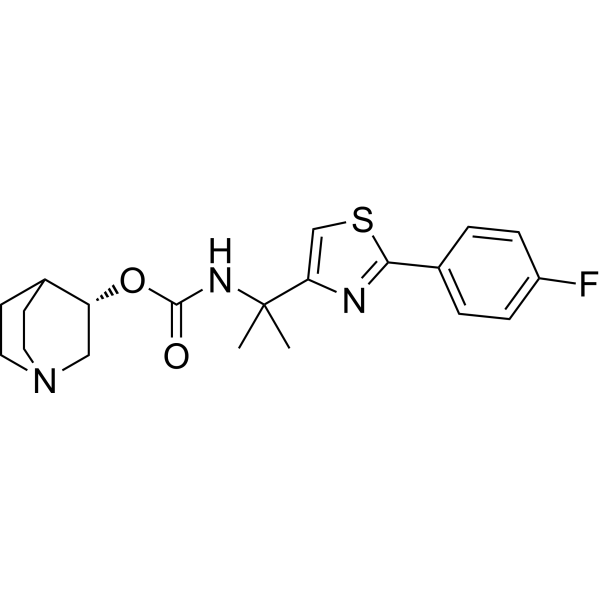
Ibiglustat (Venglustat) is an orally active, brain-penetrant glucosylceramide synthase (GCS) inhibitor. Ibiglustat can be used for the research of Gaucher disease type 3, Parkinson's disease associated with GBA mutations, Fabry disease, GM2 gangliosidosis, and autosomal dominant polycystic kidney disease .
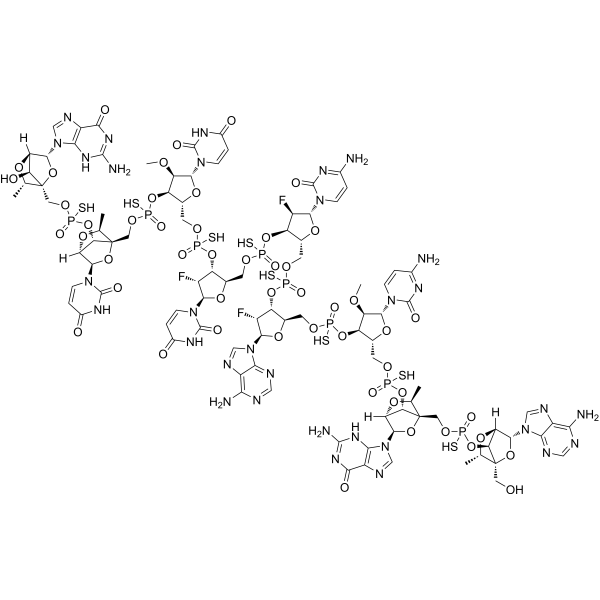
RGLS4326 (RG4326) is a first-in-class, short oligonucleotide inhibitor of microRNA-17 (miR-17). RGLS4326 can be used for the research of autosomal dominant polycystic kidney disease (ADPKD). RGLS4326 inhibits miR-17 function in HeLa cells with an EC50 value of 28.3 nM .
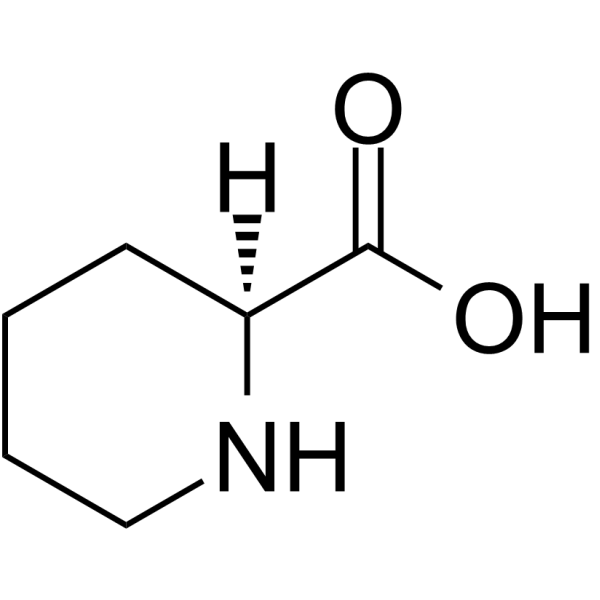
L-Pipecolic acid (H-HoPro-OH) is an oral active metabolite of Lysine and can accumulate in the bodily fluids of infants with autosomal inherited diseases, such as Zellweger syndrome and neonatal adrenal insufficiency. L-Pipecolic acid can promote muscle cell health and growth by enhancing protein synthesis, and plays a role in promoting gut health. L-Pipecolic acid holds promise for research in the fields of metabolic disorders, muscle growth disorders, and intestinal diseases .
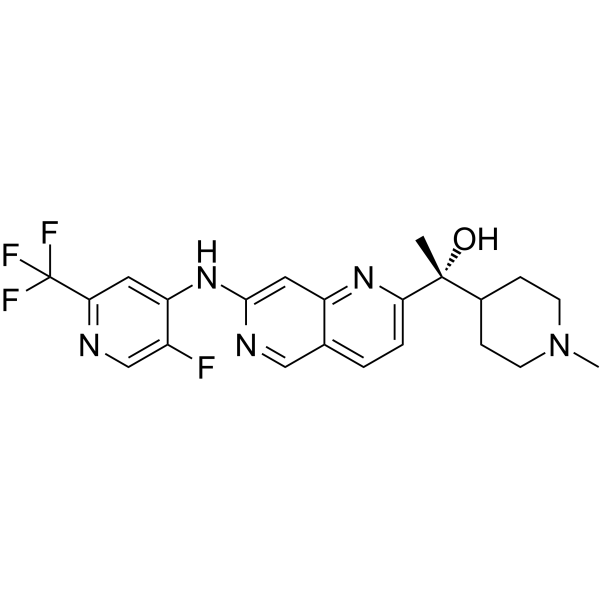
Encaleret (CLTX-305) is an orally active antagonist of the calcium-sensing receptor (CaSR), with an IC50 of 12 nM. Encaleret exerts its effect by inhibiting the excessive activity of functional gain-of-function CaSR variants, and can restore blood calcium levels, promote the secretion of parathyroid hormone, improve magnesium and phosphorus metabolism, and increase urinary calcium excretion. Encaleret can be used in the research of diseases such as osteoporosis and autosomal dominant hypocalcemia type 1 .
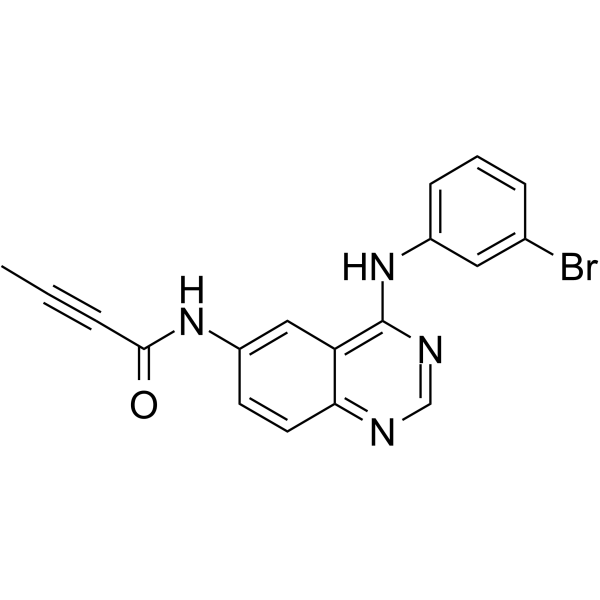
CL-387785 (EKI-785; WAY-EKI 785) is an orally active EGFR inhibitor with an IC50 of 370 pM. CL-387785 inhibits EGF-stimulated EGFR autophosphorylation with an IC50 of approximately 5 nM. CL-387,785 exerts selective inhibition on cell lines overexpressing EGFR or c-erbB-2, whereas it shows weak inhibitory effects on cell lines with low expression of these two receptors. CL-387785 effectively induces cell cycle arrest and apoptosis. CL-387785 can be used for the research of non-small cell lung cancer and autosomal recessive polycystic kidney disease .
Farabursen sodium (RGLS8429 sodium; RG1015 sodium) is a miR-17 inhibitor. Farabursen sodium inhibits the function of the miR-17 family, relieves the inhibitory effect on miR-17 target genes including PKD1 and PKD2, and increases the level of PC1/2. Farabursen sodium slows the growth of renal cysts, reduces the ratio of kidney weight to body weight, and decreases the cyst index and proliferation index. Farabursen sodium is applicable to research related to autosomal dominant polycystic kidney disease .
PXL770 is an orally active, direct allosteric AMP-activated protein kinase (AMPK) activator. PXL770 decreases C26:0 levels, improves mitochondrial respiration, reduces expression of proinflammatory genes and induces expression of compensatory transporters (ABCD2/3) in ALD fibroblasts/lymphocytes. PXL770 normalizes plasma VLCFA levels, significantly reduces elevated VLCFA levels in brain and spinal cord in Abcd1 KO mice. PXL770 improves glycemia, dyslipidemia, and insulin resistance in ob/ob and high-fat diet (HFD)-fed mice. PXL770 can be used for the study of X-linked adrenoleukodystrophy (ALD), autosomal dominant polycystic kidney disease and nonalcoholic steatohepatitis (NASH) .
Farabursen (RGLS8429; RG1015) is a blood-brain barrier-permeable miR-17 inhibitor. Farabursen derepresses Pkd1 and Pkd2, the target genes of miR-17, increases the levels of PC1 and PC2, and reduces cyst growth. Farabursen decreases renal cyst growth, kidney weight-to-body weight ratio, cyst index, proliferation index, and blood urea nitrogen levels in mouse models. Farabursen is applicable to research related to autosomal dominant polycystic kidney disease .
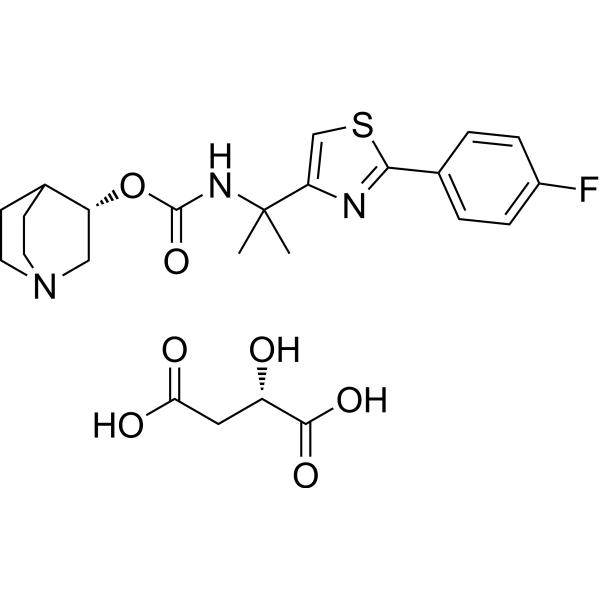
Ibiglustat (Venglustat) L-Malic acid is an orally active, brain-penetrant glucosylceramide synthase (GCS) inhibitor. Ibiglustat L-Malic acid can be used for the research of Gaucher disease type 3, Parkinson's disease associated with GBA mutations, Fabry disease, GM2 gangliosidosis, and autosomal dominant polycystic kidney disease .
CDK5-IN-3 (compound 11) is a potent CDK5 inhibitor, with IC50s of 0.6 nM and 18 nM for CDK5/p25 and CDK2/CycA, respectively. CDK5-IN-3 can be used for the research of autosomal dominant polycystic kidney disease (ADPKD) .
MitoBloCK-11 is a new small molecule with a protein-binding target, Seo1. MitoBloCK-11 plays an important role in the delivery of PINK1 pathway. MitoBloCK-11 can be used in the study of autosomal recessive Parkinson's disease .
RGLS4326 sodium is a first-in-class, short oligonucleotide inhibitor of microRNA-17 (miR-17). RGLS4326 sodium can be used for the research of autosomal dominant polycystic kidney disease (ADPKD). RGLS4326 sodium inhibits miR-17 function in HeLa cells with an EC50 value of 28.3 nM .
AXT-914 is a Calcium-sensing receptor (CaSR) inhibitor. AXT-914 has antiviral activity against the coronavirus HCoV 229E and SARS-CoV2. AXT914 reduces cytosolic calcium signalling activity of CaSR mutations. AXT-914 can be used for Bartter syndrome type 5 and autosomal dominant hypocalcemia (ADH) and coronavirus infections research .
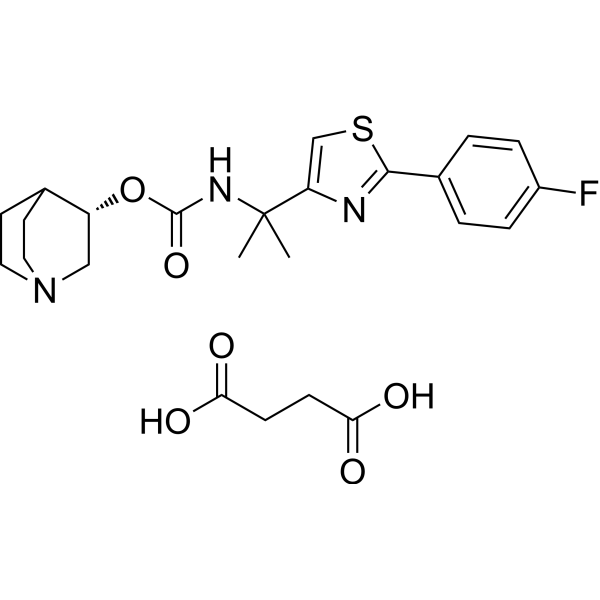
Ibiglustat (Venglustat) succinate is an orally active, brain-penetrant glucosylceramide synthase (GCS) inhibitor. Ibiglustat succinate can be used for the research of Gaucher disease type 3, Parkinson's disease associated with GBA mutations, Fabry disease, GM2 gangliosidosis, and autosomal dominant polycystic kidney disease .
L-Pipecolic acid (Standard) is an analytical standard of L-Pipecolic acid. This product is used for research and analytical applications. L-Pipecolic acid (H-HoPro-OH) is an oral active metabolite of Lysine and can accumulate in the bodily fluids of infants with autosomal inherited diseases, such as Zellweger syndrome and neonatal adrenal insufficiency. L-Pipecolic acid can promote muscle cell health and growth by enhancing protein synthesis, and plays a role in promoting gut health. L-Pipecolic acid holds promise for research in the fields of metabolic disorders, muscle growth disorders, and intestinal diseases .
SZ0232 is a selective mPGES-2 inhibitor. SZ0232 binds to the active site of mPGES-2 via hydrogen bonds and π-π stacking, reduces the production of prostaglandin E2 (PGE2) and blocks the PGE2-EP3 pathway. SZ0232 regulates Ferroptosis by activating the heme-dependent p53/SLC7A11/GPX4 axis, inhibits lipid peroxidation, and protects renal tubules. SZ0232 enhances glucose-stimulated insulin secretion, inhibits β-cell senescence, and improves glucose homeostasis. SZ0232 reduces renal lipid accumulation, alleviates fibrosis, and ameliorates renal dysfunction in diabetic mice. SZ0232 inhibits renal cyst growth in polycystic kidney disease models. SZ0232 exhibits an insulinotropic effect that strengthens with the increase of animal age. SZ0232 can be used in studies related to type 2 diabetes, acute kidney injury, diabetic kidney disease, and autosomal dominant polycystic kidney disease .
CDK7-IN-20 is a potent, selective and irreversible CDK7 (CDK) inhibitor with an IC50 value of 4 nM. CDK7-IN-20 displays >206-fold selectivity for CDK7 over CDK1, CDK2, CDK3, CDK5, CDK6, CDK9 and CDK12 . CDK7-IN-20 has the potential for autosomal dominant polycystic kidney disease (ADPKD) research .
Vasopressin V2 receptor antagonist 1 is a vasopressin V2 receptor (V2R) antagonist with a Ki value of 3.8 nM. Vasopressin V2 receptor antagonist 1 inhibits renal cyst formation in embryonic renal cyst models and mouse models. Vasopressin V2 receptor antagonist 1 can be used in research related to autosomal dominant polycystic kidney disease .
Lithium citrate is a lithium supplement that reduces excess brain N-acetylaspartate (NAA) in Canavan disease. Canavan disease is an autosomal recessive leukodystrophy caused by mutations in the aspartate acylase (ASPA) gene, which catalyzes the hydrolysis of N-acetylaspartate (NAA) to acetate and aspartate .
SSTR3 Agonist-1 (Compound EX 38) is an orally active SSTR3 agonist, with an EC50 of 0.14 nM. SSTR3 Agonist-1 reduces the kidney cystic index. SSTR3 Agonist-1 can be used in the research of autosomal dominant polycystic kidney disease .
TBK1 degrader-4 (Compound 30) is a molecular glue degrader targeting TBK1. TBK1 degrader-4 effectively inhibits cyst growth, alleviates inflammation, and reduces the levels of pro-inflammatory factors such as Ccl2, IFNβ, and IL-6. TBK1 degrader-4 is promising for research of autosomal dominant polycystic kidney disease (ADPKD) .
DM-4103 is a major metabolite of Tolvaptan (HY-17000) that is metabolized primarily by the CYP3A4 enzyme in the liver. DM-4103 inhibits the ability of human liver transporters NTCP, BSEP, MRP2, MRP3, MRP4 (IC50 values are 16.3, 4.15, 51.0, 44.6, 4.26 μM, respectively) and bile acid transport in SCHH cells. DM-4103 can be used in the study of autosomal dominant polycystic kidney disease (ADPKD) .
mHTT-IN-1 (Example 1) is a potent mutant huntingtin (mHTT) inhibitor. mHTT is toxic and a major cause of the inherited autosomal dominant neurodegenerative disorder, Huntington's disease (HD). mHTT-IN-1 conducts the reduction of mHTT with an EC50 value of 46 nM .
Vasopressin V2 receptor antagonist 2 (Compound 33) is an antagonist of the arginine vasopressin V2 receptor (V2R) with a Ki value of 6.2 nM. Vasopressin V2 receptor antagonist 2 can effectively reduce cAMP levels, thereby inhibiting the growth of renal cysts[1].
SSTR3 agonist-1 TFA is a potent, orally active, and selective SSTR3 agnoist (EC50 =0.14 nM). SSTR3 agonist-1 TFA binds to SSTR3 receptor to inhibit cAMP activity. SSTR3 agonist-1 TFA decreases kidney weight and kidney cystic index (KCI) in a mouse model of autosomal dominant polycystic kidney disease (ADPKD). SSTR3 agonist-1 TFA can be used for ADPKD research .
DM-4107 is a major metabolite of Tolvaptan (HY-17000) that is metabolized primarily by the CYP3A4 enzyme in the liver. DM-4107 inhibits the ability of human liver transporters NTCP, BSEP, MRP3, MRP4 (IC50 values are 95.6, 119, 61.2, 37.9 μM, respectively) and bile acid transport in SCHH cells. DM-4107 can be used in the study of autosomal dominant polycystic kidney disease (ADPKD) .
HDAC6-IN-43 (compound 26) is a potent HDAC inhibitor. HDAC6-IN-43 effectively inhibits several HDACs, notably HDAC1, HDAC2, and HDAC6 (IC50 < 150 nM), displaying a particularly high sensitivity towards HDAC6 (IC50 = 11 nM). HDAC6-IN-43 can be used for the research of autosomal dominant polycystic kidney disease (ADPKD) .
CYP4A11/CYP4F2-IN-2 (compound 15) is an orally available inhibitor of CYP4A11/4F2 with IC50s of 120 nM and 220 nM, respectively. CYP4A11/CYP4F2-IN-2 inhibits 20-HETE production in rat kidney and has potential inhibitory effects on diabetic nephropathy and autosomal dominant polycystic kidney disease .
H2-Gamendazole is a derivative of Lonidamine that reduces cyst formation in polycystic kidney disease and is used in autosomal dominant polycystic kidney disease research .
Ibiglustat hydrochloride is an orally active, brain-penetrant glucosylceramide synthase (GCS) inhibitor. Ibiglustat hydrochloride can be used for the research of Gaucher disease type 3, Parkinson's disease associated with GBA mutations, Fabry disease, GM2 gangliosidosis, and autosomal dominant polycystic kidney disease .
STA-2842 is an inhibitor of heat shock protein HSP90 with potential to inhibit autosomal dominant polycystic kidney disease (ADPKD). ADPKD is caused by inherited mutations in the PKD1 or PKD2 genes that abnormally activate multiple signaling proteins and pathways that regulate cell proliferation. STA-2842 can significantly reduce initial renal cyst formation and kidney growth in mice, and slow disease progression in mice with existing cysts.
GV-001 is a selective and orally active HDAC6 inhibitor with an IC50 of 1.18 nM against HDAC6. GV-001 selectively enhances α-tubulin acetylation, reduces sIL-6 and Collagen I levels, suppresses renal cyst growth, and upregulates PC1 expression. GV-001 can be used for the study of autosomal dominant polycystic kidney disease (ADPKD) .
α1-3,4 Fucosidase, Sweet almond is an enzyme that breaks down fucose. Fucosidosis is an autosomal recessive lysosomal storage disease caused by defective alpha-L-fucosidase with accumulation of fucose in the tissues.
Encaleret (CLTX-305) sodium is an orally active antagonist of the calcium-sensing receptor (CaSR), with an IC50 of 12 nM. Encaleret sodium exerts its effect by inhibiting the excessive activity of functional gain-of-function CaSR variants, and can restore blood calcium levels, promote the secretion of parathyroid hormone, improve magnesium and phosphorus metabolism, and increase urinary calcium excretion. Encaleret sodium can be used in the research of diseases such as osteoporosis and autosomal dominant hypocalcemia type 1 .
XYDC2050 (Compound 29) is a selective vasopressin V2 receptor (V2R) antagonist with an IC50 of 27 nM and a Ki of 2.8 nM. XYDC2050 shows a Ki of 420.7 nM (SI = 162 fold) for V1R. XYDC2050 can inhibit Vasopressin (HY-B1811)-induced intracellular cyclic adenosine monophosphate (cAMP) accumulation with an IC50 of 12 nM. XYDC2050 can inhibit the growth of renal cysts, reduce the ratio of kidney weight to body weight and decrease the area of cysts and the cystic index. XYDC2050 can be used for the research of autosomal dominant polycystic kidney disease (ADPKD) .
CL-387785 (EKI-785; WAY-EKI 785) (Standard) is the analytical standard of CL-387785 (HY-10325). This product is intended for research and analytical applications. CL-387785 is an orally active EGFR inhibitor with an IC50 of 370 pM. CL-387785 inhibits EGF-stimulated EGFR autophosphorylation with an IC50 of approximately 5 nM. CL-387,785 exerts selective inhibition on cell lines overexpressing EGFR or c-erbB-2, whereas it shows weak inhibitory effects on cell lines with low expression of these two receptors. CL-387785 effectively induces cell cycle arrest and apoptosis. CL-387785 can be used for the research of non-small cell lung cancer and autosomal recessive polycystic kidney disease.
Vasopressin V2 receptor antagonist 2 (Compound 33) is an antagonist of the arginine vasopressin V2 receptor (V2R) with a Ki value of 6.2 nM. Vasopressin V2 receptor antagonist 2 can effectively reduce cAMP levels, thereby inhibiting the growth of renal cysts[1].
[Arg6]-β-Amyloid (1-40), england mutation is a biological active peptide. (Several mutations in the beta amyloid precursor gene cause autosomal dominant Alzheimer's Disease in a number of kindreds. Among them, the English mutation, with His at position 6 replaced with Arg, was reported to accelerate the kinetics of oligomers formation which act as fibril seeds and are more toxic to cultured neuronal cells.)
[Asn23]-beta-Amyloid (1-42), iowa mutation is a biological active peptide. (Several mutations in the beta amyloid precursor gene cause autosomal dominant Alzheimer's Disease in a number of kindreds. The Iowa mutation, where Asp 23 is replaced with Asn, is associated with severe cerebral amyloid beta-protein angiopathy (CAA). The affected individuals share a missense mutation in APP at position 694. The mutated beta-amyloid peptide aggregates more rapidly and forms toxic fibrils.)
[Arg6]-β-Amyloid (1-42), england mutation is a biological active peptide. (Several mutations in the beta amyloid precursor gene cause autosomal dominant Alzheimer's Disease in a number of kindreds.Tthe English (H6R) mutation will disrupt H6 interactions.)
[Asn23] β-Amyloid (1-40), Iowa mutation is a biological active peptide. (Several mutations in the beta amyloid precursor gene cause autosomal dominant Alzheimer's Disease in a number of kindreds. The Iowa mutation, where Asp 23 is replaced with Asn, is associated with severe cerebral amyloid beta-protein angiopathy (CAA). The affected individuals share a missense mutation in APP at position 694. The mutated beta-amyloid peptide aggregates more rapidly and forms toxic fibrils.)
L-Pipecolic acid (H-HoPro-OH) is an oral active metabolite of Lysine and can accumulate in the bodily fluids of infants with autosomal inherited diseases, such as Zellweger syndrome and neonatal adrenal insufficiency. L-Pipecolic acid can promote muscle cell health and growth by enhancing protein synthesis, and plays a role in promoting gut health. L-Pipecolic acid holds promise for research in the fields of metabolic disorders, muscle growth disorders, and intestinal diseases .
L-Pipecolic acid (Standard) is an analytical standard of L-Pipecolic acid. This product is used for research and analytical applications. L-Pipecolic acid (H-HoPro-OH) is an oral active metabolite of Lysine and can accumulate in the bodily fluids of infants with autosomal inherited diseases, such as Zellweger syndrome and neonatal adrenal insufficiency. L-Pipecolic acid can promote muscle cell health and growth by enhancing protein synthesis, and plays a role in promoting gut health. L-Pipecolic acid holds promise for research in the fields of metabolic disorders, muscle growth disorders, and intestinal diseases .
HGF Protein, a potent mitogen, stimulates mature hepatocyte cell growth and acts as a hepatotrophic factor for various tissues. As an activating ligand for MET receptor tyrosine kinase, HGF binds and promotes dimerization, activating MAPK signaling through TMPRSS13 cleavage. Structurally, HGF comprises alpha and beta chains connected by a disulfide bond. Interaction with SRPX2 enhances its mitogenic activity. HGF Protein, Mouse (HEK293, His) is the recombinant mouse-derived HGF protein, expressed by HEK293 , with C-6*His labeled tag.
USH1C is an anchoring and scaffolding protein critical for cochlear hair cell mechanotransduction. It forms a network with USH1G, CDH23 and MYO7A and contributes to the development and maintenance of hair cell bundles. USH1C Protein, Human (His-SUMO) is the recombinant human-derived USH1C protein, expressed by E. coli , with N-His, N-SUMO labeled tag.
Neutrophil cytoplasmic factor 1 (NCF1) is essential for activation of the NADPH oxidase complex, which is essential for superoxide production. It cooperates with NCF2 to form a core association in the complex, interacting with NCF4, CYBB and CYBA. Neutrophil cytosol factor 1 Protein, Human (His) is the recombinant human-derived Neutrophil cytosol factor 1 protein, expressed by E. coli , with C-6*His labeled tag.
DAZ homolog; DAZ like autosomal; DAZH; DAZL; DAZL1; DAZLA; Deleted in azoospermia like 1; Germline specific RNA binding protein; SPGY like autosomal; SPGYLA; Tpx2
WB
Human
DAZL Antibody (YA3337) is a Rabbit-derived and non-conjugated IgG monoclonal antibody, targeting to DAZL.
COL 3A1; COL3A1; Collagen alpha 1(III) chain; Collagen III alpha 1 chain precursor; Collagen III alpha 1 polypeptide; Collagen type III alpha 1 (Ehlers Danlos syndrome type IV autosomal dominant); Collagen type III alpha 1; Collagen type III alpha; EDS4A; Ehlers Danlos syndrome type IV, autosomal dominant; Fetal collagen; Type III collagen; CO3A1_HUMAN; Collagen alpha-1(III) chain; Type III collagen; type III preprocollagen alpha 1 chain.
WB, ELISA, IHC-P, IHC-F, ICC/IF
Human, Dog, Rabbit
Collagen III Antibody is a Rabbit-derived and non-conjugated IgG polyclonal antibody, targeting to Collagen III.
RGLS4326 (RG4326) is a first-in-class, short oligonucleotide inhibitor of microRNA-17 (miR-17). RGLS4326 can be used for the research of autosomal dominant polycystic kidney disease (ADPKD). RGLS4326 inhibits miR-17 function in HeLa cells with an EC50 value of 28.3 nM .
Farabursen sodium (RGLS8429 sodium; RG1015 sodium) is a miR-17 inhibitor. Farabursen sodium inhibits the function of the miR-17 family, relieves the inhibitory effect on miR-17 target genes including PKD1 and PKD2, and increases the level of PC1/2. Farabursen sodium slows the growth of renal cysts, reduces the ratio of kidney weight to body weight, and decreases the cyst index and proliferation index. Farabursen sodium is applicable to research related to autosomal dominant polycystic kidney disease .
Farabursen (RGLS8429; RG1015) is a blood-brain barrier-permeable miR-17 inhibitor. Farabursen derepresses Pkd1 and Pkd2, the target genes of miR-17, increases the levels of PC1 and PC2, and reduces cyst growth. Farabursen decreases renal cyst growth, kidney weight-to-body weight ratio, cyst index, proliferation index, and blood urea nitrogen levels in mouse models. Farabursen is applicable to research related to autosomal dominant polycystic kidney disease .
RGLS4326 sodium is a first-in-class, short oligonucleotide inhibitor of microRNA-17 (miR-17). RGLS4326 sodium can be used for the research of autosomal dominant polycystic kidney disease (ADPKD). RGLS4326 sodium inhibits miR-17 function in HeLa cells with an EC50 value of 28.3 nM .
Inquiry Online
Your information is safe with us. * Required Fields.
Western blot analysis of extracts from THP-1(lane 2(20μg), Jurkat (lane 3(20μg) and NIH3T3(lane 4(20μg) using FOXO1A (HY-P80132) Rabbit mAb. Proteins were transferred
to a PVDF membrane and blocked with 5% non-fat milk in TBST for 2 hour at room temperature. The primary antibody (1/1000) and Loading control antibody (Beta Actin, HY-P80438, 1/10000) was
used in 5% non-fat milk in TBST at 4°C overnight. Goat Anti-Mouse/Rabbit IgG-HRP Secondary Antibody (1/10000) was used for 1 hour at room temperature.
Western blot analysis of extracts from THP-1(lane 2(20μg), Jurkat (lane 3(20μg) and NIH3T3(lane 4(20μg) using FOXO1A (HY-P80132) Rabbit mAb. Proteins were transferred
to a PVDF membrane and blocked with 5% non-fat milk in TBST for 2 hour at room temperature. The primary antibody (1/1000) and Loading control antibody (Beta Actin, HY-P80438, 1/10000) was
used in 5% non-fat milk in TBST at 4°C overnight. Goat Anti-Mouse/Rabbit IgG-HRP Secondary Antibody (1/10000) was used for 1 hour at room temperature.
Western blot analysis of extracts from THP-1(lane 2(20μg), Jurkat (lane 3(20μg) and NIH3T3(lane 4(20μg) using FOXO1A (HY-P80132) Rabbit mAb. Proteins were transferred
to a PVDF membrane and blocked with 5% non-fat milk in TBST for 2 hour at room temperature. The primary antibody (1/1000) and Loading control antibody (Beta Actin, HY-P80438, 1/10000) was
used in 5% non-fat milk in TBST at 4°C overnight. Goat Anti-Mouse/Rabbit IgG-HRP Secondary Antibody (1/10000) was used for 1 hour at room temperature.
Western blot analysis of extracts from THP-1(lane 2(20μg), Jurkat (lane 3(20μg) and NIH3T3(lane 4(20μg) using FOXO1A (HY-P80132) Rabbit mAb. Proteins were transferred
to a PVDF membrane and blocked with 5% non-fat milk in TBST for 2 hour at room temperature. The primary antibody (1/1000) and Loading control antibody (Beta Actin, HY-P80438, 1/10000) was
MedchemExpress Validation 03
Western blot analysis of extracts from THP-1(lane 2(20μg), Jurkat (lane 3(20μg) and NIH3T3(lane 4(20μg) using FOXO1A (HY-P80132) Rabbit mAb. Proteins were transferred
MedchemExpress Validation 04
Western blot analysis of extracts from THP-1(lane 2(20μg), Jurkat (lane 3(20μg) and NIH3T3(lane 4(20μg) using FOXO1A (HY-P80132) Rabbit mAb. Proteins were transferred
to a PVDF membrane and blocked with 5% non-fat milk in TBST for 2 hour at room temperature. The primary antibody (1/1000) and Loading control antibody (Beta Actin, HY-P80438, 1/10000) was
used in 5% non-fat milk in TBST at 4°C overnight. Goat Anti-Mouse/Rabbit IgG-HRP Secondary Antibody (1/10000) was used for 1 hour at room temperature.
MedchemExpress Validation
Western blot analysis of extracts from THP-1(lane 2(20μg), Jurkat (lane 3(20μg) and NIH3T3(lane 4(20μg) using FOXO1A (HY-P80132) Rabbit mAb. Proteins were transferred
to a PVDF membrane and blocked with 5% non-fat milk in TBST for 2 hour at room temperature. The primary antibody (1/1000) and Loading control antibody (Beta Actin, HY-P80438, 1/10000) was
used in 5% non-fat milk in TBST at 4°C overnight. Goat Anti-Mouse/Rabbit IgG-HRP Secondary Antibody (1/10000) was used for 1 hour at room temperature.
Western blot analysis of extracts from THP-1(lane 2(20μg), Jurkat (lane 3(20μg) and NIH3T3(lane 4(20μg) using FOXO1A (HY-P80132) Rabbit mAb. Proteins were transferred
to a PVDF membrane and blocked with 5% non-fat milk in TBST for 2 hour at room temperature. The primary antibody (1/1000) and Loading control antibody (Beta Actin, HY-P80438, 1/10000) was
used in 5% non-fat milk in TBST at 4°C overnight. Goat Anti-Mouse/Rabbit IgG-HRP Secondary Antibody (1/10000) was used for 1 hour at room temperature.
MedchemExpress Validation
Western blot analysis of extracts from THP-1(lane 2(20μg), Jurkat (lane 3(20μg) and NIH3T3(lane 4(20μg) using FOXO1A (HY-P80132) Rabbit mAb. Proteins were transferred
to a PVDF membrane and blocked with 5% non-fat milk in TBST for 2 hour at room temperature. The primary antibody (1/1000) and Loading control antibody (Beta Actin, HY-P80438, 1/10000) was
used in 5% non-fat milk in TBST at 4°C overnight. Goat Anti-Mouse/Rabbit IgG-HRP Secondary Antibody (1/10000) was used for 1 hour at room temperature.
MedchemExpress Validation
Western blot analysis of extracts from THP-1(lane 2(20μg), Jurkat (lane 3(20μg) and NIH3T3(lane 4(20μg) using FOXO1A (HY-P80132) Rabbit mAb. Proteins were transferred
to a PVDF membrane and blocked with 5% non-fat milk in TBST for 2 hour at room temperature. The primary antibody (1/1000) and Loading control antibody (Beta Actin, HY-P80438, 1/10000) was
used in 5% non-fat milk in TBST at 4°C overnight. Goat Anti-Mouse/Rabbit IgG-HRP Secondary Antibody (1/10000) was used for 1 hour at room temperature.
MedchemExpress Validation
Western blot analysis of extracts from THP-1(lane 2(20μg), Jurkat (lane 3(20μg) and NIH3T3(lane 4(20μg) using FOXO1A (HY-P80132) Rabbit mAb. Proteins were transferred
to a PVDF membrane and blocked with 5% non-fat milk in TBST for 2 hour at room temperature. The primary antibody (1/1000) and Loading control antibody (Beta Actin, HY-P80438, 1/10000) was
used in 5% non-fat milk in TBST at 4°C overnight. Goat Anti-Mouse/Rabbit IgG-HRP Secondary Antibody (1/10000) was used for 1 hour at room temperature.
MedchemExpress Validation
Western blot analysis of extracts from THP-1(lane 2(20μg), Jurkat (lane 3(20μg) and NIH3T3(lane 4(20μg) using FOXO1A (HY-P80132) Rabbit mAb. Proteins were transferred
to a PVDF membrane and blocked with 5% non-fat milk in TBST for 2 hour at room temperature. The primary antibody (1/1000) and Loading control antibody (Beta Actin, HY-P80438, 1/10000) was
used in 5% non-fat milk in TBST at 4°C overnight. Goat Anti-Mouse/Rabbit IgG-HRP Secondary Antibody (1/10000) was used for 1 hour at room temperature.
MedchemExpress Validation
Western blot analysis of extracts from THP-1(lane 2(20μg), Jurkat (lane 3(20μg) and NIH3T3(lane 4(20μg) using FOXO1A (HY-P80132) Rabbit mAb. Proteins were transferred
to a PVDF membrane and blocked with 5% non-fat milk in TBST for 2 hour at room temperature. The primary antibody (1/1000) and Loading control antibody (Beta Actin, HY-P80438, 1/10000) was
used in 5% non-fat milk in TBST at 4°C overnight. Goat Anti-Mouse/Rabbit IgG-HRP Secondary Antibody (1/10000) was used for 1 hour at room temperature.
MedchemExpress Validation
Western blot analysis of extracts from THP-1(lane 2(20μg), Jurkat (lane 3(20μg) and NIH3T3(lane 4(20μg) using FOXO1A (HY-P80132) Rabbit mAb. Proteins were transferred
to a PVDF membrane and blocked with 5% non-fat milk in TBST for 2 hour at room temperature. The primary antibody (1/1000) and Loading control antibody (Beta Actin, HY-P80438, 1/10000) was
used in 5% non-fat milk in TBST at 4°C overnight. Goat Anti-Mouse/Rabbit IgG-HRP Secondary Antibody (1/10000) was used for 1 hour at room temperature.
MedChemExpress values your privacy and your trust is important to us. We use cookies to enhance your website experience. Some cookies are necessary to run the website.
Privacy and Cookie Policy

