1. Search Result
Search Result
Results for "

ceramide accumulation

" in MedChemExpress (MCE) Product Catalog:

11

Inhibitors & Agonists

3

Natural
Products

1

Isotope-Labeled Compounds

Cat. No. Product Name Target Research Areas Chemical Structure
  • HY-N9933
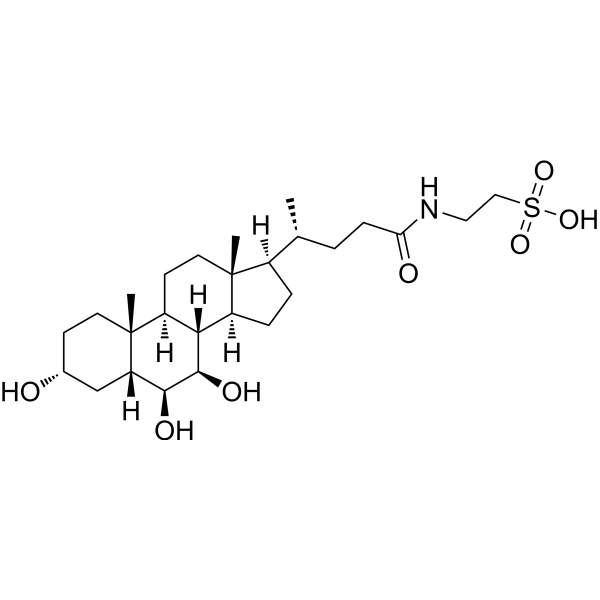
    Tauro-β-muricholic acid
    4 Publications Verification

    TβMCA

    FXR Apoptosis Neurological Disease Metabolic Disease Inflammation/Immunology Cancer
    Tauro-β-muricholic acid (TβMCA) is an orally active trihydroxylated bile acid and a competitive, reversible FXR antagonist (IC50=40 μM). Tauro-β-muricholic acid inhibits bile acid-induced hepatocyte apoptosis by maintaining mitochondrial membrane potential, while simultaneously inhibiting intestinal FXR signaling, affecting bile acid synthesis, hepatic lipid metabolism, and insulin sensitivity. Accumulation of tauro-β-muricholic acid disrupts metabolic homeostasis, promoting cancer stem cell proliferation and tumor progression. The mechanisms of tauro-β-muricholic acid involve two aspects: first, inhibiting the translocation of the pro-apoptotic protein Bax to mitochondria and maintaining mitochondrial membrane potential (MMP); and second, blocking the FXR signaling pathway to regulate bile acid metabolism, reduce serum ceramide production, and downregulate the hepatic SREBP1C/CIDEA pathway. Tauro-β-muricholic acid possesses anti-hepatocyte apoptosis, bile acid homeostasis regulation, and liver fat accumulation reduction properties, and also functions as a biomarker, making it useful in the study of diseases such as bile acid metabolism disorders, non-alcoholic fatty liver disease, colorectal cancer, and liver fibrosis .
    Tauro-β-muricholic acid
  • HY-116147

    LPL Receptor Apoptosis Cancer
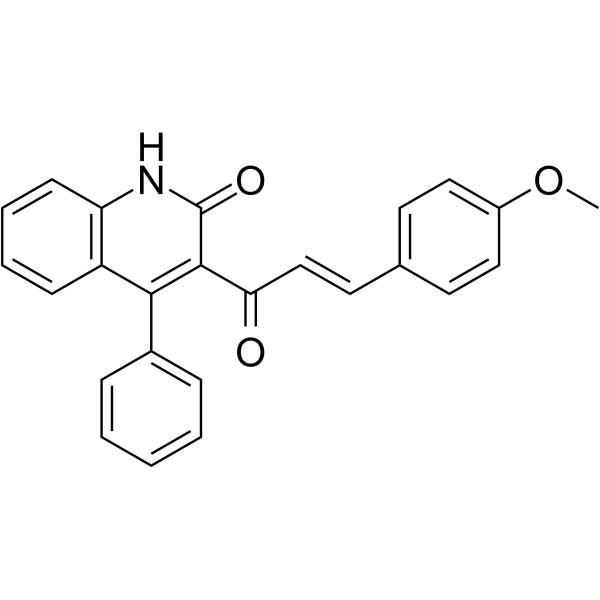
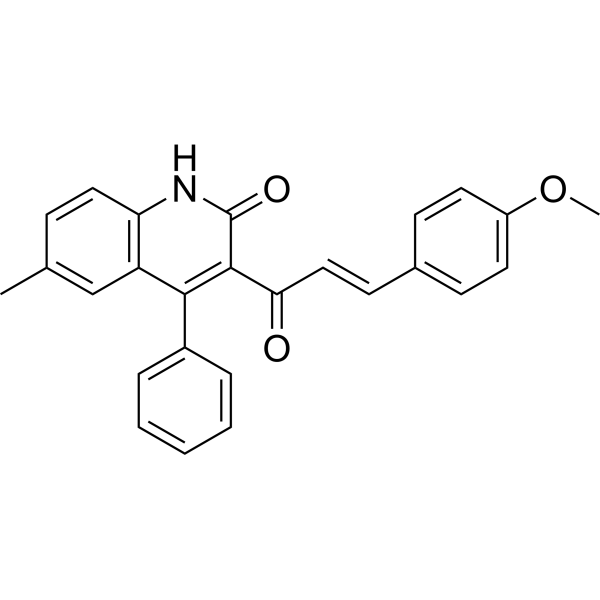
    Ceranib-2 is a potent and nonlipid ceramidase inhibitor that inhibits cellular ceramidase activity with an IC50 of 28 μM in SKOV3 cells. Ceranib-2 induces the accumulation of multiple ceramide species, decreases levels of sphingosine and sphingosine-1-phosphate (S1P), and induces cell apoptosis. Anticancer activity .
    Ceranib-2
  • HY-132182
    HPA-12
    1 Publications Verification

    Ceramidase Autophagy Apoptosis ATF6 Neurological Disease Cancer
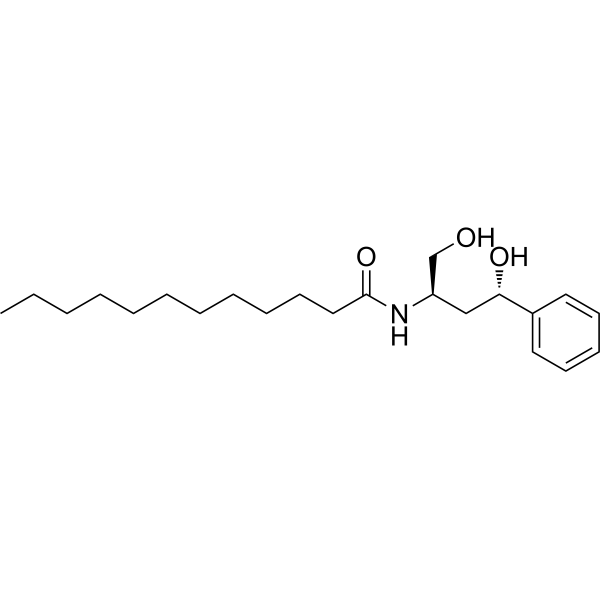
    HPA-12 is a blood-brain barrier-permeable small-molecule inhibitor of ceramide transfer protein (CERT) with four stereoisomers (the (1R,3R)-stereoisomer exhibits the highest activity). HPA-12 blocks the transport of ceramide from the endoplasmic reticulum to the Golgi apparatus by binding to the START domain of CERT, leading to intracellular ceramide accumulation and inhibition of sphingomyelin (SM) synthesis. HPA-12 induces endoplasmic reticulum stress via the GRP78/ATF6/CHOP axis and activates mitochondrial autophagy, thereby inhibiting cell growth and inducing apoptosis. In in vivo experiments, HPA-12 significantly reduces the leukemia burden and splenomegaly in mouse models of acute myeloid leukemia (AML) and prolongs survival. HPA-12 is applicable for the research of lipid metabolism in acute myeloid leukemia and Alzheimer's disease .
    HPA-12
  • HY-N6723

    Ceramidase Acyltransferase Infection Cancer
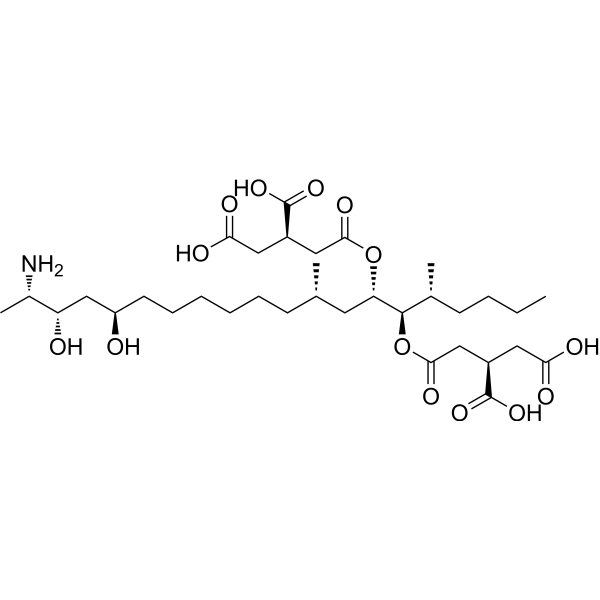
    Fumonisin B2 is a selective ceramide synthase inhibitor and carcinogenic mycotoxin with toxicity comparable to that of Fumonisin B1 (HY-N6719). Fumonisin B2 inhibits de novo sphingolipid biosynthesis by blocking the amide bond formation between fatty acids and dihydrosphingosine, which leads to a massive intracellular accumulation of free dihydrosphingosine, altered sphingosine levels, subsequent inhibition of cell proliferation, and induction of cell death. Fumonisin B2 is used to investigate the pathogenesis of diseases associated with Fusarium verticillioides contamination, including equine leukoencephalomalacia, porcine pulmonary edema syndrome, human esophageal cancer, and rat hepatocellular carcinoma .
    Fumonisin B2
  • HY-13626

    ES-285

    PKC Apoptosis Cancer
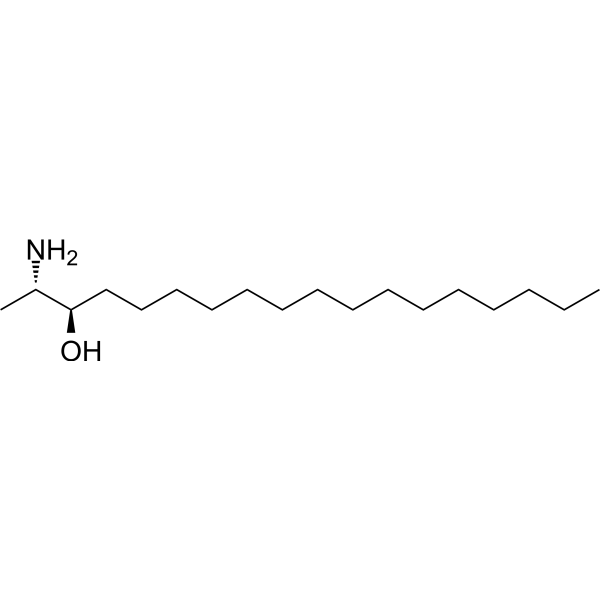
    Spisulosine (ES-285) is an antiproliferative (antitumoral) compound of marine origin. Spisulosine inhibits the growth of the prostate PC-3 and LNCaP cells through intracellular ceramide accumulation and PKCζ activation. Spisulosine induces apoptosis in PC-3 and LNCaP cells .
    Spisulosine
  • HY-103359

    Ceramidase Cancer
    Ceranib1 is a ceramidase inhibitor. Ceranib1 inhibits ceramidase activity toward an exogenous ceramide analog, induces the accumulation of multiple ceramide species, decreases levels of sphingosine and S1P. Ceranib1 inhibits the proliferation of ovarian cancer cells .
    Ceranib1
  • HY-141866
    Acid Ceramidase-IN-1
    1 Publications Verification

    Ceramidase Neurological Disease
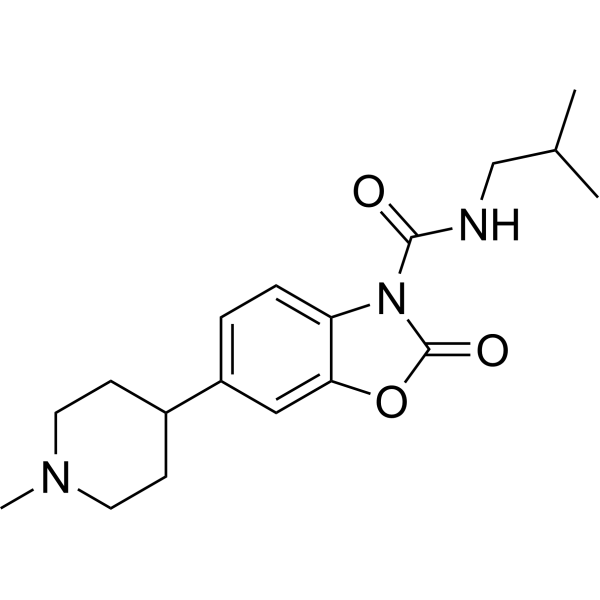
    Acid Ceramidase-IN-1 is orally active and blood-brain barrier penetrant acid ceramidase (AC, ASAH-1) inhibitor (hAC IC50=0.166 μM). Acid Ceramidase-IN-1 reduces AC activity, accumulates ceramide species (Cer (d18:0/16:0), Cer (d18:1/16:0)), and decreases sphingosine levels. Acid Ceramidase-IN-1 can be used for the study of severe neurological lysosomal storage diseases (LSDs) such as Gaucher’s disease (GD) and Krabbe’s disease (KD) .
    Acid Ceramidase-IN-1
  • HY-176568

    Mitophagy PINK1/Parkin Mitochondrial Metabolism Neurological Disease Cancer
    LCL768 is a ceramide analog. LCL768 attenuates PARKIN succination to promote PARKIN activation and mitophagy. LCL768 induces CerS1-mediated endogenous C18-ceramide accumulation in mitochondria to mediate mitophagy, which is dependent on DRP1 activation via nitrosylation at C644. LCL768 alters mitochondrial metabolism, resulting in fumarate depletion and leading to tumor suppression. LCL768 improves sensorimotor defects in neurodegenerative diseases like ALS .
    LCL768
  • HY-124273

    L-threo Cer(d18:1/2:0); L-threo ceramide (d18:1/2:0); N-acetyl-L-threo-Sphingosine

    Endogenous Metabolite Cardiovascular Disease
    C2 L-threo Ceramide (d18:1/2:0) (L-threo Cer(d18:1/2:0); L-threo Ceramide (d18:1/2:0)) is a bioactive sphingolipid and cell-permeable analog of naturally occurring ceramides. It stimulates cholesterol efflux in CHO cells expressing the human ABCA1 receptor when used at a concentration of 10 μM, however, this efflux is 50% less than that stimulated by C2 ceramide. C2 L-threo Ceramide inhibits IL-4 production by 17% in EL4 T cells stimulated with phorbol 12-myristate 13-acetate when used at a concentration of 10 μM. It also induces cell cycle arrest in the G0/G1 phase and a 7-fold increase in sphingosine accumulation as well as inhibits growth of HL-60 leukemia cells.
    C2 L-threo Ceramide (d18:1/2:0)
  • HY-124134

    LCL102

    Ceramidase Caspase PARP Cancer
    AD-2646 (LCL102), a ceramide analog, can kill leukemic T cells (EC50: 40 μM). AD-2646 triggers the cleavage of caspase-8, -9 and -3, as well as the caspase substrate PARP. AD-2646 is a ceramidase inhibitor. AD-2646 induces an accumulation of endogenous ceramide owing to perturbed ceramide metabolism .
    AD-2646
  • HY-13626S

    ES-285-d3

    Isotope-Labeled Compounds PKC Apoptosis Cancer
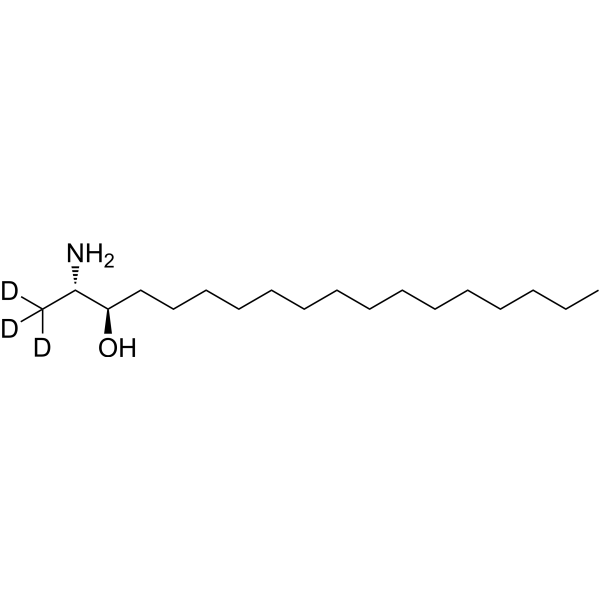
    Spisulosine-d3 (ES-285-d3) is deuterium labeled Spisulosine (HY-13626). Spisulosine is an antiproliferative (antitumoral) compound of marine origin. Spisulosine inhibits the growth of the prostate PC-3 and LNCaP cells through intracellular ceramide accumulation and PKCζ activation. Spisulosine induces apoptosis in PC-3 and LNCaP cells .
    Spisulosine-d3

Inquiry Online

Your information is safe with us. * Required Fields.

Salutation


Country or Region *

Applicant Name *


Organization Name *

Department *


Email Address *


Product Name *

Cat. No.


Requested quantity *

Phone Number *


Remarks

Inquiry Online

Inquiry Information

Product Name:
Cat. No.:
Quantity:
MCE Japan Authorized Agent:

