1. Search Result
Search Result
Results for "

chloroplasts

" in MedChemExpress (MCE) Product Catalog:

47

Inhibitors & Agonists

1

Fluorescent Dye

4

Biochemical Assay Reagents

2

Peptides

19

Natural
Products

5

Isotope-Labeled Compounds

4

Oligonucleotides

Cat. No. Product Name Target Research Areas Chemical Structure
  • HY-N2024
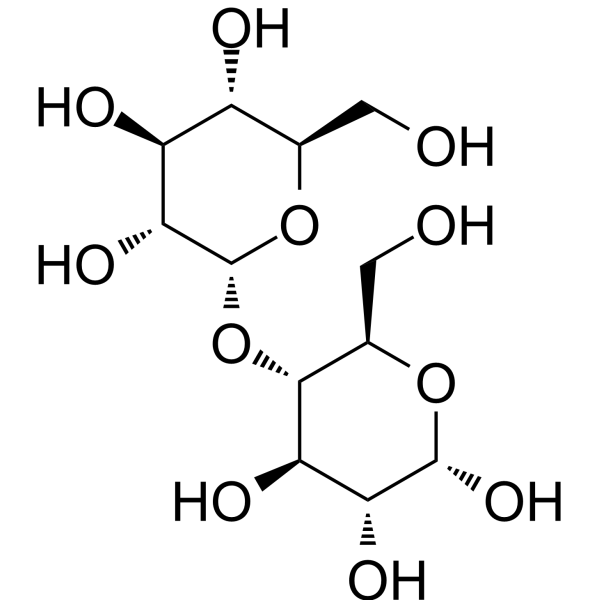
    Maltose
    1 Publications Verification

    Endogenous Metabolite Glycosidase Metabolic Disease
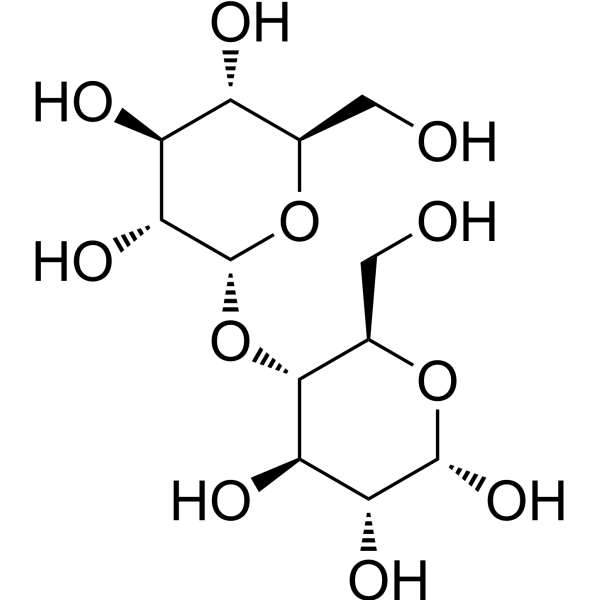
    Maltose is a disaccharide composed of two glucose molecules linked together. Maltose is an endogenous metabolic product in plants, yeast, or bacteria, and it participates in carbon source storage and metabolism. Maltose is a key core metabolite and main transport form in the temporary starch degradation, carbon output, and subsequent sucrose synthesis metabolism of the night chloroplast. In X. dendrorhous, maltose can act as a sugar donor and is converted into isomaltulose by α-glucosidase). Maltose can act as a osmotic agent, supporting continuous capillary ultrafiltration and preventing severe metabolic disorders .
    Maltose
  • HY-N2024A
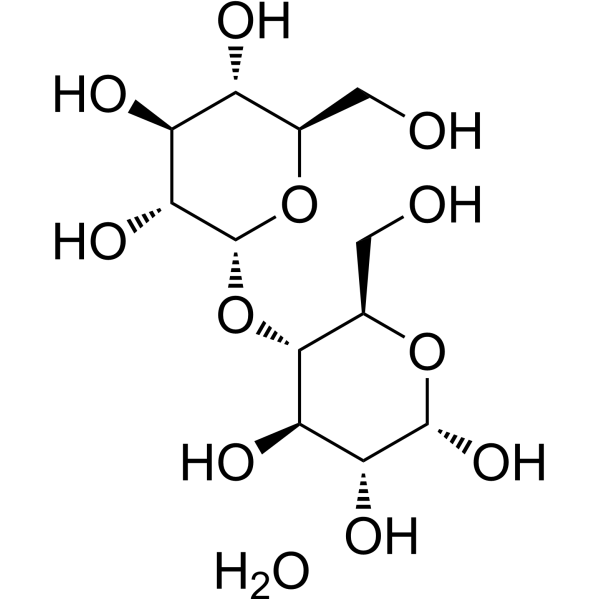
    Maltose monohydrate
    1 Publications Verification

    Endogenous Metabolite Glycosidase Metabolic Disease
    Maltose monohydrate is a disaccharide composed of two glucose molecules linked together. Maltose monohydrate is an endogenous metabolic product in plants, yeast, or bacteria, and it participates in carbon source storage and metabolism. Maltose monohydrate is a key core metabolite and main transport form in the temporary starch degradation, carbon output, and subsequent sucrose synthesis metabolism of the night chloroplast. In X. dendrorhous, maltose can act as a sugar donor and is converted into isomaltulose by α-glucosidase. Maltose monohydrate can act as a osmotic agent, supporting continuous capillary ultrafiltration and preventing severe metabolic disorders .
    Maltose monohydrate
  • HY-W015816

    2,6-DMBQ

    Photosystem II Others
    2,6-Dimethylbenzoquinone (2,6-DMBQ) is a benzoquinone derivative. 2,6-Dimethylbenzoquinone promotes Photosystem II-mediated photoelectrochemical water oxidation via electron transfer between spinach chloroplast Photosystem II membranes and carbon paste electrodes, and accepts electrons from Photosystem II during oxygen evolution assays. 2,6-Dimethylbenzoquinone undergoes direct photolysis in aqueous solution under 365 nm conditions, producing 2,6-dimethylhydroquinone and 3-hydroxy-2,6-dimethylbenzoquinone .
    2,6-Dimethylbenzoquinone
  • HY-117660
    Lincomycin
    5 Publications Verification

    U-10149

    Antibiotic Bacterial DNA/RNA Synthesis Infection Metabolic Disease
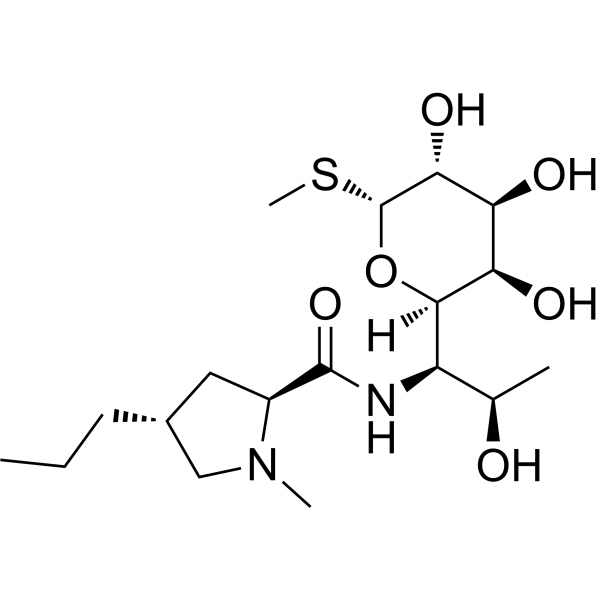
    Lincomycin (U-10149) is an orally active lincosamide antibiotic. Lincomycin binds to the ribosomes of Gram-positive bacteria to inhibit protein synthesis. Lincomycin can inhibit chloroplast translation, disrupt chloroplast integrity, and activate chloroplast-to-nucleus retrograde signaling in Arabidopsis thaliana seedlings. Lincomycin induces alterations in lipid profiles and liver injury, disrupts blood glucose and insulin levels, and increases growth rate in mice .
    Lincomycin
  • HY-143693

    Liposome Others
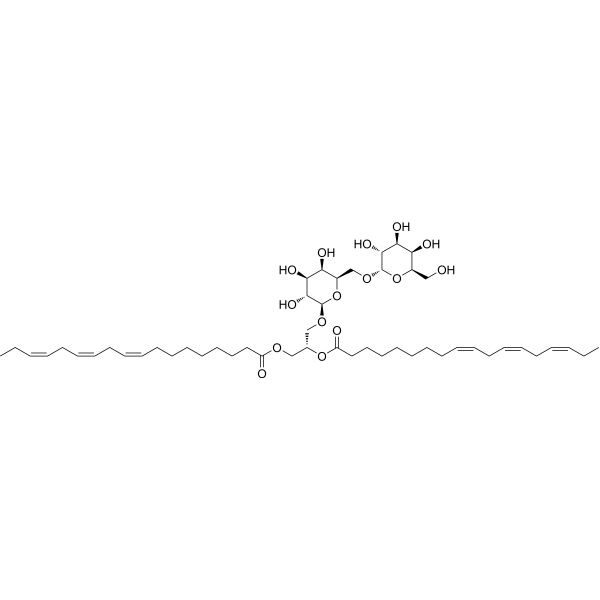
    DGDG, a chloroplast lipid, is a bilayer-forming lipid. DGDG is important for photosynthesis, and can be used for drug delivery .
    DGDG
  • HY-N2024AS1

    Isotope-Labeled Compounds Endogenous Metabolite Glycosidase Metabolic Disease
    Maltose monohydrate- 13C12 is the 13C labeled isotope of Maltose monohydrate. Maltose monohydrate is a disaccharide composed of two glucose molecules linked together. Maltose monohydrate is an endogenous metabolic product in plants, yeast, or bacteria, and it participates in carbon source storage and metabolism. Maltose monohydrate is a key core metabolite and main transport form in the temporary starch degradation, carbon output, and subsequent sucrose synthesis metabolism of the night chloroplast. In X. dendrorhous, maltose can act as a sugar donor and is converted into isomaltulose by α-glucosidase. Maltose monohydrate can act as a osmotic agent, supporting continuous capillary ultrafiltration and preventing severe metabolic disorders.
    Maltose-13C12 monohydrate
  • HY-B0417A
    Lincomycin hydrochloride
    5 Publications Verification

    U10149A

    DNA/RNA Synthesis Antibiotic Bacterial Infection Metabolic Disease
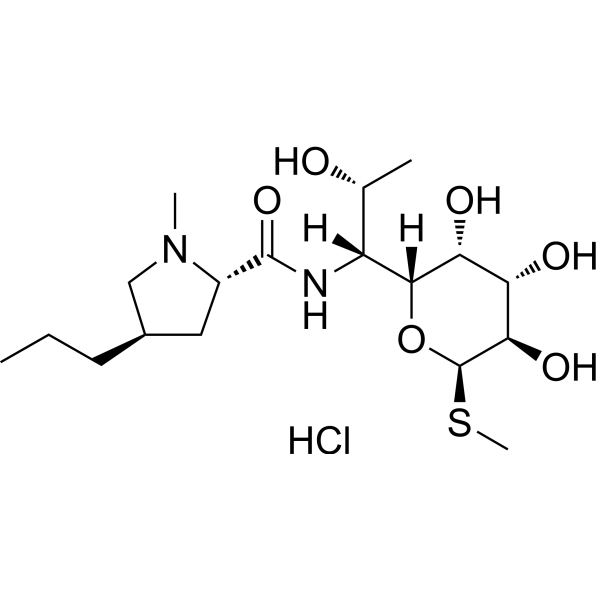
    Lincomycin hydrochloride (U10149A) is an orally active lincosamide antibiotic. Lincomycin hydrochloride binds to the ribosomes of Gram-positive bacteria to inhibit protein synthesis. Lincomycin hydrochloride can inhibit chloroplast translation, disrupt chloroplast integrity, and activate chloroplast-to-nucleus retrograde signaling in Arabidopsis thaliana seedlings. Lincomycin hydrochloride induces alterations in lipid profiles and liver injury, disrupts blood glucose and insulin levels, and increases growth rate in mice .
    Lincomycin hydrochloride
  • HY-B1358
    Lincomycin hydrochloride monohydrate
    5 Publications Verification

    U-10149 hydrochloride monohydrate

    DNA/RNA Synthesis Antibiotic Bacterial Infection Metabolic Disease
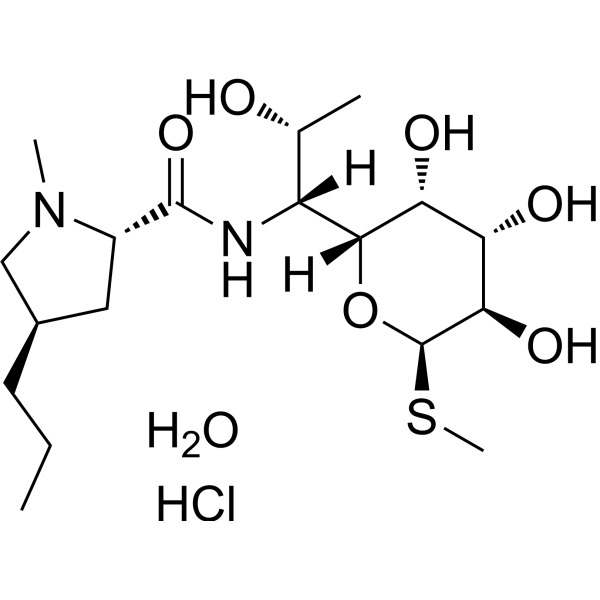
    Lincomycin (U-10149) hydrochloride monohydrate is an orally active lincosamide antibiotic. Lincomycin hydrochloride monohydrate binds to the ribosomes of Gram-positive bacteria to inhibit protein synthesis. Lincomycin hydrochloride monohydrate can inhibit chloroplast translation, disrupt chloroplast integrity, and activate chloroplast-to-nucleus retrograde signaling in Arabidopsis thaliana seedlings. Lincomycin hydrochloride monohydrate induces alterations in lipid profiles and liver injury, disrupts blood glucose and insulin levels, and increases growth rate in mice .
    Lincomycin hydrochloride monohydrate
  • HY-W040194

    Environmental Pollutants Herbicide Metabolic Disease
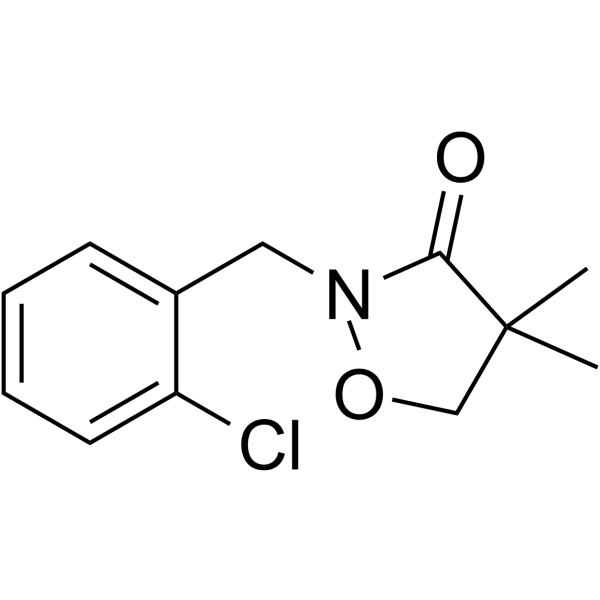
    Clomazone is a broad spectrum herbicide, mainly used to control annual broadleaf weeds and grass weeds in various crops such as rice, soybeans, and peanuts. Clomazone inhibits carotenoid biosynthesis, and treated plants show typical "albinism" symptoms due to the destruction of chloroplast membrane structure leading to chlorophyll degradation. Clomazone exhibits multiple toxic effects on non-target organisms, including aquatic lethality, developmental malformations, liver damage, mitochondrial dysfunction, and hematotoxicity .
    Clomazone
  • HY-W016647

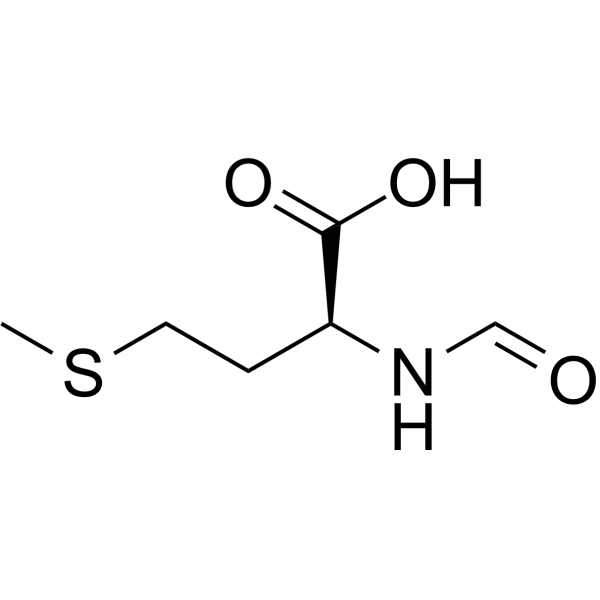
    N-Formylmethionine

    Endogenous Metabolite Bacterial Infection Metabolic Disease
    For-Met-OH (N-Formylmethionine) can be involved in the translation process of bacteria, chloroplasts, and mitochondria. For-Met-OH plays different roles in different species and organelles, such as promoting the formation of protein complexes in mitochondria and acting as a degradation signal in bacteria and yeast. The level of For-Met-OH is closely related to certain diseases, for example, For-Met-OH is a potential biomarker for metabolic disorders and poor prognosis in critically ill patients .
    For-Met-OH
  • HY-B1853

    Environmental Pollutants Apoptosis ERK Herbicide MEK Cardiovascular Disease
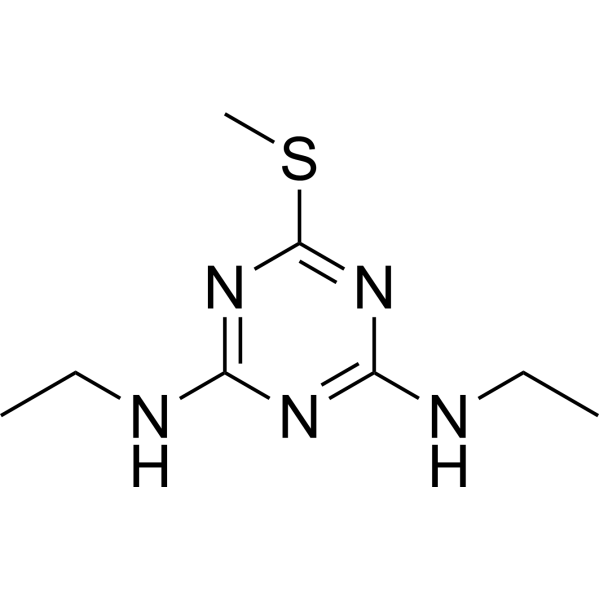
    Simetryn is a triazine herbicide that exerts teratogenicity. Simetryn inhibits photosynthesis by blocking electron transfer in the chloroplast photosystem II and activates the MEK/Erk signaling pathway. Simetryn triggers vascular and developmental abnormalities in zebrafish and tadpoles, suppresses proliferation, enhances apoptosis, and induces malformations. Simetryn serves as a tool to establish a zebrafish model for studying arteriovenous malformations and related pathogenesis. Simetryn controls paddy weeds and can be used for research on developmental and vascular disorders .
    Simetryn
  • HY-B1856

    Environmental Pollutants Acetyl-CoA Carboxylase Cancer
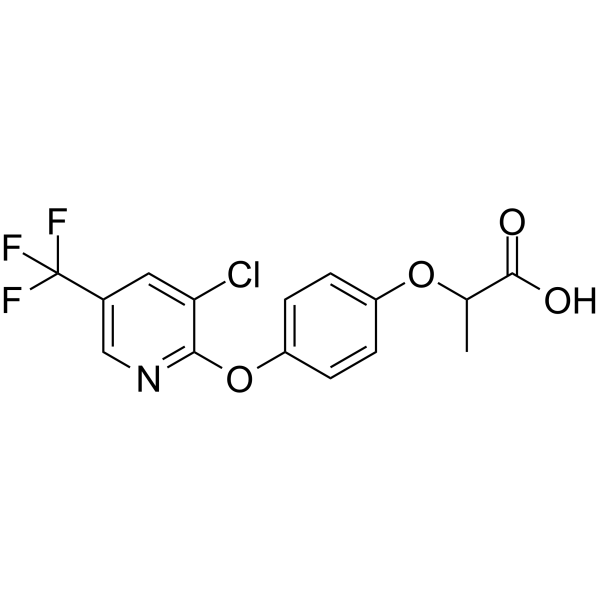
    Haloxyfop is an aryloxyphenoxypropionic acid herbicide and is widely used in grass weeds in broad-leaf crops . Haloxyfop inhibits the acetyl coenzyme A carboxylase (EC 6.4.1.2) from corn seedling chloroplasts with an IC50 of 0.5 μM, but has no effect on this enzyme in pea .
    Haloxyfop
  • HY-P10579
    123B9
    1 Publications Verification

    Ephrin Receptor Cancer
    123B9, a tumor-homing agent, is a potent and selective EphA2 agonist with a Kd value of 4.0 μM. 123B9 selectively targets the EphA2 tyrosine kinase receptor ligand-binding domain. 123B9 does not appreciably inhibit the ligand binding domains of the most closely related EphA3 and EphA4 receptors .
    123B9
  • HY-134174A

    16:0-18:1 PA

    Biochemical Assay Reagents
    1-Palmitoyl-2-oleoyl-sn-glycero-3-phosphate sodium (16:0-18:1 PA) is a phospholipid with activities in regulating biological membrane fluidity and participating in cell signal transduction. 1-Palmitoyl-2-oleoyl-sn-glycero-3-phosphate sodium can be used to study the effects on the activity of chloroplast envelope monogalactosyldiacylglycerol (MGDG) synthase. 1-Palmitoyl-2-oleoyl-sn-glycero-3-phosphate sodium plays an important role in cell membrane integrity and function.
    1-Palmitoyl-2-oleoyl-sn-glycero-3-phosphate sodium
  • HY-N2024R

    Reference Standards Endogenous Metabolite Glycosidase Metabolic Disease
    Maltose (Standard) is the analytical standard of Maltose. This product is intended for research and analytical applications. Maltose is a disaccharide composed of two glucose molecules linked together. Maltose is an endogenous metabolic product in plants, yeast, or bacteria, and it participates in carbon source storage and metabolism. Maltose is a key core metabolite and main transport form in the temporary starch degradation, carbon output, and subsequent sucrose synthesis metabolism of the night chloroplast. In X. dendrorhous, maltose can act as a sugar donor and is converted into isomaltulose by α-glucosidase (α-Glucosidase). Maltose can act as a osmotic agent, supporting continuous capillary ultrafiltration and preventing severe metabolic disorders.
    Maltose (Standard)
  • HY-W127745

    Isovegetable alcohol

    Environmental Pollutants Biochemical Assay Reagents Others
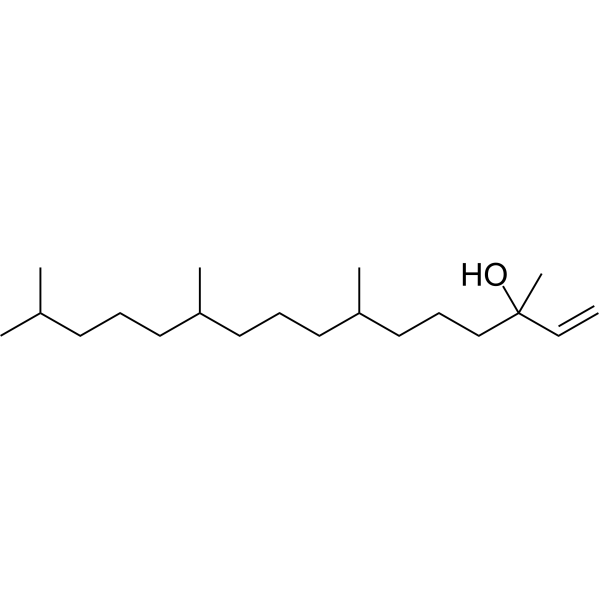
    Isophytol is a diterpene alcohol commonly found in various plant species, especially in chloroplasts, where it plays a role in photosynthesis. Isophytols have unique chemical properties that make them important ingredients in a variety of industrial processes, including the production of perfumes, essences and cosmetics. It also has potential medicinal properties, including antioxidant and anti-inflammatory effects.
    Isophytol
  • HY-N11913

    Biochemical Assay Reagents Others
    Siderin is a Photosystem II inhibitor that effectively inhibits ATP synthesis and chloroplast electron transport during photosynthesis in isolated spinach. Siderin can be used in the study of plant photosynthesis .
    Siderin
  • HY-121242

    VEL-5026

    Photosystem II Others
    Buthidazole is a selective herbicide for weed control in corn. Buthidazole inhibits photosynthetic electron transport at two distinct sites in the photosynthetic electron transport chain. The major site of inhibition was on the reducing side of photosystem II. Another site of electron transport inhibition is on the oxidizing side of photosystem II. Buthidazole inhibits corn photosynthesis and prevents starch accumulation in bundle sheath chloroplasts and some ultrastructural disruption of mesophyl chloroplasts of corn plants .
    Buthidazole
  • HY-N2024AS

    Isotope-Labeled Compounds Endogenous Metabolite Glycosidase Metabolic Disease
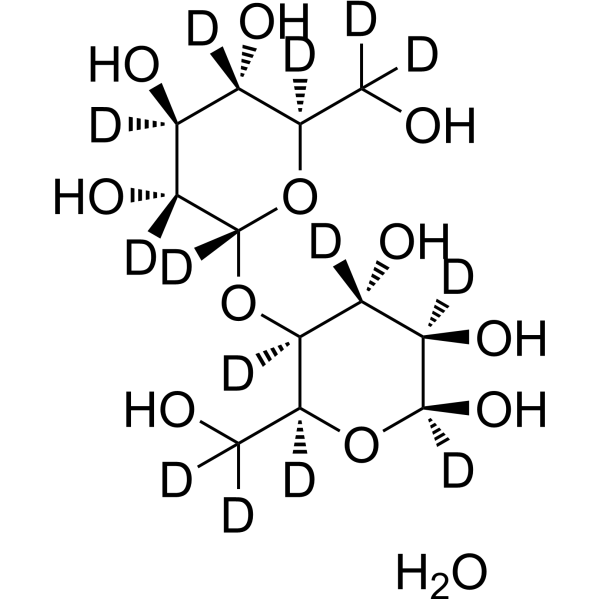
    Maltose monohydrate-d14 is the deuterium labeled Maltose monohydrate. Maltose monohydrate is a disaccharide composed of two glucose molecules linked together. Maltose monohydrate is an endogenous metabolic product in plants, yeast, or bacteria, and it participates in carbon source storage and metabolism. Maltose monohydrate is a key core metabolite and main transport form in the temporary starch degradation, carbon output, and subsequent sucrose synthesis metabolism of the night chloroplast. In X. dendrorhous, maltose can act as a sugar donor and is converted into isomaltulose by α-glucosidase. Maltose monohydrate can act as a osmotic agent, supporting continuous capillary ultrafiltration and preventing severe metabolic disorders.
    Maltose monohydrate-d14
  • HY-N2024B

    Endogenous Metabolite Glycosidase Metabolic Disease
    Maltose solution, 20% in H2O is a 20% aqueous maltose solution. Maltose is a disaccharide composed of two glucose molecules linked together. Maltose is an endogenous metabolic product in plants, yeast, or bacteria, and it participates in carbon source storage and metabolism. Maltose is a key core metabolite and main transport form in the temporary starch degradation, carbon output, and subsequent sucrose synthesis metabolism of the night chloroplast. In X. dendrorhous, maltose can act as a sugar donor and is converted into isomaltulose by α-glucosidase. Maltose can act as a osmotic agent, supporting continuous capillary ultrafiltration and preventing severe metabolic disorders .
    Maltose solution, 20% in H2O
  • HY-108988

    Antibiotic Bacterial Topoisomerase DNA/RNA Synthesis Infection
    Albicidin is a peptide antibiotic with phytotoxic activity. Albicidin potently inhibits bacterial and plant DNA gyrase at nanomolar concentrations, blocks DNA replication, and exhibits excellent antibacterial efficacy against multidrug-resistant bacteria. Albicidin possesses bactericidal activity against Gram-positive and Gram-negative microorganisms, and acts as a virulence factor for the systemic plant infection by Xanthomonas albilineans. Albicidin can be used in studies related to bacterial infections and sugarcane leaf blight .
    Albicidin
  • HY-B1845

    Environmental Pollutants Herbicide Others
    Florasulam is a targeted post-emergent herbicide belonging to the triazolopyrimidine sulfonanilide class, which functions by inhibiting acetolactate synthase (ALS) in plants. Located in the chloroplasts, ALS plays a crucial role in the biosynthesis of branched-chain amino acids. When Florasulam inhibits ALS, it disrupts plant cell division, reduces growth, and ultimately leads to plant death.
    Florasulam
  • HY-N2024AR

    Reference Standards Endogenous Metabolite Glycosidase Metabolic Disease
    Maltose monohydrate (Standard) is the analytical standard of Maltose monohydrate. This product is intended for research and analytical applications. Maltose monohydrate is a disaccharide composed of two glucose molecules linked together. Maltose monohydrate is an endogenous metabolic product in plants, yeast, or bacteria, and it participates in carbon source storage and metabolism. Maltose monohydrate is a key core metabolite and main transport form in the temporary starch degradation, carbon output, and subsequent sucrose synthesis metabolism of the night chloroplast. In X. dendrorhous, maltose can act as a sugar donor and is converted into isomaltulose by α-glucosidase. Maltose monohydrate can act as a osmotic agent, supporting continuous capillary ultrafiltration and preventing severe metabolic disorders.
    Maltose monohydrate (Standard)
  • HY-117660S

    U-10149-d3

    Isotope-Labeled Compounds DNA/RNA Synthesis Antibiotic Bacterial Infection Metabolic Disease
    Lincomycin-d3 (U-10149-d3) is the deuterium labeled Lincomycin. Lincomycin is an orally active lincosamide antibiotic. Lincomycin binds to the ribosomes of Gram-positive bacteria to inhibit protein synthesis. Lincomycin can inhibit chloroplast translation, disrupt chloroplast integrity, and activate chloroplast-to-nucleus retrograde signaling in Arabidopsis thaliana seedlings. Lincomycin induces alterations in lipid profiles and liver injury, disrupts blood glucose and insulin levels, and increases growth rate in mice.
    Lincomycin-d3
  • HY-117660R

    U-10149 (Standard)

    Reference Standards DNA/RNA Synthesis Antibiotic Bacterial Infection Metabolic Disease
    Lincomycin (U-10149) (Standard) is the analytical reference standard of Lincomycin (HY-117660). This product is used for research and analytical applications. Lincomycin is an orally active lincosamide antibiotic. Lincomycin binds to the ribosomes of Gram-positive bacteria to inhibit protein synthesis. Lincomycin can inhibit chloroplast translation, disrupt chloroplast integrity, and activate chloroplast-to-nucleus retrograde signaling in Arabidopsis thaliana seedlings. Lincomycin induces alterations in lipid profiles and liver injury, disrupts blood glucose and insulin levels, and increases growth rate in mice.
    Lincomycin (Standard)
  • HY-B1358R

    U-10149 hydrochloride monohydrate (Standard)

    Reference Standards DNA/RNA Synthesis Antibiotic Bacterial Infection Metabolic Disease
    Lincomycin (U-10149) hydrochloride monohydrate (Standard) is the analytical standard of Lincomycin hydrochloride monohydrate (HY-B1358). This product is intended for research and analytical applications. Lincomycin hydrochloride monohydrate is an orally active lincosamide antibiotic. Lincomycin hydrochloride monohydrate binds to the ribosomes of Gram-positive bacteria to inhibit protein synthesis. Lincomycin hydrochloride monohydrate can inhibit chloroplast translation, disrupt chloroplast integrity, and activate chloroplast-to-nucleus retrograde signaling in Arabidopsis thaliana seedlings. Lincomycin hydrochloride monohydrate induces alterations in lipid profiles and liver injury, disrupts blood glucose and insulin levels, and increases growth rate in mice.
    Lincomycin hydrochloride monohydrate (Standard)
  • HY-N10094

    Others Others
    Maculosidine is a furoquinoline alkaloid that can be isolated from Balfourodendron riedelianum. Maculosidine inhibits ATP synthesis, basal, phosphorylating and uncoupled electron transport in plants. Maculosidine inhibits Hill reaction on spinach chloroplasts .
    Maculosidine
  • HY-W775061

    Biochemical Assay Reagents Others
    Dichlormate is an inhibitor of normal carotenogenesis in etiolated wheat. Dichlormate can lead to accumulation of carotenoid precursors in plants. Dichlormate exhibits phytotoxicity via inhibiting the synthesis of carotenoids and to the consequent photodestruction of cholorophyll and chloroplast disruption .
    Dichlormate
  • HY-E70125

    Carboxycyclohexadienyl dehydratase

    Biochemical Assay Reagents Others
    Arogenate dehydratase (Carboxycyclohexadienyl dehydratase) is the key enzymes that catalyze the conversion of arogenate into Phe in the stroma of chloroplasts and plastids in vascular plants. Arogenate dehydratase plays an important role in cell wall lignin biosynthesis, photosynthesis, and can be used for plant improvement .
    Arogenate dehydratase
  • HY-B1856S

    Isotope-Labeled Compounds Acetyl-CoA Carboxylase Cancer
    Haloxyfop-d4 is deuterium labeled Haloxyfop. Haloxyfop is an aryloxyphenoxypropionic acid herbicide and is widely used in grass weeds in broad-leaf crops . Haloxyfop inhibits the acetyl coenzyme A carboxylase (EC 6.4.1.2) from corn seedling chloroplasts with an IC50 of 0.5 μM, but has no effect on this enzyme in pea .
    Haloxyfop-d4
  • HY-B1856R

    Reference Standards Acetyl-CoA Carboxylase Cancer
    Haloxyfop (Standard) is the analytical standard of Haloxyfop. This product is intended for research and analytical applications. Haloxyfop is an aryloxyphenoxypropionic acid herbicide and is widely used in grass weeds in broad-leaf crops . Haloxyfop inhibits the acetyl coenzyme A carboxylase (EC 6.4.1.2) from corn seedling chloroplasts with an IC50 of 0.5 μM, but has no effect on this enzyme in pea .
    Haloxyfop (Standard)
  • HY-B1845R

    Endogenous Metabolite Reference Standards Others
    Florasulam (Standard) is the analytical standard of Florasulam. This product is intended for research and analytical applications. Florasulam is a targeted post-emergent herbicide belonging to the triazolopyrimidine sulfonanilide class, which functions by inhibiting acetolactate synthase (ALS) in plants. Located in the chloroplasts, ALS plays a crucial role in the biosynthesis of branched-chain amino acids. When Florasulam inhibits ALS, it disrupts plant cell division, reduces growth, and ultimately leads to plant death.
    Florasulam (Standard)
  • HY-W040194R

    Herbicide Reference Standards Metabolic Disease
    Clomazone (Standard) is the analytical standard of Clomazone (HY-W040194). This product is intended for research and analytical applications. Clomazone is a broad spectrum herbicide, mainly used to control annual broadleaf weeds and grass weeds in various crops such as rice, soybeans, and peanuts. Clomazone inhibits carotenoid biosynthesis, and treated plants show typical "albinism" symptoms due to the destruction of chloroplast membrane structure leading to chlorophyll degradation. Clomazone exhibits multiple toxic effects on non-target organisms, including aquatic lethality, developmental malformations, liver damage, mitochondrial dysfunction, and hematotoxicity.
    Clomazone (Standard)
  • HY-B1853R

    Herbicide Reference Standards ERK MEK Apoptosis Cardiovascular Disease
    Simetryn (Standard) is the analytical standard of Simetryn (HY-B1853). This product is intended for research and analytical applications. Simetryn is a triazine herbicide that exerts teratogenicity. Simetryn inhibits photosynthesis by blocking electron transfer in the chloroplast photosystem II and activates the MEK/Erk signaling pathway. Simetryn triggers vascular and developmental abnormalities in zebrafish and tadpoles, suppresses proliferation, enhances apoptosis, and induces malformations. Simetryn serves as a tool to establish a zebrafish model for studying arteriovenous malformations and related pathogenesis. Simetryn controls paddy weeds and can be used for research on developmental and vascular disorders .
    Simetryn (Standard)
  • HY-N2024AS2

    Isotope-Labeled Compounds Endogenous Metabolite Glycosidase Metabolic Disease
    Maltose monohydrate- 13C is the 13C labeled isotope of Maltose monohydrate. Maltose monohydrate is a disaccharide composed of two glucose molecules linked together. Maltose monohydrate is an endogenous metabolic product in plants, yeast, or bacteria, and it participates in carbon source storage and metabolism. Maltose monohydrate is a key core metabolite and main transport form in the temporary starch degradation, carbon output, and subsequent sucrose synthesis metabolism of the night chloroplast. In X. dendrorhous, maltose can act as a sugar donor and is converted into isomaltulose by α-glucosidase. Maltose monohydrate can act as a osmotic agent, supporting continuous capillary ultrafiltration and preventing severe metabolic disorders.
    Maltose monohydrate-13C
  • HY-W016647R

    N-Formylmethionine (Standard)

    Reference Standards Endogenous Metabolite Bacterial Infection Metabolic Disease
    For-Met-OH (Standard) (N-Formylmethionine (Standard)) is the analytical standard of For-Met-OH (HY-W016647). This product is intended for research and analytical applications. For-Met-OH (N-Formylmethionine) can be involved in the translation process of bacteria, chloroplasts, and mitochondria. For-Met-OH plays different roles in different species and organelles, such as promoting the formation of protein complexes in mitochondria and acting as a degradation signal in bacteria and yeast. The level of For-Met-OH is closely related to certain diseases; for example, For-Met-OH is a potential biomarker for metabolic disorders and poor prognosis in critically ill patients.
    For-Met-OH (Standard)
  • HY-P11730

    Biochemical Assay Reagents Others
    Chloroplast rRNA blocker is a chloroplast rRNA-specific peptide nucleic acid (PNA) blocker. Chloroplast rRNA blocker targets the conserved 16S rRNA sequence in plants and can be used in research involving PCR, sequencing, and gene detection.
    Chloroplast rRNA blocker
  • HY-183972

    Oxidative Phosphorylation Infection Others
    Desaspidin is an oxidative phosphorylation inhibitor and photophosphorylation inhibitor. Desaspidin uncouples mitochondrial oxidative phosphorylation, multiple chloroplast photophosphorylation pathways, and ATP synthesis linked to non-cyclic NADP reduction. Desaspidin can be used for the research of anthelmintic agent .
    Desaspidin
  • HY-N7660

    Endogenous Metabolite Others
    Mutatoxanthin is a xanthophyll carotenoid. Mutatoxanthin forms a photoprotective barrier for chloroplasts in the thalli of Xanthoria lichens by shielding chloroplasts from excessive light irradiation, while also contributing to the golden to brownish-orange coloration of the thalli. Mutatoxanthin can serve as a taxonomic characteristic for lichen species .
    Mutatoxanthin
  • HY-113947

    Herbicide Acetyl-CoA Carboxylase Others
    Metamifop is a post-emergence lipid synthesis inhibitor herbicide, with an IC50 of 41.1 nM against the carboxyltransferase (CT) domain of chloroplast acetyl-CoA carboxylase (ACCase) in barnyard grass (Echinochloa crus-galli). Metamifop inhibits the activity of the CT domain, thereby blocking fatty acid biosynthesis .
    Metamifop
  • HY-114265

    ppGpp

    Nucleoside Antimetabolite/Analog Others
    Guanosine 3',5'-bisdiphosphate (ppGpp) plays a pivotal role in the regulation of GTP biosynthesis in chloroplasts through specific inhibition of plastid/mitochondrial guanylate kinase activity .
    Guanosine 3',5'-bisdiphosphate
  • HY-W750682

    Drug Derivative Others
    β-Carotene 5,6-epoxide, a carotenoid, is a degradation product of β-carotene. β-Carotene 5,6-epoxide can be found in isolated chloroplasts. Carotenoids are important biological active, and may regulate cellular differentiation, growth control, photooxidative protection, cell membrane stability, photosynthesis, vision process and nutrition .
    β-Carotene 5,6-epoxide
  • HY-N15170

    Drug Derivative Others
    Neochrome, 5,8-epoxide derivative, is a Carotenoid. Neochrome is a chimeric photoreceptor between phytochrome and phototropin. Neochrome can be extracted from the fruit of Malpighia emarginata DC. syn. Malpighia glabra L. Neochrome can be found in some advanced ferns and in the green alga M. scalaris. Neochrome can serve as the red light receptor for chloroplast movement in ferns and green algae .
    Neochrome
  • HY-179596

    Phosphatase Others
    AtSAL1-IN-1 (compound V20) is a competitive inhibitor of AtSAL1. AtSAL1-IN-1 elevates the levels of 3’-phosphoadenosine 5’-phosphate (PAP), activates stress-responsive genes and improves oxidative stress tolerance in Arabidopsis. AtSAL1-IN-1 can be used for study of chloroplast-mediated cellular signaling pathways .
    AtSAL1-IN-1
  • HY-N17574

    Others
    3-(1,1-Dimethylallyl) xanthyletin (compound 2) is a pyranocoumarin present in the roots of Stauranthus perforatus. 3-(1,1-Dimethylallyl) xanthyletin inhibits the uncoupled electron transport from water to ferricyanide in spinach thylakoids. 3-(1,1-Dimethylallyl) xanthyletin act as a Hill reaction inhibitor. 3-(1,1-Dimethylallyl) xanthyletin interferes with plant energy metabolism at the photosynthetic level .
    3-(1,1-Dimethylallyl)xanthyletin
  • HY-D3247

    Fluorescent Dye Others
    Cobalt (II) plant dye (Compound 3) is a Cobalt (II) probe. Cobalt (II) plant dye is used for the selective detection of bioaccumulated Cobalt (II) ions in root and stem tissues of Hybanthus enneaspermus plants .
    Cobalt(II) plant dye
  • HY-W714182

    Herbicide Others
    Dimethametryn is a methylthio-triazine herbicide mainly used for controlling broadleaf weeds in paddy fields. Dimethametryn blocks plant photosynthesis by inhibiting electron transport and non-cyclic photophosphorylation of photosystem II, ultimately causing chlorosis, necrosis and death of sensitive plants .
    Dimethametryn

Inquiry Online

Your information is safe with us. * Required Fields.

Salutation


Country or Region *

Applicant Name *


Organization Name *

Department *


Email Address *


Product Name *

Cat. No.


Requested quantity *

Phone Number *


Remarks

Inquiry Online

Inquiry Information

Product Name:
Cat. No.:
Quantity:
MCE Japan Authorized Agent:

