
From 11:00 pm to 12:00 pm EST ( 8:00 pm to 9:00 pm PST ) on January 6th, the website will be under maintenance. We are sorry for the inconvenience. Please arrange your schedule properly.
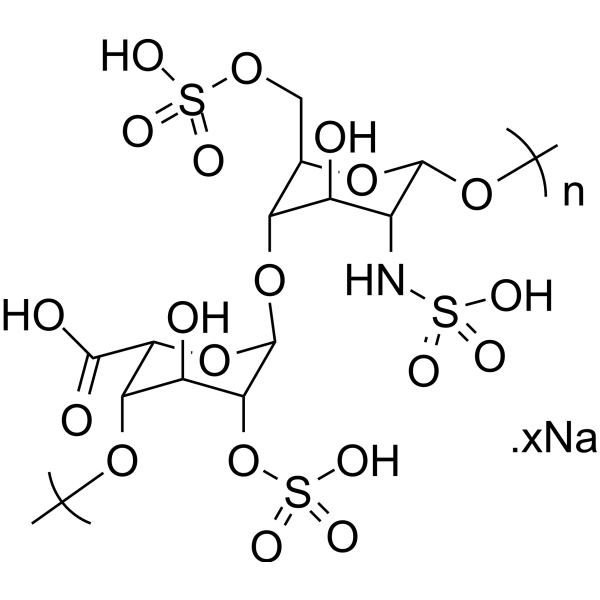
Heparin sodium salt (Sodium heparin) is an anticoagulant which binds reversibly to antithrombin III (ATIII) and greatly accelerates the rate at which ATIII inactivates coagulation enzymes thrombin factor IIa and factor Xa. Heparin sodium salt significantly inhibits exosome-cell interactions.
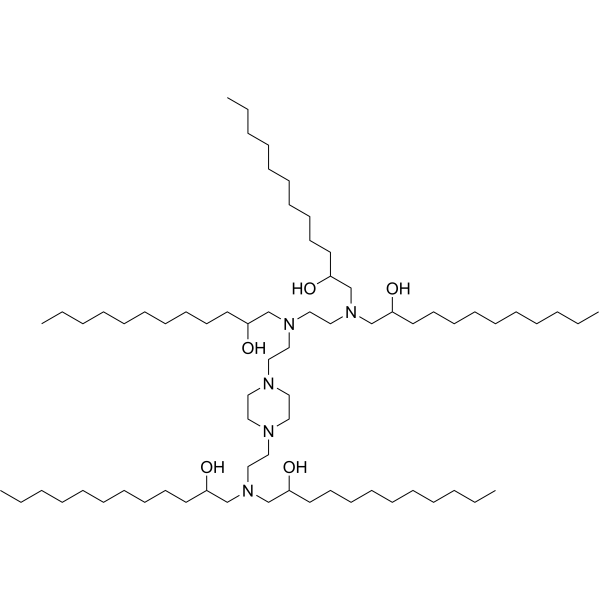
C12-200 is a type of ionizable cationic lipid and helper lipid commonly used for mRNA delivery. In the hemophilia B mouse model, mRNA encoding human erythropoietin (EPO) and coagulationfactor IX (FIX) can be successfully delivered and expressed using C12-200. C12-200 is utilized in research related to hemophilia B .
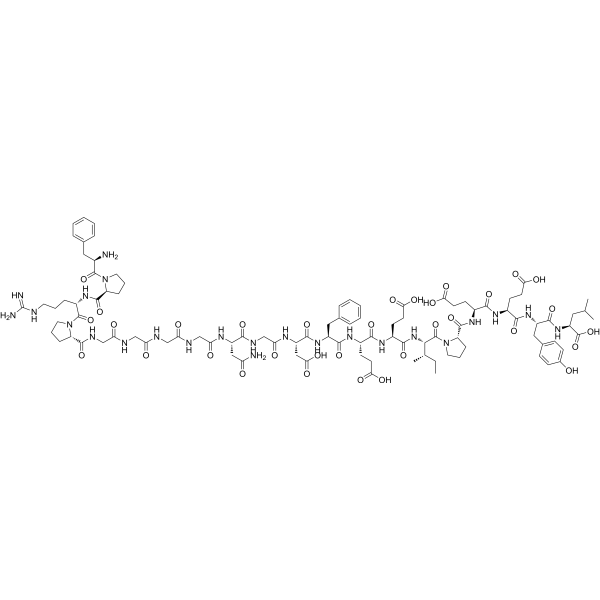
Bivalirudin, a hirudin analog and anticoagulant, is a direct thrombin inhibitor. Bivalirudin inhibits thrombin-mediated fibrinogen cleavage, coagulationfactor activation, and platelet activation by reversibly binding to thrombin. In addition, Bivalirudin also has certain effects of anti-virus, anti-inflammation, and vascular endothelial barrier function protection. Bivalirudin can be used for the research of thrombotic diseases and others .
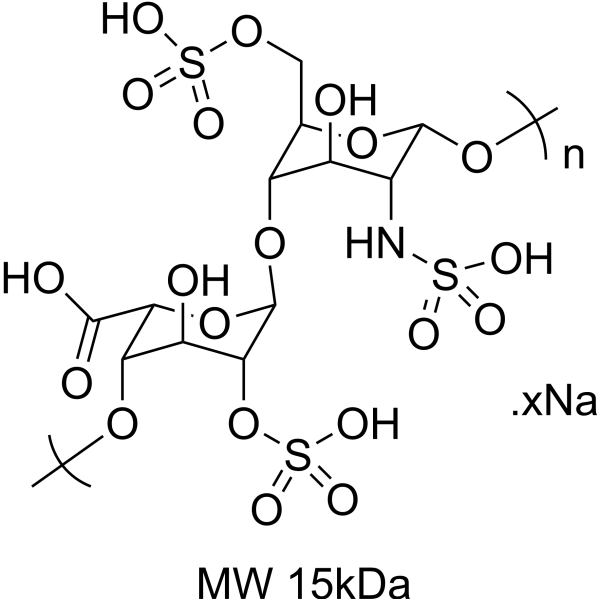
Heparin sodium salt (MW 15kDa) (Sodium heparin (MW 15kDa)) is a polymer of Heparin with the molecular weight of 15kDa. Heparin sodium salt is an anticoagulant which binds reversibly to antithrombin III (ATIII) and greatly accelerates the rate at which ATIII inactivates coagulation enzymes thrombin factor IIa and factor Xa .
Asundexian (BAY 2433334) is an orally active coagulationfactor Xia (FXIa) inhibitor. Asundexian binds directly, potently, and reversibly to the active site of FXIa and thereby inhibits its activity. Asundexian inhibits human FXIa in buffer with an IC50 of 1 nM .
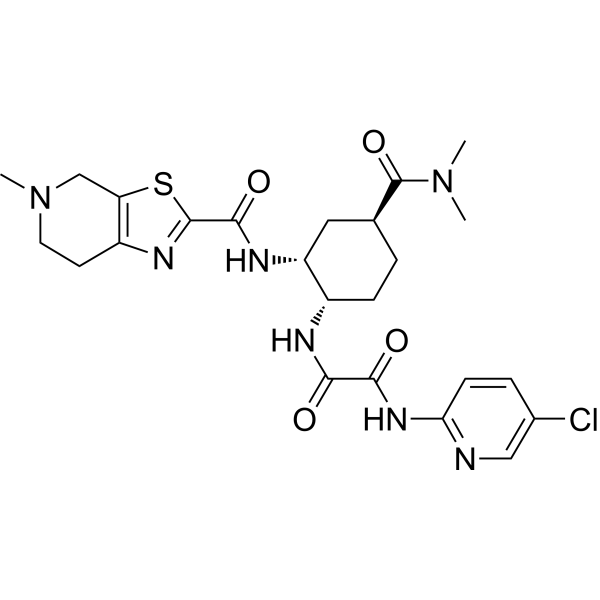
Edoxaban (DU-176b) is an orally active, highly potent, selective, and direct Factor Xa (FXa) inhibitor with Ki values of 0.561 and 2.98 nM for free human FXa and prothrombinase. Edoxaban exhibits more than 10,000-fold selectivity over other coagulation proteases. Edoxaban can be used in preventing thromboembolic disease research .
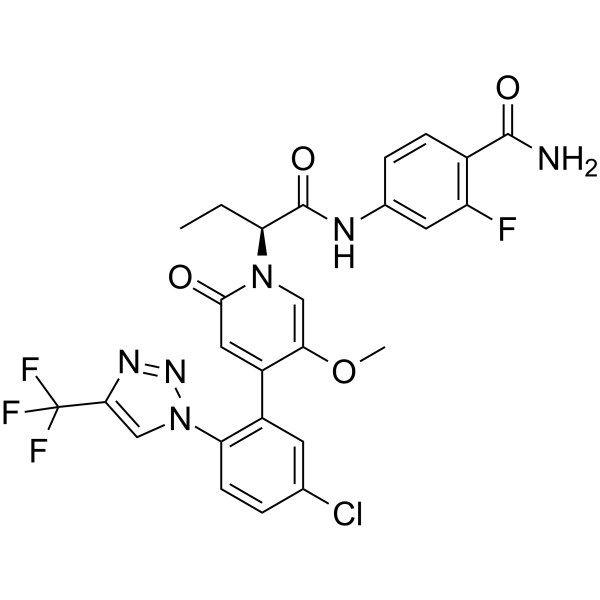
Milvexian is an orally bioavailable, small-molecule, reversible, direct antagonists of factor Xia, with the Ki of 0.11, 0.38, 0.64, 490, 350 nM for human, rabbit, dog, rat, mouse, respectively. Milvexian shows anti-thrombosis activity in vitro and in vivo, and can be used for thrombus study .
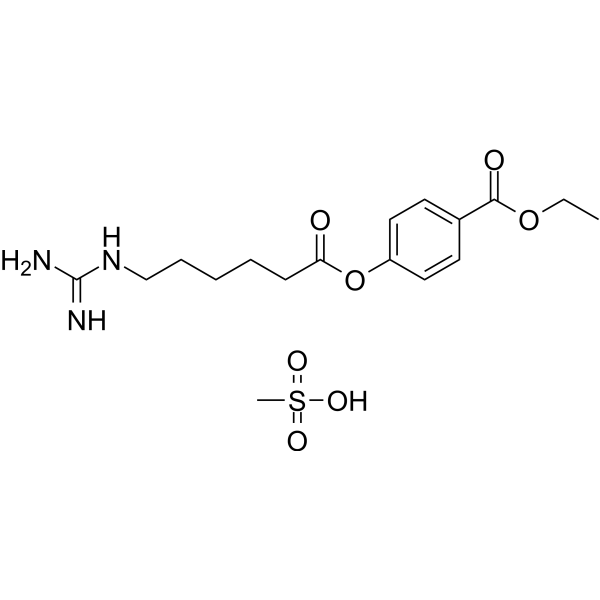
Gabexate mesylate (FOY) is is a competitive and non-antigenic synthetic inhibitor of trypsin-like serine proteinases. Gabexate mesylate inhibits human thrombin, urokinase, plasmin, and Factor Xa with Kis of 0.97, 1.3, 1.6, and 8.5 μM, respectively. Gabexate mesylate binds to human and bovine tryptase with Kis of 3.4 nM and 18 μM, respectively. Gabexate mesylate exerts an anticoagulant effect on the clotting activity of thrombin and has anti-inflammatory effect by viainhibition of NF-κB, proinflammatory cytokines, and nitric oxide. Gabexate mesylate is used for pancreatitis and disseminated intravascular coagulation .
Vitamin K, the blood-clotting vitamin, is important for the function of numerous proteins within the body, such as the coagulationfactors, osteocalcin and matrix-Gla protein.
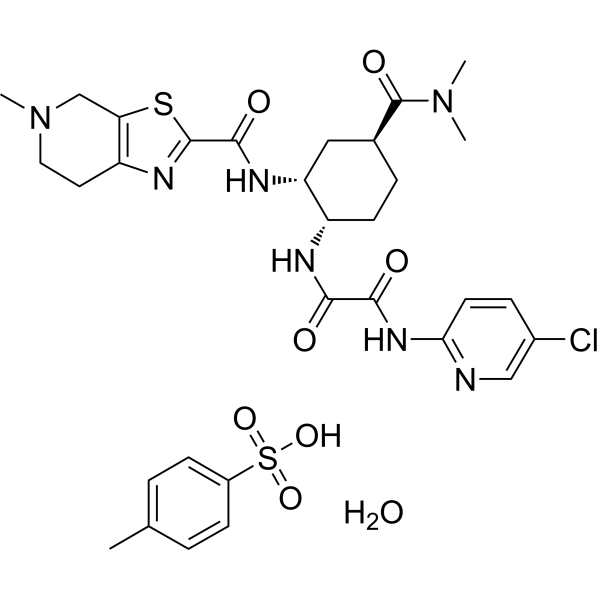
Edoxaban (DU-176b) monohydrate is an orally active, highly potent, selective, and direct Factor Xa (FXa) inhibitor with Kis of 0.561 and 2.98 nM for free human FXa and prothrombinase. Edoxaban monohydrate exhibits more than 10,000-fold selectivity over other coagulation proteases. Edoxaban monohydrate can be used for preventing thromboembolic disease research .
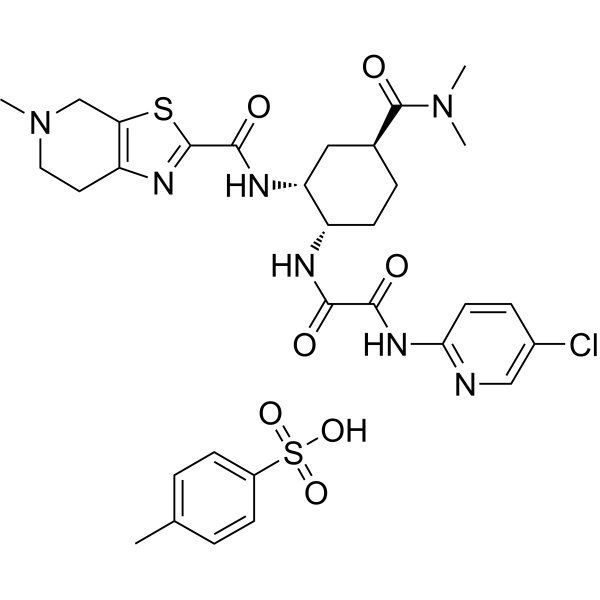
Edoxaban (DU-176b) tosylate is an orally active, highly potent, selective, and direct Factor Xa (FXa) inhibitor with Kis of 0.561 and 2.98 nM for free human FXa and prothrombinase. Edoxaban tosylate exhibits more than 10,000-fold selectivity over other coagulation proteases. Edoxaban tosylate can be used for preventing thromboembolic disease research .
Canine Factor IX is a functional coagulationfactor. Canine Factor IX shortens whole blood clotting time and activated partial thromboplastin time, and restores coagulation function. After intramuscular administration via rAAV vector in hemophilia B dogs, Canine Factor IX maintains a sustained circulating level for at least 1 year, partially corrects the hemophilia B phenotype in a dose-dependent manner, and its plasma expression persists for more than 17 months. Canine Factor IX is applicable to relevant research on hemophilia B .
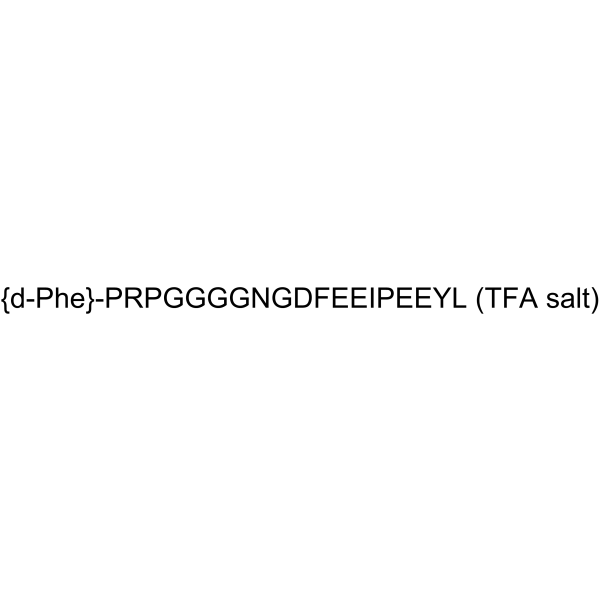
Bivalirudin TFA, a hirudin analog and anticoagulant, is a direct thrombin inhibitor. Bivalirudin TFA inhibits thrombin-mediated fibrinogen cleavage, coagulationfactor activation, and platelet activation by reversibly binding to thrombin. In addition, Bivalirudin TFA also has certain effects of anti-virus, anti-inflammation, and vascular endothelial barrier function protection. Bivalirudin TFA can be used for the research of thrombotic diseases and others .
Frunexian (EP-7041) is a selective and potent inhibitor of coagulationfactor XI/activated factor XI, targeting to factor XIa. Frunexian exhibits antithrombotic activity, with no bleeding liability in rat mesenteric arterial puncture model. Frunexian can be used in extracorporeal membrane oxygenation (ECMO) research .
Cy3 Dextran (MW 20000) is a fluorescent labeling reagent that combines Cy3 (HY-D0822) fluorescent dye and Dextran (HY-112624). The Cy3 fluorophore is commonly used in applications such as immunolabeling, nucleic acid labeling, fluorescence microscopy, and flow cytometry. Dextran has an inhibitory effect on thrombocyte aggregation and coagulationfactors and is used as a plasma volume expander (Ex/Em = 550/570 nm) .
Cy3 Dextran (MW 10000) is a fluorescent labeling reagent that combines Cy3 (HY-D0822) fluorescent dye and Dextran (HY-112624). The Cy3 fluorophore is commonly used in applications such as immunolabeling, nucleic acid labeling, fluorescence microscopy, and flow cytometry. Dextran has an inhibitory effect on thrombocyte aggregation and coagulationfactors and is used as a plasma volume expander (Ex/Em = 550/570 nm) .
Activated protein C is an anticoagulant targeting coagulationfactors Va and VIIIa. Activated protein C demonstrates cytoprotective effects through binding to endothelial cell protein C receptor (EPCR) and protease-activated receptor-1 (PAR-1), regulating gene expression, anti-inflammation, anti-apoptosis, and stabilizing endothelial barriers. Activated protein C is promising for research of diseases such as severe sepsis and ischemic stroke .
Octocog alfa (ADVATE; BAY 81-8973; Kovaltry) is a standard half-length recombinant coagulationfactorFVIII replacement therapy that also functions as a thrombin generation modulator. Octocog alfa regulates thrombin generation-related parameters in vitro and is used in studies related to severe hemophilia A .
Boc-Gln-Gly-Arg-AMC is a fluorogenic substrate for kallikrein (PKa), coagulationfactor XIIa (FXIIa) and coagulationfactor XIa (FXIa). Boc-Gln-Gly-Arg-AMC enables fluorescence-based activity assays for PKa, FXIIa and FXIa .
Factor XI-IN-2 is a Factor XI activation inhibitor with an IC50 of 20 nM. Factor XI-IN-2 does not directly inhibit the enzymatic activity of FXIa, but specifically binds to the FXI enzyme precursor and allosterically inhibits the process by which it is activated by FXIIa. Factor XI-IN-2 inhibits thrombosis in the rabbit arteriovenous (AV) shunt thrombosis model. Factor XI-IN-2 can be used for the study of antithrombus .
Cy3 Dextran (MW 70000) is a fluorescent labeling reagent that conjugates the Cy3 (HY-D0822) fluorescent dye with Dextran (HY-112624). The Cy3 fluorophore is commonly used in applications such as immunolabeling, nucleic acid labeling, fluorescence microscopy, and flow cytometry. The maximum emission wavelength of Cy3 is approximately 562-570 nm. Dextran inhibits platelet aggregation and coagulationfactors, and serves as a plasma volume expander .
Edoxaban (Standard) is the analytical standard of Edoxaban. This product is intended for research and analytical applications. Edoxaban (DU-176b) is an orally active, highly potent, selective, and direct Factor Xa (FXa) inhibitor with Ki values of 0.561 and 2.98 nM for free human FXa and prothrombinase. Edoxaban exhibits more than 10,000-fold selectivity over other coagulation proteases. Edoxaban can be used in preventing thromboembolic disease research .
Turoctocog alfa pegol is a recombinant coagulationfactor VIII (FVIII) from chinese hamster ovary (CHO) cells. Turoctocog alfa pegol can be used for researching haemophilia A .
Boc-Glu(OBzl)-Ala-Arg-AMC is a fluorogenic substrate for coagulationfactor XIa and trypsin. The cleavage of the amide bond between arginine and the methylcoumarin amide group releases fluorescent 7-Amino-4-methylcoumarin (HY-D0027) .
Dextran-CY5.5 is a CY5.5 (HY-D0924) labeled Dextran (HY-112624) conjugate. CY5.5 is a Cyanine dye (The excitation wavelength is usually 673 nm and the emission wavelength is 707 nm) that can be used for the labeling of proteins, antibodies and small molecular compounds. Dextran has an inhibitory effect on thrombocyte aggregation and coagulationfactors and is used as a plasma volume expander .
Omfiloctocog alfa (SCT-800) is a recombinant factor VIII (FVIII). FVIII is an essential blood coagulation protein and a key component of the fluid phase blood coagulation system. Omfiloctocog alfa can be used for the research of Hemophilia A .
NAPAP is a selective direct thrombin inhibitor. NAPAP rapidly binds to thrombin and inhibits its activity, and reduces LPS (HY-D1056)-induced brain inflammation and coagulationfactor expression in vivo. NAPAP can be used in studies related to coagulation and neuroinflammation .
FXIa/Plasma kallikrein-IN-1 is an inhibitor of coagulationfactor XIa (FXIa) and plasma kallikrein with Ki values of 187.70 nM and 151.6 nM, respectively. FXIa/Plasma kallikrein-IN-1 can be used in the research of thromboembolic diseases .
Cy3 Dextran (MW 3000) is a fluorescent labeling reagent that combines Cy3 (HY-D0822) fluorescent dye and Dextran (HY-112624). The Cy3 fluorophore is commonly used in applications such as immunolabeling, nucleic acid labeling, fluorescence microscopy, and flow cytometry. Dextran has an inhibitory effect on thrombocyte aggregation and coagulationfactors and is used as a plasma volume expander (Ex/Em = 550/570 nm) .
BAY 3389934 is a selective dual inhibitor of factor IIa and factor Xa, with an IC50 of 4.9 nM for factor IIa and an IC50 of 0.66 nM for factor Xa. BAY 3389934 directly inhibits the activities of factor IIa and factor Xa and regulates the common coagulation pathway. BAY 3389934 exhibits anticoagulant and organ-protective effects. BAY 3389934 can be used in the research of sepsis and coagulopathy .
Dextran-CY5.5 (MW 10000) is a CY5.5 (HY-D0924) labeled Dextran (HY-112624) conjugate. CY5.5 is a Cyanine dye (The excitation wavelength is usually 673 nm and the emission wavelength is 707 nm) that can be used for the labeling of proteins, antibodies and small molecular compounds. Dextran has an inhibitory effect on thrombocyte aggregation and coagulationfactors and is used as a plasma volume expander .
Dextran-CY5.5 (MW 40000) is a CY5.5 (HY-D0924) labeled Dextran (HY-112624) conjugate. CY5.5 is a Cyanine dye (The excitation wavelength is usually 673 nm and the emission wavelength is 707 nm) that can be used for the labeling of proteins, antibodies and small molecular compounds. Dextran has an inhibitory effect on thrombocyte aggregation and coagulationfactors and is used as a plasma volume expander .
Cenvacibart is a monoclonal antibody with anticoagulant activity, targeting human coagulationfactor XI (F11). Cenvacibart blocks the role of coagulationfactor XI in the coagulation cascade, reducing thrombus formation. Cenvacibart is promising for research of thrombotic diseases .
E-76 is a peptide with anticoagulant activity. E-76 inhibits blood coagulation by specifically binding to exogenous coagulationfactor VIIa (FVIIa). E-76 can be used to study blood coagulation-related diseases .
Difethialone (LM-2219) is an anticoagulant rodenticide. Difethialone shows high rodenticide activity in warfarin-sensitive and resistant strains of rats and mice. Difethialone interferes with the circulation of vitamin K in the liver, preventing the synthesis of coagulationfactors, resulting in the inability of the blood to coagulate properly, ultimately causing internal bleeding and death. Difethialone can be used in studies of ecological impacts .
Zemocimig is an anti-coagulationfactor F9 human IgG4 κ monoclonal antibody. Recommend Isotype Controls: Human IgG4 kappa, Isotype Control (HY-P99003) .
Thrombin Receptor Activator for Peptide 5 (TRAP-5) is also called CoagulationFactor II Receptor (1-5) or Proteinase Activated Receptor 1 (1-5), used in the research of coronary heart disease (CHD).
Difethialone (Standard) is the analytical standard of Difethialone. This product is intended for research and analytical applications. Difethialone (LM-2219) is an anticoagulant rodenticide. Difethialone shows high rodenticide activity in warfarin-sensitive and resistant strains of rats and mice. Difethialone interferes with the circulation of vitamin K in the liver, preventing the synthesis of coagulationfactors, resulting in the inability of the blood to coagulate properly, ultimately causing internal bleeding and death. Difethialone can be used in studies of ecological impacts .
Bemiltenase alfa is a hemostatic agent targeting coagulationfactor X (FX). Bemiltenase alfa activates FX and promotes the conversion of prothrombin to thrombin, and thrombin can further transform fibrinogen into fibrin, forming a stable blood clot, thus exerting hemostatic activity. Bemiltenase alfa is promising for research of bleeding symptoms with hemophilia .
BCX-3607 is an orally active tissue factor/factor VIIa (TF-FVIIa) inhibitor (IC50: 4 nM). BCX-3607 blocks the extrinsic coagulation pathway by inhibiting the TF-FVIIa complex and significantly prolongs the prothrombin time (PT). BCX-3607 has a higher selectivity for TF-FVIIa than other serine proteases (such as thrombin, FXa, etc.). BCX-3607 can reduce thrombus weight and inflammatory response, and has both anti-thrombotic and anti-inflammatory effects. BCX-3607 can be used in the study of thrombosis-related diseases .
Cy3 Dextran (MW 40000) is a fluorescent labeling reagent that combines Cy3 (HY-D0822) fluorescent dye and Dextran (HY-112624). The Cy3 fluorophore is commonly used in applications such as immunolabeling, nucleic acid labeling, fluorescence microscopy, and flow cytometry. Dextran has an inhibitory effect on thrombocyte aggregation and coagulationfactors and is used as a plasma volume expander (Ex/Em = 550/570 nm) .
Cy3 Dextran (MW 100000) is a fluorescent labeling reagent that combines Cy3 (HY-D0822) fluorescent dye and Dextran (HY-112624). The Cy3 fluorophore is commonly used in applications such as immunolabeling, nucleic acid labeling, fluorescence microscopy, and flow cytometry. Dextran has an inhibitory effect on thrombocyte aggregation and coagulationfactors and is used as a plasma volume expander (Ex/Em = 550/570 nm) .
Milvexian TFA (BMS-986177 TFA) is a factor XIa inhibitor with biological activity to prevent venous thromboembolism. Milvexian TFA was effective in reducing the occurrence of venous thromboembolism in patients undergoing knee replacement surgery. Milvexian TFA has good selectivity and shows significant inhibitory effects on plasma kallikrein and trypsin. Milvexian TFA has a bioavailability of 32%, which means it has a high absorption rate in the body. Milvexian TFA showed a relatively low risk of bleeding in clinical trials .
(1R,2R,4R)-Edoxaban is an oxalamide derivative. (1R,2R,4R)-Edoxaban is an activated coagulationfactor X (Factor Xa) inhibitor. (1R,2R,4R)-Edoxaban can be used in the study of thrombosis .
DEAE-dex-Cy5 is a fluorescent labeling reagent that combines Cy5 (HY-D0821) fluorescent dye, Dextran (dex) and Diethylaminoethyl (DEAE). Cy5 is a Cyanine dye (with a long wavelength about 662nm) that can be used for molecular labeling and microscopy imaging. Dex has an inhibitory effect on thrombocyte aggregation and coagulationfactors and is used as a plasma volume expander .
Bovine Factor X is a bovine derived coagulationfactor. Canine Factor X can be converted to activated Factor Xa, which can can convert prothrombin to thrombin .
Nonacog gamma is a coagulationfactor IX (FIX) supplement. Nonacog gamma activates coagulationfactor X (FX), promotes the generation of thrombin, and then converts fibrinogen into fibrin, forming a stable blood clot to exert hemostatic activity. Nonacog gamma is promising for research of hemophilia B .
Gabexate (mesylate) (Standard) is the analytical standard of Gabexate (mesylate). This product is intended for research and analytical applications. Gabexate mesylate (FOY) is is a competitive and non-antigenic synthetic inhibitor of trypsin-like serine proteinases. Gabexate mesylate inhibits human thrombin, urokinase, plasmin, and Factor Xa with Kis of 0.97, 1.3, 1.6, and 8.5 μM, respectively. Gabexate mesylate binds to human and bovine tryptase with Kis of 3.4 nM and 18 μM, respectively. Gabexate mesylate exerts an anticoagulant effect on the clotting activity of thrombin and has anti-inflammatory effect by viainhibition of NF-κB, proinflammatory cytokines, and nitric oxide. Gabexate mesylate is used for pancreatitis and disseminated intravascular coagulation .
Anivamersen is an RNA aptamer to reverse the anticoagulant effect of the parenteral factor IXa inhibitor pegnivacogin. REG1 is a novel anticoagulation system consisting of pegnivacogin, an RNA aptamer inhibitor of coagulationfactor IXa, and anivamersen, a complementary sequence reversal oligonucleotide.
Anivamersen sodium is an RNA aptamer to reverse the anticoagulant effect of the parenteral factor IXa inhibitor pegnivacogin. REG1 is a novel anticoagulation system consisting of pegnivacogin, an RNA aptamer inhibitor of coagulationfactor IXa, and anivamersen, a complementary sequence reversal oligonucleotide.
EMD 495235 is a potent and orally active coagulationfactor Xa inhibitor with an IC50 of 5.5 nM and a Ki of 6.8 nM. EMD 495235 shows anticoagulant activities .
Bovine Factor XIa is an enzyme, which is involved in the intrinsic pathway of blood coagulation. Bovine Factor XIa is highly selective and exhibits a minimal extended substrate recognition site of at least five residues long. Bovine Factor XIa is reactive as Bovine Factor IXa (HY-E70393I) does, that it cleaves all the peptides bearing factor IX activation site sequences .
AS1468240 is an orally active inhibitor for anticoagulant factor Xa (fXa), that inhibits human fXa with IC50 of 8.7 nM. AS1468240 prolongs the coagulation time in mice .
Human TNF mRNA encodes the human tumor necrosis factor (TNF) protein, a multifunctional proinflammatory cytokine that belongs to the tumor necrosis factor (TNF) superfamily. TNF is involved in the regulation of a wide spectrum of biological processes including cell proliferation, differentiation, apoptosis, lipid metabolism, and coagulation.
Amrecibart is an anti-coagulationfactor 11 human IgG4 κ monoclonal antibody. Recommend Isotype Controls: Human IgG4 kappa, Isotype Control (HY-P99003) .
Boc-Glu(OBzl)-Gly-Arg-AMC is a fluorogenic substrate for factors IXa and XIIa. The cleavage of the amide bond between arginine and the methylcoumarin amide group releases fluorescent 7-Amino-4-methylcoumarin (HY-D0027) .
Difethialone-d4 (Baraki-d4; LM 2219-d4) is the deuterium labeled Difethialone (HY-113958). Difethialone (LM-2219) is an anticoagulant rodenticide. Difethialone shows high rodenticide activity in warfarin-sensitive and resistant strains of rats and mice. Difethialone interferes with the circulation of vitamin K in the liver, preventing the synthesis of coagulationfactors, resulting in the inability of the blood to coagulate properly, ultimately causing internal bleeding and death. Difethialone can be used in studies of ecological impacts .
Edoxaban (DU-176b) hydrochloride is an orally active, highly potent, selective, and direct Factor Xa (FXa) inhibitor with Ki values of 0.561 and 2.98 nM for free human FXa and prothrombinase. Edoxaban hydrochloride exhibits more than 10,000-fold selectivity over other coagulation proteases. Edoxaban hydrochloride can be used for preventing thromboembolic disease research .
Asundexian-d3 (BAY-2433334-d3) is the deuterium labeled Asundexian (HY-137431). Asundexian (BAY 2433334) is an orally active coagulationfactor Xia (FXIa) inhibitor. Asundexian binds directly, potently, and reversibly to the active site of FXIa and thereby inhibits its activity. Asundexian inhibits human FXIa in buffer with an IC50 of 1 nM .
FXIIa-IN-5 (Compound 4J) is an orally active, selective inhibitor for factor XIIa (FXIIa), with IC50 of 21 nM. FXIIa-IN-5 inhibits the intrinsic coagulation pathways, and exhibits anti-inflammatory and antithrombotic activity in Carrageenan (HY-125474)-induced mice thrombosis models. FXIIa-IN-5 exhibits moderate pharmacokinetic characteristics and slightly toxicity (at 100 mg/kg) .
Cy3 Dextran (MW 500000) is a fluorescent labeling reagent that combines Cy3 (HY-D0822) fluorescent dye and Dextran (HY-112624). The Cy3 fluorophore is commonly used in applications such as immunolabeling, nucleic acid labeling, fluorescence microscopy, and flow cytometry. Dextran has an inhibitory effect on thrombocyte aggregation and coagulationfactors and is used as a plasma volume expander (Ex/Em = 550/570 nm) .
Cy3 Dextran (MW 2000) is a fluorescent labeling reagent that combines Cy3 (HY-D0822) fluorescent dye and Dextran (HY-112624). The Cy3 fluorophore is commonly used in applications such as immunolabeling, nucleic acid labeling, fluorescence microscopy, and flow cytometry. Dextran has an inhibitory effect on thrombocyte aggregation and coagulationfactors and is used as a plasma volume expander (Ex/Em = 550/570 nm) .
Cy3 Dextran (MW 5000) is a fluorescent labeling reagent that combines Cy3 (HY-D0822) fluorescent dye and Dextran (HY-112624). The Cy3 fluorophore is commonly used in applications such as immunolabeling, nucleic acid labeling, fluorescence microscopy, and flow cytometry. Dextran has an inhibitory effect on thrombocyte aggregation and coagulationfactors and is used as a plasma volume expander (Ex/Em = 550/570 nm) .
Melagatran-d11 is the deuterium labeled Melagatran (HY-129056). Melagatran is a direct and orally active inhibitor of thrombin, without interacting with any other enzymes in the coagulation cascade or fibrinolytic enzymes aside from thrombin. Melagatran does not require endogenous co-factors for its antithrombin effect and may help to alleviate some of the damaging effects of endotoxemia . Melagatran has the potential to provide a rational approach in the prevention of arterial occlusion .
BMS-962212 hydrochloride is a selective coagulationfactor XIa inhibitor and acute antithrombotic agent. BMS-962212 hydrochloride can be used in the research of thrombosis .
Rabbit Factor X is a rabbit derived coagulationfactor. Canine Factor X can be converted to activated Factor Xa, which can can convert prothrombin to thrombin .
L-Guluronic acid is a coagulationfactor X inhibitor. L-Guluronic acid can replace L-Iduronic acid (HY-135197) in the anticoagulant pentasaccharide of heparin-like substances, while retaining the inhibitory activity against factor Xa. L-Guluronic acid can be used in the research of diseases with coagulation disorders such as deep vein thrombosis and pulmonary embolism .
Bovine Factor IXa Beta is an inactive and highly specific enzyme, with a minimal extended substrate recognition site and a preference for particular amino acid residues at specific subsites. Bovine Factor IXa Beta plays a role in the blood coagulation cascade .
FXa-IN-3 (compound 1a) is a potent coagulationfactor Xa (FXa) inhibitor with a Ki of 43 nM. FXa-IN-3 can be used in the research of thromboembolic diseases .
Vitamin K-d7 is the deuterium labeled Vitamin K (HY-B2172). Vitamin K, the blood-clotting vitamin, is important for the function of numerous proteins within the body, such as the coagulationfactors, osteocalcin and matrix-Gla protein.
UR-12633 is a platelet-activating factor (PAF) antagonist. UR-12633 can effectively reverse hypotension, inhibit coagulation abnormalities, increased vascular permeability, and metabolic disorders in rodent models of endotoxic shock. UR-12633 can be used for research on endotoxic shock .
WGU55 is a selective and potent reversible type II transmembrane serine protease TMPRSS6 inhibitor with a Ki of 12.15 nM. WGU55 inhibits TMPRSS6 activity with an IC50 of 138 nMin KEK293 cells. WGU55 has a Ki of 3510 nM (SI = 289) against the homologous protease matriptase and a Ki of 5.2 μM against the coagulation key protease Factor Xa. WGU55 can be used for the research of iron overload related diseases, such as hereditary hemochromatosis .
Edoxaban tosylate monohydrate (Standard) is the analytical standard of Edoxaban tosylate monohydrate (HY-10264B). This product is intended for research and analytical applications. Edoxaban (DU-176b) monohydrate is an orally active, highly potent, selective, and direct Factor Xa (FXa) inhibitor with Kis of 0.561 and 2.98 nM for free human FXa and prothrombinase. Edoxaban monohydrate exhibits more than 10,000-fold selectivity over other coagulation proteases. Edoxaban monohydrate can be used for preventing thromboembolic disease research .
Cy3 Dextran (MW 20000) is a fluorescent labeling reagent that combines Cy3 (HY-D0822) fluorescent dye and Dextran (HY-112624). The Cy3 fluorophore is commonly used in applications such as immunolabeling, nucleic acid labeling, fluorescence microscopy, and flow cytometry. Dextran has an inhibitory effect on thrombocyte aggregation and coagulationfactors and is used as a plasma volume expander (Ex/Em = 550/570 nm) .
Cy3 Dextran (MW 10000) is a fluorescent labeling reagent that combines Cy3 (HY-D0822) fluorescent dye and Dextran (HY-112624). The Cy3 fluorophore is commonly used in applications such as immunolabeling, nucleic acid labeling, fluorescence microscopy, and flow cytometry. Dextran has an inhibitory effect on thrombocyte aggregation and coagulationfactors and is used as a plasma volume expander (Ex/Em = 550/570 nm) .
Cy3 Dextran (MW 70000) is a fluorescent labeling reagent that conjugates the Cy3 (HY-D0822) fluorescent dye with Dextran (HY-112624). The Cy3 fluorophore is commonly used in applications such as immunolabeling, nucleic acid labeling, fluorescence microscopy, and flow cytometry. The maximum emission wavelength of Cy3 is approximately 562-570 nm. Dextran inhibits platelet aggregation and coagulationfactors, and serves as a plasma volume expander .
Dextran-CY5.5 is a CY5.5 (HY-D0924) labeled Dextran (HY-112624) conjugate. CY5.5 is a Cyanine dye (The excitation wavelength is usually 673 nm and the emission wavelength is 707 nm) that can be used for the labeling of proteins, antibodies and small molecular compounds. Dextran has an inhibitory effect on thrombocyte aggregation and coagulationfactors and is used as a plasma volume expander .
Cy3 Dextran (MW 3000) is a fluorescent labeling reagent that combines Cy3 (HY-D0822) fluorescent dye and Dextran (HY-112624). The Cy3 fluorophore is commonly used in applications such as immunolabeling, nucleic acid labeling, fluorescence microscopy, and flow cytometry. Dextran has an inhibitory effect on thrombocyte aggregation and coagulationfactors and is used as a plasma volume expander (Ex/Em = 550/570 nm) .
Dextran-CY5.5 (MW 10000) is a CY5.5 (HY-D0924) labeled Dextran (HY-112624) conjugate. CY5.5 is a Cyanine dye (The excitation wavelength is usually 673 nm and the emission wavelength is 707 nm) that can be used for the labeling of proteins, antibodies and small molecular compounds. Dextran has an inhibitory effect on thrombocyte aggregation and coagulationfactors and is used as a plasma volume expander .
Dextran-CY5.5 (MW 40000) is a CY5.5 (HY-D0924) labeled Dextran (HY-112624) conjugate. CY5.5 is a Cyanine dye (The excitation wavelength is usually 673 nm and the emission wavelength is 707 nm) that can be used for the labeling of proteins, antibodies and small molecular compounds. Dextran has an inhibitory effect on thrombocyte aggregation and coagulationfactors and is used as a plasma volume expander .
Cy3 Dextran (MW 40000) is a fluorescent labeling reagent that combines Cy3 (HY-D0822) fluorescent dye and Dextran (HY-112624). The Cy3 fluorophore is commonly used in applications such as immunolabeling, nucleic acid labeling, fluorescence microscopy, and flow cytometry. Dextran has an inhibitory effect on thrombocyte aggregation and coagulationfactors and is used as a plasma volume expander (Ex/Em = 550/570 nm) .
Cy3 Dextran (MW 100000) is a fluorescent labeling reagent that combines Cy3 (HY-D0822) fluorescent dye and Dextran (HY-112624). The Cy3 fluorophore is commonly used in applications such as immunolabeling, nucleic acid labeling, fluorescence microscopy, and flow cytometry. Dextran has an inhibitory effect on thrombocyte aggregation and coagulationfactors and is used as a plasma volume expander (Ex/Em = 550/570 nm) .
DEAE-dex-Cy5 is a fluorescent labeling reagent that combines Cy5 (HY-D0821) fluorescent dye, Dextran (dex) and Diethylaminoethyl (DEAE). Cy5 is a Cyanine dye (with a long wavelength about 662nm) that can be used for molecular labeling and microscopy imaging. Dex has an inhibitory effect on thrombocyte aggregation and coagulationfactors and is used as a plasma volume expander .
Cy3 Dextran (MW 500000) is a fluorescent labeling reagent that combines Cy3 (HY-D0822) fluorescent dye and Dextran (HY-112624). The Cy3 fluorophore is commonly used in applications such as immunolabeling, nucleic acid labeling, fluorescence microscopy, and flow cytometry. Dextran has an inhibitory effect on thrombocyte aggregation and coagulationfactors and is used as a plasma volume expander (Ex/Em = 550/570 nm) .
Cy3 Dextran (MW 2000) is a fluorescent labeling reagent that combines Cy3 (HY-D0822) fluorescent dye and Dextran (HY-112624). The Cy3 fluorophore is commonly used in applications such as immunolabeling, nucleic acid labeling, fluorescence microscopy, and flow cytometry. Dextran has an inhibitory effect on thrombocyte aggregation and coagulationfactors and is used as a plasma volume expander (Ex/Em = 550/570 nm) .
Cy3 Dextran (MW 5000) is a fluorescent labeling reagent that combines Cy3 (HY-D0822) fluorescent dye and Dextran (HY-112624). The Cy3 fluorophore is commonly used in applications such as immunolabeling, nucleic acid labeling, fluorescence microscopy, and flow cytometry. Dextran has an inhibitory effect on thrombocyte aggregation and coagulationfactors and is used as a plasma volume expander (Ex/Em = 550/570 nm) .
C12-200 is a type of ionizable cationic lipid and helper lipid commonly used for mRNA delivery. In the hemophilia B mouse model, mRNA encoding human erythropoietin (EPO) and coagulationfactor IX (FIX) can be successfully delivered and expressed using C12-200. C12-200 is utilized in research related to hemophilia B .
Bivalirudin, a hirudin analog and anticoagulant, is a direct thrombin inhibitor. Bivalirudin inhibits thrombin-mediated fibrinogen cleavage, coagulationfactor activation, and platelet activation by reversibly binding to thrombin. In addition, Bivalirudin also has certain effects of anti-virus, anti-inflammation, and vascular endothelial barrier function protection. Bivalirudin can be used for the research of thrombotic diseases and others .
Bivalirudin TFA, a hirudin analog and anticoagulant, is a direct thrombin inhibitor. Bivalirudin TFA inhibits thrombin-mediated fibrinogen cleavage, coagulationfactor activation, and platelet activation by reversibly binding to thrombin. In addition, Bivalirudin TFA also has certain effects of anti-virus, anti-inflammation, and vascular endothelial barrier function protection. Bivalirudin TFA can be used for the research of thrombotic diseases and others .
Boc-Gln-Gly-Arg-AMC is a fluorogenic substrate for kallikrein (PKa), coagulationfactor XIIa (FXIIa) and coagulationfactor XIa (FXIa). Boc-Gln-Gly-Arg-AMC enables fluorescence-based activity assays for PKa, FXIIa and FXIa .
Boc-Glu(OBzl)-Ala-Arg-AMC is a fluorogenic substrate for coagulationfactor XIa and trypsin. The cleavage of the amide bond between arginine and the methylcoumarin amide group releases fluorescent 7-Amino-4-methylcoumarin (HY-D0027) .
E-76 is a peptide with anticoagulant activity. E-76 inhibits blood coagulation by specifically binding to exogenous coagulationfactor VIIa (FVIIa). E-76 can be used to study blood coagulation-related diseases .
Thrombin Receptor Activator for Peptide 5 (TRAP-5) is also called CoagulationFactor II Receptor (1-5) or Proteinase Activated Receptor 1 (1-5), used in the research of coronary heart disease (CHD).
Boc-Glu(OBzl)-Gly-Arg-AMC is a fluorogenic substrate for factors IXa and XIIa. The cleavage of the amide bond between arginine and the methylcoumarin amide group releases fluorescent 7-Amino-4-methylcoumarin (HY-D0027) .
MCE Heparin Agarose 6FF is suitable for the separation and purification of heparin-binding biomolecules, including antithrombin III, coagulationfactors, other plasma proteins, DNA-binding proteins, lipoproteins, protein synthesis factors, nucleic acid-related enzymes, and steroid receptors.
MCE Blue Agarose 6FF can be used for the purification of biological macromolecules such as albumin, interferons, nucleotide-dependent enzymes (e.g., kinases, dehydrogenases), α2-macroglobulin, and coagulationfactors.
Turoctocog alfa pegol is a recombinant coagulationfactor VIII (FVIII) from chinese hamster ovary (CHO) cells. Turoctocog alfa pegol can be used for researching haemophilia A .
Omfiloctocog alfa (SCT-800) is a recombinant factor VIII (FVIII). FVIII is an essential blood coagulation protein and a key component of the fluid phase blood coagulation system. Omfiloctocog alfa can be used for the research of Hemophilia A .
Cenvacibart is a monoclonal antibody with anticoagulant activity, targeting human coagulationfactor XI (F11). Cenvacibart blocks the role of coagulationfactor XI in the coagulation cascade, reducing thrombus formation. Cenvacibart is promising for research of thrombotic diseases .
Zemocimig is an anti-coagulationfactor F9 human IgG4 κ monoclonal antibody. Recommend Isotype Controls: Human IgG4 kappa, Isotype Control (HY-P99003) .
Bemiltenase alfa is a hemostatic agent targeting coagulationfactor X (FX). Bemiltenase alfa activates FX and promotes the conversion of prothrombin to thrombin, and thrombin can further transform fibrinogen into fibrin, forming a stable blood clot, thus exerting hemostatic activity. Bemiltenase alfa is promising for research of bleeding symptoms with hemophilia .
Nonacog gamma is a coagulationfactor IX (FIX) supplement. Nonacog gamma activates coagulationfactor X (FX), promotes the generation of thrombin, and then converts fibrinogen into fibrin, forming a stable blood clot to exert hemostatic activity. Nonacog gamma is promising for research of hemophilia B .
Amrecibart is an anti-coagulationfactor 11 human IgG4 κ monoclonal antibody. Recommend Isotype Controls: Human IgG4 kappa, Isotype Control (HY-P99003) .
Vitamin K, the blood-clotting vitamin, is important for the function of numerous proteins within the body, such as the coagulationfactors, osteocalcin and matrix-Gla protein.
L-Guluronic acid is a coagulationfactor X inhibitor. L-Guluronic acid can replace L-Iduronic acid (HY-135197) in the anticoagulant pentasaccharide of heparin-like substances, while retaining the inhibitory activity against factor Xa. L-Guluronic acid can be used in the research of diseases with coagulation disorders such as deep vein thrombosis and pulmonary embolism .
Coagulation factor XII (F12) is a serum glycoprotein that plays multiple roles in initiating blood coagulation, fibrinolysis, and the production of bradykinin and angiotensin. It is involved in these complex processes, including cleavage of prekallikrein to form kallikrein, which subsequently cleaves factor XII initially to α-factor XIIa and then, after trypsin cleavage, to β-factor XIIa. Coagulation Factor XII/F12 Protein, Pig (His) is the recombinant pig-derived Coagulation Factor XII/F12 protein, expressed by E. coli , with N-6*His labeled tag.
Coagulation factor XII (F12) is a serum glycoprotein that plays multiple roles in initiating blood coagulation, fibrinolysis, and the production of bradykinin and angiotensin. It is involved in these complex processes, including cleavage of prekallikrein to form kallikrein, which subsequently cleaves factor XII initially to α-factor XIIa and then, after trypsin cleavage, to β-factor XIIa. Coagulation Factor XII/F12 Protein, Pig (P. pastoris, His) is the recombinant pig-derived F12/Coagulation Factor XII, Pig, expressed by P. pastoris , with N-6*His labeled tag.
Factor IX (F9) is a vitamin K-dependent plasma protein that plays a critical role in the intrinsic pathway of coagulation. Factor IX coordinates the conversion of factor X to its active form in the presence of Ca(2+) ions, phospholipids, and factor VIIIa. Coagulation factor IX/F9 Protein, Human (HEK293, His) is the recombinant human-derived Coagulation factor IX/F9 protein, expressed by HEK293 , with C-6*His labeled tag.
Coagulation factor XI (F11) occupies a central position in the middle phase of the intrinsic pathway of blood coagulation, where it assumes the key role of activating factor IX. This complex process plays a key role in the chain of events that lead to the formation of a blood clot. Coagulation Factor XI/F11 Protein, Human (HEK293, His) is the recombinant human-derived Coagulation Factor XI/F11 protein, expressed by HEK293 , with C-His labeled tag.
Coagulation Factor II/F2, also known as thrombin, functions as a pivotal serine protease. Its enzymatic action involves cleaving bonds after Arg and Lys residues, facilitating the conversion of fibrinogen to fibrin. Thrombin additionally activates key factors like V, VII, VIII, XIII, and, in conjunction with thrombomodulin, protein C. Beyond blood homeostasis, thrombin plays a role in inflammation and the complex dynamics of wound healing. Coagulation Factor II/F2 Protein, Mouse (HEK293, His) is the recombinant mouse-derived Coagulation Factor II/F2 protein, expressed by HEK293 , with C-His labeled tag.
The factor II/F2 protein (also known as thrombin) plays a key role in blood homeostasis, inflammation, and wound healing. As a multifunctional enzyme, it catalyzes the conversion of fibrinogen into fibrin to form the coagulation network. Coagulation Factor II/F2 Protein, Rat (HEK293, His) is the recombinant rat-derived Coagulation Factor II/F2 protein, expressed by HEK293 , with C-His labeled tag.
Coagulation Factor VII (F7) protein lacks crucial conserved residue(s) needed for propagating feature annotation. Coagulation Factor VII/F7 Protein, Mouse (CHO, His) is the recombinant mouse-derived Coagulation Factor VII/F7 protein, expressed by CHO , with C-His labeled tag.
Coagulation factor VII (F7) initiates the extrinsic pathway of blood coagulation. As a circulating zymogen, F7 is activated to F7a through proteolysis induced by factor Xa, factor XIIa, factor IXa, or thrombin. In the presence of tissue factor and calcium ions, F7a catalyzes limited proteolysis of factor X, converting it to factor Xa. F7a can also convert factor IX to factor IXa, emphasizing its pivotal role in coagulation cascades. Coagulation factor VII/F7 Protein, Human (His-SUMO) is the recombinant human-derived Coagulation factor VII/F7 protein, expressed by E. coli , with N-SUMO, N-6*His labeled tag.
Coagulation factor VII (F7) initiates the extrinsic pathway of blood coagulation. As a circulating zymogen, F7 is activated to F7a through proteolysis induced by factor Xa, factor XIIa, factor IXa, or thrombin. In the presence of tissue factor and calcium ions, F7a catalyzes limited proteolysis of factor X, converting it to factor Xa. F7a can also convert factor IX to factor IXa, emphasizing its pivotal role in coagulation cascades. Coagulation Factor VII/F7 Protein, Human (HEK293, His, solution) is the recombinant human-derived Coagulation Factor VII/F7 protein, expressed by HEK293 , with C-His labeled tag.
Coagulation Factor X/F10 Protein, a crucial vitamin K-dependent glycoprotein, is central to blood clotting. It produces Factor Xa, essential for converting prothrombin to thrombin, a process facilitated by factor Va, calcium, and phospholipid in the intricate cascade of blood coagulation. Coagulation Factor X/F10 Protein, Mouse (HEK293, His) is the recombinant mouse-derived Coagulation Factor X/F10 protein, expressed by HEK293 , with C-6*His labeled tag.
Factor X (F10) is a vitamin K-dependent glycoprotein that plays a key role in the blood coagulation process as factor Xa. Factor Xa, along with factor Va, calcium, and phospholipids, coordinates the conversion of prothrombin to thrombin, a key step in the coagulation cascade. Coagulation Factor X/F10 Protein, Human (HEK293, Fc) is the recombinant human-derived Coagulation Factor X/F10 protein, expressed by HEK293 , with C-hFc labeled tag.
Coagulation factor VII (F7) initiates the extrinsic pathway of blood coagulation. As a circulating zymogen, F7 is activated to F7a through proteolysis induced by factor Xa, factor XIIa, factor IXa, or thrombin. In the presence of tissue factor and calcium ions, F7a catalyzes limited proteolysis of factor X, converting it to factor Xa. F7a can also convert factor IX to factor IXa, emphasizing its pivotal role in coagulation cascades. Coagulation factor VII/F7 Protein, Human (HEK293, His) is the recombinant human-derived Coagulation factor VII/F7, expressed by HEK293, with C-His labeled tag.
Coagulation Factor IX/F9 Protein, a vital vitamin K-dependent plasma protein, is pivotal in the intrinsic blood coagulation pathway. Its role includes converting factor X into its active form, a process facilitated by Ca(2+) ions, phospholipids, and factor VIIIa. Coagulation Factor IX/F9 Protein, Mouse (HEK293, His) is the recombinant mouse-derived Coagulation Factor IX/F9 protein, expressed by HEK293 , with C-His labeled tag.
Coagulation factor XI (F11) occupies a central position in the middle phase of the intrinsic pathway of blood coagulation, where it assumes the key role of activating factor IX. This complex process plays a key role in the chain of events that lead to the formation of a blood clot. Coagulation Factor XI/F11 Protein, Cynomolgus (HEK293, His) is the recombinant cynomolgus-derived Coagulation Factor XI/F11 protein, expressed by HEK293 , with C-His labeled tag.
Coagulation factor XIII B/F13B Proteinas, the B chain of factor XIII, lacks catalytic activity but stabilizes A subunits and regulates thrombin-initiated transglutaminase formation. Functioning as a tetramer with two A chains (F13A1) and two B chains (F13B), it structurally supports the factor XIII complex, emphasizing its regulatory role in blood coagulation, particularly in transglutaminase activation by thrombin. Coagulation factor XIII B/F13B Protein, Human (HEK293, His) is the recombinant human-derived Coagulation factor XIII B/F13B protein, expressed by HEK293 , with C-His labeled tag.
Coagulation factor III/F3 Protein, Human (HEK293, His) is a recombinant human CD142 expressed in HEK 293 cells with a His tag at the C-terminus. Coagulation Factor III/CD142 Protein is a principal regulator of oncogenic neoangiogenesis and controls therefore the cancerous process.
Coagulation factor III/F3 Protein, Human (HEK293, Fc) is a recombinant human CD142 expressed in HEK 293 cells with a Fc tag at the C-terminus. Coagulation Factor III/CD142 Protein is a principal regulator of oncogenic neoangiogenesis and controls therefore the cancerous process.
Coagulation Factor III (F3), or Tissue Factor (TF), initiates blood coagulation by forming a complex with circulating factor VII or VIIa. The [TF:VIIa] complex critically activates factors IX or X through limited proteolysis, initiating the coagulation cascade on the cell surface. F3's interaction with HSPE, inhibited by heparin, promotes the generation of activated factor X, emphasizing its central role in regulating hemostatic processes. Coagulation Factor III/F3 Protein, Canine (HEK293, His) is the recombinant canine-derived Coagulation Factor III/F3 protein, expressed by HEK293 , with C-His labeled tag.
Tissue factor (TF) initiates blood coagulation by forming a complex with circulating factor VII or VIIa, thus forming the [TF:VIIa] complex. This complex is capable of specific limited proteolysis of factors IX or X and plays a key role in normal hemostasis by initiating the coagulation protease cascade. Tissue Factor Protein, Mouse (HEK293, His) is the recombinant mouse-derived Tissue Factor protein, expressed by HEK293 , with C-6*His labeled tag.
rHucoagulationfactor XIII A chain/F13A, His; coagulationfactor XIII A Chain; coagulationfactor XIIIa; Protein-Glutamine Gamma-Glutamyltransferase A Chain; Transglutaminase A Chain; F13A1; F13A
Coagulation factor XIII A chain is the A chain of factor XIII. As a coagulation factor, Factor XIII A chain alters clot stabilization and bleeding. Factor XIII A chain regulates multiple aspects of wound healing: stabilizes fibrin clots and extracellular matrix, modulates monocyte functions, promote angiogenesis, and upregulates proangiogenic early growth response transcription factor 1. Coagulation factor XIII A/F13A Protein, Human (HEK293, His) is the recombinant human-derived Coagulation factor XIII A/F13A protein, expressed by HEK293 , with C-6*His labeled tag.
F3 Protein, a cell surface receptor, plays a significant role in regulating blood coagulation and promoting cell adhesion. Dysregulation of F3 Protein has been associated with various disorders, including thrombosis and cancer. Targeting F3 Protein may offer potential therapeutic interventions in these conditions by inhibiting blood clot formation and preventing tumor cell adhesion and metastasis. Tissue Factor Protein, Cynomolgus (HEK293, His) is the recombinant cynomolgus-derived Tissue Factor protein, expressed by HEK293 , with C-His labeled tag.
Tissue Factor Protein plays a critical role in blood coagulation.It binds to coagulation factors, activating clotting cascades.Tissue Factor Protein interacts with cells, promoting thrombosis and inflammation.Understanding its functions can aid in developing treatments for blood disorders and cardiovascular diseases.Tissue Factor Protein, Rat (HEK293, His) is the recombinant rat-derived Tissue Factor protein, expressed by HEK293 , with C-His labeled tag.
Tissue Factor Protein initiates blood coagulation by binding to coagulation factors. It activates clotting cascades and interacts with cells to promote thrombosis and inflammation. Understanding Tissue Factor Protein's functions is crucial for developing treatments for cardiovascular diseases and blood disorders. Tissue Factor Protein, Rabbit (HEK293, His) is the recombinant Rabbit-derived Tissue Factor protein, expressed by HEK293 , with C-His labeled tag.
Factor XIV/PROC protein (or protein C) is an important vitamin K-dependent serine protease that regulates blood clotting.Protein C plays a crucial role in inactivating factors Va and VIIIa and regulating the coagulation cascade in the presence of calcium ions and phospholipids.Coagulation Factor XIV/PROC Protein, Mouse (HEK293, His) is the recombinant mouse-derived Coagulation Factor XIV/PROC protein, expressed by HEK293 , with C-His labeled tag.
Coagulation Factor XIV/PROC is a vital vitamin K-dependent serine protease regulating blood coagulation. Active Protein C inactivates factors Va and VIIIa in the presence of calcium ions and phospholipids, maintaining the intricate balance of coagulation pathways. Its protective effect on endothelial cell barrier function underscores a broader impact on vascular integrity. Coagulation Factor XIV/PROC Protein, Human (HEK293, His) is the recombinant human-derived Coagulation Factor XIV/PROC protein, expressed by HEK293 , with C-His labeled tag. The total length of Coagulation Factor XIV/PROC Protein, Human (HEK293, His) is 443 a.a., with molecular weight of 56-64 & 45 kDa, respectively.
TFPI Protein inhibits factor X (Xa) directly and, in an Xa-dependent manner, hinders the activity of VIIa/tissue factor, possibly by forming a quaternary complex with Xa, TFPI, VIIa, and tissue factor. This multifunctional protein has antithrombotic properties and associates with lipoproteins in plasma, highlighting its crucial role in regulating the coagulation pathway. TFPI Protein, Rabbit (HEK293, His) is the recombinant Rabbit-derived TFPI protein, expressed by HEK293 , with N-10*His labeled tag.
rHuDiscoidin, CUB and LCCL domain-containing protein 2/ DCBLD2, His; Discoidin; CUB and LCCL domain-containing protein 2; DCBLD2; CUB; LCCL and coagulationfactor V/VIII-homology domains protein 1; Endothelial and smooth muscle cell-derived neuropilin-like protein; DCBLD2; CLCP1; ESDN;
DCBLD2 Protein is a novel platelet membrane receptor that recruits TRAF6 through EGFR phosphorylation and stimulates AKT to promote tumorigenesis. The DCBLD2 Protein has multiple functions during development as well as in vascular and tumor biology, such as influencing cell proliferation and tumorigenesis. DCBLD2 Protein, Human (HEK293, His) is the recombinant human-derived DCBLD2 protein, expressed by HEK293 , with C-6*His labeled tag.
Difethialone-d4 (Baraki-d4; LM 2219-d4) is the deuterium labeled Difethialone (HY-113958). Difethialone (LM-2219) is an anticoagulant rodenticide. Difethialone shows high rodenticide activity in warfarin-sensitive and resistant strains of rats and mice. Difethialone interferes with the circulation of vitamin K in the liver, preventing the synthesis of coagulationfactors, resulting in the inability of the blood to coagulate properly, ultimately causing internal bleeding and death. Difethialone can be used in studies of ecological impacts .
Asundexian-d3 (BAY-2433334-d3) is the deuterium labeled Asundexian (HY-137431). Asundexian (BAY 2433334) is an orally active coagulationfactor Xia (FXIa) inhibitor. Asundexian binds directly, potently, and reversibly to the active site of FXIa and thereby inhibits its activity. Asundexian inhibits human FXIa in buffer with an IC50 of 1 nM .
Melagatran-d11 is the deuterium labeled Melagatran (HY-129056). Melagatran is a direct and orally active inhibitor of thrombin, without interacting with any other enzymes in the coagulation cascade or fibrinolytic enzymes aside from thrombin. Melagatran does not require endogenous co-factors for its antithrombin effect and may help to alleviate some of the damaging effects of endotoxemia . Melagatran has the potential to provide a rational approach in the prevention of arterial occlusion .
Vitamin K-d7 is the deuterium labeled Vitamin K (HY-B2172). Vitamin K, the blood-clotting vitamin, is important for the function of numerous proteins within the body, such as the coagulationfactors, osteocalcin and matrix-Gla protein.
bA525O21.1; coagulationfactor XIII, A1 polypeptide; coagulationfactor XIII A chain; coagulationfactor XIII A1 polypeptide; coagulationfactor XIII A1 subunit; coagulationfactor XIII, A polypeptide; coagulationfactor XIIIa; F13A; F13A_HUMAN; F13a1; factor XIIIA; Fibrin stabilizing factor, A subunit; Fibrinoligase; FSF, A subunit; Protein glutamine gamma glutamyltransferase A chain; Protein-glutamine gamma-glutamyltransferase A chain; TGase; Transglutaminase A chain; Transglutaminase, plasma; Transglutaminase. plasma
IHC-P, WB, ICC/IF, ELISA
Human, Mouse, Rat
Factor XIIIa Antibody (YA5604) is a Mouse-derived and non-conjugated IgG1 monoclonal antibody, targeting to Factor XIIIa.
C12-200 is a type of ionizable cationic lipid and helper lipid commonly used for mRNA delivery. In the hemophilia B mouse model, mRNA encoding human erythropoietin (EPO) and coagulationfactor IX (FIX) can be successfully delivered and expressed using C12-200. C12-200 is utilized in research related to hemophilia B .
Anivamersen is an RNA aptamer to reverse the anticoagulant effect of the parenteral factor IXa inhibitor pegnivacogin. REG1 is a novel anticoagulation system consisting of pegnivacogin, an RNA aptamer inhibitor of coagulationfactor IXa, and anivamersen, a complementary sequence reversal oligonucleotide.
Anivamersen sodium is an RNA aptamer to reverse the anticoagulant effect of the parenteral factor IXa inhibitor pegnivacogin. REG1 is a novel anticoagulation system consisting of pegnivacogin, an RNA aptamer inhibitor of coagulationfactor IXa, and anivamersen, a complementary sequence reversal oligonucleotide.
Human TNF mRNA encodes the human tumor necrosis factor (TNF) protein, a multifunctional proinflammatory cytokine that belongs to the tumor necrosis factor (TNF) superfamily. TNF is involved in the regulation of a wide spectrum of biological processes including cell proliferation, differentiation, apoptosis, lipid metabolism, and coagulation.
Inquiry Online
Your information is safe with us. * Required Fields.
Western blot analysis of extracts from THP-1(lane 2(20μg), Jurkat (lane 3(20μg) and NIH3T3(lane 4(20μg) using FOXO1A (HY-P80132) Rabbit mAb. Proteins were transferred
to a PVDF membrane and blocked with 5% non-fat milk in TBST for 2 hour at room temperature. The primary antibody (1/1000) and Loading control antibody (Beta Actin, HY-P80438, 1/10000) was
used in 5% non-fat milk in TBST at 4°C overnight. Goat Anti-Mouse/Rabbit IgG-HRP Secondary Antibody (1/10000) was used for 1 hour at room temperature.
Western blot analysis of extracts from THP-1(lane 2(20μg), Jurkat (lane 3(20μg) and NIH3T3(lane 4(20μg) using FOXO1A (HY-P80132) Rabbit mAb. Proteins were transferred
to a PVDF membrane and blocked with 5% non-fat milk in TBST for 2 hour at room temperature. The primary antibody (1/1000) and Loading control antibody (Beta Actin, HY-P80438, 1/10000) was
used in 5% non-fat milk in TBST at 4°C overnight. Goat Anti-Mouse/Rabbit IgG-HRP Secondary Antibody (1/10000) was used for 1 hour at room temperature.
Western blot analysis of extracts from THP-1(lane 2(20μg), Jurkat (lane 3(20μg) and NIH3T3(lane 4(20μg) using FOXO1A (HY-P80132) Rabbit mAb. Proteins were transferred
to a PVDF membrane and blocked with 5% non-fat milk in TBST for 2 hour at room temperature. The primary antibody (1/1000) and Loading control antibody (Beta Actin, HY-P80438, 1/10000) was
used in 5% non-fat milk in TBST at 4°C overnight. Goat Anti-Mouse/Rabbit IgG-HRP Secondary Antibody (1/10000) was used for 1 hour at room temperature.
Western blot analysis of extracts from THP-1(lane 2(20μg), Jurkat (lane 3(20μg) and NIH3T3(lane 4(20μg) using FOXO1A (HY-P80132) Rabbit mAb. Proteins were transferred
to a PVDF membrane and blocked with 5% non-fat milk in TBST for 2 hour at room temperature. The primary antibody (1/1000) and Loading control antibody (Beta Actin, HY-P80438, 1/10000) was
MedchemExpress Validation 03
Western blot analysis of extracts from THP-1(lane 2(20μg), Jurkat (lane 3(20μg) and NIH3T3(lane 4(20μg) using FOXO1A (HY-P80132) Rabbit mAb. Proteins were transferred
MedchemExpress Validation 04
Western blot analysis of extracts from THP-1(lane 2(20μg), Jurkat (lane 3(20μg) and NIH3T3(lane 4(20μg) using FOXO1A (HY-P80132) Rabbit mAb. Proteins were transferred
to a PVDF membrane and blocked with 5% non-fat milk in TBST for 2 hour at room temperature. The primary antibody (1/1000) and Loading control antibody (Beta Actin, HY-P80438, 1/10000) was
used in 5% non-fat milk in TBST at 4°C overnight. Goat Anti-Mouse/Rabbit IgG-HRP Secondary Antibody (1/10000) was used for 1 hour at room temperature.
MedchemExpress Validation
Western blot analysis of extracts from THP-1(lane 2(20μg), Jurkat (lane 3(20μg) and NIH3T3(lane 4(20μg) using FOXO1A (HY-P80132) Rabbit mAb. Proteins were transferred
to a PVDF membrane and blocked with 5% non-fat milk in TBST for 2 hour at room temperature. The primary antibody (1/1000) and Loading control antibody (Beta Actin, HY-P80438, 1/10000) was
used in 5% non-fat milk in TBST at 4°C overnight. Goat Anti-Mouse/Rabbit IgG-HRP Secondary Antibody (1/10000) was used for 1 hour at room temperature.
Western blot analysis of extracts from THP-1(lane 2(20μg), Jurkat (lane 3(20μg) and NIH3T3(lane 4(20μg) using FOXO1A (HY-P80132) Rabbit mAb. Proteins were transferred
to a PVDF membrane and blocked with 5% non-fat milk in TBST for 2 hour at room temperature. The primary antibody (1/1000) and Loading control antibody (Beta Actin, HY-P80438, 1/10000) was
used in 5% non-fat milk in TBST at 4°C overnight. Goat Anti-Mouse/Rabbit IgG-HRP Secondary Antibody (1/10000) was used for 1 hour at room temperature.
MedchemExpress Validation
Western blot analysis of extracts from THP-1(lane 2(20μg), Jurkat (lane 3(20μg) and NIH3T3(lane 4(20μg) using FOXO1A (HY-P80132) Rabbit mAb. Proteins were transferred
to a PVDF membrane and blocked with 5% non-fat milk in TBST for 2 hour at room temperature. The primary antibody (1/1000) and Loading control antibody (Beta Actin, HY-P80438, 1/10000) was
used in 5% non-fat milk in TBST at 4°C overnight. Goat Anti-Mouse/Rabbit IgG-HRP Secondary Antibody (1/10000) was used for 1 hour at room temperature.
MedchemExpress Validation
Western blot analysis of extracts from THP-1(lane 2(20μg), Jurkat (lane 3(20μg) and NIH3T3(lane 4(20μg) using FOXO1A (HY-P80132) Rabbit mAb. Proteins were transferred
to a PVDF membrane and blocked with 5% non-fat milk in TBST for 2 hour at room temperature. The primary antibody (1/1000) and Loading control antibody (Beta Actin, HY-P80438, 1/10000) was
used in 5% non-fat milk in TBST at 4°C overnight. Goat Anti-Mouse/Rabbit IgG-HRP Secondary Antibody (1/10000) was used for 1 hour at room temperature.
MedchemExpress Validation
Western blot analysis of extracts from THP-1(lane 2(20μg), Jurkat (lane 3(20μg) and NIH3T3(lane 4(20μg) using FOXO1A (HY-P80132) Rabbit mAb. Proteins were transferred
to a PVDF membrane and blocked with 5% non-fat milk in TBST for 2 hour at room temperature. The primary antibody (1/1000) and Loading control antibody (Beta Actin, HY-P80438, 1/10000) was
used in 5% non-fat milk in TBST at 4°C overnight. Goat Anti-Mouse/Rabbit IgG-HRP Secondary Antibody (1/10000) was used for 1 hour at room temperature.
MedchemExpress Validation
Western blot analysis of extracts from THP-1(lane 2(20μg), Jurkat (lane 3(20μg) and NIH3T3(lane 4(20μg) using FOXO1A (HY-P80132) Rabbit mAb. Proteins were transferred
to a PVDF membrane and blocked with 5% non-fat milk in TBST for 2 hour at room temperature. The primary antibody (1/1000) and Loading control antibody (Beta Actin, HY-P80438, 1/10000) was
used in 5% non-fat milk in TBST at 4°C overnight. Goat Anti-Mouse/Rabbit IgG-HRP Secondary Antibody (1/10000) was used for 1 hour at room temperature.
MedchemExpress Validation
Western blot analysis of extracts from THP-1(lane 2(20μg), Jurkat (lane 3(20μg) and NIH3T3(lane 4(20μg) using FOXO1A (HY-P80132) Rabbit mAb. Proteins were transferred
to a PVDF membrane and blocked with 5% non-fat milk in TBST for 2 hour at room temperature. The primary antibody (1/1000) and Loading control antibody (Beta Actin, HY-P80438, 1/10000) was
used in 5% non-fat milk in TBST at 4°C overnight. Goat Anti-Mouse/Rabbit IgG-HRP Secondary Antibody (1/10000) was used for 1 hour at room temperature.
MedchemExpress Validation
Western blot analysis of extracts from THP-1(lane 2(20μg), Jurkat (lane 3(20μg) and NIH3T3(lane 4(20μg) using FOXO1A (HY-P80132) Rabbit mAb. Proteins were transferred
to a PVDF membrane and blocked with 5% non-fat milk in TBST for 2 hour at room temperature. The primary antibody (1/1000) and Loading control antibody (Beta Actin, HY-P80438, 1/10000) was
used in 5% non-fat milk in TBST at 4°C overnight. Goat Anti-Mouse/Rabbit IgG-HRP Secondary Antibody (1/10000) was used for 1 hour at room temperature.
MedChemExpress values your privacy and your trust is important to us. We use cookies to enhance your website experience. Some cookies are necessary to run the website.
Privacy and Cookie Policy

