

1. Search Result
Search Result
Results for "

complementation

" in MedChemExpress (MCE) Product Catalog:

182

Inhibitors & Agonists

7

Screening Libraries

13

Biochemical Assay Reagents

33

Peptides

64

Inhibitory Antibodies

11

Natural
Products

1

Recombinant Proteins

1

Isotope-Labeled Compounds

4

Antibodies

1

Click Chemistry

17

Oligonucleotides

Cat. No. Product Name Target Research Areas Chemical Structure
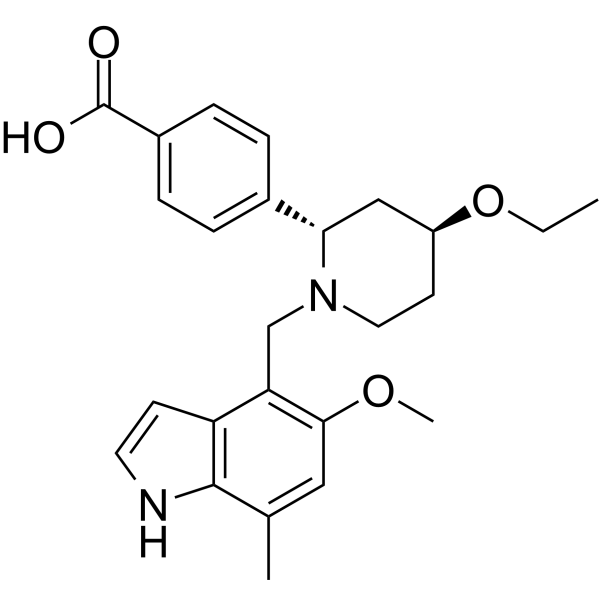
  • HY-127105
    Iptacopan
    Maximum Cited Publications
    13 Publications Verification

    LNP023

    Complement System Metabolic Disease Inflammation/Immunology
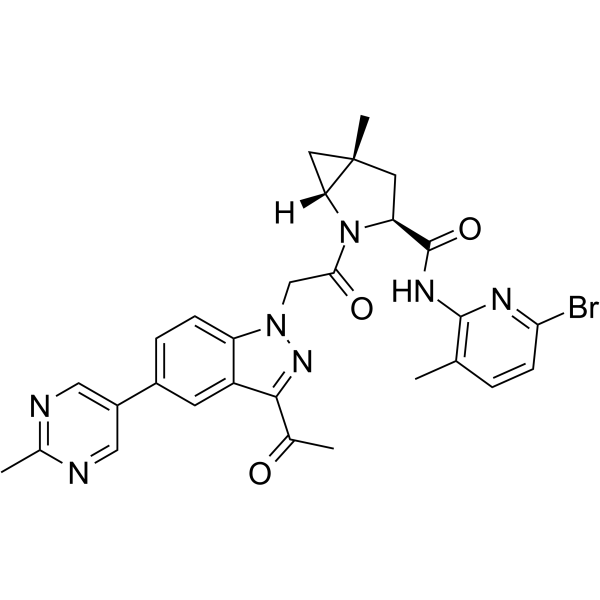
    Iptacopan (LNP023) is an effective and orally-active highly selective factor B inhibitor with an IC50 value of 10 nM and KD of 7.9 nM. Iptacopan exerts a proximal effect in the complement cascade reaction, preventing the destruction (hemolysis) of red blood cells in PNH and the damage of renal cells in IgAN and C3G. Iptacopan can be used for the study of complement-mediated diseases, particularly paroxysmal nocturnal hemoglobinuria (PNH), primary immunoglobulin A nephropathy (IgAN), and complement 3 glomerulopathy (C3G) .
    Iptacopan
  • HY-17627
    Avacopan
    4 Publications Verification

    CCX168

    Complement System Inflammation/Immunology
    Avacopan (CCX168) is a potent, selective and orally available complement 5a receptor (C5aR) inhibitor with an IC50 of 0.1 nM.
    Avacopan
  • HY-138161
    JR14a
    5+ Cited Publications

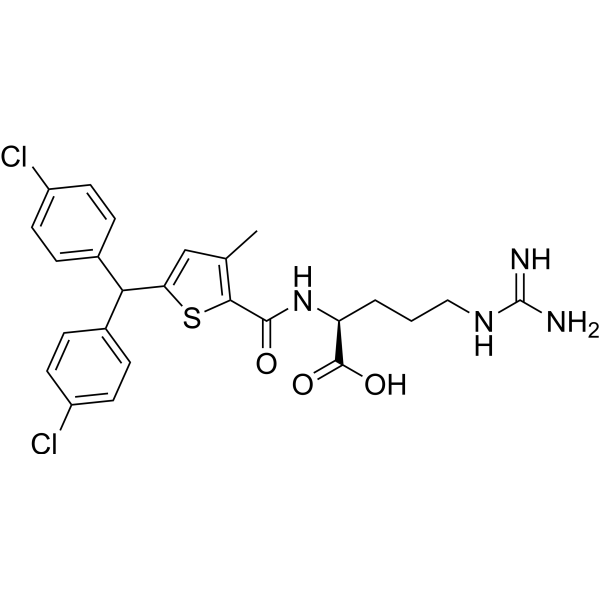
    Complement System Inflammation/Immunology
    JR14a is a potent thiophene antagonist of human complement C3a receptor. JR14a shows selectivity for the human C3a receptor over C5a receptor. JR14a can suppress C3aR-mediated inflammation .
    JR14a
  • HY-P3252A
    Pegcetacoplan acetate
    1 Publications Verification

    Complement System Inflammation/Immunology
    Pegcetacoplan acetate is a pegylated complement C3/C3b inhibitor. Pegcetacoplan acetate acts by specifically binding to and inhibiting C3 and C3b, thereby suppressing the complement cascade at its proximal stage. Pegcetacoplan is not a known inhibitor or inducer of CYP450 isoenzymes. Pegcetacoplan acetate can be used for the research of complement-mediated diseases, including paroxysmal nocturnal hemoglobinuria (PNH) and age-related macular degeneration (AMD) .
    Pegcetacoplan acetate
  • HY-P9914
    Eculizumab
    4 Publications Verification

    Anti-Human C5, Humanized Antibody; h5G1.1

    Complement System Cardiovascular Disease Neurological Disease
    Eculizumab (Anti-Human C5, Humanized Antibody) is a long-acting humanized monoclonal antibody targeted against complement C5. Eculizumab inhibits the cleavage of C5 into C5a and C5b and inhibits deployment of the terminal complement system including the formation of membrane attack complex (MAC). Eculizumab prevents anti-ganglioside antibody-mediated neuropathy in mice. Eculizumab can be used in hemolysis studies .
    Eculizumab
  • HY-N9481
    Lipoteichoic acid
    1 Publications Verification

    Complement System Autophagy mTOR Akt PI3K ERK Interleukin Related Infection Metabolic Disease Inflammation/Immunology Cancer
    Lipoteichoic acid is an orally effect anti-inflammatory and antitumor agent. Lipoteichoic acid is a crucial immune molecule in Gram-positive bacteria that activates the complement system by inducing C3 and inhibiting CD55. Lipoteichoic acid regulates macrophage autophagy through the PI3K/Akt/mTOR pathway. Lipoteichoic acid induces lung damage in mice. Lipoteichoic acid inhibits the production of melanin .
    Lipoteichoic acid
  • HY-147080

    ARC1905

    Complement System Others
    Avacincaptad pegol (ARC1905) sodium is a 40KDa PEG-conjugated aptamer. Avacincaptad pegol sodium targets complement factor 5 (C5), inhibits the cleavage of C5 into C5a and C5b, limits inflammatory stimulation and complement membrane attack complex (MAC), and is used to study age-related macular degeneration (AMD). Avacincaptad pegol sodium limits irregular cell apoptosis by targeting downstream factors in the complement cascade while preserving the early steps of the complement system .
    Avacincaptad pegol sodium
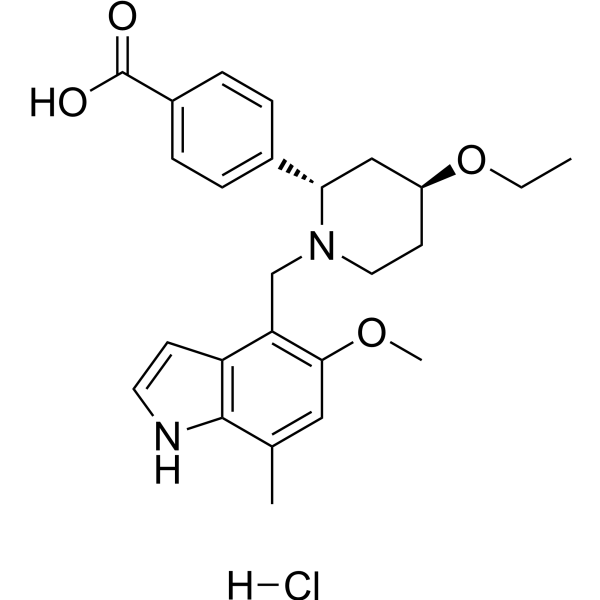
  • HY-127105A
    Iptacopan hydrochloride
    Maximum Cited Publications
    13 Publications Verification

    LNP023 hydrochloride

    Complement System Metabolic Disease Inflammation/Immunology
    Iptacopan (LNP023) hydrochloride is an effective and orally-active highly selective factor B inhibitor with an IC50 value of 10 nM and KD of 7.9 nM. Iptacopan hydrochloride exerts a proximal effect in the complement cascade reaction, preventing the destruction (hemolysis) of red blood cells in PNH and the damage of renal cells in IgAN and C3G. Iptacopan hydrochloride can be used for the study of complement-mediated diseases, particularly paroxysmal nocturnal hemoglobinuria (PNH), primary immunoglobulin A nephropathy (IgAN), and complement 3 glomerulopathy (C3G) .
    Iptacopan hydrochloride
  • HY-P3502

    RA101495; RA3193

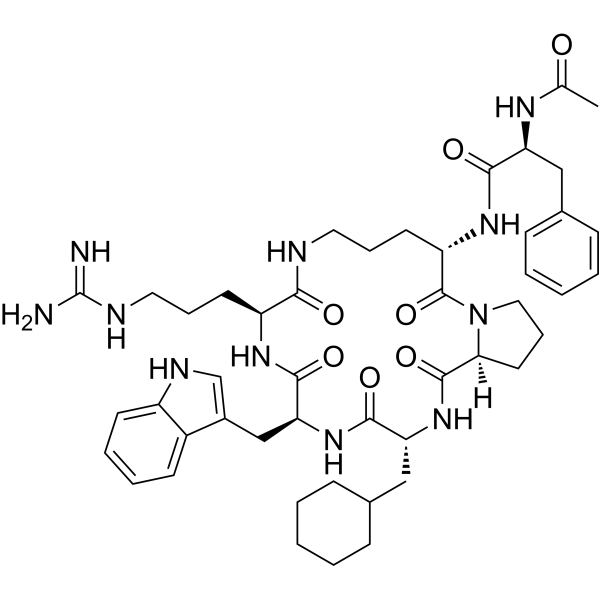
    Complement System Inflammation/Immunology
    Zilucoplan (RA101495), a 15-amino acid macrocyclic peptide, is a potent complement component 5 (C5) inhibitor. Zilucoplan can be used in research of immune-mediated necrotising myopathy (IMNM) .
    Zilucoplan
  • HY-117930
    Danicopan
    4 Publications Verification

    ACH-4471

    Complement System Inflammation/Immunology
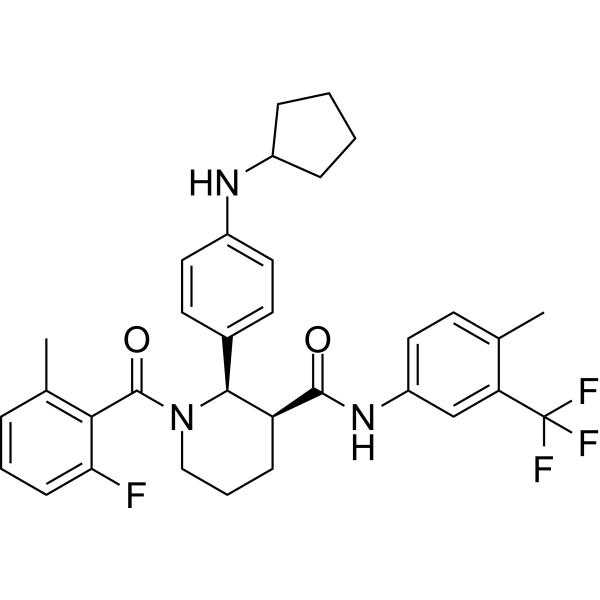
    Danicopan (ACH-4471), a selective and orally active small-molecule factor D inhibitor, shows high binding affinity to human Factor D with Kd value of 0.54 nM. Danicopan (ACH-4471) inhibits alternative pathway of complement (APC) activity, has potential to block the alternative pathway of complement in paroxysmal nocturnal hemoglobinuria (PNH) and atypical hemolytic uremic syndrome (aHUS) .
    Danicopan
  • HY-147297

    BCX9930

    Complement System Inflammation/Immunology
    Pelecopan (BCX9930) is a potent, selective, orally active inhibitor of complement factor D with an IC50 value of 14.3 nM. Pelecopan can target factor D to prevent both intravascular and extravascular hemolysis in PNH. Pelecopan also be used for other alternative pathway (AP) mediated diseases .
    Pelecopan
  • HY-P99965

    SKY59; RO7112689; RG-6107

    Complement System Cardiovascular Disease Metabolic Disease
    Crovalimab (SKY59; RO7112689) is a novel humanized antibody against C5 in a pH-dependent manner with KDs of 15.2 nM and 16.8 μM at pH 7.4 and 5.8, respectively. Crovalimab binds human FcRn with great affinity (KD: 17 μM at pH 6.0). Crovalimab can block cleavage of C5 by the C5 convertase and inhibite the activity of a C5 variant (p.Arg885His). Crovalimab inhibits C5b-9 formation significantly in all three complement pathways, the classical pathway (CP), lectin pathway (LP), and alternative pathway (AP). Crovalimab has the potential for paroxysmal nocturnal hemoglobinuria (PNH) and complement-mediated diseases research .
    Crovalimab
  • HY-NP004

    CVF

    Complement System Inflammation/Immunology
    Cobra Venom Factor (CVF) is a selective activator targeting complement components C3, C5, and factor B in the complement system. After binding to factor B, Cobra Venom Factor is cleaved by factor D, forming a stable C3/C5 convertase resistant to regulatory proteins H and I. This continuously hydrolyzes C3 and C5, depleting serum complement while inducing neutrophil migration, vascular leakage, and increased TNF-α levels. Cobra Venom Factor can be used to deplete complement and mimic complement activation-related pathological states, and is applied in animal models of complement-mediated diseases such as acute respiratory distress syndrome (ARDS), sepsis, and shock. Cobra Venom Factor can be isolated from the venom of cobras (e.g., Naja atra, Naja melanoleuca, Naja kaouthia, etc.) .
    Cobra Venom Factor
  • HY-P1036
    Compstatin
    3 Publications Verification

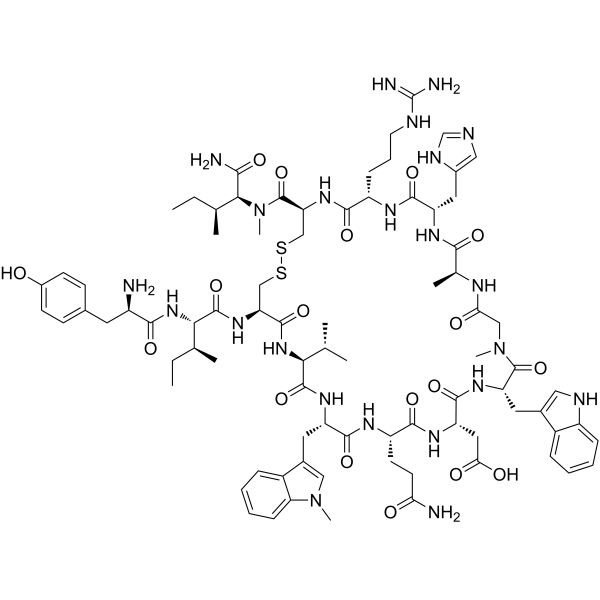
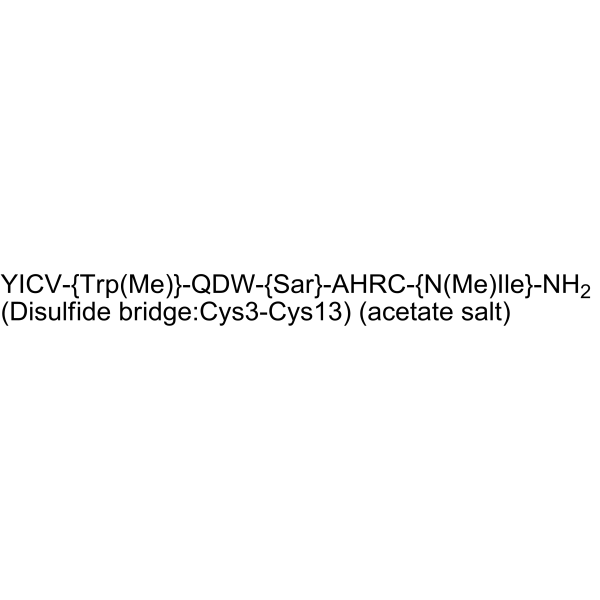
    Complement System Others
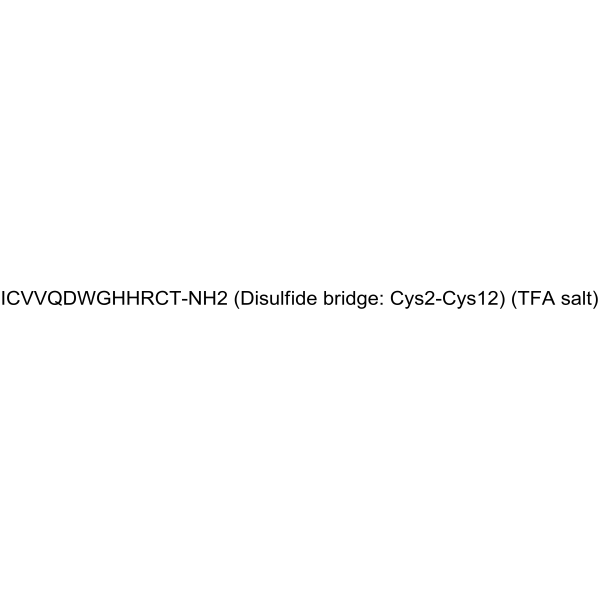
    Compstatin, a 13-residue cyclic peptide, is a potent inhibitor of the complement system C3 with species specificity. Compstatin binds to baboon C3 and is resistant to proteolytic cleavage in baboon blood (similar to humans). Compstatin inhibits only the activation of primates’ complement system. Compstatin exhibits IC50 values of 63 μM and 12 μM for classical and alterative complement pathway, respectively .
    Compstatin
  • HY-110136
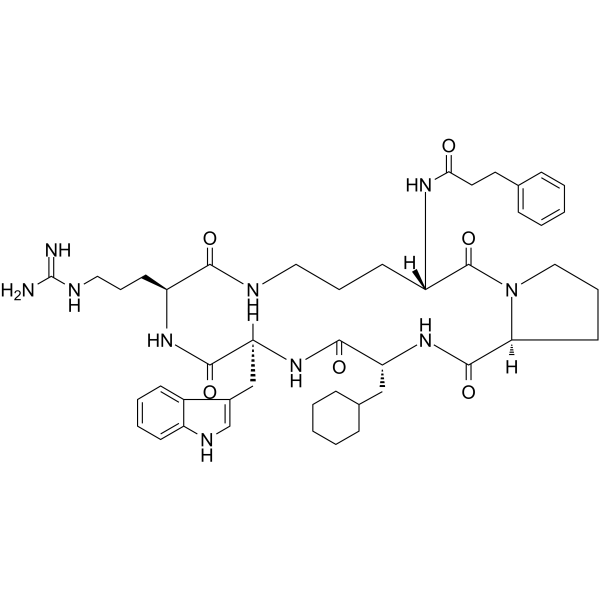
    PMX 205
    Maximum Cited Publications
    12 Publications Verification

    Complement System Inflammation/Immunology
    PMX 205 is a potent complement C5a receptor (C5aR; CD88) antagonist.
    PMX 205
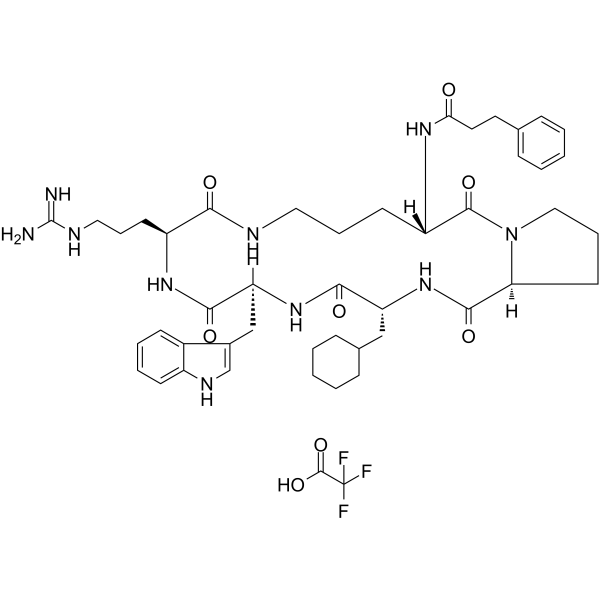
  • HY-110136A
    PMX 205 Trifluoroacetate
    10+ Cited Publications

    Complement System Inflammation/Immunology
    PMX 205 Trifluoroacetate is a specific complement C5aR1 isoform antagonist .
    PMX 205 Trifluoroacetate
  • HY-P991127

    DNTH103

    Complement System Inflammation/Immunology
    Claseprubart (DNTH103) is an inhibitor targeting C1s of the complement system and an inhibitor of the C1 component of the complement cascade. Claseprubart is in phase 2 clinical evaluation. Claseprubart has application potential in research related to multifocal motor neuropathy and generalized myasthenia gravis .
    Claseprubart
  • HY-134222A

    N-Acetyl-L-serine

    Endogenous Metabolite Complement System Others
    N-Acetylserine (N-Acetyl-L-serine) is a complement pathway modulator targeting activated third complement protein (C3b) and an amino-terminal residue (an N-terminal acetylation modification group). N-Acetylserine reacts with the exposed thioester group of C3b via its hydroxyl group, thereby blocking the covalent binding of glycerol to this thioester group. N-Acetylserine widely exists in soluble proteins of mammalian cells (accounting for approximately 80% of such proteins). N-Acetylserine has a blocking property that prevents direct Edman sequencing of proteins; deblocking is achievable through trifluoroacetic acid-catalyzed N→O acetyl migration followed by β-elimination. N-Acetylserine is suitable for sequencing of proteins with N-terminal acetylserine modification .
    N-Acetylserine
  • HY-128570

    Complement System Inflammation/Immunology
    FD-IN-1 (Compound 12) is an orally bioavailable and selective factor D (FD) inhibitor with an IC50 of 12 nM. Complement FD, a highly specific S1 serine protease, plays a central role in the alternative complement pathway of the innate immune system. FD-IN-1 also inhibits factor XIa (FXIa) and Tryptase β2 with IC50s of 7.7 and 6.5 µM, respectively .
    FD-IN-1
  • HY-P99050

    BIVV009; IPN-009; TNT009

    Complement System Cardiovascular Disease Inflammation/Immunology
    Sutimlimab is a humanized monoclonal IgG4 antibody. Sutimlimab inhibits complement protein component 1, s subcomponent (C1s). Sutimlimab blocks C3 and C4 activation. Sutimlimab can be used for the research of cold agglutinin disease and complement-mediated hemolytic uremic syndrome .
    Sutimlimab
  • HY-P99520

    CaCP-29, IFX-1

    Complement System SARS-CoV Infection Inflammation/Immunology
    Vilobelimab (CaCP-29, IFX-1) is a monoclonal anti-C5a antibody to the allergen C5a, a pro-inflammatory complement division product that plays a central role in mediating organ dysfunction. Vilobelimab acts as a C5a inhibitor, inhibiting neutrophil activation, chemotaxis, and reducing inflammatory signalling, and may be used in studies related to sepsis, COVID-19, etc .
    Vilobelimab
  • HY-P99365

    ALXN1210

    Complement System Metabolic Disease
    Ravulizumab (ALXN1210) is a humanized monoclonal antibody that specifically binds with high affinity to the human complement protein C5. Ravulizumab can be used for the research of paroxysmal nocturnal hemoglobinuria, atypical hemolytic uremic syndrome, and myasthenia gravis .
    Ravulizumab
  • HY-P990952

    OMS906

    Ser/Thr Protease Complement System Metabolic Disease Inflammation/Immunology
    Zaltenibart (OMS906) is an IgG4 humanized monoclonal antibody and MASP-3 inhibitor. By inhibiting MASP-3, Zaltenibart achieves upstream inhibition of the alternative complement pathway. MASP-3 is an upstream activator of Factor D (Factor D), a key enzyme in the alternative complement pathway. Zaltenibart prevents both intravascular hemolysis and extravascular hemolysis. Zaltenibart is applicable to research related to paroxysmal nocturnal hemoglobinuria .
    Zaltenibart
  • HY-NP0194A

    Complement System Cardiovascular Disease Infection Neurological Disease Metabolic Disease Inflammation/Immunology
    C1q Protein (mouse) is a complement protein and is a recognition molecule of the classical pathway, performs a diverse range of complement and non-complement functions. C1q Protein (mouse) binds various ligands derived from self, non-self, and altered self and modulate the functions of immune
    and non-immune cells. C1q Protein (mouse) can be used for the research of mutiple disease .
    C1q Protein (mouse)
  • HY-139588
    Vemircopan
    2 Publications Verification

    ALXN2050; ACH 0145228; ACH-5228

    Complement System Interleukin Related Metabolic Disease Inflammation/Immunology
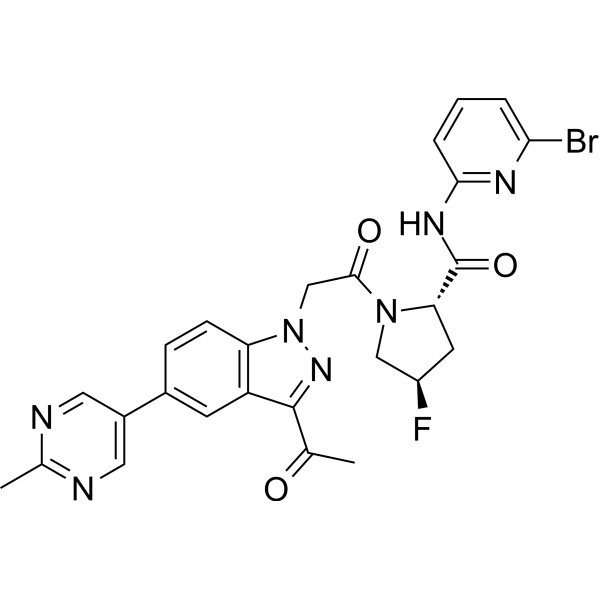
    Vemircopan (ALXN2050) is an orally active complement factor D (FD) inhibitor. Vemircopan can be used in the research of diseases such as myasthenia gravis, lupus nephritis, IgA nephropathy, and paroxysmal nocturnal hemoglobinuria .
    Vemircopan
  • HY-P99358

    GSK 2398852; Anti-Serum Amyloid P/SAP Reference Antibody (dezamizumab)

    Complement System Inflammation/Immunology
    Dezamizumab (GSK 2398852) is a fully humanized clonal IgG1 antibody against serum amyloid P component (SAP) with complement activation and amyloid clearance-inducing activities. Dezamizumab binds to SAP associated with amyloid deposits to form complexes that activate complement and mediate phagocytic clearance, triggering activation of the classical complement pathway. Dezamizumab can be used for the research of systemic amyloidosis .
    Dezamizumab
  • HY-P990091

    SAR 445088

    Complement System Inflammation/Immunology
    Riliprubart (SAR 445088) is an anti-C1s humanized IgG4 monoclonal antibody that inhibits activated C1s in the proximal portion of the classical complement system. Riliprubart selectively inhibits activated C1s and prevents the enzymatic action of C1 on its substrates C4 and C2, thus inhibiting the formation of the classical pathway C3 convertase, C4b2a. Riliprubart can be used to study complement-mediated diseases such as systemic lupus erythematosus. Recommend Isotype Controls: Human IgG4 (S228P) kappa, Isotype Control (HY-P99003) .
    Riliprubart
  • HY-145720

    ALN-CC5

    Complement System Small Interfering RNA (siRNA) Metabolic Disease
    Cemdisiran (ALN-CC5) is an N-acetylgalactosamine-conjugated RNAi agent and also a complement component C5 inhibitor. Cemdisiran targets C5 mRNA, cleaves C5 mRNA via the endogenous RNA interference pathway, and inhibits the production of C5 protein in the liver. Cemdisiran exerts a dose-dependent inhibitory effect on total C5 concentrations in cynomolgus monkeys. When used in combination with Pozelimab (HY-P99786) in cynomolgus monkeys, Cemdisiran achieves a more sustained and complete inhibitory effect on complement activity. Cemdisiran can be used in the research of paroxysmal nocturnal hemoglobinuria and other complement-mediated diseases .
    Cemdisiran
  • HY-P99905
    Efdamrofusp alfa
    1 Publications Verification

    IBI302

    VEGFR Cardiovascular Disease Neurological Disease
    Efdamrofusp alfa is a bispecific fusion protein. Efdamrofusp alfa is capable of neutralizing both VEGF isoforms and C3b/C4b. Efdamrofusp alfa can be used for the research of neovascular age-related macular degeneration (nAMD) and other complement-related ocular conditions .
    Efdamrofusp alfa
  • HY-148457

    Izervay

    Complement System Infection Neurological Disease Inflammation/Immunology
    Avacincaptad pegol (Izervay) is a selective inhibitor targeting complement component C5, and is a pegylated ribonucleic acid aptamer. Avacincaptad pegol inhibits the cleavage of C5 into pro-inflammatory C5a and C5b, which forms the membrane attack complex (C5b-9), thereby reducing inflammatory cell recruitment and retinal cell damage. Avacincaptad pegol can slow the growth of geographic atrophy (GA) lesions and reduce the risk of persistent vision loss. Avacincaptad pegol can be used in research of geographic atrophy associated with age-related macular degeneration (AMD) and has been approved by the FDA .
    Avacincaptad pegol
  • HY-P99450

    IPH 5401; Anti-C5aR1 mAb

    Complement System Inflammation/Immunology Cancer
    Avdoralimab (IPH 5401) is a fully human IgGκ monoclonal antibody that targets the complement C5a receptor 1 (C5aR1) that prevents its binding to C5a. Avdoralimab can be used for complement-driven inflammatory diseases and solid tumours research .
    Avdoralimab
  • HY-P99638

    ALXN-1720

    Complement System Inflammation/Immunology
    Gefurulimab (ALXN-1720) is a high-affinity antibody inhibitor targeting complement protein C5, which can specifically bind to C5 and inhibit its cleavage into C5a and C5b. Gefurulimab can block the activation of the terminal complement pathway and reduce inflammatory damage. Gefurulimab can effectively reduce the formation of membrane attack complex (MAC) and has good pharmacokinetic properties. Gefurulimab can be used to study kidney and autoimmune diseases related to abnormal activation of the complement system, such as IgA nephropathy, lupus nephritis, and myasthenia gravis .
    Gefurulimab
  • HY-P990025

    ARGX-117

    Complement System Inflammation/Immunology
    Empasiprubar (ARGX-117) is a humanized inhibitory monoclonal antibody targeting complement C2. Empasiprubar binds to the Sushi-2 domain of C2, preventing the formation of C3 pre convertase and inhibiting the activation of classical and lectin pathways upstream of C3 activation. Empasiprubar can prevent complement mediated autoimmune hemolytic anemia and antibody mediated organ transplant rejection. Empasiprubar can prevent neuroglial lymphoconjunctival injury in GM1 antibody mediated mouse models .
    Empasiprubart
  • HY-P1823

    Akt mTOR Caspase Infection Cardiovascular Disease Metabolic Disease Inflammation/Immunology Cancer
    C-Reactive Protein (CRP) is an anti-pneumococcal plasma protein that can serve as an inflammatory marker. C-Reactive protein can protect mice from pneumococcal infection by activating complement. C-Reactive protein can inhibit the activation of caspase-3/9 through the CD64/AKT/mTOR pathway, thereby promoting chemotherapy resistance in mice with tongue squamous cell carcinoma .
    C-Reactive Protein (CRP) (174-185)
  • HY-P99786

    REGN3918

    Complement System Metabolic Disease
    Pozelimab (REGN3918) is a fully human IgG4 anti-C5 monoclonal antibody. Pozelimab binds to C5 and C5 variants with high affinity and blocks complement-mediated hemolysis. Pozelimab can be used for the research of complement-mediated diseases .
    Pozelimab
  • HY-P1345A
    TLQP-21 TFA
    2 Publications Verification

    Complement System Neurological Disease Endocrinology
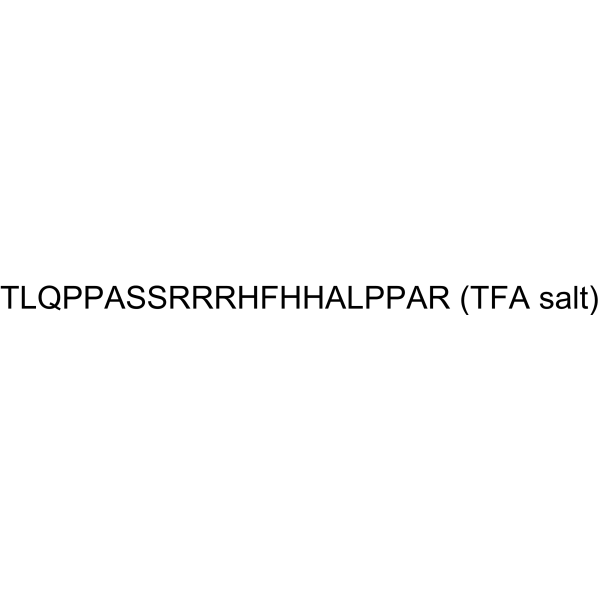
    TLQP-21 TFA, a VGF-derived peptide endowed of endocrine and extraendocrine properties, is a potent G-protein-coupled receptor complement-3a receptor1 (C3aR1) agonist (EC50: mouse TLQP-21=10.3 μM; human TLQP-21=68.8μM). TLQP-21 TFA activates C3aR1 to induce an increase of intracellular Ca 2+. TLQP-21 TFA is used for the research in regulation of nociception and other relevant physiologic functions .
    TLQP-21 TFA
  • HY-P3204
    POT-4
    1 Publications Verification

    AL-78898A

    Complement System Metabolic Disease
    POT-4 (AL-78898A), a Compstatin derivative, is a potent inhibitor of complement factor C3 activation. POT-4 can be used for age-related macular degeneration research
    POT-4
  • HY-148370A

    IONIS-FB-LRx sodium; RG6299 sodium; ISIS 696844 sodium

    Complement System Others
    Sefaxersen sodium is a specific antisense oligonucleotide (ASO) targeting complement factor B (CFB). Sefaxersen sodium effectively reduces circulating levels of CFB, and can be used for geographic atrophy (GA) research .
    Sefaxersen sodium
  • HY-148370

    IONIS-FB-LRx; RG6299; ISIS 696844

    Complement System Others
    Sefaxersen (IONIS-FB-LRx) is a specific antisense oligonucleotide (ASO) targeting complement factor B (CFB). Sefaxersen effectively reduces circulating levels of CFB. Sefaxersen can be used for geographic atrophy (GA) research .
    Sefaxersen
  • HY-149278

    Complement System Inflammation/Immunology
    Complement C1s-IN-1 is a potent, selective, orally active and cross the blood-brain barrier C1s inhibitor with an IC50 value of 36 nM .
    Complement C1s-IN-1
  • HY-P99298

    RG 7417; TNX 234; Anti-CFD Recombinant Antibody

    Complement System Inflammation/Immunology
    Lampalizumab (RG 7417) is a humanised monoclonal antibody targeting complement Factor D in the alternative complement pathway. Lampalizumab binds an exosite and sterically blocks Factor B access to the active site. Lampalizumab can be used for age-related macular degeneration (AMD) research .
    Lampalizumab
  • HY-145720A

    ALN-CC5 sodium

    Complement System Others
    Cemdisiran sodium is an N-acetylgalactosamine (GalNAc) conjugated siRNA for the research of complement-mediated diseases by suppressing liver production of complement 5 (C5) protein.
    Cemdisiran sodium
  • HY-NP0194C

    Complement System Inflammation/Immunology
    C1q Protein (rat) is a complement protein and is a recognition molecule of the classical pathway, performs a diverse range of complement and non-complement functions. C1q Protein (rat) binds various ligands derived from self, non-self, and altered self and modulate the functions of immune
    and non-immune cells. C1q Protein (rat) can be used for the research of mutiple disease .
    C1q Protein (rat)
  • HY-P1036A
    Compstatin TFA
    3 Publications Verification

    Complement System Others
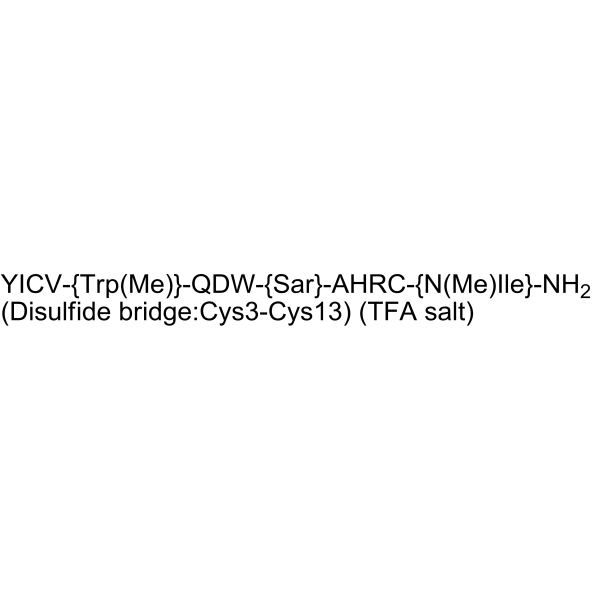
    Compstatin TFA, a 13-residue cyclic peptide, is a potent inhibitor of the complement system C3 with species specificity. Compstatin TFA binds to baboon C3 and is resistant to proteolytic cleavage in baboon blood (similar to humans). Compstatin TFA inhibits only the activation of primates’ complement system. Compstatin TFA exhibits IC50 values of 63 μM and 12 μM for classical and alterative complement pathway, respectively .
    Compstatin TFA
  • HY-165084

    Soy PS sodium

    Liposome Inflammation/Immunology
    L-a-Phosphatidylserine sodium is an antigen targeting phosphatidylserine (PS) and can induce the production of polyclonal antibodies. L-a-Phosphatidylserine can trigger complement-dependent immune damage by binding to PS on the cell membrane surface. After L-a-Phosphatidylserine is recognized by antibodies, it activates the complement system, causing liposome membrane damage and content release, and then participates in the regulation of immune response and cell apoptosis signaling. L-a-Phosphatidylserine can be used in immunological research, such as antibody specificity analysis and complement activation mechanism research .
    L-a-Phosphatidylserine sodium
  • HY-160901

    Complement System Inflammation/Immunology
    CP-289,503 is an inhibitor of the complement C5a receptor with an IC50 of 1 μM. C5a acts as an activator of leukocytes and phagocytes during complement system activation. The C5a receptor can bind to C5a, which can stimulate the upregulation of cell surface integrins and degranulation of inflammatory cells, leading to endothelial cell damage. C5a receptor inhibitors can block C5a signaling and inhibit a variety of inflammatory diseases .
    CP-289,503
  • HY-P1505A
    C3a (70-77) TFA
    1 Publications Verification

    Complement 3a (70-77) TFA

    Complement System Inflammation/Immunology
    C3a (70-77) TFA (Complement 3a (70-77) TFA) is an octapeptide corresponding to the COOH terminus of C3a, exhibits the specificity and 1 to 2% biologic activities of C3a .
    C3a (70-77) TFA
  • HY-P10827A

    Complement System Inflammation/Immunology
    PIC1 PA TFA is the trifluoroacetate salt form of PIC1 PA (HY-P10827). PIC1 PA TFA is a 15-amino acid peptide that is a potent PIC1 analog that inhibits classical complement activation .
    PIC1 PA TFA
  • HY-P10827

    Complement System Inflammation/Immunology
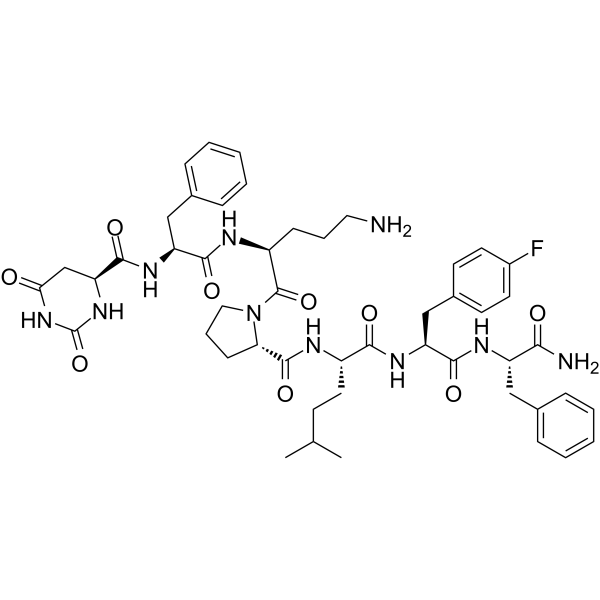
    PIC1 PA, a 15 amino-acid peptide, is a potent PIC1 analog that inhibits classical pathway mediated complement activation. PIC1 PA functionally disrupts the C1s-C1r-C1r-C1s/MASPs interaction with collagen-like region (CLR) of C1q/MBL, respectively. PIC1 PA specifically binds to the CLR of C1q and bounds to purified C1q with a mean equilibrium dissociation constant (KD) of 33.3 nM .
    PIC1 PA
  • HY-P1398

    Complement System Inflammation/Immunology
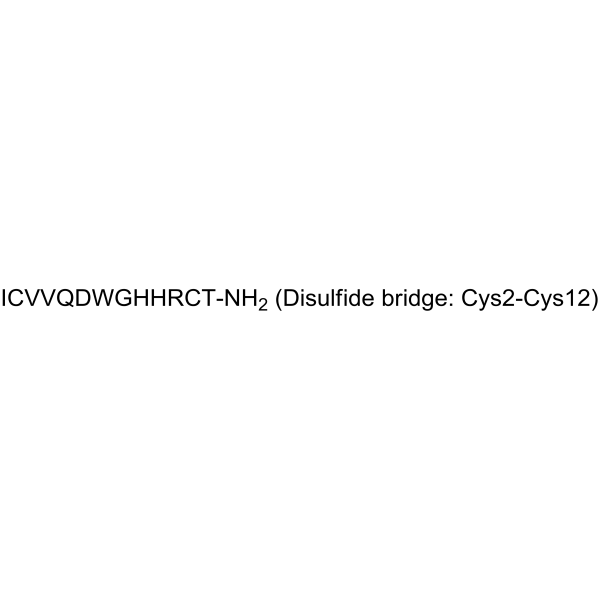
    Compstatin control peptide is a negative control of Compstatin (HY-P1036). Compstatin is a potent complement system C3 inhibitor .
    Compstatin control peptide

Inquiry Online

Your information is safe with us. * Required Fields.

Salutation


Country or Region *

Applicant Name *


Organization Name *

Department *


Email Address *


Product Name *

Cat. No.


Requested quantity *

Phone Number *


Remarks

Inquiry Online

Inquiry Information

Product Name:
Cat. No.:
Quantity:
MCE Japan Authorized Agent:

