1. Search Result
Search Result
Results for "

endocannabinoids

" in MedChemExpress (MCE) Product Catalog:

71

Inhibitors & Agonists

2

Biochemical Assay Reagents

1

Peptides

7

Natural
Products

8

Isotope-Labeled Compounds

Cat. No. Product Name Target Research Areas Chemical Structure
  • HY-10863
    Anandamide
    2 Publications Verification

    AEA; Arachidonoyl ethanolamide

    Cannabinoid Receptor PPAR TRP Channel GPR55 Fungal Tau Protein Endogenous Metabolite Infection Neurological Disease Metabolic Disease Inflammation/Immunology
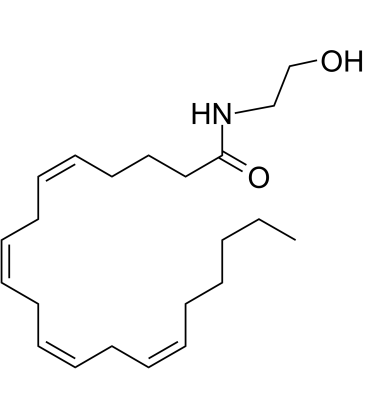
    Anandamide is an endocannabinoid. Anandamide modulates both neuronal and immune functions through two protein-coupled cannabinoid receptors (CB1 and CB2). Anandamide can activate numerous other receptors like PPARS, TRPV1, and GPR18/GPR55. Anandamide also has potential anti-fungal and anti-inflammatory activities. Anandamide can be used for the research of Alzheimer’s disease (AD) and ulcerative colitis .
    Anandamide
  • HY-110004

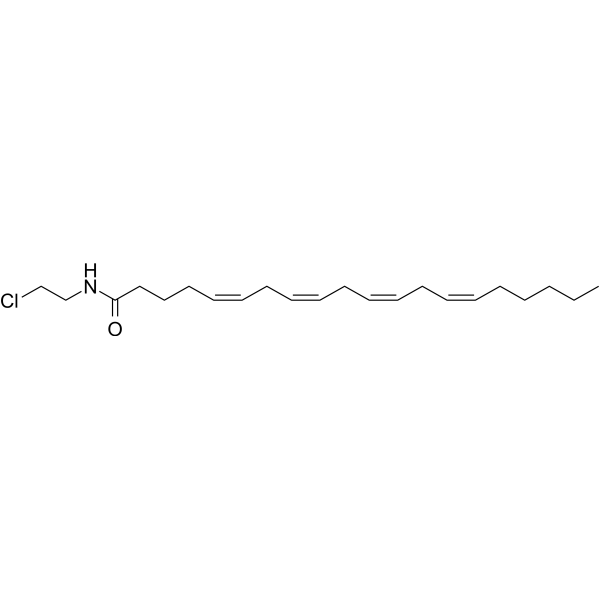
    Arachidonyl-2-chloroethylamide

    Cannabinoid Receptor Others
    ACEA (short for arachidonyl-2'-chloroacetamide) is a synthetic organic compound that acts as an agonist of the cannabinoid receptor CB1. It is a chemical that affects the endocannabinoid system in the body, which regulates various physiological processes such as appetite, pain perception, mood, and memory .
    ACEA
  • HY-113015

    Endogenous Metabolite Neurological Disease
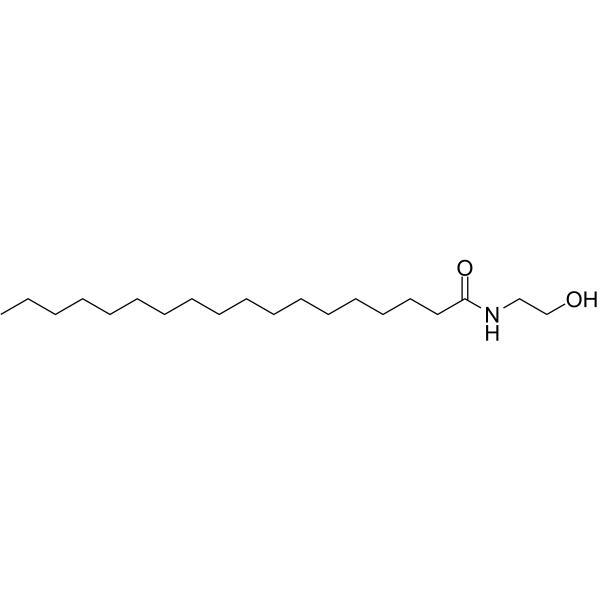
    Stearoylethanolamide is an endocannabinoid-like compound with pro-apoptotic activity.
    Stearoylethanolamide
  • HY-103332
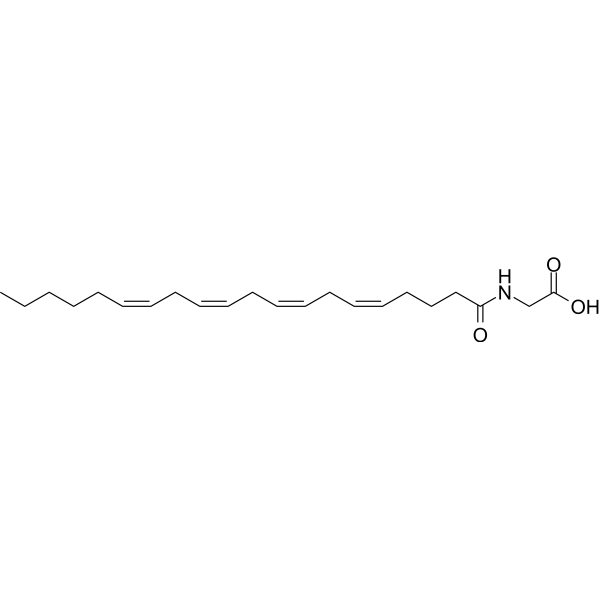
    N-Arachidonylglycine
    1 Publications Verification

    NA-Gly

    GlyT Endogenous Metabolite Inflammation/Immunology
    N-Arachidonylglycine (NA-Gly), a carboxylic analog of the endocannabinoid anandamide (AEA), is a GPR18 agonist (EC50 = 44.5 nM). Unlike AEA, N-Arachidonylglycine has no activity at either CB1 or CB2 receptors. N-Arachidonylglycine inhibits GLYT2 (IC50 = 5.1 μM). N-Arachidonylglycine also is an effective activator of endometrial cell migration .
    N-Arachidonylglycine
  • HY-N0313

    MAGL Endogenous Metabolite Inflammation/Immunology
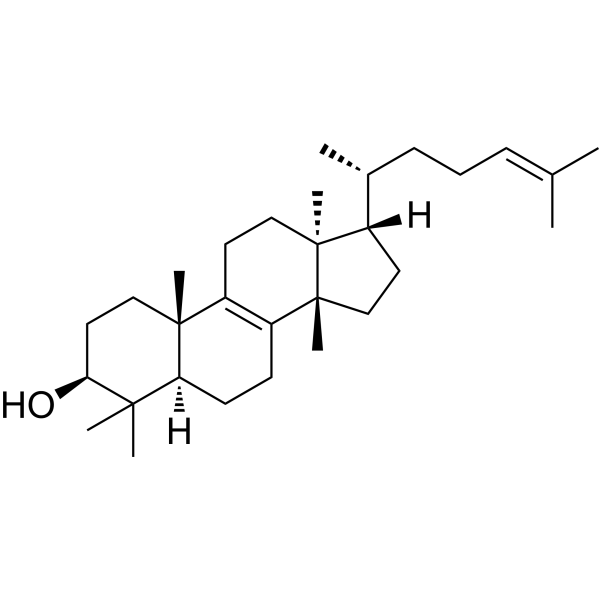
    Euphol is a tetracyclic triterpene alcohol isolated from the sap of Euphorbia tirucalli with anti-mutagenic, anti-inflammatory and immunomodulatory effects, orally active. Euphol inhibits the monoacylglycerol lipase (MGL) activity via a reversible mechanism (IC50=315 nM). MGL inhibition in the periphery modulates the endocannabinoid system to block the development of inflammatory pain .
    Euphol
  • HY-101388
    AM404
    2 Publications Verification

    Cannabinoid Receptor Neurological Disease
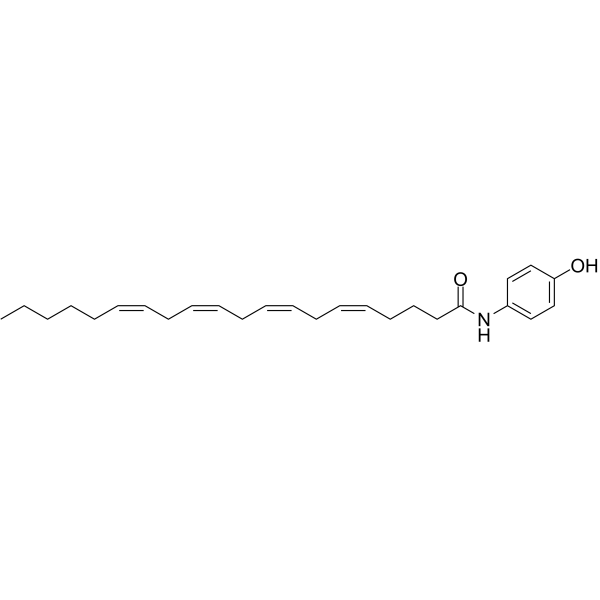
    AM404, an inhibitor of endocannabinoid reuptake, blocks anandamide transport with IC50 values in the low micromolar range . AM404 is able to relax rat isolated hepatic arteries contracted with Phenylephrine, with a pEC50 value of 7.4 (corresponding to an EC50 of 0.04 μM). Neuroprotective Effect .
    AM404
  • HY-152148

    MAGL Neurological Disease
    JZP-MA-11 is a brain-penetrant positron emission tomography (PET) ligand targeting the brain endocannabinoid α/β-hydrolase domain 6 (ABHD6) enzyme. JZP-MA-11 selectively inhibits ABHD6 with an IC50 value of 126 nM. [18F]JZP-MA-11 has the potential for preclinical evaluation targeting the brain ABHD6 in mice and nonhuman primate (NHP) .
    JZP-MA-11
  • HY-W020035

    GPR55 Neurological Disease
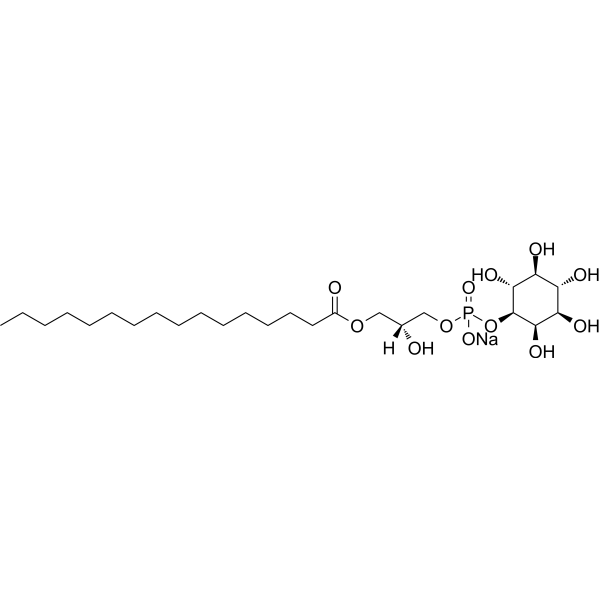
    L-α-lysophosphatidylinositol Soy sodium is an endogenous ligand of GPR55. L-α-lysophosphatidylinositol Soy sodium is an endogenous lysophospholipid and endocannabinoid neurotransmitter that belongs to the class of lysophospholipids .
    L-α-lysophosphatidylinositol (Soy) sodium
  • HY-108613
    JJKK 048
    2 Publications Verification

    MAGL Neurological Disease Cancer
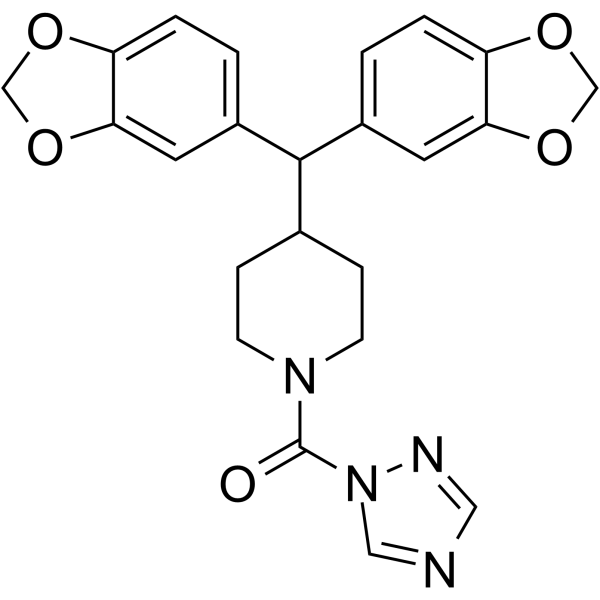
    JJKK 048 is a highly selective and potent monoacylglycerol lipase (MAGL) inhibitor with IC50 values of 214 pM, 275 pM and 363 pM for human, rat, and mouse MAGL. JJKK 048 displays low cross-reactivity with other endocannabinoid targets. JJKK 048 can be used in the research of diseases such as cancer, neurodegenerative diseases, and pain .
    JJKK 048
  • HY-10865
    LY2183240
    3 Publications Verification

    FAAH Autophagy Neurological Disease
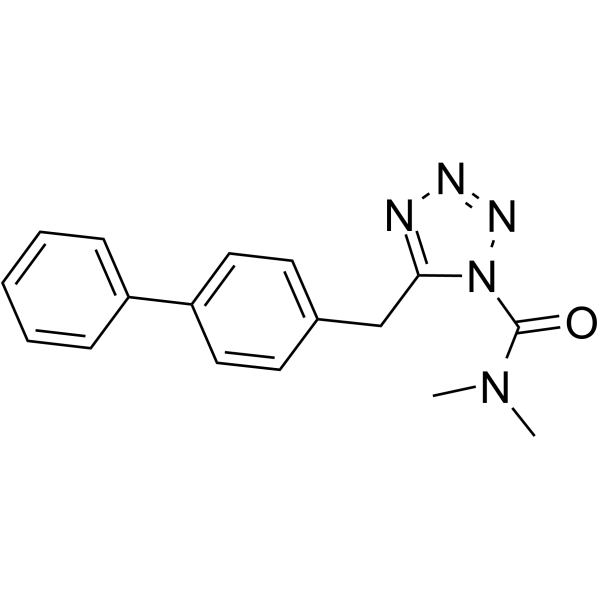
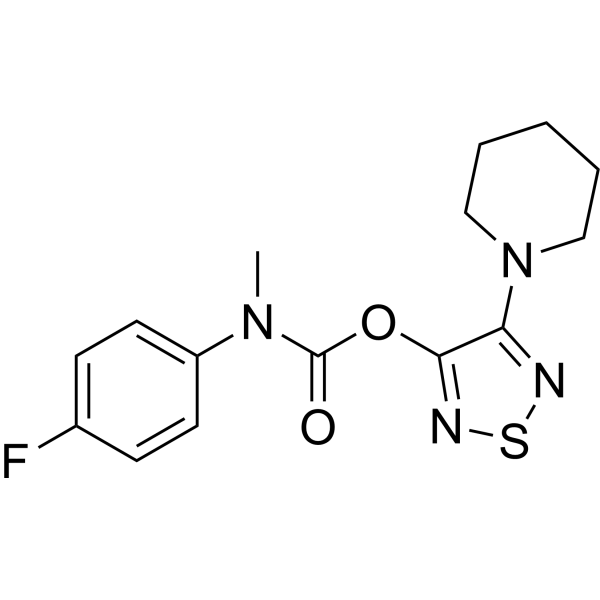
    LY2183240 is a highly potent blocker of anandamide uptake (IC50= 270 pM; Ki=540 nM). LY2183240 is a potent, covalent inhibitor of the endocannabinoid-degrading enzyme fatty acid amide hydrolase (FAAH) with an IC50 of 12.4 nM. LY2183240 inactivates FAAH by carbamylation of the enzyme's serine nucleophile. LY2183240 also inhibits several other brain serine hydrolases with IC50s of 5.3, 0.09, 8.2 nM for MAG lipase, bh6 and KIAA1363, respectively .
    LY2183240
  • HY-133130
    JNJ-42226314
    1 Publications Verification

    MAGL Neurological Disease
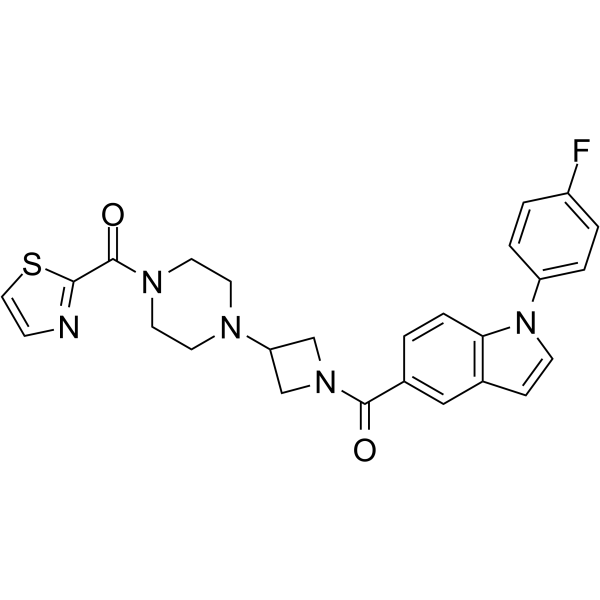
    JNJ-42226314, a chemical probe, is a competitive, highly selective and reversible non-covalent monoacylglycerol lipase (MAGL) inhibitor. JNJ-42226314 demonstrates dose-dependent enhancement of the major endocannabinoid 2-arachidonoylglycerol (2-AG) as well as efficacy in models of neuropathic and inflammatory pain .
    JNJ-42226314
  • HY-77491

    FAAH MAGL Neurological Disease
    AM6701 is a potent FAAH/MAGL inhibitor (equipotent inhibitory IC50: 1.2 nM) with neuroprotective effects .
    FAAH/MAGL-IN-5
  • HY-120961

    N-Ethyloleamide

    FAAH Metabolic Disease
    Oleoyl ethyl amide (N-Ethyloleamide) is a fatty acid amide hydrolase (FAAH) inhibitor. Oleoyl ethyl amide can counteract bladder overactivity .
    Oleoyl ethyl amide
  • HY-110206

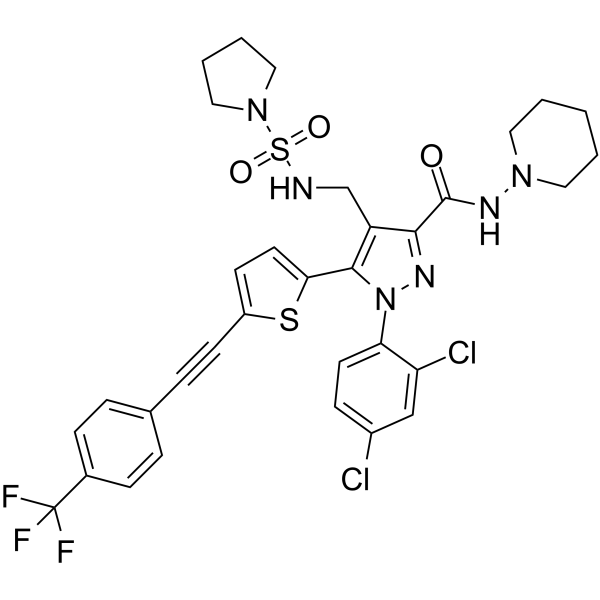
    Cannabinoid Receptor Metabolic Disease
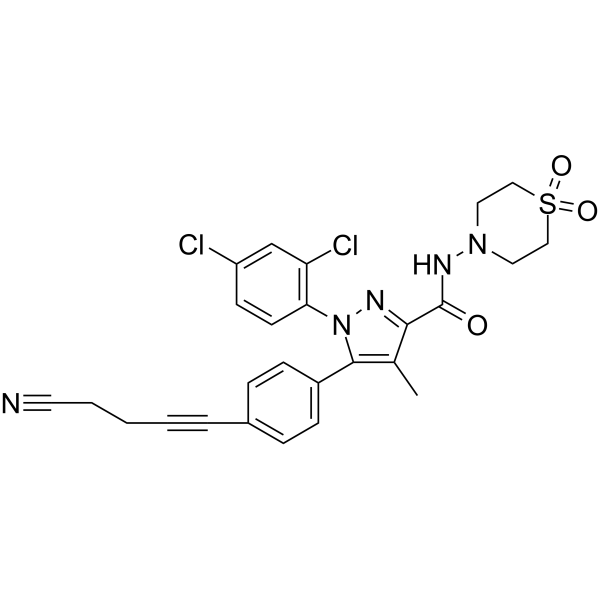
    AM6545 is a highly selective, brain-free (peripherally active) CB1 receptor antagonist (Ki=1.7 nM). AM6545 inhibits endocannabinoid signaling by competitively antagonizing CB1 receptors, inhibiting CB1-mediated appetite stimulation and inflammatory responses without affecting cAMP levels. AM6545 significantly reduces food intake and body weight in mice, while improving metabolic syndrome-related renal impairment (such as proteinuria, fibrosis) and insulin resistance. AM6545 can be used in the study of obesity and its complications .
    AM6545
  • HY-113070

    Cannabinoid Receptor Endogenous Metabolite Neurological Disease
    Dihomo-γ-Linolenoyl Ethanolamide, an endocannabinoid, is a cannabinoid (CB) receptor agonist with Kis of 857 nM and 598 nM for human recombinant CB1 and CB2 receptors, respectively .
    Dihomo-γ-Linolenoyl Ethanolamide
  • HY-125407

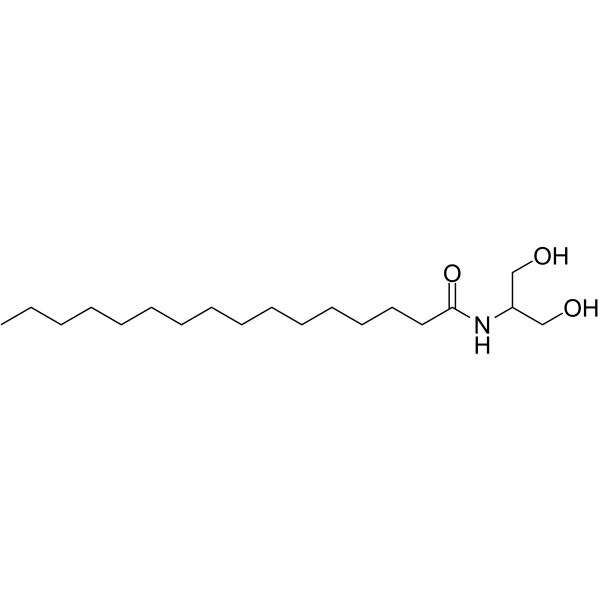
    N-Palmitoyl serinol

    Cannabinoid Receptor Inflammation/Immunology
    Palmitoyl serinol (N-Palmitoyl serinol) is an analog of the endocannabinoid N-palmitoyl ethanolamine (PEA). Palmitoyl serinol improves the epidermal permeability barrier in both normal and inflamed skin .
    Palmitoyl serinol
  • HY-132310

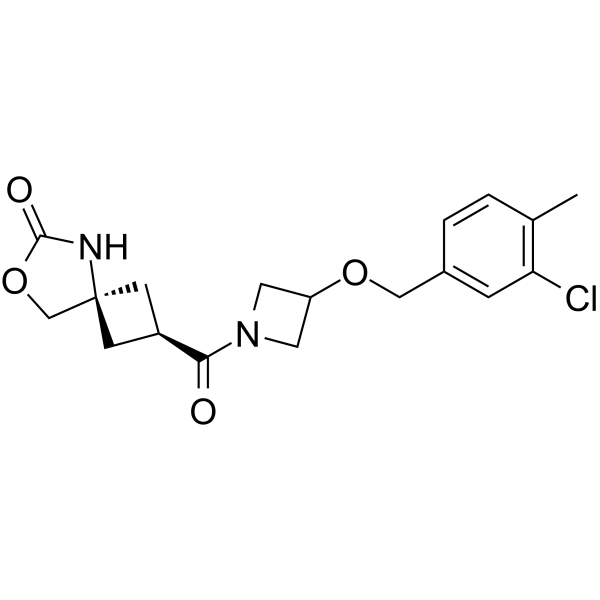
    MAGL Neurological Disease
    MAGL-IN-4 is an orally active, selective and reversible monoacylglycerol lipase (MAGL) inhibitor with an IC50 of 6.2 nM. MAGL-IN-4 can penetrate the blood-brain barrier (BBB). MAGL-IN-4 enhances endocannabinoid signaling mostly by the increase in the level of 2-AG via selective MAGL inhibition in the brain .
    MAGL-IN-4
  • HY-101389

    AM-356

    Cannabinoid Receptor TRP Channel Neurological Disease
    (R)-Methanandamide (AM-356), an analog of the endocannabinoid ligand Anandamide, is a potent CB1 agonist with a Ki of 20 nM. (R)-Methanandamide also activates vanilloid (TRPV1) receptors .
    (R)-Methanandamide
  • HY-150029

    Cannabinoid Receptor Neurological Disease
    CB1/2 agonist 3 (compound 52), a potent non-selective cannabinoid ligand, is a CB1/CB2 (cannabinoid receptor) competitive agonist. CB1/2 agonist 3 acts on hCB1 and hCB2 with Ki values of 5.9 nM and 3.5 nM, respectively .
    CB1/2 agonist 3
  • HY-10863S

    AEA-d8

    Isotope-Labeled Compounds Cannabinoid Receptor PPAR Endogenous Metabolite Tau Protein GPR55 Fungal TRP Channel Infection
    Anandamide-d8 is a deuterated labeled Anandamide . Anandamide is an endocannabinoid. Anandamide modulates both neuronal and immune functions through two protein-coupled cannabinoid receptors (CB1 and CB2). Anandamide can activate numerous other receptors like PPARS, TRPV1, and GPR18/GPR55. Anandamide also has potential anti-fungal and anti-inflammatory activities. Anandamide can be used for the research of Alzheimer’s disease (AD) and ulcerative colitis .
    Anandamide-d8
  • HY-120963

    Endogenous Metabolite Metabolic Disease
    Several different arachidonoyl amino acids, including N-arachidonoyl dopamine and N-arachidonoyl serine, have been isolated and characterized from bovine brain.1 During mass spectral lipidomics analysis of rat brain, a series of fatty acyl amides of a third amino acid, taurine, were discovered.2 This novel class of compounds is present in kidney and activates members of the transient receptor potential (TRP) family of calcium channels.3 N-Oleoyl taurine is an amino-acyl endocannabinoid isolated from rat brain that may activate TRPV1 and TRPV4.
    N-Oleoyl Taurine
  • HY-12761

    Cannabinoid Receptor Cardiovascular Disease Others Neurological Disease Metabolic Disease Inflammation/Immunology Cancer
    A-836339 is a selective CB2 receptor agonist, with Ki values of 0.4 nM and 0.8 nM in humans and rats, respectively. A-836339 exhibits multiple effects such as analgesia, gastric protection, anti-inflammation, and antioxidant activity. A-836339 produces antinociceptive and analgesic activities by activating CB2 receptors in the dorsal root ganglia and spinal cord. A-836339 can also exert gastric protective effects through anti-inflammatory mechanisms (reducing TNF-α and IL-1β) and antioxidant mechanisms (enhancing the activities of CAT and SOD, and reducing H2O2). Radioactively labeled A-836339 can serve as a CB2-specific radioligand for autoradiography and PET imaging. A-836339 can be used in research on inflammatory pain, neuropathic pain, gastric ulcers, cerebral ischemia, etc .
    A-836339
  • HY-148940

    Cannabinoid Receptor Inflammation/Immunology
    Docosahexaenoyl glycerol is an analog of endocannabinoid, which stimulates the glucose uptake and exhibits anti-inflammatory efficacy .
    Docosahexaenoyl glycerol
  • HY-134173

    Cannabinoid Receptor Apoptosis Neurological Disease
    Arachidonoyl ethanolamide phosphate, an endocannabinoid, is an endogenous ligand for cannabinoid receptors in the central nervous system (CB1 subtype) and peripheral immune cells (CB2 subtype) .
    Arachidonoyl ethanolamide phosphate
  • HY-134545
    N-Arachidonoyl-L-alanine
    2 Publications Verification

    NALA

    Reactive Oxygen Species (ROS) Cancer
    N-Arachidonoyl-L-alanine is an endocannabinoid analog with anti-cancer effects. N- Arachidonoyl-L-alanine kills HNSCC cells through 5-LO-mediated ROS productio .
    N-Arachidonoyl-L-alanine
  • HY-120965

    Endogenous Metabolite Metabolic Disease
    Several different arachidonoyl amino acids, including N-arachidonoyl dopamine (NADA) and N-arachidonoyl serine (ARA-S), have been isolated and characterized from bovine brain.1 During mass spectral lipidomic analysis of rat brain, a series of fatty acyl amides of a third amino acid, taurine, is discovered. N-Palmitoyl taurine is a prominent amino-acyl endocannabinoid isolated from rat brain during lipidomics profiling. Its function is currently under investigation.
    N-Palmitoyl Taurine
  • HY-138693

    FAAH Neurological Disease
    ST4070 is a potent, orally active, and selective reversible fatty acid amide hydrolase (FAAH) inhibitor. ST4070 increases endocannabinoid (eCB) brain levels and counteracts neuropathic pain in animal models. ST4070 enhances the endogenous eCB tone in specific brain regions engaged in emotional control, and induces remarkable anxiolytic-like behaviours in rodents. ST4070 can be used for neuropathic pain and anxiety disorders research .
    ST4070
  • HY-103329

    MM22; Biotinylated N-arachidonoylethanolamine

    Cannabinoid Receptor Others
    b-AEA (MM22) is a biotinylated endocannabinoid analog with probe activity. b-AEA is able to accumulate intracellularly in a similar manner to the parent compound AEA. b-AEA does not interact with other components of the endocannabinoid system and therefore does not interfere with their function. b-AEA can be used to visualize the accumulation and intracellular distribution of endocannabinoids .
    b-AEA
  • HY-W747573

    18:3 NAE; α-Linolenoyl ethanolamide

    TRP Channel Neurological Disease
    N-Linolenoylethanolamine (18:3 NAE) is an endocannabinoid. N-Linolenoylethanolamine is a vanillin receptor (TRPV1) agonist .
    N-Linolenoylethanolamine
  • HY-112528

    GP-NPEA

    Endogenous Metabolite Metabolic Disease
    Glycerophospho-N-palmitoyl ethanolamine (GP-NPEA) is a metabolic precursor of palmitoyl ethanolamide PEA (HY-157829). Glycerophospho-N-palmitoyl ethanolamine decreases in the cortex of CUMS rats, which may be related to a disorder in the endocannabinoid system arising after the onset of depression .
    Glycerophospho-N-palmitoyl ethanolamine
  • HY-110194

    Endogenous Metabolite Cannabinoid Receptor Neurological Disease
    Virodhamine TFA is an endocannabinoid, it regulates neurotransmission by activating the cannabinoid (CB) receptors. Virodhamine is an antagonist of CB1 receptor and an agonist of CB2 receptor. Virodhamine TFA induces megakaryocytic differentiation by triggering MAPK signaling and ROS production. Virodhamine TFA can be used for the research of various neurological disorders such as Alzheimer's and Parkinson's diseases .
    Virodhamine TFA
  • HY-N0313R

    MAGL Endogenous Metabolite Reference Standards Inflammation/Immunology
    Euphol (Standard) is the analytical standard of Euphol. This product is intended for research and analytical applications. Euphol is a tetracyclic triterpene alcohol isolated from the sap of Euphorbia tirucalli with anti-mutagenic, anti-inflammatory and immunomodulatory effects, orally active. Euphol inhibits the monoacylglycerol lipase (MGL) activity via a reversible mechanism (IC50=315 nM). MGL inhibition in the periphery modulates the endocannabinoid system to block the development of inflammatory pain .
    Euphol (Standard)
  • HY-120964

    Endogenous Metabolite Metabolic Disease
    Several different arachidonoyl amino acids, including N-arachidonoyl dopamine (NADA) and N-arachidonoyl serine (ARA-S), have been isolated and characterized from bovine brain.1 During mass spectral lipidomic analysis of rat brain, a series of fatty acyl amides of a third amino acid, taurine, is discovered.2 This novel class of compounds is present in kidney and activates members of the transient receptor potential (TRP) family of calcium channels.3 N-Stearoyl taurine is a prominent amino-acyl endocannabinoid isolated from rat brain during lipidomics profiling.
    N-Stearoyl Taurine
  • HY-W127407

    Biochemical Assay Reagents Others
    Glycerophospho-N-Arachidonoyl Ethanolamine is a N-acylated ethanolamines (NAEs). Most NAEs are naturally occurring lipids with diverse biological activities. Different types of NAE can be derived from glycerophosphate-linked precursors through the activity of glycerophosphodiesterase 1 (GDE1). Glycerophosphate-N-Arachidonoyl Ethanolamine is the precursor of Anandamide (AEA), also known as Anandamide. AEA is an endocannabinoid neurotransmitter that binds to central cannabinoid (CB1) and peripheral cannabinoid (CB2) receptors. It inhibits the specific binding of [3H]-HU-243 to synaptosomal membranes with a Ki value of 52 nM compared to 46 nM for δ9-THC.
    Glycerophospho-N-arachidonoyl ethanolamine
  • HY-174335

    Cannabinoid Receptor Neurological Disease
    UVI3502 is a cannabinoid receptor 1 (CB1) antagonist with an IC50 value of 4641 nM for CB1 and approximately 16200 nM for CB2. UVI3502 blocks Gi/o protein coupling induced by the agonist CP55,940. UVI3502 is promising for research of endocannabinoid system-related diseases in the central nervous system (such as cognitive impairment and neurodegenerative diseases) .
    UVI3502
  • HY-146342

    FAAH MAGL Neurological Disease
    FAAH/MAGL-IN-3 (Compound 10) is an irreversible fatty acid amide hydrolase (FAAH) and monoacylglycerol lipase (MAGL) dual inhibitor with IC50 values of 179 and 759 nM against FAAH and MAGL, respectively. FAAH/MAGL-IN-3 shows low PAMPA (Parallel Artificial Membrane Permeability Assay) permeability .
    FAAH/MAGL-IN-3
  • HY-146341

    FAAH MAGL Neurological Disease
    FAAH-IN-5 (Compound 7) is a relative selective, irreversible fatty acid amide hydrolase (FAAH) inhibitor with an IC50 of 10.5 nM. FAAH-IN-5 shows low PAMPA (Parallel Artificial Membrane Permeability Assay) permeability .
    FAAH-IN-5
  • HY-138971

    17,18-EEQ-EA; (±)17,18-EEQ-ethanolamide; (±)17(18)-EpETE-EA

    Interleukin Related Others
    (±)17(18)-EpETE-ethanolamide (17,18-EEQ-EA) (compound 17) is an ω-3 endocannabinoid epoxide with cytokine modulation in neuroinflammation studies, antiangiogenic effects in vascular endothelial cells, and vasodilatory effects on coronary arteries.
    (±)17(18)-EpETE-ethanolamide
  • HY-151107

    Cannabinoid Receptor Neurological Disease
    CBR Agonist-2 is a CB1 agonist (CB1R; CB1 ligand) with an EC50 and a Ki of 960 nM and 970 nM, respectively. CBR Agonist-2 is a promising tool for investigating the involvement of hCB1R in disorders associated with the endocannabinoid system .
    CBR Agonist-2
  • HY-120965S

    Isotope-Labeled Compounds Endogenous Metabolite Metabolic Disease
    N-Palmitoyl taurine-d4 is the deuterium labeled N-Palmitoyl taurine (HY-120965). N-Palmitoyl taurine is a prominent amino-acyl endocannabinoid isolated from rat brain during lipidomics profiling. Its function is currently under investigation .
    N-Palmitoyl Taurine-d4
  • HY-103463

    FAAH MAGL Neurological Disease
    SA57 is a potent, selective FAAH inhibitor with IC50s of 3.2 nM and 1.9 nM for mouse and human FAAH. SA57 also inhibits the 2-arachidonoylglycerol hydrolases MAGL (IC50s of 410 nM and 1.4 μM for mouse and human MAGL) and mouse α/β-hydrolase domain-containing protein 6 (mABHD6; IC50 of 850 nM), but not other brain serine hydrolases .
    SA57
  • HY-120960

    ARA-S

    Akt p38 MAPK Apoptosis Potassium Channel Cardiovascular Disease Neurological Disease
    N-Arachidonoyl-L-serine (ARA-S) is an endocannabinoid. N-Arachidonoyl-L-serine induces phosphorylation of Akt and MAPK in endothelial cells. N-Arachidonoyl-L-serine also induces endothelium-dependent vasodilation in isolated rat mesenteric and abdominal aortas. N-Arachidonoyl-L-serine exhibits neuroprotective effects after traumatic brain injury by reducing apoptosis. N-Arachidonoyl-L-serine promotes the opening of KV7.1/KCNE1 channels in mammalian cells and shortens the action potential duration in cardiomyocytes. N-Arachidonoyl-L-serine may be used in research on cardiovascular and cerebrovascular diseases and neurological disorders .
    N-Arachidonoyl-L-serine
  • HY-162298

    Cannabinoid Receptor Metabolic Disease
    γ-Linolenoyl monoethanolamide, a kind of fatty N-acyl ethanolamine, is an endocannabinoid .
    γ-Linolenoyl monoethanolamide
  • HY-165082

    N-(2-Hydroxyethyl)-tricosanamide

    Cannabinoid Receptor Neurological Disease
    Tricosanoyl ethanolamide is a member of endocannabinoids and its structure consists of ethanolamine and tricosanoic acid, which contains 23 carbon atoms. Tricosanoyl ethanolamide can be used for research of diseases related to the endocannabinoid system .
    Tricosanoyl ethanolamide
  • HY-103341

    Cannabinoid Receptor Neurological Disease
    UCM707, a potent and selective inhibitor of endocannabinoid uptake, potentiates hypokinetic and antinociceptive effects of Anandamide .
    UCM707
  • HY-121830

    Cannabinoid Receptor Neurological Disease
    5Z,8Z,11Z,14Z-Eicosatetraenoic acid, 3-thienylmethyl ester is a Anandamide (HY-10863) analog. Anandamide is an endocannabinoid .
    5Z,8Z,11Z,14Z-Eicosatetraenoic acid, 3-thienylmethyl ester
  • HY-114826

    PGE2-1-glyceyl ester

    Cannabinoid Receptor Metabolic Disease Cancer
    Prostaglandin E2-1-glyceryl ester, a Prostaglandin Glycerol Ester, is an endocannabinoid ligand for the CB1 receptor. Prostaglandin E2-1-glyceryl ester induces rapid, transient elevation of intracellular free Ca 2+ .
    Prostaglandin E2-1-glyceryl ester
  • HY-162305

    MAGL Neurological Disease
    MAGL-IN-15 (Compound 6) is a MAGL inhibitor that can be used in the research of diseases and disorders related to the regulation of endocannabinoid system signaling activities .
    MAGL-IN-15
  • HY-113516

    Endogenous Metabolite Neurological Disease
    20-HETE Ethanolamide is a metabolite of endocannabinoid Anandamide. 20-HETE Ethanolamide binds to the rat brain cannabinoid CB1 receptor with a Ki of 985 nM .
    20-HETE Ethanolamide
  • HY-176544

    Cannabinoid Receptor Neurological Disease Inflammation/Immunology
    AM11638 is an endocannabinoid analog targeting cannabinoid receptors (CB1 and CB2 receptors) with analgesic effects. AM11638 is promising for research of neurological diseases and inflammation-related diseases .
    AM11638

Inquiry Online

Your information is safe with us. * Required Fields.

Salutation


Country or Region *

Applicant Name *


Organization Name *

Department *


Email Address *


Product Name *

Cat. No.


Requested quantity *

Phone Number *


Remarks

Inquiry Online

Inquiry Information

Product Name:
Cat. No.:
Quantity:
MCE Japan Authorized Agent:

