


1. Search Result
Search Result
Results for "

enveloped

" in MedChemExpress (MCE) Product Catalog:

38

Inhibitors & Agonists

1

Screening Libraries

1

Biochemical Assay Reagents

3

Peptides

3

Inhibitory Antibodies

3

Natural
Products

5

Isotope-Labeled Compounds

Cat. No. Product Name Target Research Areas Chemical Structure
  • HY-14805
    Tecovirimat
    1 Publications Verification

    ST-246

    Orthopoxvirus Arenavirus Infection
    Tecovirimat (ST-246) is an orally bioavailable and selective compound against orthopoxviruses including vaccinia, monkeypox, camelpox, cowpox, ectromelia (mousepox), smallpox and variola viruses. Tecovirimat is evaluated against vaccinia, cowpox virus, ectromelia virus with EC50 values of 0.01 μM, 0.48 μM and 0.05 μM, respectively. Tecovirimat targets the orthopoxvirus protein VP37 which is necessary for membrane envelopment of intracellular mature virus particles to form enveloped virus. Tecovirimat exerts antiviral activity on the target of the cowpox virus V061 gene, which is homologous to vaccinia virus F13L, encoding a major envelope protein (p37) required for production of extracellular virus .
    Tecovirimat
  • HY-Y1883

    Environmental Pollutants Biochemical Assay Reagents Apoptosis Infection Cancer
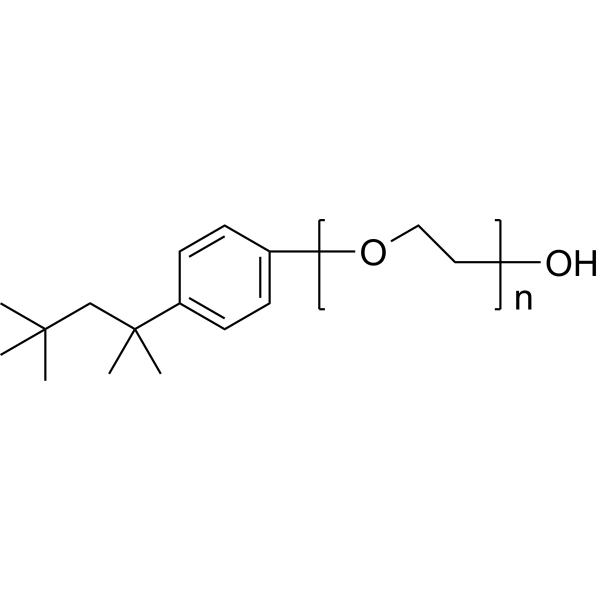
    Polyethylene glycol mono(4-tert-octylphenyl) ether surfactant is a non-denaturing detergent that solubilizes lipid membranes. Polyethylene glycol mono(4-tert-octylphenyl) ether surfactant is commonly used in laboratories and is applied to vaccines at different stages of the manufacturing process. Polyethylene glycol mono(4-tert-octylphenyl) ether surfactant is listed as an excipient in certain vaccines including split virus influenza vaccines. Polyethylene glycol mono(4-tert-octylphenyl) ether surfactant is a nonionic surfactant. Polyethylene glycol mono(4-tert-octylphenyl) ether surfactant induces Apoptosis in prostate and colon cancer cell lines and reduces the infectivity of classic enveloped viruses such as WNV .
    Polyethylene glycol mono(4-tert-octylphenyl) ether surfactant
  • HY-129555
    Surfactin
    5+ Cited Publications

    Bacterial HSV Antibiotic Infection
    Surfactin is a potent cyclic lipopeptide biosurfactants consists of four isomers (Surfactin A, B, C and D), which mediates flux of mono-and divalent cations, such as calcium, across lipid bilayer membranes. Surfactin can act as an antimicrobial adjuvant with anti-bacterial, anti-fungal, antimycoplasma and hemolytic effects . Surfactin also has antiviral activity against a variety of enveloped viruses .
    Surfactin
  • HY-Y1883A
    Polyethylene glycol mono(4-tert-octylphenyl) ether
    Maximum Cited Publications
    24 Publications Verification

    Environmental Pollutants Biochemical Assay Reagents Infection Cancer
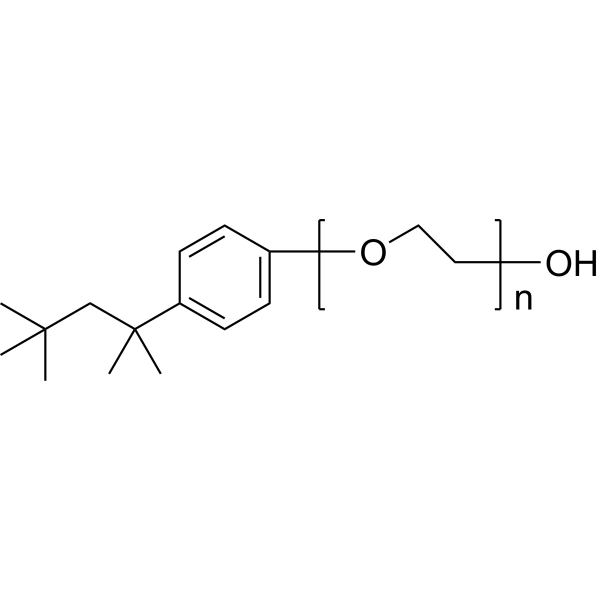
    Polyethylene glycol mono(4-tert-octylphenyl) ether is a non-denaturing detergent that solubilizes lipid membranes. Polyethylene glycol mono(4-tert-octylphenyl) ether is commonly used in laboratories and is applied to vaccines at different stages of the manufacturing process. Polyethylene glycol mono(4-tert-octylphenyl) ether is listed as an excipient in certain vaccines including split virus influenza vaccines. Polyethylene glycol mono(4-tert-octylphenyl) ether is a nonionic surfactant. Polyethylene glycol mono(4-tert-octylphenyl) ether induces Apoptosis in prostate and colon cancer cell lines and reduces the infectivity of classic enveloped viruses such as WNV .
    Polyethylene glycol mono(4-tert-octylphenyl) ether
  • HY-14904A
    Umifenovir hydrochloride
    10+ Cited Publications

    Influenza Virus SARS-CoV CHIKV Infection
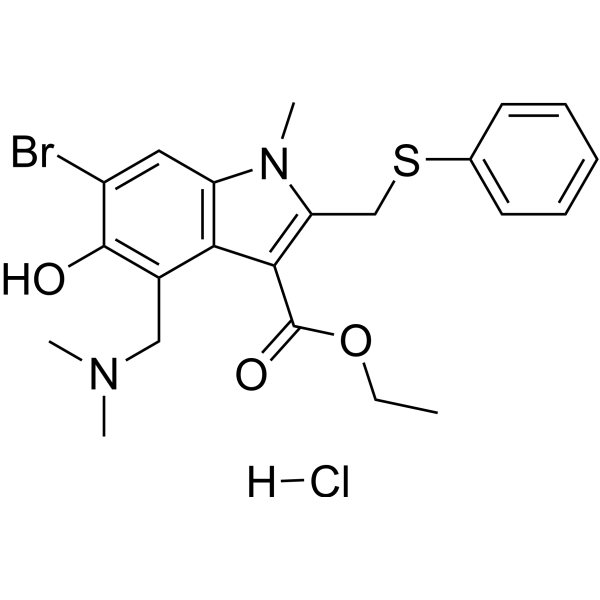
    Umifenovir hydrochloride is a potent, orally active broad-spectrum antiviral with activity against a number of enveloped and non-enveloped viruses. Umifenovir hydrochloride is used as an anti-influenza virus agent. Umifenovir hydrochloride could effectively inhibit the fusion of virus with host cells . Umifenovir hydrochloride is an efficient inhibitor of SARS-CoV-2 in vitro. Anti-inflammatory activity .
    Umifenovir hydrochloride
  • HY-13963
    ZCL278
    3 Publications Verification

    Ras Dengue Virus VSV Arenavirus Infection Neurological Disease Metabolic Disease Cancer
    ZCL278 is a selective Cdc42 inhibitor with Kds of 6.4 μM in fluorescence titration and 11.4 μM in surface plasmon resonance (SPR) measurement. ZCL278 is able to disrupt the Cdc42-ITSN interaction as well as GTP/GDP binding. ZCL278 has inhibitory effects on various enveloped viruses, but is ineffective against non-enveloped viruses. ZCL278 can be used for the studies of arsenic neurotoxicity and HER2-positive gastric cancer (GC) .
    ZCL278
  • HY-17421

    TU-199

    Proton Pump Infection Inflammation/Immunology
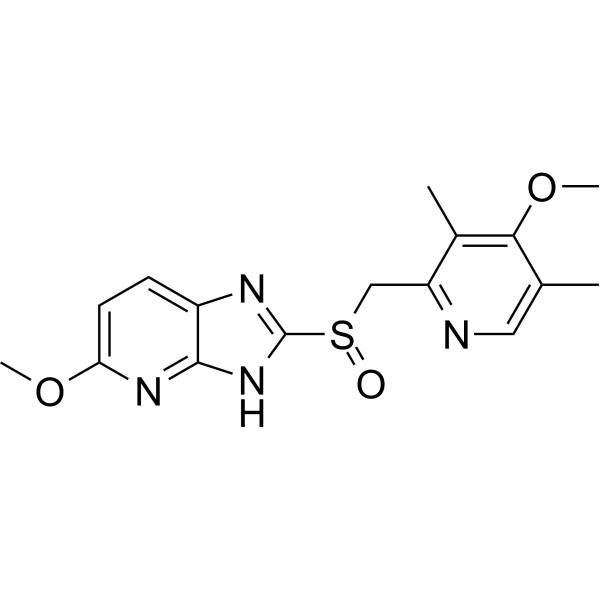
    Tenatoprazole (TU-199) is an orally active imidazopyridine-based proton pump inhibitor with a prolonged plasma half-life. Tenatoprazole inhibits hog gastric H +/K +-ATPase activity with an IC50 of 6.2 μM. Tenatoprazole blocks the interaction of ubiquitin with the ESCRT-1 factor Tsg101, inhibits production of several enveloped viruses, including EBV .
    Tenatoprazole
  • HY-14904
    Umifenovir
    10+ Cited Publications

    SARS-CoV Influenza Virus CHIKV Infection
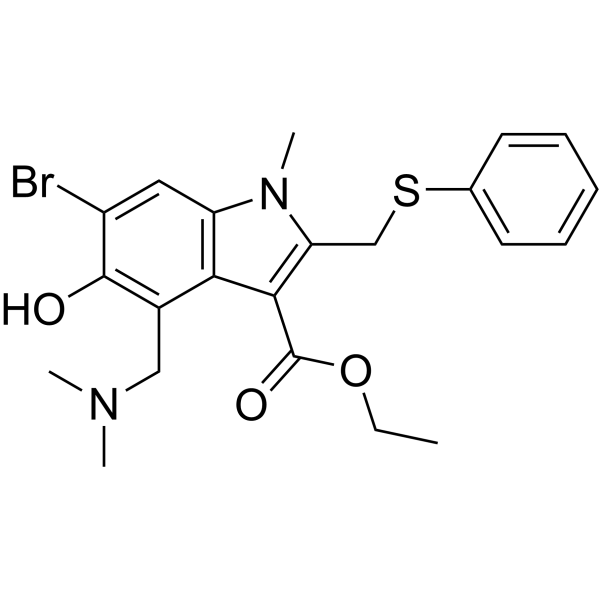
    Umifenovir is a potent, orally active broad-spectrum antiviral agent with activity against a number of enveloped and non-enveloped viruses. Umifenovir is used as an anti-influenza virus agent. Umifenovir could effectively inhibit the fusion of virus with host cells . Umifenovir is an efficient inhibitor of SARS-CoV-2 in vitro . Umifenovir shows anti-inflammatory activity .
    Umifenovir
  • HY-B0222
    1-Docosanol
    3 Publications Verification

    Behenyl alcohol

    Environmental Pollutants HSV Infection
    1-Docosanol (Behenyl alcohol) is a saturated fatty alcohol with reported inhibitory activity against lipid-enveloped viruses, including herpes simplex virus (HSV) .
    1-Docosanol
  • HY-132191

    Fungal SARS-CoV HIV Infection
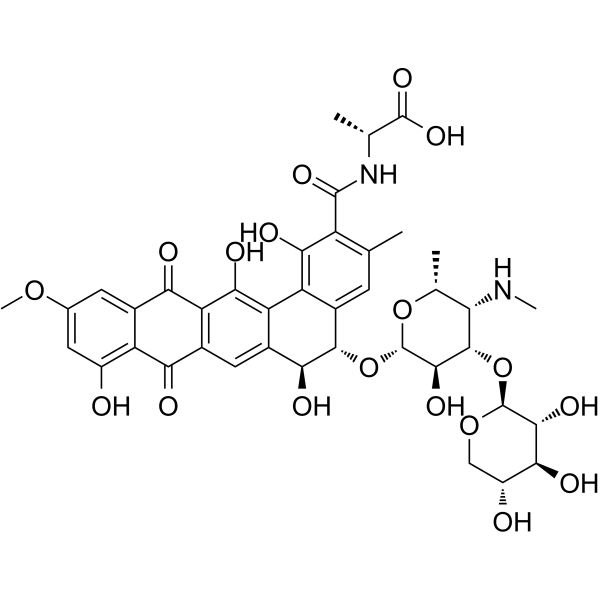
    Pradimicin A is a potent antifungal agent with a minimum inhibitory concentration (MIC) of 4 μg/mL against Candida rugosa. Pradimicin A exhibits antiviral activity against SARS-CoV, human immunodeficiency virus (HIV) and other enveloped viruses. Pradimicin A exerts its fungicidal activity through a Ca 2+-dependent mechanism, which induces fungal lysis. Pradimicin A can be used in research related to fungal infections, HIV infections and COVID-19 .
    Pradimicin A
  • HY-121527

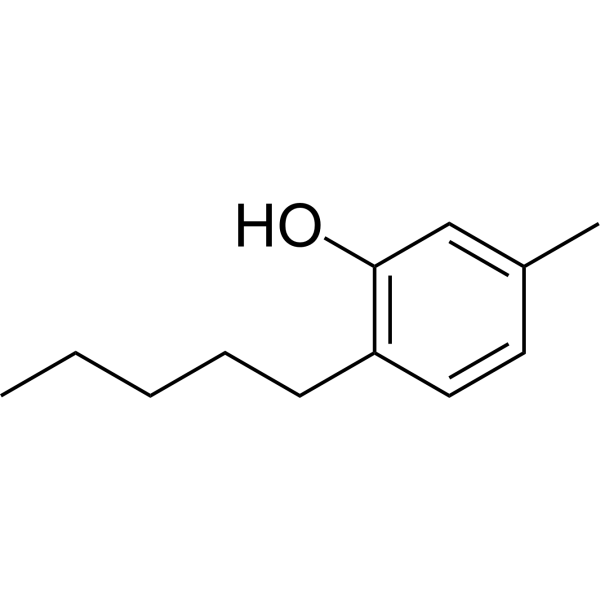
    Enterovirus Influenza Virus Bacterial Infection Neurological Disease
    Amylmetacresol is a phenolic compound with topical antibacterial and antiviral activity. Amylmetacresol works by destroying the protein structure of the virus surface or interfering with the function of the virus lipid membrane. Amylmetacresol inhibits the attachment and replication of respiratory viruses such as human Rhinovirus 1a and influenza virus A, without significant effect on viruses such as HRV8. Amylmetacresol is mainly applied topically to the throat to relieve viral sore throats. Amylmetacresol is more active against enveloped viruses than non-enveloped viruses .
    Amylmetacresol
  • HY-14805A
    Tecovirimat monohydrate
    1 Publications Verification

    ST-246 monohydrate

    Orthopoxvirus Arenavirus Infection
    Tecovirimat (ST-246) monohydrate is the monohydrate form of Tecovirimat (HY-14805). Tecovirimat monohydrate is an orally bioavailable and selective compound against orthopoxviruses [including vaccinia, monkeypox, camelpox, cowpox, ectromelia (mousepox), smallpox and variola viruses]. Tecovirimat monohydrate is evaluated against vaccinia, cowpox virus, ectromelia virus with EC50 values of 0.01 μM, 0.48 μM and 0.05 μM, respectively. Tecovirimat monohydrate targets the orthopoxvirus protein VP37 which is necessary for membrane envelopment of intracellular mature virus particles to form enveloped virus. Tecovirimat monohydrate exerts antiviral activity on the target of the cowpox virus V061 gene, which is homologous to vaccinia virus F13L, encoding a major envelope protein (p37) required for production of extracellular virus. Tecovirimat monohydrate could be used in the study for orthopoxvirus-induced diseases .
    Tecovirimat monohydrate
  • HY-P10862

    Exosomes Virus Protease Infection Cancer
    AH-D peptide is a brain-penetrant antiviral agent disrupting highly curved lipid membranes. AH-D peptide exhibits broad-spectrum antiviral activity against ZIKV, Dengue virus, Chikungunya virus, yellow fever virus and Japanese encephalitis virus, with
    IC50
    values of 11.9, 12.5, 35.7, 206 and 136 nM, respectively. AH-D peptide reduces the viral load in the brain, suppresses inflammation, protects neurons, and does not damage the blood brain barrier. AH-D peptide restores antitumor immunity by decreasing circulating PD-L1 + exosomes, reducing intratumoral immunosuppressive cells (regulatory T cells, myeloid-derived suppressor cells), and enhancing T cell function. AH-D peptide inhibits membrane-enveloped viruses and cancer cell metastasis in vivo. AH-D peptide exhibits no immunogenicity and has negligible effects on normal tissues. AH-D peptide can be used for research in Zika virus and other mosquito-borne viruses, cancer immunotherapy and metastasis .
    AH-D peptide
  • HY-14904AR

    Reference Standards Influenza Virus SARS-CoV CHIKV Infection
    Umifenovir (hydrochloride) (Standard) is the analytical standard of Umifenovir (hydrochloride). This product is intended for research and analytical applications. Umifenovir hydrochloride is a potent, orally active broad-spectrum antiviral with activity against a number of enveloped and non-enveloped viruses. Umifenovir hydrochloride is used as an anti-influenza virus agent. Umifenovir hydrochloride could effectively inhibit the fusion of virus with host cells . Umifenovir hydrochloride is an efficient inhibitor of SARS-CoV-2 in vitro. Anti-inflammatory activity .
    Umifenovir hydrochloride (Standard)
  • HY-P5694

    HPV Parasite Infection
    Human α-defensin 5 is an antiviral peptide. Human α-defensin 5 blocks infection of non-enveloped viruses, including AdV, HPV, and polyomaviruses (IC50: 0.6-1.25 μM for HPV16). Human α-defensin 5 can bind to the viral capsid and blocks escape of the virus from the endosome. Human α-defensin 5 increases HIV binding to the cell surface. Human α-defensin 5 also has parasiticidal activity .
    Human α-defensin 5
  • HY-156786

    Reactive Oxygen Species (ROS) Influenza Virus SARS-CoV HSV Infection
    TLD-1433 is the fourth-generation ruthenium (II) based photodynamic compound (PDC). TLD-1433 is activated by green light (525 ± 25 nm) and efficiently generates ROS to achieve pathogen inactivation. After photoinactivation, TLD-1433 significantly induces lipid peroxidation of the cell membrane, which can directly damage the integrity of the viral envelope. TLD-1433 has ID50 for enveloped viruses (such as H1N1 influenza virus, coronavirus OC43, HSV-1, Zika virus) is as low as nanomolar level; for non-enveloped viruses (such as adenovirus Ad5, mammalian rotavirus MRV), a concentration of micro-molar level is required for inactivation. TLD-1433 has antigen retention property and can be used for the preparation of inactivated vaccines .
    TLD-1433
  • HY-178137

    SARS-CoV Hepatitis E Virus (HEV) Filovirus Infection
    SCR007 is a synthetic carbohydrate receptor (SCR) with broad-spectrum antiviral activity. SCR007 inhibits the entry of enveloped viruses across multiple families (Coronaviridae: SARS-CoV-1, SARS-CoV-2, MERS-CoV; Filoviridae: EBOV, MARV; Paramyxoviridae: NiV, HeV) and the glycosylated nonenveloped rotavirus. SCR007 binds viral envelope N-glycans, blocking viral binding to host cells or both binding and membrane fusion. SCR007 exerts prophylactic effects in hACE2 mice infected with SARS-CoV-2. SCR007 can be used for the study and prevention of enveloped virus pandemics .
    SCR007
  • HY-14805S

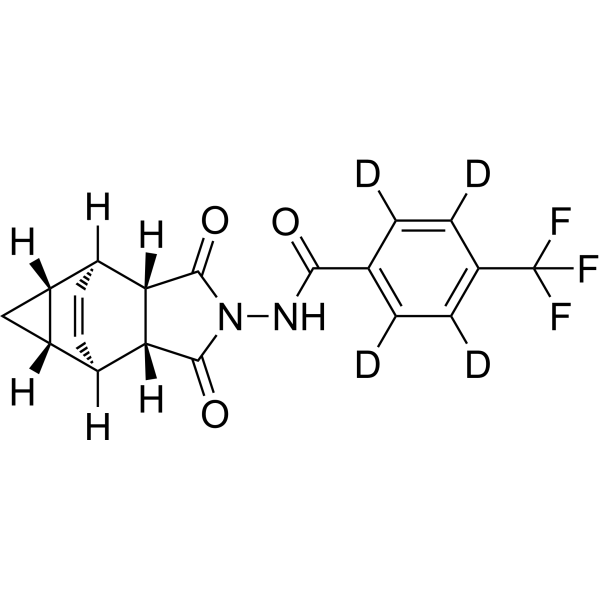
    ST-246-d4

    Isotope-Labeled Compounds Orthopoxvirus Arenavirus Infection
    Tecovirimat-d4 (ST-246-d4) is a deuterium-labelled Tecovirimat (HY-14805). Tecovirimat is an orally bioavailable and selective compound against orthopoxviruses [including vaccinia, monkeypox, camelpox, cowpox, ectromelia (mousepox), smallpox and variola viruses]. Tecovirimat is evaluated against vaccinia, cowpox virus, ectromelia virus with EC50 values of 0.01 μM, 0.48 μM and 0.05 μM, respectively. Tecovirimat targets the orthopoxvirus protein VP37 which is necessary for membrane envelopment of intracellular mature virus particles to form enveloped virus. Tecovirimat exerts antiviral activity on the target of the cowpox virus V061 gene, which is homologous to vaccinia virus F13L, encoding a major envelope protein (p37) required for production of extracellular virus. Tecovirimat could be used in the study for orthopoxvirus-induced diseases .
    Tecovirimat-d4
  • HY-14904R

    Reference Standards SARS-CoV Influenza Virus CHIKV Infection
    Umifenovir (Standard) is the analytical standard of Umifenovir. This product is intended for research and analytical applications. Umifenovir is a potent, orally active broad-spectrum antiviral agent with activity against a number of enveloped and non-enveloped viruses. Umifenovir is used as an anti-influenza virus agent. Umifenovir could effectively inhibit the fusion of virus with host cells . Umifenovir is an efficient inhibitor of SARS-CoV-2 in vitro . Umifenovir shows anti-inflammatory activity .
    Umifenovir (Standard)
  • HY-19874

    RSV Infection
    RFI-641 is a selective inhibitor of the respiratory syncytial virus (RSV), with an IC50 of 50 nM. RFI-641 inhibit binding and fusion of enveloped virus via interaction with the viral fusion protein .
    RFI-641
  • HY-156979

    SARS-CoV HCV Infection
    RBT-9 prevents progression to severe COVID-19 and organ failure. RBT-9 also has antiviral effects, as demonstrated in several enveloped viruses, including influenza, HCV, dengue, and yellow fever .
    RBT-9
  • HY-123902

    Zizanin A

    CCR HIV Infection
    Ophiobolin C inhibits CCR5 binding to the envelop protein gp120 and CD4, which is responsible for mediating the entry of HIV-1 into cells . Ophiobolin C is also cytotoxic to chronic lymphocytic leukemia cells .
    Ophiobolin C
  • HY-178135

    SARS-CoV Filovirus Hepatitis E Virus (HEV) Infection
    SCR005 is a synthetic carbohydrate receptor (SCR) with broad-spectrum antiviral activity. SCR005 inhibits the entry of enveloped viruses across multiple families (Coronaviridae: SARS-CoV-1, SARS-CoV-2, MERS-CoV; Filoviridae: EBOV, MARV; Paramyxoviridae: NiV, HeV) and the glycosylated nonenveloped rotavirus. SCR005 binds viral envelope N-glycans, blocking viral binding to host cells or both binding and membrane fusion. SCR005 exerts prophylactic effects in hACE2 mice infected with SARS-CoV-2. SCR005 can be used for the study and prevention of enveloped virus pandemics .
    SCR005
  • HY-B0222S

    HSV Infection
    1-Docosanol-d45 is the deuterium labeled 1-Docosanol. 1-Docosanol is a saturated fatty alcohol used traditionally as an emollient, emulsifier, and thickener in cosmetics, and nutritional supplement. 1-Docosanol is an inhibitor of lipid-enveloped viruses including herpes simplex.
    1-Docosanol-d45
  • HY-P991484

    Influenza Virus Infection
    ADI-65534 is a human IgG1 monoclonal antibody (mAb) targeting Envelopment polyprotein, M polyprotein. ADI-65534 can be used in Hantavirus infection research. Recommended isotype control: Human IgG1 kappa, Isotype Control (HY-P99001) .
    ADI-65534
  • HY-P991483

    Influenza Virus Infection
    ADI-65533 is a human IgG1 monoclonal antibody (mAb) targeting Envelopment polyprotein, M polyprotein. ADI-65533 can be used in Hantavirus infection research. Recommended isotype control: Human IgG1 kappa, Isotype Control (HY-P99001) .
    ADI-65533
  • HY-P991482

    Influenza Virus Infection
    ADI-42898 is a human IgG1 monoclonal antibody (mAb) targeting Envelopment polyprotein, M polyprotein. ADI-42898 binds to the Gn/Gc complex and blocks the cell entry of seven HCPS- and HFRS-associated hantaviruses. Recommended isotype control: Human IgG1 kappa, Isotype Control (HY-P99001) .
    ADI-42898
  • HY-151267

    SARS-CoV Infection
    SARS-CoV-2-IN-25 (Compound CP026) is a potent SARS-CoV-2 spike pseudoparticle transduction inhibitor with an IC50 of 1.6 μM. SARS-CoV-2-IN-25 inhibits enveloped viruses and liposomes .
    SARS-CoV-2-IN-25
  • HY-151267A

    SARS-CoV Infection
    SARS-CoV-2-IN-25 (Compound CP026) disodium is a potent SARS-CoV-2 spike pseudoparticle transduction inhibitor with an IC50 of 1.6 μM. SARS-CoV-2-IN-25 disodium inhibits enveloped viruses and liposomes .
    SARS-CoV-2-IN-25 disodium
  • HY-14904AS

    Isotope-Labeled Compounds Influenza Virus SARS-CoV CHIKV Infection
    Umifenovir-d6 (hydrochloride) is the deuterium labeled Umifenovir hydrochloride. Umifenovir hydrochloride is a potent, orally active broad-spectrum antiviral with activity against a number of enveloped and non-enveloped viruses. Umifenovir hydrochloride is used as an anti-influenza virus agent. Umifenovir hydrochloride could effectively inhibit the fusion of virus with host cells . Umifenovir hydrochloride is an efficient inhibitor of SARS-CoV-2 in vitro. Anti-inflammatory activity .
    Umifenovir-d6 hydrochloride
  • HY-168015

    Drug Isomer Infection
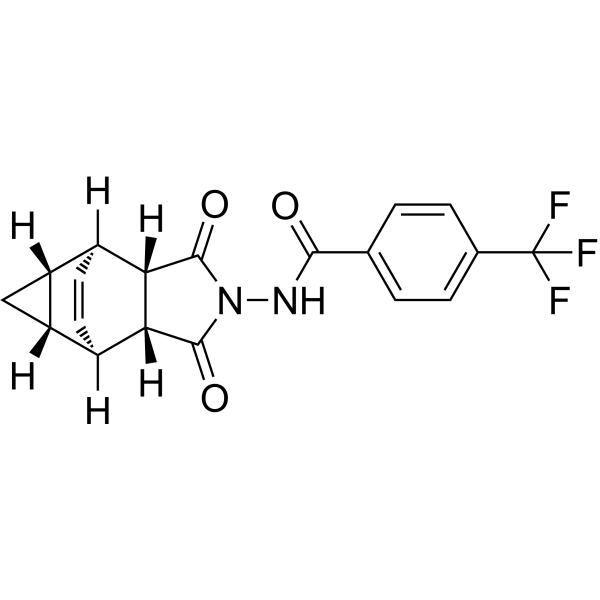
    5-Oxo leukotriene B4 is a byproduct in the synthesis of 12-oxo LTB4 (HY-130497) with antiviral activity. 5-Oxo leukotriene B4 is promising for research of viral infections caused by human and animal enveloped RNA viruses .
    5-Oxo leukotriene B4
  • HY-B0222R

    Behenyl alcohol (Standard)

    Reference Standards HSV Infection
    1-Docosanol (Standard) is the analytical standard of 1-Docosanol. This product is intended for research and analytical applications. 1-Docosanol (Behenyl alcohol) is a saturated fatty alcohol with reported inhibitory activity against lipid-enveloped viruses, including herpes simplex virus (HSV) .
    1-Docosanol (Standard)
  • HY-169220S

    ROR Dihydroorotate Dehydrogenase DNA/RNA Synthesis Isotope-Labeled Compounds Infection
    RORγ/DHODH-IN-1 (compound 1404), a deuterium labeled compound, is a dual RORγ and DHODH inhibitor with IC50 values of 9.7 nM and 100 nM, repaectively. RORγ/DHODH-IN-1 blocks the replication of SARS-CoV-2, HCMV, and non-enveloped DNA virus (HAdV5) .
    RORγ/DHODH-IN-1
  • HY-162701

    SARS-CoV Influenza Virus RSV HSV Infection
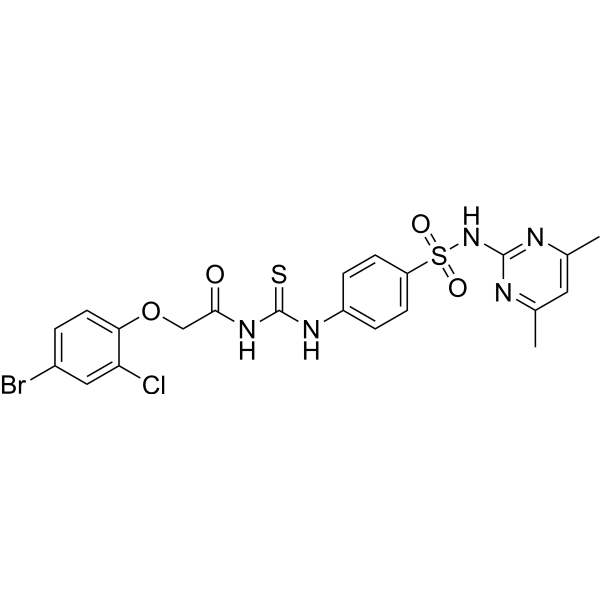
    Antiviral agent 58 (Compound J1) is an orally active antiviral agent with broad-spectrum antiviral activity against enveloped viruses, including influenza A virus (IAV), respiratory syncytial virus (RSV), severe acute respiratory syndrome coronavirus 2 (SARS-CoV-2), human coronavirus OC43 (HCoV-OC43), herpes simplex virus type 1 (HSV-1), and HSV-2 .
    Antiviral agent 58
  • HY-17421R

    TU-199 (Standard)

    Proton Pump Reference Standards Infection Inflammation/Immunology
    Tenatoprazole (Standard) is the analytical standard of Tenatoprazole. This product is intended for research and analytical applications. Tenatoprazole (TU-199) is an orally active imidazopyridine-based proton pump inhibitor with a prolonged plasma half-life. Tenatoprazole inhibits hog gastric H+/K+-ATPase activity with an IC50 of 6.2 μM. Tenatoprazole blocks the interaction of ubiquitin with the ESCRT-1 factor Tsg101, inhibits production of several enveloped viruses, including EBV .
    Tenatoprazole (Standard)
  • HY-103300

    Endogenous Metabolite Infection
    NPE-caged-proton is a reagent that releases protons under UV light and has the activity of activating the fusion protein GP64 under weak acidic conditions. NPE-caged-proton can promote the binding of enveloped viruses to liposome membranes with acidic phospholipids in an environment of pH 4.0 to 5.5, thereby initiating membrane fusion. The ultraviolet unblocking effect of NPE-caged-proton can lower the environmental pH, thereby triggering the process of viral membrane fusion. When studying the interaction between viruses and cell membranes, NPE-caged-proton provides a valuable tool for revealing the subtle behaviors of viruses in different chemical and biochemical environments .
    NPE-caged-proton
  • HY-13963S

    Isotope-Labeled Compounds Endogenous Metabolite Infection Cancer
    ZCL278- 13C is a 13C-labeled version of ZCL278 (HY-13963). ZCL278 is a selective Cdc42 inhibitor with Kds of 6.4 μM in fluorescence titration and 11.4 μM in surface plasmon resonance (SPR) measurement. ZCL278 can disrupt the interaction between Cdc42 and ITSN, and also inhibit the binding of GTP and GDP. ZCL278 has inhibitory effects on various enveloped viruses, but is ineffective against non-enveloped viruses. ZCL278 can be used in the research of arsenic neurotoxicity and HER2-positive gastric cancer (GC) [1][2][3][4].
    ZCL278-13C
  • HY-P11399

    Bacterial Fungal Infection
    Tachyplesin-3 is a broad-spectrum cationic antimicrobial peptide. Tachyplesin-3 has inhibitory activity against Gram-positive bacteria, Gram-negative bacteria, fungi and enveloped viruses. Tachyplesin-3 binds to bacterial membrane lipopolysaccharides through positive charges, disrupting membrane integrity and causing leakage of cellular contents. Tachyplesin-3 interferes with bacterial adhesion and aggregation, prevents biofilm formation, and has a synergistic effect when used in combination with Piperacillin (HY-B1923) - Tazobactam (HY-B1418) (TZP) .
    Tachyplesin-3

Inquiry Online

Your information is safe with us. * Required Fields.

Salutation


Country or Region *

Applicant Name *


Organization Name *

Department *


Email Address *


Product Name *

Cat. No.


Requested quantity *

Phone Number *


Remarks

Inquiry Online

Inquiry Information

Product Name:
Cat. No.:
Quantity:
MCE Japan Authorized Agent:

