132 Results for "

fever

" in MedChemExpress (MCE) Product Catalog:
Products (132)

132 Results for "fever" in MCE Product Catalog:

74
74 Publications Verification
Cat. No.: HY-135853
CAS No.: 2492423-29-5
Purity:  99.85%
Synonyms: EIDD-2801; MK-4482
Research Areas:  

Infection

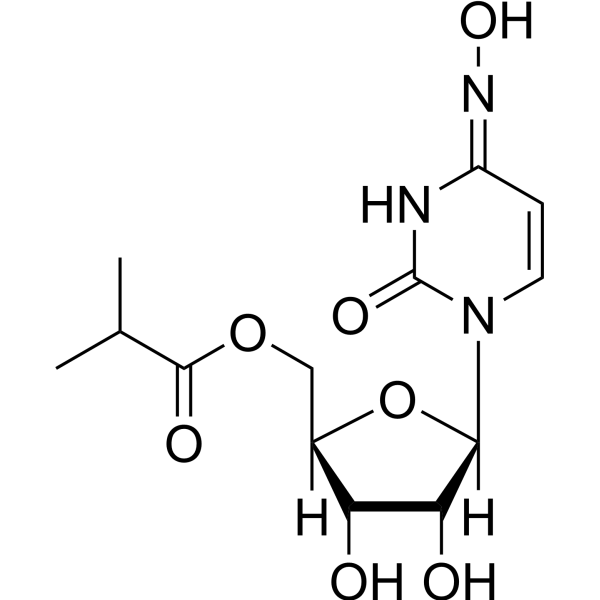
Molnupiravir (EIDD-2801) is an orally bioavailable proagent of the ribonucleoside analog EIDD-1931. Molnupiravir has broad spectrum antiviral activity against influenza virus and multiple coronaviruses, such as SARS-CoV-2, MERS-CoV, SARS-CoV. Molnupiravir has the potential for the research of COVID-19, and seasonal and pandemic influenza .
52
52 Cited Publications
Cat. No.: HY-15676
CAS No.: 1229705-06-9
Purity:  99.93%
Synonyms: RG7388
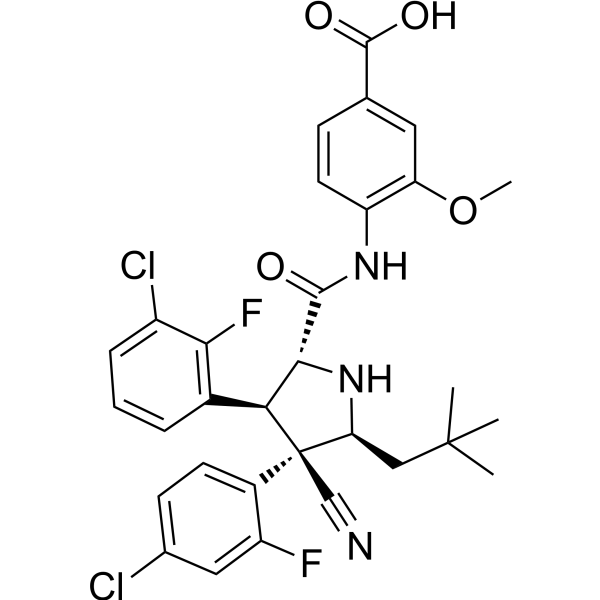
Idasanutlin (RG7388) is an orally bioavailable MDM2 inhibitor with an IC50 of 6 nM. Idasanutlin disrupts MDM2-p53 binding, stabilizes and activates p53, triggering cell cycle arrest, apoptosis, and reduced cancer cell viability. Idasanutlin reduces EGFR protein expression and phosphorylation, suppresses downstream SHP2, MEK1/2, ERK1/2, AKT, mTOR, p70(S6K1), and S6 signaling. Idasanutlin induces mitochondrial ROS production, drives p38 MAPK phosphorylation, upregulates NOXA, and mediates caspase-3-dependent apoptosis and gasdermin E-mediated pyroptosis. Idasanutlin can be used for the research of TP53-mutant non-small cell lung cancer, T-cell acute lymphoblastic leukemia, colorectal carcinoma, melanoma, diffuse large B-cell lymphoma, mantle cell lymphoma, non-Hodgkin lymphoma, severe fever with thrombocytopenia syndrome, neuroblastoma, acute lymphoblastic leukemia, relapsed or refractory acute myeloid leukemia, osteosarcoma, solid tumors, and hematological tumors .
35
35 Cited Publications
Cat. No.: HY-14654
CAS No.: 50-78-2
Purity:  99.67%
Synonyms: Acetylsalicylic acid; ASA
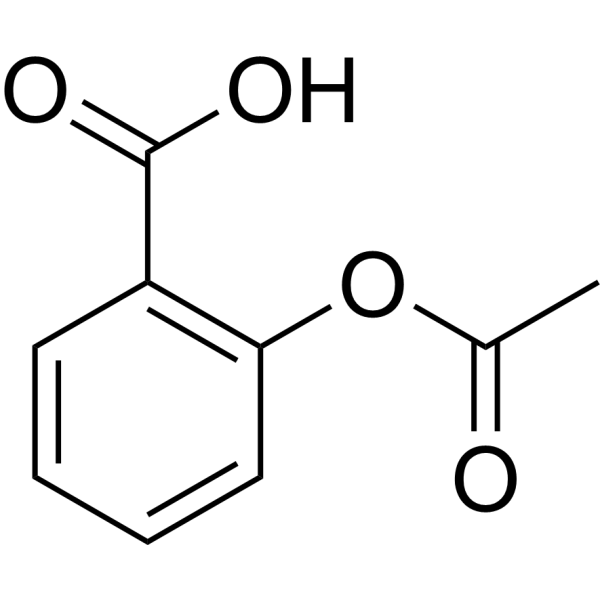
Aspirin (Acetylsalicylic acid) is an orally active, potent and irreversible inhibitor of cyclooxygenase COX-1 and COX-2, with IC50 values of 5 and 210 μg/mL, respectively. Aspirin induces apoptosis. Aspirin inhibits the activation of NF-κB. Aspirin also inhibits platelet prostaglandin synthetase, and can prevent coronary artery and cerebrovascular thrombosis .
27
27 Cited Publications
Cat. No.: HY-103586
CAS No.: 1191237-69-0
Purity:  99.89%
Research Areas:  

Infection

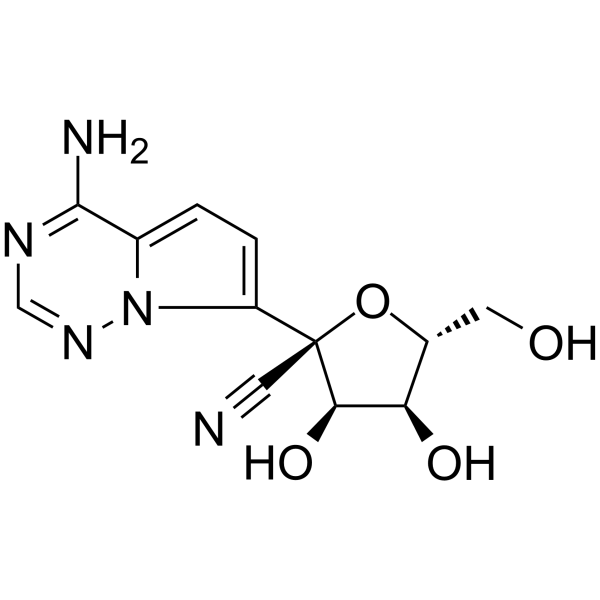
GS-441524 is a potent, orally active and CNS-penetrant viral RNA-dependent RNA polymerase inhibitor. GS-441524 competes with natural nucleosides to block viral RNA transcription as an alternative substrate and RNA chain terminator. GS-441524 inhibits the replication of feline infectious peritonitis virus, African swine fever virus, and severe acute respiratory syndrome coronavirus 2. GS-441524 reduces viral RNA levels in cats. GS-441524 can be used in research related to feline infectious peritonitis, African swine fever, and coronavirus disease 2019 (COVID-19) .
27
27 Cited Publications
Cat. No.: HY-103586A
CAS No.: 2378280-82-9
Research Areas:  

Infection

GS-441524 hydrochloride is a potent, orally active and CNS-penetrant viral RNA-dependent RNA polymerase inhibitor. GS-441524 hydrochloride competes with natural nucleosides to block viral RNA transcription as an alternative substrate and RNA chain terminator. GS-441524 hydrochloride inhibits the replication of feline infectious peritonitis virus, African swine fever virus, and severe acute respiratory syndrome coronavirus 2. GS-441524 hydrochloride reduces viral RNA levels in cats. GS-441524 hydrochloride can be used in research related to feline infectious peritonitis, African swine fever, and coronavirus disease 2019 (COVID-19) .
12
12 Cited Publications
Cat. No.: HY-10402
CAS No.: 585543-15-3
Purity:  99.94%
Synonyms: GSK-AHAB; GW856553X; SB856553
Losmapimod (GSK-AHAB; GW856553X) is an orally active p38α/β MAPK inhibitor, with pKi values of 8.1 and 7.6 for p38α and p38β, respectively. Losmapimod reduces DUX4 expression, thus exerting efficacy in facioscapulohumeral muscular dystrophy. By inhibiting MAPK/NF-κB, Losmapimod reduces apoptosis of epileptiform hippocampal neurons, and exhibits anti-allodynia and anti-hyperalgesic activities. Losmapimod blocks the entry and fusion of Lassa fever virus (LASV). Losmapimod overcomes tyrosine kinase inhibitor resistance in non-small cell lung cancer (NSCLC). Losmapimod inhibits myocardial senescence and inflammation, and possesses cardioprotective activity against cardiotoxicity .
9
9 Cited Publications
Cat. No.: HY-B0303
CAS No.: 58-73-1
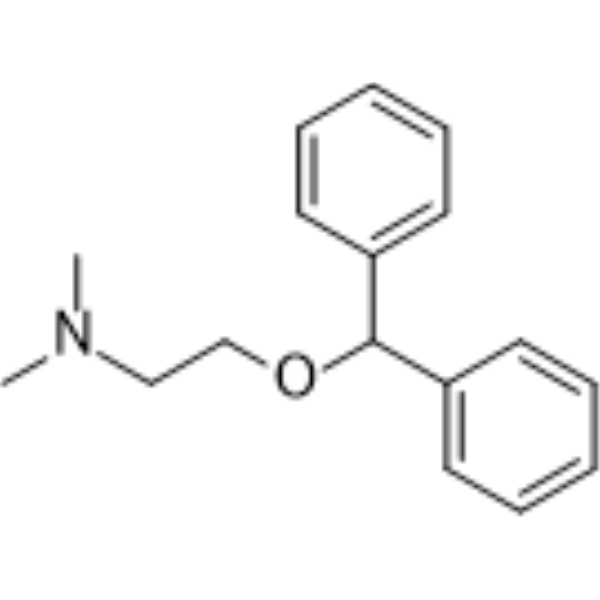
Diphenhydramine is a first-generation histamine H1-receptor antagonist with anti-cholinergic effect. Diphenhydramine hydrochloride can across the ovine blood-brain barrier (BBB) .
6
6 Cited Publications
Cat. No.: HY-113308
CAS No.: 516-90-5
Purity:  98.06%
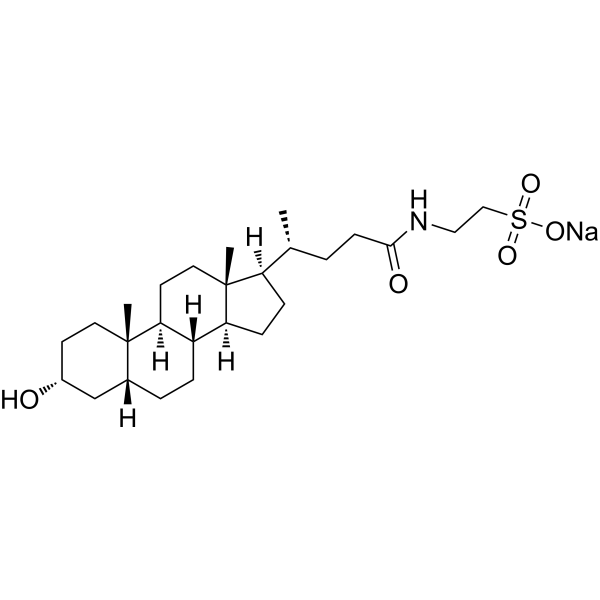
Taurolithocholic acid is an orally active bile acid and antiviral agent. Taurolithocholic acid upregulates FADS2 by activating the TGR5-PI3K/AKT-SREBP2 signaling axis, inhibits SFTSV-induced ferroptosis (Ferroptosis), viral replication and viral entry of HBV/HDV, while reducing the release of IL-1β, lipid ROS and LDH. While exerting antiviral protective effects, Taurolithocholic acid also stimulates the recycling of hepatocellular membrane transporters, impairs canalicular bile acid secretion function, and induces hepatocyte cholestasis, apoptosis and acute hepatocellular injury. Taurolithocholic acid serves as an experimental model compound for hepatocellular cholestasis. At concentrations ≤200 μM, Taurolithocholic acid shows no cytotoxicity and does not activate the interferon pathway. Taurolithocholic acid not only protects mice from lethal SFTSV infection but also is suitable for studies related to severe fever with thrombocytopenia syndrome and cholestasis .
6
6 Cited Publications
Cat. No.: HY-113308A
CAS No.: 6042-32-6
Purity:  99.81%
Taurolithocholic acid sodium salt is an orally active bile acid and antiviral agent. Taurolithocholic acid sodium salt upregulates FADS2 by activating the TGR5-PI3K/AKT-SREBP2 signaling axis, inhibits SFTSV-induced ferroptosis, viral replication and viral entry of HBV/HDV, while reducing the release of IL-1β, lipid ROS and LDH. While exerting antiviral protective effects, Taurolithocholic acid sodium salt also stimulates the recycling of hepatocellular membrane transporters, impairs canalicular bile acid secretion function, and induces hepatocyte cholestasis, apoptosis and acute hepatocellular injury. Taurolithocholic acid sodium salt serves as an experimental model compound for hepatocellular cholestasis. At concentrations ≤200 μM, Taurolithocholic acid sodium salt shows no cytotoxicity and does not activate the interferon pathway. Taurolithocholic acid sodium salt not only protects mice from lethal SFTSV infection but also is suitable for studies related to severe fever with thrombocytopenia syndrome and cholestasis .
3
3 Cited Publications
Cat. No.: HY-13693
CAS No.: 83919-23-7
Purity:  99.86%
Synonyms: Sch32088
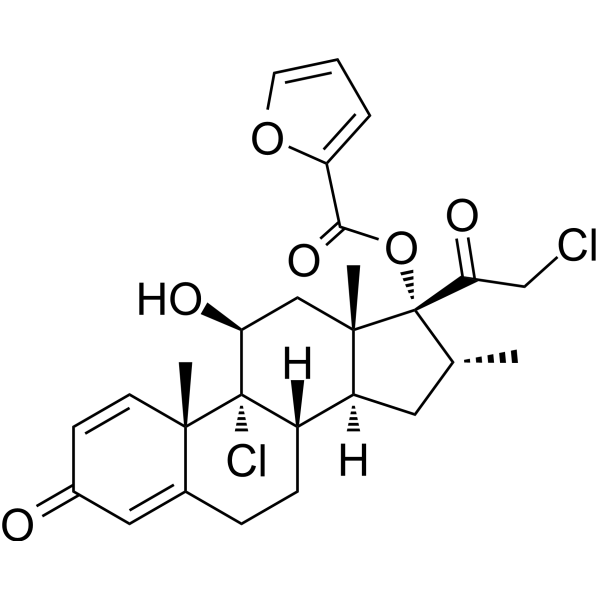
Mometasone furoate (Sch32088) is a glucocorticoid receptor agonist with anti-inflammatory and anti-allergic activity. Mometasone furoate acts as a corticosteroid agent and used for topical applications in chronic skin eczema and airway inflammation management of asthma in vivo
2
2 Cited Publications
Cat. No.: HY-B1201
CAS No.: 51-24-1
Synonyms: 3,3',5-Triiodothyroacetic acid
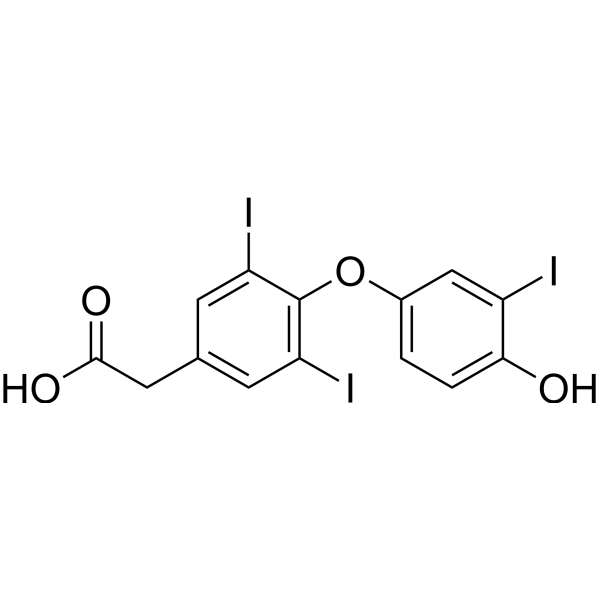
Tiratricol is an orally available thyroid hormone analog that inhibits pituitary thyroid-stimulating hormone secretion. Tiratricol is an intracellular toxin neutralizer that inhibits LPS and lipid A cytotoxicity with IC50s of 20 μM and 32 μM, respectively. Tiratricol reduces TNF production in lipopolysaccharide-stimulated macrophages. Tiratricol also has antiviral activity and is an inhibitor of yellow fever virus (Flavivirus). It can bind to the RdRp domain of the viral NS5 protein to hinder YFV replication. .
2
2 Cited Publications
Cat. No.: HY-B1080
CAS No.: 27591-69-1
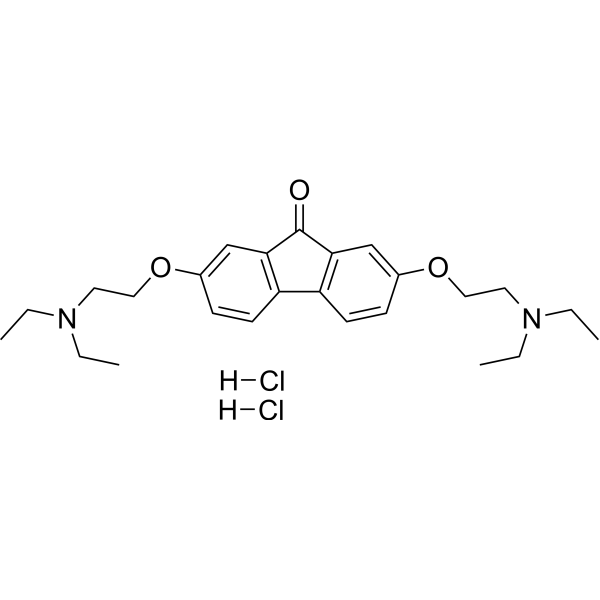
Tilorone dihydrochloride is an orally active interferon (IFN) inducer with broad-spectrum antiviral activities. Tilorone dihydrochloride possesses robust anti-Severe fever with thrombocytopenia syndrome virus (SFTSV) activity in vitro and in vivo through stimulation of host innate immunity. Tilorone dihydrochloride can penetrate the blood-brain barrier to activate HIF in the CNS .Tilorone dihydrochloride exhibits an inhibitory activity with EC50 of 230 nM against Ebola virus (EBOV) .
2
2 Cited Publications
Cat. No.: HY-B1212
CAS No.: 521-74-4
Synonyms: Dibromohydroxyquinoline; 5,7-Dibromo-8-hydroxyquinoline
Research Areas:  

Infection

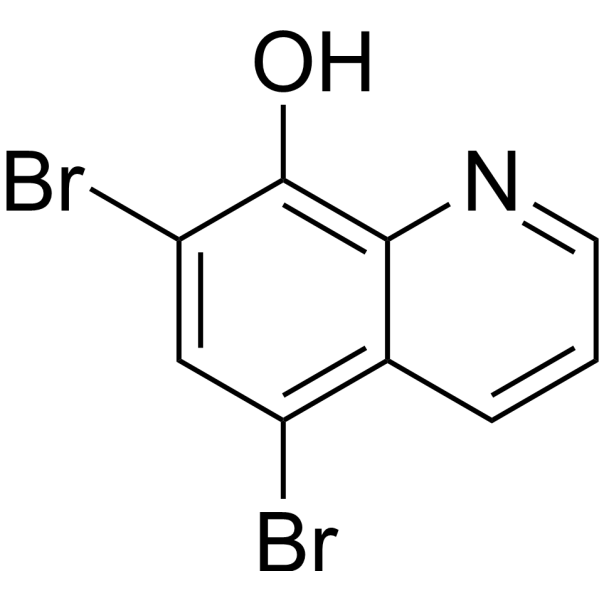
Broxyquinoline (Dibromohydroxyquinoline) is an effective inhibitor of severe fever with thrombocytopenia syndrome virus (SFTSV) with an IC50 of 5.8 µM. Additionally, Broxyquinoline is an inhibitor of CpACBP1 with an IC50 of 64.9 μM. CpACBP1 is a fatty acyl-CoA binding protein of Cryptosporidium parvum, thus Broxyquinoline has the potential to inhibit parasite growth. Broxyquinoline shows promise for research in the field of infectious diseases .
2
2 Cited Publications
Cat. No.: HY-B1120
CAS No.: 3383-96-8
Synonyms: Temefos
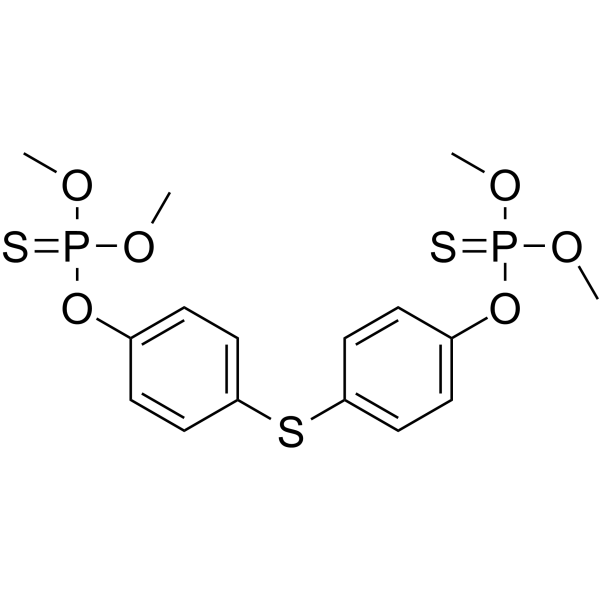
Temephos (Temefos) is an orally active, blood-brain barrier-permeable organophosphate insecticide and AChE inhibitor. By irreversibly inhibiting AChE to induce cholinergic overactivation, Temephos effectively blocks larval development of Aedes aegypti (yellow fever mosquito) and Aedes albopictus (Asian tiger mosquito), and is commonly used in studies related to Dengue Virus, Zika Virus and other relevant pathogens. Temephos exhibits genotoxicity and neurodevelopmental toxicity, and may also cause liver injury, reproductive system abnormalities and cholinergic poisoning symptoms in mammals. Temephos tends to accumulate in adipose tissues and aquatic organisms, and is excreted via feces after metabolism through oxidation and hydrolysis. Note that CYP-mediated metabolic detoxification may reduce the actual larvicidal efficacy of Temephos against some mosquito species. Temephos can be used in research related to dengue fever, Zika virus disease, chikungunya and dracunculiasis .
1
1 Cited Publications
Cat. No.: HY-N4183
CAS No.: 72357-31-4
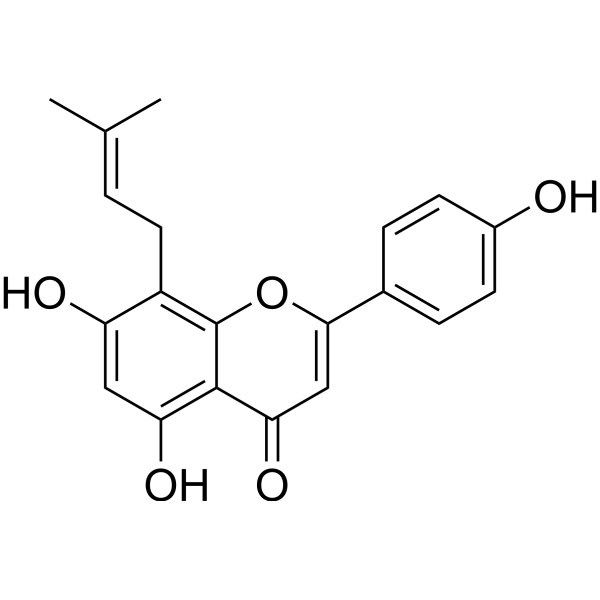
Licoflavone C is a broad-spectrum antiviral inhibitor with estrogen-like properties. Licoflavone C binds to viral endonuclease (CEN) and inhibits the replication of various bunyaviruses including severe fever with thrombocytopenia syndrome virus (SFTSV) and lymphocytic choriomeningitis virus in a non-substrate competitive manner. The IC50 values of Licoflavone C against SFTSV CEN and SFTSV CEN are 35.5 μM and 135.8 μM, respectively, and its Kd value against SFTSV CEN is 9.53 μM. After viral entry into cells, Licoflavone C reduces viral loads in mouse tissues in a dose-dependent manner, and exhibits extremely low cytotoxicity and genotoxicity. Licoflavone C induces apoptosis by increasing caspase 3/7 activity, blocks the cell cycle, and alleviates chemotherapy-induced chromosomal damage. Licoflavone C is applicable to the research on severe fever with thrombocytopenia syndrome and related viral infection mechanisms .
1
1 Cited Publications
Cat. No.: HY-W008662
CAS No.: 146954-74-7
Research Areas:  

Infection

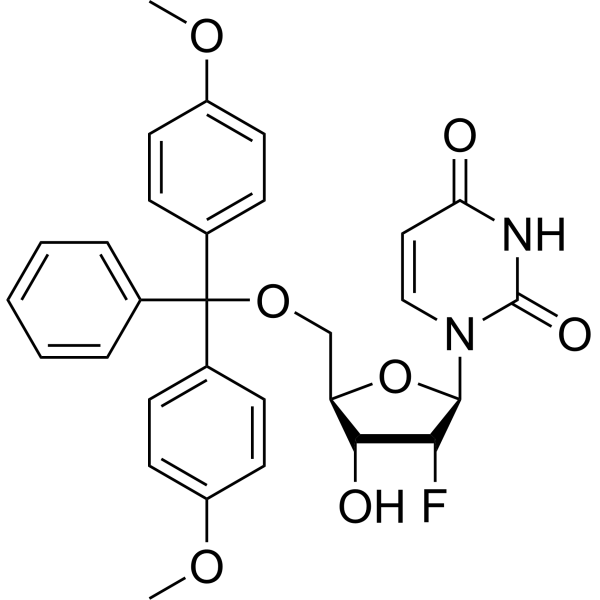
2'-Deoxy-5'-O-DMT-2'-fluorouridine, a nucleoside analogue, is a 5’-O-DMTr-5-FUDR derivative with potent anti-yellow fever (YFV) activity .
1
1 Cited Publications
Cat. No.: HY-W012009
CAS No.: 10212-20-1
Target:  

Influenza Virus

Research Areas:  

Infection

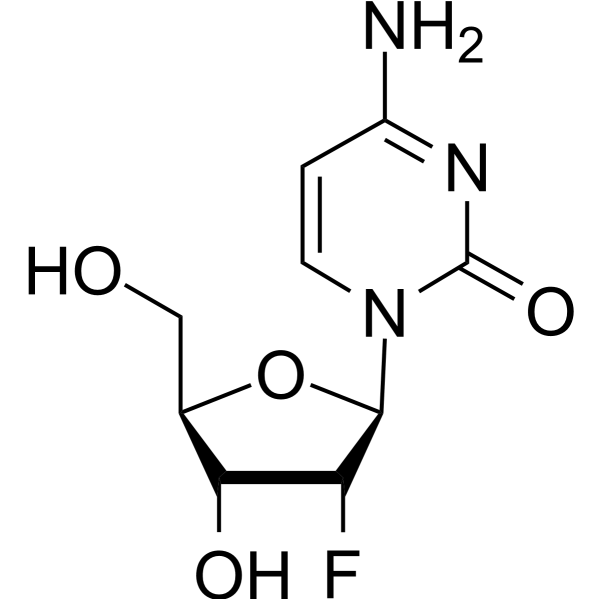
2'-Deoxy-2'-fluorocytidine, an nucleoside analog, is a potent inhibitor of Crimean-Congo hemorrhagic fever virus (CCHFV) replication. 2′-deoxy-2′-fluorocytidine can act synergistically with T705 to increase the potency of both compounds antiviral effects on CCHFV replication .
1
1 Cited Publications
Cat. No.: HY-W011518
CAS No.: 78842-13-4
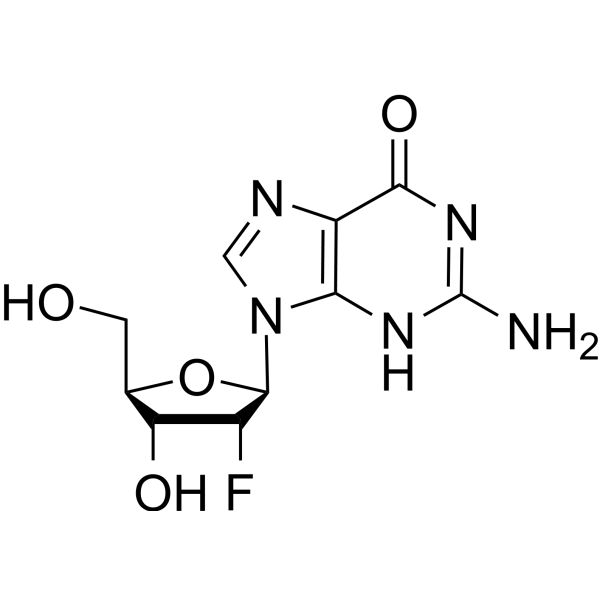
2′-Deoxy-2′-fluoroguanosine is a nucleoside analog and potent influenza virus inhibitor with an EC90 value of <0.35 μM against influenza A and B viruses. 2′-Deoxy-2′-fluoroguanosine inhibits influenza virus replication in the upper respiratory tract, thereby ameliorating fever and nasal inflammation .
1
1 Cited Publications
Cat. No.: HY-B2031
CAS No.: 95737-68-1
Synonyms: S-31183
Target:  

Autophagy Parasite

Research Areas:  

Infection

Pyriproxyfen (S-31183) is a juvenile hormone analog and insect growth regulator. Pyriproxyfen is used in research related to dengue fever and malaria .
1
1 Cited Publications
Cat. No.: HY-124082
CAS No.: 1166-52-5
Purity:  99.99%
Synonyms: Lauryl gallate
Target:  

Flavivirus Bacterial

Research Areas:  

Infection

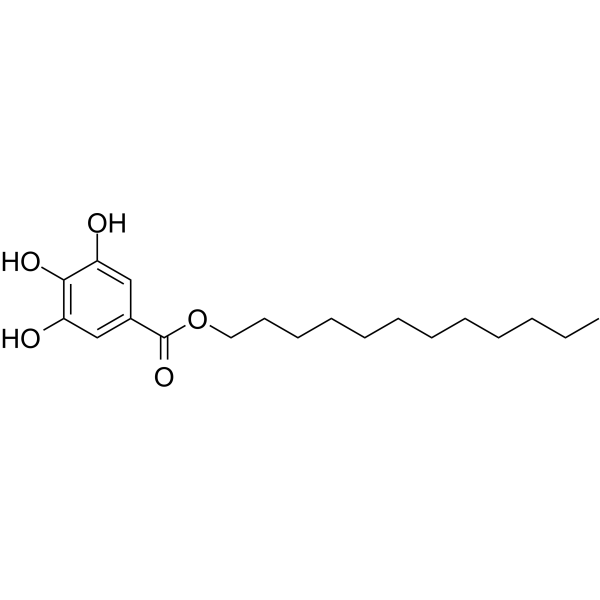
Dodecyl gallate (Lauryl gallate) has been widely used as an antioxidant in food manufacturing, as well as in the pharmaceutical and cosmetic industries. Dodecyl gallate also acts antibacterial activity specifically against Gram-positive bacteria. Dodecyl gallate also is active against a highly relevant animal virus such as African swine fever virus (ASFV) .

