



Search Result
Results for "
hemolytic activity
" in MedChemExpress (MCE) Product Catalog:
2
Biochemical Assay Reagents
1
Isotope-Labeled Compounds
| Cat. No. |
Product Name |
Target |
Research Areas |
Chemical Structure |
-
- HY-129555
-
Surfactin
Maximum Cited Publications
6 Publications Verification
|
Bacterial
HSV
Antibiotic
|
Infection
|
|
Surfactin is a potent cyclic lipopeptide biosurfactants consists of four isomers (Surfactin A, B, C and D), which mediates flux of mono-and divalent cations, such as calcium, across lipid bilayer membranes. Surfactin can act as an antimicrobial adjuvant with anti-bacterial, anti-fungal, antimycoplasma and hemolytic effects . Surfactin also has antiviral activity against a variety of enveloped viruses .
|
-
-
- HY-117930
-
|
ACH-4471
|
Complement System
|
Inflammation/Immunology
|
|
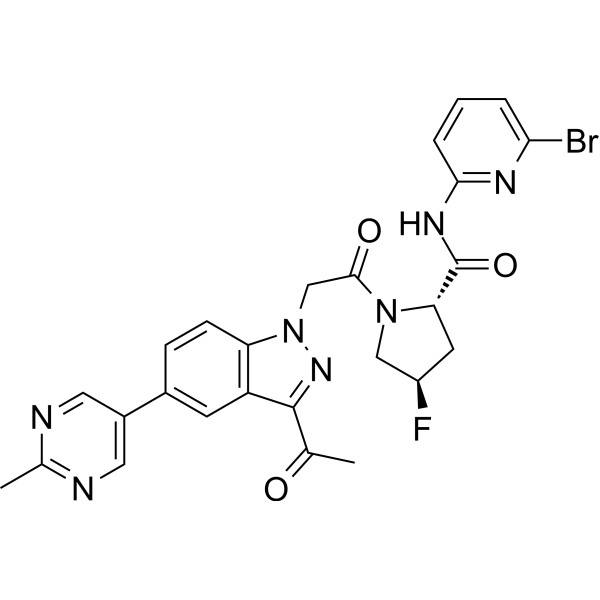
Danicopan (ACH-4471), a selective and orally active small-molecule factor D inhibitor, shows high binding affinity to human Factor D with Kd value of 0.54 nM. Danicopan (ACH-4471) inhibits alternative pathway of complement (APC) activity, has potential to block the alternative pathway of complement in paroxysmal nocturnal hemoglobinuria (PNH) and atypical hemolytic uremic syndrome (aHUS) .
|
-
-
- HY-W010155
-
-
-
- HY-145720
-
|
ALN-CC5
|
Complement System
Small Interfering RNA (siRNA)
|
Metabolic Disease
|
|
Cemdisiran (ALN-CC5) is an N-acetylgalactosamine-conjugated RNAi agent and also a complement component C5 inhibitor. Cemdisiran targets C5 mRNA, cleaves C5 mRNA via the endogenous RNA interference pathway, and inhibits the production of C5 protein in the liver. Cemdisiran exerts a dose-dependent inhibitory effect on total C5 concentrations in cynomolgus monkeys. When used in combination with Pozelimab (HY-P99786) in cynomolgus monkeys, Cemdisiran achieves a more sustained and complete inhibitory effect on complement activity. Cemdisiran can be used in the research of paroxysmal nocturnal hemoglobinuria and other complement-mediated diseases .
|
-
-
- HY-N4087
-
|
|
Mitophagy
Autophagy
Ferroptosis
Interleukin Related
IFNAR
Reactive Oxygen Species (ROS)
|
Inflammation/Immunology
Cancer
|
|
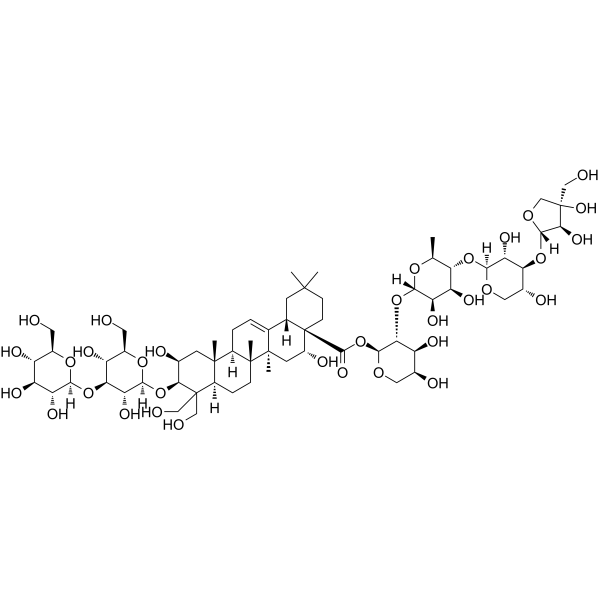
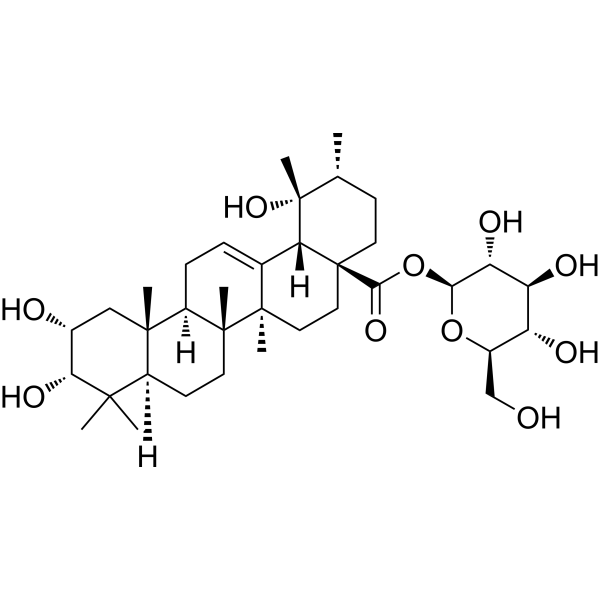
Platycodin D2 is an orally active triterpenoid saponin found in Platycodon grandiflorum. Platycodin D2 induces mitophagy in cancer cells through NIX, thereby activating the P21/CyclinA2 pathway and promoting cell senescence. Platycodin D2 induces mitochondrial dysfunction, enhances autophagy, inhibits hepatocellular carcinoma cell proliferation, and exhibits anti-tumor activity against multiple cancer cell types. Platycodin D2 promotes mRNA expression of T-bet, GATA-3, Th1 cytokines IL-2 and IFN-γ, and Th2 cytokines IL-4 and IL-10, enhances splenocyte proliferation, and acts as a vaccine adjuvant with low rabbit red blood cell hemolytic activity. Platycodin D2 induces mitochondrial ROS production, incomplete autophagy, and ferroptosis to inhibit breast cancer cell proliferation. Platycodin D2 can be used for the research of cancer, inflammation and immunology .
|
-
-
- HY-147087
-
|
|
Liposome
|
Cancer
|
|
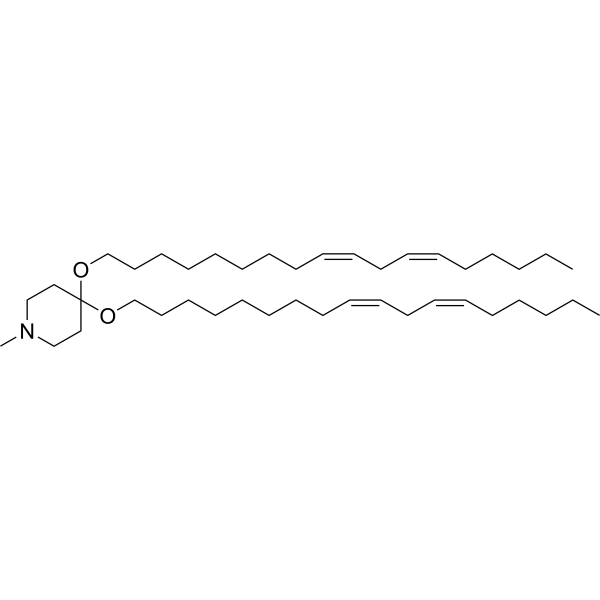
YSK 05 is a pH-sensitive cationic lipid. YSK 05 improves the intracellular trafficking of non-viral vectors. YSK 05-MEND shows significantly good gene silencing activity and hemolytic activity. YSK 05 overcomes the suppression of endosomal escape by PEGylation. YSK 05 effectively enhances siRNA delivery both in vitro and in vivo .
|
-
-
- HY-N11630
-
|
|
Influenza Virus
Biochemical Assay Reagents
|
Infection
|
|
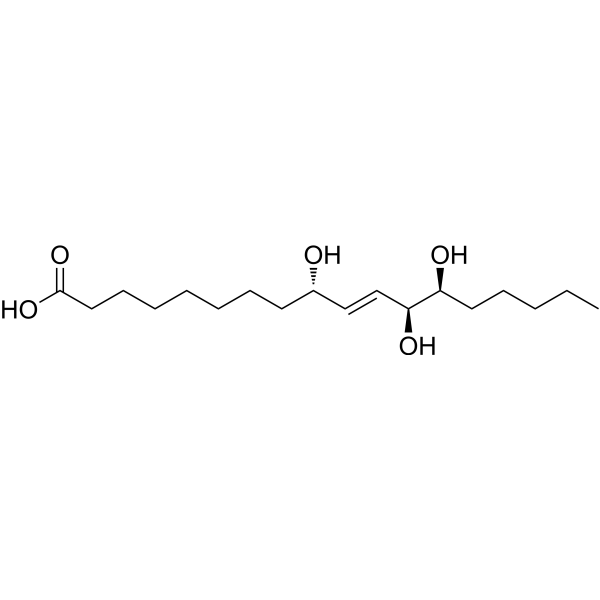
Pinellic acid is an orally active adjuvant for intranasal influenza vaccines. Pinellic acid can be extracted from the tubers of Pinellia ternata Breitenbach. When administered intranasally in combination with influenza HA vaccine, Pinellic acid slightly increases the titers of antiviral IgG antibodies in bronchoalveolar lavage fluid and serum. Pinellic acid shows no hemolytic activity. Pinellic acid can be used in studies related to influenza virus infection .
|
-
-
- HY-P5557
-
|
|
Bacterial
Necroptosis
|
Infection
Inflammation/Immunology
|
|
TP4 (Nile tilapia piscidin) is an orally active amphipathic α-helical cationic antimicrobial peptide. TP4 (Nile tilapia piscidin) exerts broad-spectrum bactericidal activity against Gram-positive and Gram-negative bacteria by disrupting cell membrane structures, and also exhibits certain hemolytic activity. TP4 (Nile tilapia piscidin) regulates the innate immune system and enhances the expression of lysozymes, cytokines and antioxidant enzymes to resist bacterial infection. TP4 (Nile tilapia piscidin) also stimulates the proliferation of keratinocytes and fibroblasts, and significantly promotes the healing of wounds infected with MRSA. TP4 (Nile tilapia piscidin) can be used in research related to bacterial infection, peritonitis, wound healing and other fields .
|
-
-
- HY-P4371
-
|
|
Biochemical Assay Reagents
|
Inflammation/Immunology
|
|
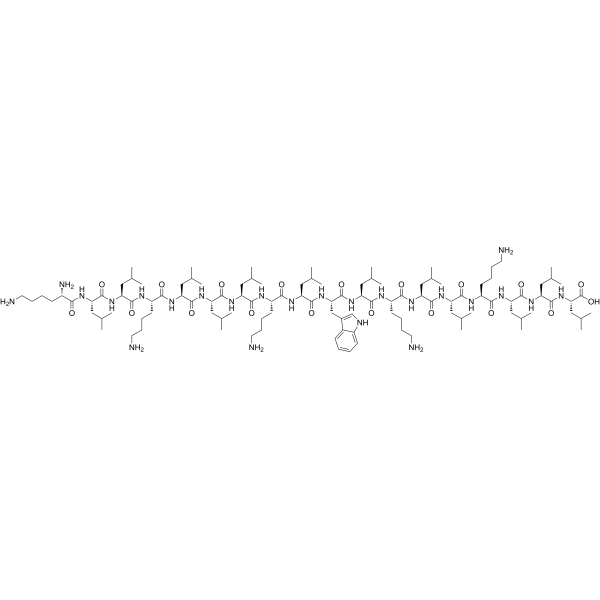
Hel 13-5 is a monomeric, lipophilic, basic amphipathic α-helical synthetic peptide composed of 18 amino acid residues. Hel 13-5 is designed as a substitute for proteins in artificial pulmonary surfactants, and it mimics the interaction between the N-terminal fragment of human pulmonary surfactant protein B and lipids. Hel 13-5 can bind to phospholipids for the development of pulmonary surfactant model systems. Hel 13-5 can be used in studies related to respiratory distress syndrome .
|
-
-
- HY-P3914
-
|
Oct-CA(1-7)M(2-9)
|
Bacterial
|
Infection
|
|
Cecropin A (1-7)-Melittin A (2-9) is an antimicrobial peptide with antimicrobial activity against a broad spectrum of Gram-positive and Gram-negative aerobic bacteria, as well as antimalarial activity, without the adverse hemolytic properties of bee venom peptides .
|
-
-
- HY-10545A
-
|
|
HBV
HCV
|
Infection
|
|
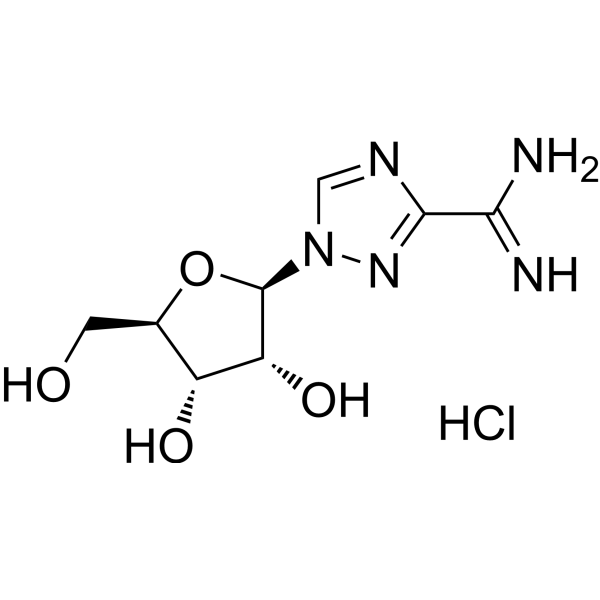
Taribavirin hydrochloride is an orally active inosine monophosphate dehydrogenase inhibitor, has activity against a wide range of viruses, especially the hepatitis C virus and influenza virus. Taribavirin hydrochloride is a Ribavirin proagent, is designed to concentrate within the liver to target HCV-infected hepatocytes while minimizing distribution within red blood cells (RBCs) and the development of hemolytic anemia .
|
-
-
- HY-110082
-
|
|
Flavivirus
Dengue Virus
Parasite
Potassium Channel
|
Cardiovascular Disease
Infection
Cancer
|
|
Quinine hydrochloride is an alkaloid extracted from cinchona bark and exhibits oral activity, acting as a potassium channel inhibitor. Quinine hydrochloride modulates the tolerance of red blood cells and presents dose-dependent toxicity and embryonic effects. Quinine hydrochloride is a typical hemolysin that directly lyses red blood cells, with cellular components of red blood cell membranes as its action targets. Quinine hydrochloride disrupts red blood cell membranes and induces hemolysis at high concentrations, while merely weakening the anti-hemolytic capacity of red blood cells at low concentrations. Quinine hydrochloride continuously reduces red blood cell tolerance after in vivo administration, and high doses can also alter blood cell counts. Quinine hydrochloride can be applied to researches related to red blood cell hemolysis, cancer and malaria .
|
-
-
- HY-N2297
-
|
|
Antibiotic
|
Infection
|
|
Kaji-ichigoside F1 is isolated from S. cuneata with hemolytic and in vitro antiviral activity.
|
-
-
- HY-E70075
-
|
GDH-TIM; GDH-TPI
|
Transketolase
|
Metabolic Disease
|
|
α-Glycerophosphate Dehydrogenase-Triosephosphate (GDH-TIM) is an enzyme mixture composed of glycerol phosphate dehydrogenase (GDH) and triphosphate isomerase (TIM). α-Glycerophosphate Dehydrogenase-Triosephosphate can be used to determine the activity of transketolase (TK) in hemolytic substances of red blood cells to evaluate vitamin B deficiency .
|
-
-
- HY-W010155R
-
|
Indole-3-ethanol (Standard)
|
Reference Standards
Endogenous Metabolite
Apoptosis
Caspase
Bacterial
|
Infection
Cardiovascular Disease
Neurological Disease
Metabolic Disease
Inflammation/Immunology
|
|
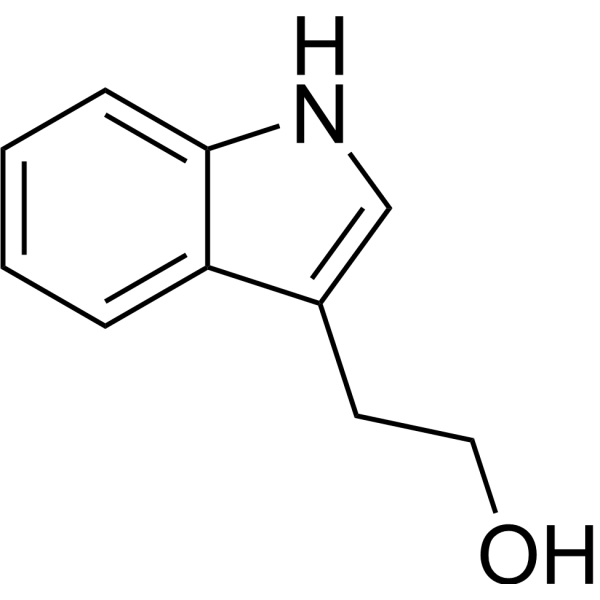
Tryptophol (Standard) (Indole-3-ethanol (Standard)) is an analytical standard of Tryptophol (HY-W010155). This product is intended for use in research and analytical applications.Tryptophol is an aromatic alcohol and secondary metabolite produced by microorganisms. Tryptophol induces Apoptosis and cleavage of caspase-8. Tryptophol inhibits Cunninghamella blakesleeana biofilm. Tryptophol has anti-phage infection, biofilm formation regulation, anti-inflammatory, hemolytic, sleep induction, temperature change, seizure susceptibility and immune regulation activities. Tryptophol is used in the research of African trypanosomiasis, sleep disorders, epilepsy.
|
-
-
- HY-W750342
-
-
-
- HY-P5016A
-
|
|
Antibiotic
Fungal
Bacterial
|
Infection
Cancer
|
|
CRAMP-18 (mouse) acetate is an antibiotic peptide without hemolytic activity. CRAMP-18 (mouse) acetate has good inhibitory activity against Gram-negative bacteria, such as S. typhimurium and P. aeruginosa. CRAMP-18 (mouse) acetate has the potential to study antifungal, antibacterial and antitumor .
|
-
-
- HY-Y0641
-
-
-
- HY-10545
-
|
|
HBV
HCV
|
Infection
|
|
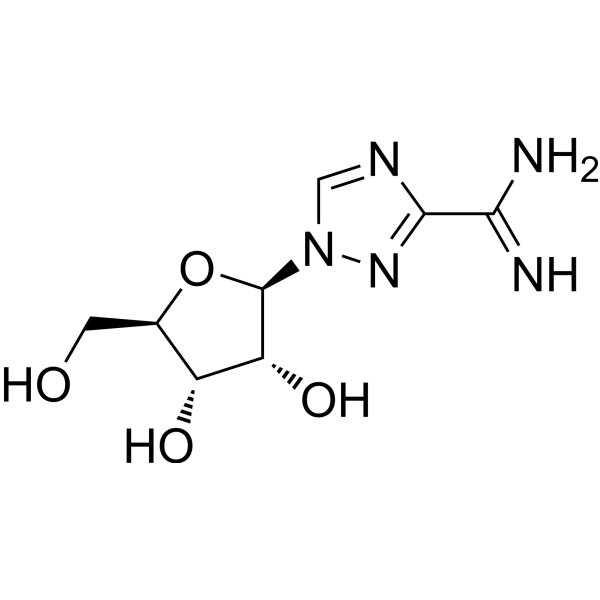
Taribavirin is an orally active inosine monophosphate dehydrogenase inhibitor, has activity against a wide range of viruses, especially the hepatitis C virus and influenza virus. Taribavirin, is a ribavirin proagent, is designed to concentrate within the liver to target HCV-infected hepatocytes while minimizing distribution within red blood cells (RBCs) and the development of hemolytic anemia .
|
-
-
- HY-N11546
-
|
|
Cytochrome P450
Bacterial
Fungal
|
Infection
Cancer
|
|
Sapindoside B is a substance with hepatoprotective activity, and also acts as a cytochrome P-450 (cytochrome P-450) inhibitor, antibacterial agent and membrane-disrupting agent. Sapindoside B reversibly inhibits the content of cytochrome P-450 in liver microsomes, suppresses the phenobarbital-induced increase in enzyme content, reduces the production of active metabolites mediated by cytochrome P-450, and alleviates hepatotoxic injury. Sapindoside B binds to Cutibacterium acnes lipase, reduces lipase activity, inhibits biofilm formation, and decreases bacterial adhesion. Sapindoside B exhibits cytotoxicity against human cancer, liver cancer, leukemia and glioblastoma cells. Sapindoside B inhibits mycelial growth of phytopathogenic fungal strains, possesses antibacterial activity against dermatophytes, and also has hemolytic/membrane-lytic activity. Sapindoside B can be used in research related to liver injury, Cutibacterium acnes biofilm-associated infections, gastric cancer, carcinoma, promyelocytic leukemia, glioblastoma, apple scab and grape gray mold .
|
-
-
- HY-P10508
-
|
|
Bacterial
Apoptosis
|
Infection
Cancer
|
|
Pantinin-1 is an antimicrobial peptide found in the venom of the Pandinus imperator scorpion. Pantinin-1 has potent antimicrobial activity against Gram-positive bacteria and fungi, weak antimicrobial activity against Gram-negative bacteria, and very low hemolytic activity against human erythrocytes. Pantinin-1 also has anticancer activity and can induce apoptosis in tumor cells .
|
-
-
- HY-P10536
-
|
|
Bacterial
|
Infection
|
|
Temporin SHF is a broad-spectrum antimicrobial peptide that is active against Gram-positive and Gram-negative bacteria and yeasts, but does not have hemolytic activity. Temporin SHF disrupts the acyl chain stacking of anionic lipid bilayers, leading to cracks and disintegration of microbial membranes. Temporin SHF can be used in the development of antimicrobial drugs .
|
-
-
- HY-131300
-
|
|
Parasite
|
Infection
|
|
Colchicoside is a bioactive tropolone alkaloid with anti-leishmanial and anti-leishmanial?activities .
|
-
-
- HY-P1768
-
|
Uru-TK I
|
Bacterial
|
Infection
|
|
Urechistachykinin I (Uru-TK I), an invertebrate tachykinin-related peptides (TRPs) isolated from echiuroid worms, shows antimicrobial activities without a hemolytic effect .
|
-
-
- HY-P11193
-
|
|
Bacterial
Fungal
|
Infection
|
|
Scolopin-2 is an antimicrobial peptide that can be isolated from centipede venoms. Scolopin-2 shows strong antimicrobial activities against a panel of Gram-positive/negative bacteria and fungi (MIC ≤ 7.5 μg/mL) . Scolopin-2 shows moderate hemolytic activity against both human and rabbit red cells. Scolopin-2 can be used for antimicrobial research .
|
-
-
- HY-P5446
-
|
|
Bacterial
|
Others
|
|
BMAP-18 is a biological active peptide. (BMAP-18 is a truncated form of the antimicrobial peptide BMAP-27. Bovine myeloid antimicrobial peptide-27 (BMAP-27) belongs to the Cathelicidin family of peptides which displays rapid bactericidal activity against Staphylococcus aureus, Streptococcus uberis, and Escherichia coli. BMAP-27 is cytotoxic to human erythrocytes and neutrophils, although at higher than microbicidal concentrations. BMAP-18 displays much higher cell selectivity as compared to parental BMAP-27 because of its decreased hemolytic activity and retained antimicrobial activity.)
|
-
-
- HY-172264
-
|
|
Antibiotic
Bacterial
DNA/RNA Synthesis
|
Infection
|
|
XT17 is an anthrone compound with broad-spectrum antibacterial activity. It exerts its antibacterial effect by disrupting the cell wall and inhibiting DNA synthesis. XT17 exhibits weak hemolytic activity, low cytotoxicity against mammalian cell lines, and a low frequency of drug resistance. Meanwhile, XT17 shows in vivo efficacy in a mouse corneal infection model induced by Staphylococcus aureus or Pseudomonas aeruginosa. Further docking studies have confirmed that XT17 can form a stable complex with bacterial gyrase. XT17 can be used in the research of the anti - infection field .
|
-
-
- HY-178111
-
|
|
Bacterial
|
Infection
|
|
AcrB-IN-6 is an effective AcrB inhibitor. AcrB-IN-6 The compound inhibits the function of bacterial multidrug efflux pumps, thereby significantly enhancing the antibacterial activity of various antibiotics. AcrB-IN-6 achieves 32-fold MIC reductions in wild-type E. coli BW25113. AcrB-IN-6 exhibits excellent synergistic antibacterial effects, low cytotoxicity and hemolytic properties. AcrB-IN-6 can be used for researching anti-resistant bacteria .
|
-
-
- HY-173054
-
|
|
Bacterial
|
Infection
|
|
FtsZ-IN-12 (Compound 16e) is the inhibitor for filamentous temperature-sensitive mutant Z (FtsZ) that promotes the polymerization of FtsZ protein, inhibits its GTPase activity, thereby interfering with bacterial cell division process. FtsZ-IN-12 exhibits boardspectrum antibacterial activity that inhibits B. subtilis ATCC9372, B. pumilus CMCC63202, S. aureus ATCC25923, E. coli BW25113 and A. baumannii ATCC19606 with MIC of 0.062-1 μg/mL. FtsZ-IN-12 inhibits the formation of bacterial biofilms and exhibits a clearing effect on mature biofilms. FtsZ-IN-12 exhibits bactericidal activity without hemolytic toxicity to mammalian red blood cells (15 mg/kg) .
|
-
-
- HY-178504
-
|
|
Bacterial
|
Infection
|
|
Lug-15 is a rapid bactericidal agent. Lug-15 exhibits strong antibacterial activity against both Gram-positive and Gram-negative bacteria, including drug-resistant strains. Lug-15 rapidly kills bacteria primarily through membrane disruption and had a very low propensity to induce bacterial resistance. Lug-15 demonstrates low hemolytic toxicity and significant therapeutic potential in various infection models. Lug-15 can be used for research on combating infections caused by multi-drug resistant bacteria .
|
-
-
- HY-178952
-
|
|
Bacterial
|
Infection
|
|
Anti-infective agent 12 (Compound A09) is a competitive inhibitor of type I signal peptidease (SPase I), with an IC50 of 4.475 μM and a Kd of 16.3 μM. Anti-infective agent 12 has the ability to disrupt bacterial membranes and remove biofilms. Anti-infective agent 12 exhibits potent bactericidal activity against Gram-positive bacteria, with MIC values of 4, 4, 8, and 8 μg/mL for Staphylococcus aureus, Enterococcus faecalis, Enterococcus faecium, and Streptococcus suis, respectively. Anti-infective agent 12 remains effective against multi-drug resistant strains, but has weaker activity against Gram-negative bacteria (such as Escherichia coli and Salmonella), with MIC values > 64 μg/mL. Anti-infective agent 12 has low hemolytic activity and shows significant efficacy in mouse skin infection models .
|
-
-
- HY-P991886
-
|
|
Complement System
|
Neurological Disease
|
|
ANX-M1 is a blood-brain barrier-permeable anti-C1q antibody. ANX-M1 can slow down the progression of retinal degeneration following photo-oxidative damage. ANX-M1 has been incorporated into nanocarriers to evaluate its brain delivery efficacy in a mouse model of Alzheimer's disease. ANX-M1 is applicable for research on age-related macular degeneration and Alzheimer's disease [1] .
|
-
-
- HY-P10547
-
|
MAC-1 peptide
|
Bacterial
|
Infection
|
|
Macropin (MAC-1 peptide) is an antimicrobial peptide found in the venom of the solitary bee Macropis fulvipes. Macropin has antibacterial activity against both Gram-positive and Gram-negative bacteria, and also exhibits inhibitory activity against fungi and moderate hemolytic activity against human erythrocytes. Macropin can be used in research on anti-infective therapy .
|
-
-
- HY-P5713
-
|
|
Bacterial
|
Infection
|
|
Des(8-14)brevinin-1PMa is a host-defense peptide that exhibits antimicrobial activity against Staphylococcus aureus and Echerichia coli. Des(8-14)brevinin-1PMa also shows hemolytic activity .
|
-
-
- HY-149223
-
|
|
Bacterial
|
Infection
|
|
FtsZ-IN-5 is a potent FtsZ inhibitor, to promote FtsZ polymerization and inhibit GTPase activity of FtsZ. Thus, FtsZ-IN-5 inhibits bacterial division to lead to death of bacterial cells. FtsZ-IN-5 shows bactericidal activity with no significant tendency to trigger bacterial resistance as well as rapid bactericidal properties. And FtsZ-IN-5 shows low hemolytic activity and cytotoxicity to mammalian cells .
|
-
-
- HY-149226
-
|
|
Bacterial
|
Infection
|
|
FtsZ-IN-8 is a potent FtsZ inhibitor, to promote FtsZ polymerization and inhibit GTPase activity of FtsZ. Thus, FtsZ-IN-8 inhibits bacterial division to lead to death of bacterial cells. FtsZ-IN-8 shows bactericidal activity with no significant tendency to trigger bacterial resistance as well as rapid bactericidal properties. And FtsZ-IN-8 shows low hemolytic activity and cytotoxicity to mammalian cells .
|
-
-
- HY-149225
-
|
|
Bacterial
|
Infection
|
|
FtsZ-IN-7 is a potent FtsZ inhibitor, to promote FtsZ polymerization and inhibit GTPase activity of FtsZ. Thus, FtsZ-IN-7 inhibits bacterial division to lead to death of bacterial cells. FtsZ-IN-7 shows bactericidal activity with no significant tendency to trigger bacterial resistance as well as rapid bactericidal properties. And FtsZ-IN-7 shows low hemolytic activity and cytotoxicity to mammalian cells .
|
-
-
- HY-149224
-
|
|
Bacterial
|
Infection
|
|
FtsZ-IN-6 is a potent FtsZ inhibitor, to promote FtsZ polymerization and inhibit GTPase activity of FtsZ. Thus, FtsZ-IN-6 inhibits bacterial division to lead to death of bacterial cells. FtsZ-IN-6 shows bactericidal activity with no significant tendency to trigger bacterial resistance as well as rapid bactericidal properties. And FtsZ-IN-6 shows low hemolytic activity and cytotoxicity to mammalian cells .
|
-
-
- HY-P5682
-
|
|
Bacterial
|
Infection
|
|
Maximin 41 is an antimicrobial peptide. Maximin 41 has antibacterial activity against S. aureus (MIC: 75 μg/mL). Maximin 41 has hemolytic activities against human red cells .
|
-
-
- HY-P5689
-
|
|
Bacterial
|
Infection
|
|
Maximin 42 is an antimicrobial peptide. Maximin 42 has antibacterial activity against S. aureus (MIC: 37.5 μg/mL). Maximin 42 has hemolytic activities against human red cells .
|
-
-
- HY-P5718
-
|
|
Bacterial
|
Infection
|
|
Brevinin-1PMa is a host-defense peptide that exhibits antimicrobial activity against Staphylococcus aureus and Echerichia coli. Brevinin-1PMa also shows hemolytic activity .
|
-
-
- HY-P5692
-
|
|
Bacterial
|
Infection
|
|
Maximin 77 is an antimicrobial peptide. Maximin 77 has antibacterial activity against S. aureus (MIC: 18.8 μg/mL). Maximin 77 has hemolytic activities against human red cells .
|
-
-
- HY-P1763
-
|
Uru-TK II
|
Bacterial
|
Infection
|
|
Urechistachykinin II (Uru-TK II), an invertebrate tachykinin-related peptides (TRPs) isolated from echiuroid worms, shows antimicrobial activities without a hemolytic effect .
|
-
-
- HY-P5685
-
|
|
Bacterial
|
Infection
|
|
Maximin 49 is an antimicrobial peptide. Maximin 49 has antibacterial activity against S. aureus (MIC: 18.8 μg/mL). Maximin 49 has hemolytic activities against human and rabbit red cells .
|
-
-
- HY-P5722
-
|
|
Bacterial
|
Infection
|
|
Peptide 5f is an antimicrobial peptide derived from wasp venom. Peptide 5f has antimicrobial activity against bacteria and fungi. Peptide 5f has little hemolytic activity on human red blood cells .
|
-
-
- HY-P5687
-
|
|
Bacterial
|
Infection
|
|
Im5, an antimicrobial peptide, has antibacterial (MIC: 10, 2.5-5, 0.5-1 μM for E. coli, S. aureus, B. subtilis respectively) and hemolytic activity (EC50: 28 μM) .
|
-
-
- HY-P5683
-
|
|
Bacterial
|
Infection
|
|
Maximin 45 is an antimicrobial peptide. Maximin 41 has antibacterial activity against S. aureus, E. coli, B. subtilis (MIC: 4.7, 9.4, 75 μg/mL). Maximin 45 has hemolytic activities against human and rabbit red cells .
|
-
-
- HY-P5686
-
|
|
Bacterial
|
Infection
|
|
Maximin 78 is an antimicrobial peptide. Maximin 78 has antibacterial activity against C. albicans, S. aureus, B. subtilis (MIC: 37.5, 4.7, 37.5 μg/mL). Maximin 78 has hemolytic activities against human and rabbit red cells .
|
-
-
- HY-155546
-
|
|
Bacterial
|
Infection
|
|
Antimicrobial agent-22 (THI 6c) is a multi-target broad-spectrum antibacterial agent. Antimicrobial agent-22 has low cytotoxicity, hemolytic property, rapid bactericidal ability and good anti-biofilm activity .
|
-
-
- HY-N2980
-
|
Cabraleone
|
Bacterial
|
Infection
|
|
Ocotillone ((24S)-20,24-Epoxy-25-hydroxydammaran-3-one) is a triterpenoids that can be isolated from the fruits of Dysoxylum richii. Ocotillone has antibacterial activities against P. aeruginosa and S. typhimurium without hemolytic activity .
|
-
- HY-P5684
-
|
|
Bacterial
|
Infection
|
|
Maximin H39 is an antimicrobial peptide. MaximinH39 has antibacterial activity against C. albicans, S. aureus, B. subtilis (MIC: 9.4, 9.4, 18.8 μg/mL). Maximin H39 has hemolytic activities against human and rabbit red cells .
|
-
- HY-P5016
-
|
|
Antibiotic
Bacterial
Fungal
|
Infection
Cancer
|
|
CRAMP-18 (mouse) is an antibiotic peptide without hemolytic activity. CRAMP-18 (mouse) has good inhibitory activity against Gram-negative bacteria, such as S. typhimurium and P. aeruginosa. CRAMP-18 (mouse) has the potential to study antifungal, antibacterial and antitumor .
|
-
- HY-146428
-
|
|
Bacterial
|
Infection
|
|
Anti-MRSA agent 4 (compound 7a) is a potent and selective growth inhibitor of Gram-positive Methicillin-resistant Staphylococcus aureus (MRSA), with MIC ≤ 0.26 µM. Anti-MRSA agent 4 exhibits no cytotoxic and no hemolytic activity in HEK293 cells .
|
-
- HY-P5688
-
|
|
Bacterial
|
Infection
|
|
Maximin 68 is an antimicrobial peptide. Maximin 68 has antibacterial activity against C. albicans, S. aureus, E. coli, B. subtilis (MIC: 18.8, 9.4, 37.5, 9.4 μg/mL). Maximin 68 has hemolytic activities against human and rabbit red cells .
|
-
- HY-119491
-
|
|
Biochemical Assay Reagents
|
Others
|
|
Ethyl Tricosanoate is a long-chain saturated fatty acid ethyl ester, which exists in small amounts in C. conicum and C. conicum. Free acid reduces the hemolytic activity of Staphylococcus aureus delta toxin on human erythrocytes. Both ethyl ester and free acid can be used as standards for the analysis of lipid mixtures.
|
-
- HY-124112
-
|
|
Parasite
|
Infection
|
|
PAM 1392 is active orally against Plasmodium berghei in mice, P. cynofologi and P. knowlesi in monkeys and Trypanosoma cruzi in tissue cultures of mice, and hemolytic streptococci in vitro. PAM 1392 has antimalarial and antitrypanosomal activities, which is proming for rasearch of drug-resistant malaria .
|
-
- HY-P10538
-
|
|
Bacterial
Fungal
|
Infection
|
|
Balteatide is an antimicrobial peptide, which can be found in skin secretion of Phyllomedusa baltea. Balteatide inhibits the gram-positive Staphylococcus aureus (MIC=435 μM), the gram-negative Escherichia coli (MIC=109 μM), and Candida albicans (MIC=27 μM). Balteatide lacks hemolytic activity (at 512 mg/L) and myotropic activity .
|
-
- HY-P10540
-
|
|
Bacterial
|
Infection
|
|
Pantinin-2 is a cysteine-free toxic peptide found in the emperor scorpion (paninus imperator). Pantinin-2 has high activity against Gram-positive bacteria but weak activity against Gram-negative bacteria. Pantinin-2 also exhibits activity against Candida tropicalis and has relatively mild hemolytic activity against human erythrocytes. Pantinin-2 can be used in the development of antimicrobial drugs for drug-resistant pathogens .
|
-
- HY-170760
-
|
|
Bacterial
|
Infection
|
|
Antibacterial agent 258 (Compound 11e) is an antibacterial agent, that destory the bacteria cell membrane, and inhibits various gram-positive bacteria (MIC for Staphylococcus aureus is 1-2 μg/mL). Antibacterial agent 258 exhibits low hemolytic activity and low cytotoxicity. Antibacterial agent 258 exhibits anti-infectious efficacy in mouse models .
|
-
- HY-147546
-
|
|
Bacterial
|
Infection
|
|
Antibacterial agent 107 (compound 14) is a potent antibacterial agent. Antibacterial agent 107 shows potent antibacterial activity against Gram-positive bacteria, with a MIC of 1.56 μg/mL (MRSA). Antibacterial agent 107 exhibits low hemolytic activity, high membrane selectivity, and rapid bactericidal activity. Antibacterial agent 107 shows effective in vivo efficacy in the murine model of bacterial keratitis caused by Staphylococcus aureus ATCC29213 .
|
-
- HY-P11163
-
|
|
Bacterial
Glycosidase
|
Infection
|
|
Eumenitin is an antibacterial peptide with strong membrane activity, broad-spectrum antibacterial activity, and almost no hemolytic toxicity. Eumenitin has inhibitory effects on various Gram positive and Gram negative bacteria. Eumenitin can induce the release of β-hexosaminidase from rat peritoneal mast cells and RBL-2H3 cells. Eumenitin can be used in the research of infectious conditions .
|
-
- HY-P5697
-
|
|
Bacterial
|
Infection
|
|
Tilapia piscidin 3 is an antimicrobial peptide with antibacterial activity against gram-positive and -negative bacteria (MIC: 2.44, 2.44, 9.78, 19.55, 0.61 μg/mL for V. vulnificus 204, V. alginolyticus, S. agalactiae 819, E. faecalis BCRC 10066, S. agalactiae BCRC 10787). Tilapia piscidin 3 has hemolytic activity in fish red blood cells .
|
-
- HY-149881
-
|
|
Bacterial
|
Infection
|
|
Quorum sensing-IN-2 (compound 23e) is a quorum sensing inhibitor, which can reduce the pathogenicity of bacteria without affecting bacterial growth. Quorum sensing-IN-2 inhibits bacterial infections with little hemolytic activity. Quorum sensing-IN-2 shows synergistic effect with Ciprofloxacin (HY-B0356) in the bacteremia model infected with P. aeruginosa PAO1 .
|
-
- HY-146595
-
|
|
Bacterial
|
Infection
|
|
FtsZ-IN-1 is a potent FtsZ inhibitor with quinolinium ring. FtsZ-IN-1 has stronger antibacterial activity against Gram-positive bacteria with MICs of 0.5-8 μg/mL. FtsZ-IN-1 significantly causes cell elongation of B. subtilis by enhancing FtsZ polymerization. FtsZ-IN-1 exhibits low hemolytic toxicity and low tendency to induce agent resistance. FtsZ-IN-1 has against drug-resistant bacteria activity .
|
-
- HY-168960
-
|
|
Reactive Oxygen Species (ROS)
Bacterial
|
Infection
|
|
ROS inducer 8 (Compound 11g) is the inhibitor for glutathione (GSH), that induces the ROS accumulation in Enterococcus faecalis, thereby exhibiting antibacterial activity. ROS inducer 8 disrupts the biofilm, inhibits S. aureus and E. faecalis with MIC of 8 μg/mL and 2 μg/mL, exhibits post-antibiotic effect. ROS inducer 8 exhibits low hemolytic toxicity to sheep erythrocytes (HC50 > 1280 μg/mL) .
|
-
- HY-P5484
-
|
|
Bacterial
|
Others
|
|
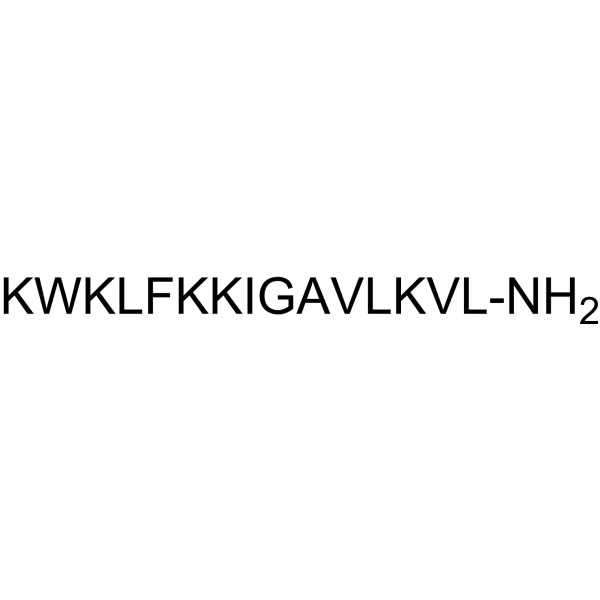
SMAP-18 is a biological active peptide. (SMAP-18 is a 18-amino acid residue peptide amide which is a truncated form of SMAP-29. Sheep myeloid antimicrobial peptide-29 (SMAP-29) displays extremely high antimicrobial activity against Pseudomonas strains, other Gram-negative bacteria, and multidrug-resistant pathogens. SMAP-18 displays much higher cell selectivity as compared to parental SMAP-29 because of its decreased hemolytic activity and retained antimicrobial activity.)
|
-
- HY-147755
-
|
|
Bacterial
|
Infection
|
|
C16-K-cBB1 is a potent and selective antimicrobial agent for MRSA (Methicillin resistant Staphylococcus aureus), with a MIC of 1 µg/mL. C16-K-cBB1 has very good selectivity, as it has weak hemolytic activity. C16-K-cBB1 is able to kill MRSA cells in a matter of 120 min at a concentration of 12.5 μg/mL .
|
-
- HY-162923
-
|
|
Bacterial
Antibiotic
|
Infection
|
|
Antibacterial agent 244 is an orally active compound with broad-spectrum antibacterial activity, primarily targeting Gram-positive bacteria, with a MIC value of 1–4 μg/mL and low hemolytic toxicity (HC50 of 111.6 μg/mL). Antibacterial agent 244 disrupts bacterial transmembrane potential, increases membrane permeability, leading to leakage of cellular contents such as DNA and proteins, ultimately causing bacterial death. Antibacterial agent 244 can be used in research related to Gram-positive bacterial infections .
|
-
- HY-P11040
-
|
|
Bacterial
Antibiotic
|
Infection
|
|
Peptide P2.2, a non-ribosomal peptide, is an antimicrobial peptide. Peptide P2.2 has potent antibacterial activity with MIC50s of 4 and 32 μM for V. parahaemolyticus and V. alginolyticus, respectively. Peptide P2.2 increases synergistic antibacterial effects with antibiotics (such as Ofloxacin (HY-B0125) and Linezolid (HY-10394)) with negligible hemolytic activity. Peptide P2.2 disrupts bacterial membranes and increases permeability by modulating proteins involved in the type VI and III secretion systems. Peptide P2.2 can be used for bacterial infections research .
|
-
- HY-137566
-
|
|
Mitochondrial Metabolism
|
Cancer
|
|
Cucumarioside H is a novel triterpene glycoside isolated from the Far Eastern sea cucumber Eupentacta fraudatrix, including H2, H3 and H4. These glycosides have a branched pentasyl structure with a rare 3-O-methyl-D-xylose as the terminal monosaccharide. H2 contains 23,24,25,26,27-pentanolone sterols and has an 18(16)-lactone, which is not common in sea cucumbers. The glycoside portion of H3 contains an extremely rare ethoxyl radical at the 25 position, which may be an artifact formed during the long ethanol extraction process. Studies have shown that H1-3 are cytotoxic to mouse spleen lymphocytes, hemolytic to mouse erythrocytes, and cytotoxic to Ehrlich carcinoma cells. The presence of a 25-hydroxyl group in the glycoside portion significantly reduces these activities.
|
-
- HY-N9403
-
|
|
Others
|
Others
|
|
Prosaikogenin H is an intestinal metabolite of saikosaponin with a weak hemolytic activity .
|
-
- HY-103008
-
|
3-O-Methylmyricetin
|
Biochemical Assay Reagents
|
Others
|
|
Annulatin (3-O-Methylmyricetin) is an α-helical peptide. Annulatin shows histamine releasing activity from mast cells and low hemolytic activity .
|
-
- HY-B1977
-
|
GS 16068; Sancap; Cotofor
|
Herbicide
|
Others
|
|
Dipropetryn (GS 16068) is a compound that inhibits algal photosynthesis and toxin production. It can reduce the photosynthetic activity and pigment content of Karenia, reduce the levels of unsaturated fatty acids, reactive oxygen and hemolytic toxins, and regulate the expression of related proteins.
|
-
- HY-W034984
-
|
|
Bacterial
|
Infection
|
|
(1,5-Cyclooctadiene) dimethylplatinum (II) (Compound Pt3) is an Antibacterial agent. (1,5-Cyclooctadiene) dimethylplatinum (II) exhibits limited but selective activity against some Gram-positive Staphylococcus aureus strains, including methicillin-resistant Staphylococcus aureus (MRSA) and Glycopeptide-intermediate Staphylococcus aureus (GISA). (1,5-Cyclooctadiene) dimethylplatinum (II) shows no hemolytic activity .
|
-
- HY-P11630
-
|
|
Bacterial
|
Cardiovascular Disease
Infection
|
|
ZM-804 is a cationic α-helix antimicrobial peptide. ZM-804 targets bacterial cell membranes. ZM-804 demonstrates antimicrobial activity and prevents the infection of tomato plants by Pst DC3000. ZM-804 inhibits the growth of B. subtilis and E. coli (the same MICs of 41.10 μg/mL). ZM-804 exhibits low hemolytic activity .
|
-
- HY-179438
-
|
|
Bacterial
|
Cancer
|
|
Antibacterial agent 302 is an antibacterial agent. Antibacterial agent 302 shows a potent and broad-spectrum antibacterial activity. Antibacterial agent 302 has no significant hemolytic toxicity and cytotoxicity, and a low tendency to induce resistance. Antibacterial agent 302 exerts its antibacterial mechanism by disrupting the integrity of the bacterial cell membranes. Antibacterial agent 302 can be used for the study of bacterial keratitis .
|
-
- HY-182310
-
|
|
Bacterial
|
Infection
|
|
Antibacterial agent 333, Tryptanthrin (HY-N6607) derivative, is a antibacterial agent with antibacterial activity against Vibrio parahaemolyticus (MIC50 = 8 μg/mL) and Vibrio alginolyticus (MIC50 = 16 μg/mL). Antibacterial agent 333 inhibits biofilm formation and maturation. Antibacterial agent 333 exhibits activity against drug-resistant Vibrio strains. Antibacterial agent 333 lacks cytotoxicity toward mammalian cells and has no hemolytic activity. Antibacterial agent 333 can be used for the research of infection .
|
-
- HY-182506
-
|
BM 12.531
|
Biochemical Assay Reagents
|
Inflammation/Immunology
Cancer
|
|
Azimexon (BM 12.531) is an orally active immunomodulator with radioprotective and antitumor activities. Azimexon prolongs survival in multiple mouse models, enhances immunity and hematopoiesis, and alleviates radiation injury and tumor metastasis. Azimexon causes reversible hemolytic anemia in rats and dogs, and exerts therapeutic activity against adjuvant-induced arthritis in rats. Azimexon can be used for the research of lung carcinoma, leukemia, multiple myeloma, lung tumor, arthritis, breast cancer and AIDS‑related complex .
|
-
- HY-10545AR
-
|
|
Reference Standards
HBV
HCV
|
Infection
|
|
Taribavirin hydrochloride (Standard) is the analytical standard of Taribavirin hydrochloride (HY-10545A). This product is intended for research and analytical applications. Taribavirin hydrochloride is an orally active inosine monophosphate dehydrogenase inhibitor, has activity against a wide range of viruses, especially the hepatitis C virus and influenza virus. Taribavirin hydrochloride is a Ribavirin proagent, is designed to concentrate within the liver to target HCV-infected hepatocytes while minimizing distribution within red blood cells (RBCs) and the development of hemolytic anemia .
|
-
- HY-180125A
-
|
|
Bacterial
Reactive Oxygen Species (ROS)
|
Infection
|
|
Antibacterial agent 307 hydrochloride is an antibacterial agent. Antibacterial agent 307 hydrochloride shows MICs of 1-4 μg/mL against Gram-positive bacteria, moderate activity against Gram-negative bacteria, low hemolytic toxicity, and excellent plasma stability. Antibacterial agent 307 hydrochloride compromises bacterial membrane integrity via increased permeability and depolarization, induces endogenous ROS accumulation, causes cytoplasmic protein and nucleic acid leakage, and drives rapid bacterial cell death. Antibacterial agent 307 hydrochloride can be used for the research of bacterial infection .
|
-
- HY-180125
-
|
|
Bacterial
Reactive Oxygen Species (ROS)
|
Infection
|
|
Antibacterial agent 307 is an antibacterial agent. Antibacterial agent 307 shows MICs of 1-4 μg/mL against Gram-positive bacteria, moderate activity against Gram-negative bacteria, low hemolytic toxicity, and excellent plasma stability. Antibacterial agent 307 compromises bacterial membrane integrity via increased permeability and depolarization, induces endogenous ROS accumulation, causes cytoplasmic protein and nucleic acid leakage, and drives rapid bacterial cell death. Antibacterial agent 307 can be used for the research of bacterial infection .
|
-
- HY-P11657
-
|
|
Bacterial
|
Infection
|
|
GN-2 peptoid is a 9-mer cationic amphipathic peptoid and bactericidal agent with an overall net charge of +4, broad-spectrum antimicrobial activity, and low hemolytic and cytotoxic activity against mammalian cells. GN-2 peptoid exerts bactericidal action against Escherichia coli in a concentration-dependent manner. GN-2 peptoid exhibits antimicrobial activity against Gram-positive Staphylococcus aureus and Gram-negative Escherichia coli, Pseudomonas aeruginosa strains. GN-2 peptoid shows low toxicity against human red blood cells and HeLa cells. GN-2 peptoid maintains antimicrobial activity in the presence of 50% human blood plasma. GN-2 peptoid can be used for the research of bacterial infections .
|
-
- HY-P991022
-
|
NM8074
|
Complement System
|
Endocrinology
|
|
Ruxoprubart (NM8074) is an inhibitor of complement factor B (Bb subunit). Ruxoprubart selectively binds to active Bb to inhibit the alternative complement pathway without affecting the classical complement pathway. By blocking the activities of AP C3 and C5 convertases, Ruxoprubart effectively inhibits red blood cell hemolysis and reduces C3b deposition, thereby preventing intravascular and extravascular hemolysis. Ruxoprubart can be used in research related to paroxysmal nocturnal hemoglobinuria, atypical hemolytic uremic syndrome, C3 glomerulopathy, and IgA nephropathy .
|
-
- HY-P11607
-
|
|
Bacterial
|
Infection
|
|
CyLip-10 is a microbial-derived cyclic-lipid antimicrobial peptide. CyLip-10 has broad-spectrum antimicrobial efficacy, low hemolytic activity, and excellent stability. CyLip-10 can disrupt membrane integrity, inhibit biofilm formation and induce membrane permeabilization and bacterial cell death. CyLip-10 reduces bacterial load, promotes wound healing, and alleviates inflammatory responses in a mouse Methicillin (HY-121544)-resistant Staphylococcus aureus skin wound infection model. CyLip-10 can be used for the bacterial infection .
|
-
- HY-179611
-
|
|
Bacterial
|
Infection
|
|
LP-03 is an antibacterial agent with selective activity against Methicillin-resistant Staphylococcus aureus (MRSA). Its minimum inhibitory concentration (MIC) is 6.2 μM. LP-03 has an inhibitory effect on biofilm formation, but it is unable to effectively remove the formed biofilms. LP-03 can enhance membrane permeability, disrupt the membrane structure of MRSA cells, and does not cause significant membrane depolarization. LP-03 has no hemolytic toxicity and shows low mammalian cell toxicity. It can be used for research on MRSA infections .
|
-
- HY-P11468
-
|
|
Bacterial
Antibiotic
|
Cardiovascular Disease
Infection
|
|
wkwkwNGwkwkw-NH2 is a self-assembling β-hairpin antimicrobial peptide. wkwkwNGwkwkw-NH2 self-assembles into nanofibers. wkwkwNGwkwkw-NH2 interacts with LPS on the surface of the bacterial membrane and then disrupts the bacterial outer membrane, inner membrane, and cytoplasmic membrane to exert its antibacterial effects. wkwkwNGwkwkw-NH2 has high antibacterial activity and low hemolytic activity. wkwkwNGwkwkw-NH2 significantly reduces the S. aureus ATCC 25923 load at the skin wound. wkwkwNGwkwkw-NH2 displays synergistic effects when combined with antibiotics. wkwkwNGwkwkw-NH2 facilitates wound healing .
|
-
- HY-P11582
-
|
|
Bacterial
|
Infection
|
|
CyLip-20 is a cyclic lipopeptide antimicrobial peptide that targets Gram-positive and Gram-negative bacteria. CyLip-20 exhibits low hemolytic activity and mild in vivo toxicity. CyLip-20 disrupts the integrity of bacterial outer membrane, inner membrane and cytoplasmic membrane by binding to bacterial lipopolysaccharide (LPS), triggering membrane permeabilization, depolarization and leakage of intracellular contents, and inhibits bacterial biofilm formation. In animal models, CyLip-20 reduces the bacterial load in skin wounds of mice infected with MRSA, promotes wound healing, decreases the levels of inflammatory cytokines and reduces inflammatory cell infiltration. CyLip-20 can be used in research related to MRSA skin wound infections .
|
-
- HY-168729
-
|
|
Bacterial
|
Infection
|
|
Antibacterial agent 256 (Compound C09) is an inhibitor for type I signal peptidase (SPase I). Antibacterial agent 256 inhibits gram-positive bacteria, that inhibits S. aureus ATCC 29213, E. faecium QF31, E. faecalis SF23-1 and S. suis P1/7, with MIC of 1-16 μg/mL. Antibacterial agent 256 exhibits cytotoxicity in cancer cell HEp-2 and Caco-2 with CC50 of 14.65 μg/mL and 21.93 μg/mL. Antibacterial agent 256 exhibits a hemolytic activity on mouse RBCs, with an HC50 of 13.29 μg/mL. Antibacterial agent 256 ameliorates the MRSA skin infection in mouse model .
|
-
- HY-180191
-
|
|
Bacterial
Reactive Oxygen Species (ROS)
DNA/RNA Synthesis
|
Infection
|
|
Anti-MRSA agent 42 (Compound 6d) is an anti-methicillin-resistant Staphylococcus aureus (MRSA) agent. Anti-MRSA agent 42 shows strong inhibitory effects on MRSA standard strains and 11 clinical isolates with MIC values of 0.25-0.5 μg/mL. Anti-MRSA agent 42 has low hemolytic activity and minimal cytotoxicity toward mammalian cells. Anti-MRSA agent 42 can suppress biofilm formation, compromise the cell wall, and disrupt the cytoplasmic membrane, which are accompanied by membrane depolarization, enhanced permeability, and loss of membrane integrity. Anti-MRSA agent 42 can induce ROS production and bind to DNA grooves, interfering with nucleic acid function. Anti-MRSA agent 42 can be used for the research of MRSA infection .
|
-
- HY-P11615
-
|
|
Bacterial
|
Infection
|
|
FuK is a WK2-analog antimicrobial peptide modified with fluorinated unnatural amino acids. FuK has an LD50 of 72.34 mg/kg in mice, shows no hemolytic activity, with high stability against trypsin, chymotrypsin, and saline environments. FuK exerts bactericidal effects by enhancing the permeability of bacterial outer membranes, inducing depolarization of cytoplasmic membranes, and disrupting membrane potential balance against bacterias such as Staphylococcus aureus, Escherichia coli, Klebsiella pneumoniae, and MRSA. FuK exhibits synergistic antimicrobial activity with polymyxin B (HY-149179), vancomycin (HY-B0671), and ciprofloxacin (HY-B0356), and also inhibits Ciprofloxacin-induced bacterial drug resistance. FuK has in vivo safety, effectively reduces bacterial load and inflammatory cell infiltration in a mouse MRSA model, and promotes collagen fiber formation in skin wounds .
|
-
| Cat. No. |
Product Name |
Type |
-
- HY-147087
-
|
|
Biochemical Assay Reagents
|
|
YSK 05 is a pH-sensitive cationic lipid. YSK 05 improves the intracellular trafficking of non-viral vectors. YSK 05-MEND shows significantly good gene silencing activity and hemolytic activity. YSK 05 overcomes the suppression of endosomal escape by PEGylation. YSK 05 effectively enhances siRNA delivery both in vitro and in vivo .
|
-
- HY-119491
-
|
|
Biochemical Assay Reagents
|
|
Ethyl Tricosanoate is a long-chain saturated fatty acid ethyl ester, which exists in small amounts in C. conicum and C. conicum. Free acid reduces the hemolytic activity of Staphylococcus aureus delta toxin on human erythrocytes. Both ethyl ester and free acid can be used as standards for the analysis of lipid mixtures.
|
| Cat. No. |
Product Name |
Target |
Research Area |
-
- HY-P5557
-
|
|
Bacterial
Necroptosis
|
Infection
Inflammation/Immunology
|
|
TP4 (Nile tilapia piscidin) is an orally active amphipathic α-helical cationic antimicrobial peptide. TP4 (Nile tilapia piscidin) exerts broad-spectrum bactericidal activity against Gram-positive and Gram-negative bacteria by disrupting cell membrane structures, and also exhibits certain hemolytic activity. TP4 (Nile tilapia piscidin) regulates the innate immune system and enhances the expression of lysozymes, cytokines and antioxidant enzymes to resist bacterial infection. TP4 (Nile tilapia piscidin) also stimulates the proliferation of keratinocytes and fibroblasts, and significantly promotes the healing of wounds infected with MRSA. TP4 (Nile tilapia piscidin) can be used in research related to bacterial infection, peritonitis, wound healing and other fields .
|
-
- HY-P4371
-
|
|
Biochemical Assay Reagents
|
Inflammation/Immunology
|
|
Hel 13-5 is a monomeric, lipophilic, basic amphipathic α-helical synthetic peptide composed of 18 amino acid residues. Hel 13-5 is designed as a substitute for proteins in artificial pulmonary surfactants, and it mimics the interaction between the N-terminal fragment of human pulmonary surfactant protein B and lipids. Hel 13-5 can bind to phospholipids for the development of pulmonary surfactant model systems. Hel 13-5 can be used in studies related to respiratory distress syndrome .
|
-
- HY-P3914
-
|
Oct-CA(1-7)M(2-9)
|
Bacterial
|
Infection
|
|
Cecropin A (1-7)-Melittin A (2-9) is an antimicrobial peptide with antimicrobial activity against a broad spectrum of Gram-positive and Gram-negative aerobic bacteria, as well as antimalarial activity, without the adverse hemolytic properties of bee venom peptides .
|
-
- HY-P5016A
-
|
|
Antibiotic
Fungal
Bacterial
|
Infection
Cancer
|
|
CRAMP-18 (mouse) acetate is an antibiotic peptide without hemolytic activity. CRAMP-18 (mouse) acetate has good inhibitory activity against Gram-negative bacteria, such as S. typhimurium and P. aeruginosa. CRAMP-18 (mouse) acetate has the potential to study antifungal, antibacterial and antitumor .
|
-
- HY-P10508
-
|
|
Bacterial
Apoptosis
|
Infection
Cancer
|
|
Pantinin-1 is an antimicrobial peptide found in the venom of the Pandinus imperator scorpion. Pantinin-1 has potent antimicrobial activity against Gram-positive bacteria and fungi, weak antimicrobial activity against Gram-negative bacteria, and very low hemolytic activity against human erythrocytes. Pantinin-1 also has anticancer activity and can induce apoptosis in tumor cells .
|
-
- HY-P10536
-
|
|
Bacterial
|
Infection
|
|
Temporin SHF is a broad-spectrum antimicrobial peptide that is active against Gram-positive and Gram-negative bacteria and yeasts, but does not have hemolytic activity. Temporin SHF disrupts the acyl chain stacking of anionic lipid bilayers, leading to cracks and disintegration of microbial membranes. Temporin SHF can be used in the development of antimicrobial drugs .
|
-
- HY-P1768
-
|
Uru-TK I
|
Bacterial
|
Infection
|
|
Urechistachykinin I (Uru-TK I), an invertebrate tachykinin-related peptides (TRPs) isolated from echiuroid worms, shows antimicrobial activities without a hemolytic effect .
|
-
- HY-P11193
-
|
|
Bacterial
Fungal
|
Infection
|
|
Scolopin-2 is an antimicrobial peptide that can be isolated from centipede venoms. Scolopin-2 shows strong antimicrobial activities against a panel of Gram-positive/negative bacteria and fungi (MIC ≤ 7.5 μg/mL) . Scolopin-2 shows moderate hemolytic activity against both human and rabbit red cells. Scolopin-2 can be used for antimicrobial research .
|
-
- HY-P5446
-
|
|
Bacterial
|
Others
|
|
BMAP-18 is a biological active peptide. (BMAP-18 is a truncated form of the antimicrobial peptide BMAP-27. Bovine myeloid antimicrobial peptide-27 (BMAP-27) belongs to the Cathelicidin family of peptides which displays rapid bactericidal activity against Staphylococcus aureus, Streptococcus uberis, and Escherichia coli. BMAP-27 is cytotoxic to human erythrocytes and neutrophils, although at higher than microbicidal concentrations. BMAP-18 displays much higher cell selectivity as compared to parental BMAP-27 because of its decreased hemolytic activity and retained antimicrobial activity.)
|
-
- HY-P10547
-
|
MAC-1 peptide
|
Bacterial
|
Infection
|
|
Macropin (MAC-1 peptide) is an antimicrobial peptide found in the venom of the solitary bee Macropis fulvipes. Macropin has antibacterial activity against both Gram-positive and Gram-negative bacteria, and also exhibits inhibitory activity against fungi and moderate hemolytic activity against human erythrocytes. Macropin can be used in research on anti-infective therapy .
|
-
- HY-P5713
-
|
|
Bacterial
|
Infection
|
|
Des(8-14)brevinin-1PMa is a host-defense peptide that exhibits antimicrobial activity against Staphylococcus aureus and Echerichia coli. Des(8-14)brevinin-1PMa also shows hemolytic activity .
|
-
- HY-P5682
-
|
|
Bacterial
|
Infection
|
|
Maximin 41 is an antimicrobial peptide. Maximin 41 has antibacterial activity against S. aureus (MIC: 75 μg/mL). Maximin 41 has hemolytic activities against human red cells .
|
-
- HY-P5689
-
|
|
Bacterial
|
Infection
|
|
Maximin 42 is an antimicrobial peptide. Maximin 42 has antibacterial activity against S. aureus (MIC: 37.5 μg/mL). Maximin 42 has hemolytic activities against human red cells .
|
-
- HY-P5718
-
|
|
Bacterial
|
Infection
|
|
Brevinin-1PMa is a host-defense peptide that exhibits antimicrobial activity against Staphylococcus aureus and Echerichia coli. Brevinin-1PMa also shows hemolytic activity .
|
-
- HY-P5692
-
|
|
Bacterial
|
Infection
|
|
Maximin 77 is an antimicrobial peptide. Maximin 77 has antibacterial activity against S. aureus (MIC: 18.8 μg/mL). Maximin 77 has hemolytic activities against human red cells .
|
-
- HY-P1763
-
|
Uru-TK II
|
Bacterial
|
Infection
|
|
Urechistachykinin II (Uru-TK II), an invertebrate tachykinin-related peptides (TRPs) isolated from echiuroid worms, shows antimicrobial activities without a hemolytic effect .
|
-
- HY-P5685
-
|
|
Bacterial
|
Infection
|
|
Maximin 49 is an antimicrobial peptide. Maximin 49 has antibacterial activity against S. aureus (MIC: 18.8 μg/mL). Maximin 49 has hemolytic activities against human and rabbit red cells .
|
-
- HY-P5722
-
|
|
Bacterial
|
Infection
|
|
Peptide 5f is an antimicrobial peptide derived from wasp venom. Peptide 5f has antimicrobial activity against bacteria and fungi. Peptide 5f has little hemolytic activity on human red blood cells .
|
-
- HY-P5687
-
|
|
Bacterial
|
Infection
|
|
Im5, an antimicrobial peptide, has antibacterial (MIC: 10, 2.5-5, 0.5-1 μM for E. coli, S. aureus, B. subtilis respectively) and hemolytic activity (EC50: 28 μM) .
|
-
- HY-P5683
-
|
|
Bacterial
|
Infection
|
|
Maximin 45 is an antimicrobial peptide. Maximin 41 has antibacterial activity against S. aureus, E. coli, B. subtilis (MIC: 4.7, 9.4, 75 μg/mL). Maximin 45 has hemolytic activities against human and rabbit red cells .
|
-
- HY-P5686
-
|
|
Bacterial
|
Infection
|
|
Maximin 78 is an antimicrobial peptide. Maximin 78 has antibacterial activity against C. albicans, S. aureus, B. subtilis (MIC: 37.5, 4.7, 37.5 μg/mL). Maximin 78 has hemolytic activities against human and rabbit red cells .
|
-
- HY-P5684
-
|
|
Bacterial
|
Infection
|
|
Maximin H39 is an antimicrobial peptide. MaximinH39 has antibacterial activity against C. albicans, S. aureus, B. subtilis (MIC: 9.4, 9.4, 18.8 μg/mL). Maximin H39 has hemolytic activities against human and rabbit red cells .
|
-
- HY-P5016
-
|
|
Antibiotic
Bacterial
Fungal
|
Infection
Cancer
|
|
CRAMP-18 (mouse) is an antibiotic peptide without hemolytic activity. CRAMP-18 (mouse) has good inhibitory activity against Gram-negative bacteria, such as S. typhimurium and P. aeruginosa. CRAMP-18 (mouse) has the potential to study antifungal, antibacterial and antitumor .
|
-
- HY-P5688
-
|
|
Bacterial
|
Infection
|
|
Maximin 68 is an antimicrobial peptide. Maximin 68 has antibacterial activity against C. albicans, S. aureus, E. coli, B. subtilis (MIC: 18.8, 9.4, 37.5, 9.4 μg/mL). Maximin 68 has hemolytic activities against human and rabbit red cells .
|
-
- HY-P10538
-
|
|
Bacterial
Fungal
|
Infection
|
|
Balteatide is an antimicrobial peptide, which can be found in skin secretion of Phyllomedusa baltea. Balteatide inhibits the gram-positive Staphylococcus aureus (MIC=435 μM), the gram-negative Escherichia coli (MIC=109 μM), and Candida albicans (MIC=27 μM). Balteatide lacks hemolytic activity (at 512 mg/L) and myotropic activity .
|
-
- HY-P10540
-
|
|
Bacterial
|
Infection
|
|
Pantinin-2 is a cysteine-free toxic peptide found in the emperor scorpion (paninus imperator). Pantinin-2 has high activity against Gram-positive bacteria but weak activity against Gram-negative bacteria. Pantinin-2 also exhibits activity against Candida tropicalis and has relatively mild hemolytic activity against human erythrocytes. Pantinin-2 can be used in the development of antimicrobial drugs for drug-resistant pathogens .
|
-
- HY-P11163
-
|
|
Bacterial
Glycosidase
|
Infection
|
|
Eumenitin is an antibacterial peptide with strong membrane activity, broad-spectrum antibacterial activity, and almost no hemolytic toxicity. Eumenitin has inhibitory effects on various Gram positive and Gram negative bacteria. Eumenitin can induce the release of β-hexosaminidase from rat peritoneal mast cells and RBL-2H3 cells. Eumenitin can be used in the research of infectious conditions .
|
-
- HY-P5697
-
|
|
Bacterial
|
Infection
|
|
Tilapia piscidin 3 is an antimicrobial peptide with antibacterial activity against gram-positive and -negative bacteria (MIC: 2.44, 2.44, 9.78, 19.55, 0.61 μg/mL for V. vulnificus 204, V. alginolyticus, S. agalactiae 819, E. faecalis BCRC 10066, S. agalactiae BCRC 10787). Tilapia piscidin 3 has hemolytic activity in fish red blood cells .
|
-
- HY-P5484
-
|
|
Bacterial
|
Others
|
|
SMAP-18 is a biological active peptide. (SMAP-18 is a 18-amino acid residue peptide amide which is a truncated form of SMAP-29. Sheep myeloid antimicrobial peptide-29 (SMAP-29) displays extremely high antimicrobial activity against Pseudomonas strains, other Gram-negative bacteria, and multidrug-resistant pathogens. SMAP-18 displays much higher cell selectivity as compared to parental SMAP-29 because of its decreased hemolytic activity and retained antimicrobial activity.)
|
-
- HY-P11040
-
|
|
Bacterial
Antibiotic
|
Infection
|
|
Peptide P2.2, a non-ribosomal peptide, is an antimicrobial peptide. Peptide P2.2 has potent antibacterial activity with MIC50s of 4 and 32 μM for V. parahaemolyticus and V. alginolyticus, respectively. Peptide P2.2 increases synergistic antibacterial effects with antibiotics (such as Ofloxacin (HY-B0125) and Linezolid (HY-10394)) with negligible hemolytic activity. Peptide P2.2 disrupts bacterial membranes and increases permeability by modulating proteins involved in the type VI and III secretion systems. Peptide P2.2 can be used for bacterial infections research .
|
-
- HY-P11630
-
|
|
Bacterial
|
Cardiovascular Disease
Infection
|
|
ZM-804 is a cationic α-helix antimicrobial peptide. ZM-804 targets bacterial cell membranes. ZM-804 demonstrates antimicrobial activity and prevents the infection of tomato plants by Pst DC3000. ZM-804 inhibits the growth of B. subtilis and E. coli (the same MICs of 41.10 μg/mL). ZM-804 exhibits low hemolytic activity .
|
-
- HY-P11657
-
|
|
Bacterial
|
Infection
|
|
GN-2 peptoid is a 9-mer cationic amphipathic peptoid and bactericidal agent with an overall net charge of +4, broad-spectrum antimicrobial activity, and low hemolytic and cytotoxic activity against mammalian cells. GN-2 peptoid exerts bactericidal action against Escherichia coli in a concentration-dependent manner. GN-2 peptoid exhibits antimicrobial activity against Gram-positive Staphylococcus aureus and Gram-negative Escherichia coli, Pseudomonas aeruginosa strains. GN-2 peptoid shows low toxicity against human red blood cells and HeLa cells. GN-2 peptoid maintains antimicrobial activity in the presence of 50% human blood plasma. GN-2 peptoid can be used for the research of bacterial infections .
|
-
- HY-P11607
-
|
|
Bacterial
|
Infection
|
|
CyLip-10 is a microbial-derived cyclic-lipid antimicrobial peptide. CyLip-10 has broad-spectrum antimicrobial efficacy, low hemolytic activity, and excellent stability. CyLip-10 can disrupt membrane integrity, inhibit biofilm formation and induce membrane permeabilization and bacterial cell death. CyLip-10 reduces bacterial load, promotes wound healing, and alleviates inflammatory responses in a mouse Methicillin (HY-121544)-resistant Staphylococcus aureus skin wound infection model. CyLip-10 can be used for the bacterial infection .
|
-
- HY-P11468
-
|
|
Bacterial
Antibiotic
|
Cardiovascular Disease
Infection
|
|
wkwkwNGwkwkw-NH2 is a self-assembling β-hairpin antimicrobial peptide. wkwkwNGwkwkw-NH2 self-assembles into nanofibers. wkwkwNGwkwkw-NH2 interacts with LPS on the surface of the bacterial membrane and then disrupts the bacterial outer membrane, inner membrane, and cytoplasmic membrane to exert its antibacterial effects. wkwkwNGwkwkw-NH2 has high antibacterial activity and low hemolytic activity. wkwkwNGwkwkw-NH2 significantly reduces the S. aureus ATCC 25923 load at the skin wound. wkwkwNGwkwkw-NH2 displays synergistic effects when combined with antibiotics. wkwkwNGwkwkw-NH2 facilitates wound healing .
|
-
- HY-P11582
-
|
|
Bacterial
|
Infection
|
|
CyLip-20 is a cyclic lipopeptide antimicrobial peptide that targets Gram-positive and Gram-negative bacteria. CyLip-20 exhibits low hemolytic activity and mild in vivo toxicity. CyLip-20 disrupts the integrity of bacterial outer membrane, inner membrane and cytoplasmic membrane by binding to bacterial lipopolysaccharide (LPS), triggering membrane permeabilization, depolarization and leakage of intracellular contents, and inhibits bacterial biofilm formation. In animal models, CyLip-20 reduces the bacterial load in skin wounds of mice infected with MRSA, promotes wound healing, decreases the levels of inflammatory cytokines and reduces inflammatory cell infiltration. CyLip-20 can be used in research related to MRSA skin wound infections .
|
-
- HY-P11615
-
|
|
Bacterial
|
Infection
|
|
FuK is a WK2-analog antimicrobial peptide modified with fluorinated unnatural amino acids. FuK has an LD50 of 72.34 mg/kg in mice, shows no hemolytic activity, with high stability against trypsin, chymotrypsin, and saline environments. FuK exerts bactericidal effects by enhancing the permeability of bacterial outer membranes, inducing depolarization of cytoplasmic membranes, and disrupting membrane potential balance against bacterias such as Staphylococcus aureus, Escherichia coli, Klebsiella pneumoniae, and MRSA. FuK exhibits synergistic antimicrobial activity with polymyxin B (HY-149179), vancomycin (HY-B0671), and ciprofloxacin (HY-B0356), and also inhibits Ciprofloxacin-induced bacterial drug resistance. FuK has in vivo safety, effectively reduces bacterial load and inflammatory cell infiltration in a mouse MRSA model, and promotes collagen fiber formation in skin wounds .
|
| Cat. No. |
Product Name |
Target |
Research Area |
Image |
-
- HY-P991886
-
|
|
Complement System
|
Neurological Disease
|
|
ANX-M1 is a blood-brain barrier-permeable anti-C1q antibody. ANX-M1 can slow down the progression of retinal degeneration following photo-oxidative damage. ANX-M1 has been incorporated into nanocarriers to evaluate its brain delivery efficacy in a mouse model of Alzheimer's disease. ANX-M1 is applicable for research on age-related macular degeneration and Alzheimer's disease [1] .
|
-
(5)
-
- HY-P991022
-
|
NM8074
|
Complement System
|
Endocrinology
|
|
Ruxoprubart (NM8074) is an inhibitor of complement factor B (Bb subunit). Ruxoprubart selectively binds to active Bb to inhibit the alternative complement pathway without affecting the classical complement pathway. By blocking the activities of AP C3 and C5 convertases, Ruxoprubart effectively inhibits red blood cell hemolysis and reduces C3b deposition, thereby preventing intravascular and extravascular hemolysis. Ruxoprubart can be used in research related to paroxysmal nocturnal hemoglobinuria, atypical hemolytic uremic syndrome, C3 glomerulopathy, and IgA nephropathy .
|
-
(5)
| Cat. No. |
Product Name |
Category |
Target |
Chemical Structure |
-
- HY-129555
-
-
-
- HY-W010155
-
-
-
- HY-N4087
-
|
|
Triterpenes
Structural Classification
Classification of Application Fields
Terpenoids
Platycodon grandiflorus (Jacq.) A. DC.
Campanulaceae
Plants
Disease Research Fields
Source Classification
Cancer
|
Mitophagy
Autophagy
Ferroptosis
Interleukin Related
IFNAR
Reactive Oxygen Species (ROS)
|
|
Platycodin D2 is an orally active triterpenoid saponin found in Platycodon grandiflorum. Platycodin D2 induces mitophagy in cancer cells through NIX, thereby activating the P21/CyclinA2 pathway and promoting cell senescence. Platycodin D2 induces mitochondrial dysfunction, enhances autophagy, inhibits hepatocellular carcinoma cell proliferation, and exhibits anti-tumor activity against multiple cancer cell types. Platycodin D2 promotes mRNA expression of T-bet, GATA-3, Th1 cytokines IL-2 and IFN-γ, and Th2 cytokines IL-4 and IL-10, enhances splenocyte proliferation, and acts as a vaccine adjuvant with low rabbit red blood cell hemolytic activity. Platycodin D2 induces mitochondrial ROS production, incomplete autophagy, and ferroptosis to inhibit breast cancer cell proliferation. Platycodin D2 can be used for the research of cancer, inflammation and immunology .
|
-
-
- HY-N11630
-
-
-
- HY-N2297
-
-
-
- HY-W010155R
-
-
-
- HY-N11546
-
|
|
Structural Classification
Eleutherococcus sieboldianus Makino
Terpenoids
Diterpenoids
Plants
Araliaceae
Source Classification
|
Cytochrome P450
Bacterial
Fungal
|
|
Sapindoside B is a substance with hepatoprotective activity, and also acts as a cytochrome P-450 (cytochrome P-450) inhibitor, antibacterial agent and membrane-disrupting agent. Sapindoside B reversibly inhibits the content of cytochrome P-450 in liver microsomes, suppresses the phenobarbital-induced increase in enzyme content, reduces the production of active metabolites mediated by cytochrome P-450, and alleviates hepatotoxic injury. Sapindoside B binds to Cutibacterium acnes lipase, reduces lipase activity, inhibits biofilm formation, and decreases bacterial adhesion. Sapindoside B exhibits cytotoxicity against human cancer, liver cancer, leukemia and glioblastoma cells. Sapindoside B inhibits mycelial growth of phytopathogenic fungal strains, possesses antibacterial activity against dermatophytes, and also has hemolytic/membrane-lytic activity. Sapindoside B can be used in research related to liver injury, Cutibacterium acnes biofilm-associated infections, gastric cancer, carcinoma, promyelocytic leukemia, glioblastoma, apple scab and grape gray mold .
|
-
-
- HY-131300
-
-
-
- HY-P5682
-
-
-
- HY-P5689
-
-
-
- HY-P5692
-
-
-
- HY-P5685
-
-
-
- HY-P5683
-
-
-
- HY-P5686
-
-
-
- HY-N2980
-
-
-
- HY-P5684
-
-
-
- HY-137566
-
|
|
Triterpenes
Animals
Terpenoids
Source Classification
|
Mitochondrial Metabolism
|
|
Cucumarioside H is a novel triterpene glycoside isolated from the Far Eastern sea cucumber Eupentacta fraudatrix, including H2, H3 and H4. These glycosides have a branched pentasyl structure with a rare 3-O-methyl-D-xylose as the terminal monosaccharide. H2 contains 23,24,25,26,27-pentanolone sterols and has an 18(16)-lactone, which is not common in sea cucumbers. The glycoside portion of H3 contains an extremely rare ethoxyl radical at the 25 position, which may be an artifact formed during the long ethanol extraction process. Studies have shown that H1-3 are cytotoxic to mouse spleen lymphocytes, hemolytic to mouse erythrocytes, and cytotoxic to Ehrlich carcinoma cells. The presence of a 25-hydroxyl group in the glycoside portion significantly reduces these activities.
|
-
-
- HY-N9403
-
-
| Cat. No. |
Product Name |
Chemical Structure |
-
- HY-W750342
-
|
|
|
Tryptophol-d4 (Indole-3-ethanol-d4) is the deuterium labeled Tryptophol (HY-W010155). Tryptophol is an aromatic alcohol and secondary metabolite produced by microorganisms. Tryptophol induces apoptosis and cleavage of caspase-8. Tryptophol inhibits Cunninghamella blakesleeana biofilm. Tryptophol has anti-phage infection, biofilm formation regulation, anti-inflammatory, hemolytic, sleep induction, temperature change, seizure susceptibility and immune regulation activities. Tryptophol is used in the research of African trypanosomiasis, sleep disorders, epilepsy .
|
-
| Cat. No. |
Product Name |
|
Classification |
-
- HY-145720
-
|
ALN-CC5
|
|
siRNAs
siRNA drugs
|
|
Cemdisiran (ALN-CC5) is an N-acetylgalactosamine-conjugated RNAi agent and also a complement component C5 inhibitor. Cemdisiran targets C5 mRNA, cleaves C5 mRNA via the endogenous RNA interference pathway, and inhibits the production of C5 protein in the liver. Cemdisiran exerts a dose-dependent inhibitory effect on total C5 concentrations in cynomolgus monkeys. When used in combination with Pozelimab (HY-P99786) in cynomolgus monkeys, Cemdisiran achieves a more sustained and complete inhibitory effect on complement activity. Cemdisiran can be used in the research of paroxysmal nocturnal hemoglobinuria and other complement-mediated diseases .
|
-
- HY-147087
-
|
|
|
Cationic Lipids
|
|
YSK 05 is a pH-sensitive cationic lipid. YSK 05 improves the intracellular trafficking of non-viral vectors. YSK 05-MEND shows significantly good gene silencing activity and hemolytic activity. YSK 05 overcomes the suppression of endosomal escape by PEGylation. YSK 05 effectively enhances siRNA delivery both in vitro and in vivo .
|
Your information is safe with us. * Required Fields.
Inquiry Information
- Product Name:
- Cat. No.:
- Quantity:
- MCE Japan Authorized Agent:

