Search Result
Results for "
hyperinsulinemia
" in MedChemExpress (MCE) Product Catalog:
1
Biochemical Assay Reagents
2
Isotope-Labeled Compounds
| Cat. No. |
Product Name |
Target |
Research Areas |
Chemical Structure |
-
- HY-10358
-
|
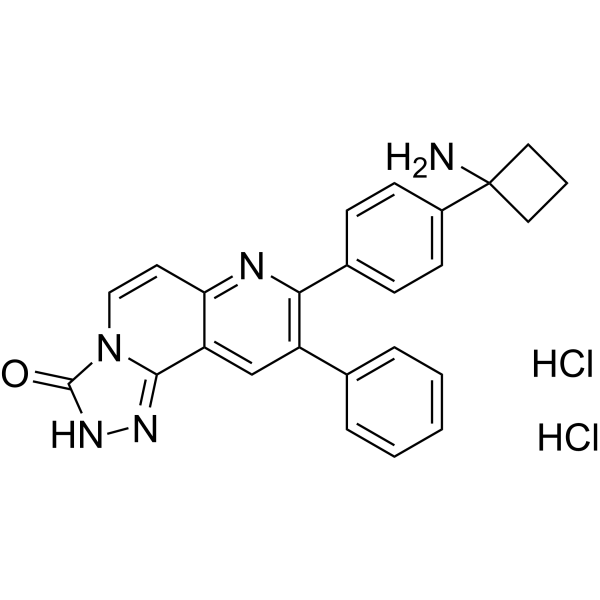
MK-2206 (2HCl)
|
Bcl-2 Family
Apoptosis
mTOR
Akt
GSK-3
|
Cardiovascular Disease
Inflammation/Immunology
Cancer
|
|
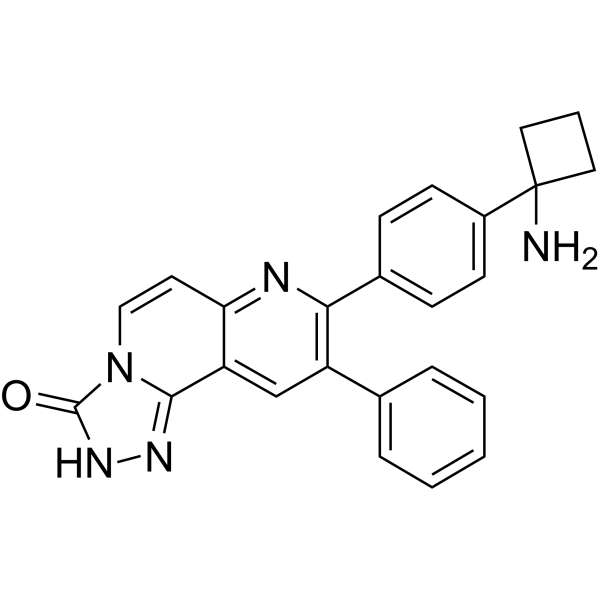
MK-2206 dihydrochloride (MK-2206 2HCl) is an orally active pan-AKT inhibitor, with IC50 values of 8 nM, 12 nM and 65 nM against AKT1, AKT2 and AKT3, respectively. MK-2206 dihydrochloride inhibits the Akt/mTOR signaling pathway and reduces the levels of downstream GSK3β and Mcl-1 via proteasomal degradation. MK-2206 dihydrochloride induces G1-phase cell cycle arrest, apoptosis, epithelial-mesenchymal transition, fibroblast activation and extracellular matrix deposition. MK-2206 dihydrochloride causes transient hyperglycemia and hyperinsulinemia in animals. MK-2206 dihydrochloride can be used in research related to solid tumors, renal fibrosis and hypercholesterolemia .
|
-
-
- HY-108232
-
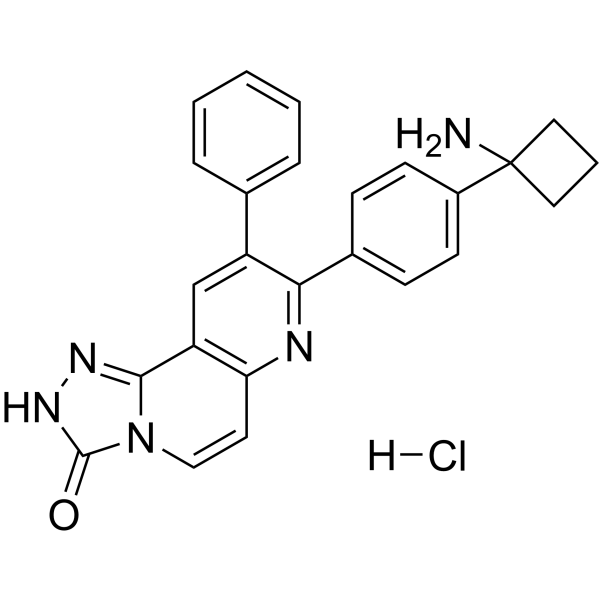
MK-2206
Maximum Cited Publications
462 Publications Verification
|
Bcl-2 Family
Apoptosis
mTOR
Akt
GSK-3
|
Metabolic Disease
Inflammation/Immunology
Cancer
|
|
MK-2206 is an orally active pan-AKT inhibitor, with IC50 values of 8 nM, 12 nM and 65 nM against AKT1, AKT2 and AKT3, respectively. MK-2206 inhibits the Akt/mTOR signaling pathway and reduces the levels of downstream GSK3β and Mcl-1 via proteasomal degradation. MK-2206 induces G1-phase cell cycle arrest, apoptosis, epithelial-mesenchymal transition, fibroblast activation and extracellular matrix deposition. MK-2206 causes transient hyperglycemia and hyperinsulinemia in animals. MK-2206 can be used in research related to solid tumors, renal fibrosis and hypercholesterolemia .
|
-
-
- HY-153306
-
|
RLY-2608
|
PI3K
|
Cancer
|
|
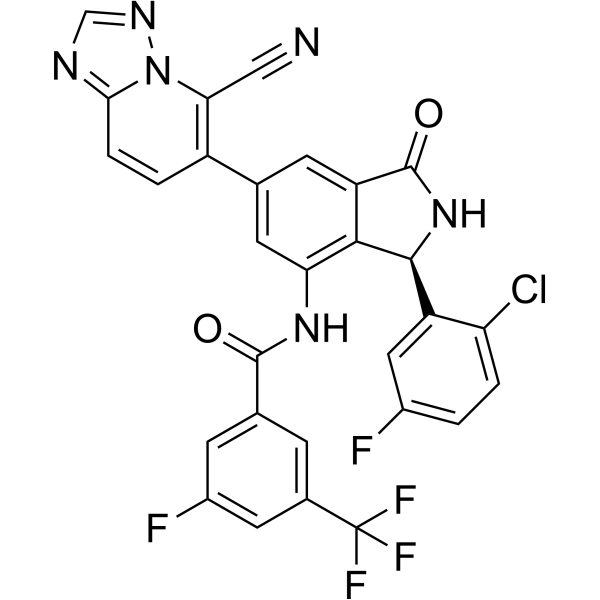
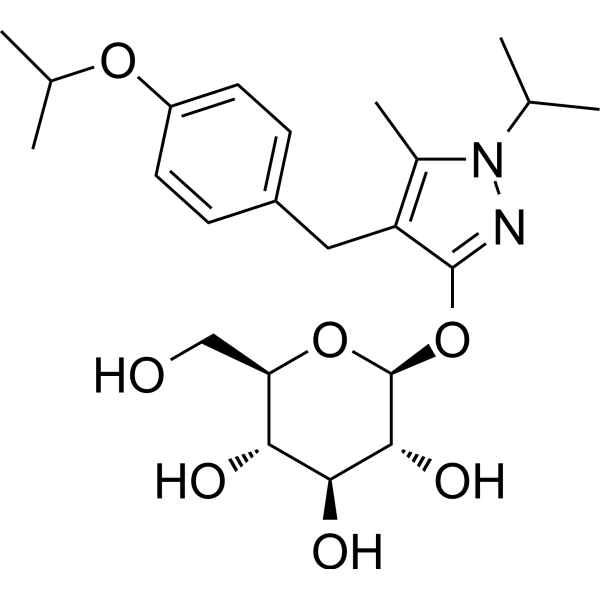
Zovegalisib (RLY-2608) is an orally active first-in-class allosteric mutant-selective inhibitor of PI3Ka with anti-tumor activity. Zovegalisib inhibits tumor growth in PIK3CA-mutant xenograft mice models with minimal impact on insulin .
|
-
-
- HY-119322
-
|
NN414
|
Potassium Channel
|
Metabolic Disease
|
|
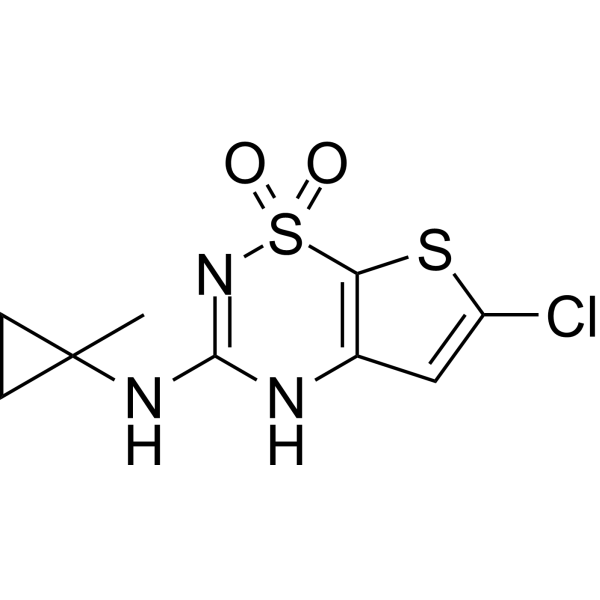
Tifenazoxide (NN414) is a potent, orally active and SUR1/Kir6.2 selective K ATP channels opener. Tifenazoxide has antidiabetic effect, can inhibit glucose stimulated insulin release in vitro and in vivo, and has a beneficial effect on glucose homeostasis .
|
-
-
- HY-42680
-
|
D-(-)-Tagatose
|
Endogenous Metabolite
|
Metabolic Disease
Inflammation/Immunology
Cancer
|
|
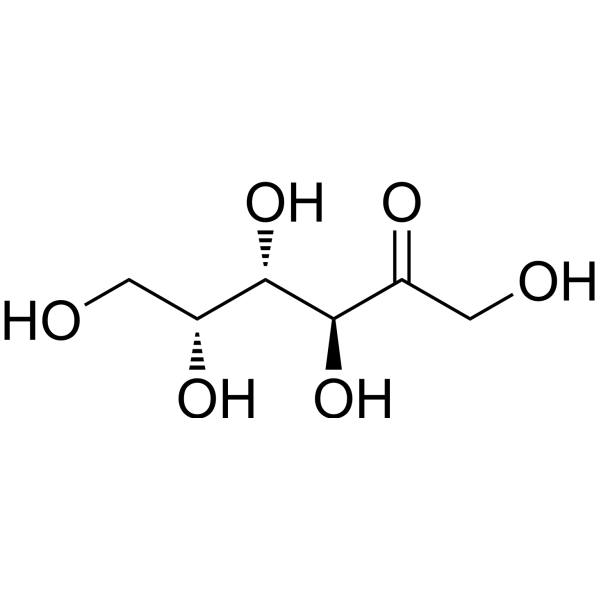
D-Tagatose (D-(-)-Tagatose) is a natural low-calorie rare sugar. D-Tagatose inhibits the activities of sucrase, maltase and intestinal disaccharidases, reduces the digestion of sucrose and starch, and blocks the absorption of sucrose, maltose and glucose. D-Tagatose promotes glucokinase activity and inhibits glycogen phosphorylase activity via tagatose-1-phosphate, regulates the synthesis and decomposition of hepatic glycogen, reduces postprandial and fasting blood glucose levels, and improves hyperinsulinemia. D-Tagatose regulates lipid profiles, stimulates GLP-1 secretion, and exhibits prebiotic effects. D-Tagatose is a bulking sweetener. D-Tagatose can be used in research related to diabetes, hyperlipidemia, dental caries, atherosclerosis and type 2 diabetes .
|
-
-
- HY-108022A
-
|
MSDC-0602K
|
Insulin Receptor
PPAR
|
Metabolic Disease
|
|
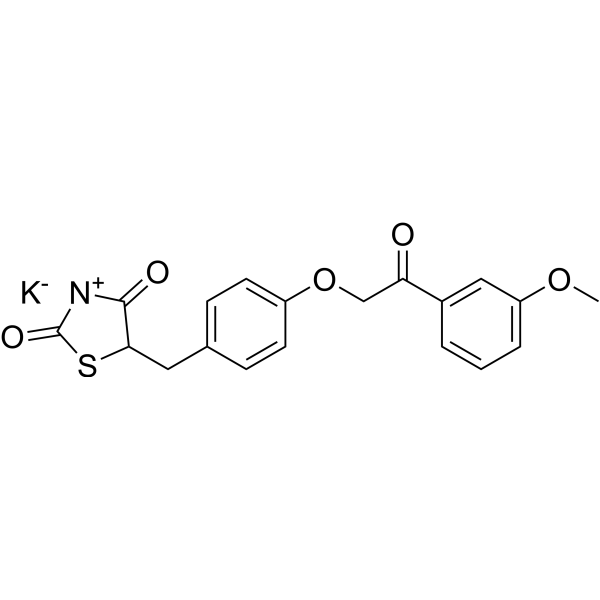
Azemiglitazone potassium (MSDC-0602K), a PPARγ-sparing thiazolidinedione (Ps-TZD), binds to PPARγ with the IC50 of 18.25 μM . Azemiglitazone potassium modulates the mitochondrial pyruvate carrier (MPC). Azemiglitazone potassium can be used for the research of fatty liver including dysfunctional lipid metabolism, inflammation, and insulin resistance . Azemiglitazone potassium, an insulin sensitizer, improves insulinemia and fatty liver disease in mice, alone and in combination with Liraglutide .
|
-
-
- HY-121006
-
|
|
Mitochondrial Metabolism
AMPK
Insulin Receptor
|
Metabolic Disease
Cancer
|
|
Biguanide is an orally active antihyperglycemic agent. Biguanide inhibits mitochondrial ATP production, activates the LKB1-AMPK signaling pathway, and damages the energy homeostasis. Biguanide enhances insulin-receptor activation and downstream signaling. Biguanide exhibits potential in ameliorating the type 2 diabetes and the insulin-associated cancers.
|
-
-
- HY-19870C
-
|
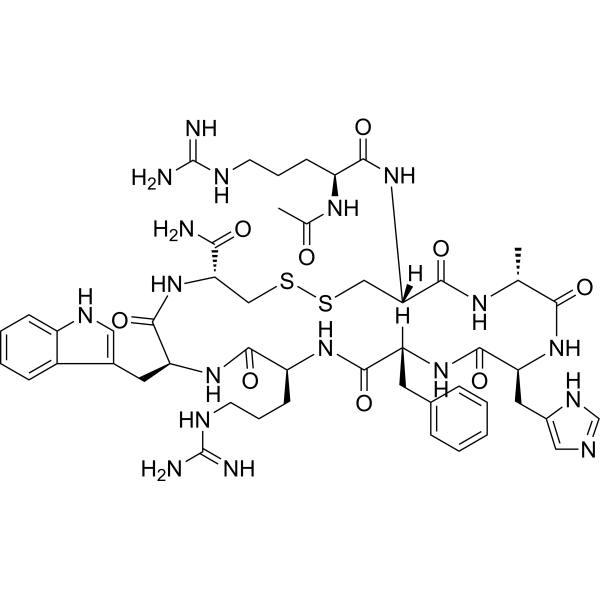
RM-493 monoacetate; BIM-22493 monoacetate; IRC-022493 monoacetate
|
Melanocortin Receptor
Calmodulin
AMPK
|
Cardiovascular Disease
Metabolic Disease
Inflammation/Immunology
|
|
Setmelanotide monoacetate (RM-493 monoacetate) is a blood-brain barrier-permeable, selective MC4R agonist with a Ki value of 2.1 nM for hMC4R. Setmelanotide monoacetate activates the CaMKK2/AMPK signaling pathway. Setmelanotide monoacetate mediates body weight homeostasis, feeding regulation and energy expenditure modulation; it reduces food intake, induces weight loss, decreases obesity severity, increases daytime activity and energy expenditure, lowers levels of leptin, triglycerides, fasting insulin and diastolic blood pressure, improves insulin sensitivity, glucose tolerance and fatty liver condition, and reverses respiratory depression. Setmelanotide monoacetate is applicable to research related to obesity, hyperinsulinemia, fatty liver and respiratory depression .
|
-
-
- HY-N2821
-
|
|
Glycosidase
|
Metabolic Disease
|
|
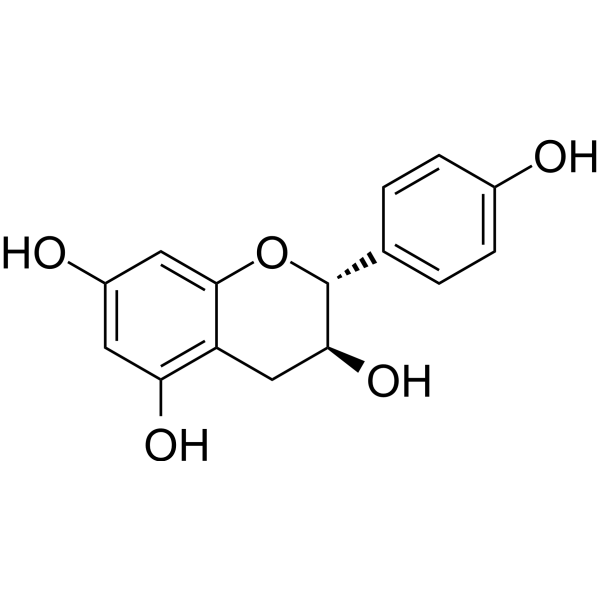
(+)-Afzelechin, isolated from rhizomes of Bergenia ligulata, is an alpha-glucosidase activity inhibitor with an ID50 (50% inhibition dose) value of 0.13 mM. (+)-Afzelechin can delay the absorption of carbohydrates in food to suppress postprandial hyperglycemia and hyperinsulinemia .
|
-
-
- HY-106181
-
|
R-106056
|
PPAR
|
Cardiovascular Disease
Metabolic Disease
|
|
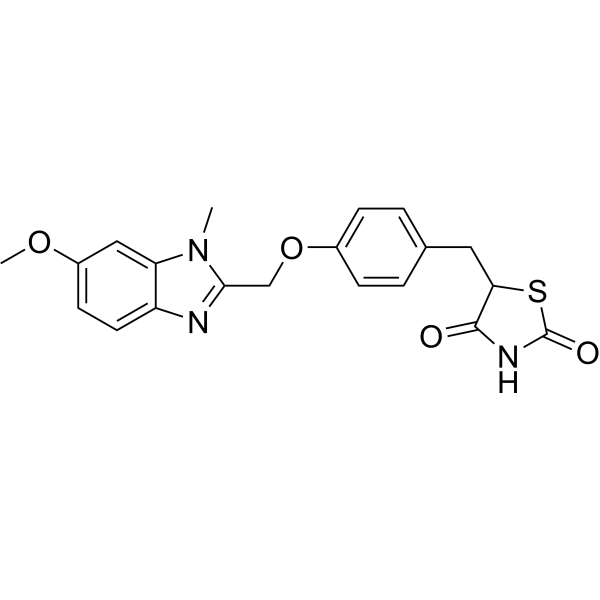
Rivoglitazone (R-106056) is an orally active, selective PPARγ agonist with an EC50 of 0.22 μM for hPPARγ. Rivoglitazone regulates fatty acid storage and uptake, glucose homeostasis, and cardiac glucose/fatty acid metabolism. Rivoglitazone reduces levels of hyperglycemia, hyperinsulinemia, and hypertriglyceridemia, decreases hepatic glucose production, and accelerates plasma triglyceride clearance. Rivoglitazone induces a reduction in glycated hemoglobin A1C, while causing peripheral edema and weight gain. Rivoglitazone can be used in research related to type 2 diabetes .
|
-
-
- HY-19522C
-
|
MBX-8025 (lysine dihydrate); RWJ-800025 (lysine dihydrate)
|
PPAR
|
Metabolic Disease
|
|
Seladelpar (MBX-8025) Lysine dihydrate is the Lysine dihydrate salt form of Seladelpar (HY-19522). Seladelpar Lysine dihydrate is an orally active agonist for potent PPAR-δ, with EC50 of 2 nM. Seladelpar Lysine dihydrate shows more than 750-fold and 2500-fold selectivity over the PPARα and PPARγ receptors, respectively. Seladelpar Lysine dihydrate can be used for the study of primary biliary cholangitis. Seladelpar Lysine dihydrate normalizes hyperglycemia, hyperinsulinemia, glucose, serum lipids and cholesterol levels, ameliorates the nonalcoholic steatohepatitis in mouse model .
|
-
-
- HY-10357
-
|
|
Akt
mTOR
Apoptosis
GSK-3
Bcl-2 Family
|
Metabolic Disease
Inflammation/Immunology
Cancer
|
|
MK-2206 free base is an orally active pan-AKT inhibitor, with IC50 values of 8 nM, 12 nM and 65 nM against AKT1, AKT2 and AKT3, respectively. MK-2206 free base inhibits the Akt/mTOR signaling pathway and reduces the levels of downstream GSK3β and Mcl-1 via proteasomal degradation. MK-2206 free base induces G1-phase cell cycle arrest, apoptosis, epithelial-mesenchymal transition, fibroblast activation and extracellular matrix deposition. MK-2206 free base causes transient hyperglycemia and hyperinsulinemia in animals. MK-2206 free base can be used in research related to solid tumors, renal fibrosis and hypercholesterolemia .
|
-
-
- HY-W102387
-
|
Pentaacetyl-D-galactopyranose
|
Insulin Receptor
|
Metabolic Disease
|
|
D-Galactose pentaacetate inhibits leucine-induced insulin release. D-Galactose pentaacetate can be used for the research of persistent hyperinsulinemia in childhood or insulinoma .
|
-
-
- HY-W587784
-
|
|
PPAR
|
Metabolic Disease
|
|
Norbixin is a carotenoid that has been found in B. orellana.It binds to PPARγ in a cell-free assay (Ki = 1.15 μM) . Norbixin attenuates hyperglycemia, hyperinsulinemia, and insulin resistance, as well as decreases serum lipid levels and cardiac levels of thiobarbituric acid reactive substances (TBARS) and glutathione (GSH) in a rat model of cardio-metabolic syndrome .
|
-
-
- HY-119322R
-
|
NN414 (Standard)
|
Potassium Channel
Reference Standards
|
Metabolic Disease
|
|
Tifenazoxide (Standard) is the analytical standard of Tifenazoxide. This product is intended for research and analytical applications. Tifenazoxide (NN414) is a potent, orally active and SUR1/Kir6.2 selective KATP channels opener. Tifenazoxide has antidiabetic effect, can inhibit glucose stimulated insulin release in vitro and in vivo, and has a beneficial effect on glucose homeostasis .
|
-
-
- HY-171793
-
|
|
PPAR
|
Metabolic Disease
|
|
DN-108, a thiazolidinedione derivative, is an orally active peroxisome proliferator-activated receptor γ (PPARγ) agonist with antidiabetic effects. DN-108 improves hyperglycemia, hypertriglyceridemia and hyperinsulinemia in diabetic mouse models. DN-108 enhances tissue glucose uptake (e.g., increasing 2-deoxyglucose uptake in L6 muscle cells) and inhibits fatty acid synthase activity. DN-108 is promising for research of type 2 diabetes .
|
-
-
- HY-42680S1
-
|
D-(-)-Tagatose-13C-1
|
Isotope-Labeled Compounds
Endogenous Metabolite
|
Cardiovascular Disease
Metabolic Disease
Cancer
|
|
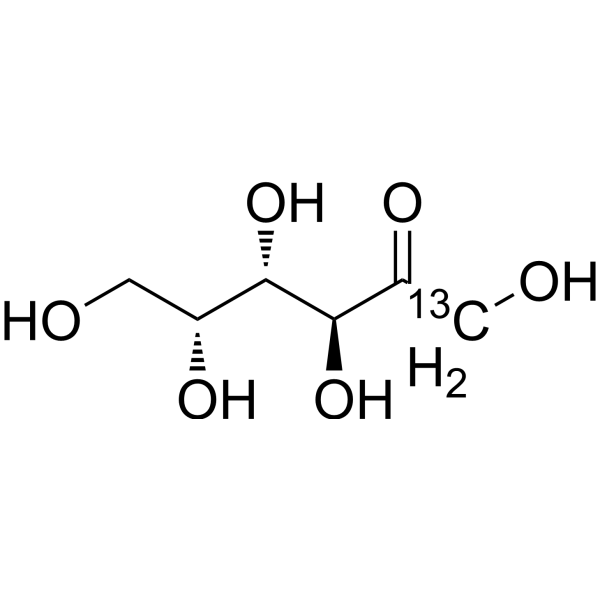
D-Tagatose- 13C-1 is the 13C labeled D-Tagatose (HY-42680). D-Tagatose (D-(-)-Tagatose) is a natural low-calorie rare sugar. D-Tagatose inhibits the activities of sucrase, maltase and intestinal disaccharidases, reduces the digestion of sucrose and starch, and blocks the absorption of sucrose, maltose and glucose. D-Tagatose promotes glucokinase activity and inhibits glycogen phosphorylase activity via tagatose-1-phosphate, regulates the synthesis and decomposition of hepatic glycogen, reduces postprandial and fasting blood glucose levels, and improves hyperinsulinemia. D-Tagatose regulates lipid profiles, stimulates GLP-1 secretion, and exhibits prebiotic effects. D-Tagatose is a bulking sweetener. D-Tagatose can be used in research related to diabetes, hyperlipidemia, dental caries, atherosclerosis and type 2 diabetes.
|
-
-
- HY-42680R
-
|
D-(-)-Tagatose (Standard)
|
Reference Standards
Endogenous Metabolite
|
Cardiovascular Disease
Metabolic Disease
Cancer
|
|
D-Tagatose (Standard) is the analytical standard of D-Tagatose (HY-42680). This product is intended for research and analytical applications. D-Tagatose (D-(-)-Tagatose) is a natural low-calorie rare sugar. D-Tagatose inhibits the activities of sucrase, maltase and intestinal disaccharidases, reduces the digestion of sucrose and starch, and blocks the absorption of sucrose, maltose and glucose. D-Tagatose promotes glucokinase activity and inhibits glycogen phosphorylase activity via tagatose-1-phosphate, regulates the synthesis and decomposition of hepatic glycogen, reduces postprandial and fasting blood glucose levels, and improves hyperinsulinemia. D-Tagatose regulates lipid profiles, stimulates GLP-1 secretion, and exhibits prebiotic effects. D-Tagatose is a bulking sweetener. D-Tagatose can be used in research related to diabetes, hyperlipidemia, dental caries, atherosclerosis and type 2 diabetes.
|
-
-
- HY-42680S
-
|
D-(-)-Tagatose-13C
|
Isotope-Labeled Compounds
Endogenous Metabolite
|
Cardiovascular Disease
Metabolic Disease
Cancer
|
|
D-Tagatose- 13C is the 13C labeled D-Tagatose (HY-42680). D-Tagatose (D-(-)-Tagatose) is a natural low-calorie rare sugar. D-Tagatose inhibits the activities of sucrase, maltase and intestinal disaccharidases, reduces the digestion of sucrose and starch, and blocks the absorption of sucrose, maltose and glucose. D-Tagatose promotes glucokinase activity and inhibits glycogen phosphorylase activity via tagatose-1-phosphate, regulates the synthesis and decomposition of hepatic glycogen, reduces postprandial and fasting blood glucose levels, and improves hyperinsulinemia. D-Tagatose regulates lipid profiles, stimulates GLP-1 secretion, and exhibits prebiotic effects. D-Tagatose is a bulking sweetener. D-Tagatose can be used in research related to diabetes, hyperlipidemia, dental caries, atherosclerosis and type 2 diabetes.
|
-
-
- HY-W343043
-
|
PZG
|
Drug Derivative
|
Cardiovascular Disease
Metabolic Disease
|
|
Pyrazinoylguanidine (PZG) is an analogue of the potassium sparing diuretic, Amiloride (HY-B0285). Pyrazinoylguanidine can lower the systolic and diastolic blood pressure of patients with primary hypertension, has a certain effect on reducing heart rate, and does not affect the concentrations of electrolytes such as sodium, potassium, and chloride in the blood serum. Pyrazinoylguanidine can reduce the hyperglycemia and hyperinsulinemia in type 2 diabetes, reduce the levels of triglycerides, cholesterol, and free fatty acids, and reverse the hyperglycemia and hyperlipidemia induced by thiazide diuretics, such as Hydrochlorothiazide (HY-B0252). Pyrazinoylguanidine ican nhibit the reabsorption of urea by the renal tubules, thereby increasing the clearance rate and excretion volume of urea, reducing the serum urea concentration, and minimizing its toxic accumulation .
|
-
-
- HY-10358R
-
|
MK-2206 (2HCl) (Standard)
|
Organoid
Reference Standards
Akt
Autophagy
Apoptosis
|
Cardiovascular Disease
Inflammation/Immunology
Cancer
|
|
MK-2206 dihydrochloride (MK-2206 2HCl) (Standard) is the analytical standard of MK-2206 dihydrochloride (HY-10358). This product is intended for research and analytical applications. MK-2206 dihydrochloride is an orally active pan-AKT inhibitor, with IC50 values of 8 nM, 12 nM and 65 nM against AKT1, AKT2 and AKT3, respectively. MK-2206 dihydrochloride inhibits the Akt/mTOR signaling pathway and reduces the levels of downstream GSK3β and Mcl-1 via proteasomal degradation. MK-2206 dihydrochloride induces G1-phase cell cycle arrest, apoptosis, epithelial-mesenchymal transition, fibroblast activation and extracellular matrix deposition. MK-2206 dihydrochloride causes transient hyperglycemia and hyperinsulinemia in animals. MK-2206 dihydrochloride can be used in research related to solid tumors, renal fibrosis and hypercholesterolemia .
|
-
-
- HY-185478
-
|
|
MCHR1 (GPR24)
|
Metabolic Disease
|
|
NGD-4715 is an orally effective melanin-concentrating hormone receptor 1 (MCHR1) antagonist with IC50 and Ki values of 10.6 nM and 5.9 nM, respectively. NGD-4715 acts as an inhibitor of food intake, a body weight regulator and a metabolic regulator, and reduces food intake, body weight gain and blood glucose levels in diet-induced obese rats. NGD-4715 is applicable to obesity-related research .
|
-
| Cat. No. |
Product Name |
Type |
-
- HY-W102387
-
|
Pentaacetyl-D-galactopyranose
|
Biochemical Assay Reagents
|
|
D-Galactose pentaacetate inhibits leucine-induced insulin release. D-Galactose pentaacetate can be used for the research of persistent hyperinsulinemia in childhood or insulinoma .
|
| Cat. No. |
Product Name |
Target |
Research Area |
-
- HY-19870C
-
|
RM-493 monoacetate; BIM-22493 monoacetate; IRC-022493 monoacetate
|
Melanocortin Receptor
Calmodulin
AMPK
|
Cardiovascular Disease
Metabolic Disease
Inflammation/Immunology
|
|
Setmelanotide monoacetate (RM-493 monoacetate) is a blood-brain barrier-permeable, selective MC4R agonist with a Ki value of 2.1 nM for hMC4R. Setmelanotide monoacetate activates the CaMKK2/AMPK signaling pathway. Setmelanotide monoacetate mediates body weight homeostasis, feeding regulation and energy expenditure modulation; it reduces food intake, induces weight loss, decreases obesity severity, increases daytime activity and energy expenditure, lowers levels of leptin, triglycerides, fasting insulin and diastolic blood pressure, improves insulin sensitivity, glucose tolerance and fatty liver condition, and reverses respiratory depression. Setmelanotide monoacetate is applicable to research related to obesity, hyperinsulinemia, fatty liver and respiratory depression .
|
| Cat. No. |
Product Name |
Category |
Target |
Chemical Structure |
-
- HY-42680
-
|
D-(-)-Tagatose
|
Structural Classification
Classification of Application Fields
Metabolic Disease
Endogenous metabolite
Disease Research Fields
Sweeteners
Saccharides
Monosaccharides
Source Classification
Food Research
|
Endogenous Metabolite
|
|
D-Tagatose (D-(-)-Tagatose) is a natural low-calorie rare sugar. D-Tagatose inhibits the activities of sucrase, maltase and intestinal disaccharidases, reduces the digestion of sucrose and starch, and blocks the absorption of sucrose, maltose and glucose. D-Tagatose promotes glucokinase activity and inhibits glycogen phosphorylase activity via tagatose-1-phosphate, regulates the synthesis and decomposition of hepatic glycogen, reduces postprandial and fasting blood glucose levels, and improves hyperinsulinemia. D-Tagatose regulates lipid profiles, stimulates GLP-1 secretion, and exhibits prebiotic effects. D-Tagatose is a bulking sweetener. D-Tagatose can be used in research related to diabetes, hyperlipidemia, dental caries, atherosclerosis and type 2 diabetes .
|
-
-
- HY-N2821
-
-
-
- HY-W587784
-
|
|
Bixaceae
Bixa orellana Linn.
Ketones, Aldehydes, Acids
Plants
Source Classification
|
PPAR
|
|
Norbixin is a carotenoid that has been found in B. orellana.It binds to PPARγ in a cell-free assay (Ki = 1.15 μM) . Norbixin attenuates hyperglycemia, hyperinsulinemia, and insulin resistance, as well as decreases serum lipid levels and cardiac levels of thiobarbituric acid reactive substances (TBARS) and glutathione (GSH) in a rat model of cardio-metabolic syndrome .
|
-
-
- HY-42680R
-
|
D-(-)-Tagatose (Standard)
|
Structural Classification
Microorganisms
Endogenous metabolite
Saccharides
Monosaccharides
Source Classification
|
Reference Standards
Endogenous Metabolite
|
|
D-Tagatose (Standard) is the analytical standard of D-Tagatose (HY-42680). This product is intended for research and analytical applications. D-Tagatose (D-(-)-Tagatose) is a natural low-calorie rare sugar. D-Tagatose inhibits the activities of sucrase, maltase and intestinal disaccharidases, reduces the digestion of sucrose and starch, and blocks the absorption of sucrose, maltose and glucose. D-Tagatose promotes glucokinase activity and inhibits glycogen phosphorylase activity via tagatose-1-phosphate, regulates the synthesis and decomposition of hepatic glycogen, reduces postprandial and fasting blood glucose levels, and improves hyperinsulinemia. D-Tagatose regulates lipid profiles, stimulates GLP-1 secretion, and exhibits prebiotic effects. D-Tagatose is a bulking sweetener. D-Tagatose can be used in research related to diabetes, hyperlipidemia, dental caries, atherosclerosis and type 2 diabetes.
|
-
| Cat. No. |
Product Name |
Chemical Structure |
-
- HY-42680S1
-
|
|
|
D-Tagatose- 13C-1 is the 13C labeled D-Tagatose (HY-42680). D-Tagatose (D-(-)-Tagatose) is a natural low-calorie rare sugar. D-Tagatose inhibits the activities of sucrase, maltase and intestinal disaccharidases, reduces the digestion of sucrose and starch, and blocks the absorption of sucrose, maltose and glucose. D-Tagatose promotes glucokinase activity and inhibits glycogen phosphorylase activity via tagatose-1-phosphate, regulates the synthesis and decomposition of hepatic glycogen, reduces postprandial and fasting blood glucose levels, and improves hyperinsulinemia. D-Tagatose regulates lipid profiles, stimulates GLP-1 secretion, and exhibits prebiotic effects. D-Tagatose is a bulking sweetener. D-Tagatose can be used in research related to diabetes, hyperlipidemia, dental caries, atherosclerosis and type 2 diabetes.
|
-
-
- HY-42680S
-
|
|
|
D-Tagatose- 13C is the 13C labeled D-Tagatose (HY-42680). D-Tagatose (D-(-)-Tagatose) is a natural low-calorie rare sugar. D-Tagatose inhibits the activities of sucrase, maltase and intestinal disaccharidases, reduces the digestion of sucrose and starch, and blocks the absorption of sucrose, maltose and glucose. D-Tagatose promotes glucokinase activity and inhibits glycogen phosphorylase activity via tagatose-1-phosphate, regulates the synthesis and decomposition of hepatic glycogen, reduces postprandial and fasting blood glucose levels, and improves hyperinsulinemia. D-Tagatose regulates lipid profiles, stimulates GLP-1 secretion, and exhibits prebiotic effects. D-Tagatose is a bulking sweetener. D-Tagatose can be used in research related to diabetes, hyperlipidemia, dental caries, atherosclerosis and type 2 diabetes.
|
-
Your information is safe with us. * Required Fields.
Inquiry Information
- Product Name:
- Cat. No.:
- Quantity:
- MCE Japan Authorized Agent:

