




1. Search Result
Search Result
Results for "

immune infiltration

" in MedChemExpress (MCE) Product Catalog:

56

Inhibitors & Agonists

1

Screening Libraries

1

Biochemical Assay Reagents

1

Peptides

18

Inhibitory Antibodies

1

Natural
Products

1

Oligonucleotides

Cat. No. Product Name Target Research Areas Chemical Structure
  • HY-146244
    Agatolimod
    1 Publications Verification

    ODN 2006; PF-3512676; CpG 7909; ODN 7909

    Toll-like Receptor (TLR) Bacterial NO Synthase Apoptosis Infection Cancer
    Agatolimod ((ODN 2006; PF-3512676; CpG 7909)) is a TLR9 agonist and immunomodulator with an EC50 of 180 nM against human TLR9. Agatolimod activates and upregulates the expression of both TLR9 and TLR6, and mediates downstream signaling pathways via IRAK4, IRF5, IRF7. Agatolimod induces Th1-type innate and adaptive immune responses, activates various immune cells and promotes antigen presentation, regulates antibody levels and immune cell infiltration, upregulates the secretion of multiple cytokines, induces apoptosis and cell cycle arrest, enhances cytotoxicity, and clears intracellular Salmonella. Agatolimod is applicable to research on COVID-19, breast cancer, lung adenocarcinoma, HPV-related tumors, melanoma, and salmonellosis .
    Agatolimod
  • HY-150298
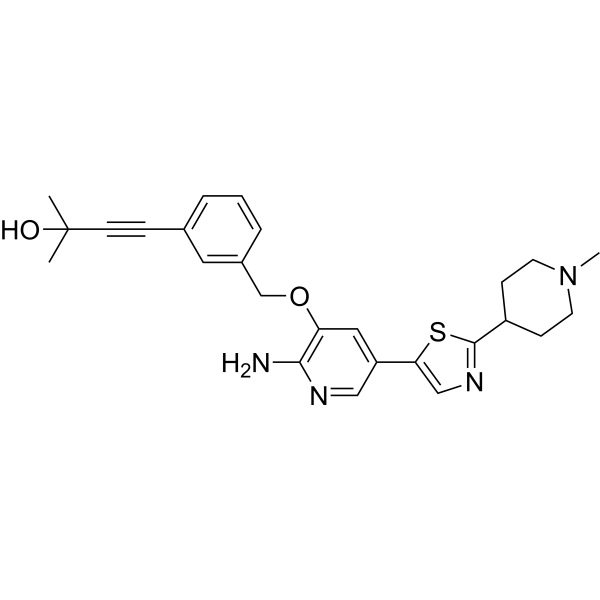
    Soquelitinib
    3 Publications Verification

    CPI-818

    Itk Inflammation/Immunology Cancer
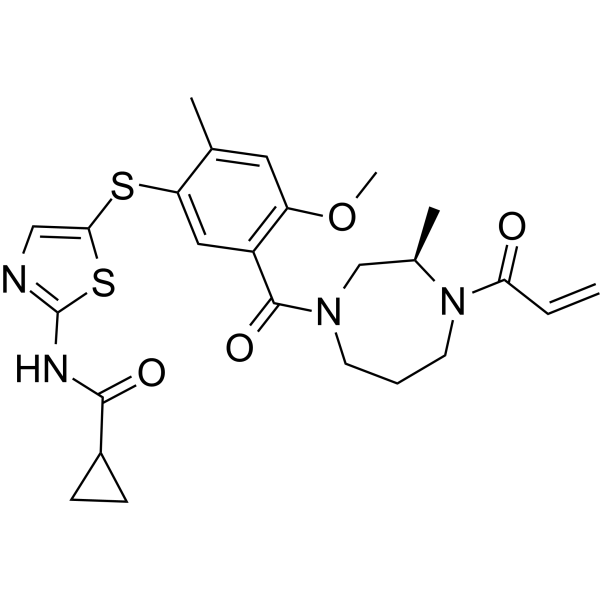
    Soquelitinib (CPI-818) is an orally active and highly selective covalent interleukin-2-inducible kinase (ITK) inhibitor. Soquelitinib is active in six different models of T cell-mediated inflammatory and immune disease, including acute and chronic asthma, pulmonary fibrosis, systemic sclerosis (scleroderma), psoriasis, and acute graft versus host disease with Th2 cytokine product inhibition. Soquelitinib increases tumor infiltration of normal CD8 + cells that possess enhanced T effector function .
    Soquelitinib
  • HY-W020780

    mPEG5000-Maleimide

    Biochemical Assay Reagents Cancer
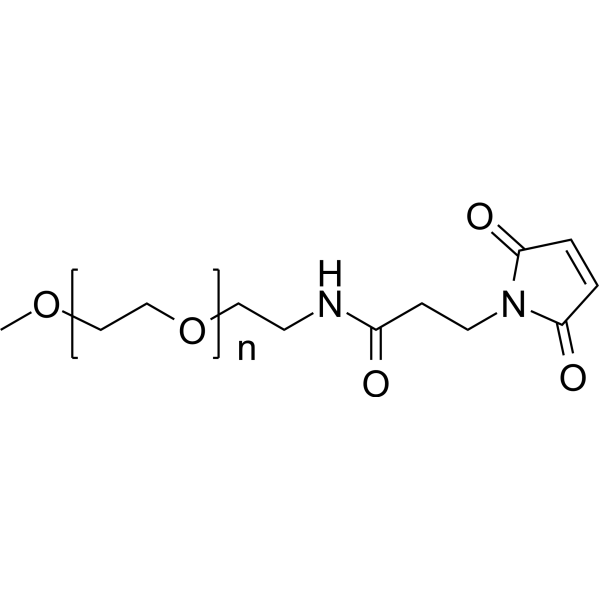
    mPEG5000-Mal (mPEG5000-Maleimide) is a PEG-derived selective covalent binding agent for sulfhydryl groups (RSGs), which can form irreversible thioether bonds with sulfhydryl groups under near-neutral conditions via the maleimide group. The mechanism of action of mPEG5000-Mal can be divided into two categories: firstly, as an enzyme modifier, it binds to target proteins through hydrophobic interactions, hydrogen bonds, and van der Waals forces, altering the protein's secondary structure; secondly, as a nanoparticle surface modifier, it covalently binds to sulfhydryl groups on the surface of red blood cells, changing the surface properties and morphology of the red blood cells, leading to their phagocytosis by macrophages of the reticuloendothelial system. mPEG5000-Mal can react with free cysteine in proteins, increasing the apparent molecular weight of the modified protein by 10-15 kDa for detection purposes. mPEG5000-Mal can enhance the thermal stability and catalytic activity of enzymes, and improve the macrophage targeting of nanoparticles, enabling targeted drug delivery. mPEG5000-Mal can be applied in enzyme engineering research in the food industry and in oncology, assisting radiotherapy by inhibiting tumor-associated macrophage infiltration and enhancing anti-tumor immune responses .
    mPEG5000-Mal
  • HY-P991097

    PM-8002; BNT-327

    VEGFR PD-1/PD-L1 Cancer
    Pumitamig (PM-8002, BNT-327) is a bispecific antibody targeting PD-L1 and VEGF-A, with immune activation and anti-angiogenic activities. By binding to PD-L1, Pumitamig restores the function of effector T cells, while neutralizing VEGF-A in the tumor microenvironment to reverse its inhibition on the infiltration and activation of immune cells and normalize tumor blood vessels. Pumitamig can also be combined with various ADCs targeting TROP2, B7H3, HER2, HER3 for the research of advanced/metastatic solid tumors, including non-small cell lung cancer, ovarian cancer, triple-negative breast cancer, cervical cancer, etc. Pumitamig also exhibits potential efficacy in "cold" tumors with low PD-L1 expression that are insensitive to immunotherapy .
    Pumitamig
  • HY-P990106

    VEGFR Apoptosis Inflammation/Immunology Cancer
    Anti-Mouse VEGFR-2 Antibody (DC101) is a rat anti-mouse VEGFR2 monoclonal antibody. Anti-Mouse VEGFR-2 Antibody (DC101) inhibits tumor angiogenesis by blocking the binding of VEGF and VEGFR2. Anti-Mouse VEGFR-2 Antibody (DC101) promotes immune cell infiltration and induces tumor cell apoptosis. Anti-Mouse VEGFR-2 Antibody (DC101) can be used for researches on various types of cancer such as melanoma, lung cancer and breast cancer .
    Anti-Mouse VEGFR-2 Antibody (DC101)
  • HY-108831A
    Natalizumab (Anti-CD49d)
    3 Publications Verification

    AN100226; BG00002

    Integrin Inflammation/Immunology Cancer
    Natalizumab (Anti-CD49d) (AN100226; BG00002) Solution is a humanized monoclonal IgG4 antibody inhibitor that selectively targets α4 integrin (CD49d), blocking the interaction of integrins such as α4β1 (VLA-4) with vascular cell adhesion molecule VCAM-1, intercellular adhesion molecule ICAM-1, and fibronectin by competitively binding to the α4 subunit. Natalizumab solution inhibits the adhesion, retention, and transendothelial migration of immune cells (such as CD4 + T cells), reducing the infiltration of inflammatory cells into the central nervous system or lesion sites, thereby exerting anti-inflammatory and immunomodulatory activity. Natalizumab (Anti-CD49d) solution is used in the study of relapsing-remitting multiple sclerosis (RRMS) and is also applied in the research of autoimmune or inflammation-related diseases such as Crohn's disease, B-cell lymphoma, and non-infectious uveitis. Natalizumab (Anti-CD49d) can also prevent lymphocytes from entering the central nervous system, thus preventing acute demyelinating relapses .
    Natalizumab (Anti-CD49d)
  • HY-P99834

    IAB22M2C; ImaginAb

    Transmembrane Glycoprotein Cancer
    Crefmirlimab (IAB22M2C; ImaginAb) is a humanized CD8-specific single-domain antibody. Conjugation of Crefmirlimab with radioisotopes (e.g., 89Zr) enables tumor immune infiltration assessment, autoimmune disease detection, and immunotherapy response monitoring. Crefmirlimab is applicable for cancer research .
    Crefmirlimab
  • HY-P99259

    FPA 008; Anti-Human CSF1R Recombinant Antibody

    c-Fms Inflammation/Immunology Cancer
    Cabiralizumab (FPA 008) is an anti-CSF1R monoclonal antibody (MAb). Cabiralizumab enhances T cell infiltration and antitumor T cell immune responses. Cabiralizumab inhibits the activation of osteoclasts and blocks bone destruction, and can be used in the research of rheumatoid arthritis (RA). Cabiralizumab can combine with Nivolumab (HY-P9903) for lung cancer research .
    Cabiralizumab
  • HY-128481

    STING Inflammation/Immunology Cancer
    SB24011 is a STING modulator and a TRIM29-STING protein-protein interaction inhibitor. SB24011 blocks TRIM29-induced K48-linked specific ubiquitination by binding to STING, thereby upregulating intracellular STING protein levels. SB24011 enhances inflammatory cytokine expression and STING-mediated immune responses, and exhibits abscopal antitumor activity that promotes tumor regression and activates T cell infiltration. When combined with STING agonists or anti-PD1 antibodies, SB24011 synergistically enhances antitumor responses. SB24011 is suitable for research related to colon cancer and melanoma .
    SB24011
  • HY-153358

    HDAC Cancer
    TNG260 is a selective, orally effective inhibitor of HDAC1 and CoREST complex, with a 10-fold selectivity for HDAC1 over HDAC3 and a 500-fold selectivity for CoREST complex over NuRD and Sin3 complex. TNG260 reshapes the tumor immune microenvironment, reduces immunosuppressive neutrophil infiltration, promotes effector T cell recruitment, and reverses anti-PD-1 resistance caused by STK11 deficiency by inhibiting the activity of the CoREST-HDAC1 complex. TNG260 induces durable tumor regression in combination with α-PD1 in MC38 tumor-bearing mice with STK11 mutations, and has lower toxicity to bone marrow cells than non-selective HDAC inhibitors .
    TNG260
  • HY-P991149

    YH32367; ABL105

    TNF Receptor Cancer
    Nesfrotamig (YH32367; ABL105) is a bispecific activator targeting HER2 and 4-1BB. The Kd values of Nesfrotamig for human HER2 and human 4-1BB are 0.48 nM and 3.36 nM, respectively. By blocking tumor cell growth signals, activating HER2-dependent local 4-1BB in tumors to maintain T cell survival, and inducing NK cell-mediated antibody-dependent cellular cytotoxicity, Nesfrotamig enhances the cytotoxicity and tumor infiltration ability of immune cells. Nesfrotamig promotes the generation of tumor-specific memory T cells, drives T cell-mediated tumor lysis, exhibits significant anti-tumor efficacy against both HER2-positive and HER2-low-expressing tumors, and shows synergistic activity when combined with anti-PD-1 antibodies. In cynomolgus monkey studies, Nesfrotamig demonstrates good safety and is suitable for research related to HER2-positive and HER2-low-expressing tumors .
    Nesfrotamig
  • HY-141831

    Phosphodiesterase (PDE) Cancer
    STF-1084 is a specific, cell-impermeable, competitive inhibitor of ENPP1 (Ki = 33 nM). STF-1084 increases extracellular cGAMP concentrations by preventing its degradation by ENPP1, thereby enhancing immune infiltration. STF-1084 acts synergistically with ionizing radiation (IR) and cGAMP to delay tumor progression. STF-1084 can be used to study cancers with low immunogenicity .
    STF-1084
  • HY-177338

    STING Cyclic GMP-AMP Synthase IFNAR TNF Receptor Interleukin Related Inflammation/Immunology Cancer
    STING agonist-45 is a selective STING agonist (EC50 = 0.28 μM). STING agonist-45 activates the innate immune response through the cGAS-STING pathway, upregulating key markers such as p-TBK1 and IRF3. STING agonist-45 exhibits robust STING activation in human peripheral blood mononuclear cells (PBMCs), inducing the production of type I interferons (such as IFN-β) and downstream cytokines (such as TNF-α and IL-6). STING agonist-45 enhances anti-tumor immunity, inhibits tumor growth, and increases CD8 + T cell infiltration in mouse models. STING agonist-45 is promising for the study of STING-related diseases .
    STING agonist-45
  • HY-P990094

    CSL311

    c-Fms Inflammation/Immunology
    Trabikibart (CSL311) is a specific inhibitor targeting the βc receptor (CSF2RB) that inhibits signal transduction mediated by GM-CSF, IL-5, and IL-3. Trabikibart exhibits significant anti-inflammatory and anti-edema effects, reduces myeloid cell infiltration, and inhibits inflammatory cell survival. Trabikibart also possesses antiviral immune functions, which alleviate pulmonary inflammation, reverse airway dysfunction and fibrosis, and thereby restore impaired pulmonary function. Trabikibart can be used in research on related diseases such as acute respiratory distress syndrome, viral pneumonia, asthma, and chronic rhinosinusitis with nasal polyps .
    Trabikibart
  • HY-P99157

    CD276/B7-H3 Cancer
    Omburtamab is a humanized monoclonal antibody targeting B7-H3 (CD276). Omburtamab selectively binds to B7-H3 highly expressed on the surface of tumor cells and activates anti-tumor immune responses mediated by T cells and natural killer (NK) cells. Omburtamab can promote the specific infiltration of CAR-T cells into tumors, enhance the killing function of NK cells through the CD16 signaling pathway, and regulate tumor cell glucose metabolism (such as inhibiting the Warburg effect). Omburtamab has the potential to inhibit solid tumors such as non-small cell lung cancer (NSCLC) .
    Omburtamab
  • HY-P990254

    CXCR Inflammation/Immunology Cancer
    Anti-Mouse CXCR3/CD183 Antibody (CXCR3-173) is an anti-mouse CXCR3/CD183 IgG monoclonal antibody. Anti-Mouse CXCR3/CD183 Antibody (CXCR3-173) weakens the immune response by reducing the infiltration of CD4 + and CD8 + T cells. Anti-Mouse CXCR3/CD183 Antibody (CXCR3-173) significantly prolongs the survival time of heart or islet transplants in mice. Anti-Mouse CXCR3/CD183 Antibody (CXCR3-173) can be used for researches on immunology and cancer such as pancreatic cancer .
    Anti-Mouse CXCR3/CD183 Antibody (CXCR3-173)
  • HY-108831
    Natalizumab
    3 Publications Verification

    Integrin Inflammation/Immunology Cancer
    Natalizumab (AN100226; BG00002) is a humanized monoclonal IgG4 antibody inhibitor that selectively targets α4 integrin (CD49d). It blocks the interaction of integrins such as α4β1 (VLA-4) with vascular cell adhesion molecule VCAM-1, intercellular adhesion molecule ICAM-1, and fibronectin by competitively binding to the α4 subunit. Natalizumab inhibits the adhesion, retention, and transendothelial migration of immune cells (such as CD4 + T cells), reducing the infiltration of inflammatory cells into the central nervous system or lesion sites, thus exerting anti-inflammatory and immunomodulatory activity. Natalizumab is used in the study of relapsing-remitting multiple sclerosis (RRMS) and also has applications in the study of autoimmune or inflammation-related diseases such as Crohn's disease, B-cell lymphoma, and non-infectious uveitis. Natalizumab can also prevent lymphocytes from entering the central nervous system, thereby preventing acute demyelinating relapses .
    Natalizumab
  • HY-145801
    XT2
    2 Publications Verification

    NF-κB Inflammation/Immunology
    XT2 is a potent, orally active, and selective inhibitor of NF-κB-inducing kinase (NIK) with an IC50 of 9.1 nM. XT2 suppresses CCl4-induced upregulation of ALT, a key biomarker of acute liver injury. XT2 also decreases immune cell infiltration into the injured liver tissue. XT2 has the potential for the research of liver inflammatory diseases . XT2 is a click chemistry reagent, it contains an Alkyne group and can undergo copper-catalyzed azide-alkyne cycloaddition (CuAAc) with molecules containing Azide groups.
    XT2
  • HY-N14001

    TNF Receptor Interleukin Related Arginase PD-1/PD-L1 Inflammation/Immunology Cancer
    Naamidine J is an imidazole-type alkaloids discovered in a sponge. Naamidine J inhibits inflammation by binding to the protein CSE1L (KD = 5.41 μM). Namidine J significantly inhibits the expression of pro-inflammatory factors such as TNF-α, IL-1β, and IL-6, and upregulates anti-inflammatory factors such as CD206 and Arg-1. Namidine J inhibits PD-L1 and shows antitumor activity. Namidine J significantly reduces pulmonary tissue edema, inflammatory cell infiltration and cytokine storm in mice. Namidine J can be used for the research on the immune microenvironment of acute lung injury and tumors .
    Naamidine J
  • HY-160696

    CD73 Cancer
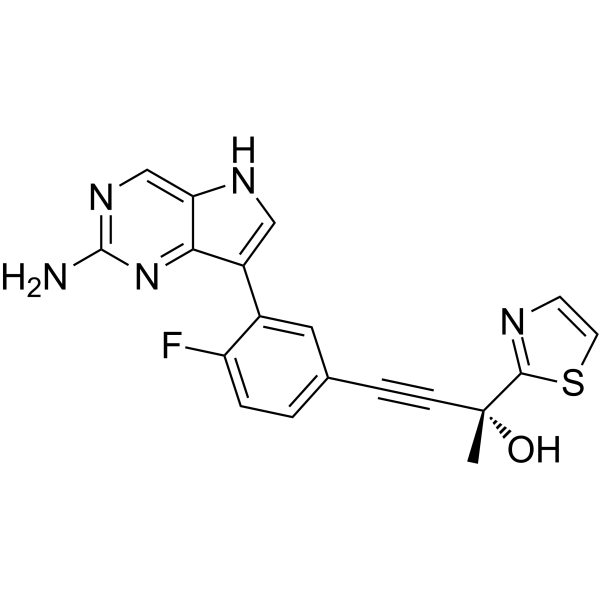
    ORIC-533 is an orally active, highly selective, AMP-competitive CD73 inhibitor that potently blocks adenosine production with sub-nanomolar affinity (Ka=0.03 nM). In multiple myeloma, ORIC-533 restores and enhances the cytotoxicity of the immune system against tumor cells through multiple immunological mechanisms, including reversing the immunosuppressive microenvironment, inducing immunogenic cell death, and activating dendritic cells, T cells and NK cells, with no direct toxicity to normal cells. The combination of ORIC-533 with Daratumumab (HY-P9915) synergistically enhances anti-tumor efficacy, significantly increases intratumoral CD8 + T cell infiltration and inhibits tumor growth in vivo .
    ORIC-533
  • HY-P990131
    Anti-Mouse CD47/IAP Antibody (MIAP301)
    1 Publications Verification

    CD47 Infection Inflammation/Immunology Cancer
    Anti-Mouse CD47/IAP Antibody (MIAP301) is an anti-mouse CD47/IAP IgG2a monoclonal antibody. Anti-Mouse CD47/IAP Antibody (MIAP301) can effectively block CD47 signaling and enhance macrophage phagocytic function. Anti-Mouse CD47/IAP Antibody (MIAP301) can increase the infiltration of immune cells. Anti-Mouse CD47/IAP Antibody (MIAP301) restores the phagocytic function of myeloid cells and alleviate B cell inhibition. Anti-Mouse CD47/IAP Antibody (MIAP301) may interfere with wound healing. Anti-Mouse CD47/IAP Antibody (MIAP301) can be used for researches on cancer, inflammation and infection conditions such as melanoma, intestinal mucosal repair and sepsis .
    Anti-Mouse CD47/IAP Antibody (MIAP301)
  • HY-144088
    ZYF0033
    2 Publications Verification

    HPK1-IN-22

    MAP4K Inflammation/Immunology Cancer
    ZYF0033 is an orally active inhibitor of the hematopoietic progenitor cell kinase HPK1 with an IC50 of less than 10 nM based on the phosphorylation inhibition of MBP protein. ZYF0033 promotes anti-cancer immune responses and reduces phosphorylation of SLP76 (serine 376). ZYF0033 inhibits tumor growth in the 4T-1 syngeneic mouse model and leads to increased intratumoral infiltration of DCs, NK cells, and CD107a +CD8 + T cells, but not T cells, PD-1 +CD8 + T cells, TIM-3 +CD8 + Infiltration of T cells and LAG3 +CD8 + T cells was reduced .
    ZYF0033
  • HY-P990132

    CD47 Inflammation/Immunology Cancer
    Anti-Mouse/Rat/Human CD47/IAP Antibody (MIAP410) is an anti-mouse/rat/human CD47/IAP IgG1 monoclonal antibody. Anti-Mouse/Rat/Human CD47/IAP Antibody (MIAP410) can effectively block CD47 signaling and enhance macrophage phagocytic function. Anti-Mouse/Rat/Human CD47/IAP Antibody (MIAP410) can increase the infiltration of immune cells. Anti-Mouse/Rat/Human CD47/IAP Antibody (MIAP410) may interfere with wound healing. Anti-Mouse/Rat/Human CD47/IAP Antibody (MIAP410) can be used for researches on cancer and inflammation conditions such as breast cancer and intestinal mucosal repair .
    Anti-Mouse/Rat/Human CD47/IAP Antibody (MIAP410)
  • HY-P4846
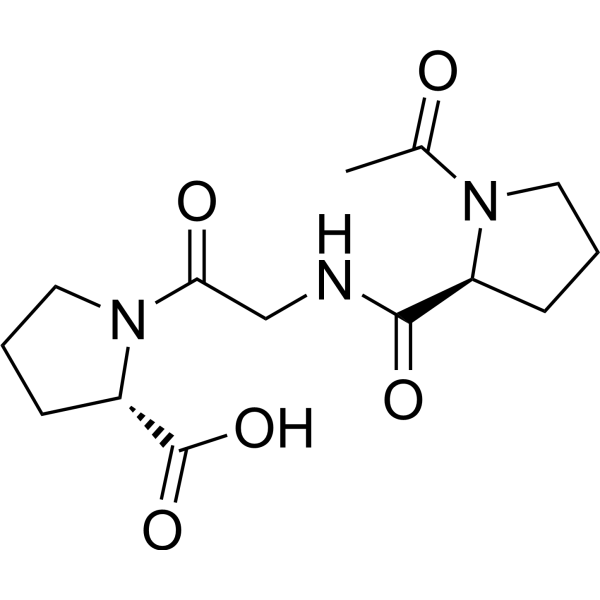
    Ac-Pro-Gly-Pro-OH
    2 Publications Verification

    CXCR Apoptosis IFNAR TNF Receptor Interleukin Related Infection Inflammation/Immunology
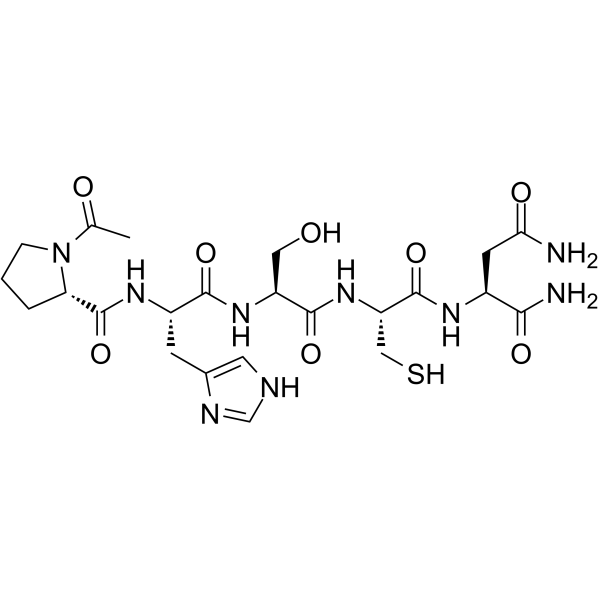
    Ac-Pro-Gly-Pro-OH is an endogenous degradation product of extracellular collagen and acts as a CXCR2 agonist . Ac-Pro-Gly-Pro-OH exerts bactericidal activity by generating hydrogen peroxide, inhibits pulmonary inflammation, and reduces immune cell apoptosis (apoptosis). Ac-Pro-Gly-Pro-OH promotes the production of IFN-γ and inhibits the production of TNF-α and IL-6 in leukocytes. Ac-Pro-Gly-Pro-OH increases the survival rate of mice in sepsis models, enhances the bactericidal activity of neutrophils, acts as a neutrophil chemoattractant, induces neutrophil polarization, and regulates inflammatory and repair processes. Ac-Pro-Gly-Pro-OH induces chronic inflammation and tissue remodeling through sustained action. Ac-Pro-Gly-Pro-OH is released via alkaline hydrolysis of corneal proteins in alkali-injured eyes, thereby driving the early infiltration of neutrophils into the cornea. Ac-Pro-Gly-Pro-OH is applicable to research related to sepsis, chronic obstructive pulmonary disease, cystic fibrosis, bronchiolitis obliterans syndrome, severe asthma, idiopathic pulmonary fibrosis, and corneal ulcer .
    Ac-Pro-Gly-Pro-OH
  • HY-153358A

    HDAC Cancer
    (S)-TNG260 is an isomer of TNG260 (HY-153358). TNG260 is a CoREST selective deacetylase (CoreDAC) inhibitor. TNG260 inhibits HDAC1 with 10-fold selectivity over HDAC3. TNG260 causes HDAC1 inhibition and reverses anti-PD1 resistance driven by STK11 deletion. TNG260 reduces intratumoral infiltration of neutrophils. TNG260 exhibits immune-mediated cell killing.
    (S)-TNG260
  • HY-P99027

    LAG525; IMP701; Hu5A8

    LAG-3 Cancer
    Ieramilimab (LAG525; IMP701) is a humanized IgG4 monoclonal antibody that binds to LAG-3, resulting in inhibition of LAG-3 interaction with MHC-II molecules. Ieramilimab restores T-cell and NK-cell-mediated antileukemic immunity by reducing exhaustion and augmenting cytokine output and cytotoxicity. Ieramilimab increases the infiltration of cytotoxic T lymphocytes and reduces baseline densities of regulatory T cells (Tregs) and ADAM10-expressing tumor cells. Ieramilimab can be used for the study of various malignancies including melanoma, RCC, and advanced solid tumors .
    Ieramilimab
  • HY-155847

    Phosphatase PD-1/PD-L1 Inflammation/Immunology Cancer
    LYP-IN-3 is a selective, orally active and reversible lymphoid-tyrosine phosphatase (LYP) inhibitor (IC50 = 2.55 μM, Ki = 0.93 μM). D34 exhibits high selectivity of PTP1B, PTPN12, PTPN5 and SSH2. LYP-IN-3 regulates the T-cell receptor (TCR) signaling by specifically inhibiting LYP. LYP-IN-3 does not significantly inhibit MC38 cell viability; its anti-tumor effect stems from immune regulation. LYP-IN-3 can significantly upregulate PD-L1 or PD-1 expression in different immune cells. LYP-IN-3 facilitates T-cell infiltration and enhances T-cell functions. LYP-IN-3 synergizes with PD-L1 blockade can significantly improve colorectal tumor regression. LYP-IN-3 can be used for the study of colorectal cancer .
    LYP-IN-3
  • HY-P99146

    CD3 Infection Neurological Disease Inflammation/Immunology Cancer
    Anti-Mouse TCR gamma/delta Antibody (UC7-13D5) is an anti-mouse TCR gamma/delta IgG monoclonal antibody. Anti-Mouse TCR gamma/delta Antibody (UC7-13D5) can enter the blood-brain barrier. Anti-Mouse TCR gamma/delta Antibody (UC7-13D5) effectively depletes γδ T cells and reduces macrophage and neutrophil infiltration. Anti-Mouse TCR gamma/delta Antibody (UC7-13D5) can reduce the immune response of transplants. Anti-Mouse TCR gamma/delta Antibody (UC7-13D5) can be used for researches on inflammation conditions, virus infection and cancer such as arthritis, JHM virus and breast cancer .
    Anti-Mouse TCR gamma/delta Antibody (UC7-13D5)
  • HY-178914

    Cuproptosis Reactive Oxygen Species (ROS) Mitochondrial Metabolism Cancer
    Copper ionophore I is an efficient copper ion carrier. Copper ionophore I can regulate various intracellular copper levels to induce cuproptosis, such as 4T1 (IC50 = 0.45 μM) and MDA-MB-231(IC50 = 1.21 μM) cells. Copper ionophore I can induce an increase in ROS and cause mitochondrial dysfunction. Copper ionophore I can reduce the expression of FDX1, DLAT, and LIAS proteins. Copper ionophore I can activate immune related pathways and promote T cell infiltration. Copper ionophore I can be used for cancer research .
    Copper ionophore I
  • HY-172350

    SARS-CoV Virus Protease Interleukin Related Infection
    WEHI-P8 is an orally active SARS-CoV-2 papain-like protease (PLpro) inhibitor with an IC50 of 12 nM and a Kd of 9.0 nM. WEHI-P8 reduces viral load, body weight loss, pulmonary inflammation, immune cell infiltration and pro-inflammatory mediator levels in SARS-CoV-2-infected mice. WEHI-P8 prevents pulmonary hemorrhage, immune cell infiltration, fibrotic remodeling and neuroinflammation, and improves cognitive function in a mouse model of post-acute sequelae of SARS-CoV-2 infection (PASC). WEHI-P8 is applicable for the research of COVID-19 and PASC .
    WEHI-P8
  • HY-179288

    Transmembrane Glycoprotein STAT Cancer
    TPST2-IN-1 is a potent and selective TPST2 inhibitor with an IC50 of 946 nM and a Ka of 19.4 μM. TPST2-IN-1 increases the phosphorylation of Stat1 and upregulates the IFNγ-responsive gene CXCL10 by inhibiting TPST2 activity.TPST2-IN-1 exhibits anti-tumor activity and enhances T cell-mediated antitumor immunity characterized by increased infiltration of effector CD8 + T cells. TPST2-IN-1 can be used for the research of cancer, such as colon cancer .
    TPST2-IN-1
  • HY-177270

    EGFR Drug Derivative Cancer
    CHNQD-01281, a derivative of Brefeldin A (HY-16592), is a EGFR modulator. CHNQD-01281 has strong antiproliferative activities against cancer cells (IC50: 0.079 and 0.081 μM for T24 and J82 cells, respectively). CHNQD-01281 regulates both EGFR/PI3K/AKT and EGFR/ERK pathways and mediates the chemotactic effect of chemokines on immune effector cells. CHNQD-01281 remarkably inhibits tumor growth in T24 xenograft mice model and prolongs the survival time in MB49 allogeneic mice model via inducing infiltration of cytotoxic T cells .
    CHNQD-01281
  • HY-124665

    TNF Receptor Interleukin Related Infection Metabolic Disease Inflammation/Immunology
    LMP-420 is a selective tumor necrosis factor-α (TNF-α) inhibitor. LMP-420 reduces the release of pro-inflammatory cytokines (e.g., IL-1β, IL-2), inducing the expression of anti-inflammatory cytokine IL-10 and anti-apoptotic molecules SOCS-1 and Mn-SOD. LMP-420 also downregulates chemokines (e.g., IP-10, MCP-1) to reduce immune cell infiltration. LMP-420 is promising for research of type 1 diabetes mellitus, inflammatory diseases (e.g., colitis), and HIV-Mycobacterium tuberculosis coinfection .
    LMP-420
  • HY-162415

    c-Fms Apoptosis Cancer
    CSF1R-IN-22 (Compound C19) is an orally effective CSF-1R selective inhibitor (IC50<6 nM). CSF1R-IN-22 enhances the secretion of CXCL9 from M2 macrophages, increases CD8 + T cell infiltration. CSF1R-IN-22 boosts anti-tumor immune responses of anti-PD-1, and induces apoptosis in tumor cells. CSF1R-IN-22 can effectively reprogram M2-like TAMs (tumor-associated macrophages) to the M1 phenotype and reshape the TME by inducing the recruitment of CD8 + T cells into tumors and reducing the infiltration of immunosuppressive Tregs and MDSCs .
    CSF1R-IN-22
  • HY-162797

    Phosphodiesterase (PDE) TNF Receptor Interleukin Related Inflammation/Immunology
    PDE4-IN-18 (compound 1l) is a PDE4 inhibitor (IC50=1.55 μM) with anti-inflammatory activity. PDE4-IN-18 exerts anti-inflammatory effects by reducing excessive immune cell infiltration and intestinal membrane formation, as well as reducing the mRNA expression of pro-inflammatory cytokines (such as TNF-α and IL-6) in synovial tissue. PDE4-IN-18 can be used in the study of rheumatoid arthritis and psoriasis .
    PDE4-IN-18
  • HY-170950

    P2Y Receptor NOD-like Receptor (NLR) Inflammation/Immunology
    P2Y14 antagonist 1 (compound 45) is a high selective and orally active P2Y14R antagonist with an IC50 of 0.70 nM. P2Y14R antagonist 1 demonstrates significant anti-inflammatory efficacy, effectively mitigating the pulmonary infiltration of immune cells and inflammatory response through suppressing the NLRP3 signaling pathway. P2Y14R antagonist 1 has the potential for the research of acute lung injury .
    P2Y14 antagonist 1
  • HY-179380

    Phosphatase IFNAR JAK STAT Cancer
    PTPN2-IN-2 is a potent and orally active PTPN2 inhibitor (IC50 = 7.05 nM) that enhances the IFN-γ signaling pathway. PTPN2-IN-2 inhibits PTP1B with an IC50 of 9.88 nM. PTPN2-IN-2 inhibits tumor growth, promotes the activation and infiltration of tumor immune cells in a B16-OVA mouse model. PTPN2-IN-2 can be used for the research of melanoma .
    PTPN2-IN-2
  • HY-168491

    Phosphodiesterase (PDE) STING PD-1/PD-L1 Cancer
    Enpp-1-IN-25 (Compound 30) is an ENPP1 inhibitor with an IC50 of 8.05 nM and low oral bioavailability. Enpp-1-IN-25 can effectively activate the intracellular STING pathway by inhibiting cGAMP degradation. Enpp-1-IN-25 can enhance immune cell infiltration in the tumor microenvironment and type I interferon responses, and potentiate the antitumor efficacy of the anti-PD-L1 antibody. Enpp-1-IN-25 can be used in the research of cancer immunotherapy .
    Enpp-1-IN-25
  • HY-144746

    PD-1/PD-L1 Cancer
    PD-1/PD-L1-IN-26 (Compound II-14) is a potent inhibitor of PD-1/PD-L1 with an IC50 of 0.0380 μM. PD-1/PD-L1-IN-26 activates the immune microenvironment by promoting the infiltration of CD4+ T cells into tumor tissues. PD-1/PD-L1-IN-26 has the potential for the research of cancer diseases .
    PD-1/PD-L1-IN-26
  • HY-P990243

    LAG-3 Inflammation/Immunology Cancer
    Anti-Mouse FGL-1 Antibody (177R4) is an anti-mouse FGL-1 IgG2a monoclonal antibody. Anti-Mouse FGL-1 Antibody (177R4) can increase CD8 + T cell infiltration. Anti-Mouse FGL-1 Antibody (177R4) enhances the anti-tumor immune effect by blocking FGL1. Anti-Mouse FGL-1 Antibody (177R4) can be used for research on cancer such as lung cancer and breast cancer .
    Anti-Mouse FGL-1 Antibody (177R4)
  • HY-172167

    PD-1/PD-L1 HDAC Inflammation/Immunology Cancer
    PD-L1/HDAC-IN-1 (Compound 14) is the inhibitor for PD-L1 and HDAC that inhibits PD-1/PD-L1 interaction, HDAC2 and HDAC3 with IC50 of 88.10, 27.98 and 14.47 nM, respectively. PD-L1/HDAC-IN-1 exhibits slight cytotoxicity in MCF-7 (IC50=19.34 μM). PD-L1/HDAC-IN-1 upregulates the expression of PD-L1 and CXCL10, promoting anti-tumour immune response by recruiting T-cell infiltration into TME .
    PD-L1/HDAC-IN-1
  • HY-170977

    JAK STAT Inflammation/Immunology
    JAK1/STAT3-IN-1 (compound 4f) is an anti-AD (atopic dermatitis) agent by inhibiting JAK1/STAT3 signaling pathway. JAK1/STAT3-IN-1 inhibits NO generation with an IC50 of 2.17 μM. JAK1/STAT3-IN-1 improves the skin condition of AD-like mice, reduces inflammatory infiltration, inhibits the expressions of p-JAK1/JAK1 and p-STAT3/STAT3, and mitigates the excessive immune response on Calcipotriol (HY-10001) (MC903)-induced AD-like mice .
    JAK1/STAT3-IN-1
  • HY-P990160

    MHC Neurological Disease Metabolic Disease Inflammation/Immunology
    Anti-Rat TCR alpha/beta Antibody (R73) is an anti-mouse TCR alpha/beta IgG1 monoclonal antibody. Anti-Rat TCR alpha/beta Antibody (R73) suppresses immune response by depleting α/β + T cells. Anti-Rat TCR alpha/beta Antibody (R73) can inhibit the expression of pro-inflammatory cytokines. Anti-Rat TCR alpha/beta Antibody (R73) can extend graft survival time by reducing infiltration of T cells and neutrophils. Anti-Rat TCR alpha/beta Antibody (R73) can be used for researches on inflammation, metabolic conditions and xenotransplantation such as arthritis, acute inflammatory peripheral neuropathy and diabetes .
    Anti-Rat TCR alpha/beta Antibody (R73)
  • HY-W854443

    6-Deoxy-L-galactopyranose

    Endogenous Metabolite Inflammation/Immunology Cancer
    L-Fucose (6-Deoxy-L-galactopyranose) is an orally active dietary sugar. L-Fucose is one of the key metabolites involved in the interaction between humans and the intestinal microbiota. L-Fucose binds to proteins as a post-translational modification through the fucosylation process, thereby regulating the behavior and function of proteins. L-Fucose has shown the ability to inhibit tumor growth and increase the infiltration of immune cells within tumors. L-Fucose can be used in cancer and anti-tumor immune research .
    L-Fucose
  • HY-206870

    Interleukin Related STAT Inflammation/Immunology
    BP79 is a potent TSLP receptor inhibitor. BP79 disrupts TSLP-mediated ternary complex formation, blocks TSLPR-IL7Rα co-localization, binds and stabilizes TSLPR, and inhibits phosphorylated STAT3/6. BP79 suppresses immune cell infiltration, secretion of IL-13, IL-4. BP79 can be used for the research of inflammation diseases, such as atopic dermatitis, allergic asthma, and allergic rhinitis .
    BP79
  • HY-19086

    COX Lipoxygenase Inflammation/Immunology
    SKF-105809 is a dual-action inhibitor of lipoxygenase and COX. SKF-105809 inhibits edema and inflammatory cell infiltration in mouse models of ear, paw, and peritoneum inflammation. SKF-105809 inhibits the production of relevant acute-phase reactive proteins in a mouse model of arthritis. SKF-105809 exhibits analgesic activity in a mouse abdominal contraction test and inhibits ulceration. SKF-105809 can be used in research on inflammatory and immune system diseases such as peritonitis and arthritis .
    SKF-105809
  • HY-181998

    Interleukin Related Neurological Disease Inflammation/Immunology
    CN016 is a neuroprotective agent. CN016 inhibits the elevation of pro-inflammatory cytokines G-CSF, GM-CSF and IL-6 induced by Oxaliplatin (HY-17371). CN016 suppresses Paclitaxel (HY-B0015)-induced inflammatory responses and immune cell infiltration into sensory neurons. CN016 protects neurons from Paclitaxel (HY-B0015)-induced neurotoxic damage. CN016 protects mice against Oxaliplatin-induced peripheral neuropathy .
    CN016
  • HY-182802

    Ferroptosis Glutathione Peroxidase Reactive Oxygen Species (ROS) Mitochondrial Metabolism Cancer
    Ferroptosis inducer-15 is a ferroptosis inducer. Ferroptosis inducer-15 downregulates GPX4 expression, triggers lipid peroxidation via ROS accumulation, and disrupts mitochondrial membrane potential to drive ferroptosis. Ferroptosis inducer-15 increases splenic CD4 + T cell proportion, promotes CD8 + cytotoxic T cell tumor infiltration, and activates antitumor immune responses. Ferroptosis inducer-15 exerts antiproliferative activity against colorectal cancer cells and inhibits tumor growth in xenograft mice models without significant body weight loss. Ferroptosis inducer-15 can be used for the research of cancer, such as colorectal cancer .
    Ferroptosis inducer-15
  • HY-179570

    E1/E2/E3 Enzyme Cancer
    XMU-MP-10 is a selective NEDD4 inhibitor with a KD of 43.92 nM. XMU-MP-10 selectively inhibits NEDD4 auto-ubiquitination without affecting other ubiquitination activity, upregulates of β-TrCP and results YAP degradation without affecting NEDD4 protein expression. XMU-MP-10 exhibits significant in vivo efficacy in inhibiting TNBC tumor growth by enhancing CD8 + T cell infiltration. XMU-MP-10 enhances antitumor immune responses through the β-TrCP/YAP/ECM axis. XMU-MP-10 can be used for Triple-Negative Breast Cancer (TNBC) research .
    XMU-MP-10
  • HY-P992382

    Interleukin Related Neurological Disease Inflammation/Immunology
    IC 100 is a humanized IgG4κ monoclonal antibody targeting apoptosis-associated speck-like protein (ASC) with blood-brain barrier permeability. IC 100 specifically inhibits ASC after being endocytosed via its Fc segment, blocks ASC polymerization and inflammasome activation, suppresses IL-1β release, forms complexes with ASC and TRIM21, and evades TRIM21-mediated proteasomal degradation. IC 100 alleviates symptoms associated with autoimmune encephalomyelitis, reduces immune cell infiltration and microglial activation in the mouse EAE model. IC 100 is suitable for research on neuroinflammatory and inflammasome-related diseases such as multiple sclerosis. Isotype comparison: HY-P99003 .
    IC 100

Inquiry Online

Your information is safe with us. * Required Fields.

Salutation


Country or Region *

Applicant Name *


Organization Name *

Department *


Email Address *


Product Name *

Cat. No.


Requested quantity *

Phone Number *


Remarks

Inquiry Online

Inquiry Information

Product Name:
Cat. No.:
Quantity:
MCE Japan Authorized Agent:

