1. Search Result
Search Result
Results for "

intercalator

" in MedChemExpress (MCE) Product Catalog:

149

Inhibitors & Agonists

35

Fluorescent Dye

7

Biochemical Assay Reagents

1

Peptides

1

Inhibitory Antibodies

9

Natural
Products

2

Isotope-Labeled Compounds

2

Click Chemistry

1

Oligonucleotides

1

GMP Molecules

Cat. No. Product Name Target Research Areas Chemical Structure
  • HY-D0021
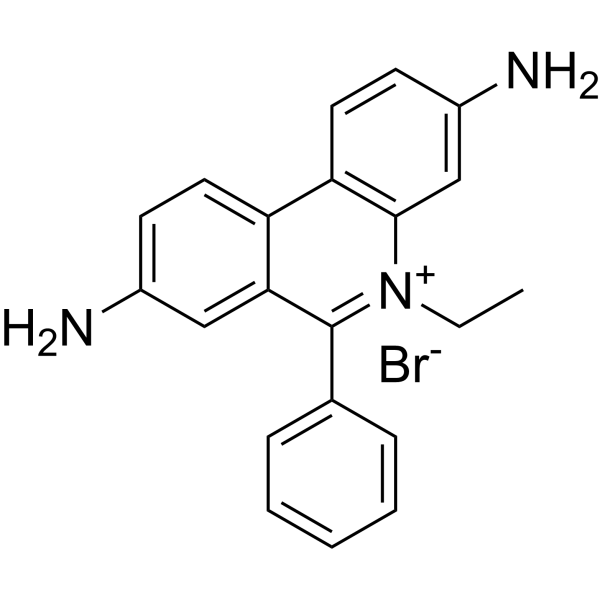
    EthD bromide
    Maximum Cited Publications
    26 Publications Verification

    EtBr; Homidium bromide

    DNA Stain Others
    EthD bromide is an intercalating agent commonly used as a fluorescent tag (nucleic acid stain) in molecular biology laboratories for techniques such as agarose gel electrophoresis.
    EthD bromide
  • HY-12484
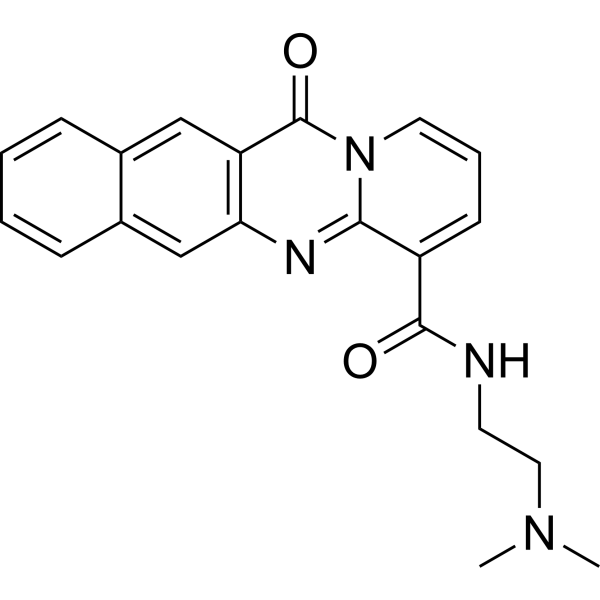
    BMH-21
    10+ Cited Publications

    DNA/RNA Synthesis Cancer
    BMH-21 is a first-in-class DNA intercalator which inhibits RNA polymerase I (Pol I) transcription. BMH-21 possesses anticancer activity .
    BMH-21
  • HY-B1099
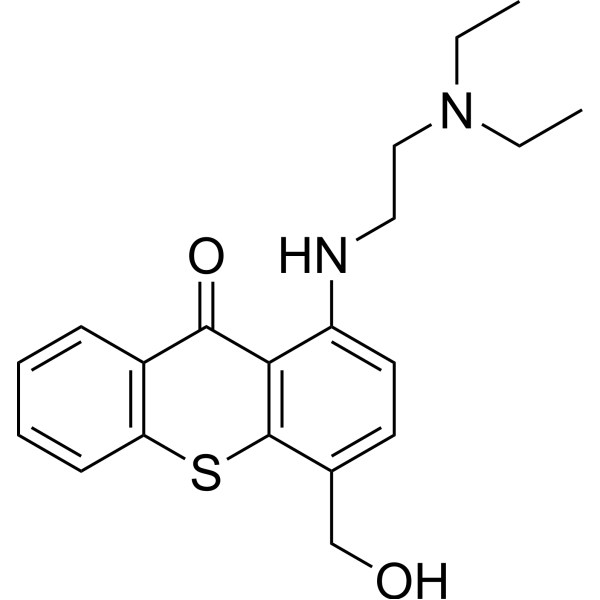
    Hycanthone
    2 Publications Verification

    DNA/RNA Synthesis Topoisomerase Parasite Infection
    Hycanthone is a thioxanthenone DNA intercalator and inhibits RNA synthesis as well as the DNA topoisomerases I and II. Hycanthone inhibits nucleic acid biosynthesis and inhibits apurinic endonuclease-1 (APE1) by direct protein binding with a KD of 10 nM. Hycanthone is a bioactive metabolite of Lucanthone (HY-B2098) and has anti-schistosomal agent .
    Hycanthone
  • HY-101794

    (S)-2-Pyridylthio Cysteamine Hydrochloride

    Biochemical Assay Reagents Others
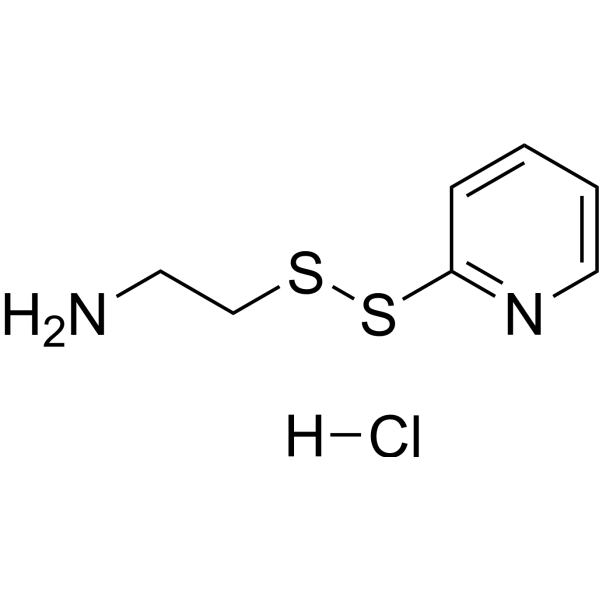
    2-(Pyridyldithio)ethylamine hydrochloride is a novel disulfide intercalating cross-linking reagent.
    2-(Pyridyldithio)ethylamine hydrochloride
  • HY-13551
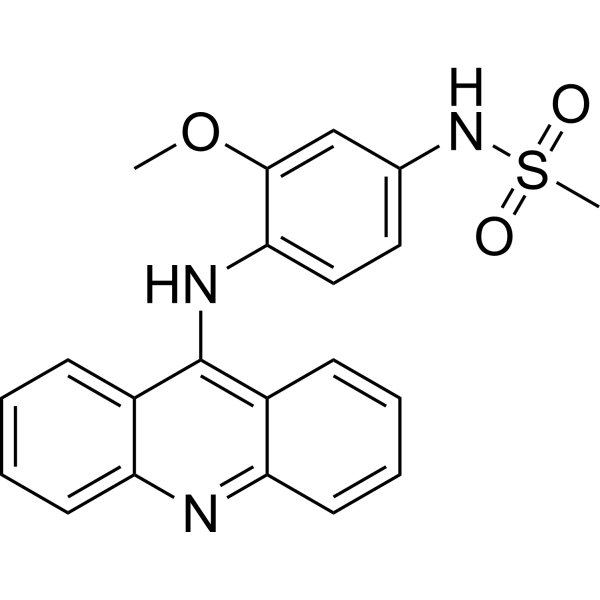
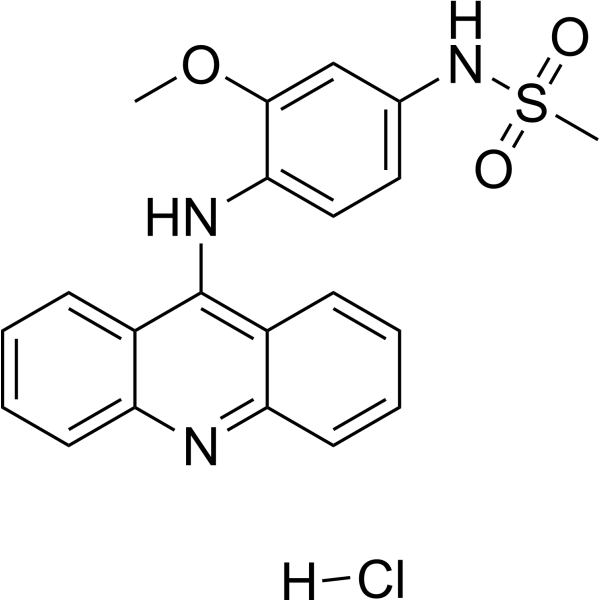
    Amsacrine
    5+ Cited Publications

    m-AMSA; acridinyl anisidide

    Topoisomerase Autophagy Cancer
    Amsacrine (m-AMSA; acridinyl anisidide) is an inhibitor of topoisomerase II, and acts as an antineoplastic agent which can intercalates into the DNA of tumor cells.
    Amsacrine
  • HY-13727A
    Pixantrone
    3 Publications Verification

    BBR 2778

    Topoisomerase Cancer
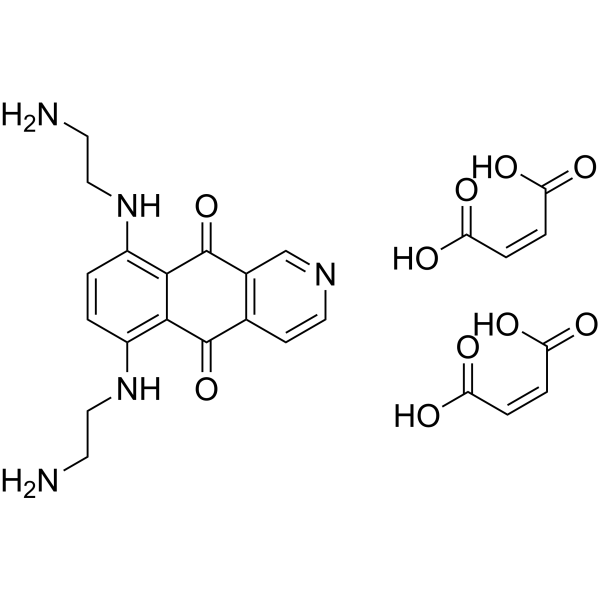
    Pixantrone (BBR 2778) dimaleate is a topoisomerase II inhibitor and DNA intercalator, with anti-tumor activity.
    Pixantrone
  • HY-100875
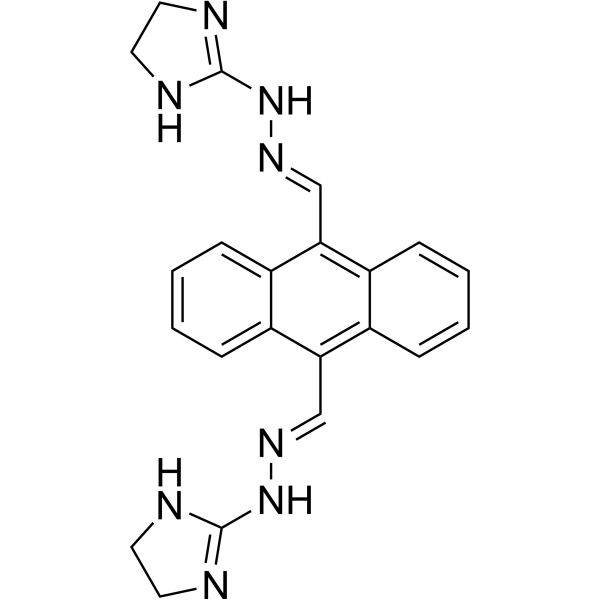
    Bisantrene
    5+ Cited Publications

    CL216942

    Topoisomerase Cancer
    Bisantrene is a highly effective antitumor agent, it exerts its cytotoxicity by affecting DNA intercalation. Bisantrene targets eukaryotic type II topoisomerases. Bisantrene is a substrate of MDR1 .
    Bisantrene
  • HY-10982
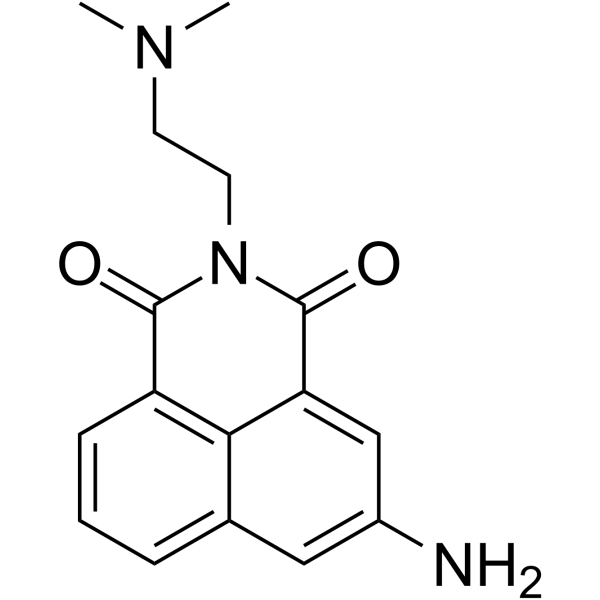
    Amonafide
    4 Publications Verification

    AS1413

    Topoisomerase Cancer
    Amonafide is a topoisomerase II inhibitor and DNA intercalator that induces apoptotic signaling by blocking the binding of Topo II to DNA.
    Amonafide
  • HY-10534
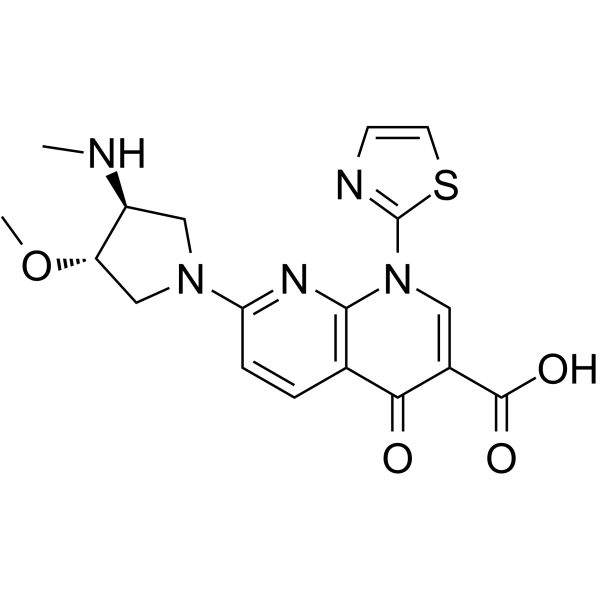
    Voreloxin
    3 Publications Verification

    SNS-595; Vosaroxin; AG 7352

    Topoisomerase Apoptosis Cancer
    Voreloxin (SNS-595; Vosaroxin; AG 7352) is a first-in-class topoisomerase II inhibitor that intercalates DNA and induces site-selective DNA DSB, G2 arrest, and apoptosis.
    Voreloxin
  • HY-DY1050

    DNA Stain Others
    Ethidium bromide (solution) is an intercalating agent commonly used as a fluorescent tag (nucleic acid stain) in molecular biology laboratories for techniques such as agarose gel electrophoresis.
    Solvent and Concentration: Sterile water: 10 mg/Ml
    Ethidium bromide (solution)
  • HY-W013967

    Fluorescent Dye Infection
    1,6-Diphenylhexa-1,3,5-triene is a membrane intercalator and hydrophobic fluorescent probe. 1,6-Diphenylhexa-1,3,5-triene intercalates into the non-polar region of lipid bilayers of adipocyte membranes with probe/membrane equilibrium affected by temperature, probe concentration, and membrane concentration. 1,6-Diphenylhexa-1,3,5-triene’s fluorescence intensity correlating with adipocyte membrane probe incorporation (Ex/Em = 350/452 nm) .
    1,6-Diphenylhexa-1,3,5-triene
  • HY-137265

    Flavivirus Infection
    Aminomethyltrioxsalen hydrochloride is a psoralen derivative and nucleic acid intercalator. Aminomethyltrioxsalen hydrochloride can penetrate intact cells and react with nucleic acid secondary structures in vivo without disrupting the tissue structure of natural nucleoproteins. Aminomethyltrioxsalen hydrochloride inactivates viruses by crosslinking nucleic acid pyrimidine residues after exposure to UV-A radiation. Aminomethyltrioxsalen hydrochloride can be used in research related to dengue virus infection .
    Aminomethyltrioxsalen hydrochloride
  • HY-101541

    Methyl docosahexaenoate; all cis-DHA methyl ester

    Drug Intermediate Neurological Disease
    Docosahexaenoic Acid methyl ester is a methylated docosahexaenoic acid analog which can be intercalated into membrane phospholipids without being oxidized or hydrolyzed.
    Docosahexaenoic acid methyl ester
  • HY-U00248A

    MJ-III65 hydrochloride; NSC706744 hydrochloride

    Topoisomerase Cancer
    LMP744 hydrochloride (MJ-III65 hydrochloride) is a DNA intercalator and Topoisomerase I (Top1) inhibitor with antitumor activity .
    LMP744 hydrochloride
  • HY-13551A
    Amsacrine hydrochloride
    5+ Cited Publications

    m-AMSA hydrochloride; acridinyl anisidide hydrochloride

    Topoisomerase Autophagy Cancer
    Amsacrine hydrochloride (m-AMSA hydrochloride; acridinyl anisidide hydrochloride) is an inhibitor of topoisomerase II, and acts as an antineoplastic agent which can intercalates into the DNA of tumor cells.
    Amsacrine hydrochloride
  • HY-W040198

    Fluorescent Dye Others
    Phenosafranine is a phenazine dye. Phenosafranine exhibits higher binding affinity for triple-stranded RNA than for double-stranded RNA, and binds to both types of RNA via intercalation. Phenosafranine interacts with hemoglobin. Phenosafranine can be used for plant cell staining, as well as the detection of hemoglobin, dopamine, serotonin, etc.
    Phenosafranine
  • HY-B1741
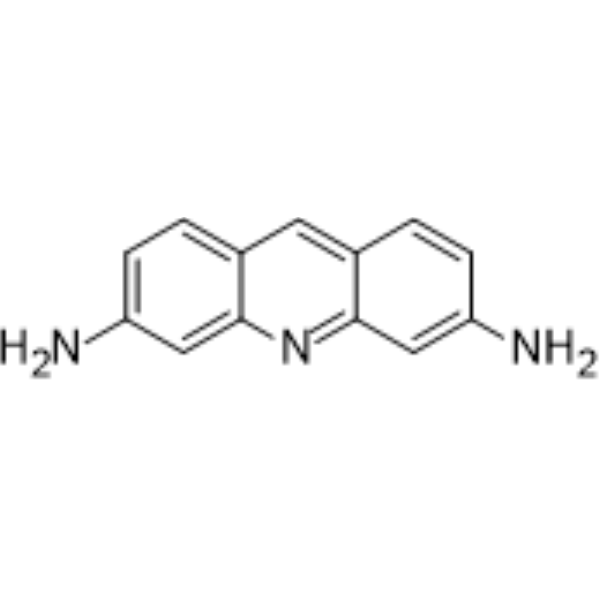
    3,6-Diaminoacridine
    3 Publications Verification

    Bacterial Fluorescent Dye DNA/RNA Synthesis Infection Cancer
    3,6-Diaminoacridine is a versatile acridine compound. 3,6-Diaminoacridine exerts antibacterial activity by intercalating into bacterial DNA, interfering with replication and transcription, and inducing bacterial lysis. 3,6-Diaminoacridine is an acridine dye and also a DNA intercalator .
    3,6-Diaminoacridine
  • HY-U00248

    MJ-III65; NSC706744

    Topoisomerase Cancer
    LMP744 (MJ-III65) is a DNA intercalator and Topoisomerase I (Top1) inhibitor with antitumor activity .
    LMP744
  • HY-16518
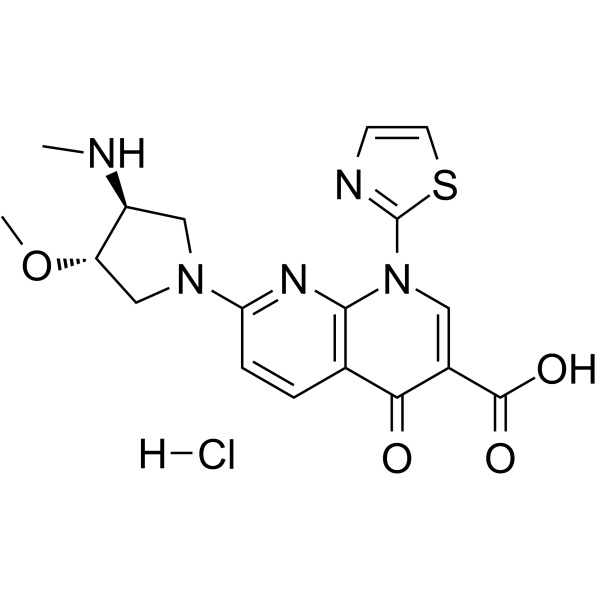
    Voreloxin Hydrochloride
    3 Publications Verification

    SNS-595 Hydrochloride; Vosaroxin Hydrochloride; AG 7352 Hydrochloride

    Topoisomerase Apoptosis Cancer
    Voreloxin Hydrochloride is a first-in-class topoisomerase II inhibitor that intercalates DNA and induces site-selective DNA DSB, G2 arrest, and apoptosis.
    Voreloxin Hydrochloride
  • HY-D0226

    1,4-Dihydroxyanthraquinone

    DNA/RNA Synthesis Fungal Infection Cancer
    Quinizarin (1,4-Dihydroxyanthraquinone), a part of the anticancer agents such as Doxorubicin, Daunorubicin, and Adriamycin, interacts with DNA by intercalating mode (Kd=86.1 μM). Quinizarin is used as a fungicide and pesticide chemical and has shown the ability to inhibit tumor cell growth .
    Quinizarin
  • HY-100875A
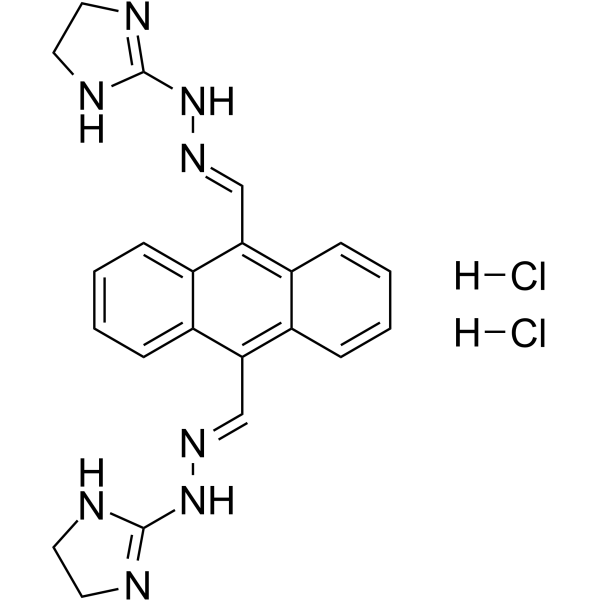
    Bisantrene dihydrochloride
    5+ Cited Publications

    CL-216942 dihydrochloride

    Topoisomerase Cancer
    Bisantrene dihydrochloride is a highly effective antitumor agent, it exerts its cytotoxicity by affecting DNA intercalation. Bisantrene dihydrochloride targets eukaryotic type II topoisomerases. Bisantrene dihydrochloride is a substrate of MDR1 .
    Bisantrene dihydrochloride
  • HY-W112938

    DNA Alkylator/Crosslinker Photosensitizer Infection Cancer
    TMPyP tetrachloride is a DNA-binding agent, singlet oxygen Sensitizer and photobleaching agent. TMPyP tetrachloride binds to DNA via intercalation or external groove complexation; irradiation induces its photoinduced release from DNA. TMPyP tetrachloride sensitizes the generation of singlet molecular oxygen upon irradiation, and prolonged irradiation leads to photobleaching. TMPyP tetrachloride initially localizes preferentially in neuronal nuclei and cytoplasm, and irradiation triggers its subcellular relocalization. TMPyP tetrachloride binds to K + -free single-molecule G4-DNA nanowires via intercalation, and binds to K + -type variants via non-intercalation. TMPyP tetrachloride can be used in studies related to cancer, HIV infection and bacterial infection .
    TMPyP tetrachloride
  • HY-D1322

    Fluorescent Dye Others
    Cyanine5.5 NHS ester tetrafluoroborate belongs to the cyanine dye series and is a common fluorescent marker for biomolecules that can interact with biomolecules. Cyanine dyes may also bind to double-helical DNA through intercalation and exhibit enhanced fluorescence upon binding.
    Cyanine5.5 NHS ester tetrafluoroborate
  • HY-D1773

    Fluorescent Dye DNA Alkylator/Crosslinker Others
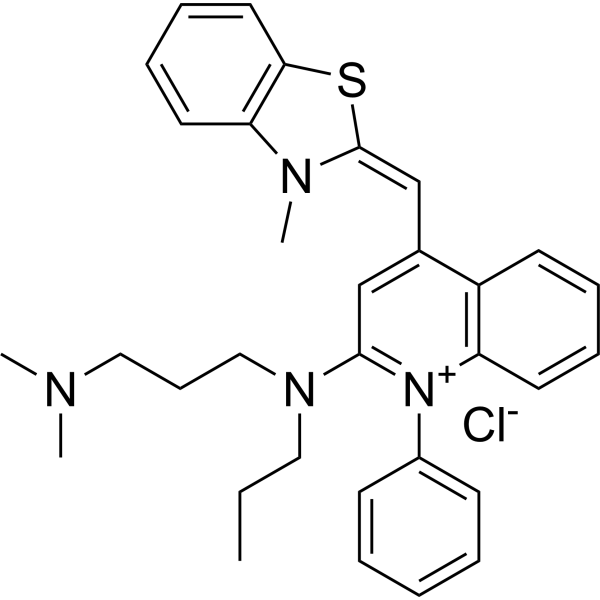
    YOYO-3 is a trimethine cyanine homodimer dye. YOYO-3 intercalates into AF488-tagged dsDNA molecules at the single-molecule level. YOYO-3 has a greater affinity for DNA than do EB and other Cyanine dyes .
    YOYO-3
  • HY-145657

    BQQ

    Biochemical Assay Reagents Others
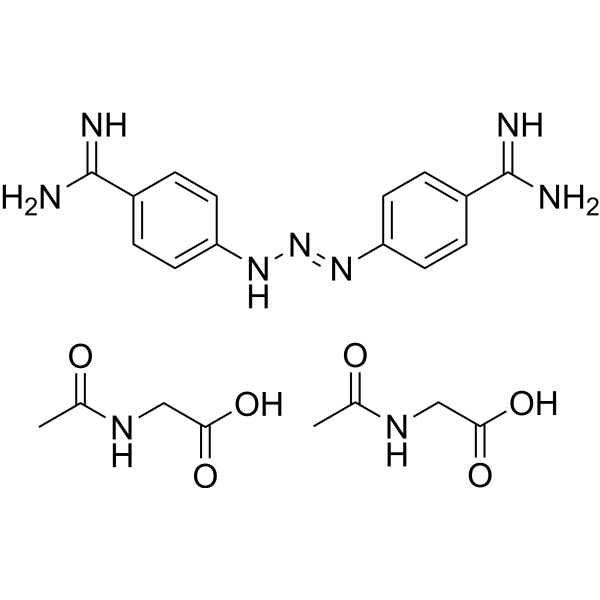
    Benzoquinoquinoxaline (BQQ) is a heterocyclic compound with an aminoalkyl side chain. Benzoquinoquinoxaline preferentially binds to DNA triplex structures, intercalates between the bases, thus, stabilising the triplex conformation. Conjugation of Benzoquinoquinoxaline to 1,10-phenanthroline specifically binds and cleaves double strand DNA at the site of formation of a triplex structure .
    Benzoquinoquinoxaline
  • HY-13550

    NSC 196473; NSC 290813

    DNA/RNA Synthesis Cancer
    Ametantrone (NSC 196473) is an antitumor agent that intercalates into DNA and induces topoisomerase II (TOP2)-mediated DNA break .
    Ametantrone
  • HY-108969

    NSC 366140; PD 115934

    Topoisomerase Apoptosis Cancer
    Pyrazoloacridine (NSC 366140), an intercalating agent with anti-cancer activity, inhibits the activity of topoisomerases 1 and 2. Pyrazoloacridine (NSC 366140) exhibits an IC50 of 1.25 μM in K562 myeloid leukemia cells for 24 h treatment .
    Pyrazoloacridine
  • HY-167545

    POPE

    Liposome Biochemical Assay Reagents Others
    1-Palmitoyl-2-oleoylphosphatidylethanolamine (POPE) is a PE-based synthetic phospholipid that can intercalate with other amphiphilic molecules to form stable bilayers at physiological pH. 1-Palmitoyl-2-oleoylphosphatidylethanolamine can be used in drug delivery research .
    1-Palmitoyl-2-oleoylphosphatidylethanolamine
  • HY-W111005

    DNA Alkylator/Crosslinker Cancer
    1-Chloromethylpyrene is an alkylating agent that enters the DNA double helix structure through intercalation, forms covalent bonds with electrophilic groups, resulting in DNA cross-linking, thereby inhibiting the proliferation of tumor cells .
    1-Chloromethylpyrene
  • HY-W110980

    Anthracen-2-amine; 2-Anthramine

    DNA/RNA Synthesis Cancer
    2-Aminoanthracene (Anthracen-2-amine) is a nitrogen substituted polycyclic aromatic hydrocarbon. 2-Aminoanthracene is mutagenic and carcinogenic. 2-Aminoanthracene acts by intercalating into DNA, causing structural distortion and interfering with DNA replication and transcription .
    2-Aminoanthracene
  • HY-13727

    BBR 2778 free base

    Topoisomerase Cancer
    Pixantrone (BBR 2778 (free base)), a mitoxantrone analog, is a topoisomerase II inhibitor and DNA intercalator, with anti-tumor activity.
    Pixantrone free base
  • HY-19829

    ADC Payload Bacterial Antibiotic Infection Cancer
    Sandramycin ia a cyclic depsipeptide antibiotic isolated from cultured broth of a Nocardioides sp. Sandramycin is also a DNA intercalator that potently binds DNA and is an ADC cytotoxin. Sandramycin is active against Gram-positive bacteria and has potent antitumor activity .
    Sandramycin
  • HY-U00337

    DNA/RNA Synthesis Cancer
    Datelliptium chloride is a DNA-intercalating agent derived from ellipticine, with anti-tumor activities.
    Datelliptium chloride
  • HY-D1102

    Fluorescent Dye
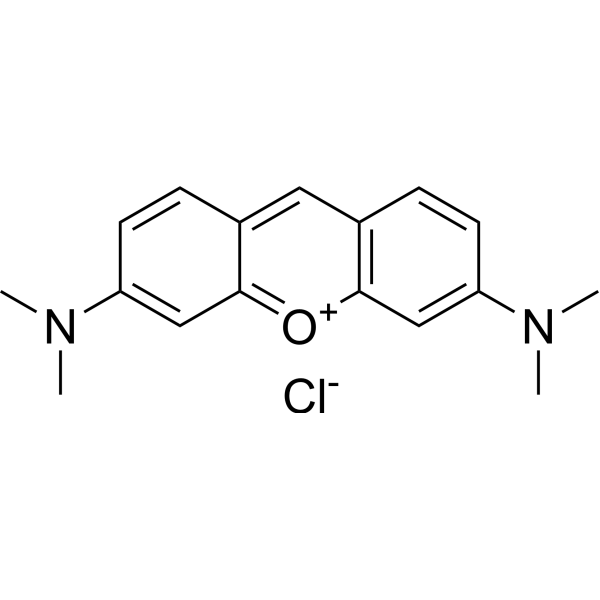
    DNA intercalator 3 is a DNA intercalating agent that can be used for DNA staining.
    DNA intercalator 3
  • HY-101541S

    Methyl docosahexaenoate-d5; all cis-DHA methyl ester-d5

    Isotope-Labeled Compounds Neurological Disease
    Docosahexaenoic acid-d5 methyl ester is the deuterium labeled Docosahexaenoic Acid methyl ester. Docosahexaenoic Acid methyl ester is a methylated docosahexaenoic acid analog which can be intercalated into membrane phospholipids without being oxidized or hydrolyzed .
    Docosahexaenoic acid-d5 methyl ester
  • HY-114325

    Drug-Linker Conjugates for ADC Cancer
    AcLysValCit-PABC-DMAE-SW-163D is a agent-linker conjugates for ADC which consists of a natural bis-intercalator, SW-163D, conjugated via an AcLysValCitPABC-DMAE linker .
    AcLysValCit-PABC-DMAE-SW-163D
  • HY-108999A
    Crisnatol
    1 Publications Verification

    BWA770U

    DNA/RNA Synthesis Cancer
    Crisnatol (BWA770U) is an orally active and anticancer agent, and a member of the arylmethylaminopropanediol class of DNA intercalators. Crisnatol shows in vitro cytotoxicity against human breast cancer cells, but not normal human skin fibroblasts .
    Crisnatol
  • HY-D1095

    Fluorescent Dye
    Cy7 DiAcid belongs to the cyanine dye series and is a common fluorescent marker for biomolecules that can interact with biomolecules. Cyanine dyes may also bind to double-helical DNA through intercalation and exhibit enhanced fluorescence upon binding.
    Cy7 DiAcid
  • HY-105293

    DNA/RNA Synthesis Topoisomerase Cancer
    NSC 727357 is a DNA intercalator and topoisomerase inhibitor with antitumor activity. NSC 727357 can inhibit cells proliferation and induce G1 phase arrest. NSC 727357 can be used for the research of cancer, such as melanoma .
    NSC 727357
  • HY-13727B

    BBR 2778 hydrochloride

    Topoisomerase Cancer
    Pixantrone (BBR 2778 (free base)) hydrochloride, a mitoxantrone analog, is a topoisomerase II inhibitor and DNA intercalator, with anti-tumor activity .
    Pixantrone hydrochloride
  • HY-D1246

    DNA Stain Others
    Ethidium monoazide bromide is a DNA intercalating fluorescent dye that enters bacteria with damaged membranes. Ethidium monoazide bromide can be covalently linked to DNA by photoactivation. Ethidium monoazide bromide stains only dead cells . Ethidium monoazide (bromide) is a click chemistry reagent, it contains an Azide group and can undergo copper-catalyzed azide-alkyne cycloaddition reaction (CuAAc) with molecules containing Alkyne groups. It can also undergo strain-promoted alkyne-azide cycloaddition (SPAAC) reactions with molecules containing DBCO or BCN groups.
    Ethidium monoazide bromide
  • HY-124122

    VEGFR Checkpoint Kinase (Chk) Apoptosis Caspase Bcl-2 Family Cancer
    BPTQ is a potent inhibitor against VEGFR1 and CHK2 with IC50 values of 0.54 and 1.70 µmol/L, respectively. BPTQ is also an intercalator of DNA with anticancer activities. BPTQ inhibits the proliferation of HL-60 cells by arresting cells at S and G2/M phase with an IC50 value of 12 µmol/L. BPTQ also activates the mitochondria-mediated Apoptosis pathway by a decrease in mitochondrial membrane potential, increase in the Bax:Bcl-2 ratio and activation of caspases .
    BPTQ
  • HY-121649

    Topoisomerase Cancer
    AQ4 is a topoisomerase II inhibitor and DNA intercalator as a chemically stable cytotoxic agent in many human tumor lines .
    AQ4
  • HY-D1101

    Fluorescent Dye
    DNA intercalator 2 is a DNA intercalating agent that can be used for DNA staining.
    DNA intercalator 2
  • HY-D1100

    Fluorescent Dye
    DNA intercalator 1 is a DNA intercalating agent that can be used for DNA staining.
    DNA intercalator 1
  • HY-D1326

    Fluorescent Dye Others
    Cyanine3 carboxylic acid belongs to the cyanine dye series and is a common fluorescent marker for biomolecules that can interact with biomolecules. Cyanine dyes may also bind to double-helical DNA through intercalation and exhibit enhanced fluorescence upon binding.
    Cyanine3 carboxylic acid
  • HY-119182
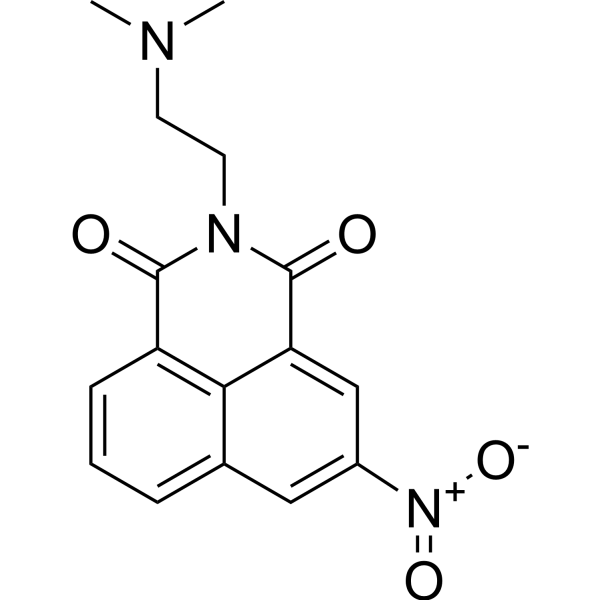
    Mitonafide
    2 Publications Verification

    NSC 300288

    DNA/RNA Synthesis Cancer
    Mitonafide (NSC 300288) is a cytostatic agent. Mitonafide binds to double-stranded DNA through intercalation, and inhibits DNA and RNA synthesis. Mitonafide is an antitumor agent that can be used in the research of cancers, such as non-small cell lung cancer (NSCLC), leukemia .
    Mitonafide
  • HY-B1741A

    Bacterial Fluorescent Dye Potassium Channel DNA/RNA Synthesis Infection Cancer
    3,6-Diaminoacridine dihydrochloride is a versatile acridine compound. 3,6-Diaminoacridine dihydrochloride exerts antibacterial activity by intercalating into bacterial DNA, interfering with replication and transcription, and inducing bacterial lysis. 3,6-Diaminoacridine dihydrochloride is an acridine dye and also a DNA intercalator .
    3,6-Diaminoacridine dihydrochloride
  • HY-13727AR

    BBR 2778 (Standard)

    Reference Standards Topoisomerase Cancer
    Pixantrone (Standard) is the analytical standard of Pixantrone. This product is intended for research and analytical applications. Pixantrone (BBR 2778) dimaleate is a topoisomerase II inhibitor and DNA intercalator, with anti-tumor activity.
    Pixantrone (Standard)
  • HY-162381

    Topoisomerase Cancer
    Topoisomerase II inhibitor 19 (compound 5h) is a DNA intercalator and topoisomerase II inhibitor (IC50 value of 0.34 μM). Topoisomerase II inhibitor 19 would induce detectable potent damage in ctDNA .
    Topoisomerase II inhibitor 19

Inquiry Online

Your information is safe with us. * Required Fields.

Salutation


Country or Region *

Applicant Name *


Organization Name *

Department *


Email Address *


Product Name *

Cat. No.


Requested quantity *

Phone Number *


Remarks

Inquiry Online

Inquiry Information

Product Name:
Cat. No.:
Quantity:
MCE Japan Authorized Agent:

