From 11:00 pm to 12:00 pm EST ( 8:00 pm to 9:00 pm PST ) on January 6th, the website will be under maintenance. We are sorry for the inconvenience. Please arrange your schedule properly.
Neutral protease I (Dispase I) is a rapid, effective, gentle and neutral protease that can separate intact epidermis from the dermis. Neutral protease I can also separate intact epithelial sheets in culture from the substratum. Neutral protease I preserves the viability of the epithelial cells while cleaving the basement membrane zone region. Neutral protease I can also be used to prevent clumping in suspension cultures. Neutral protease I cleaves fibronectin and type IV collagen, but not laminin, type V collagen, serum albumin, or transferrin .
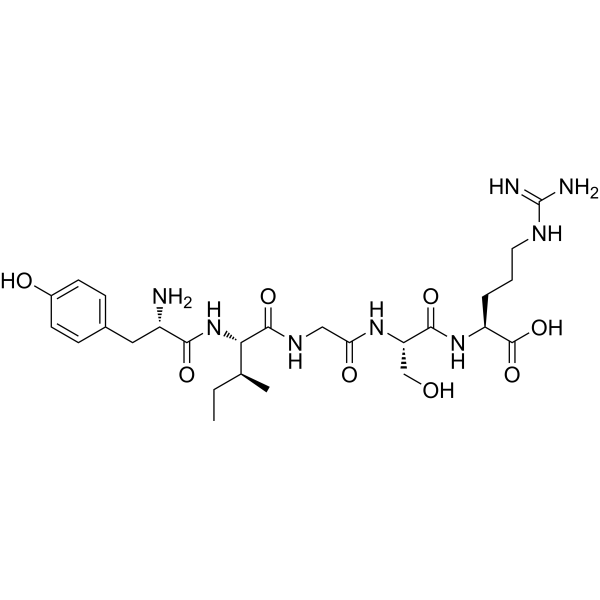
YIGSR (Laminin Fragment 929-933) is a polypeptide that inhibits tumor growth and metastasis of leukemia cells. YIGSR specifically binds to the 67kDa laminin receptor and regulates the expression of eNOS in endothelial cells. YIGSR can be used in leukemia-related research .
Laminin (Engelbreth-Holm-Swarm murine sarcoma basement membrane) is a crucial structural element in animal tissues, forming part of the scaffolding that supports tissue architecture. It interacts with type IV collagen through entactin and perlecan, connects to cell membranes via integrin receptors, dystroglycan complexes, and Lutheran blood group glycoproteins, and contains functional domains that facilitate collagen binding, cell adhesion, heparin interaction, and promote neurite outgrowth.
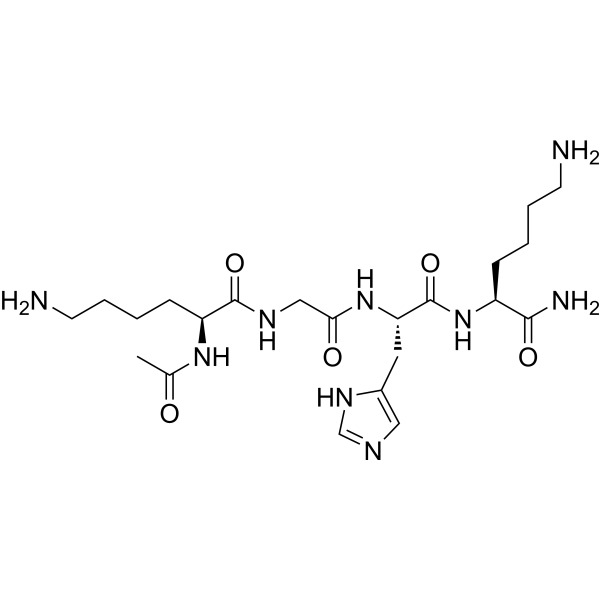
Acetyl tetrapeptide-3 is a synthetic peptide. Acetyl tetrapeptide-3 enhances the adhesion of hair follicles to the scalp but also promotes the development of new hair follicles. Acetyl tetrapeptide-3 stimulates the synthesis of collagen III in hair follicles. Acetyl tetrapeptide-3 combined with Biochanin A (HY-14595) and ginseng extracts, can stimulate dermal papilla extracellular matrix (ECM) proteins by increasing hydroxyproline, Collagen Type 3, and laminin, yielding a significant improvement in hair follicle size and hair anchoring .
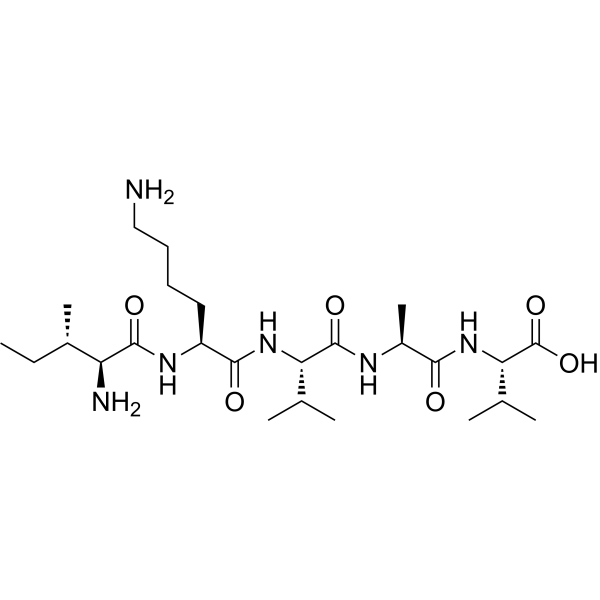
H-Ile-Lys-Val-Ala-Val-OH is one of the most potent active sites of laminin-1. H-Ile-Lys-Val-Ala-Val-OH promotes cell adhesion, neurite outgrowth, and tumor growth. H-Ile-Lys-Val-Ala-Val-OH stimulates BMMSC population growth and proliferation by activating MAPK/ERK1/2 and PI3K/Akt signalling pathways .
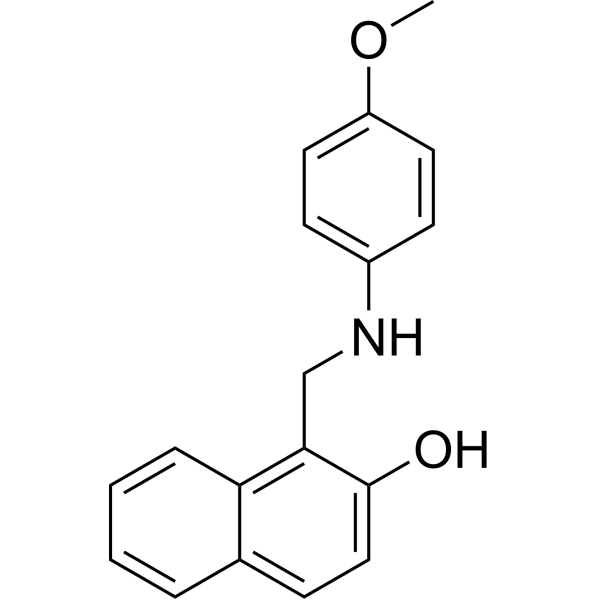
NSC47924 is a laminin receptor (LR) inhibitor. NSC47924 affects 37/67 kDa LR cell surface localization and interaction with the cellular prion protein. NSC47924 can be used for testing prion diseases .
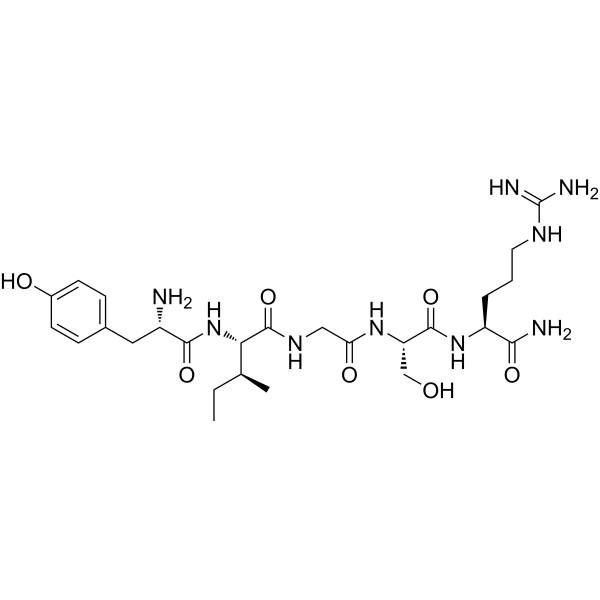
H-Tyr-Ile-Gly-Ser-Arg-NH2 is a hexapeptide that is an essential fragment of laminin responsible for efficient cell adhesion and receptor binding. H-Tyr-Ile-Gly-Ser-Arg-NH2 promotes various epithelial cell adhesion activities .
LXY3 (LXY2) is a VLA-3-blocking peptide that inhibits the interaction between integrin α3β1 (VLA-3) on neutrophil surfaces and laminin in the basement membrane, thereby preventing neutrophil migration across the tumor vascular basement membrane barrier. LXY3 is used to block neutrophil-mediated nanoparticle release from perivascular pools into the tumor interstitium. LXY3 is commonly employed for targeted imaging of breast cancer .
DSPE-PEG2000-YIGSR is a PEG compound which composed of DSPE and a biomimetic peptide YIGSR. YIGSR interacts with the 67 kDa laminin binding protein (LBP) and promotes adhesion and spreading of a large number of cell types including endothelial cells, fibroblasts and smooth muscle cells. DSPE-PEG2000-YIGSR can be used for drug delivery .
Lysoganglioside-GM1 (LysoGM1) potassium is a derivative of Monosialoganglioside GM1, which lacks a fatty acid. Lysoganglioside-GM1 potassium is also an inhibitor of GM1 aggregation. Lysoganglioside-GM1 potassium can inhibit the activation of Lyn and laminin-1-mediated neurite outgrowth. Lysoganglioside-GM1 potassium can be used in the research of nervous system diseases .
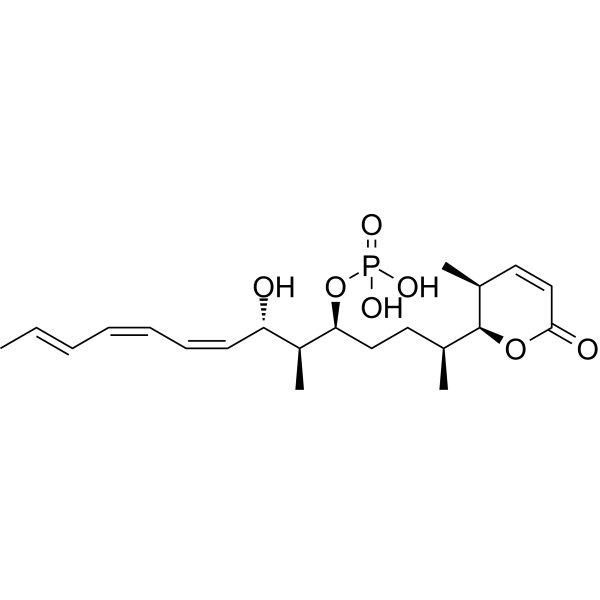
Cytostatin is an effective and selective protein phosphatase 2A (PP2A) inhibitor with an IC50 value of 210 nM. Cytostatin exhibits anti-metastatic properties, good antitumor activity, and can induce apoptosis. Cytostatin can also prevent the adhesion of B16 melanoma cells to components of the extracellular matrix (laminin and collagen). Cytostatin belongs to the family of natural product fosriecin .
Lysoganglioside-GM1 (LysoGM1) ammonium is a derivative of Monosialoganglioside GM1, which lacks a fatty acid. Lysoganglioside-GM1 ammonium is also an inhibitor of GM1 aggregation. Lysoganglioside-GM1 ammonium can inhibit the activation of Lyn and laminin-1-mediated neurite outgrowth. Lysoganglioside-GM1 ammonium can be used in the research of nervous system diseases .
YIGSR-Lys(N3) is a peptide that can inhibit the tumour growth and metastasis of leukaemic cells. YIGSR blocks the cellular binding to laminin I via a 67-kDa laminin-binding protein, and inhibits shear-induced increase in eNOS expression of laminin cells . YIGSR-Lys(N3) is a click chemistry reagent, it contains an Azide group and can undergo copper-catalyzed azide-alkyne cycloaddition reaction (CuAAc) with molecules containing Alkyne groups. It can also undergo strain-promoted alkyne-azide cycloaddition (SPAAC) reactions with molecules containing DBCO or BCN groups.
DSPE-PEG1000-YIGSR is a PEG compound which composed of DSPE and a biomimetic peptide YIGSR. YIGSR interacts with the 67 kDa laminin binding protein (LBP) and promotes adhesion and spreading of a large number of cell types including endothelial cells, fibroblasts and smooth muscle cells. DSPE-PEG1000-YIGSR can be used for drug delivery .
Cytostatin sodium is an effective and selective protein phosphatase 2A (PP2A) inhibitor with an IC50 value of 210 nM. Cytostatin sodium exhibits anti-metastatic properties, good antitumor activity, and can induce apoptosis. Cytostatin sodium can also prevent the adhesion of B16 melanoma cells to components of the extracellular matrix (laminin and collagen). Cytostatin sodium belongs to the family of natural product fosriecin .
DSPE-PEG3400-YIGSR is a PEG compound which composed of DSPE and a biomimetic peptide YIGSR. YIGSR interacts with the 67 kDa laminin binding protein (LBP) and promotes adhesion and spreading of a large number of cell types including endothelial cells, fibroblasts and smooth muscle cells. DSPE-PEG3400-YIGSR can be used for drug delivery .
DSPE-PEG5000-YIGSR is a PEG compound which composed of DSPE and a biomimetic peptide YIGSR. YIGSR interacts with the 67 kDa laminin binding protein (LBP) and promotes adhesion and spreading of a large number of cell types including endothelial cells, fibroblasts and smooth muscle cells. DSPE-PEG5000-YIGSR can be used for drug delivery .
AG73 is a polypeptide. AG73 is derived from the G domain of the Laminin α1 chain. AG73 binds heparin, Syndecan-1 and Syndecan-4. AG73 promotes the adhesion of various cells, induces the differentiation of salivary gland acinar cells, stimulates neurite outgrowth, secretion of matrix metalloproteinases and angiogenesis. AG73 retains its angiogenic activity when conjugated to chitosan membranes. AG73 can be used in the research of melanoma and ischemic injury .
HYD-1 is a D-amino acid tumor cell adhesion peptide. HYD-1 contains overlapping linear peptide elements required for adhesion, migration blocking, and ERK signaling activation. HYD-1 supports adhesion of breast, prostate, ovarian, and pancreatic tumor cells, and shows no effect on tumor cell cycle distribution. HYD-1 can be used for the research of prostate cancer .
Laminin (Engelbreth-Holm-Swarm murine sarcoma basement membrane) is a crucial structural element in animal tissues, forming part of the scaffolding that supports tissue architecture. It interacts with type IV collagen through entactin and perlecan, connects to cell membranes via integrin receptors, dystroglycan complexes, and Lutheran blood group glycoproteins, and contains functional domains that facilitate collagen binding, cell adhesion, heparin interaction, and promote neurite outgrowth.
DSPE-PEG2000-YIGSR is a PEG compound which composed of DSPE and a biomimetic peptide YIGSR. YIGSR interacts with the 67 kDa laminin binding protein (LBP) and promotes adhesion and spreading of a large number of cell types including endothelial cells, fibroblasts and smooth muscle cells. DSPE-PEG2000-YIGSR can be used for drug delivery .
DSPE-PEG1000-YIGSR is a PEG compound which composed of DSPE and a biomimetic peptide YIGSR. YIGSR interacts with the 67 kDa laminin binding protein (LBP) and promotes adhesion and spreading of a large number of cell types including endothelial cells, fibroblasts and smooth muscle cells. DSPE-PEG1000-YIGSR can be used for drug delivery .
DSPE-PEG3400-YIGSR is a PEG compound which composed of DSPE and a biomimetic peptide YIGSR. YIGSR interacts with the 67 kDa laminin binding protein (LBP) and promotes adhesion and spreading of a large number of cell types including endothelial cells, fibroblasts and smooth muscle cells. DSPE-PEG3400-YIGSR can be used for drug delivery .
DSPE-PEG5000-YIGSR is a PEG compound which composed of DSPE and a biomimetic peptide YIGSR. YIGSR interacts with the 67 kDa laminin binding protein (LBP) and promotes adhesion and spreading of a large number of cell types including endothelial cells, fibroblasts and smooth muscle cells. DSPE-PEG5000-YIGSR can be used for drug delivery .
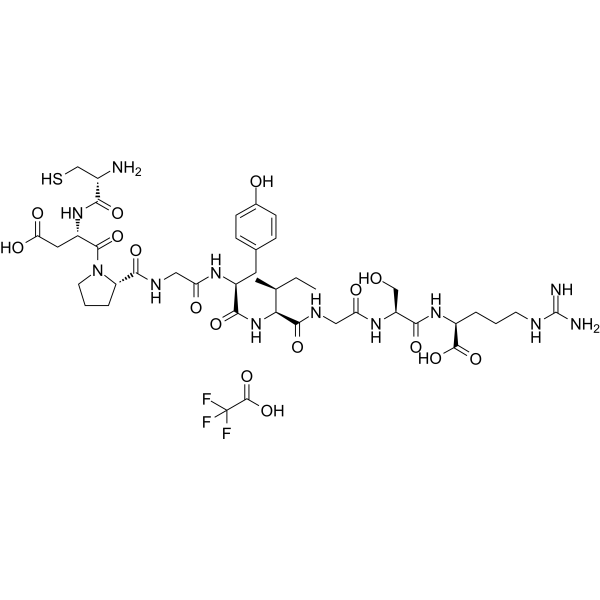
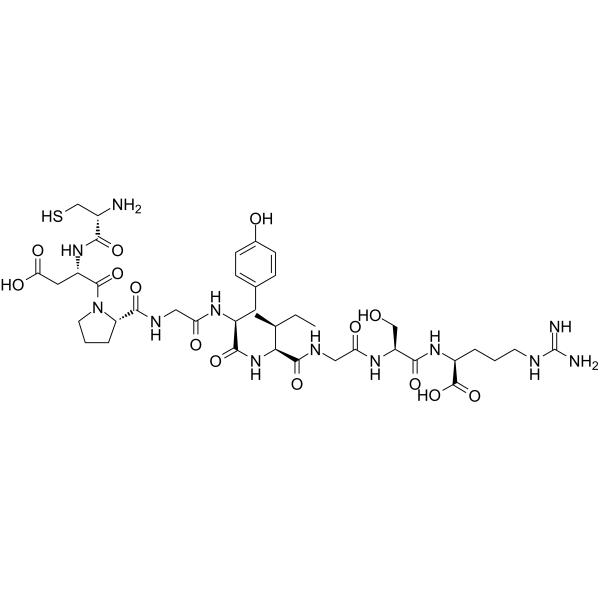
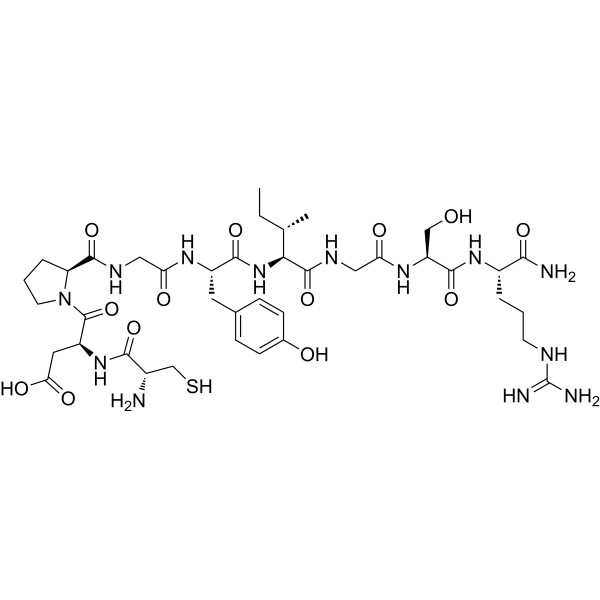
Laminin peptide CDPGYIGSR (Laminin (925-933)) TFA is a 67 kDalaminin receptor ligand and selective cell adhesion inducer. Laminin peptide CDPGYIGSR TFA not only promotes cell adhesion and mediates directed neurite outgrowth via matrix coating or covalent immobilization, but also inhibits neural crest cell migration under specific conditions. Laminin peptide CDPGYIGSR TFA inhibits lung colonization of melanoma cells, and suppresses the growth of Sarcoma 180 solid tumors and Lewis lung carcinoma (3LL) in mice. Laminin peptide CDPGYIGSR TFA also exerts significant anti-angiogenic effects by inhibiting embryonic angiogenesis in the chick chorioallantoic membrane and vascular endothelial cell migration induced by tumor-conditioned medium. Laminin peptide CDPGYIGSR TFA can be widely used in studies related to melanoma, Sarcoma 180, Lewis lung carcinoma (3LL), and other relevant areas .
YIGSR (Laminin Fragment 929-933) is a polypeptide that inhibits tumor growth and metastasis of leukemia cells. YIGSR specifically binds to the 67kDa laminin receptor and regulates the expression of eNOS in endothelial cells. YIGSR can be used in leukemia-related research .
Acetyl tetrapeptide-3 is a synthetic peptide. Acetyl tetrapeptide-3 enhances the adhesion of hair follicles to the scalp but also promotes the development of new hair follicles. Acetyl tetrapeptide-3 stimulates the synthesis of collagen III in hair follicles. Acetyl tetrapeptide-3 combined with Biochanin A (HY-14595) and ginseng extracts, can stimulate dermal papilla extracellular matrix (ECM) proteins by increasing hydroxyproline, Collagen Type 3, and laminin, yielding a significant improvement in hair follicle size and hair anchoring .
H-Ile-Lys-Val-Ala-Val-OH is one of the most potent active sites of laminin-1. H-Ile-Lys-Val-Ala-Val-OH promotes cell adhesion, neurite outgrowth, and tumor growth. H-Ile-Lys-Val-Ala-Val-OH stimulates BMMSC population growth and proliferation by activating MAPK/ERK1/2 and PI3K/Akt signalling pathways .
PA22-2 (IKVAV sequence; Laminin A-chain fragment) is a biological active peptide. (This peptide is derived from mouse laminin a1 . Cell matrix substrate constituted with this peptide can promote neurite outgrowth.)
H-Tyr-Ile-Gly-Ser-Arg-NH2 is a hexapeptide that is an essential fragment of laminin responsible for efficient cell adhesion and receptor binding. H-Tyr-Ile-Gly-Ser-Arg-NH2 promotes various epithelial cell adhesion activities .
LXY3 (LXY2) is a VLA-3-blocking peptide that inhibits the interaction between integrin α3β1 (VLA-3) on neutrophil surfaces and laminin in the basement membrane, thereby preventing neutrophil migration across the tumor vascular basement membrane barrier. LXY3 is used to block neutrophil-mediated nanoparticle release from perivascular pools into the tumor interstitium. LXY3 is commonly employed for targeted imaging of breast cancer .
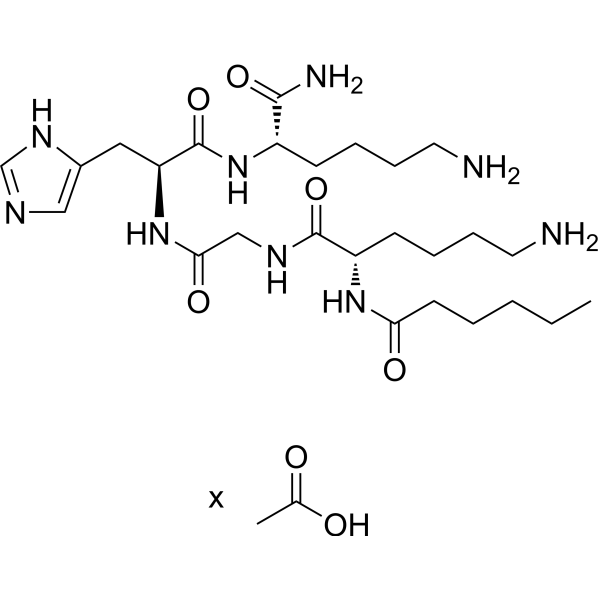
Caprooyl-tetrapeptide-3 acetate is used for fine lines and wrinkle reduction. Caprooyl-tetrapeptide-3 acetate stimulates the expression of collagen VII and laminin-5 in a model of corticoid-induced skin ageing .
Cys-Asp-Pro-Gly-Tyr-Ile-Gly-Ser-Arg-NH2 is a linear peptide from laminin B1 chain that interferes with tumor cell attachment and invasion into basement membrane and has anti-angiogenic effects .
PA22-2 (free acid) (Cys-Laminin A chain 2091-2108) is a peptide that supports neurite outgrowth and stimulates neuronal-like process formation. PA22-2 (free acid) can be used to culture human adenoid cystic carcinoma cells, and in the preparation of peptide-functionalized supported phospholipid bilayers .
YIGSR-Lys(N3) is a peptide that can inhibit the tumour growth and metastasis of leukaemic cells. YIGSR blocks the cellular binding to laminin I via a 67-kDa laminin-binding protein, and inhibits shear-induced increase in eNOS expression of laminin cells . YIGSR-Lys(N3) is a click chemistry reagent, it contains an Azide group and can undergo copper-catalyzed azide-alkyne cycloaddition reaction (CuAAc) with molecules containing Alkyne groups. It can also undergo strain-promoted alkyne-azide cycloaddition (SPAAC) reactions with molecules containing DBCO or BCN groups.
FN-A208 is a biological active peptide. (This peptide is a fusion of A208, derived from murine laminin a1, and the active site of fibronectin (GRGDS), with a glycine spacer. This peptide forms amyloid-like fibrils and promotes formation of actin stress fibers that mediate fibroblast cell attachment, offering it potential as a bioadhesive for tissue regeneration and engineering. FN-A208 interacts with IKVAV receptors and integrins. Its activity is disrupted by the presence of EDTA.)
YIGSRC is a laminin-mimetic peptide. YIGSRC supports endothelial cell adhesion and tube formation. YIGSRC contains a cysteine residue for chemical modification to hydrogels via thiol-ene reaction. YIGSRC can be chemically modified onto hydrogels to improve in vitro vascularization .
AG73 is a polypeptide. AG73 is derived from the G domain of the Laminin α1 chain. AG73 binds heparin, Syndecan-1 and Syndecan-4. AG73 promotes the adhesion of various cells, induces the differentiation of salivary gland acinar cells, stimulates neurite outgrowth, secretion of matrix metalloproteinases and angiogenesis. AG73 retains its angiogenic activity when conjugated to chitosan membranes. AG73 can be used in the research of melanoma and ischemic injury .
HYD-1 is a D-amino acid tumor cell adhesion peptide. HYD-1 contains overlapping linear peptide elements required for adhesion, migration blocking, and ERK signaling activation. HYD-1 supports adhesion of breast, prostate, ovarian, and pancreatic tumor cells, and shows no effect on tumor cell cycle distribution. HYD-1 can be used for the research of prostate cancer .
Cytostatin is an effective and selective protein phosphatase 2A (PP2A) inhibitor with an IC50 value of 210 nM. Cytostatin exhibits anti-metastatic properties, good antitumor activity, and can induce apoptosis. Cytostatin can also prevent the adhesion of B16 melanoma cells to components of the extracellular matrix (laminin and collagen). Cytostatin belongs to the family of natural product fosriecin .
Laminin 521 Protein is a subtype of the laminin family and an important component of the extracellular matrix (ECM). Laminin 521 Protein is often used as a substrate component for stem cell culture and can maintain the self-renewal capacity of embryonic stem cells and induced pluripotent stem cells. Laminin 521 Protein plays a key role in cell adhesion, migration, differentiation, and the development and homeostasis maintenance of tissues and organs. Laminin 521 Protein, Human (HEK293) is a recombinant Laminin 521 Protein expressed in HEK293 cells.
Laminin 521 Protein is a subtype of the laminin family and an important component of the extracellular matrix (ECM). Laminin 521 Protein is often used as a substrate component for stem cell culture and can maintain the self-renewal capacity of embryonic stem cells and induced pluripotent stem cells. Laminin 521 Protein plays a key role in cell adhesion, migration, differentiation, and the development and homeostasis maintenance of tissues and organs. Laminin 521 Protein, Human is a recombinant Laminin 521 Protein expressed in HEK293 cells.
Laminin 511 Protein is a subtype of the laminin family, composed of α5, β1, and γ1 chains. It mediates cell adhesion and promotes cell migration through interactions with cell surface receptors, and plays an important role in maintaining stem cell self-renewal and pluripotency, particularly in embryonic stem cells and induced pluripotent stem cells. Laminin 511 Protein is widely used as a component of the extracellular matrix (ECM) and can serve as a defined alternative to traditional animal-derived matrices, enabling better-defined culture systems for regenerative medicine research and therapeutic applications. Laminin 511 Protein, Human (HEK293) is a recombinant Laminin 511 Protein expressed in HEK293 cells.
Stabilin-2 protein is a multifunctional phosphatidylserine and hyaluronic acid receptor that engulfs apoptotic cells and mediates hyaluronic acid endocytosis. As a systemic scavenger receptor, it binds various ligands and supports extracellular matrix turnover and body mobility. Stabilin-2 Protein, Human (His) is the recombinant human-derived Stabilin-2 protein, expressed by E. coli , with C-His labeled tag.
Galectin-3/LGALS3 Protein is a type of galactoside-binding lectin that has a high binding affinity for carbohydrates with β-galactoside linkages. Galectin-3/LGALS3 Protein interacts with glycosylated proteins to mediate intercellular interactions and adhesion to the extracellular matrix. Galectin-3/LGALS3 Protein plays various roles, including regulating signaling pathways such as Wnt/β-catenin, affecting cell proliferation and survival, modulating immune functions, and influencing tumor progression. Galectin-3/LGALS3 Protein, Human is a recombinant galectin-3/LGALS3 protein expressed in E. coli.
Galectin-3 (LGALS3) is involved in multiple activities, including IgE binding and signaling receptor binding. It negatively regulates T-cell receptor signaling and modulates immune responses by modulating endocytosis and lymphocyte activation. Galectin-3/LGALS3 Protein, Mouse is the recombinant mouse-derived Galectin-3/LGALS3 protein, expressed by E. coli , with tag free.
The Galectin-3/LGALS3 protein is a galactose-specific lectin known for its diverse roles in cellular processes. It binds IgE and synergizes with α-3 and β-1 integrins to promote CSPG4-induced endothelial cell migration. Animal-Free Galectin-3/LGALS3 Protein, Human (His) is the recombinant human-derived animal-FreeGalectin-3/LGALS3 protein, expressed by E. coli , with N-His labeled tag. This product is for cell culture use only.
The Galectin-3/LGALS3 protein is a galactose-specific lectin known for its diverse roles in cellular processes. It binds IgE and synergizes with α-3 and β-1 integrins to promote CSPG4-induced endothelial cell migration. Galectin-3/LGALS3 Protein, Human (HEK293, His) is the recombinant human-derived Galectin-3/LGALS3 protein, expressed by HEK293 , with C-6*His labeled tag.
Galectin-1/LGALS1 is a lectin that binds β-galactoside and complex carbohydrates and regulates apoptosis, proliferation, and differentiation. It inhibits CD45 phosphatase activity, blocks Lyn kinase dephosphorylation, and induces T cell apoptosis. Animal-Free Galectin-1/LGALS1 Protein, Human (His) is the recombinant human-derived animal-FreeGalectin-1/LGALS1 protein, expressed by E. coli , with N-His labeled tag. This product is for cell culture use only.
Galectin-1/LGALS1 is a lectin that binds β-galactoside and complex carbohydrates and regulates apoptosis, proliferation, and differentiation. It inhibits CD45 phosphatase activity, blocks Lyn kinase dephosphorylation, and induces T cell apoptosis. Galectin-1/LGALS1 Protein, Human (His) is the recombinant human-derived Galectin-1/LGALS1 protein, expressed by E. coli , with C-6*His labeled tag.
DSPE-PEG2000-YIGSR is a PEG compound which composed of DSPE and a biomimetic peptide YIGSR. YIGSR interacts with the 67 kDa laminin binding protein (LBP) and promotes adhesion and spreading of a large number of cell types including endothelial cells, fibroblasts and smooth muscle cells. DSPE-PEG2000-YIGSR can be used for drug delivery .
DSPE-PEG1000-YIGSR is a PEG compound which composed of DSPE and a biomimetic peptide YIGSR. YIGSR interacts with the 67 kDa laminin binding protein (LBP) and promotes adhesion and spreading of a large number of cell types including endothelial cells, fibroblasts and smooth muscle cells. DSPE-PEG1000-YIGSR can be used for drug delivery .
DSPE-PEG3400-YIGSR is a PEG compound which composed of DSPE and a biomimetic peptide YIGSR. YIGSR interacts with the 67 kDa laminin binding protein (LBP) and promotes adhesion and spreading of a large number of cell types including endothelial cells, fibroblasts and smooth muscle cells. DSPE-PEG3400-YIGSR can be used for drug delivery .
DSPE-PEG5000-YIGSR is a PEG compound which composed of DSPE and a biomimetic peptide YIGSR. YIGSR interacts with the 67 kDa laminin binding protein (LBP) and promotes adhesion and spreading of a large number of cell types including endothelial cells, fibroblasts and smooth muscle cells. DSPE-PEG5000-YIGSR can be used for drug delivery .
Inquiry Online
Your information is safe with us. * Required Fields.
Western blot analysis of extracts from THP-1(lane 2(20μg), Jurkat (lane 3(20μg) and NIH3T3(lane 4(20μg) using FOXO1A (HY-P80132) Rabbit mAb. Proteins were transferred
to a PVDF membrane and blocked with 5% non-fat milk in TBST for 2 hour at room temperature. The primary antibody (1/1000) and Loading control antibody (Beta Actin, HY-P80438, 1/10000) was
used in 5% non-fat milk in TBST at 4°C overnight. Goat Anti-Mouse/Rabbit IgG-HRP Secondary Antibody (1/10000) was used for 1 hour at room temperature.
Western blot analysis of extracts from THP-1(lane 2(20μg), Jurkat (lane 3(20μg) and NIH3T3(lane 4(20μg) using FOXO1A (HY-P80132) Rabbit mAb. Proteins were transferred
to a PVDF membrane and blocked with 5% non-fat milk in TBST for 2 hour at room temperature. The primary antibody (1/1000) and Loading control antibody (Beta Actin, HY-P80438, 1/10000) was
used in 5% non-fat milk in TBST at 4°C overnight. Goat Anti-Mouse/Rabbit IgG-HRP Secondary Antibody (1/10000) was used for 1 hour at room temperature.
Western blot analysis of extracts from THP-1(lane 2(20μg), Jurkat (lane 3(20μg) and NIH3T3(lane 4(20μg) using FOXO1A (HY-P80132) Rabbit mAb. Proteins were transferred
to a PVDF membrane and blocked with 5% non-fat milk in TBST for 2 hour at room temperature. The primary antibody (1/1000) and Loading control antibody (Beta Actin, HY-P80438, 1/10000) was
used in 5% non-fat milk in TBST at 4°C overnight. Goat Anti-Mouse/Rabbit IgG-HRP Secondary Antibody (1/10000) was used for 1 hour at room temperature.
Western blot analysis of extracts from THP-1(lane 2(20μg), Jurkat (lane 3(20μg) and NIH3T3(lane 4(20μg) using FOXO1A (HY-P80132) Rabbit mAb. Proteins were transferred
to a PVDF membrane and blocked with 5% non-fat milk in TBST for 2 hour at room temperature. The primary antibody (1/1000) and Loading control antibody (Beta Actin, HY-P80438, 1/10000) was
MedchemExpress Validation 03
Western blot analysis of extracts from THP-1(lane 2(20μg), Jurkat (lane 3(20μg) and NIH3T3(lane 4(20μg) using FOXO1A (HY-P80132) Rabbit mAb. Proteins were transferred
MedchemExpress Validation 04
Western blot analysis of extracts from THP-1(lane 2(20μg), Jurkat (lane 3(20μg) and NIH3T3(lane 4(20μg) using FOXO1A (HY-P80132) Rabbit mAb. Proteins were transferred
to a PVDF membrane and blocked with 5% non-fat milk in TBST for 2 hour at room temperature. The primary antibody (1/1000) and Loading control antibody (Beta Actin, HY-P80438, 1/10000) was
used in 5% non-fat milk in TBST at 4°C overnight. Goat Anti-Mouse/Rabbit IgG-HRP Secondary Antibody (1/10000) was used for 1 hour at room temperature.
MedchemExpress Validation
Western blot analysis of extracts from THP-1(lane 2(20μg), Jurkat (lane 3(20μg) and NIH3T3(lane 4(20μg) using FOXO1A (HY-P80132) Rabbit mAb. Proteins were transferred
to a PVDF membrane and blocked with 5% non-fat milk in TBST for 2 hour at room temperature. The primary antibody (1/1000) and Loading control antibody (Beta Actin, HY-P80438, 1/10000) was
used in 5% non-fat milk in TBST at 4°C overnight. Goat Anti-Mouse/Rabbit IgG-HRP Secondary Antibody (1/10000) was used for 1 hour at room temperature.
Western blot analysis of extracts from THP-1(lane 2(20μg), Jurkat (lane 3(20μg) and NIH3T3(lane 4(20μg) using FOXO1A (HY-P80132) Rabbit mAb. Proteins were transferred
to a PVDF membrane and blocked with 5% non-fat milk in TBST for 2 hour at room temperature. The primary antibody (1/1000) and Loading control antibody (Beta Actin, HY-P80438, 1/10000) was
used in 5% non-fat milk in TBST at 4°C overnight. Goat Anti-Mouse/Rabbit IgG-HRP Secondary Antibody (1/10000) was used for 1 hour at room temperature.
MedchemExpress Validation
Western blot analysis of extracts from THP-1(lane 2(20μg), Jurkat (lane 3(20μg) and NIH3T3(lane 4(20μg) using FOXO1A (HY-P80132) Rabbit mAb. Proteins were transferred
to a PVDF membrane and blocked with 5% non-fat milk in TBST for 2 hour at room temperature. The primary antibody (1/1000) and Loading control antibody (Beta Actin, HY-P80438, 1/10000) was
used in 5% non-fat milk in TBST at 4°C overnight. Goat Anti-Mouse/Rabbit IgG-HRP Secondary Antibody (1/10000) was used for 1 hour at room temperature.
MedchemExpress Validation
Western blot analysis of extracts from THP-1(lane 2(20μg), Jurkat (lane 3(20μg) and NIH3T3(lane 4(20μg) using FOXO1A (HY-P80132) Rabbit mAb. Proteins were transferred
to a PVDF membrane and blocked with 5% non-fat milk in TBST for 2 hour at room temperature. The primary antibody (1/1000) and Loading control antibody (Beta Actin, HY-P80438, 1/10000) was
used in 5% non-fat milk in TBST at 4°C overnight. Goat Anti-Mouse/Rabbit IgG-HRP Secondary Antibody (1/10000) was used for 1 hour at room temperature.
MedchemExpress Validation
Western blot analysis of extracts from THP-1(lane 2(20μg), Jurkat (lane 3(20μg) and NIH3T3(lane 4(20μg) using FOXO1A (HY-P80132) Rabbit mAb. Proteins were transferred
to a PVDF membrane and blocked with 5% non-fat milk in TBST for 2 hour at room temperature. The primary antibody (1/1000) and Loading control antibody (Beta Actin, HY-P80438, 1/10000) was
used in 5% non-fat milk in TBST at 4°C overnight. Goat Anti-Mouse/Rabbit IgG-HRP Secondary Antibody (1/10000) was used for 1 hour at room temperature.
MedchemExpress Validation
Western blot analysis of extracts from THP-1(lane 2(20μg), Jurkat (lane 3(20μg) and NIH3T3(lane 4(20μg) using FOXO1A (HY-P80132) Rabbit mAb. Proteins were transferred
to a PVDF membrane and blocked with 5% non-fat milk in TBST for 2 hour at room temperature. The primary antibody (1/1000) and Loading control antibody (Beta Actin, HY-P80438, 1/10000) was
used in 5% non-fat milk in TBST at 4°C overnight. Goat Anti-Mouse/Rabbit IgG-HRP Secondary Antibody (1/10000) was used for 1 hour at room temperature.
MedchemExpress Validation
Western blot analysis of extracts from THP-1(lane 2(20μg), Jurkat (lane 3(20μg) and NIH3T3(lane 4(20μg) using FOXO1A (HY-P80132) Rabbit mAb. Proteins were transferred
to a PVDF membrane and blocked with 5% non-fat milk in TBST for 2 hour at room temperature. The primary antibody (1/1000) and Loading control antibody (Beta Actin, HY-P80438, 1/10000) was
used in 5% non-fat milk in TBST at 4°C overnight. Goat Anti-Mouse/Rabbit IgG-HRP Secondary Antibody (1/10000) was used for 1 hour at room temperature.
MedchemExpress Validation
Western blot analysis of extracts from THP-1(lane 2(20μg), Jurkat (lane 3(20μg) and NIH3T3(lane 4(20μg) using FOXO1A (HY-P80132) Rabbit mAb. Proteins were transferred
to a PVDF membrane and blocked with 5% non-fat milk in TBST for 2 hour at room temperature. The primary antibody (1/1000) and Loading control antibody (Beta Actin, HY-P80438, 1/10000) was
used in 5% non-fat milk in TBST at 4°C overnight. Goat Anti-Mouse/Rabbit IgG-HRP Secondary Antibody (1/10000) was used for 1 hour at room temperature.
MedChemExpress values your privacy and your trust is important to us. We use cookies to enhance your website experience. Some cookies are necessary to run the website.
Privacy and Cookie Policy

